

MetaEuk—sensitive, high-throughput gene discovery, and annotation for large-scale eukaryotic metagenomics
Open accessPublished version of a preprint
The DOI matches its Crossref record; 66 of the 66 references it cites were found in a registry or an index.
Abstract
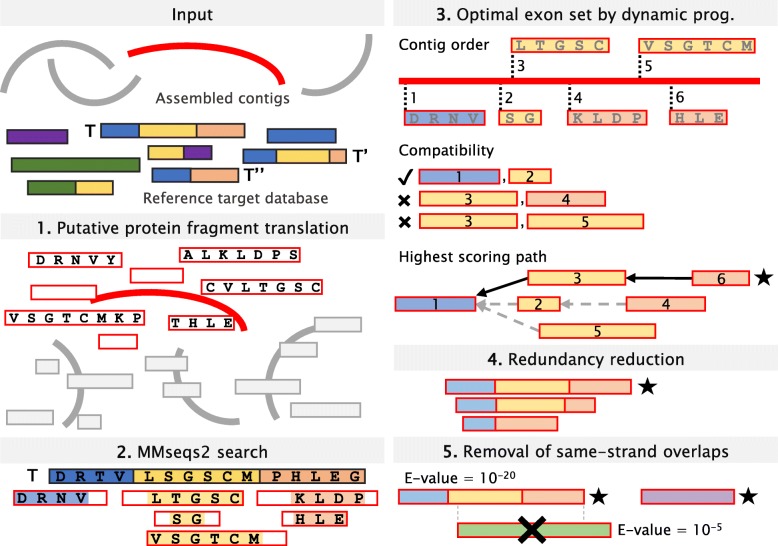
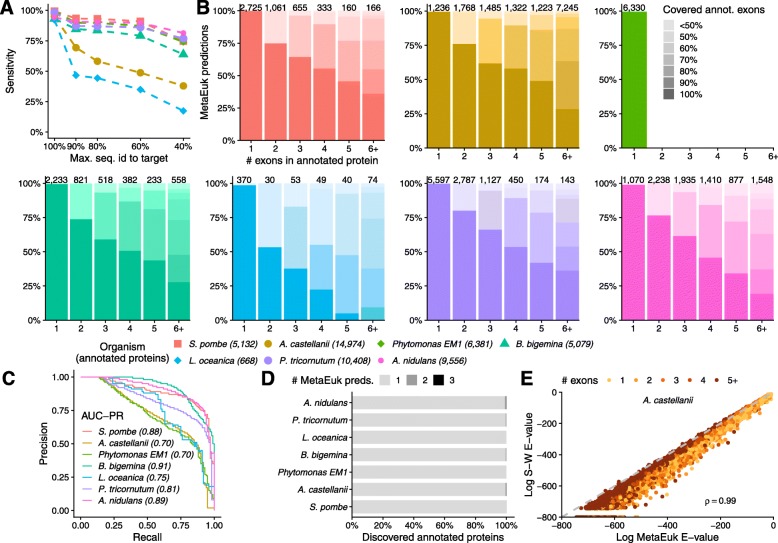
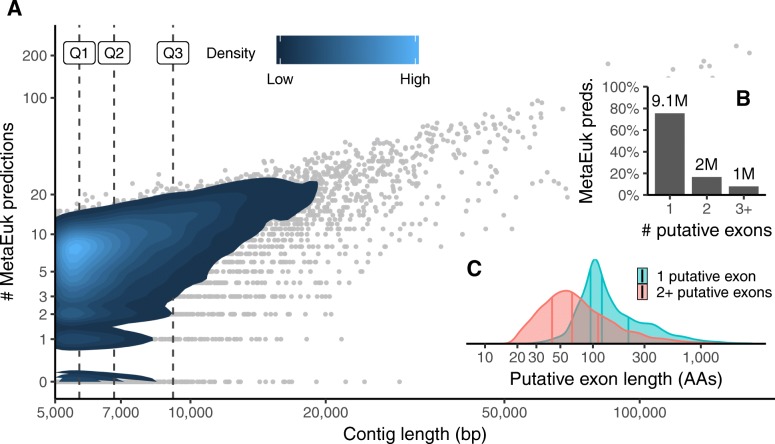
Background: Metagenomics is revolutionizing the study of microorganisms and their involvement in biological, biomedical, and geochemical processes, allowing us to investigate by direct sequencing a tremendous diversity of organisms without the need for prior cultivation. Unicellular eukaryotes play essential roles in most microbial communities as chief predators, decomposers, phototrophs, bacterial hosts, symbionts, and parasites to plants and animals. Investigating their roles is therefore of great interest to ecology, biotechnology, human health, and evolution. However, the generally lower sequencing coverage, their more complex gene and genome architectures, and a lack of eukaryote-specific experimental and computational procedures have kept them on the sidelines of metagenomics. Results: MetaEuk is a toolkit for high-throughput, reference-based discovery, and annotation of protein-coding genes in eukaryotic metagenomic contigs. It performs fast searches with 6-frame-translated fragments covering all possible exons and optimally combines matches into multi-exon proteins. We used a benchmark of seven diverse, annotated genomes to show that MetaEuk is highly sensitive even under conditions of low sequence similarity to the reference database. To demonstrate MetaEuk’s power to discover novel eukaryotic proteins in large-scale metagenomic data, we assembled contigs from 912 samples of the Tara Oceans project. MetaEuk predicted >12,000,000 protein-coding genes in 8 days on ten 16-core servers. Most of the discovered proteins are highly diverged from known proteins and originate from very sparsely sampled eukaryotic supergroups. Conclusion: The open-source (GPLv3) MetaEuk software ( https://github.com/soedinglab/metaeuk ) enables large-scale eukaryotic metagenomics through reference-based, sensitive taxonomic and functional annotation.
Overview
The claims and statistics of this paper haven’t been checked yet.
Free: it reads the open-access text and checks the first 5 claims that cite a source we can check. Create a free account to check every claim.
Integrity signals
Registry
Cites
Statistics
Figures
Verification
Claims the paper makes
The claims and statistics of this paper haven’t been checked yet.
Free: it reads the open-access text and checks the first 5 claims that cite a source we can check. Create a free account to check every claim.
Self-check
Percentages, sums and reported differences re-computed from the paper’s own numbers.
The self-check needs the paper’s full text.
Citations
Cites
Trimmomatic: a flexible trimmer for Illumina sequence data
Bolger, A. M., Lohse, M., & Usadel, B. (2014) · Bioinformatics · doi:10.1093/bioinformatics/btu170 · Cited by 65,548 · cited 1×
“38 [59] with 582 parameters ILLUMINACLIP:TruSeq3-PE.”
RAxML version 8: a tool for phylogenetic analysis and post-analysis of large phylogenies
Stamatakis, A. (2014) · Bioinformatics · doi:10.1093/bioinformatics/btu033 · Cited by 32,291 · cited 4×
“We aligned these sequences using MAFFT [44] and constructed the maximum-likelihood phylogeny using RAxML [45].”
MethodInfluentialLi, D., Liu, C.-M., Luo, R., Sadakane, K., & Lam, T.-W. (2015) · Bioinformatics · doi:10.1093/bioinformatics/btv033 · Cited by 9,893 · cited 4×
“The resulting reads were 584 then assembled with MEGAHIT [38] with default parameters.”
MethodInfluentialUniProt: the Universal Protein knowledgebase
Apweiler, R. (2004) · Nucleic Acids Research · doi:10.1093/nar/gkh131 · Cited by 7,498 · cited 8×
“For datasets (4, 5), we first down-loaded candidate proteins from the UniProt database by searching for the five domains and restricting taxonomy: archaea (bacteria).”
BackgroundMethodInfluentialCanu: scalable and accurate long-read assembly via adaptive k -mer weighting and repeat separation
Koren, S., Walenz, B. P., Berlin, K., Miller, J. R., Bergman, N. H., & Phillippy, A. M. (2017) · Genome Research · doi:10.1101/gr.215087.116 · Cited by 7,304
Primary production of the biosphere: Integrating terrestrial and oceanic components
Field, C. B., Behrenfeld, M. J., Randerson, J. T., & Falkowski, P. (1998) · Science · doi:10.1126/science.281.5374.237 · Cited by 6,371 · cited 1×
“They account for roughly half of the global primary productivity 49 in the oceans, mostly by photosynthesis [8], are key contributors to the carbon and nitrogen 50 cycles through carbon-dioxide fixation, organic matter degradation, and denitrification [9,10], 51 and have been shown to be a source for chemically bioact…”
BackgroundInteractive Tree Of Life (iTOL) v4: recent updates and new developments
Letunic, I., & Bork, P. (2019) · Nucleic Acids Research · doi:10.1093/nar/gkz239 · Cited by 5,925 · cited 1×
“Tree visualization was 625 performed in iTOL [62].”
MethodMMseqs2 enables sensitive protein sequence searching for the analysis of massive data sets
Steinegger, M., & Söding, J. (2017) · Nature Biotechnology · doi:10.1038/nbt.3988 · Cited by 4,840
UniProt: the universal protein knowledgebase
The UniProt Consortium (2017) · Nucleic Acids Research · doi:10.1093/nar/gkw1099 · Cited by 4,436
Korf, I. (2004) · BMC Bioinformatics · doi:10.1186/1471-2105-5-59 · Cited by 3,192
Cited by
ColabFold - Making protein folding accessible to all
Mirdita, M., Schütze, K., Moriwaki, Y., Heo, L., Ovchinnikov, S., & Steinegger, M. (2021) · doi:10.1101/2021.08.15.456425 · Cited by 9,391
Self-citationManni, M., Berkeley, M. R., Seppey, M., Simão, F. A., & Zdobnov, E. M. (2021) · Molecular Biology and Evolution · doi:10.1093/molbev/msab199 · Cited by 6,187
“…predictor Prodigal (Hyatt et al. 2010); 3) an alternative workflow for the assessment of eukaryotic genomes using the gene predictor MetaEuk (Levy Karin et al. 2020); 4) a workflow to automatically select the most appropriate BUSCO data set, enabling the analysis of sequences of unknown origin;…”
MethodBUSCO: Assessing Genomic Data Quality and Beyond
Manni, M., Berkeley, M. R., Seppey, M., & Zdobnov, E. M. (2021) · Current Protocols · doi:10.1002/cpz1.323 · Cited by 1,286
compleasm: a faster and more accurate reimplementation of BUSCO
Huang, N., & Li, H. (2023) · Bioinformatics · doi:10.1093/bioinformatics/btad595 · Cited by 333
“On the contrary, the completeness reported by BUSCO decreased because MetaEuk interrupted the sequence alignment due to frameshifts.”
MethodInfluentialGenome assembly in the telomere-to-telomere era
Li, H., & Durbin, R. (2024) · Nature Reviews Genetics · doi:10.1038/s41576-024-00718-w · Cited by 224
“It works by aligning conserved single-copy proteins to the genome 127 and counting alignments that are missing, broken or duplicated: the less complete the assembly, the more proteins are una-ligned.”
Delmont, T. O., Gaia, M., Hinsinger, D. D., Frémont, P., Vanni, C., Fernandez-Guerra, A., Eren, A. M., Kourlaiev, A., d'Agata, L., Clayssen, Q., et al. (2022) · Cell Genomics · doi:10.1016/j.xgen.2022.100123 · Cited by 173
Estimating the quality of eukaryotic genomes recovered from metagenomic analysis with EukCC
Saary, P., Mitchell, A. L., & Finn, R. D. (2020) · Genome Biology · doi:10.1186/s13059-020-02155-4 · Cited by 131
Perspectives from Ten Years of Protist Studies by High‐Throughput Metabarcoding
Santoferrara, L. F., Burki, F., Filker, S., Logares, R., Dunthorn, M., & McManus, G. B. (2020) · Journal of Eukaryotic Microbiology · doi:10.1111/jeu.12813 · Cited by 127
Community standards and future opportunities for synthetic communities in plant–microbiota research
Northen, T. R., Kleiner, M., Torres, M., Kovács, Á. T., Nicolaisen, M. H., Krzyżanowska, D. M., Sharma, S., Lund, G., Jelsbak, L., Baars, O., et al. (2024) · Nature Microbiology · doi:10.1038/s41564-024-01833-4 · Cited by 142
“A few recent examples include KBase 71 , METABOLIC 72 and MetaEuk 73 .”
xTrimoPGLM: Unified 100B-Scale Pre-trained Transformer for Deciphering the Language of Protein
Chen, B., Cheng, X., Li, P., Geng, Y.-A., Gong, J., Li, S., Bei, Z., Tan, X., Wang, B., Zeng, X., et al. (2023) · bioRxiv (Cold Spring Harbor Laboratory) · doi:10.1101/2023.07.05.547496 · Cited by 107
“ColAbFoldDB is established through an amalgamation of various metagenomic databases including BFD 8, MGnify [46], SMAG (eukaryotes) [47], MetaEuk (eukaryotes) [48], TOPAZ (eukaryotes) [49], MGV (DNA viruses) [50], GPD (bacteriophages) [51], and an updated version of the MetaClust [52] dataset.”
MethodAltered microbial CAZyme families indicated dead biomass decomposition following afforestation
Ren, C., Zhang, X., Zhang, S., Wang, J., Xu, M., Guo, Y., Wang, J., Han, X., Zhao, F., Yang, G., et al. (2021) · Soil Biology and Biochemistry · doi:10.1016/j.soilbio.2021.108362 · Cited by 104
Anammox bacteria adapt to long-term light irradiation in photogranules
Kong, L., Zheng, R., Feng, Y., Du, W., Xie, C., Gu, Y., & Liu, S. (2023) · Water Research · doi:10.1016/j.watres.2023.120144 · Cited by 83
Busi, S. B., Bourquin, M., Fodelianakis, S., Michoud, G., Kohler, T. J., Peter, H., Pramateftaki, P. V., Styllas, M. N., Tolosano, M., Staercke, V. D., et al. (2022) · Nature Communications · doi:10.1038/s41467-022-29914-0 · Cited by 86
High-resolution metagenomic reconstruction of the freshwater spring bloom
Kavagutti, V., Bulzu, P., Chiriac, M., Salcher, M. M., Mukherjee, I., Shabarova, T., Grujčić, V., Mehrshad, M., Kasalický, V., Andrei, A., et al. (2023) · Microbiome · doi:10.1186/s40168-022-01451-4 · Cited by 74
Alexander, H., Hu, S. K., Krinos, A. I., Pachiadaki, M., Tully, B. J., Neely, C. J., & Reiter, T. (2021) · doi:10.1101/2021.07.25.453713 · Cited by 67
Alexander, H., Hu, S. K., Krinos, A. I., Pachiadaki, M., Tully, B. J., Neely, C. J., & Reiter, T. (2023) · mBio · doi:10.1128/mbio.01676-23 · Cited by 65
Soil microbial responses to multiple global change factors as assessed by metagenomics
del Río, Á. R., Scheu, S., & Rillig, M. C. (2025) · Nature Communications · doi:10.1038/s41467-025-60390-4 · Cited by 79
“For running gene predictions, we ran MetaEuk 115 (easy-predict fl ag) for the contigs classi fi ed as eukaryotic by Whokaryote, and Prodigal 116 (-p metaand-fgffparameters)forthecontigsclassi fi edasnon-eukaryotic.”
Zhang, Z., Liu, L., Pan, Y.-P., Pan, J., & Li, M. (2023) · Microbiome · doi:10.1186/s40168-023-01630-x · Cited by 70
“Eukaryotic genes were predicated from eukaryotic contigs using MetaEuk [88].”
MethodWhokaryote: distinguishing eukaryotic and prokaryotic contigs in metagenomes based on gene structure
Pronk, L. J. U., & Medema, M. H. (2022) · Microbial Genomics · doi:10.1099/mgen.0.000823 · Cited by 55
Ayala, D. E., Macalady, J. L., Sánchez‐España, J., Falagán, C., Couradeau, E., & Burgos, W. D. (2022) · The ISME Journal · doi:10.1038/s41396-022-01320-w · Cited by 65
“Eukaryotic contigs from co-assembled metagenomes were selected with EukRep [78] and genes were predicted with MetaEuk [79] using the NCBI-nr database (downloaded May 2020).”
MethodChen, B., Cheng, X., Li, P., Geng, Y., Gong, J., Li, S., Bei, Z., Tan, X., Wang, B., Zeng, X., et al. (2025) · Nature Methods · doi:10.1038/s41592-025-02636-z · Cited by 241
“…is established through an amalgamation of various metagenomic databases including BFD (https://bfd.mmseqs.com/), MGnify 51 , SMAG (eukaryotes) 52 , MetaEuk (eukaryotes) 53 , TOPAZ (eukaryotes) 54 , MGV (DNA viruses) 55 , GPD (bacteriophages) 56 and an updated version of the MetaClust 57 dataset.”
Technical considerations in Hi‐C scaffolding and evaluation of chromosome‐scale genome assemblies
Yamaguchi, K., Kadota, M., Nishimura, O., Ohishi, Y., Naito, Y., & Kuraku, S. (2021) · Molecular Ecology · doi:10.1111/mec.16146 · Cited by 69
(2021) · doi:10.1371/journal.pone.0259871 · Cited by 54
Williams, T. J., Allen, M. A., Ivanova, N., Huntemann, M., Haque, S., Hancock, A. M., Brazendale, S., & Cavicchioli, R. (2021) · Frontiers in Microbiology · doi:10.3389/fmicb.2021.674758 · Cited by 57
“To identify the taxonomy of the bins that were highly correlated to Ca. Organicella, MetaEuk v. 20200908 (Levy Karin et al., 2020) was used to identify eukaryotic proteins and assign taxonomy via the 2bLCA lowest common ancestor approach.”
MethodMetagenome-assembled genomes of phytoplankton microbiomes from the Arctic and Atlantic Oceans
Duncan, A., Barry, K., Daum, C. G., Eloe‐Fadrosh, E. A., Roux, S., Schmidt, K., Tringe, S. G., Valentin, K.-U., Varghese, N. J., Salamov, A. A., et al. (2022) · Microbiome · doi:10.1186/s40168-022-01254-7 · Cited by 70
“Levy Karin E, Mirdita M, Söding J. MetaEuk—sensitive, high‑throughput gene discovery, and annotation for large‑scale eukaryotic metagenom‑ ics.”
MethodDelmont, T. O., Gaïa, M., Hinsinger, D. D., Frémont, P., Vanni, C., Fernàndez-Guerra, A., Eren, A. M., Kourlaiev, A., d’Agata, L., Clayssen, Q., et al. (2020) · bioRxiv (Cold Spring Harbor Laboratory) · doi:10.1101/2020.10.15.341214 · Cited by 49
Tagirdzhanova, G. M., Saary, P., Tingley, J. P., Díaz-Escandón, D., Abbott, D. W., Finn, R. D., & Spribille, T. (2021) · Genome Biology and Evolution · doi:10.1093/gbe/evab047 · Cited by 50
Jaffe, A. L., Konno, M., Kawasaki, Y., Kataoka, C., Béjà, O., Kandori, H., Inoue, K., & Banfield, J. F. (2022) · The ISME Journal · doi:10.1038/s41396-022-01231-w · Cited by 32
“Structure of SacRNC335 was modeled by AlphaFold2 [11] using an unmodified version of ColabFold [12], with the default MSA pipeline, a MMseqs2 [31] search of UniRef [32] and environmental sample sequence databases [33, 34].”
MethodProtein sequence‐to‐structure learning: Is this the end(‐to‐end revolution)?
Laine, E., Eismann, S., Elofsson, A., & Grudinin, S. (2021) · Proteins: Structure, Function, and Bioinformatics · doi:10.1002/prot.26235 · Cited by 44
“They include databases like NCBI GenBank [66], Metaclust [67], BFD [68], MetaEuk [69], EBI MGnify [70], and IMG/M [71].”
MethodScaling Unlocks Broader Generation and Deeper Functional Understanding of Proteins
Bhatnagar, A., Jain, S., Beazer, J., Curran, S. C., Hoffnagle, A. M., Ching, K., Martyn, M., Nayfach, S., Ruffolo, J. A., & Madani, A. (2025) · neural information processing systems · doi:10.52202/085713-1536 · Cited by 76
Gerrick, E. R., Zlitni, S., West, P. T., Carter, M. M., Mechler, C. M., Olm, M. R., Caffrey, E. B., Li, J. A., Higginbottom, S. K., Severyn, C. J., et al. (2023) · Cell · doi:10.1016/j.cell.2023.11.018 · Cited by 45
Metagenomic and Metatranscriptomic Study of Microbial Metal Resistance in an Acidic Pit Lake
Ayala, D. E., Burgos, W. D., Sánchez‐España, J., Couradeau, E., Falagán, C., & Macalady, J. L. (2020) · Microorganisms · doi:10.3390/microorganisms8091350 · Cited by 46
Gluck‐Thaler, E., & Vogan, A. A. (2024) · Nucleic Acids Research · doi:10.1093/nar/gkae327 · Cited by 48
“Targeted gene prediction is first executed using the command ‘starfish annotate’, which runs the program Metaeuk easy-predict using an input file containing amino acid sequences of interest from diverse fungal species spanning the fungal tree of life ( 40 , 49 , 51 ).”
Chromatin loops are an ancestral hallmark of the animal regulatory genome
Kim, I. V., Navarrete, C., Grau‐Bové, X., Iglesias, M., Elek, A., Zolotarov, G., Bykov, N. S., Montgomery, S. A., Księżopolska, E., Cañas-Armenteros, D., et al. (2025) · Nature · doi:10.1038/s41586-025-08960-w · Cited by 49
The western redcedar genome reveals low genetic diversity in a self-compatible conifer
Shalev, T. J., El‐Dien, O. G., Yuen, M. M. S., Shengqiang, S., Jackman, S. D., Warren, R. L., Coombe, L., van der Merwe, L., Stewart, A., Boston, L. B., et al. (2022) · Genome Research · doi:10.1101/gr.276358.121 · Cited by 42
“We observe a decline in Ne from ∼ 500,000 beginning ca. 2 MYA, accelerating from ∼40 KYA down to under 300 by present day, consistent with one or more bottleneck events during the recent glacial maximum (Figure S6).”
BackgroundSeasonal dynamics and diversity of Antarctic marine viruses reveal a novel viral seascape
Piedade, G. J., Schön, M. E., Lood, C., Fofanov, M. V., Wesdorp, E. M., Biggs, T. E. G., Wu, L., Bolhuis, H., Fischer, M., Yutin, N., et al. (2024) · Nature Communications · doi:10.1038/s41467-024-53317-y · Cited by 48
Llewellyn, T., Nowell, R. W., Aptroot, A., Temina, M., Prescott, T. A. K., Barraclough, T. G., & Gaya, E. (2023) · Genome Biology and Evolution · doi:10.1093/gbe/evad002 · Cited by 33
Espinoza, J. L., & Dupont, C. L. (2022) · BMC Bioinformatics · doi:10.1186/s12859-022-04973-8 · Cited by 34
“A protein database is required not only for eukaryotic gene calls using MetaEuk and these results can also be leveraged for MAG annotation.”
MethodInfluentialCommunity‐scale models of microbiomes: Articulating metabolic modelling and metagenome sequencing
Cerk, K., Ugalde‐Salas, P., Nedjad, C. G., Lecomte, M., Muller, C., Sherman, D. J., Hildebrand, F., Labarthe, S., & Frioux, C. (2024) · Microbial Biotechnology · doi:10.1111/1751-7915.14396 · Cited by 44
“Recent methodological developments tackle this challenge, through the identification of eukaryotic contigs and genes (Karlicki et al., 2022; Pronk & Medema, 2022; Stanke et al., 2004) and their subsequent annotation, for instance with MetaEuk (Karin et al., 2020).”
BackgroundDeepMicroClass sorts metagenomic contigs into prokaryotes, eukaryotes and viruses
Hou, S., Tang, T., Cheng, S., Liu, Y., Xia, T., Chen, T., Fuhrman, J. A., & Sun, F. (2024) · NAR Genomics and Bioinformatics · doi:10.1093/nargab/lqae044 · Cited by 38
“Alignment-based applications such as Kaiju ( 44 ) and MetaEuk ( 45 ) search for close matches in reference databases, thus can be used to assign reads or contigs to taxonomic groups.”
MethodThe brittle star genome illuminates the genetic basis of animal appendage regeneration
Parey, E., Ortega‐Martinez, O., Delroisse, J., Piovani, L., Czarkwiani, A., Dylus, D. V., Arya, S., Dupont, S., Thorndyke, M. C., Larsson, T., et al. (2024) · Nature Ecology & Evolution · doi:10.1038/s41559-024-02456-y · Cited by 41
DNA methylation enables recurrent endogenization of giant viruses in an animal relative
Sarre, L. A., Kim, I. V., Ovchinnikov, V. Y., Olivetta, M., Suga, H., Dudin, O., Sebé-Pedrós, A., & de Mendoza, A. (2024) · Science Advances · doi:10.1126/sciadv.ado6406 · Cited by 32
Going to extremes – a metagenomic journey into the dark matter of life
Aevarsson, A., Kaczorowska, A., Aðalsteinsson, B. Þ., Ahlqvist, J., Al‐Karadaghi, S., Altenbuchner, J., Arsın, H., Atlason, Ú. Á., Brandt, D., Cichowicz-Cieślak, M., et al. (2021) · FEMS Microbiology Letters · doi:10.1093/femsle/fnab067 · Cited by 35
Self-citationPayne, Z. L., Penny, G. M., Turner, T. N., & Dutcher, S. K. (2022) · Plant Communications · doi:10.1016/j.xplc.2022.100493 · Cited by 33
Sánchez‐España, J., Falagán, C., Ayala, D. E., & Wendt‐Potthoff, K. (2020) · Microorganisms · doi:10.3390/microorganisms8081218 · Cited by 28
Giant transposons promote strain heterogeneity in a major fungal pathogen
Gluck‐Thaler, E., Forsythe, A., Puerner, C. T. S., Gutierrez-Perez, C., Stajich, J., Croll, D., Cramer, R. A., & Vogan, A. A. (2025) · mBio · doi:10.1128/mbio.01092-25 · Cited by 32
Chen, S. H., Rossetto, M., van der Merwe, M. M., Lu‐Irving, P., Yap, J. S., Sauquet, H., Bourke, G., Amos, T. G., Bragg, J. G., & Edwards, R. J. (2022) · Molecular Ecology Resources · doi:10.1111/1755-0998.13574 · Cited by 30
Computational Metagenomics: State of the Art
Pita-Galeana, M. A., Ruhle, M., López-Vázquez, L., de Anda‐Jáuregui, G., & Lemus, E. H. (2025) · International Journal of Molecular Sciences · doi:10.3390/ijms26189206 · Cited by 35
“For example, MetaEuk [56], benchmarked on large-scale marine microbiomes, demonstrated high sensitivity (~92”
Greenhalgh, R., Holding, M. L., Orr, T. J., Henderson, J., Parchman, T. L., Matocq, M. D., Shapiro, M. D., & Dearing, M. D. (2022) · Molecular Ecology Resources · doi:10.1111/1755-0998.13650 · Cited by 28
“We ran busco v.4.1.4 (Seppey et al., 2019), which uses the gene predictions of both augustus and tblastn, and the newer busco v.5.0.0, which employs metaeuk (Levy Karin et al., 2020).”
MethodInfluentialPeck, L. D., Llewellyn, T., Bennetot, B., O’Donnell, S., Nowell, R. W., Ryan, M. J., Flood, J., de la Vega, R. C. R., Ropars, J., Giraud, T., et al. (2024) · PLoS Biology · doi:10.1371/journal.pbio.3002480 · Cited by 28
Whole genome assemblies of Zophobas morio and Tenebrio molitor
Kaur, S., Stinson, S. A., & diCenzo, G. C. (2023) · G3 Genes Genomes Genetics · doi:10.1093/g3journal/jkad079 · Cited by 30
“Genome completeness metrics were calculated using BUSCO version 5.1.2 (Manni et al. 2021) with the eukaryota_odb10 and endopterygota_odb10 datasets with MetaEuk version 4-a0f584d (Levy Karin et al. 2020), HMMER version 3.2.1 (Eddy 2004), and BLAST+ version 2.12.0 (Camacho et al. 2009).”
MethodInfluentialTao, M., Chen, J., Cui, C., Xu, Y., Xu, J., Shi, Z., Yun, J., Zhang, J., Ou, G.-Z., Liu, C., et al. (2024) · Nature Aging · doi:10.1038/s43587-024-00641-z · Cited by 25
“38).”
Sensitive clustering of protein sequences at tree-of-life scale using DIAMOND DeepClustPreprint
Buchfink, B., Ashkenazy, H., Reuter, K., Kennedy, J. A., & Drost, H. (2023) · bioRxiv (Cold Spring Harbor Laboratory) · doi:10.1101/2023.01.24.525373 · Cited by 23
Phylogenomics supports a single origin of terrestriality in isopods
Thomas, J. (2024) · Proceedings of the Royal Society B Biological Sciences · doi:10.1098/rspb.2024.1042 · Cited by 25
“Coding sequences were extracted from longer genomic contigs with MetaEuk v. 6.a5d39d9, using translated amino acid sequences as reference [56].”
MethodIdentifying Eukaryotes and Factors Influencing Their Biogeography in Drinking Water Metagenomes
Gabrielli, M., Dai, Z., Delafont, V., Timmers, P. H. A., van der Wielen, P. W. J. J., Antonelli, M., & Pinto, A. J. (2023) · Environmental Science & Technology · doi:10.1021/acs.est.2c09010 · Cited by 27
Baltoumas, F. A., Karatzas, E., Páez-Espino, D., Venetsianou, N. K., Aplakidou, E., Oulas, A., Finn, R. D., Ovchinnikov, S., Pafilis, E., Kyrpides, N. C., et al. (2023) · Frontiers in Bioinformatics · doi:10.3389/fbinf.2023.1157956 · Cited by 25
“While some metagenome-speci fi c eukaryotic gene predictors have also recently appeared in the literature, such as MetaEuk (Levy Karin et al., 2020) and EukMetaSanity (Neely et al., 2021), they are mostly based on homology searches against reference databases or RNAseq evidence, rather than actually…”
BackgroundThongbunrod, N., & Chaiprasert, P. (2022) · Biomass Conversion and Biorefinery · doi:10.1007/s13399-022-03129-1 · Cited by 21
“…and analyzed following the Galaxy training material for shot-gun metagenomics data [49], assembled by the metaSPAdes tool [50]; the taxonomic information was generated by Met-aPhlAn2, and the pathways and lignocellulolytic genes were classified using HUMAn2 (Galaxy Version 0.11.1.0) [51].”
Influentialvan Steenbrugge, J. J. M., van den Elsen, S. J. J., Holterman, M., Lozano‐Torres, J. L., Putker, V., Thorpe, P., Goverse, A., Sterken, M. G., Smant, G., & Helder, J. (2022) · Molecular Ecology · doi:10.1111/mec.16505 · Cited by 23
“Completeness of the assemblies was assessed using busco version 5.2.2 using the eukaryota_odb10 database (Manni et al., 2021). busco was run in genome mode using metaeuk version 5.34c21f2 as the gene predictor (Levy Karin et al., 2020).”
MethodInfluentialMonjot, A., Bronner, G., Courtine, D., Cruaud, C., Silva, C. D., Aury, J., Gavory, F., Moné, A., Vellet, A., Wawrzyniak, I., et al. (2023) · Environmental Microbiology · doi:10.1111/1462-2920.16531 · Cited by 24
Ge, D., Wen, Z., Feijó, A., Lissovsky, A. A., Zhang, W., Cheng, J., Yan, C., She, H., Zhang, D., Cheng, Y., et al. (2022) · Molecular Biology and Evolution · doi:10.1093/molbev/msac274 · Cited by 22
Martín‐Hernández, G. C., Müller, B., Chmielarz, M., Brandt, C., Hölzer, M., Viehweger, A., & Passoth, V. (2021) · Genomics · doi:10.1016/j.ygeno.2021.10.006 · Cited by 20
Telomere-to-telomere genome assembly of the goose Anser cygnoides
Zhao, H., Zhou, H., Sun, G., Dong, B., Zhu, W., Mu, X., Li, X., Wang, J., Zhao, M., Yang, W., et al. (2024) · Scientific Data · doi:10.1038/s41597-024-03567-8 · Cited by 26
Mixture of Experts Enable Efficient and Effective Protein Understanding and DesignPreprint
Sun, N., Zou, S., Tao, T., Mahbub, S., Li, D., Zhuang, Y., Wang, H., Cheng, X., Song, L., & Xing, E. P. (2024) · bioRxiv (Cold Spring Harbor Laboratory) · doi:10.1101/2024.11.29.625425 · Cited by 30
“The ColabfoldDB emphasizes metagenomic data sources such as BFD [30], MGnify [31], and various eukaryotic and viral datasets, including SMAG [32], MetaEuk [33], TOPAZ [34], MGV [35], and GPD [36].”
Qi, H., Lv, J., Liao, J., Jin, J., Ren, Y., Yi, T., Wang, D., Alvarez, P. J. J., & Yu, P. (2024) · Water Research · doi:10.1016/j.watres.2024.122676 · Cited by 18
“The protein-coding genes of the Metagenome-assembled genomes (MAGs) were predicted with MetaEuk (Levy Karin et al., 2020).”
Tagirdzhanova, G. M., Saary, P., Tingley, J. P., Díaz-Escandón, D., Abbott, D. W., Finn, R. D., & Spribille, T. (2021) · Genome Biology and Evolution · doi:10.1093/gbe/evab129 · Cited by 18
Petascale Homology Search for Structure Prediction
Lee, S., Kim, G., Karin, E. L., Mirdita, M., Park, S., Chikhi, R., Babaian, A., Kryshtafovych, A., & Steinegger, M. (2023) · bioRxiv (Cold Spring Harbor Laboratory) · doi:10.1101/2023.07.10.548308 · Cited by 15
Self-citationChen, L., Wang, J., He, L., Xu, X., Wang, J., Ren, C., Guo, Y., & Zhao, F. (2022) · Plant and Soil · doi:10.1007/s11104-023-06104-5 · Cited by 17
Ludington, A. J., Hammond, J. W., Breen, J., Deveson, I. W., & Sanders, K. L. (2023) · BMC Biology · doi:10.1186/s12915-023-01772-2 · Cited by 22
“This representative protein set, along with the reviewed Swissprot database, was then used to generate homology-based gene predictions for each snake using MetaEuk easy-predict (v6.a5d39d9) [153].”
MethodMolecular phylogeny of north European Geometridae (Lepidoptera: Geometroidea)
Õunap, E., Nedumpally, V., Yapar, E., Lemmon, A. R., & Tammaru, T. (2024) · Systematic Entomology · doi:10.1111/syen.12638 · Cited by 19
“The pipeline operates in the following steps: (1) The gene predictor software MetaEuk was run on the genome assemblies in the ‘ easy-predict ’ mode, using the amino acid translations of the reference sequences as target genes.”
InfluentialKajitani, R., Noguchi, H., Gotoh, Y., Ogura, Y., Yoshimura, D., Okuno, M., Toyoda, A., Kuwahara, T., Hayashi, T., & Itoh, T. (2021) · Nucleic Acids Research · doi:10.1093/nar/gkab831 · Cited by 19
“Nonhuman eukaryotic sequences in assemblies were searched using MetaEuk (version 4) (50).”
MethodUsing metagenomic data to boost protein structure prediction and discovery
Hou, Q., Pucci, F., Pan, F., Xue, F., Rooman, M. J., & Feng, Q. (2022) · Computational and Structural Biotechnology Journal · doi:10.1016/j.csbj.2021.12.030 · Cited by 20
“Other resources are mainly databases that collect eukaryotic metagenomic data such as TOPAZ [50], SMAGs [51] and MetaEuk [52] or viral metagenomes such as MetaVir [53], VIROME [54], Metagenomic Gut Virus (MGV) [55] and Gut Phage Database (GPD) [56].”
BackgroundMabs, a suite of tools for gene-informed genome assembly
Schelkunov, M. I. (2023) · BMC Bioinformatics · doi:10.1186/s12859-023-05499-3 · Cited by 17
“In contrast, proteins of some modern genomes may be less suitable as a reference, since the phylogenetic distance to the genome under analysis may be larger and, thus, sequence similarity may be lower, making protein-to-genome alignment more difficult. b. Proteins of potential BUSCO genes predicted by MetaEuk are comp…”
MethodInfluentialAlignment-based Protein Mutational Landscape Prediction: Doing More with Less
Abakarova, M., Marquet, C., Rera, M., Rost, B., & Laine, E. (2023) · Genome Biology and Evolution · doi:10.1093/gbe/evad201 · Cited by 14
“In recent years, protein 3D structures and mutations’ functional impact prediction (Laine et al. 2021; Nature Methods 2022) has achieved tremendous progress by leveraging the wealth of publicly available natural protein sequence data (Nordberg et al. 2014; Suzek et al. 2015; Steinegger and Söding 2018; Levy Karin et a…”
BackgroundMicrobial dark matter could add uncertainties to metagenomic trait estimations
Osburn, E. D., McBride, S. G., & Strickland, M. S. (2024) · Nature Microbiology · doi:10.1038/s41564-024-01687-w · Cited by 14
“The greater relative abundance of eukaryotic reads in the acidic soils would also explain the greater proportions of unclassified reads in those soils given the disproportionately poor annotation of eukaryotes in metagenomic analyses 9–11 .”
Jones, D., Rybak, K., Hossain, M., Bertazzoni, S., Williams, A., Tan, K., Phan, H. T. T., & Hane, J. K. (2024) · Communications Biology · doi:10.1038/s42003-024-07327-7 · Cited by 17
Synthetic antibacterial discovery of symbah-1, a macrocyclic β-hairpin peptide antibiotic
Randall, J. R., Davidson, G., Fleeman, R. M., Acosta, S. A., Riddington, I. M., Cole, T. J., DuPai, C. D., & Davies, B. W. (2021) · iScience · doi:10.1016/j.isci.2021.103611 · Cited by 14
Improvement of eukaryotic protein predictions from soil metagenomes
Belliardo, C., Koutsovoulos, G., Rancurel, C., Clément, M., Lipuma, J., Bailly‐Bechet, M., & Danchin, É. (2022) · Scientific Data · doi:10.1038/s41597-022-01420-4 · Cited by 14
Diaz, B. P., Zelzion, E., Halsey, K. H., Gaube, P., Behrenfeld, M. J., & Bidle, K. D. (2023) · The ISME Journal · doi:10.1038/s41396-023-01416-x · Cited by 18
Koch, J. B. U., Sim, S. B., Scheffler, B. E., Geib, S. M., & Smith, T. (2023) · G3 Genes Genomes Genetics · doi:10.1093/g3journal/jkad119 · Cited by 16
Goodheart, J. A., Rio, R. A., Taraporevala, N. F., Fiorenza, R. A., Barnes, S. R., Morrill, K., Jacob, M. A. C., Whitesel, C., Masterson, P., Batzel, G. O., et al. (2024) · BMC Biology · doi:10.1186/s12915-024-01814-3 · Cited by 16
“a0f584d [87] for gene prediction and analysis.”
Higgins, M. K., Mańko, E., Ward, D., Phelan, J. E., Nolder, D., Sutherland, C. J., Clark, T. G., & Campino, S. G. (2024) · Scientific Reports · doi:10.1038/s41598-024-54382-5 · Cited by 14
Fungal diversity and function in metagenomes sequenced from extreme environments
de Mesquita, C. P. B., Vimercati, L., Wu, D., Childress, M. K., Danz, A., Grupe, A. C., Haelewaters, D., Hyde, N. M., Kossmann, T., Oliver, C., et al. (2024) · Fungal ecology · doi:10.1016/j.funeco.2024.101383 · Cited by 15
Sevillano, M., Vosloo, S., Cotto, I., Dai, Z., Jiang, T., Santiago, J. M., Padilla, I., Rosario-Pabón, Z. Y., Vega, C. V., Cordero, J. F., et al. (2021) · Water Research X · doi:10.1016/j.wroa.2021.100123 · Cited by 14
Ahsan, A., Wagner, D. N., Varaljay, V. A., Roman, V. A., Kelley‐Loughnane, N., & Reuel, N. F. (2024) · Synthetic Biology · doi:10.1093/synbio/ysae005 · Cited by 14
Building better genome annotations across the tree of life
Freedman, A. H., & Sackton, T. B. (2025) · Genome Research · doi:10.1101/gr.280377.124 · Cited by 18
“Compleasm is a reimplementation of the BUSCO software that substitutes miniprot (Li 2023) for MetaEuk (Levy Karin et al. 2020) as the protein-to-genome aligner, leading to a substantial increase in speed as well as an increase in accuracy.”
Zhao, T., Zhu, P., Liu, Q., Ma, L., Xu, Y., Lü, L., Duan, Y., Song, F., Tian, L., Cai, W., et al. (2025) · Molecular Biology and Evolution · doi:10.1093/molbev/msaf291 · Cited by 17
Zhu, X., Liu, J., Xue, C., Tian, J., & Zhang, X. (2021) · Frontiers in Microbiology · doi:10.3389/fmicb.2020.603692 · Cited by 13
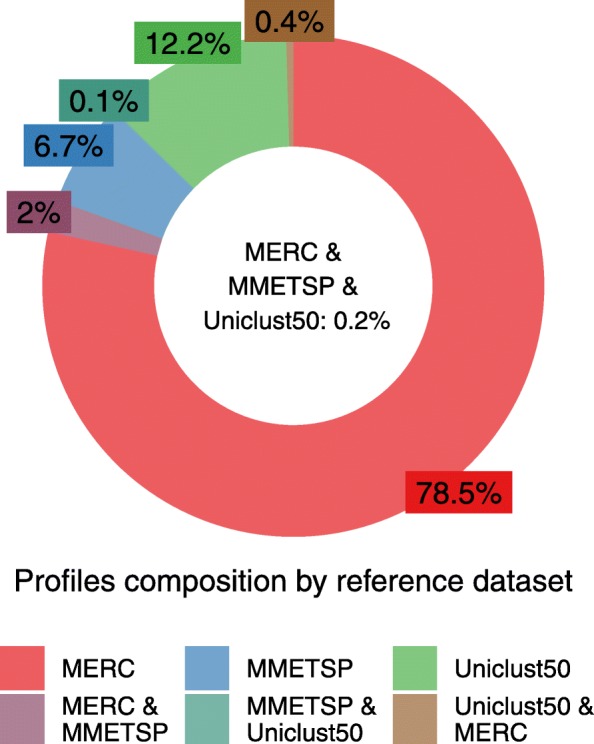
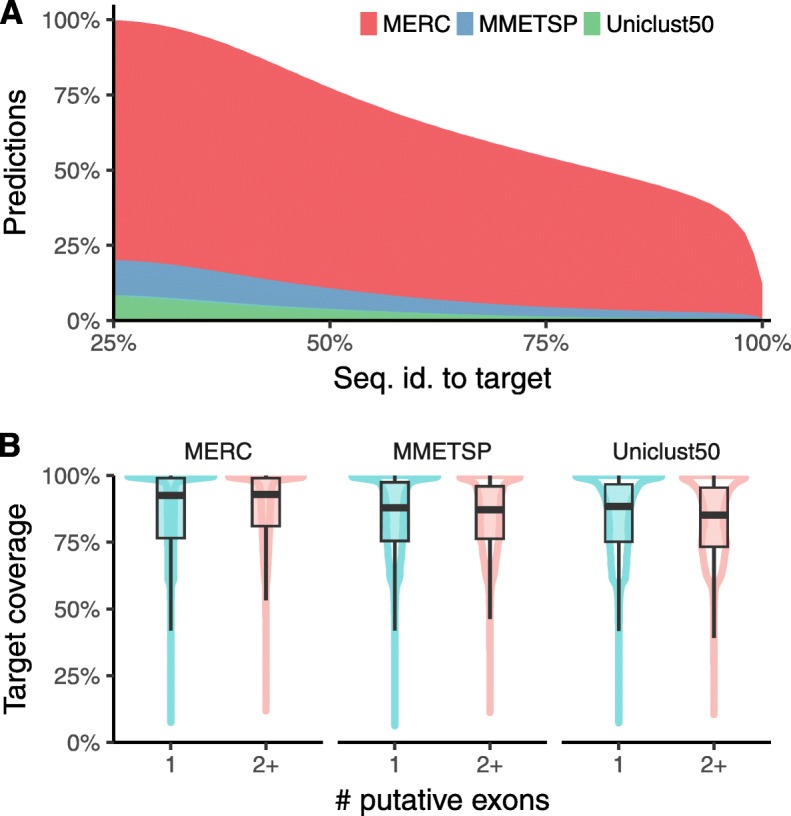
“Then, potential eukaryotic contigs were used to discover eukaryotic proteincoding genes by the new developed MetaEuk (Levy Karin et al., 2020) based on a provided database composed of three datasets: Uniclust50 (Mirdita et al., 2017), marine eukaryotic metatranscriptomes (MERC) (Steinegger et al.,…”
BackgroundMethodInfluentialSacheli, R., Egrek, S., Moussaoui, K. E., Darfouf, R., Bahun, A. A., & Hayette, M. (2024) · Mycoses · doi:10.1111/myc.70005 · Cited by 13
“Genome assembly completeness was assessed using BUSCO [32] with ony-genales_odb10 lineage dataset and MetaEuk gene predictor [33].”
Neely, C. J., Hu, S. K., Alexander, H., & Tully, B. (2021) · bioRxiv (Cold Spring Harbor Laboratory) · doi:10.1101/2021.07.25.453296 · Cited by 13
Niimura, Y., Biswa, B. B., Kishida, T., Toyoda, A., Fujiwara, K., Ito, M., Touhara, K., Inoue‐Murayama, M., Jenkins, S. H., Adenyo, C., et al. (2024) · Molecular Biology and Evolution · doi:10.1093/molbev/msae071 · Cited by 11
Koch, J. B. U., Sim, S. B., Scheffler, B. E., Lozier, J. D., & Geib, S. M. (2024) · G3 Genes Genomes Genetics · doi:10.1093/g3journal/jkae160 · Cited by 14
Ballard, J. W. O., Field, M. A., Edwards, R. J., Wilson, L. A. B., Koungoulos, L. G., Rosen, B. D., Chernoff, B., Dudchenko, O., Omer, A. D., Keilwagen, J., et al. (2023) · GigaScience · doi:10.1093/gigascience/giad018 · Cited by 13
“3 [116], and Metaeuk v20200908 [117].”
Missing microbial eukaryotes and misleading meta-omic conclusions
Krinos, A. I., Brisbin, M. M., Hu, S. K., Cohen, N. R., Rynearson, T. A., Follows, M. J., Schulz, F., & Alexander, H. (2024) · Nature Communications · doi:10.1038/s41467-024-52212-w · Cited by 17
Li, L., Song, J., Zhang, M., Iqbal, S., Li, Y., Zhang, H., & Zhang, H. (2023) · Frontiers in Plant Science · doi:10.3389/fpls.2023.1102715 · Cited by 11
“GeMoMa (version 1.8) (Keilwagen et al., 2019) and MetaEuk (release 5) (Levy Karin et al., 2020) were used with the above mentioned protein homology datasets to discover gene models.”
MethodInfluentialMetagenome-assembled-genomes recovered from the Arctic drift expedition MOSAiC
Boulton, W., Salamov, A. A., Grigoriev, I. V., Calhoun, S., LaButti, K. M., Riley, R. W., Barry, K., Fong, A. A., Hoppe, C. J. M., Metfies, K., et al. (2025) · Scientific Data · doi:10.1038/s41597-025-04525-8 · Cited by 12
Breusing, C., Osborn, K. J., Girguis, P. R., & Reese, A. T. (2022) · ISME Communications · doi:10.1038/s43705-022-00195-4 · Cited by 14
Convergent Patterns of Karyotype Evolution Underlying Karyotype Uniformity in Conifers
Zhang, R., Liu, H., Shang, H., Shu, H., Liu, D., Yang, H., Jia, K., Wang, X., Sun, W., Zhao, W., et al. (2024) · Advanced Science · doi:10.1002/advs.202411098 · Cited by 10
Mechanisms underlying the loss of migratory behaviour in a long‐lived bird
Andrade, P., Franco, A. M. A., Acácio, M., Afonso, S., Marques, C. I., Moreira, F., Carneiro, M., & Catry, I. (2025) · Journal of Animal Ecology · doi:10.1111/1365-2656.70035 · Cited by 22
“For BUSCO analysis, we ran the MetaEuk gene predictor (Levy Karin et al., 2020 ), with the lineage dataset aves_odb10.”
InfluentialDisentangling the Functional Role of Fungi in Cold Seep Sediment
Shekarriz, E., Chen, J., Xu, Z., & Liu, H. (2023) · Microbiology Spectrum · doi:10.1128/spectrum.01978-22 · Cited by 13
Nugent, C. M., Kess, T., Brachmann, M. K., Langille, B. L., Duffy, S., Lehnert, S. J., Wringe, B. F., Bentzen, P., & Bradbury, I. (2023) · Molecular Ecology · doi:10.1111/mec.17063 · Cited by 13
Metadata
- Authors
- Levy Karin, E., Mirdita, M., & Söding, J.
- Affiliations
- Max Planck Institute for Biophysical Chemistry (DE)
- Corresponding author
- Söding, Johannes
- Venue
- Microbiome
- Published
- 2020-04-03
- Volume
- 8
- Issue
- 1
- Pages
- 48-48
- ISSN
- 2049-2618 (ISSN-L)
- PMC
- PMC7126354
- OpenAlex
- W3014607123
- Cited by
- 299
- References
- 65
- Citations by year
- 2026: 51 · 2025: 64 · 2024: 72 · 2023: 52 · 2022: 33 · 2021: 21 · 2020: 5
- FWCI
- 8.96
- Type
- journal article
- Language
- en
- Open access
- gold
- doi.org
- Licence
- cc-by
- creativecommons.org/licenses/by/4.0/ (tdm)
- creativecommons.org/licenses/by/4.0/ (vor)
- Locations
- Microbiome (publishedVersion, cc-by)
- bioRxiv (Cold Spring Harbor Laboratory) (acceptedVersion, cc-by)
- PubMed Central (publishedVersion, cc-by)
- PubMed (publishedVersion)
- DOAJ (DOAJ: Directory of Open Access Journals) (submittedVersion, cc-by-sa)
- GoeScholar The Publication Server of the Georg-August-Universität Göttingen (Georg-August-Universität Göttingen) (submittedVersion, cc-by)
- MPG.PuRe (Max Planck Society) (submittedVersion, other-oa)
- Funders
- Horizon 2020 Framework Programme (685778)
- Topics
- Life Sciences › Biochemistry, Genetics and Molecular Biology › Molecular Biology › Genomics and Phylogenetic Studies
- Physical Sciences › Environmental Science › Ecology › Environmental DNA in Biodiversity Studies
- Life Sciences › Agricultural and Biological Sciences › Ecology, Evolution, Behavior and Systematics › Protist diversity and phylogeny
- Keywords
- genome annotation, Tara Oceans, eukaryotic supergroups, taxonomic annotation, functional annotation, metagenomic contigs
- MeSH terms
- Algorithms, Sequence Analysis, DNA, Computational Biology, Databases, Genetic, Metagenome, Metagenomics, Eukaryota, High-Throughput Screening Assays, Molecular Sequence Annotation, Microbiota
About these checks
Registry, retraction, Cites and statistics results are computed, not judged, with one exception: a printed reference that no index lists is read once by a model before it counts as a citation error. Claims are extracted by a model and kept only when their quote appears verbatim in the text; each cited source is then checked, with a model’s help, for whether it says what the claim relies on. Those verdicts can be wrong — read the claim’s quote and the cited source before relying on one.
Statistics and arithmetic are recomputed, not judged.
Confidence bands are shown only for fields calibrated on our annotated test set. None is calibrated yet, so no band is shown.
What counts as a claim ›How we measure confidence ›How we check this ›
Are you an author, or do you see a problem with this page? Request a review
Data sources
Bibliographic data: Semantic Scholar, OpenAlex, Crossref.
Contains information from the Semantic Scholar Academic Graph Datasets, made available under the ODC Attribution License (ODC-BY 1.0).
Semantic Scholar’s data is described in: Kinney, R., et al. (2023). The Semantic Scholar Open Data Platform. arXiv:2301.10140.
