

Faecal microbiota transplant from aged donor mice affects spatial learning and memory via modulating hippocampal synaptic plasticity- and neurotransmission-related proteins in young recipients
Open accessPublished version of a preprint
The DOI matches its Crossref record; 82 of the 82 references it cites were found in a registry or an index.
Abstract
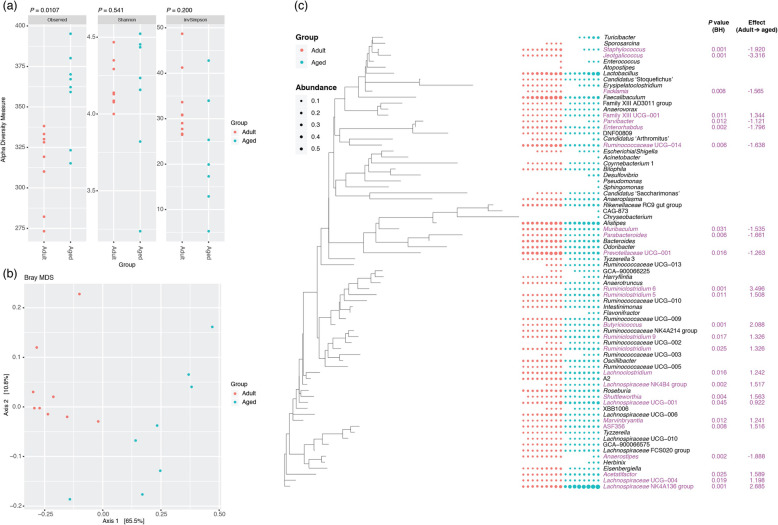
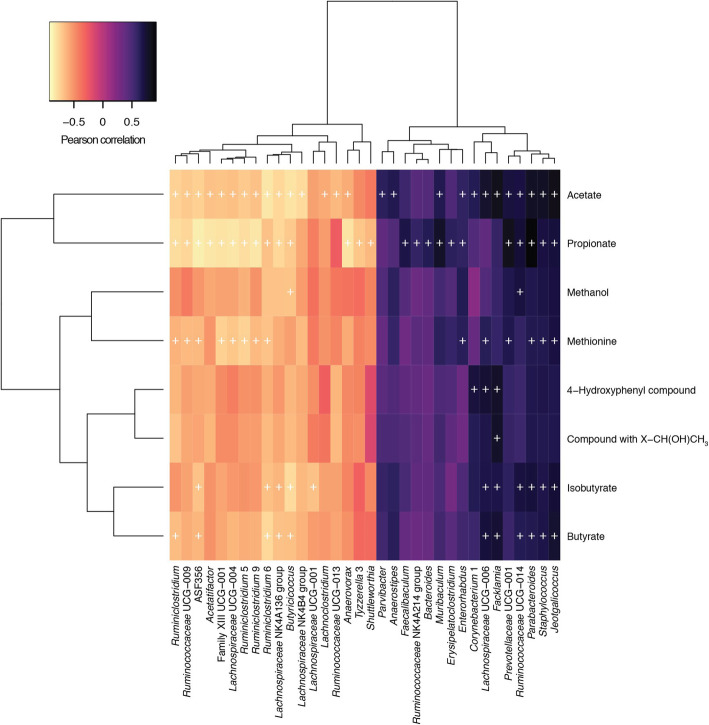
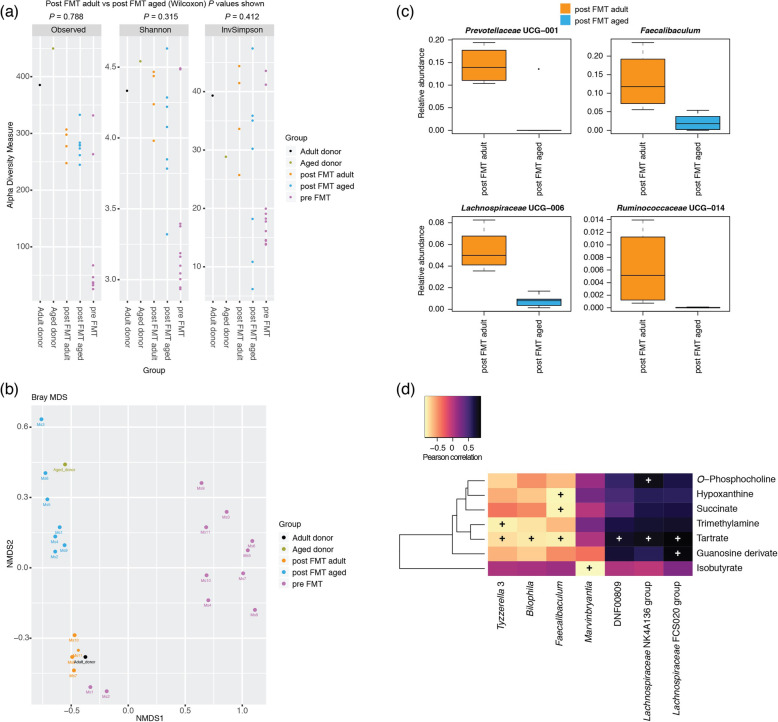
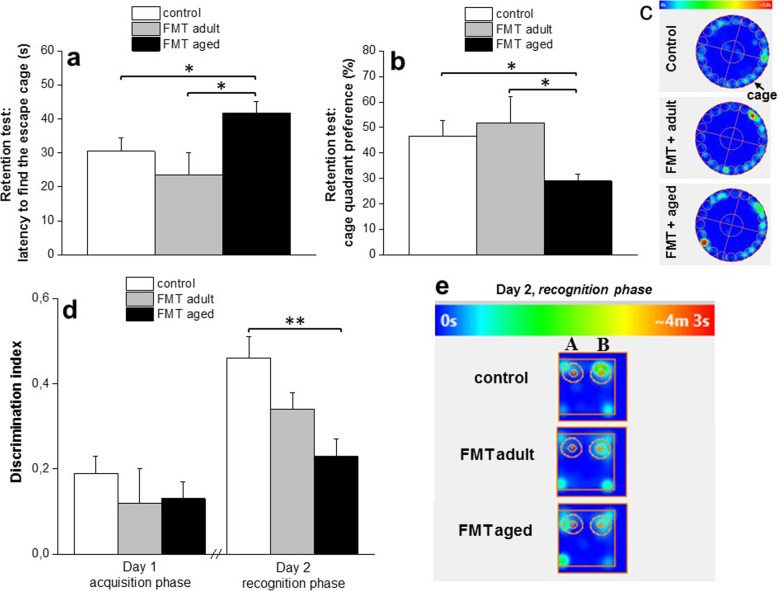
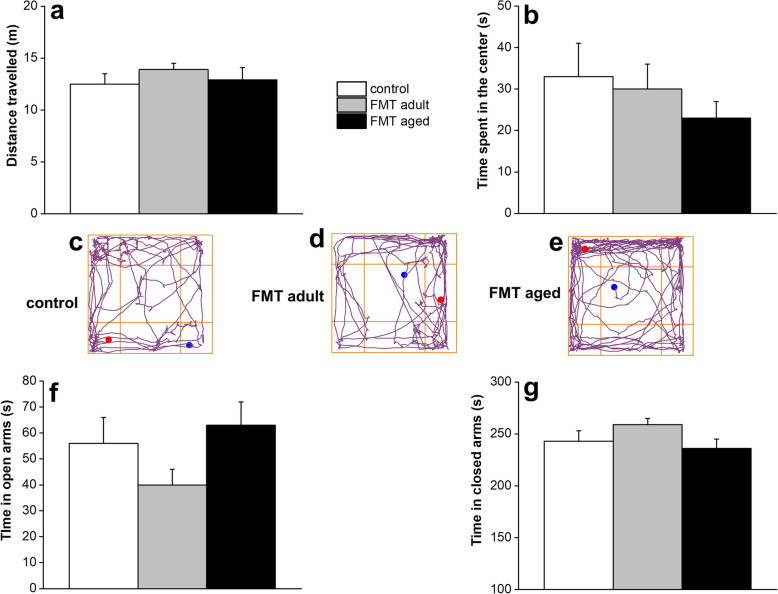
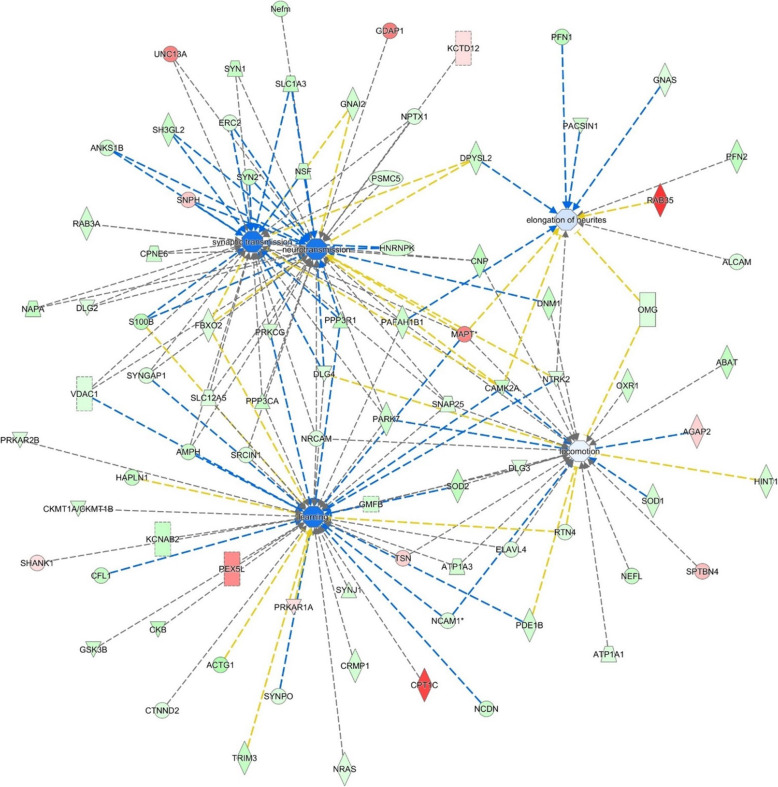
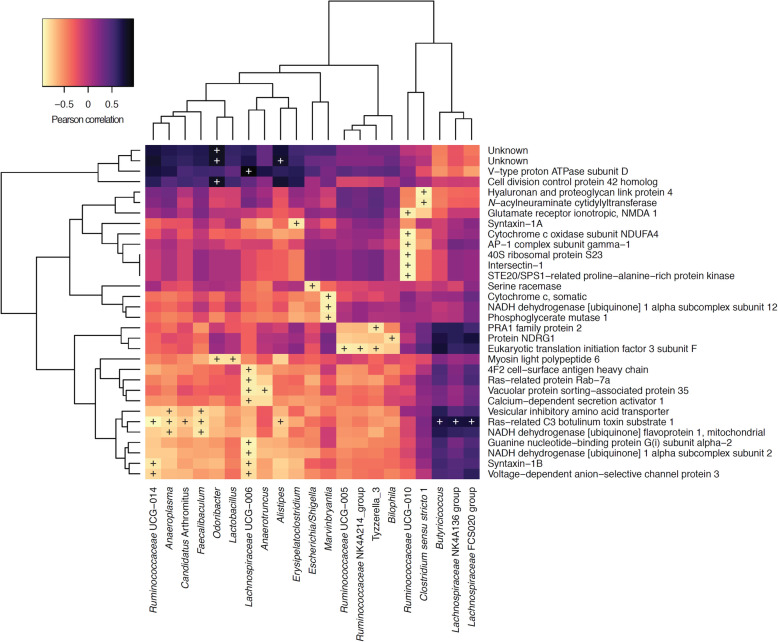
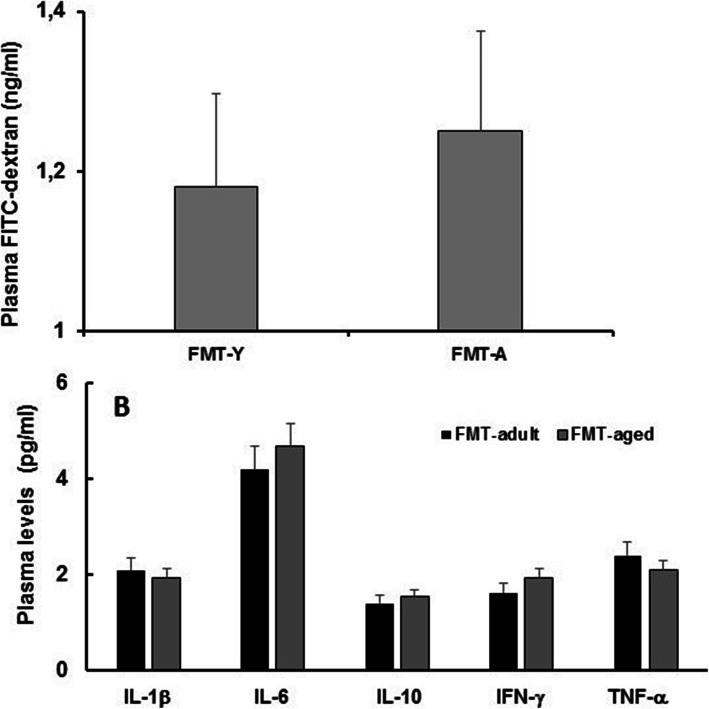
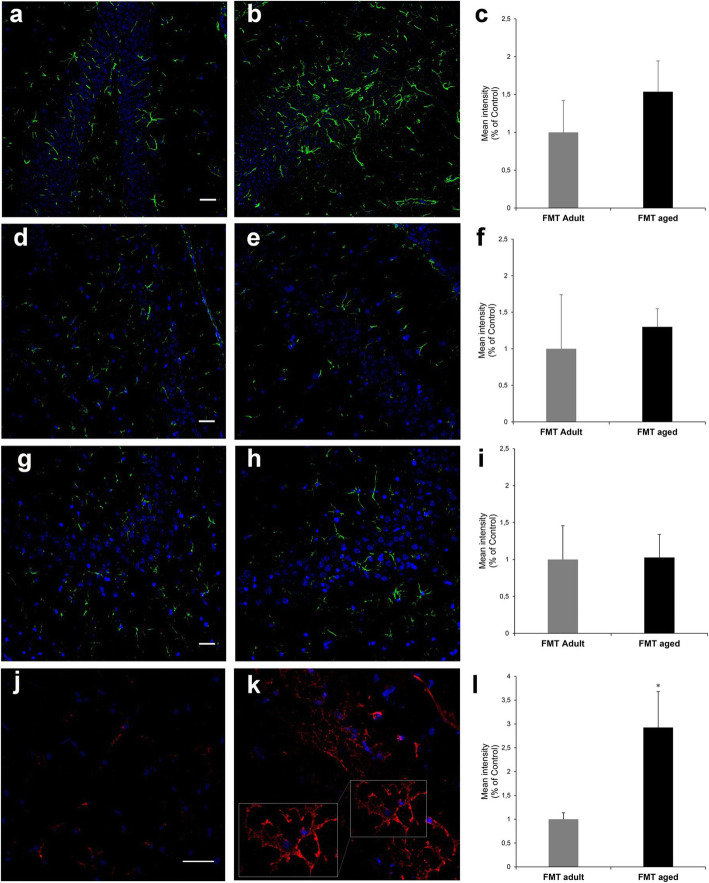
Background: The gut-brain axis and the intestinal microbiota are emerging as key players in health and disease. Shifts in intestinal microbiota composition affect a variety of systems; however, evidence of their direct impact on cognitive functions is still lacking. We tested whether faecal microbiota transplant (FMT) from aged donor mice into young adult recipients altered the hippocampus, an area of the central nervous system (CNS) known to be affected by the ageing process and related functions. Results: Young adult mice were transplanted with the microbiota from either aged or age-matched donor mice. Following transplantation, characterization of the microbiotas and metabolomics profiles along with a battery of cognitive and behavioural tests were performed. Label-free quantitative proteomics was employed to monitor protein expression in the hippocampus of the recipients. We report that FMT from aged donors led to impaired spatial learning and memory in young adult recipients, whereas anxiety, explorative behaviour and locomotor activity remained unaffected. This was paralleled by altered expression of proteins involved in synaptic plasticity and neurotransmission in the hippocampus. Also, a strong reduction of bacteria associated with short-chain fatty acids (SCFAs) production ( Lachnospiraceae, Faecalibaculum , and Ruminococcaceae ) and disorders of the CNS ( Prevotellaceae and Ruminococcaceae ) was observed. Finally, the detrimental effect of FMT from aged donors on the CNS was confirmed by the observation that microglia cells of the hippocampus fimbria, acquired an ageing-like phenotype; on the contrary, gut permeability and levels of systemic and local (hippocampus) cytokines were not affected. Conclusion: These results demonstrate that age-associated shifts of the microbiota have an impact on protein expression and key functions of the CNS. Furthermore, these results highlight the paramount importance of the gut-brain axis in ageing and provide a strong rationale to devise therapies aiming to restore a young-like microbiota to improve cognitive functions and the declining quality of life in the elderly.
Overview
The claims and statistics of this paper haven’t been checked yet.
Free: it reads the open-access text and checks the first 5 claims that cite a source we can check. Create a free account to check every claim.
Integrity signals
Registry
Cites
Statistics
Figures
Verification
Claims the paper makes
The claims and statistics of this paper haven’t been checked yet.
Free: it reads the open-access text and checks the first 5 claims that cite a source we can check. Create a free account to check every claim.
Claims other papers make about this one
Each is checked against this paper’s own text: does it say what the citing paper says it does?
The source backs part of the claim, not all of it — or backs it for a different population, condition or comparison.
In the citing paper
“the family Prevotellaceae has been reported to be positively related to SCFA levels in humans (Arumugam et al., 2011) and affects spatial learning and memory by modulating neurotransmission and hippocampal synaptic plasticity (D’Amato et al., 2020)”
From The modulatory effects of gut microbes and metabolites on blood-brain barrier integrity and brain function in sepsis-associated encephalopathy (2023) · cites this paper as D’Amato et al., 2020
Experimental — accuracy not yet measuredIn the citing paper
“Young mice transplanted with an aged donor microbiota display defects in spatial learning and memory [33]”
From Fecal microbiota transfer between young and aged mice reverses hallmarks of the aging gut, eye, and brain (2022) · cites this paper as [33]
Self-check
Percentages, sums and reported differences re-computed from the paper’s own numbers.
The self-check needs the paper’s full text.
Citations
Cites
DADA2: High–resolution sample inference from Illumina amplicon data
Callahan, B. J., McMurdie, P. J., Rosen, M. J., Han, A. W., Johnson, A. J. A., & Holmes, S. P. (2016) · Nature Methods · doi:10.1038/nmeth.3869 · Cited by 35,698
phyloseq: An R Package for Reproducible Interactive Analysis and Graphics of Microbiome Census Data
McMurdie, P. J., & Holmes, S. (2013) · PLoS ONE · doi:10.1371/journal.pone.0061217 · Cited by 21,322
Global patterns of 16S rRNA diversity at a depth of millions of sequences per sample
Caporaso, J. G., Lauber, C. L., Walters, W. A., Berg-Lyons, D., Lozupone, C. A., Turnbaugh, P. J., Fierer, N., & Knight, R. (2011) · Proceedings of the National Academy of Sciences · doi:10.1073/pnas.1000080107 · Cited by 9,711
Enterotypes of the human gut microbiome
MetaHIT Consortium (additional members), Arumugam, M., Raes, J., Pelletier, E., Le Paslier, D., Yamada, T., Mende, D. R., Fernandes, G. R., Tap, J., Bruls, T., et al. (2011) · Nature · doi:10.1038/nature09944 · Cited by 7,548
Perez-Riverol, Y., Csordas, A., Bai, J., Bernal-Llinares, M., Hewapathirana, S., Kundu, D. J., Inuganti, A., Griss, J., Mayer, G., Eisenacher, M., et al. (2019) · Nucleic Acids Research · doi:10.1093/nar/gky1106 · Cited by 6,693
Inflamm‐aging: An Evolutionary Perspective on Immunosenescence
FRANCESCHI, C., BONAFÈ, M., VALENSIN, S., OLIVIERI, F., DE LUCA, M., OTTAVIANI, E., & DE BENEDICTIS, G. (2000) · Annals of the New York Academy of Sciences · doi:10.1111/j.1749-6632.2000.tb06651.x · Cited by 5,358
Cryan, J. F., O'Riordan, K. J., Cowan, C. S. M., Sandhu, K. V., Bastiaanssen, T. F. S., Boehme, M., Codagnone, M. G., Cussotto, S., Fulling, C., Golubeva, A. V., et al. (2019) · Physiological Reviews · doi:10.1152/physrev.00018.2018 · Cited by 5,286
Mind-altering microorganisms: the impact of the gut microbiota on brain and behaviour
Cryan, J. F., & Dinan, T. G. (2012) · Nature Reviews Neuroscience · doi:10.1038/nrn3346 · Cited by 4,572
Indigenous bacteria from the gut microbiota regulate host serotonin biosynthesis
Yano, J. M., Yu, K., Donaldson, G. P., Shastri, G. G., Ann, P., Ma, L., Nagler, C. R., Ismagilov, R. F., Mazmanian, S. K., & Hsiao, E. Y. (2015) · Cell · doi:10.1016/j.cell.2015.02.047 · Cited by 3,614
Host microbiota constantly control maturation and function of microglia in the CNS
Erny, D., Hrabě de Angelis, A. L., Jaitin, D., Wieghofer, P., Staszewski, O., David, E., Keren-Shaul, H., Mahlakoiv, T., Jakobshagen, K., Buch, T., et al. (2015) · Nature Neuroscience · doi:10.1038/nn.4030 · Cited by 3,569 · cited 1×
“Germfree mice bear significant abnormalities in BBB structure and integrity [18] and in microglial numbers and morphology [19] profoundly complicating interpretation of the effects of FMT in our model.”
Background
Cited by
Items 101–200 of 287
Dong, X., Su, Y., Luo, Z., Li, C., Gao, J., Han, X., Yao, S., Wu, W., Tian, L., Bai, Y., et al. (2024) · Frontiers in Microbiology · doi:10.3389/fmicb.2024.1485936 · Cited by 25
Epigenetic Alterations of Brain Non-Neuronal Cells in Major Mental Diseases
Abdolmaleky, H. M., Martin, M., Zhou, J., & Thiagalingam, S. (2023) · Genes · doi:10.3390/genes14040896 · Cited by 25
Fecal microbiota transplantation: A new strategy to delay aging
Yan, H., Ren, J., & Liu, G. (2023) · hLife · doi:10.1016/j.hlife.2023.06.002 · Cited by 25
Zheng, H. X., Zhao, Q., Chen, J., Lu, J., Li, Y., & Gao, H. (2023) · Journal of Neuroinflammation · doi:10.1186/s12974-023-02825-7 · Cited by 25
“In addition, the causal connections between the gut microbiota and brain health during aging were also established by FMT between young and aged mice [14, 15].”
BackgroundA review on gut microbiota and miRNA crosstalk: implications for Alzheimer’s disease
Ayyanar, M. P., & Vijayan, M. (2024) · GeroScience · doi:10.1007/s11357-024-01432-5 · Cited by 25
“In animal studies, FMT has shown to improve synaptic plasticity, cognitive function, reduce tau protein phosphorylation, Aβ deposition, and modulate immune cells in circulation and in intestine [49, 465, 466].”
The role of Microbiota in the Pathogenesis of Alzheimer’s Disease
Sharma, A., & Martins, I. J. (2023) · Acta Scientifci Nutritional Health · doi:10.31080/asnh.2023.07.1272 · Cited by 27
Agathobaculum butyriciproducens improves ageing-associated cognitive impairment in mice
Go, J., Maeng, S.-Y., Chang, D., Park, H., Min, K.-S., Kim, J.-E., Choi, Y., Noh, J., Ro, H., Kim, B., et al. (2024) · Life Sciences · doi:10.1016/j.lfs.2024.122413 · Cited by 25
The Role of the Gut Microbiome in Health and Disease in the Elderly
Chen, L. A., & Boyle, K. (2024) · Current Gastroenterology Reports · doi:10.1007/s11894-024-00932-w · Cited by 24
“These and similar findings have been reproduced by other investigators [59], including D’Amato et al., who demonstrated that transferring the microbiome of elderly mice to young ones can lead to cognitive deficits [80].”
ResultJi, J., Yi, X., Zhu, Y., Yu, H., Huang, S., Liu, Z., Zhang, X., Xia, G., & Shen, X. (2021) · Foods · doi:10.3390/foods10123129 · Cited by 24
“It was closely related to the metabolites of probiotics Lactobacillus reuteri and Prevotellaceae UCG-001, which were involved in the synthesis of fatty acids by activating the free fatty acid receptors (FFAR), thus improving the disorder of lipid metabolism [68,69].”
BackgroundLucarini, E., Micheli, L., Mannelli, L. D. C., & Ghelardini, C. (2022) · Phytochemistry Reviews · doi:10.1007/s11101-022-09809-0 · Cited by 23
Self-citationHu, C., Sun, B., Liu, M., Yu, J., Zhou, X., & Chen, L. (2022) · The Science of The Total Environment · doi:10.1016/j.scitotenv.2022.153758 · Cited by 23
Microbial Metabolomes in Alzheimer’s Disease: From Pathogenesis to Therapeutic Potential
Borrego-Ruiz, A., & Borrego, J. J. (2025) · Current Issues in Molecular Biology · doi:10.3390/cimb47090724 · Cited by 22
Non-Pharmacological Therapeutic Options for the Treatment of Alzheimer’s Disease
Huynh, Q., Elangovan, S., & Holsinger, R. M. D. (2022) · International Journal of Molecular Sciences · doi:10.3390/ijms231911037 · Cited by 22
Dietary emulsifier polysorbate 80 exposure accelerates age-related cognitive decline
Zhang, L., Yin, Z., Liu, X., Jin, G., Wang, Y., He, L., Li, M., Pang, X., Yan, B., Jia, Z.-X., et al. (2024) · Brain Behavior and Immunity · doi:10.1016/j.bbi.2024.03.052 · Cited by 23
Xu, Z., Lu, H., Hu, C., Wen, Y., Shang, D., Gan, T., Guo, Z., Dai, L., & Luo, Y. (2025) · International Journal of Biological Macromolecules · doi:10.1016/j.ijbiomac.2025.139503 · Cited by 22
Arias‐Borrego, A., Selma‐Royo, M., Collado, M. C., Abril, N., & García‐Barrera, T. (2022) · Journal of Hazardous Materials · doi:10.1016/j.jhazmat.2022.129444 · Cited by 22
Bi, T., Zhang, L., Zhan, L., Feng, R., Zhao, T., Ren, W., Hang, T., Zhou, W., & Lu, X. (2022) · Frontiers in Aging Neuroscience · doi:10.3389/fnagi.2022.913002 · Cited by 21
“The cognitive phenotype of GF animals has obvious abnormalities, which may profoundly complicating interpretation of the effects of GMT in our model (D’Amato et al., 2020).”
BackgroundBusinaro, R. (2022) · F1000Research · doi:10.12688/f1000research.75856.1 · Cited by 20
Dietz, M. W., Matson, K. D., Versteegh, M. A., van der Velde, M., Parmentier, H. K., Arts, J. A. J., Salles, J. F., & Tieleman, B. I. (2022) · Animal Microbiome · doi:10.1186/s42523-022-00216-6 · Cited by 20
Li, W., Wang, Y., Shi, Y., He, F., Zhao, Z., Liu, J., Gao, Z., Zhang, J., & Shen, X. (2024) · FEBS Journal · doi:10.1111/febs.17365 · Cited by 19
“In mice, even moderate alterations in gut microbiota composition induced by probiotic or fecal microbiota transplantation (FMT), elicit significant changes in brain chemistry and function [20,21].”
The Gut-Brain Axis in Alzheimer’s Disease: Exploring Microbial Influences and Therapeutic Strategies
Mustafa, M. A., Vadia, N., Varma, P., Al‐Shaker, H., Mohanty, B., Dhyani, A., Kaur, I., Chauhan, A. S., & Garg, G. (2025) · Molecular Neurobiology · doi:10.1007/s12035-025-05474-4 · Cited by 19
“FMT from aged donors into young mice resulted in cognitive impairments, reduced synaptic protein expression, and elevated neuroinflammatory markers [234, 235].”
Vagaggini, C., Brai, A., Bonente, D., Lombardi, J., Poggialini, F., Pasqualini, C., Barone, V., Nicoletti, C., Bertelli, E., & Dreassi, E. (2023) · Journal of Pharmaceutical and Biomedical Analysis · doi:10.1016/j.jpba.2023.115599 · Cited by 19
Self-citationLu, Y., Xu, K., Lin, D., Wang, S., Fu, R., Deng, X., Croppi, G., & Zhang, J. (2022) · Frontiers in Aging Neuroscience · doi:10.3389/fnagi.2022.964429 · Cited by 19
Lamas‐Paz, A., Mesquita, M., Garcia-Lacarte, M., Estévez‐Vázquez, O., Benedé‐Ubieto, R., Gutierrez, A. H., Wu, H., Leal-Lassalle, H., Vaquero, J., Bañares, R., et al. (2024) · Frontiers in Nutrition · doi:10.3389/fnut.2024.1393014 · Cited by 18
Banerjee, A. T., & Chatterji, U. (2024) · Chemosphere · doi:10.1016/j.chemosphere.2024.143293 · Cited by 18
Gut Microbiota: An Ally in the Mechanisms and Interventions of Healthy Aging
Chatterjee, S. S., Hebbani, A. V., & Syed, K. (2025) · Gastrointestinal Disorders · doi:10.3390/gidisord7040068 · Cited by 17
Zhao, Y., Wu, J., Li, D., Liu, J., Chen, W., Hou, Z., Liu, K., Jiang, L., Chen, X., Wang, L., et al. (2022) · Cell Proliferation · doi:10.1111/cpr.13223 · Cited by 17
Acharya, K. D., Friedline, R. H., Ward, D. V., Graham, M. E., TAUER, L. A., Zheng, D., Hu, X., de Vos, W. M., McCormick, B. A., Kim, J. K., et al. (2022) · Frontiers in Endocrinology · doi:10.3389/fendo.2022.1010806 · Cited by 17
Wang, Y., Zheng, A.-N., Yang, H., Wang, Q., Dai, B., Wang, J., Wan, Y.-T., Liu, Z., & Liu, S. (2023) · Chinese Journal of Integrative Medicine · doi:10.1007/s11655-023-3614-3 · Cited by 17
“(44) Interestingly, we found that OTN stimulation of the olfactory nerve improved synaptic and cognitive de fi cits, and increased the fecal microbial α -diversity of Chao1 and ACE index but had a very limited effect on fecal microbial structure and composition.”
Wu, R., Zhang, X., Qin, H., Xia, X., Yi, F., Zhang, Y. L., Zhang, R., Lu, X., Zhou, Y., Xu, Y., et al. (2025) · BMC Nutrition · doi:10.1186/s40795-025-01160-9 · Cited by 16
Young gut microbiota transplantation improves the metabolic health of old mice
Xie, J., Kim, T., Liu, Z., Panier, H. A., Bokoliya, S. C., Xu, M., & Zhou, Y. (2025) · mSystems · doi:10.1128/msystems.01601-24 · Cited by 16
“FMT from the older donors to the young recipients decreased life span in fly and fish models of aging (5), impaired cognition behavior in rats (6), and reduced spatial learning and memory in mice (7).”
A high‐salt diet induces synaptic loss and memory impairment via gut microbiota and butyrate in mice
Lei, C., Liu, C., Peng, Y., Zhan, Y., Zhang, X., Liu, T., & Liu, Z. (2023) · iMeta · doi:10.1002/imt2.97 · Cited by 15
The Human Microbiome—A Physiologic Perspective
Yang, X. J., Louwies, T., Mars, R. A. T., & Kashyap, P. (2024) · Comprehensive physiology · doi:10.1002/cphy.c230013 · Cited by 15
Lin, L., Tang, R., Liu, Y., Li, Z., Li, H., & Yang, H. (2024) · Pharmacological Research · doi:10.1016/j.phrs.2024.107323 · Cited by 15
Nohesara, S., Abdolmaleky, H. M., Dickerson, F., Pinto‐Tomás, A. A., Jeste, D. V., & Thiagalingam, S. (2024) · Nutrients · doi:10.3390/nu16244355 · Cited by 15
Gut microbiota manipulation to mitigate the toxicities of environmental pollutants
Chen, L., Ahmad, M., Li, J., Li, J., Yang, Z., & Hu, C. (2025) · Aquatic Toxicology · doi:10.1016/j.aquatox.2025.107425 · Cited by 15
Gut Microbiota and Subjective Memory Complaints in Older Women
Wu, F., Davey, S., Clendenen, T. V., Koenig, K. L., Afanasyeva, Y., Zhou, B., Bedi, S., Li, H., Zeleniuch‐Jacquotte, A., & Chen, Y. (2022) · Journal of Alzheimer s Disease · doi:10.3233/jad-220011 · Cited by 15
Niccolai, E., Bettiol, A., Baldi, S., Silvestri, E., Gloria, L. D., Bello, F., Nannini, G., Ricci, F., Nicastro, M., Ramazzotti, M., et al. (2022) · Biomedicines · doi:10.3390/biomedicines10061227 · Cited by 15
Self-citationFecal microbiota transplantation holds the secret to youth
Meng, Y., Sun, J., & Zhang, G. (2023) · Mechanisms of Ageing and Development · doi:10.1016/j.mad.2023.111823 · Cited by 15
Zhang, Y., Chen, Y., Yuan, S., Yu, Q., Fu, J., Chen, L., Liu, J., & He, Y. (2023) · Experimental Brain Research · doi:10.1007/s00221-023-06632-7 · Cited by 15
“Notably, Erysipelotrichaceae and Faecalibaculum, the dominant bacteria of Gas treatment group, were shown to product short-chain fatty acids (SCFAs) (D'Amato et al. 2020).”
BackgroundKadhim, A. S., & Al-Karawi, A. S. (2023) · American Journal of Bioscience and Bioinformatics · doi:10.54536/ajbb.v2i1.1910 · Cited by 14
“Scalability, emaciation and ageing among 41 and 59 years were linked to improved serum antibody titer infected individuals, according to a multivariate analysis of 874 cases (D’Amato et al ., 2020).”
MethodNeutrophils in the Focus: Impact on Neuroimmune Dynamics and the Gut–Brain Axis
Kršek, A., & Batičić, L. (2024) · Gastrointestinal Disorders · doi:10.3390/gidisord6030039 · Cited by 14
“Transplanting fecal microbiota from aged to young mice, however, negatively impacts CNS functions [486,487].”
BackgroundZhang, Q., Liu, Y., Tang, R., Kong, S., Lv, D., Li, H., Yang, H., & Lin, L. (2024) · Carbohydrate Polymer Technologies and Applications · doi:10.1016/j.carpta.2024.100567 · Cited by 14
Liu, X., Tan, X., Yu, Y., Niu, J., Zhao, B., & Wang, Q. (2024) · Neuropharmacology · doi:10.1016/j.neuropharm.2024.110266 · Cited by 14
Altered microbiome and metabolome profiling in fearful companion dogs: An exploratory study
Sacchettino, L., Costanzo, M., Veneruso, I., D’Argenio, V., Mayer, M., Avallone, L., Napolitano, F., & d’Angelo, D. (2025) · PLoS ONE · doi:10.1371/journal.pone.0315374 · Cited by 14
Antibiotics-induced dysbiosis impacts dendritic morphology of adult mouse cortical interneurons
Nakhal, M. M., Mydeen, A. B., Yassin, L. K., Almazrouei, R., Alkamali, R., Alsulaimi, M., Elsaleh, R. I., BaniYas, S., Houqani, S. A., Al-Marzooq, F. I., et al. (2025) · Frontiers in Neuroanatomy · doi:10.3389/fnana.2025.1557961 · Cited by 14
Xu, T., Wu, X., Zhang, Y., Cai, Y., Zhang, X., Zeng, Q., Luo, J., Wei, J., & Chen, T. (2025) · Aging Cell · doi:10.1111/acel.70166 · Cited by 14
“Conversely, transferring the fecal microbiota from older mice to younger ones exacerbates aging in the young (D'Amato et al. 2020), indicating that fecal microbiota transplantation (FMT) could be a potential effective intervention against aging.”
Bello-Corral, L., Sánchez-Valdeón, L., Verdejo, I. C., Seco‐Calvo, J., Fernández-Fernández, J. A., & Fernández, N. (2021) · Frontiers in Neuroscience · doi:10.3389/fnins.2021.677777 · Cited by 14
Zhang, P., Wang, T., Zhu, X., Feng, L., Wang, J., Li, Y., Zhang, X., Cui, T., & Li, M. (2023) · Neuropsychiatric Disease and Treatment · doi:10.2147/ndt.s393773 · Cited by 14
Wang, Y., Xie, D., Ma, S., Shao, N., Zhang, X., & Wang, X. (2024) · Frontiers in Immunology · doi:10.3389/fimmu.2024.1347415 · Cited by 13
Liu, X., Cui, J., Tan, X., Yu, Y., Niu, J., & Wang, Q. (2025) · Molecular Neurobiology · doi:10.1007/s12035-025-04964-9 · Cited by 13
“Strik-ingly, compared with FMT rats, antibiotic-treated rats had severe cognitive impairment, which suggested that the gut microbiota played an essential role in regulating cognitive function [38].”
Chataigner, M., Lucas, C., Miceli, M. D., Pallet, V., Layé, S., Mehaignerie, A., Bouvret, E., Dinel, A., & Joffre, C. (2021) · Frontiers in Nutrition · doi:10.3389/fnut.2021.750292 · Cited by 13
Obesity aggravates contact hypersensitivity reaction in mice
Majewska‐Szczepanik, M., Kowalczyk, P. K., Marcińska, K., Strzępa, A., LIS, G. J., Wong, F. S., Szczepanik, M., & Li, W. (2022) · Contact Dermatitis · doi:10.1111/cod.14088 · Cited by 13
Liang, X., Li, X., Jin, Y., Wang, Y., Wei, C., & Zhu, Z. A. (2023) · Metabolites · doi:10.3390/metabo13030361 · Cited by 14
Talk to Me—Interplay between Mitochondria and Microbiota in Aging
Endres, K., & Friedland, K. (2023) · International Journal of Molecular Sciences · doi:10.3390/ijms241310818 · Cited by 13
Ahmadi, S., Hasani, A., Khabbaz, A., Poortahmasebi, V., Hosseini, S., Yasdchi, M., Mehdizadehfar, E., Mousavi, Z. B., Hasani, R., Nabizadeh, E., et al. (2024) · Biogerontology · doi:10.1007/s10522-024-10136-4 · Cited by 13
“FMT from elderly donors had detrimental effects on the CNS, which were also observed in proteins related to neurotransmission and synaptic plasticity in the hippocampal regions (D’Amato et al. 2020).”
Liu, M., Sun, B., Zhou, X., & Chen, L. (2022) · Ecotoxicology and Environmental Safety · doi:10.1016/j.ecoenv.2022.113721 · Cited by 13
Increasing spatial working memory in mice with Akkermansia muciniphila
Ahn, J., Kim, S., Han, E.-J., Hong, S., & Chung, H. (2025) · Communications Biology · doi:10.1038/s42003-025-07975-3 · Cited by 12
“Many studies have showcased the impact of the gut microbiomeonmemoryperformanceinexperimentalanimals 53 – 57 .”
The role of the gut microbiota in neuropsychiatric disorders and therapy
Zhang, F., Ding, K., Zhang, L., Liu, D., Dong, X., Wang, M., Zhou, F.-L., Sun, Y., Zhang, W., Yu, Y., et al. (2025) · Ageing Research Reviews · doi:10.1016/j.arr.2025.102894 · Cited by 12
Aliuş, C., Breazu, A., Panţu, C., Toader, C., Șerban, M., Covache-Busuioc, R.-A., Munteanu, O., & Dumitru, A. V. (2025) · International Journal of Molecular Sciences · doi:10.3390/ijms262210959 · Cited by 12
Genetically proxied intestinal microbiota and risk of erectile dysfunction
Zhang, F., Xiong, Y., Zhang, Y., Wu, K., & Zhang, B. (2023) · Andrology · doi:10.1111/andr.13534 · Cited by 12
“32 It is reported that SCFAs are major source of nutrition for epithelial cells in colon, and are conducive to improve the epigenetic states of histone and decrease the expression of inflammatory markers in the hosts.”
BackgroundXu, H., Xie, S.-W., Liu, T., Zhou, X., Feng, Z., & He, X. (2023) · Frontiers in Microbiology · doi:10.3389/fmicb.2023.989162 · Cited by 12
Chen, X., Liu, Y., Pu, J., Gui, S., Wang, D., Zhong, X., Chen, W., Wei, T., Chen, Y., Chen, X. '., et al. (2023) · Journal of Affective Disorders · doi:10.1016/j.jad.2023.04.031 · Cited by 11
Ren, Y., Cui, W., Jiang, K., He, K., Lu, Y., Chen, Y., & Pan, W. (2024) · Molecular Nutrition & Food Research · doi:10.1002/mnfr.202300739 · Cited by 11
Gong, J., He, L., Zou, Q., Zhao, Y., Zhang, B., Xia, R., Chen, B., Cao, M., Gong, W., Lin, L., et al. (2022) · Microbial Cell Factories · doi:10.1186/s12934-022-01858-6 · Cited by 11
The Impact of IgA and the Microbiota on CNS Disease
Pu, A., Lee, D. S. W., Isho, B., Naouar, I., & Gommerman, J. L. (2021) · Frontiers in Immunology · doi:10.3389/fimmu.2021.742173 · Cited by 12
“Recent work demonstrated that FMT from aged donor mice into young recipients impairs spatial learning and memory in young recipients (4).”
BackgroundMógor, F., Kovács, T., Lohinai, Z., & Dóra, D. (2021) · Applied Sciences · doi:10.3390/app112412000 · Cited by 11
Is it possible to prevent excessive synaptic pruning in schizophrenia? Possibilities and limitations
Pawlak, A., Stefanowicz, J., Kotkowska, Z., Gabryelska, A., Sochal, M., Napieraj, F., Kotlicka‐Antczak, M., & Strzelecki, D. (2025) · Frontiers in Synaptic Neuroscience · doi:10.3389/fnsyn.2025.1656232 · Cited by 10
Medicinal Plants for a Healthy Gut Microbiome: Scientific Insights into Modern Herbal Applications
Pacyga, K., Tabiś, A., & Pacyga, P. (2025) · International Journal of Molecular Sciences · doi:10.3390/ijms262210875 · Cited by 12
Integrated metabolomics and network pharmacology to reveal the mechanism of areca nut addiction
Li, M., Pang, X., Guo, Z., Yang, Y., Gu, Z., & Zhang, L. (2023) · Addiction Biology · doi:10.1111/adb.13352 · Cited by 10
Lynch, C. M. K., Nagpal, J. K., Luczynski, P., Neufeld, K. M., Dinan, T. G., Clarke, G. A., & Cryan, J. F. (2024) · Elsevier eBooks · doi:10.1016/b978-0-323-99971-7.00012-6 · Cited by 10
Gut microbiota: A new window for the prevention and treatment of neuropsychiatric disease
Tang, Y., Zhang, Y., Chen, C., Cao, Y., Wang, Q., & Tang, C. (2025) · Journal of Central Nervous System Disease · doi:10.1177/11795735251322450 · Cited by 10
“120 Several investigations have shown that FMT from elderly wild-type mice impaired spatial learning and memory in young wild-type mice, 129 whereas it improved age-related symptoms in elderly mice, 130 suggesting that the donor ’ s age signi fi cantly in fl uences the effects of FMT.”
Shoubridge, A. P., Carpenter, L., Flynn, E. F., Papanicolas, L. E., Collins, J., Gordon, D., Lynn, D. J., Whitehead, C., Leong, L. E. X., Cations, M., et al. (2025) · The Journals of Gerontology Series A · doi:10.1093/gerona/glaf053 · Cited by 10
“Potential causality in these relationships is suggested by studies that have successfully recapitulated impairment of memory and synaptic plasticity following fecal microbiota transplant from aged mice to younger mice (45).”
Rodrigues, P. B., Rodovalho, V. D. R., Sencio, V., Benech, N., Creskey, M., Angulo, F. S., Delval, L., Robil, C., Gosset, P., Machelart, A., et al. (2025) · Gut Microbes · doi:10.1080/19490976.2025.2486511 · Cited by 10
Hu, C., Li, J., Liu, M., Lam, P. K. S., & Chen, L. (2022) · Aquatic Toxicology · doi:10.1016/j.aquatox.2022.106295 · Cited by 10
Lucarini, E., Micheli, L., Pagnotta, E., Matteo, R., Parisio, C., Toti, A., Ferrara, V., Ciampi, C., Martelli, A., Testai, L., et al. (2022) · Foods · doi:10.3390/foods11040580 · Cited by 10
Self-citationLiu, W., Yan, H., Jia, W., Huang, J., Fu, Z., Xu, W., Yu, H., Yang, W., Pan, W., Zheng, B., et al. (2024) · Frontiers in Microbiology · doi:10.3389/fmicb.2024.1366181 · Cited by 9
Tanır, Y., Örengül, A. C., Özdemir, Y. E., Karayağmurlu, A., Kaynar, T. B., Baki, A. M., Vural, P., & Coşkun, M. (2023) · Psychiatry and Clinical Psychopharmacology · doi:10.5152/pcp.2023.23660 · Cited by 9
“38,39 Disruption of the intestinal barrier may cause intestinal microbiota and their metabolites to pass from the lumen into the circulatory system.”
BackgroundLi, X., Liu, B., Sekar, D., Sur, M., Reddy, J., Natarajan, S. K., Lund, P. J., & Yu, J. (2025) · Nutrients · doi:10.3390/nu17172902 · Cited by 8
“The abundance of Faecalibaculum was positively associated with cognitive function [42,43].”
Abdullah, I. A., Khan, S., & Hassan, F. E. (2025) · Medical Sciences · doi:10.3390/medsci13040236 · Cited by 8
“…mice with cognitive impairment increased microbiota diversity, restored tight junction proteins (ZO-1, claudin-1, occludin), decreased intestinal permeability, reduced pro-inflammatory cytokines (IL-1 β , IL-6), increased anti-inflammatory IL-10, and improved behavioral and cognitive function [63].”
Linnehan, B. K., Kodera, S. M., Allard, S. M., Brodie, E. C., Allaband, C., Knight, R. D., Lutz, H. L., Carroll, M. C., Meegan, J. M., Jensen, E. D., et al. (2024) · Journal of Applied Microbiology · doi:10.1093/jambio/lxae026 · Cited by 8
“…micro-biomes compared to younger donors (Odamaki et al. 2016 , Anand et al. 2017 , Holmes et al. 2020 ) and may therefore be inferior FMT donors (D’Amato et al. 2020 , Marotz et al. 2021 ), while a study in horses demonstrated no difference in young and geriatric donor horse microbiota…”
BackgroundMethodTang, L., Li, J., Sun, B., Bai, Y., Zhou, X., & Chen, L. (2022) · Toxics · doi:10.3390/toxics10110631 · Cited by 8
“This is not surprising, because aging will result in the systemic functional turnover of multiple tissues [30].”
BackgroundAssociation of Multiple Urinary Phthalates Metabolites with Diabetes Risk in Elderly Population
Wang, Y., Chen, J., Shi, J., Zhao, Z., Chen, J., Deng, Y., Wang, T., Wang, Y., Xiang, Y., & He, M. (2023) · Environment & Health · doi:10.1021/envhealth.3c00120 · Cited by 9
Kharkongor, R., Nambi, P., & Radhakrishnan, R. (2024) · Brain Research · doi:10.1016/j.brainres.2024.148769 · Cited by 9
Gut microbiota: an ideal biomarker and intervention strategy for aging
Xu, X., Xu, T., Wei, J., & Chen, T. (2024) · Microbiome Research Reports · doi:10.20517/mrr.2023.68 · Cited by 7
Gong, H., Zhao, H., & Mao, X. (2025) · Foods · doi:10.3390/foods14111938 · Cited by 7
“In the previous study, gut microbiota transplant from aging mice affected behavior, and modulated synaptic plasticity in the hippocampus, alongside reductions in Lachnospiraceae in the young mice [35].”
Liu, X., Lu, Z., He, G., Gao, W., Hu, K., Pan, J., Zhao, Y., Wang, X., Yang, G., & Xu, Y. (2025) · Brain Research Bulletin · doi:10.1016/j.brainresbull.2025.111456 · Cited by 7
“…of synaptic proteins is closely linked to synaptic plasticity, which is known to be a key mechanism of adaptive change in response to external environmental factors, maintaining relative stability and potentially playing a unique role in learning and memory networks (D ’ Amato et al., 2020).”
Gut Microbiome Transplants and Their Health Impacts across Species
Levine, B. H., & Hoffman, J. M. (2023) · Microorganisms · doi:10.3390/microorganisms11061488 · Cited by 7
Sun, B., Liu, M., Tang, L., Zhou, X., Hu, C., & Chen, L. (2022) · Journal of Environmental Sciences · doi:10.1016/j.jes.2022.06.019 · Cited by 7
A selenium-enriched diet helps to recover liver function after antibiotic administration in mice
Huertas-Abril, P. V., Prieto‐Álamo, M., Jurado, J., García‐Barrera, T., & Abril, N. (2022) · Food and Chemical Toxicology · doi:10.1016/j.fct.2022.113519 · Cited by 7
The influence of aging and the microbiome in multiple sclerosis and other neurologic diseases
Fettig, N. M., Pu, A., Osborne, L. C., & Gommerman, J. L. (2024) · Immunological Reviews · doi:10.1111/imr.13361 · Cited by 7
Gubert, C., & Hannan, A. J. (2021) · European Journal of Neuroscience · doi:10.1111/ejn.15348 · Cited by 7
Modulation of mercaptopurine intestinal toxicity and pharmacokinetics by gut microbiota
Xu, J., Han, J., Jin, S., Yu, B., Li, X., Ma, X., Sun, L., Li, C., Zhao, L., & Ni, X. (2024) · Biomedicine & Pharmacotherapy · doi:10.1016/j.biopha.2024.116975 · Cited by 6
Qin, N., Liu, H., Wang, X., Liu, Y., Chang, H., & Xia, X. (2025) · International Journal of Biological Macromolecules · doi:10.1016/j.ijbiomac.2025.140271 · Cited by 6
Bridging the gap in the management of Alzheimer's disease using fecal microbiota transplantation
Bashir, B., Gulati, M., Vishwas, S., Hussain, M. S., Gupta, G., Kumar, P., Negi, P., Mittal, N., Dua, K., & Singh, S. K. (2025) · Molecular and Cellular Neuroscience · doi:10.1016/j.mcn.2025.104052 · Cited by 6
Yang, Y., Xie, Y., Lu, M., Xu, Y., & Zhao, R. (2025) · Critical Reviews in Food Science and Nutrition · doi:10.1080/10408398.2025.2527425 · Cited by 5
“…in gut bacteria induced by diet have been demonstrated to influence the development and function of the brain, affecting learning and memory function through metabolic and neuroendocrine processes (D’Amato et al. 2020; Li et al. 2009) via the microbiota-gut-brain axis (Cryan et al. 2019).”
Comparing Mediterranean and Western Diets: Cognitive and Microbiota Effects in Middle-Aged Rats
Solch-Ottaiano, R. J., Harper, C., Prats, M., Engler-Chiurazzi, E. B., Ouvrier, B., Ismael, S., Bix, G. J., & Maraganore, D. M. (2025) · Current Developments in Nutrition · doi:10.1016/j.cdnut.2025.107543 · Cited by 5
“Accumulating evidence supports the involvement of the gut – brain axis in unhealthy brain aging, strongly implicating that shifts in gut microbial composition correlate with cognitive impairment [22 – 24].”
Faecal microbiota transplantation - stool, a tool for wellness
Rejeesh, R., Beena, A. K., Tomar, S. K., Kadyan, S., Archana, C. M., & Kumar, A. P. (2023) · International Journal of Biology Sciences · doi:10.33545/26649926.2023.v5.i1c.160 · Cited by 5
Dietert, R. R., & Dietert, J. M. (2023) · American Journal of Biomedical Science & Research · doi:10.34297/ajbsr.2023.20.002708 · Cited by 5
Ni, W., Li, Y., Feng, J., Liu, B., Yuan, H., Tai, G., & Bi, H. (2024) · International Journal of Molecular Sciences · doi:10.3390/ijms252313100 · Cited by 5
Metadata
- Authors
- D’Amato, A., Di Cesare Mannelli, L., Lucarini, E., Man, A. L., Le Gall, G., Branca, J. J. V., Ghelardini, C., Amedei, A., Bertelli, E., Regoli, M., Pacini, A., Luciani, G., Gallina, P., Altera, A., Narbad, A., Gulisano, M., Hoyles, L., Vauzour, D., & Nicoletti, C.
- Affiliations
- University of Milan (IT)
- University of Florence (IT)
- Earlham Institute (GB)
- University of Siena (IT)
- Azienda Ospedaliero-Universitaria Careggi (IT)
- Quadram Institute (GB)
- Nottingham Trent University (GB)
- University of East Anglia (GB)
- Corresponding author
- Vauzour, David
- Nicoletti, Claudio
- ORCID
- Venue
- Microbiome
- Published
- 2020-10-01
- Volume
- 8
- Issue
- 1
- Pages
- 140-140
- ISSN
- 2049-2618 (ISSN-L)
- PMC
- PMC7532115
- OpenAlex
- W3089698117
- Cited by
- 269
- References
- 75
- Citations by year
- 2026: 17 · 2025: 50 · 2024: 62 · 2023: 48 · 2022: 61 · 2021: 29 · 2020: 2
- FWCI
- 11.67
- Type
- journal article
- Language
- en
- Open access
- gold
- doi.org
- Licence
- cc-by
- creativecommons.org/licenses/by/4.0 (tdm)
- creativecommons.org/licenses/by/4.0 (vor)
- Locations
- Microbiome (publishedVersion, cc-by)
- bioRxiv (Cold Spring Harbor Laboratory) (acceptedVersion, cc-by)
- PubMed Central (publishedVersion, cc-by)
- PubMed (publishedVersion)
- Nottingham Trent University's Institutional Repository (Nottingham Trent Repository) (acceptedVersion)
- UEA Digital Repository (University of East Anglia) (acceptedVersion)
- Florence Research (University of Florence) (submittedVersion, other-oa)
- Archivio Istituzionale della Ricerca (Universita Degli Studi Di Milano) (submittedVersion, other-oa)
- Institutional Research Information System (University of Udine) (submittedVersion, cc-by)
- DOAJ (DOAJ: Directory of Open Access Journals) (submittedVersion, cc-by-sa)
- Spiral (Imperial College London) (submittedVersion, cc-by)
- Use Siena air (University of Siena) (submittedVersion, cc-by)
- Funders
- Ente Cassa di Risparmio di Firenze
- Biotechnology and Biological Sciences Research Council (BB/J004529/1)
- Medical Research Council (MR/L01632X/1)
- Topics
- Life Sciences › Biochemistry, Genetics and Molecular Biology › Molecular Biology › Gut microbiota and health
- Health Sciences › Medicine › Gastroenterology › Gastrointestinal motility and disorders
- Life Sciences › Neuroscience › Neurology › Neuroinflammation and Neurodegeneration Mechanisms
- Keywords
- gut-brain axis, aging, spatial learning and memory, hippocampus, synaptic plasticity, neurotransmission, short-chain fatty acids, Lachnospiraceae, Ruminococcaceae, microglia, cognitive decline
- MeSH terms
- Fecal Microbiota Transplantation, Aging, Animals, Hippocampus, Male, Memory, Mice, Inbred C57BL, Synaptic Transmission, Neuronal Plasticity, Quality of Life, Mice, Spatial Learning
About these checks
Registry, retraction, Cites and statistics results are computed, not judged, with one exception: a printed reference that no index lists is read once by a model before it counts as a citation error. Claims are extracted by a model and kept only when their quote appears verbatim in the text; each cited source is then checked, with a model’s help, for whether it says what the claim relies on. Those verdicts can be wrong — read the claim’s quote and the cited source before relying on one.
Statistics and arithmetic are recomputed, not judged.
Confidence bands are shown only for fields calibrated on our annotated test set. None is calibrated yet, so no band is shown.
What counts as a claim ›How we measure confidence ›How we check this ›
Are you an author, or do you see a problem with this page? Request a review
Data sources
Bibliographic data: Semantic Scholar, OpenAlex, Crossref.
Contains information from the Semantic Scholar Academic Graph Datasets, made available under the ODC Attribution License (ODC-BY 1.0).
Semantic Scholar’s data is described in: Kinney, R., et al. (2023). The Semantic Scholar Open Data Platform. arXiv:2301.10140.
