

Faecal microbiota transplant from aged donor mice affects spatial learning and memory via modulating hippocampal synaptic plasticity- and neurotransmission-related proteins in young recipients
Open accessPublished version of a preprint
The DOI matches its Crossref record; 82 of the 82 references it cites were found in a registry or an index.
Abstract
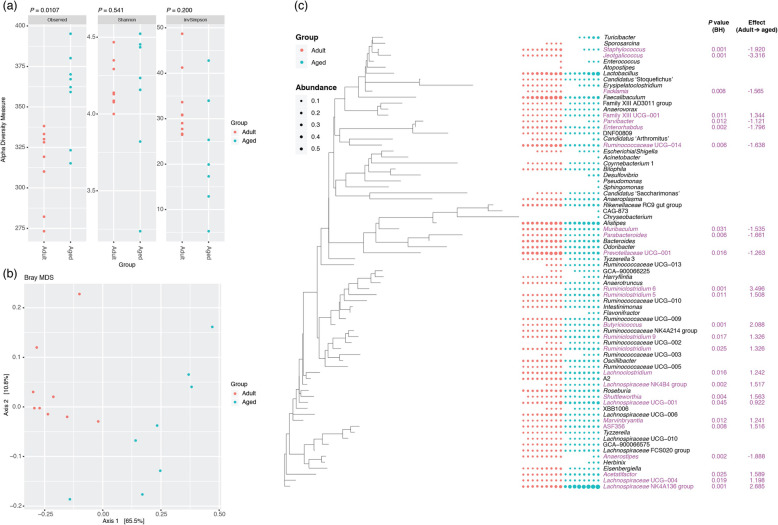
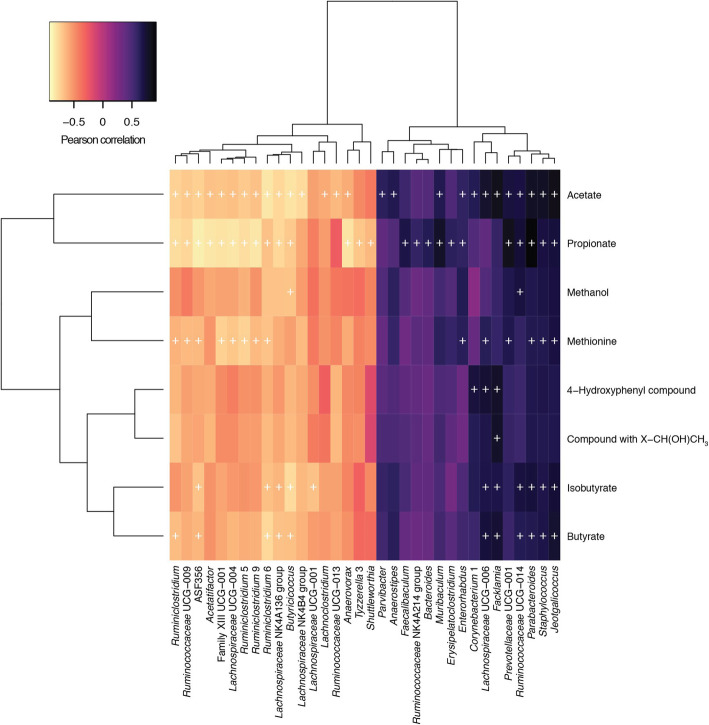
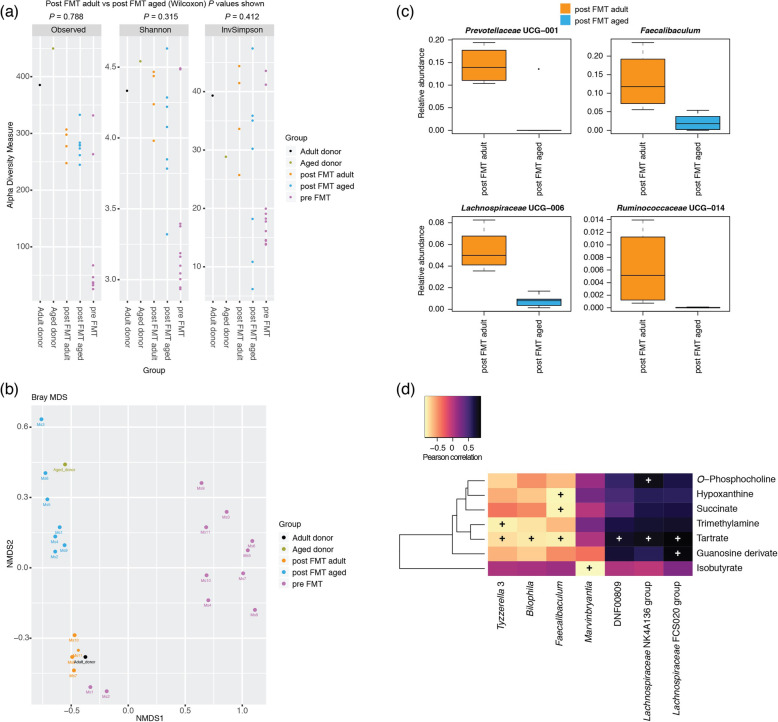
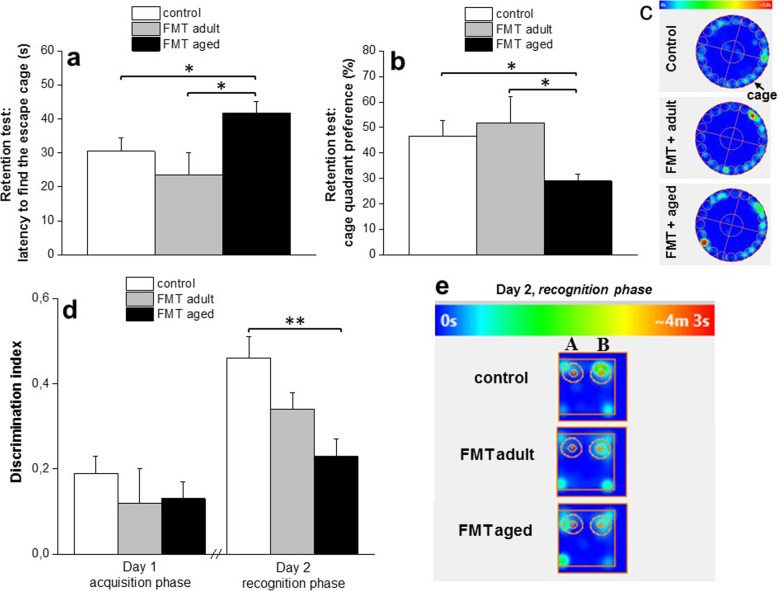
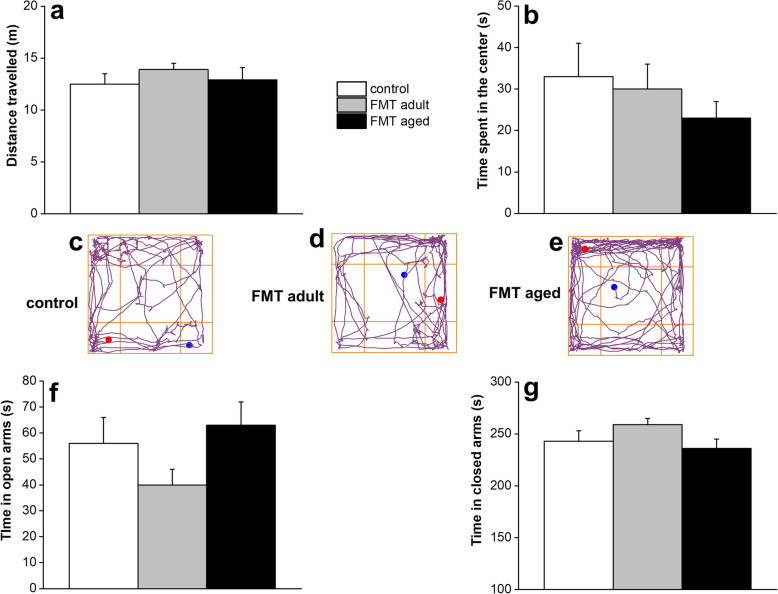
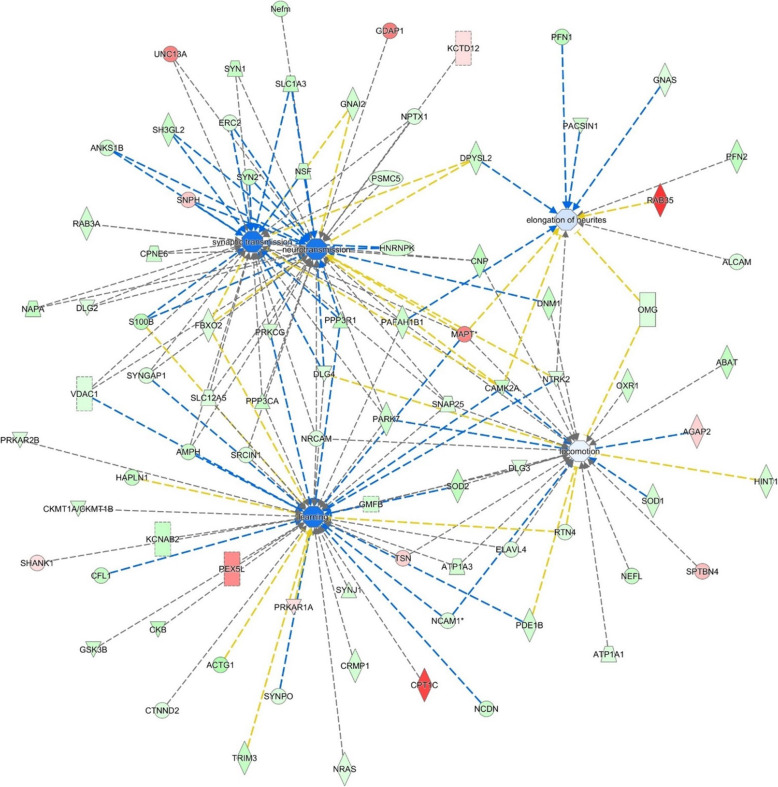
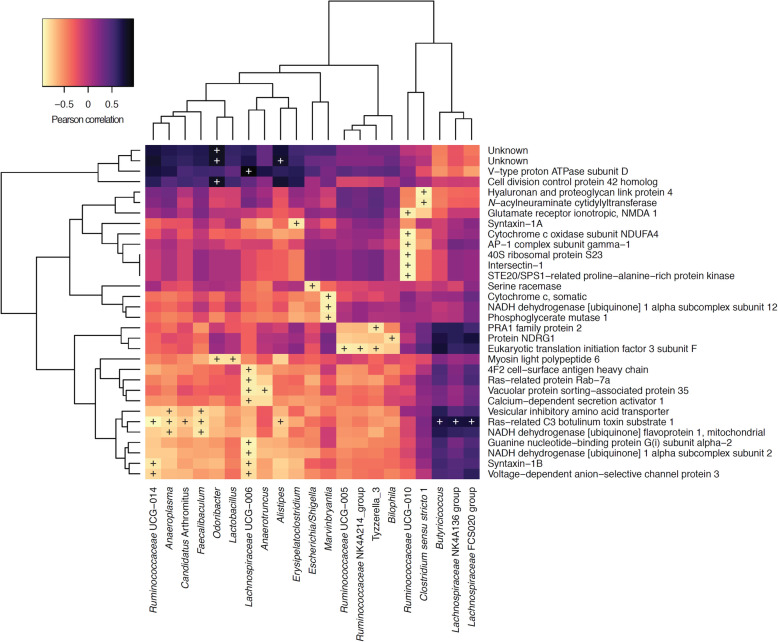
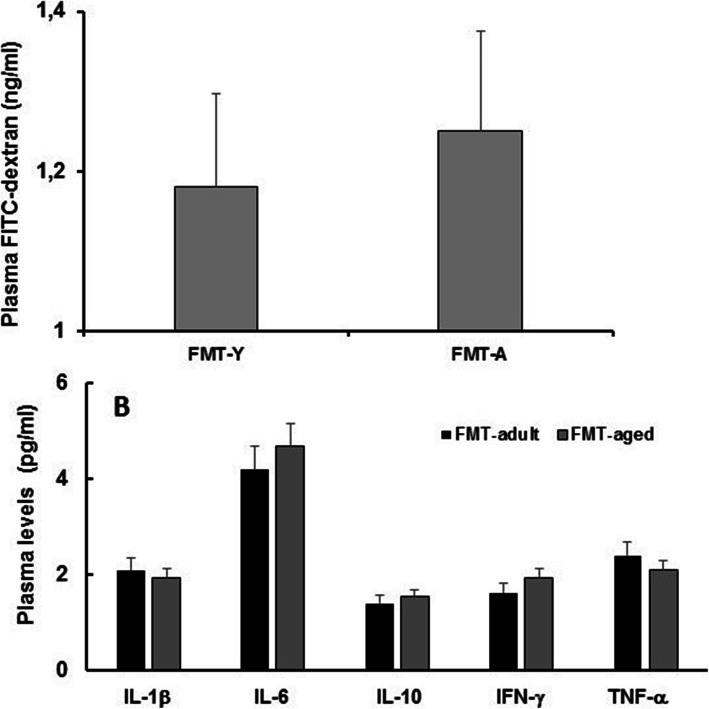
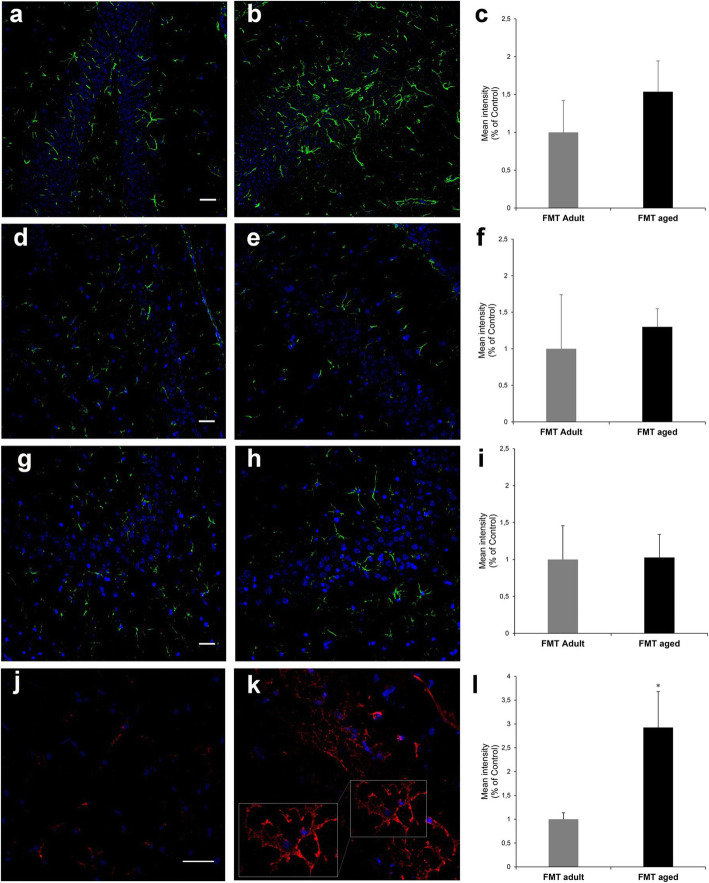
Background: The gut-brain axis and the intestinal microbiota are emerging as key players in health and disease. Shifts in intestinal microbiota composition affect a variety of systems; however, evidence of their direct impact on cognitive functions is still lacking. We tested whether faecal microbiota transplant (FMT) from aged donor mice into young adult recipients altered the hippocampus, an area of the central nervous system (CNS) known to be affected by the ageing process and related functions. Results: Young adult mice were transplanted with the microbiota from either aged or age-matched donor mice. Following transplantation, characterization of the microbiotas and metabolomics profiles along with a battery of cognitive and behavioural tests were performed. Label-free quantitative proteomics was employed to monitor protein expression in the hippocampus of the recipients. We report that FMT from aged donors led to impaired spatial learning and memory in young adult recipients, whereas anxiety, explorative behaviour and locomotor activity remained unaffected. This was paralleled by altered expression of proteins involved in synaptic plasticity and neurotransmission in the hippocampus. Also, a strong reduction of bacteria associated with short-chain fatty acids (SCFAs) production ( Lachnospiraceae, Faecalibaculum , and Ruminococcaceae ) and disorders of the CNS ( Prevotellaceae and Ruminococcaceae ) was observed. Finally, the detrimental effect of FMT from aged donors on the CNS was confirmed by the observation that microglia cells of the hippocampus fimbria, acquired an ageing-like phenotype; on the contrary, gut permeability and levels of systemic and local (hippocampus) cytokines were not affected. Conclusion: These results demonstrate that age-associated shifts of the microbiota have an impact on protein expression and key functions of the CNS. Furthermore, these results highlight the paramount importance of the gut-brain axis in ageing and provide a strong rationale to devise therapies aiming to restore a young-like microbiota to improve cognitive functions and the declining quality of life in the elderly.
Overview
The claims and statistics of this paper haven’t been checked yet.
Free: it reads the open-access text and checks the first 5 claims that cite a source we can check. Create a free account to check every claim.
Integrity signals
Registry
Cites
Statistics
Figures
Verification
Claims the paper makes
The claims and statistics of this paper haven’t been checked yet.
Free: it reads the open-access text and checks the first 5 claims that cite a source we can check. Create a free account to check every claim.
Claims other papers make about this one
Each is checked against this paper’s own text: does it say what the citing paper says it does?
The source backs part of the claim, not all of it — or backs it for a different population, condition or comparison.
In the citing paper
“the family Prevotellaceae has been reported to be positively related to SCFA levels in humans (Arumugam et al., 2011) and affects spatial learning and memory by modulating neurotransmission and hippocampal synaptic plasticity (D’Amato et al., 2020)”
From The modulatory effects of gut microbes and metabolites on blood-brain barrier integrity and brain function in sepsis-associated encephalopathy (2023) · cites this paper as D’Amato et al., 2020
Experimental — accuracy not yet measuredIn the citing paper
“Young mice transplanted with an aged donor microbiota display defects in spatial learning and memory [33]”
From Fecal microbiota transfer between young and aged mice reverses hallmarks of the aging gut, eye, and brain (2022) · cites this paper as [33]
Self-check
Percentages, sums and reported differences re-computed from the paper’s own numbers.
The self-check needs the paper’s full text.
Citations
Cites
DADA2: High–resolution sample inference from Illumina amplicon data
Callahan, B. J., McMurdie, P. J., Rosen, M. J., Han, A. W., Johnson, A. J. A., & Holmes, S. P. (2016) · Nature Methods · doi:10.1038/nmeth.3869 · Cited by 35,698
phyloseq: An R Package for Reproducible Interactive Analysis and Graphics of Microbiome Census Data
McMurdie, P. J., & Holmes, S. (2013) · PLoS ONE · doi:10.1371/journal.pone.0061217 · Cited by 21,322
Global patterns of 16S rRNA diversity at a depth of millions of sequences per sample
Caporaso, J. G., Lauber, C. L., Walters, W. A., Berg-Lyons, D., Lozupone, C. A., Turnbaugh, P. J., Fierer, N., & Knight, R. (2011) · Proceedings of the National Academy of Sciences · doi:10.1073/pnas.1000080107 · Cited by 9,711
Enterotypes of the human gut microbiome
MetaHIT Consortium (additional members), Arumugam, M., Raes, J., Pelletier, E., Le Paslier, D., Yamada, T., Mende, D. R., Fernandes, G. R., Tap, J., Bruls, T., et al. (2011) · Nature · doi:10.1038/nature09944 · Cited by 7,548
Perez-Riverol, Y., Csordas, A., Bai, J., Bernal-Llinares, M., Hewapathirana, S., Kundu, D. J., Inuganti, A., Griss, J., Mayer, G., Eisenacher, M., et al. (2019) · Nucleic Acids Research · doi:10.1093/nar/gky1106 · Cited by 6,693
Inflamm‐aging: An Evolutionary Perspective on Immunosenescence
FRANCESCHI, C., BONAFÈ, M., VALENSIN, S., OLIVIERI, F., DE LUCA, M., OTTAVIANI, E., & DE BENEDICTIS, G. (2000) · Annals of the New York Academy of Sciences · doi:10.1111/j.1749-6632.2000.tb06651.x · Cited by 5,358
Cryan, J. F., O'Riordan, K. J., Cowan, C. S. M., Sandhu, K. V., Bastiaanssen, T. F. S., Boehme, M., Codagnone, M. G., Cussotto, S., Fulling, C., Golubeva, A. V., et al. (2019) · Physiological Reviews · doi:10.1152/physrev.00018.2018 · Cited by 5,286
Mind-altering microorganisms: the impact of the gut microbiota on brain and behaviour
Cryan, J. F., & Dinan, T. G. (2012) · Nature Reviews Neuroscience · doi:10.1038/nrn3346 · Cited by 4,572
Indigenous bacteria from the gut microbiota regulate host serotonin biosynthesis
Yano, J. M., Yu, K., Donaldson, G. P., Shastri, G. G., Ann, P., Ma, L., Nagler, C. R., Ismagilov, R. F., Mazmanian, S. K., & Hsiao, E. Y. (2015) · Cell · doi:10.1016/j.cell.2015.02.047 · Cited by 3,614
Host microbiota constantly control maturation and function of microglia in the CNS
Erny, D., Hrabě de Angelis, A. L., Jaitin, D., Wieghofer, P., Staszewski, O., David, E., Keren-Shaul, H., Mahlakoiv, T., Jakobshagen, K., Buch, T., et al. (2015) · Nature Neuroscience · doi:10.1038/nn.4030 · Cited by 3,569 · cited 1×
“Germfree mice bear significant abnormalities in BBB structure and integrity [18] and in microglial numbers and morphology [19] profoundly complicating interpretation of the effects of FMT in our model.”
Background
Cited by
Items 201–287 of 287
Ashiqueali, S., Hayslip, N., Chaudhari, D. S., Schneider, A., Zhu, X., Rubis, B., Seavey, C., Alam, M. T., Hussein, R., Noureddine, S. A., et al. (2025) · GeroScience · doi:10.1007/s11357-025-01539-3 · Cited by 5
“Healthy microbiota safeguard against enteric diseases and positively influence metabolism, immunity, and cognition [13, 20–22].”
Microbiome transplants may not improve health and longevity in Drosophila melanogaster
Levine, B. H., & Hoffman, J. M. (2025) · Biology Open · doi:10.1242/bio.061745 · Cited by 5
Parra‐Martínez, C., Selma‐Royo, M., Leblic, B. C., Collado, M. C., Abril, N., & García‐Barrera, T. (2024) · Food and Chemical Toxicology · doi:10.1016/j.fct.2024.114627 · Cited by 4
Han, Y., Li, K., Hu, J. J., Wu, J., Li, X., Liu, D., & Li, C. (2024) · CNS Neuroscience & Therapeutics · doi:10.1111/cns.70164 · Cited by 4
Reveles, K. R., Hickmott, A. J., Strey, K. A., Mustoe, A. C., Arroyo, J. P., Power, M. L., Ridenhour, B. J., Amato, K. R., & Ross, C. N. (2024) · Microorganisms · doi:10.3390/microorganisms12050852 · Cited by 4
Rodríguez‐Moro, G., Cabrera‐Rubio, R., Selma‐Royo, M., Gómez-Morlote, J. A., Collado, M. C., Abril, N., & García‐Barrera, T. (2025) · Environmental Science and Pollution Research · doi:10.1007/s11356-025-36233-6 · Cited by 4
Sex-specific effects of intermittent fasting on hippocampal neurogenesis via the gut-brain axis
Luo, Y., Wang, H. Z., Chen, Z., Deng, Y., Zhang, Y., & Hu, W. (2024) · Food & Function · doi:10.1039/d4fo00318g · Cited by 4
Age-related microbiome metabolites alter RNA splicing and chromatin accessibility in the brainPreprint
Chakraborty, M., Shi, S. M., Porter, I. E., Richard, D. J., Marinov, G. K., Murthy, M. N., Moore, A. A., Blum, J. L. E., Natarajan, A., Jahng, J. W. S., et al. (2025) · bioRxiv (Cold Spring Harbor Laboratory) · doi:10.1101/2025.10.03.680371 · Cited by 4
Loeven, A. M., Brown, A. N., Ebuara, F. U., Jones, K. M., & Fadool, D. A. (2025) · Physiology & Behavior · doi:10.1016/j.physbeh.2025.115062 · Cited by 3
Liang, Z., Liu, Q., Wang, M., Gong, D., Qin, M., Li, H., Huang, X., Wang, Y., & Long, D. (2025) · Food & Function · doi:10.1039/d5fo03000e · Cited by 3
Probiotic Modulation in Aging: Strain-Specific Geroprotective Effects in Caenorhabditis elegans
Sciandrone, B., Squarzanti, D. F., Malfa, P., & Regonesi, M. E. (2025) · International Journal of Molecular Sciences · doi:10.3390/ijms262211205 · Cited by 3
Du, Q., Li, Q., Ullah, H., Wei, Y., Liao, G., Xiao, X., Yao, J., & Li, K. (2026) · npj Biofilms and Microbiomes · doi:10.1038/s41522-026-00922-y · Cited by 4
Wang, F., Zeng, W., Zhang, Z. K., Li, N., Cui, Z., Bai, J., Yan, J., Zhang, Y., Miao, Y., Gu, L., et al. (2026) · EMBO Molecular Medicine · doi:10.1038/s44321-026-00443-3 · Cited by 3
“…materials were collected from young and aged mice every day, and FMT was carried out via oral gavage with a fecal suspension (100 mg/ml) in a volume of 200 μ l on days 4 – 8 and 15 from the beginning of antibiotic regime, with reference to a previously published protocol (D ’ Amato et al, 2020).”
LIAO, Y., Li, X., Li, Q., Wang, Y., TAN, X., & GONG, T. (2024) · Biocell · doi:10.32604/biocell.2024.050324 · Cited by 3
Esfand, S. M., Querdasi, F. R., Gancz, N. N., Savoca, P. W., Nussbaum, S. G., Somers, J. A., Ditzer, J., Figueroa, M. B., Chu, K. A., Towner, E., et al. (2024) · Brain Behavior & Immunity - Health · doi:10.1016/j.bbih.2024.100880 · Cited by 3
Mining for disease-associated microbial metabolites in an age-dependent model of multiple sclerosisPreprint
Pu, A., Fettig, N. M., Polyzois, A., Chao, G. Y. C., Naouar, I., Hohman, L. S., Fontaine, M. A., Zuo, M., Champagne-Jorgensen, K., Copeland, J. K., et al. (2024) · bioRxiv (Cold Spring Harbor Laboratory) · doi:10.1101/2024.05.27.595846 · Cited by 3
Fecal Microbiota Transplantation in Healthy Aging: Challenges and Prospects in Personalized Medicine
Borrego-Ruiz, A., & Borrego, J. J. (2025) · Journal of Molecular and Clinical Medicine · doi:10.31083/jmcm40022 · Cited by 2
“These include changes in spatial learning and memory, exploratory behavior, and motor ability caused by alterations in protein expression within the hippocampus region, which is linked to neurotransmission and synaptic plasticity [44].”
Loeven, A. M., Pacheco, F. A., Brown, A. N., & Fadool, D. A. (2026) · Journal of Neurochemistry · doi:10.1111/jnc.70396 · Cited by 2
Rosas-Sánchez, G. U., Germán-Ponciano, L. J., Pérez-Vega, M. I., Gutiérrez‐Coronado, O., Muñoz‐Carrillo, J. L., Soriano-Hernández, A. D., Barrientos-Bonilla, A. A., Muñoz, C. G. R., & Soria-Fregozo, C. (2026) · Biomedicines · doi:10.3390/biomedicines14030637 · Cited by 2
Margiotta, F., Lucarini, E., Toti, A., Cataldi, M. G., Ciampi, C., Nicola, G. R. D., Mannelli, L. D. C., & Ghelardini, C. (2026) · Phytotherapy Research · doi:10.1002/ptr.70303 · Cited by 2
Self-citationAzimzadeh, M., & Azimzadeh, M. (2026) · Behavioural Brain Research · doi:10.1016/j.bbr.2026.116404 · Cited by 2
To be or not to be manipulated by our bacteria?
Borgne, M. L., Borgne, M. L., Sossou-Echavidre, K., & Janssen, C. (2024) · De Remediis · doi:10.71116/vj4jx563 · Cited by 2
“In other studies, also conducted in young axenic mice, colonization with the microbiota of aged mice led to a decline in learning and memory abilities 17 .”
Altered intestinal microbiota induced by high-fat diets affect cognition differently in mice
Hua, Y., Zhou, C. L., Fan, R., Benazzouz, S., Shen, J., Xiao, R., & Ma, W. (2024) · Nutrition Research · doi:10.1016/j.nutres.2024.09.019 · Cited by 2
Chen, X., Zhu, D., Ge, R., & Bao, Z. (2024) · Ecotoxicology and Environmental Safety · doi:10.1016/j.ecoenv.2024.116140 · Cited by 2
Xu, L., Qu, C., Liu, Y., Zhao, X., Gu, R., Huang, Y., Wang, K., Xiong, M., & Liu, H. (2025) · Nutritional Neuroscience · doi:10.1080/1028415x.2025.2536037 · Cited by 1
“The pyramidal cells in the hippocampus play a crucial role in transmitting signals within the brain and are essential for spatial navigation, learning, and memory [31].”
Nápoles-Medina, A. Y., Aguilar-Uscanga, B. R., Nápoles-Medina, B. G., Brand-Rubalcava, P. A., Tejeda-Martínez, A. R., & Flores-Soto, M. E. (2025) · Neurology Perspectives · doi:10.1016/j.neurop.2025.100206 · Cited by 1
The application of fecal microbiota transplantation in Parkinson’s disease
Wang, B., Ma, D., Li, N., & Luo, T. (2025) · Frontiers in Aging Neuroscience · doi:10.3389/fnagi.2025.1713899 · Cited by 1
“Notably, a recent study (D’Amato et al., 2020) revealed that FMT from aged donor mice impaired spatial learning and memory in young recipients, while transplantation from aged mouse models to germ-free (GF) mice reduced fecal short-chain fatty acid (SCFA) production, exacerbating depression-like…”
Thelen, A. C., Korten, N. M., Blischke, L., Voelz, C., Beyer, C., Seitz, J., & Trinh, S. (2026) · European Eating Disorders Review · doi:10.1002/erv.70080 · Cited by 1
Xu, Z., Zhang, J. I.-X., Hu, C., & Luo, Y. (2026) · Frontiers in Microbiology · doi:10.3389/fmicb.2026.1765079 · Cited by 1
Zhang, X., Chen, F., Luo, Y., Li, D., Ji, J., Ma, L., Ma, C., & Hu, X. (2026) · Nutrients · doi:10.3390/nu18081193 · Cited by 1
“Given the central role of the hippocampus in cognitive and emotional functions, we performed non-targeted metabolomics to investigate the neural metabolic landscape [38].”
Wei, S., Sun, Y., Zhao, L., Li, X., & Xue, J. (2026) · Food Science and Human Wellness · doi:10.26599/fshw.2026.9251050 · Cited by 1
Yuan, C., Wang, N., He, K., Xu, T., Wang, H., Ren, H., Xue, S., Yu, Q., Chen, L., & Zhang, G. (2026) · npj Science of Food · doi:10.1038/s41538-026-00993-3 · Cited by 1
Altered gut microbiota richness in individuals with a history of lateral ankle sprain
Terada, M., Uchida, M., Suga, T., & Isaka, T. (2022) · Research in Sports Medicine · doi:10.1080/15438627.2022.2036989 · Cited by 1
“…can be modifiable with therapeutic interventions, including diet, probiotic supplementation, lifestyle change, exercises, and faecal microbiota transplantation (Arora et al., 2021; D’Amato et al., 2020; Du et al., 2021; Gubert et al., 2020; Lew et al., 2019; Li et al., 2021; Tillisch et al., 2013).”
BackgroundOral administration of Lactobacillus kefiri Fanghua reduces immune senescence and aging phenotypes
Qiao, Z., Zhang, Y., Liu, H., Zou, H., Xie, Q., Liu, J., Zhang, H., Liu, T., Liu, Z., Qi, W., et al. (2024) · Food Science and Human Wellness · doi:10.26599/fshw.2024.9250286 · Cited by 1
Neuman, H., Turjeman, S., & Koren, O. (2022) · Elsevier eBooks · doi:10.1016/b978-0-12-821618-7.00040-7 · Cited by 1
Han, H. (2024) · ORBi (University of Liège) · Cited by 1
(2021) · Elsevier eBooks · doi:10.1016/b978-0-323-88445-7.16001-4
Hussain, S., Liu, H., Sabir, R., Khan, M. H., & Cao, H. (2022) · Research Square · doi:10.21203/rs.3.rs-1331467/v1
Establishment and Resilience of Transplanted Gut Microbiota in Aged MicePreprint
Wang, Y., Tang, J., Lv, Q., Tan, Y., Dong, X., Liu, H., Zhao, N., He, Z., Kou, Y., Tan, Y., et al. (2021) · SSRN Electronic Journal · doi:10.2139/ssrn.3956825
Research Progress of Gut Microbiota in the Pathogenesis of Postoperative Cognitive Dysfunction
欧, 茂. (2022) · Advances in Clinical Medicine · doi:10.12677/acm.2022.124514
Microbiota–brain interactions in aging and neurodegeneration
Foster, J. A., & Clarke, G. A. (2024) · Elsevier eBooks · doi:10.1016/b978-0-12-814800-6.00009-1
Jin, Z., Yang, Y., Cao, Y., Wen, Q., Yu, X., Cheng, J., Zhao, Q., Weng, J., Hong, K., Jiang, H., et al. (2023) · Figshare · doi:10.6084/m9.figshare.24202587
Jin, Z., Yang, Y., Cao, Y., Wen, Q., Yu, X., Cheng, J., Zhao, Q., Weng, J., Hong, K., Jiang, H., et al. (2023) · Figshare · doi:10.6084/m9.figshare.24202581
Jin, Z., Yang, Y., Cao, Y., Wen, Q., Yu, X., Cheng, J., Zhao, Q., Weng, J., Hong, K., Jiang, H., et al. (2023) · Figshare · doi:10.6084/m9.figshare.24202584
Gong, J., He, L., Zou, Q., Zhao, Y., Zhang, B., Xia, R., Chen, B., Cao, M., Gong, W., Lin, L., et al. (2022) · Figshare · doi:10.6084/m9.figshare.20295774
Murdock, D. K. (2024) · Insights in Biology and Medicine · doi:10.29328/journal.ibm.1001028
Gut Microbiota-Mediated Modulation of Neurodevelopmental Behavior in CLCN4- Deficient MicePreprint
Choi, Y., Bose, S., Oh, J., Song, E., Nam, Y., Jeon, S., & Kim, H. (2025) · Research Square · doi:10.21203/rs.3.rs-7514097/v1
Lucarini, E., D’Amato, A., Pilato, V. D., Morecchiato, F., Gall, G. L., Vauzour, D., Micheli, L., Toti, A., Ciampi, C., Nicoletti, C., et al. (2025) · SSRN Electronic Journal · doi:10.21203/rs.3.rs-6025304/v1
Self-citationWu, Y.-F., Cao, L., Zeng, L.-P., Zhang, Y., & Chen, G. (2025) · Current Molecular Medicine · doi:10.2174/0115665240435677251020092938
Liu, Y., Zhao, P., Cai, Z., He, P., Wang, J., He, H., Zhu, Z., Guo, X., Ma, K., Peng, K., et al. (2024) · Figshare · doi:10.6084/m9.figshare.27022743
Gong, J., He, L., Zou, Q., Zhao, Y., Zhang, B., Xia, R., Chen, B., Cao, M., Gong, W., Lin, L., et al. (2022) · Figshare · doi:10.6084/m9.figshare.20295756
Jin, Z., Yang, Y., Cao, Y., Wen, Q., Xi, Y., Cheng, J., Zhao, Q., Weng, J., Hong, K., Jiang, H., et al. (2023) · Figshare · doi:10.6084/m9.figshare.24202578
Gong, J., He, L., Zou, Q., Zhao, Y., Zhang, B., Xia, R., Chen, B., Cao, M., Gong, W., Lin, L., et al. (2022) · Figshare · doi:10.6084/m9.figshare.20295768
Zheng, H., Zhao, Q., Chen, J., Lu, J., Li, Y., & Gao, H. (2024) · Figshare · doi:10.6084/m9.figshare.26604466
Zheng, H., Zhao, Q., Chen, J., Lu, J., Li, Y., & Gao, H. (2024) · Figshare · doi:10.6084/m9.figshare.26604469
Additional file 1 of Gut microbiota of the young ameliorates physical fitness of the aged in mice
Kim, K. H., Chung, Y., Huh, J.-W., Park, D. J., Cho, Y., Oh, Y., Jeong, H., Yoon, J., Kang, J.-H., Shin, H.-S., et al. (2023) · Figshare · doi:10.6084/m9.figshare.22602284
Gong, J., He, L., Zou, Q., Zhao, Y., Zhang, B., Xia, R., Chen, B., Cao, M., Gong, W., Lin, L., et al. (2022) · Figshare · doi:10.6084/m9.figshare.20295771
Dietz, M. W., Matson, K. D., Versteegh, M. A., van der Velde, M., Parmentier, H. K., Arts, J. A. J., Salles, J. F., & Tieleman, B. I. (2024) · Figshare · doi:10.6084/m9.figshare.26554112
Gong, J., He, L., Zou, Q., Zhao, Y., Zhang, B., Xia, R., Chen, B., Cao, M., Gong, W., Lin, L., et al. (2022) · Figshare · doi:10.6084/m9.figshare.20295759
Microbiome-Metabolomics Reveals the Bidirectional Associations Between Aging and Depression
Li, W., Wei, F., Liu, H., Lv, M., Zhao, D., Xuemei, Q. I. N., & Liu, X. (2026) · Indian Journal of Microbiology · doi:10.1007/s12088-025-01538-0
Gut microbiota transfer from old mice accelerates aging in adults
Baca, A., Félix, J., Cerro, E. D., Yépez-Notario, C., Requena, T., de Toda, I. M., & la Fuente, M. D. (2026) · Mechanisms of Ageing and Development · doi:10.1016/j.mad.2026.112177
Chataigner, M. (2021) · theses.fr (ABES) · doi:10.70675/a4317690zc4c8z4ba6za738zd457c6bb9b74
Dréan, M. E. L. (2023) · theses.fr (ABES) · doi:10.70675/082c2ee8zd636z417ez9619z667a81475fb9
Al‐Beltagi, M., Saeed, N. K., El-Sawaf, Y., Bediwy, A. S., & Elbeltagi, R. M. (2026) · World Journal of Clinical Pediatrics · doi:10.5409/wjcp.v15.i2.117843
The selection of matching donors for patients in fecal microbiota transplantation
Qian, X., Yao, W., Wang, W., Shao, H., & Xu, Z. (2026) · Frontiers in Microbiology · doi:10.3389/fmicb.2026.1859411
Links between gut microbiome and senescence in birds: patterns, mechanisms and future directionsPreprint
Ruuskanen, S., Davies, C. S., Mari, L., Reichert, S., & Worsley, S. F. (2026) · Authorea · doi:10.22541/authorea.15005469/v1
Microbiome‐blood–brain barrier interactions in aging — mechanisms and therapeutic potential
Cuervo-Zanatta, D., Balasubramanian, H. B., Pasokh, A., & Zille, M. (2026) · FEBS Letters · doi:10.1002/1873-3468.70412
Cao, Y., Wu, X., Yao, J., Lou, H., Sun, Y., Jiang, J., Song, Y., Meng, X., Du, C., Da, D., et al. (2026) · Frontiers in Neurology · doi:10.3389/fneur.2026.1909220
Gut microbiota dysbiosis shapes brain T-cell immunity in accelerated aging
Peschke, L., Nguyen, T. T., Leite, J. A., Falony, G., Nguyen, V. T. T., Kattimani, Y. M., Ramphal, N. S., Jasser, R., Bos, N. N., Regen, T., et al. (2026) · Gut Microbes · doi:10.1080/19490976.2026.2728329
“90 In addition to FMT studies, antibiotic and colonization approaches further demonstrate that the gut microbiota can shape immune phenotypes.”
Wan, L., Zeng, H., Bai, Q., Peng, L., Yang, X., Li, H., Rao, H., Liu, L., Xiong, X., Li, L., et al. (2026) · Journal of Future Foods · doi:10.1016/j.jfutfo.2026.09.013
Nuță, C. R., Băjenaru, L., Sovarel, A. M. M., & Băjenaru, O. L. (2026) · Applied Biosciences · doi:10.3390/applbiosci5040089
“Fecal transfer from aged donor mice to young recipients impaired spatial learning and altered hippocampal proteins involved in synaptic plasticity and neurotransmission [48].”
Rodriguez-Vidal, J. F., Alcaraz‐Pérez, F., Bernal-Bermúdez, B., García‐Moreno, D., Ayala, A. G., Cabas, I., Mulero, V., & Cayuela, M. L. (2026) · Research Square · doi:10.21203/rs.3.rs-11107439/v1
Toti, A., Cataldi, M. G., Micheli, L., Lucarini, E., Margiotta, F., Venturi, D., Aiello, G., D’Amato, A., Mello, T., Ghelardini, C., et al. (2026) · Research Square · doi:10.21203/rs.3.rs-10892364/v1
Self-citationLi, S., Chen, M., Yang, H., Zhao, X., Tian, Y., Cheng, Y., Wu, Q., Feng, Y., Chen, L., Yi, A., et al. (2026) · International Journal of Molecular Sciences · doi:10.3390/ijms272110043
Tracey, H., Antolín, A., Teichenne-Jané, J., Jones, O. A. H., Van, T. T. H., Puig, J., Ramos, R., Garre‐Olmo, J., Fernández‐Real, J. M., Mayneris‐Perxachs, J., et al. (2026) · Gut Microbes · doi:10.1080/19490976.2026.2750588
Acharya, K. D., Friedline, R. H., Ward, D. V., Graham, M. E., Tauer, L., Zheng, D., Hu, X., de Vos, W. M., McCormick, B. A., Kim, J. K., et al. (2022) · doi:10.3389/fendo.2022.1010806.s002
Ren, B., Wang, L., Mulati, A., Liu, Y., Liu, Z., & Liu, X. (2021) · doi:10.3389/fnut.2021.746592.s001
Bi, T., Zhang, L., Zhan, L., Feng, R., Zhao, T., Ren, W., Hang, T., Zhou, W., & Lu, X. (2022) · doi:10.3389/fnagi.2022.913002.s002
Lamas-Paz, A., Mesquita, M., Garcia-Lacarte, M., Estévez-Vázquez, O., Benedé-Ubieto, R., Gutierrez, A. H., Wu, H., Lasalle, H. L., Vaquero, J., Bañares, R., et al. (2024) · doi:10.3389/fnut.2024.1393014.s001
Late-life depletion of the gut microbiome attenuates aging-induced frailty in male mice
Chandra, F., Olson, C. A., Lum, G. R., Ha, S. M., Liberty, N., Paramo, J., Yang, X., & Hsiao, E. Y. (2026) · Gut Microbes Reports · doi:10.1080/29933935.2026.2763224
Metadata
- Authors
- D’Amato, A., Di Cesare Mannelli, L., Lucarini, E., Man, A. L., Le Gall, G., Branca, J. J. V., Ghelardini, C., Amedei, A., Bertelli, E., Regoli, M., Pacini, A., Luciani, G., Gallina, P., Altera, A., Narbad, A., Gulisano, M., Hoyles, L., Vauzour, D., & Nicoletti, C.
- Affiliations
- University of Milan (IT)
- University of Florence (IT)
- Earlham Institute (GB)
- University of Siena (IT)
- Azienda Ospedaliero-Universitaria Careggi (IT)
- Quadram Institute (GB)
- Nottingham Trent University (GB)
- University of East Anglia (GB)
- Corresponding author
- Vauzour, David
- Nicoletti, Claudio
- ORCID
- Venue
- Microbiome
- Published
- 2020-10-01
- Volume
- 8
- Issue
- 1
- Pages
- 140-140
- ISSN
- 2049-2618 (ISSN-L)
- PMC
- PMC7532115
- OpenAlex
- W3089698117
- Cited by
- 269
- References
- 75
- Citations by year
- 2026: 17 · 2025: 50 · 2024: 62 · 2023: 48 · 2022: 61 · 2021: 29 · 2020: 2
- FWCI
- 11.67
- Type
- journal article
- Language
- en
- Open access
- gold
- doi.org
- Licence
- cc-by
- creativecommons.org/licenses/by/4.0 (tdm)
- creativecommons.org/licenses/by/4.0 (vor)
- Locations
- Microbiome (publishedVersion, cc-by)
- bioRxiv (Cold Spring Harbor Laboratory) (acceptedVersion, cc-by)
- PubMed Central (publishedVersion, cc-by)
- PubMed (publishedVersion)
- Nottingham Trent University's Institutional Repository (Nottingham Trent Repository) (acceptedVersion)
- UEA Digital Repository (University of East Anglia) (acceptedVersion)
- Florence Research (University of Florence) (submittedVersion, other-oa)
- Archivio Istituzionale della Ricerca (Universita Degli Studi Di Milano) (submittedVersion, other-oa)
- Institutional Research Information System (University of Udine) (submittedVersion, cc-by)
- DOAJ (DOAJ: Directory of Open Access Journals) (submittedVersion, cc-by-sa)
- Spiral (Imperial College London) (submittedVersion, cc-by)
- Use Siena air (University of Siena) (submittedVersion, cc-by)
- Funders
- Ente Cassa di Risparmio di Firenze
- Biotechnology and Biological Sciences Research Council (BB/J004529/1)
- Medical Research Council (MR/L01632X/1)
- Topics
- Life Sciences › Biochemistry, Genetics and Molecular Biology › Molecular Biology › Gut microbiota and health
- Health Sciences › Medicine › Gastroenterology › Gastrointestinal motility and disorders
- Life Sciences › Neuroscience › Neurology › Neuroinflammation and Neurodegeneration Mechanisms
- Keywords
- gut-brain axis, aging, spatial learning and memory, hippocampus, synaptic plasticity, neurotransmission, short-chain fatty acids, Lachnospiraceae, Ruminococcaceae, microglia, cognitive decline
- MeSH terms
- Fecal Microbiota Transplantation, Aging, Animals, Hippocampus, Male, Memory, Mice, Inbred C57BL, Synaptic Transmission, Neuronal Plasticity, Quality of Life, Mice, Spatial Learning
About these checks
Registry, retraction, Cites and statistics results are computed, not judged, with one exception: a printed reference that no index lists is read once by a model before it counts as a citation error. Claims are extracted by a model and kept only when their quote appears verbatim in the text; each cited source is then checked, with a model’s help, for whether it says what the claim relies on. Those verdicts can be wrong — read the claim’s quote and the cited source before relying on one.
Statistics and arithmetic are recomputed, not judged.
Confidence bands are shown only for fields calibrated on our annotated test set. None is calibrated yet, so no band is shown.
What counts as a claim ›How we measure confidence ›How we check this ›
Are you an author, or do you see a problem with this page? Request a review
Data sources
Bibliographic data: Semantic Scholar, OpenAlex, Crossref.
Contains information from the Semantic Scholar Academic Graph Datasets, made available under the ODC Attribution License (ODC-BY 1.0).
Semantic Scholar’s data is described in: Kinney, R., et al. (2023). The Semantic Scholar Open Data Platform. arXiv:2301.10140.
