

Commensal microbe-derived acetate suppresses NAFLD/NASH development via hepatic FFAR2 signalling in mice
Open accessThe DOI matches its Crossref record; 58 of the 58 references it cites were found in a registry or an index.
Abstract
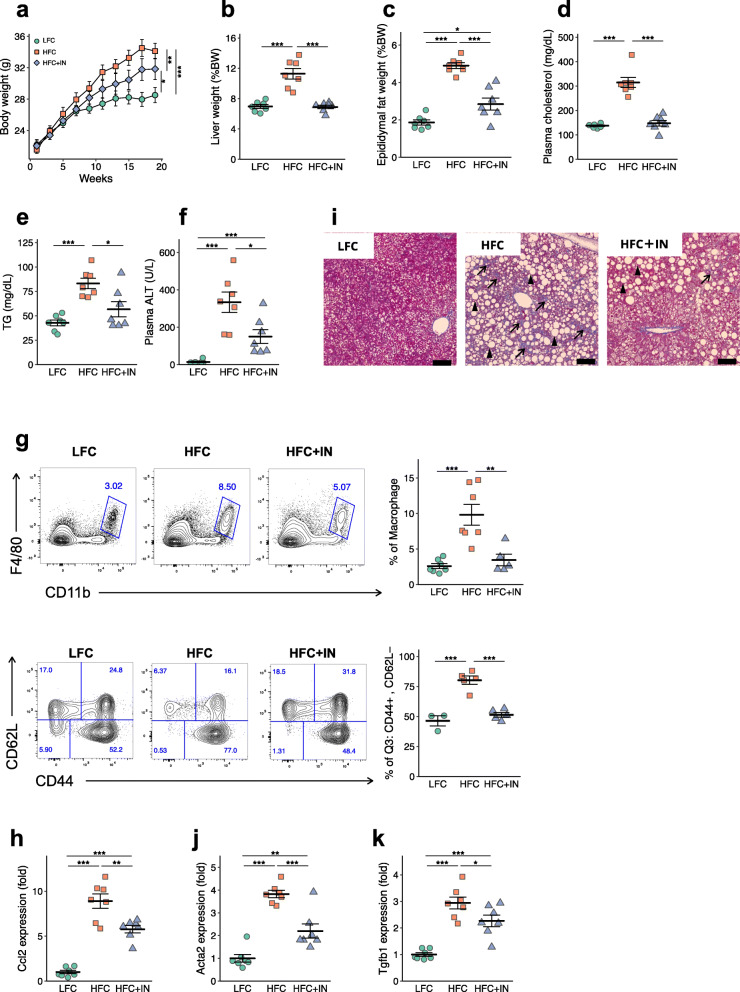
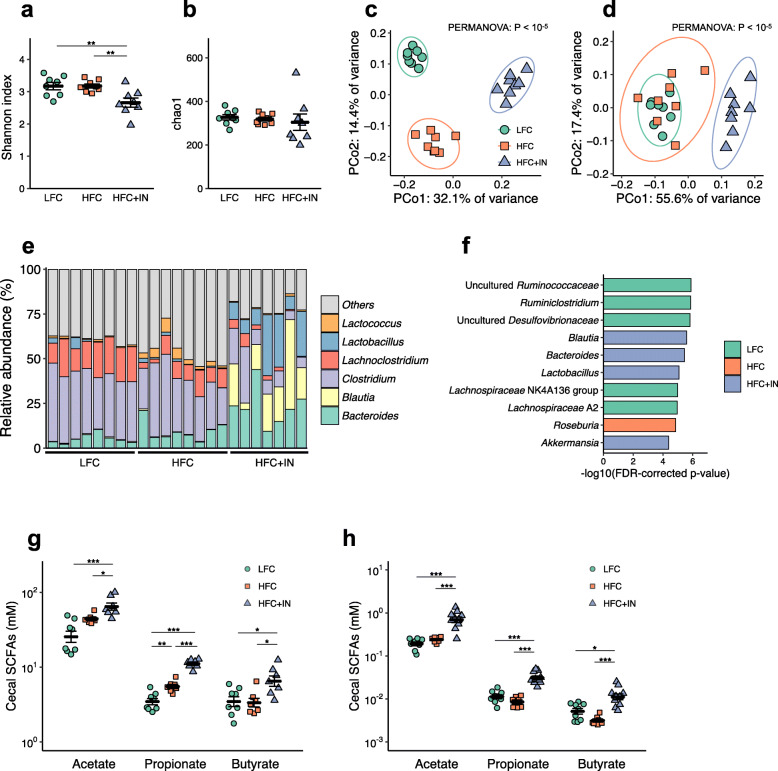
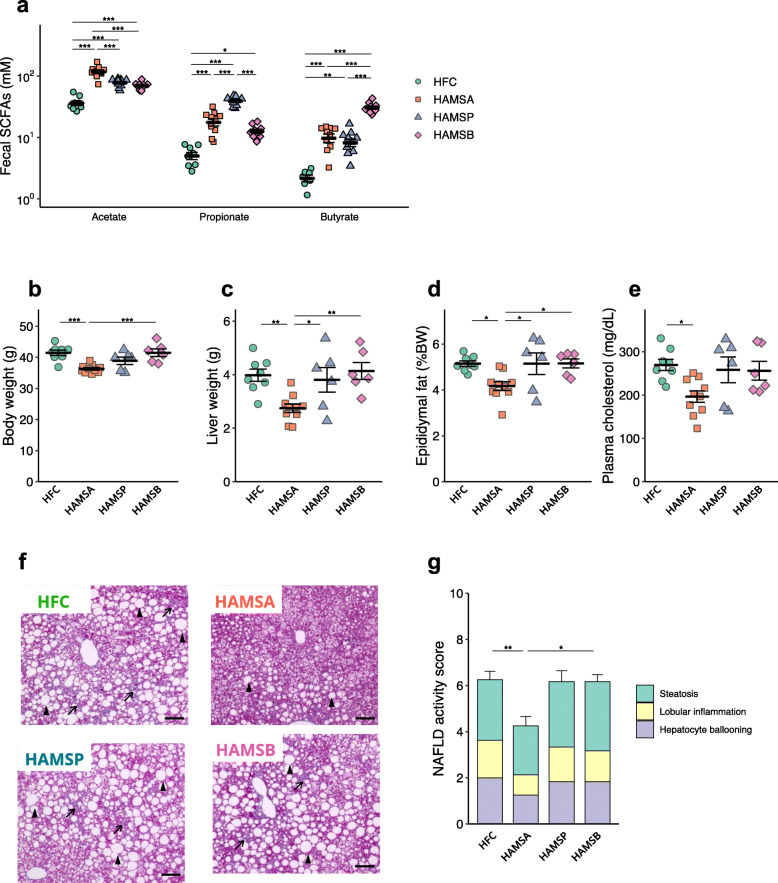
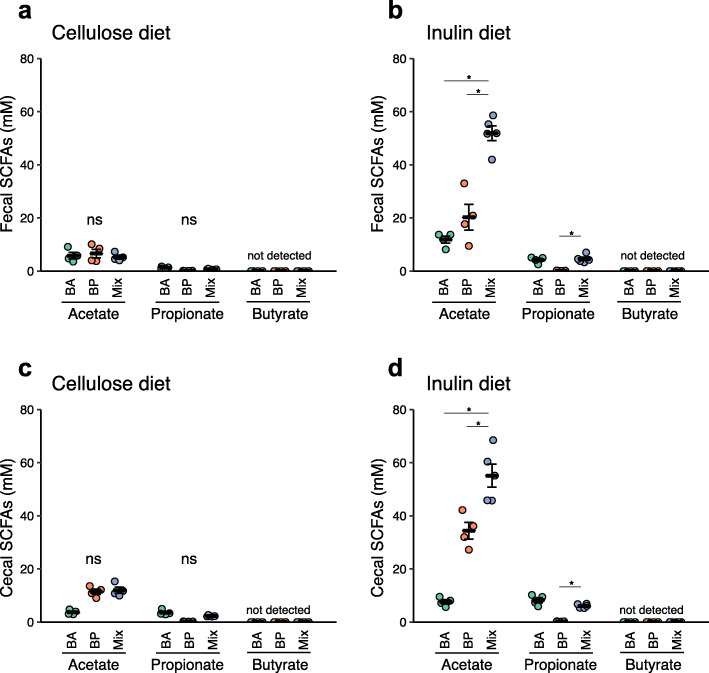
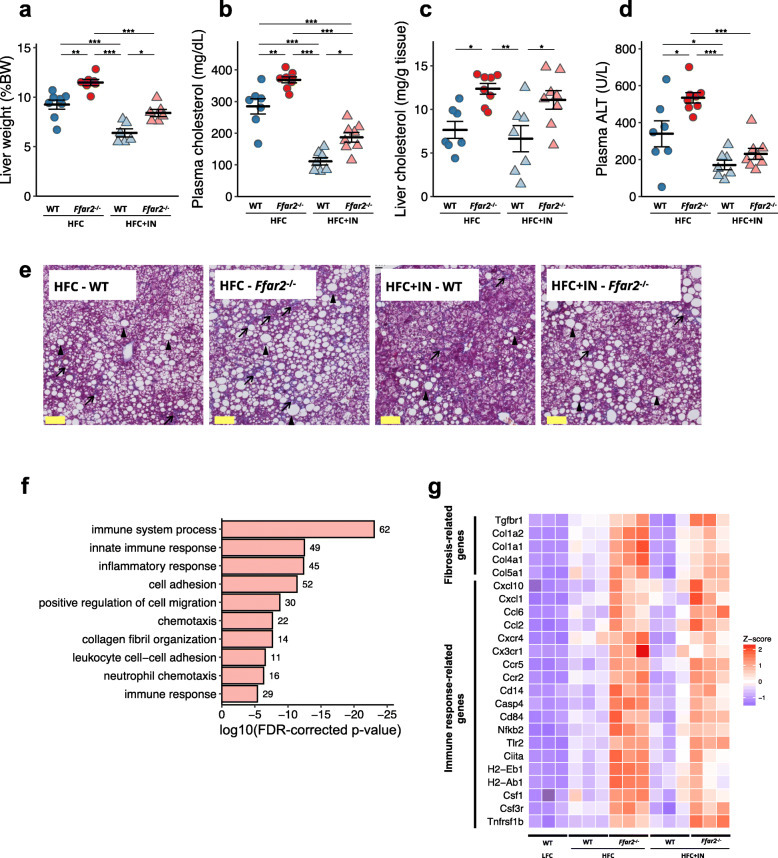
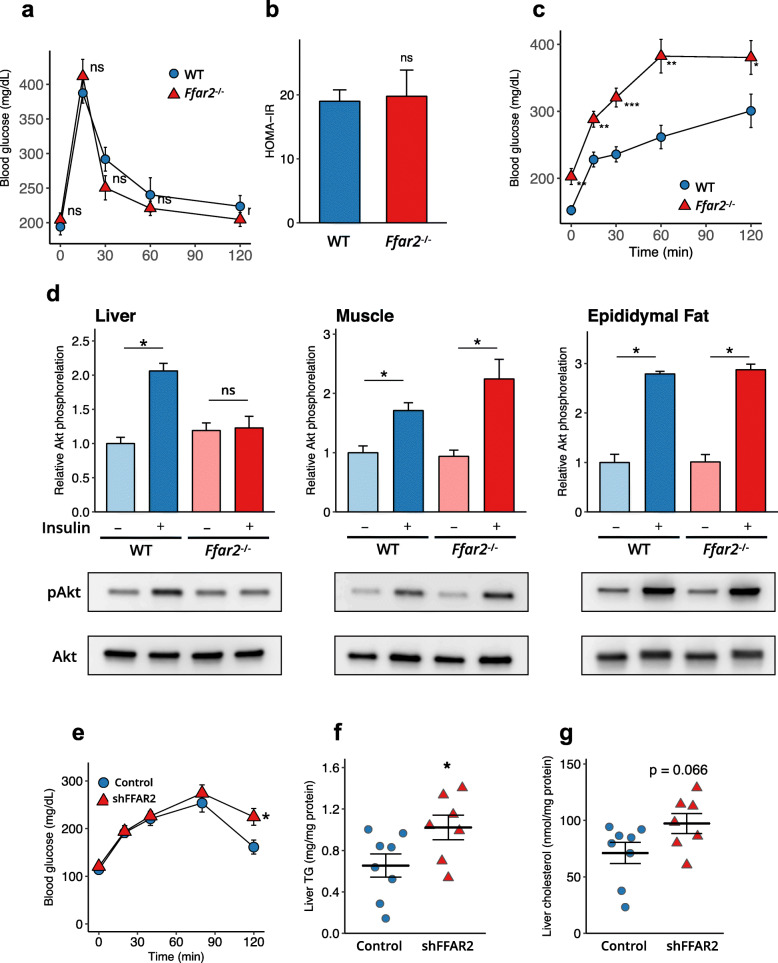
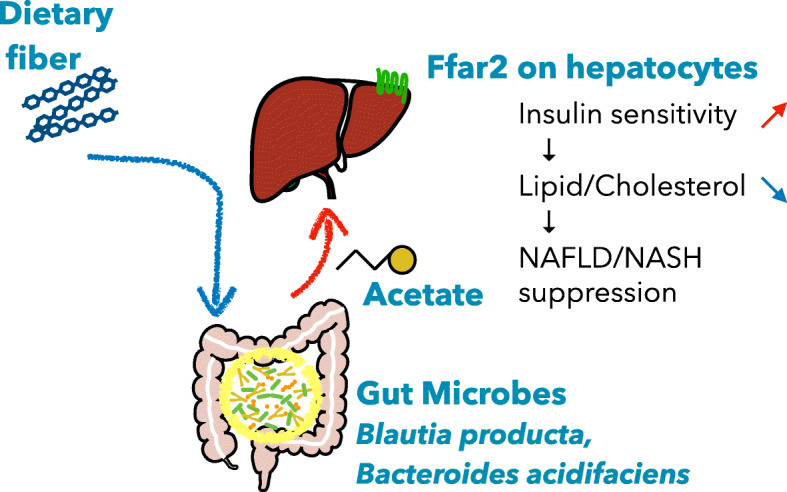
Background: Non-alcoholic liver disease (NAFLD) is the hepatic manifestation of metabolic syndrome, and it can progress to non-alcoholic steatohepatitis (NASH). Alterations in the gut microbiome have been implicated in the development of NAFLD/NASH, although the underlying mechanisms remain unclear. Results: We found that the consumption of the prebiotic inulin markedly ameliorated the phenotype of NAFLD/NASH, including hepatic steatosis and fibrosis, in mice. Inulin consumption resulted in global changes in the gut microbiome, including concomitant enrichment of the genera Bacteroides and Blautia, and increased concentrations of short-chain fatty acids, particularly acetate, in the gut lumen and portal blood. The consumption of acetate-releasing resistant starch protected against NAFLD development. Colonisation by Bacteroides acidifaciens and Blautia producta in germ-free mice resulted in synergetic effects on acetate production from inulin. Furthermore, the absence of free fatty acid receptor 2 (FFAR2), an acetate receptor, abolished the protective effect of inulin, as indicated by the more severe liver hypertrophy, hypercholesterolaemia and inflammation. These effects can be attributed to an exacerbation of insulin resistance in the liver, but not in muscle or adipose tissue. Conclusion: These findings demonstrated that the commensal microbiome–acetate–FFAR2 molecular circuit improves insulin sensitivity in the liver and prevents the development of NAFLD/NASH.
Overview
The claims and statistics of this paper haven’t been checked yet.
Free: it reads the open-access text and checks the first 5 claims that cite a source we can check. Create a free account to check every claim.
Integrity signals
Registry
Cites
Statistics
Figures
Verification
Claims the paper makes
The claims and statistics of this paper haven’t been checked yet.
Free: it reads the open-access text and checks the first 5 claims that cite a source we can check. Create a free account to check every claim.
Claims other papers make about this one
Each is checked against this paper’s own text: does it say what the citing paper says it does?
The cited source says what the claim attributes to it.
In the citing paper
“Microbial acetate on the other hand, is protective against MASH fibrosis through activation of the free fatty acid receptor 2 (FFAR2) receptor on hepatocytes and modulation of lipid metabolism (208).”
From Found in translation—Fibrosis in metabolic dysfunction–associated steatohepatitis (MASH) (2023) · cites this paper as [208]
Self-check
Percentages, sums and reported differences re-computed from the paper’s own numbers.
The self-check needs the paper’s full text.
Citations
Cites
A RAPID METHOD OF TOTAL LIPID EXTRACTION AND PURIFICATION
Bligh, E. G., & Dyer, W. J. (1959) · Canadian Journal of Biochemistry and Physiology · doi:10.1139/o59-099 · Cited by 54,751 · cited 1×
“The hepatic lipid fraction was extracted from liver homogenates using the Bligh and Dyer method [54].”
MethodMEGA6: Molecular Evolutionary Genetics Analysis Version 6.0
Tamura, K., Stecher, G., Peterson, D., Filipski, A., & Kumar, S. (2013) · Molecular Biology and Evolution · doi:10.1093/molbev/mst197 · Cited by 47,205
Systematic and integrative analysis of large gene lists using DAVID bioinformatics resources
Huang, D. W., Sherman, B. T., & Lempicki, R. A. (2009) · Nature Protocols · doi:10.1038/nprot.2008.211 · Cited by 35,890 · cited 1×
“8) [53] on genes that with significantly differential expression.”
BackgroundCutadapt removes adapter sequences from high-throughput sequencing reads
Martin, M. (2011) · EMBnet.journal · doi:10.14806/ej.17.1.200 · Cited by 33,889 · cited 1×
“After trimming both primer sequences using cutadapt [40], following chimera detection using the USEARCH de novo method, the sequences were assigned to OTUs using the UCLUST algorithm with a sequence identity threshold of 97%.”
MethodThe SILVA ribosomal RNA gene database project: improved data processing and web-based tools
Quast, C., Pruesse, E., Yilmaz, P., Gerken, J., Schweer, T., Yarza, P., Peplies, J., & Glöckner, F. O. (2012) · Nucleic Acids Research · doi:10.1093/nar/gks1219 · Cited by 33,055 · cited 1×
“Taxonomic assignments for each OTU were made via similarity searching against the SILVA 16S rRNA gene sequence reference database (v132) [41] using blastn (v2.”
MethodBLAST+: architecture and applications
Camacho, C., Coulouris, G., Avagyan, V., Ma, N., Papadopoulos, J., Bealer, K., & Madden, T. L. (2009) · BMC Bioinformatics · doi:10.1186/1471-2105-10-421 · Cited by 22,074
Lane, D. (1991) · Medical Entomology and Zoology · Cited by 12,696
Kim, D., Pertea, G., Trapnell, C., Pimentel, H., Kelley, R., & Salzberg, S. L. (2013) · Genome Biology · doi:10.1186/gb-2013-14-4-r36 · Cited by 12,668
Trapnell, C., Roberts, A., Goff, L., Pertea, G., Kim, D., Kelley, D. R., Pimentel, H., Salzberg, S. L., Rinn, J. L., & Pachter, L. (2012) · Nature Protocols · doi:10.1038/nprot.2012.016 · Cited by 12,116
Design and validation of a histological scoring system for nonalcoholic fatty liver disease†
Kleiner, D. E., Brunt, E. M., Van Natta, M., Behling, C., Contos, M. J., Cummings, O. W., Ferrell, L. D., Liu, Y., Torbenson, M. S., Unalp‐Arida, A., et al. (2005) · Hepatology · doi:10.1002/hep.20701 · Cited by 10,791 · cited 1×
“The NAFLD activity score was determined as described elsewhere [55, 56].”
Method
Cited by
Ney, L.-M., Wipplinger, M., Grossmann, M., Engert, N., Wegner, V. D., & Mosig, A. S. (2023) · Open Biology · doi:10.1098/rsob.230014 · Cited by 315
Updated mechanisms of MASLD pathogenesis
Li, Y., Yang, P., Ye, J., Xu, Q., Wu, J., & Wang, Y. (2024) · Lipids in Health and Disease · doi:10.1186/s12944-024-02108-x · Cited by 300
“For example, recent studies have evinced that commensal microbe-derived acetate moderates the development of MASLD through the free fatty acid receptor 2 (FFAR2) signaling pathway in mouse models [117].”
BackgroundSong, Q., Zhang, X., Liu, W., Wei, H., Liang, W., Zhou, Y., Ding, Y., Ji, F., Ho-Kwan Cheung, A., Wong, N., et al. (2023) · Journal of Hepatology · doi:10.1016/j.jhep.2023.07.005 · Cited by 293
Ikeda, T., Nishida, A., Yamano, M., & Kimura, I. (2022) · Pharmacology & Therapeutics · doi:10.1016/j.pharmthera.2022.108273 · Cited by 271
Self-citationWei, W., Wong, C. C., Jia, Z., Liu, W., Liu, C., Ji, F., Pan, Y., Wang, F., Wang, G., Zhao, L., et al. (2023) · Nature Microbiology · doi:10.1038/s41564-023-01418-7 · Cited by 248
Inulin: properties and health benefits
Qin, Y.-Q., Wang, L.-Y., Yang, X.-Y., Xu, Y.-J., Fan, G., Fan, Y.-G., Ren, J.-N., An, Q., & Li, X. (2023) · Food & Function · doi:10.1039/d2fo01096h · Cited by 240
Yin, K., Wang, D., Zhang, Y., Lu, H., Wang, Y., & Xing, M. (2023) · Journal of Advanced Research · doi:10.1016/j.jare.2022.10.015 · Cited by 180
“Acetate negatively regulates the insulin signal in fat cells to inhibit fat deposition [39].”
BackgroundGPR41 and GPR43: From development to metabolic regulation
Lee, D., Kim, M.-T., & Han, J. (2024) · Biomedicine & Pharmacotherapy · doi:10.1016/j.biopha.2024.116735 · Cited by 190
Found in translation—Fibrosis in metabolic dysfunction–associated steatohepatitis (MASH)
Wang, S., & Friedman, S. L. (2023) · Science Translational Medicine · doi:10.1126/scitranslmed.adi0759 · Cited by 158
“Microbial acetate, on the other hand, is protective against MASH fibrosis through activation of the free fatty acid receptor 2 (FFAR2) on hepatocytes and modulation of lipid metabolism ( 205 ).”
BackgroundThe Role of Gut–Liver Axis in Gut Microbiome Dysbiosis Associated NAFLD and NAFLD-HCC
Song, Q., & Zhang, X. (2022) · Biomedicines · doi:10.3390/biomedicines10030524 · Cited by 175
“For example, a recent study found a kind of acetate from a commensal microbe that can suppress NAFLD development by modulating hepatic FFAR2 signaling in the liver of high-fat-fed mice [34].”
BackgroundShen, H., Zhou, L., Zhang, H., Yang, Y., Jiang, L., Wu, D., Shu, H., Zhang, H., Xie, L., Zhou, K., et al. (2024) · Cell Host & Microbe · doi:10.1016/j.chom.2024.06.008 · Cited by 132
Lau, H. C.-H., Zhang, X., & Yu, J. (2025) · Nature Reviews Gastroenterology & Hepatology · doi:10.1038/s41575-025-01089-1 · Cited by 139
“Increased acetate then binds to hepatocyte-free fatty acid receptor 2 (FFAR2) 107 or propionate activates the AMP-activated protein kinase (AMPK) signalling pathway 108 , both thereby suppressing MASLD development in mice.”
Prebiotic and Probiotic Modulation of the Microbiota–Gut–Brain Axis in Depression
Radford-Smith, D. E., & Anthony, D. C. (2023) · Nutrients · doi:10.3390/nu15081880 · Cited by 96
“While the effects of prebiotics have not been assessed in GF animals, prebiotics have been shown to be effective in gnotobiotic animals colonised with just a single strain [93].”
BackgroundModulation of Adipocyte Metabolism by Microbial Short-Chain Fatty Acids
May, K. S., & den Hartigh, L. J. (2021) · Nutrients · doi:10.3390/nu13103666 · Cited by 107
“A recent study showed that GPR43 deficiency worsened insulin signaling only in the liver—not in skeletal muscle or white adipose tissue—an effect that was replicated using liver-specific delivery of GPR43 siRNA [187], suggesting a potential direct effect of acetate on the liver via GPR43.”
BackgroundZhuge, A., Li, S., Han, S., Yuan, Y., Shen, J., Wu, W., Wang, K., Xia, J., Wang, Q., Gu, Y., et al. (2024) · Acta Pharmaceutica Sinica B · doi:10.1016/j.apsb.2024.10.010 · Cited by 102
“A recent study has revealed that acetate ameliorates lipid metabolism and insulin resistance in MAFLD by activating the hepatic FFAR2 pathway 39 .”
Bacteroides acidifaciens in the gut plays a protective role against CD95-mediated liver injury
Wang, H., Wang, Q., Yang, C., Guo, M., Cui, X., Jing, Z., Liu, Y., Qiao, W., Qi, H., Zhang, H., et al. (2022) · Gut Microbes · doi:10.1080/19490976.2022.2027853 · Cited by 94
“BA also contributes to acetate production to protect against nonalcoholic steatohepatitis (NASH) development.(30) However, the regulatory function of BA in the “gut-liver axis” remains unclear.”
BackgroundZhang, X., Lau, H. C.-H., & Yu, J. Q. (2025) · Pharmacological Reviews · doi:10.1016/j.pharmr.2024.100018 · Cited by 112
de Paiva, I. H. R., da Silva, R. S., Mendonça, I. P., de Souza, J. R. B., & Peixoto, C. A. (2024) · Journal of Neuroimmune Pharmacology · doi:10.1007/s11481-024-10142-w · Cited by 75
“Similarly, Aoki et al. (2021 ) observed that Bacteroides acidifaciens and Blautia producta colonization in germ-free mice synergized acetate production from inulin.”
Xu, W., Yu, J., Yang, Y., Li, Z., Zhang, Y., Zhang, F., Wang, Q., Xie, Y., Zhao, B., & Wu, C. (2023) · Gut Microbes · doi:10.1080/19490976.2023.2228045 · Cited by 92
Fang, H., Lacerda, R. R. E., Barra, N. G., Zada, D. K., Robin, N., Mehra, A., & Schertzer, J. D. (2024) · Endocrine Reviews · doi:10.1210/endrev/bnae025 · Cited by 97
Gut microbiota mediated T cells regulation and autoimmune diseases
Bhutta, N. K., Xu, X., Jian, C., Wang, Y., Liu, Y., Sun, J., Han, B., Wu, S., & Javeed, A. (2024) · Frontiers in Microbiology · doi:10.3389/fmicb.2024.1477187 · Cited by 83
Maestri, M., Santopaolo, F., Pompili, M., Gasbarrini, A., & Ponziani, F. R. (2023) · Frontiers in Nutrition · doi:10.3389/fnut.2023.1110536 · Cited by 82
“In a preclinical study, inulin fiber administration improved hepatic steatosis and fibrosis in mice, through hepatic free fatty acid receptor 2 (FFAR2)/G-proteincoupled receptor 43 (GPR43) signaling; it should be noted that this effect was mediated by the growth of the SCFAs-producing strains Bacteroides acidifaciens…”
BackgroundShashni, B., Tajika, Y., Ikeda, Y., Nishikawa, Y., & Nagasaki, Y. (2023) · Biomaterials · doi:10.1016/j.biomaterials.2023.122047 · Cited by 59
Zhou, J., Ding, L., Chen, W., & Wang, Y. (2023) · Food Frontiers · doi:10.1002/fft2.252 · Cited by 61
Gut microbiota-derived short chain fatty acids act as mediators of the gut-liver-brain axis
Li, C., Yao, J., Yang, C., Yu, S., Yang, Z., Wang, L., Li, S., & He, N. (2025) · Metabolic Brain Disease · doi:10.1007/s11011-025-01554-5 · Cited by 69
Lipid metabolism regulation by dietary polysaccharides with different structural properties
Yin, D., Zhong, Y., Liu, H., & Hu, J. (2024) · International Journal of Biological Macromolecules · doi:10.1016/j.ijbiomac.2024.132253 · Cited by 62
Gut Microbiome in Non-Alcoholic Fatty Liver Disease: From Mechanisms to Therapeutic Role
Gupta, H., Min, B.-H., Ganesan, R., Gebru, Y. A., Sharma, S. P., Park, E., Won, S., Jeong, J., Lee, S.-B., Cha, M., et al. (2022) · Biomedicines · doi:10.3390/biomedicines10030550 · Cited by 57
Diosgenin alleviates nonalcoholic steatohepatitis through affecting liver-gut circulation
Yan, M., Man, S., Liang, Y., Ma, L., Guo, L., Huang, L., & Gao, W. (2022) · Pharmacological Research · doi:10.1016/j.phrs.2022.106621 · Cited by 54
Dua, A., KUMARI, R. R., Singh, M., Kumar, R., Pradeep, S., Ojesina, A. I., & Kumar, R. (2025) · Frontiers in Medicine · doi:10.3389/fmed.2025.1618275 · Cited by 72
Li, X., Xiao, Y., Huang, Y., Song, L., Li, M., & Ren, Z. (2022) · Nutrients · doi:10.3390/nu14234945 · Cited by 54
“Blautia producta has been shown to alleviate the progress of the non-alcoholic liver disease (NAFLD) [29].”
BackgroundGut Commensal Barnesiella Intestinihominis Ameliorates Hyperglycemia and Liver Metabolic Disorders
Zhang, Y., Xu, D., Cai, X., Xing, X., Shao, X., Yin, A., Zhao, Y., Wang, M., Fan, Y., Liu, B., et al. (2024) · Advanced Science · doi:10.1002/advs.202411181 · Cited by 70
Wu, J., Yu, C., Shen, S., Ren, Y., Cheng, H., Xiao, H., Liu, D., Chen, S., Ye, X., & Chen, J. (2023) · Journal of Agricultural and Food Chemistry · doi:10.1021/acs.jafc.2c07675 · Cited by 44
Sun, C., Xiong, X., Liu, M., Qi, L., Zhao, Q., Wei, G., Shi, J., & Li, X. (2024) · Biomedicine & Pharmacotherapy · doi:10.1016/j.biopha.2024.117156 · Cited by 47
Wu, H., Chen, J., Guo, S., Deng, J., Zhou, Z., Zhang, X., Qi, T., Yu, F., & Yang, Q. L. (2025) · Gut Microbes · doi:10.1080/19490976.2025.2500099 · Cited by 45
“140 The probiotic Bacillus monomorphus could promote glucosamine production through the synthesis of 3-succinylated cholic acid (3-sucCA), which in turn stimulated the growth of the probiotic bacterium Ackermannia mucinophilus, thus remodeling gut microbiota and decelerating the progression of MASH…”
Bacillus licheniformis prevents and reduces anxiety-like and depression-like behaviours
Feng, S., Chen, M., Liu, Y., Yi, Y., Liang, A., Zhang, Y., & Hao, Z. (2023) · Applied Microbiology and Biotechnology · doi:10.1007/s00253-023-12580-7 · Cited by 40
Bacteroides and NAFLD: pathophysiology and therapy
Zhang, J., Zhou, J., He, Z., & Li, H. (2024) · Frontiers in Microbiology · doi:10.3389/fmicb.2024.1288856 · Cited by 44
Crucial functions of gut microbiota on gut–liver repair
Wang, Y., Yan, H., Zheng, Q., & Sun, X. (2025) · hLife · doi:10.1016/j.hlife.2025.01.001 · Cited by 42
Xiong, J., Chen, X., Zhao, Z., Liao, Y., Zhou, T., & Xiang, Q. (2022) · Experimental and Therapeutic Medicine · doi:10.3892/etm.2022.11536 · Cited by 38
Jia, X., Chen, Q., Wu, H., Liu, H., Jing, C., Gong, A., & Zhang, Y. (2023) · Frontiers in Nutrition · doi:10.3389/fnut.2023.1291853 · Cited by 38
“In a study using germ-free mice, it was found that colonization with Akkermansia muciniphila and Blautia producta , which ferment inulin together to produce acetate, inhibited the progression of NAFLD through the activation of free fatty acid receptor 2 (FFAR2), an acetate receptor (163).”
BackgroundRethinking the classification of non‐digestible carbohydrates: Perspectives from the gut microbiome
Fan, S., Zhang, Z., Nie, Q., Ackah, M., & Nie, S. (2024) · Comprehensive Reviews in Food Science and Food Safety · doi:10.1111/1541-4337.70046 · Cited by 38
Duan, H., Li, J., & Fan, L. (2023) · Foods · doi:10.3390/foods12020424 · Cited by 33
“This species also has various beneficial functions, such as preventing obesity [46], increasing insulin sensitivity [47], and promoting the production of acetate to protect against nonalcoholic steatohepatitis development [48].”
BackgroundLv, S., Zhang, Z., Su, X., Li, W., Wang, X., Pan, B., Li, H., Zhang, H., & Wang, Y. (2023) · Frontiers in Endocrinology · doi:10.3389/fendo.2022.1106875 · Cited by 35
“However, as a SCFA producer, the bacteria can produce acetic acid, have a probiotic function, and can influence the colonization of specific bacteria, all of which are supported by studies (62, 63).”
BackgroundHuang, L., Rao, Q., Wang, C., Mou, Y., Zheng, X., Hu, E., Zheng, J., Li, Y., & Liu, L. (2024) · Phytomedicine · doi:10.1016/j.phymed.2024.156026 · Cited by 32
Zhang, Z., Cui, Y., Zhang, X., Hu, X., Li, S., & Li, T. (2024) · International Journal of Biological Macromolecules · doi:10.1016/j.ijbiomac.2024.136380 · Cited by 33
Wu, Y., Yin, W., Hao, P., Chen, Y., Yu, L., Yu, X., Wu, Y., Li, X., Wang, W., Zhou, H., et al. (2024) · International Journal of Biological Macromolecules · doi:10.1016/j.ijbiomac.2024.129430 · Cited by 29
Serum metabolomic profiling unveils distinct sex-related metabolic patterns in NAFLD
Fotakis, C., Kalafati, I. P., Amanatidou, A. I., Andreou, V., Matzapetákis, M., Kafyra, M., Varlamis, I., Zervoú, M., & Dedoussis, G. V. (2023) · Frontiers in Endocrinology · doi:10.3389/fendo.2023.1230457 · Cited by 28
Yan, R., Lu, Y., Wu, X., Yu, P., Lan, P., Wu, X., Jiang, Y., Li, Q., Pi, X., Liu, W., et al. (2021) · Frontiers in Cellular and Infection Microbiology · doi:10.3389/fcimb.2021.804253 · Cited by 29
“, 2021), and the former two can generate acetic acid, which can improve the quantity of SCFAs in the gut (Aoki et al., 2021).”
BackgroundOlalekan, S. O., Bakare, O. O., Osonuga, I. O., Faponle, A. S., Adegbesan, B. O., & Ezima, E. N. (2024) · The Egyptian Journal of Internal Medicine · doi:10.1186/s43162-024-00342-4 · Cited by 29
Zhao, M., Cui, W., Hu, X., & Ma, Z. (2022) · Food & Function · doi:10.1039/d1fo04354d · Cited by 28
Role of gut microbe-derived metabolites in cardiometabolic diseases: Systems based approach
Cao, Y., Aquino-Martínez, R., Hutchison, E. R., Allayee, H., Lusis, A. J., & Rey, F. E. (2022) · Molecular Metabolism · doi:10.1016/j.molmet.2022.101557 · Cited by 29
“demonstrated that bacterially-produced acetate ameliorated nonalcoholic fatty liver disease and suppressed hepatic inflammation in mice [165].”
BackgroundImmunological dynamics in MASH: from landscape analysis to therapeutic intervention
Rabiu, L., Zhang, P., Afolabi, L. O., Saliu, M. A., Dabai, S. M., Suleiman, R. B., Gidado, K. I., Ige, M. A., Ibrahim, A., Zhang, G., et al. (2024) · Journal of Gastroenterology · doi:10.1007/s00535-024-02157-0 · Cited by 26
“Not all microbial metabolites are harmful; for example, microbial acetate has shown protective effects against MASH fibrosis by activating the free fatty acid receptor 2 (FFAR2) on hepatocytes, which helps modulate lipid metabolism and reduce fibrogenesis [121].”
Shao, W., Pan, B., Li, Z., Peng, R., Yang, W., Xie, Y., Han, D., Fang, X., Li, J., Zhu, Y., et al. (2024) · Journal of Hazardous Materials · doi:10.1016/j.jhazmat.2024.135096 · Cited by 24
Zhao, R., Zhang, C., Yu, L., Zhang, C., Zhao, J., Narbad, A., Zhai, Q., & Tian, F. (2023) · Polymers · doi:10.3390/polym15092103 · Cited by 23
Zhang, Q.-Y., Zhong, M.-T., Gi, M., Chen, Y.-K., Lai, M.-Q., Liu, J.-Y., Liu, Y.-M., Wang, Q., & Xie, X. (2023) · Environmental Pollution · doi:10.1016/j.envpol.2023.123090 · Cited by 23
Lou, Y., Wen, X., Song, S., Zeng, Y., Huang, L., Xie, Z., Shao, T., & Wen, C. (2024) · The Journal of Nutritional Biochemistry · doi:10.1016/j.jnutbio.2024.109699 · Cited by 23
Ding, F.-F., Zhou, N.-N., Mao, Y.-J., Yang, J., Limbu, S. M., Galindo‐Villegas, J., Du, Z., & Zhang, M. (2025) · Microbiome · doi:10.1186/s40168-025-02172-0 · Cited by 22
“Numerous studies have demonstrated that probiotics can alleviate hepatic lipid metabolism disorders by modulating the gut-liver axis [47–50], with most research indicating that gut microbiota primarily exerts its effects through the reduction of hepatic lipid deposition [51, 52].”
Hou, X., Wu, N., Ren, S., Wang, X., Mu, Q., Zhang, Y., Wang, S., Yu, W.-D., & Guo, J. (2023) · Frontiers in Cellular and Infection Microbiology · doi:10.3389/fcimb.2023.1109889 · Cited by 20
RISING STARS: Endocrine regulation of metabolic homeostasis via the intestine and gut microbiome
Meyer, R. K., & Duca, F. A. (2023) · Journal of Endocrinology · doi:10.1530/joe-23-0019 · Cited by 28
Guo, X., Su, Y., Du, Y., Zhang, F., Yu, W., Ren, W.-C., Li, S., Kuang, H., & Wu, L. (2025) · International Journal of Biological Macromolecules · doi:10.1016/j.ijbiomac.2025.139514 · Cited by 23
Chen, Y., Xie, C., Lei, Y., Ye, D., Wang, L., Xiong, F., Wu, H., He, Q., Zhou, H., Li, L., et al. (2024) · Biomedicine & Pharmacotherapy · doi:10.1016/j.biopha.2024.116582 · Cited by 25
Zeng, S.-Y., Liu, Y., Zeng, Z., Zhao, Z., Yan, X.-L., Zheng, J., Chen, W. S. Y., Wang, Z., Xie, H., & Liu, J. (2024) · Molecular Medicine · doi:10.1186/s10020-024-00900-0 · Cited by 21
“Previous studies have shown that Bacteroidetes are one of the major contributors to the production of SCFAs in the gut (Aoki et al. 2021; Portincasa et al. 2022).”
BackgroundNi, Y., Wang, X., Wu, Q., Yao, Y., Xu, Y., Li, Y., Feng, Q., Zhou, M., & Gou, X. (2023) · Frontiers in Endocrinology · doi:10.3389/fendo.2023.1272214 · Cited by 21
Zhang, J., Zhou, J., He, Z., Xia, Z., Liu, H., Wu, Y., Chen, S., Wu, B.-M., & Li, H. (2025) · International Journal of Biological Macromolecules · doi:10.1016/j.ijbiomac.2025.142276 · Cited by 29
Zhou, T., Jin, Z., Jiang, R., & Li, W. (2025) · Frontiers in Pharmacology · doi:10.3389/fphar.2025.1600439 · Cited by 27
Gut microbes mediate prebiotic-like effects of resistant starch
Yan, Q., Wang, W., Fan, Z., Li, B., Wei, Y., Yu, R., Pan, T., Wang, N., Lu, W., & Fang, Z. (2024) · Food Bioscience · doi:10.1016/j.fbio.2024.104627 · Cited by 20
Low-Molecular-Weight Compounds Produced by the Intestinal Microbiota and Cardiovascular Disease
Cuervo, L., McAlpine, P. L., Olano, C., Fernández, J., & Lombó, F. (2024) · International Journal of Molecular Sciences · doi:10.3390/ijms251910397 · Cited by 18
“…with acetate, many of these hepato-protective effects are not seen in the absence of GPR43 (also known as FFAR2, free fatty acid receptor 2) or GPR41 (also known as FFAR3, free fatty acid receptor 3), indicating the importance of both these receptors for SCFA signaling in general [62,76].”
BackgroundTakeuchi, T., Miyauchi, E., Nakanishi, Y., Ito, Y., Kato, T., Yaguchi, K., Kawasumi, M., Tachibana, N., Ito, A., Shimamoto, S., et al. (2025) · Cell Metabolism · doi:10.1016/j.cmet.2025.04.013 · Cited by 18
Self-citationLiu, C., Zhuang, L., Song, Z., Fan, X., Shao, H., Schönke, M., Boon, M. R., Rensen, P. C. N., & Wang, Y. (2022) · Atherosclerosis · doi:10.1016/j.atherosclerosis.2022.10.009 · Cited by 19
Lamas‐Paz, A., Mesquita, M., Garcia-Lacarte, M., Estévez‐Vázquez, O., Benedé‐Ubieto, R., Gutierrez, A. H., Wu, H., Leal-Lassalle, H., Vaquero, J., Bañares, R., et al. (2024) · Frontiers in Nutrition · doi:10.3389/fnut.2024.1393014 · Cited by 18
“Bacteroides acidifaciens also contributes to acetate production, which protects against the development of non-alcoholic steatohepatitis (NASH) (53).”
BackgroundLu, X., Jing, Y., Zhang, N., Chen, L., Tai, J., & Cao, Y. (2024) · Carbohydrate Polymers · doi:10.1016/j.carbpol.2024.122870 · Cited by 19
Lu, X., Yang, R., Chen, Y., & Chen, D. (2024) · iScience · doi:10.1016/j.isci.2024.109174 · Cited by 16
“88,89 What’s more, Alisol A 24-Acetate may improve liver steatosis through adiponectin, which activates the AMPK a signaling pathway to downregulate sterol regulatory element-binding protein (SREBP)-1c, acetyl-CoA carboxylase (ACC), and factor-related apoptosis (FAS) and inhibit inflammation,…”
BackgroundGut microbiota in non-alcoholic fatty liver disease: Pathophysiology, diagnosis, and therapeutics
Pandey, H., Goel, P., Srinivasan, V. M., Tang, D. W. T., Wong, S. H., & Lal, D. (2025) · World Journal of Hepatology · doi:10.4254/wjh.v17.i6.106849 · Cited by 23
Ren, S., Zhang, Y., Wang, X., Su, J., Wang, X., Yuan, Z., He, X., Guo, S., Chen, Y., Deng, S., et al. (2025) · Frontiers in Immunology · doi:10.3389/fimmu.2025.1526967 · Cited by 22
Ma, S., Yang, B. Y., Shi, Y., Du, Y., Lv, Y., Liu, J., Liu, E., Xu, H., Deng, L., & Chen, X. (2022) · Molecular Nutrition & Food Research · doi:10.1002/mnfr.202200447 · Cited by 22
Vu, V., Kim, Y., & Cho, M. (2023) · Applied Biological Chemistry · doi:10.1186/s13765-022-00755-1 · Cited by 17
Self-citationRomualdo, G. R., Valente, L. C., de Souza, J. L. H., Rodrigues, J., & Barbisan, L. F. (2023) · Ecotoxicology and Environmental Safety · doi:10.1016/j.ecoenv.2023.115688 · Cited by 15
Therapeutic Potential of Short-Chain Fatty Acids in Gastrointestinal Diseases
Zhu, M., & Lee, J. W. J. (2025) · Nutraceuticals · doi:10.3390/nutraceuticals5030019 · Cited by 16
“Acetate, another fermentation product of inulin, modulated hepatic lipid metabolism and insulin sensitivity through free fatty acid receptor 2 in hepatocytes, thereby attenuating NAFLD progression in mice [99].”
Tian, C., Deng, S., Zhang, Z., Zheng, K., & Wei, L. (2025) · Life Sciences · doi:10.1016/j.lfs.2025.123557 · Cited by 17
A mini-review on prebiotic inulin to prevent and treat non-alcoholic fatty liver disease
Kei, N., Lauw, S., Wong, V. W., & Cheung, P. C. K. (2024) · Food Bioscience · doi:10.1016/j.fbio.2024.104679 · Cited by 13
Alam, N., Jia, L., Cheng, A., Ren, H., Fu, Y., Ding, X., Haq, I. U., & Liu, E. (2024) · Frontiers in Pharmacology · doi:10.3389/fphar.2024.1390483 · Cited by 14
Role of the Gut Microbiome in Metabolic Dysfunction-Associated Steatotic Liver Disease
Maher, S., Rajapakse, J., El-Omar, E. M., & Zekry, A. (2024) · Seminars in Liver Disease · doi:10.1055/a-2438-4383 · Cited by 16
Zhang, H., Zhou, W., Gao, P., Li, Z., Li, C., Li, J., Bian, J., Gong, L., He, C., Han, L., et al. (2024) · Journal of Agricultural and Food Chemistry · doi:10.1021/acs.jafc.4c06992 · Cited by 14
Cortés, A., Martin, J. C., Rosa, B. A., Stark, K. A., Clare, S., McCarthy, C. A., Harcourt, K., Brandt, C., Tolley, C., Lawley, T. D., et al. (2022) · PLoS neglected tropical diseases · doi:10.1371/journal.pntd.0010878 · Cited by 17
“Nonetheless, observations from both our study and that by Li et al. [59]. support a link between S.mansoni infection and enhanced SCFAs biosynthesis in the rodent gut.”
BackgroundInfluentialInterventions for non-alcoholic liver disease: a gut microbial metabolites perspective
Guo, J., Shi, C., Zhang, Q., Deng, W., Zhang, L., Chen, Q., Zhang, D., & Gong, Z. (2022) · Therapeutic Advances in Gastroenterology · doi:10.1177/17562848221138676 · Cited by 16
Wang, S., Zhang, R., Guo, P., Yang, H., Liu, Y., & Zhu, H. (2025) · The EPMA Journal · doi:10.1007/s13167-025-00398-4 · Cited by 11
Thilakarathna, W. P. D. W., & Rupasinghe, H. P. V. (2024) · Molecules · doi:10.3390/molecules29030709 · Cited by 12
“The gut microbiota is capable of producing short-chain FAs (SCFAs) such as acetate, propionate, and butyrate by fermenting the resistant starches [131].”
BackgroundInfluentialZhang, C.-Y., Liu, S., Sui, Y., & Yang, M. J. (2025) · World Journal of Hepatology · doi:10.4254/wjh.v17.i11.113756 · Cited by 15
Joon, A., Sharma, A., Jalandra, R., Bayal, N., Dhar, R., & Karmakar, S. (2024) · Journal of Translational Gastroenterology · doi:10.14218/jtg.2023.00018 · Cited by 12
Zhao, Y., Sun, S., Liu, J., Zheng, M., Liu, M., Liu, J., & Liu, H. (2024) · The Journal of Nutritional Biochemistry · doi:10.1016/j.jnutbio.2024.109831 · Cited by 11
Hou, Y., Gao, X., Gong, J., Dong, X., Hao, Y., Zhai, Z., Zhang, H., Zhang, M., Liu, R., Wang, R., et al. (2025) · Nutrients · doi:10.3390/nu17050930 · Cited by 13
“Additionally, acetate regulates hepatic free fatty acid receptor 2 (FFAR2) signaling, improving lipid metabolism [12].”
Hu, W., Lyu, X., Xu, H., Guo, X., Zhu, H., Pan, H., Wang, L., Yang, H., & Gong, F. (2023) · Nutrients · doi:10.3390/nu15132954 · Cited by 11
“Moreover, colonisation by Bacteroides_acidifaciens in germ-free mice was demonstrated to promote the acetate production, which played important roles in protecting against MAFLD development [49].”
BackgroundFang, Y., Fang, Z., Li, Z., Yu, R., Zhang, H., Wang, Q., Cheng, X., Le, G., & Wu, G. (2023) · Food Bioscience · doi:10.1016/j.fbio.2023.103335 · Cited by 9
Li, J., Yin, W., Liang, Y., Yang, Z., Li, L., Mai, Z., Yu, X., Lü, Y., Zhang, Z., Abula, S., et al. (2024) · Frontiers in Pharmacology · doi:10.3389/fphar.2024.1427355 · Cited by 9
Retinol metabolism signaling participates in microbiota-regulated fat deposition in obese mice
Han, H. L., Zhang, S., Wang, M., Yi, B., Zhao, Y. M., Schroyen, M., & Zhang, H. (2024) · The Journal of Nutritional Biochemistry · doi:10.1016/j.jnutbio.2024.109787 · Cited by 9
Wu, L. H., Liu, H., Wang, X., Tao, Z., Qu, Z., Lei, C., Liu, Y., & Dai, L. (2025) · iMetaOmics. · doi:10.1002/imo2.70029 · Cited by 11
“Nevertheless, this enrichment was also observed in previous in vitro fermentation studies [15, 17] and in mice [18], but not in human trials [19].”
Zhang, Q., Xiao, X., Zheng, J., Li, M., Yu, M., Ping, F., & Wang, T. (2024) · Food & Function · doi:10.1039/d3fo02223d · Cited by 8
Cicchinelli, S., Gemma, S., Pignataro, G., Piccioni, A., Ojetti, V., Gasbarrini, A., Franceschi, F., & Candelli, M. (2024) · Pharmaceuticals · doi:10.3390/ph17040490 · Cited by 9
“For instance, G-protein-coupled receptors (GPRs) and free fatty acid receptors (FFARs) have been documented to modulate the TGF-β pathway and ECM deposition in different organs [120–122].”
BackgroundThe role of gut microbiota associated metabolites in digestive disorders
Li, N., Zhao, C., Zhang, P., Wu, S., Dou, X., Xu, S., Zhang, X., Peng, C., Xie, Y., Huang, S., et al. (2024) · Engineered Regeneration · doi:10.1016/j.engreg.2024.04.003 · Cited by 9
Sasaki, H., Masutomi, H., Nakamura, S., Tanigawa, C., Cui, Y., Ishihara, K., Yanagisawa, M., & Kokubo, T. (2025) · Frontiers in Nutrition · doi:10.3389/fnut.2025.1551313 · Cited by 8
Sato, S., Iino, C., Sasada, T., Soma, G., Furusawa, K., Yoshida, K., Sawada, K., Mikami, T., Nakaji, S., Sakuraba, H., et al. (2024) · Genes · doi:10.3390/genes15091172 · Cited by 8
“Personalized medicine, such as prophylactic and therapeutic strategies based on the PNPLA3 rs738409 SNP, is crucial.”
Background
Metadata
- Authors
- Aoki, R., Onuki, M., Hattori, K., Ito, M., Yamada, T., Kamikado, K., Kim, Y.-G., Nakamoto, N., Kimura, I., Clarke, J. M., Kanai, T., & Hase, K.
- Affiliations
- Keio University (JP)
- Ezaki Glico (Japan) (JP)
- Tokyo University of Agriculture and Technology (JP)
- CSIRO Health and Biosecurity (AU)
- Corresponding author
- Hase, Koji
- Venue
- Microbiome
- Published
- 2021-09-16
- Volume
- 9
- Issue
- 1
- Pages
- 188-188
- ISSN
- 2049-2618 (ISSN-L)
- PMC
- PMC8447789
- OpenAlex
- W3200935965
- Cited by
- 167
- References
- 58
- Citations by year
- 2026: 27 · 2025: 44 · 2024: 48 · 2023: 30 · 2022: 15 · 2021: 2
- FWCI
- 7.45
- Type
- journal article
- Language
- en
- Open access
- gold
- doi.org
- Licence
- cc-by
- creativecommons.org/licenses/by/4.0 (tdm)
- creativecommons.org/licenses/by/4.0 (vor)
- Locations
- Microbiome (publishedVersion, cc-by)
- Europe PMC (PubMed Central) (publishedVersion, other-oa)
- PubMed Central (publishedVersion, cc-by)
- PubMed (publishedVersion)
- DOAJ (DOAJ: Directory of Open Access Journals) (submittedVersion)
- Funders
- japan society for the promotion of science (20H00509, 20H05876 and JPJSBP120207405)
- KMEC (FY2015-FY2019)
- Japan Agency for Medical Research and Development (18gm1010004h0103, 19gm1010004s0104, and 20gm1010004h0105)
- japan science and technology agency (Moonshot R&D JPMJMS2025)
- Topics
- Life Sciences › Biochemistry, Genetics and Molecular Biology › Molecular Biology › Gut microbiota and health
- Health Sciences › Medicine › Hepatology › Liver Disease Diagnosis and Treatment
- Health Sciences › Nursing › Nutrition and Dietetics › Microbial Metabolites in Food Biotechnology
- Keywords
- non-alcoholic fatty liver disease, nonalcoholic steatohepatitis, acetate, FFAR2, gut microbiota, inulin, prebiotics, short-chain fatty acids, resistant starch, Bacteroides acidifaciens, Blautia producta, hepatic insulin resistance, hepatic steatosis, liver fibrosis, germ-free mice, hypercholesterolemia
- MeSH terms
- Eubacteriales, Acetates, Animals, Bacteroides, Receptors, G-Protein-Coupled, Mice, Non-alcoholic Fatty Liver Disease
About these checks
Registry, retraction, Cites and statistics results are computed, not judged, with one exception: a printed reference that no index lists is read once by a model before it counts as a citation error. Claims are extracted by a model and kept only when their quote appears verbatim in the text; each cited source is then checked, with a model’s help, for whether it says what the claim relies on. Those verdicts can be wrong — read the claim’s quote and the cited source before relying on one.
Statistics and arithmetic are recomputed, not judged.
Confidence bands are shown only for fields calibrated on our annotated test set. None is calibrated yet, so no band is shown.
What counts as a claim ›How we measure confidence ›How we check this ›
Are you an author, or do you see a problem with this page? Request a review
Data sources
Bibliographic data: Semantic Scholar, OpenAlex, Crossref.
Contains information from the Semantic Scholar Academic Graph Datasets, made available under the ODC Attribution License (ODC-BY 1.0).
Semantic Scholar’s data is described in: Kinney, R., et al. (2023). The Semantic Scholar Open Data Platform. arXiv:2301.10140.
