

Commensal microbe-derived acetate suppresses NAFLD/NASH development via hepatic FFAR2 signalling in mice
Open accessThe DOI matches its Crossref record; 58 of the 58 references it cites were found in a registry or an index.
Abstract
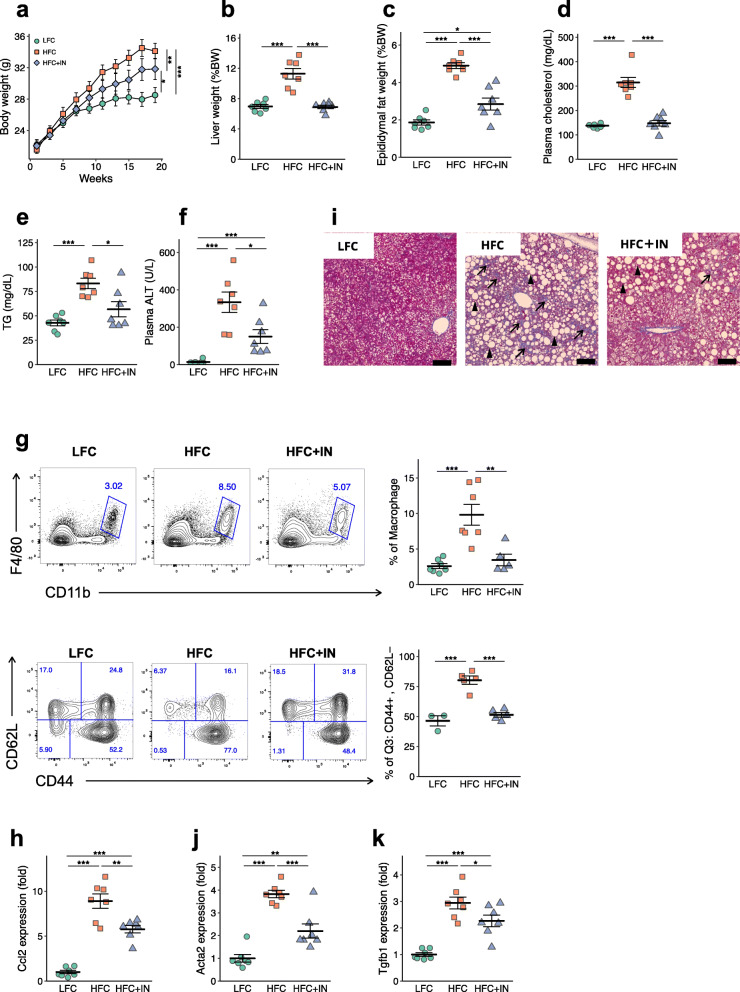
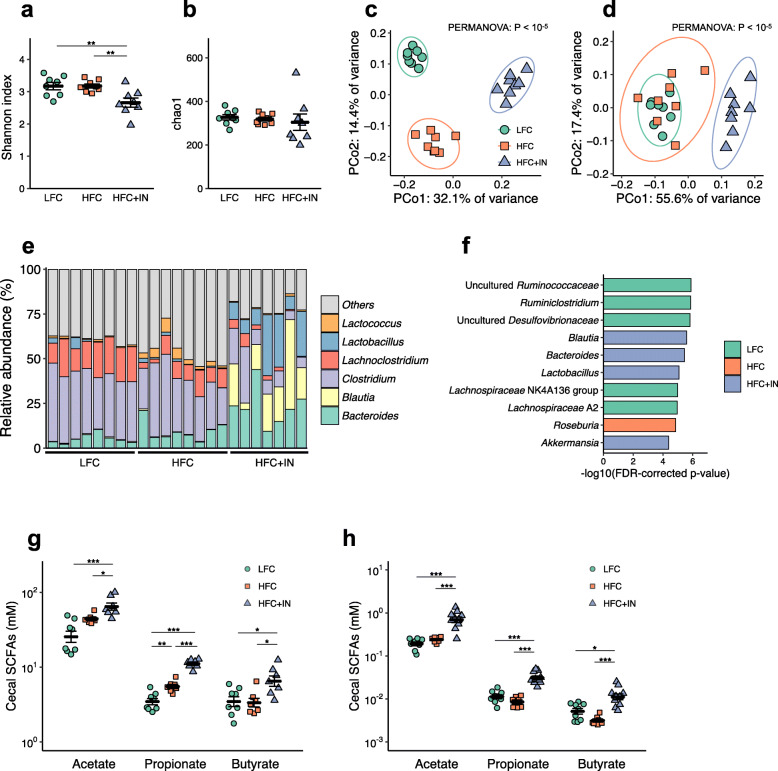
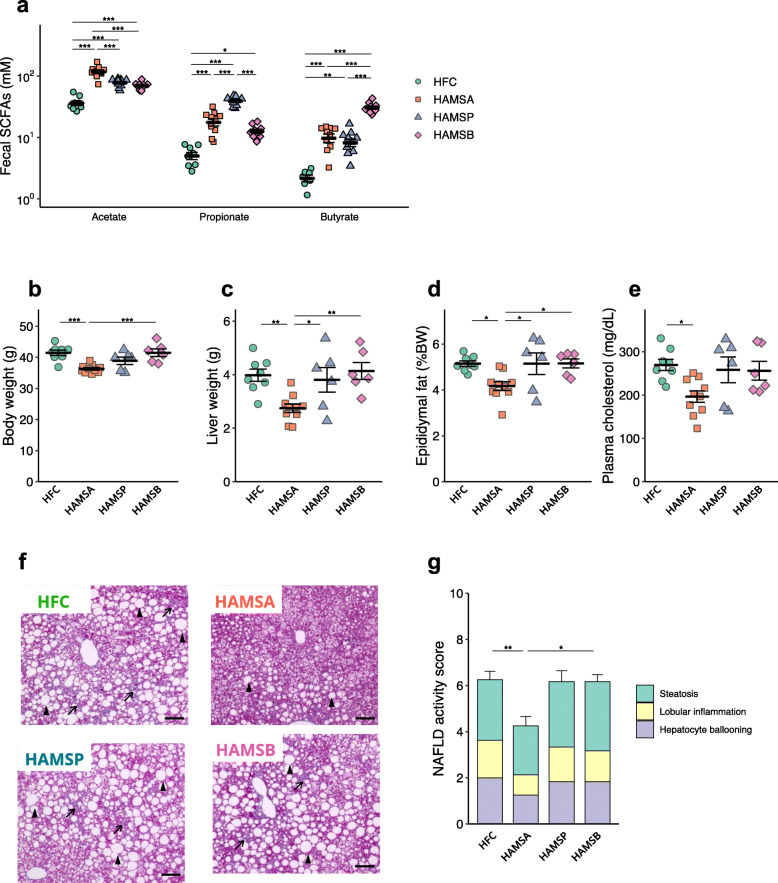
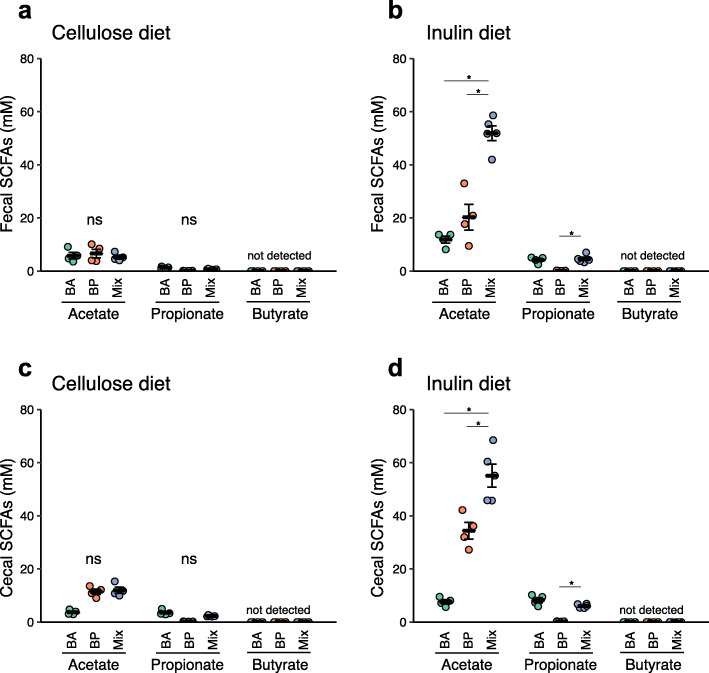
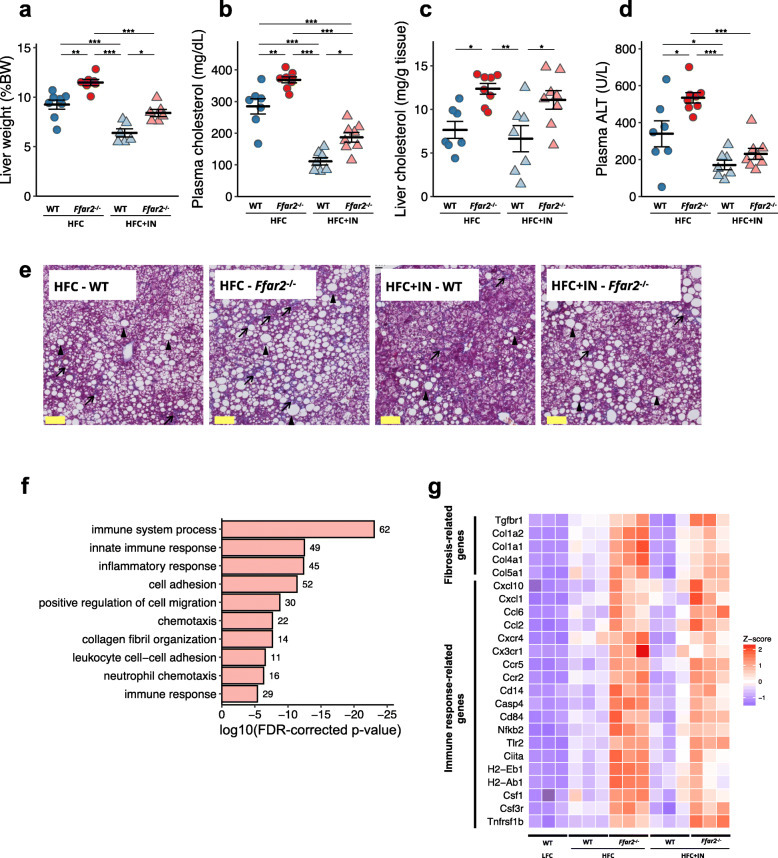
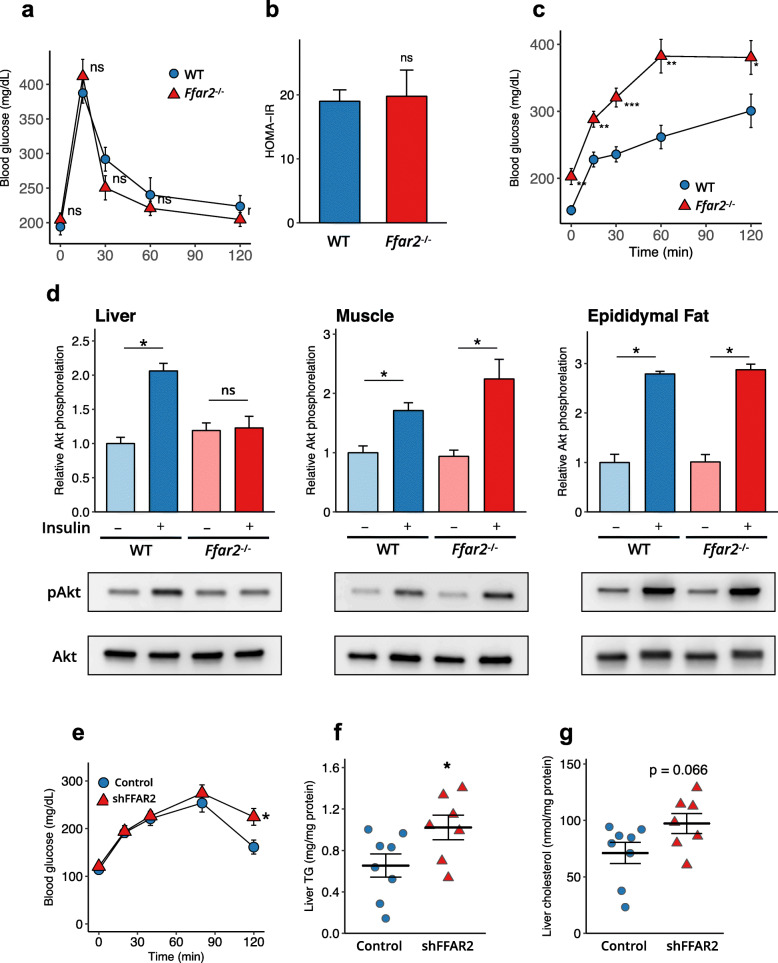
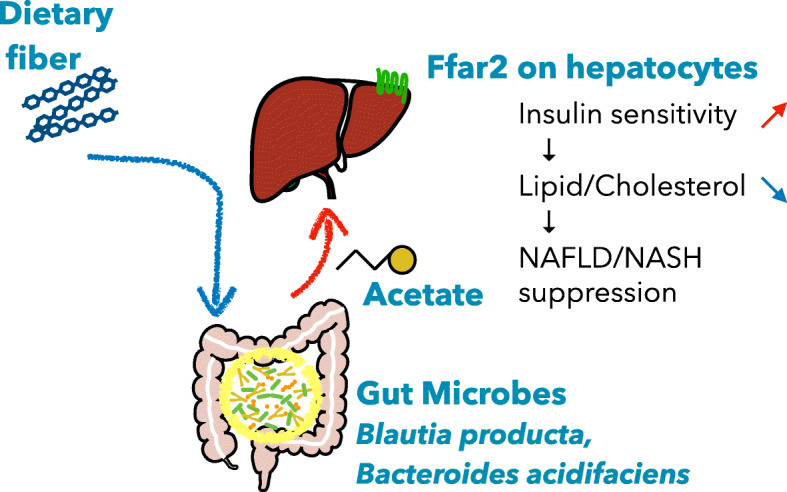
Background: Non-alcoholic liver disease (NAFLD) is the hepatic manifestation of metabolic syndrome, and it can progress to non-alcoholic steatohepatitis (NASH). Alterations in the gut microbiome have been implicated in the development of NAFLD/NASH, although the underlying mechanisms remain unclear. Results: We found that the consumption of the prebiotic inulin markedly ameliorated the phenotype of NAFLD/NASH, including hepatic steatosis and fibrosis, in mice. Inulin consumption resulted in global changes in the gut microbiome, including concomitant enrichment of the genera Bacteroides and Blautia, and increased concentrations of short-chain fatty acids, particularly acetate, in the gut lumen and portal blood. The consumption of acetate-releasing resistant starch protected against NAFLD development. Colonisation by Bacteroides acidifaciens and Blautia producta in germ-free mice resulted in synergetic effects on acetate production from inulin. Furthermore, the absence of free fatty acid receptor 2 (FFAR2), an acetate receptor, abolished the protective effect of inulin, as indicated by the more severe liver hypertrophy, hypercholesterolaemia and inflammation. These effects can be attributed to an exacerbation of insulin resistance in the liver, but not in muscle or adipose tissue. Conclusion: These findings demonstrated that the commensal microbiome–acetate–FFAR2 molecular circuit improves insulin sensitivity in the liver and prevents the development of NAFLD/NASH.
Overview
The claims and statistics of this paper haven’t been checked yet.
Free: it reads the open-access text and checks the first 5 claims that cite a source we can check. Create a free account to check every claim.
Integrity signals
Registry
Cites
Statistics
Figures
Verification
Claims the paper makes
The claims and statistics of this paper haven’t been checked yet.
Free: it reads the open-access text and checks the first 5 claims that cite a source we can check. Create a free account to check every claim.
Claims other papers make about this one
Each is checked against this paper’s own text: does it say what the citing paper says it does?
The cited source says what the claim attributes to it.
In the citing paper
“Microbial acetate on the other hand, is protective against MASH fibrosis through activation of the free fatty acid receptor 2 (FFAR2) receptor on hepatocytes and modulation of lipid metabolism (208).”
From Found in translation—Fibrosis in metabolic dysfunction–associated steatohepatitis (MASH) (2023) · cites this paper as [208]
Self-check
Percentages, sums and reported differences re-computed from the paper’s own numbers.
The self-check needs the paper’s full text.
Citations
Cites
A RAPID METHOD OF TOTAL LIPID EXTRACTION AND PURIFICATION
Bligh, E. G., & Dyer, W. J. (1959) · Canadian Journal of Biochemistry and Physiology · doi:10.1139/o59-099 · Cited by 54,751 · cited 1×
“The hepatic lipid fraction was extracted from liver homogenates using the Bligh and Dyer method [54].”
MethodMEGA6: Molecular Evolutionary Genetics Analysis Version 6.0
Tamura, K., Stecher, G., Peterson, D., Filipski, A., & Kumar, S. (2013) · Molecular Biology and Evolution · doi:10.1093/molbev/mst197 · Cited by 47,205
Systematic and integrative analysis of large gene lists using DAVID bioinformatics resources
Huang, D. W., Sherman, B. T., & Lempicki, R. A. (2009) · Nature Protocols · doi:10.1038/nprot.2008.211 · Cited by 35,890 · cited 1×
“8) [53] on genes that with significantly differential expression.”
BackgroundCutadapt removes adapter sequences from high-throughput sequencing reads
Martin, M. (2011) · EMBnet.journal · doi:10.14806/ej.17.1.200 · Cited by 33,889 · cited 1×
“After trimming both primer sequences using cutadapt [40], following chimera detection using the USEARCH de novo method, the sequences were assigned to OTUs using the UCLUST algorithm with a sequence identity threshold of 97%.”
MethodThe SILVA ribosomal RNA gene database project: improved data processing and web-based tools
Quast, C., Pruesse, E., Yilmaz, P., Gerken, J., Schweer, T., Yarza, P., Peplies, J., & Glöckner, F. O. (2012) · Nucleic Acids Research · doi:10.1093/nar/gks1219 · Cited by 33,055 · cited 1×
“Taxonomic assignments for each OTU were made via similarity searching against the SILVA 16S rRNA gene sequence reference database (v132) [41] using blastn (v2.”
MethodBLAST+: architecture and applications
Camacho, C., Coulouris, G., Avagyan, V., Ma, N., Papadopoulos, J., Bealer, K., & Madden, T. L. (2009) · BMC Bioinformatics · doi:10.1186/1471-2105-10-421 · Cited by 22,074
Lane, D. (1991) · Medical Entomology and Zoology · Cited by 12,696
Kim, D., Pertea, G., Trapnell, C., Pimentel, H., Kelley, R., & Salzberg, S. L. (2013) · Genome Biology · doi:10.1186/gb-2013-14-4-r36 · Cited by 12,668
Trapnell, C., Roberts, A., Goff, L., Pertea, G., Kim, D., Kelley, D. R., Pimentel, H., Salzberg, S. L., Rinn, J. L., & Pachter, L. (2012) · Nature Protocols · doi:10.1038/nprot.2012.016 · Cited by 12,116
Design and validation of a histological scoring system for nonalcoholic fatty liver disease†
Kleiner, D. E., Brunt, E. M., Van Natta, M., Behling, C., Contos, M. J., Cummings, O. W., Ferrell, L. D., Liu, Y., Torbenson, M. S., Unalp‐Arida, A., et al. (2005) · Hepatology · doi:10.1002/hep.20701 · Cited by 10,791 · cited 1×
“The NAFLD activity score was determined as described elsewhere [55, 56].”
Method
Cited by
Items 101–167 of 167
Alptekin, İ. M., Çakiroğlu, F. P., Kiremitçi, S., Reçber, T., & Nemutlu, E. (2022) · Nutrition · doi:10.1016/j.nut.2022.111742 · Cited by 7
Guraka, A., Sreedharan, S., Arasaradnam, R. P., Tripathi, G., & Kermanizadeh, A. (2024) · Nutrition Reviews · doi:10.1093/nutrit/nuae172 · Cited by 5
Lok, J., Chen, C., Iannone, V., Babu, A. F., Lo, E. K. K., Vazquez-Uribe, R., Vaaben, T. H., Kettunen, M. I., Savolainen, O. I., Schwab, U., et al. (2025) · Journal of Agricultural and Food Chemistry · doi:10.1021/acs.jafc.5c01674 · Cited by 5
Luo, J. D., Cai, Y., Jia, C., Zhang, X., Huang, Q., Wei, J., Chen, Q., & Chen, T. (2025) · International Journal of Biological Macromolecules · doi:10.1016/j.ijbiomac.2024.139446 · Cited by 5
Sasaki, H., Masutomi, H., Yamauchi, Y., Ishihara, K., & Fukuda, S. (2025) · Frontiers in Microbiology · doi:10.3389/fmicb.2025.1607918 · Cited by 6
Morishima, S., Abe, A., Okamoto, S., Kapoor, M. P., Osumi, M., Oda, M., Ōkubo, T., Ozeki, M., Nishio, M., & Inoüe, R. (2024) · Journal of Gastroenterology and Hepatology · doi:10.1111/jgh.16737 · Cited by 5
Liu, H., Guo, M., Wang, H., Wang, M., Yan, S., Chen, W., Song, Y., Zhao, Y., Mackay, C. R., Xu, Q., et al. (2025) · Food Bioscience · doi:10.1016/j.fbio.2025.107727 · Cited by 4
Liu, M., Wang, Y., & Huang, H. (2026) · International Journal of Molecular Sciences · doi:10.3390/ijms27010468 · Cited by 5
“G-protein-coupled receptors 41 and 43 (GPR41, GPR43) function as the primary receptors for SCFAs and are involved in regulating lipid metabolism in the liver [14,16,32].”
Cui, Y., Zhu, J., Xi, J., Changhe, D., & Meng, J. (2026) · International Journal of Biological Macromolecules · doi:10.1016/j.ijbiomac.2026.150147 · Cited by 5
Cheng, S., Cheng, C., Huang, C., Liu, C., Xun, F., Jiang, W., Zhao, J., & Wang, H. (2026) · Journal of Crohn s and Colitis · doi:10.1093/ecco-jcc/jjag003 · Cited by 6
Zhang, H., Yang, X., Chen, J., Jiang, Q., Yao, S., Chen, L., & Xiang, X. (2024) · International Journal of Biological Macromolecules · doi:10.1016/j.ijbiomac.2024.137259 · Cited by 4
Zabolotneva, A. A., Popruga, K. E., Makarov, V. V., Yudin, S. M., Михайлович, Г. А., Roumiantsev, S. A., & Shestopalov, A. V. (2025) · Biomedicines · doi:10.3390/biomedicines13010183 · Cited by 4
“In previous studies, the expansion of B. acidifaciens was shown to lower of hepatic non-esterified fatty acid levels in high-fat diet-fed mice [65] and to protect against non-alcoholic steato-hepatitis (NASH) development through acetate production [66].”
Sasaki, H., Masutomi, H., Kobayashi, Y., Toyohara, K., Imaizumi, K., Nakayama, Y., & Ishihara, K. (2025) · Food Science & Nutrition · doi:10.1002/fsn3.70252 · Cited by 5
Species differences of fatty liver diseases: comparisons between human and feline
Ling, L., Li, R., Xu, M., Zhou, J., Hu, M., Zhang, X., & Zhang, X.-J. (2024) · American Journal of Physiology-Endocrinology and Metabolism · doi:10.1152/ajpendo.00014.2024 · Cited by 7
Sato, S., Iino, C., Sasada, T., Furusawa, K., Yoshida, K., Sawada, K., Mikami, T., Fukuda, S., Nakaji, S., & Sakuraba, H. (2025) · Environmental Health and Preventive Medicine · doi:10.1265/ehpm.24-00365 · Cited by 4
“Blautia is more common in Japan and Blautia has been reported to increase acetate production and suppress NAFLD/NASH [57, 58].”
Ye, G., Zhang, H., Feng, Q., Xiao, J., Wang, J., & Liu, J. (2025) · Current Oncology · doi:10.3390/curroncol32120673 · Cited by 4
“Supplementation with bifidobacterium pseudolongum suppressed the malignant progression of NAFLD-HCC through the production and secretion of acetate via the gut–hepatic axis [87,88].”
Song, T., Yang, X.-F., Yang, S.-Q., Peng, J.-Y., & Xu, L. (2026) · International Immunopharmacology · doi:10.1016/j.intimp.2026.116722 · Cited by 5
Fu, R., Xue, W., Liang, J., Wang, L., Zhang, M., & Meng, J. (2024) · Food Science and Human Wellness · doi:10.26599/fshw.2024.9250086 · Cited by 5
“Intestinal epithelial disruption is early symptom in high fat dietary regimen, which can subsequently lead to metabolic disorders, insulin resistance and NAFLD/NASH 5 31 32 .”
Prenatal Gut Microbiota Predicts Temperament in Offspring at 1–2 Years
Cao, Y., Zhang, X., Zhang, Q., Fan, X., Zang, T., Bai, J., Wu, Y., Zhou, W., & Liu, Y. (2024) · Biological Research For Nursing · doi:10.1177/10998004241260894 · Cited by 4
“The genus Blautia is well known to produce acetic acid via the glycolytic pathway (Aoki et al., 2021), and acetic acid metabolism is the main source of energy for the host (Bi et al., 2022).”
Drzewicka, K., Głuchowska, K. M., Mlącki, M., Hofman, B., Tuszyńska, I., Ryan, T. A. J., Piwowar, K., Wilczyński, B., Dymkowska, D., Grzybowski, M. M., et al. (2025) · Frontiers in Immunology · doi:10.3389/fimmu.2025.1544973 · Cited by 3
Zhang, C., Sui, Y., Liu, S., & Yang, M. J. (2023) · Exploration of Digestive Diseases · doi:10.37349/edd.2023.00029 · Cited by 4
Li, L., Sun, J., Zhou, J., Song, P., Zuo, S., Chang, Z., Chen, G., Guo, J., Diao, X., Jiang, X., et al. (2025) · International Journal of Biological Macromolecules · doi:10.1016/j.ijbiomac.2025.147645 · Cited by 2
Wang, D., Dai, S., Li, D., Du, P., Zhao, Y., Chen, Y., Ye, Y., Zhou, M., Ren, W., Liu, X., et al. (2026) · Journal of Agricultural and Food Chemistry · doi:10.1021/acs.jafc.5c12208 · Cited by 6
Cai, K., Chen, Z., Deng, S., Chen, J., Yu, J., Zhang, X., Jia, W. P., Huang, A., Chen, Y., Xie, Z., et al. (2026) · Journal of Agricultural and Food Chemistry · doi:10.1021/acs.jafc.5c13513 · Cited by 2
Zhao, Y., Li, Z., & Yu, G. (2026) · Frontiers in Nutrition · doi:10.3389/fnut.2026.1779954 · Cited by 3
“Prebiotics, primarily dietary fibers and oligosaccharides, have also shown promising eects in animal models of MASLD (49, 50).”
Tracking microbiota fibre breakdown to treat NASH
Flor‐Duro, A., Olivares, M., & Sanz, Y. (2023) · Nature Microbiology · doi:10.1038/s41564-023-01440-9 · Cited by 2
Ye, Z., Zhang, L., Yu, L., Shuan, W., Zhang, Q., Narbad, A., Chen, W., Zhai, Q., & Tian, F. (2024) · Food Bioscience · doi:10.1016/j.fbio.2024.104016 · Cited by 2
Zhao, X., Gökgöz, N. B., Xie, Z., Jakobsen, L. M. A., Nielsen, D. S., & Bertram, H. C. (2025) · Food & Function · doi:10.1039/d4fo06365a · Cited by 4
1 or 0?: Cantorian Conundrums in the Contemporary Classroom
Sriraman, B., & Knott, L. (2006) · Australian senior mathematics journal · Cited by 3
Research progress on probiotics and prebiotics in the treatment of nonalcoholic fatty liver disease
Bai, F.-P., Tang, J., Liao, X., & Jiang, Z.-X. (2025) · journal of nutritional oncology · doi:10.1097/jn9.0000000000000050 · Cited by 1
Zhang, Z., Zhang, M., Guo, Y., Cai, S., Chen, X., Lin, C., & Yi, J. (2025) · Food Research International · doi:10.1016/j.foodres.2025.116898 · Cited by 1
Genetic analysis of a β-1,3/1,4-glucan utilization gene cluster in Segatella copri JCM 13464T
OYAMA, M., HASHIMOTO, Y., SAGARA, Y., KITAMURA, N., Kishino, S., Obinata, H., Tomita, H., & Sugiyama, Y. (2025) · Bioscience of Microbiota Food and Health · doi:10.12938/bmfh.2025-009 · Cited by 1
“Acetic acid, another metabolite reduced in the Δ pul4 strain, is associated with non-alcoholic fatty liver disease (NAFLD) suppression [44].”
Cassava Fiber Prevents High-Fat Diet-Induced Obesity in Mice Through Gut Microbiota Restructuring
Yang, Y., Lei, F., Liu, L., Chen, Y., Li, Q., Long, J., Zhang, Z., & Guo, A. (2025) · Foods · doi:10.3390/foods14234121 · Cited by 1
“The main metabolic product of Blautia in the intestine is acetate [69], which, by activating the GPR41 and GPR43, inhibits insulin signaling and fat accumulation in adipocytes, thereby promoting lipid and glucose metabolism and alleviating obesity [70].”
Nian, F., Chen, Y., Chen, J., Jiang, Q., Meng, F., Chen, Z., Lu, X., Shen, X., & Li, Y. (2025) · International Journal of Biological Macromolecules · doi:10.1016/j.ijbiomac.2025.149451 · Cited by 3
Yan, Y., Xie, Z., Gu, Z., Li, Z., Huang, Q., & Zhang, B. (2026) · iMetaOmics. · doi:10.1002/imo2.70085 · Cited by 1
“Alanine aminotransferase (ALT) and aspartate aminotransferase (AST) are common indicators of liver health, with AST elevation indicating severe tissue damage and ALT serving as a sensitive marker of liver injury [34].”
Wu, L., Li, S., Han, F., Guo, J., Zhang, X., & Xu, L. (2026) · Frontiers in Microbiology · doi:10.3389/fmicb.2026.1801367 · Cited by 3
Liu, Z., Yang, X., Feng, H., You, T., Sun, F., Xue, J., Liang, W., Yao, J., Liao, Y., Gao, Y., et al. (2026) · Cell Metabolism · doi:10.1016/j.cmet.2026.06.022 · Cited by 1
Mechanisms of key gut microbial metabolites: SCFAs, BAs, and TDMs
Mu, L., Choi, G. Y. S., Hitch, T. C. A., Ho, K. M., Chan, M. T. V., Wu, W. K. K., & Chen, H. (2026) · Trends in Microbiology · doi:10.1016/j.tim.2026.07.005 · Cited by 4
Chen, L., Xiang, H., Hua, X., Liu, Y., Liu, G., Fang, J., & Ding, S. (2026) · Food Reviews International · doi:10.1080/87559129.2026.2715569 · Cited by 1
Discovery of Potent Tetrazole Free Fatty Acid Receptor 2 Antagonists
Valentini, A., Schultz-Knudsen, K., Hansen, A. H., Tsakoumagkou, A., Jenkins, L., Christensen, H. B., Manandhar, A., Milligan, G., Ulven, T., & Ulven, E. R. (2023) · Journal of Medicinal Chemistry · doi:10.1021/acs.jmedchem.2c01935 · Cited by 1
The Role of Microbiome in Nonalcoholic Fatty Liver Disease
Lee, H. W. (2023) · Springer eBooks · doi:10.1007/978-981-19-4492-5_7
Drzewicka, K., Głuchowska, K., Mlącki, M., Hofman, B., Tuszyńska, I., Ryan, T., Piwowar, K., Wilczyński, B., Dymkowska, D., Dymek, B., et al. (2024) · SSRN Electronic Journal · doi:10.2139/ssrn.4905908
Zhang, Z., Zhang, M., Guo, Y., Cai, S., Chen, X., Lin, C., & Yi, J. (2025) · SSRN Electronic Journal · doi:10.2139/ssrn.5072777
Li, R., Hu, K., Cui, L., Sun, S., & Xie, Y. (2025) · Medicine · doi:10.1097/md.0000000000042715
“A study [25] in mice found that increasing acetate intake can inhibit the progression of NAFLD.”
Liu, H., Guo, M., Wang, H., Wang, M., Yan, S., Chen, W., Song, Y., Zhao, Y., Mackay, C. R., Xu, Q., et al. (2025) · SSRN Electronic Journal · doi:10.2139/ssrn.5400494
Liu, H., Guo, M., Wang, H., Wang, M., Yan, S., Chen, W., Song, Y., Zhao, Y., Mackay, C. R., Xu, Q., et al. (2025) · SSRN Electronic Journal · doi:10.2139/ssrn.5400262
Distinct trajectory of gut microbiota driven by a human oral commensal: insights from a murine study
Lin, W., Lee, S., Li, C., Chang, C.-B., Chien, H.-C., Wang, J., Hsieh, S., Wu, S., & Tseng, Y.-C. (2025) · Journal of Oral Microbiology · doi:10.1080/20002297.2025.2569524
Zhang, S., Cheng, X., Chen, L., & Wang, Y. (2025) · Food Science and Biotechnology · doi:10.1007/s10068-025-02034-3
“Non-alcoholic steatohepatitis (NASH), a severe manifestation of non-alcoholic fatty liver disease (NAFLD) (Aoki et al., 2021), is a growing global health challenge due to its association with metabolic disorders such as insulin resistance and obesity (Luo et al., 2025).”
Martin, C. M. P., Miquel, M., Alquier‐Bacquie, V., Polizzi, A., Lasserre, F., Huillet, M., Rives, C., Bruse, J., Jarrasier, J., Perrier, P., et al. (2025) · bioRxiv (Cold Spring Harbor Laboratory) · doi:10.1101/2025.11.26.690531
Michelotti, T. C., Imbert, A., Veshkini, A., Durand, G., Hammon, H. M., & Bonnet, M. (2025) · JDS Communications · doi:10.3168/jdsc.2025-0867
Zeng, S.-Y., Liu, Y.-F., Zeng, Z.-L., Zhao, Z.-B., Yan, X.-L., Zheng, J., Chen, W., Wang, Z.-X., Xie, H., & Liu, J.-H. (2024) · Figshare · doi:10.6084/m9.figshare.26827417
Zeng, S.-Y., Liu, Y.-F., Zeng, Z.-L., Zhao, Z.-B., Yan, X.-L., Zheng, J., Chen, W., Wang, Z.-X., Xie, H., & Liu, J.-H. (2024) · Figshare · doi:10.6084/m9.figshare.26827390
Feng, T., Chen, H., Luo, Y., Zhou, Z., Li, B., Fang, X., Wang, J., Huang, L., & Liao, S. (2026) · Journal of Functional Foods · doi:10.1016/j.jff.2026.107156
Gut microbiota in chronic inflammation: the interplay with lipid mediators
Bao, S., & Yao, C. (2026) · Gut Microbes · doi:10.1080/19490976.2026.2667605 · Cited by 4
Li, Y., Kim, E., Shang, Y., Paraskeuas, V. V., Lee, Y., & Zhang, G. (2026) · Poultry Science · doi:10.1016/j.psj.2026.107265 · Cited by 1
“The intestinal morphological changes observed in this study are consistent with enhanced microbial fermentation (Aoki et al., 2021; Yang et al., 2023c).”
Zhang, X., Zhang, C., Zhou, Y., Han, Y., Wang, Y., Wang, H., Yang, M., Wu, Q., Bai, F., Qu, F., et al. (2026) · Cellular and Molecular Gastroenterology and Hepatology · doi:10.1016/j.jcmgh.2026.101838
“9 In 2021, a team from China led by Wang et al found that BA colonizing mouse intestines elevated levels of fibroblast growth factor (FGF) 21 in mouse livers, influencing downstream lipid metabolism and thereby improving nonalcoholic steatohepatitis.”
Microbiota-fibroblasts interactions in multi-organ fibrosis
Qi, C., Lin, Z., Gan, Y., Liang, P., Chen, L., Luo, Y., Sweren, E., Alphonse, M. P., Yang, L., Garza, L. A., et al. (2026) · Microbiological Research · doi:10.1016/j.micres.2026.128602
Coffee Pulp and Silverskin Mitigate Fructose-Induced Intestinal Alterations in Rats
Silva, F., Andrade, N., Rodrigues, I., Marques, C., Peixoto, J. A. B., Oliveira, M. B. P. P., Alves, R. C., & Martel, F. (2026) · Biomolecules · doi:10.3390/biom16071069 · Cited by 1
“Because members of the genus Blautia are important acetate-producing bacteria in the human gut [72], we can speculate that fructose-induced stimulation of intestinal Blautia spp. contributes to increased hepatic lipogenesis and hypertension in FRU animals.”
Kong, R., Wang, H., Wang, N., Zhou, C., & Zhou, Y. (2026) · Research Square · doi:10.21203/rs.3.rs-9586597/v1
Xu, T., Dai, L., Zhang, W., Tu, J., Zhang, A., Wu, K., lin, Y., Liu, J., Chen, Y., Zheng, S., et al. (2026) · Food & Function · doi:10.1039/d6fo02457b
Guo, M., Fu, L., Wang, Q., & Mackay, C. R. (2026) · Food Bioscience · doi:10.1016/j.fbio.2026.109842
Zheng, Y., Zhuang, H., Dan, L., Zhou, Y., Yan, B., Zhang, Y., Zou, D., Wang, X., & Sun, J. (2026) · Food & Function · doi:10.1039/d6fo01179a · Cited by 1
Gelatinization differentially impacts in vitro fermentation of high-amylose maize starch
Wang, Q., Wang, S., Li, S., Yu, J., Copeland, L., & Wang, S. (2026) · Carbohydrate Polymers · doi:10.1016/j.carbpol.2026.125865
Zhou, M., Huo, J., Wang, W., Lai, E., Han, B., & Zhang, T. (2026) · Pharmacological Research · doi:10.1016/j.phrs.2026.108471
Russi, A. E., & DeBosch, B. J. (2026) · Cellular and Molecular Gastroenterology and Hepatology · doi:10.1016/j.jcmgh.2026.101899
Kotlyarov, S. N., Котлярова, А. А., Catanzaro, R., & Marotta, F. (2026) · International Journal of Molecular Sciences · doi:10.3390/ijms27198614
From the Gut–Liver Axis to the Gut–Liver–Immune–Transplant Continuum in MASLD
Gadour, E. (2026) · Journal of Translational Gastroenterology · doi:10.14218/jtg.2026.00035
Metadata
- Authors
- Aoki, R., Onuki, M., Hattori, K., Ito, M., Yamada, T., Kamikado, K., Kim, Y.-G., Nakamoto, N., Kimura, I., Clarke, J. M., Kanai, T., & Hase, K.
- Affiliations
- Keio University (JP)
- Ezaki Glico (Japan) (JP)
- Tokyo University of Agriculture and Technology (JP)
- CSIRO Health and Biosecurity (AU)
- Corresponding author
- Hase, Koji
- Venue
- Microbiome
- Published
- 2021-09-16
- Volume
- 9
- Issue
- 1
- Pages
- 188-188
- ISSN
- 2049-2618 (ISSN-L)
- PMC
- PMC8447789
- OpenAlex
- W3200935965
- Cited by
- 167
- References
- 58
- Citations by year
- 2026: 27 · 2025: 44 · 2024: 48 · 2023: 30 · 2022: 15 · 2021: 2
- FWCI
- 7.45
- Type
- journal article
- Language
- en
- Open access
- gold
- doi.org
- Licence
- cc-by
- creativecommons.org/licenses/by/4.0 (tdm)
- creativecommons.org/licenses/by/4.0 (vor)
- Locations
- Microbiome (publishedVersion, cc-by)
- Europe PMC (PubMed Central) (publishedVersion, other-oa)
- PubMed Central (publishedVersion, cc-by)
- PubMed (publishedVersion)
- DOAJ (DOAJ: Directory of Open Access Journals) (submittedVersion)
- Funders
- japan society for the promotion of science (20H00509, 20H05876 and JPJSBP120207405)
- KMEC (FY2015-FY2019)
- Japan Agency for Medical Research and Development (18gm1010004h0103, 19gm1010004s0104, and 20gm1010004h0105)
- japan science and technology agency (Moonshot R&D JPMJMS2025)
- Topics
- Life Sciences › Biochemistry, Genetics and Molecular Biology › Molecular Biology › Gut microbiota and health
- Health Sciences › Medicine › Hepatology › Liver Disease Diagnosis and Treatment
- Health Sciences › Nursing › Nutrition and Dietetics › Microbial Metabolites in Food Biotechnology
- Keywords
- non-alcoholic fatty liver disease, nonalcoholic steatohepatitis, acetate, FFAR2, gut microbiota, inulin, prebiotics, short-chain fatty acids, resistant starch, Bacteroides acidifaciens, Blautia producta, hepatic insulin resistance, hepatic steatosis, liver fibrosis, germ-free mice, hypercholesterolemia
- MeSH terms
- Eubacteriales, Acetates, Animals, Bacteroides, Receptors, G-Protein-Coupled, Mice, Non-alcoholic Fatty Liver Disease
About these checks
Registry, retraction, Cites and statistics results are computed, not judged, with one exception: a printed reference that no index lists is read once by a model before it counts as a citation error. Claims are extracted by a model and kept only when their quote appears verbatim in the text; each cited source is then checked, with a model’s help, for whether it says what the claim relies on. Those verdicts can be wrong — read the claim’s quote and the cited source before relying on one.
Statistics and arithmetic are recomputed, not judged.
Confidence bands are shown only for fields calibrated on our annotated test set. None is calibrated yet, so no band is shown.
What counts as a claim ›How we measure confidence ›How we check this ›
Are you an author, or do you see a problem with this page? Request a review
Data sources
Bibliographic data: Semantic Scholar, OpenAlex, Crossref.
Contains information from the Semantic Scholar Academic Graph Datasets, made available under the ODC Attribution License (ODC-BY 1.0).
Semantic Scholar’s data is described in: Kinney, R., et al. (2023). The Semantic Scholar Open Data Platform. arXiv:2301.10140.
