

The DOI matches its Crossref record; 90 of the 90 references it cites were found in a registry or an index.
eToxPred: a machine learning-based approach to estimate the toxicity of drug candidates
Open accessAbstract
BACKGROUND: The efficiency of drug development defined as a number of successfully launched new pharmaceuticals normalized by financial investments has significantly declined. Nonetheless, recent advances in high-throughput experimental techniques and computational modeling promise reductions in the costs and development times required to bring new drugs to market. The prediction of toxicity of drug candidates is one of the important components of modern drug discovery. RESULTS: In this work, we describe eToxPred, a new approach to reliably estimate the toxicity and synthetic accessibility of small organic compounds. eToxPred employs machine learning algorithms trained on molecular fingerprints to evaluate drug candidates. The performance is assessed against multiple datasets containing known drugs, potentially hazardous chemicals, natural products, and synthetic bioactive compounds. Encouragingly, eToxPred predicts the synthetic accessibility with the mean square error of only 4% and the toxicity with the accuracy of as high as 72%. CONCLUSIONS: eToxPred can be incorporated into protocols to construct custom libraries for virtual screening in order to filter out those drug candidates that are potentially toxic or would be difficult to synthesize. It is freely available as a stand-alone software at https://github.com/pulimeng/etoxpred .
Overview
The claims and statistics of this paper haven’t been checked yet.
Run the check — free, no account needed. It reads the open-access text and checks the sources it cites.
Integrity signals
Registry
Cites
Statistics
Figures
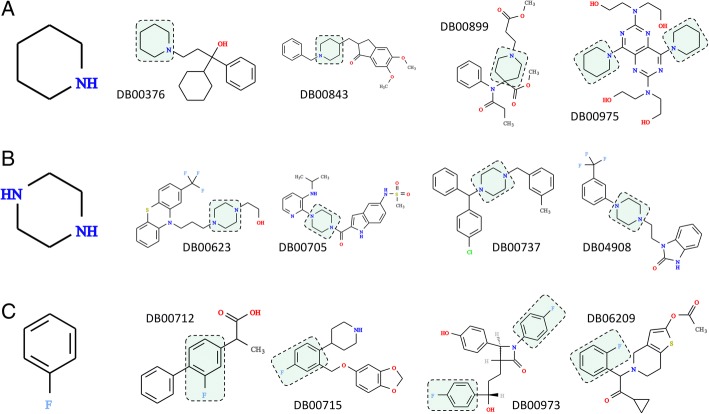
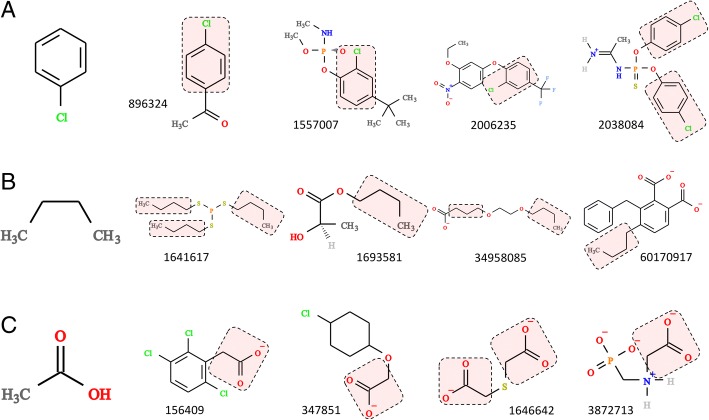
Verification
Claims the paper makes
The claims and statistics of this paper haven’t been checked yet.
Run the check — free, no account needed. It reads the open-access text and checks the sources it cites.
Claims other papers make about this one
Each is checked against this paper’s own text: does it say what the citing paper says it does?
In the citing paper
“AI-based methods have also been able to predict the toxicity of drug candidates [6].”
From The role of AI in drug discovery: challenges, opportunities, and strategies (2023) · cites this paper as [6]
Self-check
Percentages, sums and reported differences re-computed from the paper’s own numbers.
The self-check needs the paper’s full text.
Citations
Cites
Breiman, L. (2001) · Machine Learning · doi:10.1023/a:1010933404324 · Cited by 133,538 · cited 1×
“DeepTox was reported to outperform deep neural networks (DNNs) [31], support vector machines (SVMs) [32], random forests (RF) [33], and elastic nets [34].”
BackgroundTrott, O., & Olson, A. J. (2010) · Journal of Computational Chemistry · doi:10.1002/jcc.21334 · Cited by 38,412 · cited 1×
“VS performed with high-performance computing machines renders docking programs such as AutoDock Vina [19], rDock [20], Glide [21], and FlexX [22] capable to search through millions of compounds in a matter of days or even hours.”
MethodClassification and Regression Trees.
Ryzin, J. V., Breiman, L., Friedman, J. H., Olshen, R. A., & Stone, C. J. (1986) · Journal of the American Statistical Association · doi:10.2307/2288003 · Cited by 21,030
Regularization Paths for Generalized Linear Models via Coordinate Descent
Friedman, J., Hastie, T., & Tibshirani, R. (2010) · Journal of Statistical Software · doi:10.18637/jss.v033.i01 · Cited by 19,927 · cited 1×
“DeepTox was reported to outperform deep neural networks (DNNs) [31], support vector machines (SVMs) [32], random forests (RF) [33], and elastic nets [34].”
BackgroundDeep learning in neural networks: an overview
Schmidhuber, J. (2015) · Neural Networks · doi:10.1016/j.neunet.2014.09.003 · Cited by 18,570
Stochastic relaxation, gibbs distributions, and the bayesian restoration of images.
Geman, S., & Geman, D. (1984) · IEEE Transactions on Pattern Analysis and Machine Intelligence · doi:10.1109/tpami.1984.4767596 · Cited by 17,949 · cited 1×
“The training process involves the optimization of the weight vector through Gibbs sampling [38].”
MethodAn Introduction to Statistical Learning
James, G., Witten, D., Hastie, T., & Tibshirani, R. (2013) · Springer Texts in Statistics · doi:10.1007/978-1-4614-7138-7 · Cited by 12,106 · cited 1×
“In this work, the SAscore predictor is evaluated with a 5-fold cross-validation protocol, which was empirically demonstrated to be sufficient for most applications [64].”
MethodClassification And Regression Trees
Breiman, L., Friedman, J. H., Olshen, R. A., & Stone, C. J. (2017) · doi:10.1201/9781315139470 · Cited by 11,417
Open Babel: An open chemical toolbox
O'Boyle, N. M., Banck, M. S., James, C. A. J., Morley, C., Vandermeersch, T., & Hutchison, G. R. (2011) · Journal of Cheminformatics · doi:10.1186/1758-2946-3-33 · Cited by 10,745 · cited 1×
“Input data to machine learning models are 1024-bit Day-light fingerprints constructed for dataset compounds with Open Babel [61].”
MethodFriesner, R. A., Banks, J. L., Murphy, R. B., Halgren, T. A., Klicic, J. J., Mainz, D. T., Repasky, M. P., Knoll, E. H., Shelley, M., Perry, J. K., et al. (2004) · Journal of Medicinal Chemistry · doi:10.1021/jm0306430 · Cited by 10,057 · cited 1×
“VS performed with high-performance computing machines renders docking programs such as AutoDock Vina [19], rDock [20], Glide [21], and FlexX [22] capable to search through millions of compounds in a matter of days or even hours.”
Method
Research works printed but not linked: 2
- Theano_Development_Team: Theano: A Python framework for fast computation of mathematical expressions. arXiv e-prints 2016:abs/1605.02688.
- Tanimoto TT. An elementary mathematical theory of classification and prediction. In: Book An elementary mathematical theory of classification and prediction. (editor ed.^eds.). City; 1958.
Cited by
Sorted by citations
Artificial intelligence in drug discovery and development
Paul, D., Sanap, G., Shenoy, S., Kalyane, D., Kalia, K., & Tekade, R. K. (2021) · Drug Discovery Today · doi:10.1016/j.drudis.2020.10.010 · Cited by 1,695
Artificial intelligence to deep learning: machine intelligence approach for drug discovery
Gupta, R., Srivastava, D., Sahu, M., Tiwari, S., Ambasta, R. K., & Kumar, P. (2021) · Molecular Diversity · doi:10.1007/s11030-021-10217-3 · Cited by 1,473
“…prediction software and web-based tools such as Tox21 (https:// ntp. niehs. nih. gov/ whatw estudy/ tox21/ index. html) [327], SEA (http:// sea. bkslab. org/) [328], eToxPred (https:// www. bryli nski. org/ etoxp red-0) [329], and TargeTox (https:// github. com/ artem-lysen ko/ Targe Tox) [330].”
The role of AI in drug discovery: challenges, opportunities, and strategies
Blanco-González, A., Cabezón, A., Seco-González, A., Conde-Torres, D., Antelo-Riveiro, P., Piñeiro, Á., & Garcia-Fandino, R. (2023) · Pharmaceuticals · doi:10.3390/ph16060891 · Cited by 690
ToxinPred2: an improved method for predicting toxicity of proteins
Sharma, N., Naorem, L. D., Jain, S., & Raghava, G. P. S. (2022) · Briefings in Bioinformatics · doi:10.1093/bib/bbac174 · Cited by 380
Artificial intelligence and machine learning in drug discovery and development
Patel, V. J., & Shah, M. (2021) · Intelligent Medicine · doi:10.1016/j.imed.2021.10.001 · Cited by 234
Machine Learning Toxicity Prediction: Latest Advances by Toxicity End Point
Cavasotto, C. N., & Scardino, V. (2022) · ACS Omega · doi:10.1021/acsomega.2c05693 · Cited by 234
Machine learning for synergistic network pharmacology: a comprehensive overview
Noor, F., Asif, M., Ashfaq, U. A., Qasim, M., & Qamar, M. T. U. (2023) · Briefings in Bioinformatics · doi:10.1093/bib/bbad120 · Cited by 226
Machine Learning and Artificial Intelligence in Toxicological Sciences
Lin, Z., & Chou, W. (2022) · Toxicological Sciences · doi:10.1093/toxsci/kfac075 · Cited by 204
An Overview of Machine Learning and Big Data for Drug Toxicity Evaluation
Vo, A. H., Vleet, T. R. V., Gupta, R. R., Liguori, M. J., & Rao, M. S. (2019) · Chemical Research in Toxicology · doi:10.1021/acs.chemrestox.9b00227 · Cited by 197
Artificial intelligence revolutionizing drug development: Exploring opportunities and challenges
Tiwari, P. C., Pal, R., Chaudhary, M. J., & Nath, R. (2023) · Drug Development Research · doi:10.1002/ddr.22115 · Cited by 171
“By animal models and clinical trials (Basile et al., 2019; Pérez Santín et al., 2021; Pu et al., 2019).”
BackgroundEvolving scenario of big data and Artificial Intelligence (AI) in drug discovery
Tripathi, M. K., Nath, A., Singh, T. P., Ethayathulla, A. S., & Kaur, P. (2021) · Molecular Diversity · doi:10.1007/s11030-021-10256-w · Cited by 151
Advances in Artificial Intelligence (AI)-assisted approaches in drug screening
Singh, S., Gupta, H., Sharma, P., & Sahi, S. (2023) · Artificial Intelligence Chemistry · doi:10.1016/j.aichem.2023.100039 · Cited by 153
Artificial intelligence (AI)—it’s the end of the tox as we know it (and I feel fine)*
Kleinstreuer, N., & Härtung, T. (2024) · Archives of Toxicology · doi:10.1007/s00204-023-03666-2 · Cited by 153
“…of AI techniques (e.g., Luechtefeld and Hartung 2017; Idakwo et al. 2018; Tang et al. 2018; Baskin 2018; Luechtefeld et al. 2018a, Bhhatarai et al. 2019; Pu et al. 2019; Mansouri et al. 2021; Lin and Chou 2022; Jeong et al. 2022; Sedykh et al. 2022; Tuyet et al. 2023, Hartung 2023b, 2023c).”
MethodAI-Based Protein Structure Prediction in Drug Discovery: Impacts and Challenges
Schauperl, M., & Denny, R. A. (2022) · Journal of Chemical Information and Modeling · doi:10.1021/acs.jcim.2c00026 · Cited by 122
Wang, M. W. H., Goodman, J. M., & Allen, T. E. H. (2020) · Chemical Research in Toxicology · doi:10.1021/acs.chemrestox.0c00316 · Cited by 133
Revolutionizing Drug Discovery: A Comprehensive Review of AI Applications
Dhudum, R., Ganeshpurkar, A., & Pawar, A. (2024) · Drugs and Drug Candidates · doi:10.3390/ddc3010009 · Cited by 131
“However, these techniques can be expensive and cumbersome and may often produce inaccurate results [28].”
BackgroundReimagining Healthcare: Unleashing the Power of Artificial Intelligence in Medicine
Iqbal, J., Jaimes, D. C. C., Makineni, P., Subramani, S., Hemaida, S., Thugu, T. R., Butt, A. N., Sikto, J. T., Kaur, P., Lak, M. A., et al. (2023) · Cureus · doi:10.7759/cureus.44658 · Cited by 120
“How AI may generate and synthesize novel molecules has been studied, opening the door to using AI to create new medicines [49].”
BackgroundChen, J., Si, Y., Un, C.-W., & Siu, S. W. I. (2021) · Journal of Cheminformatics · doi:10.1186/s13321-021-00570-8 · Cited by 107
“1 billion dollars is for the drug development phases prior to human testing [7].”
Backgroundda Costa, K. S., do Nascimento, L. D., Lima, A. H., Damasceno, V., Nahum, C., Braga, R. C., & Lameira, J. (2021) · Frontiers in Chemistry · doi:10.3389/fchem.2021.662688 · Cited by 94
Winkler, D. A., Hughes, A. E., Özkan, C., Mol, J. M. C., Würger, T., Feiler, C., Zhang, D., & Lamaka, S. V. (2024) · Progress in Materials Science · doi:10.1016/j.pmatsci.2024.101392 · Cited by 75
Bess, A., Berglind, F., Mukhopadhyay, S., Bryliński, M., Griggs, N. W., Cho, T., Galliano, C., & Wasan, K. M. (2021) · Drug Discovery Today · doi:10.1016/j.drudis.2021.10.022 · Cited by 64
“54 The resulting weights with their uncertainty estimates can be used to prioritize drugs and fi lter the top drug candidates by taking their respective toxicities and synthetic accessibilities 24 into consideration using a multicriterion optimization algorithm.”
Self-citationApplications and prospects of cryo-EM in drug discovery
Zhu, K., Yuan, C., Du, Y., Sun, K., Zhang, X., Vogel, H., Jia, X., Gao, Y., Zhang, Q., Wang, D., et al. (2023) · Military Medical Research · doi:10.1186/s40779-023-00446-y · Cited by 57
Artificial intelligence in the pharmaceutical sector: current scene and future prospect
Kalyane, D., Sanap, G., Paul, D., Shenoy, S., Anup, N., Polaka, S., Tambe, V., & Tekade, R. K. (2020) · Elsevier eBooks · doi:10.1016/b978-0-12-814455-8.00003-7 · Cited by 62
Multimodal molecular imaging in drug discovery and development
Vermeulen, I., Isin, E. M., Barton, P., Cillero‐Pastor, B., & Heeren, R. M. A. (2022) · Drug Discovery Today · doi:10.1016/j.drudis.2022.04.009 · Cited by 56
Artificial Intelligence in Drug Formulation and Development: Applications and Future Prospects
Noorain, Srivastava, V., Parveen, B., & Parveen, R. (2023) · Current Drug Metabolism · doi:10.2174/0113892002265786230921062205 · Cited by 60
SUCHARITHA, P., Reddy, K. R., Satyanarayana, S. V., & Garg, T. (2022) · Elsevier eBooks · doi:10.1016/b978-0-323-91172-6.00012-1 · Cited by 60
MolToxPred: small molecule toxicity prediction using machine learning approach
Anjali, S., Jani, V., Sonavane, U., & Joshi, R. (2024) · RSC Advances · doi:10.1039/d3ra07322j · Cited by 54
Ambreen, S., Umar, M., Noor, A., Jain, H., & Ali, R. (2024) · European Journal of Medicinal Chemistry · doi:10.1016/j.ejmech.2024.117164 · Cited by 51
Afzal, M. A. F., Sonpal, A., Haghighatlari, M., Schultz, A. J., & Hachmann, J. (2019) · Chemical Science · doi:10.1039/c9sc02677k · Cited by 46
Green, A. J., Mohlenkamp, M. J., Das, J., Chaudhari, M., Truong, L., Tanguay, R. L., & Reif, D. M. (2021) · PLoS Computational Biology · doi:10.1371/journal.pcbi.1009135 · Cited by 49
Artificial intelligence as a tool in drug discovery and development
Kokudeva, M., Vichev, M., Naseva, E., Miteva, D., & Velikova, T. V. (2024) · World Journal of Experimental Medicine · doi:10.5493/wjem.v14.i3.96042 · Cited by 58
Advancing health care via artificial intelligence: From concept to clinic
Sandeep Ganesh, G., Kolusu, A. S., Prasad, K., Samudrala, P. K., & Nemmani, K. V. S. (2022) · European Journal of Pharmacology · doi:10.1016/j.ejphar.2022.175320 · Cited by 43
Updates on Drug Designing Approach Through Computational Strategies: a Review
Azad, I., Khan, T., Ahmad, N. S., Khan, A. R., & Akhter, Y. (2023) · Future Science OA · doi:10.2144/fsoa-2022-0085 · Cited by 46
Keeping pace with the explosive growth of chemical libraries with structure‐based virtual screening
Kuan, J., Radaeva, M., Avenido, A., Cherkasov, A. R., & Gentile, F. (2023) · Wiley Interdisciplinary Reviews Computational Molecular Science · doi:10.1002/wcms.1678 · Cited by 44
“ML is rapidly becoming one of the central tools for academic and industrial drug discovery, with applications in de novo design, 62 toxicity prediction, 63 and off-target interaction identification 64 among many others.”
Arab, I., Egghe, K., Laukens, K., Chen, K., Barakat, K., & Bittremieux, W. (2023) · Journal of Chemical Information and Modeling · doi:10.1021/acs.jcim.3c01301 · Cited by 37
Machine learning to empower electrohydrodynamic processing
Wang, F., Elbadawi, M., Tsilova, S. L., Gaisford, S., Basit, A. W., & Parhizkar, M. (2021) · Materials Science and Engineering C · doi:10.1016/j.msec.2021.112553 · Cited by 38
Rai, A., Shah, K., & Dewangan, H. K. (2023) · Current Pharmaceutical Design · doi:10.2174/0113816128279248231210172053 · Cited by 38
The pursuit of accurate predictive models of the bioactivity of small molecules
Martínez‐Mayorga, K., Rosas-Jiménez, J. G., Gonzalez-Ponce, K., López‐López, E., Neme, A., & Medina‐Franco, J. L. (2024) · Chemical Science · doi:10.1039/d3sc05534e · Cited by 38
Meng, L., Zhou, B., Liu, H., Chen, Y., Yuan, R., Chen, Z., Luo, S., & Chen, H. (2024) · The Science of The Total Environment · doi:10.1016/j.scitotenv.2024.174201 · Cited by 34
In silico methods for the prediction of drug toxicity
Rajpoot, K., Desai, N., Koppisetti, H., Tekade, M., Sharma, M. C., Behera, S. K., & Tekade, R. K. (2022) · Elsevier eBooks · doi:10.1016/b978-0-323-98367-9.00012-3 · Cited by 37
Trends in Deep Learning for Property-driven Drug Design
Born, J., & Manica, M. (2021) · Current Medicinal Chemistry · doi:10.2174/0929867328666210729115728 · Cited by 36
Liu, G., Singha, M., Pu, L., Neupane, P., Feinstein, J., Wu, H., Ramanujam, J., & Bryliński, M. (2021) · Journal of Cheminformatics · doi:10.1186/s13321-021-00540-0 · Cited by 37
Self-citationPiquing artificial intelligence towards drug discovery: Tools, techniques, and applications
Agu, P. C., & Obulose, C. N. (2024) · Drug Development Research · doi:10.1002/ddr.22159 · Cited by 33
“However, these techniques can be time ‐ consuming, expensive, and frequently produce inaccurate results (Pu et al., 2019).”
BackgroundMoshawih, S., Goh, H. P., Kifli, N., Idris, A. C., Yassin, H., Kotra, V., Goh, K. W., Liew, K. B., & Ming, L. C. (2022) · Chemical Biology & Drug Design · doi:10.1111/cbdd.14062 · Cited by 32
Jeon, J., Kang, S., & Kim, H. U. (2021) · Natural Product Reports · doi:10.1039/d1np00016k · Cited by 29
Application of Negative Design To Design a More Desirable Virtual Screening Library
Yang, Z., He, J.-H., Lü, A., Hou, T., & Cao, D. (2020) · Journal of Medicinal Chemistry · doi:10.1021/acs.jmedchem.9b01476 · Cited by 29
A deep learning based multi-model approach for predicting drug-like chemical compound’s toxicity
Saravanan, K. M., Wan, J., Dai, L., Zhang, J., Zhang, J. Z. H., & Zhang, H. (2024) · Methods · doi:10.1016/j.ymeth.2024.04.020 · Cited by 25
Revolutionizing adjuvant development: harnessing AI for next-generation cancer vaccines
Zhang, W., Zheng, X., Coghi, P. S., Chen, J.-H., Dong, B.-J., & Fan, X. (2024) · Frontiers in Immunology · doi:10.3389/fimmu.2024.1438030 · Cited by 27
“Furthermore, eToxPred is a software capable of evaluating candidate compound toxicity based on machine learning methods (140).”
MethodMultitask CapsNet: An Imbalanced Data Deep Learning Method for Predicting Toxicants
Wang, Y., Wang, B., Jiang, J., Guo, J., Lai, J., Lian, X., & Wu, J. (2021) · ACS Omega · doi:10.1021/acsomega.1c03842 · Cited by 24
Toxicity prediction of small drug molecules of androgen receptor using multilevel ensemble model
Gupta, V. K., & Rana, P. S. (2019) · Journal of Bioinformatics and Computational Biology · doi:10.1142/s0219720019500331 · Cited by 24
Aarón, R.-H., Cortazar-Moya, S., González-Pérez, J. E., Jiménez-González, O., López‐Malo, A., & Ismael, M.-C. J. (2025) · Discover Chemistry. · doi:10.1007/s44371-025-00201-3 · Cited by 23
“• Molecular fingerprints are used to predict, in silico, the toxicity and accessibility properties of natural compounds in pharmaceutical drug development [18].”
Supervised chemical graph mining improves drug-induced liver injury prediction
Lim, S., Kim, Y., Gu, J., Lee, S., Shin, W., & Kim, S. (2022) · iScience · doi:10.1016/j.isci.2022.105677 · Cited by 25
Mothra: Multiobjective de novo Molecular Generation Using Monte Carlo Tree Search
Suzuki, T., Ma, D., Yasuo, N., & Sekijima, M. (2024) · Journal of Chemical Information and Modeling · doi:10.1021/acs.jcim.4c00759 · Cited by 22
ToxMVA: An end-to-end multi-view deep autoencoder method for protein toxicity prediction
Shi, H. W., Li, Y., Chen, Y., Qin, Y., Tang, Y., Zhou, X. C., Zhang, Y., & Wu, Y. (2022) · Computers in Biology and Medicine · doi:10.1016/j.compbiomed.2022.106322 · Cited by 19
Kim, M., & Hong, S. (2024) · Technologies · doi:10.3390/technologies12070095 · Cited by 28
“, outperforms its competitors in toxicity prediction [121,122].”
BackgroundMethodBioinformatics and Cheminformatics Tools in Early Drug Discovery
Parikh, P. K., Savjani, J., Gajjar, A. K., & Chhabria, M. T. (2023) · Wiley eBooks · doi:10.1002/9781119865728.ch8 · Cited by 18
Bharadwaj, S., Deepika, K., Kumar, A., Jaiswal, S., Miglani, S., Singh, D., Fartyal, P., Kumar, R., Singh, S., Singh, M. P., et al. (2024) · Chemical Biology & Drug Design · doi:10.1111/cbdd.14639 · Cited by 19
“The DeepDrug group comprises several AI-based tools in its purse, such as eSynth (Naderi et al. 2016), eToxPred (Pu et al. 2019), eDrugRes, eMolFrag (Liu et al. 2017), eVir, eComb, which can automatically synthe-size molecules via beam research techniques along with along filtration as per chemical…”
Srivastava, M., Nandan, S., Zaidi, A., Samani, A. S., Shukla, V., Aslam, H., Srivastava, A., Maurya, P., Khan, M. A., Khan, M. F., et al. (2025) · ChemistrySelect · doi:10.1002/slct.202404446 · Cited by 25
Mottaghi-Dastjerdi, N., & Soltany‐Rezaee‐Rad, M. (2024) · Iranian journal of pharmaceutical research · doi:10.5812/ijpr-150510 · Cited by 25
“Artificial intelligence significantly aids in this area by providing accurate predictions, essential for assessing new compounds' drug-likeness and potential success (21).”
Artificial Intelligence: Future Aspects in the Pharmaceutical Industry an Overview
Bairagi, A., Singhai, A. K., & Jain, A. (2024) · Asian Journal of Pharmacy and Technology · doi:10.52711/2231-5713.2024.00039 · Cited by 17
Chikhale, R. V., Eldesoky, G. E., Kolpe, M. S., Suryawanshi, V. S., Patil, P. C., & Bhowmick, S. (2024) · Heliyon · doi:10.1016/j.heliyon.2024.e26802 · Cited by 17
“Molecules found after the screening of SelleckChem against Mtb protein were taken for toxicity and synthetic accessibility calculation using eToxPred tool [34].”
MethodPrior Knowledge for Predictive Modeling: The Case of Acute Aquatic Toxicity
Shavalieva, G., Papadokonstantakis, S., & Peters, G. M. (2022) · Journal of Chemical Information and Modeling · doi:10.1021/acs.jcim.1c01079 · Cited by 15
Chao, C., Tsai, Y.-T., Lee, W.-T., Yeh, H., & Chiang, C. (2022) · Oxidative Medicine and Cellular Longevity · doi:10.1155/2022/4378413 · Cited by 15
“According to experiences from synthetic biology, especially structure-based predictions based on machine learning techniques similar to ours, synthetic bioactive compounds may not necessarily exhibit the same biologic e ff ects (therapeutic or toxicity ones) as their parent compounds [59].”
Applying knowledge-driven mechanistic inference to toxicogenomics
Tripodi, I. J., Callahan, T. J., Westfall, J., Meitzer, N. S., Dowell, R. D., & Hunter, L. (2020) · Toxicology in Vitro · doi:10.1016/j.tiv.2020.104877 · Cited by 15
Bess, A., Berglind, F., Mukhopadhyay, S., Bryliński, M., Alvin, C., Fattah, F., & Wasan, K. M. (2023) · Frontiers in Pharmacology · doi:10.3389/fphar.2023.1297924 · Cited by 16
Self-citationArtificial Intelligence: Comprehensive Overview and its Pharma Application
Patel, S. S., & Shah, S. A. (2022) · Asian Journal of Pharmacy and Technology · doi:10.52711/2231-5713.2022.00054 · Cited by 13
FusionPDB: a knowledgebase of human fusion proteins
Kumar, H., Tang, L.-Y., Yang, C., & Kim, P. (2023) · Nucleic Acids Research · doi:10.1093/nar/gkad920 · Cited by 12
“-end of the protein feature region.”
AI's role in pharmaceuticals: Assisting drug design from protein interactions to drug development
Bechelli, S., & Delhommelle, J. (2023) · Artificial Intelligence Chemistry · doi:10.1016/j.aichem.2023.100038 · Cited by 15
ToxinPredictor: Computational models to predict the toxicity of molecules
Goel, M., Amawate, A., Singh, A., & Bagler, G. (2024) · Chemosphere · doi:10.1016/j.chemosphere.2024.143900 · Cited by 13
Jalal, K., Khan, K., Hayat, A., Ahmad, D., Alotaibi, G., Uddin, R., Mashraqi, M. M., Alzamami, A., Aurongzeb, M., & Basharat, Z. (2022) · Molecular Diversity · doi:10.1007/s11030-022-10455-z · Cited by 13
In Silico Prediction of Oral Acute Rodent Toxicity Using Consensus Machine Learning
Schieferdecker, S., Rottach, F., & Vock, E. (2024) · Journal of Chemical Information and Modeling · doi:10.1021/acs.jcim.4c00056 · Cited by 13
Computational anti-COVID-19 drug design: progress and challenges
Wang, J., Zhang, Y., Nie, W., Luo, Y., & Deng, L. (2021) · Briefings in Bioinformatics · doi:10.1093/bib/bbab484 · Cited by 12
Hao, N., Sun, P., Zhao, W., & Li, X. (2023) · Ecotoxicology and Environmental Safety · doi:10.1016/j.ecoenv.2023.114806 · Cited by 11
Kosonocky, C. W., Feller, A. L., Wilke, C. O., & Ellington, A. D. (2023) · Patterns · doi:10.1016/j.patter.2023.100865 · Cited by 16
“9–16 In particular, the application of languagemodelstothisspacehasledtosurprisingsuccessinpre-dicting biochemical features such as drug-likeness and protein-ligand interactions.”
BackgroundDrug discovery in the context of precision medicine and artificial intelligence
Hasanzad, M., Nosrati, M., Khatami, F., Rahmani, P., Sarhangi, N., Nikfar, S., & Abdollahi, M. (2024) · Expert Review of Precision Medicine and Drug Development · doi:10.1080/23808993.2024.2393089 · Cited by 13
“Additionally, AI-based approaches can predict the potential adverse effects of drug candidates [29].”
Zhang, X., Wang, H., Du, Z., Zhuo, L., Fu, X., Cao, D., Xie, B., & Li, K. (2024) · IEEE Journal of Biomedical and Health Informatics · doi:10.1109/jbhi.2024.3510297 · Cited by 11
Zhang, H., Luo, Q.-Q., Hu, M., Wang, N., Qi, H.-Z., Zhang, H.-R., & Ding, L. (2022) · European Journal of Pharmaceutical Sciences · doi:10.1016/j.ejps.2022.106340 · Cited by 11
Khanduja, A., Kumar, M., & Mohanty, D. (2023) · Briefings in Bioinformatics · doi:10.1093/bib/bbad101 · Cited by 10
Remodelling structure-based drug design using machine learning
Dutta, S., & Bose, K. (2021) · Emerging Topics in Life Sciences · doi:10.1042/etls20200253 · Cited by 11
Ghosh, A., Choudhary, G. P., & Medhi, B. (2024) · Indian Journal of Pharmacology · doi:10.4103/ijp.ijp_81_24 · Cited by 9
Gosavi, A. P. V., Nandgude, T. D., Mishra, R. K., & Puri, D. B. (2024) · AAPS PharmSciTech · doi:10.1208/s12249-024-02816-8 · Cited by 10
“…can learn from data patterns and create predictions based on the data, which can aid in optimizing the formulation process and prediction of outcomes [41–43]. c) Reduced Variability: AI approaches can reduce variability in the formulation process by detecting and correcting errors in real time.”
Arab, I., Laukens, K., & Bittremieux, W. (2024) · Journal of Chemical Information and Modeling · doi:10.1021/acs.jcim.4c01102 · Cited by 10
Pandey, S. K., & Roy, K. (2024) · Toxicology Reports · doi:10.1016/j.toxrep.2024.101822 · Cited by 10
Impact of AI on drug delivery and pharmacokinetics: The present scenario and future prospects
Prajapati, J. B., Paliwal, H., Saikia, S., Prajapati, B. G., Prajapati, D. N., Philip, A. K., & Faiyazuddin, M. (2023) · Elsevier eBooks · doi:10.1016/b978-0-323-89925-3.00016-2 · Cited by 11
Khan, K., Basharat, Z., Jalal, K., Mashraqi, M. M., Alzamami, A., Alshamrani, S., & Uddin, R. (2022) · Antibiotics · doi:10.3390/antibiotics11050680 · Cited by 10
“Early knowledge of medication toxicity and side effects is crucial for drug induction in the development pipeline [74,75].”
BackgroundHasan, R., Bhuia, M. S., Chowdhury, R., Saha, S., Khan, M. A., Afroz, M., Ansari, S. A., Ansari, I. A., Coutinho, H. D. M., & Islam, M. T. (2024) · Computers in Biology and Medicine · doi:10.1016/j.compbiomed.2024.109298 · Cited by 9
Artificial Intelligence in Head and Neck Cancer: Towards Precision Medicine
Hagen, J., Hornung, L. J., Barham, W. T., Mukhopadhyay, S., Bess, A., Contrera, K. J., Basu, D., Sandulache, V. C., Spielmann, G., & Kansara, S. (2025) · Cancers · doi:10.3390/cancers17183023 · Cited by 9
Self-citationMao, J. W., Luo, Q.-Q., Zhang, H., Zheng, X.-H., Shen, C., Qi, H.-Z., Hu, M., & Zhang, H. (2021) · Chemico-Biological Interactions · doi:10.1016/j.cbi.2021.109784 · Cited by 9
Artificial Intelligence and Machine Learning in Healthcare Sector
Chavda, V. P., Patel, K., Patel, S. H., & Apostolopoulos, V. (2023) · Wiley eBooks · doi:10.1002/9781119865728.ch13 · Cited by 11
Employing Supervised Algorithms for the Prediction of Nanomaterial’s Antioxidant Efficiency
Mirzaei, M., Furxhi, I., Murphy, F., & Mullins, M. (2023) · International Journal of Molecular Sciences · doi:10.3390/ijms24032792 · Cited by 8
“This approach is data intensive [31] and has been applied in fields of medicine including disease prediction [32], the discovery of new medicine [33], the prediction of drug responses [34], medicine’s toxicity [35], nanotoxicity [36], antimicrobial resistance [37], antibiotic resistance [38] and the antibacterial capa…”
Computer-aided technologies in drug discovery and toxicity prediction
Pawar, B., Behera, S. K., Tekade, M., Al‐Shar’i, N. A., & Tekade, R. K. (2023) · Elsevier eBooks · doi:10.1016/b978-0-443-15840-7.00004-x · Cited by 8
Ikhtiar, F., Jamal, A., & Bokhari, S. M. S. M. (2025) · Discover Oncology · doi:10.1007/s12672-025-03535-7 · Cited by 10
Zhang, C. N., Xie, L., Lü, X., Mao, R., Xu, L., & Xu, X. (2024) · Molecules · doi:10.3390/molecules29071499 · Cited by 8
“Therefore, we applied eToxPred [32] to compute the toxicity of the generated molecules.”
MethodPrediction of toxicity of secondary metabolites
Hernández-Alvarado, R. B., Madariaga‐Mazón, A., & Martínez‐Mayorga, K. (2019) · Physical Sciences Reviews · doi:10.1515/psr-2018-0107 · Cited by 8
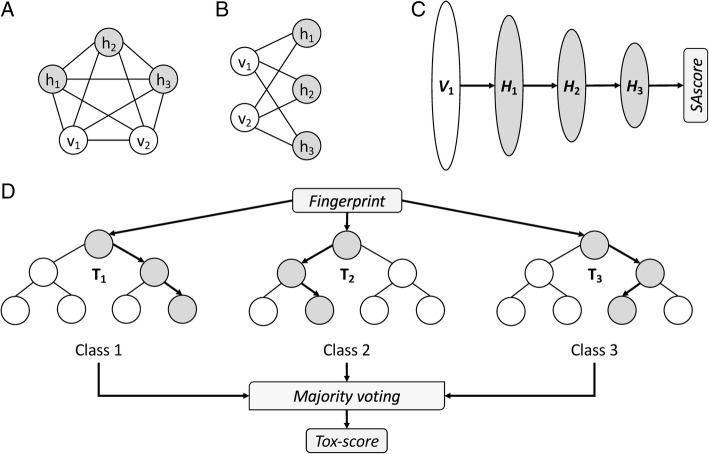
“For example, eToxPred allows the estimation of toxicity of drug candidates based on Restricted Boltzmann Machine (RBM), Deep Belief Network (DBN) and Extremely Randomized Trees, or Extra Trees (ET) algorithm [8].”
MethodChoi, K., & Kim, J. Y. (2024) · Food Science and Biotechnology · doi:10.1007/s10068-024-01701-1 · Cited by 9
“Based on HSDB, Pu et al. estimated the toxicity of drug candidates by employing SVM algorithm (Pu et al., 2019).”
Malani, M., Hiremath, M. S., Sharma, S., Jhunjhunwala, M., Gayen, S., Hota, C., & Nirmal, J. (2023) · Journal of Biomolecular Structure and Dynamics · doi:10.1080/07391102.2023.2226717 · Cited by 7
“…such as machine learning and computer simulations can aid in better understanding drug-transporter interactions and drug toxicity with high reproducibility and reliability (Jain & Ecker, 2019; Jensen et al., 2021; Khuri & Deshmukh, 2018; Liu et al., 2016; Pu et al., 2019; Vamathevan et al., 2019).”
BackgroundStevenson, G. A., Kirshner, D., Bennion, B. J., Yang, Y., Zhang, X., Zemla, A., Torres, M. W., Epstein, A., Jones, D., Kim, H., et al. (2023) · Journal of Chemical Information and Modeling · doi:10.1021/acs.jcim.3c00722 · Cited by 7
Huang, L., Yuan, Z. P., Yan, H., Sheng, R., Liu, L., Wang, F., Xie, W., Chen, N., Huang, F., Huang, S., et al. (2024) · IEEE Transactions on Artificial Intelligence · doi:10.1109/tai.2024.3387402 · Cited by 10
“…measurement to evaluate how the generated molecule fits into the protein pocket of interest; 5) Toxicity score is the value outputted by eToxPred [52] that indicate the toxicity probability; 6) SA (synthetic accessibility) measures the molecule synthetic accessibility; 7) QED estimates the…”
BackgroundDeveloping liver cancer drug response prediction system using late fusion of reduced deep features
Hassan, M., Ali, S., Alquhayz, H., Kim, J. Y., & Sanaullah, M. (2022) · Journal of King Saud University - Computer and Information Sciences · doi:10.1016/j.jksuci.2022.07.024 · Cited by 7
Artificial Intelligence for Assessing Side Effects
Panchbhai, A. (2022) · Wiley eBooks · doi:10.1002/9781394167258.ch12 · Cited by 7
Metadata
- Authors
- Pu, L., Naderi, M., Liu, T., Wu, H.-C., Mukhopadhyay, S., & Brylinski, M.
- Affiliations
- Louisiana State University (US)
- Venue
- BMC Pharmacology and Toxicology
- Published
- 2019-01-08
- Volume
- 20
- Issue
- 1
- Pages
- 2-2
- ISSN
- 2050-6511 (ISSN-L)
- PMC
- PMC6325674
- OpenAlex
- W2918544128
- Cited by
- 212
- References
- 90
- Citations by year
- 2026: 21 · 2025: 33 · 2024: 50 · 2023: 44 · 2022: 29 · 2021: 20 · 2020: 10 · 2019: 5
- FWCI
- 10.88
- Type
- journal article
- Language
- en
- Open access
- gold
- doi.org
- Locations
- BMC Pharmacology and Toxicology (publishedVersion, cc-by)
- Europe PMC (PubMed Central) (publishedVersion, cc-by)
- PubMed Central (publishedVersion, cc-by)
- PubMed (publishedVersion)
- Civil War Book Review (submittedVersion)
- DOAJ (DOAJ: Directory of Open Access Journals) (submittedVersion, cc-by-sa)
- Funders
- National Institute of General Medical Sciences (R35GM119524)
- Topics
- Life Sciences › Pharmacology, Toxicology and Pharmaceutics › Drug Discovery › Computational Drug Discovery Methods
- Physical Sciences › Materials Science › Materials Chemistry › Machine Learning in Materials Science
- Health Sciences › Veterinary › Small Animals › Animal testing and alternatives
- Keywords
- toxicity prediction, drug candidates, synthetic accessibility, molecular fingerprints, machine learning, virtual screening, small organic molecules, drug-likeness, chemical toxicity
- MeSH terms
- Machine Learning, Algorithms, Animals, Humans, Drug Discovery, Drug-Related Side Effects and Adverse Reactions
About these checks
Registry, retraction, Cites and statistics results are computed, not judged, with one exception: a printed reference that no index lists is read once by a model before it counts as a citation error. Claims are extracted by a model and kept only when their quote appears verbatim in the text; each cited source is then checked, with a model’s help, for whether it says what the claim relies on. Those verdicts can be wrong — read the claim’s quote and the cited source before relying on one.
Statistics and arithmetic are recomputed, not judged.
Confidence bands are shown only for fields calibrated on our annotated test set. None is calibrated yet, so no band is shown.
What counts as a claim ›How we measure confidence ›How we check this ›
Are you an author, or do you see a problem with this page? Request a review
