

Early neuronal accumulation of DNA double strand breaks in Alzheimer’s disease
Open accessThe DOI matches its Crossref record; 123 of the 123 references it cites were found in a registry or an index.
Abstract
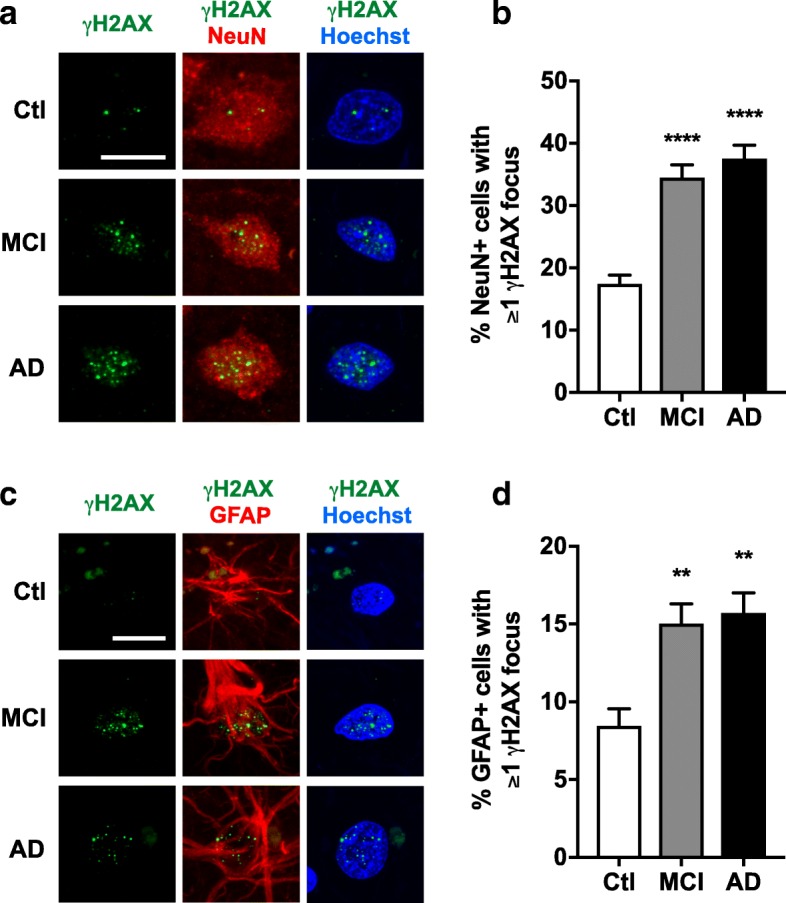
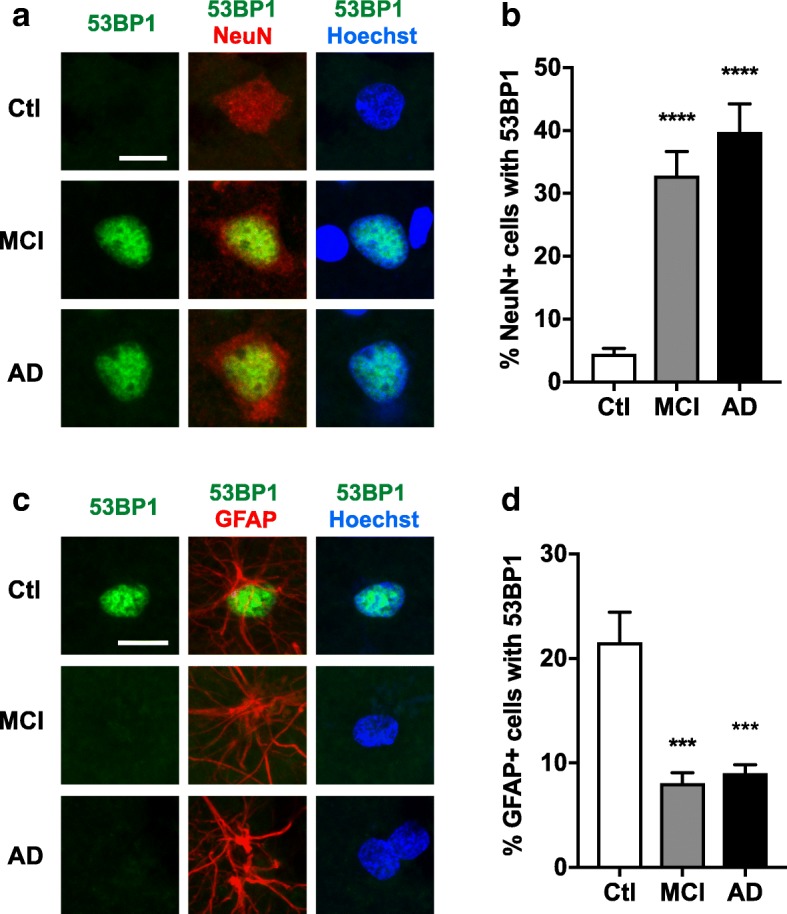
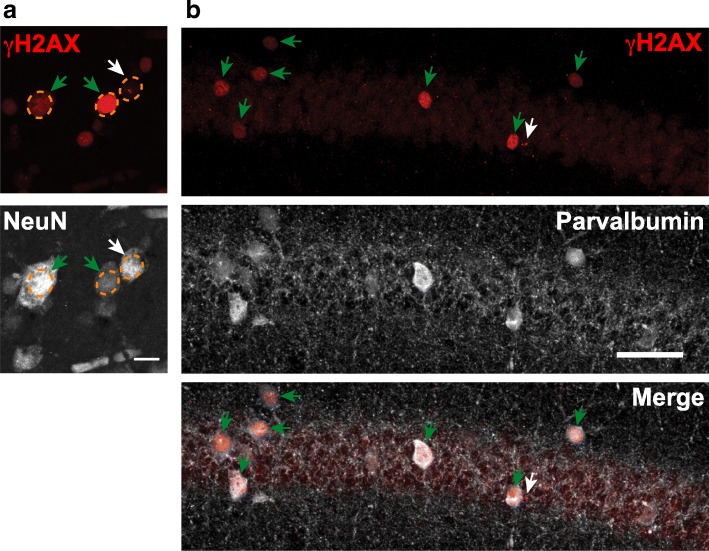
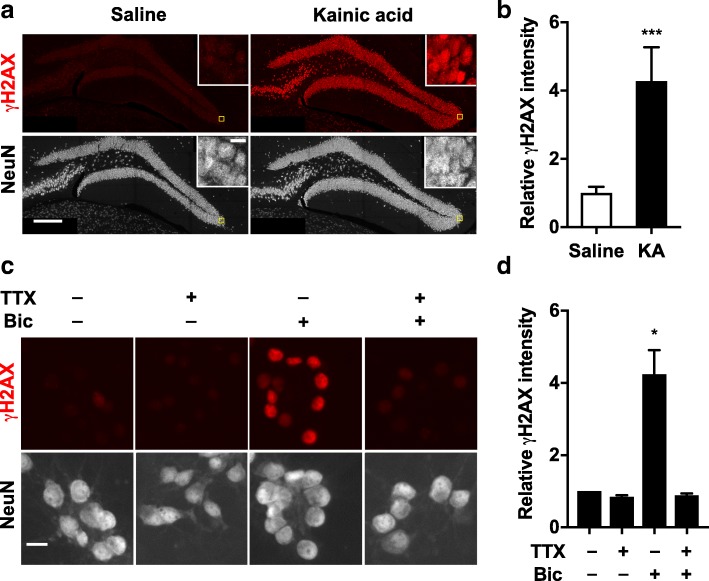
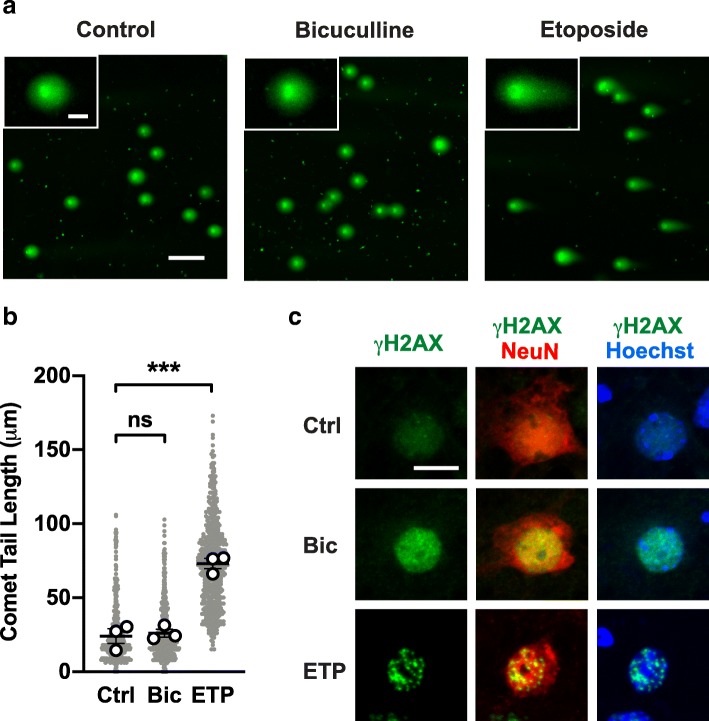
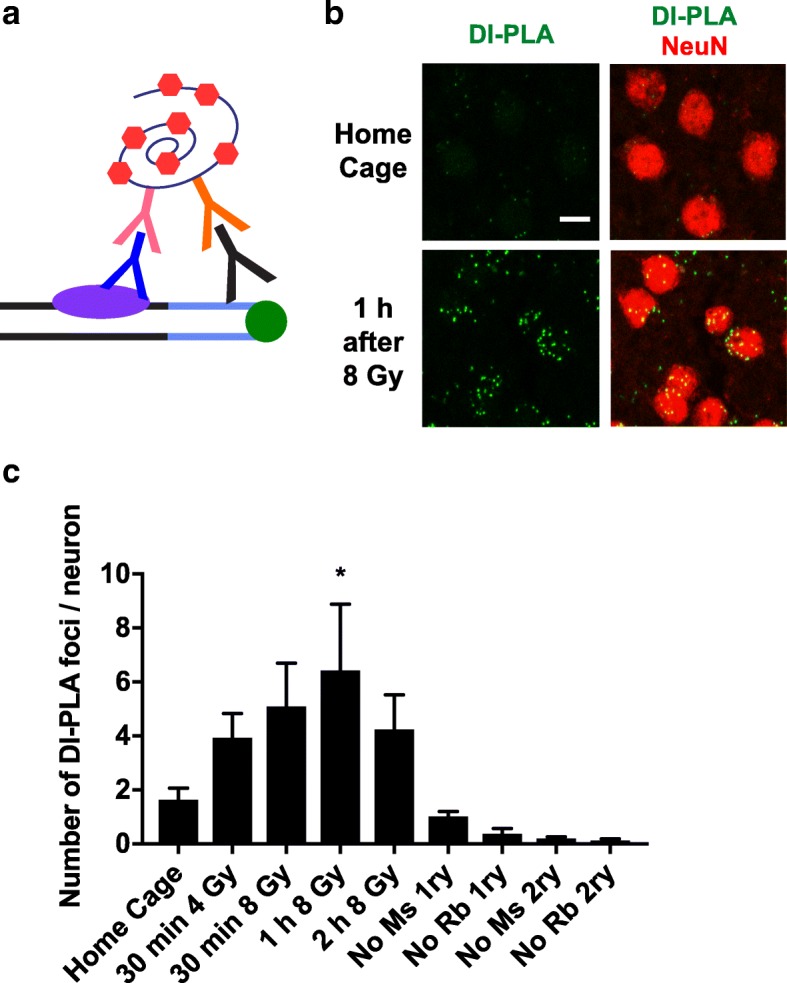
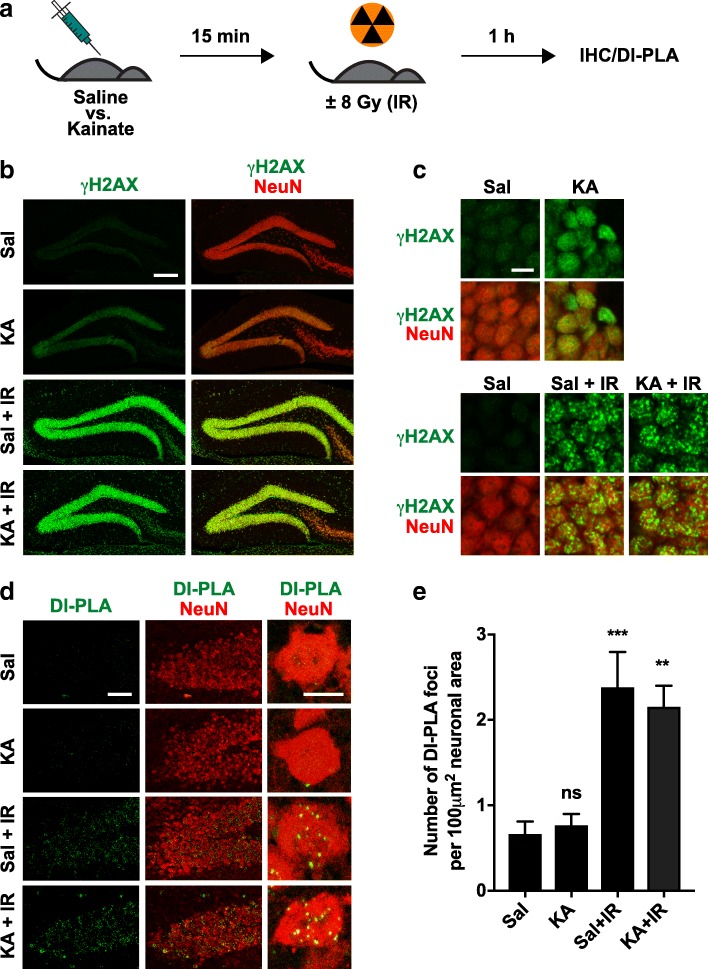
The maintenance of genomic integrity is essential for normal cellular functions. However, it is difficult to maintain over a lifetime in postmitotic cells such as neurons, in which DNA damage increases with age and is exacerbated by multiple neurological disorders, including Alzheimer's disease (AD). Here we used immunohistochemical staining to detect DNA double strand breaks (DSBs), the most severe form of DNA damage, in postmortem brain tissues from patients with mild cognitive impairment (MCI) or AD and from cognitively unimpaired controls. Immunostaining for γH2AX-a post-translational histone modification that is widely used as a marker of DSBs-revealed increased proportions of γH2AX-labeled neurons and astrocytes in the hippocampus and frontal cortex of MCI and AD patients, as compared to age-matched controls. In contrast to the focal pattern associated with DSBs, some neurons and glia in humans and mice showed diffuse pan-nuclear patterns of γH2AX immunoreactivity. In mouse brains and primary neuronal cultures, such pan-nuclear γH2AX labeling could be elicited by increasing neuronal activity. To assess whether pan-nuclear γH2AX represents DSBs, we used a recently developed technology, DNA damage in situ ligation followed by proximity ligation assay, to detect close associations between γH2AX sites and free DSB ends. This assay revealed no evidence of DSBs in neurons or astrocytes with prominent pan-nuclear γH2AX labeling. These findings suggest that focal, but not pan-nuclear, increases in γH2AX immunoreactivity are associated with DSBs in brain tissue and that these distinct patterns of γH2AX formation may have different causes and consequences. We conclude that AD is associated with an accumulation of DSBs in vulnerable neuronal and glial cell populations from early stages onward. Because of the severe adverse effects this type of DNA damage can have on gene expression, chromatin stability and cellular functions, DSBs could be an important causal driver of neurodegeneration and cognitive decline in this disease.
Overview
The claims and statistics of this paper haven’t been checked yet.
Free: it reads the open-access text and checks the first 5 claims that cite a source we can check. Create a free account to check every claim.
Integrity signals
Registry
Cites
Statistics
Figures
Verification
Claims the paper makes
The claims and statistics of this paper haven’t been checked yet.
Free: it reads the open-access text and checks the first 5 claims that cite a source we can check. Create a free account to check every claim.
Claims other papers make about this one
Each is checked against this paper’s own text: does it say what the citing paper says it does?
The source backs part of the claim, not all of it — or backs it for a different population, condition or comparison.
In the citing paper
“Studies using post-mortem human brain samples show that neurons, astrocytes, and oligodendrocytes accumulate DNA double-strand breaks (DSBs) early in the progression of AD”
From Neuronal DNA double-strand breaks lead to genome structural variations and 3D genome disruption in neurodegeneration (2023) · cites this paper as [6]
Experimental — accuracy not yet measuredThe source backs part of the claim, not all of it — or backs it for a different population, condition or comparison.
In the citing paper
“In many cases, DNA damage seems to be one of the earliest indicators of neuropathology”
From Mechanisms of DNA damage-mediated neurotoxicity in neurodegenerative disease (2022) · cites this paper as Shanbhag et al, 2019
Experimental — accuracy not yet measuredThe cited source says what the claim attributes to it.
In the citing paper
“DNA damage and DDR markers have been observed in models of Alzheimer’s disease154,155 and in neurons in postmortem brains from patients with the disease156.”
From Telomere dysfunction in ageing and age-related diseases (2022) · cites this paper as [156]
The cited source says what the claim attributes to it.
In the citing paper
“Neurons start accumulating DSBs early in the progression of AD”
From Neuronal DNA double-strand breaks lead to genome structural variations and 3D genome disruption in neurodegeneration (2023) · cites this paper as [6]
In the citing paper
“A well‐established link exists between DNA damage and neurodegenerative diseases.”
From Mechanisms of DNA damage-mediated neurotoxicity in neurodegenerative disease (2022) · cites this paper as Shanbhag et al, 2019
1 more claim about this paper
Create a free account to see every claim other papers make about this one.
Self-check
Percentages, sums and reported differences re-computed from the paper’s own numbers.
The self-check needs the paper’s full text.
Citations
Cites
NIH Image to ImageJ: 25 years of image analysis
Schneider, C. A., Rasband, W. S., & Eliceiri, K. W. (2012) · Nature Methods · doi:10.1038/nmeth.2089 · Cited by 64,638 · cited 5×
“analyzed using the ImageJ program [93] as described [87] to determine the proportion of NeuN- or GFAP-positive cells with γH2AX foci or 53BP1 labeling.”
InfluentialLópez-Otín, C., Blasco, M. A., Partridge, L., Serrano, M., & Kroemer, G. (2013) · Cell · doi:10.1016/j.cell.2013.05.039 · Cited by 14,982
A simple technique for quantitation of low levels of DNA damage in individual cells
Singh, N. P., McCoy, M. T., Tice, R. R., & Schneider, E. L. (1988) · Experimental Cell Research · doi:10.1016/0014-4827(88)90265-0 · Cited by 10,828 · cited 1×
“More recently, Mano and colleagues complemented γH2AX immunoperoxidase staining with the neutral comet assay [79, 80, 102] to demonstrate increased levels of DSBs in a small number of AD patients”
DNA double-stranded breaks induce histone H2AX phosphorylation on serine 139
Rogakou, E. P., Pilch, D. R., Orr, A. H., Ivanova, V. S., & Bonner, W. M. (1998) · Journal of Biological Chemistry · doi:10.1074/jbc.273.10.5858 · Cited by 5,438
Diagnosis and management of dementia with Lewy bodies: Third report of the DLB consortium
McKeith, I. G., Dickson, D. W., Lowe, J., Emre, M., O'Brien, J. T., Feldman, H., Cummings, J., Duda, J. E., Lippa, C., Perry, E. K., et al. (2005) · Neurology · doi:10.1212/01.wnl.0000187889.17253.b1 · Cited by 5,069 · cited 1×
“Neuropathological diagnoses were made in accordance with consensus diagnostic criteria [33, 70] using histological and immunohistochemical methods as described [108].”
Oxidative DNA damage: mechanisms, mutation, and disease
Cooke, M. S., Evans, M. D., Dizdaroglu, M., & Lunec, J. (2003) · The FASEB Journal · doi:10.1096/fj.02-0752rev · Cited by 3,245 · cited 1×
“fications and single strand breaks [12, 27].”
Self-citationThe DNA damage response: putting checkpoints in perspective
Zhou, B.-B. S., & Elledge, S. J. (2000) · Nature · doi:10.1038/35044005 · Cited by 3,213
Hyman, B. T., Phelps, C. H., Beach, T. G., Bigio, E. H., Cairns, N. J., Carrillo, M. C., Dickson, D. W., Duyckaerts, C., Frosch, M. P., Masliah, E., et al. (2012) · Alzheimer's & Dementia · doi:10.1016/j.jalz.2011.10.007 · Cited by 3,092 · cited 1×
“Neuropathological diagnoses were made in accordance with consensus diagnostic criteria [33, 70] using histological and immunohistochemical methods as described [108].”
Self-citationThe mechanism of double-strand DNA break repair by the nonhomologous DNA end-joining pathway
Lieber, M. R. (2010) · Annual Review of Biochemistry · doi:10.1146/annurev.biochem.052308.093131 · Cited by 2,882 · cited 4×
“(PDF 11500 kb) Abbreviations AD: Alzheimer’s disease; Aβ: Amyloid-β; Bic: Bicuculline; Ctl: Control; DAB: Diaminobenzidine; DI-PLA: DNA damage in situ ligation followed by proximity ligation assay; DSBs: DNA double strand breaks; ETP: Etoposide; FITC: Fluorescein isothiocyanate; HHV6: Human herpesvirus 6; HRP: Horsera…”
InfluentialMegabase Chromatin Domains Involved in DNA Double-Strand Breaks in Vivo
Rogakou, E. P., Boon, C., Redon, C., & Bonner, W. M. (1999) · The Journal of Cell Biology · doi:10.1083/jcb.146.5.905 · Cited by 2,422 · cited 1×
“Notably, these studies used immunoperoxidase staining to detect γH2AX and showed diffuse, pan-nuclear staining patterns, as opposed to the focal pattern seen at genuine DSBs [54, 90].”
Cited by
Items 101–200 of 229
Temporal and Sex-Linked Protein Expression Dynamics in a Familial Model of Alzheimer’s Disease
Lopes, F. B. T. P., Schlatzer, D., Wang, R., Li, X., Feng, E., Koyutürk, M., Qi, X., & Chance, M. R. (2022) · Molecular & Cellular Proteomics · doi:10.1016/j.mcpro.2022.100280 · Cited by 17
“This is consistent with recent reports of increased SSB and DSB repeatedly found in the brain of AD patients (61, 62) where these studies implicate reactive oxygen species (ROS) and overall oxidative DNA damage as a major source of DNA damage early on in AD (63).”
ResultInan, S., Wilson, R. P., & Tükel, Ç. (2025) · Pharmacological Research · doi:10.1016/j.phrs.2025.107693 · Cited by 16
Loss of DEK Expression Induces Alzheimer’s Disease Phenotypes in Differentiated SH-SY5Y Cells
Greene, A. N., Parks, L. G., Solomon, M. B., & Vinnedge, L. M. P. (2020) · Frontiers in Molecular Neuroscience · doi:10.3389/fnmol.2020.594319 · Cited by 15
“SH-SY5Y cells are widely used in the AD field (Boyle et al., 2012; Koriyama et al., 2015; Oguchi et al., 2017; Pascual-Caro et al., 2018; Shang et al., 2019).”
BackgroundBreast cancer type 1 and neurodegeneration: consequences of deficient DNA repair
Leung, E., & Hazrati, L. (2021) · Brain Communications · doi:10.1093/braincomms/fcab117 · Cited by 17
Ranganathan, R., Sapozhnikov, G., Wang, N., Li, S., & Song, Y. (2023) · Translational Medicine of Aging · doi:10.1016/j.tma.2023.06.004 · Cited by 15
Li, S., Roy, E. R., Wang, Y., Watkins, T. A., & Cao, W. (2023) · Molecular Neurobiology · doi:10.1007/s12035-023-03720-1 · Cited by 14
“Long linked to brain aging and neurodegeneration, neuronal DNA damage, manifested by p H2AX + foci, accumulates early in AD brain [56, 57].”
Exercise May Affect Metabolism in Cancer-Related Cognitive Impairment
Shahid, M., & Kim, J. (2020) · Metabolites · doi:10.3390/metabo10090377 · Cited by 14
“Studies on two independent cohorts (n = 13 and n = 23) found significant increases of γH2AX in the astrocytes and neurons of the hippocampus and frontal cortex of AD brains; this increase was found in brains with MCI as well [36].”
BackgroundWelty, S., Thathiah, A., & Levine, A. S. (2022) · Journal of Alzheimer s Disease · doi:10.3233/jad-220030 · Cited by 16
“Many authors have hypothesized that excessive damage to neuronal DNA and the resultant accumulation of DNA DSBs might be a significant contributing factor to the development of AD [25, 56].”
Hanlon, M. B., Shohet, J. M., & Wolfe, S. A. (2025) · Nature Communications · doi:10.1038/s41467-025-60160-2 · Cited by 14
A New Perspective on the Origin of DNA Double-Strand Breaks and Its Implications for Ageing
Tripathy, B. K., Pal, K., Shabrish, S., & Mittra, I. (2021) · Genes · doi:10.3390/genes12020163 · Cited by 13
“However, this hypothesis may not be applicable to neuronal cells that do not divide, and especially since DSBs in brain increase progressively with age and are linked with neurodegenerative disorders, like Alzheimer’s disease [41].”
BackgroundNeuronal Cell Cycle Re-Entry Enhances Neuropathological Features in App NLF Knock-In Mice
Barrett, T., Stangis, K. A., Saito, T., Saido, T. C., & Park, K. H. J. (2021) · Journal of Alzheimer s Disease · doi:10.3233/jad-210091 · Cited by 13
Puente-Bedia, A., Berciano, M. T., Martínez‐Cué, C., Lafarga, M., & Rueda, N. (2022) · Antioxidants · doi:10.3390/antiox11122438 · Cited by 14
Behnam, B., Fazilaty, H., Ghadyani, M., Fadavi, P., & Taghizadeh‐Hesary, F. (2023) · Frontiers in Bioscience-Landmark · doi:10.31083/j.fbl2810261 · Cited by 13
“Most mammalian PoMiCs (such as neurons) may accumulate high amounts of DNA damage during their lifetime [17].”
BackgroundCell-Free DNA As Peripheral Biomarker of Alzheimer’s Disease
Khemka, S., Sehar, U., Manna, P. R., Kshirsagar, S., & Reddy, P. H. (2024) · Aging and Disease · doi:10.14336/ad.2024.0329 · Cited by 14
“This build-up of DSBs in neurons and astrocytes during the progression of AD is thought to contribute to neuronal degeneration and dysfunction [35] [36].”
Tang, F. R., Liu, L., Wang, H., Ho, K. J. N., & Sethi, G. (2021) · Aging · doi:10.18632/aging.203202 · Cited by 13
“Increased proportions of γH2AX-labeled neurons and astrocytes in the hippocampus and frontal cortex of mild cognitive impairment (MCI) and AD patients also suggested that there might exist a causal relationship between the early neuronal accumulation of DSB and neurodegenerative disorders including HD [10] and cogniti…”
BackgroundMartorana, A., Assogna, M., Lucia, V. D., Motta, C., Bonomi, C. G., Bernocchi, F., Donna, M. G. D., & Koch, G. (2021) · Minerva Medica · doi:10.23736/s0026-4806.21.07448-6 · Cited by 13
Gudenschwager, C., Chavez, I., Cárdenas, C., & González-Billault, C. E. (2021) · Oxidative Medicine and Cellular Longevity · doi:10.1155/2021/5586052 · Cited by 12
“Mitochondrial function is accompanied by ROS generation, which acts as signaling molecules in normal concentration ranges, but higher levels increase oxidative stress and promote mitochondrial DNA damage [6, 36, 37].”
BackgroundGenomic stress and impaired DNA repair in Alzheimer disease
Neven, J., Issayama, L. K., Dewachter, I., & Wilson, D. M. (2024) · DNA repair · doi:10.1016/j.dnarep.2024.103678 · Cited by 13
The histone code in dementia: Transcriptional and chromatin plasticity fades away
Bano, D., Salomoni, P., Ehninger, D., & Nicotera, P. (2021) · Current Opinion in Pharmacology · doi:10.1016/j.coph.2021.07.014 · Cited by 14
You, W., Berendschot, T. T. J. M., Knoops, K., van Zandvoort, M. A. M. J., Webers, C. A. B., Reutelingsperger, C. P. M., & Gorgels, T. G. M. F. (2022) · International Journal of Molecular Sciences · doi:10.3390/ijms23052650 · Cited by 13
Bukhari, H., Nithianandam, V., Battaglia, R. A., Cicalo, A., Sarkar, S., Comjean, A., Hu, Y., Leventhal, M. J., Dong, X., & Feany, M. Β. (2024) · Genome Research · doi:10.1101/gr.278576.123 · Cited by 14
“DNAdam-age commonly occurs in age-related neurodegenerative diseases (Welch and Tsai 2022), including tauopathies (Khurana et al. 2012; Shanbhag et al. 2019; Thadathil et al. 2021).”
Approaches for studying epigenetic aspects of the human genome
Harutyunyan, T. A., & Hovhannisyan, G. G. (2021) · Elsevier eBooks · doi:10.1016/b978-0-12-823579-9.00008-4 · Cited by 10
Can accelerated ageing models inform us on age‐related tauopathies?
Han, Z. Z., Fleet, A., & Larrieu, D. (2023) · Aging Cell · doi:10.1111/acel.13830 · Cited by 11
Gil, L., Chi-Ahumada, É., Niño, S. A., Capdeville, G., Méndez-Torres, A. M., Guerrero, C., Poves, A. B. R., Olazabal, I. M., & Jiménez-Capdeville, M. E. (2022) · International Journal of Molecular Sciences · doi:10.3390/ijms232112873 · Cited by 10
“Interestingly, DSBs can accumulate in murine AD models, cell cultures, and post-mortem human brain samples obtained from early AD patients [86,87].”
BackgroundBoutros, S. W., Zimmerman, B., Nagy, S. C., Unni, V. K., & Raber, J. (2023) · Molecular Psychiatry · doi:10.1038/s41380-023-01966-8 · Cited by 12
“In humans, there are increases in neuronal γ H2Ax and 53BP1 in brains from patients with MCI or AD compared to healthy, age-matched controls [33].”
BackgroundProteins Associated with Neurodegenerative Diseases: Link to DNA Repair
Khodyreva, S. N., Dyrkheeva, N. S., & Lavrik, O. I. (2024) · Biomedicines · doi:10.3390/biomedicines12122808 · Cited by 8
Koss, D. J., Todd, O., Menon, H., Anderson, Z., Yang, T., Findlay, L., Graham, B., Palmowski, P., Porter, A., Morrice, N., et al. (2025) · Molecular Neurodegeneration · doi:10.1186/s13024-025-00813-4 · Cited by 8
Ayyubova, G., Bablu, F. E., Rahimli, N., Aghayeva, L., Springer, E. M., Alghenaim, F., & Suzuki, Y. J. (2026) · Antioxidants · doi:10.3390/antiox15010066 · Cited by 9
“Research indicates that neurons rely on error-prone DNA repair processes like non-homologous end joining rather than replication-associated DNA repair [70,75].”
Dual Immunofluorescence of γH2AX and 53BP1 in Human Peripheral Lymphocytes
Falaschi, A., Chiaramonte, A., Testi, S., & Scarpato, R. (2023) · Journal of Visualized Experiments · doi:10.3791/65472 · Cited by 9
DNA damage accumulation in aging brain and its links to Alzheimer’s disease progression
Zhao, H., Wang, S., & Li, X. (2022) · Genome Instability & Disease · doi:10.1007/s42764-022-00069-y · Cited by 10
“The levels of γH2AX in astrocytes and neurons in the hippocampus and frontal cortex of AD brains were significantly increased compared to those in normal brains, suggesting that more DSBs had accumulated in AD brains (Shanbhag et al., 2019).”
BackgroundResultNovel molecular mechanisms in Alzheimer’s disease: The potential role of DEK in disease pathogenesis
Greene, A. N., Solomon, M. B., & Vinnedge, L. M. P. (2022) · Frontiers in Aging Neuroscience · doi:10.3389/fnagi.2022.1018180 · Cited by 8
“Oxidative stress is thought to be an early event in AD neurodegeneration (BradleyWhitman et al., 2014; Shanbhag et al., 2019).”
BackgroundTau beyond Tangles: DNA Damage Response and Cytoskeletal Protein Crosstalk on Neurodegeneration
Asada‐Utsugi, M., & Urushitani, M. (2024) · International Journal of Molecular Sciences · doi:10.3390/ijms25147906 · Cited by 9
“Additionally, the toxicity of DSBs seen in early Alzheimer’s disease (AD) may act as an early trigger [40].”
BackgroundLoss of SORCS2 is Associated with Neuronal DNA Double-Strand Breaks
Gospodinova, K., Olsen, D., Ollendorff, M. K., Anderson, S. M., Phillips, J., Walker, R. M., Bermingham, M. L., Payne, A. L., Giannopoulos, P., Pandya, D., et al. (2021) · Cellular and Molecular Neurobiology · doi:10.1007/s10571-021-01163-7 · Cited by 8
“…being linked to cognitive impairment, dementia and other neurodegenerative disorders (Mullaart et al 1990; Adamec et al 1999; Madabhushi et al 2014; Shanbhag et al 2019; Thadathil et al 2019), and attenuating the DNA damage response to DSBs has been demonstrated to be protective in models of…”
BackgroundKrokidis, M. G., Prasinou, P., Efthimiadou, E. Κ., Boari, A., Ferreri, C., & Chatgilialoglu, C. (2022) · Biomolecules · doi:10.3390/biom12081075 · Cited by 8
“DNA damage increases with age and in multiple neurological and neurodegenerative disorders, such as Alzheimer’s disease, which is a disorder that is characterized by the accumulation of double strand breaks (DSB) in both neuronal and glial cells [51], as well as a diminution in the expression of UDG1, polb, and bOGG1…”
BackgroundIlari, S., Russo, P., Proietti, S., Vitiello, L., Muscoli, C., Tomino, C., Milić, M., & Bonassi, S. (2022) · Mutation Research/Genetic Toxicology and Environmental Mutagenesis · doi:10.1016/j.mrgentox.2022.503499 · Cited by 9
Palomares, D., Vanparys, A., Jorgji, J., Paître, E., Kienlen‐Campard, P., & Suelves, N. (2025) · Acta Neuropathologica Communications · doi:10.1186/s40478-025-02118-5 · Cited by 9
“In fact, oxidative stress and DNA damage, which are consistently elevated in aged and AD brains, are also well-known inducers of cell senescence and are prevalent in postmitotic cells like neurons [54].”
Brain somatic mutations in Alzheimer’s disease: linking genetic mosaicism to neurodegeneration
Li, Z., Zhang, J., Liu, Z., Yu, L., Yang, C., Zhang, L., Xiang, Z., Hu, F., Brazh, N., Shu, K., et al. (2025) · Molecular Neurodegeneration · doi:10.1186/s13024-025-00895-0 · Cited by 7
“There is substantial evidence supporting an increased incidence of DSBs in patients with Mild cognitive impairment (MCI) and AD [149–151].”
Critical role of checkpoint kinase 1 in spinal cord injury-induced motor dysfunction in mice
Fan, J., Du, X., Chen, M., Xu, Y., Xu, J., Lu, L., Zhou, S., Kong, X., Xu, K., & Zhang, H. (2024) · International Immunopharmacology · doi:10.1016/j.intimp.2024.112521 · Cited by 7
Babu, A., & Urulangodi, M. (2023) · Genome Instability & Disease · doi:10.1007/s42764-023-00110-8 · Cited by 7
“A study was conducted to determine the potential role of early DNA DSBs in the pathogenesis of AD neurodegeneration (Shanbhag et al., 2019).”
BackgroundLoss of Adaptive DNA Breaks in Alzheimer’s Disease Brains
Zhang, X., Haeri, M., Swerdlow, R. H., & Wang, N. (2024) · Journal of Alzheimer s Disease · doi:10.3233/jad-231303 · Cited by 8
Current Trends and Approaches to the Search for Genetic Determinants of Aging and Longevity
Станиславовна, К. С., Volobaev, V. P., Plotnikova, M. Y., Kupriyanova, D. A., Kuznetsova, I. L., Tyazhelova, T. V., & Rogaev, E. I. (2022) · Russian Journal of Genetics · doi:10.1134/s1022795422120067 · Cited by 7
DNA Damage and Senescence in the Aging and Alzheimer’s Disease Cortex Are Not Uniformly Distributed
Gutta, G., Mehta, J., Kingston, R., Xie, J., Brenner, E., Ma, F., & Herrup, K. (2024) · Biomedicines · doi:10.3390/biomedicines12061327 · Cited by 6
“It has been noted that increased neuronal activity induces transient DNA damage [19,23,24].”
BackgroundTemporal and spatial pattern of DNA damage in neurons following spinal cord Injury in mice
Scheijen, E. E. M., Veeningen, N., Duwé, S., Ivanova, A., Broeckhoven, J. V., Hendrix, S., & Wilson, D. M. (2025) · Journal of Biomedical Science · doi:10.1186/s12929-024-01104-8 · Cited by 6
Nuclear Alpha‐Synuclein: Mechanisms and Implications for Synucleinopathies
Outeiro, T. F., & Koss, D. J. (2025) · Movement Disorders · doi:10.1002/mds.70138 · Cited by 6
“Indeed, hallmark pathology of tau and beta-amyloid in AD, 74,75 and Fus as well as C9orf72 repeat expansion in amyotrophic lateral sclerosis, 76,77 also coincide with DNA damage and repair dysfunction.”
Primate differential redoxome (PDR) – A paradigm for understanding neurodegenerative diseases
Venkatachalam, N., Bakavayev, S., Engel, D., Barak, Z., & Engel, S. (2020) · Redox Biology · doi:10.1016/j.redox.2020.101683 · Cited by 6
“The ability to maintain genomic integrity is principal for long-living postmitotic cells, such as neurons, which are mostly irreplaceable and rely on their genetic content for the entire lifespan of the organism [86].”
BackgroundKim, B.-H., Lee, H., Ham, H., Kim, H. J., Jang, H., Kim, J. P., Park, Y. H., Kim, M., & Seo, S. W. (2023) · Frontiers in Aging Neuroscience · doi:10.3389/fnagi.2023.1278998 · Cited by 6
“…analysis and functional enrichment revealed that the genes consisting of networks were related to critical AD processes, such as DNA repair and recombination processes, cell cycle-related processes, and dephosphorylation (Table 3; Sheng et al., 1998; Iqbal et al., 2010; Shanbhag et al., 2019).”
BackgroundThe many connections of UFMylation with Alzheimer’s disease: a comprehensive review
Yan, T., Clarkson, B. D. S., Lou, Z., Springer, W., & Fiesel, F. C. (2025) · Molecular Neurodegeneration · doi:10.1186/s13024-025-00855-8 · Cited by 5
“Studies on postmortem human brain samples have demonstrated a significant increase in γH2AX, a widely accepted marker of DSBs [83], in neurons and astrocytes of AD brain, indicating elevated DNA damage in these cells [7, 80, 84].”
Salminen, A. (2026) · Neurochemistry International · doi:10.1016/j.neuint.2026.106115 · Cited by 5
Zhu, J., Wang, L., Yang, Y., Han, M., Yang, Y., Feng, R., & Hu, Y. (2023) · Journal of Investigative Medicine · doi:10.1177/10815589231158043 · Cited by 5
Tong, X., Li, D., Liu, N., Huang, W., Zhao, X., Zhang, D., Xue, X., & Fu, J. (2023) · Molecular Medicine · doi:10.1186/s10020-023-00660-3 · Cited by 5
Choi, B., Lim, C., Lee, H., Lee, J., Kim, J., Chung, C., & Cho, K. S. (2022) · Biochemical and Biophysical Research Communications · doi:10.1016/j.bbrc.2022.11.032 · Cited by 5
Prognostic and Biological Roles of Parkinson's Disease‐Associated Genes in Cancer
Fiume, S., Molinari, F., Vai, B., Poletti, S., Citterio, G., Fiumara, F., Papin, S., Paganetti, P., Callari, M., & Colnaghi, L. (2025) · Movement Disorders · doi:10.1002/mds.30321 · Cited by 4
Decoding senescent drivers in Alzheimer's disease: From bench to bedside
Zhou, R., Lin, X., Liao, Z., Lin, J., Zheng, R., Ni, H., Liu, W., Feng, Z., He, Q., Lin, X., et al. (2025) · Ageing Research Reviews · doi:10.1016/j.arr.2025.102978 · Cited by 4
Novel Techniques for Mapping DNA Damage and Repair in the Brain
Hedlich-Dwyer, J., Allard, J. S., Mulgrave, V. E., Kisby, G. E., Raber, J., & Gassman, N. R. (2024) · International Journal of Molecular Sciences · doi:10.3390/ijms25137021 · Cited by 4
Adaptive and Maladaptive DNA Breaks in Neuronal Physiology and Alzheimer’s Disease
Roberts, A., Swerdlow, R. H., & Wang, N. (2024) · International Journal of Molecular Sciences · doi:10.3390/ijms25147774 · Cited by 5
“Expanding on these findings, a more recent study used AD and mild cognitive impairment (MCI) samples to determine γ H2AX activity specifically in neurons and astrocytes [10].”
BackgroundResultInfluentialJhanji, M., Bhan, A., Arrowood, C. A., Yakout, D. W., Shroff, A., McManus, D., Gifford, H., Vacharasin, J. M., Lizarraga, S. B., Nazarko, T. Y., et al. (2025) · IUBMB Life · doi:10.1002/iub.70030 · Cited by 4
“Neuronal γ-H2AX foci were calculated as previously described [194].”
A protective role for APP in nuclear waste clearance via lysosomal exocytosis
Dougnon, G., Otsuka, T., Nakamura, Y., Sakai, A., Yamanaka, T., Matsui, N., Nakahara, A., Ito, A., Hatano, A., Matsumoto, M., et al. (2026) · Proceedings of the National Academy of Sciences · doi:10.1073/pnas.2524190123 · Cited by 4
Vijayakumar, S., Yesudhason, B. V., Anandharaj, J. L., Vedakumari, S. W., & Christyraj, J. R. S. S. (2024) · Molecular Biology Reports · doi:10.1007/s11033-024-09693-1 · Cited by 4
“DNA damage is frequently one of the earliest signs of neuropathology, indicating that it may represent toxic-ity’s foremost lesion [48–51].”
Chromatin remodeler BRG1 recruits huntingtin to repair DNA double-strand breaks in neuronsPreprint
Pradhan, S., Bush, K. M., Zhang, N., PANDITA, R. K., Tsai, C.-L., Smith-Geater, C., Pandlebury, D. F., Gaikwad, S., Leonard, F., Nie, L., et al. (2024) · bioRxiv (Cold Spring Harbor Laboratory) · doi:10.1101/2024.09.19.613927 · Cited by 4
Wezeman, J., Darvas, M., Postupna, N., Klug, J., Mangalindan, R. S., Keely, A., Nguyen, K., Johnson, C., Rosenfeld, M., & Ladiges, W. (2024) · doi:10.1101/2024.01.26.577437 · Cited by 3
Targeting non-apoptotic regulated cell death (RCD) to treat neurodegenerative diseases
Zhao, W., Lai, Y., Li, Z., Yuan, Z., Wen, Z., & Zhang, L. (2026) · Acta Pharmaceutica Sinica B · doi:10.1016/j.apsb.2026.01.040 · Cited by 3
“And, some researchers have hypothesized that the overactivation of PARP1 in AD patients may be caused by increased DNA damage and reduced repair activity due to AD 83,84 .”
Boutros, S. W., Kessler, K., Unni, V. K., & Raber, J. (2022) · Scientific Reports · doi:10.1038/s41598-022-17052-y · Cited by 5
Characterization of a Knock-In Mouse Model with a Huntingtin Exon 1 Deletion
Braatz, E. M., André, E. A., Liu, J.-P., & Zeitlin, S. O. (2021) · Journal of Huntington s Disease · doi:10.3233/jhd-210494 · Cited by 4
“H2AX puncta have been reported in postmortem Alzheimer’s disease brain tissue and from individuals with mild cognitive impairment in comparison to age-matched control tissue [65].”
Kurihara, M., Mano, T., Eto, F., Yao, I., Sato, K., Ohtomo, G., Bannai, T., Shibata, S., Ishiura, H., Ikemura, M., et al. (2023) · Neurobiology of Disease · doi:10.1016/j.nbd.2023.105989 · Cited by 3
Chronic stress induces Alzheimer’s disease-like pathologies through DNA damage-Chk1-CIP2A signaling
Wang, Z., Zhang, L., Yang, J., Zeng, Y., Su, C., Yao, M., Zhang, H., Hu, W., Liu, Y., Lai, Y., et al. (2024) · Aging · doi:10.18632/aging.205862 · Cited by 3
Alharthi, F., Apachigawo, I., Solanki, D., Khan, S., Singh, H., Khan, M. M., & Pradhan, P. (2024) · International Journal of Molecular Sciences · doi:10.3390/ijms252212211 · Cited by 6
Pradhan, S., Gaikwad, S., Tsai, C.-L., Smith-Geater, C., Zhang, N., Bush, K. M., Chakraborty, A., Yuan, S., Choudhary, S., Keene, C. D., et al. (2025) · bioRxiv (Cold Spring Harbor Laboratory) · doi:10.1101/2025.07.24.666629 · Cited by 3
Harnessing cGAS-STING signaling to counteract the genotoxic-immune nexus in tauopathyPreprint
Singh, H., Khan, S., Xiao, J., Nguyen, N., Das, A., Johnson, D. L., Fang-Liao, F., Frautschy, S. A., McDonald, M. P., Pourmotabbed, T., et al. (2025) · bioRxiv (Cold Spring Harbor Laboratory) · doi:10.1101/2025.09.27.678980 · Cited by 3
Zamani, N. I. S. M., Hamezah, H. S., Mediani, A., Ghazali, M., Sadikan, M. Z., & Jam, F. A. (2026) · Scientific Reports · doi:10.1038/s41598-026-53311-y · Cited by 2
“Previous studies have similarly reported elevated γH2AX expression in AD brains and neuronal models 20,21 , which is associated with persistent DNA double-strand breaks and genomic instability during disease progression.”
Mansouri, Z., Khodagholi, F., Zaringhalam, J., Abbaszadeh, F., Ghasemi, R., & Maghsoudi, N. (2024) · EXCLI journal · doi:10.17179/excli2023-6818 · Cited by 3
Molecular etiopathogenesis of neurodegenerative diseases
Divya, D., Thekkekkara, D., Sai, T. E., Ramakrishna, D., Manjula, S. N., & Goswami, S. K. (2024) · Elsevier eBooks · doi:10.1016/b978-0-443-28822-7.00002-7 · Cited by 3
Circulating Cell Free DNA and DNA Double-Strand Breakage in Alzheimer’s Disease
Nguyen, M. V. L., Wood, C., Rios, A., Salter, Z., & Reddy, P. H. (2024) · Journal of Alzheimer s Disease Reports · doi:10.3233/adr-240012 · Cited by 2
“DSBs accumulated in AD brain cells were reported [69].”
BackgroundPIAS1/PIAS4-Mediated SUMOylation of TDP-43 Is Induced by Oxidative StressPreprint
Pendlebury, D. F., Truong, K., Heath, M. C., Reidling, J. C., Sarkar, P. S., & Thompson, L. M. (2025) · bioRxiv (Cold Spring Harbor Laboratory) · doi:10.1101/2025.11.10.687649 · Cited by 2
Potential Contribution of Retrotransposons to Learning and Memory
Glanzman, D. L. (2024) · Springer eBooks · doi:10.1007/978-3-031-59286-7_12 · Cited by 2
Quach, T., & Duchemin, A. (2025) · Neuroscience & Biobehavioral Reviews · doi:10.1016/j.neubiorev.2025.106212 · Cited by 1
Alzheimer’s Disease and Oxidative Stress
Alharbi, S., & Al‐Sowayan, N. S. (2025) · Advances in Aging Research · doi:10.4236/aar.2025.144007 · Cited by 2
Yeasmin, A., & Torrente, M. P. (2025) · Biology · doi:10.3390/biology14111556 · Cited by 1
“Common molecular etiologies include protein misfolding and aggregation, dysregulation of intracellular protein localization, aberrant protein signaling, and damage to genomic DNA, arising from external or internal offenses [2–8].”
Morley, C., Kalef-Ezra, E., Pérez‐Rodríguez, D., Jaunmuktane, Z., & Proukakis, C. (2026) · Acta Neuropathologica · doi:10.1007/s00401-026-03077-4 · Cited by 2
“Pan-nuclear γH2AX signalling has been attributed to clustered DNA damage associated with several pathogenic cellular responses such as hypoxia, apoptosis and replication stress [12, 40, 42, 45], as well as more non-specific physiological responses such as increased cellular activity [57].”
Deciphering the Ubiquitin-like Code of DNA-PK: Mechanisms and Therapeutic Opportunities
Zhao, J., Qin, Z., Hou, J., Lu, M., Guo, J., Wu, J., Wang, C., Zhu, X., & Ma, T. (2026) · Biomolecules · doi:10.3390/biom16040498 · Cited by 1
“In Alzheimer’s disease, neurons exhibit chronically elevated γ H2AX foci and impaired DNA-PKcs activity [48,49], findings that are broadly consistent with defective DSB repair capacity.”
DNA Damage Repair: A Crucial Link to Neurological Disorders
Yang, H., Deng, Y., Chen, W., Zhu, W., & Lu, X. (2026) · The FASEB Journal · doi:10.1096/fj.202504689r · Cited by 1
“…tangles and amyloid plaques in AD [130, 193–195] ATM Mutations in ATM lead to neurodegenerative changes, contributing to neuronal loss [7, 13, 113, 191, 196] BRCA1 Dysregulation of BRCA1 (including abnormal accumulation and phosphorylation) is linked to the neurodegenerative process in AD…”
Hill, N., AlMuallim, H. Y. O., Maddock, E., Hobbs, C., Clarke, E. E., Goncalves, M. B. C. V., & Corcoran, J. P. T. (2026) · FEBS Open Bio · doi:10.1002/2211-5463.70284 · Cited by 1
“One such stressor is the accumulation of DNA DSBs, which occur early in the pathology of AD [33,34].”
Zhang, C., & Yang, Z. (2026) · Brain Research Bulletin · doi:10.1016/j.brainresbull.2026.112118 · Cited by 1
Semochkina, Y. P., Moskaleva, E. Y., Малашенкова, И. К., Krynskiy, S., Hailov, N. A., Ogurtsov, D., Пономарева, Е. В., & Si, G. (2020) · Biomeditsinskaya Khimiya · doi:10.18097/pbmc20206604345 · Cited by 1
An Amyloid Agnostic Reformulation of the Alzheimer’s Disease: The Long Gene Vulnerability HypothesisPreprint
Soheili‐Nezhad, S. (2021) · Preprints.org · doi:10.20944/preprints202108.0454.v1 · Cited by 1
Cheng, G. W., Ma, I. W.-T., Huang, J., Yeung, S. H., Ho, P., Chen, Z., Mak, H. K., Herrup, K., Chan, K. W. Y., & Tse, K. (2023) · bioRxiv (Cold Spring Harbor Laboratory) · doi:10.1101/2023.07.24.547147 · Cited by 1
“Unlike glial cells, DSBs are 715 endogenously present in neurons in response to activity (84, 85) and a large variation was found among 716 GM regions.”
Niehaus, C. (2021) · Elsevier eBooks · doi:10.1016/b978-0-323-85679-9.00029-5
Semochkina, Y. P., Moskaleva, E. Y., Малашенкова, И. К., Krynskiy, S., Hailov, N. A., Ogurtsov, D., Пономарева, Е. В., & Si, G. (2021) · Biochemistry (Moscow) Supplement Series B Biomedical Chemistry · doi:10.1134/s1990750821020098
Enteric glia adopt an activated pro-inflammatory state in response to human and bacterial amyloidsPreprint
Verstraelen, P., Remoortel, S. V., Loose, N. D., Verboven, R., Barriga, G. G.-D., Christmann, A., Gries, M., Tükel, Ç., Martínez, S. I., Schäfer, K., et al. (2022) · bioRxiv (Cold Spring Harbor Laboratory) · doi:10.1101/2022.08.08.503156
Lou, Y. (2022) · American Journal of Biomedical Science & Research · doi:10.34297/ajbsr.2022.15.002170
Kopsidas, C. A., Lowe, C. C., Zhang, J., Kang, W., Zhou, X., & Feng, Y. (2023) · bioRxiv (Cold Spring Harbor Laboratory) · doi:10.1101/2023.01.26.525738
Benacom, D., Chataing, C., Ribot, J., Quéguiner, I., Prochiantz, A., & Nardo, A. A. D. (2023) · bioRxiv (Cold Spring Harbor Laboratory) · doi:10.1101/2023.09.11.557035
Radiation-induced Bystander Effects on Glioblastoma Tumor Cells via NMDA Receptor Signaling
Lin, Y., Mo, J., Zeng, H., & Lee, Y. (2024) · Radiation Research · doi:10.1667/rade-23-00166.1
“Also, radiation-induced DNA double-stranded breaks (DSBs) in post-mitotic neurons can remained unrepaired through error-prone mechanisms, leading to learning and memory dysfunction ( 5 , 6 ).”
BackgroundZnaidi, R. (2023) · theses.fr (ABES) · doi:10.70675/fc5affbdz1b90z4faaza5eczde1aaa097238
Current Understanding of ALS Onset, Progression and TreatmentsPreprint
Rossmiller, B. P., & Bagheri, M. (2024) · doi:10.14293/pr2199.001277.v1
Epigenetic control of dopaminergic neuron degeneration
Ravel‐Godreuil, C. (2020) · theses.fr (ABES) · doi:10.70675/49714c6az57e0z4d3az8e8fz7561ee8cec78 · Cited by 1
Brenner, E., Gutta, G., Stauffer, F., Mehta, J., Kingston, R., Bagnell, M., Welty, S., Dixon, N., Zinzell, E., Herrup, K., et al. (2025) · bioRxiv (Cold Spring Harbor Laboratory) · doi:10.1101/2025.09.07.674780
“There is ample evidence that DNA damage increases in AD compared to age-matched controls (Suberbielle et al., 2013; Suberbielle et al., 2015; Lin et al., 2020; Gutta et al., 2024; Sharma et al., 2025), and that the damage appears early in the progression of the disease (Shanbhag et al., 2019).”
Metadata
- Authors
- Shanbhag, N. M., Evans, M. D., Mao, W., Nana, A. L., Seeley, W. W., Adame, A., Rissman, R. A., Masliah, E., & Mucke, L.
- Affiliations
- Gladstone Institutes (US)
- University of California, San Francisco (US)
- University of California San Diego (US)
- National Institutes of Health (US)
- Corresponding author
- Mucke, Lennart
- Venue
- Acta Neuropathologica Communications
- Published
- 2019-05-17
- Volume
- 7
- Issue
- 1
- Pages
- 77-77
- ISSN
- 2051-5960 (ISSN-L)
- PMC
- PMC6524256
- OpenAlex
- W2947726842
- Cited by
- 214
- References
- 122
- Citations by year
- 2026: 19 · 2025: 29 · 2024: 35 · 2023: 25 · 2022: 47 · 2021: 36 · 2020: 19 · 2019: 4
- FWCI
- 8.77
- Type
- journal article
- Language
- en
- Open access
- gold
- doi.org
- Licence
- cc-by
- creativecommons.org/licenses/by/4.0/ (tdm)
- creativecommons.org/licenses/by/4.0/ (vor)
- Locations
- Acta Neuropathologica Communications (publishedVersion, cc-by)
- Europe PMC (PubMed Central) (publishedVersion, cc-by)
- PubMed Central (publishedVersion, cc-by)
- PubMed (publishedVersion)
- eScholarship (California Digital Library) (submittedVersion, cc-by)
- DOAJ (DOAJ: Directory of Open Access Journals) (submittedVersion, cc-by-sa)
- eScholarship (California Digital Library) (submittedVersion)
- Funders
- National Institutes of Health (AG011385, AG053981, NS070680, AG05131, AG18440, P01AG019724, P50AG023501)
- Alzheimer's Association (AARF-16-441393)
- Ray and Dagmar Dolby Family Fund (gift)
- Topics
- Life Sciences › Biochemistry, Genetics and Molecular Biology › Molecular Biology › DNA Repair Mechanisms
- Life Sciences › Neuroscience › Cellular and Molecular Neuroscience › Alzheimer's disease research and treatments
- Health Sciences › Medicine › Psychiatry and Mental health › Dementia and Cognitive Impairment Research
- Keywords
- Alzheimer's disease, DNA double-strand breaks, γH2AX, DNA damage, postmitotic neurons, astrocytes, mild cognitive impairment, hippocampus, frontal cortex, neuronal activity, proximity ligation assay, genome stability, neurodegeneration, cognitive decline
- MeSH terms
- Aged, Aged, 80 and over, Alzheimer Disease, Animals, Astrocytes, Female, Frontal Lobe, Hippocampus, Histones, Humans, Male, Mice, Inbred C57BL, Middle Aged, Neurons, DNA Breaks, Double-Stranded, Cognitive Dysfunction
About these checks
Registry, retraction, Cites and statistics results are computed, not judged, with one exception: a printed reference that no index lists is read once by a model before it counts as a citation error. Claims are extracted by a model and kept only when their quote appears verbatim in the text; each cited source is then checked, with a model’s help, for whether it says what the claim relies on. Those verdicts can be wrong — read the claim’s quote and the cited source before relying on one.
Statistics and arithmetic are recomputed, not judged.
Confidence bands are shown only for fields calibrated on our annotated test set. None is calibrated yet, so no band is shown.
What counts as a claim ›How we measure confidence ›How we check this ›
Are you an author, or do you see a problem with this page? Request a review
Data sources
Bibliographic data: Semantic Scholar, OpenAlex, Crossref.
Contains information from the Semantic Scholar Academic Graph Datasets, made available under the ODC Attribution License (ODC-BY 1.0).
Semantic Scholar’s data is described in: Kinney, R., et al. (2023). The Semantic Scholar Open Data Platform. arXiv:2301.10140.
