

Early neuronal accumulation of DNA double strand breaks in Alzheimer’s disease
Open accessThe DOI matches its Crossref record; 123 of the 123 references it cites were found in a registry or an index.
Abstract
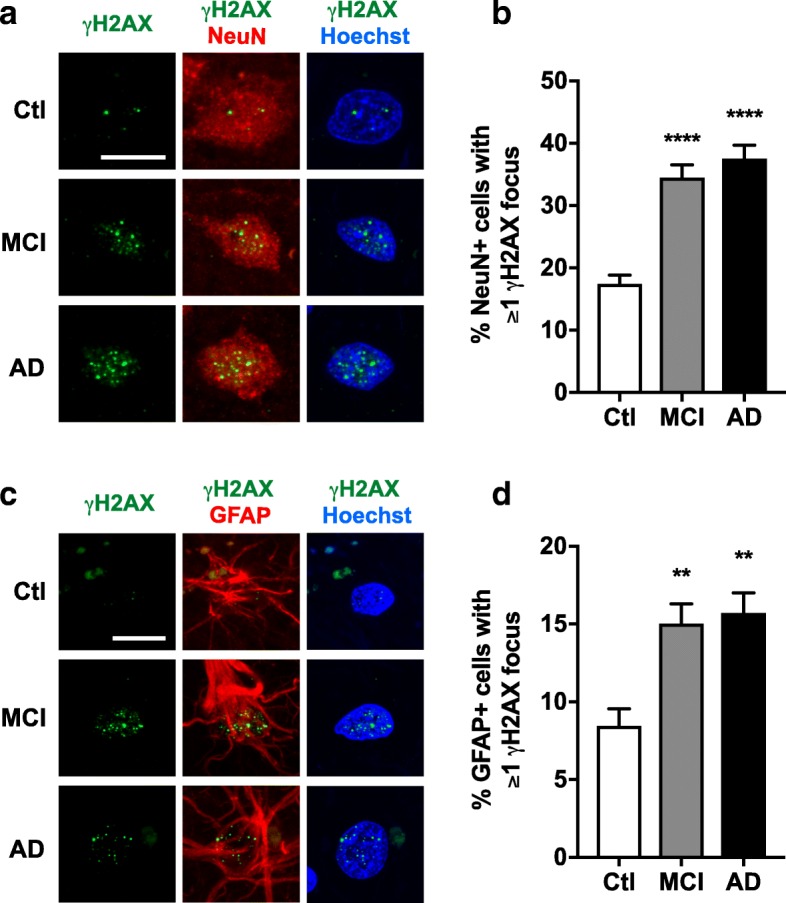
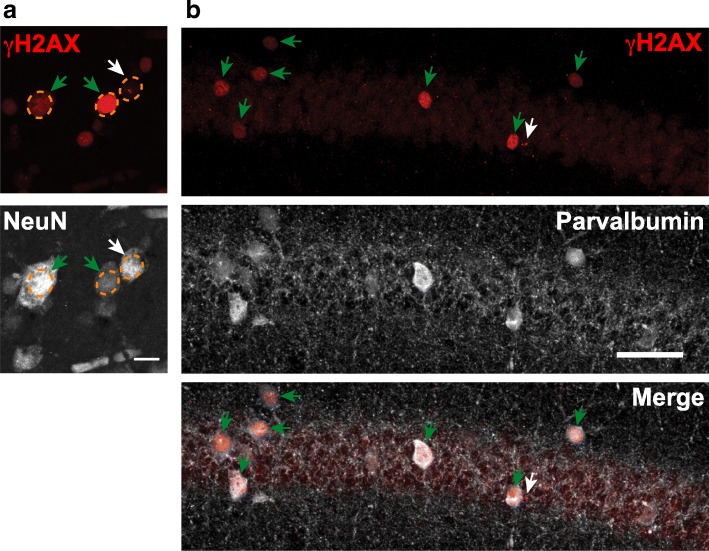
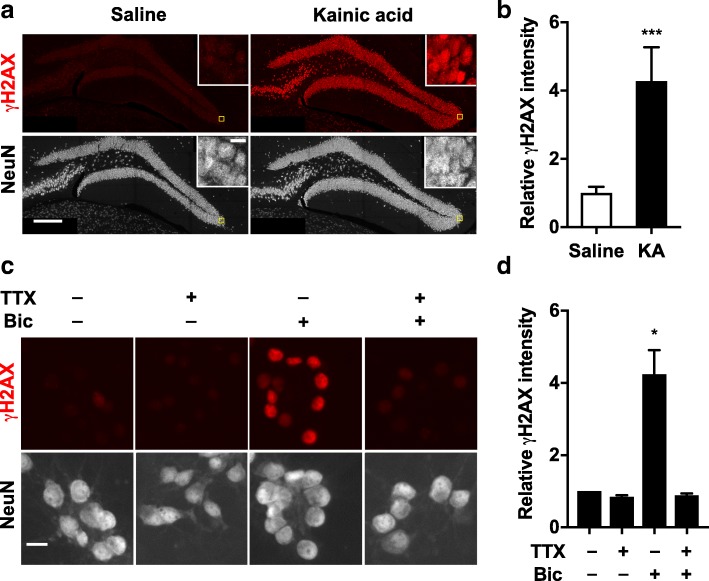
The maintenance of genomic integrity is essential for normal cellular functions. However, it is difficult to maintain over a lifetime in postmitotic cells such as neurons, in which DNA damage increases with age and is exacerbated by multiple neurological disorders, including Alzheimer's disease (AD). Here we used immunohistochemical staining to detect DNA double strand breaks (DSBs), the most severe form of DNA damage, in postmortem brain tissues from patients with mild cognitive impairment (MCI) or AD and from cognitively unimpaired controls. Immunostaining for γH2AX-a post-translational histone modification that is widely used as a marker of DSBs-revealed increased proportions of γH2AX-labeled neurons and astrocytes in the hippocampus and frontal cortex of MCI and AD patients, as compared to age-matched controls. In contrast to the focal pattern associated with DSBs, some neurons and glia in humans and mice showed diffuse pan-nuclear patterns of γH2AX immunoreactivity. In mouse brains and primary neuronal cultures, such pan-nuclear γH2AX labeling could be elicited by increasing neuronal activity. To assess whether pan-nuclear γH2AX represents DSBs, we used a recently developed technology, DNA damage in situ ligation followed by proximity ligation assay, to detect close associations between γH2AX sites and free DSB ends. This assay revealed no evidence of DSBs in neurons or astrocytes with prominent pan-nuclear γH2AX labeling. These findings suggest that focal, but not pan-nuclear, increases in γH2AX immunoreactivity are associated with DSBs in brain tissue and that these distinct patterns of γH2AX formation may have different causes and consequences. We conclude that AD is associated with an accumulation of DSBs in vulnerable neuronal and glial cell populations from early stages onward. Because of the severe adverse effects this type of DNA damage can have on gene expression, chromatin stability and cellular functions, DSBs could be an important causal driver of neurodegeneration and cognitive decline in this disease.
Overview
The claims and statistics of this paper haven’t been checked yet.
Free: it reads the open-access text and checks the first 5 claims that cite a source we can check. Create a free account to check every claim.
Integrity signals
Registry
Cites
Statistics
Figures
Verification
Claims the paper makes
The claims and statistics of this paper haven’t been checked yet.
Free: it reads the open-access text and checks the first 5 claims that cite a source we can check. Create a free account to check every claim.
Claims other papers make about this one
Each is checked against this paper’s own text: does it say what the citing paper says it does?
The source backs part of the claim, not all of it — or backs it for a different population, condition or comparison.
In the citing paper
“Studies using post-mortem human brain samples show that neurons, astrocytes, and oligodendrocytes accumulate DNA double-strand breaks (DSBs) early in the progression of AD”
From Neuronal DNA double-strand breaks lead to genome structural variations and 3D genome disruption in neurodegeneration (2023) · cites this paper as [6]
Experimental — accuracy not yet measuredThe source backs part of the claim, not all of it — or backs it for a different population, condition or comparison.
In the citing paper
“In many cases, DNA damage seems to be one of the earliest indicators of neuropathology”
From Mechanisms of DNA damage-mediated neurotoxicity in neurodegenerative disease (2022) · cites this paper as Shanbhag et al, 2019
Experimental — accuracy not yet measuredThe cited source says what the claim attributes to it.
In the citing paper
“DNA damage and DDR markers have been observed in models of Alzheimer’s disease154,155 and in neurons in postmortem brains from patients with the disease156.”
From Telomere dysfunction in ageing and age-related diseases (2022) · cites this paper as [156]
The cited source says what the claim attributes to it.
In the citing paper
“Neurons start accumulating DSBs early in the progression of AD”
From Neuronal DNA double-strand breaks lead to genome structural variations and 3D genome disruption in neurodegeneration (2023) · cites this paper as [6]
In the citing paper
“A well‐established link exists between DNA damage and neurodegenerative diseases.”
From Mechanisms of DNA damage-mediated neurotoxicity in neurodegenerative disease (2022) · cites this paper as Shanbhag et al, 2019
1 more claim about this paper
Create a free account to see every claim other papers make about this one.
Self-check
Percentages, sums and reported differences re-computed from the paper’s own numbers.
The self-check needs the paper’s full text.
Citations
Cites
NIH Image to ImageJ: 25 years of image analysis
Schneider, C. A., Rasband, W. S., & Eliceiri, K. W. (2012) · Nature Methods · doi:10.1038/nmeth.2089 · Cited by 64,638 · cited 5×
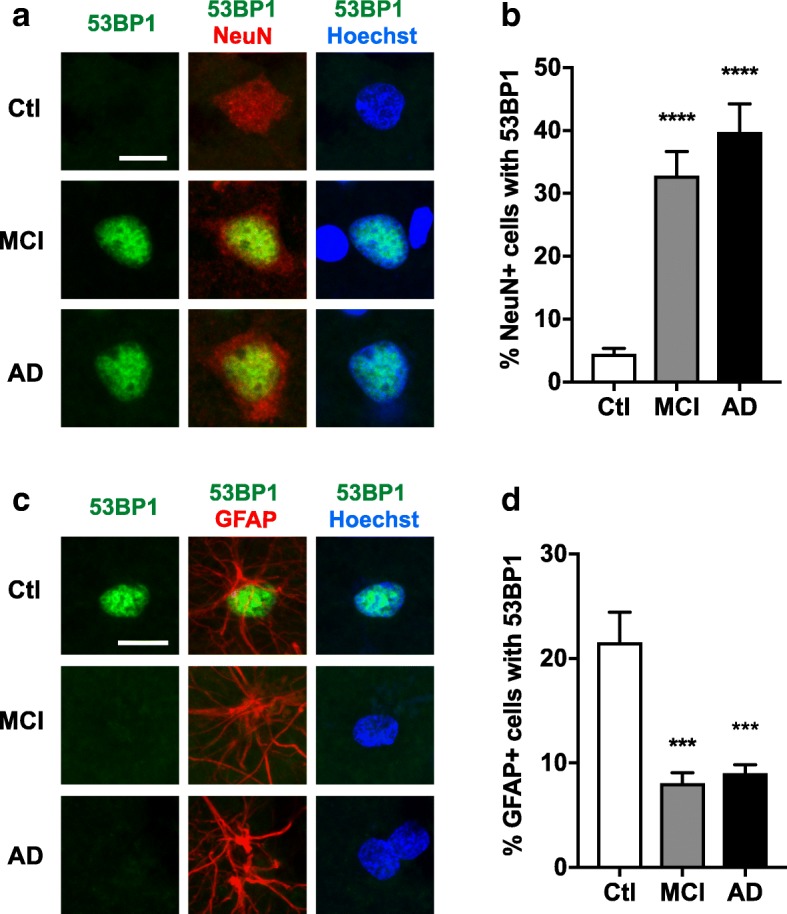
“analyzed using the ImageJ program [93] as described [87] to determine the proportion of NeuN- or GFAP-positive cells with γH2AX foci or 53BP1 labeling.”
InfluentialLópez-Otín, C., Blasco, M. A., Partridge, L., Serrano, M., & Kroemer, G. (2013) · Cell · doi:10.1016/j.cell.2013.05.039 · Cited by 14,982
A simple technique for quantitation of low levels of DNA damage in individual cells
Singh, N. P., McCoy, M. T., Tice, R. R., & Schneider, E. L. (1988) · Experimental Cell Research · doi:10.1016/0014-4827(88)90265-0 · Cited by 10,828 · cited 1×
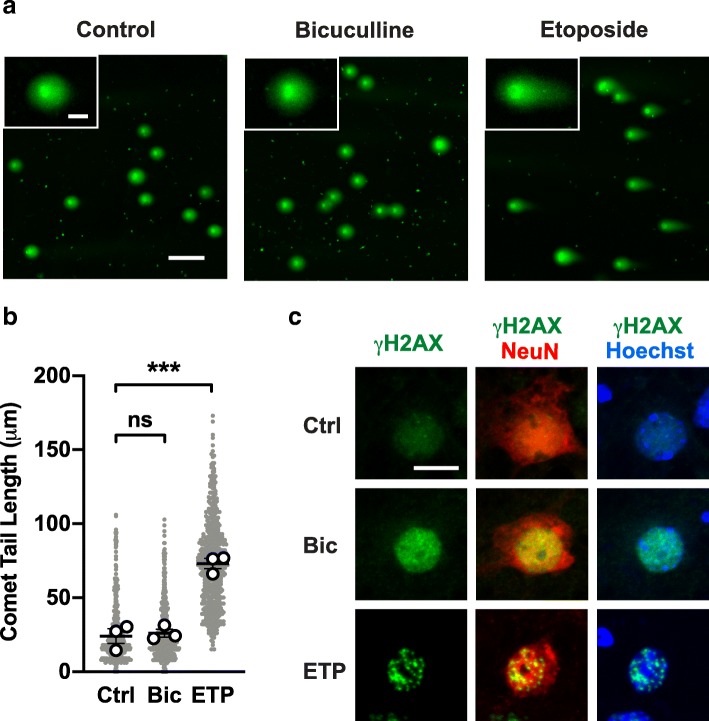
“More recently, Mano and colleagues complemented γH2AX immunoperoxidase staining with the neutral comet assay [79, 80, 102] to demonstrate increased levels of DSBs in a small number of AD patients”
DNA double-stranded breaks induce histone H2AX phosphorylation on serine 139
Rogakou, E. P., Pilch, D. R., Orr, A. H., Ivanova, V. S., & Bonner, W. M. (1998) · Journal of Biological Chemistry · doi:10.1074/jbc.273.10.5858 · Cited by 5,438
Diagnosis and management of dementia with Lewy bodies: Third report of the DLB consortium
McKeith, I. G., Dickson, D. W., Lowe, J., Emre, M., O'Brien, J. T., Feldman, H., Cummings, J., Duda, J. E., Lippa, C., Perry, E. K., et al. (2005) · Neurology · doi:10.1212/01.wnl.0000187889.17253.b1 · Cited by 5,069 · cited 1×
“Neuropathological diagnoses were made in accordance with consensus diagnostic criteria [33, 70] using histological and immunohistochemical methods as described [108].”
Oxidative DNA damage: mechanisms, mutation, and disease
Cooke, M. S., Evans, M. D., Dizdaroglu, M., & Lunec, J. (2003) · The FASEB Journal · doi:10.1096/fj.02-0752rev · Cited by 3,245 · cited 1×
“fications and single strand breaks [12, 27].”
Self-citationThe DNA damage response: putting checkpoints in perspective
Zhou, B.-B. S., & Elledge, S. J. (2000) · Nature · doi:10.1038/35044005 · Cited by 3,213
Hyman, B. T., Phelps, C. H., Beach, T. G., Bigio, E. H., Cairns, N. J., Carrillo, M. C., Dickson, D. W., Duyckaerts, C., Frosch, M. P., Masliah, E., et al. (2012) · Alzheimer's & Dementia · doi:10.1016/j.jalz.2011.10.007 · Cited by 3,092 · cited 1×
“Neuropathological diagnoses were made in accordance with consensus diagnostic criteria [33, 70] using histological and immunohistochemical methods as described [108].”
Self-citationThe mechanism of double-strand DNA break repair by the nonhomologous DNA end-joining pathway
Lieber, M. R. (2010) · Annual Review of Biochemistry · doi:10.1146/annurev.biochem.052308.093131 · Cited by 2,882 · cited 4×
“(PDF 11500 kb) Abbreviations AD: Alzheimer’s disease; Aβ: Amyloid-β; Bic: Bicuculline; Ctl: Control; DAB: Diaminobenzidine; DI-PLA: DNA damage in situ ligation followed by proximity ligation assay; DSBs: DNA double strand breaks; ETP: Etoposide; FITC: Fluorescein isothiocyanate; HHV6: Human herpesvirus 6; HRP: Horsera…”
InfluentialMegabase Chromatin Domains Involved in DNA Double-Strand Breaks in Vivo
Rogakou, E. P., Boon, C., Redon, C., & Bonner, W. M. (1999) · The Journal of Cell Biology · doi:10.1083/jcb.146.5.905 · Cited by 2,422 · cited 1×
“Notably, these studies used immunoperoxidase staining to detect γH2AX and showed diffuse, pan-nuclear staining patterns, as opposed to the focal pattern seen at genuine DSBs [54, 90].”
Gene regulation and DNA damage in the ageing human brain
Lu, T., Pan, Y., Kao, S.-Y., Li, C., Kohane, I., Chan, J., & Yankner, B. A. (2004) · Nature · doi:10.1038/nature02661 · Cited by 1,874 · cited 2×
“Notably, increased levels of DNA damage in aging brains are associated with the reduced expression of essential genes, including genes involved in neuronal plasticity [62].”
The comet assay: a method to measure DNA damage in individual cells
Olive, P. L., & Banáth, J. P. (2006) · Nature Protocols · doi:10.1038/nprot.2006.5 · Cited by 1,835 · cited 1×
“Performed at neutral pH, this assay mainly detects DSBs, the extent of which is reflected by the length of comet tails that emerge from cell nuclei upon electrophoresis [78].”
Microelectrophoretic study of radiation-induced DNA damages in individual mammalian cells
Ostling, O., & Johanson, K. J. (1984) · Biochemical and Biophysical Research Communications · doi:10.1016/0006-291x(84)90411-x · Cited by 1,694
DNA damage by oxygen‐derived species Its mechanism and measurement in mammalian systems
Halliwell, B., & Aruoma, O. I. (1991) · FEBS Letters · doi:10.1016/0014-5793(91)80347-6 · Cited by 1,537 · cited 1×
“fications and single strand breaks [12, 27].”
Chromosomal stability and the DNA double-stranded break connection
van Gent, D. C., Hoeijmakers, J. H. J., & Kanaar, R. (2001) · Nature Reviews Genetics · doi:10.1038/35056049 · Cited by 1,219 · cited 1×
“In dividing cells, unrepaired DSBs can lead to cell cycle arrest and cell death [120], while the inaccurate repair of DSBs can lead to mutations, deletions, or chromosomal translocations [20, 110].”
Fast-spiking, parvalbumin + GABAergic interneurons: From cellular design to microcircuit function
Hu, H., Gan, J., & Jonas, P. (2014) · Science · doi:10.1126/science.1255263 · Cited by 1,197 · cited 1×
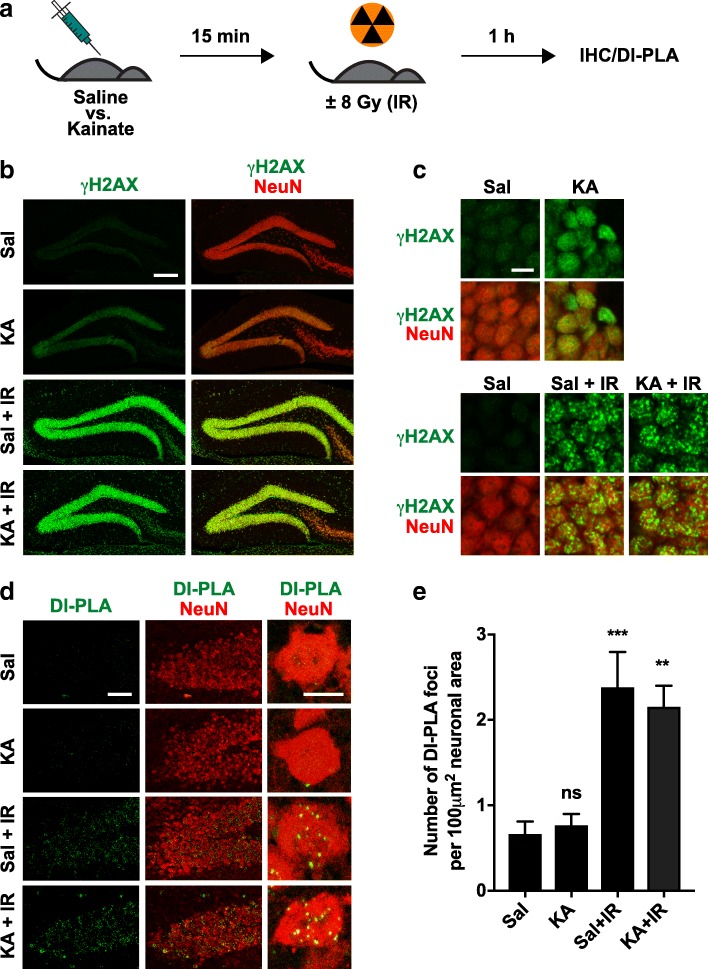
“Because parvalbumin-positive interneurons are among the fastest spiking neurons in the brain [32], we wondered whether neuronal activity itself could increase pan-nuclear γH2AX staining.”
RNF8 Ubiquitylates Histones at DNA Double-Strand Breaks and Promotes Assembly of Repair Proteins
Mailand, N., Bekker-Jensen, S., Faustrup, H., Melander, F., Bartek, J., Lukas, C., & Lukas, J. (2007) · Cell · doi:10.1016/j.cell.2007.09.040 · Cited by 1,151 · cited 1×
“This decrease in 53BP1 foci was attributed, in part, to deficits in ubiquitin signaling [113], which is required for the maintenance of 53BP1 at DSBs [15, 40, 63, 66].”
Evidence of oxidative damage in Alzheimer's disease brain: central role for amyloid β-peptide
Butterfield, D. A., Drake, J., Pocernich, C., & Castegna, A. (2001) · Trends in Molecular Medicine · doi:10.1016/s1471-4914(01)02173-6 · Cited by 1,114
Double-strand break repair: 53BP1 comes into focus
Panier, S., & Boulton, S. J. (2014) · Nature Reviews Molecular Cell Biology · doi:10.1038/nrm3719 · Cited by 1,098 · cited 1×
“[106]), a protein that is rapidly recruited to DSBs and has many putative functions, including the promotion of DSB repair by the non-homologous end-joining pathway [84].”
Endogenous DNA damage in humans: a review of quantitative data
De Bont, R. (2004) · Mutagenesis · doi:10.1093/mutage/geh025 · Cited by 1,058 · cited 1×
“However, all cells in the body are continually subjected to DNA damage from endogenous and exogenous sources [16, 53, 65].”
Network abnormalities and interneuron dysfunction in Alzheimer disease
Palop, J. J., & Mucke, L. (2016) · Nature reviews. Neuroscience · doi:10.1038/nrn.2016.141 · Cited by 1,022 · cited 2×
“Interestingly, AD and MCI cases showed comparable levels of calbindin depletion in the dentate gyrus (Additional file 1: Figure S5), an abnormality that likely reflects aberrant neural network activity [81, 82], which has been implicated in the generation of neuronal DSBs [64, 106].”
Self-citationDNA Repair, Genome Stability, and Aging
Lombard, D. B., Chua, K. F., Mostoslavsky, R., Franco, S., Gostissa, M., & Alt, F. W. (2005) · Cell · doi:10.1016/j.cell.2005.01.028 · Cited by 944
Reduction of Hippocampal Hyperactivity Improves Cognition in Amnestic Mild Cognitive Impairment
Bakker, A., Krauss, G. L., Albert, M. S., Speck, C. L., Jones, L. R., Stark, C. E., Yassa, M. A., Bassett, S. S., Shelton, A. L., & Gallagher, M. (2012) · Neuron · doi:10.1016/j.neuron.2012.03.023 · Cited by 908
Impaired Proteasome Function in Alzheimer's Disease
Keller, J. N., Hanni, K. B., & Markesbery, W. R. (2000) · Journal of Neurochemistry · doi:10.1046/j.1471-4159.2000.0750436.x · Cited by 848 · cited 1×
“Abnormalities in ubiquitin-proteasome functions have also been detected in brains of patients with AD [44, 45, 56], which may explain why we did not find 53BP1 accumulation at DSBs in this condition.”
Seizures and Epileptiform Activity in the Early Stages of Alzheimer Disease
Vossel, K. A., Beagle, A. J., Rabinovici, G. D., Shu, H., Lee, S. E., Naasan, G., Hegde, M., Cornes, S. B., Henry, M. L., Nelson, A. B., et al. (2013) · JAMA Neurology · doi:10.1001/jamaneurol.2013.136 · Cited by 741 · cited 1×
“In light of these studies, chronic network hyperexcitability, which is prevalent in AD [30, 48, 82, 111, 112], might also contribute to the accumulation of neuronal DSBs.”
Self-citationATM-Dependent Chromatin Changes Silence Transcription In cis to DNA Double-Strand Breaks
Shanbhag, N. M., Rafalska-Metcalf, I. U., Balane-Bolivar, C., Janicki, S. M., & Greenberg, R. A. (2010) · Cell · doi:10.1016/j.cell.2010.04.038 · Cited by 737 · cited 1×
“DSBs can also cause changes in transcription from gene promoters located near break sites [36, 47, 85, 96], which could lead to changes in neuronal and synaptic functions.”
Self-citationRepair of Endogenous DNA Damage
LINDAHL, T., & BARNES, D. E. (2000) · Cold Spring Harbor Symposia on Quantitative Biology · doi:10.1101/sqb.2000.65.127 · Cited by 714 · cited 1×
“However, all cells in the body are continually subjected to DNA damage from endogenous and exogenous sources [16, 53, 65].”
Readhead, B., Haure-Mirande, J.-V., Funk, C. C., Richards, M. A., Shannon, P., Haroutunian, V., Sano, M., Liang, W. S., Beckmann, N. D., Price, N. D., et al. (2018) · Neuron · doi:10.1016/j.neuron.2018.05.023 · Cited by 708 · cited 3×
“(PDF 11500 kb) Abbreviations AD: Alzheimer’s disease; Aβ: Amyloid-β; Bic: Bicuculline; Ctl: Control; DAB: Diaminobenzidine; DI-PLA: DNA damage in situ ligation followed by proximity ligation assay; DSBs: DNA double strand breaks; ETP: Etoposide; FITC: Fluorescein isothiocyanate; HHV6: Human herpesvirus 6; HRP: Horsera…”
InfluentialActivity-Induced DNA Breaks Govern the Expression of Neuronal Early-Response Genes
Madabhushi, R., Gao, F., Pfenning, A. R., Pan, L., Yamakawa, S., Seo, J., Rueda, R., Phan, T. X., Yamakawa, H., Pao, P.-C., et al. (2015) · Cell · doi:10.1016/j.cell.2015.05.032 · Cited by 700 · cited 2×
“Interestingly, AD and MCI cases showed comparable levels of calbindin depletion in the dentate gyrus (Additional file 1: Figure S5), an abnormality that likely reflects aberrant neural network activity [81, 82], which has been implicated in the generation of neuronal DSBs [64, 106].”
DNA repair mechanisms in dividing and non-dividing cells
Iyama, T., & Wilson, D. M. (2013) · DNA Repair · doi:10.1016/j.dnarep.2013.04.015 · Cited by 697 · cited 4×
“(PDF 11500 kb) Abbreviations AD: Alzheimer’s disease; Aβ: Amyloid-β; Bic: Bicuculline; Ctl: Control; DAB: Diaminobenzidine; DI-PLA: DNA damage in situ ligation followed by proximity ligation assay; DSBs: DNA double strand breaks; ETP: Etoposide; FITC: Fluorescein isothiocyanate; HHV6: Human herpesvirus 6; HRP: Horsera…”
InfluentialHerpes simplex virus type 1 in brain and risk of Alzheimer's disease
Itzhaki, R. F., Lin, W.-R., Shang, D., Wilcock, G. K., Faragher, B., & Jamieson, G. A. (1997) · The Lancet · doi:10.1016/s0140-6736(96)10149-5 · Cited by 669 · cited 3×
“(PDF 11500 kb) Abbreviations AD: Alzheimer’s disease; Aβ: Amyloid-β; Bic: Bicuculline; Ctl: Control; DAB: Diaminobenzidine; DI-PLA: DNA damage in situ ligation followed by proximity ligation assay; DSBs: DNA double strand breaks; ETP: Etoposide; FITC: Fluorescein isothiocyanate; HHV6: Human herpesvirus 6; HRP: Horsera…”
InfluentialDNA damage and its links to neurodegeneration
Madabhushi, R., Pan, L., & Tsai, L.-H. (2014) · Neuron · doi:10.1016/j.neuron.2014.06.034 · Cited by 654 · cited 3×
“Neuronal DNA damage is further exacerbated in many neurodegenerative disorders [6, 42, 65, 92], which may contribute to the extensive changes in gene expression and neuronal loss found in these conditions.”
Lukas, J., Lukas, C., & Bartek, J. (2011) · Nature Cell Biology · doi:10.1038/ncb2344 · Cited by 645 · cited 1×
“This decrease in 53BP1 foci was attributed, in part, to deficits in ubiquitin signaling [113], which is required for the maintenance of 53BP1 at DSBs [15, 40, 63, 66].”
Löbrich, M., Shibata, A., Beucher, A., Fisher, A., Ensminger, M., Goodarzi, A. A., Barton, O., & Jeggo, P. A. (2010) · Cell Cycle · doi:10.4161/cc.9.4.10764 · Cited by 626
Regulation of DNA Damage Responses by Ubiquitin and SUMO
Jackson, S. P., & Durocher, D. (2013) · Molecular Cell · doi:10.1016/j.molcel.2013.01.017 · Cited by 601 · cited 1×
“This decrease in 53BP1 foci was attributed, in part, to deficits in ubiquitin signaling [113], which is required for the maintenance of 53BP1 at DSBs [15, 40, 63, 66].”
Frequency and course of mild cognitive impairment in a multiethnic community
Manly, J. J., Tang, M., Schupf, N., Stern, Y., Vonsattel, J. G., & Mayeux, R. (2008) · Annals of Neurology · doi:10.1002/ana.21326 · Cited by 589 · cited 1×
“and MCI, a frequent harbinger of AD [46, 67], are associated with an increase in neuronal DSBs.”
Incidence and impact of subclinical epileptiform activity in Alzheimer’s disease.
Vossel, K. A., Ranasinghe, K. G., Beagle, A. J., Mizuiri, D., Honma, S. M., Dowling, A. F., Darwish, S. M., Van Berlo, V., Barnes, D. E., Mantle, M., et al. (2016) · Annals of Neurology · doi:10.1002/ana.24794 · Cited by 557 · cited 1×
“In light of these studies, chronic network hyperexcitability, which is prevalent in AD [30, 48, 82, 111, 112], might also contribute to the accumulation of neuronal DSBs.”
Self-citationThe Human LINE-1 Retrotransposon Creates DNA Double-strand Breaks
Gasior, S. L., Wakeman, T. P., Xu, B., & Deininger, P. L. (2006) · Journal of Molecular Biology · doi:10.1016/j.jmb.2006.01.089 · Cited by 519 · cited 1×
“As some transposons can cause DSBs through endogenous endonuclease activity [24], their increase might also contribute to the increase in DSBs we observed in MCI and AD.”
Oxidative DNA damage in mild cognitive impairment and late-stage Alzheimer's disease
Lovell, M. A., & Markesbery, W. R. (2007) · Nucleic Acids Research · doi:10.1093/nar/gkm821 · Cited by 515 · cited 1×
“AD further increases oxidative damage in neurons [8, 59, 60, 69].”
High‐resolution profiling of γH2AX around DNA double strand breaks in the mammalian genome
Iacovoni, J. S., Caron, P., Lassadi, I., Nicolas, E., Massip, L., Trouche, D., & Legube, G. (2010) · The EMBO Journal · doi:10.1038/emboj.2010.38 · Cited by 515
Distribution and Dynamics of Chromatin Modification Induced by a Defined DNA Double-Strand Break
Shroff, R., Arbel-Eden, A., Pilch, D., Ira, G., Bonner, W. M., Petrini, J. H., Haber, J. E., & Lichten, M. (2004) · Current Biology · doi:10.1016/j.cub.2004.09.047 · Cited by 504 · cited 1×
“One of the earliest events in this process is the phosphorylation of the histone variant H2AX at serine 139, which occurs at multiple sites for up to megabases of chromatin surrounding the break site [5, 35, 91, 99].”
Suberbielle, E., Sanchez, P. E., Kravitz, A. V., Wang, X., Ho, K., Eilertson, K., Devidze, N., Kreitzer, A. C., & Mucke, L. (2013) · Nature Neuroscience · doi:10.1038/nn.3356 · Cited by 487 · cited 3×
“[106]), a protein that is rapidly recruited to DSBs and has many putative functions, including the promotion of DSB repair by the non-homologous end-joining pathway [84].”
Self-citationProteasome inhibition by paired helical filament‐tau in brains of patients with Alzheimer's disease
Keck, S., Nitsch, R., Grune, T., & Ullrich, O. (2003) · Journal of Neurochemistry · doi:10.1046/j.1471-4159.2003.01642.x · Cited by 483 · cited 1×
“Abnormalities in ubiquitin-proteasome functions have also been detected in brains of patients with AD [44, 45, 56], which may explain why we did not find 53BP1 accumulation at DSBs in this condition.”
Oxidative stress: Free radical production in neural degeneration
Götz, M. E., Künig, G., Riederer, P., & Youdim, M. B. H. (1994) · Pharmacology & Therapeutics · doi:10.1016/0163-7258(94)90055-8 · Cited by 482 · cited 1×
“Furthermore, neurons have a highly active metabolism and produce large quantities of free radicals, which can cause oxidative DNA damage [25].”
Increased Nuclear DNA Oxidation in the Brain in Alzheimer's Disease
Gabbita, S. P., Lovell, M. A., & Markesbery, W. R. (1998) · Journal of Neurochemistry · doi:10.1046/j.1471-4159.1998.71052034.x · Cited by 478
Roles of ATM and NBS1 in chromatin structure modulation and DNA double-strand break repair
Berkovich, E., Monnat, R. J., & Kastan, M. B. (2007) · Nature Cell Biology · doi:10.1038/ncb1599 · Cited by 477 · cited 1×
“One of the earliest events in this process is the phosphorylation of the histone variant H2AX at serine 139, which occurs at multiple sites for up to megabases of chromatin surrounding the break site [5, 35, 91, 99].”
Nucleotide-resolution DNA double-strand break mapping by next-generation sequencing
Crosetto, N., Mitra, A., Silva, M. J., Bienko, M., Dojer, N., Wang, Q., Karaca, E., Chiarle, R., Skrzypczak, M., Ginalski, K., et al. (2013) · Nature Methods · doi:10.1038/nmeth.2408 · Cited by 465 · cited 1×
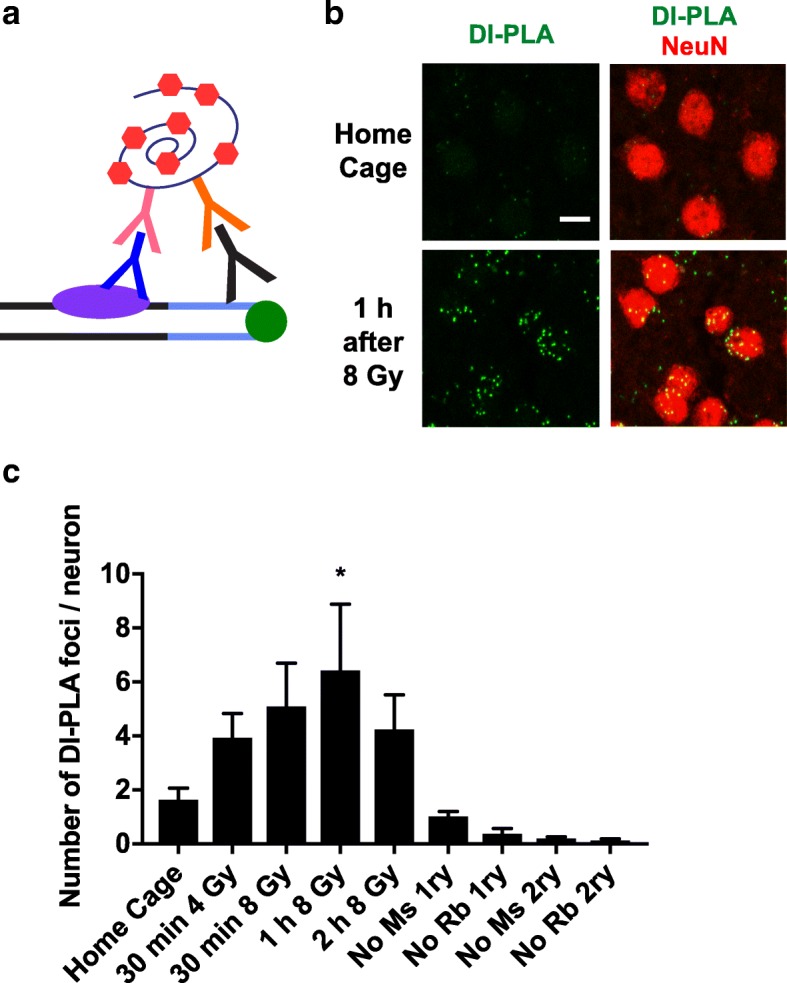
“6a) builds on the original findings that double stranded linkers can be specifically ligated to free DSBs in situ [29] and that when such linkers are biotinylated, DSB ends can be purified on streptavidin beads [14].”
p53 Binding Protein 53BP1 Is Required for DNA Damage Responses and Tumor Suppression in Mice
Ward, I. M., Minn, K., van Deursen, J., & Chen, J. (2003) · Molecular and Cellular Biology · doi:10.1128/mcb.23.7.2556-2563.2003 · Cited by 413 · cited 1×
“Because 53BP1 promotes the repair of DNA damage, including DSBs [38, 77, 116, 117], the absence of”
Palop, J. J., Jones, B., Kekonius, L., Chin, J., Yu, G.-Q., Raber, J., Masliah, E., & Mucke, L. (2003) · Proceedings of the National Academy of Sciences · doi:10.1073/pnas.1133381100 · Cited by 402 · cited 3×
“Interestingly, AD and MCI cases showed comparable levels of calbindin depletion in the dentate gyrus (Additional file 1: Figure S5), an abnormality that likely reflects aberrant neural network activity [81, 82], which has been implicated in the generation of neuronal DSBs [64, 106].”
Self-citationIacopino, A. M., & Christakos, S. (1990) · Proceedings of the National Academy of Sciences · doi:10.1073/pnas.87.11.4078 · Cited by 387 · cited 1×
“In line with this notion, we found reduced neuronal levels of calbindin in the dentate gyrus of MCI and AD cases, a reliable indicator of chronic network hyperexcitability and excessive calcium influx [34, 72, 81].”
Silent hippocampal seizures and spikes identified by foramen ovale electrodes in Alzheimer's disease
Lam, A. D., Deck, G., Goldman, A., Eskandar, E. N., Noebels, J., & Cole, A. J. (2017) · Nature Medicine · doi:10.1038/nm.4330 · Cited by 374 · cited 1×
“In light of these studies, chronic network hyperexcitability, which is prevalent in AD [30, 48, 82, 111, 112], might also contribute to the accumulation of neuronal DSBs.”
DNA double-strand breaks measured in individual cells subjected to gel electrophoresis.
Olive, P. L., Włodek, D., & Banáth, J. P. (1991) · PubMed · Cited by 369
DNA repair deficiency in neurodegeneration
Jeppesen, D. K., Bohr, V. A., & Stevnsner, T. (2011) · Progress in Neurobiology · doi:10.1016/j.pneurobio.2011.04.013 · Cited by 356 · cited 1×
“Neuronal DNA damage is further exacerbated in many neurodegenerative disorders [6, 42, 65, 92], which may contribute to the extensive changes in gene expression and neuronal loss found in these conditions.”
Role of oxidatively induced DNA lesions in human pathogenesis
Sedelnikova, O. A., Redon, C. E., Dickey, J. S., Nakamura, A. J., Georgakilas, A. G., & Bonner, W. M. (2010) · Mutation Research/Reviews in Mutation Research · doi:10.1016/j.mrrev.2009.12.005 · Cited by 336 · cited 1×
“Oxidative damage can result in DSBs, particularly when multiple oxidative lesions occur close to one another [94, 97].”
DNA double strand break repair and chromosomal translocation: Lessons from animal models
Ferguson, D. O., & Alt, F. W. (2001) · Oncogene · doi:10.1038/sj.onc.1204767 · Cited by 333 · cited 1×
“In dividing cells, unrepaired DSBs can lead to cell cycle arrest and cell death [120], while the inaccurate repair of DSBs can lead to mutations, deletions, or chromosomal translocations [20, 110].”
DNA repair deficiency and neurological disease
McKinnon, P. J. (2009) · Nature Reviews Neuroscience · doi:10.1038/nrn2559 · Cited by 323 · cited 1×
“Nonetheless, aging is associated with the accumulation of DNA damage across diverse cell types, tissues and animal species, and much evidence suggests that DNA damage accelerates aging and related impairments [55, 57, 71, 83].”
Tau Activates Transposable Elements in Alzheimer’s Disease
Guo, C., Jeong, H.-H., Hsieh, Y.-C., Klein, H.-U., Bennett, D. A., De Jager, P. L., Liu, Z., & Shulman, J. M. (2018) · Cell Reports · doi:10.1016/j.celrep.2018.05.004 · Cited by 315 · cited 1×
“Several recent studies have demonstrated an increase in the level of transposable elements in Alzheimer’s disease and other neurodegenerative tauopathies [26, 107].”
The ATM repair pathway inhibits RNA polymerase I transcription in response to chromosome breaks
Kruhlak, M., Crouch, E. E., Orlov, M., Montaño, C., Gorski, S. A., Nussenzweig, A., Misteli, T., Phair, R. D., & Casellas, R. (2007) · Nature · doi:10.1038/nature05842 · Cited by 305 · cited 1×
“DSBs can also cause changes in transcription from gene promoters located near break sites [36, 47, 85, 96], which could lead to changes in neuronal and synaptic functions.”
Sun, W., Samimi, H., Gamez, M., Zare, H., & Frost, B. (2018) · Nature Neuroscience · doi:10.1038/s41593-018-0194-1 · Cited by 300 · cited 1×
“Several recent studies have demonstrated an increase in the level of transposable elements in Alzheimer’s disease and other neurodegenerative tauopathies [26, 107].”
Lovell, M. A., Gabbita, S. P., & Markesbery, W. R. (1999) · Journal of Neurochemistry · doi:10.1046/j.1471-4159.1999.0720771.x · Cited by 291
Bakker, A., Albert, M. S., Krauss, G., Speck, C. L., & Gallagher, M. (2015) · NeuroImage: Clinical · doi:10.1016/j.nicl.2015.02.009 · Cited by 286
A dynamic ubiquitin equilibrium couples proteasomal activity to chromatin remodeling
Dantuma, N. P., Groothuis, T. A. M., Salomons, F. A., & Neefjes, J. (2006) · The Journal of Cell Biology · doi:10.1083/jcb.200510071 · Cited by 265 · cited 1×
“This decrease in 53BP1 foci was attributed, in part, to deficits in ubiquitin signaling [113], which is required for the maintenance of 53BP1 at DSBs [15, 40, 63, 66].”
Increased oxidative damage in nuclear and mitochondrial DNA in mild cognitive impairment
Wang, J., Markesbery, W. R., & Lovell, M. A. (2006) · Journal of Neurochemistry · doi:10.1111/j.1471-4159.2005.03615.x · Cited by 260
Lethality induced by a single site-specific double-strand break in a dispensable yeast plasmid.
Bennett, C. B., Lewis, A. L., Baldwin, K. K., & Resnick, M. A. (1993) · Proceedings of the National Academy of Sciences · doi:10.1073/pnas.90.12.5613 · Cited by 257 · cited 1×
“Because unrepaired DSBs can lead to cell death [4, 120], neuronal DSB accumulation may contribute to neurodegeneration.”
Parkinson, J., Lees-Miller, S. P., & Everett, R. D. (1999) · Journal of Virology · doi:10.1128/jvi.73.1.650-657.1999 · Cited by 253 · cited 4×
“(PDF 11500 kb) Abbreviations AD: Alzheimer’s disease; Aβ: Amyloid-β; Bic: Bicuculline; Ctl: Control; DAB: Diaminobenzidine; DI-PLA: DNA damage in situ ligation followed by proximity ligation assay; DSBs: DNA double strand breaks; ETP: Etoposide; FITC: Fluorescein isothiocyanate; HHV6: Human herpesvirus 6; HRP: Horsera…”
InfluentialSá Santos, S., Santos, S. M., Pinto, A. R. T., Ramu, V. G., Heras, M., Bardaji, E., Tavares, I., & Castanho, M. A. R. B. (2016) · Frontiers in Aging Neuroscience · doi:10.3389/fnagi.2016.00001 · Cited by 250
Oxidative damage in mild cognitive impairment and early Alzheimer's disease
Lovell, M. A., & Markesbery, W. R. (2007) · Journal of Neuroscience Research · doi:10.1002/jnr.21346 · Cited by 245 · cited 1×
“AD further increases oxidative damage in neurons [8, 59, 60, 69].”
McManus, K. J., & Hendzel, M. J. (2005) · Molecular Biology of the Cell · doi:10.1091/mbc.e05-01-0065 · Cited by 243 · cited 1×
“In dividing cell lines, some experimental conditions can cause γH2AX foci without causing DSBs [43, 73, 88].”
DNAPKcs-dependent arrest of RNA polymerase II transcription in the presence of DNA breaks
Pankotai, T., Bonhomme, C., Chen, D., & Soutoglou, E. (2012) · Nature Structural & Molecular Biology · doi:10.1038/nsmb.2224 · Cited by 239 · cited 1×
“DSBs can also cause changes in transcription from gene promoters located near break sites [36, 47, 85, 96], which could lead to changes in neuronal and synaptic functions.”
Defective ubiquitination of cerebral proteins in Alzheimer's disease
L�pez Salon, M., Morelli, L., Casta�o, E. M., Soto, E. F., & Pasquini, J. M. (2000) · Journal of Neuroscience Research · doi:10.1002/1097-4547(20001015)62:2<302::aid-jnr15>3.0.co;2-l · Cited by 224
Herpes virus in Alzheimer's disease: relation to progression of the disease
Carbone, I., Lazzarotto, T., Ianni, M., Porcellini, E., Forti, P., Masliah, E., Gabrielli, L., & Licastro, F. (2014) · Neurobiology of Aging · doi:10.1016/j.neurobiolaging.2013.06.024 · Cited by 211 · cited 3×
“(PDF 11500 kb) Abbreviations AD: Alzheimer’s disease; Aβ: Amyloid-β; Bic: Bicuculline; Ctl: Control; DAB: Diaminobenzidine; DI-PLA: DNA damage in situ ligation followed by proximity ligation assay; DSBs: DNA double strand breaks; ETP: Etoposide; FITC: Fluorescein isothiocyanate; HHV6: Human herpesvirus 6; HRP: Horsera…”
Self-citationSomatic APP gene recombination in Alzheimer’s disease and normal neurons
Lee, M.-H., Siddoway, B., Kaeser, G. E., Segota, I., Rivera, R., Romanow, W. J., Liu, C. S., Park, C., Kennedy, G., Long, T., et al. (2018) · Nature · doi:10.1038/s41586-018-0718-6 · Cited by 210
Pham, E., Crews, L., Ubhi, K., Hansen, L., Adame, A., Cartier, A., Salmon, D., Galasko, D., Michael, S., Savas, J. N., et al. (2010) · The FEBS Journal · doi:10.1111/j.1742-4658.2010.07719.x · Cited by 206 · cited 4×
“analyzed using the ImageJ program [93] as described [87] to determine the proportion of NeuN- or GFAP-positive cells with γH2AX foci or 53BP1 labeling.”
Self-citationRossiello, F., Aguado, J., Sepe, S., Iannelli, F., Nguyen, Q., Pitchiaya, S., Carninci, P., & d’Adda di Fagagna, F. (2017) · Nature Communications · doi:10.1038/ncomms15344 · Cited by 205
Reactivated herpes simplex infection increases the risk of Alzheimer's disease
Lövheim, H., Gilthorpe, J., Adolfsson, R., Nilsson, L.-G., & Elgh, F. (2015) · Alzheimer's & Dementia · doi:10.1016/j.jalz.2014.04.522 · Cited by 202 · cited 3×
“(PDF 11500 kb) Abbreviations AD: Alzheimer’s disease; Aβ: Amyloid-β; Bic: Bicuculline; Ctl: Control; DAB: Diaminobenzidine; DI-PLA: DNA damage in situ ligation followed by proximity ligation assay; DSBs: DNA double strand breaks; ETP: Etoposide; FITC: Fluorescein isothiocyanate; HHV6: Human herpesvirus 6; HRP: Horsera…”
InfluentialDNA repair factor BRCA1 depletion occurs in Alzheimer brains and impairs cognitive function in mice
Suberbielle, E., Djukic, B., Evans, M., Kim, D. H., Taneja, P., Wang, X., Finucane, M., Knox, J., Ho, K., Devidze, N., et al. (2015) · Nature Communications · doi:10.1038/ncomms9897 · Cited by 202 · cited 1×
“Interestingly, AD patients show evidence for DNA repair deficits even in peripheral blood cells [11, 19] and several proteins with known roles in DSB repair are depleted in their brains [7, 41, 95, 98, 105].”
Self-citationPseudo-DNA damage response in senescent cells
Pospelova, T. V., Demidenko, Z. N., Bukreeva, E. I., Pospelov, V. A., Gudkov, A. V., & Blagosklonny, M. V. (2009) · Cell Cycle · doi:10.4161/cc.8.24.10215 · Cited by 200
Korolev, I. O., Symonds, L. L., Bozoki, A. C., & Initiative, A. D. N. (2016) · PLOS ONE · doi:10.1371/journal.pone.0138866 · Cited by 194
Herpesviruses in brain and Alzheimer's disease
Lin, W., Wozniak, M. A., Cooper, R. J., Wilcock, G. K., & Itzhaki, R. F. (2002) · The Journal of Pathology · doi:10.1002/path.1127 · Cited by 187
C9orf72 expansion disrupts ATM-mediated chromosomal break repair
Walker, C., Herranz-Martin, S., Karyka, E., Liao, C., Lewis, K., Elsayed, W., Lukashchuk, V., Chiang, S.-C., Ray, S., Mulcahy, P. J., et al. (2017) · Nature Neuroscience · doi:10.1038/nn.4604 · Cited by 185 · cited 2×
“53BP1 foci at DSBs in models of C9orf72 repeat expansion, a common cause of amyotrophic lateral sclerosis and frontotemporal lobar degeneration [113].”
Lees-Miller, S. P., Long, M. C., Kilvert, M. A., Lam, V, Rice, S. A., & Spencer, C. A. (1996) · Journal of Virology · doi:10.1128/jvi.70.11.7471-7477.1996 · Cited by 176 · cited 4×
“(PDF 11500 kb) Abbreviations AD: Alzheimer’s disease; Aβ: Amyloid-β; Bic: Bicuculline; Ctl: Control; DAB: Diaminobenzidine; DI-PLA: DNA damage in situ ligation followed by proximity ligation assay; DSBs: DNA double strand breaks; ETP: Etoposide; FITC: Fluorescein isothiocyanate; HHV6: Human herpesvirus 6; HRP: Horsera…”
InfluentialEvidence of DNA damage in Alzheimer disease: phosphorylation of histone H2AX in astrocytes
Myung, N.-H., Zhu, X., Kruman, I. I., Castellani, R. J., Petersen, R. B., Siedlak, S. L., Perry, G., Smith, M. A., & Lee, H.-G. (2008) · AGE · doi:10.1007/s11357-008-9050-7 · Cited by 170 · cited 3×
“We also found increases in pan-nuclear γH2AX in non-neuronal cells in AD brains, consistent with a previous report [76].”
InfluentialH2AX Is Required for Cell Cycle Arrest via the p53/p21 Pathway
Fragkos, M., Jurvansuu, J., & Beard, P. (2009) · Molecular and Cellular Biology · doi:10.1128/mcb.01830-08 · Cited by 170 · cited 1×
“Similar pan-nuclear increases in γH2AX formation have been reported in the context of irradiation-induced apoptosis in resting human lymphocytes [18], in response to certain types of DNA damage in the absence of apoptosis in dividing cell lines and cultured primary cells [28, 74], after cellular infection of dividing…”
Linking DNA damage and neurodegeneration
Rolig, R. L., & McKinnon, P. J. (2000) · Trends in Neurosciences · doi:10.1016/s0166-2236(00)01625-8 · Cited by 167 · cited 1×
“Neuronal DNA damage is further exacerbated in many neurodegenerative disorders [6, 42, 65, 92], which may contribute to the extensive changes in gene expression and neuronal loss found in these conditions.”
Oxidative stress at low levels can induce clustered DNA lesions leading to NHEJ mediated mutations
Sharma, V., Collins, L. B., Chen, T.-H., Herr, N., Takeda, S., Sun, W., Swenberg, J. A., & Nakamura, J. (2016) · Oncotarget · doi:10.18632/oncotarget.8298 · Cited by 159 · cited 1×
“Oxidative damage can result in DSBs, particularly when multiple oxidative lesions occur close to one another [94, 97].”
Amyloid β-peptide and oxidative cellular injury in Alzheimer’s disease
Mark, R. J., Blanc, E. M., & Mattson, M. P. (1996) · Molecular Neurobiology · doi:10.1007/bf02755589 · Cited by 146
Clustered DNA damage induces pan-nuclear H2AX phosphorylation mediated by ATM and DNA–PK
Meyer, B., Voss, K., Tobias, F., Jakob, B., Durante, M., & Taucher-Scholz, G. (2013) · Nucleic Acids Research · doi:10.1093/nar/gkt304 · Cited by 135 · cited 1×
“Similar pan-nuclear increases in γH2AX formation have been reported in the context of irradiation-induced apoptosis in resting human lymphocytes [18], in response to certain types of DNA damage in the absence of apoptosis in dividing cell lines and cultured primary cells [28, 74], after cellular infection of dividing…”
ΔFosB Regulates Gene Expression and Cognitive Dysfunction in a Mouse Model of Alzheimer’s Disease
Corbett, B. F., You, J. C., Zhang, X., Pyfer, M. S., Tosi, U., Iascone, D. M., Petrof, I., Hazra, A., Fu, C.-H., Stephens, G. S., et al. (2017) · Cell Reports · doi:10.1016/j.celrep.2017.06.040 · Cited by 133
DNA end joining activity is reduced in Alzheimer's disease
Shackelford, D. A. (2005) · Neurobiology of Aging · doi:10.1016/j.neurobiolaging.2005.03.009 · Cited by 132 · cited 1×
“Interestingly, AD patients show evidence for DNA repair deficits even in peripheral blood cells [11, 19] and several proteins with known roles in DSB repair are depleted in their brains [7, 41, 95, 98, 105].”
Nakamura, K. M., Sakai, W., Kawamoto, T., Bree, R. T., Lowndes, N. F., Takeda, S., & Taniguchi, Y. (2006) · DNA repair · doi:10.1016/j.dnarep.2006.03.008 · Cited by 129
Iannelli, F., Galbiati, A., Capozzo, I., Nguyen, Q., Magnuson, B., Michelini, F., D’Alessandro, G., Cabrini, M., Roncador, M., Francia, S., et al. (2017) · Nature Communications · doi:10.1038/ncomms15656 · Cited by 127 · cited 1×
“DSBs can also cause changes in transcription from gene promoters located near break sites [36, 47, 85, 96], which could lead to changes in neuronal and synaptic functions.”
High fat diet exacerbates Alzheimer's disease-related pathology in APPswe/PS1 mice
Thériault, P., ElAli, A., & Rivest, S. (2016) · Oncotarget · doi:10.18632/oncotarget.12179 · Cited by 121
Genome instability in Alzheimer disease
Hou, Y., Song, H., Croteau, D. L., Akbari, M., & Bohr, V. A. (2017) · Mechanisms of Ageing and Development · doi:10.1016/j.mad.2016.04.005 · Cited by 120
Neurons in Vulnerable Regions of the Alzheimer’s Disease Brain Display Reduced ATM Signaling
Shen, X., Chen, J., Li, J., Kofler, J., & Herrup, K. (2016) · eneuro · doi:10.1523/eneuro.0124-15.2016 · Cited by 119 · cited 1×
“Interestingly, AD patients show evidence for DNA repair deficits even in peripheral blood cells [11, 19] and several proteins with known roles in DSB repair are depleted in their brains [7, 41, 95, 98, 105].”
Nucleic acid oxidation: an early feature of Alzheimer's disease
Bradley‐Whitman, M. A., Timmons, M. D., Beckett, T. L., Murphy, M. P., Lynn, B. C., & Lovell, M. A. (2014) · Journal of Neurochemistry · doi:10.1111/jnc.12444 · Cited by 112 · cited 1×
“Neuronal DNA damage is further exacerbated in many neurodegenerative disorders [6, 42, 65, 92], which may contribute to the extensive changes in gene expression and neuronal loss found in these conditions.”
Deficiency of the Mre11 DNA repair complex in Alzheimer's disease brains
Jacobsen, E. A., Beach, T. G., Shen, Y., Li, R., & Chang, Y. (2004) · Molecular Brain Research · doi:10.1016/j.molbrainres.2004.05.023 · Cited by 111
Walker, J. M., Dixit, S., Saulsberry, A. C., May, J. M., & Harrison, F. E. (2017) · Neurobiology of Disease · doi:10.1016/j.nbd.2017.01.004 · Cited by 110
Simpson, J. E., Ince, P. G., Haynes, L. J., Theaker, R., Gelsthorpe, C., Baxter, L., Forster, G., Lace, G. L., Shaw, P. J., Matthews, F. E., et al. (2010) · Neuropathology and Applied Neurobiology · doi:10.1111/j.1365-2990.2009.01030.x · Cited by 102 · cited 1×
“One population-based study demonstrated γH2AX immunoreactivity in neurons and glia of patients with low levels of AD pathology and suggested a trend toward decreasing γH2AX levels as AD pathology increased [100].”
Mano, T., Nagata, K., Nonaka, T., Tarutani, A., Imamura, T., Hashimoto, T., Bannai, T., Koshi-Mano, K., Tsuchida, T., Ohtomo, R., et al. (2017) · Proceedings of the National Academy of Sciences · doi:10.1073/pnas.1707151114 · Cited by 101
Katsube, T., Mori, M., Tsuji, H., Shiomi, T., Wang, B., Liu, Q., Nenoi, M., & Onoda, M. (2014) · The Journal of Biochemistry · doi:10.1093/jb/mvu021 · Cited by 100 · cited 1×
“In dividing cell lines, some experimental conditions can cause γH2AX foci without causing DSBs [43, 73, 88].”
Miyamoto, T., Stein, L., Thomas, R., Djukic, B., Taneja, P., Knox, J., Vossel, K., & Mucke, L. (2017) · Molecular Neurodegeneration · doi:10.1186/s13024-017-0176-x · Cited by 100 · cited 1×
“Primary hippocampal neuronal cultures were established from individual day-0 C57Bl/6 J mouse pups as described [75].”
Self-citationCHEN, S.-K., HSIEH, W. A., TSAI, M.-H., CHEN, C.-C., HONG, A. I., WEI, Y.-H., & CHANG, W. P. (2003) · Journal of Radiation Research · doi:10.1269/jrr.44.31 · Cited by 92
Studzinski, C. M., Li, F., Bruce‐Keller, A. J., Fernandez‐Kim, S. O., Zhang, L., Weidner, A. M., Markesbery, W. R., Murphy, M. P., & Keller, J. N. (2009) · Journal of Neurochemistry · doi:10.1111/j.1471-4159.2008.05798.x · Cited by 91
CALMODULIN AND CALBINDIN D28K IN ALZHEIMER DISEASE
McLachlan, D. R. C., Wong, L., Bergeron, C., & Baimbridge, K. G. (1987) · Alzheimer Disease & Associated Disorders · doi:10.1097/00002093-198701030-00009 · Cited by 81 · cited 1×
“In line with this notion, we found reduced neuronal levels of calbindin in the dentate gyrus of MCI and AD cases, a reliable indicator of chronic network hyperexcitability and excessive calcium influx [34, 72, 81].”
Galbiati, A., Beauséjour, C., & d'Adda di Fagagna, F. (2017) · Aging Cell · doi:10.1111/acel.12573 · Cited by 79 · cited 3×
“To identify bona fide DSBs, Galbiati and colleagues combined this biotinylated DSB linker strategy with a proximity ligation assay that allows for the visualization of chromatin sites at which free DSB ends are located in close proximity to γH2AX [23].”
InfluentialYu, Y., Zhu, W., Diao, H., Zhou, C., Chen, F. F., & Yang, J. (2006) · Toxicology in Vitro · doi:10.1016/j.tiv.2006.01.004 · Cited by 79
53BP1 promotes microhomology-mediated end-joining in G1-phase cells
Xiong, X., Du, Z., Wang, Y., Feng, Z., Fan, P., Yan, C., Willers, H., & Zhang, J. (2015) · Nucleic Acids Research · doi:10.1093/nar/gku1406 · Cited by 77 · cited 1×
“Because 53BP1 promotes the repair of DNA damage, including DSBs [38, 77, 116, 117], the absence of”
Sporadic corticobasal syndrome due to FTLD-TDP
Tartaglia, M. C., Sidhu, M., Laluz, V., Racine, C., Rabinovici, G. D., Creighton, K., Karydas, A., Rademakers, R., Huang, E. J., Miller, B. L., et al. (2010) · Acta Neuropathologica · doi:10.1007/s00401-009-0605-1 · Cited by 69 · cited 1×
“Neuropathological diagnoses were made in accordance with consensus diagnostic criteria [33, 70] using histological and immunohistochemical methods as described [108].”
Self-citationChen, J., Cohen, M. L., Lerner, A. J., Yang, Y., & Herrup, K. (2010) · Molecular Neurodegeneration · doi:10.1186/1750-1326-5-60 · Cited by 64 · cited 2×
“2a), similar to what others have observed in neurons of deep cerebellar nuclei from AD cases [10].”
Ding, D., Zhang, Y., Wang, J., Zhang, X., Gao, Y., Yin, L., Li, Q.-R., Li, J., & Chen, H. (2016) · Cell Death Discovery · doi:10.1038/cddiscovery.2016.11 · Cited by 63 · cited 1×
“Similar pan-nuclear increases in γH2AX formation have been reported in the context of irradiation-induced apoptosis in resting human lymphocytes [18], in response to certain types of DNA damage in the absence of apoptosis in dividing cell lines and cultured primary cells [28, 74], after cellular infection of dividing…”
Sleep EEG Detects Epileptiform Activity in Alzheimer’s Disease with High Sensitivity
Horváth, A., Szűcs, A., Barcs, G., & Kamondi, A. (2017) · Journal of Alzheimer's Disease · doi:10.3233/jad-160994 · Cited by 58
Simpson, J. E., Ince, P. G., Matthews, F. E., Shaw, P. J., Heath, P. R., Brayne, C., Garwood, C., Higginbottom, A., Wharton, S. B., & MRC Cognitive Function and Ageing Neuropathology Study Group (2015) · Neuropathology and Applied Neurobiology · doi:10.1111/nan.12202 · Cited by 56 · cited 1×
“The same group showed that γH2AX immunoreactivity could be detected in brain cells of aged people with little or no AD pathology, and that the number of γH2AX-positive neurons inversely correlated with bedside cognitive test scores [101].”
Chromatin Regulation of DNA Damage Repair and Genome Integrity in the Central Nervous System
Pan, L., Penney, J., & Tsai, L. (2014) · Journal of Molecular Biology · doi:10.1016/j.jmb.2014.08.001 · Cited by 55 · cited 1×
“Nonetheless, aging is associated with the accumulation of DNA damage across diverse cell types, tissues and animal species, and much evidence suggests that DNA damage accelerates aging and related impairments [55, 57, 71, 83].”
Dorszewska, J., Kempisty, B., Jaroszewska-Kolecka, J., Różycka, A., Florczak, J., Lianeri, M., Jagodziński, P. P., & Kozubski, W. (2009) · DNA and Cell Biology · doi:10.1089/dna.2009.0926 · Cited by 52 · cited 1×
“Interestingly, AD patients show evidence for DNA repair deficits even in peripheral blood cells [11, 19] and several proteins with known roles in DSB repair are depleted in their brains [7, 41, 95, 98, 105].”
Altered DNA repair; an early pathogenic pathway in Alzheimer’s disease and obesity
Yu, H., Harrison, F. E., & Xia, F. (2018) · Scientific Reports · doi:10.1038/s41598-018-23644-4 · Cited by 49 · cited 1×
“A recent study found that a high fat diet increased neuronal DSB levels and altered the balance of DSB repair pathways in aged APP/PSEN1 mice [118].”
53BP1 contributes to survival of cells irradiated with X‐ray during G1 without Ku70 or Artemis
Iwabuchi, K., Hashimoto, M., Matsui, T., Kurihara, T., Shimizu, H., Adachi, N., Ishiai, M., Yamamoto, K., Tauchi, H., Takata, M., et al. (2006) · Genes to Cells · doi:10.1111/j.1365-2443.2006.00989.x · Cited by 47 · cited 1×
“Because 53BP1 promotes the repair of DNA damage, including DSBs [38, 77, 116, 117], the absence of”
Artificial gravity as a countermeasure in long-duration space flight
Lackner, J. R., & DiZio, P. A. (2000) · Journal of Neuroscience Research · doi:10.1002/1097-4547(20001015)62:2<169::aid-jnr2>3.0.co;2-b · Cited by 42
Belyaev, I. Y., Eriksson, S., Nygren, J., Torudd, J., & Harms‐Ringdahl, M. (1999) · Biochimica et Biophysica Acta (BBA) - General Subjects · doi:10.1016/s0304-4165(99)00076-8 · Cited by 35 · cited 1×
“experimental conditions [3], and relies solely on the presence of broken DNA strands, some of which might result”
DNA-repair in mild cognitive impairment and Alzheimer's disease
Bucholtz, N., & Demuth, I. (2013) · DNA Repair · doi:10.1016/j.dnarep.2013.07.005 · Cited by 34 · cited 1×
“Interestingly, AD patients show evidence for DNA repair deficits even in peripheral blood cells [11, 19] and several proteins with known roles in DSB repair are depleted in their brains [7, 41, 95, 98, 105].”
Herpes Simplex Virus-Type1 (HSV-1) Impairs DNA Repair in Cortical Neurons
De Chiara, G., Racaniello, M., Mollinari, C., Marcocci, M. E., Aversa, G., Cardinale, A., Giovanetti, A., Garaci, E., Palamara, A. T., & Merlo, D. (2016) · Frontiers in Aging Neuroscience · doi:10.3389/fnagi.2016.00242 · Cited by 33 · cited 4×
“(PDF 11500 kb) Abbreviations AD: Alzheimer’s disease; Aβ: Amyloid-β; Bic: Bicuculline; Ctl: Control; DAB: Diaminobenzidine; DI-PLA: DNA damage in situ ligation followed by proximity ligation assay; DSBs: DNA double strand breaks; ETP: Etoposide; FITC: Fluorescein isothiocyanate; HHV6: Human herpesvirus 6; HRP: Horsera…”
InfluentialHorn, S., Brady, D., & Prise, K. M. (2015) · Biochimica et Biophysica Acta (BBA) - Molecular Cell Research · doi:10.1016/j.bbamcr.2015.06.010 · Cited by 29 · cited 1×
“Similar pan-nuclear increases in γH2AX formation have been reported in the context of irradiation-induced apoptosis in resting human lymphocytes [18], in response to certain types of DNA damage in the absence of apoptosis in dividing cell lines and cultured primary cells [28, 74], after cellular infection of dividing…”
In Situ Ligation: A Decade and a Half of Experience
Hornsby, P. J., & Didenko, V. V. (2010) · Methods in molecular biology · doi:10.1007/978-1-60327-409-8_5 · Cited by 27 · cited 1×
“6a) builds on the original findings that double stranded linkers can be specifically ligated to free DSBs in situ [29] and that when such linkers are biotinylated, DSB ends can be purified on streptavidin beads [14].”
Friedman (2000) · doi:10.1002/1097-0029(20001001)51:1
Cited by
Telomere dysfunction in ageing and age-related diseases
Rossiello, F., Jurk, D., Passos, J. F., & d’Adda di Fagagna, F. (2022) · Nature Cell Biology · doi:10.1038/s41556-022-00842-x · Cited by 754
Emerging roles of oxidative stress in brain aging and Alzheimer's disease
Ionescu-Tucker, A., & Cotman, C. W. (2021) · Neurobiology of Aging · doi:10.1016/j.neurobiolaging.2021.07.014 · Cited by 737
Tau: Enabler of diverse brain disorders and target of rapidly evolving therapeutic strategies
Chang, C.-W., Shao, E., & Mucke, L. (2021) · Science · doi:10.1126/science.abb8255 · Cited by 263
Self-citationSabate‐Soler, S., Nickels, S. L., Saraiva, C., Berger, E., Dubonyte, U., Barmpa, K., Lan, Y. J., Kouno, T., Jarazo, J., Robertson, G., et al. (2022) · Glia · doi:10.1002/glia.24167 · Cited by 183
Pathogenesis of SCA3 and implications for other polyglutamine diseases
McLoughlin, H. S., Moore, L. R., & Paulson, H. L. (2020) · Neurobiology of Disease · doi:10.1016/j.nbd.2019.104635 · Cited by 182
Metadata
- Authors
- Shanbhag, N. M., Evans, M. D., Mao, W., Nana, A. L., Seeley, W. W., Adame, A., Rissman, R. A., Masliah, E., & Mucke, L.
- Affiliations
- Gladstone Institutes (US)
- University of California, San Francisco (US)
- University of California San Diego (US)
- National Institutes of Health (US)
- Corresponding author
- Mucke, Lennart
- Venue
- Acta Neuropathologica Communications
- Published
- 2019-05-17
- Volume
- 7
- Issue
- 1
- Pages
- 77-77
- ISSN
- 2051-5960 (ISSN-L)
- PMC
- PMC6524256
- OpenAlex
- W2947726842
- Cited by
- 214
- References
- 122
- Citations by year
- 2026: 19 · 2025: 29 · 2024: 35 · 2023: 25 · 2022: 47 · 2021: 36 · 2020: 19 · 2019: 4
- FWCI
- 8.77
- Type
- journal article
- Language
- en
- Open access
- gold
- doi.org
- Licence
- cc-by
- creativecommons.org/licenses/by/4.0/ (tdm)
- creativecommons.org/licenses/by/4.0/ (vor)
- Locations
- Acta Neuropathologica Communications (publishedVersion, cc-by)
- Europe PMC (PubMed Central) (publishedVersion, cc-by)
- PubMed Central (publishedVersion, cc-by)
- PubMed (publishedVersion)
- eScholarship (California Digital Library) (submittedVersion, cc-by)
- DOAJ (DOAJ: Directory of Open Access Journals) (submittedVersion, cc-by-sa)
- eScholarship (California Digital Library) (submittedVersion)
- Funders
- National Institutes of Health (AG011385, AG053981, NS070680, AG05131, AG18440, P01AG019724, P50AG023501)
- Alzheimer's Association (AARF-16-441393)
- Ray and Dagmar Dolby Family Fund (gift)
- Topics
- Life Sciences › Biochemistry, Genetics and Molecular Biology › Molecular Biology › DNA Repair Mechanisms
- Life Sciences › Neuroscience › Cellular and Molecular Neuroscience › Alzheimer's disease research and treatments
- Health Sciences › Medicine › Psychiatry and Mental health › Dementia and Cognitive Impairment Research
- Keywords
- Alzheimer's disease, DNA double-strand breaks, γH2AX, DNA damage, postmitotic neurons, astrocytes, mild cognitive impairment, hippocampus, frontal cortex, neuronal activity, proximity ligation assay, genome stability, neurodegeneration, cognitive decline
- MeSH terms
- Aged, Aged, 80 and over, Alzheimer Disease, Animals, Astrocytes, Female, Frontal Lobe, Hippocampus, Histones, Humans, Male, Mice, Inbred C57BL, Middle Aged, Neurons, DNA Breaks, Double-Stranded, Cognitive Dysfunction
About these checks
Registry, retraction, Cites and statistics results are computed, not judged, with one exception: a printed reference that no index lists is read once by a model before it counts as a citation error. Claims are extracted by a model and kept only when their quote appears verbatim in the text; each cited source is then checked, with a model’s help, for whether it says what the claim relies on. Those verdicts can be wrong — read the claim’s quote and the cited source before relying on one.
Statistics and arithmetic are recomputed, not judged.
Confidence bands are shown only for fields calibrated on our annotated test set. None is calibrated yet, so no band is shown.
What counts as a claim ›How we measure confidence ›How we check this ›
Are you an author, or do you see a problem with this page? Request a review
Data sources
Bibliographic data: Semantic Scholar, OpenAlex, Crossref.
Contains information from the Semantic Scholar Academic Graph Datasets, made available under the ODC Attribution License (ODC-BY 1.0).
Semantic Scholar’s data is described in: Kinney, R., et al. (2023). The Semantic Scholar Open Data Platform. arXiv:2301.10140.
