

Early neuronal accumulation of DNA double strand breaks in Alzheimer’s disease
Open accessThe DOI matches its Crossref record; 123 of the 123 references it cites were found in a registry or an index.
Abstract
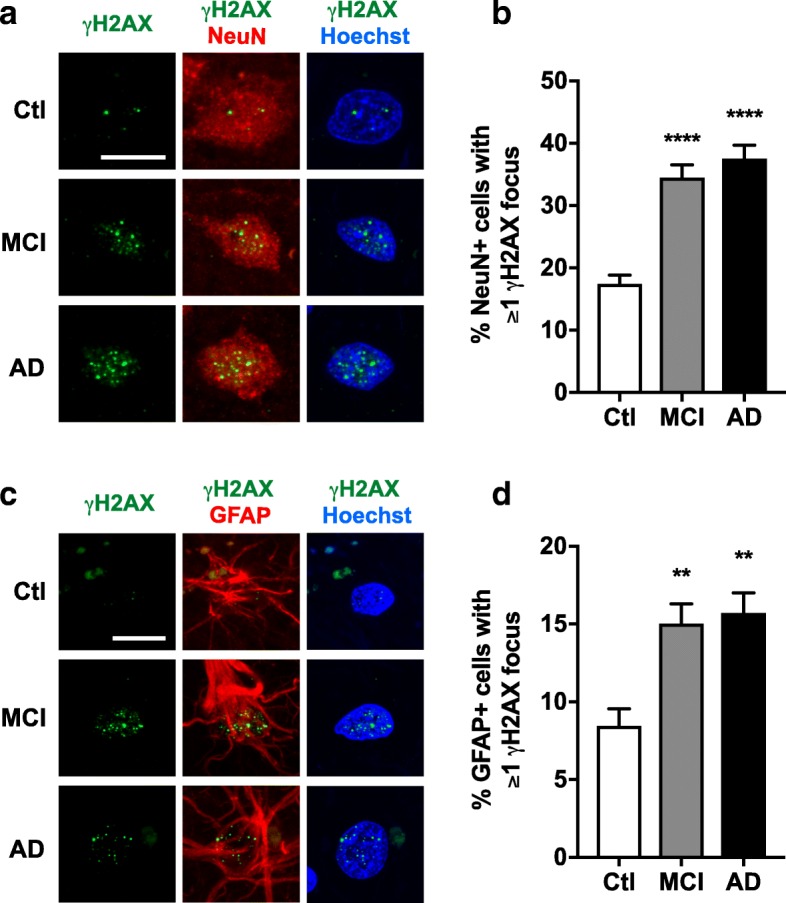
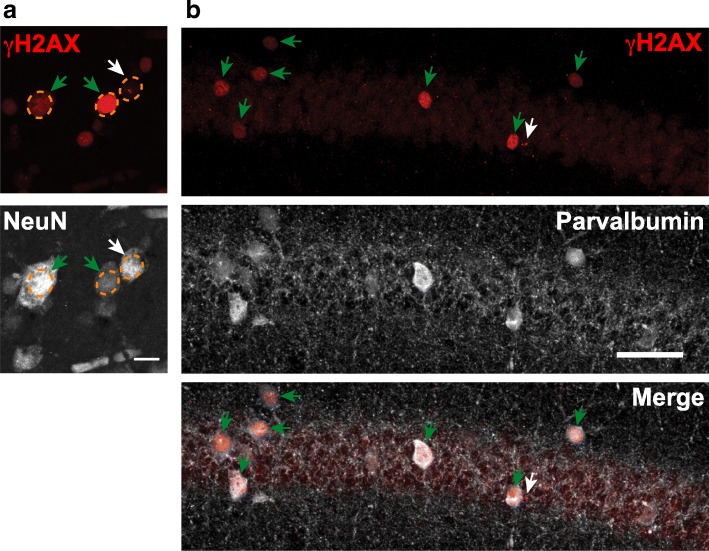
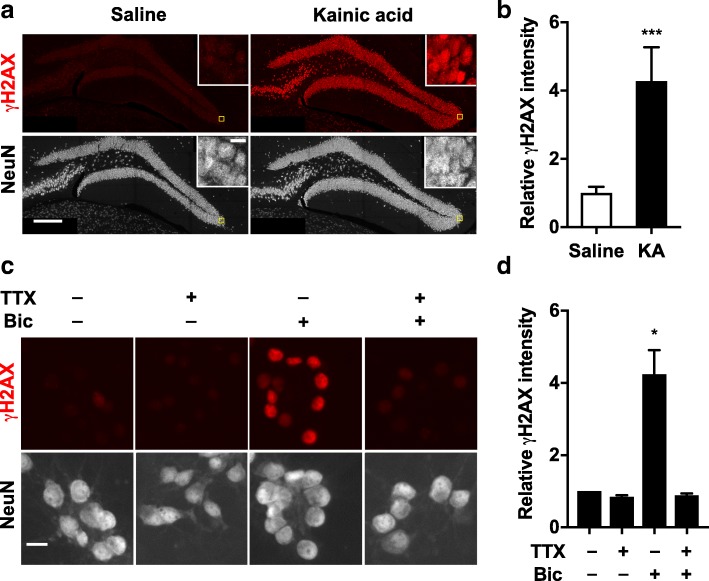
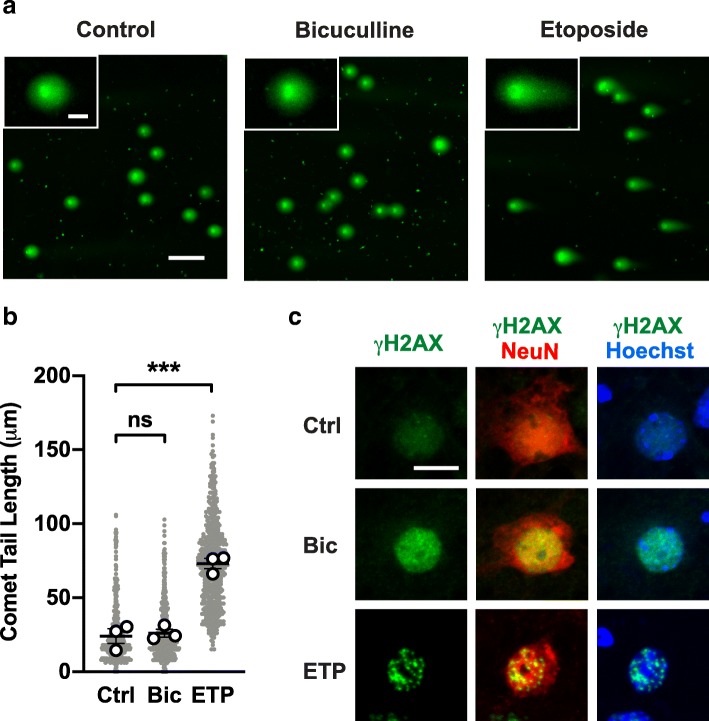
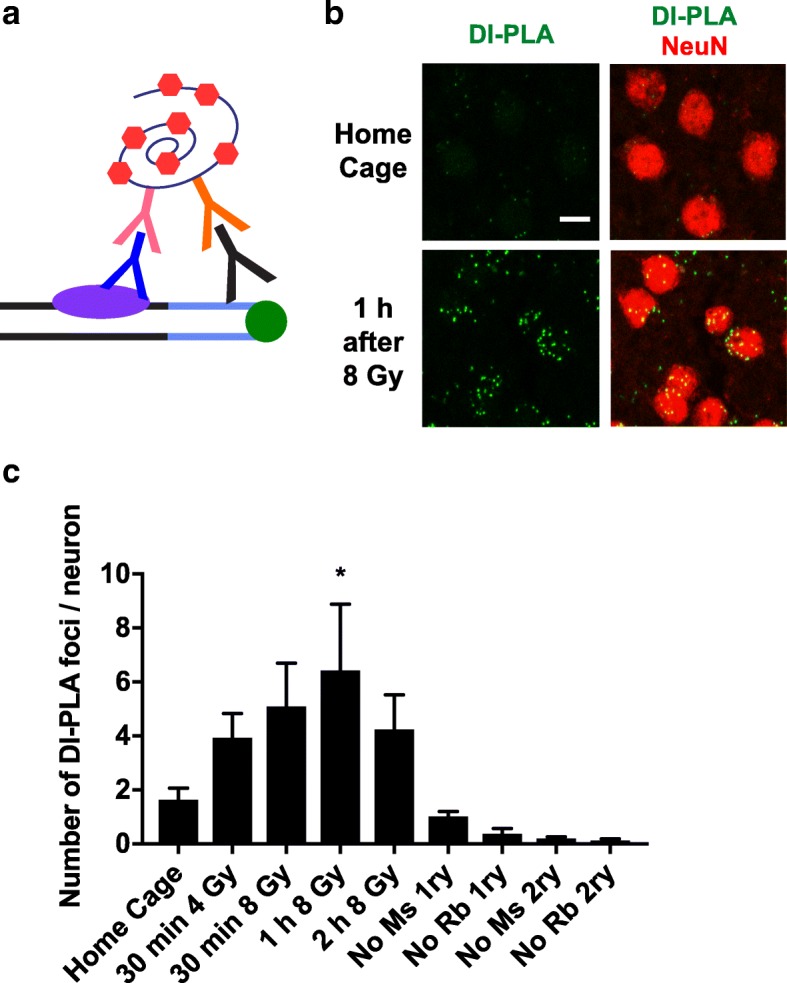
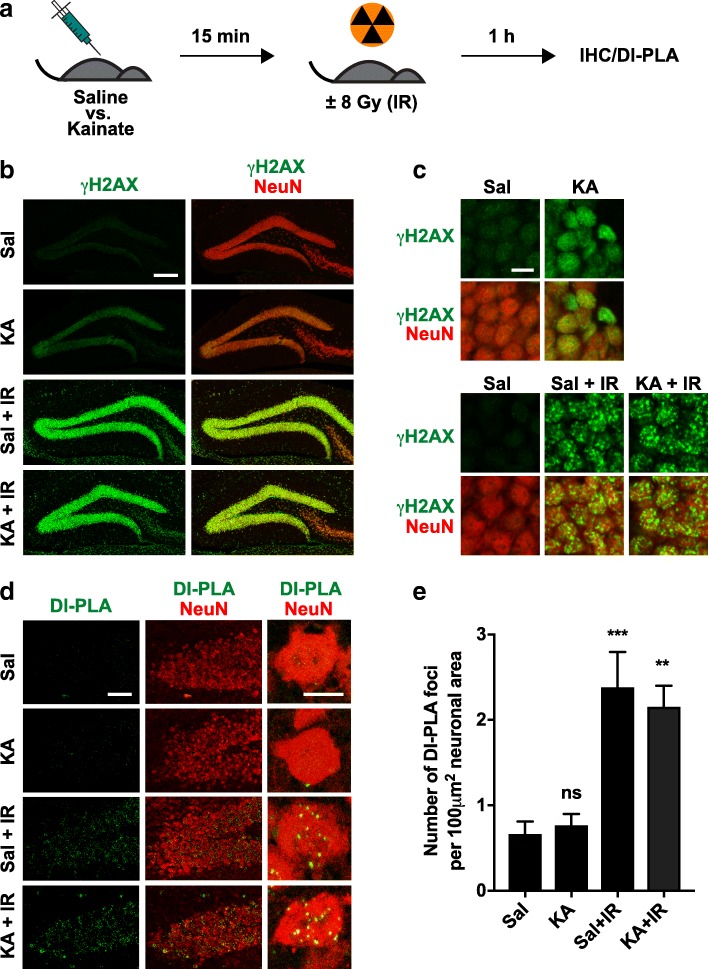
The maintenance of genomic integrity is essential for normal cellular functions. However, it is difficult to maintain over a lifetime in postmitotic cells such as neurons, in which DNA damage increases with age and is exacerbated by multiple neurological disorders, including Alzheimer's disease (AD). Here we used immunohistochemical staining to detect DNA double strand breaks (DSBs), the most severe form of DNA damage, in postmortem brain tissues from patients with mild cognitive impairment (MCI) or AD and from cognitively unimpaired controls. Immunostaining for γH2AX-a post-translational histone modification that is widely used as a marker of DSBs-revealed increased proportions of γH2AX-labeled neurons and astrocytes in the hippocampus and frontal cortex of MCI and AD patients, as compared to age-matched controls. In contrast to the focal pattern associated with DSBs, some neurons and glia in humans and mice showed diffuse pan-nuclear patterns of γH2AX immunoreactivity. In mouse brains and primary neuronal cultures, such pan-nuclear γH2AX labeling could be elicited by increasing neuronal activity. To assess whether pan-nuclear γH2AX represents DSBs, we used a recently developed technology, DNA damage in situ ligation followed by proximity ligation assay, to detect close associations between γH2AX sites and free DSB ends. This assay revealed no evidence of DSBs in neurons or astrocytes with prominent pan-nuclear γH2AX labeling. These findings suggest that focal, but not pan-nuclear, increases in γH2AX immunoreactivity are associated with DSBs in brain tissue and that these distinct patterns of γH2AX formation may have different causes and consequences. We conclude that AD is associated with an accumulation of DSBs in vulnerable neuronal and glial cell populations from early stages onward. Because of the severe adverse effects this type of DNA damage can have on gene expression, chromatin stability and cellular functions, DSBs could be an important causal driver of neurodegeneration and cognitive decline in this disease.
Overview
The claims and statistics of this paper haven’t been checked yet.
Free: it reads the open-access text and checks the first 5 claims that cite a source we can check. Create a free account to check every claim.
Integrity signals
Registry
Cites
Statistics
Figures
Verification
Claims the paper makes
The claims and statistics of this paper haven’t been checked yet.
Free: it reads the open-access text and checks the first 5 claims that cite a source we can check. Create a free account to check every claim.
Claims other papers make about this one
Each is checked against this paper’s own text: does it say what the citing paper says it does?
The source backs part of the claim, not all of it — or backs it for a different population, condition or comparison.
In the citing paper
“Studies using post-mortem human brain samples show that neurons, astrocytes, and oligodendrocytes accumulate DNA double-strand breaks (DSBs) early in the progression of AD”
From Neuronal DNA double-strand breaks lead to genome structural variations and 3D genome disruption in neurodegeneration (2023) · cites this paper as [6]
Experimental — accuracy not yet measuredThe source backs part of the claim, not all of it — or backs it for a different population, condition or comparison.
In the citing paper
“In many cases, DNA damage seems to be one of the earliest indicators of neuropathology”
From Mechanisms of DNA damage-mediated neurotoxicity in neurodegenerative disease (2022) · cites this paper as Shanbhag et al, 2019
Experimental — accuracy not yet measuredThe cited source says what the claim attributes to it.
In the citing paper
“DNA damage and DDR markers have been observed in models of Alzheimer’s disease154,155 and in neurons in postmortem brains from patients with the disease156.”
From Telomere dysfunction in ageing and age-related diseases (2022) · cites this paper as [156]
The cited source says what the claim attributes to it.
In the citing paper
“Neurons start accumulating DSBs early in the progression of AD”
From Neuronal DNA double-strand breaks lead to genome structural variations and 3D genome disruption in neurodegeneration (2023) · cites this paper as [6]
In the citing paper
“A well‐established link exists between DNA damage and neurodegenerative diseases.”
From Mechanisms of DNA damage-mediated neurotoxicity in neurodegenerative disease (2022) · cites this paper as Shanbhag et al, 2019
1 more claim about this paper
Create a free account to see every claim other papers make about this one.
Self-check
Percentages, sums and reported differences re-computed from the paper’s own numbers.
The self-check needs the paper’s full text.
Citations
Cites
NIH Image to ImageJ: 25 years of image analysis
Schneider, C. A., Rasband, W. S., & Eliceiri, K. W. (2012) · Nature Methods · doi:10.1038/nmeth.2089 · Cited by 64,638 · cited 5×
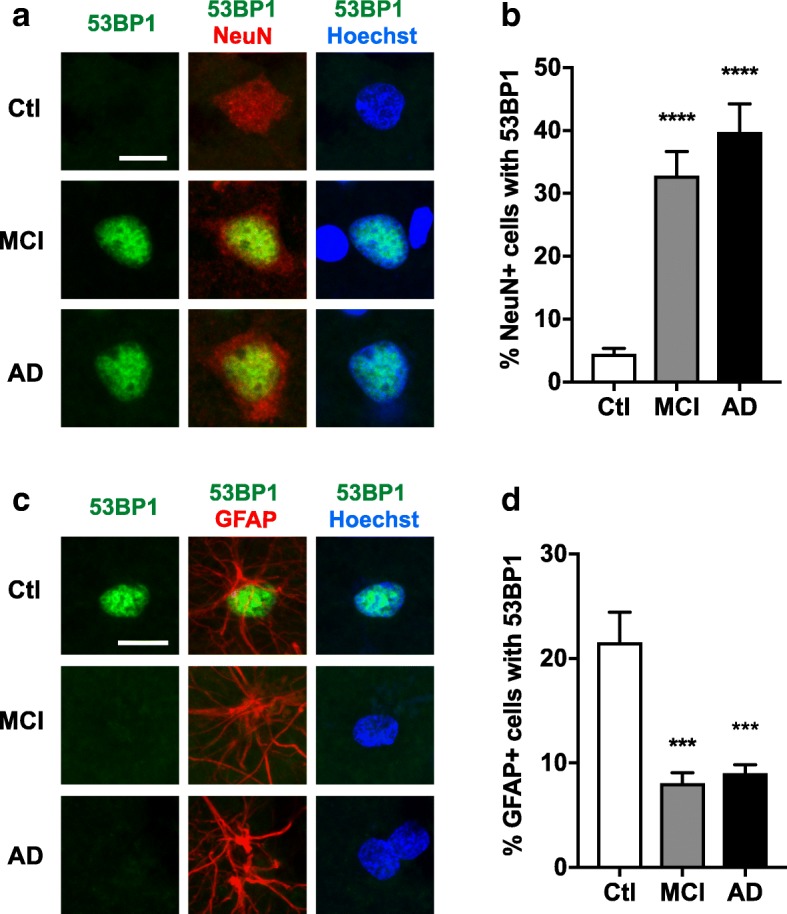
“analyzed using the ImageJ program [93] as described [87] to determine the proportion of NeuN- or GFAP-positive cells with γH2AX foci or 53BP1 labeling.”
InfluentialLópez-Otín, C., Blasco, M. A., Partridge, L., Serrano, M., & Kroemer, G. (2013) · Cell · doi:10.1016/j.cell.2013.05.039 · Cited by 14,982
A simple technique for quantitation of low levels of DNA damage in individual cells
Singh, N. P., McCoy, M. T., Tice, R. R., & Schneider, E. L. (1988) · Experimental Cell Research · doi:10.1016/0014-4827(88)90265-0 · Cited by 10,828 · cited 1×
“More recently, Mano and colleagues complemented γH2AX immunoperoxidase staining with the neutral comet assay [79, 80, 102] to demonstrate increased levels of DSBs in a small number of AD patients”
DNA double-stranded breaks induce histone H2AX phosphorylation on serine 139
Rogakou, E. P., Pilch, D. R., Orr, A. H., Ivanova, V. S., & Bonner, W. M. (1998) · Journal of Biological Chemistry · doi:10.1074/jbc.273.10.5858 · Cited by 5,438
Diagnosis and management of dementia with Lewy bodies: Third report of the DLB consortium
McKeith, I. G., Dickson, D. W., Lowe, J., Emre, M., O'Brien, J. T., Feldman, H., Cummings, J., Duda, J. E., Lippa, C., Perry, E. K., et al. (2005) · Neurology · doi:10.1212/01.wnl.0000187889.17253.b1 · Cited by 5,069 · cited 1×
“Neuropathological diagnoses were made in accordance with consensus diagnostic criteria [33, 70] using histological and immunohistochemical methods as described [108].”
Oxidative DNA damage: mechanisms, mutation, and disease
Cooke, M. S., Evans, M. D., Dizdaroglu, M., & Lunec, J. (2003) · The FASEB Journal · doi:10.1096/fj.02-0752rev · Cited by 3,245 · cited 1×
“fications and single strand breaks [12, 27].”
Self-citationThe DNA damage response: putting checkpoints in perspective
Zhou, B.-B. S., & Elledge, S. J. (2000) · Nature · doi:10.1038/35044005 · Cited by 3,213
Hyman, B. T., Phelps, C. H., Beach, T. G., Bigio, E. H., Cairns, N. J., Carrillo, M. C., Dickson, D. W., Duyckaerts, C., Frosch, M. P., Masliah, E., et al. (2012) · Alzheimer's & Dementia · doi:10.1016/j.jalz.2011.10.007 · Cited by 3,092 · cited 1×
“Neuropathological diagnoses were made in accordance with consensus diagnostic criteria [33, 70] using histological and immunohistochemical methods as described [108].”
Self-citationThe mechanism of double-strand DNA break repair by the nonhomologous DNA end-joining pathway
Lieber, M. R. (2010) · Annual Review of Biochemistry · doi:10.1146/annurev.biochem.052308.093131 · Cited by 2,882 · cited 4×
“(PDF 11500 kb) Abbreviations AD: Alzheimer’s disease; Aβ: Amyloid-β; Bic: Bicuculline; Ctl: Control; DAB: Diaminobenzidine; DI-PLA: DNA damage in situ ligation followed by proximity ligation assay; DSBs: DNA double strand breaks; ETP: Etoposide; FITC: Fluorescein isothiocyanate; HHV6: Human herpesvirus 6; HRP: Horsera…”
InfluentialMegabase Chromatin Domains Involved in DNA Double-Strand Breaks in Vivo
Rogakou, E. P., Boon, C., Redon, C., & Bonner, W. M. (1999) · The Journal of Cell Biology · doi:10.1083/jcb.146.5.905 · Cited by 2,422 · cited 1×
“Notably, these studies used immunoperoxidase staining to detect γH2AX and showed diffuse, pan-nuclear staining patterns, as opposed to the focal pattern seen at genuine DSBs [54, 90].”
Cited by
Items 201–229 of 229
Ji, M., Li, Y., Jiao, Y., Wang, K., Sang, S., Yang, H., Tian, C., Tang, X., Cai, J., He, T., et al. (2025) · Acta Neuropathologica Communications · doi:10.1186/s40478-025-02115-8
“However, aberrant DSB accumulation induced by Aβ exacerbates synaptic impairment in AD, suggesting a dual role for DSBs in physiological and pathological contexts [34, 39, 40].”
Exercise-induced DNA damage response and memory formation in micePreprint
Ricciardi, N. R., McCartan, R., Paz, J. L., Cao, H., Borja, C., Cherry, A., Baranov, A., Locklear, C. E., Wójcikowska, O., Zeier, Z. R., et al. (2025) · bioRxiv (Cold Spring Harbor Laboratory) · doi:10.1101/2025.09.26.678909
Crosstalk between ApoE-expressing cells and genotoxic stress in the mouse brain
Ayman, U., Otsuka, T., Dougnon, G., & Matsui, H. (2025) · Brain Research · doi:10.1016/j.brainres.2025.150080
The Role of c-Abl in Alzheimer’s Disease: Guilty or not Guilty?
Li, W., Wang, X., Liu, J., & Chen, Y. (2025) · Cellular and Molecular Neurobiology · doi:10.1007/s10571-025-01650-1
“Studies have shown that in the brain tissues of AD mouse models and AD patients, the levels of DSB markers (e.g., γ -H2AX) are elevated, whereas the expression or function of HR repair markers (e.g., Rad51 and BRCA1) is impaired(Shanbhag et al. 2019; Yu et al. 2018; Suberbielle et al. 2015 ).”
Li, L.-J., Sun, X.-Y., Huang, Y., Lu, S., Xu, Y.-M., Yang, J., Xie, X.-X., Zhu, J., Niu, X.-Y., Wang, D., et al. (2024) · Figshare · doi:10.6084/m9.figshare.26488356
Investigating the nuclease activity of MIF and MIF-2 and their effects on DNA damage
Bulut-Impraim, B. (2024) · doi:10.5282/edoc.33808
Wezeman, J. (2023) · ResearchWorks at the University of Washington (University of Washington)
Jensen, K. A., Weller, J. W., & Funk, K. E. (2026) · bioRxiv (Cold Spring Harbor Laboratory) · doi:10.64898/2026.02.14.705891
Leung, E. (2022) · TSpace (University of Toronto)
Marty, F. H. (2021) · theses.fr (ABES) · doi:10.70675/92b9fe71ze89cz446fza956za87fc29c6bd7 · Cited by 1
Denéchaud, M. (2022) · theses.fr (ABES) · doi:10.70675/623e7224z0cb0z47b1z8a22z549acf553ac0
The role and therapeutic potential of DNA glycosylases in Alzheimer's disease
Zhao, X., Li, Y., Meng, Z., Xu, X., Chen, L., Yu, Q., Wang, R., Ren, Y., Chen, F., Ai, Q., et al. (2026) · Ageing Research Reviews · doi:10.1016/j.arr.2026.103129
Grigorash, B. B. (2023) · theses.fr (ABES) · doi:10.70675/54d8809dz846fz413bz993bz0179e02c095b
Maio, N., & Rouault, T. A. (2026) · Journal of Biological Chemistry · doi:10.1016/j.jbc.2026.113129
DNA double-strand break signaling induces aberrant neuronal activityPreprint
Pao, P., Liu, L., Watson, L. A., Lee, A., Seguin, A., Dong, D., Rasheed, S., Staab, C., King, O., Geigenmüller, U., et al. (2026) · bioRxiv (Cold Spring Harbor Laboratory) · doi:10.64898/2026.05.11.724110
“…cognitive impairment (MCI), AD, amyotrophic lateral sclerosis (ALS), and FTD show increased numbers of DSBs(Adamec et al , 1999; Wang et al , 2013; Shanbhag et al , 2019; Thadathil et al , 2021), and accrual of DSBs has also been found to correlate with cognitive decline in a healthy aging…”
Avanesyan, H., Parsadanyan, M. A., Shahinyan, M. A., Багдасарович, Л. А., Mikaelyan, M. S., Grigoryan, S. V., & Vardevanyan, P. O. (2025) · Neurophysiology · doi:10.1007/s11062-026-10001-9 · Cited by 1
“The accumulation of these compounds triggers an apoptosis of neurons in the aforementioned regions, which results in memory loss [186, 187].”
Pabst, A.-S. (2026) · Gutenberg Open Science · doi:10.25358/openscience-15117
Tang, T., Zhang, S., Pu, Y., Li, S., Jiang, B., Liang, H., Zheng, K.-M., Zheng, Y. J., Huang, H., Li, J., et al. (2026) · GeroScience · doi:10.1007/s11357-026-02361-1
Nuclear dysfunction in aging and neurodegeneration
Aday, A., Tiller, J., MELUKOTE, A., Walton, Z. C., King, A., Castillo, L., Kayed, R., & Montalbano, M. (2026) · Alzheimer s & Dementia · doi:10.1002/alz.71657
Shi, C., Liu, Y., & Zhu, Y. (2026) · Molecular Neurobiology · doi:10.1007/s12035-026-06081-7
“The staining of γ-phosphorylated H2A histone family member X (γH2AX), a particular marker for double-strand breaks (DSBs), is significantly elevated in neurons and astrocytes inside postmortem brain tissues of individuals diagnosed with AD [28, 29].”
Xu, T., Zhang, C., Yang, Y., Shen, Z., & Zhong, Z. (2026) · Canadian Journal of Physiology and Pharmacology · doi:10.1139/cjpp-2025-0340
Welty, S., Bagnell, M., Ma, F., Herrup, K., & Levine, A. S. (2026) · Journal of Alzheimer s Disease · doi:10.1177/13872877261476036
“11,13,14 Our previous research shows directly that the accumulation of DNA DSBs in human neuronal progenitors (NPCs) leads to the overproduction of A β 40 and A β 42 and to potentially further increases in neuronal DSBs. 14 Here we focus on the relationship between astrocytes and neurons, and the…”
Ma, Y., Li, X., Chen, H., & Fan, R. (2026) · Frontiers in Aging Neuroscience · doi:10.3389/fnagi.2026.1772217
“…have consistently confirmed that DNA damage is often an initial sign of neurological disorders, indicating that it may be the underlying cause of harmful influences causing the onset of these ailments (Chow and Herrup, 2015; Simpson et al., 2015; Simpson et al., 2016; Shanbhag et al., 2019).”
Zhu, X., & Lv, Q. (2026) · Genome Instability & Disease · doi:10.1007/s42764-026-00188-w
“…cally embedded through stress‑induced oxidative DNA damage, accelerated telomere attrition, and impaired DNA repair capacity, all of which contribute to neuronal genome instability and have been implicated in the pathogenesis of Alzheimer's disease (Diukov et al., 2023; Shanbhag et al., 2019).”
DNA damage and repair: Future perspectives
Rajpurohit, Y. S., Mishra, A., Sharma, D. K., & Soni, I. (2026) · Elsevier eBooks · doi:10.1016/b978-0-443-42857-9.00002-5
Qiao, Q., Katsumata, Y., Lai, H.-Y., Lin, K. Z., Claas, S. A., Gabitto, M. I., Morganti, J. M., Nelson, P. T., Mukherjee, S., & Fardo, D. W. (2026) · Alzheimer s & Dementia · doi:10.1002/alz.71810
Seol, S.-I., Kim, J., Davaanyam, D., Park, S., Lee, E.-H., Han, P.-L., Kim, T.-K., & Lee, J.-K. (2026) · International Journal of Molecular Sciences · doi:10.3390/ijms27198681
“Post-mortem analyses of the hippocampus and frontal cortex have revealed a significant accumulation of DNA DSBs in both neurons and astrocytes of patients with AD or MCI, compared with age-matched controls [94].”
Subsampled single cell BAMs from PRJNA665252
Orofino, J. (2025) · Zenodo (CERN European Organization for Nuclear Research) · doi:10.5281/zenodo.17604677
Metadata
- Authors
- Shanbhag, N. M., Evans, M. D., Mao, W., Nana, A. L., Seeley, W. W., Adame, A., Rissman, R. A., Masliah, E., & Mucke, L.
- Affiliations
- Gladstone Institutes (US)
- University of California, San Francisco (US)
- University of California San Diego (US)
- National Institutes of Health (US)
- Corresponding author
- Mucke, Lennart
- Venue
- Acta Neuropathologica Communications
- Published
- 2019-05-17
- Volume
- 7
- Issue
- 1
- Pages
- 77-77
- ISSN
- 2051-5960 (ISSN-L)
- PMC
- PMC6524256
- OpenAlex
- W2947726842
- Cited by
- 214
- References
- 122
- Citations by year
- 2026: 19 · 2025: 29 · 2024: 35 · 2023: 25 · 2022: 47 · 2021: 36 · 2020: 19 · 2019: 4
- FWCI
- 8.77
- Type
- journal article
- Language
- en
- Open access
- gold
- doi.org
- Licence
- cc-by
- creativecommons.org/licenses/by/4.0/ (tdm)
- creativecommons.org/licenses/by/4.0/ (vor)
- Locations
- Acta Neuropathologica Communications (publishedVersion, cc-by)
- Europe PMC (PubMed Central) (publishedVersion, cc-by)
- PubMed Central (publishedVersion, cc-by)
- PubMed (publishedVersion)
- eScholarship (California Digital Library) (submittedVersion, cc-by)
- DOAJ (DOAJ: Directory of Open Access Journals) (submittedVersion, cc-by-sa)
- eScholarship (California Digital Library) (submittedVersion)
- Funders
- National Institutes of Health (AG011385, AG053981, NS070680, AG05131, AG18440, P01AG019724, P50AG023501)
- Alzheimer's Association (AARF-16-441393)
- Ray and Dagmar Dolby Family Fund (gift)
- Topics
- Life Sciences › Biochemistry, Genetics and Molecular Biology › Molecular Biology › DNA Repair Mechanisms
- Life Sciences › Neuroscience › Cellular and Molecular Neuroscience › Alzheimer's disease research and treatments
- Health Sciences › Medicine › Psychiatry and Mental health › Dementia and Cognitive Impairment Research
- Keywords
- Alzheimer's disease, DNA double-strand breaks, γH2AX, DNA damage, postmitotic neurons, astrocytes, mild cognitive impairment, hippocampus, frontal cortex, neuronal activity, proximity ligation assay, genome stability, neurodegeneration, cognitive decline
- MeSH terms
- Aged, Aged, 80 and over, Alzheimer Disease, Animals, Astrocytes, Female, Frontal Lobe, Hippocampus, Histones, Humans, Male, Mice, Inbred C57BL, Middle Aged, Neurons, DNA Breaks, Double-Stranded, Cognitive Dysfunction
About these checks
Registry, retraction, Cites and statistics results are computed, not judged, with one exception: a printed reference that no index lists is read once by a model before it counts as a citation error. Claims are extracted by a model and kept only when their quote appears verbatim in the text; each cited source is then checked, with a model’s help, for whether it says what the claim relies on. Those verdicts can be wrong — read the claim’s quote and the cited source before relying on one.
Statistics and arithmetic are recomputed, not judged.
Confidence bands are shown only for fields calibrated on our annotated test set. None is calibrated yet, so no band is shown.
What counts as a claim ›How we measure confidence ›How we check this ›
Are you an author, or do you see a problem with this page? Request a review
Data sources
Bibliographic data: Semantic Scholar, OpenAlex, Crossref.
Contains information from the Semantic Scholar Academic Graph Datasets, made available under the ODC Attribution License (ODC-BY 1.0).
Semantic Scholar’s data is described in: Kinney, R., et al. (2023). The Semantic Scholar Open Data Platform. arXiv:2301.10140.
