

Borderline personality disorder and substance use disorders: an updated review
Open accessThe DOI matches its Crossref record; 115 of the 115 references it cites were found in a registry or an index.
Abstract
For decades, clinicians and researchers have recognized that borderline personality disorder (BPD) and substance use disorders (SUDs) are often diagnosed within the same person (e.g., (Gunderson JG. Borderline personality disorder: A clinical guide. Washington, D.C.: American Psychiatric Press, 2001; Leichsenring et al., Lancet 377:74-84, 2011; Paris J. Borderline personality disorder: A multidimensional approach. American Psychiatric Pub, 1994; Trull et al., Clin Psychol Rev 20:235-53, 2000)). Previously, we documented the extent of this co-occurrence and offered a number of methodological and theoretical explanations for the co-occurrence (Trull et al., Clin Psychol Rev 20:235-53, 2000). Here, we provide an updated review of the literature on the co-occurrence between borderline personality disorder (BPD) and substance use disorders (SUDs) from 70 studies published from 2000 to 2017, and we compare the co-occurrence of these disorders to that documented by a previous review of 36 studies over 15 years ago (Trull et al., Clin Psychol Rev 20:235-53, 2000).
Overview
The claims and statistics of this paper haven’t been checked yet.
Free: it reads the open-access text and checks the first 5 claims that cite a source we can check. Create a free account to check every claim.
Integrity signals
Registry
Cites
Statistics
Figures
Verification
Claims the paper makes
The claims and statistics of this paper haven’t been checked yet.
Free: it reads the open-access text and checks the first 5 claims that cite a source we can check. Create a free account to check every claim.
Claims other papers make about this one
Each is checked against this paper’s own text: does it say what the citing paper says it does?
The source backs part of the claim, not all of it — or backs it for a different population, condition or comparison.
In the citing paper
“Consistent with prior research in non-AIAN samples, poverty, acculturation, and personality disorders [95,96,97,98] appear to be risk factors for addiction in AIAN individuals as well [33,43,50].”
From Substance and Behavioral Addictions among American Indian and Alaska Native Populations (2022) · cites this paper as [98]
Experimental — accuracy not yet measuredThe cited source says what the claim attributes to it.
In the citing paper
“Around half of those with BPD also have an SUD, and around a quarter of those with an SUD also meet criteria for BPD (Trull et al., 2018).”
From Distress tolerance across substance use, eating, and borderline personality disorders: A meta-analysis (2022) · cites this paper as Trull et al., 2018
The cited source says what the claim attributes to it.
In the citing paper
“Around half of those with BPD also have an SUD, and around a quarter of those with an SUD also meet criteria for BPD (Trull et al., 2018).”
From Distress tolerance across substance use, eating, and borderline personality disorders: A meta-analysis (2022) · cites this paper as Trull et al., 2018
Self-check
Percentages, sums and reported differences re-computed from the paper’s own numbers.
The self-check needs the paper’s full text.
Citations
Cites
Diagnostic and Statistical Manual of Mental Disorders
American Psychiatric Association (2013) · doi:10.1176/appi.books.9780890425596 · Cited by 116,369
Diagnostic and Statistical Manual of Mental Disorders
Williams, J. B. W., & First, M. (2013) · Encyclopedia of Social Work · doi:10.1093/acrefore/9780199975839.013.104 · Cited by 109,519
Preferred Reporting Items for Systematic Reviews and Meta-Analyses: the PRISMA statement
Moher, D., Liberati, A., Tetzlaff, J., Altman, D. G., & for the PRISMA Group (2009) · BMJ · doi:10.1136/bmj.b2535 · Cited by 83,823
Preferred Reporting Items for Systematic Reviews and Meta-Analyses: The PRISMA Statement
Moher, D., Liberati, A., Tetzlaff, J., Altman, D. G., & The PRISMA Group (2009) · PLoS Medicine · doi:10.1371/journal.pmed.1000097 · Cited by 64,042 · cited 1×
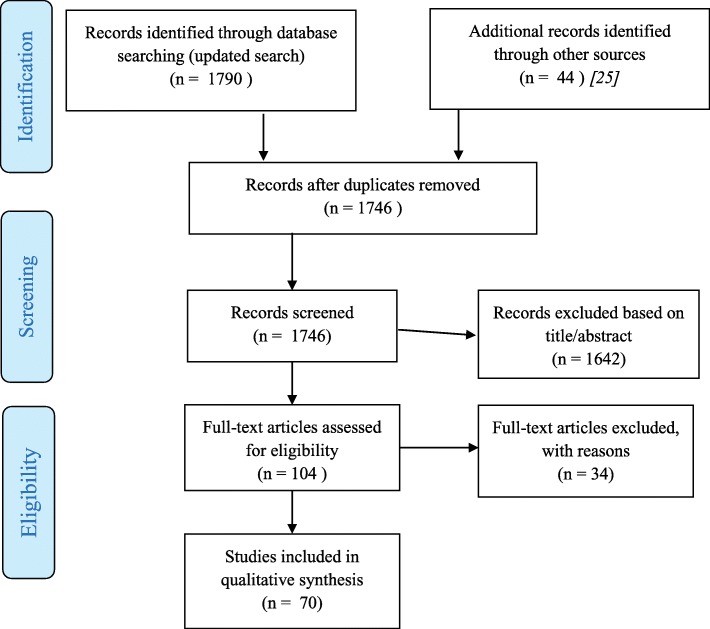
“1 for PRISMA Flow Diagram of study selection and exclusion process [26].”
Preferred reporting items for systematic reviews and meta-analyses: the PRISMA Statement.
(2009) · PubMed Central · Cited by 44,859
Wang, G., Ma, R., Qiao, G., Wada, K., Aizawa, Y., & Satoh, T. (2015) · Integrative Medicine International · doi:10.1159/000368408 · Cited by 18,657
(1993) · Cited by 7,136
Cognitive-Behavioral Treatment of Borderline Personality Disorder
Cary, G. L. (1994) · American Journal of Psychotherapy · doi:10.1176/appi.psychotherapy.1994.48.1.155 · Cited by 6,283
DSM-IV Personality Disorders in the National Comorbidity Survey Replication
Lenzenweger, M. F., Lane, M. C., Loranger, A. W., & Kessler, R. C. (2007) · Biological Psychiatry · doi:10.1016/j.biopsych.2006.09.019 · Cited by 1,352
Crowell, S. E., Beauchaine, T. P., & Linehan, M. M. (2009) · Psychological Bulletin · doi:10.1037/a0015616 · Cited by 1,292 · cited 1×
“Contemporary theories suggest that emotion dysregulation as well as impulsivity figure prominently in the development of both disorders [20, 21, 28, 29].”
Background
Research works printed but not linked: 1
- 63. Dammann G, Gerber H, Denier N, Schmid O, Huber C, Riecher-Rossler A, et al. The influence of comorbid personality disorder on patients in heroin- assisted treatment: Pilot data on clinical outcome. Heroin Addict Relat Clin Prob. 2017; in press
Cited by
Leichsenring, F., Fonagy, P., Heim, N., Kernberg, O. F., Leweke, F., Luyten, P., Salzer, S., Spitzer, C., & Steinert, C. (2024) · World Psychiatry · doi:10.1002/wps.21156 · Cited by 294
“Due to the high comorbidity of BPD with addictive disorders 196,197 , the use of substances with dependence potential should be avoided as far as possible.”
BackgroundThe interplay between substance use and intimate partner violence perpetration: A meta-ethnography
Gilchrist, G., Dennis, F., Radcliffe, P., Henderson, J., Howard, L. M., & Gadd, D. (2018) · International Journal of Drug Policy · doi:10.1016/j.drugpo.2018.12.009 · Cited by 149
“Murphy, O’Farrell, Fals-Stewart, & Feehan, 2001), and shared risk factors that studies have found make substance use and IPV perpetration more likely such as adverse childhood experiences, personality disorders, psychosis and depression (Trull et al., 2018; Choi, DiNitto, Marti, & Choi, 2017; Hughes et al., 2017; Smit…”
BackgroundAlcohol Use Disorder and Antisocial and Borderline Personality Disorders
Helle, A. C., Watts, A. L., Trull, T. J., & Sher, K. J. (2019) · Alcohol research · doi:10.35946/arcr.v40.1.05 · Cited by 105
Self-citationChronic Pain and Psychiatric Conditions
Johnston, K. J. A., & Huckins, L. M. (2022) · Complex Psychiatry · doi:10.1159/000527041 · Cited by 88
Mattingley, S., Youssef, G. J., Manning, V., Graeme, L., & Hall, K. (2022) · Journal of Affective Disorders · doi:10.1016/j.jad.2021.12.126 · Cited by 65
Mullins‐Sweatt, S. N., DeShong, H. L., Lengel, G. J., Helle, A. C., & Krueger, R. F. (2019) · Journal of Research in Personality · doi:10.1016/j.jrp.2019.04.006 · Cited by 67
“For example, SUDs are highly comorbid with AUDs (Grant et al., 2015) and other disinhibition-centered disorders, such as ASPD and BPD (Trull, Jahng, Tomko, Wood, & Sher, 2010; Trull et al., 2018).”
BackgroundInfluentialSelf-citationKeepers, G. A., Fochtmann, L. J., Anzia, J. M., Benjamin, S., Lyness, J. M., Mojtabai, R., Servis, M. E., Choi-Kain, L. W., Nelson, K. J., Oldham, J. M., et al. (2024) · American Journal of Psychiatry · doi:10.1176/appi.ajp.24181010 · Cited by 69
Cannabis use disorder and dissociation: A report from a prospective first-episode psychosis study
Ricci, V., Ceci, F., Carlo, F. D., Lalli, A., Ciavoni, L., Mosca, A., Sepede, G., Salone, A., Quattrone, D., Fraticelli, S., et al. (2021) · Drug and Alcohol Dependence · doi:10.1016/j.drugalcdep.2021.109118 · Cited by 65
Hanegraaf, L., van Baal, S. T., Hohwy, J., & Verdejo‐García, A. (2021) · Neuroscience & Biobehavioral Reviews · doi:10.1016/j.neubiorev.2021.04.013 · Cited by 59
Oliva, F., Mangiapane, C., Nibbio, G., Berchialla, P., Colombi, N., & Vigna-Taglianti, F. D. (2021) · Journal of Psychiatric Research · doi:10.1016/j.jpsychires.2020.11.021 · Cited by 42
Substance and Behavioral Addictions among American Indian and Alaska Native Populations
Soto, C., West, A. E., Ramos, G. G., & Unger, J. B. (2022) · International Journal of Environmental Research and Public Health · doi:10.3390/ijerph19052974 · Cited by 49
Scarth, M., Havnes, I. A., Jørstad, M. L., McVeigh, J., Hout, M. C. V., Westlye, L. T., Torgersen, S. O., & Bjørnebekk, A. (2022) · Drug and Alcohol Dependence · doi:10.1016/j.drugalcdep.2022.109275 · Cited by 50
Frías, Á., Navarro, S., Palma, C., Farriols, N., Aliaga, F., Salvador, A., Aluco, E., Martínez, B., & Solves, L. (2017) · Clinical Psychology & Psychotherapy · doi:10.1002/cpp.2123 · Cited by 51
Gluschkoff, K., Jokela, M. M., & Rosenström, T. H. (2021) · Personality Disorders Theory Research and Treatment · doi:10.1037/per0000405 · Cited by 45
The Co-occurrence of Personality Disorders and Substance Use Disorders
Stetsiv, K., McNamara, I. A., Nance, M., & Carpenter, R. W. (2023) · Current Psychiatry Reports · doi:10.1007/s11920-023-01452-6 · Cited by 39
“Specifically examining BPD, a recent review found approximately half of those with BPD have at least one SUD, with average co-occurrence rates of 45.5% for current and 75.3% for lifetime SUDs [11].”
BackgroundInfluentialComorbidity in borderline personality: understanding dynamics in development
Choate, A. M., Fatimah, H., & Bornovalova, M. A. (2020) · Current Opinion in Psychology · doi:10.1016/j.copsyc.2020.09.015 · Cited by 41
Self-citationJohnstad, P. G. (2024) · Frontiers in Public Health · doi:10.3389/fpubh.2023.1268339 · Cited by 41
Cavicchioli, M., Movalli, M., Bruni, A., Terragni, R., Goldoni, M. E., Borgia, E., Begarani, M., & Ogliari, A. L. (2023) · Behavior Therapy · doi:10.1016/j.beth.2023.02.006 · Cited by 37
Evidence-Based Assessment of Substance Use Disorder
Boness, C. L., González, J. C., Sleep, C. E., Venner, K. L., & Witkiewitz, K. A. (2023) · Assessment · doi:10.1177/10731911231177252 · Cited by 36
Wycoff, A. M., Carpenter, R. W., Hepp, J., Piasecki, T. M., & Trull, T. J. (2021) · Journal of Abnormal Psychology · doi:10.1037/abn0000684 · Cited by 34
Self-citationWibbelink, C. J. M., Arntz, A. R., Grasman, R. P. P. P., Sinnaeve, R., Boog, M., Bremer, O. M. C., Dek, E. C. P., Alkan, S. G., James, C., Koppeschaar, A. M., et al. (2022) · BMC Psychiatry · doi:10.1186/s12888-021-03670-9 · Cited by 37
Kuitunen‐Paul, S., Roessner, V., Basedow, L. A., & Golub, Y. (2021) · Substance Abuse · doi:10.1080/08897077.2020.1806183 · Cited by 35
“This disorder was associated with a five-fold risk for a co-occurring SUD in adults aged 18–24 years.(116,117) In a study with 117 adolescents and young adults aged 15–25 years seeking treatment for border-”
BackgroundSingh, J., & Sharma, D. (2023) · Multimedia Tools and Applications · doi:10.1007/s11042-023-17504-1 · Cited by 34
Wycoff, A. M., Carpenter, R. W., Hepp, J., Lane, S. P., & Trull, T. J. (2020) · Psychology of Addictive Behaviors · doi:10.1037/adb0000588 · Cited by 26
“Almost half of individuals with BPD meet for current alcohol use disorder (AUD; Trull, Sher, Minks-Brown, Durbin, & Burr, 2000; Trull et al., 2018), and EMA studies find that BPD individuals engage in problematic patterns of alcohol use (Carpenter et al.”
BackgroundSelf-citationHowe, L. K., Fisher-Fox, L., Atkinson, E. A., & Finn, P. (2020) · Alcohol · doi:10.1016/j.alcohol.2020.11.002 · Cited by 26
“There are no studies of the factors associated with varying rates of BPD diagnoses in AUD, and studies typically take a categorical, diagnostic approach to assessing borderline psychopathology, which is less optimal than a dimensional approach (Trull et al., 2018).”
BackgroundInfluentialHøye, A., Jacobsen, B. K., Bramness, J. G., Nesvåg, R., Reichborn‐Kjennerud, T., & Heiberg, I. H. (2021) · Social Psychiatry and Psychiatric Epidemiology · doi:10.1007/s00127-021-02055-3 · Cited by 27
Hildén, H.-M., Rosenström, T. H., Karila, I., Elokorpi, A., Torpo, M., Arajärvi, R., & Isometsä, E. T. (2020) · Nordic Journal of Psychiatry · doi:10.1080/08039488.2020.1826050 · Cited by 31
Borderline personality disorder traits associate with midlife cardiometabolic risk.
Barber, T. A., Ringwald, W. R., Wright, A. G. C., & Manuck, S. B. (2019) · Personality Disorders Theory Research and Treatment · doi:10.1037/per0000373 · Cited by 26
Childhood trauma and borderline personality disorder traits: A discordant twin study.
Skaug, E., Czajkowski, N. O., Waaktaar, T., & Torgersen, S. O. (2022) · Journal of Psychopathology and Clinical Science · doi:10.1037/abn0000755 · Cited by 23
Cavicchioli, M., Barone, L., Fiore, D., Marchini, M., Pazzano, P., Ramella, P., Riccardi, I., Sanza, M., & Maffei, C. (2021) · Frontiers in Psychology · doi:10.3389/fpsyg.2021.567671 · Cited by 22
Kaufman, E. A., Perez, J., Lazarus, S. A., Stepp, S. D., & Pedersen, S. L. (2020) · Personality Disorders Theory Research and Treatment · doi:10.1037/per0000375 · Cited by 22
Wycoff, A. M., Motschman, C. A., Griffin, S. A., Freeman, L. K., & Trull, T. J. (2022) · Drug and Alcohol Dependence · doi:10.1016/j.drugalcdep.2022.109675 · Cited by 19
Self-citationLuk, J. W., & Thompson, M. F. (2024) · Cognitive and Behavioral Practice · doi:10.1016/j.cbpra.2024.07.002 · Cited by 19
“A Window of Opportunity”: Parenting and Addiction in the Context of Pregnancy
Flykt, M. S., Salo, S., & Pajulo, M. (2021) · Current Addiction Reports · doi:10.1007/s40429-021-00394-4 · Cited by 20
Bruce, M., & Weinraub, D. (2023) · Journal of Personality Assessment · doi:10.1080/00223891.2023.2178928 · Cited by 18
“Borderline PD is characterized by emotion dysregulation, impulsive acts, disturbed interpersonal relationships, as well as suicidal and self-harm behaviors (Trull et al., 2018).”
BackgroundKrylova, E. S., Beburishvili, A. A., & Каледа, В. Г. (2019) · Суицидология · doi:10.32878/suiciderus.19-10-01(34)-48-57 · Cited by 24
Kun, B., Alpay, P. H., Bodó, V., Molnár, Á., Horváth, A., Karsai, S., Somlai, R. S., Takács, Z. K., & Kökönyei, G. (2023) · Clinical Psychology Review · doi:10.1016/j.cpr.2023.102297 · Cited by 20
Río-Martínez, L., Marquez-Arrico, J. E., Prat, G., & Adán, A. (2020) · Journal of Clinical Medicine · doi:10.3390/jcm9061876 · Cited by 17
“Although much of the research on personality in DD has followed a categorical perspective in the analysis of relationships between personality disorders and SUD [19,20], studying personality from a dimensional perspective has become relevant in understanding entities such as SUD [21,22], SZ [23,24], and DD [25,26].”
BackgroundCognitive–affective factors underlying disinhibitory disorders and legal implications
Baskin-sommers, A. R., Ruiz, S. G., Sarcos, B., & Simmons, C. (2022) · Nature Reviews Psychology · doi:10.1038/s44159-022-00020-8 · Cited by 18
Suárez, I. R., Guerrero‐Jiménez, M., Cervilla, J. A., & Gutiérrez, B. (2025) · Journal of Affective Disorders · doi:10.1016/j.jad.2025.120482 · Cited by 20
Reynolds, J., Vest, N. A., & Tragesser, S. L. (2019) · Journal of Personality Disorders · doi:10.1521/pedi_2019_33_440 · Cited by 18
Richmond, J. R., Tull, M. T., & Gratz, K. L. (2020) · Journal of Contextual Behavioral Science · doi:10.1016/j.jcbs.2020.03.002 · Cited by 16
“Rates of BPD range from 10–50% among individuals with SUDs (Cacciola, Alterman, McKay, & Rutherford, 2001; Trull et al., 2018; Trull, Sher, MinksBrown, Durbin, & Burr, 2000), with rates as high as 61% among SUD inpatients (Trull et al.”
BackgroundInfluentialVest, N. A., & Tragesser, S. L. (2019) · Personality Disorders Theory Research and Treatment · doi:10.1037/per0000385 · Cited by 16
“Specifically, rates are approximately 2–3% (Trull, Jahng, Tomko, Wood, & Sher, 2010) among the general public, yet among individuals with current SUD the percentage of those with co-occurring BPD is 22.1% (Trull et al., 2018).”
BackgroundInfluentialNavarre, K. M. (2024) · Personality and Mental Health · doi:10.1002/pmh.1646 · Cited by 17
Koudys, J. W., & Ruocco, A. C. (2021) · The World Journal of Biological Psychiatry · doi:10.1080/15622975.2021.2012396 · Cited by 14
“SUDs are one of the most frequently co-occurring psychiatric disorders with BPD (Trull et al. 2018) and meta-analytic evidence indicates that a history of substance abuse is associated with greater decision-making and gross EF deficits (Unoka and Richman 2016); however, it remains unclear which…”
BackgroundPsychopathy, Borderline Personality Disorder, and Substance Use in Incarcerated Females
Edwards, B. G., Maurer, J. M., Harenski, C. L., & Kiehl, K. A. (2021) · Criminal Justice and Behavior · doi:10.1177/00938548211033336 · Cited by 15
“Thus, it may be that individuals high in these traits may impulsively use substances to cope with negative affect (Elkins et al., 2006; Trull et al., 2018).”
BackgroundCavicchioli, M., Ramella, P., Movalli, M., Prudenziati, F., Vassena, G., Simone, G., & Maffei, C. (2020) · Substance Use & Misuse · doi:10.1080/10826084.2020.1762650 · Cited by 13
“…the maladaptive functioning of personality, AUD show high co-occurrence rates with Personality Disorders (PDs) (Garofalo & Wright, 2017; Guy et al., 2018), especially with Antisocial Personality Disorder (ASPD) and Borderline Personality Disorder (BPD) (SoeAgnie et al., 2018; Trull et al., 2018).”
BackgroundResultAlcohol and mental health: Co-occurring alcohol use and mental health disorders
Milani, R. M., & Perrino, L. (2021) · Elsevier eBooks · doi:10.1016/b978-0-12-816720-5.00023-2 · Cited by 16
The Prevalence of Comorbidities and Substance Use Disorder
Kress, C. B., & Schlesinger, S. (2023) · Nursing Clinics of North America · doi:10.1016/j.cnur.2023.02.007 · Cited by 13
Azzam, S., Almari, R., Khattab, K., Badr, A., Balawi, A. R., Haddad, R., Almasri, R., & Varrassi, G. (2024) · Cureus · doi:10.7759/cureus.75893 · Cited by 18
“While MBT aids mentalizing abilities, it may not fully address emotional dysregulation and impulsivity, suggesting a need for integration with other therapies for comprehensive treatment [47-49].”
Scamaldo, K. M., Tull, M. T., & Gratz, K. L. (2021) · Personality and Mental Health · doi:10.1002/pmh.1526 · Cited by 13
Francis, B., Ganasan, V. A. L., & Sulaiman, A. R. B. (2024) · Medicina · doi:10.3390/medicina60020283 · Cited by 12
“BPD is also known to be highly comorbid with several primary diagnoses, such as depression [6], bipolar disorder [7], substance use disorder [8], post-traumatic stress disorder [9], and anxiety disorders [10].”
BackgroundMaviel, G. M., Somma, C., Davisse‐Paturet, C., Airagnes, G., & Melchior, M. (2025) · Drug and Alcohol Dependence · doi:10.1016/j.drugalcdep.2025.112714 · Cited by 15
Cognitive correlates of borderline intellectual functioning in borderline personality disorder
Galletta, D., Califano, A. I., Micanti, F., Santangelo, G., Santoriello, C., & de Bartolomeis, A. (2020) · Journal of Psychiatric Research · doi:10.1016/j.jpsychires.2020.06.016 · Cited by 12
Blanchard, A., Keenan, G. S., Heym, N., & Sumich, A. L. (2022) · Personality and Individual Differences · doi:10.1016/j.paid.2022.112060 · Cited by 12
Barreno, E. M., Pachón, M. P. C., Lozano, O. M., Pérez-Moreno, P. J., Marín, J. A. L., Fernández‐Calderón, F., Díaz, C., & Bujedo, J. G. (2020) · Journal of Dual Diagnosis · doi:10.1080/15504263.2020.1829769 · Cited by 12
Cavicchioli, M., Prudenziati, F., Movalli, M., Ramella, P., & Maffei, C. (2019) · Journal of Dual Diagnosis · doi:10.1080/15504263.2019.1612131 · Cited by 12
Uncovering the role of substance use in suicide attempts using a mixed‐methods approach
Diefenbach, G. J., Stubbing, J., Rice, T. B., Lord, K. A., Rudd, M. D., & Tolin, D. F. (2023) · Suicide and Life-Threatening Behavior · doi:10.1111/sltb.13019 · Cited by 11
Shabtari, F., Hajializadeh, K., & Hajmohammadi, Z. (2023) · Journal of Assessment and Research in Applied Counseling · doi:10.61838/kman.jarac.5.1.13 · Cited by 11
Košuta, I., Kozina, L., Cizmic, P., Kosuta, L., Mrzljak, A., & Petrović, Z. K. (2025) · Indian Journal of Gastroenterology · doi:10.1007/s12664-025-01887-0 · Cited by 10
Buono, F. D., Larkin, K., Rowe, D., Pérez-Rodríguez, M. M., Sprong, M. E., & Garakani, A. (2021) · Frontiers in Psychology · doi:10.3389/fpsyg.2021.629842 · Cited by 12
Lunghi, C., Cailhol, L., Massamba, V. K., Sidi, E. A. L., Sirois, C., Rahme, E., Rochette, L., Renaud, S., Villeneuve, É., Koch, M., et al. (2023) · Frontiers in Psychiatry · doi:10.3389/fpsyt.2023.1243511 · Cited by 10
Social media addiction and borderline personality disorder: a survey study
Collins, M., & Grant, J. E. (2025) · Frontiers in Psychiatry · doi:10.3389/fpsyt.2024.1459827 · Cited by 15
Wojciechowski, T. W. (2021) · Drug and Alcohol Dependence · doi:10.1016/j.drugalcdep.2021.108876 · Cited by 10
A neurocognitive model of the comorbidity of substance use and personality disorders
Koudys, J. W., & Ruocco, A. C. (2019) · Elsevier eBooks · doi:10.1016/b978-0-12-815298-0.00006-x · Cited by 12
Depression with comorbid borderline personality disorder - could ketamine be a treatment catalyst?
Więdłocha, M., Marcinowicz, P., Komarnicki, J., Tobiaszewska, M., Dębowska, W., Dębowska, M. D., & Szulc, A. (2024) · Frontiers in Psychiatry · doi:10.3389/fpsyt.2024.1398859 · Cited by 12
Wycoff, A. M., Motschman, C. A., Griffin, S. A., Helle, A. C., Piasecki, T. M., & Trull, T. J. (2021) · Psychology of Addictive Behaviors · doi:10.1037/adb0000790 · Cited by 9
Self-citationGratz, K. L., Myntti, W. W., Mann, A. J., Vidaña, A. G., & Tull, M. T. (2022) · Borderline Personality Disorder and Emotion Dysregulation · doi:10.1186/s40479-022-00207-8 · Cited by 10
Marceau, E. M., Berry, J., & Grenyer, B. F. S. (2021) · Applied Neuropsychology Adult · doi:10.1080/23279095.2021.1948413 · Cited by 9
“At least one in four individuals with SUD also meet criteria for borderline personality disorder (BPD; Trull et al., 2018) and having a personality disorder diagnosis is one of four risk factors most commonly associated with early dropout from SUD treatment (Brorson et al., 2013).”
BackgroundHarrison, R. E., Shyleika, V., Falkenstein, C., Garsevanidze, E., Vishnevskaya, O., Lonnroth, K., Sayakci, Ö., Sinha, A., Sitali, N., Skrahina, A., et al. (2022) · BMC Health Services Research · doi:10.1186/s12913-022-08525-x · Cited by 8
What impact can brain stimulation interventions have on borderline personality disorder?
Lisoni, J., Nibbio, G., Baldacci, G., Cicale, A., Zucchetti, A., Bertoni, L., Calzavara‐Pinton, I., Necchini, N., Deste, G., Barlati, S., et al. (2024) · Expert Review of Neurotherapeutics · doi:10.1080/14737175.2024.2316133 · Cited by 10
“Moreover, poor outcomes are associated with higher degrees of comorbidity [4]: beyond depression, BPD patients frequently present with comorbid impulsive disorders, including ADHD [95,96] and, especially, SUD [97] with nearly half of BPD individuals meeting criteria for Alcohol use disorder [3,98].”
BackgroundAn Apologetic Interpretation of Alcoholics Anonymous (AA): Timeless Wisdom, Outdated Language
Williams, I. L. (2021) · Substance Use & Misuse · doi:10.1080/10826084.2021.1892134 · Cited by 8
“…or the pathologies of character that can be a precipitant or consequence of this disorder (Archibald et al., 2019; Cavicchioli et al., 2020; Grant et al., 2004, 2015; Hasin & Grant, 2015; Helle et al., 2019; Melloni et al., 2020; Salas-Wright et al., 2017; Trull et al., 2018; White, 2014).”
BackgroundWojciechowski, T. W. (2019) · Psychiatry Research · doi:10.1016/j.psychres.2019.112549 · Cited by 8
Choate, A. M., Bornovalova, M. A., Hipwell, A. E., Chung, T. A., & Stepp, S. D. (2023) · Journal of Psychopathology and Clinical Science · doi:10.1037/abn0000800 · Cited by 8
Self-citationMooney, A., Crafti, N. A., & Broadbear, J. H. (2023) · The Journal of Mental Health Training Education and Practice · doi:10.1108/jmhtep-01-2022-0003 · Cited by 7
Blay, M., Verne, M., Durpoix, A., Benmakhlouf, I., & Labaume, L. (2024) · Journal of Addictive Diseases · doi:10.1080/10550887.2024.2363038 · Cited by 9
Green, J., Bagge, A. L., Laporte, N., Andiné, P., Wallinius, M., & Karlén, M. H. (2023) · Comprehensive Psychiatry · doi:10.1016/j.comppsych.2023.152428 · Cited by 7
Helle, A. C., Sher, K. J., & Trull, T. J. (2020) · Personality Disorders Theory Research and Treatment · doi:10.1037/per0000459 · Cited by 7
Self-citationPersonality disorders of drivers killed in fatal motor vehicle accidents in Finland during 1990–2011
Räisänen, T., Hakko, H. H., Riipinen, P. K., Räty, E., & Kantojärvi, L. (2019) · Acta Psychiatrica Scandinavica · doi:10.1111/acps.13039 · Cited by 7
Vold, J. H., Løberg, E., Aas, C. F., Steier, J. A., Johansson, K. A., & Fadnes, L. T. (2022) · BMC Psychiatry · doi:10.1186/s12888-022-03829-y · Cited by 8
Addiction Psychiatry and Addiction Medicine – Strange Bedfellows or Separated at Birth?
Balasanova, A. A., Ritvo, A. D., & Yager, J. (2021) · Substance Abuse · doi:10.1080/08897077.2021.1891493 · Cited by 7
“Among individuals with SUD, a large meta-analysis of 3177 people found that nearly 1 in 4 also met criteria for borderline personality disorder.(25)”
BackgroundBuronfosse, A., Robin, M., Speranza, M., Duriez, P., Silva, J., Corcos, M., Perdereau, F., Younès, N., Cailhol, L., Gorwood, P. A. P. M., et al. (2024) · Frontiers in Psychiatry · doi:10.3389/fpsyt.2023.1288195 · Cited by 6
“In terms of substance use disorders, alcohol use disorder was the most common, similar to the literature (32), and other use disorders were present in similar proportions.”
Sevintuna, A. F., Bornovalova, M. A., & Salomon, K. (2024) · Journal of Personality · doi:10.1111/jopy.13003 · Cited by 6
Steyn, P., Koen, L., & Jarvis, L. (2022) · South African Journal of Psychiatry · doi:10.4102/sajpsychiatry.v28i0.1701 · Cited by 7
Co-use of medication and alcohol: The influence on subjective effects of intoxication and affect.
Helle, A. C., Wycoff, A. M., Griffin, S. A., Fleming, M. N., Freeman, L., Vebares, T. J., Rodriguez, E. M., Zapata, M. F., & Trull, T. J. (2021) · Personality Disorders Theory Research and Treatment · doi:10.1037/per0000480 · Cited by 6
Self-citationKaufman, E. A., Graves, J., Wallace, M. L., Lazarus, S. A., Stepp, S. D., & Pedersen, S. L. (2021) · Biological Psychology · doi:10.1016/j.biopsycho.2021.108044 · Cited by 6
Predictors of Intentional Self -Harm Among Medicaid Mental Health Clinic Clients In New York
Rahman, M., Leckman‐Westin, E., Stanley, B., Kammer, J., Layman, D. M., Labouliere, C. D., Cummings, A., Vasan, P., Vega, K., Green, K. L., et al. (2021) · Journal of Affective Disorders · doi:10.1016/j.jad.2021.11.035 · Cited by 6
The screen for cognitive impairment in psychiatry in patients with borderline personality disorder
Folesani, F., Murri, M. B., Biancosino, B., Costa, S., Zerbinati, L., Caruso, R., Nanni, M. G., Toffanin, T., Ferrara, M., Purdon, S. E., et al. (2022) · Personality and Mental Health · doi:10.1002/pmh.1539 · Cited by 6
“Patients with comorbid substance abuse according to ICD-9 CM criteria were included considering the high prevalence of substance use in BPD (Trull et al., 2018).”
MethodTull, M. T., Baer, M. M., Spitzen, T. L., Lee, A. A., Vallender, E. J., Garrett, M. R., Anestis, M. D., & Gratz, K. L. (2021) · Psychiatry Research · doi:10.1016/j.psychres.2021.114011 · Cited by 5
Patzelt, E. H., Conway, S., Mermin, S. A., Jurist, J., & Choi-Kain, L. W. (2025) · American Journal of Psychotherapy · doi:10.1176/appi.psychotherapy.20230046 · Cited by 6
Evren, C., Karabulut, V., Alnıak, İ., Evren, B., Carkci, O. H., Cengel, H. Y., Menekseoglu, P. O., Cetin, T., Bozkurt, M., & Umut, G. (2019) · Psychiatry and Clinical Psychopharmacology · doi:10.1080/24750573.2019.1595271 · Cited by 7
“tive emotionality and emotion dysregulation (EDR) and both are impulsive, thus accounting for much of the comorbidity between these disorders [6,7].”
BackgroundInfluentialFleming, M. N., Wycoff, A. M., Hepp, J., Griffin, S. A., Helle, A. C., Freeman, L. K., Vebares, T. J., & Trull, T. J. (2021) · Drug and Alcohol Dependence · doi:10.1016/j.drugalcdep.2021.109021 · Cited by 5
Self-citationNapolitano, S. C., Lane, S. P., Hepp, J., McDonald, A. E., Trumbower, C., & Trull, T. J. (2021) · Personality Disorders Theory Research and Treatment · doi:10.1037/per0000513 · Cited by 7
Self-citationSekharan, L., Jagadheesan, K., Das, P., Lakra, V., West, K., & Baldwin, M. (2021) · Australasian Psychiatry · doi:10.1177/1039856220961646 · Cited by 4
Ellappan, S., Subba, R., & Mondal, A. C. (2025) · Progress in Neuro-Psychopharmacology and Biological Psychiatry · doi:10.1016/j.pnpbp.2025.111403 · Cited by 4
Ribeiro, J. P., Stoffers‐Winterling, J., Jørgensen, M. S., Juul, S., Matbouriahi, M., Fisher, D. J., van Ballegooijen, W., Kongerslev, M., Simonsen, E. H., Karyotaki, E., et al. (2025) · Psychotherapy and Psychosomatics · doi:10.1159/000548417 · Cited by 5
“Alcohol use as a coping strategy [75] can seemingly be replaced by functional skills learned in BPD-specific psychotherapies [76].”
Elias, L., Saroufine, K., Alagha, M., Beaini, C. E., Bekai, E. A., Semaan, S., Elkhoury, E., Harb, F., Azar, S. T., Khoury, N. B. E., et al. (2026) · Mental Illness · doi:10.1155/mij/4208707 · Cited by 5
Cunningham, C., Broadbear, J. H., Rajaram, J., Rao, S., Newton, R., & Galligan, R. F. (2025) · International Journal of Eating Disorders · doi:10.1002/eat.24397 · Cited by 5
“The co-occurrence of these disorders significantly heightens psychopathology, hospitalizations, and commensurate challenges for consumers and mental health workers alike (Hessler et al. 2019; Trull et al. 2018; Vivarini et al. 2022).”
Waite, E. E., Raudales, A. M., Newberger, N. G., Ferguson, J. J., Denning, D. M., Huffman, S., Weiss, N. H., & Dixon–Gordon, K. L. (2024) · Personality and Mental Health · doi:10.1002/pmh.1602 · Cited by 4
Cha, Y., Links, P. S., Ba, D., & Kazi, A. (2024) · American Journal of Men s Health · doi:10.1177/15579883241271894 · Cited by 4
“Unfortunately, little is known regarding the appropriate treatment for co-occurring BPD and SUD, which can heighten the challenge of effectively treating BPD in men (Helle et al., 2019; Trull et al., 2018).”
Background
Metadata
- Authors
- Trull, T. J., Freeman, L. K., Vebares, T. J., Choate, A. M., Helle, A. C., & Wycoff, A. M.
- Affiliations
- University of Missouri (US)
- Corresponding author
- Trull, Timothy J.
- ORCID
- Venue
- Borderline Personality Disorder and Emotion Dysregulation
- Published
- 2018-09-19
- Volume
- 5
- Issue
- 1
- Pages
- 15-15
- ISSN
- 2051-6673 (ISSN-L)
- PMC
- PMC6145127
- OpenAlex
- W2891113994
- Semantic Scholar
- 2cf4abd163eab97054e1066c08e26d06ab09da87
- Cited by
- 196
- References
- 114
- Citations by year
- 2026: 16 · 2025: 24 · 2024: 28 · 2023: 25 · 2022: 31 · 2021: 34 · 2020: 17 · 2019: 17 · 2018: 2
- FWCI
- 2.95
- Type
- journal article
- Language
- en
- Open access
- gold
- doi.org
- Licence
- cc-by
- creativecommons.org/licenses/by/4.0/ (tdm)
- Locations
- Borderline Personality Disorder and Emotion Dysregulation (publishedVersion, cc-by)
- Europe PMC (PubMed Central) (publishedVersion, other-oa)
- PubMed Central (publishedVersion, cc-by)
- PubMed (publishedVersion)
- DOAJ (DOAJ: Directory of Open Access Journals) (submittedVersion, cc-by-sa)
- Funders
- National Institute on Alcohol Abuse and Alcoholism (T32AA013526)
- Topics
- Social Sciences › Psychology › Clinical Psychology › Personality Disorders and Psychopathology
- Health Sciences › Medicine › Epidemiology › Substance Abuse Treatment and Outcomes
- Social Sciences › Psychology › Clinical Psychology › Personality Traits and Psychology
- Keywords
- borderline personality disorder, substance use disorders, comorbidities, co-occurrence of disorders, dual diagnosis, emotional dysregulation
About these checks
Registry, retraction, Cites and statistics results are computed, not judged, with one exception: a printed reference that no index lists is read once by a model before it counts as a citation error. Claims are extracted by a model and kept only when their quote appears verbatim in the text; each cited source is then checked, with a model’s help, for whether it says what the claim relies on. Those verdicts can be wrong — read the claim’s quote and the cited source before relying on one.
Statistics and arithmetic are recomputed, not judged.
Confidence bands are shown only for fields calibrated on our annotated test set. None is calibrated yet, so no band is shown.
What counts as a claim ›How we measure confidence ›How we check this ›
Are you an author, or do you see a problem with this page? Request a review
Data sources
Bibliographic data: Semantic Scholar, OpenAlex, Crossref.
Contains information from the Semantic Scholar Academic Graph Datasets, made available under the ODC Attribution License (ODC-BY 1.0).
Semantic Scholar’s data is described in: Kinney, R., et al. (2023). The Semantic Scholar Open Data Platform. arXiv:2301.10140.
