

The DOI matches its Crossref record; 125 of the 155 references it cites were found in a registry or an index.
Growing a circular economy with fungal biotechnology: a white paper
Open accessAbstract
Fungi have the ability to transform organic materials into a rich and diverse set of useful products and provide distinct opportunities for tackling the urgent challenges before all humans. Fungal biotechnology can advance the transition from our petroleum-based economy into a bio-based circular economy and has the ability to sustainably produce resilient sources of food, feed, chemicals, fuels, textiles, and materials for construction, automotive and transportation industries, for furniture and beyond. Fungal biotechnology offers solutions for securing, stabilizing and enhancing the food supply for a growing human population, while simultaneously lowering greenhouse gas emissions. Fungal biotechnology has, thus, the potential to make a significant contribution to climate change mitigation and meeting the United Nation’s sustainable development goals through the rational improvement of new and established fungal cell factories. The White Paper presented here is the result of the 2nd Think Tank meeting held by the EUROFUNG consortium in Berlin in October 2019. This paper highlights discussions on current opportunities and research challenges in fungal biotechnology and aims to inform scientists, educators, the general public, industrial stakeholders and policymakers about the current fungal biotech revolution.
Overview
The claims and statistics of this paper haven’t been checked yet.
Run the check — free, no account needed. It reads the open-access text and checks the sources it cites.
Integrity signals
Registry
Cites
Statistics
Figures
Verification
Claims the paper makes
The claims and statistics of this paper haven’t been checked yet.
Run the check — free, no account needed. It reads the open-access text and checks the sources it cites.
Claims other papers make about this one
Each is checked against this paper’s own text: does it say what the citing paper says it does?
The source backs part of the claim, not all of it — or backs it for a different population, condition or comparison.
In the citing paper
“It also introduces new, bio-based products that offer similar or superior characteristics to their petroleum-derived substitutes while maintaining a lower carbon footprint and full biodegradability (Meyer et al., 2020).”
From Circular Bioeconomy Concepts—A Perspective (2021) · cites this paper as Meyer et al., 2020
Experimental — accuracy not yet measured
Self-check
Percentages, sums and reported differences re-computed from the paper’s own numbers.
The self-check needs the paper’s full text.
Citations
Cites
(2018) · Anaesthesia · doi:10.1111/anae.14117 · Cited by 24,670
Plastic waste inputs from land into the ocean
Jambeck, J. R., Geyer, R., Wilcox, C., Siegler, T. R., Perryman, M., Andrady, A., Narayan, R., & Law, K. L. (2015) · Science · doi:10.1126/science.1260352 · Cited by 13,163 · cited 1×
“Approximately 5 to 13 million tons of plastic waste enters the Earth’s oceans every year, as the intentional or unintentional final destination [74].”
BackgroundThe Complete Genome Sequence of Escherichia coli K-12
Blattner, F. R., Plunkett, G., Bloch, C. A., Perna, N. T., Burland, V., Riley, M., Collado‐Vides, J., Glasner, J. D., Rode, C. K., Mayhew, G. F., et al. (1997) · Science · doi:10.1126/science.277.5331.1453 · Cited by 7,609
Manual of Clinical Microbiology
Klainer, A. (1970) · Postgraduate Medical Journal · doi:10.1136/pgmj.46.542.733-c · Cited by 5,344
The Top 10 fungal pathogens in molecular plant pathology
Dean, R. A., van Kan, J. A. L., Pretorius, Z. A., Hammond-Kosack, K. E., Pietro, A. D., Spanu, P. D., Rudd, J. J., Dickman, M., Kahmann, R., Ellis, J. G., et al. (2012) · Molecular Plant Pathology · doi:10.1111/j.1364-3703.2011.00783.x · Cited by 5,011 · cited 1×
“A list of the ten most important fungal pathogens of plants published in 2012 [91] is outdated.”
BackgroundGoffeau, A., Barrell, B. G., Bussey, H., Davis, R. W., Dujon, B., Feldmann, H., Galibert, F., Hoheisel, J. D., Jacq, C., Johnston, M., et al. (1996) · Science · doi:10.1126/science.274.5287.546 · Cited by 4,423
The global burden of pathogens and pests on major food crops
Savary, S., Willocquet, L., Pethybridge, S. J., Esker, P., McRoberts, N., & Nelson, A. (2019) · Nature Ecology & Evolution · doi:10.1038/s41559-018-0793-y · Cited by 4,309 · cited 1×
“However, even with the solutions available from the agricultural industry, crop losses remain high in soybean and a wide range of other crops [93].”
BackgroundLignin Valorization: Improving Lignin Processing in the Biorefinery
Ragauskas, A. J., Beckham, G. T., Biddy, M. J., Chandra, R. P., Chen, F., Davis, M. F., Davison, B. H., Dixon, R. A., Gilna, P., Keller, M., et al. (2014) · Science · doi:10.1126/science.1246843 · Cited by 4,250 · cited 1×
“bioethanol from Borregaard); wood being much more recalcitrant, due to generally higher lignin contents among other things [63].”
BackgroundThe biomass distribution on Earth
Bar-On, Y. M., Phillips, R., & Milo, R. (2018) · Proceedings of the National Academy of Sciences · doi:10.1073/pnas.1711842115 · Cited by 3,723 · cited 1×
“Polysaccharides from plant biomass make up most of the biomass on Earth (450 out of a total of 550 gigatons of carbon; [10]) and represent the major carbon sources that drives fungal growth.”
BackgroundTransport and release of chemicals from plastics to the environment and to wildlife
Teuten, E. L., Saquing, J. M., Knappe, D. R. U., Barlaz, M. A., Jonsson, S., Björn, A., Rowland, S. J., Thompson, R. C., Galloway, T. S., Yamashita, R., et al. (2009) · Philosophical Transactions of the Royal Society B: Biological Sciences · doi:10.1098/rstb.2008.0284 · Cited by 2,938 · cited 1×
“When this waste is ingested by marine animals, it accumulates in the food chain [72].”
BackgroundSaccharomyces Genome Database: the genomics resource of budding yeast
Cherry, J., Hong, E., Amundsen, C., Balakrishnan, R., Binkley, G., Chan, E. T., Christie, K., Costanzo, M., Dwight, S., Engel, S., et al. (2011) · Nucleic Acids Res. · doi:10.1093/nar/gkr1029 · Cited by 1,886
Gregory, M. R. (2009) · Philosophical Transactions of the Royal Society B: Biological Sciences · doi:10.1098/rstb.2008.0265 · Cited by 1,852 · cited 2×
“Microplastics, plasticizers and plastic additives as well as added monomers and oligomers can enter surface and/or ground water and accumulate in the environment exerting toxic effects [73].”
BackgroundWorldwide emergence of resistance to antifungal drugs challenges human health and food security
Fisher, M. C., Hawkins, N. J., Sanglard, D., & Gurr, S. J. (2018) · Science · doi:10.1126/science.aap7999 · Cited by 1,555 · cited 1×
“As comprehensively covered in the first white paper of the EUROFUNG consortium published in 2016 [4], a multitude of plant-pathogenic fungi destroy staple crops annually, which would be enough to feed 600 million people [86].”
BackgroundFoundations for engineering biology
Endy, D. (2005) · Nature · doi:10.1038/nature04342 · Cited by 1,511
Self-citationDesign and synthesis of a minimal bacterial genome
Hutchison, C. A., Chuang, R.-Y., Noskov, V. N., Assad-Garcia, N., Deerinck, T. J., Ellisman, M. H., Gill, J., Kannan, K., Karas, B. J., Ma, L., et al. (2016) · Science · doi:10.1126/science.aad6253 · Cited by 1,500
A concise review of current lignin production, applications, products and their environmental impact
Bajwa, D. S., Pourhashem, G., Ullah, A. H., & Bajwa, S. G. (2019) · Industrial Crops and Products · doi:10.1016/j.indcrop.2019.111526 · Cited by 1,355
Primary microplastics in the oceans: A global evaluation of sources
Boucher, J., & Friot, D. (2017) · doi:10.2305/iucn.ch.2017.01.en · Cited by 967
Plastics: Environmental and Biotechnological Perspectives on Microbial Degradation
Danso, D., Chow, J., & Streit, W. R. (2019) · Applied and Environmental Microbiology · doi:10.1128/aem.01095-19 · Cited by 918 · cited 2×
“At least 350–400 million tons of plastics are being produced annually worldwide [70], while its production keeps increasing by an average of 7% per annum.”
BackgroundThe amazing potential of fungi: 50 ways we can exploit fungi industrially
Hyde, K. D., Xu, J., Rapior, S., Jeewon, R., Lumyong, S., Niego, A. G. T., Abeywickrama, P. D., Aluthmuhandiram, J. V. S., Brahamanage, R. S., Brooks, S., et al. (2019) · Fungal Diversity · doi:10.1007/s13225-019-00430-9 · Cited by 876 · cited 1×
“A 100 years after the birth of fungal biotechnology, this platform technology is undergoing a renaissance by providing sustainable solutions for diverse industries and markets [6].”
BackgroundReview on the current status of polymer degradation: a microbial approach
Pathak, V. M., & Navneet (2017) · Bioresources and Bioprocessing · doi:10.1186/s40643-017-0145-9 · Cited by 850
Directed evolution of industrial enzymes: an update.
Cherry, J., & Fidantsef, A. (2003) · Current Opinion in Biotechnology · doi:10.1016/s0958-1669(03)00099-5 · Cited by 778 · cited 2×
“Genetically optimised hypersecreting strains have been established during the last two decades which achieve cellulase titres of 100 g/L [11].”
BackgroundPrecise and reliable gene expression via standard transcription and translation initiation elements
Mutalik, V. K., Guimaraes, J. C., Cambray, G., Lam, C. S. C., Christoffersen, M. J., Mai, Q.-A., Tran, A. B., Paull, M. L., Keasling, J. D., Arkin, A. P., et al. (2013) · Nature Methods · doi:10.1038/nmeth.2404 · Cited by 772
Self-citationPretorius, Z., Singh, R., Wagoire, W., & Payne, T. (2000) · Plant Disease · doi:10.1094/pdis.2000.84.2.203b · Cited by 685
Fungal enzyme sets for plant polysaccharide degradation
van den Brink, J., & de Vries, R. P. (2011) · Applied Microbiology and Biotechnology · doi:10.1007/s00253-011-3473-2 · Cited by 668 · cited 1×
“cerevisiae, which cannot grow on plant polymeric substances [12], or the bacterium Escherichia coli as platform organisms to produce biofuel (ethanol), jet fuel (terpenoids), fine and commodity chemicals is only guaranteed by the filamentous fungal cell factories mentioned above that provide S.”
BackgroundThe fungus Armillaria bulbosa is among the largest and oldest living organisms
Smith, M. L., Bruhn, J., & Anderson, J. B. (1992) · Nature · doi:10.1038/356428a0 · Cited by 663 · cited 6×
“The fungal kingdom is huge: six million species are estimated to exist on Earth [85], of which only a small proportion is known.”
BackgroundInfluentialOhm, R. A., Feau, N., Henrissat, B., Schoch, C. L., Horwitz, B. A., Barry, K., Condon, B. J., Copeland, A., Dhillon, B. D. S., Glaser, F., et al. (2012) · PLoS Pathogens · doi:10.1371/journal.ppat.1003037 · Cited by 636
Design of a synthetic yeast genome
Richardson, S. M., MITCHELL, L. A., Stracquadanio, G., Yang, K., Dymond, J. S., DiCarlo, J. E., Lee, D., Huang, C. L. V., Chandrasegaran, S., Cai, Y., et al. (2017) · Science · doi:10.1126/science.aaf4557 · Cited by 589
Smith, M.-C., Madec, S., Coton, E., & Hymery, N. (2016) · Toxins · doi:10.3390/toxins8040094 · Cited by 551
Total synthesis of Escherichia coli with a recoded genome
Fredens, J., Wang, K., de la Torre, D., Funke, L. F. H., Robertson, W. E., Christova, Y., Chia, T., Schmied, W. H., Dunkelmann, D. L., Beránek, V., et al. (2019) · Nature · doi:10.1038/s41586-019-1192-5 · Cited by 536
Mushroom cultivation in the circular economy
Grimm, D., & Wösten, H. A. B. (2018) · Applied Microbiology and Biotechnology · doi:10.1007/s00253-018-9226-8 · Cited by 516 · cited 1×
“Both pure and composite mycelium can be used for different applications [42].”
BackgroundSelf-citationHow to bolster the antifungal pipeline
Denning, D. W., & Bromley, M. (2015) · Science · doi:10.1126/science.aaa6097 · Cited by 489 · cited 1×
“5–2 million annually, exceeding the fatalities caused by malaria or tuberculosis [87].”
BackgroundAsgher, M., Bhatti, H., Ashraf, M., & Legge, R. (2008) · Biodegradation · doi:10.1007/s10532-008-9185-3 · Cited by 482
Genome sequencing and analysis of the filamentous fungus Penicillium chrysogenum
van den Berg, M. A., Albang, R., Albermann, K., Badger, J. H., Daran, J.-M., M Driessen, A. J., Garcia-Estrada, C., Fedorova, N. D., Harris, D. M., Heijne, W. H. M., et al. (2008) · Nature Biotechnology · doi:10.1038/nbt.1498 · Cited by 473
Gene-Expressing Liposomes as Synthetic Cells for Molecular Communication Studies
Rampioni, G., D’Angelo, F., Leoni, L., & Stano, P. (2019) · Frontiers in Bioengineering and Biotechnology · doi:10.3389/fbioe.2019.00001 · Cited by 450
Appels, F. V. W., Camere, S., Montalti, M., Karana, E., Jansen, K., Dijksterhuis, J., Krijgsheld, P., & Wösten, H. (2019) · Materials & Design (1980-2015) · doi:10.1016/j.matdes.2018.11.027 · Cited by 443 · cited 1×
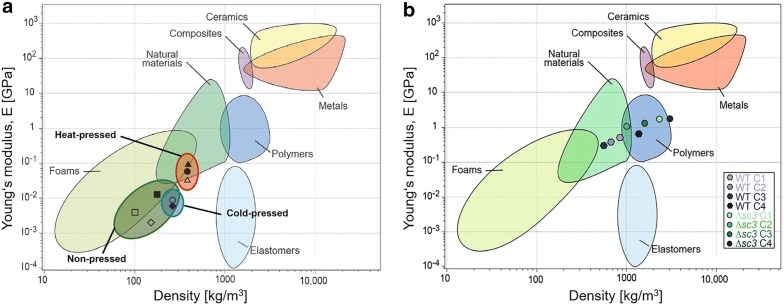
“reproduced from [45], which has been published under a Creative Commons Attribution licence (CC BY, http://creat iveco mmons .”
MethodSelf-citationBiodegradation of Polyester Polyurethane by Endophytic Fungi
Russell, J. R., Huang, J. R., Anand, P., Kucera, K., Sandoval, A., Dantzler, K. W., Hickman, D. A., Jee, J.-W., Kimovec, F. M., Koppstein, D., et al. (2011) · Applied and Environmental Microbiology · doi:10.1128/aem.00521-11 · Cited by 434
Epidemics of Soybean Rust (Phakopsora pachyrhizi) in Brazil and Paraguay from 2001 to 2003.
Yorinori, J. T., Paiva, W. M., Frederick, R., Costamilan, L., Bertagnolli, P., Hartman, G. L., Godoy, C., & Nunes, J. (2005) · Plant Disease · doi:10.1094/pd-89-0675 · Cited by 421
When and how to kill a plant cell: infection strategies of plant pathogenic fungi.
Horbach, R., Navarro-Quesada, A. R., Knogge, W., & Deising, H. (2011) · Journal of plant physiology · doi:10.1016/j.jplph.2010.06.014 · Cited by 396
Emerging Mycotoxins: Beyond Traditionally Determined Food Contaminants.
Gruber-Dorninger, C., Novak, B., Nagl, V., & Berthiller, F. (2017) · Journal of Agricultural and Food Chemistry · doi:10.1021/acs.jafc.6b03413 · Cited by 376
Taylor, D., Hollingsworth, T., McFarland, J., Lennon, N., Nusbaum, C., & Ruess, R. (2014) · Ecological Monographs · doi:10.1890/12-1693.1 · Cited by 371 · cited 7×
“The fungal kingdom is huge: six million species are estimated to exist on Earth [85], of which only a small proportion is known.”
BackgroundInfluentialFungiDB: An Integrated Bioinformatic Resource for Fungi and Oomycetes
Basenko, E. Y., Pulman, J. A., Shanmugasundram, A., Harb, O. S., Crouch, K., Starns, D., Warrenfeltz, S. W., Aurrecoechea, C., Stoeckert, C. J., Kissinger, J. C., et al. (2018) · Journal of Fungi · doi:10.3390/jof4010039 · Cited by 367
Self-citationGenetic engineering of filamentous fungi--progress, obstacles and future trends.
Meyer, V. (2008) · Biotechnology Advances · doi:10.1016/j.biotechadv.2007.12.001 · Cited by 343
Self-citationHow a fungus shapes biotechnology: 100 years of Aspergillus niger research
Cairns, T. C., Nai, C., & Meyer, V. (2018) · Fungal Biology and Biotechnology · doi:10.1186/s40694-018-0054-5 · Cited by 339 · cited 2×
“It was produced biotechnologically with the mould Aspergillus niger [2], and 100 years later, citric acid is still produced with this filamentous fungus and has formed a fast growing multibillion Euro market for convenience foods and beverages [2, 3].”
BackgroundSelf-citationPotential economic losses to the USA corn industry from aflatoxin contamination
Mitchell, N. J., Bowers, E., Hurburgh, C., & Wu, F. (2016) · Food Additives and Contaminants Part A-chemistry Analysis Control Exposure & Risk Assessment · doi:10.1080/19440049.2016.1138545 · Cited by 336
The cellular basis of chitin synthesis in fungi and insects: common principles and differences.
Merzendorfer, H. (2011) · European Journal of Cell Biology · doi:10.1016/j.ejcb.2011.04.014 · Cited by 309 · cited 1×
“Chitin is the same ingredient that creates the durable and flexible exoskeletons of insects and shellfish [41].”
BackgroundStudy of microbes having potentiality for biodegradation of plastics
Ghosh, S. K., Pal, S., & Ray, S. (2013) · Environmental Science and Pollution Research · doi:10.1007/s11356-013-1706-x · Cited by 305
Building a global alliance of biofoundries
Hillson, N., Caddick, M., Cai, Y.-Z., Carrasco, J., Chang, M., Curach, N., Bell, D. J., Lefeuvre, R., Friedman, D., Fu, X.-F., et al. (2019) · Nature Communications · doi:10.1038/s41467-019-10079-2 · Cited by 295
Self-citationMeyer, V., Andersen, M. R., Brakhage, A. A., Braus, G. H., Caddick, M. X., Cairns, T. C., de Vries, R. P., Haarmann, T., Hansen, K., Hertz‐Fowler, C., et al. (2016) · Fungal Biology and Biotechnology · doi:10.1186/s40694-016-0024-8 · Cited by 292 · cited 7×
“As comprehensively covered in the first white paper of the EUROFUNG consortium published in 2016 [4], a multitude of plant-pathogenic fungi destroy staple crops annually, which would be enough to feed 600 million people [86].”
BackgroundInfluentialSelf-citationAttias, N., Danai, O., Abitbol, T., Tarazi, E., Ezov, N., Pereman, I., & Grobman, Y. J. (2019) · Journal of Cleaner Production · doi:10.1016/j.jclepro.2019.119037 · Cited by 284 · cited 1×
“A range of mycelium composite materials with different properties can be produced [46].”
BackgroundMycotoxin risks under a climate change scenario in Europe
Moretti, A., Pascale, M., & Logrieco, A. (2019) · Trends in Food Science & Technology · doi:10.1016/j.tifs.2018.03.008 · Cited by 281
The Fungal Tree of Life: from Molecular Systematics to Genome-Scale Phylogenies
Spatafora, J. W., Aime, M. C., Grigoriev, I. V., Martin, F. M., Stajich, J., & Blackwell, M. (2017) · Microbiology Spectrum · doi:10.1128/microbiolspec.funk-0053-2016 · Cited by 280
Fleming’s penicillin producing strain is not Penicillium chrysogenum but P. rubens
Houbraken, J., Frisvad, J. C., & Samson, R. A. (2011) · IMA Fungus · doi:10.5598/imafungus.2011.02.01.12 · Cited by 262
Self-citationApollo: Democratizing genome annotation
Dunn, N., Unni, D., Diesh, C. M., Muñoz-Torres, M., Harris, N. L., Yao, E., Rasche, H., Holmes, I. H., Elsik, C. G., & Lewis, S. (2019) · PLoS Computational Biology · doi:10.1371/journal.pcbi.1006790 · Cited by 252
Biotechnological production and applications of statins
Barrios-González, J., & Miranda, R. U. (2009) · Applied Microbiology and Biotechnology · doi:10.1007/s00253-009-2239-6 · Cited by 220 · cited 1×
“It, furthermore, serves as a starter molecule for manufacturing semisynthetic statins, such as simvastatin (trade name Zocor), which is the second leading statin on the market [23].”
BackgroundMycoprotein: The Future of Nutritious Nonmeat Protein, a Symposium Review
Finnigan, T., Wall, B., Wilde, P., Stephens, F., Taylor, S., & Freedman, M. (2019) · Current Developments in Nutrition · doi:10.1093/cdn/nzz021 · Cited by 217 · cited 1×
“The high amino acid and fibre content, and low saturated fat, combined with the high digestibility of fungal protein (see Additional file 1: Table S1), make this an exceptionally healthy food [39].”
BackgroundMetabolic engineering of recombinant protein secretion by Saccharomyces cerevisiae.
Hou, J., Tyo, K. E. J., Liu, Z.-H., Petranovic, D., & Nielsen, J. (2012) · FEMS Yeast Research · doi:10.1111/j.1567-1364.2012.00810.x · Cited by 213
Jones, M. P., Bhat, T., Kandare, E., Thomas, A., Joseph, P., Dekiwadia, C., Yuen, R., John, S., Ma, J., & Wang, C.-H. (2018) · Scientific Reports · doi:10.1038/s41598-018-36032-9 · Cited by 183 · cited 1×
“They are naturally flame retardant, good thermal insulators and can be grown as flexible or rigid as one desires [50, 55].”
Thermophilic lignocellulose deconstruction
Blumer‐Schuette, S. E., Brown, S. D., Sander, K. B., Bayer, E. A., Kataeva, I. A., Zurawski, J. V., Conway, J. M., Adams, M. W. W., & Kelly, R. M. (2013) · FEMS Microbiology Reviews · doi:10.1111/1574-6976.12044 · Cited by 182 · cited 1×
“thermophilus are of special interest for current lignocellulose degradation processes, as high process temperatures are preferred in biorefineries to reduce the viscosity and increase the solubility of lignocellulosic biomass [28].”
BackgroundYaegashi, J., Kirby, J., Ito, M., Sun, J., Dutta, T., Mirsiaghi, M., Sundstrom, E., Rodriguez, A., Baidoo, E. E. K., Tanjore, D., et al. (2017) · bioRxiv · doi:10.1186/s13068-017-0927-5 · Cited by 167 · cited 1×
“Filamentous fungi, on the other hand, have the potential to circumvent these problems, since many are surprisingly robust against inhibitors and can selectively transform desired target compounds out of complex mixtures, including lignin-derived molecules [66].”
BackgroundBiomass-Derived Production of Itaconic Acid as a Building Block in Specialty Polymers
Teleky, B., & Vodnar, D. C. (2019) · Polymers · doi:10.3390/polym11061035 · Cited by 162 · cited 1×
“terreus is exploited as a cell factory to produce two molecules: the organic acid itaconate, which is of interest for the polymer industry [21], and lovastatin, which is a cholesterol-lowering drug.”
BackgroundThe world’s ten most feared fungi
Hyde, K. D., Al‐Hatmi, A. M. S., Andersen, B., Boekhout, T., Buzina, W., Dawson, T. L., Eastwood, D. C., Jones, E. B. G., de Hoog, S., Kang, Y., et al. (2018) · Fungal Diversity · doi:10.1007/s13225-018-0413-9 · Cited by 155 · cited 1×
“Regarding more information on the huge impact of fungal pathogens on human health and food security and the related challenges, the interested reader is referred to the EUROFUNGs white paper from 2016 [4], a review covering the top 10 most feared fungi published in 2018 [88] and to the One Health report published by t…”
BackgroundKuivanen, J., Wang, Y.-M. J., & Richard, P. (2016) · Microbial Cell Factories · doi:10.1186/s12934-016-0613-5 · Cited by 153 · cited 1×
“Itaconate could replace petroleum-based polyacrylic acid, which is a precursor for the polymer industry (absorbent polymers, polyester resins, synthetic latex) and galactarate could replace the current petroleum-based polyethylene terephthalate (PET) used for plastic production [17, 18].”
BackgroundMycotoxins in Conversation With Bacteria and Fungi
Venkatesh, N., & Keller, N. (2019) · Frontiers in Microbiology · doi:10.3389/fmicb.2019.00403 · Cited by 152 · cited 1×
“Recent advances promote the view that fungal mycotoxins are fitness factors that help to establish a niche for protection from competing microbes [101, 102].”
BackgroundSelf-citationAppels, F. V. W., Dijksterhuis, J., Lukasiewicz, C. E., Jansen, K., Wösten, H., & Krijgsheld, P. (2018) · Scientific Reports · doi:10.1038/s41598-018-23171-2 · Cited by 150 · cited 2×
“In addition, the absence of the hydrophobin in this strain results in a mycelium that is no longer water-repellent, consequently, it absorbs more water and dries more slowly than the wild-type [47].”
BackgroundSelf-citationHöglmeier, K., Weber-Blaschke, G., & Richter, K. (2013) · Resources, Conservation and Recycling · doi:10.1016/j.resconrec.2013.07.004 · Cited by 139 · cited 1×
“However, in order to keep carbon stored within materials for as long as possible, a circular economy will be beneficial, including both recycling and reuse of wood products in a cascading fashion [61] before a final utilisation for energy services.”
BackgroundDeveloping Gram-negative bacteria for the secretion of heterologous proteins
Burdette, L. A., Leach, S. A., Wong, H. T., & Tullman‐Ercek, D. (2018) · Microbial Cell Factories · doi:10.1186/s12934-018-1041-5 · Cited by 139
McLean, K. J., Hans, M., Meijrink, B., van Scheppingen, W. B., Vollebregt, A., Tee, K. L., van der Laan, J., Leys, D., Munro, A. W., & van den Berg, M. A. (2015) · Proceedings of the National Academy of Sciences · doi:10.1073/pnas.1419028112 · Cited by 132 · cited 1×
“Notably, the biosynthetic route for penicillin has recently been genetically reprogrammed towards pravastatin, which constitutes an interesting alternative to Zocor for the pharma industry [27].”
BackgroundTools of the crook-infection strategies of fungal plant pathogens
Rodriguez‐Moreno, L., Ebert, M. K., Bolton, M. D., & Thomma, B. P. H. J. (2018) · The Plant Journal · doi:10.1111/tpj.13810 · Cited by 130
Companion: a web server for annotation and analysis of parasite genomes
Steinbiss, S., Silva-Franco, F., Brunk, B., Foth, B. J., Hertz-Fowler, C., Berriman, M., & Otto, T. (2016) · Nucleic Acids Res. · doi:10.1093/nar/gkw292 · Cited by 129
Shapaval, V., Brandenburg, J., Blomqvist, J., Tafintseva, V., Passoth, V., Sandgren, M. O. J., & Köhler, A. (2019) · Biotechnology for Biofuels · doi:10.1186/s13068-019-1481-0 · Cited by 126
Self-citationMechanical behavior of mycelium-based particulate composites
Islam, M. R., Tudryn, G., Bucinell, R., Schadler, L., & Picu, R. C. (2018) · Journal of Materials Science · doi:10.1007/s10853-018-2797-z · Cited by 108
Steinhauer, D., Salat, M., Frey, R., Mosbach, A., Luksch, T., Balmer, D., Hansen, R., Widdison, S., Logan, G., Dietrich, R. A., et al. (2019) · PLoS Pathogens · doi:10.1371/journal.ppat.1007780 · Cited by 99
Venetz, J., Medico, L. D., Wölfle, A., Schächle, P., Bucher, Y., Appert, D., Tschan, F., Flores-Tinoco, C. E., van Kooten, M. V., Guennoun, R., et al. (2019) · Proceedings of the National Academy of Sciences of the United States of America · doi:10.1073/pnas.1818259116 · Cited by 97
Improving Reproducibility in Synthetic Biology
Jessop-Fabre, M. M., & Sonnenschein, N. (2019) · Frontiers in Bioengineering and Biotechnology · doi:10.3389/fbioe.2019.00018 · Cited by 96
Dai, Z.-X., Zhou, H., Zhang, S., Gu, H., Yang, Q., Zhang, W.-M., Dong, W., Ma, J.-F., Fang, Y., Jiang, M., et al. (2018) · Bioresource Technology · doi:10.1016/j.biortech.2018.03.001 · Cited by 95
Conserved Responses in a War of Small Molecules between a Plant-Pathogenic Bacterium and Fungi
Spraker, J. E., Wiemann, P., Baccile, J. A., Venkatesh, N., Schumacher, J., Schroeder, F. C., Sanchez, L. M., & Keller, N. P. (2018) · mBio · doi:10.1128/mbio.00820-18 · Cited by 94
Self-citationPelkmans, J., Patil, M. B., Gehrmann, T., Reinders, M., Wösten, H., & Lugones, L. (2017) · Scientific Reports · doi:10.1038/s41598-017-00483-3 · Cited by 90 · cited 1×
“A strain of Schizophyllum commune (common name split gill), for instance, in which two regulatory genes for mushroom formation are inactivated, produces threefold more biomass of fungal tissue when compared to the parental strain [8].”
BackgroundSelf-citationCpf1 enables fast and efficient genome editing in Aspergilli
Vanegas, K. G., Jarczynska, Z. D., Strucko, T., & Mortensen, U. H. (2019) · Fungal Biology and Biotechnology · doi:10.1186/s40694-019-0069-6 · Cited by 90
Self-citationClimate-Smart Forestry: mitigation impacts in three European regions
Nabuurs, G., Verkerk, P. J., Schelhaas, M., Olabarría, J. R. G., Trasobares, A., & Cienciala, E. (2018) · From science to policy · doi:10.36333/fs06 · Cited by 86
van der Fels-Klerx, H. J., Vermeulen, L., Gavai, A., & Liu, C. (2019) · PLoS ONE · doi:10.1371/journal.pone.0218956 · Cited by 85
Climate change and the health impact of aflatoxins exposure in Portugal – an overview
Assunção, R., Martins, C., Viegas, S., Viegas, C. S. B., Jakobsen, L. S., Pires, S. M., & Alvito, P. (2018) · Food Additives & Contaminants Part A · doi:10.1080/19440049.2018.1447691 · Cited by 83
Direct production of commodity chemicals from lignocellulose using Myceliophthora thermophila.
Li, J.-G., Lin, L.-P., Sun, T., Xu, J., Ji, J., Liu, Q., & Tian, C.-G. (2020) · Metabolic Engineering · doi:10.1016/j.ymben.2019.05.007 · Cited by 81 · cited 1×
“thermophilus has been genetically reprogrammed to generate platform chemicals, such as fumarate, directly from renewable feedstocks to replace petroleum-based processes, which is of interest for the manufacturing of synthetic resins, biodegradable polymers (up to 17 g/L) and malate (up to 200 g/L) [32, 33].”
BackgroundNovy, V., Nielsen, F., Seiboth, B., & Nidetzky, B. (2019) · Biotechnology for Biofuels · doi:10.1186/s13068-019-1571-z · Cited by 76 · cited 1×
“These types of wood differ in their composition, with clear implications for fungal degradation [67, 68].”
BackgroundGlobal trends in the crop protection industry.
Nishimoto, R. (2019) · Journal of pesticide science · doi:10.1584/jpestics.d19-101 · Cited by 75 · cited 1×
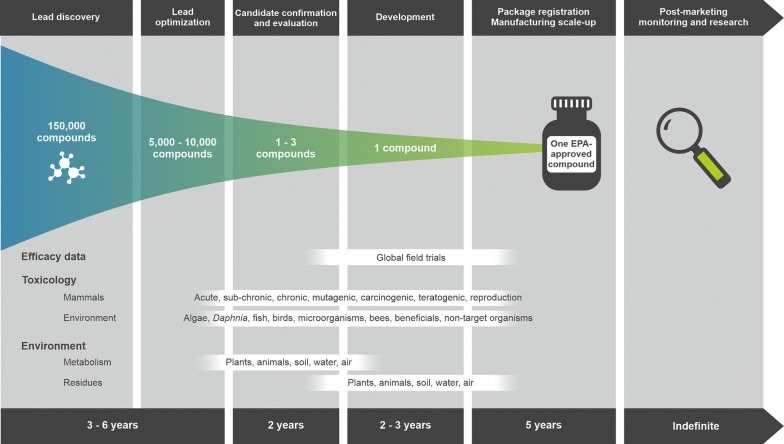
“7), taking more than 10 years from the identification of a new screening ‘hit’ to market [97].”
BackgroundFérnandez-Ortuño, D., Pérez-García, A., Chamorro, M., de la Peña, E., de Vicente, A. D., & Torés, J. A. (2017) · Plant Disease · doi:10.1094/pdis-01-17-0067-re · Cited by 75
SchäPe, P., Kwon, M., Baumann, B., Gutschmann, B., Jung, S., Lenz, S., Nitsche, B. M., Paege, N., Schütze, T., Cairns, T., et al. (2018) · Nucleic Acids Research · doi:10.1093/nar/gky1183 · Cited by 75
Self-citationMoudgil, V., Redhu, D., Dhanda, S., & Singh, J. (2013) · Journal of Environmental Pathology Toxicology and Oncology · doi:10.1615/jenvironpatholtoxicoloncol.2013007166 · Cited by 73
Citric acid and itaconic acid accumulation: variations of the same story?
Karaffa, L., & Kubicek, C. P. (2019) · Applied Microbiology and Biotechnology · doi:10.1007/s00253-018-09607-9 · Cited by 73 · cited 1×
“Itaconate could replace petroleum-based polyacrylic acid, which is a precursor for the polymer industry (absorbent polymers, polyester resins, synthetic latex) and galactarate could replace the current petroleum-based polyethylene terephthalate (PET) used for plastic production [17, 18].”
BackgroundMao, J., & Guan, W.-W. (2016) · Acta Agriculturae Scandinavica Section B - Soil & Plant Science · doi:10.1080/09064710.2015.1137629 · Cited by 71
Acoustic evaluation of mycological biopolymer, an all-natural closed cell foam alternative
Pelletier, M., Holt, G., Wanjura, J., Greetham, L., Mcintyre, G., Bayer, E., & Kaplan-Bie, J. (2019) · Industrial crops and products (Print) · doi:10.1016/j.indcrop.2019.111533 · Cited by 68 · cited 1×
“Notably, mushroom-based materials can absorb and dissipate a variety of energetic forces, ranging from sounds to seismic waves to ballistics [54].”
BackgroundLan, X., Yuan, W., Wang, M., & Xiao, H. (2019) · Biotechnology and Bioengineering · doi:10.1002/bit.27154 · Cited by 66
An evaluation study of pressure-compressed acoustic absorbers grown on agricultural by-products
Pelletier, M., Holt, G., Wanjura, J., Lara, A. J., Tapia-Carillo, A., Mcintyre, G., & Bayer, E. (2017) · Industrial Crops and Products · doi:10.1016/j.indcrop.2016.10.042 · Cited by 65
Do Plant-Bound Masked Mycotoxins Contribute to Toxicity?
Gratz, S. (2017) · Toxins · doi:10.3390/toxins9030085 · Cited by 64
Fumaric acid: production and separation
Ilica, R.-A., Kloetzer, L., Galaction, A., & Cașcaval, D. (2018) · Biotechnology Letters · doi:10.1007/s10529-018-2628-y · Cited by 60 · cited 1×
“thermophilus has been genetically reprogrammed to generate platform chemicals, such as fumarate, directly from renewable feedstocks to replace petroleum-based processes, which is of interest for the manufacturing of synthetic resins, biodegradable polymers (up to 17 g/L) and malate (up to 200 g/L) [32, 33].”
BackgroundFungal Aflatoxins Reduce Respiratory Mucosal Ciliary Function
Lee, R. J., Workman, A., Carey, R., Chen, B., Rosen, P. L., Doghramji, L., Adappa, N., Palmer, J., Kennedy, D., & Cohen, N. (2016) · Scientific Reports · doi:10.1038/srep33221 · Cited by 60
Debottlenecking protein secretion and reducing protein aggregation in the cellular host
Zhou, Y., Raju, R., Alves, C. S., & Gilbert, A. (2018) · Current Opinion in Biotechnology · doi:10.1016/j.copbio.2018.01.007 · Cited by 57
Höglmeier, K., Weber-Blaschke, G., & Richter, K. (2017) · Resources, Conservation and Recycling · doi:10.1016/j.resconrec.2015.10.030 · Cited by 56
KnowVolution of a Fungal Laccase toward Alkaline pH
Novoa, C., Dhoke, G. V., Maté, D., Martínez, R., Haarmann, T., Schreiter, M., Eidner, J., Schwerdtfeger, R., Lorenz, P., Davari, M., et al. (2019) · ChemBioChem · doi:10.1002/cbic.201800807 · Cited by 56
Self-citationOpening options for material transfer
Kahl, L., Molloy, J. C., Patron, N., Matthewman, C., Haseloff, J., Grewal, D., Johnson, R. A., & Endy, D. (2018) · Nature Biotechnology · doi:10.1038/nbt.4263 · Cited by 56
Self-citationOne Health: Fungal Pathogens of Humans, Animals, and Plants
Konopka, J., Casadevall, A., Taylor, J. W., Heitman, J., & Cowen, L. (2019) · doi:10.1128/aamcol.18oct.2017 · Cited by 53 · cited 1×
“Regarding more information on the huge impact of fungal pathogens on human health and food security and the related challenges, the interested reader is referred to the EUROFUNGs white paper from 2016 [4], a review covering the top 10 most feared fungi published in 2018 [88] and to the One Health report published by t…”
BackgroundPractical guidance for the implementation of the CRISPR genome editing tool in filamentous fungi
Kwon, M., Schütze, T., Spohner, S., Haefner, S., & Meyer, V. (2019) · Fungal Biology and Biotechnology · doi:10.1186/s40694-019-0079-4 · Cited by 49
Self-citationRapid assessment of the microbial deterioration of Polyurethanes
Bentham, R., Morton, L. H. G., & Allen, N. (1987) · doi:10.1016/0265-3036(87)90026-1 · Cited by 46
Miles, B. N., & Lee, P. L. (2018) · SLAS TECHNOLOGY · doi:10.1177/2472630318784506 · Cited by 45
Kitney, R. I., Adeogun, M., Fujishima, Y., Goñi‐Moreno, Á., Johnson, R., Maxon, M. E., Steedman, S., Ward, S., Winickoff, D. E., & Philp, J. C. (2019) · Trends in biotechnology · doi:10.1016/j.tibtech.2019.03.017 · Cited by 45
Self-citationFail-safe genetic codes designed to intrinsically contain engineered organisms
Calles, J., Justice, I., Brinkley, D., Garcia, A., & Endy, D. (2019) · Nucleic Acids Research · doi:10.1093/nar/gkz745 · Cited by 45
Self-citationImpact of the Penicillium chrysogenum genome on industrial production of metabolites
van den Berg, M. A. (2011) · Applied Microbiology and Biotechnology · doi:10.1007/s00253-011-3476-z · Cited by 44 · cited 1×
“rubens) is an antibiotics producer and the main cell factory used to produce penicillin and semisynthetic derivatives, with production levels up to 55 g/L [26].”
BackgroundSchmideder, S., Barthel, L., Friedrich, T., Thalhammer, M., Kovačević, T., Niessen, L., Meyer, V., & Briesen, H. (2019) · Biotechnology and Bioengineering · doi:10.1002/bit.26956 · Cited by 36
Self-citationIncreasing access to microfluidics for studying fungi and other branched biological structures
Millet, L. J., Aufrecht, J. A., Labbé, J., Uehling, J., Vilgalys, R. J., Estes, M. L., Guennoc, C. M., Deveau, A., Olsson, S., Bonito, G. M., et al. (2019) · Fungal Biology and Biotechnology · doi:10.1186/s40694-019-0071-z · Cited by 36
Ruhamyankaka, E., Brunk, B., Dorsey, G., Harb, O., Helb, D. A., Judkins, J., Kissinger, J., Lindsay, B., Roos, D., San, E. J., et al. (2019) · Gates Open Research · doi:10.12688/gatesopenres.13087.2 · Cited by 35
Fungal Enzymes and Yeasts for Conversion of Plant Biomass to Bioenergy and High-Value Products
Lange, L. (2017) · Microbiology spectrum · doi:10.1128/microbiolspec.funk-0007-2016 · Cited by 35
Horta, M. A. C., Thieme, N., Gao, Y., Burnum-Johnson, K., Nicora, C., Gritsenko, M., Lipton, M. S. W., Mohanraj, K., de Assis, L. J., Lin, L., et al. (2019) · Frontiers in Microbiology · doi:10.3389/fmicb.2019.02317 · Cited by 35
Self-citationApplying the science of measurement to biology: Why bother?
Coxon, C. H., Longstaff, C., & Burns, C. J. (2019) · PLoS Biology · doi:10.1371/journal.pbio.3000338 · Cited by 30
Biological production of l-malate: recent advances and future prospects
Liu, J., Li, J., Shin, H., Du, G., Chen, J., & Liu, L. (2017) · World Journal of Microbiology and Biotechnology · doi:10.1007/s11274-017-2349-8 · Cited by 29 · cited 1×
“oryzae is among the strains with the greatest yields [20].”
BackgroundConstruction of an Efficient and Robust Aspergillus terreus Cell Factory for Monacolin J Production.
Huang, X.-N., Tang, S., Zheng, L., Teng, Y., Yang, Y., Zhu, J., & Lu, X.-F. (2019) · ACS Synthetic Biology · doi:10.1021/acssynbio.8b00489 · Cited by 28 · cited 1×
“cerevisiae (75 mg/L) or Pichia pastoris (renamed Komagataella phaffii; 600 mg/L) [25].”
BackgroundFungal diversity associated with crude oil-impacted soil undergoing in-situ bioremediation
Ezekoye, C. C., Chikere, C., & Okpokwasili, G. (2018) · Sustainable Chemistry and Pharmacy · doi:10.1016/j.scp.2018.11.003 · Cited by 25
Tolbert, A., & Ragauskas, A. (2017) · Energy Science & Engineering · doi:10.1002/ese3.144 · Cited by 23
TwistAmp® Liquid: a versatile amplification method to replace PCR
Stringer, O. W., Andrews, J., Greetham, H. L., & Forrest, M. (2018) · Nature Methods · doi:10.1038/nmeth.f.407 · Cited by 21
The beauty and the morbid: fungi as source of inspiration in contemporary art
Nai, C., & Meyer, V. (2016) · Fungal Biology and Biotechnology · doi:10.1186/s40694-016-0028-4 · Cited by 21 · cited 1×
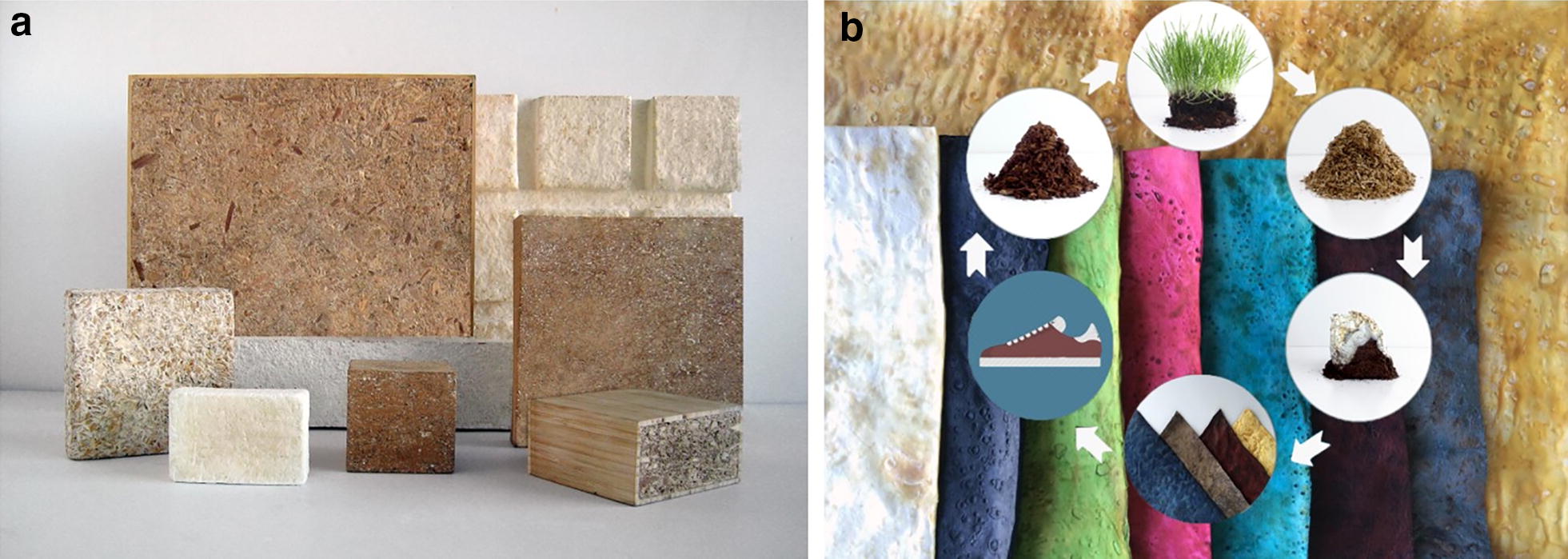
“The flexibility and aesthetics of mushroom materials were first appreciated by artists and designers who used them to grow living art works [48, 49].”
BackgroundSelf-citationAndersen, M. R. (2014) · Briefings in Functional Genomics · doi:10.1093/bfgp/elu029 · Cited by 21
Better research through metrology
(2018) · Nature Methods · doi:10.1038/s41592-018-0035-x · Cited by 19
Metabolic Engineering of Filamentous Fungi
Nielsen, J., Rucksomtawin, K., Andersen, M., & Hofmann, G. (2009) · doi:10.1201/9781439802977.ch25 · Cited by 18
Liang, B., Huang, X.-N., Teng, Y., Liang, Y.-J., Yang, Y., Zheng, L., & Lu, X.-F. (2018) · Biotechnology Journal · doi:10.1002/biot.201800094 · Cited by 15 · cited 1×
“Current research is focused on re-routing lovastatin biosynthesis to one of its biosynthetic intermediates, monacolin J, which is the preferred precursor for Zocor synthesis [24].”
BackgroundEnabling community-based metrology for wood-degrading fungi
Perez, R., Luccioni, M. D., Kamakaka, R. T., Clamons, S. E., Gaut, N. J., Stirling, F., Adamala, K. P., Silver, P. A., & Endy, D. (2020) · Fungal Biology and Biotechnology · doi:10.1186/s40694-020-00092-2 · Cited by 11
Self-citationMerging science and art through fungi
Meyer, V. (2019) · Fungal Biology and Biotechnology · doi:10.1186/s40694-019-0068-7 · Cited by 10 · cited 1×
“The flexibility and aesthetics of mushroom materials were first appreciated by artists and designers who used them to grow living art works [48, 49].”
BackgroundSelf-citationHassan, L., Reppke, M. J., Thieme, N., Schweizer, S., Mueller, C., & Benz, J. (2017) · Fungal Biology and Biotechnology · doi:10.1186/s40694-017-0039-9 · Cited by 10 · cited 1×
“These types of wood differ in their composition, with clear implications for fungal degradation [67, 68].”
BackgroundSelf-citation
Research works printed but not linked: 9
- Ereky K. Biotechnologie der Fleisch-, Fett-, und Milcherzeugung im landwirtschaftlichen Grossbetriebe: für naturwissenschaftlich gebildete Landwirte verfasst. Berlin: Paul Parey; 1919.
- Moore D, Chiu SW. Fungal products as food. In: Pointing SB, Hyde KD, editors. Bio-exploitation of filamentous fungi., Fungal Diversity Research Series 6London: Fungal Diversity Press; 2001. p. 223–51.
- WBAE/WBW: Scientific Advisory Board on Agricultural Policy, Food and Consumer Health Protection (WBAE) and on Forest Policy (WBW) at the Federal Ministry of Food and Agriculture (BMEL). In: (2016) Climate change mitigation in agriculture and forestry and in the downstream sectors of food and timber use. Executive Summary. Berlin; 2016. https://doi.org/10.12767/buel.v1i1.175.g323. · DOI
- Forest Europe. State of Europe’s Forests 2015. Ministerial Conference on the Protection of Forests in Europe. Forest Europe Liaison Unit Madrid. 2015. https://foresteurope.org/state-europes-forests-2015-report/. Accessed 21 Feb 2020.
- Hetemäki L, editor. Future of the European forest-based sector: structural changes towards bioeconomy. European Forest Institute: Joensuu; 2014.
- Gupta A, Xu W, Jaiswal P, Taylor C, Regala J. Domain informational vocabulary extraction experiences with publication pipeline integration and ontology curation. In: Proceedings of the 9th international conference on biological ontology (ICBO 2018), Corvallis, Oregon, USA. http://ceur-ws.org/Vol-2285/ICBO_2018_paper_43.pdf.
- Schmideder S, Barthel L, Müller H, Meyer V, Briesen H. From three-dimensional morphology to effective diffusivity in filamentous fungal pellets. Biotechnol Bioeng. 2019;116:3360–71. https://doi.org/10.1002/bit.27166. · DOI
- Weiss, B. The SEMI international standards program—history, successes and lessons learned to address compound semiconductor manufacturing challenges. In: 2006 International Conference on Compound Semiconductor Manufacturing Technology (CS MANTECH, 2006). p. 55–58. https://csmantech.org/OldSite/Digests/2006/2006%20Digests/4A.pdf. Accessed 5 Dec 2019.
- Prestemon JP, Wear DN, Foster MO. The global position of the U.S. forest products industry. US Dep Agric For Serv South Res Stn e-General Tech Rep. SRS-204, 2015:1–24. · DOI
Cited by
Sorted by citations
FungalTraits: a user-friendly traits database of fungi and fungus-like stramenopiles
Põlme, S., Abarenkov, K., Nilsson, R. H., Lindahl, B. D., Clemmensen, K. E., Kauserud, H., Nguyen, N., Kjøller, R., Bates, S. T., Baldrián, P., et al. (2020) · Fungal Diversity · doi:10.1007/s13225-020-00466-2 · Cited by 1,151
Self-citationCircular Bioeconomy Concepts—A Perspective
Tan, E. C. D., & Lamers, P. (2021) · Frontiers in Sustainability · doi:10.3389/frsus.2021.701509 · Cited by 317
“It also introduces new, bio-based products that offer similar or superior characteristics to their petroleum-derived substitutes while maintaining a lower carbon footprint and full biodegradability (Meyer et al., 2020).”
BackgroundThe contribution of fungi to the global economy
Niego, A. G., Lambert, C., Mortimer, P., Thongklang, N., Rapior, S., Grosse, M., Schrey, H., Charria-Girón, E., Walker, A., Hyde, K., et al. (2023) · Fungal diversity · doi:10.1007/s13225-023-00520-9 · Cited by 168
“Facing the transition towards a sustainable economy based on reduction of non-renewable materials and minimization of waste, fungal biotechnology offers a fascinating opportunity with high innovation potential (Meyer et al. 2020).”
BackgroundCurrent state and future prospects of pure mycelium materials
Vandelook, S., Elsacker, E. V., Wylick, A. V., Laêt, L. D., & Peeters, E. (2021) · Fungal Biology and Biotechnology · doi:10.1186/s40694-021-00128-1 · Cited by 223
A review on mycoprotein: History, nutritional composition, production methods, and health benefits
Ahmad, M. I., Farooq, S., Alhamoud, Y., Li, C., & Zhang, H. (2022) · Trends in Food Science & Technology · doi:10.1016/j.tifs.2022.01.027 · Cited by 152
Metadata
- Authors
- Meyer, V., Basenko, E. Y., Benz, J. P., Braus, G. H., Caddick, M. X., Csukai, M., de Vries, R. P., Endy, D., Frisvad, J. C., Gunde-Cimerman, N., Haarmann, T., Hadar, Y., Hansen, K., Johnson, R. I., Keller, N. P., Kraševec, N., Mortensen, U. H., Perez, R., Ram, A. F. J., Record, E., Ross, P., Shapaval, V., Steiniger, C., van den Brink, H., van Munster, J., Yarden, O., & Wösten, H. A. B.
- Affiliations
- Technische Universität Berlin (DE)
- University of Liverpool (GB)
- Technical University of Munich (DE)
- University of Göttingen (DE)
- Syngenta (United Kingdom) (GB)
- Utrecht University (NL)
- Stanford University (US)
- Technical University of Denmark (DK)
- ABEnzymes (Germany) (DE)
- Hebrew University of Jerusalem (IL)
- Novozymes (Denmark) (DK)
- University of Wisconsin–Madison (US)
- National Institute of Chemistry (SI)
- Leiden University (NL)
- Norwegian University of Life Sciences (NO)
- Chr. Hansen (Denmark) (DK)
- University of Manchester (GB)
- Corresponding author
- Meyer, Vera
- ORCID
- Meyer, Vera
- Basenko, Evelina Y.
- Benz, J. Philipp
- Braus, Gerhard H.
- Caddick, Mark X.
- Csukai, Michael
- de Vries, Ronald P.
- Endy, Drew
- Frisvad, Jens C.
- Gunde-Cimerman, Nina
- Haarmann, Thomas
- Hadar, Yitzhak
- Hansen, Kim
- Keller, Nancy P.
- Kraševec, Nada
- Mortensen, Uffe H.
- Perez, Rolando
- Ram, Arthur F. J.
- Record, Eric
- Shapaval, Volha
- Steiniger, Charlotte
- van Munster, Jolanda
- Yarden, Oded
- Wösten, Han A. B.
- Venue
- Fungal Biology and Biotechnology
- Published
- 2020-04-02
- Volume
- 7
- Issue
- 1
- Pages
- 5-5
- ISSN
- 2054-3085 (ISSN-L)
- PMC
- PMC7140391
- OpenAlex
- W3015382627
- Cited by
- 515
- References
- 155
- Citations by year
- 2026: 61 · 2025: 90 · 2024: 97 · 2023: 107 · 2022: 74 · 2021: 65 · 2020: 19
- FWCI
- 11.53
- Type
- journal article
- Language
- en
- Open access
- gold
- doi.org
- Locations
- Fungal Biology and Biotechnology (publishedVersion, cc-by)
- Europe PMC (PubMed Central) (publishedVersion, cc-by)
- PubMed Central (publishedVersion, cc-by)
- PubMed (publishedVersion)
- KNAW research portal (Royal Academy of Art and Sciences (KNAW)) (publishedVersion, other-oa)
- Data Archiving and Networked Services (DANS) (submittedVersion, other-oa)
- HAL (submittedVersion)
- Leiden Repository (Leiden University) (submittedVersion, cc-by)
- DOAJ (DOAJ: Directory of Open Access Journals) (submittedVersion, cc-by-sa)
- Utrecht University Repository (Utrecht University) (submittedVersion, other-oa)
- GoeScholar The Publication Server of the Georg-August-Universität Göttingen (Georg-August-Universität Göttingen) (submittedVersion, cc-by)
- mediaTUM – the media and publications repository of the Technical University Munich (Technical University Munich) (submittedVersion)
- NORA - Norwegian Open Research Archives (submittedVersion, other-oa)
- Research Explorer (The University of Manchester) (submittedVersion, other-oa)
- Technical University of Denmark, DTU Orbit (Technical University of Denmark, DTU) (submittedVersion, cc-by)
- Data Archiving and Networked Services (DANS) (submittedVersion, cc-by)
- Funders
- Biotechnology and Biological Sciences Research Council (BB/P011462/1)
- Topics
- Life Sciences › Agricultural and Biological Sciences › General Agricultural and Biological Sciences › Bioeconomy and Sustainability Development
- Life Sciences › Biochemistry, Genetics and Molecular Biology › Molecular Biology › Microbial Metabolic Engineering and Bioproduction
- Life Sciences › Biochemistry, Genetics and Molecular Biology › Molecular Biology › Fungal and yeast genetics research
- Keywords
- fungal biotechnology, circular economy, bioeconomy, fungal cell factories, biofuels, bio-based chemicals, bio-based materials, food security, climate change mitigation, greenhouse gas emissions reduction, Sustainable Development Goals
About these checks
Registry, retraction, Cites and statistics results are computed, not judged, with one exception: a printed reference that no index lists is read once by a model before it counts as a citation error. Claims are extracted by a model and kept only when their quote appears verbatim in the text; each cited source is then checked, with a model’s help, for whether it says what the claim relies on. Those verdicts can be wrong — read the claim’s quote and the cited source before relying on one.
Statistics and arithmetic are recomputed, not judged.
Confidence bands are shown only for fields calibrated on our annotated test set. None is calibrated yet, so no band is shown.
What counts as a claim ›How we measure confidence ›How we check this ›
Are you an author, or do you see a problem with this page? Request a review
