

Residential schools and the effects on Indigenous health and well-being in Canada—a scoping review
Open accessThe DOI matches its Crossref record; 57 of the 58 references it cites were found in a registry or an index, and 1 are not checked yet; 9 of the 26 sources its claims cite were checked for support.
Abstract
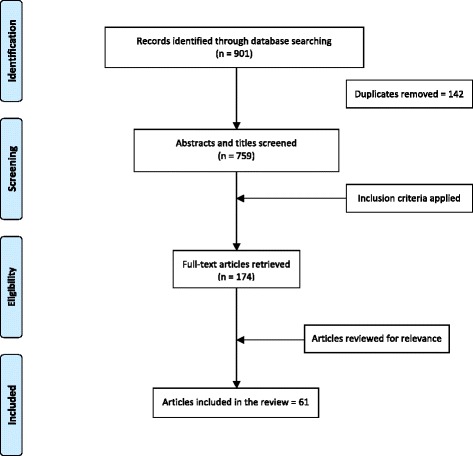
BACKGROUND: The history of residential schools has been identified as having long lasting and intergenerational effects on the physical and mental well-being of Indigenous populations in Canada. Our objective was to identify the extent and range of research on residential school attendance on specific health outcomes and the populations affected. METHODS: A scoping review of the empirical peer-reviewed literature was conducted, following the methodological framework of Arksey and O'Malley (2005). For this review, nine databases were used: Bibliography of Native North Americans, Canadian Health Research Collection, CINAHL, Google Scholar, Indigenous Studies Portal, PubMed, Scopus, Statistics Canada, and Web of Science. Citations that did not focus on health and residential school among a Canadian Indigenous population were excluded. Papers were coded using the following categories: Indigenous identity group, geography, age-sex, residential school attendance, and health status. RESULTS: Sixty-one articles were selected for inclusion in the review. Most focused on the impacts of residential schooling among First Nations, but some included Métis and Inuit. Physical health outcomes linked to residential schooling included poorer general and self-rated health, increased rates of chronic and infectious diseases. Effects on mental and emotional well-being included mental distress, depression, addictive behaviours and substance mis-use, stress, and suicidal behaviours. CONCLUSION: The empirical literature can be seen as further documenting the negative health effects of residential schooling, both among former residential school attendees and subsequent generations. Future empirical research should focus on developing a clearer understanding of the aetiology of these effects, and particularly on identifying the characteristics that lead people and communities to be resilient to them.
Verified 2026-11-25 · 1 reference not checked yet
Overview
CoChat Summary
## TL;DR
This scoping review mapped empirical research on residential school attendance and health among Indigenous peoples in Canada, identifying 61 included studies. The literature consistently links residential schooling to poorer physical health, mental health, and general well-being in Survivors and in some family members and later generations.
## Key findings
- The review included 61 studies; most focused on First Nations (43 studies), with 18 including Inuit and 17 Métis.
- Physical health outcomes linked to residential schooling included poorer general and self-rated health, and increased rates of chronic and infectious diseases, including diabetes, obesity, tuberculosis, hepatitis C, HIV/AIDS, and STIs.
- Mental and emotional well-being outcomes were reported in 43 studies and included mental distress, depression, addictive behaviours/substance misuse, stress, and suicidal behaviours.
- Reported study samples ranged from 1 to 51,080 participants; 48 studies included both men and women, and 46 included adults over 18.
## Methods
- The authors conducted a scoping review using the Arksey and O’Malley framework to map empirical peer-reviewed literature on residential schooling and Indigenous health in Canada.
- They searched nine databases: Bibliography of Native North Americans, Canadian Health Research Collection, CINAHL, Google Scholar, Indigenous Studies Portal, PubMed, Scopus, Statistics Canada, and Web of Science; they also sought grey literature for support.
- Included papers had to be in English (or translated abstract), use primary or secondary data, focus on an Indigenous population in Canada, and examine residential school attendance in relation to health; studies were coded by Indigenous identity, geography, age-sex/gender, residential school attendance, and health status.
## Limitations
- The paper states that, because this is a scoping review, it did not appraise study quality and did not provide a synthesis of the data.
- The authors state that study inclusion was subject to the reviewers’ interpretation, making it more subjective in nature.
- Evident from the text: the included literature was mostly correlational and few studies examined mechanisms linking residential schooling to health outcomes, limiting causal interpretation.
Model-written summary. Check it against the paper before relying on it.
Integrity signals
Registry
Cites
Statistics
Figures
Verification
Claims the paper makes
8 Valid · 0 Not valid · 18 Not checked · 36 Own results and interpretations
The cited sources support only part of this claim — read each source’s verdict below.
In the paper
“Some of the papers were able to identify specific intergenerational effects, including higher risk of negative outcomes for those whose parents or grandparents attended, whether they themselves were residential school Survivors [9].”
§ Residential schools and the effects on Indigenous health and well-being in Canada—a scoping review > Discussion This review aimed to summarize the current literature on residential schools and Indigenous health and well-being using Arksey and O’Malley’s scoping review framework [19]. In general, the empirical literature further documented the wide ranging negative effects of residential schools that had previously been identified by Survivors themselves [15] and confirmed that residential schooling is likely an important contributor to the current health conditions of Indigenous populations in Canada. The studies included revealed a range of poorer physical, mental and emotional, and general health outcomes in both residential school attendees and their families compared with those without these experiences. This included evidence of poorer general health, higher risk of chronic conditions such as diabetes, as well as infectious diseases such as STIs. Many of the studies related residential schooling to poorer mental health, including depressions and substance misuse. Although the majority of studies focused on First Nations, various effects were observed among Métis and Inuit as well, and in urban, rural and reserve populations, and in all regions, strongly suggesting that the effects of residential schooling are felt by Indigenous peoples across Canada. The regional and historical variations in the implementation of residential schooling [10] would lead us to expect geographic variability in these effects. While only one study reviewed examined these differences, it is indicated that variation in health status among community members may be related to various colonial histories in different areas [43]. Importantly, given the vast consequences and predominately negative impact of attendance at these schools, the literature reviewed suggests that younger generations continue to experience the negative health consequences associated with residential schooling. Some of the papers were able to identify specific intergenerational effects, including higher risk of negative outcomes for those whose parents or grandparents attended, whether they themselves were residential school Survivors [9]. Others only considered whether family members had attended, suggesting that the effects are clustered within families, rather than isolating the intergenerational transmission of trauma related to residential schooling. Overall, the newness of the literature indicates that this is a recent and growing area of research. One of the likely consequences of this is that much of the research reviewed was correlational, and few studies explicitly examined the mechanisms that connected residential school experience to health outcomes. Although some of the studies examining mental health identified substance use resulting from a need to cope with psychological pain [44, 45, 54] or to provide individuals with feelings of regaining power and control [45], most of the studies of physical health effects or general health did not attempt to unpack the range of proximate and mediating factors in the causal chain between residential schooling and the health of Survivors or of their family members. A strength of this review is that it was conducted systematically and provides methodological accounts to ensure the transparency of the findings. Additionally, the findings of this research highlight the extent and range of the available literature on this important topic in health and suggest areas that require further research. It is important to acknowledge its limitations, however. Firstly, while a scoping review provides a rapid summary of a range of literature, it does not include an appraisal of the quality of the studies included nor provide a synthesis of the data. Secondly, the inclusion of studies is determined by the reviewer’s interpretation of the literature and therefore may be more subjective in nature.
What the sources say
- Partly supportedcites [9] Bombay A Matheson K Anisman H The intergenerational effects of Indian residential schools: implications for the concept of historical trauma Transcult Psychiatry 2014 51 3 320 338 10.1177/1363461513503380 24065606 PMC4232330 sourceExperimental — accuracy not yet measured
The section “Historical trauma responses related to familial IRS attendance” reports higher rates of adverse outcomes among people whose parents or grandparents attended residential schools. But the paper does not establish that this elevated risk holds whether or not those people attended themselves. In “The risk associated with IRS attendance accumulates across generations,” the authors explicitly exclude respondents who attended from their analysis of intergenerational effects (page not provided). (LLM, conf=0.88)
hedgedstates an association- Asserted: passes — The authors put it forward as true.
- Checkable: passes — It can be checked against evidence.
- Load-bearing: passes — The paper’s conclusions depend on it.
- Based: passes — The paper gives a reason why it holds.
- Partly supported
The cited sources support only part of this claim — read each source’s verdict below.
In the paper
“In addition to chronic conditions, residential school attendance has been associated with poorer sexual health in general [34, 35]”
§ Residential schools and the effects on Indigenous health and well-being in Canada—a scoping review > Results > Characteristics of the included studies
What the sources say
- Partly supportedcites [34] Healey G: Inuit parent perspectives on sexual health communication with adolescent children in Nunavut: “it’s kinda hard for me to try to find the words”. Int J Circumpolar Health. 2014;73:25070. PMC4215723 25405104 sourceExperimental — accuracy not yet measured
The Discussion (page not specified) says trauma from the settlement and residential school era continues to affect Inuit family relationships and parent–adolescent communication about sexual health. It does not establish an association between an individual's residential school attendance and poorer sexual health in general; its finding is narrower and does not isolate residential school attendance from other experiences of that era. (LLM, conf=0.84)
- Partly supportedcites [35] Healey GK Inuit family understandings of sexual health and relationships in Nunavut Can J Public Health 2014 105 2 e133 137 10.17269/cjph.105.4189 24886849 PMC6972209 sourceExperimental — accuracy not yet measured
Our copy (Healey 2014, a qualitative study with Inuit parents in two Nunavut communities) does link residential school attendance to sexual harms: the 'Residential school' results section reports mothers 'experiencing child abuse (physical, sexual, emotional and/or mental) while attending residential school,' and the following section states that family separation during settlement 'fractured family communication about sexuality,' with the DISCUSSION repeating that 'settlement and displacement fractured family relationships and communication about sexuality.' However, the paper reports no association between residential school attendance and poorer sexual health outcomes as such (its STI/pregnancy data are community-level Nunavut statistics, not linked to school attendance, and the one participant who 'engaged in sex for money' is attributed to her parent's TB medical evacuation rather than to residential school). The claim's generalization 'poorer sexual health in general' therefore overstates a source that documents abuse and disrupted sexuality communication in a small Inuit parent sample. (LLM, conf=0.72)
plainstates an association- Asserted: passes — The authors put it forward as true.
- Checkable: passes — It can be checked against evidence.
- Load-bearing: unclear — It is unclear whether the paper’s conclusions depend on it.
- Based: passes — The paper gives a reason why it holds.
- Partly supported
Every source the paper cites for this claim was checked and supports it.
In the paper
“a finding that was reproduced with the 2006 APS by Kaspar [27], who found that 12% of those who had attended residential school reported poor health, compared with 7% of those who did not attend.”
§ Residential schools and the effects on Indigenous health and well-being in Canada—a scoping review > Results > Characteristics of the included studies
What the sources say
- Supportedcites [27] Kaspar V The lifetime effect of residential school attendance on Indigenous health status Am J Public Health 2014 104 11 2184 2190 10.2105/AJPH.2013.301479 24328622 PMC4202939 source
The RESULTS section (Table 1 discussion) states verbatim that "about 12% of individuals who attended an IRS reported poor health compared with 7% of nonattenders reporting poor health," matching both figures in the claim. The same passage and Table 1 caption confirm the data come from the Aboriginal Peoples Survey: Adult Core, Canada, 2006, as the citing sentence asserts. (LLM, conf=0.95)
plainstates an association- Asserted: passes — The authors put it forward as true.
- Checkable: passes — It can be checked against evidence.
- Load-bearing: unclear — It is unclear whether the paper’s conclusions depend on it.
- Based: passes — The paper gives a reason why it holds.
- Supported
A result the paper reports from its own data — it cites no other source for it, so there is none to check. The quote shows it is in the paper.
In the paper
“In terms of residential school attendance, 42 of the studies reviewed included residential school attendees themselves (personal attendance) and 38 examined the effects of having a parent or other family members who had attended (familial attendance).”
§ Residential schools and the effects on Indigenous health and well-being in Canada—a scoping review > Results > Characteristics of the included studies
plain- Asserted: passes — The authors put it forward as true.
- Checkable: passes — It can be checked against evidence.
- Load-bearing: unclear — It is unclear whether the paper’s conclusions depend on it.
- Based: passes — The paper gives a reason why it holds.
23 more claims
Create a free account to see all 62 claims and to verify the 1 reference still open.
- Probably not a substantial claim. 28
- It may state two separate claims as one. 14
Citations
Cites
Scoping studies: towards a methodological framework
Arksey, H., & O'Malley, L. (2005) · International Journal of Social Research Methodology · doi:10.1080/1364557032000119616 · Cited by 36,742 · cited 7×
“Although a scoping review may not describe research findings in detail, it provides a way of navigating the area of research where the range of material is uncertain [19].”
BackgroundMethodInfluentialScoping studies: advancing the methodology
Levac, D., Colquhoun, H., & O'Brien, K. K. (2010) · Implementation Science · doi:10.1186/1748-5908-5-69 · Cited by 15,268 · cited 1×
“Scoping studies therefore typically have broad research questions and focus on summarizing the available evidence [20].”
BackgroundIndigenous health part 1: Determinants and disease patterns
Gracey, M., & King, M. (2009) · The Lancet · doi:10.1016/s0140-6736(09)60914-4 · Cited by 1,303
'Scoping the scope' of a cochrane review
Armstrong, R., Hall, B. J., Doyle, J., & Waters, E. (2011) · Journal of Public Health · doi:10.1093/pubmed/fdr015 · Cited by 1,260 · cited 1×
“According to Armstrong and colleagues, a scoping review also differs from a systematic review in that the inclusion/exclusion criteria can be developed in an iterative process, the quality of studies might not be discussed in the review, and that the synthesis tends to be more qualitative in nature with the review use…”
BackgroundThe Embodiment of Inequity: Health Disparities in Aboriginal Canada
Adelson, N. (2005) · Canadian Journal of Public Health · doi:10.1007/bf03403702 · Cited by 877
Rethinking Resilience from Indigenous Perspectives
Kirmayer, L. J., Dandeneau, S., Marshall, E., Phillips, M. K., & Williamson, K. J. (2011) · The Canadian Journal of Psychiatry · doi:10.1177/070674371105600203 · Cited by 774 · cited 1×
“These attempts of forced assimilation have failed, in part due to the resilience and resistance of many Indigenous communities [12].”
BackgroundKirmayer, L. J., Gone, J. P., & Moses, J. (2014) · Transcultural Psychiatry · doi:10.1177/1363461514536358 · Cited by 652 · cited 3×
“According to Kirmayer, Gone, and Moses, historical trauma provides a way to conceptualize the transgenerational effects of residential schooling, whereby “traumatic events endured by communities negatively impact on individual lives in ways that result in future problems for their descendants” [14].”
BackgroundHealing Traditions: Culture, Community and Mental Health Promotion with Canadian Aboriginal Peoples
Kirmayer, L., Simpson, C., & Cargo, M. (2003) · Australasian Psychiatry · doi:10.1046/j.1038-5282.2003.02010.x · Cited by 580 · cited 2×
“Nonetheless, it is apparent that they have had profound effects “at every level of experience from individual identity and mental health, to the structure and integrity of families, communities, bands and nations” [6].”
BackgroundBombay, A., Matheson, K., & Anisman, H. (2014) · Transcultural Psychiatry · doi:10.1177/1363461513503380 · Cited by 566 · cited 16×
“Some of the papers were able to identify specific intergenerational effects, including higher risk of negative outcomes for those whose parents or grandparents attended, whether they themselves were residential school Survivors [9].”
BackgroundInfluentialGone, J. P. (2013) · Transcultural Psychiatry · doi:10.1177/1363461513487669 · Cited by 533
Research works printed but not linked: 14
- National Aboriginal Health Organization Ways of knowing: A framework for health research 2003 1 29
- Reading J Elias B Chapter 2—an examination of residential schools and elder health First Nations and Inuit Health Survey 1999
- Corrado RR Cohen IM Mental Health Profiles for a Sample of British Columbia’s Aboriginal Survivors of the Canadian Residential School System 2003 Ottawa Aboriginal Healing Foundation
- Loppie Reading C Wien F Health Inequalities and the Social Determinants of Aboriginal Peoples’ Health 2009 Prince George National Collaborating Centre for Aboriginal Health
- Truth and Reconciliation Commission of Canada They Came for the Children: Canada, Aboriginal Peoples, and Residential Schools 2012 Winnipeg Truth and Reconciliation Commission of Canada
- Archibald L Decolonization and Healing: Indigenous Experiences in the Unites States 2006 Ottawa Australia and Greenland
- Truth and Reconciliation Commission of Canada Truth and Reconciliation Commission of Canada: Calls to Action 2015 Winnipeg Truth and Reconciliation Commission of Canada
- Stout R Kiskâyitamawin Miyo-mamitonecikan: Urban Aboriginal Women and Mental Health 2010 Winnipeg Prairie Women’s Health Centre of Excellence
- Chansonneuve D Addictive Behaviours Among Aboriginal People in Canada 2007 Ottawa Aboriginal Healing Foundation
- Iwasaki Y Bartlett J Stress-coping among aboriginal individuals with diabetes in an urban Canadian city J Aborig Health 2006 3 11
- Jackson R Cain R Prentice T Depression among Aboriginal People Living with HIV/AIDS: Research Report 2008 Ottawa Canadian Aboriginal AIDS Network
- Jones LE “Killing the Indian, Saving the Man”: The Long-run Cultural, Health, and Social Effects of Canada’s Indian Residential Schools 2014 Ithaca Cornell University
- Robertson LH The residential school experience: syndrome or historic trauma Pimatisiwin 2006 4 1 1 28
- van Niekerk M Bombay A Risk for psychological distress among cancer patients with a familial history of Indian residential school attendance: results from the 2008-10 First Nations Regional Health Survey Psychooncology 2016 25 SP. S3) 3 3
Cited by
Nguyen, N. H., Subhan, F. B., Williams, K., & Chan, C. B. (2020) · Healthcare · doi:10.3390/healthcare8020112 · Cited by 173
“, residential schools, Sixties Scoop) have plagued the survivors and later generations with physical and mental trauma, which can generate self-destructive behaviors such as alcoholism and violence [43].”
BackgroundRedvers, J. (2020) · International Journal of Indigenous Health · doi:10.32799/ijih.v15i1.34046 · Cited by 99
“The forcible alteration of the connection between land and identity, which sustains a sense of well-being, is within living memory in northern Canada with the last residential school closing in the late 1990’s (Igloliorte, 2011; Wilk et al., 2017).”
BackgroundClark, E., Cranston, E., Polin, T., Ndumbe-Eyoh, S., MacDonald, D., Betker, C., & Dobbins, M. (2022) · BMC Public Health · doi:10.1186/s12889-022-14603-w · Cited by 98
Indigenous Culture-as-Health: A Systematized Literature Review
Yamane, C. Y. E. W., & Helm, S. (2022) · Journal of Prevention · doi:10.1007/s10935-022-00666-3 · Cited by 84
“In comparison to many non-Indigenous populations, Indigenous people face greater social disadvantages, disproportionate burdens of diseases, and deleterious social determinants of health, much of which are related to forced migration and colonization (Pulver et al., 2010; Wilk et al., 2017).”
Spiegel, S. J., Thomas, S. E., O’Neill, K., Brondgeest, C., Thomas, J., Beltran, J., Hunt, T., & Yassi, A. (2020) · International Journal of Environmental Research and Public Health · doi:10.3390/ijerph17072362 · Cited by 83
“There are profound intergenerational impacts of the structural violence created by Canada’s oppressive policies, including the residential school system [52] and 60s scoop [53], combined with the destructive impact of the loss of food sovereignty on cultural continuity [41,45,54].”
BackgroundThe Cambridge Handbook of Psychology and Human Rights
Dudgeon, P., Carey, T. A., Hammond, S., Hirvonen, T., Kyrios, M., Roufeil, L., & Smith, P. (2020) · Cambridge University Press eBooks · doi:10.1017/9781108348607 · Cited by 73
Consequences and Remedies of Indigenous Language Loss in Canada
Khawaja, M. (2021) · Societies · doi:10.3390/soc11030089 · Cited by 96
“The impact of residential schools continues to affect older Indigenous adults in various manifestations, such as post-traumatic stress disorder (PTSD), despite the schools having been shuttered for more than twenty years [46].”
BackgroundStructural violence: An evolutionary concept analysis
Jackson, B., & Sadler, L. S. (2022) · Journal of Advanced Nursing · doi:10.1111/jan.15341 · Cited by 80
McQuaid, R. J., Schwartz, F. D., Blackstock, C., Matheson, K., Anisman, H., & Bombay, A. (2022) · International Journal of Environmental Research and Public Health · doi:10.3390/ijerph19116877 · Cited by 50
“Although there is robust evidence demonstrating that IRS attendance negatively relates to the mental and physical health of IRS survivors and their children and grandchildren [19], few studies have carried out analyses of the RHS to assess how IRS is associated with well-being among First Nations youth living on-reser…”
BackgroundCrooks, C. V., Lapp, A., Auger, M. D., van der Woerd, K., Snowshoe, A., Rogers, B. J., Tsuruda, S., & Caron, C. (2018) · American Journal of Community Psychology · doi:10.1002/ajcp.12241 · Cited by 50
“A recent scoping review of the effects of colonization on health and well-being documented the negative impacts of residential schools on a range of physical and mental health outcomes (Wilk, Maltby, & Cooke, 2017).”
BackgroundBombay, A., McQuaid, R. J., Young, J., Sinha, V., Currie, V., Anisman, H., & Matheson, K. (2020) · First Peoples Child & Family Review An Interdisciplinary Journal Honouring the Voices Perspectives and Knowledges of First Peoples · doi:10.7202/1068363ar · Cited by 54
“Having a parent and/or grandparent who attended IRS has been associated with various negative health outcomes, including a greater risk for depressive symptoms, psychological distress, suicidal ideation and attempts, and problematic substance use in various national and regional representative and non-representative s…”
BackgroundInfluentialSmye, V. L., Browne, A. J., Josewski, V., Keith, B., & Mussell, W. (2023) · International Journal of Environmental Research and Public Health · doi:10.3390/ijerph20043288 · Cited by 69
“Residential schools have been the most often cited cause of the mental health and substance use issues for Indigenous peoples (but certainly not the only cause) [6,7,10,32].”
BackgroundRoach, P., Ruzycki, S. M., Hernandez, S., Carbert, A., Holroyd-Leduc, J. M., Ahmed, S. B., & Barnabe, C. C. M. (2021) · BMJ Open · doi:10.1136/bmjopen-2022-063178 · Cited by 49
Bombay, A., McQuaid, R. J., Schwartz, F. D., Thomas, A., Anisman, H., & Matheson, K. (2018) · Journal of Developmental Origins of Health and Disease · doi:10.1017/s2040174418000405 · Cited by 38
Neufeld, H. T., & Richmond, C. A. M. (2020) · Current Developments in Nutrition · doi:10.1093/cdn/nzaa011 · Cited by 46
“The use of similar ecological frameworks could assist researchers and health professionals in gaining a deeper understanding of the macro levels of context influencing rates of obesity and diabetes (12).”
BackgroundThe biological impacts of Indigenous residential school attendance on the next generation
Chief Moon-Riley, K., Copeland, J. L., Metz, G. A. S., & Currie, C. L. (2019) · SSM - Population Health · doi:10.1016/j.ssmph.2018.100343 · Cited by 34
Doenmez, C. F. T., Cidro, J., Sinclair, S., Hayward, A., Wodtke, L., & Nychuk, A. (2022) · BMC Pregnancy and Childbirth · doi:10.1186/s12884-021-04333-z · Cited by 44
“These long-lasting effects are also evidenced in the fact that Residential School survivors and their descendants have been documented to suffer from poorer physical and mental health outcomes than those who did not attend the schools [14].”
BackgroundSylvestre, P., Castleden, H. E., Denis, J. S., Martin, D. H., & Bombay, A. (2019) · Social Science & Medicine · doi:10.1016/j.socscimed.2019.112363 · Cited by 40
“…demonstrated links between residential school attendance and second and third generation mental health outcomes (e.g., Bombay et al., 2013; Wilk et al., 2017), or that many of the “other situations” listed by the respondent also have robust literatures supporting the fact of…”
BackgroundHutt‐MacLeod, D., Rudderham, H., Sylliboy, A., Sylliboy‐Denny, M., Liebenberg, L., Denny, J. F., Gould, M. R., Gould, N., Nossal, M., Iyer, S. N., et al. (2019) · Early Intervention in Psychiatry · doi:10.1111/eip.12817 · Cited by 38
Interdisciplinary perspectives on digital technologies for global mental health
Kuhn, E. M., Saleem, M., Klein, T., Köhler, C., Fuhr, D. C., Lahutina, S., Minarik, A., Musesengwa, R., Neubauer, K., Olisaeloka, L., et al. (2024) · PLOS Global Public Health · doi:10.1371/journal.pgph.0002867 · Cited by 43
Intimate Partner Violence and Intergenerational Trauma Among Indigenous Women
Hoffart, R., & Jones, N. A. (2017) · International Criminal Justice Review · doi:10.1177/1057567717719966 · Cited by 51
Pearce, M., Jongbloed, K. A., Demerais, L., MacDonald, H. R., Christian, W. M., Sharma, R., Pick, N., Yoshida, E. M., Spittal, P. M., & Klein, M. B. (2019) · International Journal of Drug Policy · doi:10.1016/j.drugpo.2019.08.003 · Cited by 32
Towards a Haudenosaunee developmental science: Perspectives from the Two Row Wampum
Fish, J. (2021) · Infant and Child Development · doi:10.1002/icd.2279 · Cited by 26
Graham, S., Stelkia, K., Wieman, C., & Adams, E. (2021) · International Indigenous Policy Journal · doi:10.18584/iipj.2021.12.2.10820 · Cited by 24
“Survivors of the Canadian residential school system have poorer physical, mental, and emotional health, including higher rates of depression, mental distress, substance misuse, stress, and suicidal behaviours (First Nations Information Governance Centre, 2018; Hackett et al., 2016; Wilk et al., 2017).”
BackgroundLavalley, J., Steinhauer, L., Bundy, D. B., Kerr, T. H., & McNeil, R. (2024) · International Journal of Drug Policy · doi:10.1016/j.drugpo.2024.104631 · Cited by 39
Saner, R., & Yiu, L. S. (2020) · Cambridge University Press eBooks · doi:10.1017/9781108348607.008 · Cited by 25
Auger, M. D., Crooks, C. V., Lapp, A., Tsuruda, S., Caron, C., Rogers, B. J., & van der Woerd, K. (2018) · Evaluation and Program Planning · doi:10.1016/j.evalprogplan.2018.10.016 · Cited by 31
Happy just because. A cross-cultural study on subjective wellbeing in three Indigenous societies
Reyes‐García, V., Gallois, S., Pyhälä, A., Díaz‐Reviriego, I., Fernández‐Llamazares, Á., Galbraith, E. D., Miñarro, S., & Napitupulu, L. (2021) · PLoS ONE · doi:10.1371/journal.pone.0251551 · Cited by 35
“, boarding schools, assimilation policies, language erasure), often lead to declines in peoples’ physical and mental well-being, including feelings of shame and insignificance [45].”
BackgroundRemote Dwelling Location Is a Risk Factor for CKD Among Indigenous Canadians
Harasemiw, O., Milks, S., Oakley, L., Lavallee, B., Chartrand, C., McLeod, L., Nella, M. D., Rigatto, C., Tangri, N., Ferguson, T. W., et al. (2018) · Kidney International Reports · doi:10.1016/j.ekir.2018.02.002 · Cited by 27
Understanding Historical Trauma for the Holistic Care of Indigenous Populations: A Scoping Review
Joo‐Castro, L., & Emerson, A. (2020) · Journal of Holistic Nursing · doi:10.1177/0898010120979135 · Cited by 28
“Literature reviews have focused on the impacts of historical trauma on families (O’Neill et al., 2018), on youth (Smallwood et al., 2020), and on those who attended residential schools (Wilk et al., 2017).”
BackgroundHuey, L., Ferguson, L., & Vaughan, A. D. (2021) · FACETS · doi:10.1139/facets-2021-0005 · Cited by 33
“An RSC Policy Briefing 22 effects (Wilk, Maltby, and Cooke 2017; Curran et al. 2018; Pearce et al. 2018).”
BackgroundHigh life satisfaction reported among small-scale societies with low incomes
Galbraith, E. D., Barrington-Leigh, C. P., Miñarro, S., Álvarez‐Fernández, S., Attoh, E. M. N. A. N., Benyei, P., Calvet‐Mir, L., Carmona, R., Chakauya, R., Chen, Z., et al. (2024) · Proceedings of the National Academy of Sciences · doi:10.1073/pnas.2311703121 · Cited by 38
“These pressures can exacerbate legacies of intergenerational trauma and 0 20,000 40,000 60,000 80,000 100,000 Income per capita ($USD 2018) reduced cultural engagement, leading to declines in peoples’ mental well - being (46).”
Loukes, K. A., Ferreira, C., Gaudet, J. C., & Robidoux, M. A. (2021) · Food and Foodways · doi:10.1080/07409710.2021.1901385 · Cited by 29
Lys, C. L., Logie, C. H., & Okumu, M. (2018) · International Journal of STD & AIDS · doi:10.1177/0956462418770873 · Cited by 20
A scoping review of school-based indigenous substance use prevention in preteens (7–13 years)
Maina, G., Mclean, M., Mcharo, S. K., Kennedy, M., Djiometio, J. N., & King, A. (2020) · Substance Abuse Treatment Prevention and Policy · doi:10.1186/s13011-020-00314-1 · Cited by 28
Trauma-informed Approaches to Substance Use Interventions with Indigenous Peoples: A Scoping Review
Pride, T. M., Lam, A., Swansburg, J. E., Seno, M., Lowe, M., Bomfim, E. D. O., Toombs, E., Marsan, S., LoRusso, J., Roy, J., et al. (2021) · Journal of Psychoactive Drugs · doi:10.1080/02791072.2021.1992047 · Cited by 33
The Twofold Role of a Minority Language in Historical Trauma: The Case of Lemko Minority in Poland
Skrodzka, M., Hansen, K., Olko, J., & Bilewicz, M. (2020) · Journal of Language and Social Psychology · doi:10.1177/0261927x20932629 · Cited by 24
“For example, historically traumatized societies are affected by high levels of domestic violence and sexual assault (Burnette, 2016; Jones, 2008); members of traumatized groups report poorer levels of mental and physical well-being (Ball et al., 2013; Bombay et al., 2014; Crowshoe et al., 2018; Pascoe & Smart Richman,…”
BackgroundMergler, D., Philibert, A., Fillion, M., & Silva, J. D. (2023) · Environmental Health Perspectives · doi:10.1289/ehp11301 · Cited by 25
“27 Little is known about the consequences of environmental exposures across generations.”
Poverty Profile and Health Dynamics of Indigenous People
Onsay, E. A. (2022) · International Review of Social Sciences Research · doi:10.53378/352876 · Cited by 22
“Indigenous child mortality is linked to poor living circumstances, malnutrition, and lack of education (Wilk, et al., 2017).”
BackgroundSchill, K., Terbasket, E., Thurston, W. E., Kurtz, D., Page, S. A., McLean, F., Jim, R., & Oelke, N. D. (2019) · The British Journal of Social Work · doi:10.1093/bjsw/bcz046 · Cited by 30
Struck, S., Enns, J. E., Sanguins, J., Chartier, M., Nickel, N. C., Chateau, D. G., Sarkar, J., Burland, E., Hinds, A. M., Katz, A., et al. (2020) · Children and Youth Services Review · doi:10.1016/j.childyouth.2020.105853 · Cited by 23
Barriers to colonoscopy in remote northern Canada: an analysis of cancellations
Smith, H., Brunet, N., Tessier, A., Boushey, R. P., & Kuziemsky, C. E. (2020) · International Journal of Circumpolar Health · doi:10.1080/22423982.2020.1816678 · Cited by 17
“assimilation, limited access to healthcare professionals in remote communities, and differences in culture and language [1,25,40,41].”
BackgroundAchan, G. K., Eni, R., Kinew, K. A., Phillips-Beck, W., Lavoie, J. G., & Katz, A. (2021) · Health Systems & Reform · doi:10.1080/23288604.2021.1943814 · Cited by 25
“Indigenous people and lands through religious manipulation and dispossession.(4,27) In cases where colonization imposes powers and”
BackgroundTowards untying colonial knots in Canadian health systems: A net metaphor for settler-colonialism
Jongbloed, K. A., Hendry, J., Smith, D. B., & Kwunuhmen, J. G. (2023) · Healthcare Management Forum · doi:10.1177/08404704231168843 · Cited by 24
Manson, E., Ryding, E., Taylor, W., Peekeekoot, G., Gloeckler, S. G., Allard, P., Johnny, C., Greenway, K. T., & Dames, S. (2023) · Journal of Psychoactive Drugs · doi:10.1080/02791072.2023.2258120 · Cited by 20
“In British Columbia (BC), as across Canada, the health and wellbeing of Indigenous Peoples are severely impacted by the legacies of colonial institutions including Indian Residential Schools and Indian Hospitals (Geddes 2017; Wilk, Maltby, and Cooke 2017).”
BackgroundYumagulova, L. (2020) · Cambridge Journal of Regions Economy and Society · doi:10.1093/cjres/rsaa029 · Cited by 20
Asiniwasis, R. N., Merati, N., Roesler, J., Simpson, E. L., Aubry, R. L., McMullen, E. P., Fraess, L., Choi, U. Y., Hinther, K., Chu, D. K., et al. (2023) · The Journal of Allergy and Clinical Immunology In Practice · doi:10.1016/j.jaip.2023.11.034 · Cited by 17
Global goals and suicide prevention in the Circumpolar North
Collins, P. Y., Pollock, N. J., Apok, C. A., Concepcion, T. L., Delgado, R., Rasmus, S., & Chatwood, S. (2020) · Indian Journal of Psychiatry · doi:10.4103/psychiatry.indianjpsychiatry_717_19 · Cited by 16
“In large part, the poor health outcomes experienced by Circumpolar Indigenous peoples are the consequences of traumatic and persistent histories of colonization.[15-17]”
BackgroundHahmann, T., Perri, A., Masoud, H., & Bombay, A. (2022) · Society and Mental Health · doi:10.1177/21568693221108766 · Cited by 19
“…the longstanding impacts of colonial policies such as the residential school system and Sixties Scoop have resulted in family breakdown or separation for some (Wilk et al. 2017) or traumatic and painful experiences that some could be uncomfortable to share with subsequent generations (Methot 2019).”
BackgroundIndigenous Autism in Canada: A Scoping Review
Bruno, G., Chan, T. A., Zwaigenbaum, L., Coombs, E., Circle, T. I. R., & Nicholas, D. (2024) · Journal of Autism and Developmental Disorders · doi:10.1007/s10803-023-06045-z · Cited by 12
“Such policy and widespread practices are still being felt in First Nations communities across Canada today (Wilk et al., 2017).”
BackgroundLaVallie, C., & Sasakamoose, J. (2021) · Journal of Ethnicity in Substance Abuse · doi:10.1080/15332640.2021.1956392 · Cited by 16
“Before we can begin to heal from addiction by entangling Indigenous and western knowledge, Yellow Bird (2012) submits that Indigenous peoples must decolonize their minds. Indigenous peoples can overcome negative feelings created by structural oppression maintained through colonialism by exercising a practice called ne…”
BackgroundInfluentialMoving Towards Racial Equity in the Child and Youth Mental Health Sector in Ontario, Canada
Lucente, G., Kurzawa, J., & Danseco, E. R. (2021) · Administration and Policy in Mental Health and Mental Health Services Research · doi:10.1007/s10488-021-01153-3 · Cited by 12
An Indigenous American Conceptualization of Substance Abuse and Its Treatment
Blume, A. W. (2020) · Alcoholism Treatment Quarterly · doi:10.1080/07347324.2020.1741330 · Cited by 17
Shafiee, M., Al-Bazz, S., Lane, G. L., Szafron, M., & Vatanparast, H. (2024) · Nutrients · doi:10.3390/nu16132006 · Cited by 14
Høj, S. B., Minoyan, N., Artenie, A. A., Grebely, J., & Bruneau, J. (2018) · Canadian Liver Journal · doi:10.3138/canlivj.1.2.003 · Cited by 14
Phillipps, B., Skinner, K. A., Parker, B. J., et al. (2022) · Frontiers in Communication · doi:10.3389/fcomm.2021.762083 · Cited by 11
“1 Intergenerational Impacts of Residential School Policy on Women’s Families and Food Practices To be clear, residential schools are considered as a policy intervention in this work, as they were designed and implemented by the Canadian federal government as one of the interventions in their assimilatory policy effort…”
BackgroundThe Effects of Separation from Parents on Children
Crittenden, P. M., & Spieker, S. J. (2023) · IntechOpen eBooks · doi:10.5772/intechopen.1002940 · Cited by 26
Canada First Nations Strengths in Community-Based Primary Healthcare
Kyoon Achan, G., Eni, R., Phillips-Beck, W., Lavoie, J. G., Kinew, K. A., & Katz, A. (2022) · International Journal of Environmental Research and Public Health · doi:10.3390/ijerph192013532 · Cited by 13
Şahin, E., Topkaya, N., & Gençoğlu, C. (2022) · SAGE Open · doi:10.1177/21582440221096123 · Cited by 14
“For example, Wilk et al. (2017) reported that being a boarding school student is associated with lower emotional and mental well-being, more chronic diseases, poorer self-rated physical health, and increased substance abuse and suicidality.”
BackgroundResultAcademic Integrity Across Time and Place: Higher Education’s Questionable Moral Calling
Hughes, J. C. (2022) · Ethics and integrity in educational contexts · doi:10.1007/978-3-030-83255-1_2 · Cited by 13
Dunn, J. L., Larocque, M., Dyk, D. V., Vides, E., Khan, F. A., Wong, T., Long, R., & Alvarez, G. G. (2022) · Canadian Journal of Respiratory Critical Care and Sleep Medicine · doi:10.1080/24745332.2022.2041328 · Cited by 15
Toombs, E., Lund, J. I., Radford, A., Drebit, M., Bobinski, T., & Mushquash, C. J. (2022) · International Journal of Mental Health and Addiction · doi:10.1007/s11469-022-00883-1 · Cited by 18
“Similar to recommendations from Wilk et al.’s (2017) scoping review of relationships between health and residential school attendance, results from our study must be appropriately contex-tualized within broader social determinants of health contributing to the development of disease.”
Pooyak, S. D., Thomas, V., Henderson, E. W., Laliberté, N., Jongbloed, K. A., Sharma, R., Spittal, P. M., & Pearce, M. (2023) · Child Abuse & Neglect · doi:10.1016/j.chiabu.2023.106242 · Cited by 15
Capability and adversity: reframing the “causes of the causes” for mental health
Smith, M. J. (2018) · Humanities and Social Sciences Communications · doi:10.1057/s41599-018-0066-z · Cited by 23
“Premature mortality from substance misuse and suicide is also high in indigenous communities around the world, reflecting current and historical trauma, discrimination and disempowerment (Hunter and Harvey, 2002; Evans-Campbell, 2008; Wilk et al., 2017).”
BackgroundCrockett, K., Lovo, S., Irvine, A., Trask, C., Oosman, S. N., McKinney, V., McDonald, T., Sari, N., Martínez-Rueda, R., Aiyer, H. P., et al. (2024) · Canadian Journal of Pain · doi:10.1080/24740527.2024.2318706 · Cited by 12
“6,7,14 This, combined with the internal stigma of chronic pain, leads to anticipation of deva-luation and discrimination and further avoidance coping behaviors, affecting access to care.”
BackgroundAssessing the Impact of Water Insecurity on Maternal Mental Health at Six Nations of the Grand River
Sultana, A., Wilson, J. M., Martin‐Hill, D., Davis-Hill, L., & Homer, J. (2022) · Frontiers in Water · doi:10.3389/frwa.2022.834080 · Cited by 16
Ginn, C., Ginn, C. W. C., Gervais, L., Gentes, J., Bergum, D. D. V., Rees, N., Ronald, T., Doupé, T., & Camponi, A. (2021) · CMAJ Open · doi:10.9778/cmajo.20200018 · Cited by 15
“26,30 Managing intergenerational trauma, resultant health disparities and ongoing structural violence requires protective buffers including decolonizing strategies such as self-determination and self-governance, identity formation such as cultural engagement and culturally adapted interventions…”
Hatala, A. R., & Roger, K. S. (2021) · Routledge eBooks · doi:10.4324/9781003043508 · Cited by 19
Prieto, M. R., Ratelle, M., Laird, B. D., & Skinner, K. A. (2022) · Nutrients · doi:10.3390/nu14020378 · Cited by 20
“Throughout Canada, a dietary transition has been observed, and while colonial and post-colonial policies, such as the Indian Act and residential schools, have disrupted Traditional Knowledge transfer and wellbeing [16], the quest for food sovereignty and selfdetermination is apparent in resisting this disruption [9].”
BackgroundSites of conscience redressing disability institutional violence
Steele, L. R. (2022) · Incarceration · doi:10.1177/26326663221103435 · Cited by 8
Mikhail, H., Button, B. L. G., LeBlanc, J., Cervin, C., & Cameron, E. (2023) · BMC Medical Education · doi:10.1186/s12909-023-04434-7 · Cited by 12
“Many studies have linked residential schooling to poorer general health, including increased rates of chronic and infectious diseases, substance abuse, and mental health disorders [7].”
BackgroundInfluentialA rapid review of Indigenous boys’ and men’s sexual health in Canada
Hackett, L., Biderman, M., Doria, N. A., Courville, J., Bogner, E., Spencer, R., Miller, D., McMillan, J., & Numer, M. (2020) · Culture Health & Sexuality · doi:10.1080/13691058.2020.1722856 · Cited by 11
“In their place, violence, substance use and unresolved trauma were introduced as a result of the disruptions in intergenerational communication and family relations (Gone et al. 2019; O’Neill et al. 2018; Wilk, Maltby, and Cooke 2017).”
BackgroundZolopa, C., Clifasefi, S. L., Dobischok, S., Gala, N., Fraser-Purdy, H., Phillips, M. K., Blackmore, S. J., & Wendt, D. C. (2025) · Drug and Alcohol Dependence · doi:10.1016/j.drugalcdep.2025.112597 · Cited by 12
From Human Resources to Human Rights: Tools for Humanitarian Work Psychology
Reichman, W., & Carr, S. C. (2020) · Cambridge University Press eBooks · doi:10.1017/9781108348607.030 · Cited by 7
Moola, F. J., Ross, T., Amarshi, A., Sium, A., Neville, A. R., Moothathamby, N., Dangerfield, B., Tynes-Powell, T., & Pathmalingam, T. (2023) · International Journal of Qualitative Methods · doi:10.1177/16094069231151306 · Cited by 10
Cerebral palsy in Canadian Indigenous children
Chen, A., Holzinger, S. D., Oskoui, M., Shevell, M. I., & the Canadian Cerebral Palsy Registry (2020) · Developmental Medicine & Child Neurology · doi:10.1111/dmcn.14776 · Cited by 9
“Adverse health outcomes experienced by Indigenous populations have become recognized and acknowledged, such as higher rates of infant mortality, mental health illnesses, respiratory illnesses, and chronic diseases.(1,4) Regarding neurodevelopmental disabilities in Canadian Indigenous children, current research has bee…”
BackgroundUsing self-reported health as a social determinants of health outcome: a scoping review of reviews
Wind, K., Poland, B. D., HakemZadeh, F., Jackson, S. F., TOMLINSON, G. A., & Jadad, A. R. (2023) · Health Promotion International · doi:10.1093/heapro/daad165 · Cited by 12
Friborg, O., Sørlie, T., Schei, B., Jávo, C., Sørbye, Ø., & Hansen, K. L. (2020) · Journal of Cross-Cultural Psychology · doi:10.1177/0022022120962571 · Cited by 10
“This finding contrasts previous studies as reviewed in the introduction, and in particular the studies examining Native North Americans, First Nations, Métis and Inuit in Canada, which indicate a rather consistent negative impact of placement at boarding school on health and well-being (Evans-Campbell et al., 2012; Wi…”
BackgroundResultInfluentialToombs, E., Lund, J. I., & Mushquash, C. J. (2021) · Journal of Health Service Psychology · doi:10.1007/s42843-021-00035-4 · Cited by 7
Occupational transaction in support of miyupimaatisiiun (wellness): Eeyou/Eenou community voices
Lévesque, M. C., Kutcher, A., Roy, L., Linton, P., Trapper, L., Torrie, J. E., & MacDonald, M. E. (2023) · Journal of Occupational Science · doi:10.1080/14427591.2022.2132999 · Cited by 6
“In addition to cultural genocide, the schools are known to have perpetrated physical, sexual, emotional, and mental abuse on many of the children (Dickason & Newbigging, 2010; Howard, 2014; Wilk et al., 2017).”
BackgroundInfluentialReedman, B., Breen, K., & Wu, H. (2024) · Children and Youth Services Review · doi:10.1016/j.childyouth.2024.107724 · Cited by 8
Datta, R. K., Charles, C. J., Chapola, J., Haque, C. E., & Subroto, S. (2025) · Discover Sustainability · doi:10.1007/s43621-025-01000-7 · Cited by 11
“Because the long-lasting effects of residential schooling and forced assimilation on the current Indigenous population are complicated and involve historical trauma, resulting in intergenerational impacts [46].”
Frozen in Time, a Focused Review of Autism Prevalence in Canadian Indigenous Communities
Hus, Y. (2023) · Neuropsychiatric Disease and Treatment · doi:10.2147/ndt.s439450 · Cited by 7
“41 A prime example of intergenerational consequences of residential schools is the 2019 Canadian Health Survey on Children and Youth Fetal alcohol syndrome disorder (FASD) reported prevalence.”
BackgroundThe Politics of Prevention and Government Responses to Homelessness
Nichols, N. E., Cullingham, S., & Malenfant, J. A. (2024) · International Journal on Homelessness · doi:10.5206/ijoh.2023.3.16675 · Cited by 6
Parallel systems in healthcare: Addressing Indigenous health equity in Canada
Sehgal, A., Kennedy, A. P., McGowan, K., & Crowshoe, L. L. (2025) · Global Public Health · doi:10.1080/17441692.2025.2452195 · Cited by 7
“Historical policies of forced assimilation, including through the Indian Residential School System (IRSS), continue to pose multigenerational impacts that have manifested themselves in poor health outcomes and lower life expectancies among Indigenous populations (Wilk et al., 2017; Kaspar, 2014).”
Rosella, L. C., Kornas, K., Green, M., Shah, B. R., Walker, J. D., Frymire, E., & Jones, C. R. (2020) · CMAJ Open · doi:10.9778/cmajo.20190210 · Cited by 6
Frequent Flooding and Perceived Adaptive Capacity of Subarctic Kashechewan First Nation, Canada
Khalafzai, M.-A. K., McGee, T. K., & Parlee, B. L. (2020) · ARCTIC · doi:10.14430/arctic71586 · Cited by 7
Castleden, H. E., Darrach, M., & Lin, J. (2021) · Canadian Journal of Public Health · doi:10.17269/s41997-021-00576-7 · Cited by 10
“In terms of Indigenous health, many students in the health professions learn the statistics about higher rates of chronic and infectious disease, mental illness, substance use, and the effects of colonial strategies like residential schooling (Wilk et al. 2017).”
BackgroundSweeting, J. A., Akinyemi, A. A., & Holman, E. A. (2022) · Trauma Violence & Abuse · doi:10.1177/15248380221074320 · Cited by 6
“…populations, studies have highlighted the intergenerational impact of Indian Residential Schools documenting that children from families with at least one parent or grandparent attendee report poorer self-rated health and higher rates of chronic and infectious diseases (Wilk et al., 2017).”
Tulchinsky, T. H., Varavikova, E. A., & Cohen, M. J. (2023) · Elsevier eBooks · doi:10.1016/b978-0-12-822957-6.00017-x · Cited by 10
Weissbecker, I., Ventevogel, P., Hanna, F., & Pathare, S. (2020) · Cambridge University Press eBooks · doi:10.1017/9781108348607.026 · Cited by 11
Human Trafficking: Vulnerabilities, Human Rights Violations, and Psychological Consequences
Sidun, N. M., & Flores, Y. G. (2020) · Cambridge University Press eBooks · doi:10.1017/9781108348607.019 · Cited by 9
Human Rights and Reconciliation: Theoretical and Empirical Connections
Vélez, G., Twose, G. H. J., & López‐López, W. (2020) · Cambridge University Press eBooks · doi:10.1017/9781108348607.037 · Cited by 7
Toombs, E., Dalicandro, L., SCHMIDT, F. H., & Mushquash, C. J. (2021) · Canadian Journal of Community Mental Health · doi:10.7870/cjcmh-2021-007 · Cited by 13
Gerlach, A., Gulamhusein, S. A., Varley, L., & Perron, M. (2021) · Journal of Childhood Studies · doi:10.18357/jcs462202119581 · Cited by 6
“For over 100 years, Indigenous children as young as 4 were forcibly removed from their homes and communities and placed in church‐run residential and industrial schools (Truth and Reconciliation Commission of Canada, 2015; Wilk et al., 2017).”
BackgroundA Group-Conscious Approach to Basic Psychological Needs Theory
Kachanoff, F. J. (2023) · Oxford University Press eBooks · doi:10.1093/oxfordhb/9780197600047.013.56 · Cited by 12
Hus, Y., & Segal, O. (2024) · Neuropsychiatric Disease and Treatment · doi:10.2147/ndt.s479491 · Cited by 8
Kolahdooz, F., Jang, S. L., Deck, S., Ilkiw, D., Omoro, G., Rautio, A., Pirkola, S. P., Møller, H., Ferguson, G., Evengård, B., et al. (2024) · International Journal of Environmental Research and Public Health · doi:10.3390/ijerph22010001 · Cited by 12
McVittie, J., & Ansloos, J. P. (2025) · International Journal of Social Determinants of Health and Health Services · doi:10.1177/27551938251327904 · Cited by 7
“31 The education system remains inter-twined with broader systems that have historically marginalized and disadvantaged Indigenous children, including health care and child welfare services.”
Skrodzka, M., & Vollhardt, J. R. (2024) · Journal of Community & Applied Social Psychology · doi:10.1002/casp.2832 · Cited by 9
Metadata
- Authors
- Wilk, P., Maltby, A., & Cooke, M.
- Affiliations
- Western University (CA)
- University of Waterloo (CA)
- Corresponding author
- Wilk, Piotr
- Venue
- Public Health Reviews
- Published
- 2017-03-02
- Volume
- 38
- Issue
- 1
- Pages
- 8-8
- ISSN
- 0301-0422 (ISSN-L)
- 2107-6952
- PMC
- PMC5809999
- OpenAlex
- W2591707197
- Cited by
- 293
- References
- 57
- Citations by year
- 2026: 13 · 2025: 45 · 2024: 41 · 2023: 35 · 2022: 41 · 2021: 30 · 2020: 65 · 2019: 9 · 2018: 11 · 2017: 2
- FWCI
- 4.11
- Type
- journal article
- Language
- en
- Open access
- gold
- doi.org
- Licence
- cc-by
- Locations
- Public health reviews (publishedVersion, cc-by)
- Europe PMC (PubMed Central) (publishedVersion, cc-by)
- PubMed Central (publishedVersion, cc-by)
- PubMed (publishedVersion)
- Scholarship@Western (Western University) (submittedVersion, other-oa)
- Scholarship@Western (Western University) (submittedVersion)
- Funders
- The Western Libraries Open Access Fund
- Topics
- Social Sciences › Health › Indigenous Health, Education, and Rights
- Social Sciences › Anthropology › Indigenous Cultures and History
- Health Sciences › Medicine › Public Health, Environmental and Occupational Health › Indigenous Health and Education
- Keywords
- residential schools, Indigenous health, First Nations, Métis, Inuit, intergenerational effects, physical health, mental health, chronic disease, substance use, depression, suicide, self-rated health
About these checks
Registry, retraction, Cites and statistics results are computed, not judged, with one exception: a printed reference that no index lists is read once by a model before it counts as a citation error. Claims are extracted by a model and kept only when their quote appears verbatim in the text; each cited source is then checked, with a model’s help, for whether it says what the claim relies on. Those verdicts can be wrong — read the claim’s quote and the cited source before relying on one.
The claim verdicts this report counts are experimental: their accuracy is not yet measured.
A language model drew the claims from the paper on 2026-10-09, under version 3 of the claim definition (model deepseek-v4.1-flash, prompt extract-v3).
A second model labelled each claim on 2026-10-09 (model jev-1.13-20260917, definition revision gold-guideline-v0.2).
Cited sources are checked with a language model’s help (gpt-6-sol and qwen3.8-omni-flash).
Statistics and arithmetic are recomputed, not judged.
Confidence bands are shown only for fields calibrated on our annotated test set. None is calibrated yet, so no band is shown.
What counts as a claim ›How we measure confidence ›How we check this ›
Are you an author, or do you see a problem with this page? Request a review
Data sources
Bibliographic data: Semantic Scholar, OpenAlex, Crossref.
Contains information from the Semantic Scholar Academic Graph Datasets, made available under the ODC Attribution License (ODC-BY 1.0).
Semantic Scholar’s data is described in: Kinney, R., et al. (2023). The Semantic Scholar Open Data Platform. arXiv:2301.10140.
