

Food hygiene practices and determinants among food handlers in Ethiopia: a systematic review and meta-analysis
Open accessThe DOI matches its Crossref record; 55 of the 55 references it cites were found in a registry or an index.
Abstract
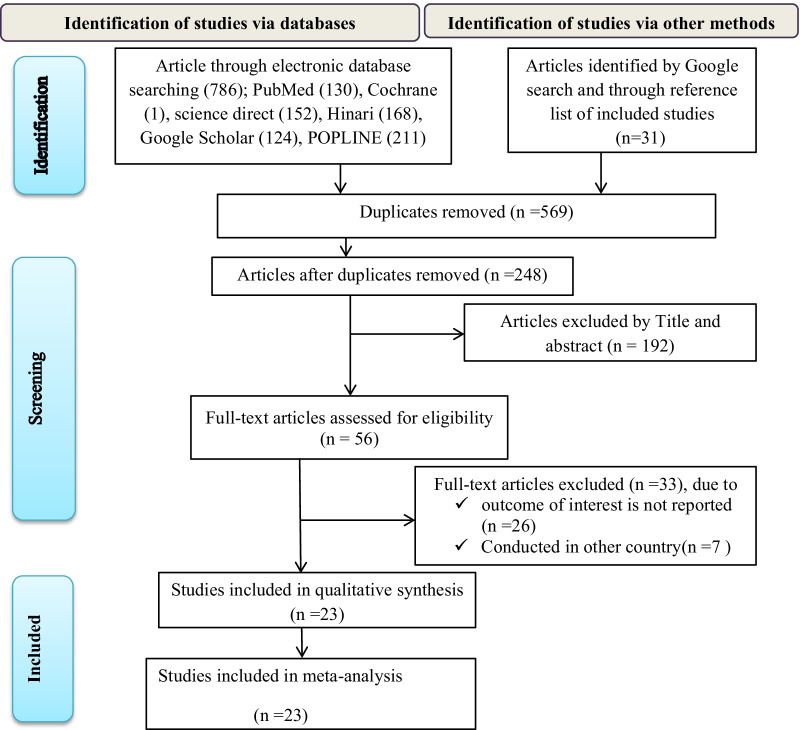
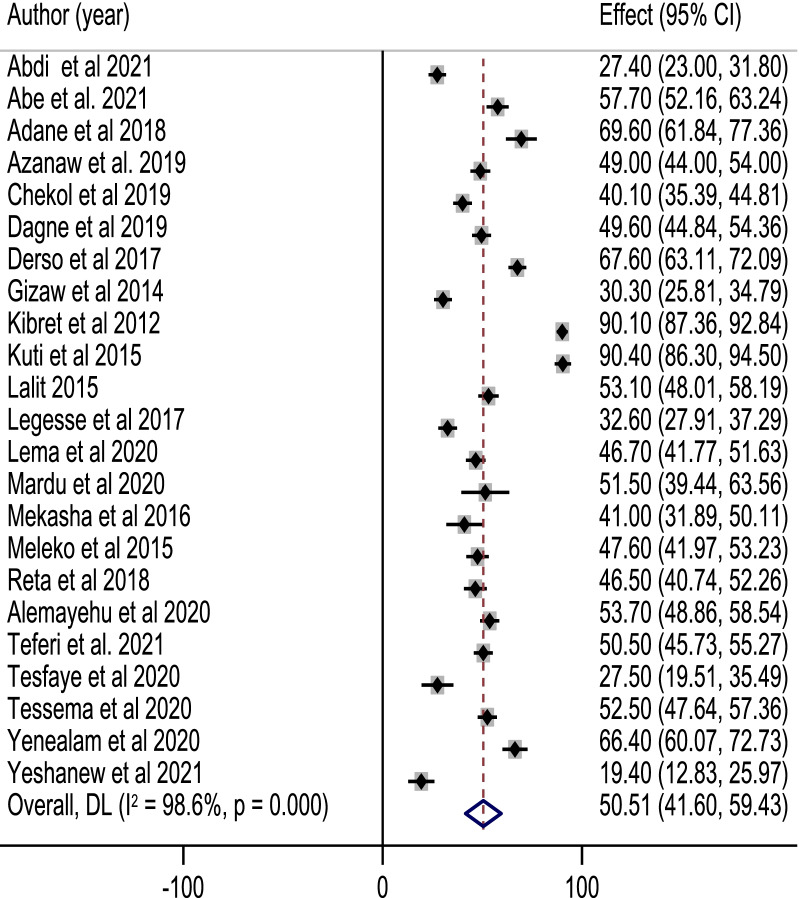
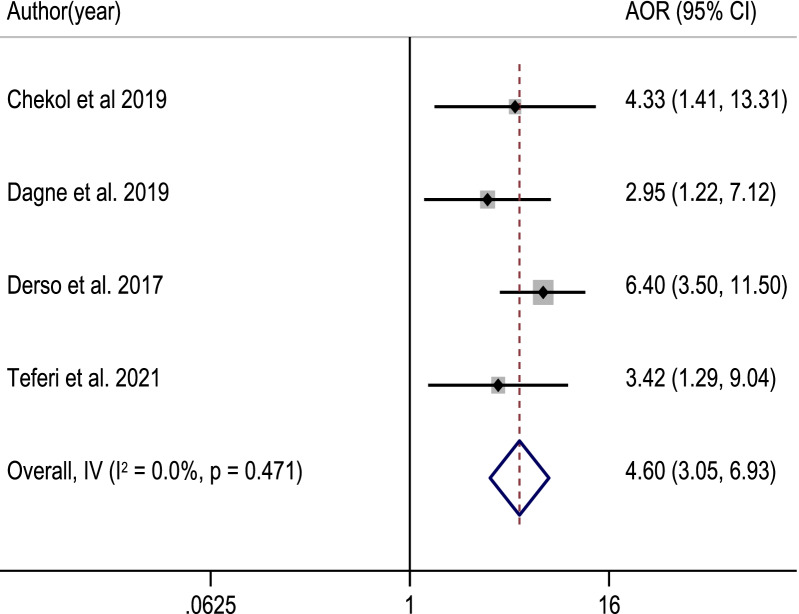
Background: Food-borne diseases are a major public health concern worldwide, particularly in low and middle-income countries (LMICs), such as Ethiopia. Poor food hygiene practices primarily exacerbate food-borne illness transmission. Prior studies on the food hygiene practices among food handlers in Ethiopia were inconsistent. Therefore, this meta-analysis and systematic review aimed to estimate the pooled proportion of good food hygiene practices and identify the determinants in Ethiopia. Methods: The preferred reporting items for systematic review and meta-analysis (PRISMA) instruments were used, and a systematic search was performed in the PubMed/MEDLINE, POPLINE, HINARI, Science Direct, Cochrane Library databases, and Google Scholar were systematically last searched on the 24th February 2022 for relevant articles. Only the observational studies that reported the proportion of good food hygiene practices and their associated factors among food handlers were included. The quality of the included studies was assessed by two independent authors. Articles with unclear methodologies and did not report the overall proportions of good food hygiene practice were excluded. The effect estimates for pooled proportion and pooled odds ratio (POR) along with a 95% confidence interval (CI) were determined conducting using DerSimonian–Laird's random effect model. Results: Among 817 retrieved studies, 23 eligible articles with a total sample size of 7153 study participants were included in the meta-analysis. The pooled proportion of good food hygiene practices among food handlers was 50.5% [95% CI: (41.6, 59.4%]; I2 = 98.7%, p value = 0.001]. Food handlers with formal education (POR = 4.60, 95% CI: 3.05, 6.93), good knowledge (POR = 1.98, 95% CI: 1.26, 3.11), training (POR = 3.52, 95% CI: 2.35, 5.28), and a positive attitude (POR = 3.41, 95% CI: 2.52, 4.61) about food hygiene components, as well as regular medical checkups (POR = 6.75, 95% CI: 4.49) were significantly associated with good food hygiene practice. Conclusions: Only half of Ethiopia's food handlers had good food hygiene practice. Implication of the study: The key elements of effective food hygiene practice that will aid in the development of feasible interventions to increase food handler compliance with food hygiene components have been identified.
Overview
The claims and statistics of this paper haven’t been checked yet.
Free: it reads the open-access text and checks the first 5 claims that cite a source we can check. Create a free account to check every claim.
Integrity signals
Registry
Cites
Statistics
Figures
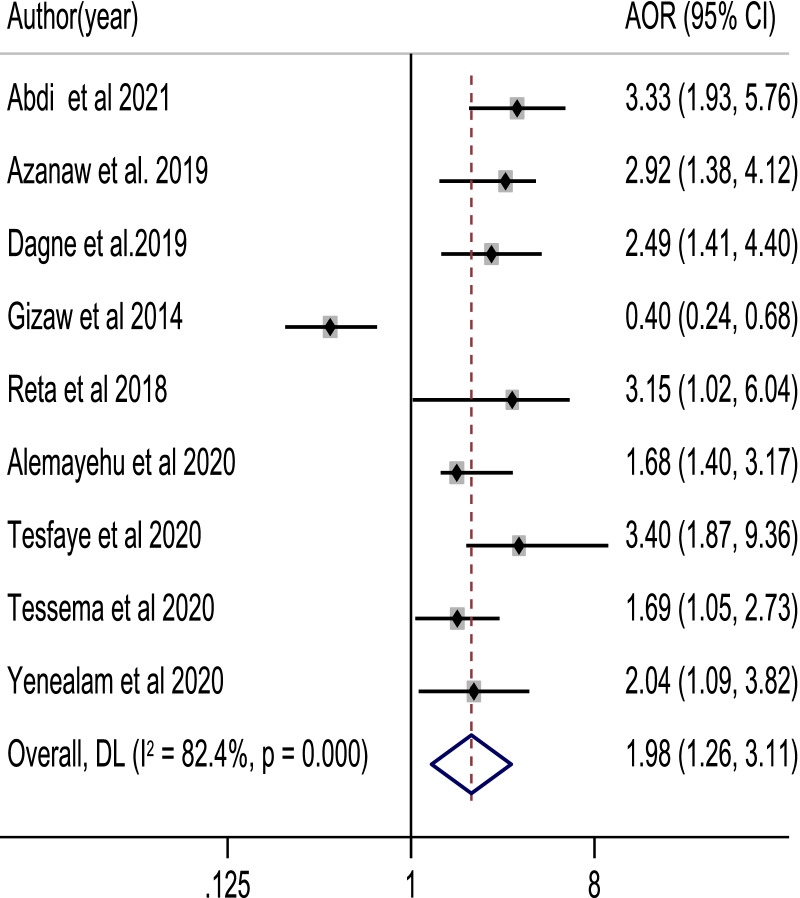
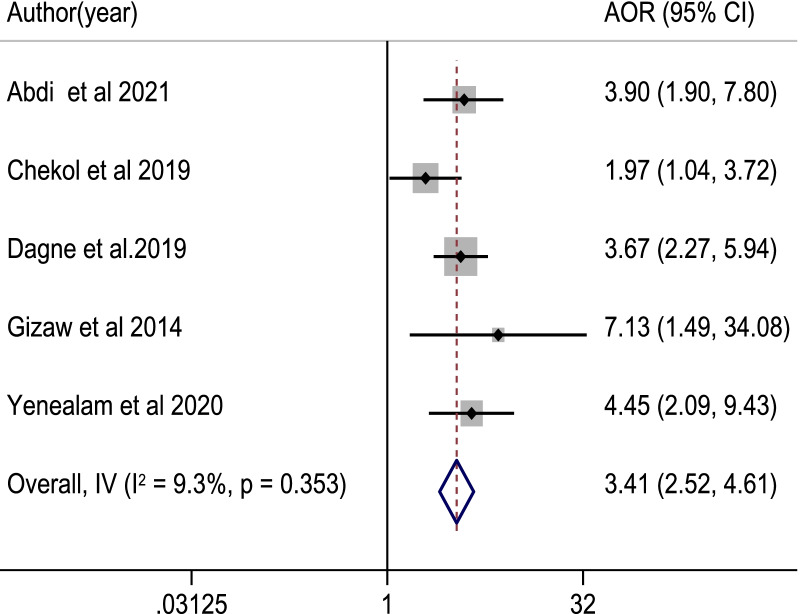
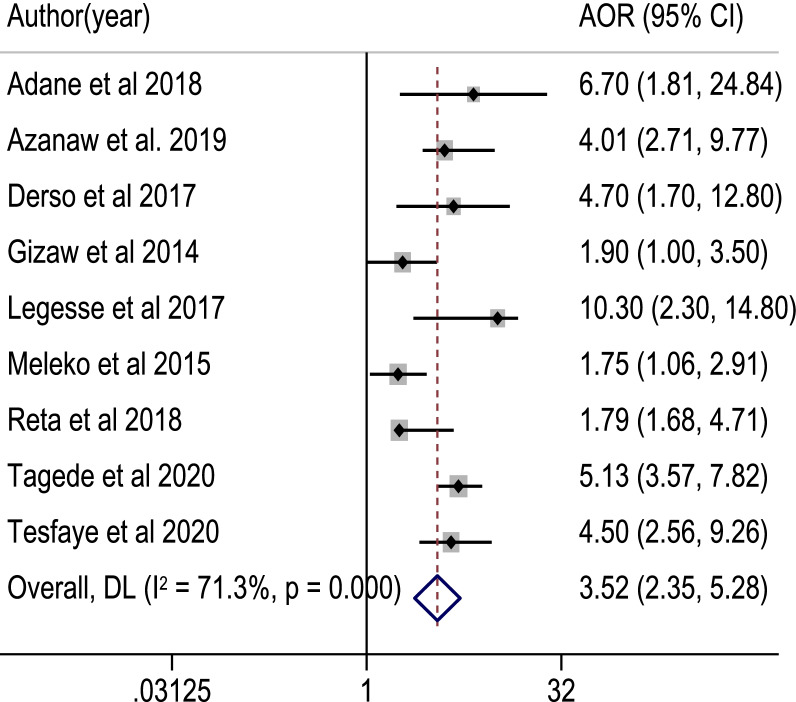
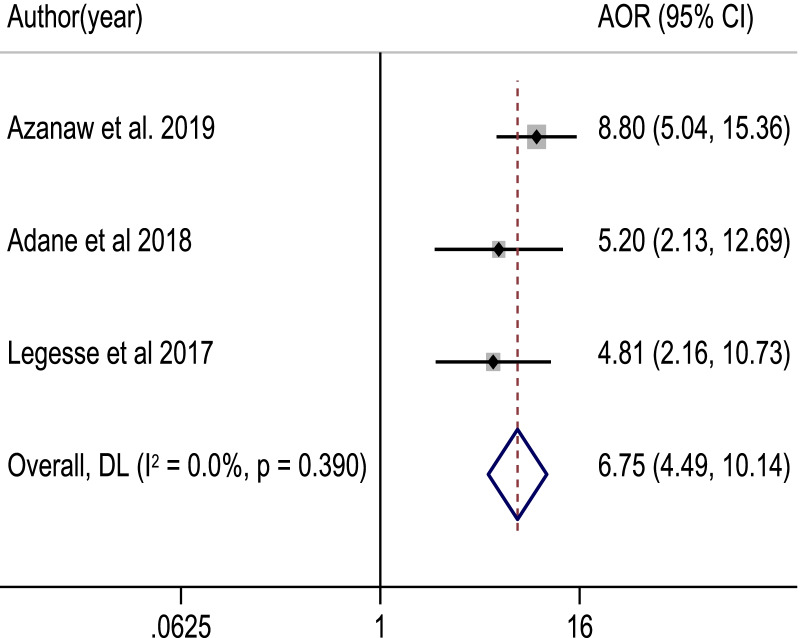
Verification
Claims the paper makes
The claims and statistics of this paper haven’t been checked yet.
Free: it reads the open-access text and checks the first 5 claims that cite a source we can check. Create a free account to check every claim.
Claims other papers make about this one
Each is checked against this paper’s own text: does it say what the citing paper says it does?
The source backs part of the claim, not all of it — or backs it for a different population, condition or comparison.
In the citing paper
“According to studies, food handlers who receive frequent training, have formal education, and possess a solid understanding of food hygiene are more likely to follow the correct food safety practices [11].”
From A systematic review and meta-analysis of household food safety and hygiene practices and their determinants in Africa (2025) · cites this paper as [11]
Experimental — accuracy not yet measured
Self-check
Percentages, sums and reported differences re-computed from the paper’s own numbers.
The self-check needs the paper’s full text.
Citations
Cites
The Cochrane Collaboration's tool for assessing risk of bias in randomised trials
Higgins, J. P. T., Altman, D. G., Gotzsche, P. C., Juni, P., Moher, D., Oxman, A. D., Savovic, J., Schulz, K. F., Weeks, L., Sterne, J. A. C., et al. (2011) · BMJ · doi:10.1136/bmj.d5928 · Cited by 33,817
Dermyshi, E., Wang, Y., Yan, C., Hong, W., Qiu, G., Gong, X., & Zhang, T. (2017) · Neonatology · doi:10.1159/000454668 · Cited by 24,451
Havelaar, A. H., Kirk, M. D., Torgerson, P. R., Gibb, H. J., Hald, T., Lake, R. J., Praet, N., Bellinger, D. C., de Silva, N. R., Gargouri, N., et al. (2015) · PLoS Medicine · doi:10.1371/journal.pmed.1001923 · Cited by 2,067
Methodological guidance for the conduct of mixed methods systematic reviews
Stern, C., Lizarondo, L., Carrier, J., Godfrey, C., Rieger, K., Salmond, S., Apóstolo, J., Kirkpatrick, P., & Loveday, H. (2020) · JBI Evidence Synthesis · doi:10.11124/jbisrir-d-19-00169 · Cited by 700 · cited 1×
“Data extraction was performed using the JBI data extraction format [39, 40].”
MethodCallejón, R. M., Rodríguez-Naranjo, M. I., Ubeda, C., Hornedo-Ortega, R., Garcia-Parrilla, M. C., & Troncoso, A. M. (2015) · Foodborne Pathogens and Disease · doi:10.1089/fpd.2014.1821 · Cited by 636 · cited 1×
“According to the World Health Organization, food borne diseases affect up to 30% of the population in rich nations each year, while up to 2 million people die in low- and middle-income countries (LMICs) [5, 7, 8].”
BackgroundFood Safety in Low and Middle Income Countries
Grace, D. (2015) · International Journal of Environmental Research and Public Health · doi:10.3390/ijerph120910490 · Cited by 544 · cited 1×
“Diarrheal diseases, mostly caused by microbial infections found in food or water, continue to be the major cause of illness and death globally [5, 6].”
BackgroundA review of food safety and food hygiene training studies in the commercial sector
Egan, M. B., Raats, M. M., Grubb, S. M., Eves, A., Lumbers, M. L., Dean, M. S., & Adams, M. R. (2007) · Food Control · doi:10.1016/j.foodcont.2006.08.001 · Cited by 321
Knowledge, attitudes and practices of food handlers in food safety: An integrative review
Zanin, L. M., da Cunha, D. T., de Rosso, V. V., Capriles, V. D., & Stedefeldt, E. (2017) · Food Research International · doi:10.1016/j.foodres.2017.07.042 · Cited by 296 · cited 2×
“This finding of good knowledge levels among food handlers to have good hygiene practices was supported by research from Ethiopia [70], Brazil [24], and in the British [71].”
Resultda Cunha, D. T., Stedefeldt, E., & de Rosso, V. V. (2014) · Food Control · doi:10.1016/j.foodcont.2014.03.012 · Cited by 233
Al-Shabib, N. A., Mosilhey, S. H., & Husain, F. M. (2016) · Food Control · doi:10.1016/j.foodcont.2015.05.002 · Cited by 216
Lee, H., Abdul Halim, H., Thong, K., & Chai, L. (2017) · International Journal of Environmental Research and Public Health · doi:10.3390/ijerph14010055 · Cited by 211 · cited 1×
“Another explanation for this finding is that food handlers may not have consistently followed all food safety/hygiene guidelines, such as personal hygiene, utensil cleaning, and sanitization, adequate cooking, avoiding cross-contamination, storing foods at appropriate temperatures, and avoiding food from potentially u…”
BackgroundMcIntyre, L., Vallaster, L., Wilcott, L., Henderson, S. B., & Kosatsky, T. (2013) · Food Control · doi:10.1016/j.foodcont.2012.06.034 · Cited by 198 · cited 1×
“This finding of good knowledge levels among food handlers to have good hygiene practices was supported by research from Ethiopia [70], Brazil [24], and in the British [71].”
ResultKibret, M., & Abera, B. (2012) · PubMed Central · Cited by 193
General outbreaks of infectious intestinal disease in England and Wales: 1995 and 1996.
Evans, H. S., Madden, P., Douglas, C., Adak, G. K., O’Brien, S. J., Djuretic, T., Wall, P. G., & Stanwell-Smith, R. (1998) · PubMed · Cited by 190
Evaluation of the food safety training for food handlers in restaurant operations
Park, S.-H., Kwak, T.-K., & Chang, H.-J. (2010) · Nutrition Research and Practice · doi:10.4162/nrp.2010.4.1.58 · Cited by 168 · cited 1×
“Studies conducted in Bangladesh [66], Saudi Arabia [67], Korea [68], and Brazil [62] support that food handlers who had received training were more likely to follow good food hygiene practices.”
BackgroundSoares, L. S., Almeida, R. C. C., Cerqueira, E. S., Carvalho, J. S., & Nunes, I. L. (2012) · Food Control · doi:10.1016/j.foodcont.2012.03.016 · Cited by 166
Wegayehu, T., Tsalla, T., Seifu, B., & Teklu, T. (2013) · BMC Public Health · doi:10.1186/1471-2458-13-151 · Cited by 159
Medeiros, C. O., Cavalli, S. B., Salay, E., & Proença, R. P. D. C. (2011) · Food Control · doi:10.1016/j.foodcont.2011.02.008 · Cited by 158
Evaluation of Food Safety Education for Consumers
Medeiros, L. C., Hillers, V. N., Kendall, P. A., & Mason, A. C. (2001) · Journal of Nutrition Education · doi:10.1016/s1499-4046(06)60067-5 · Cited by 154 · cited 3×
“This finding of good knowledge levels among food handlers to have good hygiene practices was supported by research from Ethiopia [70], Brazil [24], and in the British [71].”
BackgroundTessema, A. G., Gelaye, K. A., & Chercos, D. H. (2014) · BMC Public Health · doi:10.1186/1471-2458-14-571 · Cited by 137 · cited 1×
“2020[55] Amhara Census Wearing protective cloth, utensil and hand hygiene 94.”
BackgroundEpidemiology of restaurant-associated foodborne disease outbreaks, United States, 1998–2013
ANGELO, K. M., NISLER, A. L., HALL, A. J., BROWN, L. G., & GOULD, L. H. (2017) · Epidemiology and Infection · doi:10.1017/s0950268816002314 · Cited by 136 · cited 1×
“One of the most common causes of foodborne disease outbreaks, ranging from diarrhea to cancer is mainly due to improper food handling and hygiene standards [4, 5].”
BackgroundFoodborne diseases in Malaysia: A review
Soon, J. M., Singh, H., & Baines, R. N. (2010) · Food Control · doi:10.1016/j.foodcont.2010.12.011 · Cited by 133 · cited 1×
“Although improper food handling techniques are the root cause of the vast majority of foodborne diseases [23, 60], barely half of the Ethiopian food handlers adopt good food hygiene.”
BackgroundDagnew, M., Tiruneh, M., Moges, F., & Tekeste, Z. (2012) · BMC Public Health · doi:10.1186/1471-2458-12-837 · Cited by 129 · cited 1×
“Discussion Food contamination and outbreaks of food borne diseases are largely determined by food handlers’ understanding and food hygiene practice, particularly in LMICs, such as Ethiopia, where food hygiene regulations are negligent [58, 59].”
BackgroundAdane, M., Teka, B., Gismu, Y., Halefom, G., & Ademe, M. (2018) · PLOS ONE · doi:10.1371/journal.pone.0196919 · Cited by 112 · cited 4×
“…and water hygiene 99 305 57.7 (52.2, 63.2) 3 Meleko et al. 2015 [50] Addis Ababa Census Personal/Hand and Utensil hygiene 100 302 47.6 (46.7, 48.5 4 Adane et al. 2018 [42] Amhara Systematic sampling Hand and utensils hygiene 100 135 69.6 (68.4, 70.7) 5 Azanaw et al. 2019 [38] Amhara Simple random…”
BackgroundMethodInfluentialAzanaw, J., Gebrehiwot, M., & Dagne, H. (2019) · BMC Research Notes · doi:10.1186/s13104-019-4702-5 · Cited by 107 · cited 5×
“On the other hand, three studies [38, 42, 46] were used to determine the association between good food hygiene practice and receiving routine medical checkups.”
BackgroundMethodInfluentialBacteriological and Parasitological Assessment of Food Handlers in the Omdurman Area of Sudan
Saeed, H. A., & Hamid, H. H. (2010) · Journal of Microbiology Immunology and Infection · doi:10.1016/s1684-1182(10)60010-2 · Cited by 105
Public health implications of microbial food safety and foodborne diseases in developing countries
Odeyemi, O. A. (2016) · Food & Nutrition Research · doi:10.3402/fnr.v60.29819 · Cited by 99 · cited 1×
“Discussion Food contamination and outbreaks of food borne diseases are largely determined by food handlers’ understanding and food hygiene practice, particularly in LMICs, such as Ethiopia, where food hygiene regulations are negligent [58, 59].”
BackgroundPrevalence of intestinal parasites and bacteria among food handlers in a tertiary care hospital
Farooq, M., Zaglool, D., Khodari, Y., & Othman, R. A. M. (2011) · Nigerian Medical Journal · doi:10.4103/0300-1652.93802 · Cited by 92
The hygiene training of food handlers at a teaching hospital
Acikel, C. H., Ogur, R., Yaren, H., Gocgeldi, E., Ucar, M., & Kir, T. (2008) · Food Control · doi:10.1016/j.foodcont.2007.03.008 · Cited by 89 · cited 1×
“This variation could be explained as adequate knowledge is important and putting that knowledge into practice is even more imperative [69].”
BackgroundYenealem, D. G., Yallew, W. W., & Abdulmajid, S. (2020) · Journal of Environmental and Public Health · doi:10.1155/2020/7421745 · Cited by 87 · cited 2×
“Similarly, five studies [37, 41, 43, 52, 53] examined the association between a positive attitude and good food hygiene practice.”
BackgroundChekol, F. A., Melak, M. F., Belew, A. K., & Zeleke, E. G. (2019) · BMC Research Notes · doi:10.1186/s13104-019-4047-0 · Cited by 83 · cited 5×
“Similarly, five studies [37, 41, 43, 52, 53] examined the association between a positive attitude and good food hygiene practice.”
BackgroundInfluentialAlemayehu, T., Aderaw, Z., Giza, M., & Diress, G. (2021) · Risk Management and Healthcare Policy · doi:10.2147/rmhp.s295974 · Cited by 83 · cited 2×
“2020 [54] Amhara Simple random sampling Wearing protective cloth, utensil hygiene and finger nail trimming 100 408 53.”
BackgroundMethodTemesgen, T. T., & Mebrie, G. (2014) · PLoS ONE · doi:10.1371/journal.pone.0110621 · Cited by 81
Amer, O. H., Ashankyty, I., & Haouas, N. (2015) · Asian Pacific Journal of Tropical Medicine · doi:10.1016/j.apjtm.2015.12.009 · Cited by 80 · cited 1×
“Studies conducted in Bangladesh [66], Saudi Arabia [67], Korea [68], and Brazil [62] support that food handlers who had received training were more likely to follow good food hygiene practices.”
BackgroundMudey, A. B., Kesharwani, N., Mudey, G. A., Goyal, R. C., Dawale, A. K., & Wagh, V. V. (2010) · Global Journal of Health Science · doi:10.5539/gjhs.v2n2p198 · Cited by 78 · cited 1×
“According to the World Health Organization, food borne diseases affect up to 30% of the population in rich nations each year, while up to 2 million people die in low- and middle-income countries (LMICs) [5, 7, 8].”
BackgroundAbdi, A. M., Amano, A., Abrahim, A., Getahun, M., Ababor, S., & Kumie, A. (2020) · Risk Management and Healthcare Policy · doi:10.2147/rmhp.s266342 · Cited by 70
Dagne, H., Raju, R. P., Andualem, Z., Hagos, T., & Addis, K. (2019) · BioMed Research International · doi:10.1155/2019/1549131 · Cited by 63 · cited 4×
“…Utensil cleanliness 100 384 49.0 (48.2, 49.8) 6 Chekol et al. 2019 [37] Amhara Simple random sampling not reported 98.6 416 40.1 (39.4, 40.9) 7 Dagne et al. 2019 [43] Amhara Simple random sampling Wearing protective cloth, clean and sanitize working service, finger nail trimming, utensil and…”
BackgroundInfluentialHanson, L. A., Zahn, E. A., Wild, S. R., Döpfer, D., Scott, J., & Stein, C. (2012) · Population Health Metrics · doi:10.1186/1478-7954-10-5 · Cited by 58 · cited 1×
“Therefore, it signifies that food handlers with a positive attitude toward food hygiene practices exhibit positive behaviors [9, 72].”
BackgroundGood hygiene practices among meat handlers in small and medium enterprise slaughterhouses in Kenya
Wambui, J., Karuri, E. G., Lamuka, P., & Matofari, J. W. (2017) · Food Control · doi:10.1016/j.foodcont.2017.05.036 · Cited by 56
Lema, K., Abuhay, N., Kindie, W., Dagne, H., & Guadu, T. (2020) · International Journal of General Medicine · doi:10.2147/ijgm.s262767 · Cited by 56
Gezehegn, D., Abay, M., Tetemke, D., Zelalem, H., Teklay, H., Baraki, Z., & Medhin, G. (2017) · BMC Public Health · doi:10.1186/s12889-017-4831-5 · Cited by 54
Teferi, S. C., Sebsibe, I., & Adibaru, B. (2021) · Journal of Environmental and Public Health · doi:10.1155/2021/6158769 · Cited by 54 · cited 3×
“…et al. 2020 [54] Amhara Simple random sampling Wearing protective cloth, utensil hygiene and finger nail trimming 100 408 53.7 (52.9, 54.5) 14 Teferi et al. 2021[57] Oromia Simple random sampling not reported 100 422 50.5 (45.7, 55.3) 15 Tessema et al. 2020[55] Amhara Census Wearing…”
BackgroundInfluentialHealth needs and health-care-seeking behaviour of street-dwellers in Dhaka, Bangladesh
Uddin, M. J., Koehlmoos, T. P., Ashraf, A., Khan, A. I., Saha, N. C., & Hossain, M. B. (2009) · Health Policy and Planning · doi:10.1093/heapol/czp022 · Cited by 44 · cited 1×
“Studies conducted in Bangladesh [66], Saudi Arabia [67], Korea [68], and Brazil [62] support that food handlers who had received training were more likely to follow good food hygiene practices.”
BackgroundDerso, T., Tariku, A., Yehualashet, F. A., ALEMNEW, M., Biks, G. A., & Nega, A. (2017) · BMC Research Notes · doi:10.1186/s13104-017-2965-2 · Cited by 39 · cited 1×
“…sampling Wearing protective cloth, clean and sanitize working service, finger nail trimming, utensil and hand hygiene 100 423 49.6 (48.8, 50.4) 8 Derso et al. 2017 [44] Amhara Simple random sampling Personal, Hand and Utensil hygiene 98.8 417 67.6 (66.9, 68.3) 9 Gizaw et al. 2014 [53] Amhara…”
BackgroundInfluentialReta, M. A., Lemma, M. T., Gemeda, A. A., & Lemlem, G. A. (2021) · Pan African Medical Journal · doi:10.11604/pamj.2021.40.128.19757 · Cited by 34
Fasanmi, O. G., Makinde, G. E. O., Popoola, M. A., Fasina, F. O., Matere, J., Kehinde, O. O., Balogun, F. A., & Ogundare, S. T. (2018) · International Journal of Livestock Production · doi:10.5897/ijlp2018.0491 · Cited by 30
Food Safety Knowledge and Self-Reported Practices of Food Handlers in Jamaica
Thelwell-Reid, M. A. (2014) · ScholarWorks (Walden University) · Cited by 25
Takalkar, A., Madhekar, N., Kumavat, A. P., & Bhayya, S. (2010) · Indian Journal of Public Health · doi:10.4103/0019-557x.70557 · Cited by 20 · cited 1×
“In locations, where personal hygiene and environmental sanitation are lacking, parasitic diseases remain a serious public health concern [10, 21, 22].”
BackgroundMendedo, E. K., Berhane, Y., & Haile, B. T. (2017) · Pan African Medical Journal · doi:10.11604/pamj.2017.28.237.13734 · Cited by 20 · cited 1×
“In locations, where personal hygiene and environmental sanitation are lacking, parasitic diseases remain a serious public health concern [10, 21, 22].”
BackgroundYeshanew, S., Tadege, M., & Abamecha, A. (2021) · Journal of Tropical Medicine · doi:10.1155/2021/6669734 · Cited by 20 · cited 2×
“…67.4) 17 Kuti et al. 2015 [35] Oromia Census Wearing protective cloth, utensil and hand hygiene, finger nail trimming, 98 198 90.4 (89.8, 91.0) 18 Yeshanew et al. 2021 [33] Oromia Simple random sampling Wearing protective cloth, utensil and hand hygiene 100 139 19.4 (18.4, 20.4) 19 Mekasha et…”
BackgroundInfluentialSurvey of food handlers in bukas (a type of local restaurant) in Lagos, Nigeria about typhoid fever
Smith, S. I., Agomo, C. O., Bamidele, M., Opere, B. O., & Aboaba, O. O. (2010) · Health · doi:10.4236/health.2010.28141 · Cited by 18
Mardu, F., Negash, H., Legese, H., Berhe, B., Tesfay, K., Haileslasie, H., Tesfanchal, B., Gebremichail, G., Belay, G., & Gebremedhin, H. (2020) · PLoS ONE · doi:10.1371/journal.pone.0241145 · Cited by 17 · cited 1×
“%) sample size The proportion of good food hygiene practice with 95% 21 Mardu et al. 2020 [48] Tigray Census Environmental and hand hygiene 100 66 51.5 (50.0, 53.0) 22 Legesse et al. 2017 [46] SNNPR Simple random sampling wearing protective cloth, utensil and finger nail trimming, hand hygiene 98.9…”
BackgroundInfluentialTrigunarso, S. I. (2020) · Jurnal Kesehatan · doi:10.26630/jk.v11i1.1739 · Cited by 14 · cited 1×
“Although improper food handling techniques are the root cause of the vast majority of foodborne diseases [23, 60], barely half of the Ethiopian food handlers adopt good food hygiene.”
BackgroundKuti, K. A., Nuri, R. A., Morka, G., Kerbo, A. A., & Esmael, A. (2020) · Interdisciplinary Perspectives on Infectious Diseases · doi:10.1155/2020/9321348 · Cited by 12
Reta, M. A., Lemma, M. T., Adere, A., et al. (2020) · Research Square · doi:10.21203/rs.2.16634/v2 · Cited by 3
Research works printed but not linked: 15
- Biran A Curtis V Gautam OP Greenland K Islam MS Schmidt WP Sijbesma C Sumpter C Torondel B Background paper on measuring WASH and food hygiene practices–definition of goals to be tackled post-2015 by the Joint Monitoring Programme London Sch Hyg Trop Med 2012 2012 81
- Ayana Z Yohannis M Abera Z Food-borne bacterial diseases in Ethiopia Acad J Nutr 2015 4 1 62 76
- Kassani A Shaterian M Sharifirad G Menatid R Abbastabar H Ebrahimipour M The prevalence of some intestinal parasites in food-handlers of Asian and African countries: a meta-analysis Arch Hyg Sci 2015 4 1 49 56
- Wadilo F Solomon F Arota A Abraham Y Intestinal parasitic infection and associated factors among food handlers in South Ethiopia: a case of Wolaita Sodo town J Pharm Altern Med 2016 12 5 10
- Motarjemi Y Lelieveld H Food safety management: a practical guide for the food industry 2013 Cambridge Academic Press
- Lee HK Abdul Halim H Thong KL Chai LC Assessment of food safety knowledge, attitude, self-reported practices, and microbiological hand hygiene of food handlers Int J Environ Res Public Health 2017 14 1 14
- Tesfaye A Tegene Y Assessment of food hygiene and safety practices among street food vendors and its associated factors in urban areas of Shashemane, West Arsi Zone, Oromia Ethiopia, 2019 J Biomed Res Environ Sci 2020 6 2 001 5
- Lalit I, Brkti G, Dejen Y. Magnitude of hygienic practices and its associated factors of food handlers working in selected food and drinking establishments in Mekelle town, northern Ethiopia. Int Food Res J. 2015;22(6):2650–6.
- Legesse D Tilahun M Agedew E Haftu D Food handling practices and associated factors among food handlers in arba Minch town public food establishments in Gamo Gofa Zone, Southern Ethiopia Epidemiology (Sunnyvale) 2017 7 302 2161 1165
- Mekasha T Neela S Kumela D Food safety knowledge, practice and attitude of food handlers in traditional hotels of Jimma Town, Southern Ethiopia Annals Food Science and Technology 2016 17 2 507 517
- Meleko A Henok A Tefera W Lamaro T Assessment of the sanitary conditions of catering establishments and food safety knowledge and practices of food handlers in Addis Ababa University Students’ Cafeteria Science 2015 3 5 733 743
- Gizaw Z Gebrehiwot M Teka Z Food safety practice and associated factors of food handlers working in substandard food establishments in Gondar Town Northwest Ethiopia Int J Food Sci Nutr Diet 2014 3 7 138 146
- Abe S Arero G Food handler’s safety practices and related factors in the public food establishments in Batu Town, Central Oromia, Ethiopia Health 2021 2 1 1 8
- Teferi SC A review on food hygiene knowledge, practice and food safety in Ethiopia Sci J Food Sci Nutr 2020 5 1 023 29
- Lestantyo D Husodo AH Iravati S Shaluhiyah Z Safe food handling knowledge, attitude and practice of food handlers in the hospital kitchen Int J Public Health Sci 2017 6 4 324 330
Cited by
Desye, B., Tesfaye, A. H., Daba, C., & Berihun, G. (2023) · PLoS ONE · doi:10.1371/journal.pone.0287996 · Cited by 76
“This finding is supported by studies conducted in Ghana and Ethiopia, which suggested that the provisions of training positively influence the hygienic practices of street food vendors [19, 22, 23, 38].”
ResultFekadu, Y., Kinde, M. Z., Dagnaw, G. G., Dessalegn, B., Dejene, H., & Gessese, A. T. (2024) · BioMed Research International · doi:10.1155/2024/2675894 · Cited by 50
“According to [26], a pooled proportion of good food hygiene practices among food handlers in Ethiopia was 50.5% from studies conducted until February 24, 2022.”
BackgroundInfluentialThe Rise of Non-typhoidal Salmonella Infections in India: Causes, Symptoms, and Prevention
Dudhane, R. A., Bankar, N. J., Shelke, Y. P., & Badge, A. K. (2023) · Cureus · doi:10.7759/cureus.46699 · Cited by 35
“Inadequate food safety standards and oversight, poor sanitation and hygiene practices, and others all contribute to the spread of the disease [4].”
BackgroundGebre, G. G., Legesse, T., & Fikadu, A. A. (2023) · Heliyon · doi:10.1016/j.heliyon.2023.e17301 · Cited by 21
Begum, M., Alam, M. J., Parikh, P., & Steur, H. D. (2024) · Food Control · doi:10.1016/j.foodcont.2024.111094 · Cited by 30
Metadata
- Authors
- Zenbaba, D., Sahiledengle, B., Nugusu, F., Beressa, G., Desta, F., Atlaw, D., & Chattu, V. K.
- Affiliations
- Madda Walabu University (ET)
- Datta Meghe Institute of Higher Education and Research (IN)
- Corresponding author
- Zenbaba, Demisu
- ORCID
- Venue
- Tropical Medicine and Health
- Published
- 2022-05-19
- Volume
- 50
- Issue
- 1
- Pages
- 34-34
- ISSN
- 1348-8945 (ISSN-L)
- 1349-4147
- PMC
- PMC9118835
- OpenAlex
- W4280503060
- Cited by
- 46
- References
- 55
- Citations by year
- 2026: 7 · 2025: 14 · 2024: 10 · 2023: 14 · 2022: 1
- FWCI
- 0.89
- Type
- journal article
- Language
- en
- Open access
- gold
- doi.org
- Licence
- cc-by
- creativecommons.org/licenses/by/4.0 (tdm)
- creativecommons.org/licenses/by/4.0 (vor)
- Locations
- Tropical Medicine and Health (publishedVersion, cc-by)
- PubMed Central (publishedVersion, cc-by)
- PubMed (publishedVersion)
- DOAJ (DOAJ: Directory of Open Access Journals) (submittedVersion)
- Topics
- Life Sciences › Agricultural and Biological Sciences › Food Science › Food Safety and Hygiene
- Life Sciences › Agricultural and Biological Sciences › Food Science › Salmonella and Campylobacter epidemiology
- Health Sciences › Nursing › Nutrition and Dietetics › Nutrition, Health and Food Behavior
- Keywords
- food hygiene practices, food handlers, food poisoning, food handler training, food handler knowledge, formal education, medical check-ups, Ethiopia
About these checks
Registry, retraction, Cites and statistics results are computed, not judged, with one exception: a printed reference that no index lists is read once by a model before it counts as a citation error. Claims are extracted by a model and kept only when their quote appears verbatim in the text; each cited source is then checked, with a model’s help, for whether it says what the claim relies on. Those verdicts can be wrong — read the claim’s quote and the cited source before relying on one.
Statistics and arithmetic are recomputed, not judged.
Confidence bands are shown only for fields calibrated on our annotated test set. None is calibrated yet, so no band is shown.
What counts as a claim ›How we measure confidence ›How we check this ›
Are you an author, or do you see a problem with this page? Request a review
Data sources
Bibliographic data: Semantic Scholar, OpenAlex, Crossref.
Contains information from the Semantic Scholar Academic Graph Datasets, made available under the ODC Attribution License (ODC-BY 1.0).
Semantic Scholar’s data is described in: Kinney, R., et al. (2023). The Semantic Scholar Open Data Platform. arXiv:2301.10140.
