

The DOI matches its Crossref record; 20 of the 20 references it cites were found in a registry or an index.
Molecular mechanisms and therapeutic strategies in overcoming chemotherapy resistance in cancer
Abstract
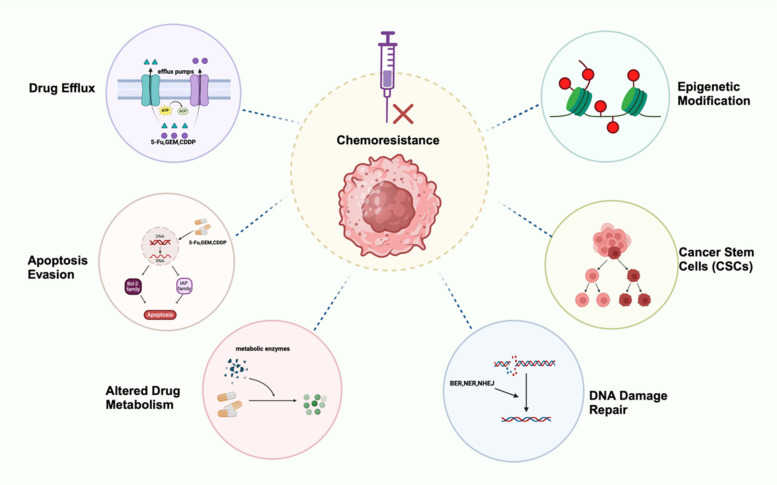
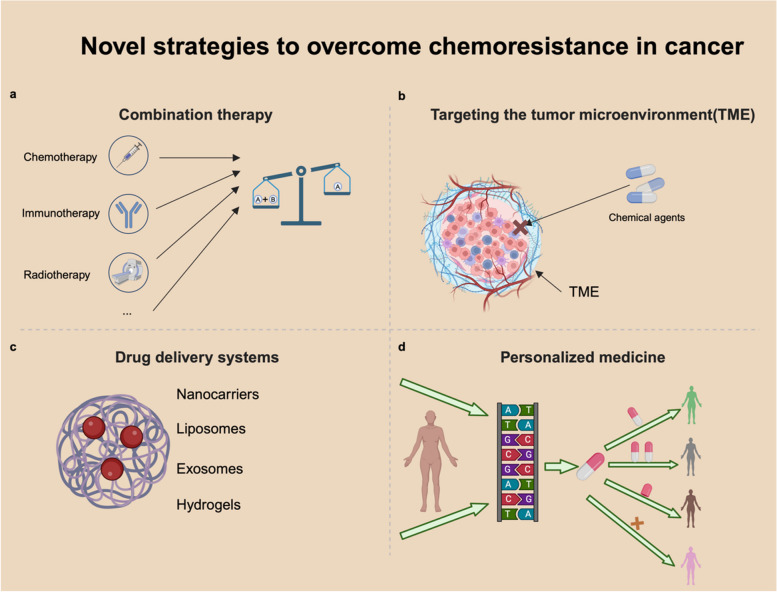
Cancer remains a leading cause of mortality globally and a major health burden, with chemotherapy often serving as the primary therapeutic option for patients with advanced-stage disease, partially compensating for the limitations of non-curative treatments. However, the emergence of chemotherapy resistance significantly limits its efficacy, posing a major clinical challenge. Moreover, heterogeneity of resistance mechanisms across cancer types complicates the development of universally effective diagnostic and therapeutic approaches. Understanding the molecular mechanisms of chemoresistance and identifying strategies to overcome it are current research focal points. This review provides a comprehensive analysis of the key molecular mechanisms underlying chemotherapy resistance, including drug efflux, enhanced DNA damage repair (DDR), apoptosis evasion, epigenetic modifications, altered intracellular drug metabolism, and the role of cancer stem cells (CSCs). We also examine specific causes of resistance in major cancer types and highlight various molecular targets involved in resistance. Finally, we discuss current strategies aiming at overcoming chemotherapy resistance, such as combination therapies, targeted treatments, and novel drug delivery systems, while proposing future directions for research in this evolving field. By addressing these molecular barriers, this review lays a foundation for the development of more effective cancer therapies aimed at mitigating chemotherapy resistance.
Overview
The claims and statistics of this paper haven’t been checked yet.
Run the check — free, no account needed. It reads the open-access text and checks the sources it cites.
Integrity signals
Registry
Cites
Statistics
Figures
Verification
Claims the paper makes
The claims and statistics of this paper haven’t been checked yet.
Run the check — free, no account needed. It reads the open-access text and checks the sources it cites.
Claims other papers make about this one
Each is checked against this paper’s own text: does it say what the citing paper says it does?
In the citing paper
“Resistance to chemotherapy, both intrinsic and acquired, is another major hurdle [17]. Tumor cells may develop mechanisms to pump out drugs (efflux), repair DNA damage, or activate survival pathways, making them less responsive to treatment [18].”
From Advances in green-synthesized magnetic nanoparticles for targeted cancer therapy: mechanisms, applications, and future perspectives (2026) · cites this paper as [17]
Self-check
Percentages, sums and reported differences re-computed from the paper’s own numbers.
The self-check needs the paper’s full text.
Citations
Cites
Sung, H., Ferlay, J., Siegel, R. L., Laversanne, M., Soerjomataram, I., Jemal, A., & Bray, F. (2021) · CA: A Cancer Journal for Clinicians · doi:10.3322/caac.21660 · Cited by 108,699
Bray, F., Laversanne, M., Sung, H., Ferlay, J., Siegel, R. L., Soerjomataram, I., & Jemal, A. (2024) · CA: a cancer journal for clinicians · doi:10.3322/caac.21834 · Cited by 27,064
Gefitinib or Carboplatin–Paclitaxel in Pulmonary Adenocarcinoma
Mok, T. S., Wu, Y.-L., Thongprasert, S., Yang, C.-H., Chu, D.-T., Saijo, N., Sunpaweravong, P., Han, B., Margono, B., Ichinose, Y., et al. (2009) · New England Journal of Medicine · doi:10.1056/nejmoa0810699 · Cited by 8,261
Pembrolizumab plus chemotherapy in metastatic non–small-cell lung cancer
Gandhi, L., Rodríguez-Abreu, D., Gadgeel, S., Esteban, E., Felip, E., De Angelis, F., Domine, M., Clingan, P., Hochmair, M. J., Powell, S. F., et al. (2018) · New England Journal of Medicine · doi:10.1056/nejmoa1801005 · Cited by 6,607
Wnt/β-catenin signaling and disease
Clevers, H., & Nusse, R. (2012) · Cell · doi:10.1016/j.cell.2012.05.012 · Cited by 5,554
Cunningham, D., Humblet, Y., Siena, S., Khayat, D., Bleiberg, H., Santoro, A., Bets, D., Mueser, M., Harstrick, A., Verslype, C., et al. (2004) · New England Journal of Medicine · doi:10.1056/nejmoa033025 · Cited by 5,035
Liposomal drug delivery systems: From concept to clinical applications
Allen, T. M., & Cullis, P. R. (2013) · Advanced Drug Delivery Reviews · doi:10.1016/j.addr.2012.09.037 · Cited by 4,839
Accessories to the Crime: Functions of Cells Recruited to the Tumor Microenvironment
Hanahan, D., & Coussens, L. M. (2012) · Cancer Cell · doi:10.1016/j.ccr.2012.02.022 · Cited by 4,632
The Clinical KRAS(G12C) Inhibitor AMG 510 Drives Anti-Tumour Immunity
Canon, J., Rex, K., Saiki, A. Y., Mohr, C., Cooke, K., Bagal, D., Gaida, K., Holt, T., Knutson, C. G., Koppada, N., et al. (2019) · Nature · doi:10.1038/s41586-019-1694-1 · Cited by 2,277
The clonal and mutational evolution spectrum of primary triple-negative breast cancers
Shah, S. P., Roth, A., Goya, R., Oloumi, A., Ha, G., Zhao, Y., Turashvili, G., Ding, J., Tse, K., Haffari, G., et al. (2012) · Nature · doi:10.1038/nature10933 · Cited by 1,967
Research works printed but not linked: 237
- Bray F, Laversanne M, Weiderpass E, Soerjomataram I. The ever-increasing importance of cancer as a leading cause of premature death worldwide. Cancer. 2021;127(16):3029–30. https://doi.org/10.1002/cncr.33587. · DOI
- Krell RW, Wei AC. Gallbladder cancer: surgical management. Chin Clin Oncol. 2019;8(4):36. https://doi.org/10.21037/cco.2019.06.06. · DOI
- Hickman L, Contreras C. Gallbladder Cancer: Diagnosis, Surgical Management, and Adjuvant Therapies. Surg Clin North Am. 2019;99(2):337–55. https://doi.org/10.1016/j.suc.2018.12.008. · DOI
- Vogel A, Bridgewater J, Edeline J, Kelley RK, Klümpen HJ, Malka D, et al. Biliary tract cancer: ESMO Clinical Practice Guideline for diagnosis, treatment and follow-up. Ann Oncol. 2023;34(2):127–40. https://doi.org/10.1016/j.annonc.2022.10.506. · DOI
- Luo D, Yang Y, Zhang R, Li Q, Li X. Effect of interval between neoadjuvant chemoradiotherapy and surgery on oncological outcomes in poor responders with locally advanced rectal cancer: a retrospective cohort study. Int J Surg. 2023;109(7):1993–2000. https://doi.org/10.1097/js9.0000000000000438. · DOI
- Zhuang Z, Yilihamu A, Li Z, Lei R, Li X, Han M et al. The Impact of Adjuvant Chemotherapy on the Long-Term Prognosis of Breast Malignant Phyllodes Tumors: A Propensity Score-Matched Study. J Natl Compr Canc Netw. 2024:1–7. https://doi.org/10.6004/jnccn.2024.7023. · DOI
- Noronha V, Patil VM, Menon N, Goud S, Singh A, Shah M, et al. Phase III randomized trial comparing palliative systemic therapy to best supportive care in advanced esophageal/GEJ cancer. Int J Cancer. 2024. https://doi.org/10.1002/ijc.35111. · DOI
- Yuan X, Guan D, Chen C, Guo S, Wu H, Bu H, et al. Development of an Imidazopyridazine-Based MNK1/2 Inhibitor for the Treatment of Lymphoma. J Med Chem. 2024;67(7):5437–57. https://doi.org/10.1021/acs.jmedchem.3c02008. · DOI
- Ramos A, Sadeghi S, Tabatabaeian H. Battling Chemoresistance in Cancer: Root Causes and Strategies to Uproot Them. Int J Mol Sci. 2021;22(17). https://doi.org/10.3390/ijms22179451. · DOI
- Lippert TH, Ruoff HJ, Volm M. Intrinsic and acquired drug resistance in malignant tumors. The main reason for therapeutic failure. Arzneimittelforschung. 2008;58(6):261–4. https://doi.org/10.1055/s-0031-1296504. · DOI
- Zheng HC. The molecular mechanisms of chemoresistance in cancers. Oncotarget. 2017;8(35):59950–64. https://doi.org/10.18632/oncotarget.19048. · DOI
- Pan ST, Li ZL, He ZX, Qiu JX, Zhou SF. Molecular mechanisms for tumour resistance to chemotherapy. Clin Exp Pharmacol Physiol. 2016;43(8):723–37. https://doi.org/10.1111/1440-1681.12581. · DOI
- Liu X. ABC Family Transporters. Adv Exp Med Biol. 2019;1141:13–100. https://doi.org/10.1007/978-981-13-7647-4_2. · DOI
- Lusvarghi S, Robey RW, Gottesman MM, Ambudkar SV. Multidrug transporters: recent insights from cryo-electron microscopy-derived atomic structures and animal models. F1000Res. 2020;9. https://doi.org/10.12688/f1000research.21295.1. · DOI
- Robey RW, Pluchino KM, Hall MD, Fojo AT, Bates SE, Gottesman MM. Revisiting the role of ABC transporters in multidrug-resistant cancer. Nat Rev Cancer. 2018;18(7):452–64. https://doi.org/10.1038/s41568-018-0005-8. · DOI · Paper page
- Morau MV, Seguin CS, Visacri MB, Pincinato EC, Moriel P. Genetic Variants in the ABCB1 and ABCG2 Gene Drug Transporters Involved in Gefitinib-Associated Adverse Reaction: A Systematic Review and Meta-Analysis. Genes (Basel). 2024;15(5). https://doi.org/10.3390/genes15050591. · DOI
- Li Q, Mou LJ, Tao L, Chen W, Sun XT, Xia XF, et al. Inhibition of mTOR suppresses human gallbladder carcinoma cell proliferation and enhances the cytotoxicity of 5-fluorouracil by downregulating MDR1 expression. Eur Rev Med Pharmacol Sci. 2016;20(9):1699–706.
- Wang H, Zhan M, Xu SW, Chen W, Long MM, Shi YH, et al. miR-218-5p restores sensitivity to gemcitabine through PRKCE/MDR1 axis in gallbladder cancer. Cell Death Dis. 2017;8(5): e2770. https://doi.org/10.1038/cddis.2017.178. · DOI
- Eisa A, Hanafy SM, Khalil H, Elshal MF. Sitagliptin synergizes 5-fluorouracil efficacy in colon cancer cells through MDR1-mediated flux impairment and down regulation of NFκB2 and p-AKT survival proteins. J Biochem Mol Toxicol. 2024;38(8): e23796. https://doi.org/10.1002/jbt.23796. · DOI
- Yang Z, Chen F, Wei D, Chen F, Jiang H, Qin S. EGR1 mediates MDR1 transcriptional activity regulating gemcitabine resistance in pancreatic cancer. BMC Cancer. 2024;24(1):268. https://doi.org/10.1186/s12885-024-12005-2. · DOI
- Zhan M, Wang H, Chen T, Chen W, Yang L, He M, et al. NOX1 mediates chemoresistance via HIF1α/MDR1 pathway in gallbladder cancer. Biochem Biophys Res Commun. 2015;468(1–2):79–85. https://doi.org/10.1016/j.bbrc.2015.10.161. · DOI
- Dong Q, Zhou C, Ren H, Zhang Z, Cheng F, Xiong Z, et al. Lactate-induced MRP1 expression contributes to metabolism-based etoposide resistance in non-small cell lung cancer cells. Cell Commun Signal. 2020;18(1):167. https://doi.org/10.1186/s12964-020-00653-3. · DOI
- Zhang X, Gu G, Song L, Wang D, Xu Y, Yang S, et al. ID4 Promotes Breast Cancer Chemotherapy Resistance via CBF1-MRP1 Pathway. J Cancer. 2020;11(13):3846–57. https://doi.org/10.7150/jca.31988. · DOI
- Zhan M, Zhao X, Wang H, Chen W, Xu S, Wang W, et al. miR-145 sensitizes gallbladder cancer to cisplatin by regulating multidrug resistance associated protein 1. Tumour Biol. 2016;37(8):10553–62. https://doi.org/10.1007/s13277-016-4957-6. · DOI
- Wang H, Li X, Chen T, Wang W, Liu Q, Li H, et al. Mechanisms of verapamil-enhanced chemosensitivity of gallbladder cancer cells to platinum drugs: glutathione reduction and MRP1 downregulation. Oncol Rep. 2013;29(2):676–84. https://doi.org/10.3892/or.2012.2156. · DOI
- Pote MS, Gacche RN. ATP-binding cassette efflux transporters and MDR in cancer. Drug Discov Today. 2023;28(5): 103537. https://doi.org/10.1016/j.drudis.2023.103537. · DOI
- Feng M, Fan X, Shi J, Shan S, Li S, He S, et al. Terpenoids from quinoa reverse drug resistance of colon cancer by upregulating miR-495-3p. J Sci Food Agric. 2024. https://doi.org/10.1002/jsfa.13718. · DOI
- Zhao CC, Sun X, Chen J, Geng BD. NAT10-mediated mRNA N4-acetylcytidine modification of MDR1 and BCRP promotes breast cancer progression. Thorac Cancer. 2024;15(10):820–9. https://doi.org/10.1111/1759-7714.15262. · DOI
- Uceda-Castro R, Margarido AS, Song JY, de Gooijer MC, Messal HA, Chambers CR, et al. BCRP drives intrinsic chemoresistance in chemotherapy-naïve breast cancer brain metastasis. Sci Adv. 2023;9(42):eabp9530. https://doi.org/10.1126/sciadv.abp9530. · DOI
- Kalayda GV, Wagner CH, Buss I, Reedijk J, Jaehde U. Altered localisation of the copper efflux transporters ATP7A and ATP7B associated with cisplatin resistance in human ovarian carcinoma cells. BMC Cancer. 2008;8:175. https://doi.org/10.1186/1471-2407-8-175. · DOI
- Xiao F, Li Y, Wan Y, Xue M. MircroRNA-139 sensitizes ovarian cancer cell to cisplatin-based chemotherapy through regulation of ATP7A/B. Cancer Chemother Pharmacol. 2018;81(5):935–47. https://doi.org/10.1007/s00280-018-3548-1. · DOI
- Federica G, Michela C, Giovanna D. Targeting the DNA damage response in cancer. MedComm. 2024;5(11):e788. https://doi.org/10.1002/mco2.788. · DOI
- Jeppesen DK, Bohr VA, Stevnsner T. DNA repair deficiency in neurodegeneration. Prog Neurobiol. 2011;94(2):166–200. https://doi.org/10.1016/j.pneurobio.2011.04.013. · DOI
- Vickridge E, Faraco CCF, Nepveu A. Base excision repair accessory factors in senescence avoidance and resistance to treatments. Cancer Drug Resist. 2022;5(3):703–20. https://doi.org/10.20517/cdr.2022.36. · DOI
- Chen X, Li WF, Wu X, Zhang HC, Chen L, Zhang PY, et al. Dicer regulates non-homologous end joining and is associated with chemosensitivity in colon cancer patients. Carcinogenesis. 2017;38(9):873–82. https://doi.org/10.1093/carcin/bgx059. · DOI
- Wei S, Han C, Mo S, Huang H, Luo X. Advancements in programmed cell death research in antitumor therapy: a comprehensive overview. Apoptosis. 2024. https://doi.org/10.1007/s10495-024-02038-0. · DOI
- Fang J, Ye Z, Gu F, Yan M, Lin Q, Lin J, et al. DUSP1 enhances the chemoresistance of gallbladder cancer via the modulation of the p38 pathway and DNA damage/repair system. Oncol Lett. 2018;16(2):1869–75. https://doi.org/10.3892/ol.2018.8822. · DOI
- Hanahan D, Weinberg RA. Hallmarks of cancer: the next generation. Cell. 2011;144(5):646–74. https://doi.org/10.1016/j.cell.2011.02.013. · DOI · Paper page
- Yamamoto K, Iwadate D, Naito E, Tateishi K, Fujishiro M. Autophagy as a critical driver of metabolic adaptation, therapeutic resistance, and immune evasion of cancer. Curr Opin Biotechnol. 2023;84: 103012. https://doi.org/10.1016/j.copbio.2023.103012. · DOI
- Pimentel JM, Zhou JY, Wu GS. Autophagy and cancer therapy. Cancer Lett. 2024;605: 217285. https://doi.org/10.1016/j.canlet.2024.217285. · DOI
- Xu Y, Yu H, Qin H, Kang J, Yu C, Zhong J, et al. Inhibition of autophagy enhances cisplatin cytotoxicity through endoplasmic reticulum stress in human cervical cancer cells. Cancer Lett. 2012;314(2):232–43. https://doi.org/10.1016/j.canlet.2011.09.034. · DOI
- Yang B, Li Y, Zhang R, Liu L, Miao H, Li Y, et al. MOB1A regulates glucose deprivation-induced autophagy via IL6-STAT3 pathway in gallbladder carcinoma. Am J Cancer Res. 2020;10(11):3896–910.
- Wang S, Feng W, Wang W, Ye X, Chen H, Yu C. Girdin Knockdown Increases Gemcitabine Chemosensitivity to Pancreatic Cancer by Modulating Autophagy. Front Oncol. 2021;11: 618764. https://doi.org/10.3389/fonc.2021.618764. · DOI
- Wang FT, Wang H, Wang QW, Pan MS, Li XP, Sun W, et al. Inhibition of autophagy by chloroquine enhances the antitumor activity of gemcitabine for gallbladder cancer. Cancer Chemother Pharmacol. 2020;86(2):221–32. https://doi.org/10.1007/s00280-020-04100-5. · DOI
- Chen N, Qi Y, Ma X, Xiao X, Liu Q, Xia T, et al. Rediscovery of Traditional Plant Medicine: An Underestimated Anticancer Drug of Chelerythrine. Front Pharmacol. 2022;13: 906301. https://doi.org/10.3389/fphar.2022.906301. · DOI
- Kaur S, Mendonca P, Soliman KFA. The Anticancer Effects and Therapeutic Potential of Kaempferol in Triple-Negative Breast Cancer. Nutrients. 2024;16(15). https://doi.org/10.3390/nu16152392. · DOI
- Urrutia S, Takahashi K. Precision medicine in AML: overcoming resistance. Int J Hematol. 2024. https://doi.org/10.1007/s12185-024-03827-8. · DOI
- Yuan J, Lan H, Jiang X, Zeng D, Xiao S. Bcl-2 family: Novel insight into individualized therapy for ovarian cancer (Review). Int J Mol Med. 2020;46(4):1255–65. https://doi.org/10.3892/ijmm.2020.4689. · DOI
- Zhang J, Wang Y, Yin C, Gong P, Zhang Z, Zhao L, et al. Artesunate improves venetoclax plus cytarabine AML cell targeting by regulating the Noxa/Bim/Mcl-1/p-Chk1 axis. Cell Death Dis. 2022;13(4):379. https://doi.org/10.1038/s41419-022-04810-z. · DOI
- Miquel C, Borrini F, Grandjouan S, Aupérin A, Viguier J, Velasco V, et al. Role of bax mutations in apoptosis in colorectal cancers with microsatellite instability. Am J Clin Pathol. 2005;123(4):562–70. https://doi.org/10.1309/jq2x-3rv3-l8f9-tgyw. · DOI
- Carter JL, Su Y, Qiao X, Zhao J, Wang G, Howard M, et al. Acquired resistance to venetoclax plus azacitidine in acute myeloid leukemia: In vitro models and mechanisms. Biochem Pharmacol. 2023;216: 115759. https://doi.org/10.1016/j.bcp.2023.115759. · DOI
- Carter BZ, Mak PY, Tao W, Zhang Q, Ruvolo V, Kuruvilla VM, et al. Maximal Activation of Apoptosis Signaling by Cotargeting Antiapoptotic Proteins in BH3 Mimetic-Resistant AML and AML Stem Cells. Mol Cancer Ther. 2022;21(6):879–89. https://doi.org/10.1158/1535-7163.Mct-21-0690. · DOI
- Oakes SA, Scorrano L, Opferman JT, Bassik MC, Nishino M, Pozzan T, et al. Proapoptotic BAX and BAK regulate the type 1 inositol trisphosphate receptor and calcium leak from the endoplasmic reticulum. Proc Natl Acad Sci U S A. 2005;102(1):105–10. https://doi.org/10.1073/pnas.0408352102. · DOI
- Cetraro P, Plaza-Diaz J, MacKenzie A, Abadía-Molina F. A Review of the Current Impact of Inhibitors of Apoptosis Proteins and Their Repression in Cancer. Cancers (Basel). 2022;14(7). https://doi.org/10.3390/cancers14071671. · DOI
- Rathore R, McCallum JE, Varghese E, Florea AM, Büsselberg D. Overcoming chemotherapy drug resistance by targeting inhibitors of apoptosis proteins (IAPs). Apoptosis. 2017;22(7):898–919. https://doi.org/10.1007/s10495-017-1375-1. · DOI
- Guo Q, Jin Y, Lin M, Zeng C, Zhang J. NF-κB signaling in therapy resistance of breast cancer: Mechanisms, approaches, and challenges. Life Sci. 2024;348: 122684. https://doi.org/10.1016/j.lfs.2024.122684. · DOI
- Yang MH, Lee KT, Yang S, Lee JK, Lee KH, Moon IH, et al. Guggulsterone enhances antitumor activity of gemcitabine in gallbladder cancer cells through suppression of NF-κB. J Cancer Res Clin Oncol. 2012;138(10):1743–51. https://doi.org/10.1007/s00432-012-1254-7. · DOI
- Nwabo Kamdje AH, Dongmo Fogang HP, Mimche PN. Role of epigenetic in cancer biology, in hematologic malignancies and in anticancer therapy. Front Mol Med. 2024;4:1426454. https://doi.org/10.3389/fmmed.2024.1426454. · DOI
- Panda R, Mohan S, Vellapandian C. Harnessing Epigenetic Mechanisms to Overcome Immune Evasion in Cancer: The Current Strategies and Future Directions. Cureus. 2024;16(10): e70631. https://doi.org/10.7759/cureus.70631. · DOI
- Urban T, Pokorná P, Slabý O. Significance of aberrant DNA methylation for cancer diagnostics and therapy. Klin Onkol. 2024;38(2):88–94. https://doi.org/10.48095/ccko202488. · DOI
- Yang D, Khan S, Sun Y, Hess K, Shmulevich I, Sood AK, et al. Association of BRCA1 and BRCA2 mutations with survival, chemotherapy sensitivity, and gene mutator phenotype in patients with ovarian cancer. JAMA. 2011;306(14):1557–65. https://doi.org/10.1001/jama.2011.1456. · DOI · Paper page
- Kang SH, Bang YJ, Im YH, Yang HK, Lee DA, Lee HY, et al. Transcriptional repression of the transforming growth factor-beta type I receptor gene by DNA methylation results in the development of TGF-beta resistance in human gastric cancer. Oncogene. 1999;18(51):7280–6. https://doi.org/10.1038/sj.onc.1203146. · DOI
- Zhang X, Yashiro M, Ohira M, Ren J, Hirakawa K. Synergic antiproliferative effect of DNA methyltransferase inhibitor in combination with anticancer drugs in gastric carcinoma. Cancer Sci. 2006;97(9):938–44. https://doi.org/10.1111/j.1349-7006.2006.00253.x. · DOI
- Stefansson OA, Esteller M. Epigenetic modifications in breast cancer and their role in personalized medicine. Am J Pathol. 2013;183(4):1052–63. https://doi.org/10.1016/j.ajpath.2013.04.033. · DOI
- Skouras P, Markouli M, Papadatou I, Piperi C. Targeting epigenetic mechanisms of resistance to chemotherapy in gliomas. Crit Rev Oncol Hematol. 2024;204: 104532. https://doi.org/10.1016/j.critrevonc.2024.104532. · DOI
- Reyes ME, Pulgar V, Vivallo C, Ili CG, Mora-Lagos B, Brebi P. Epigenetic modulation of cytokine expression in gastric cancer: influence on angiogenesis, metastasis and chemoresistance. Front Immunol. 2024;15:1347530. https://doi.org/10.3389/fimmu.2024.1347530. · DOI
- Seto E, Yoshida M. Erasers of histone acetylation: the histone deacetylase enzymes. Cold Spring Harb Perspect Biol. 2014;6(4): a018713. https://doi.org/10.1101/cshperspect.a018713. · DOI
- Ono H, Basson MD, Ito H. P300 inhibition enhances gemcitabine-induced apoptosis of pancreatic cancer. Oncotarget. 2016;7(32):51301–10. https://doi.org/10.18632/oncotarget.10117. · DOI
- Kim MG, Pak JH, Choi WH, Park JY, Nam JH, Kim JH. The relationship between cisplatin resistance and histone deacetylase isoform overexpression in epithelial ovarian cancer cell lines. J Gynecol Oncol. 2012;23(3):182–9. https://doi.org/10.3802/jgo.2012.23.3.182. · DOI
- Vagapova E, Kozlov M, Lebedev T, Ivanenko K, Leonova O, Popenko V et al. Selective Inhibition of HDAC Class I Sensitizes Leukemia and Neuroblastoma Cells to Anticancer Drugs. Biomedicines. 2021;9(12). https://doi.org/10.3390/biomedicines9121846. · DOI
- Hu S, Yu L, Li Z, Shen Y, Wang J, Cai J, et al. Overexpression of EZH2 contributes to acquired cisplatin resistance in ovarian cancer cells in vitro and in vivo. Cancer Biol Ther. 2010;10(8):788–95. https://doi.org/10.4161/cbt.10.8.12913. · DOI
- Zhang L, Zhang X, Shi Y, Ni Y, Fei J, Jin Z, et al. Role and potential therapeutic value of histone methyltransferases in drug resistance mechanisms in lung cancer. Front Oncol. 2024;14:1376916. https://doi.org/10.3389/fonc.2024.1376916. · DOI
- Yan H, Bu P. Non-coding RNA in cancer. Essays Biochem. 2021;65(4):625–39. https://doi.org/10.1042/ebc20200032. · DOI
- Rahdan F, Saberi A, Saraygord-Afshari N, Hadizadeh M, Fayeghi T, Ghanbari E, et al. Deciphering the multifaceted role of microRNAs in hepatocellular carcinoma: Integrating literature review and bioinformatics analysis for therapeutic insights. Heliyon. 2024;10(20): e39489. https://doi.org/10.1016/j.heliyon.2024.e39489. · DOI
- Long M, Zhan M, Xu S, Yang R, Chen W, Zhang S, et al. miR-92b-3p acts as a tumor suppressor by targeting Gabra3 in pancreatic cancer. Mol Cancer. 2017;16(1):167. https://doi.org/10.1186/s12943-017-0723-7. · DOI
- Shahin RK, Elkady MA, Abulsoud AI, Abdelmaksoud NM, Abdel Mageed SS, El-Dakroury WA, et al. miRNAs orchestration of gallbladder cancer - Particular emphasis on diagnosis, progression and drug resistance. Pathol Res Pract. 2023;248: 154684. https://doi.org/10.1016/j.prp.2023.154684. · DOI
- Quinn JJ, Chang HY. Unique features of long non-coding RNA biogenesis and function. Nat Rev Genet. 2016;17(1):47–62. https://doi.org/10.1038/nrg.2015.10. · DOI
- Chen LL. Linking Long Noncoding RNA Localization and Function. Trends Biochem Sci. 2016;41(9):761–72. https://doi.org/10.1016/j.tibs.2016.07.003. · DOI
- Cai Q, Wang S, Jin L, Weng M, Zhou D, Wang J, et al. Long non-coding RNA GBCDRlnc1 induces chemoresistance of gallbladder cancer cells by activating autophagy. Mol Cancer. 2019;18(1):82. https://doi.org/10.1186/s12943-019-1016-0. · DOI
- Gao K, Chen S, Yang X. HOTTIP Enhances Gemcitabine and Cisplatin Resistance Through Sponging miR-637 in Cholangiocarcinoma. Front Oncol. 2021;11: 664916. https://doi.org/10.3389/fonc.2021.664916. · DOI
- Yang D, Zhan M, Chen T, Chen W, Zhang Y, Xu S, et al. miR-125b-5p enhances chemotherapy sensitivity to cisplatin by down-regulating Bcl2 in gallbladder cancer. Sci Rep. 2017;7:43109. https://doi.org/10.1038/srep43109. · DOI
- Li M, Chen W, Zhang H, Zhang Y, Ke F, Wu X, et al. MiR-31 regulates the cisplatin resistance by targeting Src in gallbladder cancer. Oncotarget. 2016;7(50):83060–70. https://doi.org/10.18632/oncotarget.13067. · DOI
- Zhang GF, Wu JC, Wang HY, Jiang WD, Qiu L. Overexpression of microRNA-205-5p exerts suppressive effects on stem cell drug resistance in gallbladder cancer by down-regulating PRKCE. Biosci Rep. 2020;40(9). https://doi.org/10.1042/bsr20194509. · DOI
- Yang G, Xu Q, Wan Y, Zhang L, Wang Z, Meng F. miR-193a-3p Enhanced the Chemosensitivity to Trametinib in Gallbladder Carcinoma by Targeting KRAS and Downregulating ERK Signaling. Cancer Biother Radiopharm. 2023;38(6):371–9. https://doi.org/10.1089/cbr.2021.0016. · DOI
- Yu J, Zhang W, Lu B, Qian H, Tang H, Zhu Z, et al. miR-433 accelerates acquired chemoresistance of gallbladder cancer cells by targeting cyclin M. Oncol Lett. 2018;15(3):3305–12. https://doi.org/10.3892/ol.2017.7708. · DOI
- Lu W, Hu Y, Ma Q, Zhou L, Jiang L, Li Z, et al. miR-223 increases gallbladder cancer cell sensitivity to docetaxel by downregulating STMN1. Oncotarget. 2016;7(38):62364–76. https://doi.org/10.18632/oncotarget.11634. · DOI
- Li Y, Tian M, Zhang D, Zhuang Y, Li Z, Xie S, et al. Long Non-Coding RNA Myosin Light Chain Kinase Antisense 1 Plays an Oncogenic Role in Gallbladder Carcinoma by Promoting Chemoresistance and Proliferation. Cancer Manag Res. 2021;13:6219–30. https://doi.org/10.2147/cmar.S323759. · DOI
- Kaur G, Gupta SK, Singh P, Ali V, Kumar V, Verma M. Drug-metabolizing enzymes: role in drug resistance in cancer. Clin Transl Oncol. 2020;22(10):1667–80. https://doi.org/10.1007/s12094-020-02325-7. · DOI
- Tabur S, Oztuzcu S, Oguz E, Demiryürek S, Dagli H, Alasehirli B, et al. CYP gene expressions in obesity-associated metabolic syndrome. Obes Res Clin Pract. 2016;10(6):719–23. https://doi.org/10.1016/j.orcp.2016.03.001. · DOI
- Valencia-Cervantes J, Huerta-Yepez S, Aquino-Jarquín G, Rodríguez-Enríquez S, Martínez-Fong D, Arias-Montaño JA, et al. Hypoxia increases chemoresistance in human medulloblastoma DAOY cells via hypoxia-inducible factor 1α-mediated downregulation of the CYP2B6, CYP3A4 and CYP3A5 enzymes and inhibition of cell proliferation. Oncol Rep. 2019;41(1):178–90. https://doi.org/10.3892/or.2018.6790. · DOI
- Torres-Zárate C, Vences-Mejía A, Espinosa-Aguirre JJ, Díaz-Díaz E, Palacios-Acosta JM, Cárdenas-Cardós R, et al. Expression of Cytochrome P450 Enzymes in Pediatric Non-Rhabdomyosarcoma Soft Tissue Sarcomas: Possible Role in Carcinogenesis and Treatment Response. Int J Toxicol. 2022;41(3):234–42. https://doi.org/10.1177/10915818221085909. · DOI
- Marengo B, Pulliero A, Izzotti A, Domenicotti C. miRNA Regulation of Glutathione Homeostasis in Cancer Initiation. Progression and Therapy Resistance Microrna. 2020;9(3):187–97. https://doi.org/10.2174/2211536609666191218103220. · DOI
- Zhang T, Yao C, Zhou X, Liu S, Qi L, Zhu S et al. Glutathione‑degrading enzymes in the complex landscape of tumors (Review). Int J Oncol. 2024;65(1). https://doi.org/10.3892/ijo.2024.5660. · DOI
- Ueno H, Kiyosawa K, Kaniwa N. Pharmacogenomics of gemcitabine: can genetic studies lead to tailor-made therapy? Br J Cancer. 2007;97(2):145–51. https://doi.org/10.1038/sj.bjc.6603860. · DOI
- Nakano T, Saiki Y, Kudo C, Hirayama A, Mizuguchi Y, Fujiwara S, et al. Acquisition of chemoresistance to gemcitabine is induced by a loss-of-function missense mutation of DCK. Biochem Biophys Res Commun. 2015;464(4):1084–9. https://doi.org/10.1016/j.bbrc.2015.07.080. · DOI
- Lu SC. Regulation of hepatic glutathione synthesis: current concepts and controversies. Faseb j. 1999;13(10):1169–83. · DOI
- Aponte PM, Caicedo A. Stemness in Cancer: Stem Cells, Cancer Stem Cells, and Their Microenvironment. Stem Cells Int. 2017;2017:5619472. https://doi.org/10.1155/2017/5619472. · DOI
- Batlle E, Clevers H. Cancer stem cells revisited. Nat Med. 2017;23(10):1124–34. https://doi.org/10.1038/nm.4409. · DOI · Paper page
- Gires O. Lessons from common markers of tumor-initiating cells in solid cancers. Cell Mol Life Sci. 2011;68(24):4009–22. https://doi.org/10.1007/s00018-011-0772-9. · DOI
- Najafi M, Mortezaee K, Majidpoor J. Cancer stem cell (CSC) resistance drivers. Life Sci. 2019;234: 116781. https://doi.org/10.1016/j.lfs.2019.116781. · DOI
- Shi C, Tian R, Wang M, Wang X, Jiang J, Zhang Z, et al. CD44+ CD133+ population exhibits cancer stem cell-like characteristics in human gallbladder carcinoma. Cancer Biol Ther. 2010;10(11):1182–90. https://doi.org/10.4161/cbt.10.11.13664. · DOI
- Desai A, Webb B, Gerson SL. CD133+ cells contribute to radioresistance via altered regulation of DNA repair genes in human lung cancer cells. Radiother Oncol. 2014;110(3):538–45. https://doi.org/10.1016/j.radonc.2013.10.040. · DOI
- Wu Z, Miao X, Zhang Y, Li D, Zou Q, Yuan Y, et al. XRCC1 Is a Promising Predictive Biomarker and Facilitates Chemo-Resistance in Gallbladder Cancer. Front Mol Biosci. 2020;7:70. https://doi.org/10.3389/fmolb.2020.00070. · DOI
- Wang Y, Qi H, Liu Y, Duan C, Liu X, Xia T, et al. The double-edged roles of ROS in cancer prevention and therapy. Theranostics. 2021;11(10):4839–57. https://doi.org/10.7150/thno.56747. · DOI
- Donadelli M, Dando I, Zaniboni T, Costanzo C, Dalla Pozza E, Scupoli MT, et al. Gemcitabine/cannabinoid combination triggers autophagy in pancreatic cancer cells through a ROS-mediated mechanism. Cell Death Dis. 2011;2(4): e152. https://doi.org/10.1038/cddis.2011.36. · DOI
- Shibata T, Kokubu A, Gotoh M, Ojima H, Ohta T, Yamamoto M, et al. Genetic alteration of Keap1 confers constitutive Nrf2 activation and resistance to chemotherapy in gallbladder cancer. Gastroenterology. 2008;135(4):1358–68, 68.e1-4. https://doi.org/10.1053/j.gastro.2008.06.082. · DOI
- Sosa V, Moliné T, Somoza R, Paciucci R, Kondoh H, ME LL. Oxidative stress and cancer: an overview. Ageing Res Rev. 2013;12(1):376–90. https://doi.org/10.1016/j.arr.2012.10.004. · DOI
- Sosa MS, Bragado P, Aguirre-Ghiso JA. Mechanisms of disseminated cancer cell dormancy: an awakening field. Nat Rev Cancer. 2014;14(9):611–22. https://doi.org/10.1038/nrc3793. · DOI
- De Angelis ML, Francescangeli F, La Torre F, Zeuner A. Stem Cell Plasticity and Dormancy in the Development of Cancer Therapy Resistance. Front Oncol. 2019;9:626. https://doi.org/10.3389/fonc.2019.00626. · DOI
- Vassalli G. Aldehyde Dehydrogenases: Not Just Markers, but Functional Regulators of Stem Cells. Stem Cells Int. 2019;2019:3904645. https://doi.org/10.1155/2019/3904645. · DOI
- Pors K, Moreb JS. Aldehyde dehydrogenases in cancer: an opportunity for biomarker and drug development? Drug Discov Today. 2014;19(12):1953–63. https://doi.org/10.1016/j.drudis.2014.09.009. · DOI
- Ma S, Lee TK, Zheng BJ, Chan KW, Guan XY. CD133+ HCC cancer stem cells confer chemoresistance by preferential expression of the Akt/PKB survival pathway. Oncogene. 2008;27(12):1749–58. https://doi.org/10.1038/sj.onc.1210811. · DOI
- Huang J, Deng Y, Tin MS, Lok V, Ngai CH, Zhang L, et al. Distribution, Risk Factors, and Temporal Trends for Lung Cancer Incidence and Mortality: A Global Analysis. Chest. 2022;161(4):1101–11. https://doi.org/10.1016/j.chest.2021.12.655. · DOI
- Thai AA, Solomon BJ, Sequist LV, Gainor JF, Heist RS. Lung cancer. Lancet. 2021;398(10299):535–54. https://doi.org/10.1016/s0140-6736(21)00312-3. · DOI
- Yu L, Yang R, Long Z, Tao Q, Liu B. Targeted therapy of non-small cell lung cancer: mechanisms and clinical trials. Front Oncol. 2024;14:1451230. https://doi.org/10.3389/fonc.2024.1451230. · DOI
- Hardavella G, Magouliotis DE, Chalela R, Januszewski A, Dennstaedt F, Putora PM, et al. Stage I and II nonsmall cell lung cancer treatment options. Breathe (Sheff). 2024;20(2): 230219. https://doi.org/10.1183/20734735.0219-2023. · DOI
- Sahoo D, Deb P, Basu T, Bardhan S, Patra S, Sukul PK. Advancements in platinum-based anticancer drug development: A comprehensive review of strategies, discoveries, and future perspectives. Bioorg Med Chem. 2024;112: 117894. https://doi.org/10.1016/j.bmc.2024.117894. · DOI
- Jiang P, Wu X, Wang X, Huang W, Feng Q. NEAT1 upregulates EGCG-induced CTR1 to enhance cisplatin sensitivity in lung cancer cells. Oncotarget. 2016;7(28):43337–51. https://doi.org/10.18632/oncotarget.9712. · DOI
- Kim ES, Tang X, Peterson DR, Kilari D, Chow CW, Fujimoto J, et al. Copper transporter CTR1 expression and tissue platinum concentration in non-small cell lung cancer. Lung Cancer. 2014;85(1):88–93. https://doi.org/10.1016/j.lungcan.2014.04.005. · DOI
- Sone K, Oguri T, Uemura T, Takeuchi A, Fukuda S, Takakuwa O, et al. Genetic variation in the ATP binding cassette transporter ABCC10 is associated with neutropenia for docetaxel in Japanese lung cancer patients cohort. BMC Cancer. 2019;19(1):246. https://doi.org/10.1186/s12885-019-5438-2. · DOI
- Paramasivan P, Kumar JD, Baskaran R, Weng CF, Padma VV. Reversal of doxorubicin resistance in lung cancer cells by neferine is explained by nuclear factor erythroid-derived 2-like 2 mediated lung resistance protein down regulation. Cancer Drug Resist. 2020;3(3):647–65. https://doi.org/10.20517/cdr.2019.115. · DOI
- Nakagawa T, Inoue Y, Kodama H, Yamazaki H, Kawai K, Suemizu H, et al. Expression of copper-transporting P-type adenosine triphosphatase (ATP7B) correlates with cisplatin resistance in human non-small cell lung cancer xenografts. Oncol Rep. 2008;20(2):265–70.
- Zhang Y, Chen Y, Huang W, Zhou Y, Wang Y, Fu K, et al. NPAS2 dampens chemo-sensitivity of lung adenocarcinoma cells by enhancing DNA damage repair. Cell Death Dis. 2024;15(1):101. https://doi.org/10.1038/s41419-023-06256-3. · DOI
- Weaver DA, Crawford EL, Warner KA, Elkhairi F, Khuder SA, Willey JC. ABCC5, ERCC2, XPA and XRCC1 transcript abundance levels correlate with cisplatin chemoresistance in non-small cell lung cancer cell lines. Mol Cancer. 2005;4(1):18. https://doi.org/10.1186/1476-4598-4-18. · DOI
- Shen W, Qiu Y, Li J, Wu C, Liu Z, Zhang X, et al. IL-25 promotes cisplatin resistance of lung cancer cells by activating NF-κB signaling pathway to increase of major vault protein. Cancer Med. 2019;8(7):3491–501. https://doi.org/10.1002/cam4.2213. · DOI
- Qiu T, Zhou L, Wang T, Xu J, Wang J, Chen W, et al. miR-503 regulates the resistance of non-small cell lung cancer cells to cisplatin by targeting Bcl-2. Int J Mol Med. 2013;32(3):593–8. https://doi.org/10.3892/ijmm.2013.1439. · DOI
- Michels J, Obrist F, Vitale I, Lissa D, Garcia P, Behnam-Motlagh P, et al. MCL-1 dependency of cisplatin-resistant cancer cells. Biochem Pharmacol. 2014;92(1):55–61. https://doi.org/10.1016/j.bcp.2014.07.029. · DOI
- Soria JC, Ohe Y, Vansteenkiste J, Reungwetwattana T, Chewaskulyong B, Lee KH, et al. Osimertinib in Untreated EGFR-Mutated Advanced Non-Small-Cell Lung Cancer. N Engl J Med. 2018;378(2):113–25. https://doi.org/10.1056/NEJMoa1713137. · DOI · Paper page
- Chhouri H, Alexandre D, Grumolato L. Mechanisms of Acquired Resistance and Tolerance to EGFR Targeted Therapy in Non-Small Cell Lung Cancer. Cancers (Basel). 2023;15(2). https://doi.org/10.3390/cancers15020504. · DOI
- Vasconcelos P, Gergis C, Viray H, Varkaris A, Fujii M, Rangachari D et al. EGFR-A763_Y764insFQEA Is a Unique Exon 20 Insertion Mutation That Displays Sensitivity to Approved and In-Development Lung Cancer EGFR Tyrosine Kinase Inhibitors. JTO Clin Res Rep. 2020;1(3). https://doi.org/10.1016/j.jtocrr.2020.100051. · DOI
- Oxnard GR, Hu Y, Mileham KF, Husain H, Costa DB, Tracy P, et al. Assessment of Resistance Mechanisms and Clinical Implications in Patients With EGFR T790M-Positive Lung Cancer and Acquired Resistance to Osimertinib. JAMA Oncol. 2018;4(11):1527–34. https://doi.org/10.1001/jamaoncol.2018.2969. · DOI · Paper page
- Thress KS, Paweletz CP, Felip E, Cho BC, Stetson D, Dougherty B, et al. Acquired EGFR C797S mutation mediates resistance to AZD9291 in non-small cell lung cancer harboring EGFR T790M. Nat Med. 2015;21(6):560–2. https://doi.org/10.1038/nm.3854. · DOI · Paper page
- Katakami N, Atagi S, Goto K, Hida T, Horai T, Inoue A, et al. LUX-Lung 4: a phase II trial of afatinib in patients with advanced non-small-cell lung cancer who progressed during prior treatment with erlotinib, gefitinib, or both. J Clin Oncol. 2013;31(27):3335–41. https://doi.org/10.1200/jco.2012.45.0981. · DOI · Paper page
- Perou CM, Sørlie T, Eisen MB, van de Rijn M, Jeffrey SS, Rees CA, et al. Molecular portraits of human breast tumours. Nature. 2000;406(6797):747–52. https://doi.org/10.1038/35021093. · DOI
- Yin L, Duan JJ, Bian XW, Yu SC. Triple-negative breast cancer molecular subtyping and treatment progress. Breast Cancer Res. 2020;22(1):61. https://doi.org/10.1186/s13058-020-01296-5. · DOI
- Sørlie T, Perou CM, Tibshirani R, Aas T, Geisler S, Johnsen H, et al. Gene expression patterns of breast carcinomas distinguish tumor subclasses with clinical implications. Proc Natl Acad Sci U S A. 2001;98(19):10869–74. https://doi.org/10.1073/pnas.191367098. · DOI
- AlFakeeh A, Brezden-Masley C. Overcoming endocrine resistance in hormone receptor-positive breast cancer. Curr Oncol. 2018;25(Suppl 1):S18–s27. https://doi.org/10.3747/co.25.3752. · DOI
- Brufsky AM, Dickler MN. Estrogen Receptor-Positive Breast Cancer: Exploiting Signaling Pathways Implicated in Endocrine Resistance. Oncologist. 2018;23(5):528–39. https://doi.org/10.1634/theoncologist.2017-0423. · DOI
- Belachew EB, Sewasew DT. Corrigendum: Molecular Mechanisms of Endocrine Resistance in Estrogen-Receptor-Positive Breast Cancer. Front Endocrinol (Lausanne). 2021;12: 689705. https://doi.org/10.3389/fendo.2021.689705. · DOI
- Willman M, Willman J, Lucke-Wold B. Endocrine resistant breast cancer: brain metastasis. Explor Target Antitumor Ther. 2022;3(2):240–51. https://doi.org/10.37349/etat.2022.00081. · DOI
- Toy W, Shen Y, Won H, Green B, Sakr RA, Will M, et al. ESR1 ligand-binding domain mutations in hormone-resistant breast cancer. Nat Genet. 2013;45(12):1439–45. https://doi.org/10.1038/ng.2822. · DOI
- Jeselsohn R, Yelensky R, Buchwalter G, Frampton G, Meric-Bernstam F, Gonzalez-Angulo AM, et al. Emergence of constitutively active estrogen receptor-α mutations in pretreated advanced estrogen receptor-positive breast cancer. Clin Cancer Res. 2014;20(7):1757–67. https://doi.org/10.1158/1078-0432.Ccr-13-2332. · DOI · Paper page
- Katzenellenbogen JA, Mayne CG, Katzenellenbogen BS, Greene GL, Chandarlapaty S. Structural underpinnings of oestrogen receptor mutations in endocrine therapy resistance. Nat Rev Cancer. 2018;18(6):377–88. https://doi.org/10.1038/s41568-018-0001-z. · DOI
- Jeselsohn R, Bergholz JS, Pun M, Cornwell M, Liu W, Nardone A, et al. Allele-Specific Chromatin Recruitment and Therapeutic Vulnerabilities of ESR1 Activating Mutations. Cancer Cell. 2018;33(2):173–86.e5. https://doi.org/10.1016/j.ccell.2018.01.004. · DOI
- Ferrando L, Vingiani A, Garuti A, Vernieri C, Belfiore A, Agnelli L, et al. ESR1 gene amplification and MAP3K mutations are selected during adjuvant endocrine therapies in relapsing Hormone Receptor-positive, HER2-negative breast cancer (HR+ HER2- BC). PLoS Genet. 2023;19(1): e1010563. https://doi.org/10.1371/journal.pgen.1010563. · DOI
- Lei JT, Shao J, Zhang J, Iglesia M, Chan DW, Cao J, et al. Functional Annotation of ESR1 Gene Fusions in Estrogen Receptor-Positive Breast Cancer. Cell Rep. 2018;24(6):1434–44.e7. https://doi.org/10.1016/j.celrep.2018.07.009. · DOI
- Li H, Prever L, Hirsch E, Gulluni F. Targeting PI3K/AKT/mTOR Signaling Pathway in Breast Cancer. Cancers (Basel). 2021;13(14). https://doi.org/10.3390/cancers13143517. · DOI
- Pearson A, Proszek P, Pascual J, Fribbens C, Shamsher MK, Kingston B, et al. Inactivating NF1 Mutations Are Enriched in Advanced Breast Cancer and Contribute to Endocrine Therapy Resistance. Clin Cancer Res. 2020;26(3):608–22. https://doi.org/10.1158/1078-0432.Ccr-18-4044. · DOI
- Sokol ES, Feng YX, Jin DX, Basudan A, Lee AV, Atkinson JM, et al. Loss of function of NF1 is a mechanism of acquired resistance to endocrine therapy in lobular breast cancer. Ann Oncol. 2019;30(1):115–23. https://doi.org/10.1093/annonc/mdy497. · DOI
- Servetto A, Formisano L, Arteaga CL. FGFR signaling and endocrine resistance in breast cancer: Challenges for the clinical development of FGFR inhibitors. Biochim Biophys Acta Rev Cancer. 2021;1876(2): 188595. https://doi.org/10.1016/j.bbcan.2021.188595. · DOI
- Álvarez-Fernández M, Malumbres M. Mechanisms of Sensitivity and Resistance to CDK4/6 Inhibition. Cancer Cell. 2020;37(4):514–29. https://doi.org/10.1016/j.ccell.2020.03.010. · DOI
- Watt AC, Goel S. Cellular mechanisms underlying response and resistance to CDK4/6 inhibitors in the treatment of hormone receptor-positive breast cancer. Breast Cancer Res. 2022;24(1):17. https://doi.org/10.1186/s13058-022-01510-6. · DOI
- Kim S, Armand J, Safonov A, Zhang M, Soni RK, Schwartz G, et al. Sequential activation of E2F via Rb degradation and c-Myc drives resistance to CDK4/6 inhibitors in breast cancer. Cell Rep. 2023;42(11): 113198. https://doi.org/10.1016/j.celrep.2023.113198. · DOI
- Slamon DJ, Clark GM, Wong SG, Levin WJ, Ullrich A, McGuire WL. Human breast cancer: correlation of relapse and survival with amplification of the HER-2/neu oncogene. Science. 1987;235(4785):177–82. https://doi.org/10.1126/science.3798106. · DOI · Paper page
- Derakhshani A, Rezaei Z, Safarpour H, Sabri M, Mir A, Sanati MA, et al. Overcoming trastuzumab resistance in HER2-positive breast cancer using combination therapy. J Cell Physiol. 2020;235(4):3142–56. https://doi.org/10.1002/jcp.29216. · DOI
- Cao Y, Li Y, Liu R, Zhou J, Wang K. Preclinical and Basic Research Strategies for Overcoming Resistance to Targeted Therapies in HER2-Positive Breast Cancer. Cancers (Basel). 2023;15(9). https://doi.org/10.3390/cancers15092568. · DOI
- Zuo WJ, Jiang YZ, Wang YJ, Xu XE, Hu X, Liu GY, et al. Dual Characteristics of Novel HER2 Kinase Domain Mutations in Response to HER2-Targeted Therapies in Human Breast Cancer. Clin Cancer Res. 2016;22(19):4859–69. https://doi.org/10.1158/1078-0432.Ccr-15-3036. · DOI
- Kancha RK, von Bubnoff N, Bartosch N, Peschel C, Engh RA, Duyster J. Differential sensitivity of ERBB2 kinase domain mutations towards lapatinib. PLoS ONE. 2011;6(10): e26760. https://doi.org/10.1371/journal.pone.0026760. · DOI
- Abraham J, Montero AJ, Jankowitz RC, Salkeni MA, Beumer JH, Kiesel BF, et al. Safety and Efficacy of T-DM1 Plus Neratinib in Patients With Metastatic HER2-Positive Breast Cancer: NSABP Foundation Trial FB-10. J Clin Oncol. 2019;37(29):2601–9. https://doi.org/10.1200/jco.19.00858. · DOI
- Shokrollahi Barough M, Jalili N, Shafiee S, Salehi M, Naseri N, Javidi MA, et al. Anti-MUC1 nanobody can synergize the Tamoxifen and Herceptin effects on breast cancer cells by inducing ER, PR and HER2 overexpression. Int Immunopharmacol. 2023;124(Pt A): 110792. https://doi.org/10.1016/j.intimp.2023.110792. · DOI
- Sanz-Álvarez M, Martín-Aparicio E, Luque M, Zazo S, Martínez-Useros J, Eroles P et al. The Novel Oral mTORC1/2 Inhibitor TAK-228 Reverses Trastuzumab Resistance in HER2-Positive Breast Cancer Models. Cancers (Basel). 2021;13(11). https://doi.org/10.3390/cancers13112778. · DOI
- Autier P, Boniol M, La Vecchia C, Vatten L, Gavin A, Héry C, et al. Disparities in breast cancer mortality trends between 30 European countries: retrospective trend analysis of WHO mortality database. BMJ. 2010;341: c3620. https://doi.org/10.1136/bmj.c3620. · DOI
- Yao Y, Chu Y, Xu B, Hu Q, Song Q. Risk factors for distant metastasis of patients with primary triple-negative breast cancer. Biosci Rep. 2019;39(6). https://doi.org/10.1042/bsr20190288. · DOI
- Arvandi S, Razmjoo S, Zaheri AP. Risk factors and survival of triple-negative breast cancer among breast cancer patients: Ten-year cross-sectional study in the southwestern Iranian population. Health Sci Rep. 2023;6(12): e1767. https://doi.org/10.1002/hsr2.1767. · DOI
- Birkbak NJ, Wang ZC, Kim JY, Eklund AC, Li Q, Tian R, et al. Telomeric allelic imbalance indicates defective DNA repair and sensitivity to DNA-damaging agents. Cancer Discov. 2012;2(4):366–75. https://doi.org/10.1158/2159-8290.Cd-11-0206. · DOI
- Naipal KA, Verkaik NS, Ameziane N, van Deurzen CH, Ter Brugge P, Meijers M, et al. Functional ex vivo assay to select homologous recombination-deficient breast tumors for PARP inhibitor treatment. Clin Cancer Res. 2014;20(18):4816–26. https://doi.org/10.1158/1078-0432.Ccr-14-0571. · DOI
- Tung NM, Boughey JC, Pierce LJ, Robson ME, Bedrosian I, Dietz JR, et al. Management of Hereditary Breast Cancer: American Society of Clinical Oncology, American Society for Radiation Oncology, and Society of Surgical Oncology Guideline. J Clin Oncol. 2020;38(18):2080–106. https://doi.org/10.1200/jco.20.00299. · DOI
- Lehmann BD, Bauer JA, Schafer JM, Pendleton CS, Tang L, Johnson KC, et al. PIK3CA mutations in androgen receptor-positive triple negative breast cancer confer sensitivity to the combination of PI3K and androgen receptor inhibitors. Breast Cancer Res. 2014;16(4):406. https://doi.org/10.1186/s13058-014-0406-x. · DOI
- Gerratana L, Basile D, Buono G, De Placido S, Giuliano M, Minichillo S, et al. Androgen receptor in triple negative breast cancer: A potential target for the targetless subtype. Cancer Treat Rev. 2018;68:102–10. https://doi.org/10.1016/j.ctrv.2018.06.005. · DOI
- Pohl SG, Brook N, Agostino M, Arfuso F, Kumar AP, Dharmarajan A. Wnt signaling in triple-negative breast cancer. Oncogenesis. 2017;6(4): e310. https://doi.org/10.1038/oncsis.2017.14. · DOI
- Raith F, O'Donovan DH, Lemos C, Politz O, Haendler B. Addressing the Reciprocal Crosstalk between the AR and the PI3K/AKT/mTOR Signaling Pathways for Prostate Cancer Treatment. Int J Mol Sci. 2023;24(3). https://doi.org/10.3390/ijms24032289. · DOI
- Buyuk B, Jin S, Ye K. Epithelial-to-Mesenchymal Transition Signaling Pathways Responsible for Breast Cancer Metastasis. Cell Mol Bioeng. 2022;15(1):1–13. https://doi.org/10.1007/s12195-021-00694-9. · DOI
- Benson AB, Venook AP, Al-Hawary MM, Cederquist L, Chen YJ, Ciombor KK, et al. NCCN guidelines insights: colon cancer, version 2.2018. J Natl Compr Canc Netw. 2018;16(4):359–69. https://doi.org/10.6004/jnccn.2018.0021. · DOI · Paper page
- Papke B, Azam SH, Feng AY, Gutierrez-Ford C, Huggins H, Pallan PS, et al. Silencing of Oncogenic KRAS by Mutant-Selective Small Interfering RNA. ACS Pharmacol Transl Sci. 2021;4(2):703–12. https://doi.org/10.1021/acsptsci.0c00165. · DOI · Paper page
- Xue JY, Zhao Y, Aronowitz J, Mai TT, Vides A, Qeriqi B, et al. Rapid non-uniform adaptation to conformation-specific KRAS(G12C) inhibition. Nature. 2020;577(7790):421–5. https://doi.org/10.1038/s41586-019-1884-x. · DOI · Paper page
- Park YL, Kim HP, Ock CY, Min DW, Kang JK, Lim YJ, et al. EMT-mediated regulation of CXCL1/5 for resistance to anti-EGFR therapy in colorectal cancer. Oncogene. 2022;41(14):2026–38. https://doi.org/10.1038/s41388-021-01920-4. · DOI
- Ciardiello F, Tortora G. EGFR antagonists in cancer treatment. N Engl J Med. 2008;358(11):1160–74. https://doi.org/10.1056/NEJMra0707704. · DOI
- Van Cutsem E, Köhne CH, Láng I, Folprecht G, Nowacki MP, Cascinu S, et al. Cetuximab plus irinotecan, fluorouracil, and leucovorin as first-line treatment for metastatic colorectal cancer: updated analysis of overall survival according to tumor KRAS and BRAF mutation status. J Clin Oncol. 2011;29(15):2011–9. https://doi.org/10.1200/jco.2010.33.5091. · DOI · Paper page
- Van Emburgh BO, Sartore-Bianchi A, Di Nicolantonio F, Siena S, Bardelli A. Acquired resistance to EGFR-targeted therapies in colorectal cancer. Mol Oncol. 2014;8(6):1084–94. https://doi.org/10.1016/j.molonc.2014.05.003. · DOI
- Amado RG, Wolf M, Peeters M, Van Cutsem E, Siena S, Freeman DJ, et al. Wild-Type KRAS Is Required for Panitumumab Efficacy in Patients With Metastatic Colorectal Cancer. J Clin Oncol. 2023;41(18):3278–86. https://doi.org/10.1200/jco.22.02758. · DOI
- Therkildsen C, Bergmann TK, Henrichsen-Schnack T, Ladelund S, Nilbert M. The predictive value of KRAS, NRAS, BRAF, PIK3CA and PTEN for anti-EGFR treatment in metastatic colorectal cancer: A systematic review and meta-analysis. Acta Oncol. 2014;53(7):852–64. https://doi.org/10.3109/0284186x.2014.895036. · DOI
- Nusse R, Clevers H. Wnt/β-Catenin Signaling, Disease, and Emerging Therapeutic Modalities. Cell. 2017;169(6):985–99. https://doi.org/10.1016/j.cell.2017.05.016. · DOI · Paper page
- Yang Y, Jiang H, Li W, Chen L, Zhu W, Xian Y, et al. FOXM1/DVL2/Snail axis drives metastasis and chemoresistance of colorectal cancer. Aging (Albany NY). 2020;12(23):24424–40. https://doi.org/10.18632/aging.202300. · DOI
- Kobayashi S, Yamada-Okabe H, Suzuki M, Natori O, Kato A, Matsubara K, et al. LGR5-positive colon cancer stem cells interconvert with drug-resistant LGR5-negative cells and are capable of tumor reconstitution. Stem Cells. 2012;30(12):2631–44. https://doi.org/10.1002/stem.1257. · DOI
- Bergengren O, Pekala KR, Matsoukas K, Fainberg J, Mungovan SF, Bratt O, et al. 2022 Update on Prostate Cancer Epidemiology and Risk Factors-A Systematic Review. Eur Urol. 2023;84(2):191–206. https://doi.org/10.1016/j.eururo.2023.04.021. · DOI
- Wong YN, Ferraldeschi R, Attard G, de Bono J. Evolution of androgen receptor targeted therapy for advanced prostate cancer. Nat Rev Clin Oncol. 2014;11(6):365–76. https://doi.org/10.1038/nrclinonc.2014.72. · DOI
- Desai K, McManus JM, Sharifi N. Hormonal Therapy for Prostate Cancer. Endocr Rev. 2021;42(3):354–73. https://doi.org/10.1210/endrev/bnab002. · DOI
- Koivisto P, Kononen J, Palmberg C, Tammela T, Hyytinen E, Isola J, et al. Androgen receptor gene amplification: a possible molecular mechanism for androgen deprivation therapy failure in prostate cancer. Cancer Res. 1997;57(2):314–9.
- Powell SM, Christiaens V, Voulgaraki D, Waxman J, Claessens F, Bevan CL. Mechanisms of androgen receptor signalling via steroid receptor coactivator-1 in prostate. Endocr Relat Cancer. 2004;11(1):117–30. https://doi.org/10.1677/erc.0.0110117. · DOI
- Taplin ME, Bubley GJ, Shuster TD, Frantz ME, Spooner AE, Ogata GK, et al. Mutation of the androgen-receptor gene in metastatic androgen-independent prostate cancer. N Engl J Med. 1995;332(21):1393–8. https://doi.org/10.1056/nejm199505253322101. · DOI
- Tan J, Sharief Y, Hamil KG, Gregory CW, Zang DY, Sar M, et al. Dehydroepiandrosterone activates mutant androgen receptors expressed in the androgen-dependent human prostate cancer xenograft CWR22 and LNCaP cells. Mol Endocrinol. 1997;11(4):450–9. https://doi.org/10.1210/mend.11.4.9906. · DOI
- Tien JC, Liu Z, Liao L, Wang F, Xu Y, Wu YL, et al. The steroid receptor coactivator-3 is required for the development of castration-resistant prostate cancer. Cancer Res. 2013;73(13):3997–4008. https://doi.org/10.1158/0008-5472.Can-12-3929. · DOI
- Andrieu C, Taieb D, Baylot V, Ettinger S, Soubeyran P, De-Thonel A, et al. Heat shock protein 27 confers resistance to androgen ablation and chemotherapy in prostate cancer cells through eIF4E. Oncogene. 2010;29(13):1883–96. https://doi.org/10.1038/onc.2009.479. · DOI
- Le TK, Cherif C, Omabe K, Paris C, Lannes F, Audebert S, et al. DDX5 mRNA-targeting antisense oligonucleotide as a new promising therapeutic in combating castration-resistant prostate cancer. Mol Ther. 2023;31(2):471–86. https://doi.org/10.1016/j.ymthe.2022.08.005. · DOI
- Aggarwal R, Huang J, Alumkal JJ, Zhang L, Feng FY, Thomas GV, et al. Clinical and Genomic Characterization of Treatment-Emergent Small-Cell Neuroendocrine Prostate Cancer: A Multi-institutional Prospective Study. J Clin Oncol. 2018;36(24):2492–503. https://doi.org/10.1200/jco.2017.77.6880. · DOI · Paper page
- The Molecular Taxonomy of Primary Prostate Cancer. Cell. 2015;163(4):1011–25. https://doi.org/10.1016/j.cell.2015.10.025. · DOI
- Beltran H, Prandi D, Mosquera JM, Benelli M, Puca L, Cyrta J, et al. Divergent clonal evolution of castration-resistant neuroendocrine prostate cancer. Nat Med. 2016;22(3):298–305. https://doi.org/10.1038/nm.4045. · DOI
- Zhang W, Liu B, Wu W, Li L, Broom BM, Basourakos SP, et al. Targeting the MYCN-PARP-DNA Damage Response Pathway in Neuroendocrine Prostate Cancer. Clin Cancer Res. 2018;24(3):696–707. https://doi.org/10.1158/1078-0432.Ccr-17-1872. · DOI
- Zhao W, Lin ZX, Zhang ZQ. Cisplatin-induced premature senescence with concomitant reduction of gap junctions in human fibroblasts. Cell Res. 2004;14(1):60–6. https://doi.org/10.1038/sj.cr.7290203. · DOI
- Tucci M, Bertaglia V, Vignani F, Buttigliero C, Fiori C, Porpiglia F, et al. Addition of Docetaxel to Androgen Deprivation Therapy for Patients with Hormone-sensitive Metastatic Prostate Cancer: A Systematic Review and Meta-analysis. Eur Urol. 2016;69(4):563–73. https://doi.org/10.1016/j.eururo.2015.09.013. · DOI
200 of 237 shown
Cited by
Sorted by citations
El-khawaga, A. M., Youssef, O. I., El-dydamoni, O. A., Ragab, W. M., & Mohammed, R. A. E. (2026) · European Journal of Medical Research · doi:10.1186/s40001-025-03804-9 · Cited by 14
Metadata
- Authors
- Gu, Y., Yang, R., Zhang, Y., Guo, M., Takehiro, K., Zhan, M., Yang, L., & Wang, H.
- Venue
- Molecular Biomedicine
- Published
- 2025-01-06
- Volume
- 6
- Issue
- 1
- ISSN
- 2662-8651
- PMC
- PMC11700966
- Cited by
- 184
- References
- 20
- Language
- en
About these checks
Registry, retraction, Cites and statistics results are computed, not judged, with one exception: a printed reference that no index lists is read once by a model before it counts as a citation error. Claims are extracted by a model and kept only when their quote appears verbatim in the text; each cited source is then checked, with a model’s help, for whether it says what the claim relies on. Those verdicts can be wrong — read the claim’s quote and the cited source before relying on one.
Statistics and arithmetic are recomputed, not judged.
Confidence bands are shown only for fields calibrated on our annotated test set. None is calibrated yet, so no band is shown.
What counts as a claim ›How we measure confidence ›How we check this ›
Are you an author, or do you see a problem with this page? Request a review
