

Effects of sirolimus on plasma lipids, lipoprotein levels, and fatty acid metabolism in renal transplant patients
Open accessThe DOI matches its Crossref record; 38 of the 38 references it cites were found in a registry or an index.
Abstract
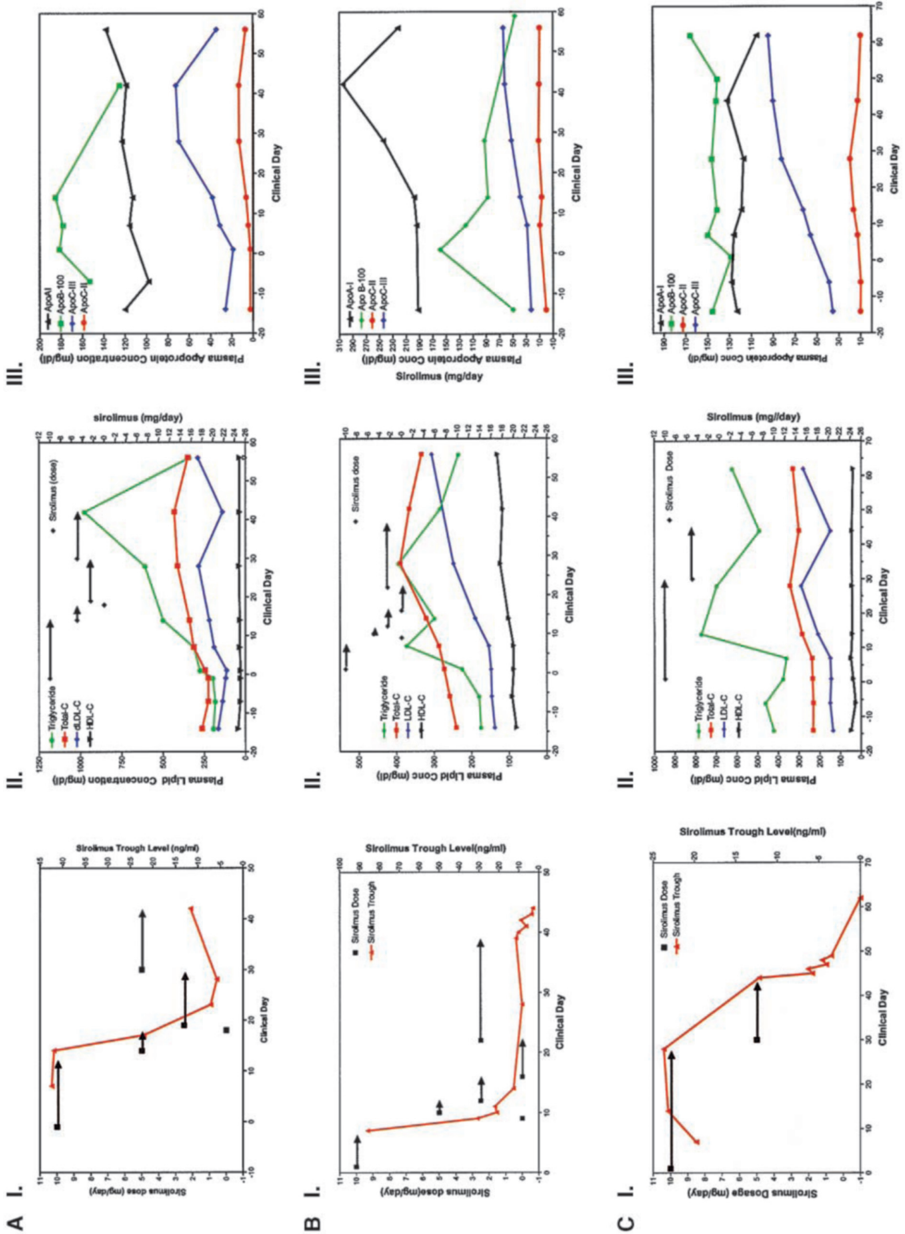
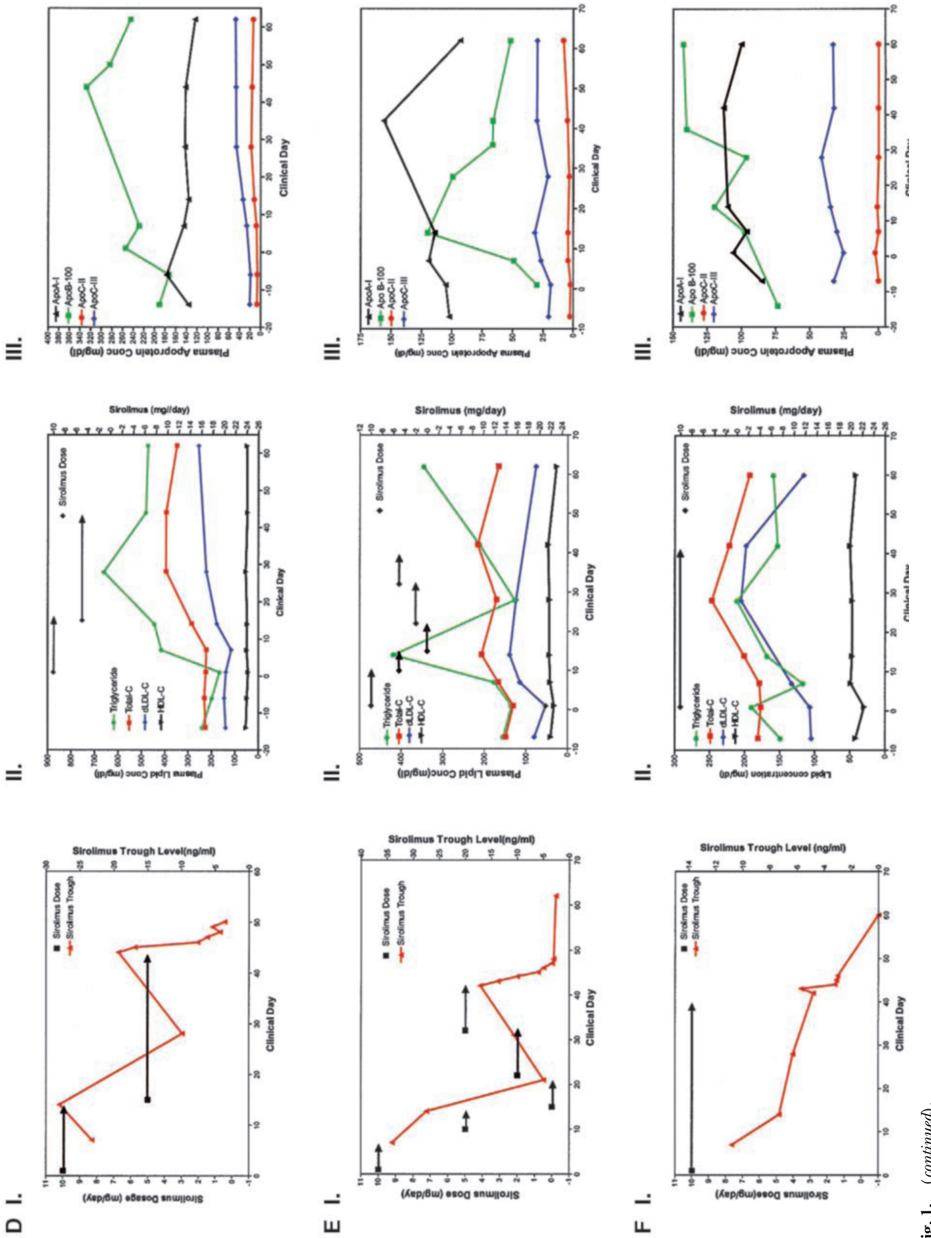
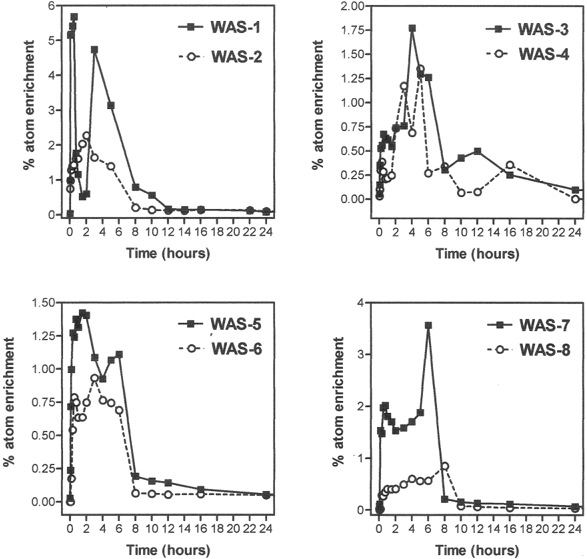
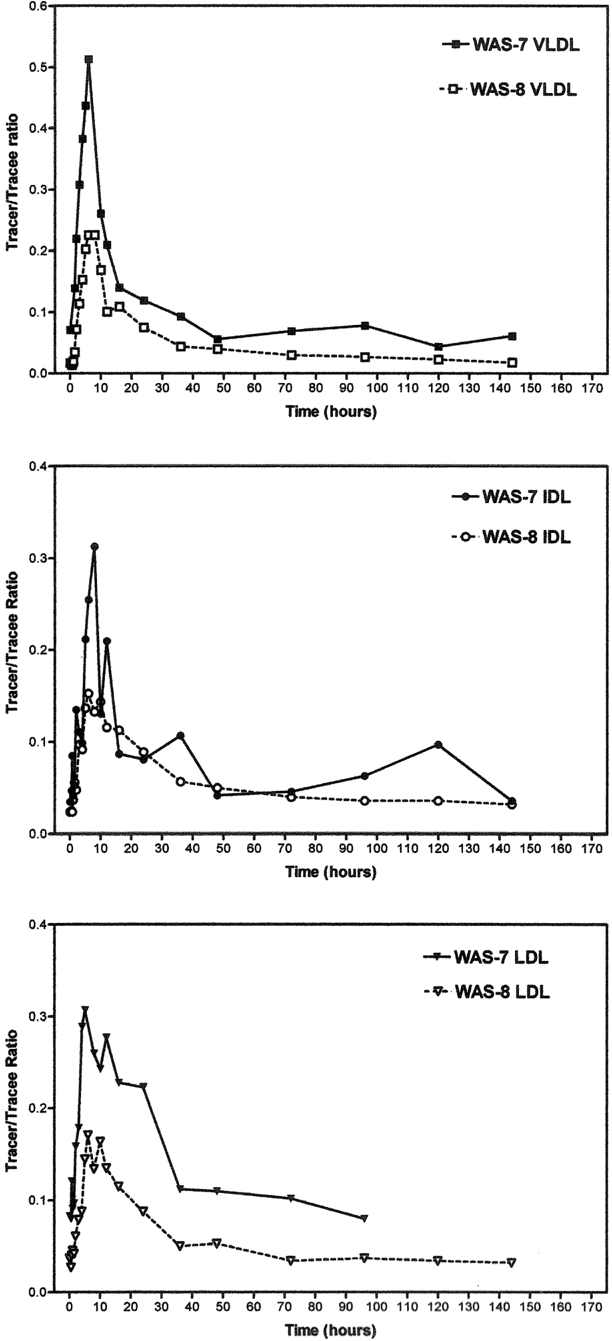
Sirolimus (Rapammune, rapamycin, RAPA) is a potent immunosuppressive drug that reduces renal transplant rejection. Hyperlipidemia is a significant side effect of sirolimus treatment, and frequently leads to cardiovascular disease. This study was undertaken to determine the repeatability, reversibility, and dose dependence of the plasma lipid and apolipoprotein altering effects of sirolimus, and to elucidate the mechanism by which sirolimus induces hypertriglyceridemia in some renal transplant patients. Six patients with renal allografts maintained on cyclosporine A and prednisone were selected on the basis of their previous hyperlipidemic response to short term (14 days) sirolimus administration. For longer-term treatment, each patient was started on 10 mg/day sirolimus and continued as tolerated for 42 days to reinduce hyperlipidemia. Timed blood samples were analyzed for lipid, apolipoprotein, and sirolimus levels. During sirolimus administration, mean total plasma cholesterol increased from 214 mg/dl to 322 mg/dl (+50%; range 25-92%); LDL-cholesterol levels followed a similar pattern. Mean triglyceride level rose from 227 to 432 mg/dl (+95%; range 9-254%). ApoB-100 concentration rose from 124 to 160 mg/dl (+28%; P < 0.05). ApoC-III level increased from 28.9 to 55.5 mg/dl, +92%; (P < 0.013). These lipid and apolipoprotein changes were found to be repeatable, reversible, and dose dependent. [(13)C(4)]palmitate metabolic studies in four patients with hypertriglyceridemia indicated that the free fatty acid pool was expanded by sirolimus treatment (mean = 42.3%). Incorporation of [(13)C(4)]palmitate into triglycerides of VLDL, IDL, and LDL was decreased 38.3%, 42,1%, and 38.4%, respectively, by sirolimus treatment of these patients. These results suggest that sirolimus alters the insulin signaling pathway so as to increase adipose tissue lipase activity and/or decrease lipoprotein lipase activity, resulting in increased hepatic synthesis of triglyceride, increased secretion of VLDL, and increased hypertriglyceridemia.
Overview
The claims and statistics of this paper haven’t been checked yet.
Free: it reads the open-access text and checks the first 5 claims that cite a source we can check. Create a free account to check every claim.
Integrity signals
Registry
Cites
Statistics
Figures
Verification
Claims the paper makes
The claims and statistics of this paper haven’t been checked yet.
Free: it reads the open-access text and checks the first 5 claims that cite a source we can check. Create a free account to check every claim.
Claims other papers make about this one
Each is checked against this paper’s own text: does it say what the citing paper says it does?
The check wasn’t confident either way, so it gives no verdict — never disputed.
In the citing paper
“However, this has not been confirmed in RCTs [266,479-481], or in meta-analyses of observational and randomized trials [482,483].”
From 2019 ESC/EAS guidelines for the management of dyslipidaemias: lipid modification to reduce cardiovascular risk (2019) · cites this paper as [483]
Experimental — accuracy not yet measured
Self-check
Percentages, sums and reported differences re-computed from the paper’s own numbers.
The self-check needs the paper’s full text.
Citations
Cites
Restriction isotyping of human apolipoprotein E by gene amplification and cleavage with HhaI.
Hixson, J., & Vernier, D. (1990) · Journal of Lipid Research · doi:10.1016/s0022-2275(20)43176-1 · Cited by 2,933
Warnick, G. R., Benderson, J., & Albers, J. J. (1982) · Clinical Chemistry · doi:10.1093/clinchem/28.6.1379 · Cited by 2,159
A mammalian protein targeted by G1-arresting rapamycin–receptor complex
Brown, E. J., Albers, M. W., Bum Shin, T., ichikawa, K., Keith, C. T., Lane, W. S., & Schreiber, S. L. (1994) · Nature · doi:10.1038/369756a0 · Cited by 2,053 · cited 1×
“mTOR controls proteins that regulate mRNA translation initiation and G1 progression ( 7 ).”
BackgroundRAFT1 phosphorylation of the translational regulators p70 S6 kinase and 4E-BP1
Burnett, P. E., Barrow, R. K., Cohen, N. A., Snyder, S. H., & Sabatini, D. M. (1998) · Proceedings of the National Academy of Sciences · doi:10.1073/pnas.95.4.1432 · Cited by 1,138
Separation of plasma lipoproteins by density-gradient ultracentrifugation
Redgrave, T. G., Roberts, D. C. K., & West, C. E. (1975) · Analytical Biochemistry · doi:10.1016/0003-2697(75)90488-1 · Cited by 1,107 · cited 1×
“Blood samples (15 ml) were drawn, 18 over the first 24 h and 1 daily for the next 5 days, from which VLDL, IDL, and LDL were isolated by density gradient ultracentrifugation ( 21 ).”
MethodSiedel, J., Hägele, E. O., Ziegenhorn, J., & Wahlefeld, A. W. (1983) · Clinical Chemistry · doi:10.1093/clinchem/29.6.1075 · Cited by 942
Kahan, B. D. (2000) · The Lancet · doi:10.1016/s0140-6736(00)02480-6 · Cited by 913
Self-citationPhosphorylation of the Translational Repressor PHAS-I by the Mammalian Target of Rapamycin
Brunn, G. J., Hudson, C. C., Sekulić, A., Williams, J. M., Hosoi, H., Houghton, P. J., Lawrence, J. C., & Abraham, R. T. (1997) · Science · doi:10.1126/science.277.5322.99 · Cited by 846
MacDonald, A. S. (2001) · Transplantation · doi:10.1097/00007890-200101270-00019 · Cited by 621
[54] Thin-layer chromatography of lipids
(1969) · Methods in Enzymology · doi:10.1016/s0076-6879(69)14056-2 · Cited by 573
Research works printed but not linked: 3
- Mac Donald, A. S. 2001. The Rapamune Global Study Group: a randomized, placebo-controlled trial of rapammune in primary renal allograft recipients. Transplantation. 71: 271-280.
- Labeur, C., and M. Rosseneu. 1997. Immunological assays of apolipoproteins A-II, A-IV, C-I, C-II, C-III in plasma. In Hand- book of Lipoprotein Testing. N. Rifai, R. G. Warnik, and M. H. Dominiczak, editors. ASCP Press, Chicago. 315-328.
- Morrisett, J. D., R. C. Hoogeveen, G. Abdel-Fattah, H. J. Pownall, C. M. Ballantyne, A. R. Opekun, D. L. Hachey, J. S. Jaffe, S. Opper- mann, and B. D. Kahan. 2001. Effect of rapamycin on free fatty acid metabolism in renal transplant patients. Arterioscler. Thromb. Vasc. Biol. 21: 654.
Cited by
Items 201–295 of 295
Pan, Q., Qin, T., Gao, Y., Li, S., Li, D., Peng, M., Zhai, H., & Xu, G. (2018) · Biochimica et Biophysica Acta (BBA) - Molecular Basis of Disease · doi:10.1016/j.bbadis.2018.12.014 · Cited by 10
Current Approaches to the Use of Sirolimus In Renal Transplantation
Kahan, B. D. (2009) · Transplantation Proceedings · doi:10.1016/j.transproceed.2009.07.104 · Cited by 8
Self-citationProgress in Islet Transplantation in Patients with Type 1 Diabetes Mellitus
Truong, W., & Shapiro, A. M. J. (2006) · Treatments in Endocrinology · doi:10.2165/00024677-200605030-00003 · Cited by 8
Zhu, Z., Xu, S., Ren, J., Jiang, T., Zhang, C., & Yan, Z. (2023) · Lipids in Health and Disease · doi:10.1186/s12944-023-01907-y · Cited by 8
Spinelli, G. A., Felipe, C. R., Machado, P. G. P., Garcia, R., Casarini, D. E., Moreira, S. R., Park, S. I., Junior, H. T. S., & Pestana, J. O. M. (2006) · Brazilian Journal of Medical and Biological Research · doi:10.1590/s0100-879x2006000100003 · Cited by 8
“SRL appears to alter the insulin signaling pathway increasing adipose tissue lipase activity and/or decreasing lipoprotein lipase activity, resulting in increased hepatic synthesis of triglycerides, increased secretion of VLDL, and increased hypertriglyceridemia (13).”
BackgroundSirolimus for the treatment of lymphangioleiomyomatosis
Singla, A., Gupta, N., Apewokin, S. K., & McCormack, F. X. (2017) · Expert Opinion on Orphan Drugs · doi:10.1080/21678707.2017.1391089 · Cited by 9
“Sirolimus alters the insulin-signaling pathway and impairs clearance of lipids from the bloodstream by inhibiting insulin-stimulated lipoprotein lipase activity [72].”
BackgroundBrar, A., Santana, J. M., Salifu, M. O., & Brown, C. D. (2019) · IntechOpen eBooks · doi:10.5772/intechopen.82831 · Cited by 7
“Rapamycin inhibits lipoprotein lipase, associated with decrease in apolipoprotein-B 100 catabolism, and increases secretion of VLDL cholesterol [85].”
BackgroundCardiometabolic Consequences of Targeted Anticancer Therapies
Guha, A., Gong, Y., DeRemer, D. L., Owusu‐Guha, J., Dent, S. F., Cheng, R. K.-H., Weintraub, N. L., Agarwal, N., & Fradley, M. G. (2022) · Journal of Cardiovascular Pharmacology · doi:10.1097/fjc.0000000000001149 · Cited by 8
Alleviating neurodegeneration in Drosophila models of PolyQ diseases
Long, Z., Tang, B., & Jiang, H. F. (2014) · Cerebellum & Ataxias · doi:10.1186/2053-8871-1-9 · Cited by 8
“By stimulating autophagy, rapamycin, the mTOR inhibitor, suppressed neurodegeneration in cell, Drosophila and mouse disease models [62,85,86] However, the various deleterious side-effects including dysfunction of kidney and lung, increased risk of infection and hyperlipidemia, prevent it from widely using in polyQ dis…”
BackgroundBeta-cell transplantation in type 1 diabetic patients: a work in progress to cure.
Gillard, P., Keymeulen, B., & Mathieu, C. (2010) · PubMed · Cited by 10
Rosas, S. E., Szapary, P. O., & Rader, D. J. (2003) · Cardiology Clinics · doi:10.1016/s0733-8651(03)00075-4 · Cited by 7
Gosmanova, E. O., Tangpricha, V., & Gosmanov, A. R. (2012) · Endocrine Practice · doi:10.4158/ep12016.ra · Cited by 6
Voskanyan, S. E., Евгеньевич, С. В., Сушков, А. И., Voskanyan, Y. V., Veselkova, A. Y., Lukianchikova, A. S., & Кучеров, А. А. (2023) · Bulletin of the Medical Institute REAVIZ (REHABILITATION DOCTOR AND HEALTH) · doi:10.20340/vmi-rvz.2023.4.tx.1 · Cited by 6
Milone, M. C. (2015) · Elsevier eBooks · doi:10.1016/b978-0-12-800885-0.00001-1 · Cited by 15
Non-Immunologic Causes of Late Death-Censored Kidney Graft Failure: A Personalized Approach
Ponticelli, C., & Citterio, F. (2022) · Journal of Personalized Medicine · doi:10.3390/jpm12081271 · Cited by 7
Metabolic disorders associated with the use of targeted cancer therapies
Kotecki, N., Penel, N., & Awada, A. H. (2015) · Current Opinion in Oncology · doi:10.1097/cco.0000000000000176 · Cited by 6
“The physiopathology by which mTOR inhibitors cause dyslipidemia may involve impaired clearance of lipids from the bloodstream as opposed to increased hepatic synthesis via stimulation of insulin-stimulated lipoprotein lipase [43,54].”
BackgroundEffects of Rapamycin on Insulin Brain Endothelial Cell Binding and Blood–Brain Barrier Transport
Nguyen, S., Banks, W. A., & Rhea, E. M. (2021) · Medical Sciences · doi:10.3390/medsci9030056 · Cited by 6
“Rapamycin also increases plasma triglyceride levels following a 14-day sirolimus treatment in humans [5] and in”
BackgroundInfluentialKella, D., Shoukat, S., & Sperling, L. S. (2012) · Journal of clinical lipidology · doi:10.1016/j.jacl.2012.01.003 · Cited by 6
Nutritional Aspects of Adult Liver Transplantation
Hasse, J. M. (2005) · Elsevier eBooks · doi:10.1016/b978-0-7216-0118-2.50038-0 · Cited by 6
Lipid metabolism and oxidative stress in children after liver transplantation treated with sirolimus
Jankowska, I., Czubkowski, P., Socha, P., Wierzbicka, A., Teisseyre, M., Teisseyre, J., & Pawłowska, J. (2012) · Pediatric Transplantation · doi:10.1111/petr.12007 · Cited by 5
“It was speculated that SRL interrupts cytokine signal transduction pathways in cells, reduces LDL receptors in the liver, thus inhibiting cholesterol (TCH) clearance from circulation (10) and increases hepatic synthesis of TG (11).”
BackgroundLentine, K. L., Naik, A. S., Schnitzler, M. A., Axelrod, D. A., Chen, J., Brennan, D. C., Segev, D. L., Kasiske, B. L., Randall, H. B., & Dharnidharka, V. R. (2016) · Transplantation Proceedings · doi:10.1016/j.transproceed.2015.12.024 · Cited by 5
Mécanismes des hyperlipidémies dues aux immunosuppresseurs
Guéguen, Y., Ferrari, L., & Batt, A. (2004) · Therapies · doi:10.2515/therapie:2004078 · Cited by 6
Effects of Diet and Gemfibrozil on Posttransplant Hyperlipidemia in Renal Transplant Recipients
Sapan, M., Özben, B., Yakupoğlu, G., Süleymanlar, G., & Özben, T. (2009) · Journal of Investigative Medicine · doi:10.2310/jim.0b013e318197da68 · Cited by 6
Dube, K. M., Szumita, P. M., Rocchio, M. A., Lee, P., & Anger, K. E. (2016) · American Journal of Therapeutics · doi:10.1097/mjt.0000000000000461 · Cited by 5
Colonna, V. D. G., Pavanello, C., Rusconi, F., Bianchi, A. S., Siena, S., Castelnuovo, S., Sirtori, C. R., & Mombelli, G. G. (2017) · Journal of Clinical Pharmacy and Therapeutics · doi:10.1111/jcpt.12588 · Cited by 5
Optimization of Hypercholesterolemia Treatment after Heart Transplant: The Role of PCSK9 Inhibitors
Valero‐Masa, M. J., Ortiz‐Bautista, C., Castrodeza, J., & Martínez‐Sellés, M. (2024) · Current Pharmaceutical Design · doi:10.2174/0113816128315228240716183827 · Cited by 4
mTOR in Diabetic Nephropathy and Retinopathy
Fernandes, R., & Reis, F. (2016) · Elsevier eBooks · doi:10.1016/b978-0-12-802733-2.00001-3 · Cited by 4
Post–Liver Transplantation Management
Hunt, D., & Saab, S. (2012) · Elsevier eBooks · doi:10.1016/b978-1-4377-0881-3.00049-8 · Cited by 4
Individualizing Early Use of Sirolimus in Renal Transplantation
Rial, M. D. C., Abbud‐Filho, M., Gonçalves, R. T., Martínez-Mier, G., Montero, C., Raffaele, P., Solares, M. T., & Alberú, J. (2010) · Transplantation Proceedings · doi:10.1016/j.transproceed.2010.10.015 · Cited by 4
Seasonal Variation of Serum Lipid Levels in Stable Renal Transplant Recipients
Wong, B. M., Huang, M., Zaltzman, J. S., & Prasad, G. V. R. (2007) · Nephron Clinical Practice · doi:10.1159/000098644 · Cited by 3
Lipid Disorders Associated with Chronic Kidney Disease and Nephrotic Syndrome
Moradi, H., & Vaziri, N. D. (2019) · Springer eBooks · doi:10.1007/978-3-319-97765-2_12 · Cited by 4
Screening and management of metabolic complications of mTOR inhibitors in real-life settings
Spanjaard, P., Petit, J., Schmitt, A., Vergès, B. L., & Bouillet, B. (2023) · Annales d Endocrinologie · doi:10.1016/j.ando.2023.11.003 · Cited by 3
22. Nutrition and diet-related bone disease in adult kidney transplant recipients
Tantisattamo, E., Ratanasrimetha, P., Shetty, A. A., Ho, B., Ansari, M., Friedewald, J. J., Gallon, L. G., & Bailey, J. L. (2016) · Wageningen Academic Publishers eBooks · doi:10.3920/978-90-8686-823-0_22 · Cited by 2
Liu, Q., Du, Q., Yuan, X., Zhang, T., Li, J., Xu, J., & Xie, R. (2025) · Diabetes Metabolic Syndrome and Obesity · doi:10.2147/dmso.s539555 · Cited by 3
“Therefore, whether the observed reduction in HDL expression induced by chloroquine in this study could potentially increase the risk of coronary heart disease warrants further investigation.”
mTOR signaling in liver disease
Cornu, M., de Coquereaumont, G. D. C., & Hall, M. N. (2015) · Wiley eBooks · doi:10.1002/9781118663387.ch22 · Cited by 3
Bender, S. T. (2022) · Annals of Case Reports · doi:10.29011/2574-7754.100837 · Cited by 2
van der Giet, M., Cruzado, J. M., de Fijter, J. W., Holdaas, H., Wang, Z., Speziale, A., & Junge, G. (2014) · Open Access Journal of Clinical Trials · doi:10.2147/oajct.s59549 · Cited by 2
Inhibitors of Mammalian Target of Rapamycin
Kahan, B. D. (2010) · Wiley eBooks · doi:10.1002/9781444355628.ch17 · Cited by 2
Self-citationPereira, M. J., Eriksson, J. W., & Svensson, M. K. E. (2014) · Transplantation Proceedings · doi:10.1016/j.transproceed.2014.02.018 · Cited by 2
“In addition, this patient developed severe dyslipidemia, a well-known side effect of mTOR inhibition [13,19].”
BackgroundEffect of Sirolimus Treatment on Gene Expression in Renal Transplant Patients
Vickers, K. C., Mitra, R., Kapoor, M., Kahan, B. D., & Morrisett, J. D. (2007) · World Journal of Surgery · doi:10.1007/s00268-006-0713-1 · Cited by 2
“We previously reported the effects of sirolimus on plasma lipids, lipoprotein levels, and fatty-acid metabolism in renal transplant patients.(38) There is strong evidence that sirolimus treatment causes hypertriglyceridemia,(16) which results from changes in lipoprotein metabolism.”
BackgroundResultSelf-citationStahlschmidt, A., Suzigan, B. H., Martins, C. C., Swarowski, F., Seelig, D., Bianco, P., Keitel, E. E., dos Santos, A. F., Garcia, C. D., & García, V. D. (2009) · Transplantation Proceedings · doi:10.1016/j.transproceed.2009.03.037 · Cited by 2
mTOR in Metabolic and Endocrine Disorders
Swierczynska, M. M., & Hall, M. N. (2016) · Elsevier eBooks · doi:10.1016/b978-0-12-802733-2.00008-6 · Cited by 3
Special Patient Populations: Transplant Recipients
Holdaas, H., KOBASHIGAWA, J. A., Fellström, B., & Jardine, A. G. (2009) · Elsevier eBooks · doi:10.1016/b978-141605469-6.50044-5 · Cited by 3
Guinea Pigs as Models for Human Cholesterol and Lipoprotein Metabolism
Fernández, M. L., & Wood, R. J. (2008) · Humana Press eBooks · doi:10.1007/978-1-59745-285-4_23 · Cited by 3
Basu, A., Tan, H. P., & Shapiro, R. (2003) · Current Opinion in Organ Transplantation · doi:10.1097/00075200-200312000-00007 · Cited by 2
Bench to bedside: is rapamycin headed for the docTOR?
Lamming, D. W. (2026) · GeroScience · doi:10.1007/s11357-026-02306-8 · Cited by 2
Management of the Diabetic End-Stage Renal Disease (ESRD) Patient: Dialysis and Transplantation
Tuohy, K. A., & Williams, M. E. (2005) · Elsevier eBooks · doi:10.1016/b978-1-4160-0158-4.50014-8 · Cited by 1
TOR Signaling and Cell Growth Control
Ballou, L. M., & Lin, R. Z. (2005) · Springer eBooks · doi:10.1007/3-540-27194-5_21 · Cited by 1
Conversion to sirolimus in kidney transplant recipients: a single-center study.
Ganji, M. R., Hakemi, M. S., Esfehani, F., Alatab, S., & Naderi, G. H. (2013) · Iranian Journal of Kidney Diseases · Cited by 1
Gao, J. (2017) · Työväentutkimus Vuosikirja · Cited by 1
Cardiac surgery in solid organ transplant recipients: a clinical challenge
Farag, M. B., Nikolic, M., & Weymann, A. (2017) · Expert Review of Cardiovascular Therapy · doi:10.1080/14779072.2017.1343667 · Cited by 1
“It is being assumed that sirolimus increases the hepatic synthesis of low-density lipoproteins, triglycerides, and cholesterol [25].”
BackgroundPonticelli, C. (2007) · CRC Press eBooks · doi:10.3109/9780203089903-7 · Cited by 1
Blom, D. J. (2011) · South African Family Practice · doi:10.1080/20786204.2011.10874107 · Cited by 1
Simha, V. (2015) · Contemporary Endocrinology · doi:10.1007/978-1-60761-424-1_15 · Cited by 3
Cardiovascular Disease and Preventive Healthcare after Organ Transplantation
Pastan, S. O., & Gupta, D. (2014) · Wiley eBooks · doi:10.1002/9781118873434.ch88
Boots, J. M. M. (2006) · Research Publications (Maastricht University) · doi:10.26481/dis.20060929jb
Cardiovascular risk in renal transplantation
Fellström, B., Holdaas, H., & Jardine, A. G. (2008) · Trends in Transplantation
Kahl, A. (2004) · edoc Publication server (Humboldt University of Berlin) · doi:10.18452/13930 · Cited by 1
Effects of immunosuppressive drugs on human adipose tissue metabolism
Pereira, M. J. (2012) · Gothenburg University Publications Electronic Archive (Gothenburg University)
Regulation of Hepatic Metabolism by the Mechanistic Target of Rapamycin
Lamming, D. W. (2015) · Springer eBooks · doi:10.1007/978-3-319-25065-6_3
Rapamune Does Not Attenuate High Cholesterol-Induced Atherosclerosis in Rabbits
Attia, A., Ahmed, M., Ng, S. C., Prasad, K., & SHOKER, A. S. (2014) · International Journal of Angiology · doi:10.1055/s-0033-1358383
Nutritional Aspects of Transplantation in Adults
Hasse, J. M. (2015) · Elsevier eBooks · doi:10.1016/b978-1-4557-0268-8.00037-3
Yoon, A. P., Daane, S. P., Toth, B. A., & Nevdakh, I. A. (2016) · Springer eBooks · doi:10.1007/978-3-662-46599-8_83
Efeitos da ciclosporina e sirolimus ao nível cardiovascular
da Saúde, C. (2012)
Post-Kidney Transplant Modification of Cardiovascular Risk
Ghanta, M., Rao, S., Lee, I. T., & Constantinescu, S. (2017) · Springer eBooks · doi:10.1007/978-3-319-56042-7_25
Paschoal, V. A. (2016) · Digital Library of Theses and Dissertations (Universidade de São Paulo) · doi:10.11606/t.42.2016.tde-19022016-143923
García‐Santisteban, R., Bernad, M. J. B., Salas‐Ambrosio, P., Linares-Alba, M. A., Tonix-Aburto, L. A., Ornelas-Lobato, G. J., Mora, I. G., Rivera-Huerta, M., Sánchez‐Bartéz, F., Rico-Morales, H., et al. (2020) · doi:10.22541/au.160071285.57713363
ANTíGENOS HLA ESTÃO ASSOCIADOS A RISCO DE DIABETES MELLITUS PÓS-TRANSPLANTE?
de Lucena, D. D., de Marco, R., de Sá, J. R., Pestana, J. O. M., Gerbase‐DeLima, M., & Rangel, É. B. (2021) · Brazilian Journal of Transplantation · doi:10.53855/bjt.v24i1.2
ナタネとレンゲのすき込みが夏ソバの生育・収量に及ぼす影響(日本作物学会四国支部第44回講演会講演要旨)
Sato, Y. S., 杉本, 秀., 池原, 匡., & 亀石, 高. (2007) · 日本作物学会四国支部会報
(2010) · Elsevier eBooks · doi:10.1016/b978-0-444-53267-1.50008-3
(2015) · Elsevier eBooks · doi:10.1016/b978-0-444-53717-1.01452-9
Drugs acting on the immune system
Vial, T., Descotes, J., Ludwig, C., & Behrend, M. (2004) · Side effects of drugs annual · doi:10.1016/s0378-6080(04)80044-8
(2006) · Elsevier eBooks · doi:10.1016/b0-44-451005-2/00912-8
KOBASHIGAWA, J. A., Fellström, B., Mark, P. B., & Jardine, A. G. (2023) · Elsevier eBooks · doi:10.1016/b978-0-323-88286-6.00037-6
Holdaas, H., KOBASHIGAWA, J. A., Fellström, B., & Jardine, A. G. (2015) · Elsevier eBooks · doi:10.1016/b978-0-323-28786-9.00040-2
Sirolimus in Pediatric Dermatology
Biswas, S. S., Shahid, R., & Pradhan, S. (2024) · Indian Journal of Paediatric Dermatology · doi:10.4103/ijpd.ijpd_32_24
Student, J. T., Sokoloff, S., Arkin, J., Carp, J., & Criner, K. E. (2024) · JCEM Case Reports · doi:10.1210/jcemcr/luae193
Queen, J., Limerick, E. M., Jeffries, N. O., Hsieh, M. M., Shamburek, R. D., & Fitzhugh, C. D. (2024) · Transplantation and Cellular Therapy · doi:10.1016/j.jtct.2024.12.008
Dun, S., Wan, L., Wang, Y.-Y., Lu, Q., Zhang, Q., Wang, Q.-H., Wang, J., Zhao, H.-Q., & Zou, L.-P. (2025) · Kidney International Reports · doi:10.1016/j.ekir.2025.03.021
Baciu, C., Hasjim, B. J., Maleki, S., Pasini, E., Patel, M. K., Shojaee, M., Azhie, A., Saracino, G., Asrani, S. K., & Bhat, M. (2025) · Metabolites · doi:10.3390/metabo15110700
“Current guidelines recommend avoiding SIR in patients with atherosclerosis, triglycerides > 500 mg/dL, or LDL-C > 250 mg/dL [57,58].”
Dyslipidemias in the Pediatric Chronic Kidney Disease Patient
Özçakar, Z. B., & Yalçınkaya, F. (2014) · Springer eBooks · doi:10.1007/978-1-4939-0515-7_13
Lu, Y., Ma, X., Pan, J., Ma, R., & Jiang, Y. (2022) · Figshare · doi:10.6084/m9.figshare.20423779
Zhu, Z., Xu, S., Ren, J., Jiang, T., Zhang, C., & Yan, Z. (2023) · Figshare · doi:10.6084/m9.figshare.24022669
Lu, Y., Ma, X., Pan, J., Ma, R., & Jiang, Y. (2022) · Figshare · doi:10.6084/m9.figshare.20423782
Lu, Y., Ma, X., Pan, J., Ma, R., & Jiang, Y. (2022) · Figshare · doi:10.6084/m9.figshare.20423776
朱仲玲, Xu, S., Ren, J., Jiang, T., Zhang, C., & Yan, Z. (2023) · Figshare · doi:10.6084/m9.figshare.24022672
Lu, Y., Ma, X., Pan, J., Ma, R., & Jiang, Y. (2022) · Figshare · doi:10.6084/m9.figshare.20423785
Dyslipidemia and therapies after heart transplantation: Current evidence and future directions
YADALAM, A. K., Gold, M. E., Patel, K., Razavi, A. C., Flowers, A., Seo, G., Britt, W. M., Eisenberg, S. D., Book, W. M., Rollins, J. B., et al. (2026) · Journal of clinical lipidology · doi:10.1016/j.jacl.2026.02.021
Identification of natural product-based S6K1 inhibitor by high-throughput virtual screening
Siddhant, Debnath, A., Salahuddin, S., Siddharth, & Singh, R. K. (2026) · Letters in Drug Design & Discovery · doi:10.1016/j.lddd.2026.100358
Optimisation des thérapeutiques immunosuppressives par méthode pharmacologique.
Lemaitre, F. (2014) · theses.fr (ABES) · doi:10.70675/9aa76f1fz29f6z471dz840fzebc6c182c4b9
“Une hyperlipidémie concentration-dépendante est fréquemment rapportée laquelle entraine un sur-risque cardiovasculaire pour le patient (36,37).”
BackgroundTaniguchi, A., Chrétien, B., Maeda, T., Ueda, K., Miura, R., Tanaka, R., Suzuki, T., Muramatsu, Y., Sato, Y., & Nishida, K. (2026) · Pediatric Drugs · doi:10.1007/s40272-026-00754-5
“One of the major adverse effects of sirolimus therapy in adults is dyslipidemia, particularly hypercholesterolemia and hypertriglyceridemia [5–7].”
Chvatal‐Medina, M., Post, A., Connelly, M. A., Li, Y., Moshage, H. J., Bakker, S. J. L., Posthumus, A. M., de Meijer, V. E., Blokzijl, H., Dullaart, R. P. F., et al. (2026) · Scientific Reports · doi:10.1038/s41598-026-62929-x
“…inhibitors, which is consistent with their known dyslipidemic effects 48 . mTOR inhibitors can reduce lipoprotein lipase activity, which impairs TRL breakdown, at the same time that it increases hepatic triglyceride synthesis and VLDL secretion, which increases circulating TRL particle mass 49,50 .”
Hypertriglyceridemia: Causes, Consequences, Diagnosis, and Management
Qi, S., Chen, W., Chen, K., Yang, S., Wang, S., Ni, T., Xu, D., Mao, E., Chen, E., & Chen, Y. (2026) · MedComm · doi:10.1002/mco2.70956
Xia, J.-N., Zhi-Kun, L., Li, J.-H., & Yu, H. (2026) · Transplantation Proceedings · doi:10.1016/j.transproceed.2026.09.015
Metadata
- Authors
- Morrisett, J. D., Abdel-Fattah, G., Hoogeveen, R., Mitchell, E., Ballantyne, C. M., Pownall, H. J., Opekun, A. R., Jaffe, J. S., Oppermann, S., & Kahan, B. D.
- Affiliations
- Baylor College of Medicine (US)
- The University of Texas Health Science Center at Houston (US)
- Corresponding author
- Morrisett, Joel D.
- Venue
- Journal of Lipid Research
- Publisher
- Elsevier BV
- Published
- 2002-08
- Volume
- 43
- Issue
- 8
- Pages
- 1170-1180
- ISSN
- 0022-2275 (ISSN-L)
- OpenAlex
- W1783019770
- Cited by
- 295
- References
- 38
- Citations by year
- 2026: 6 · 2025: 4 · 2024: 9 · 2023: 10 · 2022: 15 · 2021: 10 · 2020: 12 · 2019: 6 · 2018: 12 · 2017: 16 · 2016: 20 · 2015: 14 · 2014: 23 · 2013: 14 · 2012: 22
- FWCI
- 6.57
- Type
- journal article
- Language
- en
- Open access
- hybrid
- doi.org
- Licence
- cc-by
- www.elsevier.com/tdm/userlicense/1.0/ (tdm)
- creativecommons.org/licenses/by/4.0/ (vor, 6609 d)
- Locations
- Journal of Lipid Research (publishedVersion, cc-by)
- PubMed (publishedVersion)
- DOAJ (DOAJ: Directory of Open Access Journals) (submittedVersion, cc-by-sa)
- Funders
- U.S. Public Health Service (DL 38016)
- National Heart, Lung, and Blood Institute (HL-07812, T32HL007812)
- Topics
- Health Sciences › Medicine › Transplantation › Renal Transplantation Outcomes and Treatments
- Health Sciences › Medicine › Cardiology and Cardiovascular Medicine › Lipoproteins and Cardiovascular Health
- Health Sciences › Medicine › Surgery › Transplantation: Methods and Outcomes
- Keywords
- rapamycin, kidney transplantation, hyperlipidemia, hypertriglyceridemia, plasma lipids, apolipoproteins, apolipoprotein B-100, apolipoprotein C-III, fatty acid metabolism, palmitate incorporation, lipoprotein lipase, adipose tissue lipase, insulin signaling, cyclosporine
- MeSH terms
- Adult, Cholesterol, Fatty Acids, Nonesterified, Female, Humans, Immunosuppressive Agents, Lipoproteins, Male, Middle Aged, Triglycerides, Kidney Transplantation, Sirolimus
About these checks
Registry, retraction, Cites and statistics results are computed, not judged, with one exception: a printed reference that no index lists is read once by a model before it counts as a citation error. Claims are extracted by a model and kept only when their quote appears verbatim in the text; each cited source is then checked, with a model’s help, for whether it says what the claim relies on. Those verdicts can be wrong — read the claim’s quote and the cited source before relying on one.
Statistics and arithmetic are recomputed, not judged.
Confidence bands are shown only for fields calibrated on our annotated test set. None is calibrated yet, so no band is shown.
What counts as a claim ›How we measure confidence ›How we check this ›
Are you an author, or do you see a problem with this page? Request a review
Data sources
Bibliographic data: Semantic Scholar, OpenAlex, Crossref.
Contains information from the Semantic Scholar Academic Graph Datasets, made available under the ODC Attribution License (ODC-BY 1.0).
Semantic Scholar’s data is described in: Kinney, R., et al. (2023). The Semantic Scholar Open Data Platform. arXiv:2301.10140.
