

Effects of sirolimus on plasma lipids, lipoprotein levels, and fatty acid metabolism in renal transplant patients
Open accessThe DOI matches its Crossref record; 38 of the 38 references it cites were found in a registry or an index.
Abstract
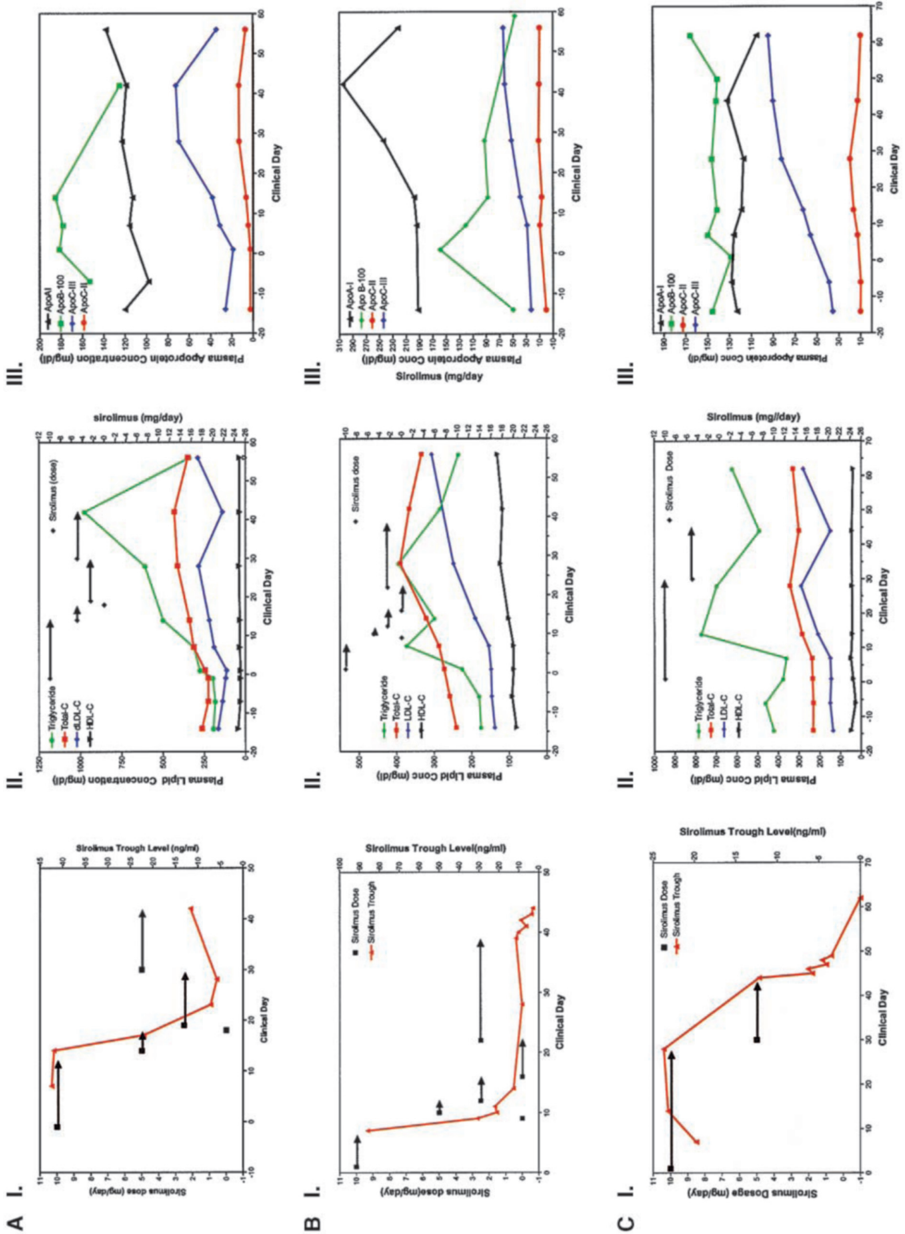
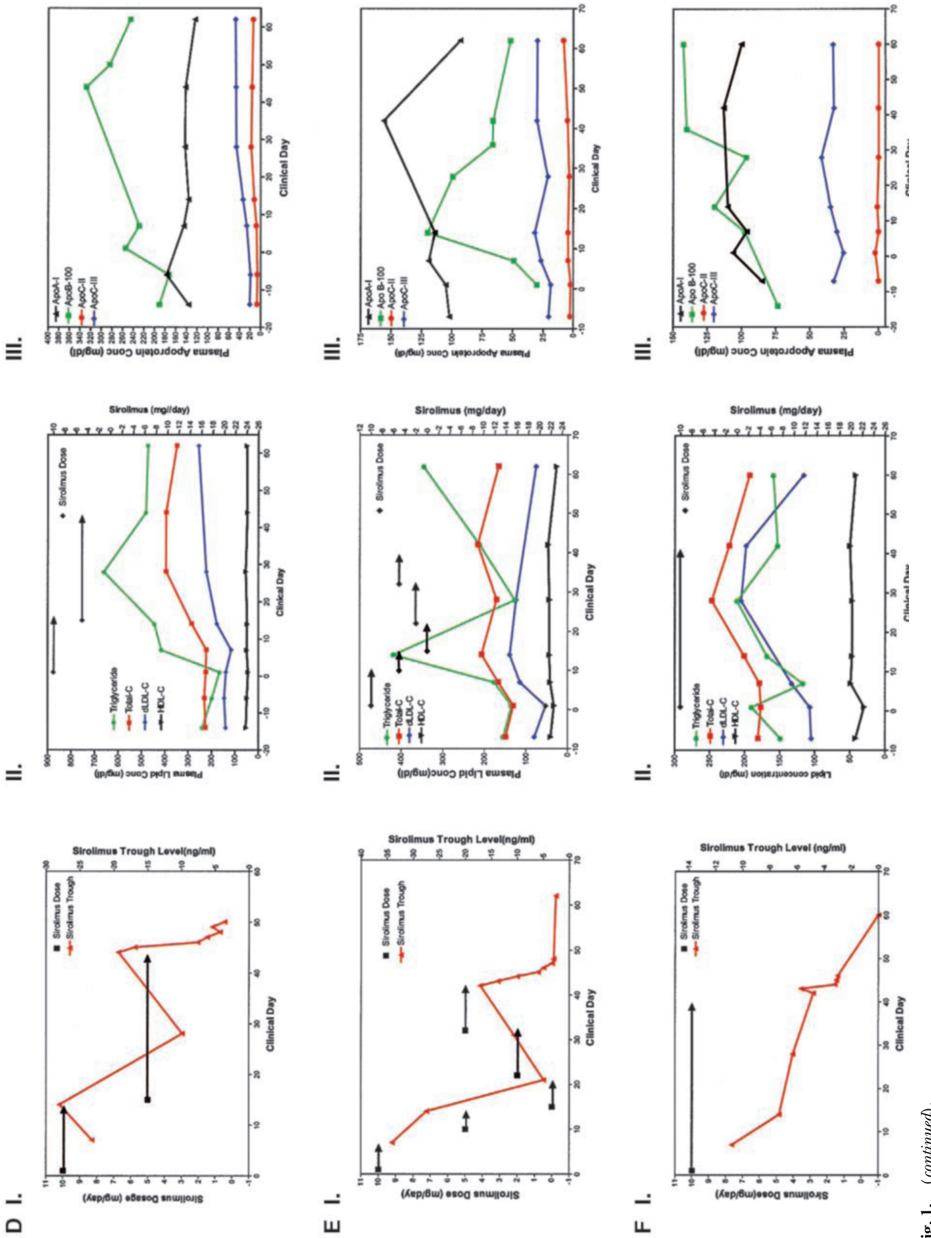
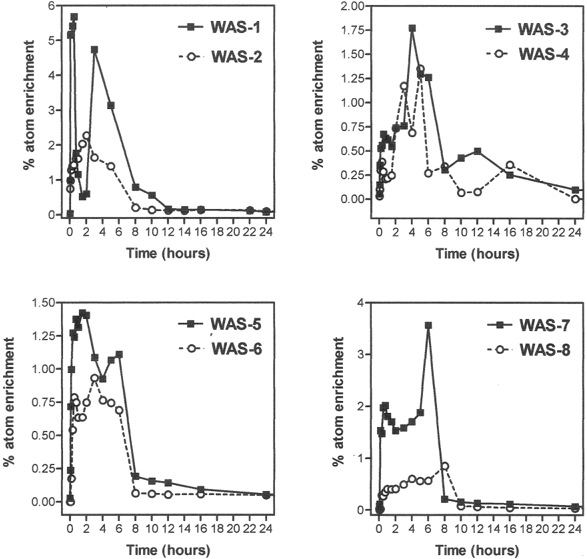
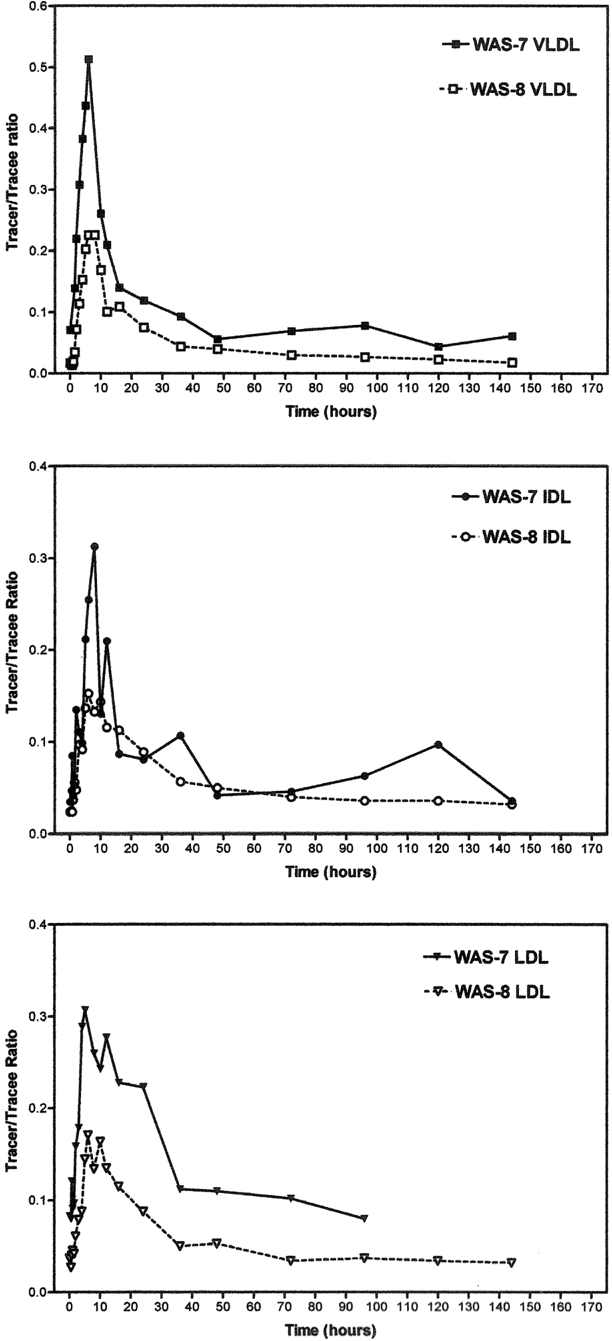
Sirolimus (Rapammune, rapamycin, RAPA) is a potent immunosuppressive drug that reduces renal transplant rejection. Hyperlipidemia is a significant side effect of sirolimus treatment, and frequently leads to cardiovascular disease. This study was undertaken to determine the repeatability, reversibility, and dose dependence of the plasma lipid and apolipoprotein altering effects of sirolimus, and to elucidate the mechanism by which sirolimus induces hypertriglyceridemia in some renal transplant patients. Six patients with renal allografts maintained on cyclosporine A and prednisone were selected on the basis of their previous hyperlipidemic response to short term (14 days) sirolimus administration. For longer-term treatment, each patient was started on 10 mg/day sirolimus and continued as tolerated for 42 days to reinduce hyperlipidemia. Timed blood samples were analyzed for lipid, apolipoprotein, and sirolimus levels. During sirolimus administration, mean total plasma cholesterol increased from 214 mg/dl to 322 mg/dl (+50%; range 25-92%); LDL-cholesterol levels followed a similar pattern. Mean triglyceride level rose from 227 to 432 mg/dl (+95%; range 9-254%). ApoB-100 concentration rose from 124 to 160 mg/dl (+28%; P < 0.05). ApoC-III level increased from 28.9 to 55.5 mg/dl, +92%; (P < 0.013). These lipid and apolipoprotein changes were found to be repeatable, reversible, and dose dependent. [(13)C(4)]palmitate metabolic studies in four patients with hypertriglyceridemia indicated that the free fatty acid pool was expanded by sirolimus treatment (mean = 42.3%). Incorporation of [(13)C(4)]palmitate into triglycerides of VLDL, IDL, and LDL was decreased 38.3%, 42,1%, and 38.4%, respectively, by sirolimus treatment of these patients. These results suggest that sirolimus alters the insulin signaling pathway so as to increase adipose tissue lipase activity and/or decrease lipoprotein lipase activity, resulting in increased hepatic synthesis of triglyceride, increased secretion of VLDL, and increased hypertriglyceridemia.
Overview
The claims and statistics of this paper haven’t been checked yet.
Free: it reads the open-access text and checks the first 5 claims that cite a source we can check. Create a free account to check every claim.
Integrity signals
Registry
Cites
Statistics
Figures
Verification
Claims the paper makes
The claims and statistics of this paper haven’t been checked yet.
Free: it reads the open-access text and checks the first 5 claims that cite a source we can check. Create a free account to check every claim.
Claims other papers make about this one
Each is checked against this paper’s own text: does it say what the citing paper says it does?
The check wasn’t confident either way, so it gives no verdict — never disputed.
In the citing paper
“However, this has not been confirmed in RCTs [266,479-481], or in meta-analyses of observational and randomized trials [482,483].”
From 2019 ESC/EAS guidelines for the management of dyslipidaemias: lipid modification to reduce cardiovascular risk (2019) · cites this paper as [483]
Experimental — accuracy not yet measured
Self-check
Percentages, sums and reported differences re-computed from the paper’s own numbers.
The self-check needs the paper’s full text.
Citations
Cites
Restriction isotyping of human apolipoprotein E by gene amplification and cleavage with HhaI.
Hixson, J., & Vernier, D. (1990) · Journal of Lipid Research · doi:10.1016/s0022-2275(20)43176-1 · Cited by 2,933
Warnick, G. R., Benderson, J., & Albers, J. J. (1982) · Clinical Chemistry · doi:10.1093/clinchem/28.6.1379 · Cited by 2,159
A mammalian protein targeted by G1-arresting rapamycin–receptor complex
Brown, E. J., Albers, M. W., Bum Shin, T., ichikawa, K., Keith, C. T., Lane, W. S., & Schreiber, S. L. (1994) · Nature · doi:10.1038/369756a0 · Cited by 2,053 · cited 1×
“mTOR controls proteins that regulate mRNA translation initiation and G1 progression ( 7 ).”
BackgroundRAFT1 phosphorylation of the translational regulators p70 S6 kinase and 4E-BP1
Burnett, P. E., Barrow, R. K., Cohen, N. A., Snyder, S. H., & Sabatini, D. M. (1998) · Proceedings of the National Academy of Sciences · doi:10.1073/pnas.95.4.1432 · Cited by 1,138
Separation of plasma lipoproteins by density-gradient ultracentrifugation
Redgrave, T. G., Roberts, D. C. K., & West, C. E. (1975) · Analytical Biochemistry · doi:10.1016/0003-2697(75)90488-1 · Cited by 1,107 · cited 1×
“Blood samples (15 ml) were drawn, 18 over the first 24 h and 1 daily for the next 5 days, from which VLDL, IDL, and LDL were isolated by density gradient ultracentrifugation ( 21 ).”
MethodSiedel, J., Hägele, E. O., Ziegenhorn, J., & Wahlefeld, A. W. (1983) · Clinical Chemistry · doi:10.1093/clinchem/29.6.1075 · Cited by 942
Kahan, B. D. (2000) · The Lancet · doi:10.1016/s0140-6736(00)02480-6 · Cited by 913
Self-citationPhosphorylation of the Translational Repressor PHAS-I by the Mammalian Target of Rapamycin
Brunn, G. J., Hudson, C. C., Sekulić, A., Williams, J. M., Hosoi, H., Houghton, P. J., Lawrence, J. C., & Abraham, R. T. (1997) · Science · doi:10.1126/science.277.5322.99 · Cited by 846
MacDonald, A. S. (2001) · Transplantation · doi:10.1097/00007890-200101270-00019 · Cited by 621
[54] Thin-layer chromatography of lipids
(1969) · Methods in Enzymology · doi:10.1016/s0076-6879(69)14056-2 · Cited by 573
Research works printed but not linked: 3
- Mac Donald, A. S. 2001. The Rapamune Global Study Group: a randomized, placebo-controlled trial of rapammune in primary renal allograft recipients. Transplantation. 71: 271-280.
- Labeur, C., and M. Rosseneu. 1997. Immunological assays of apolipoproteins A-II, A-IV, C-I, C-II, C-III in plasma. In Hand- book of Lipoprotein Testing. N. Rifai, R. G. Warnik, and M. H. Dominiczak, editors. ASCP Press, Chicago. 315-328.
- Morrisett, J. D., R. C. Hoogeveen, G. Abdel-Fattah, H. J. Pownall, C. M. Ballantyne, A. R. Opekun, D. L. Hachey, J. S. Jaffe, S. Opper- mann, and B. D. Kahan. 2001. Effect of rapamycin on free fatty acid metabolism in renal transplant patients. Arterioscler. Thromb. Vasc. Biol. 21: 654.
Cited by
Mach, F., Baigent, C., Catapano, A. L., Koskinas, K. C., Casula, M., Badimon, L., Chapman, M. J., De Backer, G. G., Delgado, V., Ference, B. A., et al. (2020) · European Heart Journal · doi:10.1093/eurheartj/ehz455 · Cited by 8,961
Mach, F., Baigent, C., Catapano, A. L., Koskinas, K. C., Casula, M., Badimon, L., Chapman, M. J., De Backer, G. G., Delgado, V., Ference, B. A., et al. (2019) · Atherosclerosis · doi:10.1016/j.atherosclerosis.2019.08.014 · Cited by 4,854
AKT/PKB Signaling: Navigating the Network
Manning, B. D., & Toker, A. (2017) · Cell · doi:10.1016/j.cell.2017.04.001 · Cited by 3,772
mTOR controls mitochondrial oxidative function through a YY1–PGC-1α transcriptional complex
Cunningham, J. T., Rodgers, J. T., Arlow, D. H., Vazquez, F., Mootha, V. K., & Puigserver, P. (2007) · Nature · doi:10.1038/nature06322 · Cited by 1,488
mTORC1 signaling and the metabolic control of cell growth
Ben-Sahra, I., & Manning, B. D. (2017) · Current Opinion in Cell Biology · doi:10.1016/j.ceb.2017.02.012 · Cited by 644
“An increase in circulating lipids is a feature of systemic rapamycin treatment in humans [96,97], and this is also observed in mice with loss of function mutations in the mTOR pathway [98].”
BackgroundHoude, V. P., Brûlé, S., Festuccia, W. T., Blanchard, P.-G., Bellmann, K., Deshaies, Y., & Marette, A. (2010) · Diabetes · doi:10.2337/db09-1324 · Cited by 456
“Indeed chronic rapamycin administration was found to cause hyperlipidemia and to reduce fat mass, as well as to promote glucose intolerance and a diabeteslike syndrome (8,10,11).”
BackgroundmTOR inhibitors in cancer therapy
Zaytseva, Y. Y., Valentino, J. D., Gulhati, P., & Mark Evers, B. (2012) · Cancer Letters · doi:10.1016/j.canlet.2012.01.005 · Cited by 291
The multifaceted role of mTORC1 in the control of lipid metabolism
Ricoult, S. J. H., & Manning, B. D. (2013) · EMBO reports · doi:10.1038/embor.2013.5 · Cited by 286
“However, TAG and cholesterol trans port out of the liver involves their packaging into apolipoprotein complexes, and plasma levels of both apolipoprotein B100 and apolipoprotein CIII have been found to be increased in patients treated with rapamycin [54].”
Effect of rapamycin on aging and age-related diseases—past and future
Selvarani, R., Mohammed, S., & Richardson, A. (2021) · GeroScience · doi:10.1007/s11357-020-00274-1 · Cited by 290
Oncogenic PI3K and K-Ras stimulate de novo lipid synthesis through mTORC1 and SREBP
Ricoult, S. J. H., Yecies, J. L., Ben-Sahra, I., & Manning, B. D. (2016) · Oncogene · doi:10.1038/onc.2015.179 · Cited by 281
Lipid management in patients with chronic kidney disease
Ferro, C. J., Mark, P. B., Kanbay, M., Sarafidis, P., Heine, G. H., Rossignol, P., Massy, Z. A., Mallamaci, F., Valdivielso, J. M., Malyszko, J., et al. (2018) · Nature Reviews Nephrology · doi:10.1038/s41581-018-0072-9 · Cited by 273
Kumar, A., Lawrence, J. C., Jung, D. Y., Ko, H. J., Keller, S. R., Kim, J. K., Magnuson, M. A., & Harris, T. E. (2010) · Diabetes · doi:10.2337/db09-1061 · Cited by 251
“Considering that prolonged rapamycin treatment inhibits the formation of mTORC2 in some cell types (4), our studies suggest that clinical observations of elevated NEFA levels during rapamycin treatment (14,15) could be due to inhibition of mTORC2.”
BackgroundReduction in Cardiovascular Death After Kidney Transplantation
Pilmore, H., Dent, H., Chang, S., McDonald, S. P., & Chadban, S. J. (2010) · Transplantation · doi:10.1097/tp.0b013e3181caeead · Cited by 238
“There are many reports of associations between immunosuppressive agents and CVS risk factors (16, 17) The CVS risk factors examined in this study are limited, and hence, correlation between factors such as lipids or blood pressure and CVS deaths cannot be analyzed using this registry data.”
BackgroundUse of Sirolimus in Solid Organ Transplantation
Augustine, J. J., Bodziak, K. A., & Hricik, D. E. (2007) · Drugs · doi:10.2165/00003495-200767030-00004 · Cited by 247
Chakrabarti, P., English, T., Shi, J., Smas, C. M., & Kandror, K. V. (2010) · Diabetes · doi:10.2337/db09-1602 · Cited by 227
“Moreover, it is well known that the use of the mTORC1 inhibitor, rapamycin, in clinical practice (to prevent organ rejection in transplant patients, or for other purposes) often results in dyslipidemia, which is currently considered a prominent side effect of the drug (10,11).”
BackgroundTeutonico, A., Schena, P. F., & Di Paolo, S. (2005) · Journal of the American Society of Nephrology · doi:10.1681/asn.2005050487 · Cited by 239
Busaidy, N. L., Farooki, A., Dowlati, A., Perentesis, J. P., Dancey, J. E., Doyle, L. A., Brell, J. M., & Siu, L. L. (2012) · Journal of Clinical Oncology · doi:10.1200/jco.2011.39.7356 · Cited by 231
“Also, in the presence of rapamycin, the regulatory effects of insulin on glucose and fatty acid metabolism have been diminished.(3) An increase in fatty acid oxidation and decrease in glucose utilization is a behavior characteristic of the fasted metabolic state.”
BackgroundGibbons, J. J., Abraham, R. T., & Yu, K. (2009) · Seminars in Oncology · doi:10.1053/j.seminoncol.2009.10.011 · Cited by 208
Activation of mTORC1 is essential for β-adrenergic stimulation of adipose browning
Liu, D., Bordicchia, M., Zhang, C., Fang, H., Wei, W., Li, J.-L., Guilherme, A., Guntur, K., Czech, M. P., & Collins, S. (2016) · Journal of Clinical Investigation · doi:10.1172/jci83532 · Cited by 193
Breitkopf, S. B., Ricoult, S. J. H., Yuan, M., Xu, Y., Peake, D. A., Manning, B. D., & Asara, J. M. (2017) · Metabolomics · doi:10.1007/s11306-016-1157-8 · Cited by 192
Pancreas Transplantation: Indications and Consequences
Larsen, J. L. (2004) · Endocrine Reviews · doi:10.1210/er.2002-0036 · Cited by 171
Mammalian target of rapamycin inhibitor dyslipidemia in kidney transplant recipients
Kasiske, B. L., de Mattos, A., Flechner, S. M., Gallon, L., Meier-Kriesche, H.-U., Weir, M. R., & Wilkinson, A. (2008) · American Journal of Transplantation · doi:10.1111/j.1600-6143.2008.02272.x · Cited by 163
Chronic mTOR inhibition by rapamycin induces muscle insulin resistance despite weight loss in rats
Deblon, N., Bourgoin, L., Veyrat‐Durebex, C., Peyrou, M., Vinciguerra, M., Caillon, A., Maeder, C., Fournier, M., Montet, X., Rohner‐Jeanrenaud, F., et al. (2012) · British Journal of Pharmacology · doi:10.1111/j.1476-5381.2011.01716.x · Cited by 154
“…resulting from increased adipose tissue lipolysis or hepatic TG synthesis, has been suggested to represent one of the factors contributing to peripheral insulin resistance following systemic mTOR inhibition (Morrisett et al., 2002; Chakrabarti et al., 2010; Houde et al., 2010; Kumar et al., 2010).”
BackgroundCiancio, G., Burke, G. W., Gaynor, J. J., Mattiazzi, A., Roth, D., Kupin, W., Nicolas, M., Ruiz, P., Rosen, A., & Miller, J. (2004) · Transplantation · doi:10.1097/01.tp.0000101495.22734.07 · Cited by 160
“A marked adverse effect associated with the use of Siro maintenance is hyperlipidemia (14), a major risk factor for cardiovascular disease, which is a very common cause of death after renal transplantation (15).”
BackgroundChaveroux, C., Eichner, L. J., Dufour, C. R., Shatnawi, A. A., Khoutorsky, A., Bourque, G., Sonenberg, N., & Giguère, V. (2013) · Cell Metabolism · doi:10.1016/j.cmet.2013.03.003 · Cited by 173
“A significant number of patients treated with these molecules develop associated side effects, including insulin resistance and hepatic hyperlipidemia, also referred to as a diabetes-like syndrome (Levy et al., 2006; Morrisett et al., 2002).”
BackgroundAn anti-aging drug today: from senescence-promoting genes to anti-aging pill
Blagosklonny, M. V. (2007) · Drug Discovery Today · doi:10.1016/j.drudis.2007.01.004 · Cited by 172
Boots, J. M. M., Christiaans, M. H. L., & van Hooff, J. P. (2004) · Drugs · doi:10.2165/00003495-200464180-00004 · Cited by 167
“ism.[196,197] Thus far, no data have been published Six months post-transplantation, total cholesterol about the effect of sirolimus on Lp(a) or on the and triglycerides were 1.”
BackgroundInfluentialValidation of anti-aging drugs by treating age-related diseases
Blagosklonny, M. V. (2009) · Aging · doi:10.18632/aging.100034 · Cited by 140
“Yet, this results from mobilization of fat from the fat tissue (lipolysis) [48, 49].”
BackgroundBlanchard, P.-G., Festuccia, W. T., Houde, V. P., St-Pierre, P., Brûlé, S., Turcotte, V., Côté, M., Bellmann, K., Marette, A., & Deshaies, Y. (2012) · Journal of Lipid Research · doi:10.1194/jlr.m021485 · Cited by 129
A longer and healthier life with TOR down-regulation: genetics and drugs
Bjedov, I., & Partridge, L. (2011) · Biochemical Society Transactions · doi:10.1042/bst0390460 · Cited by 128
Guinea Pigs as Models for Cholesterol and Lipoprotein Metabolism
Fernández, M. L. (2001) · Journal of Nutrition · doi:10.1093/jn/131.1.10 · Cited by 143
Post-transplant dyslipidemia: Mechanisms, diagnosis and management
Agarwal, A., & Prasad, G. V. R. (2016) · World Journal of Transplantation · doi:10.5500/wjt.v6.i1.125 · Cited by 120
MicroRNA-100 Suppresses Chronic Vascular Inflammation by Stimulation of Endothelial Autophagy
Pankratz, F., Hohnloser, C., Bemtgen, X., Jänich, C., Kreuzaler, S., Hoefer, I. E., Pasterkamp, G., Mastroianni, J., Zeiser, R., Smolka, C., et al. (2017) · Circulation Research · doi:10.1161/circresaha.117.311428 · Cited by 135
Diurnal variation of the human adipose transcriptome and the link to metabolic disease
Loboda, A., Kraft, W. K., Fine, B., Joseph, J., Nebozhyn, M., Zhang, C., He, Y., Yang, X., Wright, C., Morris, M., et al. (2009) · BMC Medical Genomics · doi:10.1186/1755-8794-2-7 · Cited by 124
“This hypothesis is consistent with the reported side effects of sirolimus, a drug with a significant negative association with circadian rhythm and that leads to hyperlipidemia and accumulation of fatty acids in circulation [36,37], possibly owing to the very high doses necessary, which may prevent the anabolic state…”
ResultThe Role of the PI3K Signaling Pathway in CD4+ T Cell Differentiation and Function
Han, J. M., Patterson, S. J., & Levings, M. K. (2012) · Frontiers in Immunology · doi:10.3389/fimmu.2012.00245 · Cited by 118
“Moreover, rapamycin has many deleterious side effects such as inhibition of islet survival and function (Tanemura et al., 2012), and induction of glucose intolerance and hyperlipidemia (Morrisett et al., 2002; Houde et al., 2010).”
BackgroundTherapeutic targeting of the mTOR ‐signalling pathway in cancer: benefits and limitations
Moschetta, M., Reale, A., Marasco, C., Vacca, A., & Carratù, M. R. (2014) · British Journal of Pharmacology · doi:10.1111/bph.12749 · Cited by 128
“, 2007), together with elevation of triglyceride and cholesterol levels in blood (Morrisett et al., 2002).”
BackgroundStraathof-Galema, L., Wetzels, J. F. M., Dijkman, H. B. P. M., Steenbergen, E. J., & Hilbrands, L. B. (2006) · American Journal of Transplantation · doi:10.1111/j.1600-6143.2005.01195.x · Cited by 117
“However, sirolimus can cause other side effects such as hyperlipidemia (2), mouth ulcers (3), disturbed wound healing (4), impaired recovery of delayed graft function (5) and thrombotic microangiopathy (6).”
BackgroundCiancio, G., Burke, G. W., Gaynor, J. J., Ruiz, P., Roth, D., Kupin, W. L., Rosen, A. L., & Miller, J. (2006) · Transplantation · doi:10.1097/01.tp.0000203894.53714.27 · Cited by 106
“A major adverse effect associated with the use of Siro (and CsA) maintenance is hyperlipidemia (23), a risk factor for cardiovascular disease, which is the most common cause of death particularly after renal transplantation (24).”
BackgroundBenefit-Risk Assessment of Sirolimus in Renal Transplantation
Kuypers, D. R. J. (2005) · Drug Safety · doi:10.2165/00002018-200528020-00006 · Cited by 110
mTORC1 stimulates phosphatidylcholine synthesis to promote triglyceride secretion
Quinn, W. J., Wan, M., Shewale, S. V., Gelfer, R., Rader, D. J., Birnbaum, M. J., & Titchenell, P. M. (2017) · Journal of Clinical Investigation · doi:10.1172/jci96036 · Cited by 97
The Role of Mechanistic Target of Rapamycin (mTOR) Complexes Signaling in the Immune Responses
Soliman, G. (2013) · Nutrients · doi:10.3390/nu5062231 · Cited by 92
“have been reported including hyperlipidemia and delayed wound healing [187,188].”
BackgroundVergès, B. L., Walter, T., & Cariou, B. (2013) · European Journal of Endocrinology · doi:10.1530/eje-13-0586 · Cited by 102
Inhibition of the mTOR pathway: A possible protective role in coronary artery disease
Tarantino, G., & Capone, D. (2013) · Annals of Medicine · doi:10.3109/07853890.2013.770333 · Cited by 97
Sirolimus changes lipid concentrations and lipoprotein metabolism in kidney transplant recipients
Morrisett, J. D., Abdel‐Fattah, G., & Kahan, B. D. (2003) · Transplantation Proceedings · doi:10.1016/s0041-1345(03)00233-1 · Cited by 91
Self-citationŚlusarz, A., & Pulakat, L. (2015) · Journal of Cardiovascular Medicine · doi:10.2459/jcm.0000000000000246 · Cited by 98
Ouimet, M. I. (2013) · Biochimica et Biophysica Acta (BBA) - Molecular and Cell Biology of Lipids · doi:10.1016/j.bbalip.2013.03.007 · Cited by 90
Zaza, G., Tomei, P., Ria, P., Granata, S., Boschiero, L., & Lupo, A. (2013) · Clinical and Developmental Immunology · doi:10.1155/2013/403280 · Cited by 94
“This demonstrated that hyperlipidemia is reversible and dose dependent [75].”
BackgroundImmunosuppressive Agents: Effects on Glucose and Lipid Metabolism
Subramanian, S., & Trence, D. (2007) · Endocrinology and Metabolism Clinics of North America · doi:10.1016/j.ecl.2007.07.003 · Cited by 85
Desai, S., Hong, J. C., & Saab, S. (2009) · Liver International · doi:10.1111/j.1478-3231.2010.02274.x · Cited by 91
“Sirolimus alters the insulin signalling pathway to increase adipose tissue lipase activity and decrease lipoprotein lipase activity, thereby resulting in increased hepatic synthesis of triglycerides and increased secretion of very low-density lipoprotein (VLDL) (42).”
BackgroundRapamycin Blocks Induction of the Thermogenic Program in White Adipose Tissue
Tran, C. M., Mukherjee, S., Ye, L., Frederick, D. W., Kissig, M., Davis, J. G., Lamming, D. W., Seale, P., & Baur, J. A. (2016) · Diabetes · doi:10.2337/db15-0502 · Cited by 82
“In humans, the hyperlipidemic effects of rapamycin are well known (4,5), and there is a growing recognition that the drug can predispose patients to the onset of diabetes (6).”
BackgroundFrom rapalogs to anti-aging formula
Blagosklonny, M. V. (2017) · Oncotarget · doi:10.18632/oncotarget.18033 · Cited by 83
Wissing, K. M., & Pipeleers, L. (2014) · Transplantation Reviews · doi:10.1016/j.trre.2013.12.004 · Cited by 91
“mus also causes a marked increase in circulating free fatty acids in addition to triglycerides, which is compatible with increased lipolysis and a reduction of insulin-mediated peripheral storage of triglycerides [22].”
BackgroundMetabolic syndrome: Is immunosuppression to blame?
Watt, K. D. S. (2011) · Liver Transplantation · doi:10.1002/lt.22386 · Cited by 87
“In addition, with chronic sirolimus use, apolipoprotein B100 levels (which are associated with VLDL and LDL cholesterol) are notably elevated, and so are the levels of apolipoprotein C III (a lipoprotein lipase inhibitor); however, the levels of apolipoprotein C II (a lipoprotein lipase activator that is needed to hyd…”
BackgroundAnti-atherosclerotic effects of sirolimus on human vascular smooth muscle cells
Ma, K. L., Ruan, X. Z., Powis, S. H., Moorhead, J. F., & Varghese, Z. (2007) · American Journal of Physiology-Heart and Circulatory Physiology · doi:10.1152/ajpheart.01174.2006 · Cited by 80
“Despite the demonstrated atheroprotective effect of sirolimus in ApoE-null mice, caution must be exercised regarding its possible clinical use in patients experiencing atherosclerosis, since several studies have shown that sirolimus can exacerbate preexisting hypercholesterolemia and hypertriglyceridemia in humans (13…”
Raichlin, E., Khalpey, Z. I., Kremers, W. K., Frantz, R. P., Rodeheffer, R. J., Clavell, A. L., Edwards, B. S., & Kushwaha, S. S. (2007) · Transplantation · doi:10.1097/01.tp.0000276959.56959.69 · Cited by 79
“5 Mycophenolate mofetil 26 (48) 6 (36) 32 (45) 23 (54) Cyclosporine A 48 (82) 15 (75) 57 (81) 42 (85) 0.”
ResultPereira, M. J., Palming, J., Rizell, M., Aureliano, M., Carvalho, E., Svensson, M. K. E., & Eriksson, J. W. (2012) · Molecular and Cellular Endocrinology · doi:10.1016/j.mce.2012.10.030 · Cited by 87
“Therefore, increased lipolysis and reduced lipid storage could be a cellular basis for elevation of circulating FFAs and VLDL-particles (Ichimaru et al., 2001; Morrisett et al., 2002) and also provide one explanation for insulin resistance and development of NODAT during immunosuppressive therapy.”
BackgroundAi, D., Jiang, H., Westerterp, M., Murphy, A. J., Wang, M., Ganda, A., Abramowicz, S., Welch, C., Almazan, F., Zhu, Y., et al. (2014) · Circulation Research · doi:10.1161/circresaha.114.302313 · Cited by 77
Claes, K., Meier-Kriesche, H.-U., Schold, J. D., Vanrenterghem, Y., Halloran, P. F., & Ekberg, H. (2012) · Nephrology Dialysis Transplantation · doi:10.1093/ndt/gfr238 · Cited by 75
“demonstrated that sirolimus alters the insulin signalling pathway with an increase in hepatic synthesis of triglycerides, VLDL and increased hypertriglyceridaemia [41].”
BackgroundOellerich, M., & Armstrong, V. W. (2006) · Therapeutic Drug Monitoring · doi:10.1097/ftd.0b013e31802c5cf5 · Cited by 75
Ten years of sirolimus therapy in orthotopic liver transplant recipients
Neff, G. W., Montalbano, M., & Tzakis, A. G. (2003) · Transplantation Proceedings · doi:10.1016/s0041-1345(03)00217-3 · Cited by 81
Metabolic Consequences of Solid Organ Transplantation
Bhat, M., Usmani, S. E., Azhie, A., & Woo, M. (2020) · Endocrine Reviews · doi:10.1210/endrev/bnaa030 · Cited by 80
Soliman, G. A., Acosta‐Jaquez, H. A., & Fingar, D. C. (2010) · Lipids · doi:10.1007/s11745-010-3488-y · Cited by 70
“development of hypertriglyceridemia or hypercholesterolemia in renal, hepatic, cardiac, and islet transplant patients [11, 12].”
Blagosklonny, M. V. (2008) · Rejuvenation Research · doi:10.1089/rej.2008.0722 · Cited by 67
“73,93–95 These abnormalities improved 2 months after transplantation when the rapamycin target trough level was lowered from 30 to 15 ng/mL. 73 Mild thrombocytopenia may even be beneficial by preventing thrombosis, which is often seen in the elderly.”
Rangel, É. B. (2014) · Expert Opinion on Drug Metabolism & Toxicology · doi:10.1517/17425255.2014.964205 · Cited by 66
“3 Studies in humans In kidney transplant recipients, chronic rapamycin administration was found to cause hyperlipidemia, reduced fat mass, glucose intolerance and DM [117,118].”
BackgroundDyslipidaemia and cardiorenal disease: mechanisms, therapeutic opportunities and clinical trials
Chan, D. T., Irish, A. B., Dogra, G. K., & Watts, G. F. (2007) · Atherosclerosis · doi:10.1016/j.atherosclerosis.2007.01.023 · Cited by 67
“Likewise, sirolimus can significantly increase the epatic secretion of VLDL by increasing adipocyte hormoneensitive lipase activity and fatty acid flux to the liver [48,52].”
BackgroundmTORC1 regulates a lysosome-dependent adaptive shift in intracellular lipid species
Hosios, A. M., Wilkinson, M. E., McNamara, M. C., Kalafut, K. C., Torrence, M. E., Asara, J. M., & Manning, B. D. (2022) · Nature Metabolism · doi:10.1038/s42255-022-00706-6 · Cited by 69
Roland, M., Gatault, P., Doute, C., Büchler, M., Al-Najjar, A., Barbet, C., Chatelet, V., Marlière, J.-F., Nivet, H., Lebranchu, Y., et al. (2008) · Transplant International · doi:10.1111/j.1432-2277.2008.00640.x · Cited by 63
Schulte, J., Sepp, K. J., Wu, C., Hong, P., & Littleton, J. T. (2011) · PLoS ONE · doi:10.1371/journal.pone.0023841 · Cited by 64
“and lead to hyperlipidemia [36–40].”
Pascual, J., Boletis, I. N., & Campistol, J. M. (2006) · Transplantation Reviews · doi:10.1016/j.trre.2005.10.005 · Cited by 62
“Sirolimus has also been shown to lead to a 42% increase in free fatty acid concentrations, thus stimulating hepatic triglyceride synthesis [85].”
BackgroundAgephagy – Adapting Autophagy for Health During Aging
Stead, E. R., Castillo-Quan, J. I., Martinez-Miguel, V. E., Lujan, C., Ketteler, R., Kinghorn, K. J., & Bjedov, I. (2019) · Frontiers in Cell and Developmental Biology · doi:10.3389/fcell.2019.00308 · Cited by 62
Metabolic circuits in neural stem cells
Kim, D., Rhee, I., & Paik, J. (2014) · Cellular and Molecular Life Sciences · doi:10.1007/s00018-014-1686-0 · Cited by 65
“hypercholesterolemia in patients due to defects in lipid mobilization and transport [137].”
Zhao, L., Ding, T., Cyrus, T., Cheng, Y., Tian, H., Ma, M., Falotico, R., & Praticò, D. (2009) · British Journal of Pharmacology · doi:10.1111/j.1476-5381.2008.00080.x · Cited by 58
“Thus, some studies in humans showed that at this high-dosage sirolimus indeed could elevate plasma lipids and lipoprotein levels in renal transplantation patients (Hoogeveen et al., 2001; Morriset et al., 2002; Morales, 2005).”
BackgroundMedical management of metabolic and cardiovascular complications after liver transplantation
Becchetti, C., Dirchwolf, M., Banz, V. M., & Dufour, J. (2020) · World Journal of Gastroenterology · doi:10.3748/wjg.v26.i18.2138 · Cited by 62
Mammalian target of rapamycin and the kidney. II. Pathophysiology and therapeutic implications
Lieberthal, W., & Levine, J. S. (2012) · American Journal of Physiology-Renal Physiology · doi:10.1152/ajprenal.00015.2012 · Cited by 57
“Consistent with these notions, hyperlipidemia, characterized by increases in both LDL cholesterol and triglycerides, is a well-recognized side effect of chronic rapamycin administration and has been attributed to impaired deposition of lipids in adipose tissue and to increased hepatic synthesis of triglycerides (67, 1…”
BackgroundUrsolic acid enhances macrophage autophagy and attenuates atherogenesis
Leng, S., Iwanowycz, S., Saaoud, F., Wang, J., Wang, Y., Sergin, I., Razani, B., & Fan, D. (2016) · Journal of Lipid Research · doi:10.1194/jlr.m065888 · Cited by 61
Rapamycin, an mTOR inhibitor, disrupts triglyceride metabolism in guinea pigs
Aggarwal, D., Fernández, M. L., & Soliman, G. A. (2006) · Metabolism · doi:10.1016/j.metabol.2006.01.017 · Cited by 65
“However, this highly beneficial drug has an adverse effect of causing hyperlipidemias in renal, pancreatic, and liver transplant patients [6-9].”
BackgroundInfluentialThe mammalian target of rapamycin signaling network and gene regulation
Soliman, G. A. (2005) · Current Opinion in Lipidology · doi:10.1097/01.mol.0000169352.35642.06 · Cited by 57
Metabolic and cardiovascular complications in the liver transplant recipient.
Luca, L. D., Westbrook, R., & Tsochatzis, E. A. (2015) · PubMed Central · Cited by 65
mTOR inhibitors and dyslipidemia in transplant recipients: A cause for concern?
Holdaas, H., Potena, L., & Saliba, F. (2014) · Transplantation Reviews · doi:10.1016/j.trre.2014.08.003 · Cited by 56
“The antilipolytic effect of insulin is impaired in the presence of sirolimus, and mTOR inhibitors may delay the peripheral clearance of fatty acids [24] resulting in reduced incorporation of fatty acids into very low density lipoprotein (VLDL) [25].”
BackgroundResults of a phase II study of sirolimus and cyclophosphamide in patients with advanced sarcoma
Schuetze, S. M., Zhao, L., Chugh, R. K., Thomas, D. G., Lucas, D. R., Metko, G., Zalupski, M. M., & Baker, L. H. (2012) · European Journal of Cancer · doi:10.1016/j.ejca.2012.03.022 · Cited by 53
Sánchez-Fructuoso, A. I., Ruiz, J. C., Pérez-Flores, I., Alamillo, C. G., Romero, N. C., & Arias, M. (2010) · Transplantation Proceedings · doi:10.1016/j.transproceed.2010.07.083 · Cited by 53
The pros and the cons of mTOR inhibitors in kidney transplantation
Ponticelli, C. E. (2013) · Expert Review of Clinical Immunology · doi:10.1586/1744666x.2014.872562 · Cited by 53
“These abnormalities are probably the result of complex interferences of mTOR inhibitors on the insulin signaling pathway that may increase adipose tissue lipase activity and/or decrease lipoprotein lipase activity [30], reduce the catabolism of very low-density lipoprotein apoB100-containing lipoproteins [31] and/or i…”
BackgroundCho, Y. M., Park, K. S., Jung, H. S., Jeon, H. J., Ahn, C., Ha, J., Kim, S. J., Rhee, B. D., Kim, S. Y., & Lee, H. K. (2003) · Diabetes Care · doi:10.2337/diacare.26.4.1123 · Cited by 51
“In contrast, sirolimus, which also binds to FKBP12, interacts with mammalian target of rapamycin, so-called mTOR, instead of calcineurin and frequently causes hyperlipidemia by inhibition of insulin action (15).”
Jahrling, J. B., Lin, A.-L., DeRosa, N., Hussong, S. A., Van Skike, C. E., Girotti, M., Javors, M., Zhao, Q., Maslin, L. A., Asmis, R., et al. (2018) · Journal of Cerebral Blood Flow & Metabolism · doi:10.1177/0271678x17705973 · Cited by 50
Flechner, S. M., Feng, J., Mastroianni, B., Savas, K., Arnovitz, J., Moneim, H. A., Modlin, C. S., Goldfarb, D. A., COOK, D. J., & Novick, A. C. (2005) · Transplantation · doi:10.1097/01.tp.0000155430.52845.51 · Cited by 50
Wali, R. K., Mohanlal, V., Ramos, E., Blahut, S., Drachenberg, C., Papadimitriou, J., Dinits, M., Joshi, A., Philosophe, B., Foster, C., et al. (2007) · American Journal of Transplantation · doi:10.1111/j.1600-6143.2007.01825.x · Cited by 49
“Similarly, the use of sirolimus has been associated with variable effects on different lipid fractions (46).”
BackgroundKim, K., Moon, S., Park, M.-J., Kim, B., Kim, E., Lee, S., Lee, E., Chung, B. H., Yang, C. W., & Cho, M. (2015) · Stem Cell Research & Therapy · doi:10.1186/s13287-015-0197-8 · Cited by 50
“Despite wise use of the drug, rapamycin has adverse effects, including a toxic effect on pancreatic βcells [22], dyslipidemia [23], and pulmonary toxicity [24], thereby limiting the use of the drug in organ transplant recipients.”
BackgroundTurchin, A., Wiebe, D. A., Seely, E. W., Graham, T. E., Longo, W., & Soiffer, R. J. (2004) · Bone Marrow Transplantation · doi:10.1038/sj.bmt.1704739 · Cited by 49
Opałka, B., Żołnierczuk, M., & Grabowska, M. (2023) · Journal of Clinical Medicine · doi:10.3390/jcm12216935 · Cited by 57
“Another study of kidney transplant recipients showed an increase in TC of over 50% and in TG of approximately 95% in patients who received RAP as part of immunosuppressive therapy [110].”
BackgroundPPARγ activation attenuates glucose intolerance induced by mTOR inhibition with rapamycin in rats
Festuccia, W. T., Blanchard, P.-G., Belchior, T., Chimin, P., Paschoal, V. A., Magdalon, J., Hirabara, S. M., Simões, D., St-Pierre, P., Carpinelli, A., et al. (2014) · American Journal of Physiology-Endocrinology and Metabolism · doi:10.1152/ajpendo.00683.2013 · Cited by 46
“In fact, rapamycin has met with limited success in clinical practice, which can be attributed to its restricted inhibitory action toward only a few specific mTORC1 functions (36) and to the development of several major metabolic side effects, including dyslipidemia, insulin resistance, and disturbances in glucose home…”
BackgroundSirolimus and Everolimus Pathway: Reviewing Candidate Genes Influencing Their Intracellular Effects
Granata, S., Gassa, A. D., Carraro, A., Brunelli, M., Stallone, G., Lupo, A., & Zaza, G. (2016) · International Journal of Molecular Sciences · doi:10.3390/ijms17050735 · Cited by 50
“B-100, apolipoprotein C-III (an inhibitor of lipoprotein lipase), and adipocyte fatty acid-binding protein 2 have been reported [183,184].”
BackgroundCheon, S. Y., & Cho, K. (2021) · Journal of Molecular Medicine · doi:10.1007/s00109-021-02117-8 · Cited by 48
Metabolic syndrome after liver transplantation: Preventable illness or common consequence?
Kallwitz, E. R. (2012) · World Journal of Gastroenterology · doi:10.3748/wjg.v18.i28.3627 · Cited by 45
ER Stress Activates the TOR Pathway through Atf6
Allen, D., & Seo, J. H. (2018) · Journal of Molecular Signaling · doi:10.5334/1750-2187-13-1 · Cited by 42
“The TOR inhibitor increases serum TG levels in the patients [41].”
BackgroundImpact of mTOR-I on fertility and pregnancy: state of the art and review of the literature
Framarino‐dei‐Malatesta, M., Derme, M., Manzia, T. M., Iaria, G., Luca, L. D., Fazzolari, L., Napoli, A., Berloco, P. B., Patel, T. H., Orlando, G., et al. (2013) · Expert Review of Clinical Immunology · doi:10.1586/1744666x.2013.824243 · Cited by 45
Padmanabhan, A., & Gruppuso, P. A. (2006) · Journal of Nutrition · doi:10.1093/jn/136.1.27 · Cited by 44
“This latter observation may be secondary to the known effect of rapamycin to induce hyperlipidemia (27,28).”
BackgroundFreise, C. E. (2003) · Archives of Surgery · doi:10.1001/archsurg.138.10.1121 · Cited by 42
Sirolimus: Its role in nephrology (Review Article)
LEE, V. W., & CHAPMAN, J. R. (2005) · Nephrology · doi:10.1111/j.1440-1797.2005.00493.x · Cited by 41
Koschei the immortal and anti-aging drugs
Blagosklonny, M. V. (2014) · Cell Death and Disease · doi:10.1038/cddis.2014.520 · Cited by 42
“of the treatment with high doses of rapamycin and evirolimus.(9) Rapalog-induced dyslipidemia is a benevolent”
BackgroundRapamycin and Dietary Restriction Induce Metabolically Distinctive Changes in Mouse Liver
Yu, Z., Wang, R., Fok, W. C., Coles, A., Salmon, A. B., & Pérez, V. (2014) · The Journals of Gerontology Series A · doi:10.1093/gerona/glu053 · Cited by 43
“For example, adipose triglyceride lipase (ATGL), hormone-sensitive lipase (HSL), and monoacylglyceride lipase (MGL) are significantly increased in DR, Rapa, and DR + Rapa groups (Supplementary Figure 3), which is in accordance with previous studies in mice and humans, showing that DR increased the expression of these…”
Result
Metadata
- Authors
- Morrisett, J. D., Abdel-Fattah, G., Hoogeveen, R., Mitchell, E., Ballantyne, C. M., Pownall, H. J., Opekun, A. R., Jaffe, J. S., Oppermann, S., & Kahan, B. D.
- Affiliations
- Baylor College of Medicine (US)
- The University of Texas Health Science Center at Houston (US)
- Corresponding author
- Morrisett, Joel D.
- Venue
- Journal of Lipid Research
- Publisher
- Elsevier BV
- Published
- 2002-08
- Volume
- 43
- Issue
- 8
- Pages
- 1170-1180
- ISSN
- 0022-2275 (ISSN-L)
- OpenAlex
- W1783019770
- Cited by
- 295
- References
- 38
- Citations by year
- 2026: 6 · 2025: 4 · 2024: 9 · 2023: 10 · 2022: 15 · 2021: 10 · 2020: 12 · 2019: 6 · 2018: 12 · 2017: 16 · 2016: 20 · 2015: 14 · 2014: 23 · 2013: 14 · 2012: 22
- FWCI
- 6.57
- Type
- journal article
- Language
- en
- Open access
- hybrid
- doi.org
- Licence
- cc-by
- www.elsevier.com/tdm/userlicense/1.0/ (tdm)
- creativecommons.org/licenses/by/4.0/ (vor, 6609 d)
- Locations
- Journal of Lipid Research (publishedVersion, cc-by)
- PubMed (publishedVersion)
- DOAJ (DOAJ: Directory of Open Access Journals) (submittedVersion, cc-by-sa)
- Funders
- U.S. Public Health Service (DL 38016)
- National Heart, Lung, and Blood Institute (HL-07812, T32HL007812)
- Topics
- Health Sciences › Medicine › Transplantation › Renal Transplantation Outcomes and Treatments
- Health Sciences › Medicine › Cardiology and Cardiovascular Medicine › Lipoproteins and Cardiovascular Health
- Health Sciences › Medicine › Surgery › Transplantation: Methods and Outcomes
- Keywords
- rapamycin, kidney transplantation, hyperlipidemia, hypertriglyceridemia, plasma lipids, apolipoproteins, apolipoprotein B-100, apolipoprotein C-III, fatty acid metabolism, palmitate incorporation, lipoprotein lipase, adipose tissue lipase, insulin signaling, cyclosporine
- MeSH terms
- Adult, Cholesterol, Fatty Acids, Nonesterified, Female, Humans, Immunosuppressive Agents, Lipoproteins, Male, Middle Aged, Triglycerides, Kidney Transplantation, Sirolimus
About these checks
Registry, retraction, Cites and statistics results are computed, not judged, with one exception: a printed reference that no index lists is read once by a model before it counts as a citation error. Claims are extracted by a model and kept only when their quote appears verbatim in the text; each cited source is then checked, with a model’s help, for whether it says what the claim relies on. Those verdicts can be wrong — read the claim’s quote and the cited source before relying on one.
Statistics and arithmetic are recomputed, not judged.
Confidence bands are shown only for fields calibrated on our annotated test set. None is calibrated yet, so no band is shown.
What counts as a claim ›How we measure confidence ›How we check this ›
Are you an author, or do you see a problem with this page? Request a review
Data sources
Bibliographic data: Semantic Scholar, OpenAlex, Crossref.
Contains information from the Semantic Scholar Academic Graph Datasets, made available under the ODC Attribution License (ODC-BY 1.0).
Semantic Scholar’s data is described in: Kinney, R., et al. (2023). The Semantic Scholar Open Data Platform. arXiv:2301.10140.
