

Effects of sirolimus on plasma lipids, lipoprotein levels, and fatty acid metabolism in renal transplant patients
Open accessThe DOI matches its Crossref record; 38 of the 38 references it cites were found in a registry or an index.
Abstract
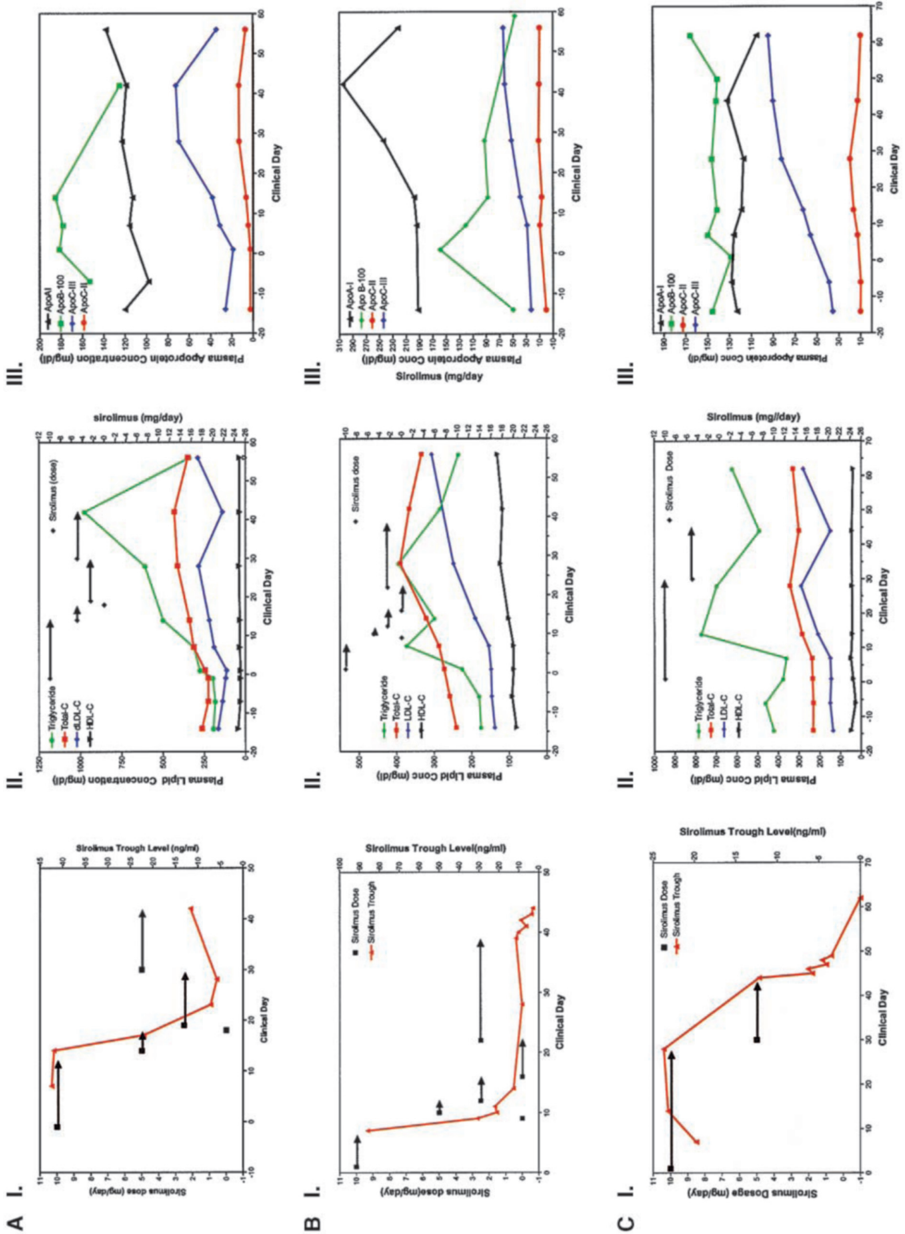
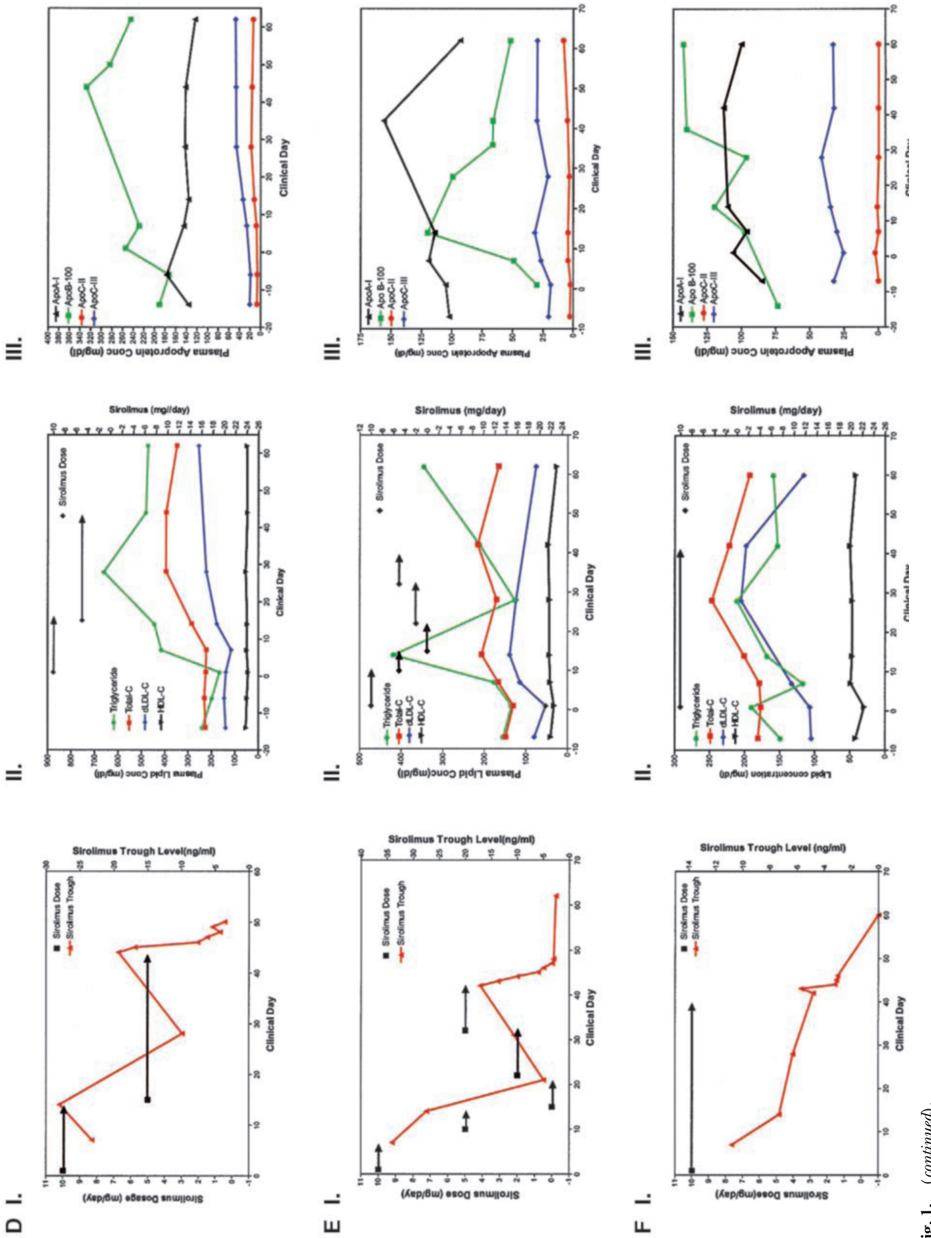
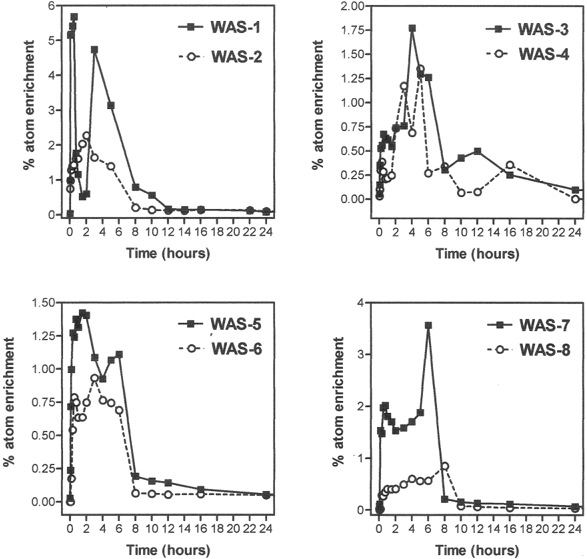
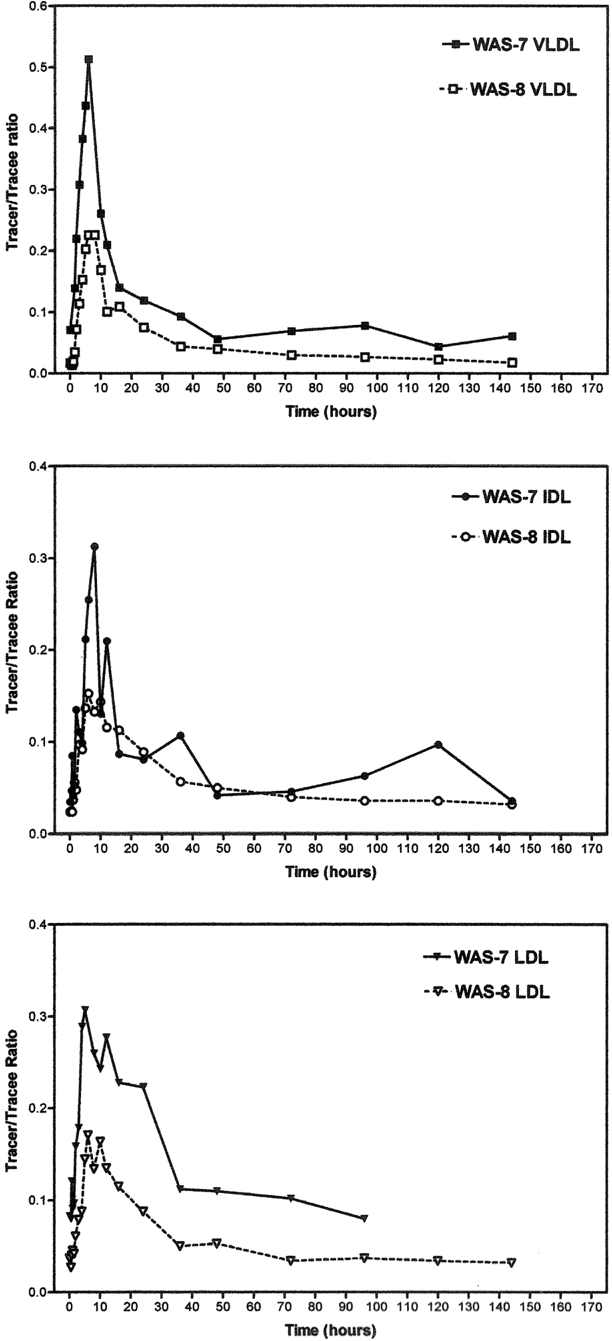
Sirolimus (Rapammune, rapamycin, RAPA) is a potent immunosuppressive drug that reduces renal transplant rejection. Hyperlipidemia is a significant side effect of sirolimus treatment, and frequently leads to cardiovascular disease. This study was undertaken to determine the repeatability, reversibility, and dose dependence of the plasma lipid and apolipoprotein altering effects of sirolimus, and to elucidate the mechanism by which sirolimus induces hypertriglyceridemia in some renal transplant patients. Six patients with renal allografts maintained on cyclosporine A and prednisone were selected on the basis of their previous hyperlipidemic response to short term (14 days) sirolimus administration. For longer-term treatment, each patient was started on 10 mg/day sirolimus and continued as tolerated for 42 days to reinduce hyperlipidemia. Timed blood samples were analyzed for lipid, apolipoprotein, and sirolimus levels. During sirolimus administration, mean total plasma cholesterol increased from 214 mg/dl to 322 mg/dl (+50%; range 25-92%); LDL-cholesterol levels followed a similar pattern. Mean triglyceride level rose from 227 to 432 mg/dl (+95%; range 9-254%). ApoB-100 concentration rose from 124 to 160 mg/dl (+28%; P < 0.05). ApoC-III level increased from 28.9 to 55.5 mg/dl, +92%; (P < 0.013). These lipid and apolipoprotein changes were found to be repeatable, reversible, and dose dependent. [(13)C(4)]palmitate metabolic studies in four patients with hypertriglyceridemia indicated that the free fatty acid pool was expanded by sirolimus treatment (mean = 42.3%). Incorporation of [(13)C(4)]palmitate into triglycerides of VLDL, IDL, and LDL was decreased 38.3%, 42,1%, and 38.4%, respectively, by sirolimus treatment of these patients. These results suggest that sirolimus alters the insulin signaling pathway so as to increase adipose tissue lipase activity and/or decrease lipoprotein lipase activity, resulting in increased hepatic synthesis of triglyceride, increased secretion of VLDL, and increased hypertriglyceridemia.
Overview
The claims and statistics of this paper haven’t been checked yet.
Free: it reads the open-access text and checks the first 5 claims that cite a source we can check. Create a free account to check every claim.
Integrity signals
Registry
Cites
Statistics
Figures
Verification
Claims the paper makes
The claims and statistics of this paper haven’t been checked yet.
Free: it reads the open-access text and checks the first 5 claims that cite a source we can check. Create a free account to check every claim.
Claims other papers make about this one
Each is checked against this paper’s own text: does it say what the citing paper says it does?
The check wasn’t confident either way, so it gives no verdict — never disputed.
In the citing paper
“However, this has not been confirmed in RCTs [266,479-481], or in meta-analyses of observational and randomized trials [482,483].”
From 2019 ESC/EAS guidelines for the management of dyslipidaemias: lipid modification to reduce cardiovascular risk (2019) · cites this paper as [483]
Experimental — accuracy not yet measured
Self-check
Percentages, sums and reported differences re-computed from the paper’s own numbers.
The self-check needs the paper’s full text.
Citations
Cites
Restriction isotyping of human apolipoprotein E by gene amplification and cleavage with HhaI.
Hixson, J., & Vernier, D. (1990) · Journal of Lipid Research · doi:10.1016/s0022-2275(20)43176-1 · Cited by 2,933
Warnick, G. R., Benderson, J., & Albers, J. J. (1982) · Clinical Chemistry · doi:10.1093/clinchem/28.6.1379 · Cited by 2,159
A mammalian protein targeted by G1-arresting rapamycin–receptor complex
Brown, E. J., Albers, M. W., Bum Shin, T., ichikawa, K., Keith, C. T., Lane, W. S., & Schreiber, S. L. (1994) · Nature · doi:10.1038/369756a0 · Cited by 2,053 · cited 1×
“mTOR controls proteins that regulate mRNA translation initiation and G1 progression ( 7 ).”
BackgroundRAFT1 phosphorylation of the translational regulators p70 S6 kinase and 4E-BP1
Burnett, P. E., Barrow, R. K., Cohen, N. A., Snyder, S. H., & Sabatini, D. M. (1998) · Proceedings of the National Academy of Sciences · doi:10.1073/pnas.95.4.1432 · Cited by 1,138
Separation of plasma lipoproteins by density-gradient ultracentrifugation
Redgrave, T. G., Roberts, D. C. K., & West, C. E. (1975) · Analytical Biochemistry · doi:10.1016/0003-2697(75)90488-1 · Cited by 1,107 · cited 1×
“Blood samples (15 ml) were drawn, 18 over the first 24 h and 1 daily for the next 5 days, from which VLDL, IDL, and LDL were isolated by density gradient ultracentrifugation ( 21 ).”
MethodSiedel, J., Hägele, E. O., Ziegenhorn, J., & Wahlefeld, A. W. (1983) · Clinical Chemistry · doi:10.1093/clinchem/29.6.1075 · Cited by 942
Kahan, B. D. (2000) · The Lancet · doi:10.1016/s0140-6736(00)02480-6 · Cited by 913
Self-citationPhosphorylation of the Translational Repressor PHAS-I by the Mammalian Target of Rapamycin
Brunn, G. J., Hudson, C. C., Sekulić, A., Williams, J. M., Hosoi, H., Houghton, P. J., Lawrence, J. C., & Abraham, R. T. (1997) · Science · doi:10.1126/science.277.5322.99 · Cited by 846
MacDonald, A. S. (2001) · Transplantation · doi:10.1097/00007890-200101270-00019 · Cited by 621
[54] Thin-layer chromatography of lipids
(1969) · Methods in Enzymology · doi:10.1016/s0076-6879(69)14056-2 · Cited by 573
Research works printed but not linked: 3
- Mac Donald, A. S. 2001. The Rapamune Global Study Group: a randomized, placebo-controlled trial of rapammune in primary renal allograft recipients. Transplantation. 71: 271-280.
- Labeur, C., and M. Rosseneu. 1997. Immunological assays of apolipoproteins A-II, A-IV, C-I, C-II, C-III in plasma. In Hand- book of Lipoprotein Testing. N. Rifai, R. G. Warnik, and M. H. Dominiczak, editors. ASCP Press, Chicago. 315-328.
- Morrisett, J. D., R. C. Hoogeveen, G. Abdel-Fattah, H. J. Pownall, C. M. Ballantyne, A. R. Opekun, D. L. Hachey, J. S. Jaffe, S. Opper- mann, and B. D. Kahan. 2001. Effect of rapamycin on free fatty acid metabolism in renal transplant patients. Arterioscler. Thromb. Vasc. Biol. 21: 654.
Cited by
Items 101–200 of 295
Chronic rapamycin treatment causes diabetes in male mice
Schindler, C. E., Partap, U., Patchen, B., & Swoap, S. J. (2014) · American Journal of Physiology-Regulatory, Integrative and Comparative Physiology · doi:10.1152/ajpregu.00123.2014 · Cited by 43
Pharmacokinetics of Sirolimus (Rapamycin) in Subjects With Mild to Moderate Hepatic Impairment
Zimmerman, J. J., Lasseter, K. C., Lim, H., Harper, D. M., Dilzer, S. C., Parker, V. D., & Matschke, K. T. (2005) · The Journal of Clinical Pharmacology · doi:10.1177/0091270005281350 · Cited by 39
Gillard, P., Ling, Z., Mathieu, C., Crenier, L., Lannoo, M., Maes, B., Roep, B. O., Gorus, F., PIPELEERS, D. G., & Keymeulen, B. (2008) · Transplantation · doi:10.1097/tp.0b013e31815e8926 · Cited by 39
Jing, W., Yizhuo, Z., Qiming, W., Li, Z., Jianhua, S., Zhehai, W., Ying, C., He, J., Shi, Y., Yu, H., et al. (2018) · Cancer Biology and Medicine · doi:10.20892/j.issn.2095-3941.2018.0158 · Cited by 40
Zeier, M. G., & van der Giet, M. (2010) · Transplant International · doi:10.1111/j.1432-2277.2010.01140.x · Cited by 38
“Indeed, it has been postulated that m-TOR inhibitors may increase lipid concentration because of lipolysis from plaques [110], rather than by lipogenesis.”
BackgroundLegendre, C., Campistol, J. M., Squifflet, J.-P., & Burke, J. T. (2003) · Transplantation Proceedings · doi:10.1016/s0041-1345(03)00241-0 · Cited by 38
Khan, M. A., Hanna, A., Sridhara, S., Chaudhari, H., Me, H. M., Attieh, R. M., & Jawdeh, B. G. A. (2025) · Journal of Clinical Medicine · doi:10.3390/jcm14061821 · Cited by 41
“This was primarily driven by the induction type since the BPAR group was enriched in KTRs induced with IL-2 receptor blockers [31].”
Non-Alcoholic Fatty Liver Disease and Metabolic Syndrome after Liver Transplant
Gitto, S., & Villa, E. (2016) · International Journal of Molecular Sciences · doi:10.3390/ijms17040490 · Cited by 37
“Increased nutrient intake, older age, body weight, presence of DM, renal impairment, immunosuppressive drugs, such as steroids, CSA, TAC, and SIR, are risk factors for post-LT hyperlipidemia [13,14].”
BackgroundEtiology and Management of Dyslipidemia in Patients With Cancer
de Jesus, M., Mohammed, T. J., Singh, M., Tiu, J. G., & Kim, A. S. (2022) · Frontiers in Cardiovascular Medicine · doi:10.3389/fcvm.2022.892335 · Cited by 43
“Dyslipidemia with sirolimus use usually begins 2–4 weeks after starting therapy (57, 58).”
Background(2013) · PubMed · Cited by 36
Diabetes and Cardiovascular Risk in Renal Transplant Patients
Rysz, J., Franczyk, B., Radek, M., Ciałkowska-Rysz, A. D., & Gluba-Brzózka, A. (2021) · International Journal of Molecular Sciences · doi:10.3390/ijms22073422 · Cited by 42
Perspectives of Targeting mTORC1–S6K1 in Cardiovascular Aging
Ming, X., Montani, J., & Yang, Z. (2012) · Frontiers in Physiology · doi:10.3389/fphys.2012.00005 · Cited by 38
“In addition, drugs more specifically inhibiting S6K1 rather than mTORC1 should be developed and the effects of targeting mTORC1 or S6K1 on aging-related cardiovascular diseases and cardiovascular aging and beyond should be investigated.”
BackgroundRisk factors for cardiovascular disease in pediatric renal transplant recipients
Silverstein, D. M. (2004) · Pediatric Transplantation · doi:10.1111/j.1399-3046.2004.00105.x · Cited by 38
“Sirolimus increases the risk of hyperlipidemia in adult renal transplant recipients (17) whereas mycophenolate mofetil reduces cholesterol-induced atherosclerosis in the rabbit (18).”
BackgroundSirolimus in pediatric renal transplantation
Kasap, B. (2011) · Pediatric Transplantation · doi:10.1111/j.1399-3046.2011.01575.x · Cited by 35
“However, increased awareness is necessary for potential hepatic and muscular toxicity of statins and fibrates when used in conjunction with SRL as well as with CNIs (44, 46, 47).”
BackgroundInfluentialTreatment of Dyslipidemia in Allogeneic Hematopoietic Stem Cell Transplant Patients
Marini, B. L., Choi, S. W., Byersdorfer, C. A., Cronin, S. M., & Frame, D. G. (2014) · Transplantation and Cellular Therapy · doi:10.1016/j.bbmt.2014.10.027 · Cited by 38
“[26] found that sirolimus treatment resulted in a dose-dependent expansion of the free fatty acid pool and an increase in hepatic very-low-density lipoprotein (VLDL) synthesis.”
Janus kinase 3: a novel target for selective transplant immunosupression
Podder, H., & Kahan, B. D. (2004) · Expert Opinion on Therapeutic Targets · doi:10.1517/14728222.8.6.613 · Cited by 35
Self-citationReifsnyder, P. C., Flurkey, K., Doty, R. A., Calcutt, N. A., Koza, R. A., & Harrison, D. E. (2022) · Aging Cell · doi:10.1111/acel.13666 · Cited by 37
“Hyperlipidemia is a common side effect in patients undergoing treatments that inhibit mTOR (Morrisett et al., 2002).”
Backgroundden Hartigh, L. J., Goodspeed, L., Wang, S. A., Kenerson, H. L., Omer, M., O’Brien, K. D., Ladiges, W., Yeung, R. S. W., & Subramanian, S. (2018) · Experimental Physiology · doi:10.1113/ep087207 · Cited by 34
“However, the clinical use of rapamycin in transplantation is plagued with significant metabolic dysregulation, including hyperlipidaemia and hyperglycaemia, and its effects on the immune systemare complex (Morrisett et al., 2002; Teutonico, Schena, & Di Paolo, 2005).”
BackgroundEffect of everolimus on pre-existing atherosclerosis in LDL-receptor deficient mice
Beutner, F., Brendel, D., Teupser, D., Sass, K., Baber, R., Mueller, M., Ceglarek, U., & Thiery, J. (2012) · Atherosclerosis · doi:10.1016/j.atherosclerosis.2012.03.003 · Cited by 33
Kahan, B. D. (2008) · Transplantation Proceedings · doi:10.1016/j.transproceed.2008.10.019 · Cited by 32
Self-citationChoi, B.-R., Kwon, E., Kim, H.-J., & Choi, M. (2018) · Nutrients · doi:10.3390/nu10111797 · Cited by 33
“Triglyceride, cholesterol, and other lipids are transported in the blood by lipoproteins, such as very low-density lipoprotein (VLDL), low-density lipoprotein (LDL) and HDL [31].”
BackgroundTreatment of dyslipidemia in kidney transplantation
Ponticelli, C. E., Arnaboldi, L., Moroni, G. L., & Corsini, A. (2020) · Expert Opinion on Drug Safety · doi:10.1080/14740338.2020.1732921 · Cited by 35
Mei, Z., Hong, Y., Yang, H., Cai, S., Hu, Y., Chen, Q., Yuan, Z., & Liu, X. (2023) · European Journal of Pharmacology · doi:10.1016/j.ejphar.2023.175642 · Cited by 33
mTOR inhibitors and renal allograft: Yin and Yang
Zaza, G., Granata, S., Tomei, P., Masola, V., Gambaro, G., & Lupo, A. (2014) · Journal of Nephrology · doi:10.1007/s40620-014-0103-y · Cited by 32
“Similarly it has been shown that mTOR-I cause the up-regulation of circulating levels of apolipoprotein B-100 [a major component of very low density lipoprotein (VLDL) and LDL, and a ligand for the LDL receptor], apolipoprotein C-III (a potent inhibitor of lipoprotein lipase) and adipocyte fatty acid-binding protein 2…”
BackgroundPopulation pharmacokinetics of sirolimus inde novoChinese adult renal transplant patients
Jiao, Z., Shi, X., Li, Z., & Zhong, M. (2009) · British Journal of Clinical Pharmacology · doi:10.1111/j.1365-2125.2009.03392.x · Cited by 33
Ramalingam, L., Oh, E., & Thurmond, D. C. (2012) · Cellular and Molecular Life Sciences · doi:10.1007/s00018-012-1176-1 · Cited by 38
“For example, chronic rapamycin treatment, used as an immunosuppressant in human transplant recipients, paradoxically promoted glucose intolerance and caused diabetes-like symptoms [237, 238].”
Rotz, S. J., Ryan, T. D., Hlavaty, J., George, S. A., El-Bietar, J. A., & Dandoy, C. E. (2017) · Pediatric Blood & Cancer · doi:10.1002/pbc.26600 · Cited by 32
Zhou, Y., Cao, X., Liu, Z., Cao, Y., Liu, C., Zhang, Y., & Xie, Y. (2016) · PLoS ONE · doi:10.1371/journal.pone.0146777 · Cited by 31
“Increasing evidences indicate that mTOR inhibition stabilizes atherosclerotic plaques and limits atherosclerotic progression in vitro [8, 9] and in vivo [10, 11], however, our understanding of the mechanism remains incomplete.”
BackgroundMachado, P. G. P., Felipe, C. R., Hanzawa, N. M., Park, S. I., Garcia, R., Alfieri, F., de Franco, M. F., Junior, H. T. S., & Pestana, J. O. M. (2004) · Clinical Transplantation · doi:10.1111/j.1399-0012.2004.00113.x · Cited by 31
“While the increase in triglyceride levels appears to be primarily associated with increasing SRL blood concentration (16), the increase in cholesterol concentrations seems to be related to increases in both cyclosporine and SRL blood concentration (Fig.”
BackgroundPotential role of proliferation signal inhibitors on atherosclerosis in renal transplant patients
Andrés, V., Castro, C., & Campistol, J. M. (2006) · Nephrology Dialysis Transplantation · doi:10.1093/ndt/gfl296 · Cited by 31
“decreased lipoprotein lipase activity in response to altered insulin-mediated signalling [26,27], and it has been proposed that sirolimus indirectly up-regulates expression of the gene apo CIII, an important inhibitor of lipoprotein lipase [28].”
BackgroundGrowth or longevity: the TOR’s decision on lifespan regulation
Wei, Y., Zhang, Y., & Cai, Y. (2013) · Biogerontology · doi:10.1007/s10522-013-9435-6 · Cited by 32
Upstream signalling of mTORC1 and its hyperactivation in type 2 diabetes (T2D)
Ali, M. Z., Bukhari, S. A., Ali, M. Z., & Lee, H.-W. (2017) · BMB Reports · doi:10.5483/bmbrep.2017.50.12.206 · Cited by 32
“Chronic intake of rapamycin causes hyperlipidemia and stimulates glucose intolerance (89-91).”
BackgroundPisano, G., Fracanzani, A. L., Caccamo, L., Donato, M. F., & Fargion, S. R. (2016) · World Journal of Gastroenterology · doi:10.3748/wjg.v22.i40.8869 · Cited by 31
Górska, M., & Kurnatowska, I. (2022) · Nutrients · doi:10.3390/nu14234996 · Cited by 32
Hornum, M., Lindahl, J. P., von Zur‐Mühlen, B., Jenssen, T. G., & Feldt‐Rasmussen, B. (2013) · Transplant International · doi:10.1111/tri.12112 · Cited by 29
“High cholesterol levels are also seen with mTOR inhibition [50,52].”
BackgroundTirronen, A., Vuorio, T., Kettunen, S., Hokkanen, K., Ramms, B., Niskanen, H., Laakso, H., Kaikkonen, M. U., Jauhiainen, M., Gordts, P. L. S. M., et al. (2018) · Arteriosclerosis Thrombosis and Vascular Biology · doi:10.1161/atvbaha.118.311549 · Cited by 28
Leung, L. Y., Lim, H., Abell, M., & Zimmerman, J. J. (2006) · Therapeutic Drug Monitoring · doi:10.1097/01.ftd.0000179838.33020.34 · Cited by 32
Dyslipidemia in Renal Transplant Recipients
Chmielnicka, K., Heleniak, Z., & Dębska-Ślizień, A. M. (2022) · Transplantology · doi:10.3390/transplantology3020020 · Cited by 30
“Glucocorticoids elevate TG concentration by induction of hepatic lipogenesis (mainly VLDL), inhibition of lipoprotein lipase (LPL), hepatic lipase (HL), and downregulation of hepatic LDL receptors (LDL-R).”
BackgroundInfluentialCardiovascular and metabolic disease in the liver transplant recipient
Kim, N. G., Sharma, A., & Saab, S. (2020) · Best Practice & Research Clinical Gastroenterology · doi:10.1016/j.bpg.2020.101683 · Cited by 27
RORα Enhances Lysosomal Acidification and Autophagic Flux in the Hepatocytes
Kim, H., Han, Y., Kim, J., & Lee, M. (2021) · Hepatology Communications · doi:10.1002/hep4.1785 · Cited by 24
“(35,40) However, significant side effects, such as alteration of insulin signaling and hyperlipidemia, were reported after Sirolimus (Rapamycin) and Everolimus, which are allosteric inhibitors of mTOR, and applied for immune suppression in transplant recipients.(41,42) Our results suggest that strategies using RORα an…”
BackgroundLopes, P. C. M. M., Fuhrmann, A., Sereno, J., Espinoza, D., Pereira, M. J., Eriksson, J. W., Reis, F., & Carvalho, E. (2014) · Metabolism · doi:10.1016/j.metabol.2014.02.004 · Cited by 26
“[9] Morrisett JD, Abdel-Fattah G, Hoogeveen R, et al.”
BackgroundSimha, V., Qin, S., Shah, P., Smith, B. H., Kremers, W. K., Kushwaha, S. S., Wang, L., & Pereira, N. L. (2016) · Journal of Cardiovascular Translational Research · doi:10.1007/s12265-016-9719-8 · Cited by 24
“Other contributing factors to sirolimusinduced hyperlipidemia could be an increase in apolipoprotein B synthesis leading to increased production of VLDL particles [22] ultimately leading to increased LDL particles with triglyceride hydrolysis.”
Assessment of risk factors for cardiovasuclar disease in pediatric renal transplant patients
Silverstein, D. M., Mitchell, M., LeBlanc, P., & Boudreaux, J. P. (2007) · Pediatric Transplantation · doi:10.1111/j.1399-3046.2007.00730.x · Cited by 23
Zidan, H., Lo, S. F., Wiebe, D. A., Talano, J., & Alemzadeh, R. (2008) · Pediatric Blood & Cancer · doi:10.1002/pbc.21522 · Cited by 22
de Lucena, D. D., de Sá, J. R., Pestana, J. O. M., & Rangel, É. B. (2020) · Journal of Diabetes Research · doi:10.1155/2020/1938703 · Cited by 22
“Sirolimus may also cause glucose intolerance, hyperinsulinemia, and hypertriglyceridemia, which is due to increased hepatic gluconeogenesis and reduced stimulated glucose uptake in skeletal muscle [8, 38, 39].”
BackgroundAutophagy and cardiometabolic risk factors
Juárez-Rojas, J. G., Reyes‐Soffer, G., Conlon, D., & Ginsberg, H. N. (2014) · Reviews in Endocrine and Metabolic Disorders · doi:10.1007/s11154-014-9295-7 · Cited by 23
“Furthermore, a selective clearance of lesional macrophages and rise in apolipoprotein A1 and HDL were observed after rapamycin or sirolimus treatment, which suggests another plausible mechanism by which mTOR inhibition exerts atheroprotective effects [78, 79].”
BackgroundNew Approaches to Cardiovascular Disease and Its Management in Kidney Transplant Recipients
Aziz, F., Jorgenson, M., Garg, N., Parajuli, S., Mohamed, M., Raza, F., Mandelbrot, D. A., Djamali, A., & Dhingra, R. (2022) · Transplantation · doi:10.1097/tp.0000000000003990 · Cited by 23
“They have a fairly problematic side-effect profile, which includes dyslipidemia.(145) Sirolimus was initially approved by the Food and Drug Administration for the use in combination with CsA and corticosteroids to prevent allograft rejection in KTRs.”
BackgroundNegative Cardiovascular Consequences of Small Molecule Immunosuppressants
Chakkera, H. A., Sharif, A., & Kaplan, B. E. (2017) · Clinical Pharmacology & Therapeutics · doi:10.1002/cpt.738 · Cited by 22
Metabolic syndrome following liver transplantation in nonalcoholic steatohepatitis
Spiritos, Z. P., & Abdelmalek, M. F. (2020) · Translational Gastroenterology and Hepatology · doi:10.21037/tgh.2020.02.07 · Cited by 24
“It is also hypothesized that rapamycin decreases free fatty acid oxidation leading to expansion of the free fatty acid pool (28).”
BackgroundCardioprotective effects of dietary rapamycin on adult female C57BLKS/J‐Leprdb mice
Reifsnyder, P. C., Ryzhov, S. V., Flurkey, K., Anunciado‐Koza, R. P., Mills, I., Harrison, D. E., & Koza, R. A. (2018) · Annals of the New York Academy of Sciences · doi:10.1111/nyas.13557 · Cited by 21
Drugs acting on the immune system
Vial, T., Descotes, J., Screaton, G. R., Behrend, M., & Ludwig, C. (2003) · Side effects of drugs annual · doi:10.1016/s0378-6080(03)80044-2 · Cited by 21
Rangel, É. B. (2012) · Expert Opinion on Drug Metabolism & Toxicology · doi:10.1517/17425255.2012.724058 · Cited by 21
“Several explanations were addressed, such as increased adipose tissue lipase activity, decreased lipoprotein lipase activity, which resulted in increased hepatic synthesis of TG, secretion of VLDL, and hypertriglyceridemia [43].”
BackgroundRisk factors of metabolic syndrome after liver transplantation
Zheng, J., & Wang, W. (2015) · Hepatobiliary & pancreatic diseases international · doi:10.1016/s1499-3872(15)60037-6 · Cited by 21
Varco-Merth, B. D., Brantley, W., Marenco, A., Duell, D. D., Fachko, D. N., Richardson, B., Busman‐Sahay, K., Shao, D., Flores, W., Engelman, K. D., et al. (2022) · Journal of Clinical Investigation · doi:10.1172/jci156063 · Cited by 21
“This increase is consistent with previous reports of disrupted lipid metabolism following mTOR inhibition (41, 42).”
ResultKahan, B. (2011) · Expert Opinion on Drug Safety · doi:10.1517/14740338.2011.579898 · Cited by 19
“1 Dyslipidemias The most prominent set of adverse reactions are hyperlipidemias [57], which occur in 60 -- 80% of mTORi-treated transplant recipients (Table 1).”
BackgroundSelf-citationDeveloping a genetic testing panel for evaluation of morbidities in kidney transplant recipients
Ma, B. M., Elefant, N., Tedesco, M., Bogyo, K., Vena, N., Murthy, S. B. K., Bheda, S., Yang, S. Y.-R., Tomar, N., Zhang, J. Y., et al. (2024) · Kidney International · doi:10.1016/j.kint.2024.02.021 · Cited by 20
Das, F., Ghosh‐Choudhury, N., Mariappan, M. M., Kasinath, B. S., & Choudhury, G. G. (2016) · American Journal of Physiology-Cell Physiology · doi:10.1152/ajpcell.00266.2015 · Cited by 19
“Chronic use of rapamycin, which blocks both mTORC1 and mTORC2, produces glucose intolerance, insulin resistance, and new-onset diabetes in both rodents and humans (21, 26, 30, 51, 72).”
The immune system as a chronotoxicity target of the anticancer mTOR inhibitor everolimus
Öztürk, N., Civelek, D. Ö., Pala-Kara, Z., Kaptan, E., Sancar‐Baş, S., Özsoy, N., Çınar, S., Deniz, G., Li, X., Giacchetti, S., et al. (2018) · Chronobiology International · doi:10.1080/07420528.2018.1432632 · Cited by 19
“The pathophysiology of mTOR pathway inhibitor-induced hyperlipidemia most likely involves impaired clearance of lipids from the bloodstream as opposed to increased hepatic synthesis (Hoogeveen et al. 2001; Morrisett et al. 2002).”
BackgroundMaluf, D. G., Mas, V. R., Archer, K. J., Yanek, K. C., King, A., Ferreira‐Gonzalez, A., Fisher, R. A., & Posner, M. P. (2005) · Transplantation · doi:10.1097/01.tp.0000187869.04180.7f · Cited by 19
Cancer knocks you out by fasting: Cachexia as a consequence of metabolic alterations in cancer
Cortellino, S., D’Angelo, M., Quintiliani, M., & Giordano, A. (2024) · Journal of Cellular Physiology · doi:10.1002/jcp.31417 · Cited by 20
Joukhadar, R., & Chiu, K. C. (2011) · Endocrine Practice · doi:10.4158/ep11212.ra · Cited by 18
Proteinuria After Conversion to Sirolimus in Renal Transplant Recipients
Sahin, G. M., Şahin, S., Kantarcı, G., & ERGIN, H. (2006) · Transplantation Proceedings · doi:10.1016/j.transproceed.2006.10.152 · Cited by 18
Sills, A. M., Artavia, J. M., DeRosa, B. D., Ross, C. N., & Salmon, A. B. (2019) · American Journal of Primatology · doi:10.1002/ajp.22927 · Cited by 17
Nguyen, V. N., Abagyan, R. A., & Tsunoda, S. M. (2021) · Clinical Transplantation · doi:10.1111/ctr.14228 · Cited by 17
Role of fruits in aging and age-related disorders
Arif, M. U., Khan, M. K. I., Riaz, S., Nazir, A., Maan, A. A., Amin, U., Saeed, F., & Afzaal, M. (2022) · Experimental Gerontology · doi:10.1016/j.exger.2022.111763 · Cited by 17
Prevention and management of transplant-associated diabetes
Jenssen, T. G., & Hartmann, A. (2011) · Expert Opinion on Pharmacotherapy · doi:10.1517/14656566.2011.628936 · Cited by 18
“Indeed, mTor inhibition induces not only hypertriglyceridemia and insulin resistance but also high cholesterol levels [70,72].”
BackgroundmTOR inhibitors in pancreas transplant: adverse effects and drug-drug interactions
Fernandes-Silva, G., de Paula, M. I., & Rangel, É. B. (2016) · Expert Opinion on Drug Metabolism & Toxicology · doi:10.1080/17425255.2017.1239708 · Cited by 18
“reduced insulin-stimulated glucose uptake in skeletal muscle [101,102].”
BackgroundInfluentialLong-term Management of the Adult Liver Transplantation Recipients
Choudhary, N. S., Saraf, N., Saigal, S., & Soin, A. S. (2020) · Journal of Clinical and Experimental Hepatology · doi:10.1016/j.jceh.2020.06.010 · Cited by 18
“Sirolimus alters insulin signaling causing insulin resistance.(33) The free fatty acids are the main substrate for very low-density lipoprotein synthesis.”
BackgroundMakkar, K. M., Sanoski, C. A., Goldberg, L. R., & Spinler, S. A. (2013) · Annals of Pharmacotherapy · doi:10.1177/1060028013504077 · Cited by 15
“03 AST (U/L) 33 ± 23 (15-102) 25 ± 7 (15-46) 31 ± 16 (15-102) .”
Hyperlipidaemia in immunosuppression
Kockx, M., & Kritharides, L. (2016) · Current Opinion in Lipidology · doi:10.1097/mol.0000000000000363 · Cited by 16
“Acute inhibition of mTOR decreases trigylceride production; however, long-term treatment may lead to increased trigylceride synthesis [16].”
BackgroundSirolimus upregulates aP2 expression in human monocytes and macrophages
Liu, Q.-Y., & Nambi, P. (2004) · Transplantation Proceedings · doi:10.1016/j.transproceed.2004.10.086 · Cited by 15
Ju, Y., Edman, M. C., Guo, H., Janga, S. R., Peddi, S., Louie, S. G., Junge, J. A., MacKay, J. A., & Hamm‐Alvarez, S. F. (2020) · Biomacromolecules · doi:10.1021/acs.biomac.0c01468 · Cited by 14
Huang, H., Yuan, M., Seitzer, P., Ludwigsen, S., & Asara, J. M. (2020) · Methods and Protocols · doi:10.3390/mps3030054 · Cited by 16
“Rapa treated hypertriglyceridemia patients as well as the tsc2 mutated mouse embryonic fibroblast (MEF) cells, which indicated that mTOR suppressed TG accumulation, can also occur in some other cells and patients [26,64,65] We also attempted to incorporate triple labeled stable isotope labeling by amino acids in cell…”
BackgroundAdverse Effects of Immunosuppression: Nephrotoxicity, Hypertension, and Metabolic Disease
Hoosain, J., & Hamad, E. A. (2021) · Handbook of experimental pharmacology · doi:10.1007/164_2021_547 · Cited by 14
Jiang, J.-C., Hu, C., McIntosh, A. M., & Shah, S. H. (2023) · Translational Psychiatry · doi:10.1038/s41398-023-02403-8 · Cited by 17
“Limited evidence suggests a cholesterol-modifying effect of sirolimus [7, 8], with little evidence on the effect of alvespimycin on lipids.”
BackgroundEverolimus, a promising medical therapy for coronary heart disease?
Jia, L., & Hui, R. (2009) · Medical Hypotheses · doi:10.1016/j.mehy.2009.03.011 · Cited by 14
“Morrisett and coworkers [8] are the first to show that rapamycin induces lipolysis and causes hypertriglyceridemia.”
BackgroundLipoprotein-X disease in the setting of severe cholestatic hepatobiliary autoimmune disease
Heinl, R. E., Tennant, H. M., Ricketts, J. C., Rice, C. R., Robinson, C. B., Sandesara, P. B., Moriarty, P. M., & Sperling, L. S. (2016) · Journal of clinical lipidology · doi:10.1016/j.jacl.2016.09.016 · Cited by 14
Asleh, R., Briasoulis, Α., Pereira, N. L., Edwards, B. S., Frantz, R. P., Daly, R. C., Lerman, A., & Kushwaha, S. S. (2018) · The Journal of Heart and Lung Transplantation · doi:10.1016/j.healun.2018.07.004 · Cited by 13
Śmiałek, D., Jóźwiak, S., & Kotulska, K. (2023) · Journal of Clinical Medicine · doi:10.3390/jcm12010365 · Cited by 13
“Hyperlipidemia caused by mTOR inhibitors is repeatable, reversible, and dose-dependent [31].”
BackgroundSam, W. J., Chamberlain, C. E., Lee, S., Goldstein, J. A., Hale, D. A., Mannon, R. B., Kirk, A. D., & Hon, Y. Y. (2012) · Transplantation · doi:10.1097/tp.0b013e31826b55e2 · Cited by 14
“Lowdensity lipoprotein cholesterol (LDL-C) was increased in a time course resembling the elevation of TC (2), and increased levels of apolipoprotein B100, C2, and C3 were observed (2Y5).”
BackgroundExpert opinion on the metabolic complications of mTOR inhibitors
Bouillet, B., Buffier, P., Smati, S., Archambeaud, F., Cariou, B., & Vergès, B. L. (2018) · Annales d Endocrinologie · doi:10.1016/j.ando.2018.07.010 · Cited by 15
Dong, J., Xu, Q., Qian, C., Wang, L., DiSciullo, A., Lei, J., Lei, H., Yan, S., Wang, J., Jin, N., et al. (2024) · Cell Biology and Toxicology · doi:10.1007/s10565-024-09855-8 · Cited by 13
DeBerge, M., Schroth, S. L., Du, F., Yeap, X. Y., Wang, J.-J., Zhang, Z. J., Ansari, M. J., Scott, E. A., & Thorp, E. B. (2024) · Proceedings of the National Academy of Sciences · doi:10.1073/pnas.2319623121 · Cited by 13
Molecular Targeting of Immunosuppressants Using a Bifunctional Elastin-Like Polypeptide
Ju, Y., Guo, H., Yarber, F., Edman, M. C., Peddi, S., Janga, S. R., MacKay, J. A., & Hamm‐Alvarez, S. F. (2019) · Bioconjugate Chemistry · doi:10.1021/acs.bioconjchem.9b00462 · Cited by 12
Post-Liver Transplant Metabolic Syndrome
Choudhury, A. K., Singh, S. P., Deshmukh, A., Sahoo, B., & Eslam, M. (2024) · Journal of Clinical and Experimental Hepatology · doi:10.1016/j.jceh.2024.101368 · Cited by 14
Everolimus: preventing organ rejection in adult kidney transplant recipients
Dantal, J. (2012) · Expert Opinion on Pharmacotherapy · doi:10.1517/14656566.2012.662955 · Cited by 12
Sirolimus and everolimus: inhibitors of mammalian target of rapamycin in liver transplantation
Watson, C. J. E., & Bradley, J. A. (2006) · Transplantation Reviews · doi:10.1016/j.trre.2006.06.001 · Cited by 12
Zhang, C., Yoon, M., & Chen, J. (2009) · American Journal of Physiology-Endocrinology and Metabolism · doi:10.1152/ajpendo.90651.2008 · Cited by 15
“A major side effect of rapamycin treatment in patients of organ transplantation is hyperlipidemia, characterized by elevated triacylglycerol and FFA levels in the blood (22, 23), providing the first hint that rapamycin may stimulate lipolysis.”
BackgroundCampbell, C. M., Guha, A., Haque, T. Z., Neilan, T. G., & Addison, D. (2020) · Journal of Clinical Medicine · doi:10.3390/jcm9092935 · Cited by 11
“In one study, total cholesterol increased by 50% (range 25–93%), and the mean triglyceride level increased by 95% (range 9–254%) [85].”
BackgroundSalas‐Ambrosio, P., Bernad‐Bernad, M. J., Linares-Alba, M. A., García‐Santisteban, R., Tonix-Aburto, L. A., Ornelas-Lobato, G. J., Gracia‐Mora, I., Rivera-Huerta, M., Sánchez‐Bartéz, F., Rico-Morales, H., et al. (2021) · Journal of Ocular Pharmacology and Therapeutics · doi:10.1089/jop.2020.0108 · Cited by 11
“According to literature, administration of rapamycin has been associated with cholesterol serum elevation at rapamycin doses from 1 to 7 mg/day 49 ; however, there was no increase observed in cholesterol levels in rapamycin treated groups.”
Framarino‐dei‐Malatesta, M., Derme, M., Napoli, A., Iaria, G., Manzia, T. M., Orlando, G., Casorelli, A., & Berloco, P. B. (2014) · Transplantation Proceedings · doi:10.1016/j.transproceed.2014.07.047 · Cited by 11
“Morrisett et al [30] 6 (SRL) Kidney High total plasma cholesterol, LDL-cholesterol, and”
BackgroundSteroid Withdrawal in Simultaneous Pancreas-Kidney Transplantation: A 7-Year Report
Malheiro, J., Martins, L. S., Fonseca, I. M., Gomes, A. M., Santos, J., Dias, L., Dores, J. M., Oliveira, F., Seca, R., Almeida, R., et al. (2009) · Transplantation Proceedings · doi:10.1016/j.transproceed.2009.03.036 · Cited by 11
Kushwaha, S. S., & Xu, X. (2012) · Trends in Cardiovascular Medicine · doi:10.1016/j.tcm.2012.06.009 · Cited by 11
Lombard‐Bohas, C., Cariou, B., Vergès, B. L., Coriat, R., Nguyen, T., François, É., Hammel, P. R., Niccoli, P., & Hentic, O. (2014) · Bulletin du Cancer · doi:10.1684/bdc.2014.1887 · Cited by 13
Management of dyslipidemia after allogeneic hematopoietic stem cell transplantation
Lu, Y., Ma, X., Pan, J., Ma, R., & Jiang, Y. (2022) · Lipids in Health and Disease · doi:10.1186/s12944-022-01665-3 · Cited by 12
“observed the effects of treatment with CSA or SRL on glucolipid metabolism in Wistar rats [18].”
BackgroundIacob, S., Beckebaum, S., Iacob, R. A., Gheorghe, C., Cicinnati, V. R., Popescu, I., & Gheorghe, L. S. (2022) · Frontiers in Nutrition · doi:10.3389/fnut.2021.787430 · Cited by 12
“Sirolimus proved to worsen hyperlipidemia in a dose-dependent manner (33).”
BackgroundUnexplained hemolysis in patients undergoing ECMO: beware of hypertriglyceridemia
Venado, A. E., Wille, K. M., Bellot, S., & Diaz‐Guzman, E. (2014) · Perfusion · doi:10.1177/0267659114557693 · Cited by 10
Sessa, A., Esposito, A., Iavicoli, G., Lettieri, E., Ragosta, G., Rossano, R., & Capuano, M. (2012) · Transplantation Proceedings · doi:10.1016/j.transproceed.2012.05.060 · Cited by 9
Madrigal, J. M., Monson, R. S., Hatipoğlu, B., Oberholzer, J., Kondos, G. T., Varady, K. A., & Danielson, K. K. (2017) · Clinical Transplantation · doi:10.1111/ctr.13059 · Cited by 9
“The discrepant findings could potentially be a function of alterations in metabolism and FFA dynamics due to the use of immunosuppression which significantly increases FFA levels (36), the substantial changes in VAT and SAT following islet transplant, and/or by factors such as changes in diet or physical activity foll…”
Ng, H. Y., Oliver, B. G. G., Burgess, J. K., Krymskaya, V. P., Black, J. L., & Moir, L. M. (2015) · Journal of Cellular and Molecular Medicine · doi:10.1111/jcmm.12593 · Cited by 9
“hyperlipidemia, glucose intolerance, diabetes like syndromes and cancer [32-35].”
Background
Metadata
- Authors
- Morrisett, J. D., Abdel-Fattah, G., Hoogeveen, R., Mitchell, E., Ballantyne, C. M., Pownall, H. J., Opekun, A. R., Jaffe, J. S., Oppermann, S., & Kahan, B. D.
- Affiliations
- Baylor College of Medicine (US)
- The University of Texas Health Science Center at Houston (US)
- Corresponding author
- Morrisett, Joel D.
- Venue
- Journal of Lipid Research
- Publisher
- Elsevier BV
- Published
- 2002-08
- Volume
- 43
- Issue
- 8
- Pages
- 1170-1180
- ISSN
- 0022-2275 (ISSN-L)
- OpenAlex
- W1783019770
- Cited by
- 295
- References
- 38
- Citations by year
- 2026: 6 · 2025: 4 · 2024: 9 · 2023: 10 · 2022: 15 · 2021: 10 · 2020: 12 · 2019: 6 · 2018: 12 · 2017: 16 · 2016: 20 · 2015: 14 · 2014: 23 · 2013: 14 · 2012: 22
- FWCI
- 6.57
- Type
- journal article
- Language
- en
- Open access
- hybrid
- doi.org
- Licence
- cc-by
- www.elsevier.com/tdm/userlicense/1.0/ (tdm)
- creativecommons.org/licenses/by/4.0/ (vor, 6609 d)
- Locations
- Journal of Lipid Research (publishedVersion, cc-by)
- PubMed (publishedVersion)
- DOAJ (DOAJ: Directory of Open Access Journals) (submittedVersion, cc-by-sa)
- Funders
- U.S. Public Health Service (DL 38016)
- National Heart, Lung, and Blood Institute (HL-07812, T32HL007812)
- Topics
- Health Sciences › Medicine › Transplantation › Renal Transplantation Outcomes and Treatments
- Health Sciences › Medicine › Cardiology and Cardiovascular Medicine › Lipoproteins and Cardiovascular Health
- Health Sciences › Medicine › Surgery › Transplantation: Methods and Outcomes
- Keywords
- rapamycin, kidney transplantation, hyperlipidemia, hypertriglyceridemia, plasma lipids, apolipoproteins, apolipoprotein B-100, apolipoprotein C-III, fatty acid metabolism, palmitate incorporation, lipoprotein lipase, adipose tissue lipase, insulin signaling, cyclosporine
- MeSH terms
- Adult, Cholesterol, Fatty Acids, Nonesterified, Female, Humans, Immunosuppressive Agents, Lipoproteins, Male, Middle Aged, Triglycerides, Kidney Transplantation, Sirolimus
About these checks
Registry, retraction, Cites and statistics results are computed, not judged, with one exception: a printed reference that no index lists is read once by a model before it counts as a citation error. Claims are extracted by a model and kept only when their quote appears verbatim in the text; each cited source is then checked, with a model’s help, for whether it says what the claim relies on. Those verdicts can be wrong — read the claim’s quote and the cited source before relying on one.
Statistics and arithmetic are recomputed, not judged.
Confidence bands are shown only for fields calibrated on our annotated test set. None is calibrated yet, so no band is shown.
What counts as a claim ›How we measure confidence ›How we check this ›
Are you an author, or do you see a problem with this page? Request a review
Data sources
Bibliographic data: Semantic Scholar, OpenAlex, Crossref.
Contains information from the Semantic Scholar Academic Graph Datasets, made available under the ODC Attribution License (ODC-BY 1.0).
Semantic Scholar’s data is described in: Kinney, R., et al. (2023). The Semantic Scholar Open Data Platform. arXiv:2301.10140.
