

Hepatic triacylglycerol accumulation and insulin resistance
Open accessThe DOI matches its Crossref record; 55 of the 55 references it cites were found in a registry or an index.
Abstract
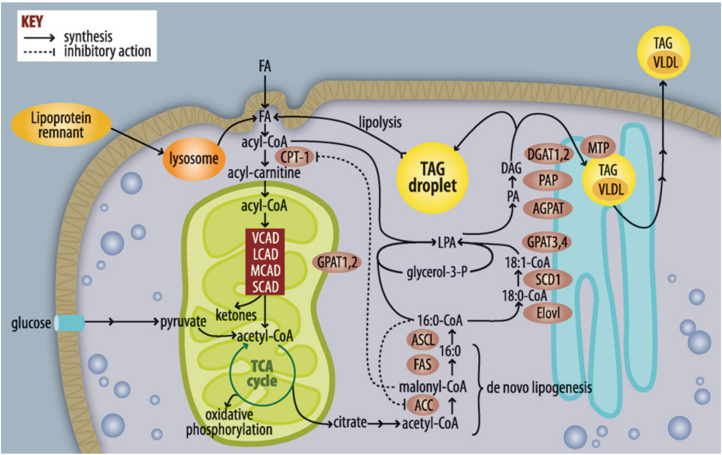
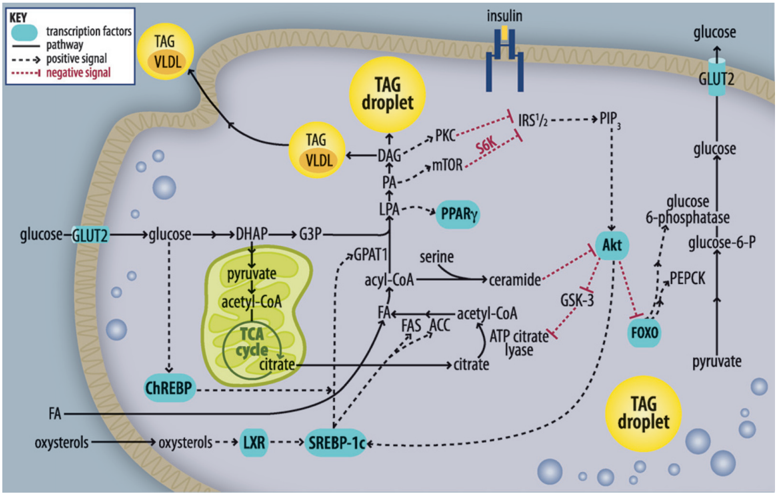
The association of hepatic steatosis with hepatic insulin resistance and type 2 diabetes has prompted investigators to elucidate the underlying mechanism. In this review we focus on pathways of lipid metabolism, and we review recent data, primarily from mouse models, that link lipid intermediates with insulin resistance. Most of the studies that implicate acyl-CoA, lysophosphatidic acid, phosphatidic acid, diacylglycerol, or ceramide rely on indirect associations. Convincing data to support the hypothesis that specific lipid intermediates initiate pathways that alter insulin signaling will require studies in which the concentration of each purported signaling molecule can be manipulated independently.
Overview
The claims and statistics of this paper haven’t been checked yet.
Free: it reads the open-access text and checks the first 5 claims that cite a source we can check. Create a free account to check every claim.
Integrity signals
Registry
Cites
Statistics
Figures
Verification
Claims the paper makes
The claims and statistics of this paper haven’t been checked yet.
Free: it reads the open-access text and checks the first 5 claims that cite a source we can check. Create a free account to check every claim.
Claims other papers make about this one
Each is checked against this paper’s own text: does it say what the citing paper says it does?
In the citing paper
“This relationship is evident in obese and diabetic humans as well as in several rodent and cell culture models of metabolic disease and/or chronic lipid exposure (An et al., 2004; Hulver et al., 2003; Nagle et al., 2009).”
From Lipid-Induced Mitochondrial Stress and Insulin Action in Muscle (2012) · cites this paper as Nagle et al., 2009
Self-check
Percentages, sums and reported differences re-computed from the paper’s own numbers.
The self-check needs the paper’s full text.
Citations
Cites
Donnelly, K. L., Smith, C. I., Schwarzenberg, S. J., Jessurun, J., Boldt, M. D., & Parks, E. J. (2005) · Journal of Clinical Investigation · doi:10.1172/jci23621 · Cited by 3,604
Local and systemic insulin resistance resulting from hepatic activation of IKK-β and NF-κB
Cai, D., Yuan, M., Frantz, D. F., Melendez, P. A., Hansen, L., Lee, J., & Shoelson, S. E. (2005) · Nature Medicine · doi:10.1038/nm1166 · Cited by 2,245
Nonalcoholic steatohepatitis: association of insulin resistance and mitochondrial abnormalities
Sanyal, A. J., Campbell–Sargent, C., Mirshahi, F., Rizzo, W. B., Contos, M. J., Sterling, R. K., Luketic, V. A., Shiffman, M. L., & Clore, J. N. (2001) · Gastroenterology · doi:10.1053/gast.2001.23256 · Cited by 2,078
Role of Fatty Acids in the Pathogenesis of Insulin Resistance and NIDDM
Boden, G. (1997) · Diabetes · doi:10.2337/diab.46.1.3 · Cited by 1,728
Yu, C., Chen, Y., Cline, G. W., Zhang, D., Zong, H., Wang, Y., Bergeron, R., Kim, J. K., Cushman, S. W., Cooney, G. J., et al. (2002) · Journal of Biological Chemistry · doi:10.1074/jbc.m200958200 · Cited by 1,561
Mechanism of hepatic insulin resistance in non-alcoholic fatty liver disease
Samuel, V. T., Liu, Z.-X., Qu, X., Elder, B. D., Bilz, S., Befroy, D., Romanelli, A. J., & Shulman, G. I. (2004) · Journal of Biological Chemistry · doi:10.1074/jbc.m313478200 · Cited by 1,322 · cited 2×
“glycerolipid synthesis; lipid intermediates derived from this pathway and related lipids [acyl-CoAs (9, 10), ceramide”
BackgroundHolland, W. L., Brozinick, J. T., Wang, L.-P., Hawkins, E. D., Sargent, K. M., Liu, Y., Narra, K., Hoehn, K. L., Knotts, T. A., Siesky, A., et al. (2007) · Cell Metabolism · doi:10.1016/j.cmet.2007.01.002 · Cited by 1,232 · cited 3×
“For example, a HFlard diet causes a ceramide-associated hepatic IR that is reversed by inhibiting sphingolipid synthesis, whereas a HF-soy oil diet causes a DAG-associated IR that is not affected by sphingolipid inhibition (11).”
BackgroundThe Metabolic Syndrome as a Predictor of Nonalcoholic Fatty Liver Disease
Hamaguchi, M., Kojima, T., Takeda, N., Nakagawa, T., Taniguchi, H., Fujii, K., Omatsu, T., Nakajima, T., Sarui, H., Shimazaki, M., et al. (2005) · Annals of Internal Medicine · doi:10.7326/0003-4819-143-10-200511150-00009 · Cited by 1,062
Enzymes of triacylglycerol synthesis and their regulation
Coleman, R. (2004) · Progress in Lipid Research · doi:10.1016/s0163-7827(03)00051-1 · Cited by 965 · cited 2×
“leagues (2), occurs on the cytosolic surface of the mitochondrial outer membrane and the endoplasmic reticulum.”
BackgroundSelf-citationLeone, T. C., Weinheimer, C. J., & Kelly, D. P. (1999) · Proceedings of the National Academy of Sciences · doi:10.1073/pnas.96.13.7473 · Cited by 943
Cited by
Items 101–200 of 272
Baydar, O., Kılıç, A., Okcuoglu, J., Apaydın, Z., & Can, M. M. (2021) · Angiology · doi:10.1177/00033197211007719 · Cited by 50
“Increased TG levels in the liver and muscle may also affect glucose metabolism in each respective organ.(25) These findings have suggested that TGs are important in the development of IR.”
BackgroundDeregulated coenzyme A, loss of metabolic flexibility and diabetes
Jackowski, S., & Leonardi, R. (2014) · Biochemical Society Transactions · doi:10.1042/bst20140156 · Cited by 48
“Although it remains unclear whether hepatic steatosis preceeds insulin resistance or whether fatty liver invariably leads to impaired insulin action [29,30], strategies that reduce hepatic lipogenesis effectively correct steatosis and insulin resistance [28].”
BackgroundKLF15 Is a Molecular Link between Endoplasmic Reticulum Stress and Insulin Resistance
Jung, D. Y., Chalasani, U., Pan, N., Friedline, R. H., Prosdocimo, D. A., Nam, M., Azuma, Y., Maganti, R. J., Yu, K. M., Velagapudi, A., et al. (2013) · PLoS ONE · doi:10.1371/journal.pone.0077851 · Cited by 49
Organ-specific metabolic pathways distinguish prediabetes, type 2 diabetes, and normal tissues
Diamanti, K., Cavalli, M., Pereira, M. J., Pan, G., Castillejo-López, C., Kumar, C., Mundt, F., Komorowski, J., Deshmukh, A. S., Mann, M., et al. (2022) · Cell Reports Medicine · doi:10.1016/j.xcrm.2022.100763 · Cited by 45
“1,2 8 The major tissues for the development of T2D include pancreatic islets, various adipose depots, skeletal muscle, liver, intestine, and the central nervous system, but they remain largely understudied.”
Huang, H., McIntosh, A. L., Martin, G. G., Petrescu, A. D., Landrock, K. K., Landrock, D., Kier, A. B., & Schroeder, F. (2013) · PPAR Research · doi:10.1155/2013/865604 · Cited by 44
Qi, Y., Sun, L., & Yang, H. (2017) · Biochimica et Biophysica Acta (BBA) - Molecular and Cell Biology of Lipids · doi:10.1016/j.bbalip.2017.06.016 · Cited by 44
Bhatia, H., PATTNAIK, B. R., & Datta, M. (2015) · International Journal of Obesity · doi:10.1038/ijo.2015.225 · Cited by 42
Kim, M. O., Lee, S. U., Lee, H., Choi, K., Kim, H., Lee, S., Oh, S. J., Kim, S., Kang, J. S., Lee, H. S., et al. (2013) · Biological and Pharmaceutical Bulletin · doi:10.1248/bpb.b13-00152 · Cited by 38
Passos, E., Ascensão, A. A. M. R., Martins, M. J., & Magalhães, J. (2015) · Metabolism · doi:10.1016/j.metabol.2015.02.003 · Cited by 44
“decreasedmitochondrial function andmitochondrial ultrastructure disruption [14–16], insulin resistance [44], altered lipid composition [12,19,23], inflammation and apoptotic signaling [2,19] is related to the onset and progression of NASH.”
BackgroundMorris, E. M., Meers, G. M. E., Koch, L. G., Britton, S. L., Fletcher, J. A., Fu, X., Shankar, K., Burgess, S. C., Ibdah, J. A., Rector, R. S., et al. (2016) · American Journal of Physiology-Endocrinology and Metabolism · doi:10.1152/ajpendo.00178.2016 · Cited by 39
“Most of the hepatic lipids are stored as inert triglycerides; however, excessive triglyceride storage is commonly associated with the accumulation of lipid species that putatively trigger hepatic insulin resistance (31).”
BackgroundNovel strategies for enhancing shotgun lipidomics for comprehensive analysis of cellular lipidomes
Hu, C., Wang, C., He, L., & Han, X. (2018) · TrAC Trends in Analytical Chemistry · doi:10.1016/j.trac.2018.11.028 · Cited by 45
“Obtaining the information about their composition may lead us to understand the molecular mechanism(s) of the associated diseases [80].”
BackgroundEzrokhi, M., Luo, S., Trubitsyna, Y., & Cincotta, A. H. (2014) · Diabetology & Metabolic Syndrome · doi:10.1186/1758-5996-6-104 · Cited by 42
“ensuing cellular pathological consequences, termed lipotoxicity [49,56,65,74-77], reviewed in [78,79].”
Lachine, N. A., Elnekeidy, A., Megallaa, M. H. Z., Khalil, G. I., Sadaka, M. A., Rohoma, K. H., & Kassab, H. S. (2016) · Therapeutic Advances in Endocrinology and Metabolism · doi:10.1177/2042018816637312 · Cited by 40
Wang, S., Yin, J., Liu, Z., Liu, X., Tian, G., Xin, X., Qin, Y., & Feng, X. (2024) · Life Sciences · doi:10.1016/j.lfs.2024.123211 · Cited by 46
Fjære, E., Aune, U. L., Røen, K., Keenan, A. H., Ma, T., Borkowski, K., Kristensen, D. M., Novotny, G. W., Mandrup-Poulsen, T. R., Hudson, B. D., et al. (2014) · Journal of Biological Chemistry · doi:10.1074/jbc.m113.525220 · Cited by 42
Hepatic Insulin Resistance Following Chronic Activation of the CREB Coactivator CRTC2
Hogan, M. F., Ravnskjær, K., Matsumura, S., Huising, M. O., Hull, R. L., Kahn, S. E., & Montminy, M. (2015) · Journal of Biological Chemistry · doi:10.1074/jbc.m115.679266 · Cited by 40
Glyceollin-containing fermented soybeans improve glucose homeostasis in diabetic mice
Park, S., Kim, D. S., Kim, J. H., Kim, J. S., & Kim, H. J. (2011) · Nutrition · doi:10.1016/j.nut.2011.05.016 · Cited by 35
“It is well-known that hepatic glucose output is increased in hyperinsulinemic and hyperglycemic states when hepatic insulin signaling is attenuated [22].”
BackgroundBond, S. T., Howlett, K. F., Kowalski, G. M., Mason, S. A., Connor, T., Cooper, A., Streltsov, V. A., Bruce, C. R., Walder, K. R., & McGee, S. L. (2017) · The FASEB Journal · doi:10.1096/fj.201601215r · Cited by 36
“Increased free fatty acids are often associated with insulin resistance and glucose intolerance (56, 57); however, enhancedutilization of fatty acids through b-oxidation can enhance insulin action and glucose tolerance (58).”
BackgroundChen, W., Ding, S., Tu, J., Xiao, G., Chen, K., Zhang, Y., Huang, R., & Liao, Y. (2023) · Lipids in Health and Disease · doi:10.1186/s12944-023-01834-y · Cited by 38
“Likewise, elevated triglyceride levels lead to an increase in free fatty acids, which increases the flux of free fatty acids from adipose to nonadipose tissue, which may affect glycemic control [33]; higher levels of triglycerides in liver and muscle may affect various glucose metabolism in target organs [34, 35].”
BackgroundMechanism of Obesity-Related Lipotoxicity and Clinical Perspective
Engin, A. B. (2024) · Advances in experimental medicine and biology · doi:10.1007/978-3-031-63657-8_5 · Cited by 43
Hormone and Drug-Mediated Modulation of Glucose Metabolism in a Microscale Model of the Human Liver
Davidson, M. D., Lehrer, M., & Khetani, S. R. (2015) · Tissue Engineering Part C: Methods · doi:10.1089/ten.tec.2014.0512 · Cited by 34
“Such fat accumulation in hepatocytes has been linked to pathways involved in inducing insulin resistance.(37) Abnormal lipid accumulation is defined as more than 5% of hepatocytes in the liver containing visible lipids.”
Silvestri, E., Cioffi, F., Glinni, D., Ceccarelli, M., Lombardi, A., de Lange, P., Chambery, A., Severino, V., Lanni, A., Goglia, F., et al. (2010) · Molecular BioSystems · doi:10.1039/c0mb00040j · Cited by 34
Phospholipase D1 deficiency in mice causes nonalcoholic fatty liver disease via an autophagy defect
Hur, J. H., Park, S., Dall’Armi, C., Lee, J., Paolo, G. D., Lee, H., Yoon, M., Min, D. S., & Choi, C. S. (2016) · Scientific Reports · doi:10.1038/srep39170 · Cited by 38
Xu, E., Forest, M., Schwab, M. G., Avramoglu, R. K., St-Amand, E., Caron, A. Z., Bellmann, K., Shum, M., Voisin, G., Paquet, M., et al. (2013) · Hepatology · doi:10.1002/hep.26957 · Cited by 43
Zhang, L., Li, H., Pan, W.-S., Khan, F. U., Cheng, Q., Qi‐Li, F., & Xu, X. (2018) · Biomedicine & Pharmacotherapy · doi:10.1016/j.biopha.2018.12.003 · Cited by 35
Microsomal triglyceride transfer protein and nonalcoholic fatty liver disease
Pereira, I. V. A., Stefano, J. T., & Oliveira, C. P. (2011) · Expert Review of Gastroenterology & Hepatology · doi:10.1586/egh.11.22 · Cited by 33
Enzymatic and transcriptional regulation of the cytoplasmic acetyl-CoA hydrolase ACOT12
Horibata, Y., Ando, H., Itoh, M., & Sugimoto, H. (2013) · Journal of Lipid Research · doi:10.1194/jlr.m030163 · Cited by 32
Immunoregulation by lipids during the development of non-alcoholic steatohepatitis.
Ramadori, P., Kroy, D. C., & Streetz, K. L. (2015) · Europe PMC (PubMed Central) · doi:10.3978/j.issn.2304-3881.2015.01.02 · Cited by 32
“Anyway, it is not understood whether exceeding TGs or insulin resistance develop first (13).”
BackgroundAssociation of METS-IR index with depressive symptoms in US adults: A cross-sectional study
Huang, Q. R., Wang, D., Chen, S., Tang, L., & Ma, C. (2024) · Journal of Affective Disorders · doi:10.1016/j.jad.2024.03.129 · Cited by 37
Khalil, M. A. (2010) · American journal of biochemistry & biotechnology/American journal of biochemistry and biotechnology · doi:10.3844/ajbbsp.2010.155.163 · Cited by 31
“Postic and Girard (2008) and Nagle et al. (2009) stated that steatosis is the earliest response and the most common feature of the non alcoholic fatty liver disease.”
BackgroundLiu, Z., Lin, Y., Zhang, S., Wang, D., Liang, Q., & Luo, G. (2015) · Electrophoresis · doi:10.1002/elps.201500076 · Cited by 32
Art of Making Artificial Liver: Depicting Human Liver Biology and Diseases in Mice
Sugahara, G., Ishida, Y., Sun, J. C., Tateno, C., & Saito, T. (2020) · Seminars in Liver Disease · doi:10.1055/s-0040-1701444 · Cited by 33
Ke, Z., Tan, S., Li, H., Jiang, S., Li, Y., Chen, R., & Li, M. (2022) · Food & Function · doi:10.1039/d1fo02989d · Cited by 30
Genetic polymorphisms and oxidative stress in non-alcoholic steatohepatitis (NASH): A mini review
de Oliveira, C. P. M. S., & Stefano, J. T. (2015) · Clinics and Research in Hepatology and Gastroenterology · doi:10.1016/j.clinre.2015.05.014 · Cited by 29
Ibrahim, S. E., & Kosba, A. A. (2018) · Pathophysiology · doi:10.1016/j.pathophys.2018.05.001 · Cited by 35
Isse, F. A., El-Sherbeni, A. A., & El‐Kadi, A. O. S. (2022) · Drug Metabolism Reviews · doi:10.1080/03602532.2022.2051045 · Cited by 30
“This so-called ‘lipotoxicity’ phenomenon was observed in obese and diabetic humans, rodents, as well as cell culture models of metabolic disease (Hulver et al. 2003; Nagle et al. 2009).”
BackgroundPREP1 deficiency downregulates hepatic lipogenesis and attenuates steatohepatitis in mice
Oriente, F., Cabaro, S., Liotti, A., Longo, M., Parrillo, L., Pagano, T. B., Raciti, G. A., Penkov, D., Paciello, O., Miele, C., et al. (2013) · Diabetologia · doi:10.1007/s00125-013-3053-3 · Cited by 27
“Indeed, patients with insulin resistance syndrome have a four- to eleven-fold increased risk of developing NAFLD [9].”
BackgroundKim, M. S., Kung, S., Grewal, T., & Roufogalis, B. D. (2012) · Current Pharmaceutical Biotechnology · doi:10.2174/138920112799095310 · Cited by 31
Bariatric surgery and nonalcoholic fatty liver disease
Bower, G., Athanasiou, T., Martínez-Isla, A., Harling, L., Li, J. V., Holmes, E. C., Efthimiou, E., Darzi, A. W., & Ashrafian, H. (2015) · European Journal of Gastroenterology & Hepatology · doi:10.1097/meg.0000000000000375 · Cited by 30
1,2-Dichloroethane impairs glucose and lipid homeostasis in the livers of NIH Swiss mice
Wang, T., Xu, D., Fan, Q., Rong, W., Zheng, J., Gao, C., Li, G., Zeng, N., Guo, T., Zeng, L., et al. (2017) · Toxicology · doi:10.1016/j.tox.2017.02.005 · Cited by 26
Niu, Z., Wu, Q., Sun, L., Qi, Q., Zheng, H., Li, H., Zeng, R., Lin, X., & Zong, G. (2021) · The Journal of Clinical Endocrinology & Metabolism · doi:10.1210/clinem/dgab165 · Cited by 26
Huang, Z., Reardon, C. A., Getz, G. S., Maeda, N., & Mazzone, T. (2014) · Journal of Lipid Research · doi:10.1194/jlr.m050567 · Cited by 30
Ahmed, F., Al‐Habori, M., Al-Zabedi, E., & Saif-Ali, R. (2021) · BMC Endocrine Disorders · doi:10.1186/s12902-021-00788-5 · Cited by 28
“Many studies have confirmed that higher levels of TG in the liver and muscle may disrupt glucose metabolism by increasing free fatty acids (FFA) and its flux from adipose to non-adipose tissue [44, 45].”
BackgroundAbdollahi, A., Narayanan, S. K., Frankovich, A., Lai, Y., Zhang, Y., & Henderson, G. C. (2023) · Nutrients · doi:10.3390/nu15092060 · Cited by 25
Sharawy, M. H., El‐Awady, M. S., Megahed, N. A., & Gameil, N. M. (2015) · Canadian Journal of Physiology and Pharmacology · doi:10.1139/cjpp-2015-0385 · Cited by 23
The absence of ABCD2 sensitizes mice to disruptions in lipid metabolism by dietary erucic acid
Liu, J., Liang, S., Liu, X., Brown, J. A., Newman, K. E., Sunkara, M., Morris, A. J., Bhatnagar, S., Li, X., Pujol, A., et al. (2012) · Journal of Lipid Research · doi:10.1194/jlr.m022160 · Cited by 23
Ke, Z., Zhao, Z., Zhao, Y., Xu, X., Li, Y., Tan, S., Huang, C., & Zhou, Z. (2018) · Journal of Functional Foods · doi:10.1016/j.jff.2018.05.032 · Cited by 23
Choi, J., Kim, M.-K., Yeo, S., & Kim, S. (2020) · Scientific Reports · doi:10.1038/s41598-020-78166-9 · Cited by 23
Chinta, P. K., Tambe, S. M., Umrani, D. N., Pal, A. K., & Nandave, M. (2022) · Canadian Journal of Physiology and Pharmacology · doi:10.1139/cjpp-2021-0116 · Cited by 23
Sasa borealis Stem Extract Attenuates Hepatic Steatosis in High-Fat Diet-induced Obese Rats
Song, Y., Lee, S.-J., Jang, S.-H., Ha, J., Song, Y. M., Ko, Y., Kim, H.-D., Min, W., Kang, S.-Y., & Cho, J. (2014) · Nutrients · doi:10.3390/nu6062179 · Cited by 22
“…accumulation ultimately leads to development of hepatic steatosis and worsening hepatic insulin resistance via a network of transcription factors [7], which regulate hepatic lipogenesis and fatty acid oxidation, including sterol regulatory element-binding protein-1c (SREBP-1c), liver X receptor,…”
Diabetes prevalence in NZO females depends on estrogen action on liver fat content
Lubura, M., Hesse, D., Kraemer, M., Hallahan, N., Schupp, M., von Löffelholz, C., Kriebel, J., Rudovich, N. N., Pfeiffer, A. F. H., John, C., et al. (2015) · American Journal of Physiology-Endocrinology and Metabolism · doi:10.1152/ajpendo.00338.2015 · Cited by 22
“When the deposition of excess fat in visceral fat depots exceeds its capacity and insulin resistance develops, lipids are stored in other organs and tissues such as liver and muscle (35, 51), which further deteriorates the insulin sensitivity of these organs (41).”
BackgroundWoo, J., & Kang, S. (2016) · Lipids in Health and Disease · doi:10.1186/s12944-016-0316-2 · Cited by 20
“It is likely that CRTC 3 inhibits adenyl cyclase activity by reducing catecholamine signaling through regulator induction of the G protein signaling 2 gene [15–18].”
BackgroundHan, S. J., Choi, S., Yi, S., Jung, J. G., Jung, I., Shin, M., Kang, S. Y., Oh, H., Kim, H. J., Kim, D. J., et al. (2016) · Scientific Reports · doi:10.1038/srep37468 · Cited by 20
Physiological and pathophysiological actions of insulin in the liver
Kubota, N., Kubota, T., & Kadowaki, T. (2025) · Endocrine Journal · doi:10.1507/endocrj.ej24-0192 · Cited by 19
Tucker, R. D., Ciofoaia, V., Nadella, S., Gay, M. D., Cao, H., Huber, M., Safronenka, A., Shivapurkar, N., Kallakury, B., Kruger, A. J., et al. (2019) · Digestive Diseases and Sciences · doi:10.1007/s10620-019-05722-3 · Cited by 20
Therapeutic applications of conditioned medium from adipose tissue
Dai, M., Zhang, Y., Yu, M., & Tian, W. (2016) · Cell Proliferation · doi:10.1111/cpr.12281 · Cited by 21
Estimated glucose disposal rate is correlated with increased depression: a population-based study
Chen, Y., Lin, H. T., Xu, J., & Zhou, X. (2024) · BMC Psychiatry · doi:10.1186/s12888-024-06257-2 · Cited by 23
“Elevated serum triglyceride levels enhance the release of free fatty acids from adipose tissues, thereby contributing to IR in non-adipose tissues [41, 42].”
BackgroundAttenuation of insulin resistance in rats by agmatine: role of SREBP-1c, mTOR and GLUT-2
Sharawy, M. H., El‐Awady, M. S., Megahed, N. A., & Gameil, N. M. (2015) · Naunyn-Schmiedeberg s Archives of Pharmacology · doi:10.1007/s00210-015-1174-6 · Cited by 21
“Furthermore, an important intermediate produced during TG synthesis is the mammalian target of rapamycin (mTOR) that act as an inhibitor for insulin signaling (Nagle et al. 2009).”
InfluentialCausal Relationship of Non-alcoholic Fatty Liver Disease with Obesity and Insulin Resistance
Yoon, H.-J., Lee, Y., & Soo, B. (2014) · Journal of Korean Diabetes · doi:10.4093/jkd.2014.15.2.76 · Cited by 18
“비알코올성 지방 간에 있어서 과도한 복강 내 지방은 유리지방산의 공급 원이 되어 비알코올성 지방간 발생과 인슐린 저항성의 발생에 중요한 역할을 한다[22,23].”
Babenko, N. A., Hassouneh, L. K., Kharchenko, V. S., & Garkavenko, V. V. (2011) · AGE · doi:10.1007/s11357-011-9288-3 · Cited by 18
“The aging-associated oxidative stress in the liver (Nakata et al. 1996) was associated with ceramide elevation in the cells and could be mimicked by the dietetic saturated fatty acid supplementation to the adult animals ( Nagle et al. 2009 ).”
BackgroundPark, S., Cho, Y., Son, S.-M., Hur, J. H., Kim, Y., Oh, H., Lee, H., Jung, S.-W., Park, S., Kim, I., et al. (2025) · Experimental & Molecular Medicine · doi:10.1038/s12276-025-01403-6 · Cited by 24
“This phenomenon is frequently observed in mouse models, as observed in our study and in previous reports 45,46 .”
APP deficiency results in resistance to obesity but impairs glucose tolerance upon high fat feeding
Czeczor, J. K., Genders, A. J., Aston‐Mourney, K., Connor, T., Hall, L. G., Hasebe, K., Ellis, M. K., Jong, K. A. D., Henstridge, D. C., Meikle, P. J., et al. (2018) · Journal of Endocrinology · doi:10.1530/joe-18-0051 · Cited by 17
Jiang, Z., Kimura, Y., Shirouchi, B., Tanaka, Y., Tsai, W., Yuan, X., & Sato, M. (2021) · The Journal of Nutritional Biochemistry · doi:10.1016/j.jnutbio.2021.108820 · Cited by 20
Longitudinal evaluation of hepatic lipid deposition and composition in ob/ob and ob/+ control mice
Ye, Q., Danzer, C. F., Fuchs, A., Vats, D., Wolfrum, C., & Rudin, M. (2013) · NMR in Biomedicine · doi:10.1002/nbm.2921 · Cited by 17
“models of hepatic steatosis and humans with NAFLD (14,18,31).”
BackgroundInfluentialDiscovery of Novel Anti-Diabetic Drugs by Targeting Lipid Metabolism
Zhou, X., Xu, J., Shi, Y., & Ye, J.-M. (2015) · Current Drug Targets · doi:10.2174/1389450116666150223120829 · Cited by 18
Cincović, M., Kirovski, D., Vujanac, I., Belić, B., & Djoković, R. (2017) · Acta veterinaria · doi:10.1515/acve-2017-0006 · Cited by 17
“Greater concentration of NEFA blocks insulin signaling in hepatocytes when beta oxidation of fatty acids happens [35].”
Gaikwad, A. N., Shankar, K., Singh, S. K., Kumar, D., Varshney, S., Gupta, A., Rajan, S., Srivastava, A., Beg, M., Srivastava, A. K., et al. (2015) · Pharmacognosy Magazine · doi:10.4103/0973-1296.172945 · Cited by 20
“Hepatic ATP citrate‑lyase was reduced significantly when treated with CMHF.”
BackgroundZuccaro, A., Zapatería, B., Sánchez‐Alonso, M. G., Haro, M., Limones, M., Terrados, G., Izquierdo, A., Corrales, P., Medina‐Gómez, G., Herradón, G., et al. (2021) · International Journal of Molecular Sciences · doi:10.3390/ijms22179261 · Cited by 14
Fructus Xanthii Attenuates Hepatic Steatosis in Rats Fed on High-Fat Diet
Li, X.-M., Li, Z., Xue, M., 欧志敏, Liu, M., 杨明星, Liu, S., 杨叔禹, & 李学军 (2013) · PLoS ONE · doi:10.1371/journal.pone.0061499 · Cited by 17
“In other words, hepatic insulin resistance is associated with the accumulation of TG and FA metabolites [8].”
BackgroundWu, Z., Ma, Q., Cai, S., Sun, Y., Zhang, Y., & Yi, J. (2021) · Nutrients · doi:10.3390/nu13124480 · Cited by 17
Igreja, I. C., Tripská, K., Hroch, M., Hyšpler, R., Tichá, A., Laštůvková, H., Schreiberová, J., Doleželová, E., Eissazadeh, S., Vitverová, B., et al. (2020) · International Journal of Molecular Sciences · doi:10.3390/ijms21239021 · Cited by 16
“Thus, we propose that the inhibition of Cpt1 and β-oxidation in hsEngFFC mice resulted in increased availability of FA for TAG synthesis and their liver storage [55].”
BackgroundShiba, S., Tsunoda, N., Wakutsu, M., Muraki, E., Sonoda, M., Tam, P. S. Y., Fujiwara, Y., Ikemoto, S., & Kasono, K. (2011) · Bioscience Biotechnology and Biochemistry · doi:10.1271/bbb.110509 · Cited by 15
Rouvinen‐Watt, K., Harris, L., Dick, M. F., Pal, C., Lei, S., Mustonen, A., & Nieminen, P. (2012) · British Journal Of Nutrition · doi:10.1017/s0007114511006775 · Cited by 15
“Arginine is required for the functioning of the urea cycle and its deficiency results in the accumulation of orotic acid(51), a hepatotoxic metabolite which interferes with VLDL assembly and secretion(52).”
BackgroundInfluentialKim, M. O., Lee, S., Choi, K., Lee, S., Kim, H., Kang, H., Choi, M., Kwon, E. B., Kang, M. J., Kim, S., et al. (2014) · Biological and Pharmaceutical Bulletin · doi:10.1248/bpb.b14-00447 · Cited by 13
Anti-lipogenic effect of Senna alata leaf extract in high-fat diet-induced obese mice
Naowaboot, J., & Wannasiri, S. (2015) · Asian Pacific Journal of Tropical Biomedicine · doi:10.1016/j.apjtb.2015.12.006 · Cited by 14
Ayoub, H., McDonald, M. R., Sullivan, J. M., Tsao, R., & Meckling, K. A. (2018) · Nutrients · doi:10.3390/nu10040456 · Cited by 14
Ryu, H. E., Lee, Y., Park, B., & Jung, D. (2025) · European journal of medical research · doi:10.1186/s40001-025-02374-0 · Cited by 14
“Although this short-term protection from FA sequestration may be beneficial, it can lead to long-term complications, including the development of further IR, eventually progressing to T2DM [53].”
Godoy-Lugo, J. A., Thorwald, M. A., Hui, D. Y., Nishiyama, A., Nakano, D., Soñanez‐Organis, J. G., & Ortiz, R. M. (2021) · Endocrine · doi:10.1007/s12020-021-02834-7 · Cited by 14
Vinodraj, K., Im, N. N., Rao, J., Mathai, P., Chandralekha, N., Nitasha, B., Rajesh, D., & Chethan, T. (2015) · Indian Journal of Pharmacology · doi:10.4103/0253-7613.153426 · Cited by 14
“[7] Numerous studies have documented a strong relationship between hepatic steatosis and insulin resistance.[8,9] In addition, there are several reports about the association of hepatic steatosis and GCs.”
Im, N. N., Koyagura, N., Patil Ashok, M., Jamadar, M. G., & Kumar, V. (2017) · JOURNAL OF CLINICAL AND DIAGNOSTIC RESEARCH · doi:10.7860/jcdr/2017/28418.10193 · Cited by 15
Mitochondrial control of glycerolipid synthesis by a PEP shuttle
Yamamuro, T., Katoh, D., Silva, G. M., Nishida, H., Oikawa, S., Higuchi, Y., Wang, D., Fujimoto, M., Yoshida, N., Li, M., et al. (2026) · Cell · doi:10.1016/j.cell.2026.02.017 · Cited by 11
Shirkhani, S., Marandi, S. M., Nasr‐Esfahani, M. H., & Kim, S. K. (2023) · Diabetes & Metabolism Journal · doi:10.4093/dmj.2022.0265 · Cited by 15
“GPAT1 directs FAs to TG synthesis on the cytosolic surface of the mitochondrial external membrane and endoplasmic reticulum [23].”
InfluentialOxford, J. T., & Hughes, A. (2014) · Hepatic Medicine Evidence and Research · doi:10.2147/hmer.s57500 · Cited by 13
“The storage of TAG within a hepatocyte may be precipitated by four independent factors: 1) increased NEFAs in hepatocytes due to increased delivery of NEFAs or de novo lipogenesis; 2) increased rates of TAG synthesis; 3) reduced levels of VLDL export; or 4) decreased capacity for β-oxidation.(11) Given that TAG accumu…”
InfluentialMitochondrial control of glycerolipid synthesis by a PEP shuttle
(2025) · doi:10.64898/2025.12.12.693842 · Cited by 11
Shan, Y., Lin, M., Gu, F., Li, D., Zhu, Q., Chen, Z., Zhang, W., Fu, G., & Wang, M. (2025) · Frontiers in Endocrinology · doi:10.3389/fendo.2025.1465376 · Cited by 10
dos Santos, G. A., Ferreira, M. S., de Oliveira, D. N., de Oliveira, V., Siqueira‐Santos, E. S., Cintra, D. E., Castilho, R. F., Velloso, L. A., & Catharino, R. R. (2015) · Journal of Mass Spectrometry · doi:10.1002/jms.3609 · Cited by 10
Lipid Metabolism, Metabolic Syndrome, and Cancer
Hu, F., Zhang, Y., & Song, Y. (2013) · InTech eBooks · doi:10.5772/51821 · Cited by 13
“In addition, numerous observations in rodent and cell culture models as well as obese and diabetic humans have shown that chronic lipid exposure is associated with insulin resistance [22-24], and fatty acid composition in body tissues is related to the incidence of diabetes [25].”
Diamanti, K., Visvanathar, R., Pereira, M. J., Cavalli, M., Pan, G., Kumar, C., Skrtic, S., Risérus, U., Eriksson, J. W., Kullberg, J., et al. (2020) · Scientific Reports · doi:10.1038/s41598-020-64524-0 · Cited by 10
Karimi, M., Abiri, B., Guest, P. C., & Vafa, M. (2021) · Methods in molecular biology · doi:10.1007/978-1-0716-1558-4_2 · Cited by 14
Endocrine, nutritional, and metabolic diseases
Nesterova, A. P., Климов, Е. А., Жаркова, М. С., Sozin, S., Соболев, В. В., Ivanikova, N. V., Shkrob, M., & Yuryev, A. (2019) · Elsevier eBooks · doi:10.1016/b978-0-12-817086-1.00004-x · Cited by 9
Deepure Tea Improves High Fat Diet-Induced Insulin Resistance and Nonalcoholic Fatty Liver Disease
Deng, J., Li, J., Mu, H., Liu, Y., Wang, M., Pan, C., Fan, J., Ye, F., & Han, J. (2015) · Evidence-based Complementary and Alternative Medicine · doi:10.1155/2015/980345 · Cited by 9
“Thus, NAFLD and insulin resistance have a number of reciprocal relationships and can enhance each other [13, 14].”
BackgroundAnarchy in the UPR: a Ca2+-insensitive PKC inhibits SERCA activity to promote ER stress
Schmitz‐Peiffer, C. (2018) · Bioscience Reports · doi:10.1042/bsr20170966 · Cited by 8
Godoy-Lugo, J. A., Mendez, D. A., Rodríguez, R., Nishiyama, A., Nakano, D., Soñanez‐Organis, J. G., & Ortiz, R. M. (2022) · Molecular and Cellular Endocrinology · doi:10.1016/j.mce.2022.111729 · Cited by 10
A genetically encoded bifunctional enzyme mitigates redox imbalance and lipotoxicity
Pan, X., Munan, S., Zuckerman, A. L., Pon, A., Thompson, N. B., Perera, R. M., Shrestha, N., Violante, S. N., Cross, J. R., Goodman, R. P., et al. (2026) · Nature Metabolism · doi:10.1038/s42255-025-01450-3 · Cited by 9
“Accumulation of TG in normal tissues can lead to conditions such as MASLD (formerly known as NAFLD), insulin resistance and diabetes 74,75 .”
Lee, C.-G., Lee, S., Park, S., Choi, S., Song, M., Lee, H. W., Kim, H. J., KANG, Y. Y., Lee, K. W., Kim, H. M., et al. (2022) · International Journal of Molecular Sciences · doi:10.3390/ijms23179978 · Cited by 7
Bajaj, G., Singh, V., Sagar, P., Gupta, R., & Singhal, N. K. (2024) · International Journal of Biological Macromolecules · doi:10.1016/j.ijbiomac.2024.132504 · Cited by 9
MicroRNAs in hepatic pathophysiology in diabetes
Kaur, K., Bhatia, H., & Datta, M. (2011) · World Journal of Diabetes · doi:10.4239/wjd.v2.i10.158 · Cited by 7
Utami, F. A., Lee, H.-C., Su, C., Guo, Y., Tung, Y., & Huang, S. (2018) · Food & Function · doi:10.1039/c7fo01787a · Cited by 7
Choi, J., Kwon, E., & Choi, M. (2019) · Journal of Medicinal Food · doi:10.1089/jmf.2018.4383 · Cited by 7
“30,31 Enlarged adipose tissues release more FFA into the circulation, which results in greater infusion into the liver.”
Genetic Assessment and Clinical Correlates in Severe Hypertriglyceridemia: A Systematic Review
Luca, C. D., Ciciola, P., D’Errico, G., Taranto, M. D. D., Fortunato, G., Gross, C., Garn, J., Iannuzzo, G., Minno, M. N. D. D., & Calcaterra, I. L. (2025) · Genes · doi:10.3390/genes16111377 · Cited by 9
“…perspective, the coexistence of genetic variants related to hypertriglyceridemia [48] and hepatic fat accumulation supports a “dual-hit” model, in which triglyceride overproduction exacerbates hepatic steatosis and insulin resistance, perpetuating the cycle of refractory hypertriglyceridemia [49].”
Metadata
- Authors
- Nagle, C. A., Klett, E. L., & Coleman, R. A.
- Affiliations
- University of North Carolina at Chapel Hill (US)
- Venue
- Journal of Lipid Research
- Publisher
- Elsevier BV
- Published
- 2009-04
- Volume
- 50
- Pages
- S74-S79
- ISSN
- 0022-2275 (ISSN-L)
- PMC
- PMC2674743
- OpenAlex
- W1972050244
- Cited by
- 272
- References
- 55
- Citations by year
- 2026: 6 · 2025: 10 · 2024: 10 · 2023: 7 · 2022: 13 · 2021: 13 · 2020: 13 · 2019: 13 · 2018: 18 · 2017: 13 · 2016: 27 · 2015: 30 · 2014: 20 · 2013: 30 · 2012: 17
- FWCI
- 1.14
- Type
- journal article
- Language
- en
- Open access
- hybrid
- doi.org
- Licence
- cc-by
- www.elsevier.com/tdm/userlicense/1.0/ (tdm)
- creativecommons.org/licenses/by/4.0/ (vor, 4185 d)
- Locations
- Journal of Lipid Research (publishedVersion, cc-by)
- PubMed Central (publishedVersion)
- PubMed (publishedVersion)
- Carolina Digital Repository (University of North Carolina at Chapel Hill) (submittedVersion)
- DOAJ (DOAJ: Directory of Open Access Journals) (submittedVersion, cc-by-sa)
- UNC Libraries
- Funders
- National Institutes of Health (DK56350, DK56598)
- National Institute of Diabetes and Digestive and Kidney Diseases (R01DK059935, DK 56598, DK 59935, DK56350, P30DK056350)
- Topics
- Health Sciences › Medicine › Hepatology › Liver Disease Diagnosis and Treatment
- Life Sciences › Biochemistry, Genetics and Molecular Biology › Biochemistry › Lipid metabolism and biosynthesis
- Health Sciences › Medicine › Endocrinology, Diabetes and Metabolism › Diet, Metabolism, and Disease
- Keywords
- hepatic insulin resistance, hepatic steatosis, type 2 diabetes, lipid metabolism, acyl-CoA, lysophosphatidic acid, phosphatidic acid, diacylglycerol, ceramide, insulin signaling, lipid intermediates
- MeSH terms
- Animals, Fatty Liver, Humans, Insulin, Insulin Resistance, Liver, Transcription, Genetic, Triglycerides
About these checks
Registry, retraction, Cites and statistics results are computed, not judged, with one exception: a printed reference that no index lists is read once by a model before it counts as a citation error. Claims are extracted by a model and kept only when their quote appears verbatim in the text; each cited source is then checked, with a model’s help, for whether it says what the claim relies on. Those verdicts can be wrong — read the claim’s quote and the cited source before relying on one.
Statistics and arithmetic are recomputed, not judged.
Confidence bands are shown only for fields calibrated on our annotated test set. None is calibrated yet, so no band is shown.
What counts as a claim ›How we measure confidence ›How we check this ›
Are you an author, or do you see a problem with this page? Request a review
Data sources
Bibliographic data: Semantic Scholar, OpenAlex, Crossref.
Contains information from the Semantic Scholar Academic Graph Datasets, made available under the ODC Attribution License (ODC-BY 1.0).
Semantic Scholar’s data is described in: Kinney, R., et al. (2023). The Semantic Scholar Open Data Platform. arXiv:2301.10140.
