

Hepatic triacylglycerol accumulation and insulin resistance
Open accessThe DOI matches its Crossref record; 55 of the 55 references it cites were found in a registry or an index.
Abstract
The association of hepatic steatosis with hepatic insulin resistance and type 2 diabetes has prompted investigators to elucidate the underlying mechanism. In this review we focus on pathways of lipid metabolism, and we review recent data, primarily from mouse models, that link lipid intermediates with insulin resistance. Most of the studies that implicate acyl-CoA, lysophosphatidic acid, phosphatidic acid, diacylglycerol, or ceramide rely on indirect associations. Convincing data to support the hypothesis that specific lipid intermediates initiate pathways that alter insulin signaling will require studies in which the concentration of each purported signaling molecule can be manipulated independently.
Overview
The claims and statistics of this paper haven’t been checked yet.
Free: it reads the open-access text and checks the first 5 claims that cite a source we can check. Create a free account to check every claim.
Integrity signals
Registry
Cites
Statistics
Figures
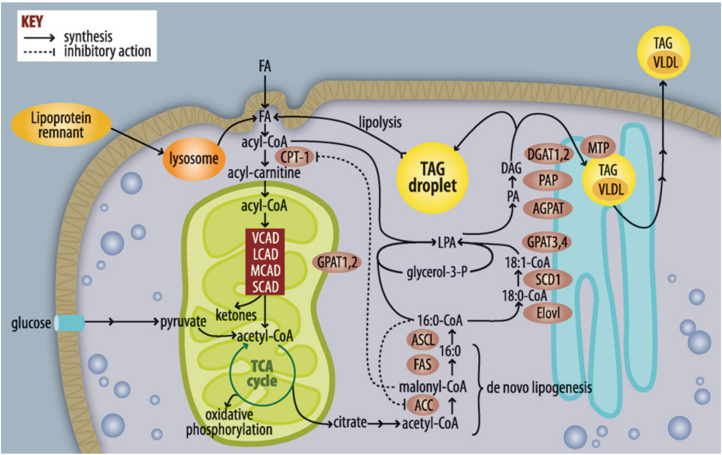
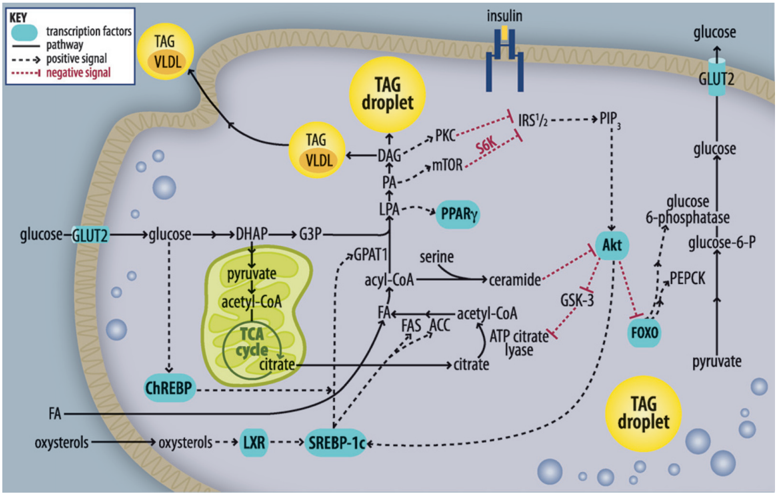
Verification
Claims the paper makes
The claims and statistics of this paper haven’t been checked yet.
Free: it reads the open-access text and checks the first 5 claims that cite a source we can check. Create a free account to check every claim.
Claims other papers make about this one
Each is checked against this paper’s own text: does it say what the citing paper says it does?
In the citing paper
“This relationship is evident in obese and diabetic humans as well as in several rodent and cell culture models of metabolic disease and/or chronic lipid exposure (An et al., 2004; Hulver et al., 2003; Nagle et al., 2009).”
From Lipid-Induced Mitochondrial Stress and Insulin Action in Muscle (2012) · cites this paper as Nagle et al., 2009
Self-check
Percentages, sums and reported differences re-computed from the paper’s own numbers.
The self-check needs the paper’s full text.
Citations
Cites
Donnelly, K. L., Smith, C. I., Schwarzenberg, S. J., Jessurun, J., Boldt, M. D., & Parks, E. J. (2005) · Journal of Clinical Investigation · doi:10.1172/jci23621 · Cited by 3,604
Local and systemic insulin resistance resulting from hepatic activation of IKK-β and NF-κB
Cai, D., Yuan, M., Frantz, D. F., Melendez, P. A., Hansen, L., Lee, J., & Shoelson, S. E. (2005) · Nature Medicine · doi:10.1038/nm1166 · Cited by 2,245
Nonalcoholic steatohepatitis: association of insulin resistance and mitochondrial abnormalities
Sanyal, A. J., Campbell–Sargent, C., Mirshahi, F., Rizzo, W. B., Contos, M. J., Sterling, R. K., Luketic, V. A., Shiffman, M. L., & Clore, J. N. (2001) · Gastroenterology · doi:10.1053/gast.2001.23256 · Cited by 2,078
Role of Fatty Acids in the Pathogenesis of Insulin Resistance and NIDDM
Boden, G. (1997) · Diabetes · doi:10.2337/diab.46.1.3 · Cited by 1,728
Yu, C., Chen, Y., Cline, G. W., Zhang, D., Zong, H., Wang, Y., Bergeron, R., Kim, J. K., Cushman, S. W., Cooney, G. J., et al. (2002) · Journal of Biological Chemistry · doi:10.1074/jbc.m200958200 · Cited by 1,561
Mechanism of hepatic insulin resistance in non-alcoholic fatty liver disease
Samuel, V. T., Liu, Z.-X., Qu, X., Elder, B. D., Bilz, S., Befroy, D., Romanelli, A. J., & Shulman, G. I. (2004) · Journal of Biological Chemistry · doi:10.1074/jbc.m313478200 · Cited by 1,322 · cited 2×
“glycerolipid synthesis; lipid intermediates derived from this pathway and related lipids [acyl-CoAs (9, 10), ceramide”
BackgroundHolland, W. L., Brozinick, J. T., Wang, L.-P., Hawkins, E. D., Sargent, K. M., Liu, Y., Narra, K., Hoehn, K. L., Knotts, T. A., Siesky, A., et al. (2007) · Cell Metabolism · doi:10.1016/j.cmet.2007.01.002 · Cited by 1,232 · cited 3×
“For example, a HFlard diet causes a ceramide-associated hepatic IR that is reversed by inhibiting sphingolipid synthesis, whereas a HF-soy oil diet causes a DAG-associated IR that is not affected by sphingolipid inhibition (11).”
BackgroundThe Metabolic Syndrome as a Predictor of Nonalcoholic Fatty Liver Disease
Hamaguchi, M., Kojima, T., Takeda, N., Nakagawa, T., Taniguchi, H., Fujii, K., Omatsu, T., Nakajima, T., Sarui, H., Shimazaki, M., et al. (2005) · Annals of Internal Medicine · doi:10.7326/0003-4819-143-10-200511150-00009 · Cited by 1,062
Enzymes of triacylglycerol synthesis and their regulation
Coleman, R. (2004) · Progress in Lipid Research · doi:10.1016/s0163-7827(03)00051-1 · Cited by 965 · cited 2×
“leagues (2), occurs on the cytosolic surface of the mitochondrial outer membrane and the endoplasmic reticulum.”
BackgroundSelf-citationLeone, T. C., Weinheimer, C. J., & Kelly, D. P. (1999) · Proceedings of the National Academy of Sciences · doi:10.1073/pnas.96.13.7473 · Cited by 943
Cited by
Human Fatty Liver Disease: Old Questions and New Insights
Cohen, J. C., Horton, J. D., & Hobbs, H. H. (2011) · Science · doi:10.1126/science.1204265 · Cited by 2,089
Lipid Droplets and Cellular Lipid Metabolism
Walther, T. C., & Farese, R. V. (2012) · Annual Review of Biochemistry · doi:10.1146/annurev-biochem-061009-102430 · Cited by 1,661
Neuschwander‐Tetri, B. A. (2010) · Hepatology · doi:10.1002/hep.23719 · Cited by 1,077
Endoplasmic reticulum stress signalling and the pathogenesis of non-alcoholic fatty liver disease
Lebeaupin, C., Vallée, D., Hazari, Y., Hetz, C., Chevet, E., & Bailly-Maitre, B. (2018) · Journal of Hepatology · doi:10.1016/j.jhep.2018.06.008 · Cited by 944
“While it remains unclear whether hepatic insulin resistance or steatosis develops first, it is well established that insulin resistance is a risk factor in NAFLD progression (88-90).”
BackgroundLipidomics for studying metabolism
Han, X. (2016) · Nature Reviews Endocrinology · doi:10.1038/nrendo.2016.98 · Cited by 718
Hepatokines: Linking nonalcoholic fatty liver disease and insulin resistance
Meex, R. C. R., & Watt, M. J. (2017) · Nature Reviews Endocrinology · doi:10.1038/nrendo.2017.56 · Cited by 631
Fiehn, O., Garvey, W. T., Newman, J. W., Lok, K. H., Hoppel, C. L., & Adams, S. H. (2010) · PLoS ONE · doi:10.1371/journal.pone.0015234 · Cited by 421
“Excessive cellular accumulation of lipids in muscle [10–17], liver [18], and adipocytes [19] is associated with insulin resistance in those tissues.”
BackgroundBenhamed, F., Denechaud, P.-D., Lemoine, M., Robichon, C., Moldes, M., Bertrand-Michel, J., Ratziu, V., Serfaty, L., Housset, C., Capeau, J., et al. (2012) · Journal of Clinical Investigation · doi:10.1172/jci41636 · Cited by 408
“This discrepancy might be explained if different pools of DAG and ceramide exist within the hepatocytes, as previously suggested in muscle cells (69), with only certain pools being able to regulate inhibitors of insulin signaling (70).”
Gomes, A. L., Teijeiro, A., Burén, S., Tummala, K. S., Yilmaz, M., Waisman, A., Theurillat, J.-P., Perna, C., & Djouder, N. (2016) · Cancer Cell · doi:10.1016/j.ccell.2016.05.020 · Cited by 401
Lipid-Induced Mitochondrial Stress and Insulin Action in Muscle
Muoio, D. M., & Neufer, P. D. (2012) · Cell Metabolism · doi:10.1016/j.cmet.2012.04.010 · Cited by 343
“This relationship is evident in obese and diabetic humans as well as in several rodent and cell culture models of metabolic disease and/or chronic lipid exposure (An et al., 2004; Hulver et al., 2003; Nagle et al., 2009).”
BackgroundHepatic Hdac3 promotes gluconeogenesis by repressing lipid synthesis and sequestration
Sun, Z., Miller, R. A., Patel, R. T., Chen, J., Dhir, R., Wang, H., Zhang, D., Graham, M. J., Unterman, T. G., Shulman, G. I., et al. (2012) · Nature Medicine · doi:10.1038/nm.2744 · Cited by 335
“…lipid intermediates, including diacylglycerols (DAG) and ceramide, which could activate several cytosolic protein kinases either directly or indirectly through inflammation, resulting in modification and disruption of insulin signaling, and hence cause lipotoxicity and insulin resistance 4,6 .”
Martins, A. R., Nachbar, R. T., Gorjao, R., Vinolo, M. A., Festuccia, W. T., Lambertucci, R. H., Cury-Boaventura, M. F., Silveira, L. R., Curi, R., & Hirabara, S. M. (2012) · Lipids in Health and Disease · doi:10.1186/1476-511x-11-30 · Cited by 290
“ceramides [32,43-46].”
Probing the Global Cellular Responses to Lipotoxicity Caused by Saturated Fatty Acids
Piccolis, M., Bond, L. M., Kampmann, M., Pulimeno, P., Chitraju, C., Jayson, C. B. K., Vaites, L. P., Boland, S., Lai, Z. W., Gabriel, K. R., et al. (2019) · Molecular Cell · doi:10.1016/j.molcel.2019.01.036 · Cited by 269
“For example, in lipodystrophy, lipids build up in tissues other than the adipose tissue, and in obesity, adipose cells are overwhelmed by lipid accumulation (Nagle et al., 2009; Shimabukuro et al., 1998).”
BackgroundInsulin Resistance and Oxidative Stress in the Brain: What’s New?
Maciejczyk, M., Żebrowska, E., & Chabowski, A. (2019) · International Journal of Molecular Sciences · doi:10.3390/ijms20040874 · Cited by 262
“It is well established that in insulin-sensitive peripheral tissues, excessive intracellular lipid accumulation (mainly diacylglycerol (DAG) and ceramide) inhibits insulin signalling pathways leading to decreased glucose utilisation [5,38,127,128].”
BackgroundEngin, A. B. (2017) · Advances in experimental medicine and biology · doi:10.1007/978-3-319-48382-5_8 · Cited by 260
Nonalcoholic Fatty Liver Disease: Focus on Lipoprotein and Lipid Deregulation
Fon Tacer, K., & Rozman, D. (2011) · Journal of Lipids · doi:10.1155/2011/783976 · Cited by 231
“Hepatic fatty acids are derived from several sources, including adipose tissue lipolysis, chylomicron-TAG lipolysis, and de novo lipogenesis, and can be stored as TAG in lipid droplets located within the cytosol [116].”
Intrahepatic Diacylglycerol Content Is Associated With Hepatic Insulin Resistance in Obese Subjects
Magkos, F., Su, X., Bradley, D., Fabbrini, E., Conte, C., Eagon, J. C., Varela, J. E., Brunt, E. M., Patterson, B. W., & Klein, S. (2012) · Gastroenterology · doi:10.1053/j.gastro.2012.03.003 · Cited by 224
Lee, E. Y., Yang, H. K., Lee, J., Kang, B., Yang, Y., Lee, S.-H., Ko, S.-H., Ahn, Y.-B., Cha, B. Y., Yoon, K.-H., et al. (2016) · Lipids in Health and Disease · doi:10.1186/s12944-016-0324-2 · Cited by 220
Autophagy in nonalcoholic steatohepatitis
Amir, M., & Czaja, M. J. (2011) · Expert Review of Gastroenterology & Hepatology · doi:10.1586/egh.11.4 · Cited by 216
Molecular Inflammation as an Underlying Mechanism of the Aging Process and Age-related Diseases
Chung, H. Y., Lee, E. K., Choi, Y. J., Kim, J. M., Kim, D. H., Zou, Y., Kim, C. H., Lee, J., Kim, H. S., Kim, N. D., et al. (2011) · Journal of Dental Research · doi:10.1177/0022034510387794 · Cited by 215
“DAG activates protein kinase C θ (PKC θ) and PKC ε, which are responsible for IR in muscle and liver, respectively (Nagle et al., 2009).”
BackgroundThe Problem of Establishing Relationships between Hepatic Steatosis and Hepatic Insulin Resistance
Farese, R. V., Zechner, R., Newgard, C. B., & Walther, T. C. (2012) · Cell Metabolism · doi:10.1016/j.cmet.2012.03.004 · Cited by 209
“In many instances, the accumulation of these lipids in the liver is associated with hepatic IR (Cohen et al., 2011; Nagle et al., 2009; Samuel et al., 2010; Summers, 2010).”
BackgroundCalcium channel ITPR2 and mitochondria–ER contacts promote cellular senescence and aging
Ziegler, D. V., Vindrieux, D., Goehrig, D., Jaber, S., Collin, G., Griveau, A., Wiel, C., Bendridi, N., Djebali, S., Farfariello, V., et al. (2021) · Nature Communications · doi:10.1038/s41467-021-20993-z · Cited by 194
Nonalcoholic fatty liver disease: A comprehensive review of a growing epidemic
Hassan, K. (2014) · World Journal of Gastroenterology · doi:10.3748/wjg.v20.i34.12082 · Cited by 186
Aiming drug discovery at lysophosphatidic acid targets
Tigyi, G. (2010) · British Journal of Pharmacology · doi:10.1111/j.1476-5381.2010.00815.x · Cited by 170
“In a pathophysiological context, LPA might be a key factor in nonalcoholic fatty liver disease (Nagle et al., 2009; Wendel et al., 2009).”
BackgroundWang, X., Liu, R., Zhang, W., Zhang, X., Liao, N., Wang, Z., Li, W., Qin, X., & Hai, C. (2013) · Molecular and Cellular Endocrinology · doi:10.1016/j.mce.2013.06.014 · Cited by 172
“In addition, convincing data supports that hepatic accumulation of lipid and its metabolites impaired insulin signaling in various experiments (Nagle et al., 2009).”
Gusdon, A. M., Song, K.-X., & Qu, S. (2014) · Oxidative Medicine and Cellular Longevity · doi:10.1155/2014/637027 · Cited by 168
“First of all, it has been shown that accumulation of DAG and ceramide does not obligatorily lead to insulin resistance and is unlikely to be causative in insulin resistance [125].”
Non-alcoholic fatty liver disease: A sign of systemic disease
Reccia, I., Kumar, J., Akladios, C., Virdis, F., Pai, M., Habib, N., & Spalding, D. (2017) · Metabolism · doi:10.1016/j.metabol.2017.04.011 · Cited by 169
Hepatic insulin resistance in mice with hepatic overexpression of diacylglycerol acyltransferase 2
Jornayvaz, F. R., Birkenfeld, A. L., Jurczak, M. J., Kanda, S., Guigni, B. A., Jiang, D. C., Zhang, D., Lee, H.-Y., Samuel, V. T., & Shulman, G. I. (2011) · Proceedings of the National Academy of Sciences · doi:10.1073/pnas.1103451108 · Cited by 164
ter Horst, K. W., Gilijamse, P. W., Versteeg, R. I., Ackermans, M. T., Nederveen, A. J., la Fleur, S. E., Romijn, J. A., Nieuwdorp, M., Zhang, D., Samuel, V. T., et al. (2017) · Cell Reports · doi:10.1016/j.celrep.2017.05.035 · Cited by 162
“Hepatic DAG-Associated Insulin Resistance and PKCε Translocation Hepatic DAGs are proposed to impair insulin signaling through activation of novel PKC (nPKC) (Farese et al., 2012; Nagle et al., 2009; Samuel and Shulman, 2016).”
Hepatic Fatty Acid Trafficking: Multiple Forks in the Road
Mashek, D. G. (2013) · Advances in Nutrition · doi:10.3945/an.113.004648 · Cited by 160
“The accumulation of intermediates involved in glycerolipid synthesis, such as phosphatidic acid and DAG enriched in SFAs, also impairs insulin signaling (83,84).”
BackgroundParvy, J.-P., Napal, L., Rubin, T., Poidevin, M., Perrin, L., Wicker, C., & Montagne, J. (2012) · PLoS Genetics · doi:10.1371/journal.pgen.1002925 · Cited by 159
“This remobilization provokes the accumulation of lipid droplets (LDs) in the hepatocytes, a phenomenon called fatty liver that is also a pathological symptom of metabolic syndrome [9].”
Leung, P. S. (2016) · Nutrients · doi:10.3390/nu8030147 · Cited by 165
Dissociating fatty liver and diabetes
Sun, Z., & Lazar, M. A. (2013) · Trends in Endocrinology & Metabolism · doi:10.1016/j.tem.2012.09.005 · Cited by 136
Prevention of Obesity and Type 2 Diabetes with Aged Citrus Peel (Chenpi) Extract
Guo, J., Tao, H., Cao, Y., Ho, C.-T., Jin, S., & Huang, Q. (2016) · Journal of Agricultural and Food Chemistry · doi:10.1021/acs.jafc.5b06157 · Cited by 133
Anti-steatotic and anti-inflammatory roles of syringic acid in high-fat diet-induced obese mice
Ham, J. R., Lee, H.-I., Choi, R., Sim, M., Seo, K., & Lee, M. (2016) · Food & Function · doi:10.1039/c5fo01329a · Cited by 140
Turpin-Nolan, S. M., Hoy, A. J., Brown, R. D., Rudaz, C. G., Honeyman, J. E., Matzaris, M., & Watt, M. J. (2010) · Diabetologia · doi:10.1007/s00125-010-1895-5 · Cited by 138
“Hepatic fatty acids are derived from several sources, including adipose tissue lipolysis, chylomicron-TAG lipolysis and de novo lipogenesis, and can be stored as TAG in lipid droplets located within the cytosol [ 13 ].”
BackgroundCTRP3 attenuates diet-induced hepatic steatosis by regulating triglyceride metabolism
Peterson, J. M., Seldin, M. M., Wei, Z., Aja, S. M., & Wong, G. W. (2013) · American Journal of Physiology-Gastrointestinal and Liver Physiology · doi:10.1152/ajpgi.00102.2013 · Cited by 131
“Whether hepatic steatosis causes or is a consequence of insulin resistance is a hotly debated issue (10, 13, 39, 46).”
BackgroundTargeting ATP-Citrate Lyase in Hyperlipidemia and Metabolic Disorders
Pinkosky, S. L., Groot, P. H. E., Lalwani, N. D., & Steinberg, G. R. (2017) · Trends in Molecular Medicine · doi:10.1016/j.molmed.2017.09.001 · Cited by 127
Longato, L., Tong, M., Wands, J. R., & de la Monte, S. M. (2012) · Hepatology Research · doi:10.1111/j.1872-034x.2011.00934.x · Cited by 116
Wei, Z., Lei, X., Petersen, P. S., Aja, S., & Wong, G. W. (2014) · American Journal of Physiology-Endocrinology and Metabolism · doi:10.1152/ajpendo.00593.2013 · Cited by 110
Park, H.-J., Jung, U. J., Cho, S.-J., Jung, H.-K., Shim, S., & Choi, M. (2012) · The Journal of Nutritional Biochemistry · doi:10.1016/j.jnutbio.2011.12.009 · Cited by 112
“Additionally, hepatic fatty acid oxidation was decreased in insulin resistant [53], and activation of fatty acid oxidation improved insulin sensitivity and reduced hepatic lipid accumulation in obese mice [54].”
BackgroundNonalcoholic Fatty Liver: A Possible New Target for Type 2 Diabetes Prevention and Treatment
Fruci, B., Giuliano, S., Mazza, A., Malaguarnera, R., & Belfiore, A. (2013) · International Journal of Molecular Sciences · doi:10.3390/ijms141122933 · Cited by 107
Ruiz‐Ramírez, A., Salgado, M. C., Peñeda-Flores, J. A., Zapata, E., Massó, F., & El‐Hafidi, M. (2011) · American Journal of Physiology-Endocrinology and Metabolism · doi:10.1152/ajpendo.00631.2010 · Cited by 113
“The accumulation of TGs in the liver could arise from the esterification of fatty acids taken up in the circulation, from de novo lipogenesis, or both, as reviewed elsewhere (41).”
BackgroundKang, H. S., Okamoto, K., Kim, Y.-S., Takeda, Y., Bortner, C. D., Dang, H., Wada, T., Xie, W., Yang, X.-P., Liao, G., et al. (2010) · Diabetes · doi:10.2337/db10-0628 · Cited by 109
“The main pathway of triglyceride synthesis is catalyzed by glycerol3-phosphate acyltransferase (GPAT), acyl-glycerol-3-phosphate acyltransferases (AGPATs), and diacylglycerol transferase (DGAT) in the final step of synthesis (37).”
BackgroundBessone, F., Dirchwolf, M., Rodil, M. A., Razori, M. V., & Roma, M. G. (2018) · Alimentary Pharmacology & Therapeutics · doi:10.1111/apt.14952 · Cited by 102
Kokil, G. R., Veedu, R. N., Ramm, G. A., Prins, J. B., & Parekh, H. S. (2015) · Chemical Reviews · doi:10.1021/cr5002832 · Cited by 111
Bergmann, K., & Sypniewska, G. (2013) · Clinical Chemistry and Laboratory Medicine (CCLM) · doi:10.1515/cclm-2012-0490 · Cited by 96
Hui, Y., Wang, X., Yu, Z., Fan, X., Cui, B., Zhao, T., Mao, L., Feng, H., Lin, L., Yu, Q., et al. (2020) · Pharmacological Research · doi:10.1016/j.phrs.2020.105170 · Cited by 115
Pereira, T. J., Fonseca, M. A., Campbell, K. E., Moyce, B. L., Cole, L. K., Hatch, G. M., Doucette, C. A., Klein, J., Aliani, M., & Dolinsky, V. W. (2015) · The Journal of Physiology · doi:10.1113/jp270429 · Cited by 94
“Accumulation of these lipotoxic lipids occurs when fatty acid uptake exceeds the capacity of the tissue to utilize them for TG synthesis or oxidation, contributing to hepatic steatosis and insulin resistance (Weiss et al. 2003; Nagle et al. 2009).”
BackgroundLi, R., Sun, Q., Lam, S. M., Chen, R., Zhu, J., Gu, W., Zhang, L., Tian, H., Zhang, K., Chen, L., et al. (2020) · Particle and Fibre Toxicology · doi:10.1186/s12989-020-00343-5 · Cited by 97
Kang, H. S., Okamoto, K., Takeda, Y., Beak, J. Y., Gerrish, K., Bortner, C. D., DeGraff, L. M., Wada, T., Xie, W., & Jetten, A. M. (2011) · Physiological Genomics · doi:10.1152/physiolgenomics.00206.2010 · Cited by 102
Hafizi Abu Bakar, M., Kian Kai, C., Wan Hassan, W. N., Sarmidi, M. R., Yaakob, H., & Zaman Huri, H. (2015) · Diabetes/Metabolism Research and Reviews · doi:10.1002/dmrr.2601 · Cited by 91
“ylglycerol and ceramide [18,32,143,164,165].”
Eicosanoids in Metabolic Syndrome
Hardwick, J. P., Eckman, K., Lee, Y., Abdelmegeed, M. A., Esterle, A. R., Chilian, W. M., Chiang, J. Y. L., & Song, B. (2013) · Advances in pharmacology · doi:10.1016/b978-0-12-404717-4.00005-6 · Cited by 107
“Overexpression of GPAT1 in mice causes an increase in DAG activation of protein kinase C (PKC)-ε, leading to insulin resistance with no sign of inflammation, indicating a dissociation of insulin resistance from inflammation (Nagle et al., 2009).”
BackgroundYe, D., Zhang, T., Lou, G., Xu, W., Dong, F., Chen, G., & Liu, Y. (2018) · Life Sciences · doi:10.1016/j.lfs.2018.07.029 · Cited by 95
Irimia, J. M., Meyer, C. M., Peper, C. L., Zhai, L., Bock, C. B., Previs, S. F., McGuinness, O. P., DePaoli-Roach, A., & Roach, P. J. (2010) · Journal of Biological Chemistry · doi:10.1074/jbc.m110.106534 · Cited by 88
Charytoniuk, T., Drygalski, K., Konstantynowicz-Nowicka, K., Berk, K., & Chabowski, A. (2016) · Nutrition · doi:10.1016/j.nut.2016.09.001 · Cited by 98
Kang, H. S., Liao, G., DeGraff, L. M., Gerrish, K., Bortner, C. D., Garantziotis, S., & Jetten, A. M. (2013) · PLoS ONE · doi:10.1371/journal.pone.0058417 · Cited by 85
“The reduced accumulation of triglycerides is controlled at multiple levels, including fatty acid uptake, synthesis and storage of triglycerides, fatty acid oxidation, and lipolysis [4,27].”
BackgroundMatsuzaka, T., & Shimano, H. (2011) · Journal of Diabetes Investigation · doi:10.1111/j.2040-1124.2011.00111.x · Cited by 104
Xue, M., Zhang, L., Yang, M., Zhang, W., Li, X.-M., Ou, Z., Li, Z., Liu, S.-H., Li, X., & Yang, S. (2015) · International Journal of Nanomedicine · doi:10.2147/ijn.s84565 · Cited by 92
“14,15 Since BBR-SLNs are effective in hyperglycemia, we aimed to investigate the function of BBR-SLNs on hepatosteatosis in db/db mice in the present study.”
Hu, Z.-P., Deng, H., & Qu, H. (2013) · Diabetes Research and Clinical Practice · doi:10.1016/j.diabres.2012.11.026 · Cited by 86
Ragab, S. M. M., Abd‐Elghaffar, S. K., El‐Metwally, T. H., Badr, G., Mahmoud, M. H., & Omar, H. E.-D. M. (2015) · Lipids in Health and Disease · doi:10.1186/s12944-015-0087-1 · Cited by 86
“IR may cause fatty liver by elevating the plasma levels of FA, glucose, and insulin, which stimulates hepatic lipid synthesis and impairs hepatic β-oxidation [43].”
BackgroundWilliams, K. J., & Wu, X. (2016) · Atherosclerosis · doi:10.1016/j.atherosclerosis.2016.02.004 · Cited by 88
“82 Most troubling of all for the ectopic lipid hypothesis, fatty liver in humans with genetic defects in triglyceride disposal – and fatty liver in animals with analogous molecular manipulations – can have remarkably high levels of diacylglycerol and ceramide, but without any impairment in insulin-mediated glucose han…”
BackgroundHuang, K.-W., Reebye, V., Czysz, K., Ciriello, S., Dorman, S., Reccia, I., Lai, H.-S., Peng, L., Kostomitsopoulos, N., Nicholls, J., et al. (2020) · Molecular Therapy - Nucleic Acids · doi:10.1016/j.omtn.2019.10.044 · Cited by 80
“Our observed changes in liver TG levels (Figure 3I) concurrent to in vitro changes in mediators of lipid transport P4HB and SEC24C (Figure S2) have also previously been documented in an HFD-fed animal study where a decrease in fatty acid b-oxidation was proposed to contribute to hepatic lipid accumulation, whereas ket…”
BackgroundChen, Y., Lin, Y., Lin, J., Yang, N., & Chen, M. (2018) · Molecular Nutrition & Food Research · doi:10.1002/mnfr.201700903 · Cited by 77
A Survey of Therapeutic Effects ofArtemisia capillarisin Liver Diseases
Jang, E., Kim, B., Lee, K., Inn, K., & Lee, J. (2015) · Evidence-based Complementary and Alternative Medicine · doi:10.1155/2015/728137 · Cited by 83
“The hepatic accumulation of lipids, a characteristic feature of fatty liver disease and steatohepatitis, is strongly associated with insulin resistance [31], fibrogenic activities [32], oxidative stress [33], and lipoapoptosis [13].”
BackgroundWiedemann, M. S. F., Wueest, S., Item, F., Schoenle, E. J., & Konrad, D. (2013) · American Journal of Physiology-Endocrinology and Metabolism · doi:10.1152/ajpendo.00179.2013 · Cited by 96
“There is a strong association between hepatic steatosis and insulin resistance, although it is still debated whether insulin resistance is the cause of hepatic steatosis or whether the increase in triglycerides (or of lipid metabolites such as ceramides, diacylglycerol, and acyl-CoAs) causes the development of hepatic…”
BackgroundHepatogenous diabetes: Is it time to separate it from type 2 diabetes?
Orsi, E., Grancini, V., Menini, S., Aghemo, A., & Pugliese, G. (2016) · Liver International · doi:10.1111/liv.13337 · Cited by 84
“Secondly, increased FFA release from adipocytes, together with enhanced hepatic FFA import and synthesis exceeding the rate of FFA export and catabolism [66], contributes to liver steatosis that impairs insulin sensitivity through the involvement of several lipid intermediates [67].”
Gallardo-Montejano, V. I., Yang, C., Hahner, L., McAfee, J. L., Johnson, J. A., Holland, W. L., Fernandez‐Valdivia, R., & Bickel, P. E. (2021) · Nature Communications · doi:10.1038/s41467-021-23601-2 · Cited by 80
Dynamic Regulation of Hepatic Lipid Droplet Properties by Diet
Crunk, A. E., Monks, J., Murakami, A., Jackman, M., MacLean, P. S., Ladinsky, M., Bales, E. S., Cain, S., Orlicky, D. J., & McManaman, J. L. (2013) · PLoS ONE · doi:10.1371/journal.pone.0067631 · Cited by 72
Dludla, P. V., Nkambule, B. B., Mazibuko-Mbeje, S. E., Nyambuya, T. M., Marcheggiani, F., Cirilli, I., Ziqubu, K., Shabalala, S. C., Johnson, R., Louw, J., et al. (2020) · Antioxidants · doi:10.3390/antiox9121283 · Cited by 78
“Notably, impaired glucose metabolism in the liver can promote the synthesis of lipid storage from acetyl-CoA through de novo lipogenesis (DNL), as previously discussed [32].”
BackgroundTyG index a promising biomarker for glycemic control in type 2 Diabetes Mellitus
Hameed, E. K. (2018) · Diabetes & Metabolic Syndrome Clinical Research & Reviews · doi:10.1016/j.dsx.2018.11.030 · Cited by 77
Raddatz, K., Turner, N. A., Frangioudakis, G., Liao, B. M., Pedersen, D. J., Cantley, J., Wilks, D. L., Preston, E., Hegarty, B. D., Leitges, M., et al. (2011) · Diabetologia · doi:10.1007/s00125-011-2073-0 · Cited by 79
“Several studies now indicate that increased levels of triacylglycerol and diacylglycerol are not always associated with insulin resistance [26–28].”
BackgroundDekker, M. J., Baker, C., Naples, M., Samsoondar, J. P., Zhang, R., Qiu, W., Sacco, J., & Adeli, K. (2013) · Atherosclerosis · doi:10.1016/j.atherosclerosis.2013.01.041 · Cited by 75
“[6,19,24,29,35,51].”
Quan, H. Y., Kim, D. Y., & Chung, S. H. (2013) · BMB Reports · doi:10.5483/bmbrep.2013.46.4.153 · Cited by 73
“However, an excess of triglyceride reduces insulin sensitivity (19) and is hydrolyzed back to fatty acyl-CoA at a rate that exceeds the oxidative needs of the cells, resulting in the un-oxidized excess being subject to more harmful pathways of fatty acid metabolism, such as de novo ceramide formation (20).”
BackgroundWendel, A. A., Li, L. O., Li, Y., Cline, G. W., Shulman, G. I., & Coleman, R. A. (2010) · Diabetes · doi:10.2337/db09-1380 · Cited by 63
“Increases in the content of hepatic lipids such as DAG, acyl-CoA, and ceramide have been proposed to mediate hepatic insulin resistance (29,30).”
BackgroundSelf-citationLian, J., Wei, E., Wang, S. P., Quiroga, A. D., Li, L., Pardo, A. D., van der Veen, J., Sipione, S., Mitchell, G. A., & Lehner, R. S. (2012) · Hepatology · doi:10.1002/hep.25881 · Cited by 73
“Peripheral insulin resistance may lead to fatty liver through increased circulating fatty acids (FA), glucose and insulin, which stimulate hepatic lipid synthesis and impair FA oxidation.(22,23,25) Ces3/TGH is highly expressed in the liver and adipose tissue.”
BackgroundCarr, R. M., Dhir, R. N., Yin, X., Agarwal, B., & Ahima, R. S. (2013) · Alcoholism Clinical and Experimental Research · doi:10.1111/acer.12075 · Cited by 65
“Triglycerides do not impair insulin signaling (Erion and Shulman, 2010; Nagle et al., 2009), however, ceramides and other lipid metabolites have been implicated in the pathogenesis of hepatic insulin resistance (Dobrowsky et al., 1993; Erion and Shulman, 2010; Hannun and Obeid, 2008; Summers, 2006;…”
BackgroundDifferent physiological roles of insulin receptors in mediating nutrient metabolism in zebrafish
Yang, B., Zhai, G., Gong, Y., Su, J., Peng, X., Shang, G.-H., Han, D. H., Jin, J., Liu, H., Du, Z., et al. (2018) · American Journal of Physiology-Endocrinology and Metabolism · doi:10.1152/ajpendo.00227.2017 · Cited by 69
Nutrition and Physical Activity in Nonalcoholic Fatty Liver Disease
Oliveira, C. P., de Lima Sanches, P., de Abreu-Silva, E. O., & Marcadenti, A. (2016) · Journal of Diabetes Research · doi:10.1155/2016/4597246 · Cited by 59
“Phosphatidylcholine is important for the production of VLDL; thus, choline deficiency secondary to the intestinal microbiome may result in lower hepatic secretion of VLDL, with consequent triglyceride accumulation in hepatocytes [21, 23].”
BackgroundJarosławska, J., Juśkiewicz, J., Wroblewska, M., Jurgoński, A., Król, B., & Zduńczyk, Z. (2011) · Journal of Nutrition · doi:10.3945/jn.111.143677 · Cited by 69
Lavin, K. M., Coen, P. M., Baptista, L. C., Bell, M. B., Drummer, D., Harper, S. A., Lixandrão, M. E., McAdam, J. S., O'Bryan, S. M., Ramos, S., et al. (2022) · Comprehensive Physiology · doi:10.1002/cphy.c200033 · Cited by 60
Astaxanthin as a Potential Protector of Liver Function: A Review
Jt, C., & Kotani, K. (2016) · Journal of Clinical Medicine Research · doi:10.14740/jocmr2672w · Cited by 60
“Liver energy metabolism is related to lipid accumulation and oxidative stress formation [37, 38].”
BackgroundGuo, C.-H., Chen, P., & Ko, W. (2013) · International Journal of Medical Sciences · doi:10.7150/ijms.6104 · Cited by 61
“IR is frequently accompanied by lipid accumulation; individuals with NAFLD have an increased risk for the development of IR [42].”
BackgroundMarques, E., Pfohl, M., Auclair, A., Jamwal, R., Barlock, B. J., Sammoura, F. M., Goedken, M. J., Akhlaghi, F., & Slitt, A. L. (2020) · Toxicology and Applied Pharmacology · doi:10.1016/j.taap.2020.115250 · Cited by 62
Guo, C., Kogan, S., Amano, S. U., Wang, M., Dağdeviren, S., Friedline, R. H., Aouadi, M., Kim, J. K., & Czech, M. (2013) · American Journal of Physiology-Endocrinology and Metabolism · doi:10.1152/ajpendo.00514.2012 · Cited by 63
“Recent literature has implicated CD40L as a protective factor against hepatic steatosis (43, 46), which has a strong association with insulin resistance (29).”
BackgroundLee, Y.-C., Lee, J., & Kwon, Y. (2022) · Therapeutic Advances in Chronic Disease · doi:10.1177/20406223221122671 · Cited by 61
Nigro, D., Menotti, F., Cento, A. S., Serpe, L., Chiazza, F., Bello, F. D., Romaniello, F., Medana, C., Collino, M., Aragno, M., et al. (2017) · The Journal of Nutritional Biochemistry · doi:10.1016/j.jnutbio.2017.01.010 · Cited by 55
“In animal models of obesity a reduced rate of fatty acid oxidation is frequently reported [35,36] and it is largely demonstrated that activating β-oxidation decreases hepatic lipid accumulation and improves insulin sensitivity [37].”
Ke, Z., Zhao, Y., Tan, S., Chen, H., Li, Y., Zhou, Z., & Huang, C. (2020) · The Journal of Nutritional Biochemistry · doi:10.1016/j.jnutbio.2020.108426 · Cited by 56
Li, W., Li, Y., Wang, Q., & Yang, Y. (2014) · BioMed Research International · doi:10.1155/2014/196198 · Cited by 65
“Although the molecular mechanism causing the development of fatty liver in the pathogenesis of nonalcoholic fatty liver disease (NAFLD) is complex, animal models have shown that modulating important enzymes, such as ACC and FAS, in fatty acid synthesis in liver may be a key for the treatment of NAFLD [18–20].”
BackgroundKahle, M., Schäfer, A., Seelig, A., Schultheiß, J., Wu, M., Aichler, M., Leonhardt, J., Rathkolb, B., Rozman, J., Sarioglu, H., et al. (2014) · Molecular Metabolism · doi:10.1016/j.molmet.2014.11.004 · Cited by 56
“The composition, overall intracellular availability, and subcellular distribution of glycerophospholipids, sphingolipids, diacylglycerols, and ceramides has been implicated in lipotoxicity-associated liver damage [29] and the pathogenesis of hepatic insulin resistance [6,12,28,30,31].”
BackgroundTreviño, S., Sánchez‐Lara, E., Sarmiento-Ortega, V. E., Sánchez‐Lombardo, I., Flores-Hernández, J. Á., Pérez-Benítez, A., Brambila, E., & Vergara, E. G. (2015) · Journal of Inorganic Biochemistry · doi:10.1016/j.jinorgbio.2015.04.002 · Cited by 53
Henriksen, B. S., Curtis, M. E., Fillmore, N., Cardon, B. R., Thomson, D. M., & Hancock, C. R. (2013) · Diabetology & Metabolic Syndrome · doi:10.1186/1758-5996-5-29 · Cited by 53
“Abbreviations 4E-BP: 4E-binding protein; ACC: Acetyl CoA carboxylase; AICAR: Aminoimidazole carboxamide ribonucleotide; AMPK: AMP Activated Protein Kinase; BCA: Bicinchoninic acid; C: Control; CPT1: Carnitine palmitoyltransferase 1; DTT: Dithiothreitol; EDTA: Ethylenediaminetetraacetic acid; FAS: Fatty Acid Synthase;…”
BackgroundAbu Bakar, M. H., Azmi, M. N., Shariff, K. A., & Tan, J. S. (2019) · Applied Biochemistry and Biotechnology · doi:10.1007/s12010-018-2920-2 · Cited by 47
Diamanti, K., Cavalli, M., Pan, G., Pereira, M. J., Kumar, C., Skrtic, S., Grabherr, M. G., Risérus, U., Eriksson, J. W., Komorowski, J., et al. (2019) · Scientific Reports · doi:10.1038/s41598-019-45906-5 · Cited by 54
Loss of CTRP5 improves insulin action and hepatic steatosis
Lei, X., Rodriguez, S., Petersen, P. S., Seldin, M. M., Bowman, C. E., Wolfgang, M. J., & Wong, G. W. (2016) · American Journal of Physiology-Endocrinology and Metabolism · doi:10.1152/ajpendo.00010.2016 · Cited by 48
“between these two processes remains unclear (11, 15, 34, 40).”
BackgroundChen, Y., Singh, S. P., Matsumoto, A., Manna, S., Abdelmegeed, M. A., Golla, S., Murphy, R. C., Dong, H., Song, B., Gonzalez, F. J., et al. (2016) · Scientific Reports · doi:10.1038/srep29743 · Cited by 48
Kuhajda, F. P., Aja, S. M., Tu, Y., Han, W. F., Medghalchi, S. M., Meskini, R. E., Landree, L. E., Peterson, J. M., Daniels, K., Wong, K., et al. (2011) · American Journal of Physiology-Regulatory, Integrative and Comparative Physiology · doi:10.1152/ajpregu.00147.2011 · Cited by 48
Hwang, K.-A., Hwang, Y.-J., Kim, G. R., & Choe, J. (2015) · BMC Complementary and Alternative Medicine · doi:10.1186/s12906-015-0871-5 · Cited by 46
“Patients with IR have a 4-to11-fold increased risk of developing NAFLD [31, 32].”
BackgroundNeural Regulatory Pathways of Feeding and Fat in Caenorhabditis elegans
Lemieux, G. A., & Ashrafi, K. (2015) · Annual Review of Genetics · doi:10.1146/annurev-genet-120213-092244 · Cited by 49
Koh, G. Y., McCutcheon, K. L., Zhang, F., Liu, D., Cartwright, C., Martin, R. J., Yang, P., & Liu, Z. (2010) · Journal of Agricultural and Food Chemistry · doi:10.1021/jf103497p · Cited by 46
Metadata
- Authors
- Nagle, C. A., Klett, E. L., & Coleman, R. A.
- Affiliations
- University of North Carolina at Chapel Hill (US)
- Venue
- Journal of Lipid Research
- Publisher
- Elsevier BV
- Published
- 2009-04
- Volume
- 50
- Pages
- S74-S79
- ISSN
- 0022-2275 (ISSN-L)
- PMC
- PMC2674743
- OpenAlex
- W1972050244
- Cited by
- 272
- References
- 55
- Citations by year
- 2026: 6 · 2025: 10 · 2024: 10 · 2023: 7 · 2022: 13 · 2021: 13 · 2020: 13 · 2019: 13 · 2018: 18 · 2017: 13 · 2016: 27 · 2015: 30 · 2014: 20 · 2013: 30 · 2012: 17
- FWCI
- 1.14
- Type
- journal article
- Language
- en
- Open access
- hybrid
- doi.org
- Licence
- cc-by
- www.elsevier.com/tdm/userlicense/1.0/ (tdm)
- creativecommons.org/licenses/by/4.0/ (vor, 4185 d)
- Locations
- Journal of Lipid Research (publishedVersion, cc-by)
- PubMed Central (publishedVersion)
- PubMed (publishedVersion)
- Carolina Digital Repository (University of North Carolina at Chapel Hill) (submittedVersion)
- DOAJ (DOAJ: Directory of Open Access Journals) (submittedVersion, cc-by-sa)
- UNC Libraries
- Funders
- National Institutes of Health (DK56350, DK56598)
- National Institute of Diabetes and Digestive and Kidney Diseases (R01DK059935, DK 56598, DK 59935, DK56350, P30DK056350)
- Topics
- Health Sciences › Medicine › Hepatology › Liver Disease Diagnosis and Treatment
- Life Sciences › Biochemistry, Genetics and Molecular Biology › Biochemistry › Lipid metabolism and biosynthesis
- Health Sciences › Medicine › Endocrinology, Diabetes and Metabolism › Diet, Metabolism, and Disease
- Keywords
- hepatic insulin resistance, hepatic steatosis, type 2 diabetes, lipid metabolism, acyl-CoA, lysophosphatidic acid, phosphatidic acid, diacylglycerol, ceramide, insulin signaling, lipid intermediates
- MeSH terms
- Animals, Fatty Liver, Humans, Insulin, Insulin Resistance, Liver, Transcription, Genetic, Triglycerides
About these checks
Registry, retraction, Cites and statistics results are computed, not judged, with one exception: a printed reference that no index lists is read once by a model before it counts as a citation error. Claims are extracted by a model and kept only when their quote appears verbatim in the text; each cited source is then checked, with a model’s help, for whether it says what the claim relies on. Those verdicts can be wrong — read the claim’s quote and the cited source before relying on one.
Statistics and arithmetic are recomputed, not judged.
Confidence bands are shown only for fields calibrated on our annotated test set. None is calibrated yet, so no band is shown.
What counts as a claim ›How we measure confidence ›How we check this ›
Are you an author, or do you see a problem with this page? Request a review
Data sources
Bibliographic data: Semantic Scholar, OpenAlex, Crossref.
Contains information from the Semantic Scholar Academic Graph Datasets, made available under the ODC Attribution License (ODC-BY 1.0).
Semantic Scholar’s data is described in: Kinney, R., et al. (2023). The Semantic Scholar Open Data Platform. arXiv:2301.10140.
