

The DOI matches its Crossref record; 43 of the 43 references it cites were found in a registry or an index.
The Programming of Cardiac Hypertrophy in the Offspring by Maternal Obesity Is Associated with Hyperinsulinemia, AKT, ERK, and mTOR Activation
Open accessAbstract
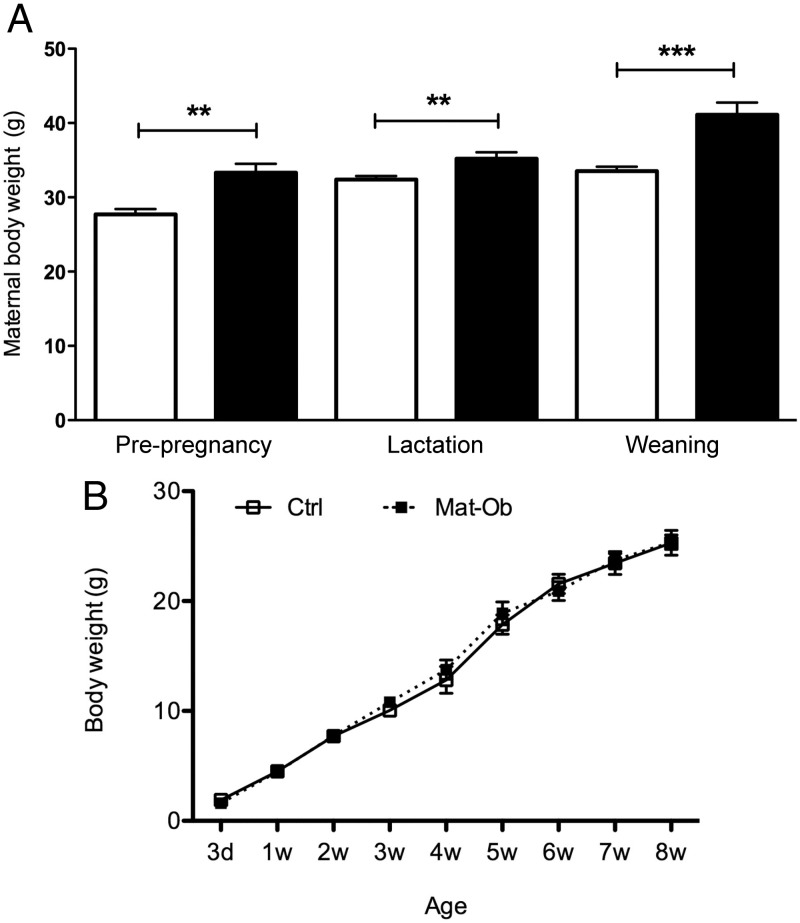
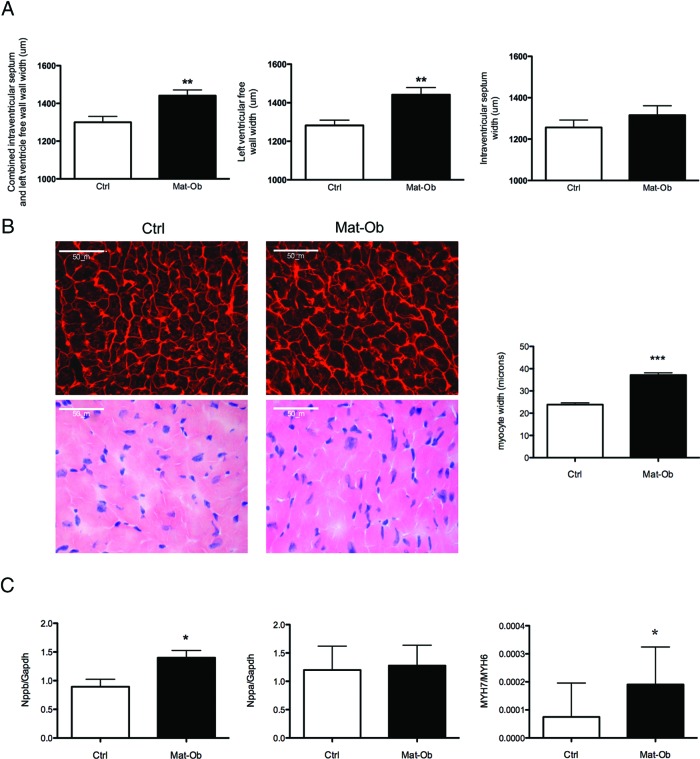
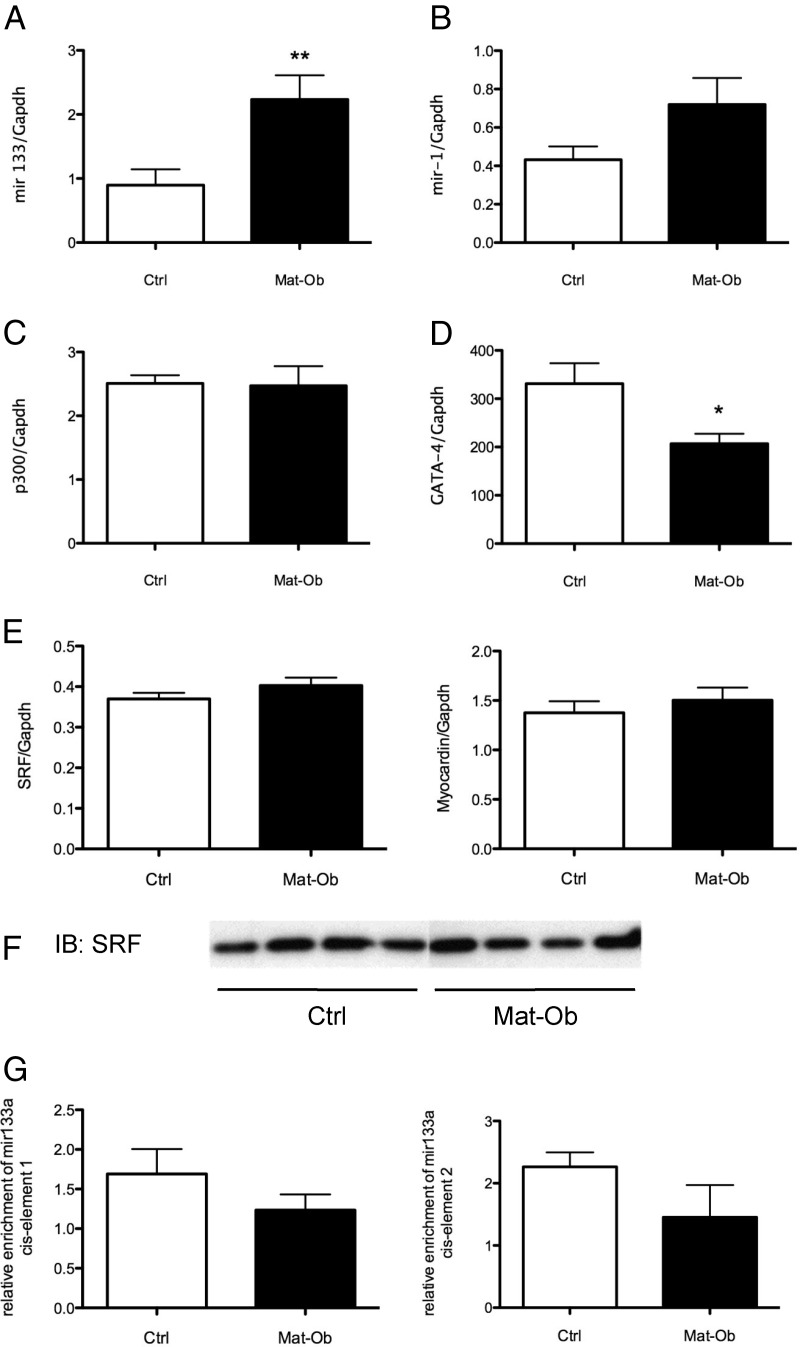
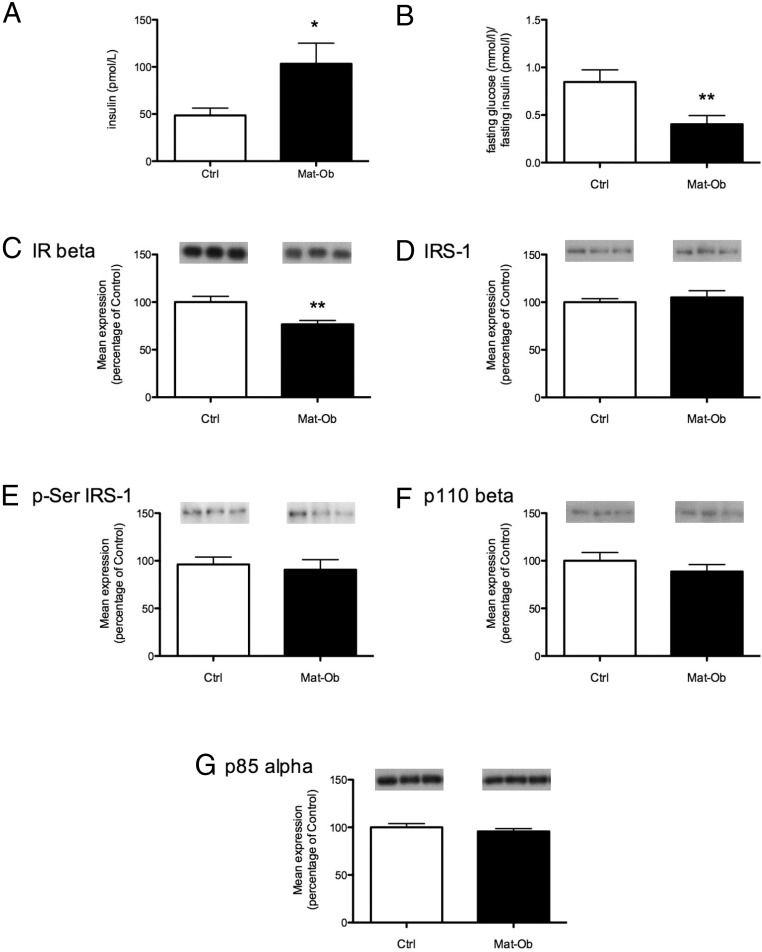
Human and animal studies suggest that suboptimal early nutrition during critical developmental periods impacts long-term health. For example, maternal overnutrition during pregnancy and lactation in mice programs insulin resistance, obesity, and endothelial dysfunction in the offspring. Here we investigated the effects of diet-induced maternal obesity on the offspring cardiac phenotype and explored potential underlying molecular mechanisms. Dams fed the obesogenic diet were heavier (P < 0.01) and fatter (P < 0.0001) than controls throughout pregnancy and lactation. There was no effect of maternal obesity on offspring body weight or body composition up to 8 wk of age. However, maternal obesity resulted in increased offspring cardiac mass (P < 0.05), increased heart-body weight (P < 0.01), heart weight-tibia length (P < 0.05), increased left ventricular free wall thickness and area (P < 0.01 and P < 0.05, respectively), and increased myocyte width (P < 0.001). Consistent with these structural changes, the expression of molecular markers of cardiac hypertrophy were also increased [Nppb(BNP), Myh7-Myh6(βMHC-αMHC) (both P < 0.05) and mir-133a (P < 0.01)]. Offspring were hyperinsulinemic and displayed increased insulin action through AKT (P < 0.01), ERK (P < 0.05), and mammalian target of rapamycin (P < 0.05). p38MAPK phosphorylation was also increased (P < 0.05), suggesting pathological remodeling. Increased Ncf2(p67(phox)) expression (P < 0.05) and impaired manganese superoxide dismutase levels (P < 0.01) suggested oxidative stress, which was consistent with an increase in levels of 4-hydroxy-2-trans-nonenal (a measure of lipid peroxidation). We propose that maternal diet-induced obesity leads to offspring cardiac hypertrophy, which is independent of offspring obesity but is associated with hyperinsulinemia-induced activation of AKT, mammalian target of rapamycin, ERK, and oxidative stress.
Overview
The claims and statistics of this paper haven’t been checked yet.
Run the check — free, no account needed. It reads the open-access text and checks the sources it cites.
Integrity signals
Registry
Cites
Statistics
Figures
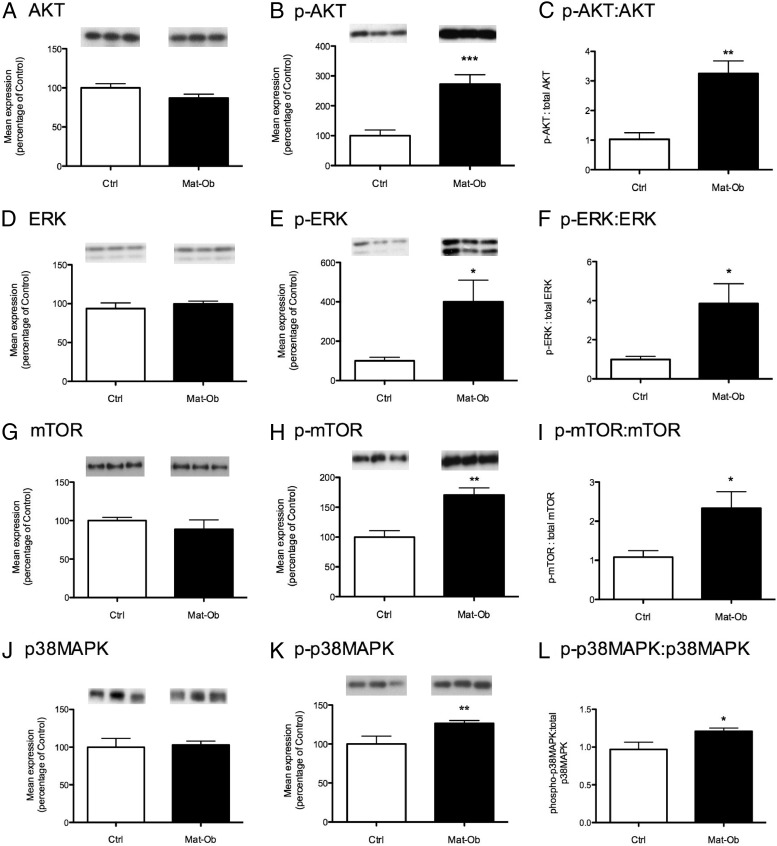
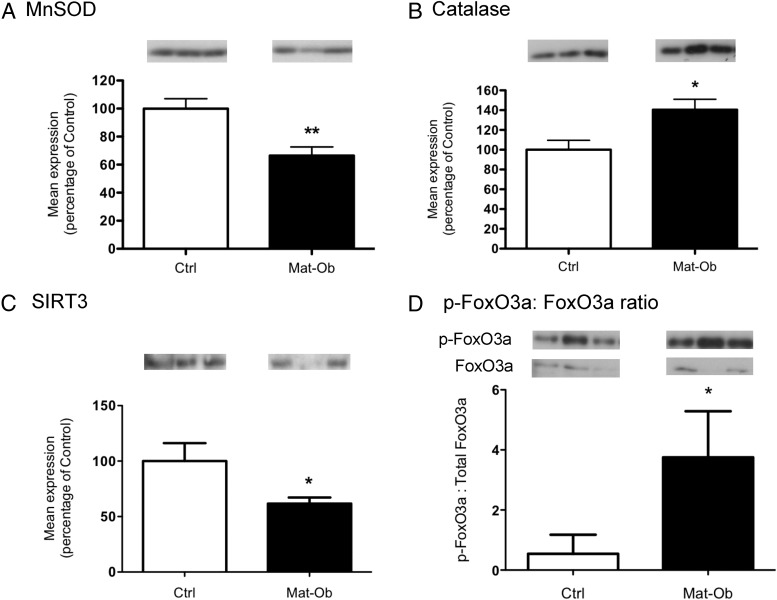
Verification
Claims the paper makes
The claims and statistics of this paper haven’t been checked yet.
Run the check — free, no account needed. It reads the open-access text and checks the sources it cites.
Claims other papers make about this one
Each is checked against this paper’s own text: does it say what the citing paper says it does?
The source backs part of the claim, not all of it — or backs it for a different population, condition or comparison.
In the citing paper
“the Ozanne group showed that young adult male offspring (at 3 and 8 weeks of age) from obese dams have increased heart weight, LV wall thickness and increased heart weight to body weight ratio, compared to offspring from control dams [93,112].”
From Recent Experimental Studies of Maternal Obesity, Diabetes during Pregnancy and the Developmental Origins of Cardiovascular Disease (2022) · cites this paper as [93]
Experimental — accuracy not yet measuredThe source backs part of the claim, not all of it — or backs it for a different population, condition or comparison.
In the citing paper
“In line with cardiac hypertrophy, increased expression of Nppb, Acta1 and the ratio of Myh7:Myh6 gene expression were observed in the offspring of obese dams [93,112].”
From Recent Experimental Studies of Maternal Obesity, Diabetes during Pregnancy and the Developmental Origins of Cardiovascular Disease (2022) · cites this paper as [93]
Experimental — accuracy not yet measuredThe source backs part of the claim, not all of it — or backs it for a different population, condition or comparison.
In the citing paper
“Moreover, the effect of maternal obesity on cellular cardiomyocyte hypertrophy were only observed in the 3- and 8-week-old offspring [93,112] and not 12-week-old offspring [112].”
From Recent Experimental Studies of Maternal Obesity, Diabetes during Pregnancy and the Developmental Origins of Cardiovascular Disease (2022) · cites this paper as [93]
Experimental — accuracy not yet measuredThe source backs part of the claim, not all of it — or backs it for a different population, condition or comparison.
In the citing paper
“Interestingly, phosphorylation of Akt at the activating Ser-473 site was elevated in hearts of offspring from obese dams, although this appeared to be mediated by increased p38-Mitogen-activated protein kinase signalling through Erk and mTOR [93]”
From Recent Experimental Studies of Maternal Obesity, Diabetes during Pregnancy and the Developmental Origins of Cardiovascular Disease (2022) · cites this paper as [93]
Experimental — accuracy not yet measuredThe cited source says what the claim attributes to it.
In the citing paper
“Interestingly, phosphorylation of Akt at the activating Ser-473 site was elevated in hearts of offspring from obese dams, although this appeared to be mediated by increased p38-Mitogen-activated protein kinase signalling through Erk and mTOR [93]”
From Recent Experimental Studies of Maternal Obesity, Diabetes during Pregnancy and the Developmental Origins of Cardiovascular Disease (2022) · cites this paper as [93]
The cited source says what the claim attributes to it.
In the citing paper
“Reduced levels of mitochondrial localized superoxide dismutase-2 in the hearts of offspring of obese dams [93] suggest that maternal obesity increases the sensitivity of the offspring myocardium to oxidative damage.”
From Recent Experimental Studies of Maternal Obesity, Diabetes during Pregnancy and the Developmental Origins of Cardiovascular Disease (2022) · cites this paper as [93]
The cited source says what the claim attributes to it.
In the citing paper
“In 8-week-old offspring of obese dams, the expression of insulin receptor-β, a key component for mediating insulin signalling in the heart, was reduced [93].”
From Recent Experimental Studies of Maternal Obesity, Diabetes during Pregnancy and the Developmental Origins of Cardiovascular Disease (2022) · cites this paper as [93]
The cited source says what the claim attributes to it.
In the citing paper
“Fernandez-Twinn et al. [93] discovered that exposure of the offspring to maternal obesity increased the cardiac expression of miR-133 and reduced the mRNA expression of one of its putative targets, Gata-4, which is upregulated in cardiac hypertrophy.”
From Recent Experimental Studies of Maternal Obesity, Diabetes during Pregnancy and the Developmental Origins of Cardiovascular Disease (2022) · cites this paper as [93]
The cited source says what the claim attributes to it.
In the citing paper
“Reduced levels of mitochondrial localized superoxide dismutase-2 in the hearts of offspring of obese dams [93] suggest that maternal obesity increases the sensitivity of the offspring myocardium to oxidative damage.”
From Recent Experimental Studies of Maternal Obesity, Diabetes during Pregnancy and the Developmental Origins of Cardiovascular Disease (2022) · cites this paper as [93]
The cited source says what the claim attributes to it.
In the citing paper
“suggesting that protein translation supporting pathologic cardiac hypertrophy was activated.”
From Recent Experimental Studies of Maternal Obesity, Diabetes during Pregnancy and the Developmental Origins of Cardiovascular Disease (2022) · cites this paper as [93]
Self-check
Percentages, sums and reported differences re-computed from the paper’s own numbers.
The self-check needs the paper’s full text.
Citations
Cites
2 retracted
Xu, C., Lu, Y., Pan, Z., Chu, W., Luo, X., Lin, H., Xiao, J., Shan, H., Wang, Z., & Yang, B. (2007) · Journal of Cell Science · doi:10.1242/jcs.010728 · Cited by 437
RetractedXiao, J., Luo, X., Lin, H., Zhang, Y., Lu, Y., Wang, N., Zhang, Y., Yang, B., & Wang, Z. (2007) · Journal of Biological Chemistry · doi:10.1074/jbc.c700015200 · Cited by 233
RetractedGUNDERSEN, H. J. G., BENDTSEN, T. F., KORBO, L., MARCUSSEN, N., MØLLER, A., NIELSEN, K., NYENGAARD, J. R., PAKKENBERG, B., SØRENSEN, F. B., VESTERBY, A., et al. (1988) · APMIS · doi:10.1111/j.1699-0463.1988.tb05320.x · Cited by 2,929
The Developmental Origins of Adult Disease
Barker, D. J. P. (2004) · Journal of the American College of Nutrition · doi:10.1080/07315724.2004.10719428 · Cited by 1,854
MicroRNA-133 controls cardiac hypertrophy
Carè, A., Catalucci, D., Felicetti, F., Bonci, D., Addario, A., Gallo, P., Bang, M., Segnalini, P., Gu, Y., Dalton, N. D., et al. (2007) · Nature Medicine · doi:10.1038/nm1582 · Cited by 1,785
Jia, Q.-W., Chen, Z.-H., Ding, X.-Q., Liu, J.-Y., Ge, P.-C., An, F.-H., Li, L.-H., Wang, L.-S., Ma, W.-Z., Yang, Z.-J., et al. (2017) · Cellular Physiology and Biochemistry · doi:10.1159/000478071 · Cited by 1,694
Oxygen, oxidative stress, hypoxia, and heart failure
Giordano, F. J. (2005) · Journal of Clinical Investigation · doi:10.1172/jci24408 · Cited by 1,515
Dysregulation of Cardiogenesis, Cardiac Conduction, and Cell Cycle in Mice Lacking miRNA-1-2
Zhao, Y. B., Ransom, J. F., Li, A., Vedantham, V., von Drehle, M., Muth, A. N., Tsuchihashi, T., McManus, M. T., Schwartz, R. J., & Srivastava, D. (2007) · Cell · doi:10.1016/j.cell.2007.03.030 · Cited by 1,445
Fetal nutrition and adult disease
Godfrey, K. M., & Barker, D. J. P. (2000) · American Journal of Clinical Nutrition · doi:10.1093/ajcn/71.5.1344s · Cited by 1,329
Shiojima, I. (2005) · Journal of Clinical Investigation · doi:10.1172/jci24682 · Cited by 935
Cited by
Sorted by citations
Cheong, J. N., Wlodek, M. E., Moritz, K. M., & Cuffe, J. S. M. (2016) · The Journal of Physiology · doi:10.1113/jp271745 · Cited by 152
Blackmore, H. L., Niu, Y., Fernandez-Twinn, D. S., Tarry-Adkins, J. L., Giussani, D. A., & Ozanne, S. E. (2014) · Endocrinology · doi:10.1210/en.2014-1383 · Cited by 127
Self-citationKeleher, M. R., Zaidi, R., Shah, S., Oakley, M. E., Pavlatos, C., Idrissi, S. E., Xing, X., Li, D., Wang, T., & Cheverud, J. M. (2018) · PLoS ONE · doi:10.1371/journal.pone.0192606 · Cited by 124
Fernandez-Twinn, D. S., Alfaradhi, M. Z., Martin-Gronert, M. S., Duque-Guimaraes, D. E., Piekarz, A., Ferland-McCollough, D., Bushell, M., & Ozanne, S. E. (2014) · Molecular Metabolism · doi:10.1016/j.molmet.2014.01.007 · Cited by 114
Self-citationMaternal obesity and the developmental programming of hypertension: a role for leptin
Taylor, P. D., Samuelsson, A., & Poston, L. (2014) · Acta Physiologica · doi:10.1111/apha.12223 · Cited by 103
Loche, E., Blackmore, H. L., Carpenter, A. A., Beeson, J. H., Pinnock, A., Ashmore, T. J., Aiken, C. E., de Almeida-Faria, J., Schoonejans, J. M., Giussani, D. A., et al. (2018) · Cardiovascular Research · doi:10.1093/cvr/cvy082 · Cited by 105
Self-citationIntergenerational epigenetic inheritance in models of developmental programming of adult disease
Fernandez‐Twinn, D. S., Constância, M., & Ozanne, S. E. (2015) · Seminars in Cell and Developmental Biology · doi:10.1016/j.semcdb.2015.06.006 · Cited by 103
Self-citationA review of fundamental principles for animal models of DOHaD research: an Australian perspective
Dickinson, H., Moss, T. J. M., Gatford, K. L., Moritz, K. M., Akison, L. K., Fullston, T., Hryciw, D. H., Maloney, C., Morris, M. J., Wooldridge, A. L., et al. (2016) · Journal of Developmental Origins of Health and Disease · doi:10.1017/s2040174416000477 · Cited by 109
Early life factors and type 2 diabetes mellitus
Jiang, X., Ma, H., Wang, Y., & Liu, Y. (2013) · Journal of Diabetes Research · doi:10.1155/2013/485082 · Cited by 92
Kereliuk, S., Brawerman, G., & Dolinsky, V. (2017) · International Journal of Molecular Sciences · doi:10.3390/ijms18071451 · Cited by 90
The impact of early nutrition on the ageing trajectory
Tarry-Adkins, J. L., & Ozanne, S. E. (2014) · Proceedings of The Nutrition Society · doi:10.1017/s002966511300387x · Cited by 88
Self-citationNutrition in early life and age-associated diseases
Tarry‐Adkins, J. L., & Ozanne, S. E. (2016) · Ageing Research Reviews · doi:10.1016/j.arr.2016.08.003 · Cited by 91
Self-citationMaloyan, A., Muralimanoharan, S., Huffman, S., Cox, L. A., Nathanielsz, P. W., Myatt, L., & Nijland, M. J. (2013) · Physiological Genomics · doi:10.1152/physiolgenomics.00050.2013 · Cited by 86
Near to One's Heart: The Intimate Relationship Between the Placenta and Fetal Heart
Camm, E. J., Botting, K. J., & Sferruzzi-Perri, A. N. (2018) · Frontiers in Physiology · doi:10.3389/fphys.2018.00629 · Cited by 85
Impact of Maternal Obesity on Fetal Programming of Cardiovascular Disease
Roberts, V. H. J., Frias, A. E., & Grove, K. L. (2015) · Physiology · doi:10.1152/physiol.00021.2014 · Cited by 79
Alfaradhi, M. Z., Kusinski, L. C., Fernandez‐Twinn, D. S., Pantaleão, L. C., Carr, S. K., Ferland-McCollough, D., Yeo, G. S. H., Bushell, M., & Ozanne, S. E. (2016) · Endocrinology · doi:10.1210/en.2016-1314 · Cited by 80
Self-citationDearden, L., Buller, S. A., Furigo, I. C., Fernandez‐Twinn, D. S., & Ozanne, S. E. (2020) · Molecular Metabolism · doi:10.1016/j.molmet.2020.101079 · Cited by 76
Self-citationBeeson, J. H., Blackmore, H. L., Carr, S. K., Dearden, L., Duque-Guimarães, D. E., Kusinski, L. C., Pantaleão, L. C., Pinnock, A. G., Aiken, C. E., Giussani, D. A., et al. (2018) · Molecular Metabolism · doi:10.1016/j.molmet.2018.06.009 · Cited by 73
Self-citationMenting, M. D., Mintjens, S., van de Beek, C., Frick, C., Ozanne, S. E., Limpens, J., Roseboom, T. J., Hooijmans, C. R., van Deutekom, A. W., & Painter, R. C. (2019) · Obesity Reviews · doi:10.1111/obr.12817 · Cited by 75
Self-citationMelatonin rescues cardiovascular dysfunction during hypoxic development in the chick embryo
Itani, N., Skeffington, K. L., Beck, C., Niu, Y., & Giussani, D. A. (2015) · Journal of Pineal Research · doi:10.1111/jpi.12283 · Cited by 66
Self-citationProgramming of cardiometabolic health: the role of maternal and fetal hyperinsulinaemia
Hufnagel, A., Dearden, L., Fernandez‐Twinn, D. S., & Ozanne, S. E. (2022) · Journal of Endocrinology · doi:10.1530/joe-21-0332 · Cited by 78
Self-citationProgramming of cardiovascular disease across the life-course
Blackmore, H. L., & Ozanne, S. E. (2014) · Journal of Molecular and Cellular Cardiology · doi:10.1016/j.yjmcc.2014.12.006 · Cited by 71
Self-citationLu, H., Wang, B., Cui, N., & Zhang, Y. (2018) · Molecular Medicine Reports · doi:10.3892/mmr.2018.8666 · Cited by 62
Penfold, N., & Ozanne, S. E. (2015) · Hormones and Behavior · doi:10.1016/j.yhbeh.2015.06.015 · Cited by 62
Self-citationMaternal obesity affects fetal myocardial function as early as in the first trimester
Ingul, C. B., Loraas, L., Tegnander, E., Eik‐Nes, S. H., & Brantberg, A. (2015) · Ultrasound in Obstetrics and Gynecology · doi:10.1002/uog.14841 · Cited by 59
Fic, A., Mlakar, S. J., Juvan, P., Mlakar, V., Marc, J., Dolenc, M. S., Bröberg, K., & Mašič, L. P. (2015) · Toxicology in Vitro · doi:10.1016/j.tiv.2015.03.014 · Cited by 58
Emerging Role of mTOR Signaling‐Related miRNAs in Cardiovascular Diseases
Samidurai, A., Kukreja, R. C., & Das, A. (2018) · Oxidative Medicine and Cellular Longevity · doi:10.1155/2018/6141902 · Cited by 51
Samuelsson, A., Clark, J., Rudyk, O., Shattock, M. J., Bae, S., South, T., Pombo, J., Redington, K. L., Uppal, E., Coen, C. W., et al. (2013) · Hypertension · doi:10.1161/hypertensionaha.111.00691 · Cited by 49
Pereira, T. J., Gruber, B. L. M., Kereliuk, S. M., & Dolinsky, V. W. (2014) · Biochemistry and Cell Biology · doi:10.1139/bcb-2014-0141 · Cited by 52
Prenatal programming: adverse cardiac programming by gestational testosterone excess
Vyas, A. K., Hoang, V., Padmanabhan, V., Gilbreath, E., & Mietelka, K. A. (2016) · Scientific Reports · doi:10.1038/srep28335 · Cited by 48
Shrestha, N., Ezechukwu, H. C., Holland, O. J., & Hryciw, D. H. (2020) · American Journal of Physiology-Regulatory, Integrative and Comparative Physiology · doi:10.1152/ajpregu.00214.2020 · Cited by 49
Maternal Obesity and Cardiac Development in the Offspring
Guzzardi, M. A., Liistro, T., Gargani, L., Ait-Alì, L., D’Angelo, G., Rocchiccioli, S., Rosa, F. L., Kemeny, A., Sanguinetti, E., Ucciferri, N., et al. (2017) · JACC. Cardiovascular imaging · doi:10.1016/j.jcmg.2017.08.024 · Cited by 46
Vaughan, O. R., Rosario, F. J., Chan, J., Cox, L. A., Ferchaud‐Roucher, V., Berry, K. A. Z., Reusch, J. E. B., Keller, A. C., Powell, T. L., & Jansson, T. (2022) · The Journal of Physiology · doi:10.1113/jp282462 · Cited by 44
Maternal diet-induced obesity and offspring cardiovascular health
Blackmore, H. L., & Ozanne, S. E. (2013) · Journal of Developmental Origins of Health and Disease · doi:10.1017/s2040174412000761 · Cited by 46
Self-citationProgramming by maternal obesity: a pathway to poor cardiometabolic health in the offspring
Inzani, I., & Ozanne, S. E. (2022) · Proceedings of The Nutrition Society · doi:10.1017/s0029665122001914 · Cited by 45
Self-citationHe, K., Li, W., Chai, X., Yin, Y., Jiang, Y., & Li, W. (2017) · International Journal of Molecular Medicine · doi:10.3892/ijmm.2017.3265 · Cited by 41
Maternal obesity impairs fetal cardiomyocyte contractile function in sheep
Wang, Q., Zhu, C., Sun, M., Rexiati, M., Ford, S. P., Nathanielsz, P. W., Ren, J. T., & Guo, W. (2018) · The FASEB Journal · doi:10.1096/fj.201800988r · Cited by 41
Maele, K. V. D., Devlieger, R., & Gies, I. (2018) · Atherosclerosis · doi:10.1016/j.atherosclerosis.2018.06.016 · Cited by 40
Effects of pregnancy on obesity-induced inflammation in a mouse model of fetal programming
Ingvorsen, C., Thysen, A. H., Fernandez‐Twinn, D. S., Nordby, P., Nielsen, K. F., Ozanne, S. E., Brix, S., & Hellgren, L. I. (2014) · International Journal of Obesity · doi:10.1038/ijo.2014.69 · Cited by 40
Self-citationHiramatsu, L., Kay, J., Thompson, Z., Singleton, J. M., Claghorn, G. C., de Albuquerque, R. L., Ho, B. N., Ho, B., Sánchez, G., & Garland, T. (2017) · Physiology & Behavior · doi:10.1016/j.physbeh.2017.06.008 · Cited by 38
Hufnagel, A., Fernandez‐Twinn, D. S., Blackmore, H. L., Ashmore, T. J., Heaton, R. A., Jenkins, B., Koulman, A., Hargreaves, I. P., Aiken, C., & Ozanne, S. E. (2021) · The Journal of Physiology · doi:10.1113/jp281902 · Cited by 39
Self-citationToemen, L., Gishti, O., van Osch-Gevers, L. M., Steegers, E. A. P., Helbing, W. A., Felix, J. F., Reiss, I. K. M., Duijts, L., Gaillard, R., & Jaddoe, V. W. V. (2016) · International Journal of Obesity · doi:10.1038/ijo.2016.86 · Cited by 36
Kereliuk, S. M., & Dolinsky, V. W. (2022) · International Journal of Molecular Sciences · doi:10.3390/ijms23084467 · Cited by 34
“Reduced levels of mitochondrial localized superoxide dismutase-2 in the hearts of offspring of obese dams [93] suggest that maternal obesity increases the sensitivity of the offspring myocardium to oxidative damage.”
BackgroundInfluentialPregnancy in obese women and mechanisms of increased cardiovascular risk in offspring
Cochrane, A. L. K., Murphy, M. P., Ozanne, S. E., & Giussani, D. A. (2024) · European Heart Journal · doi:10.1093/eurheartj/ehae671 · Cited by 33
Self-citationVaughan, O. R., Rosario, F. J., Powell, T. L., & Jansson, T. (2019) · International Journal of Obesity · doi:10.1038/s41366-019-0374-4 · Cited by 32
Nicholas, L. M., & Ozanne, S. E. (2019) · Philosophical Transactions of the Royal Society B Biological Sciences · doi:10.1098/rstb.2018.0116 · Cited by 35
Self-citationDevelopmental Origins of Cardiometabolic Diseases: Role of the Maternal Diet
Costa‐Silva, J. H., Simões-Alves, A. C., & Fernandes, M. P. (2016) · Frontiers in Physiology · doi:10.3389/fphys.2016.00504 · Cited by 34
Khamoui, A. V., Desai, M., Ross, M. G., & Rossiter, H. B. (2018) · Journal of Developmental Origins of Health and Disease · doi:10.1017/s2040174418000594 · Cited by 32
Olaniyi, K. S., Amusa, O. A., Areola, E. D., & Olatunji, L. A. (2020) · Experimental Biology and Medicine · doi:10.1177/1535370220913847 · Cited by 33
den Harink, T., Roelofs, M. J. M., Limpens, J., Painter, R. C., Roseboom, T. J., & van Deutekom, A. W. (2022) · PLoS ONE · doi:10.1371/journal.pone.0275236 · Cited by 30
Diniz, M. S., Magalhães, C. C., Tocantins, C., Grilo, L. F., Teixeira, J., & Pereira, S. P. (2023) · Nutrients · doi:10.3390/nu15214623 · Cited by 33
Qin, X. Y., Chen, P., Li, X., Zhang, G., Patterson, A. J., & Luo, J. (2015) · Biology of Reproduction · doi:10.1095/biolreprod.115.129916 · Cited by 31
Post-weaning diet determines metabolic risk in mice exposed to overnutrition in early life
King, V., Norman, J. E., Seckl, J. R., & Drake, A. J. (2014) · Reproductive Biology and Endocrinology · doi:10.1186/1477-7827-12-73 · Cited by 31
Early nutrition, epigenetics, and cardiovascular disease
Loche, E., & Ozanne, S. E. (2016) · Current Opinion in Lipidology · doi:10.1097/mol.0000000000000338 · Cited by 34
Self-citationHuman Protein Kinases and Obesity
Engin, A. (2017) · Advances in experimental medicine and biology · doi:10.1007/978-3-319-48382-5_5 · Cited by 29
Daniel, B., Green, O., Viskind, O., & Gruzman, A. (2013) · Amyotrophic Lateral Sclerosis and Frontotemporal Degeneration · doi:10.3109/21678421.2013.808226 · Cited by 27
Mazzucco, M. B., Higa, R., Capobianco, E., Kurtz, M., Jawerbaum, A., & White, V. (2013) · Journal of Endocrinology · doi:10.1530/joe-13-0021 · Cited by 27
Ahmed, A., Liang, M., Chi, L., Zhou, Y., Sled, J. G., Wilson, M. D., & Delgado-Olguı́n, P. (2020) · Molecular Metabolism · doi:10.1016/j.molmet.2020.101116 · Cited by 26
Camm, E. J., Cross, C. M., Kane, A. D., Tarry‐Adkins, J. L., Ozanne, S. E., & Giussani, D. A. (2021) · The FASEB Journal · doi:10.1096/fj.202002557rr · Cited by 25
Self-citationEarly nutrition, epigenetics, and cardiovascular disease.
Loche, E., & Ozanne, S. E. (2016) · Apollo (University of Cambridge) · doi:10.17863/cam.1243 · Cited by 24
Self-citationGhnenis, A. B., Odhiambo, J. F., McCormick, R. J., Nathanielsz, P. W., & Ford, S. P. (2017) · PLoS ONE · doi:10.1371/journal.pone.0189977 · Cited by 25
EGR1 Is Implicated in Right Ventricular Cardiac Remodeling Associated with Pulmonary Hypertension
Laggner, M., Oberndorfer, F., Golabi, B., Bauer, J., Zuckermann, A. O., Hacker, P., Lang, I. M., Skoro‐Sajer, N., Gerges, C., Taghavi, S., et al. (2022) · Biology · doi:10.3390/biology11050677 · Cited by 24
Protein Kinases in Obesity, and the Kinase-Targeted Therapy
Engin, A. (2024) · Advances in experimental medicine and biology · doi:10.1007/978-3-031-63657-8_7 · Cited by 25
Developmental programming of insulin resistance: are androgens the culprits?
Puttabyatappa, M., Sargis, R. M., & Padmanabhan, V. (2020) · Journal of Endocrinology · doi:10.1530/joe-20-0044 · Cited by 22
Wang, J., Du, B., Wu, Y., Li, Z., Chen, Q., Zhang, X., Zhang, L., Ye, Y., Wu, Y., Sun, C., et al. (2021) · Frontiers in Pediatrics · doi:10.3389/fped.2021.722385 · Cited by 20
Psefteli, P., Morris, J. K., Ehler, E., Smith, L. I. F., Bowe, J. E., Mann, G. E., Taylor, P. D., & Chapple, S. J. (2023) · Redox Biology · doi:10.1016/j.redox.2023.102883 · Cited by 20
Hou, M., Gu, H., Wang, H. H., Liu, X., Zhou, C., Yang, Q., Jiang, Z.-R., Lin, J., Wu, Y., Wu, Y., et al. (2019) · Journal of Molecular and Cellular Cardiology · doi:10.1016/j.yjmcc.2019.01.008 · Cited by 20
Витальевна, Ч. И., Ponomarenko, P. M., Рассказов, Д. А., Sharypova, E. B., Kashina, E. V., Zhechev, D. A., Drachkova, I. A., Arkova, O. V., Savinkova, L. K., Ponomarenko, M. P., et al. (2018) · BMC Genomics · doi:10.1186/s12864-018-4478-3 · Cited by 19
Lobmaier, S. M., Ortiz, J. U., Sewald, M., Müller, A., Schmidt, G. P., Haller, B., Oberhoffer, R., Schneider, K. T. M., Giussani, D. A., & Wacker‐Gussmann, A. (2017) · Ultrasound in Obstetrics and Gynecology · doi:10.1002/uog.18823 · Cited by 18
Self-citationHigh Fat Programming and Cardiovascular Disease
Cerf, M. E. (2018) · Medicina · doi:10.3390/medicina54050086 · Cited by 19
Zhang, J., Cao, L., Tan, Y., Zheng, Y., & Gui, Y. (2020) · Biomedicine & Pharmacotherapy · doi:10.1016/j.biopha.2020.110989 · Cited by 20
Nutritional Programming of Intrauterine Development: A Concept Applicable to the Horse?
Fowden, A. L., Jellyman, J. K., Valenzuela, O. A., & Forhead, A. J. (2013) · Journal of Equine Veterinary Science · doi:10.1016/j.jevs.2013.03.005 · Cited by 22
Made in the Womb: Maternal Programming of Offspring Cardiovascular Function by an Obesogenic Womb
Diniz, M. S., Grilo, L. F., Tocantins, C., Falcão‐Pires, I., & Pereira, S. P. (2023) · Metabolites · doi:10.3390/metabo13070845 · Cited by 17
Lipotoxicity and the role of maternal nutrition
Pruis, M., van Ewijk, P. A., Schrauwen-Hinderling, V. B., & Plösch, T. (2014) · Acta Physiologica · doi:10.1111/apha.12171 · Cited by 18
Role of Maternal Obesity in Offspring Cardiovascular Development and Congenital Heart Defects
McMullan, A., Zwierzynski, J. B., Jain, N., Haneline, L. S., Shou, W., Kua, K. L., Hota, S. K., & Durbin, M. D. (2025) · Journal of the American Heart Association · doi:10.1161/jaha.124.039684 · Cited by 21
Taylor, P. D., Gu, H., Saunders, H., Fiori, F., Dalrymple, K. V., Sethupathi, P., Yamanouchi, L., Miller, F. A., Jones, B., Vieira, M. C., et al. (2022) · International Journal of Obesity · doi:10.1038/s41366-022-01210-3 · Cited by 16
Research Progress of Maternal Metabolism on Cardiac Development and Function in Offspring
Ren, Z., Luo, S., Cui, J., Tang, Y., Huang, H., & Ding, G. (2023) · Nutrients · doi:10.3390/nu15153388 · Cited by 18
Dearden, L., Furigo, I. C., Pantaleão, L. C., Wong, L. W. P., Fernandez‐Twinn, D. S., de Almeida-Faria, J., Kentistou, K. A., Carreira, M. V., Bidault, G., Vidal‐Puig, A., et al. (2024) · PLoS Biology · doi:10.1371/journal.pbio.3002641 · Cited by 18
Self-citationNutritional Programming Effects on Development of Metabolic Disorders in Later Life
Ong, T. P., & Guest, P. C. (2018) · Methods in molecular biology · doi:10.1007/978-1-4939-7614-0_1 · Cited by 17
Li, J., Peng, L., Du, H., Wang, Y., Lü, B., Xu, Y., Ye, X., & Shao, J. (2014) · International Journal of Endocrinology · doi:10.1155/2014/901437 · Cited by 14
Embryonic programming of heart disease in response to obesity during pregnancy
Ahmed, A., & Delgado-Olguı́n, P. (2019) · Biochimica et Biophysica Acta (BBA) - Molecular Basis of Disease · doi:10.1016/j.bbadis.2019.01.028 · Cited by 15
Wahab, R. J., Jaddoe, V. W. V., Roest, A. A. W., Toemen, L., & Gaillard, R. (2020) · Diabetes Care · doi:10.2337/dc19-2580 · Cited by 13
Ferreira, L. A., Ferreira-Junior, M. D., Amaral, K. D. J. V., Cavalcante, K. V. N., Pontes, C. N. R., Ribeiro, L. C. D. S., dos Santos, B. G., Xavier, C. H., Mathias, P. C. D. F., Andersen, M. L., et al. (2022) · The Journal of Nutritional Biochemistry · doi:10.1016/j.jnutbio.2022.108969 · Cited by 13
Pantaleão, L. C., Loche, E., Fernandez‐Twinn, D. S., Dearden, L., Córdova-Casanova, A., Osmond, C., Salonen, M. K., Kajantie, E., Niu, Y., de Almeida-Faria, J., et al. (2024) · Molecular Metabolism · doi:10.1016/j.molmet.2024.101875 · Cited by 13
Self-citationNutrition has a pervasive impact on cardiac microRNA expression in isogenic mice
Wing‐Lun, E., Eaton, S. A., Hur, S. S. J., Aiken, A., Young, P. E., Buckland, M. E., Li, C. C. Y., Cropley, J. E., & Suter, C. M. (2016) · Epigenetics · doi:10.1080/15592294.2016.1190895 · Cited by 13
den Harink, T., Blom, N. A., Gemke, R. J. B. J., Groen, H., Hoek, A., Mol, B. W., Painter, R. C., Kuipers, I. M., Roseboom, T. J., & van Deutekom, A. W. (2022) · International Journal of Obesity · doi:10.1038/s41366-022-01107-1 · Cited by 12
Olaniyi, K. S., & Olatunji, L. A. (2019) · Applied Physiology, Nutrition, and Metabolism · doi:10.1139/apnm-2018-0754 · Cited by 12
Impact of the exposome on the development and function of pancreatic β-cells
Hill, D. J. (2021) · Molecular Aspects of Medicine · doi:10.1016/j.mam.2021.100965 · Cited by 11
Obesity, fertility and pregnancy: can we intervene to improve outcomes?
Reynolds, R. M., & Gordon, A. (2018) · Journal of Endocrinology · doi:10.1530/joe-18-0199 · Cited by 10
Wang, W., Huo, Y., Zhang, J., Xu, D., Bai, F., & Gui, Y. (2022) · Nutrients · doi:10.3390/nu14204237 · Cited by 9
Ibáñez, C. A., Correa, F., Lira-León, G., Reyes‐Castro, L. A., Roldán, F., Silva‐Palacios, A., Buelna‐Chontal, M., Rodríguez-González, G. L., Nathanielsz, P. W., Zazueta, C., et al. (2024) · Archives of Medical Research · doi:10.1016/j.arcmed.2024.102983 · Cited by 9
Elahi, M. M., & Matata, B. M. (2014) · Molecular Biology Reports · doi:10.1007/s11033-014-3605-8 · Cited by 9
The Impact of Substance P on the Pathogenesis of Insulin Resistance Leading to Gestational Diabetes
Patro-Małysza, J., Kimber-Trojnar, Ż., Skórzyńska-Dziduszko, K., Marciniak, B., Darmochwał-Kolarz, D., Bartosiewicz, J., Leszczyńska‐Gorzelak, B., & Oleszczuk, J. (2014) · Current Pharmaceutical Biotechnology · doi:10.2174/1389201015666140330192941 · Cited by 8
Kruse, M., Fiallo, A., Tao, J., Suszták, K., Amann, K., Katz, E. B., & Charron, M. J. (2017) · Kidney & Blood Pressure Research · doi:10.1159/000479383 · Cited by 9
At the heart of programming: the role of micro-RNAs
Siddeek, B., Mauduit, C., Yzydorczyk, C., Benahmed, M., & Siméoni, U. (2018) · Journal of Developmental Origins of Health and Disease · doi:10.1017/s2040174418000387 · Cited by 11
Yamada, T., Ogawa, K., Tanaka, T. D., Nagoshi, T., Minai, K., Ogawa, T., Kawai, M., & Yoshimura, M. (2020) · Diabetes Research and Clinical Practice · doi:10.1016/j.diabres.2020.108036 · Cited by 9
Govindsamy, A., Ghoor, S., & Cerf, M. E. (2022) · Frontiers in Endocrinology · doi:10.3389/fendo.2021.772095 · Cited by 7
Satokar, V. V., Vickers, M. H., Reynolds, C. M., Ponnampalam, A. P., Firth, E. C., Garg, M. L., Barrett, C. J., Cutfield, W. S., & Albert, B. B. (2022) · Frontiers in Nutrition · doi:10.3389/fnut.2022.968443 · Cited by 7
Common phenotypes and the developmental origins of disease
McMullen, S., & Swali, A. (2013) · Current Opinion in Clinical Nutrition & Metabolic Care · doi:10.1097/mco.0b013e328361f879 · Cited by 7
Leucine-rich glioma inactivated 3: Integrative analyses support its role in the cytokine network
Kim, H. A., Kwon, N. S., Baek, K. J., Kim, D., & Yun, H. (2017) · International Journal of Molecular Medicine · doi:10.3892/ijmm.2017.2988 · Cited by 7
Metadata
- Authors
- Fernandez-Twinn, D. S., Blackmore, H. L., Siggens, L., Giussani, D. A., Cross, C. M., Foo, R., & Ozanne, S. E.
- Affiliations
- Metabolic Research Laboratories (D.S.F.-T., H.L.B., S.E.O.), University of Cambridge, Institute of Metabolic Science, Addenbrooke's Hospital, Cambridge CB2 0QQ, United Kingdom
- University of Cambridge (GB)
- Venue
- Endocrinology
- Publisher
- The Endocrine Society
- Published
- 2012-12-01
- Volume
- 153
- Issue
- 12
- Pages
- 5961-5971
- ISSN
- 0013-7227 (ISSN-L)
- 1945-7170
- PMC
- PMC3568261
- OpenAlex
- W2075074527
- Cited by
- 141
- References
- 43
- Citations by year
- 2026: 4 · 2025: 8 · 2024: 5 · 2023: 8 · 2022: 17 · 2021: 7 · 2020: 10 · 2019: 7 · 2018: 18 · 2017: 9 · 2016: 14 · 2015: 11 · 2014: 13 · 2013: 10
- FWCI
- 9.53
- Type
- journal article
- Language
- en
- Open access
- hybrid
- doi.org
- Licence
- Locations
- Endocrinology (publishedVersion, cc-by-nc)
- Europe PMC (PubMed Central) (publishedVersion, cc-by-nc)
- PubMed Central (publishedVersion, cc-by-nc)
- PubMed (publishedVersion)
- Funders
- Wellcome Trust (EU-FP7-, 086797, 086797/Z/08/Z)
- British Heart Foundation (FS/09/050, FS/09/029/27902)
- European Commission (289346)
- Directorate for Biological Sciences
- Medical Research Council (EU FP7)
- Biotechnology and Biological Sciences Research Council (BB/F015364/1)
- Topics
- Health Sciences › Medicine › Pediatrics, Perinatology and Child Health › Birth, Development, and Health
- Health Sciences › Medicine › Cardiology and Cardiovascular Medicine › Cardiac Fibrosis and Remodeling
- Health Sciences › Medicine › Cardiology and Cardiovascular Medicine › Cardiovascular Function and Risk Factors
- Keywords
- maternal obesity, diet-induced obesity, cardiac hypertrophy, hyperinsulinemia, Akt signaling, ERK signaling, mTOR signaling, p38 MAPK, oxidative stress, manganese superoxide dismutase, lipid peroxidation, cardiomyocyte hypertrophy, developmental programming, cardiac remodeling
- MeSH terms
- Animals, Body Composition, Body Weight, Female, Cardiomegaly, Hyperinsulinism, Male, Mice, Inbred C57BL, Mothers, Obesity, Phenotype, Pregnancy, Pregnancy, Animal, Prenatal Exposure Delayed Effects, Lipid Peroxidation, Oxidative Stress, Maternal Nutritional Physiological Phenomena, Extracellular Signal-Regulated MAP Kinases, Proto-Oncogene Proteins c-akt, Mice, TOR Serine-Threonine Kinases
About these checks
Registry, retraction, Cites and statistics results are computed, not judged, with one exception: a printed reference that no index lists is read once by a model before it counts as a citation error. Claims are extracted by a model and kept only when their quote appears verbatim in the text; each cited source is then checked, with a model’s help, for whether it says what the claim relies on. Those verdicts can be wrong — read the claim’s quote and the cited source before relying on one.
Statistics and arithmetic are recomputed, not judged.
Confidence bands are shown only for fields calibrated on our annotated test set. None is calibrated yet, so no band is shown.
What counts as a claim ›How we measure confidence ›How we check this ›
Are you an author, or do you see a problem with this page? Request a review
