

The multistep hypothesis of ALS revisited: The role of genetic mutations
Open accessThe DOI matches its Crossref record; 39 of the 39 references it cites were found in a registry or an index.
Abstract
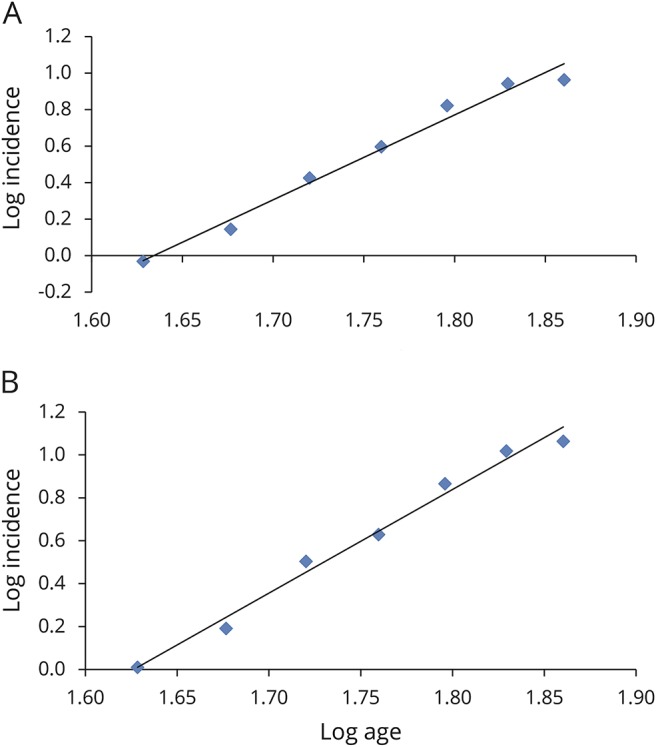
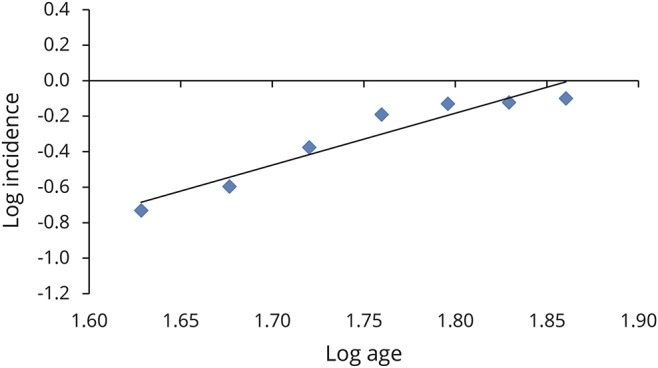
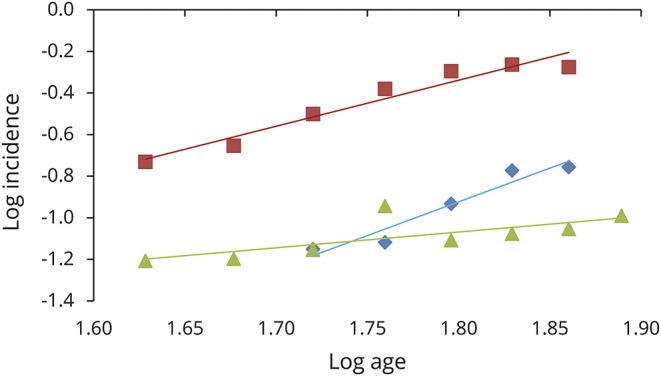
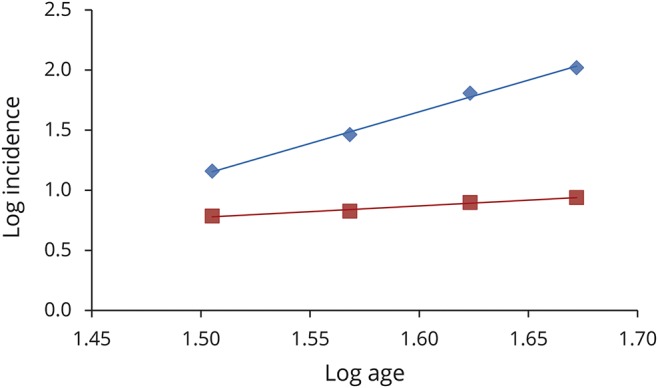
OBJECTIVE: Amyotrophic lateral sclerosis (ALS) incidence rates are consistent with the hypothesis that ALS is a multistep process. We tested the hypothesis that carrying a large effect mutation might account for ≥1 steps through the effect of the mutation, thus leaving fewer remaining steps before ALS begins. METHODS: genes was performed in 82% of incident cases. As confirmation, we used data from ALS cases diagnosed in the Republic of Ireland (2006-2014). We regressed the log of age-specific incidence against the log of age with least-squares regression for the subpopulation carrying disease-associated variation in each separate gene. RESULTS: . CONCLUSION: The identification of a reduced number of steps in patients with ALS with genetic mutations compared to those without mutations supports the idea of ALS as a multistep process and is an important advance for dissecting the pathogenic process in ALS.
Overview
The claims and statistics of this paper haven’t been checked yet.
Free: it reads the open-access text and checks the first 5 claims that cite a source we can check. Create a free account to check every claim.
Integrity signals
Registry
Cites
Statistics
Figures
Verification
Claims the paper makes
The claims and statistics of this paper haven’t been checked yet.
Free: it reads the open-access text and checks the first 5 claims that cite a source we can check. Create a free account to check every claim.
Claims other papers make about this one
Each is checked against this paper’s own text: does it say what the citing paper says it does?
The source backs part of the claim, not all of it — or backs it for a different population, condition or comparison.
In the citing paper
“Unfortunately, modelling MND for drug discovery purposes remains challenging, partly due to the range of pathological mechanisms implicated, many of which are backed by genetic associations5–10.”
From Examining iPSC derived motor neuron variability and genome stability monitoring as a solution (2025) · cites this paper as [9]
Experimental — accuracy not yet measured
Self-check
Percentages, sums and reported differences re-computed from the paper’s own numbers.
The self-check needs the paper’s full text.
Citations
Cites
The Age Distribution of Cancer and a Multi-stage Theory of Carcinogenesis
Armitage, P., & Doll, R. (1954) · British Journal of Cancer · doi:10.1038/bjc.1954.1 · Cited by 1,549 · cited 2×
“In a previous study, we used the Armitage-Doll model derived from cancer research to assess whether ALS incidence is consistent with a multistep process and, if so, to estimate the number of steps (n) required for ALS to develop.(9,10) The model can be briefly conceptualized as follows: if we assume that ALS is caused…”
The age distribution of cancer and a multi-stage theory of carcinogenesis
Armitage, P., & Doll, R. (2004) · British Journal of Cancer · doi:10.1038/sj.bjc.6602297 · Cited by 1,285
The epidemiology of ALS: a conspiracy of genes, environment and time
Al-Chalabi, A., & Hardiman, O. (2013) · Nature Reviews Neurology · doi:10.1038/nrneurol.2013.203 · Cited by 894 · cited 11×
“More than 20 genes have been detected as causes of ALS.(1) Several environmental factors have been proposed, but none of them, with the possible exception of cigarette smoking and military service, are consistently associated with ALS.”
BackgroundInfluentialSelf-citationDyslipidemia is a protective factor in amyotrophic lateral sclerosis
Dupuis, L., Corcia, P., Fergani, A., Gonzalez De Aguilar, J. L., Bonnefont-Rousselot, D., Bittar, R., Seilhean, D., Hauw, J. J., Lacomblez, L., Loeffler, J. P., et al. (2008) · Neurology · doi:10.1212/01.wnl.0000285080.70324.27 · Cited by 552 · cited 1×
“Protective factors have also been hypothesized such as diabetes mellitus(17) and an unfavorable lipid profile.(18,19) All these factors could act on the genome through epigenomic interactions.”
BackgroundEpidemiology of mutations in superoxide dismutase in amyotrophic lateal sclerosis
Cudkowicz, M. E., McKenna‐Yasek, D., Sapp, P. E., Chin, W., Geller, B., Hayden, D. L., Schoenfeld, D. A., Hosler, B. A., Horvitz, H. R., & Brown, R. H. (1997) · Annals of Neurology · doi:10.1002/ana.410410212 · Cited by 533 · cited 1×
“Ala5Val mutation, the commonest in the USA, has been estimated to be 91% at the age of 80.(36) Other mutations have a much reduced penetrance; an example is the p.”
BackgroundRisk factors for amyotrophic lateral sclerosis
Fang, F., Ingre, C., Roos, P., Kamel, F., & Piehl, F. (2015) · Clinical Epidemiology · doi:10.2147/clep.s37505 · Cited by 462 · cited 1×
“Cigarette smoking may be a risk factor in ALS(5,16); other suggested factors are physical activity, participating in professional sports, and physical trauma.(4) Protective factors have also been hypothesized such as diabetes mellitus(17) and an unfavorable lipid profile.”
BackgroundAnalysis of amyotrophic lateral sclerosis as a multistep process: a population-based modelling study
Al-Chalabi, A., Calvo, A., Chio, A., Colville, S., Ellis, C. M., Hardiman, O., Heverin, M., Howard, R. S., Huisman, M. H. B., Keren, N., et al. (2014) · The Lancet Neurology · doi:10.1016/s1474-4422(14)70219-4 · Cited by 411 · cited 4×
“In a previous study, we used the Armitage-Doll model derived from cancer research to assess whether ALS incidence is consistent with a multistep process and, if so, to estimate the number of steps (n) required for ALS to develop.(9,10) The model can be briefly conceptualized as follows: if we assume that ALS is caused…”
BackgroundMethodResultInfluentialSelf-citationEvidence for an oligogenic basis of amyotrophic lateral sclerosis
van Blitterswijk, M., van Es, M. A., Hennekam, E. A. M., Dooijes, D., van Rheenen, W., Medic, J., Bourque, P. R., Schelhaas, H. J., van der Kooi, A. J., de Visser, M., et al. (2012) · Human Molecular Genetics · doi:10.1093/hmg/dds199 · Cited by 341
Self-citationAn estimate of amyotrophic lateral sclerosis heritability using twin data
Al-Chalabi, A., Fang, F., Hanby, M. F., Leigh, P. N., Shaw, C. E., Ye, W., & Rijsdijk, F. (2010) · Journal of Neurology, Neurosurgery & Psychiatry · doi:10.1136/jnnp.2010.207464 · Cited by 323
Self-citationAndersen, P. M., Nilsson, P., Ala-Hurula, V., Keränen, M.-L., Tarvainen, I., Haltia, T., Nilsson, L., Binzer, M., Forsgren, L., & Marklund, S. L. (1995) · Nature Genetics · doi:10.1038/ng0595-61 · Cited by 322
Research works printed but not linked: 1
- Siu J, Perkins E, Cashman NR. Effects of sex and family history on the amyotrophic lateral sclerosis (ALS) multistep model. Amyotroph Lateral Scler 2016; 17: 94.
Cited by
Items 101–200 of 212
What do we know about the variability in survival of patients with amyotrophic lateral sclerosis?
McCombe, P., Garton, F. C., Katz, M., Wray, N. R., & Henderson, R. D. (2020) · Expert Review of Neurotherapeutics · doi:10.1080/14737175.2020.1785873 · Cited by 13
Cocoş, R., & Popescu, B. O. (2024) · Human Genomics · doi:10.1186/s40246-024-00704-7 · Cited by 19
“Such multistep approaches have been applied in ALS and supported the liability threshold model in which a multistep etiology can modulate the rate of disease onset [4, 6, 34].”
Amorós, M. A., Choi, E. S., Cofré, A. H. R., Dokholyan, N. V., & Duzzioni, M. (2022) · Frontiers in Cell and Developmental Biology · doi:10.3389/fcell.2022.962881 · Cited by 13
“The complexity of ALS, evidenced by the number of cellular aberrant processes and its heterogeneity indicates that the disease is most likely caused by multiple factors rather than a single inciting event (Chiò et al., 2018; Mejzini et al., 2019).”
BackgroundCiuro, M., Sangiorgio, M., Leanza, G., & Gulino, R. (2022) · International Journal of Molecular Sciences · doi:10.3390/ijms24010216 · Cited by 13
Martinelli, I., Ghezzi, A., Zucchi, E., Gianferrari, G., Ferri, L., Moglia, C., Manera, U., Solero, L., Vasta, R., Canosa, A., et al. (2023) · Journal of Neurology · doi:10.1007/s00415-023-11963-0 · Cited by 13
Self-citationChourpiliadis, C., Seitz, C., Lovik, A., Joyce, E. E., Pan, L., Hu, Y., Kläppe, U., Samuelsson, K., Press, R., Ingre, C., et al. (2024) · Journal of Neurology · doi:10.1007/s00415-024-12496-w · Cited by 14
C9orf72 Repeat Expansion Discordance in 6 Multigenerational Kindreds
Ryan, M., Doherty, M. A., Khleifat, A. A., Costello, E., Hengeveld, J. C., Heverin, M., Al‐Chalabi, A., McLaughlin, R. L., & Hardiman, O. M. (2023) · Neurology Genetics · doi:10.1212/nxg.0000000000200112 · Cited by 15
Self-citationTryptophan residues in TDP-43 and SOD1 modulate the cross-seeding and toxicity of SOD1
Pokrishevsky, E., DuVal, M. G., McAlary, L., Louadi, S., Pozzi, S., Roman, A. Y., Plotkin, S. S., Dijkstra, A. A., Julien, J., Allison, W. T., et al. (2024) · Journal of Biological Chemistry · doi:10.1016/j.jbc.2024.107207 · Cited by 14
How is Excitotoxicity Being Modelled in iPSC-Derived Neurons?
Cheng, J. L., Cook, A. L., Talbot, J., & Perry, S. E. (2024) · Neurotoxicity Research · doi:10.1007/s12640-024-00721-3 · Cited by 12
“ALS is associated with many different envi - ronmental causes (Al-Chalabi et al. 2014; Al-Chalabi and Lewis 2011; Chiò et al. 2018; Goutman et al. 2023 ), with excitotoxicity and the hallmark pathology of TDP-43 mis-localisation being common features resulting from exposure selective death of…”
BackgroundYe, L., Dittlau, K. S., Sicart, A., Janky, R., Damme, P. V., & Bosch, L. V. D. (2025) · Neurobiology of Disease · doi:10.1016/j.nbd.2025.106815 · Cited by 14
Entering the era of precision medicine to treat amyotrophic lateral sclerosis
Theunissen, F., Flynn, L. L., Iacoangeli, A., Khleifat, A. A., Al‐Chalabi, A., Giordano, J. J., Strømme, M., & Akkari, P. A. (2025) · Molecular Neurodegeneration · doi:10.1186/s13024-025-00890-5 · Cited by 19
Self-citationSolovyev, N. D., Lucio, M., Mandrioli, J., Forcisi, S., Kanawati, B., Uhl, J., Vinceti, M., Schmitt‐Kopplin, P., & Michalke, B. (2023) · ACS Chemical Neuroscience · doi:10.1021/acschemneuro.3c00128 · Cited by 10
Unveiling the SOD1-mediated ALS phenotype: insights from a comprehensive meta-analysis
Domi, T., Schito, P., Sferruzza, G., Russo, T., Pozzi, L., Agosta, F., Carrera, P., Riva, N., Filippi, M., Quattrini, A., et al. (2023) · Journal of Neurology · doi:10.1007/s00415-023-12074-6 · Cited by 11
Does death from Covid-19 arise from a multi-step process?
Pearce, N. E., Moirano, G., Maule, M. M., Kogevinas, M., Rodó, X., Lawlor, D. A., Vandenbroucke, J. P., Vandenbroucke‐Grauls, C. M. J. E., Polack, F. P., & Čustović, A. (2021) · European Journal of Epidemiology · doi:10.1007/s10654-020-00711-7 · Cited by 12
Self-citationPathomechanistic Networks of Motor System Injury in Amyotrophic Lateral Sclerosis
Dey, B., Kumar, A., & Patel, A. B. (2023) · Current Neuropharmacology · doi:10.2174/1570159x21666230824091601 · Cited by 10
“Based on various large-scale epidemiological studies, the ALS phenotype has been regarded as the culmination of a six-step process of pathogenesis, with a lesser number of pathogenesis-relevant steps in patient cohorts with large-effect genetic variants ( SOD1 , C9ORF72 ) [287].”
BackgroundHoldom, C. J., van Mantgem, M. R. J., He, J., Howe, S. L., McCombe, P., Fan, D., van den Berg, L. H., Henderson, R. D., van Eijk, R. P. A., Steyn, F. J., et al. (2024) · Neurology · doi:10.1212/wnl.0000000000208117 · Cited by 12
Genotypes and phenotypes of motor neuron disease: an update of the genetic landscape in Scotland
Leighton, D., Ansari, M., Newton, J. L., Cleary, E. M., Stephenson, L. J., Beswick, E., Artal, J. C., Davenport, R., Duncan, C. W., Gorrie, G., et al. (2024) · Journal of Neurology · doi:10.1007/s00415-024-12450-w · Cited by 11
“This is again lower than in our selected 1989–2014 cohort (5% of all cases, 29% of familial cases) though figures are higher than global population estimates (1–2% sporadic and 12% familial cases [32, 33]).”
BackgroundResultPersonalized Prevention in Mercury-Induced Amyotrophic Lateral Sclerosis: A Case Report
Magnavita, N., Sabatelli, M., Scoditti, E., & Chirico, F. (2020) · Applied Sciences · doi:10.3390/app10217839 · Cited by 10
Khleifat, A. A., Iacoangeli, A., Jones, A. R., van Vugt, J. J. F. A., Moisse, M., Shatunov, A., Zwamborn, R. A. J., van der Spek, R. A. A., Cooper‐Knock, J., Topp, S. D., et al. (2022) · Frontiers in Cellular Neuroscience · doi:10.3389/fncel.2022.1050596 · Cited by 13
“For those with a monogenic basis of their disease, the variable and age-dependent penetrance seen is likely because of the contribution of other factors to risk (Al-Chalabi and Hardiman, 2013; Al-Chalabi et al., 2014; Chiò et al., 2018; Garton et al., 2021).”
BackgroundInfluentialSelf-citationGlobal burden of motor neuron diseases: mind the gaps
Hardiman, O. M. (2018) · The Lancet Neurology · doi:10.1016/s1474-4422(18)30398-3 · Cited by 10
Self-citationHypothesis: amyotrophic lateral sclerosis and environmental pollutants
Swash, M., & Eisen, A. (2020) · Muscle & Nerve · doi:10.1002/mus.26855 · Cited by 12
Novy, C., Busk, Ø. L., Tysnes, O., Landa, S. S., Aanjesen, T. N., Alstadhaug, K. B., Bjerknes, T. L., Bjørnå, I. K., Bråthen, G., Dahl, E., et al. (2024) · Brain Communications · doi:10.1093/braincomms/fcae087 · Cited by 10
Senescence- and Immunity-Related Changes in the Central Nervous System: A Comprehensive Review
Feng, H., Li, J., Wang, H., Wei, Z., & Feng, S. (2024) · Aging and Disease · doi:10.14336/ad.2024.0755 · Cited by 11
Lauria, G., Curcio, R., & Tucci, P. (2023) · Biomolecules · doi:10.3390/biom14010047 · Cited by 9
Sporadic, late-onset, and multistage diseases
Webster, A. J., & Clarke, R. (2022) · PNAS Nexus · doi:10.1093/pnasnexus/pgac095 · Cited by 8
Gianferrari, G., Martinelli, I., Simonini, C., Zucchi, E., Fini, N., Caputo, M. D., Ghezzi, A., Gessani, A., Canali, E., Casmiro, M., et al. (2023) · Life · doi:10.3390/life13040942 · Cited by 7
Stenson, K., Fecteau, T. E., O’Callaghan, L., Bryden, P., Mellor, J., Wright, J., Earl, L., Thomas, O., Iqbal, H., Barlow, S. G., et al. (2024) · Journal of Neurology · doi:10.1007/s00415-023-12141-y · Cited by 11
Dellar, E. R., Vendrell, I., Amein, B., Lester, D., Edmond, E., Yoganathan, K. T., Dharmadasa, T., Sogorb‐Esteve, A., Fischer, R., Talbot, K., et al. (2024) · Annals of Neurology · doi:10.1002/ana.27133 · Cited by 7
The Neonatal Microbiome: Implications for Amyotrophic Lateral Sclerosis and Other Neurodegenerations
Eisen, A., & Kiernan, M. C. (2025) · Brain Sciences · doi:10.3390/brainsci15020195 · Cited by 7
Neural stem cell homeostasis is affected in cortical organoids carrying a mutation in Angiogenin
Ferguson, R., van Es, M. A., van den Berg, L. H., & Subramanian, V. (2024) · The Journal of Pathology · doi:10.1002/path.6244 · Cited by 10
“The increasing identi fi cation of genetic and environmental factors linked to disease risk highlights the multifactorial and multistep nature of ALS-FTD [73,74].”
BackgroundHernán-Godoy, M., & Rouaux, C. (2024) · Cells · doi:10.3390/cells13110967 · Cited by 9
Trojsi, F., Canna, A., Sharbafshaaer, M., Nardo, F. D., Canale, F., Passaniti, C., Pirozzi, M. A., Silvestro, M., Orologio, I., Russo, A., et al. (2024) · European Journal of Neurology · doi:10.1111/ene.16540 · Cited by 7
The Latin American Epidemiology Network for ALS (Laenals)
Hardiman, O. M., Heverin, M., Rooney, J., Lillo, P., Godoy, G., Sáez, D., Valenzuela, D., Hughes, R., Perna, A., Ketzoian, C. N., et al. (2022) · Amyotrophic Lateral Sclerosis and Frontotemporal Degeneration · doi:10.1080/21678421.2022.2028168 · Cited by 11
Self-citationPremorbid brain structure influences risk of amyotrophic lateral sclerosis
Thompson, A. G., Taschler, B., Smith, S. M., & Turner, M. R. (2023) · Journal of Neurology Neurosurgery & Psychiatry · doi:10.1136/jnnp-2023-332322 · Cited by 8
Andrew, A. S., Pioro, E. P., Li, M., Shi, X., Gui, J., Stommel, E. W., Butt, T. H., Peipert, D., Henegan, P. L., Tischbein, M., et al. (2021) · Neuroepidemiology · doi:10.1159/000515103 · Cited by 9
TDP-43 Proteinopathies in ALS and FTLD: Mechanistic Insights and Therapeutic Approaches
Chauhan, S., Maan, P., & Panghal, A. (2025) · CNS & Neurological Disorders - Drug Targets · doi:10.2174/0118715273374466250617085832 · Cited by 6
Tazelaar, G. H. P., Hop, P. J., Seelen, M., van Vugt, J. J. F. A., van Rheenen, W., Kool, L., van Eijk, K. R., Gijzen, M., Dooijes, D., Moisse, M., et al. (2022) · Neurobiology of Aging · doi:10.1016/j.neurobiolaging.2022.11.010 · Cited by 7
Self-citationCiuro, M., Sangiorgio, M., Cacciato, V., Cantone, G., Fichera, C., Salvatorelli, L., Magro, G. G., Leanza, G., Vecchio, M. M., Valle, M. S., et al. (2024) · International Journal of Molecular Sciences · doi:10.3390/ijms25137059 · Cited by 6
Mechanism-free repurposing of drugs for C9orf72-related ALS/FTD using large-scale genomic data
Sáez-Atiénzar, S., Souza, C. D. S., Chia, R., Beal, S. N., Lorenzini, I., Huang, R., Levy, J., Burciu, C., Ding, J., Gibbs, J. R., et al. (2024) · Cell Genomics · doi:10.1016/j.xgen.2024.100679 · Cited by 11
Self-citationChoi, S., Park, C. H. K., Hong, Y., & Sung, J. (2022) · Amyotrophic Lateral Sclerosis and Frontotemporal Degeneration · doi:10.1080/21678421.2022.2035765 · Cited by 6
Neuroimmune characterization of optineurin insufficiency mouse model during ageing
Mohovic, N., Peradinović, J., Markovinović, A., Cimbro, R., Minić, Ž., Dominović, M., Jakovac, H., Nimac, J., Rogelj, B., & Munitić, I. (2023) · Scientific Reports · doi:10.1038/s41598-023-38875-3 · Cited by 6
Early life events may be the first steps on the multistep path to amyotrophic lateral sclerosis
Pamphlett, R., & Kullmann, J. A. P. (2024) · Scientific Reports · doi:10.1038/s41598-024-78240-6 · Cited by 7
Ciuro, M., Sangiorgio, M., Leanza, G., & Gulino, R. (2026) · Molecular Neurobiology · doi:10.1007/s12035-026-05773-4 · Cited by 7
Prado, M. B., Hamoy-Jimenez, G., & Adiao, K. J. (2023) · Journal of Clinical Neuroscience · doi:10.1016/j.jocn.2023.04.016 · Cited by 6
Advances in chromosomal microarray analysis: Transforming neurology and neurosurgery
Awuah, W. A., Shah, M. H., Sanker, V., Mannan, K. M., Ranganathan, S., Nkrumah-Boateng, P. A., Frimpong, M., Darko, K., Tan, J. K., Abdul‐Rahman, T., et al. (2025) · Brain and Spine · doi:10.1016/j.bas.2025.104197 · Cited by 7
Gromicho, M., Coutinho, A. M., Pronto‐Laborinho, A. C., Raposeiro, R., Tavares, J., Antunes, D., & de Carvalho, M. A. (2020) · Journal of Neurology · doi:10.1007/s00415-020-10042-y · Cited by 5
In ALS, a mutation could be worth two steps
Corcia, P., Blasco, H., Beltran, S., Andres, C. R., Vourc’h, P., & Couratier, P. (2018) · Revue Neurologique · doi:10.1016/j.neurol.2018.11.001 · Cited by 5
Examining iPSC derived motor neuron variability and genome stability monitoring as a solution
Gaffey, F., McCoull, D., Vaitone, E., Hedges, E., Lovejoy, C., Yao, Z., Wright, P. D., Mead, R. J., & Stebbeds, W. (2025) · Scientific Reports · doi:10.1038/s41598-025-23378-0 · Cited by 4
A population based study to analyse amyotrophic lateral sclerosis as a multi-step process
D’Amico, A., Cucunato, R., Salemi, G., Bella, V. L., & Aridon, P. (2025) · Scientific Reports · doi:10.1038/s41598-025-89616-7 · Cited by 6
Pirozzi, M. A., Canale, F., Nardo, F. D., Sharbafshaaer, M., Passaniti, C., Siciliano, M., Cirillo, M., Tessitore, A., Tedeschi, G., Esposito, F., et al. (2025) · Amyotrophic Lateral Sclerosis and Frontotemporal Degeneration · doi:10.1080/21678421.2025.2522406 · Cited by 5
“Although considerable efforts have been devoted to understanding the ALS pathogenesis, the disease mechanisms remain partially unclear, and multiple causes could be involved in a “ multistep ” neurodegenerative process (7,8).”
Amyotrophic Lateral Sclerosis as a Multistep Process in the United States: A Population‐Based Study
Berry, J., Raymond, J. S., Larson, T. C., III, Horton, D. K., Han, M., Nair, T., Al‐Chalabi, A., & Mehta, P. (2025) · Annals of Clinical and Translational Neurology · doi:10.1002/acn3.70096 · Cited by 5
“Analysis of patients with definite or probable or familial ALS demonstrated a four-step process overall [10].”
InfluentialSelf-citationHu, Y., Chourpiliadis, C. P., Ingre, C., Ahlqvist, V. H., Sun, J., Song, H., Pawitan, Y., Piehl, F., & Fang, F. (2025) · Journal of Internal Medicine · doi:10.1111/joim.70008 · Cited by 3
“A multistep process has been hypothesed [42, 43], suggesting that approximately six cumulative steps are necessary to initiate the disease process of sporadic ALS [42].”
Analysis of aneurysmal subarachnoid hemorrhage as a multistep process
Ruigrok, Y. M., Rinkel, G. J. E., Chang, H.-S., Hackenberg, K. A. M., Etminan, N., & Veldink, J. H. (2023) · European Journal of Neurology · doi:10.1111/ene.16118 · Cited by 4
Self-citationThe role of glial cells in amyotrophic lateral sclerosis
Pandya, V. A., & Patani, R. (2024) · International review of neurobiology · doi:10.1016/bs.irn.2024.04.005 · Cited by 6
Rethinking Amyotrophic Lateral Sclerosis
Rosenfeld, J. (2018) · Mayo Clinic Proceedings · doi:10.1016/j.mayocp.2018.09.009 · Cited by 4
Hsueh, S., Hsueh, H., Chen, Y., Chen, T., Tsai, L., Chiang, M., Hsieh, S., Wu, W., & Chao, C. (2025) · Brain Communications · doi:10.1093/braincomms/fcaf448 · Cited by 3
Elamin, O. A., Gill, L., & Andrews, M. (2019) · Empirical Economics · doi:10.1007/s00181-019-01649-w · Cited by 3
Genetic Landscape of Amyotrophic Lateral Sclerosis in Czech Patients
Baumgartner, D., Mušová, Z., Zídková, J., Hedvičáková, P., Vlčková, E., Joppeková, L., Kramářová, T., Fajkusová, L., Stránecký, V., Géryk, J., et al. (2024) · Journal of Neuromuscular Diseases · doi:10.3233/jnd-230236 · Cited by 3
C9orf72 gene repeat expansion phenotype profile of motor neurone disease in Portugal
Silva, C. S., Gormicho, M., Simão, S., Pronto‐Laborinho, A. C., Alves, I., Pinto, S., Santos, M. O., & de Carvalho, M. A. (2024) · Journal of the Neurological Sciences · doi:10.1016/j.jns.2024.123208 · Cited by 2
Thumbadoo, K. M., Nementzik, L. R., Swanson, M., Dieriks, B. V., Dragunow, M., Faull, R. L. M., Curtis, M. A., Blair, I. P., Nicholson, G. A., Williams, K. L., et al. (2025) · Neurobiology of Disease · doi:10.1016/j.nbd.2025.107127 · Cited by 3
Advances in ALS genetics and emerging precision therapies
Jih, K., Fang, S., & Lee, Y. (2025) · Journal of the Formosan Medical Association · doi:10.1016/j.jfma.2025.10.032 · Cited by 4
A genome-wide association study identifies the GPM6A locus associated with age at onset in ALS
Nakamura, R., Tohnai, G., Atsuta, N., Matsuda, Y., Morimoto, S., Ito, D., Katsuno, M., Izumi, Y., Morita, M., Takahashi‐Iwata, I., et al. (2025) · Communications Biology · doi:10.1038/s42003-025-09168-4 · Cited by 2
Foffani, G., Urso, D., Hiller, J., Piccininni, M., Marin, B., & Logroscino, G. (2026) · European Journal of Epidemiology · doi:10.1007/s10654-025-01289-8 · Cited by 2
Exploring the ALS Multistep Model
Eisen, A. (2026) · Brain Sciences · doi:10.3390/brainsci16020236 · Cited by 3
Goldstein, O., Kedmi, M., Gana‐Weisz, M., Nefussy, B., Vainer, B., Fainmesser, Y., Drory, V. E., & Orr‐Urtreger, A. (2020) · Amyotrophic Lateral Sclerosis and Frontotemporal Degeneration · doi:10.1080/21678421.2020.1747496 · Cited by 4
Romer, S. H., Miller, K. M., Sonner, M. J., Ethridge, V. T., Gargas, N. M., & Rohan, J. G. (2024) · PLoS ONE · doi:10.1371/journal.pone.0305173 · Cited by 3
A four-hit mechanism is sufficient for meningioma development
Devarajan, A., Seah, C., Zhang, J. Y., Vasan, V., Feng, R., Chapman, E. K., Shigematsu, T., Bederson, J. B., & Shrivastava, R. K. (2024) · Journal of Neuro-Oncology · doi:10.1007/s11060-024-04877-y · Cited by 2
Assessment of suspected motor neuron disease
Mahoney, C., Sleeman, R., & Errington, W. (2022) · BMJ · doi:10.1136/bmj-2022-073857 · Cited by 4
Amyotrophic Lateral Sclerosis: Recent Considerations for Diagnosis, Pathogenesis and Therapy
Eisen, A. (2025) · Brain Sciences · doi:10.3390/brainsci15050498 · Cited by 2
Nerve Excitability in Asymptomatic Carriers and Amyotrophic Lateral Sclerosis Patients With C9orf72
García, D. J. L. S., Goedee, H. S., van den Berg, L. H., & Sleutjes, B. T. H. M. (2025) · Annals of Clinical and Translational Neurology · doi:10.1002/acn3.70187 · Cited by 2
Multimorbidity as a multistage disease process
Webster, A. J. (2025) · PNAS Nexus · doi:10.1093/pnasnexus/pgaf410 · Cited by 1
Neurotoxicity and ALS: Insights into Pathogenesis
Vucic, S., & Kiernan, M. C. (2021) · Springer eBooks · doi:10.1007/978-3-030-71519-9_138-1 · Cited by 1
Nature meets nurture in amyotrophic lateral sclerosis
Chiò, A., Calvo, A., & Traynor, B. J. (2021) · The Lancet Neurology · doi:10.1016/s1474-4422(21)00097-1 · Cited by 3
Self-citationMarshall, J. N. G., Fröhlich, A., Li, L., Pfaff, A. L., Middlehurst, B., Spargo, T. P., Iacoangeli, A., Lang, B., Al‐Chalabi, A., Kõks, S., et al. (2022) · Frontiers in Molecular Neuroscience · doi:10.3389/fnmol.2022.954928 · Cited by 2
“There is also evidence that ALS pathogenesis is a multistep process, with both genetic and environmental risk factors working in concert via gene–environment interaction (Al-Chalabi et al., 2014; Chio et al., 2018; Vucic et al., 2019; Garton et al., 2021).”
BackgroundSelf-citationMercury toxicity and amyotrophic lateral sclerosis
Ungaro, C., & Teresa, S. (2023) · Journal of Neuroscience and Neurological Disorders · doi:10.29328/journal.jnnd.1001074 · Cited by 2
Chronic disease incidence explained by stepwise models and co-occurrence among them
Arrospide-Elgarresta, M., Gerovska, D., Soto-Gordoa, M., García, M. L. J., Hernández, M. L. M., & Araúzo-Bravo, M. J. (2024) · iScience · doi:10.1016/j.isci.2024.110816 · Cited by 2
Federated sport activity in amyotrophic lateral sclerosis: a case-control study
Alves, I., Gromicho, M., Pronto‐Laborinho, A. C., Lopes, D., Santos, M. O., & de Carvalho, M. A. (2025) · Amyotrophic Lateral Sclerosis and Frontotemporal Degeneration · doi:10.1080/21678421.2025.2511124 · Cited by 1
“ALS etiology is poorly understood, but its onset requires a multistep process involving environmental factors and genes (3).”
Introduction to Public Policy of ALS/MND
Kurent, J. E., Oliver, D., & Blank, R. H. (2020) · Springer eBooks · doi:10.1007/978-981-15-5840-5_1 · Cited by 1
da Silva, A. J. G., da Rocha, R. W. G., Araújo, J. M. M. M., & de Farias, A. M. (2021) · Brazilian Journal of Development · doi:10.34117/bjdv7n2-194 · Cited by 1
Neurotoxicity and ALS: Insights into Pathogenesis
Vucic, S., & Kiernan, M. C. (2022) · Springer eBooks · doi:10.1007/978-3-031-15080-7_138 · Cited by 1
Multi-stage models for the failure of complex systems, cascading disasters, and the onset of diseasePreprint
Webster, A. J. (2018) · bioRxiv (Cold Spring Harbor Laboratory) · doi:10.1101/476242 · Cited by 1
Tryptophan residues in TDP-43 and SOD1 mediate the cross-seeding and toxicity of SOD1Preprint
Pokrishevsky, E., DuVal, M. G., McAlary, L., Louadi, S., Pozzi, S., Roman, A. Y., Plotkin, S. S., Dijkstra, A. A., Julien, J., Allison, W. T., et al. (2020) · bioRxiv (Cold Spring Harbor Laboratory) · doi:10.1101/2020.07.27.224188 · Cited by 1
Ross, J. P., Dion, P. A., & Rouleau, G. A. (2021) · Wiley eBooks · doi:10.1002/9781119745532.ch2 · Cited by 1
Statistical tests for heterogeneity of clusters and composite endpointsPreprint
Webster, A. J. (2021) · medRxiv · doi:10.1101/2021.06.16.21258900 · Cited by 1
C9orf72 expansion creates the unstable folate-sensitive fragile site FRA9APreprint
Mirceta, M., Schmidt, M. H. M., Shum, N., Prasolava, T. K., Meikle, B., Lanni, S., Mohiuddin, M., McKeever, P. M., Zhang, M., Liang, M., et al. (2024) · bioRxiv (Cold Spring Harbor Laboratory) · doi:10.1101/2024.10.26.620312 · Cited by 1
When Does Amyotrophic Lateral Sclerosis Begin, and How Can We Tell?
Hardiman, O. M. (2025) · Neurology · doi:10.1212/wnl.0000000000214058 · Cited by 1
Self-citationMolinari, E., Nickerson, A. P., Quistrebert, J., & Kless, A. (2025) · medRxiv · doi:10.1101/2025.09.18.25336048 · Cited by 2
Antiviral Immune Response as a Trigger of FUS Proteinopathy in Amyotrophic Lateral SclerosisPreprint
An, H., Skelt, L., Buchman, V. L., & Shelkovnikova, T. A. (2019) · SSRN Electronic Journal · doi:10.2139/ssrn.3351828
Theme 01 - EPIDEMIOLOGY AND INFORMATICS
(2021) · Amyotrophic Lateral Sclerosis and Frontotemporal Degeneration · doi:10.1080/21678421.2021.1985787
THE USE OF THE GENETIC PANEL TO DIAGNOSE AMYOTROPHIC LATERAL SCLEROSIS (ALS)
Lemos, M. P. D. S., Gomes, M. O., Rocha, G. S., & Schultz, L. K. W. (2022) · Journal of Interdisciplinary Debates · doi:10.51249/jid.v3i02.808
D’Amico, A., Bella, V. L., & Spataro, R. (2023) · Research Square · doi:10.21203/rs.3.rs-3365649/v1
Mechanism-Free Repurposing of Drugs For C9orf72-related ALS/FTD Using Large-Scale Genomic DataPreprint
Sáez-Atiénzar, S., Souza, C. D. S., Chia, R., Beal, S. N., Lorenzini, I., Huang, R., Levy, J., Burciu, C., Ding, J., Gibbs, J. R., et al. (2024) · SSRN Electronic Journal · doi:10.2139/ssrn.4783236
Self-citationEldein, M. M. N., Nasif, W. A., Nasif, W. A., Amin, A. A., Modawe, G. A., & Babakr, A. T. (2024) · Sudan Journal of Medical Sciences · doi:10.18502/sjms.v19i1.15764 · Cited by 1
Shelkovnikova, T. A., & Hautbergue, G. M. (2024) · International review of neurobiology · doi:10.1016/bs.irn.2024.04.009 · Cited by 2
Non-coding genome contribution to ALS
Moll, T., Harvey, C., Alhathli, E. M., Gornall, S., O’Brien, D., & Cooper‐Knock, J. (2024) · International review of neurobiology · doi:10.1016/bs.irn.2024.04.002
Mechanism-Free Repurposing of Drugs For C9orf72-Related ALS/FTD Using Large-Scale Genomic DataPreprint
Sáez-Atiénzar, S., Souza, C. D. S., Chia, R., Beal, S. N., Lorenzini, I., Huang, R., Levy, J., Burciu, C., Ding, J., Gibbs, J. R., et al. (2024) · SSRN Electronic Journal · doi:10.2139/ssrn.4890101
Self-citationKuszneruk, J., Chawrylak, K., Kłusek, M., Kubas, M., & Krzemińska, K. (2024) · Quality in Sport · doi:10.12775/qs.2024.18.53301 · Cited by 1
Theme 1 Epidemiology and Informatics
(2024) · Amyotrophic Lateral Sclerosis and Frontotemporal Degeneration · doi:10.1080/21678421.2024.2403298
(2024) · Amyotrophic Lateral Sclerosis and Frontotemporal Degeneration · doi:10.1080/21678421.2024.2403299
Orologio, I., Russo, A., Trojsi, F., Todisco, V., Cirillo, M., Tessitore, A., & Silvestro, M. (2025) · Neurological Sciences · doi:10.1007/s10072-025-08272-x
Metadata
- Authors
- Chiò, A., Mazzini, L., D'Alfonso, S., Corrado, L., Canosa, A., Moglia, C., Manera, U., Bersano, E., Brunetti, M., Barberis, M., Veldink, J. H., van den Berg, L. H., Pearce, N., Sproviero, W., McLaughlin, R., Vajda, A., Hardiman, O., Rooney, J., Mora, G., Calvo, A., & Al-Chalabi, A.
- Affiliations
- King's College London (GB)
- From the “Rita Levi Montalcini” Department of Neuroscience (A. Chiò, A. Canosa, C.M., U.M., M.B., M.B., A. Calvo), University of Torino; Institute of Cognitive Sciences and Technologies (A. Chiò), National Research Council, Rome; ALS Center (L.M., E.B.), Department of Neurology, Azienda Ospedaliera Universitaria Maggiore della Carità; Department of Health Sciences (S.D., L.C.), Interdisciplinary Research Center of Autoimmune Diseases, “Amedeo Avogadro” University of Eastern Piedmont, Novara, Italy;...
- Corresponding author
- Chiò, Adriano
- ORCID
- Venue
- Neurology
- Published
- 2018-08-14
- Volume
- 91
- Issue
- 7
- Pages
- e635-e642
- ISSN
- 0028-3878 (ISSN-L)
- 1526-632X
- PMC
- PMC6105040
- OpenAlex
- W2883293692
- Semantic Scholar
- 6cbbd68eb58713f0f808d9fa908258ffcfc63c44
- Cited by
- 212
- References
- 39
- Citations by year
- 2026: 11 · 2025: 26 · 2024: 39 · 2023: 27 · 2022: 29 · 2021: 22 · 2020: 34 · 2019: 16 · 2018: 8
- FWCI
- 13.58
- Type
- journal article
- Language
- en
- Open access
- hybrid
- doi.org
- Licence
- cc-by
- Locations
- Neurology (publishedVersion, cc-by)
- Europe PMC (PubMed Central) (publishedVersion, cc-by)
- PubMed Central (publishedVersion, cc-by)
- PubMed (publishedVersion)
- LSHTM Research Online (London School of Hygiene and Tropical Medicine) (acceptedVersion)
- Arrow@dit (Dublin Institute of Technology) (submittedVersion)
- Institutional Research Information System University of Turin (University of Turin) (submittedVersion, other-oa)
- Utrecht University Repository (Utrecht University) (submittedVersion, other-oa)
- Research Portal (King's College London) (submittedVersion, cc-by)
- Trinity's Access to Research Output (TARA) (Trinity College Dublin) (submittedVersion, cc-by)
- Funders
- Biogen
- EU Joint Programme – Neurodegenerative Disease Research (MR/R024804/1, MR/L501529/1)
- Cytokinetics
- National Institute for Health and Care Research (ES/L008238/1, FP7/2007–2013, MR/L501529/1, MR/R024804/1)
- Motor Neurone Disease Association (ALCHALABI-TALBOT/APR14/926-794, AL-CHALABI/APR15/844-791, ALCHALABI-DOBSON/APR14/829-791)
- Research Councils UK
- ZonMw
- Ministero della Salute (259867)
- Ministero dell’Istruzione, dell’Università e della Ricerca (2007–2013)
- NIHR Maudsley Biomedical Research Centre (ES/L008238/1, MR/R024804/1, MR/L501529/1)
- Medical Research Council (FP7/20072013, 259867, ES/L008238/1, MR/R024804/1, MR/L501529/1)
- Economic and Social Research Council (ES/L008238/1, L008238, MR/L501529/1, MR/R024804/1, FP7/2007-2013)
- Topics
- Health Sciences › Medicine › Clinical Neurology › Amyotrophic Lateral Sclerosis Research
- Life Sciences › Neuroscience › Cellular and Molecular Neuroscience › Hereditary Neurological Disorders
- Life Sciences › Neuroscience › Cellular and Molecular Neuroscience › Alzheimer's disease research and treatments
- Keywords
- amyotrophic lateral sclerosis, disease-associated variants, ALS incidence, age-specific incidence, ALS pathogenesis, genetic susceptibility
- MeSH terms
- Superoxide Dismutase-1, C9orf72 Protein, Adult, Aged, Amyotrophic Lateral Sclerosis, DNA-Binding Proteins, Female, Genetic Testing, Humans, Male, Middle Aged, Mutation, Retrospective Studies, Incidence, Genetic Predisposition to Disease, RNA-Binding Protein FUS
About these checks
Registry, retraction, Cites and statistics results are computed, not judged, with one exception: a printed reference that no index lists is read once by a model before it counts as a citation error. Claims are extracted by a model and kept only when their quote appears verbatim in the text; each cited source is then checked, with a model’s help, for whether it says what the claim relies on. Those verdicts can be wrong — read the claim’s quote and the cited source before relying on one.
Statistics and arithmetic are recomputed, not judged.
Confidence bands are shown only for fields calibrated on our annotated test set. None is calibrated yet, so no band is shown.
What counts as a claim ›How we measure confidence ›How we check this ›
Are you an author, or do you see a problem with this page? Request a review
Data sources
Bibliographic data: Semantic Scholar, OpenAlex, Crossref.
Contains information from the Semantic Scholar Academic Graph Datasets, made available under the ODC Attribution License (ODC-BY 1.0).
Semantic Scholar’s data is described in: Kinney, R., et al. (2023). The Semantic Scholar Open Data Platform. arXiv:2301.10140.
