

The multistep hypothesis of ALS revisited: The role of genetic mutations
Open accessThe DOI matches its Crossref record; 39 of the 39 references it cites were found in a registry or an index.
Abstract
OBJECTIVE: Amyotrophic lateral sclerosis (ALS) incidence rates are consistent with the hypothesis that ALS is a multistep process. We tested the hypothesis that carrying a large effect mutation might account for ≥1 steps through the effect of the mutation, thus leaving fewer remaining steps before ALS begins. METHODS: genes was performed in 82% of incident cases. As confirmation, we used data from ALS cases diagnosed in the Republic of Ireland (2006-2014). We regressed the log of age-specific incidence against the log of age with least-squares regression for the subpopulation carrying disease-associated variation in each separate gene. RESULTS: . CONCLUSION: The identification of a reduced number of steps in patients with ALS with genetic mutations compared to those without mutations supports the idea of ALS as a multistep process and is an important advance for dissecting the pathogenic process in ALS.
Overview
The claims and statistics of this paper haven’t been checked yet.
Free: it reads the open-access text and checks the first 5 claims that cite a source we can check. Create a free account to check every claim.
Integrity signals
Registry
Cites
Statistics
Figures
Verification
Claims the paper makes
The claims and statistics of this paper haven’t been checked yet.
Free: it reads the open-access text and checks the first 5 claims that cite a source we can check. Create a free account to check every claim.
Claims other papers make about this one
Each is checked against this paper’s own text: does it say what the citing paper says it does?
The source backs part of the claim, not all of it — or backs it for a different population, condition or comparison.
In the citing paper
“Unfortunately, modelling MND for drug discovery purposes remains challenging, partly due to the range of pathological mechanisms implicated, many of which are backed by genetic associations5–10.”
From Examining iPSC derived motor neuron variability and genome stability monitoring as a solution (2025) · cites this paper as [9]
Experimental — accuracy not yet measured
Self-check
Percentages, sums and reported differences re-computed from the paper’s own numbers.
The self-check needs the paper’s full text.
Citations
Cites
The Age Distribution of Cancer and a Multi-stage Theory of Carcinogenesis
Armitage, P., & Doll, R. (1954) · British Journal of Cancer · doi:10.1038/bjc.1954.1 · Cited by 1,549 · cited 2×
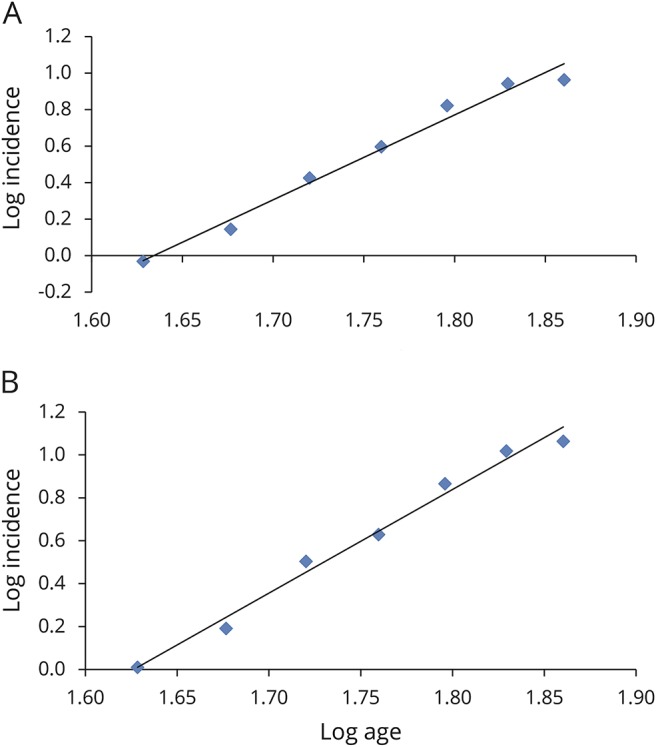
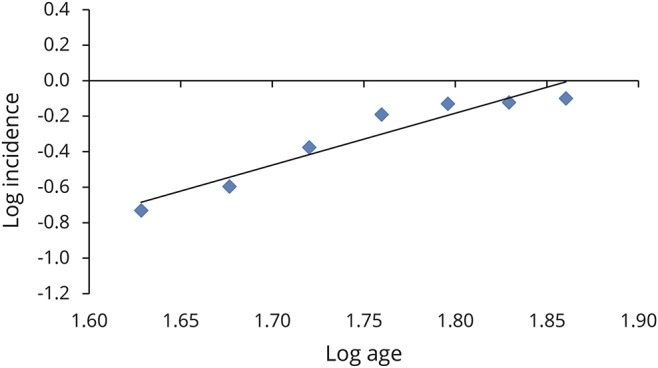
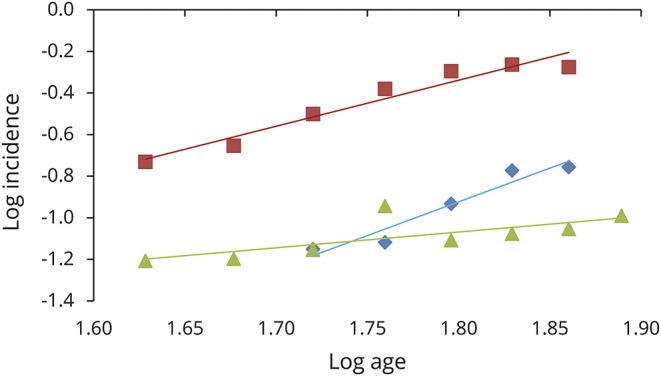
“In a previous study, we used the Armitage-Doll model derived from cancer research to assess whether ALS incidence is consistent with a multistep process and, if so, to estimate the number of steps (n) required for ALS to develop.(9,10) The model can be briefly conceptualized as follows: if we assume that ALS is caused…”
The age distribution of cancer and a multi-stage theory of carcinogenesis
Armitage, P., & Doll, R. (2004) · British Journal of Cancer · doi:10.1038/sj.bjc.6602297 · Cited by 1,285
The epidemiology of ALS: a conspiracy of genes, environment and time
Al-Chalabi, A., & Hardiman, O. (2013) · Nature Reviews Neurology · doi:10.1038/nrneurol.2013.203 · Cited by 894 · cited 11×
“More than 20 genes have been detected as causes of ALS.(1) Several environmental factors have been proposed, but none of them, with the possible exception of cigarette smoking and military service, are consistently associated with ALS.”
BackgroundInfluentialSelf-citationDyslipidemia is a protective factor in amyotrophic lateral sclerosis
Dupuis, L., Corcia, P., Fergani, A., Gonzalez De Aguilar, J. L., Bonnefont-Rousselot, D., Bittar, R., Seilhean, D., Hauw, J. J., Lacomblez, L., Loeffler, J. P., et al. (2008) · Neurology · doi:10.1212/01.wnl.0000285080.70324.27 · Cited by 552 · cited 1×
“Protective factors have also been hypothesized such as diabetes mellitus(17) and an unfavorable lipid profile.(18,19) All these factors could act on the genome through epigenomic interactions.”
BackgroundEpidemiology of mutations in superoxide dismutase in amyotrophic lateal sclerosis
Cudkowicz, M. E., McKenna‐Yasek, D., Sapp, P. E., Chin, W., Geller, B., Hayden, D. L., Schoenfeld, D. A., Hosler, B. A., Horvitz, H. R., & Brown, R. H. (1997) · Annals of Neurology · doi:10.1002/ana.410410212 · Cited by 533 · cited 1×
“Ala5Val mutation, the commonest in the USA, has been estimated to be 91% at the age of 80.(36) Other mutations have a much reduced penetrance; an example is the p.”
BackgroundRisk factors for amyotrophic lateral sclerosis
Fang, F., Ingre, C., Roos, P., Kamel, F., & Piehl, F. (2015) · Clinical Epidemiology · doi:10.2147/clep.s37505 · Cited by 462 · cited 1×
“Cigarette smoking may be a risk factor in ALS(5,16); other suggested factors are physical activity, participating in professional sports, and physical trauma.(4) Protective factors have also been hypothesized such as diabetes mellitus(17) and an unfavorable lipid profile.”
BackgroundAnalysis of amyotrophic lateral sclerosis as a multistep process: a population-based modelling study
Al-Chalabi, A., Calvo, A., Chio, A., Colville, S., Ellis, C. M., Hardiman, O., Heverin, M., Howard, R. S., Huisman, M. H. B., Keren, N., et al. (2014) · The Lancet Neurology · doi:10.1016/s1474-4422(14)70219-4 · Cited by 411 · cited 4×
“In a previous study, we used the Armitage-Doll model derived from cancer research to assess whether ALS incidence is consistent with a multistep process and, if so, to estimate the number of steps (n) required for ALS to develop.(9,10) The model can be briefly conceptualized as follows: if we assume that ALS is caused…”
BackgroundMethodResultInfluentialSelf-citationEvidence for an oligogenic basis of amyotrophic lateral sclerosis
van Blitterswijk, M., van Es, M. A., Hennekam, E. A. M., Dooijes, D., van Rheenen, W., Medic, J., Bourque, P. R., Schelhaas, H. J., van der Kooi, A. J., de Visser, M., et al. (2012) · Human Molecular Genetics · doi:10.1093/hmg/dds199 · Cited by 341
Self-citationAn estimate of amyotrophic lateral sclerosis heritability using twin data
Al-Chalabi, A., Fang, F., Hanby, M. F., Leigh, P. N., Shaw, C. E., Ye, W., & Rijsdijk, F. (2010) · Journal of Neurology, Neurosurgery & Psychiatry · doi:10.1136/jnnp.2010.207464 · Cited by 323
Self-citationAndersen, P. M., Nilsson, P., Ala-Hurula, V., Keränen, M.-L., Tarvainen, I., Haltia, T., Nilsson, L., Binzer, M., Forsgren, L., & Marklund, S. L. (1995) · Nature Genetics · doi:10.1038/ng0595-61 · Cited by 322
Epidemiology of ALS in Italy: A 10-year prospective population-based study
Chiò, A., Mora, G., Calvo, A., Mazzini, L., Bottacchi, E., & Mutani, R. (2009) · Neurology · doi:10.1212/01.wnl.0000343008.26874.d1 · Cited by 255 · cited 1×
“A detailed description of register methodology is reported elsewhere.(11) The cohort included in this study is different from that included in the previous one, which was based on patients incident in the 1995–2004 period.”
MethodSelf-citationon behalf of the BELNEU CONSORTIUM, Gijselinck, I., Van Mossevelde, S., van der Zee, J., Sieben, A., Engelborghs, S., De Bleecker, J., Ivanoiu, A., Deryck, O., Edbauer, D., et al. (2016) · Molecular Psychiatry · doi:10.1038/mp.2015.159 · Cited by 242
Tobacco Smoking-Associated Genome-Wide DNA Methylation Changes in the EPIC Study
Ambatipudi, S., Cuenin, C., Hernandez-Vargas, H., Ghantous, A., Le Calvez-Kelm, F., Kaaks, R., Barrdahl, M., Boeing, H., Aleksandrova, K., Trichopoulou, A., et al. (2016) · Epigenomics · doi:10.2217/epi-2016-0001 · Cited by 221
Cady, J., Allred, P., Bali, T., Pestronk, A., Goate, A., Miller, T. M., Mitra, R. D., Ravits, J., Harms, M. B., & Baloh, R. H. (2015) · Annals of Neurology · doi:10.1002/ana.24306 · Cited by 220
Epidemiology and clinical features of amyotrophic lateral sclerosis in Ireland between 1995 and 2004
O'Toole, O., Traynor, B. J., Brennan, P., Sheehan, C., Frost, E., Corr, B., & Hardiman, O. (2008) · Journal of Neurology, Neurosurgery & Psychiatry · doi:10.1136/jnnp.2007.117788 · Cited by 197
Self-citationIncidence of Type 1 and Type 2 Diabetes in Adults Aged 30–49 Years
Bruno, G., Runzo, C., Cavallo-Perin, P., Merletti, F., Rivetti, M., Pinach, S., Novelli, G., Trovati, M., Cerutti, F., Pagano, G., et al. (2005) · Diabetes Care · doi:10.2337/diacare.28.11.2613 · Cited by 187
Frank, S. A. (2010) · Proceedings of the National Academy of Sciences · doi:10.1073/pnas.0909343106 · Cited by 185 · cited 1×
“Similar patterns have previously been observed in studies of specific cancers in which the relevant mutations and other environmentally-induced steps have been able to be identified, and postulated as being also relevant to neurodegeneration.(21) Our findings support the idea of parallels between the processes leading…”
ResultExtensive genetics of ALS: A population-based study in Italy
Chiò, A., Calvo, A., Mazzini, L., Cantello, R., Mora, G., Moglia, C., Corrado, L., D'Alfonso, S., Majounie, E., Renton, A., et al. (2012) · Neurology · doi:10.1212/wnl.0b013e3182735d36 · Cited by 165 · cited 1×
“Genetic analysis All cases were tested for mutations in SOD1 (all exons), TARDBP (exon 6), FUS (exons 14 and 15), and C9orf72 with the use of standard methodology described elsewhere.(13) C9orf72 repeat length was determined with repeat primed PCR.”
MethodSelf-citationLattante, S., Ciura, S., Rouleau, G. A., & Kabashi, E. (2015) · Trends in Genetics · doi:10.1016/j.tig.2015.03.005 · Cited by 164
Smoking may be considered an established risk factor for sporadic ALS
Armon, C. (2009) · Neurology · doi:10.1212/wnl.0b013e3181c1df48 · Cited by 163 · cited 1×
“For example, smoking induces DNA hypermethylation in specific CpG sites, which persists for years after cessation of smoking,(20) or may induce somatic nucleic acid changes.(5,21) It is likely that the remaining steps in different genetic subgroups may originate from 1 or more of these risk factors.”
BackgroundUNC13A is a modifier of survival in amyotrophic lateral sclerosis
Diekstra, F. P., van Vught, P. W. J., van Rheenen, W., Koppers, M., Pasterkamp, R. J., van Es, M. A., Schelhaas, H. J., de Visser, M., Robberecht, W., Damme, P. V., et al. (2011) · Neurobiology of Aging · doi:10.1016/j.neurobiolaging.2011.10.029 · Cited by 158
Self-citationAge-related penetrance of the C9orf72 repeat expansion
Murphy, N. A., Arthur, K. C., Tienari, P. J., Houlden, H., Chiò, A., & Traynor, B. J. (2017) · Scientific Reports · doi:10.1038/s41598-017-02364-1 · Cited by 152
Self-citationDiabetes Mellitus, Obesity, and Diagnosis of Amyotrophic Lateral Sclerosis: A Population-Based Study
Kioumourtzoglou, M.-A., Rotem, R. S., Seals, R. M., Gredal, O., Hansen, J., & Weisskopf, M. G. (2015) · JAMA Neurology · doi:10.1001/jamaneurol.2015.0910 · Cited by 145
Proposed criteria for familial amyotrophic lateral sclerosis
Byrne, S., Bede, P., Elamin, M., Kenna, K., Lynch, C., McLaughlin, R., & Hardiman, O. (2011) · Amyotrophic Lateral Sclerosis · doi:10.3109/17482968.2010.545420 · Cited by 145 · cited 1×
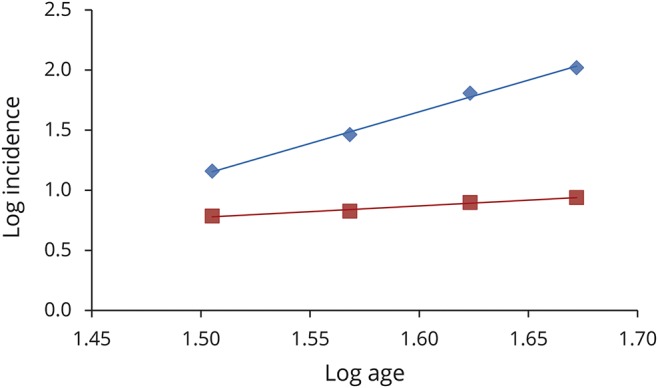
“Data from Piemonte diabetes register.(14) Log incidence vs log age for type 1 diabetes mellitus (y = 0.”
MethodSelf-citationBeneficial vascular risk profile is associated with amyotrophic lateral sclerosis
Sutedja, N. A., van der Schouw, Y. T., Fischer, K., Sizoo, E. M., Huisman, M. H. B., Veldink, J. H., & Van den Berg, L. H. (2011) · Journal of Neurology, Neurosurgery & Psychiatry · doi:10.1136/jnnp.2010.236752 · Cited by 143 · cited 1×
“Protective factors have also been hypothesized such as diabetes mellitus(17) and an unfavorable lipid profile.(18,19) All these factors could act on the genome through epigenomic interactions.”
BackgroundSelf-citationRobberecht, W., Aguirre, T., Van Den Bosch, L., Tilkin, P., Cassiman, J. J., & Matthijs, G. (1996) · Neurology · doi:10.1212/wnl.47.5.1336 · Cited by 129 · cited 1×
“Asp91Ala mutation, which is transmitted with a recessive inheritance in people of Scandinavian ancestry and with a dominant inheritance, albeit with a low penetrance, in the other populations.(37,38) Most of the SOD1mutations we identified are regarded as having very high penetrance and would therefore be expected to…”
BackgroundChiò, A. (2011) · Archives of Neurology · doi:10.1001/archneurol.2010.352 · Cited by 128
Self-citationSpt4 selectively regulates the expression of C9orf72 sense and antisense mutant transcripts
Kramer, N. J., Carlomagno, Y., Zhang, Y.-J., Almeida, S., Cook, C. N., Gendron, T. F., Prudencio, M., Van Blitterswijk, M., Belzil, V., Couthouis, J., et al. (2016) · Science · doi:10.1126/science.aaf7791 · Cited by 121
Smoking and the risk of amyotrophic lateral sclerosis: a systematic review and meta-analysis
Alonso, A., Logroscino, G., & Hernan, M. A. (2010) · Journal of Neurology, Neurosurgery & Psychiatry · doi:10.1136/jnnp.2009.180232 · Cited by 117
Van Langenhove, T., van der Zee, J., Gijselinck, I., Engelborghs, S., Vandenberghe, R., Vandenbulcke, M., De Bleecker, J., Sieben, A., Versijpt, J., Ivanoiu, A., et al. (2013) · JAMA Neurology · doi:10.1001/2013.jamaneurol.181 · Cited by 95
Genome-Wide Analysis of the Heritability of Amyotrophic Lateral Sclerosis
Keller, M. F., Ferrucci, L., Singleton, A. B., Tienari, P. J., Laaksovirta, H., Restagno, G., Chiò, A., Traynor, B. J., & Nalls, M. A. (2014) · JAMA Neurology · doi:10.1001/jamaneurol.2014.1184 · Cited by 77
Self-citationATXN2 polyQ intermediate repeats are a modifier of ALS survival
Chiò, A., Calvo, A., Moglia, C., Canosa, A., Brunetti, M., Barberis, M., Restagno, G., Conte, A., Bisogni, G., Marangi, G., et al. (2014) · Neurology · doi:10.1212/wnl.0000000000001159 · Cited by 74
Self-citationParaoxonase promoter and intronic variants modify risk of sporadic amyotrophic lateral sclerosis
Cronin, S., Greenway, M. J., Prehn, J. H. M., & Hardiman, O. M. (2007) · Journal of Neurology Neurosurgery & Psychiatry · doi:10.1136/jnnp.2006.112581 · Cited by 69
Self-citationFogh, I., Lin, K., Tiloca, C., Rooney, J., Gellera, C., Diekstra, F. P., Ratti, A., Shatunov, A., van Es, M. A., Proitsi, P., et al. (2016) · JAMA Neurology · doi:10.1001/jamaneurol.2016.1114 · Cited by 68
Self-citationHeritability of Amyotrophic Lateral Sclerosis: Insights From Disparate Numbers
McLaughlin, R. L., Vajda, A., & Hardiman, O. M. (2015) · JAMA Neurology · doi:10.1001/jamaneurol.2014.4049 · Cited by 37
Self-citationAetiology: Searching for schizophrenia's roots
Elert, E. (2014) · Nature · doi:10.1038/508s2a · Cited by 28
AGE DEPENDENT PENETRANCE OF THREE DIFFERENT SUPEROXIDE DISMUTASE 1 (SOD 1) MUTATIONS
Aggarwal, A. K., & Nicholson, G. A. (2005) · International Journal of Neuroscience · doi:10.1080/00207450590914392 · Cited by 15
Commentary: Mapping the Human Exposome
Al‐Chalabi, A., & Pearce, N. E. (2015) · Epidemiology · doi:10.1097/ede.0000000000000381 · Cited by 12
Self-citationOccupational causes of amyotrophic lateral sclerosis: where to from here?
Pearce, N. E., & Kromhout, H. (2016) · Occupational and Environmental Medicine · doi:10.1136/oemed-2016-103966 · Cited by 2
Self-citation
Research works printed but not linked: 1
- Siu J, Perkins E, Cashman NR. Effects of sex and family history on the amyotrophic lateral sclerosis (ALS) multistep model. Amyotroph Lateral Scler 2016; 17: 94.
Cited by
Feldman, E. L., Goutman, S. A., Petri, S., Mazzini, L., Savelieff, M. G., Shaw, P. J., & Sobue, G. (2022) · The Lancet · doi:10.1016/s0140-6736(22)01272-7 · Cited by 1,129
Self-citationEmerging insights into the complex genetics and pathophysiology of amyotrophic lateral sclerosis
Goutman, S. A., Hardiman, O., Al-Chalabi, A., Chió, A., Savelieff, M. G., Kiernan, M. C., & Feldman, E. L. (2022) · The Lancet Neurology · doi:10.1016/s1474-4422(21)00414-2 · Cited by 401
Self-citationTDP-43 proteinopathies: a new wave of neurodegenerative diseases
de Boer, E. M. J., Orie, V. K., Williams, T., Baker, M. R., De Oliveira, H. M., Polvikoski, T., Silsby, M., Menon, P., van den Bos, M., Halliday, G. M., et al. (2021) · Journal of Neurology, Neurosurgery & Psychiatry · doi:10.1136/jnnp-2020-322983 · Cited by 381
SOD1 mutations associated with amyotrophic lateral sclerosis analysis of variant severity
Berdyński, M., Miszta, P., Safranow, K., Andersen, P. M., Morita, M., Filipek, S., Żekanowski, C., & Kuźma-Kozakiewicz, M. (2022) · Scientific Reports · doi:10.1038/s41598-021-03891-8 · Cited by 182
The gut microbiome: a key player in the complexity of amyotrophic lateral sclerosis (ALS)
Boddy, S. L., Giovannelli, I., Sassani, M., Cooper-Knock, J., Snyder, M. P., Segal, E., Elinav, E., Barker, L. A., Shaw, P. J., & McDermott, C. J. (2021) · BMC Medicine · doi:10.1186/s12916-020-01885-3 · Cited by 127
Metadata
- Authors
- Chiò, A., Mazzini, L., D'Alfonso, S., Corrado, L., Canosa, A., Moglia, C., Manera, U., Bersano, E., Brunetti, M., Barberis, M., Veldink, J. H., van den Berg, L. H., Pearce, N., Sproviero, W., McLaughlin, R., Vajda, A., Hardiman, O., Rooney, J., Mora, G., Calvo, A., & Al-Chalabi, A.
- Affiliations
- King's College London (GB)
- From the “Rita Levi Montalcini” Department of Neuroscience (A. Chiò, A. Canosa, C.M., U.M., M.B., M.B., A. Calvo), University of Torino; Institute of Cognitive Sciences and Technologies (A. Chiò), National Research Council, Rome; ALS Center (L.M., E.B.), Department of Neurology, Azienda Ospedaliera Universitaria Maggiore della Carità; Department of Health Sciences (S.D., L.C.), Interdisciplinary Research Center of Autoimmune Diseases, “Amedeo Avogadro” University of Eastern Piedmont, Novara, Italy;...
- Corresponding author
- Chiò, Adriano
- ORCID
- Venue
- Neurology
- Published
- 2018-08-14
- Volume
- 91
- Issue
- 7
- Pages
- e635-e642
- ISSN
- 0028-3878 (ISSN-L)
- 1526-632X
- PMC
- PMC6105040
- OpenAlex
- W2883293692
- Semantic Scholar
- 6cbbd68eb58713f0f808d9fa908258ffcfc63c44
- Cited by
- 212
- References
- 39
- Citations by year
- 2026: 11 · 2025: 26 · 2024: 39 · 2023: 27 · 2022: 29 · 2021: 22 · 2020: 34 · 2019: 16 · 2018: 8
- FWCI
- 13.58
- Type
- journal article
- Language
- en
- Open access
- hybrid
- doi.org
- Licence
- cc-by
- Locations
- Neurology (publishedVersion, cc-by)
- Europe PMC (PubMed Central) (publishedVersion, cc-by)
- PubMed Central (publishedVersion, cc-by)
- PubMed (publishedVersion)
- LSHTM Research Online (London School of Hygiene and Tropical Medicine) (acceptedVersion)
- Arrow@dit (Dublin Institute of Technology) (submittedVersion)
- Institutional Research Information System University of Turin (University of Turin) (submittedVersion, other-oa)
- Utrecht University Repository (Utrecht University) (submittedVersion, other-oa)
- Research Portal (King's College London) (submittedVersion, cc-by)
- Trinity's Access to Research Output (TARA) (Trinity College Dublin) (submittedVersion, cc-by)
- Funders
- Biogen
- EU Joint Programme – Neurodegenerative Disease Research (MR/R024804/1, MR/L501529/1)
- Cytokinetics
- National Institute for Health and Care Research (ES/L008238/1, FP7/2007–2013, MR/L501529/1, MR/R024804/1)
- Motor Neurone Disease Association (ALCHALABI-TALBOT/APR14/926-794, AL-CHALABI/APR15/844-791, ALCHALABI-DOBSON/APR14/829-791)
- Research Councils UK
- ZonMw
- Ministero della Salute (259867)
- Ministero dell’Istruzione, dell’Università e della Ricerca (2007–2013)
- NIHR Maudsley Biomedical Research Centre (ES/L008238/1, MR/R024804/1, MR/L501529/1)
- Medical Research Council (FP7/20072013, 259867, ES/L008238/1, MR/R024804/1, MR/L501529/1)
- Economic and Social Research Council (ES/L008238/1, L008238, MR/L501529/1, MR/R024804/1, FP7/2007-2013)
- Topics
- Health Sciences › Medicine › Clinical Neurology › Amyotrophic Lateral Sclerosis Research
- Life Sciences › Neuroscience › Cellular and Molecular Neuroscience › Hereditary Neurological Disorders
- Life Sciences › Neuroscience › Cellular and Molecular Neuroscience › Alzheimer's disease research and treatments
- Keywords
- amyotrophic lateral sclerosis, disease-associated variants, ALS incidence, age-specific incidence, ALS pathogenesis, genetic susceptibility
- MeSH terms
- Superoxide Dismutase-1, C9orf72 Protein, Adult, Aged, Amyotrophic Lateral Sclerosis, DNA-Binding Proteins, Female, Genetic Testing, Humans, Male, Middle Aged, Mutation, Retrospective Studies, Incidence, Genetic Predisposition to Disease, RNA-Binding Protein FUS
About these checks
Registry, retraction, Cites and statistics results are computed, not judged, with one exception: a printed reference that no index lists is read once by a model before it counts as a citation error. Claims are extracted by a model and kept only when their quote appears verbatim in the text; each cited source is then checked, with a model’s help, for whether it says what the claim relies on. Those verdicts can be wrong — read the claim’s quote and the cited source before relying on one.
Statistics and arithmetic are recomputed, not judged.
Confidence bands are shown only for fields calibrated on our annotated test set. None is calibrated yet, so no band is shown.
What counts as a claim ›How we measure confidence ›How we check this ›
Are you an author, or do you see a problem with this page? Request a review
Data sources
Bibliographic data: Semantic Scholar, OpenAlex, Crossref.
Contains information from the Semantic Scholar Academic Graph Datasets, made available under the ODC Attribution License (ODC-BY 1.0).
Semantic Scholar’s data is described in: Kinney, R., et al. (2023). The Semantic Scholar Open Data Platform. arXiv:2301.10140.
