

The DOI matches its Crossref record; 53 of the 54 references it cites were found in a registry or an index.
Advances in Patient Reported Outcomes: The NIH PROMIS Measures
Open accessAbstract
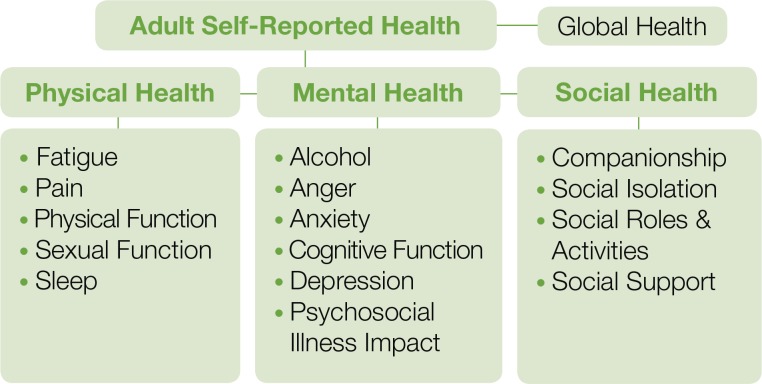
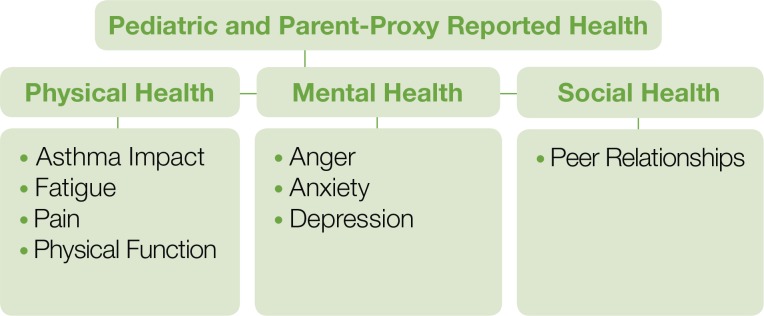
Patient reported outcomes (PROs) are questionnaire measures of patients’ symptoms, functioning, and health-related quality of life. They are designed to provide important clinical information that generally cannot be captured with objective medical testing. Recent legislative developments in the United States support greater efforts to include patients’ reports of health experience to evaluate treatment outcomes, engage in shared decision-making, and prioritize the focus of treatment. PROs have garnered increased attention by the Food and Drug Administration (FDA) for evaluating drugs and medical devices. Recent calls for comparative effectiveness research favor inclusion of PROs. In 2004, the National Institutes of Health launched a research initiative to improve the clinical research enterprise by developing state-of-the-art PROs. The NIH Patient Reported Outcomes Measurement System (PROMIS) and Assessment Center are the products of that initiative. Adult, pediatric, and parent-proxy item banks have been developed using contemporary psychometric methods, yielding rapid, accurate measurement. PROMIS currently provides tools for assessing physical, mental, and social health using short-form and computer adaptive testing methods. The PROMIS tools are being adopted for use in clinical trials and translational research. They are also being introduced in clinical medicine to assess a broad range of disease outcomes. There is potential for use of PROs to improve quality of care and disease outcomes, to provide patient-centered assessment for comparative effectiveness research, and to enable a common metric for tracking outcomes across providers and medical systems.
Overview
The claims and statistics of this paper haven’t been checked yet.
Run the check — free, no account needed. It reads the open-access text and checks the sources it cites.
Integrity signals
Registry
Cites
Statistics
Figures
Verification
Claims the paper makes
The claims and statistics of this paper haven’t been checked yet.
Run the check — free, no account needed. It reads the open-access text and checks the sources it cites.
Self-check
Percentages, sums and reported differences re-computed from the paper’s own numbers.
The self-check needs the paper’s full text.
Citations
Cites
Cella, D., Yount, S., Rothrock, N., Gershon, R., Cook, K., Reeve, B., Ader, D., Fries, J. F., Bruce, B., & Rose, M. (2007) · Medical Care · doi:10.1097/01.mlr.0000258615.42478.55 · Cited by 3,118
Self-citationU.S. Department of Health and Human Services FDA Center for Drug Evaluation and Research, U.S. Department of Health and Human Services FDA Center for Biologics Evaluation and Research, & U.S. Department of Health and Human Services FDA Center for Devices and Radiological Health (2006) · Health and Quality of Life Outcomes · doi:10.1186/1477-7525-4-79 · Cited by 2,856
Psychometric Evaluation and Calibration of Health-Related Quality of Life Item Banks
Reeve, B. B., Hays, R. D., Bjørner, J. B., Cook, K. F., Crane, P. K., Teresi, J. A., Thissen, D., Revicki, D. A., Weiss, D. J., Hambleton, R. K., et al. (2007) · Medical Care · doi:10.1097/01.mlr.0000250483.85507.04 · Cited by 1,491
Self-citationTowards a global definition of patient centred care
Stewart, M. (2001) · BMJ · doi:10.1136/bmj.322.7284.444 · Cited by 1,114
Using quality of life measures in the clinical setting
Higginson, I. J., & Carr, A. J. (2001) · BMJ · doi:10.1136/bmj.322.7297.1297 · Cited by 982
Why the nation needs a policy push on patient-centered health care
Epstein, R. M., Fiscella, K., Lesser, C. S., & Stange, K. C. (2010) · Health Affairs · doi:10.1377/hlthaff.2009.0888 · Cited by 866
Valderas, J. M., Kotzeva, A., Espallargues, M., Guyatt, G., Ferrans, C. E., Halyard, M. Y., Revicki, D. A., Symonds, T., Parada, A., & Alonso, J. (2008) · Quality of Life Research · doi:10.1007/s11136-007-9295-0 · Cited by 775
Gravel, K., Légaré, F., & Graham, I. D. (2006) · Implementation Science · doi:10.1186/1748-5908-1-16 · Cited by 755
Evaluation of Item Candidates: The PROMIS Qualitative Item Review
DeWalt, D. A., Rothrock, N., Yount, S., & Stone, A. A. (2007) · Medical Care · doi:10.1097/01.mlr.0000254567.79743.e2 · Cited by 719
Self-citationEllwood, P. M. (1988) · New England Journal of Medicine · doi:10.1056/nejm198806093182327 · Cited by 698
Cited by
Sorted by citations
Delivering transformative action in paediatric pain: a Lancet Child & Adolescent Health Commission
Eccleston, C., Fisher, E., Howard, R. F., Slater, R., Forgeron, P. A., Palermo, T. M., Birnie, K. A., Anderson, B. J., Chambers, C. T., Crombez, G., et al. (2020) · The Lancet Child & Adolescent Health · doi:10.1016/s2352-4642(20)30277-7 · Cited by 361
PEDSnet: a National Pediatric Learning Health System
Forrest, C. B., Margolis, P. A., Bailey, L. C., Marsolo, K. A., Beccaro, M. A. D., Finkelstein, J. A., Milov, D. E., Vieland, V. J., Wolf, B. A., Yu, F., et al. (2014) · Journal of the American Medical Informatics Association · doi:10.1136/amiajnl-2014-002743 · Cited by 229
Self-citationFree, Brief, and Validated: Standardized Instruments for Low-Resource Mental Health Settings
Beidas, R. S., Stewart, R. E., Walsh, L., Lucas, S., Downey, M. M., Jackson, K., Fernandez, T., & Mandell, D. S. (2014) · Cognitive and Behavioral Practice · doi:10.1016/j.cbpra.2014.02.002 · Cited by 240
Taylor, A. M., Phillips, K., Patel, K. V., Turk, D. C., Dworkin, R. H., Beaton, D., Clauw, D. J., Gignac, M. A. M., Markman, J. D., Williams, D. A., et al. (2016) · Pain · doi:10.1097/j.pain.0000000000000577 · Cited by 208
Garcia‐Romeu, A., Cox, D. J., Smith, K. E., Dunn, K. E., & Griffiths, R. R. (2020) · Drug and Alcohol Dependence · doi:10.1016/j.drugalcdep.2020.107849 · Cited by 187
Kubo, A., Kurtovich, E., McGinnis, M., Aghaee, S., Altschuler, A., Quesenberry, C., Kolevska, T., & Avins, A. L. (2019) · Integrative Cancer Therapies · doi:10.1177/1534735419850634 · Cited by 167
“FACT-G asks respondents to rate their QoL in 4 domains (physical, social/family, emotional, and functional well-being).(49,50) Caregiver QoL was determined using the Caregiver Quality of Life Index–Cancer (CQOLC) scale.”
MethodGonzalez‐Hernandez, G., Sarker, A., O’Connor, K., & Savova, G. (2017) · Yearbook of Medical Informatics · doi:10.15265/iy-2017-029 · Cited by 135
“Patient-reported outcomes (PROs) [2] and measurement instruments, which are extensively validated questionnaires to measure patients’ symptoms and quality of life such as the PROMIS [3, 4] set designed by the NIH, have become the standard way to collect the patient’s perspective.”
BackgroundLilley, E. J., Cooper, Z. R., Schwarze, M. L., & Mosenthal, A. C. (2017) · Annals of Surgery · doi:10.1097/sla.0000000000002253 · Cited by 141
Bevans, K. B., Gardner, W. P., PAJER, K. A., Becker, B. D., Carle, A. C., Tucker, C. A., & Forrest, C. B. (2018) · Journal of Pediatric Psychology · doi:10.1093/jpepsy/jsy010 · Cited by 130
“Alternative short-form versions that include different items from the same IRT-calibrated item bank can be scored on the same metric, and therefore compared (Broderick et al., 2013).”
Self-citationToward a theoretical model for mindfulness-based pain management
Day, M. A., Jensen, M. P., Ehde, D. M., & Thorn, B. E. (2014) · The Journal of Pain · doi:10.1016/j.jpain.2014.03.003 · Cited by 112
Young, H. M., Miyamoto, S., Dharmar, M., & Tang-Feldman, Y. J. (2019) · JMIR mhealth and uhealth · doi:10.2196/16665 · Cited by 156
PROMIS GH (Patient-Reported Outcomes Measurement Information System Global Health) Scale in Stroke
Katzan, I. L., & Lapin, B. R. (2017) · Stroke · doi:10.1161/strokeaha.117.018766 · Cited by 114
Gilbert, A., Sebag‐Montefiore, D., Davidson, S. E., & Velikova, G. (2014) · Gynecologic Oncology · doi:10.1016/j.ygyno.2014.11.071 · Cited by 104
Effect of Gender-affirming Facial Feminization Surgery on Psychosocial Outcomes
Caprini, R. M., Oberoi, M. K., Dejam, D., Chan, C. H., Potemra, H. M. K., Morgan, K. B. J., Weimer, A. K., Litwin, M. S., Mendelsohn, A. H., & Lee, J. C. (2022) · Annals of Surgery · doi:10.1097/sla.0000000000005472 · Cited by 99
Tang, E., Ekundayo, O., Peipert, J. D., Edwards, N., Bansal, A., Richardson, C., Bartlett, S. J., Howell, D., Li, M., Cella, D. F., et al. (2018) · Quality of Life Research · doi:10.1007/s11136-018-2058-2 · Cited by 95
“Alternatives to fixed short forms may come in the form of computer adaptive testing or optimizing instruments with additional questions [87].”
BackgroundPalliative Care in Surgery: Defining the Research Priorities
Lilley, E. J., Cooper, Z. R., Schwarze, M. L., & Mosenthal, A. C. (2017) · Journal of Palliative Medicine · doi:10.1089/jpm.2017.0079 · Cited by 92
Chakraborty, R., Sidana, S., Shah, G. L., Scordo, M., Hamilton, B. K., & Majhail, N. S. (2018) · Transplantation and Cellular Therapy · doi:10.1016/j.bbmt.2018.11.025 · Cited by 88
Higher Frequency of Reoperation With a New Bicruciate-retaining Total Knee Arthroplasty
Christensen, J. C., Brothers, J. G., Stoddard, G. J., Anderson, M. B., Pelt, C. E., Gililland, J. M., & Peters, C. L. (2016) · Clinical Orthopaedics and Related Research · doi:10.1007/s11999-016-4812-5 · Cited by 83
“The PF-CAT is based on modern psychometric techniques using item response theory, which has been used in the educational field to optimize test administration for decades by reducing time constraints to the participant, test length, data entry errors, and organizational cost while preserving data efficacy [3, 4].”
MethodUsing nationally representative percentiles to interpret PROMIS pediatric measures
Carle, A. C., Bevans, K. B., Tucker, C. A., & Forrest, C. B. (2020) · Quality of Life Research · doi:10.1007/s11136-020-02700-5 · Cited by 85
Self-citationMorgan, E. M., Mara, C. A., Huang, B., Barnett, K. A., Carle, A. C., Farrell, J., & Cook, K. F. (2016) · Quality of Life Research · doi:10.1007/s11136-016-1468-2 · Cited by 83
Catt, S., Starkings, R., Shilling, V. M., & Fallowfield, L. J. (2016) · Journal of Cancer Survivorship · doi:10.1007/s11764-016-0580-1 · Cited by 82
“One such tool absent from the current review is the Patient-Reported Outcomes Measurement Information System (PROMIS) [81], a product of the National Institutes of Health (NIH) in the USA.”
MethodPrognostication after intracerebral hemorrhage: a review
Witsch, J., Siegerink, B., Nolte, C. H., Sprügel, M. I., Steiner, T., Endres, M., & Huttner, H. B. (2021) · Neurological Research and Practice · doi:10.1186/s42466-021-00120-5 · Cited by 77
“It includes domains such as physical function, social roles, pain, fatigue, anxiety and sleep [75].”
BackgroundQualitative Development and Content Validation of the PROMIS Pediatric Sleep Health Items
Bevans, K. B., Meltzer, L. J., de la Motte, A., Kratchman, A. L., Viél, D., & Forrest, C. B. (2018) · Behavioral Sleep Medicine · doi:10.1080/15402002.2018.1461102 · Cited by 76
Self-citationA Pilot Mobile-Based Mindfulness Intervention for Cancer Patients and Their Informal Caregivers
Kubo, A., Altschuler, A., Kurtovich, E., Hendlish, S., Laurent, C. A., Kolevska, T., Li, Y., & Avins, A. (2018) · Mindfulness · doi:10.1007/s12671-018-0931-2 · Cited by 73
Harle, C. A., Listhaus, A., Covarrubias, C. M., Schmidt, S. O., Mackey, S., Carek, P. J., Fillingim, R. B., & Hurley, R. W. (2015) · Journal of the American Medical Informatics Association · doi:10.1093/jamia/ocv085 · Cited by 72
The Impact of Social Deprivation on Pediatric PROMIS Health Scores After Upper Extremity Fracture
Okoroafor, U. C., Gerull, W. D., Wright, M. A., Guattery, J. M., Sandvall, B. K., & Calfee, R. P. (2018) · The Journal Of Hand Surgery · doi:10.1016/j.jhsa.2018.06.119 · Cited by 71
Lesko, C. R., Jacobson, L. P., Althoff, K. N., Abraham, A. G., Gange, S. J., Moore, R. D., Modur, S. P., & Lau, B. M. (2018) · International Journal of Epidemiology · doi:10.1093/ije/dyx283 · Cited by 67
Kirkpatrick, B. E., Riggs, E. R., Azzariti, D. R., Miller, V. R., Ledbetter, D. H., Miller, D. T., Rehm, H. L., Martin, C. L., Faucett, W. A., & Resource, O. B. O. T. C. (2015) · Human Mutation · doi:10.1002/humu.22838 · Cited by 66
Shinall, M. C., Karlekar, M. B., Martin, S. F., Gatto, C. L., Misra, S., Chung, C. Y., Porayko, M. K., Scanga, A. E., Schneider, N. J., Ely, E. W., et al. (2019) · Journal of Pain and Symptom Management · doi:10.1016/j.jpainsymman.2019.06.023 · Cited by 60
Iyer, A. S., Dionne-Odom, J. N., Ford, S. M., Tims, S., Sockwell, E., Ivankova, N. V., Brown, C. J., Tucker, R. O., Dransfield, M. T., & Bakitas, M. A. (2019) · Annals of the American Thoracic Society · doi:10.1513/annalsats.201902-112oc · Cited by 58
Sannes, T. S., Simoneau, T. L., Mikulich‐Gilbertson, S. K., Natvig, C. L., Brewer, B. W., Kilbourn, K. M., & Laudenslager, M. L. (2018) · Supportive Care in Cancer · doi:10.1007/s00520-018-4496-3 · Cited by 52
“Screening prior to transplant, using abbreviated formats, such as PROMIS measures [42] or distress screening [43], could identify patients as well as caregivers with elevated depression and low QoL to target interventions for vulnerable dyads.”
Patient preferences for visualization of longitudinal patient-reported outcomes data
Stonbraker, S., Porras, T., & Schnall, R. (2019) · Journal of the American Medical Informatics Association · doi:10.1093/jamia/ocz189 · Cited by 51
“related quality of life, among other indicators of well-being not generally identified with traditional medical testing.(11,20,21) When clinicians systematically collect PROs, it can aid in detection and management of conditions,(13,14) improve satisfaction with care,(15) and more closely align providers’ and patients…”
BackgroundShogren, K. A., Bonardi, A., Cobranchi, C., Krahn, G. L., Murray, A., Robinson, A. C., Havercamp, S. M., & Function, T. N. R. O. H. A. (2021) · Journal of Policy and Practice in Intellectual Disabilities · doi:10.1111/jppi.12386 · Cited by 50
“Proxy reporting has been adopted in some measures, such as to allow for parent reporting for children who cannot self-report (Broderick, DeWitt, Rothrock, Crane, & Forrest, 2013); however, issues related to engaging people with IDD have not been robustly considered.”
MethodHartzler, A. L., Chaudhuri, S., Fey, B. C., Flum, D. R., & Lavallee, D. C. (2015) · eGEMs (Generating Evidence & Methods to improve patient outcomes) · doi:10.13063/2327-9214.1133 · Cited by 52
Trotter, R. T., Lininger, M. R., Camplain, R. L., Fofanov, V. Y., Camplain, C., & Baldwin, J. A. (2018) · International Journal of Environmental Research and Public Health · doi:10.3390/ijerph15112500 · Cited by 47
“The majority of questions were taken from: (1) the National Health Interview Survey (NHIS) [29]; (2) the National Health and Nutrition Examination Survey (NHANES) [26]; (3) the Behavioral Risk Factor Surveillance System (BRFSS) [30]; (4) Behavioral Risk Factor Surveillance System (BRFSS ACE module) [31]; (5) Patient H…”
BackgroundKernder, A. L., Elefante, E., Chehab, G., Tani, C., Mosca, M., & Schneider, M. (2020) · Rheumatology · doi:10.1093/rheumatology/keaa427 · Cited by 48
Padidela, R., Whyte, M. P., Glorieux, F. H., Munns, C. F., Ward, L. M., Nilsson, O., Portale, A. A., Simmons, J. H., Namba, N., Cheong, H. I., et al. (2021) · Calcified Tissue International · doi:10.1007/s00223-020-00797-x · Cited by 50
Atreya, C. E., Kubo, A., Borno, H. T., Rosenthal, B., Campanella, M., Rettger, J. P., Joseph, G., Allen, I. E., Venook, A. P., Altschuler, A., et al. (2018) · PLoS ONE · doi:10.1371/journal.pone.0199423 · Cited by 44
Facioscapulohumeral muscular dystrophy functional composite outcome measure
Eichinger, K. J., Heatwole, C. R., Iyadurai, S. J. P., King, W. M., Baker, L., Heininger, S., Bartlett, A., Dilek, N., Martens, W. B., McDermott, M., et al. (2018) · Muscle & Nerve · doi:10.1002/mus.26088 · Cited by 45
Mills, P. J., Peterson, C. T., Wilson, K. L., Pung, M. A., Patel, S., Weiss, L., Kshirsagar, S. G., Tanzi, R. E., & Chopra, D. (2018) · Journal of Ayurveda and Integrative Medicine · doi:10.1016/j.jaim.2018.02.001 · Cited by 43
“An 8-item scale that is part of the National Institute of Health research initiative, the Patient-Reported Outcomes Measurement System (PROMIS) and Assessment Center, assessing the full range of anxiety symptoms [14].”
BackgroundClinical Utility of Patient-Reported Outcome Measurement Information System Domain Scales
Lapin, B. R., Thompson, N. R., Schuster, A. T., & Katzan, I. L. (2018) · Circulation Cardiovascular Quality and Outcomes · doi:10.1161/circoutcomes.118.004753 · Cited by 43
“To ensure the PGIC question was an adequate anchor for PROMIS scales, we confirmed 3 criteria for useable anchor-based estimates: (1) PGIC effect size between 0.”
BackgroundMethodClinimetric Dilemmas in Outcome Scales for Mental Disorders
Bech, P. (2016) · Psychotherapy and Psychosomatics · doi:10.1159/000448810 · Cited by 42
Gilam, G., Cramer, E. M., Weber, K., II, Ziadni, M. S., Kao, M. J., & Mackey, S. (2021) · Science Advances · doi:10.1126/sciadv.abj0320 · Cited by 40
Bertisch, H. C., Rivara, F. P., Kisala, P. A., Wang, J., Yeates, K. O., Durbin, D. R., Zonfrillo, M. R., Bell, M. J., Temkin, N. R., & Tulsky, D. S. (2017) · Quality of Life Research · doi:10.1007/s11136-017-1524-6 · Cited by 41
McMullen, K. A., Bamer, A. M., Ryan, C. M., Schneider, J. C., Gibran, N. S., Stewart, B. T., Mroz, T. M., Wolf, S., & Amtmann, D. (2021) · The Journal of Trauma: Injury, Infection, and Critical Care · doi:10.1097/ta.0000000000003365 · Cited by 40
Altered Cervical Spinal Cord Resting‐State Activity in Fibromyalgia
Martucci, K. T., Weber, K. A., II, & Mackey, S. (2018) · Arthritis & Rheumatology · doi:10.1002/art.40746 · Cited by 39
“Information System (PROMIS) fatigue measure (21), and the Short”
BackgroundSubnis, U. B., Farb, N. A., Piedalue, K.-A. L., Speca, M., Lupichuk, S., Tang, P. A., Faris, P., Thoburn, M., Saab, B. J., & Carlson, L. E. (2020) · JMIR Research Protocols · doi:10.2196/15178 · Cited by 37
“The advantage of using PROMIS measures is that they are psychometrically sound and have been created to be relevant across all conditions for the assessment of symptoms and functions [45].”
MethodJohnston, K. L., Lawrence, S. M., Dodds, N. E., Yu, L., Daley, D. C., & Pilkonis, P. A. (2015) · Quality of Life Research · doi:10.1007/s11136-015-1131-3 · Cited by 38
Valosek, L., Wendt, S. J., Link, J., Abrams, A. I., Hipps, J., Grant, J., Nidich, R., Loiselle, M., & Nidich, S. I. (2021) · Frontiers in Education · doi:10.3389/feduc.2021.627923 · Cited by 36
“The National Institutes of Health Patient-Reported Outcomes Measurement Information System (NIH PROMIS) fatigue (10- item) and depression (8-item) scales were used as additional secondary outcomes for physical health and mental health, respectively (Broderick et al., 2013).”
MethodSocial Deprivation and Congenital Upper Extremity Differences—An Assessment Using PROMIS
Wall, L. B., Wright, M. A., Samora, J. B., Bae, D. S., Steinman, S. E., & Goldfarb, C. A. (2020) · The Journal Of Hand Surgery · doi:10.1016/j.jhsa.2020.08.017 · Cited by 35
Revisions to the IASP definition of pain—What does this mean for children?
Stevens, B. (2021) · Paediatric and Neonatal Pain · doi:10.1002/pne2.12047 · Cited by 35
Speech Perceptions and Health-Related Quality of Life Among Children With Cleft Lip and Palate
Bickham, R. S., Ranganathan, K., Wombacher, N. R., Shapiro, D. N., Carlozzi, N. E., Baker, M. K., Vercler, C. J., Warschausky, S. A., Buchman, S. R., & Waljee, J. F. (2017) · Journal of Craniofacial Surgery · doi:10.1097/scs.0000000000003718 · Cited by 35
Patient and healthcare provider views on a patient-reported outcomes portal
Cronin, R. M., Conway, D., Condon, D. M., Jerome, R. N., Byrne, D. W., & Harris, P. A. (2018) · Journal of the American Medical Informatics Association · doi:10.1093/jamia/ocy111 · Cited by 38
Assessment of Heart Failure Patients’ Interest in Mobile Health Apps for Self-Care: Survey Study
Sohn, A., Speier, W. F., Lan, E. H., Aoki, K., Fonarow, G. C., Ong, M. K., & Arnold, C. W. (2019) · JMIR Cardio · doi:10.2196/14332 · Cited by 35
Joeris, A., Knoll, C., Kalampoki, V., Blumenthal, A. L., & GASKELL, G. D. (2018) · BMJ Open · doi:10.1136/bmjopen-2017-020629 · Cited by 34
“By using sophisticated algorithms, item selection is automatically matched to the health level of respondents, and the number of questions is reduced to a minimum.(1) 5–7 35 36 Available PROMIS instruments are useful for patients in the field of orthopaedics and traumatology (eg, the physical function CAT and pain int…”
BackgroundMethodInfluentialMajor adverse renal events (MARE): a proposal to unify renal endpoints
Prischl, F. C., Rossing, P. R., Bakris, G. L., Mayer, G. J., & Wanner, C. (2019) · Nephrology Dialysis Transplantation · doi:10.1093/ndt/gfz212 · Cited by 35
NIH HEAL Common Data Elements (CDE) implementation: NIH HEAL Initiative IDEA-CC
Adams, M. C. B., Hurley, R. W., Siddons, A., Topaloĝlu, Ü., Wandner, L. D., ICDEWG, Adams, M. C. B., Arnsten, J. H., Bao, Y., Barry, D. T., et al. (2023) · Pain Medicine · doi:10.1093/pm/pnad018 · Cited by 34
Performance of Pediatric PROMIS CATs in Children With Upper Extremity Fractures
Gerull, W. D., Okoroafor, U. C., Guattery, J. M., Goldfarb, C. A., Wall, L. B., & Calfee, R. P. (2018) · Hand · doi:10.1177/1558944718793195 · Cited by 33
“The pediatric PROMIS Physical Function assessment is comprised of individual mobility and upper extremity (UE) assessments that produce separate component scores.(4,9,14,20) In the pediatric population, a selfreport version can be completed by the child (8-17 years old) or a parent-proxy version can be completed by a…”
BackgroundMethodPatient Reported Outcomes as Indicators of Pediatric Health Care Quality
Bevans, K. B., Moon, J., Carle, A. C., Mara, C. A., Lai, J., DiMarco, L., Müller, N., & Woods, D. M. (2014) · Academic Pediatrics · doi:10.1016/j.acap.2014.06.002 · Cited by 32
Sleep Quality and Emotion Regulation Interact to Predict Anxiety in Veterans with PTSD
Mantua, J., Helms, S. M., Weymann, K. B., Capaldi, V. F., & Lim, M. M. (2018) · Behavioural Neurology · doi:10.1155/2018/7940832 · Cited by 31
“The main analyses were conducted using several self-reported questionnaires: (1) Emotion Regulation Questionnaire (ERQ) [12], (2) National Institutes of Health Patient-Reported Outcomes Measurement Information System (NIH PROMIS) anxiety items [13], and (3) Insomnia Severity Index (ISI) [14].”
MethodBossche, D. V., Lagaert, S., Willems, S. J. T., & Decat, P. (2021) · International Journal of Environmental Research and Public Health · doi:10.3390/ijerph18063097 · Cited by 31
“Sample sizes were based on detecting a between-arm difference in mean change from baseline in PROMIS emotional support, social isolation, ability to participate in social roles and activities and anxiety T-scores at 8 weeks of 5 points, the meaningful change for this instrument [46,47].”
MethodImplementing PROMs in routine clinical care: a qualitative exploration of GP perspectives
Litchfield, I. J., Greenfield, S., Turner, G., Finnikin, S., & Calvert, M. (2020) · BJGP Open · doi:10.3399/bjgpopen20x101135 · Cited by 30
Psychosocial Effects of a Holistic Ayurvedic Approach to Well-being in Health and Wellness Courses
Patel, S., Klagholz, S., Peterson, C. T., Weiss, L., Chopra, D., & Mills, P. J. (2019) · Global Advances In Health and Medicine · doi:10.1177/2164956119843814 · Cited by 29
“Institutes of Health research initiative, the PROMIS, and Assessment Center, assessing a range of anxiety symptoms.(28) Additionally, data on age, gender, and number of months practicing meditation and/or number of months practicing yoga were obtained (Table 1).”
MethodIntegrating remote monitoring into heart failure patients’ care regimen: A pilot study
Sohn, A., Speier, W. F., Lan, E. H., Aoki, K., Fonarow, G. C., Ong, M. K., & Arnold, C. W. (2020) · PLoS ONE · doi:10.1371/journal.pone.0242210 · Cited by 27
Patient reported outcome measures (PROMs) in amyotrophic lateral sclerosis
Marchi, F. D., Berry, J. D., Chan, J. G. M., Caldwell, S., Ellrodt, A. S., Scalia, J., Burke, K. M., Fang, T., Sisodia, R. C., Schwamm, L. H., et al. (2020) · Journal of Neurology · doi:10.1007/s00415-020-09774-8 · Cited by 28
“Two PROM questionnaires were administered: the PROMIS-10 and the Quality of Life in Neurological Disorders-fatigue subscale (NeuroQoL-fatigue) [18].”
MethodHarris‐Hayes, M., Steger-May, K., Bove, A. M., Foster, S. N., Mueller, M. J., Clohisy, J. C. F., & Fitzgerald, G. K. (2020) · BMJ Open Sport & Exercise Medicine · doi:10.1136/bmjsem-2019-000707 · Cited by 32
Wong, L. H., & Meeker, J. E. (2022) · Journal of Patient-Reported Outcomes · doi:10.1186/s41687-021-00407-w · Cited by 28
“…Institute of Health (NIH) Patient Reported Outcomes Measurement Information System (PROMIS) was developed to deliver standardized, precise, quantitative values for individual domains of health and well-being [4], and has great potential to improve understandings of PROs in orthopaedic cases.”
MethodFinding ikigai: How robots can support meaning in later life
Randall, N., Joshi, S., Kamino, W., Hsu, L.-J., Agnihotri, A., Li, G., Williamson, D. S., Tsui, K., & Šabanović, S. (2022) · Frontiers in Robotics and AI · doi:10.3389/frobt.2022.1011327 · Cited by 27
Santiago, J., Akeman, E., Kirlić, N., Clausen, A. N., Cosgrove, K. T., McDermott, T. J., Mathis, B. K., Paulus, M. P., Craske, M. G., Abelson, J. L., et al. (2020) · Trials · doi:10.1186/s13063-019-3802-9 · Cited by 26
“NIH PROMIS® [64] and Toolbox® [65] measures Table 2 Diagnostic, demographic, self-report, behavioral, and neuroimaging assessments (Continued)”
MethodWesley, D. B., Blumenthal, J., Shah, S., Littlejohn, R., Pruitt, Z. M., Dixit, R. A., Hsiao, C., Dymek, C., & Ratwani, R. M. (2021) · Journal of the American Medical Informatics Association · doi:10.1093/jamia/ocab110 · Cited by 26
Patient-centred outcomes of imaging tests: recommendations for patients, clinicians and researchers
Thompson, M. J., Suchsland, M. Z., Hardy, V., Lavallee, D. C., Lord, S. J., Devine, E. B., Jarvik, J. G., Findlay, S. D., Trikalinos, T. A., Walter, F. M., et al. (2021) · BMJ Quality & Safety · doi:10.1136/bmjqs-2021-013311 · Cited by 26
Self-Reported Health Outcomes of Children and Youth with 10 Chronic Diseases
Forrest, C. B., Schuchard, J., Bruno, C., Amaral, S. G., COX, E. D., Flynn, K. E., Hinds, P. S., Huang, I., Kappelman, M. D., Krishnan, J. A., et al. (2022) · The Journal of Pediatrics · doi:10.1016/j.jpeds.2022.02.052 · Cited by 29
Self-citationEllison, J. S., Lorenzo, M., Beck, H., Beck, R., Chu, D. I., Forrest, C. B., Huang, J. Y., Kratchman, A. L., Kurth, A., Kurth, L., et al. (2022) · BMJ Open · doi:10.1136/bmjopen-2021-056789 · Cited by 26
Self-citationTsangaris, E., Edelen, M. O., Means, J., Gregorowitsch, M. L., O’Gorman, J., Pattanaik, R., Dominici, L. S., Hassett, M. J., Witkowski, M. L., Schrieber, K., et al. (2022) · BMJ Surgery Interventions & Health Technologies · doi:10.1136/bmjsit-2021-000119 · Cited by 32
“32 33 Seamless integration with the EHR, including the ability for providers to easily make direct referrals (eg, to physical therapy or social work) based on PRO scores, is generally lacking.”
BackgroundGavigan, K., Nowell, W. B., Serna, M. S., Stark, J. L., Yassine, M., & Curtis, J. R. (2020) · Arthritis Research & Therapy · doi:10.1186/s13075-019-2076-7 · Cited by 24
“Participants completed four patientreported outcome (PRO) measures included in the Patient-Reported Outcomes Measurement Information System – Computerized Adaptive Tests (PROMIS-CATs): Pain Interference, Fatigue, Sleep Disturbance, and Physical Function [10].”
MethodLapin, B. R., Honomichl, R. D., Thompson, N. R., Rose, S. L., Sugano, D., Udeh, B. L., & Katzan, I. L. (2019) · Value in Health · doi:10.1016/j.jval.2019.02.007 · Cited by 25
Idio Scale Judgment: evaluation of a new method for estimating responder thresholds
Cook, K. F., Kallen, M. A., Coon, C. D., Victorson, D. E., & Miller, D. M. (2017) · Quality of Life Research · doi:10.1007/s11136-017-1625-2 · Cited by 23
Miyamoto, S., Dharmar, M., Fazio, S., Tang-Feldman, Y. J., & Young, H. M. (2018) · JMIR Research Protocols · doi:10.2196/resprot.9168 · Cited by 24
Mawla, I., Huang, Z., Kaplan, C. M., Ichesco, E., Waller, N., Larkin, T. E., Zöllner, H. J., Edden, R. A. E., Harte, S. E., Clauw, D. J., et al. (2023) · Pain · doi:10.1097/j.pain.0000000000002973 · Cited by 27
Randall, N., Kamino, W., Joshi, S., Chen, W.-C., Hsu, L.-J., Tsui, K. M., & Šabanović, S. (2023) · JMIR Aging · doi:10.2196/45442 · Cited by 24
An Overview of the Traumatic Brain Injury–Quality of Life (TBI-QOL) Measurement System
Tulsky, D. S., & Kisala, P. A. (2019) · Journal of Head Trauma Rehabilitation · doi:10.1097/htr.0000000000000531 · Cited by 24
A Systematic Review of the Outcomes Used to Assess Upper Body Lymphedema
Sierla, R., Dylke, E. S., & Kilbreath, S. L. (2018) · Cancer Investigation · doi:10.1080/07357907.2018.1517362 · Cited by 22
“Patientreported outcomes are gaining recognition for their importance in health-related research (70), particularly for chronic disease management (71).”
BackgroundDragomanovich, H. M., Dhruva, A., Ekman, E., Schoenbeck, K. L., Kubo, A., Van Blarigan, E. L., Borno, H. T., Esquivel, M., Chee, B., Campanella, M., et al. (2021) · Global Advances in Health and Medicine · doi:10.1177/21649561211044693 · Cited by 20
“0) Time to death, months (median, range) 6 (1-13) Distance from home to UCSF, miles (median, range) 25 (1-2340) Lives outside San Francisco (N, %) 36 (78.”
BackgroundMethodHirten, R. P., Danieletto, M., Landell, K., Zweig, M., Golden, E., Pyzik, R., Kaur, S., Chang, H. L., Helmus, D. S., Sands, B. E., et al. (2024) · JMIR Mental Health · doi:10.2196/55552 · Cited by 23
“Higher scores reflect higher degrees of positive affect and well-being [63].”
BackgroundMoallef, S., Homayra, F., Milloy, M., Bird, L., Nosyk, B., & Hayashi, K. (2020) · Substance Abuse · doi:10.1080/08897077.2020.1846667 · Cited by 19
Fishbein, A. B., Lor, J., Penedo, F. J., Forrest, C. B., Griffith, J. W., & Paller, A. S. (2020) · Journal of the American Academy of Dermatology · doi:10.1016/j.jaad.2020.05.138 · Cited by 19
Self-citationEijsink, J. F. H., Fabian, A., Vervoort, J. P. M., Khayat, M. N. M. T. A., Boersma, C., & Postma, M. J. (2022) · Expert Review of Pharmacoeconomics & Outcomes Research · doi:10.1080/14737167.2023.2136168 · Cited by 18
Determining the Effectiveness of Using Patient-Reported Outcomes in Pediatric Clinical Practices
Cheng, L., Kang, Q., Wang, Y., & Hinds, P. S. (2020) · Journal of Pediatric Nursing · doi:10.1016/j.pedn.2020.07.005 · Cited by 18
The use of the Core Outcome Measures Index (COMI) in patients undergoing total knee replacement
Impellizzeri, F. M., Leunig, M., Preiß, S., Guggi, T., & Mannion, A. F. (2016) · The Knee · doi:10.1016/j.knee.2016.11.016 · Cited by 17
Erez, D. L., Meyers, M. R., Raman, S., Thomas, M. J., Furth, S. L., Forrest, C. B., & Denburg, M. (2022) · Frontiers in Pediatrics · doi:10.3389/fped.2022.864134 · Cited by 17
Self-citationHarle, C. A., Lipori, G. P., & Hurley, R. W. (2016) · eGEMs (Generating Evidence & Methods to improve patient outcomes) · doi:10.13063/2327-9214.1240 · Cited by 17
Ahmad, F. A., Payne, P., Lackey, I. T., Komeshak, R., Kenney, K., Magnusen, B., Metts, C. L., & Bailey, T. C. (2019) · Journal of the American Medical Informatics Association · doi:10.1093/jamia/ocz182 · Cited by 17
Kimberly, L. L., Alfonso, A. R., Ramly, E. P., Kantar, R. S., Caplan, A. L., & Rodriguez, E. D. (2019) · The AMA Journal of Ethic · doi:10.1001/amajethics.2019.980 · Cited by 17
Kelley, T. M., Hollows, J., Lambert, E. G., Savard, D. M., & Pransky, J. B. (2017) · International Journal of Offender Therapy and Comparative Criminology · doi:10.1177/0306624x17735253 · Cited by 16
Concept and Measurement of Pediatric Value
Forrest, C. B., & Silber, J. H. (2014) · Academic Pediatrics · doi:10.1016/j.acap.2014.03.013 · Cited by 16
Self-citationThe effect of EHR-integrated patient-reported outcomes on satisfaction with chronic pain care.
Harle, C. A., Marlow, N. M., Schmidt, S. O., Shuster, J. J., Listhaus, A., Fillingim, R. B., & Hurley, R. W. (2016) · PubMed · Cited by 16
Detecting Non-cognitive Features of Prodromal Neurodegenerative Diseases
Seifan, A., Ganzer, C. A., Ryon, K. A., Lin, M. K., Mahmudur, R., Henriquez, A. M., Shih, C., Jacobs, A. R., Greenwald, M., & Isaacson, R. (2019) · Current Aging Science · doi:10.2174/1874609812666190204094233 · Cited by 16
“The standardized assessment included National Institutes of Health Patient Reported Outcomes Measurement & Information System (NIH PROMIS) scales assessing depression, anxiety, alcohol use, and sleep [19], as well as other validated scales measuring sleep and perceived stress [20, 21].”
MethodInterpreting Patient-Reported Outcome Scores: Pediatric Inflammatory Bowel Disease as a Use Case
Schuchard, J., Carle, A. C., Kappelman, M. D., Tucker, C. A., & Forrest, C. B. (2022) · Academic Pediatrics · doi:10.1016/j.acap.2021.12.029 · Cited by 16
Self-citationWilliams, Z. J., Cascio, C. J., & Woynaroski, T. G. (2022) · Autism · doi:10.1177/13623613221085364 · Cited by 18
“The PROMIS Global–10 (short form version 1.2; Hays et al., 2009) is a 10-item measure of general QoL developed as a part of the National Institutes of Health PROMIS initiative (Broderick et al., 2013; Cella et al., 2010).”
MethodInfluentialSavitz, J. B., Ford, B. N., Yeh, H., Akeman, E., Cosgrove, K. T., Clausen, A. N., Martell, C. R., Kirlić, N., Santiago, J., Teague, T. K., et al. (2020) · Psychological Medicine · doi:10.1017/s0033291720004389 · Cited by 15
Metadata
- Authors
- Broderick, J., DeWit, E. M., Rothrock, N., Crane, P., & Forrest, C. B.
- Affiliations
- Stony Brook University (US)
- Northwestern University (US)
- University of Washington (US)
- University of Pennsylvania (US)
- Venue
- eGEMs (Generating Evidence & Methods to improve patient outcomes)
- Publisher
- Ubiquity Press, Ltd.
- Published
- 2013-02-08
- Volume
- 1
- Issue
- 1
- Pages
- 12
- ISSN
- 2327-9214 (ISSN-L)
- PMC
- PMC4371419
- OpenAlex
- W1908118904
- Cited by
- 244
- References
- 54
- Citations by year
- 2026: 6 · 2025: 13 · 2024: 25 · 2023: 23 · 2022: 34 · 2021: 31 · 2020: 26 · 2019: 21 · 2018: 25 · 2017: 14 · 2016: 10 · 2015: 5 · 2014: 10
- FWCI
- 11.40
- Type
- journal article
- Language
- en
- Open access
- diamond
- doi.org
- Licence
- cc-by-nc-nd
- Locations
- eGEMs (Generating Evidence & Methods to improve patient outcomes) (publishedVersion, cc-by-nc-nd)
- Europe PMC (PubMed Central) (publishedVersion, cc-by-nc-nd)
- PubMed Central (publishedVersion, cc-by-nc-nd)
- PubMed (publishedVersion)
- DOAJ (DOAJ: Directory of Open Access Journals) (submittedVersion)
- Funders
- Children's Hospital of Philadelphia (U01AR057956)
- Northwestern University (U54AR057951, U54AR057943, U01AR052177)
- University of Washington (U01AR052171, U01AR057954)
- University of Pittsburgh (U01AR052155)
- Georgetown University (U01AR057971)
- Australian Government
- National Institutes of Health (5u01ar057940-04, U01AR057940)
- University of California, Los Angeles (U01AR057936)
- University of North Carolina at Chapel Hill (U01AR052181)
- National Institute of Arthritis and Musculoskeletal and Skin Diseases (U01AR052171, U01AR057956, U01AR057967, U01AR052186, U01-AR-057940, U01AR057936, U54AR057943, U01AR057929, U01AR052170, U01AR052158, U01AR052155, U01AR052177, U01AR052181, U01AR057971, U01AR057954, U01AR057948, U54AR057926, U54AR057951)
- Common Fund
- Topics
- Social Sciences › Decision Sciences › Management Science and Operations Research › Psychometric Methodologies and Testing
- Social Sciences › Economics, Econometrics and Finance › Economics and Econometrics › Health Systems, Economic Evaluations, Quality of Life
- Health Sciences › Nursing › Research and Theory › Health Education and Validation
- Keywords
- patient-reported outcomes, PROMIS, item bank, computerized adaptive testing, health-related quality of life, physical function, mental health, social health, shared decision-making, comparative effectiveness research, patient-centered outcomes, outcome measurement
About these checks
Registry, retraction, Cites and statistics results are computed, not judged, with one exception: a printed reference that no index lists is read once by a model before it counts as a citation error. Claims are extracted by a model and kept only when their quote appears verbatim in the text; each cited source is then checked, with a model’s help, for whether it says what the claim relies on. Those verdicts can be wrong — read the claim’s quote and the cited source before relying on one.
Statistics and arithmetic are recomputed, not judged.
Confidence bands are shown only for fields calibrated on our annotated test set. None is calibrated yet, so no band is shown.
What counts as a claim ›How we measure confidence ›How we check this ›
Are you an author, or do you see a problem with this page? Request a review
