

The DOI matches its Crossref record; 53 of the 54 references it cites were found in a registry or an index.
Advances in Patient Reported Outcomes: The NIH PROMIS Measures
Open accessAbstract
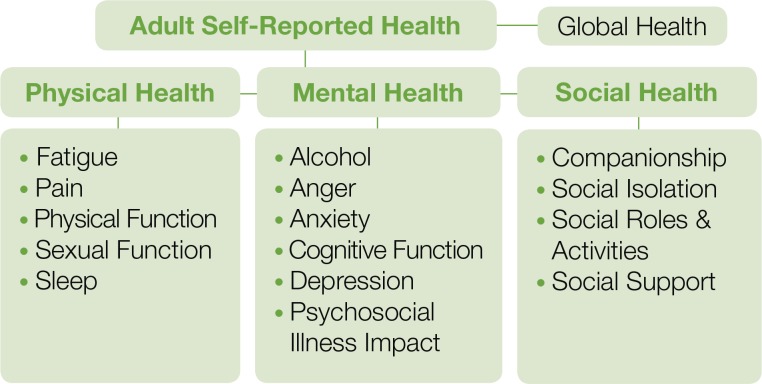
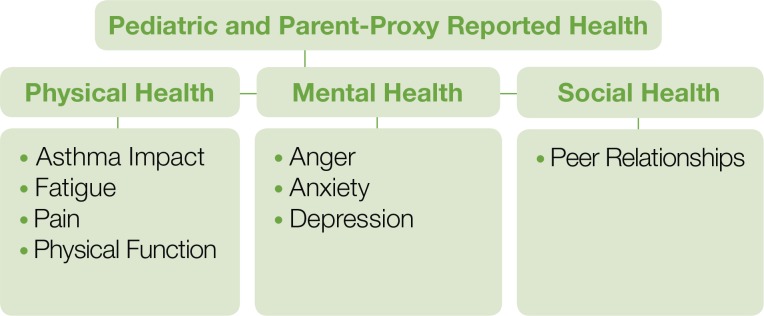
Patient reported outcomes (PROs) are questionnaire measures of patients’ symptoms, functioning, and health-related quality of life. They are designed to provide important clinical information that generally cannot be captured with objective medical testing. Recent legislative developments in the United States support greater efforts to include patients’ reports of health experience to evaluate treatment outcomes, engage in shared decision-making, and prioritize the focus of treatment. PROs have garnered increased attention by the Food and Drug Administration (FDA) for evaluating drugs and medical devices. Recent calls for comparative effectiveness research favor inclusion of PROs. In 2004, the National Institutes of Health launched a research initiative to improve the clinical research enterprise by developing state-of-the-art PROs. The NIH Patient Reported Outcomes Measurement System (PROMIS) and Assessment Center are the products of that initiative. Adult, pediatric, and parent-proxy item banks have been developed using contemporary psychometric methods, yielding rapid, accurate measurement. PROMIS currently provides tools for assessing physical, mental, and social health using short-form and computer adaptive testing methods. The PROMIS tools are being adopted for use in clinical trials and translational research. They are also being introduced in clinical medicine to assess a broad range of disease outcomes. There is potential for use of PROs to improve quality of care and disease outcomes, to provide patient-centered assessment for comparative effectiveness research, and to enable a common metric for tracking outcomes across providers and medical systems.
Overview
The claims and statistics of this paper haven’t been checked yet.
Run the check — free, no account needed. It reads the open-access text and checks the sources it cites.
Integrity signals
Registry
Cites
Statistics
Figures
Verification
Claims the paper makes
The claims and statistics of this paper haven’t been checked yet.
Run the check — free, no account needed. It reads the open-access text and checks the sources it cites.
Self-check
Percentages, sums and reported differences re-computed from the paper’s own numbers.
The self-check needs the paper’s full text.
Citations
Cites
Cella, D., Yount, S., Rothrock, N., Gershon, R., Cook, K., Reeve, B., Ader, D., Fries, J. F., Bruce, B., & Rose, M. (2007) · Medical Care · doi:10.1097/01.mlr.0000258615.42478.55 · Cited by 3,118
Self-citationU.S. Department of Health and Human Services FDA Center for Drug Evaluation and Research, U.S. Department of Health and Human Services FDA Center for Biologics Evaluation and Research, & U.S. Department of Health and Human Services FDA Center for Devices and Radiological Health (2006) · Health and Quality of Life Outcomes · doi:10.1186/1477-7525-4-79 · Cited by 2,856
Psychometric Evaluation and Calibration of Health-Related Quality of Life Item Banks
Reeve, B. B., Hays, R. D., Bjørner, J. B., Cook, K. F., Crane, P. K., Teresi, J. A., Thissen, D., Revicki, D. A., Weiss, D. J., Hambleton, R. K., et al. (2007) · Medical Care · doi:10.1097/01.mlr.0000250483.85507.04 · Cited by 1,491
Self-citationTowards a global definition of patient centred care
Stewart, M. (2001) · BMJ · doi:10.1136/bmj.322.7284.444 · Cited by 1,114
Using quality of life measures in the clinical setting
Higginson, I. J., & Carr, A. J. (2001) · BMJ · doi:10.1136/bmj.322.7297.1297 · Cited by 982
Why the nation needs a policy push on patient-centered health care
Epstein, R. M., Fiscella, K., Lesser, C. S., & Stange, K. C. (2010) · Health Affairs · doi:10.1377/hlthaff.2009.0888 · Cited by 866
Valderas, J. M., Kotzeva, A., Espallargues, M., Guyatt, G., Ferrans, C. E., Halyard, M. Y., Revicki, D. A., Symonds, T., Parada, A., & Alonso, J. (2008) · Quality of Life Research · doi:10.1007/s11136-007-9295-0 · Cited by 775
Gravel, K., Légaré, F., & Graham, I. D. (2006) · Implementation Science · doi:10.1186/1748-5908-1-16 · Cited by 755
Evaluation of Item Candidates: The PROMIS Qualitative Item Review
DeWalt, D. A., Rothrock, N., Yount, S., & Stone, A. A. (2007) · Medical Care · doi:10.1097/01.mlr.0000254567.79743.e2 · Cited by 719
Self-citationEllwood, P. M. (1988) · New England Journal of Medicine · doi:10.1056/nejm198806093182327 · Cited by 698
Cited by
Sorted by citations
Items 101–200 of 244
Palsgrove, A. C., Patton, C. M., King, P. J., Gelfand, J., & Turcotte, J. J. (2019) · Journal of Orthopaedics · doi:10.1016/j.jor.2019.11.032 · Cited by 15
COX, E. D., Dobrozsi, S. K., Forrest, C. B., Gerhardt, W. E., Kliems, H., Reeve, B. B., Rothrock, N. E., Lai, J., Svenson, J. M., Thompson, L. A., et al. (2020) · The Journal of Pediatrics · doi:10.1016/j.jpeds.2020.11.053 · Cited by 15
Self-citationEl-Mokadem, J. F. K., DiMarco, K., Kelley, T. M., & Duffield, L. (2020) · Spirituality in Clinical Practice · doi:10.1037/scp0000232 · Cited by 14
Cramer, E. M., Ziadni, M. S., Scherrer, K. H., Mackey, S., & Kao, M. J. (2022) · PLoS Computational Biology · doi:10.1371/journal.pcbi.1010496 · Cited by 14
Johnson, A. H., Brennan, J. C., Rana, P. C., Turcotte, J. J., & Patton, C. M. (2024) · Spine · doi:10.1097/brs.0000000000004977 · Cited by 14
Pilot randomized psychosocial trial of a screening intervention in pediatric oncology
Barrera, M. E., Desjardins, L., Prasad, S., Shama, W., Alexander, S. W., Szatmári, P., & Hancock, K. (2021) · Psycho-Oncology · doi:10.1002/pon.5857 · Cited by 14
Donenberg, G. R., Merrill, K. G., Obiezu‐Umeh, C., Nwaozuru, U., Blachman-Demner, D. R., Subramanian, S., Fournier, A. P., & Iwelunmor, J. (2022) · Global Implementation Research and Applications · doi:10.1007/s43477-022-00042-7 · Cited by 13
“Finally, the PatientReported Outcomes Measurement Information System program (Broderick et al., 2013) recommends measures of patient-reported physical and mental health outcomes and social well-being.”
MethodWalking speed and patient‐reported outcomes in young adults with cerebral palsy
MacCarthy, M., Heyn, P. C., Tagawa, A., & Carollo, J. J. (2022) · Developmental Medicine & Child Neurology · doi:10.1111/dmcn.15225 · Cited by 13
Bamer, A. M., McMullen, K. A., Humbert, A. T., Kazis, L. E., Ryan, C. M., Schneider, J. C., Stewart, B. T., Suman-Vejas, O. E., & Amtmann, D. (2023) · Journal of Burn Care & Research · doi:10.1093/jbcr/irad061 · Cited by 13
Moallef, S., Dale, L. M., Homayra, F., Zonneveld, C., Milloy, M., Nosyk, B., & Hayashi, K. (2022) · Journal of Substance Abuse Treatment · doi:10.1016/j.jsat.2022.108784 · Cited by 12
Attentional function and inhibitory control in different substance use disorders
Bjork, J. M., Keyser‐Marcus, L., Vassileva, J., Ramey, T., Houghton, D. C., & Moeller, F. G. (2022) · Psychiatry Research · doi:10.1016/j.psychres.2022.114591 · Cited by 16
Castaman, G., Jiménez‐Yuste, V., Gouw, S., & d’Oiron, R. (2024) · Haemophilia · doi:10.1111/hae.14990 · Cited by 12
“31 PROMIShasseveraladvantagescomparedtomoretraditionalPROMs that are based on Classical Test Theory.”
MethodGriffith, S. D., Thompson, N. R., Rathore, J., Jehi, L. E., Tesar, G. E., & Katzan, I. L. (2014) · Quality of Life Research · doi:10.1007/s11136-014-0764-y · Cited by 15
An evaluation of PROMIS health domains in adults with haemophilia: A cross‐sectional study
Barry, V., Buckner, T. W., Lynch, M. E., Figueroa, J., Mattis, S., Stout, M. E., & Kempton, C. L. (2021) · Haemophilia · doi:10.1111/hae.14321 · Cited by 12
Clinical Utility of CAT Administered PROMIS Measures to Track Change for Pediatric Chronic Pain
Bhandari, R. P., Harrison, L. E., Richardson, P. A., Arce, A. B. G., You, D. S., Rajagopalan, A. V., Birnie, K. A., & Sil, S. (2021) · Journal of Pain · doi:10.1016/j.jpain.2021.06.009 · Cited by 12
Invisible bleeds: Lived experiences and barriers to care for men with hemophilia
Arya, S., Siad, F. M., Wilton, P., Page, D., Boma‐Fischer, L., Floros, G., Winikoff, R., Teitel, J. M., & Sholzberg, M. (2021) · Journal of Thrombosis and Haemostasis · doi:10.1111/jth.15570 · Cited by 11
Goree, J. H., Payakachat, N., Byers, L. A., Smith, G. L., Shah, J., & Stephens, K. (2024) · Regional Anesthesia & Pain Medicine · doi:10.1136/rapm-2023-104962 · Cited by 11
Carollo, T. O. J. (2014) · Journal of Neurological Disorders · doi:10.4172/2329-6895.1000188 · Cited by 11
“• NIH Patient Reported Outcomes Measurement System (PROMIS) and Health-Related Quality of Life [43].”
MethodJohnson, B. C., Stekas, N., Ayres, E. W., Moses, M. J., Jevotovsky, D. S., Fischer, C. R., Buckland, A. J., Errico, T. J., & Protopsaltis, T. S. (2019) · Spine · doi:10.1097/brs.0000000000002994 · Cited by 11
“atient-reported outcome measurement information P system (PROMIS) computer adaptive testing (CAT) was developed as a state-of-the-art measure of patient outcomes that algorithmically administers fewer, more precise questions compared with previously developed patient-reported outcome measures (PROM).(1,2) The psychome…”
MethodAswani-Omprakash, T., Balasubramaniam, M., McGarva, J., Pandit, A., Mutlu, E., Hanauer, S. B., & Taft, T. (2023) · Indian Journal of Gastroenterology · doi:10.1007/s12664-023-01424-x · Cited by 11
“The HBI/SCCAI scores and the United States National Institutes of Health’s Patient-Reported Outcomes Measurement Information System (NIH-PROMIS) HRQoL t -scores were calculated using published guidelines [22–24].”
Junghaenel, D. U., Schneider, S., Stone, A. A., Christodoulou, C., & Broderick, J. E. (2014) · Journal of Psychosomatic Research · doi:10.1016/j.jpsychores.2014.01.010 · Cited by 11
Self-citationDesjardins, L., Hancock, K., Szatmári, P., Alexander, S. W., Shama, W., Souza, C. M. D., Mills, D., Abla, O., & Barrera, M. E. (2021) · Pilot and Feasibility Studies · doi:10.1186/s40814-021-00878-0 · Cited by 11
Spinal Cord Resting State Activity in Individuals With Fibromyalgia Who Take Opioids
Martucci, K. T., Weber, K. A., II, & Mackey, S. (2021) · Frontiers in Neurology · doi:10.3389/fneur.2021.694271 · Cited by 11
Guan, M., Gresham, G. K., Shinde, A. M., Lapite, I. O., Gong, J., Placencio-Hickok, V., Forrest, C. B., & Hendifar, A. E. (2020) · Journal of the National Comprehensive Cancer Network · doi:10.6004/jnccn.2020.7548 · Cited by 11
Self-citationKmiecik, M. J., Tu, F. F., Clauw, D. J., & Hellman, K. M. (2023) · Pain · doi:10.1097/j.pain.0000000000002909 · Cited by 13
Quigley, S., Quigg, K. H., & Goutman, S. A. (2025) · CNS Drugs · doi:10.1007/s40263-025-01217-0 · Cited by 10
“…Outcome Measurement Information System (PROMIS-10), which measures a combination of physical, mental, and social determinants of health [55], as well as the Neuro-QoL-fatigue, an 8–9 question survey about fatigue [56], correlate with ALSFRS-R scores [57] and are being incorporated more…”
Hailemariam, M., Weinstock, L., & Johnson, J. E. (2020) · Pilot and Feasibility Studies · doi:10.1186/s40814-020-00659-1 · Cited by 8
Adverse Childhood Experiences and Patient-Reported Outcome Measures in Critically Ill Children
Rodenbough, A., Opolka, C., Wang, T., Gillespie, S. E., Ververis, M., Fitzpatrick, A. M., & Grunwell, J. R. (2022) · Frontiers in Pediatrics · doi:10.3389/fped.2022.923118 · Cited by 10
Swaich, A., Richardson, L., Cui, Z., DeBeck, K., Milloy, M., Kerr, T. H., & Hayashi, K. (2023) · BMC Public Health · doi:10.1186/s12889-023-15929-9 · Cited by 10
Lens, C., Demeestere, J., Vanhaecht, K., & Lemmens, R. (2021) · Frontiers in Neurology · doi:10.3389/fneur.2020.630850 · Cited by 10
Gerlach, E. B., Selley, R. S., Johnson, D., Nicolay, R. W., Versteeg, G. H., Plantz, M. A., Tjong, V. K., & Terry, M. A. (2021) · Cureus · doi:10.7759/cureus.13265 · Cited by 10
Foucher, K. C., Aydemir, B., & Huang, C. (2021) · Clinical Biomechanics · doi:10.1016/j.clinbiomech.2021.105427 · Cited by 12
Boye, G. N., Wylie, J. D., Miller, P. E., Kim, Y., & Millis, M. B. (2018) · Journal of Hip Preservation Surgery · doi:10.1093/jhps/hny041 · Cited by 10
Edible cannabis for chronic low back pain: associations with pain, mood, and intoxication
Melendez, S. N., Torres, M. O., LISANO, J., Giordano, G., Skrzynski, C. J., Hutchison, K. E., Bryan, A. D., & Bidwell, L. C. (2024) · Frontiers in Pharmacology · doi:10.3389/fphar.2024.1464005 · Cited by 9
“Participants were deemed eligible if they reported ≥ 3 months of low back pain, with pain intensity greater than four and pain interference with activities greater than three measured on 1 – 5-point scales (Broderick et al., 2013).”
Patient registries in orthopedics and orthobiologic procedures: a narrative review
Magaway, C., & Malanga, G. A. (2022) · BMC Musculoskeletal Disorders · doi:10.1186/s12891-022-05416-4 · Cited by 9
Algheryafi, R. A., Bevans, K. B., Hiremath, S. V., Lai, J., & Tucker, C. A. (2023) · Children · doi:10.3390/children10060940 · Cited by 9
“The Patient Reported Outcome Measurement Information System (PROMIS)®, supported by the National Institutes of Health (NIH), developed psychometrically robust self-reported outcome measures across multiple health domains for use as clinical trial endpoints [11,12].”
MethodWilson, H., Harris, J. D., Martin, R. L., Ellis, T. J., & Kollmorgen, R. C. (2024) · Arthroscopy The Journal of Arthroscopic and Related Surgery · doi:10.1016/j.arthro.2024.08.044 · Cited by 9
Shalhoub, H., & Reaney, M. D. (2016) · International Journal of Clinical Trials · doi:10.18203/2349-3259.ijct20163953 · Cited by 9
Houck, J. R., Kang, D., Cuddeford, T. J., & Rahkola, S. (2018) · Archives of Physical Medicine and Rehabilitation · doi:10.1016/j.apmr.2018.07.443 · Cited by 9
Kidwell, K. M., Reiter‐Purtill, J., Decker, K. M., Howarth, T., Doland, F., & Zeller, M. H. (2022) · Appetite · doi:10.1016/j.appet.2022.106308 · Cited by 9
Akeman, E., White, E. J., Wolitzky-Taylor, K. B., Santiago, J., McDermott, T. J., DeVille, D. C., Stewart, J. L., Paulus, M. P., Taylor, C. T., & Aupperle, R. L. (2021) · Behavior Modification · doi:10.1177/01454455211030506 · Cited by 9
“, 2004) Patient Reported Outcome Information System (PROMIS; [Broderick et al., 2013; Cella et al., 2010]) measure related to Alcohol Use.”
MethodInfluentialGavigan, K., Nowell, W. B., Hunter, T. M., Curtis, J. R., Malatestinic, W. N., Bolce, R. J., LISSE, J. R., & Walsh, J. A. (2022) · Rheumatology and Therapy · doi:10.1007/s40744-022-00428-x · Cited by 8
“Participants reported their disease activity (Bath Ankylosing Spondylitis Disease Activity Index [BASDAI] [30]; 0–10 scale, with a C 4 indicating suboptimal disease control), patient-reported outcomes using the computer adapted testing versions of the NIH PROMIS measures [31] for pain interference, physical function,…”
MethodSocial and environmental determinants of health among children with long-term movement impairment
Hollin, I. L., Bonilla-Herrera, B., Bagley, A. M., & Tucker, C. A. (2022) · Frontiers in Rehabilitation Sciences · doi:10.3389/fresc.2022.831070 · Cited by 10
Gaylord, S. A., Faurot, K. R., Shafer, J. S., Harr, E. D., Lathren, C., Roth, I., Giscombé, K., Sheffield-Abdullah, K. M., & Williams, S. (2022) · Contemporary Clinical Trials Communications · doi:10.1016/j.conctc.2022.101031 · Cited by 8
Martin, R. L., Harris, J. D., Ellis, T. J., & Kollmorgen, R. C. (2023) · Orthopaedic Journal of Sports Medicine · doi:10.1177/23259671231168887 · Cited by 8
“The PROMIS has gained popularity in an effort to streamline data collection, encourage uniform outcome reporting, allow for easier comparison across centers, and allow for a comparison with standardized normative population values.(5,13,29) Although the PROMIS-PF and PROMIS-PI subscale scores were found to correlate w…”
MethodResultHenwood, B. F., Rhoades, H., Dzubur, E., Madden, D. R., Redline, B., & Brown, R. T. (2021) · Medical Care · doi:10.1097/mlr.0000000000001446 · Cited by 8
Miller, T. L., Schuchard, J., Carle, A. C., Forrest, C. B., Kappelman, M. D., Adler, J., Ammoury, R., Bass, D. M., Bass, J., Benkov, K. J., et al. (2021) · The Journal of Pediatrics · doi:10.1016/j.jpeds.2021.10.053 · Cited by 8
Self-citationCampbell, R., Faris, M. M., Shaw, J., Halkett, G. K. B., Legge, D. M., Koh, E., Nowak, A. K., Agar, M. R., Ownsworth, T., Pike, K. E., et al. (2023) · Neuro-Oncology Practice · doi:10.1093/nop/npad035 · Cited by 8
Kallen, M. A., Cook, K. F., Amtmann, D., Dworak, E. M., & Gershon, R. C. (2018) · Quality of Life Research · doi:10.1007/s11136-018-1870-z · Cited by 8
Pharmacokinetic pharmacodynamic modeling of analgesics and sedatives in children
Bardol, M., Pan, S., Walker, S. M., Standing, J. F., & Dawes, J. M. (2023) · Pediatric Anesthesia · doi:10.1111/pan.14712 · Cited by 7
Quality of life outcomes in patients presenting for evaluation of CNS tumors
Chaitoff, A. M., Sarmey, N., Thompson, N. R., Fan, Y., Ahluwalia, M. S., & Katzan, I. L. (2019) · Neurology Clinical Practice · doi:10.1212/cpj.0000000000000571 · Cited by 7
Gastrointestinal health: An investigation of mediating effects on mood and quality of life
Ross, E. J., Vivier, H., Cassisi, J. E., & Dvorak, R. D. (2020) · Health Psychology Open · doi:10.1177/2055102920974524 · Cited by 8
“As recommended by the authors, the present study used the recommended T-scores for analyses (Broderick et al., 2013; Spiegel et al., 2014).”
ResultCharacteristics of Future Models of Integrated Outpatient Care
Leviton, A., Oppenheimer, J. E., Chiujdea, M., Antonetty, A., Ojo, O. W., Garcia, S. M., Weas, S., Fleegler, E. W., Chan, E., & Loddenkemper, T. (2019) · Healthcare · doi:10.3390/healthcare7020065 · Cited by 9
“PROs have the potential “to improve quality of care and disease outcomes, provide patient-centered assessment for comparative effectiveness research, and enable a common metric for tracking outcomes across providers and medical systems” [104].”
BackgroundSchifferdecker, K. E., Butcher, R. L., Knight, E., Creek, E. L., Schrandt, M. S., Marrow, L. C., Jaffe, M., Vinci, A., & Eakin, G. S. (2020) · ACR Open Rheumatology · doi:10.1002/acr2.11203 · Cited by 7
“Calls for the use of patient-reported outcome measures (PROMs), defined as “report of the status of a patient’s health condition that comes directly from the patient, without interpretation of the patient’s response by a clinician or anyone else,” (1) continue to grow (2).”
BackgroundFoucher, K. C., Cinnamon, C. C., Ryan, C. A., Chmell, S., & Dapiton, K. (2017) · Journal of Orthopaedic Research® · doi:10.1002/jor.23783 · Cited by 7
“Fatigue Assessment Self-reported fatigue was measured using the PatientReported Outcomes Measurement Information System (PROMIS) Fatigue Short Form 7a.(37,38) This survey instrument is one of a family of Patient Reported Outcome measures developed by the National Institutes of Health (See http://www.”
MethodHe, J., LaVela, S. L., Bombardier, C. H., Fong, M. W. M., Lee, S. I., Metts, C. L., Shi, Y., Tsang, H. W. H., & Wong, A. (2025) · Current Physical Medicine and Rehabilitation Reports · doi:10.1007/s40141-025-00477-7 · Cited by 6
Cheng, A. L., Collis, R. W., McCullough, A. B., Bui, M., Brady, B. K., Schuelke, M. J., Clohisy, J. C. F., Colditz, G. A., & Prather, H. (2021) · PM&R · doi:10.1002/pmrj.12746 · Cited by 6
“PROMISmeasures are normalizedwith amean score of 50 and SD of 10.(32) Higher scores represent “more” of the domain being assessed, which can be favorable (eg, Physical Function) or not favorable (eg, Pain Interference).”
BackgroundNambisan, P., Stange, K. C., Lyytinen, K., Kahana, E. F., Duthie, E. H., & Potnek, M. F. (2022) · Journal of Applied Gerontology · doi:10.1177/07334648221129859 · Cited by 6
“For example, the BP tracker requires the user to input the BP reading, whereas the Constipation tracker captures the intensity, frequency, stress, pain and interference in daily life associated with constipation, very similar to validated PROMIS scales (Broderick et al., 2013).”
MethodHarmonizing patient‐reported outcome measurements in inherited bleeding disorders with PROMIS
van Hoorn, E. S., Teela, L., Kuijlaars, I. A. R., Fischer, K., Gouw, S. C., Cnossen, M. H., & Haverman, L. (2022) · Haemophilia · doi:10.1111/hae.14694 · Cited by 6
Is There an Association Between Lateralization of Chronic Pain in the Body and Depression?
Edwards, K. A., Lii, T. R., Schouten, T., Kearney, K. M., Ziadni, M. S., Darnall, B. D., Mackey, S., & Gilam, G. (2024) · Journal of Pain · doi:10.1016/j.jpain.2024.02.004 · Cited by 6
Jabour, S. M., Chander, G., Riekert, K. A., Keruly, J. C., Herne, K., Hutton, H. E., Beach, M. C., Lau, B. M., Moore, R. D., & Monroe, A. K. (2021) · AIDS and Behavior · doi:10.1007/s10461-021-03175-2 · Cited by 6
Anttila, H., Tallqvist, S., Muñoz, M., Leppäjoki-Tiistola, S., Mäkitie, O., & Hiekkala, S. (2021) · Orphanet Journal of Rare Diseases · doi:10.1186/s13023-021-01857-7 · Cited by 7
“The PROMIS tools are being adopted to assess a broad range of disease outcomes worldwide, as they enable a common metric for tracking outcomes across providers and medical systems [2].”
MethodKang, D., Lim, J., Kim, B., Nam, H., Kim, Y., Kang, E., Kim, S.-Y., Shim, S., Lee, M., Yoon, J., et al. (2021) · Journal of Thoracic Disease · doi:10.21037/jtd-21-591 · Cited by 6
“In addition, researchers and clinicians would not use the PROMIS-29 because it is not a disease-specific measure and they do not know how to interpret it due to lack of data (56).”
Zhao, B., Fu, Y., Wu, J., Xue, E., Lai, C., Chen, D., Wu, Q., Yu, J., Wu, Q., Ye, Z., et al. (2025) · Annals of Medicine · doi:10.1080/07853890.2025.2451195 · Cited by 6
Association of Patient-Reported Anxiety and Pain After Alveolar Bone Grafting
Mirzaie, S., Oberoi, M. K., Huang, K. X., Caprini, R. M., Malapati, S. H., Dejam, D., Bedar, M., Cronin, B. J., Khetpal, S., & Lee, J. C. (2023) · The Cleft Palate-Craniofacial Journal · doi:10.1177/10556656231169483 · Cited by 5
Turcotte, J. J., Callanan, M., Buckley, B., Zaidi, S. N., & Patton, C. M. (2020) · Journal of Orthopaedics · doi:10.1016/j.jor.2020.12.027 · Cited by 5
Social Information Processing in Substance Use Disorders: Insights From an Emotional Go-Nogo Task
Bjork, J. M., Keyser‐Marcus, L., Vassileva, J., Ramey, T., Houghton, D. C., & Moeller, F. G. (2021) · Frontiers in Psychiatry · doi:10.3389/fpsyt.2021.672488 · Cited by 6
“Past-week affective symptomatology was probed using the PROMIS Depression 4a and Anxiety 4a scales (50) as self-report measures.”
MethodTeela, L., Luijten, M. A. J., Kuijlaars, I. A. R., van Gastel, T. C. M., van Hoorn, E. S., Gouw, S. C., Fijnvandraat, K., Fischer, K., Cnossen, M. H., Andeweg, S., et al. (2023) · Research and Practice in Thrombosis and Haemostasis · doi:10.1016/j.rpth.2023.102159 · Cited by 6
“An important advantage of the use of IRT is the option of Computerized Adaptive Testing (CAT) [28,29].”
BackgroundMethodWicks, P. J., McCaffrey, S. A., Goodwin, K., Black, R. A., Hoole, M., & Heywood, J. (2018) · Journal of Medical Internet Research · doi:10.2196/12075 · Cited by 5
Boakye, L. A. T., Parker, E. B., Chiodo, C. P., Bluman, E. M., Martin, E. A., & Smith, J. T. (2023) · Journal of Bone and Joint Surgery · doi:10.2106/jbjs.22.01149 · Cited by 5
Collis, R. W., McCullough, A. B., Ng, C., Prather, H., Colditz, G. A., Clohisy, J. C. F., & Cheng, A. L. (2020) · Orthopaedic Journal of Sports Medicine · doi:10.1177/2325967120969863 · Cited by 5
Sirotiak, Z., Lee, D.-C., & Brellenthin, A. G. (2024) · Frontiers in Psychology · doi:10.3389/fpsyg.2024.1498900 · Cited by 4
“…of life and functional abilities, rather than just their physiological status or symptoms, the recent consideration of perceived health in medical research has been heralded as a meaningful and impactful change to health-related measurement in a variety of populations (Broderick et al., 2013).”
Bidwell, L. C., Martin‐Willett, R., Melendez, S. N., Rosa, L., Giordano, G., Hutchison, K. E., & Bryan, A. D. (2024) · PLoS ONE · doi:10.1371/journal.pone.0308262 · Cited by 4
Digitalising patient reported outcome collection tools in orthopaedic trauma–A scoping review
Saleem, J., Beak, P., Eardley, W., & Trompeter, A. J. (2023) · Injury · doi:10.1016/j.injury.2023.05.023 · Cited by 4
van Hoorn, E. S., Willems, S. P. E., Arashi, W. A., de Moor, A. S., van Kwawegen, C. B., Teela, L., Voshaar, M. A. H. O., Hovinga, I. C. L. K., Schutgens, R. E. G., Schols, S. E. M., et al. (2024) · Research and Practice in Thrombosis and Haemostasis · doi:10.1016/j.rpth.2024.102474 · Cited by 4
“PROMIS item banks are based on item response theory (IRT), which enables the application of computer adaptive tests (CATs) [25].”
MethodKhan, A. A., Johnson, B., Nixon, A., Dent, J. E., Li, Z., Yang, E., & Williams, A. (2024) · JBMR Plus · doi:10.1093/jbmrpl/ziae102 · Cited by 4
“21 However, reference data for other countries were not identified.”
BackgroundMethodKanakubo, A., Mizuno, M., Asano, Y., & Inoue, Y. (2021) · Asia-Pacific Journal of Oncology Nursing · doi:10.1016/j.apjon.2021.12.011 · Cited by 4
“9,10 13 The fi ndings of these studies prompted us to consider the association between PROs and breast cancer patients' acceptability to using a tablet computer-based questionnaire.”
BackgroundRobertson, M. C., Cox-Martin, E., Shegog, R., Markham, C. M., Fujimoto, K., Durand, C. P., Brewster, A. M., Lyons, E., Liao, Y., Flores, S. A., et al. (2022) · JMIR Cancer · doi:10.2196/31815 · Cited by 4
“The PROMIS initiative is a National Institutes of Health initiative that aims to create psychometrically sound self-report measures designed to assess well-being in various domains of human health [46].”
BackgroundKnight, E., Schifferdecker, K. E., Eakin, G. S., & Reeve, B. B. (2022) · Rheumatology International · doi:10.1007/s00296-022-05200-6 · Cited by 4
The Meso-Expression Test (MET): A Novel Assessment of Emotion Perception
LaPalme, M. L., Barsade, S. G., Brackett, M. A., & Floman, J. L. (2023) · Journal of Intelligence · doi:10.3390/jintelligence11070145 · Cited by 4
Sperandio, G., Baudic, S., Bennedsgaard, K., Grosen, K., Andersen, I. S., Finnerup, N. B., Albi-Feldzer, A., Flor, H., Nees, F., Bouhassira, D., et al. (2026) · British Journal of Anaesthesia · doi:10.1016/j.bja.2025.12.002 · Cited by 4
Changes in actigraphy metrics associated with PROMIS measures after orthopaedic surgery
Giordano, N. A., Kane, A., Rodriguez, R., Papay, D., Canales, B. I.-I., Kirk, K. F., Buckenmaier, C. C., & Highland, K. B. (2022) · International Journal of Nursing Practice · doi:10.1111/ijn.13089 · Cited by 3
Patient and Public Involvement in Pharmacovigilance
van Hunsel, F. P. A. M., Younus, M. M., & Cox, A. R. (2024) · Springer eBooks · doi:10.1007/978-3-031-51089-2_12 · Cited by 3
Ross, E. J., Shanahan, M. L., Guadagnoli, L. A., Jimenez, D. E., & Cassisi, J. E. (2024) · Applied Psychology Health and Well-Being · doi:10.1111/aphw.12601 · Cited by 4
Resnik, L. J. (2017) · JPO Journal of Prosthetics and Orthotics · doi:10.1097/jpo.0000000000000160 · Cited by 3
Messung gesundheitsbezogener Lebensqualität im Kindes- und Jugendalter
Ravens‐Sieberer, U., Voß, C., Reiß, F., Wüstner, A., & Otto, C. (2019) · Public Health Forum · doi:10.1515/pubhef-2019-0034 · Cited by 4
A functional approach to the chronic disease epidemic
Hartzler, M. L., Castle, L., Lewis, C., & Zakaria, L. (2020) · American Journal of Health-System Pharmacy · doi:10.1093/ajhp/zxaa032 · Cited by 3
Mizuno, M., Chiba, I., Mukohara, T., Kondo, M., Maruo, K., Ohigashi, T., Naruo, M., Asano, Y., Onishi, T., Tanabe, H., et al. (2022) · Contemporary Clinical Trials Communications · doi:10.1016/j.conctc.2022.101035 · Cited by 3
“symptoms, assessments of functioning, well-being, health perceptions, and satisfaction with care” [6].”
BackgroundArciero, E. J., Desai, S. S., Coury, J. R., Gupta, P., Trofa, D. P., Sardar, Z. M., & Lombardi, J. M. (2023) · JBJS Reviews · doi:10.2106/jbjs.rvw.22.00193 · Cited by 3
Stock, L. A., Johnson, A. H., Brennan, J. C., MacDonald, J. H., Turcotte, J. J., & King, P. J. (2023) · Cureus · doi:10.7759/cureus.45456 · Cited by 3
Dreesmann, N. J., Buchanan, D. T., Tang, H.-Y. J., Furness, T. A., & Thompson, H. J. (2023) · JMIR Formative Research · doi:10.2196/46209 · Cited by 5
“PROMIS scores range from 0 to 100 and use a T-score metric in which the mean of a relevant reference population is 50 (SD 10) [15].”
BackgroundBrain encoding during perceived control as a prospective predictor of improvement in quality of life
Dan, R., Brown, A. R., Hutson, L. M., Belleau, E. L., Esfand, S. M., Ruberto, V. L., Johns, E., Null, K. E., Du, F., & Pizzagalli, D. A. (2024) · Social Cognitive and Affective Neuroscience · doi:10.1093/scan/nsae075 · Cited by 3
“In mental health, such measures provide important clinical information that is mostly not captured by disease-specific scales (Broderick et al. 2013, Lavallee et al. 2016).”
BackgroundPsychometric evaluation of the pediatric applied cognition scale in pediatric hematology/oncology
Oswald, K., Fosco, W. D., Sarver, D. E., & Karlson, C. (2020) · Child Neuropsychology · doi:10.1080/09297049.2020.1752368 · Cited by 3
Dalton, J., Furdock, R. J., Cluts, L. M., Jilakara, B., McDonald, D. J., Calfee, R. P., & Cipriano, C. A. (2022) · Cureus · doi:10.7759/cureus.25534 · Cited by 3
“There is currently a widespread initiative for the adoption and inclusion of PROMIS domains in Food and Drug Administration (FDA)- and industryfunded clinical oncology outcomes research [3,4].”
BackgroundBoundedly Rational Patients? Health and Patient Mistakes in a Behavioral FrameworkPreprint
Schmidt, A. C. S., Bhatt, A., & Sunstein, C. R. (2017) · SSRN Electronic Journal · doi:10.2139/ssrn.2953250 · Cited by 3
Seefried, L., Aliberti, F., Heier, C. A., Arango-Sancho, P., Duplan, M. B., Sakka, S. D., Emma, F., Gardiner, O., Javaid, M. K., Santos, R., et al. (2025) · Orphanet Journal of Rare Diseases · doi:10.1186/s13023-024-03387-4 · Cited by 3
“Children, (8–17 years old), parent‑proxy (5–17 years old) and adults [30].”
Patient-reported outcomes of ayurveda consultation in relation to clinical practice data
Edwards, M. T. (2023) · EXPLORE · doi:10.1016/j.explore.2023.02.006 · Cited by 2
Azevedo, S., & Lopes, A. I. (2024) · Children · doi:10.3390/children11121492 · Cited by 2
“As PROs can be monitored without in-office evaluations, they can potentially determine the interval between medical visits [20,21,23–26].”
Identity Pathology and Emptiness as Novel Predictors of Suicidal Ideation
Meddaoui, B., Stewart, J. G., & Kaufman, E. A. (2025) · Suicide and Life-Threatening Behavior · doi:10.1111/sltb.13164 · Cited by 2
“The PROMIS subscales have strong construct and predictive validity and good internal consistency in clinical and nonclinical samples (Salsman et al. 2020; Broderick et al. 2013; Quach et al. 2016).”
Long COVID: lung pathophysiology and its relationship with cognitive dysfunction
Staab, K. R., McIntosh, M. J., Puliyakote, A. S. K., Hahn, A. D., AlArab, N., Percy, J. L., Lanning, T., Theeler, J., Linkenmeyer, C., Wharff, C. J., et al. (2025) · Scientific Reports · doi:10.1038/s41598-025-26568-y · Cited by 2
“PROMIS symptom questionnaires were administered under supervision of study personnel to assess both physical and mental health 16 .”
Metadata
- Authors
- Broderick, J., DeWit, E. M., Rothrock, N., Crane, P., & Forrest, C. B.
- Affiliations
- Stony Brook University (US)
- Northwestern University (US)
- University of Washington (US)
- University of Pennsylvania (US)
- Venue
- eGEMs (Generating Evidence & Methods to improve patient outcomes)
- Publisher
- Ubiquity Press, Ltd.
- Published
- 2013-02-08
- Volume
- 1
- Issue
- 1
- Pages
- 12
- ISSN
- 2327-9214 (ISSN-L)
- PMC
- PMC4371419
- OpenAlex
- W1908118904
- Cited by
- 244
- References
- 54
- Citations by year
- 2026: 6 · 2025: 13 · 2024: 25 · 2023: 23 · 2022: 34 · 2021: 31 · 2020: 26 · 2019: 21 · 2018: 25 · 2017: 14 · 2016: 10 · 2015: 5 · 2014: 10
- FWCI
- 11.40
- Type
- journal article
- Language
- en
- Open access
- diamond
- doi.org
- Licence
- cc-by-nc-nd
- Locations
- eGEMs (Generating Evidence & Methods to improve patient outcomes) (publishedVersion, cc-by-nc-nd)
- Europe PMC (PubMed Central) (publishedVersion, cc-by-nc-nd)
- PubMed Central (publishedVersion, cc-by-nc-nd)
- PubMed (publishedVersion)
- DOAJ (DOAJ: Directory of Open Access Journals) (submittedVersion)
- Funders
- Children's Hospital of Philadelphia (U01AR057956)
- Northwestern University (U54AR057951, U54AR057943, U01AR052177)
- University of Washington (U01AR052171, U01AR057954)
- University of Pittsburgh (U01AR052155)
- Georgetown University (U01AR057971)
- Australian Government
- National Institutes of Health (5u01ar057940-04, U01AR057940)
- University of California, Los Angeles (U01AR057936)
- University of North Carolina at Chapel Hill (U01AR052181)
- National Institute of Arthritis and Musculoskeletal and Skin Diseases (U01AR052171, U01AR057956, U01AR057967, U01AR052186, U01-AR-057940, U01AR057936, U54AR057943, U01AR057929, U01AR052170, U01AR052158, U01AR052155, U01AR052177, U01AR052181, U01AR057971, U01AR057954, U01AR057948, U54AR057926, U54AR057951)
- Common Fund
- Topics
- Social Sciences › Decision Sciences › Management Science and Operations Research › Psychometric Methodologies and Testing
- Social Sciences › Economics, Econometrics and Finance › Economics and Econometrics › Health Systems, Economic Evaluations, Quality of Life
- Health Sciences › Nursing › Research and Theory › Health Education and Validation
- Keywords
- patient-reported outcomes, PROMIS, item bank, computerized adaptive testing, health-related quality of life, physical function, mental health, social health, shared decision-making, comparative effectiveness research, patient-centered outcomes, outcome measurement
About these checks
Registry, retraction, Cites and statistics results are computed, not judged, with one exception: a printed reference that no index lists is read once by a model before it counts as a citation error. Claims are extracted by a model and kept only when their quote appears verbatim in the text; each cited source is then checked, with a model’s help, for whether it says what the claim relies on. Those verdicts can be wrong — read the claim’s quote and the cited source before relying on one.
Statistics and arithmetic are recomputed, not judged.
Confidence bands are shown only for fields calibrated on our annotated test set. None is calibrated yet, so no band is shown.
What counts as a claim ›How we measure confidence ›How we check this ›
Are you an author, or do you see a problem with this page? Request a review
