

Dynamic Assignment and Maintenance of Positional Identity in the Ventral Neural Tube by the Morphogen Sonic Hedgehog
Open accessThe DOI matches its Crossref record; 84 of the 85 references it cites were found in a registry or an index.
Abstract
Morphogens are secreted signalling molecules that act in a graded manner to control the pattern of cellular differentiation in developing tissues. An example is Sonic hedgehog (Shh), which acts in several developing vertebrate tissues, including the central nervous system, to provide positional information during embryonic patterning. Here we address how Shh signalling assigns the positional identities of distinct neuronal subtype progenitors throughout the ventral neural tube. Assays of intracellular signal transduction and gene expression indicate that the duration as well as level of signalling is critical for morphogen interpretation. Progenitors of the ventral neuronal subtypes are established sequentially, with progressively more ventral identities requiring correspondingly higher levels and longer periods of Shh signalling. Moreover, cells remain sensitive to changes in Shh signalling for an extended time, reverting to antecedent identities if signalling levels fall below a threshold. Thus, the duration of signalling is important not only for the assignment but also for the refinement and maintenance of positional identity. Together the data suggest a dynamic model for ventral neural tube patterning in which positional information corresponds to the time integral of Shh signalling. This suggests an alternative to conventional models of morphogen action that rely solely on the level of signalling.
Overview
The claims and statistics of this paper haven’t been checked yet.
Free: it reads the open-access text and checks the first 5 claims that cite a source we can check. Create a free account to check every claim.
Integrity signals
Registry
Cites
Statistics
Figures
Verification
Claims the paper makes
The claims and statistics of this paper haven’t been checked yet.
Free: it reads the open-access text and checks the first 5 claims that cite a source we can check. Create a free account to check every claim.
Claims other papers make about this one
Each is checked against this paper’s own text: does it say what the citing paper says it does?
The cited source says what the claim attributes to it.
In the citing paper
“it emerged that the successive ventral to dorsal transcriptional domains are defined by the integrals over duration and intensity of Hh signalling, rather than simply on ‘morphogen concentration’, as always assumed previously.”
From Emerging properties of animal gene regulatory networks (2010) · cites this paper as [77]
Self-check
Percentages, sums and reported differences re-computed from the paper’s own numbers.
The self-check needs the paper’s full text.
Citations
Cites
Generalized lacZ expression with the ROSA26 Cre reporter strain
Soriano, P. (1999) · Nature Genetics · doi:10.1038/5007 · Cited by 4,859 · cited 2×
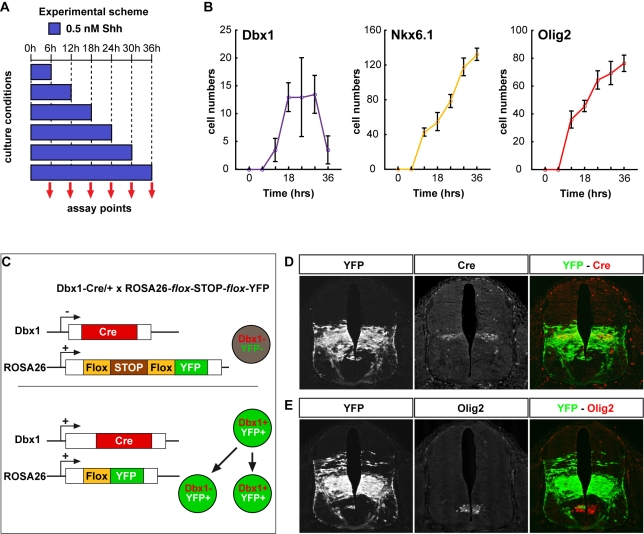
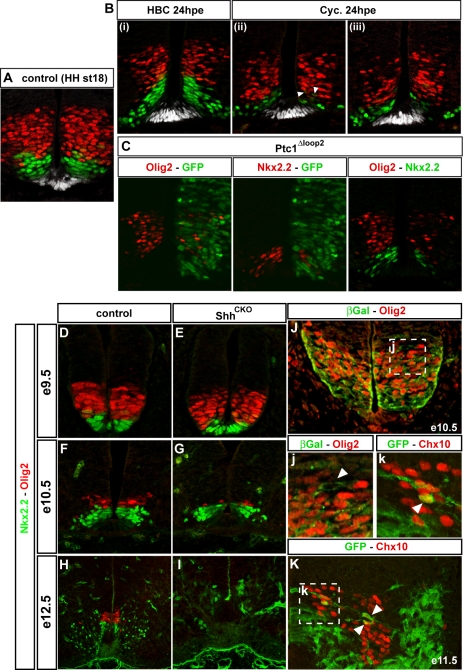
“5 mice embryos harbouring the Olig2cre allele and the ROSA26-flox-STOP-flox-lacZ or the ROSA26-floxSTOP-flox-GFP lineage tracers [51] revealed cells expressing the lineage marker within the pMN domain and their MN progeny (Figure 5J, 5K).”
BackgroundCre reporter strains produced by targeted insertion of EYFP and ECFP into the ROSA26 locus
Srinivas, S., Watanabe, T., Lin, C.-S., William, C. M., Tanabe, Y., Jessell, T. M., & Costantini, F. (2001) · BMC Developmental Biology · doi:10.1186/1471-213x-1-4 · Cited by 3,121 · cited 4×
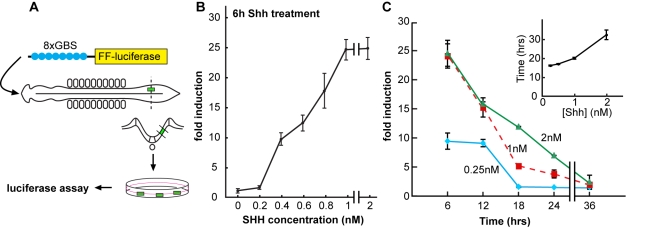
“PLoS Biology | www.plosbiology.org 2 June 2010 | Volume 8 | Issue 6 | e1000382 Hamilton (HH) stage 10 chick embryos in ovo electroporated with a Gli reporter (GBS-luc; Figure 1A; see Materials and Methods; [24]) and normalization plasmids were cultured in the presence of 0.1–2 nM Shh.”
BackgroundMethodInfluentialSonic hedgehog mediates the polarizing activity of the ZPA
Riddle, R. D., Johnson, R. L., Laufer, E., & Tabin, C. (1993) · Cell · doi:10.1016/0092-8674(93)90626-2 · Cited by 2,307 · cited 1×
“tube and underlying notochord [8,9,10,11,12,13] and spreads to”
Echelard, Y., Epstein, D. J., St-Jacques, B., Shen, L., Mohler, J., McMahon, J. A., & McMahon, A. P. (1993) · Cell · doi:10.1016/0092-8674(93)90627-3 · Cited by 2,154 · cited 1×
“tube and underlying notochord [8,9,10,11,12,13] and spreads to”
Neuronal specification in the spinal cord: inductive signals and transcriptional codes
Jessell, T. M. (2000) · Nature Reviews Genetics · doi:10.1038/35049541 · Cited by 2,089
Structure and function of the feed-forward loop network motif
Mangan, S., & Alon, U. (2003) · Proceedings of the National Academy of Sciences · doi:10.1073/pnas.2133841100 · Cited by 1,827 · cited 1×
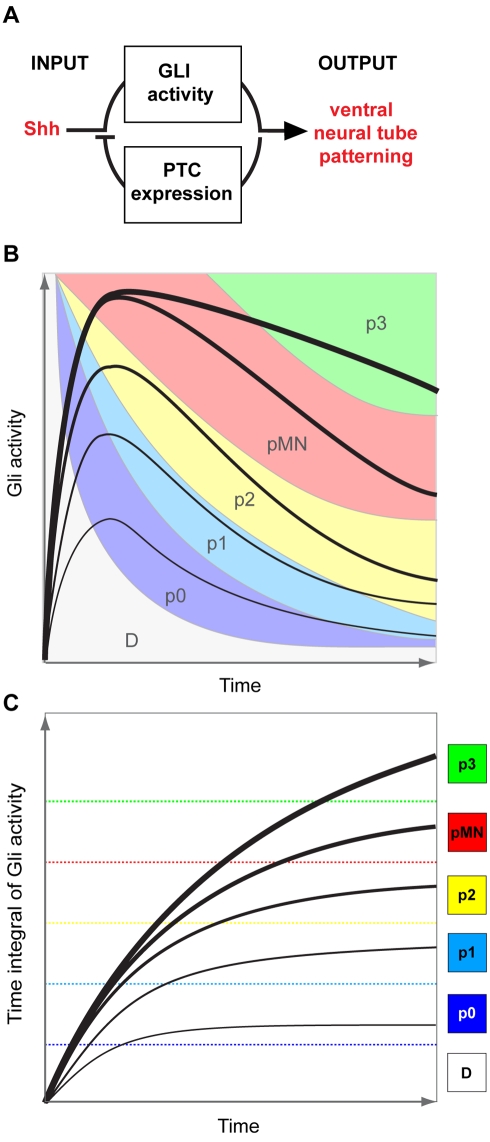
“This strategy for morphogen dependent gene regulation has been referred to as ‘‘sequential cell context’’ [73] and represents an example of a feedforward loop [74].”
BackgroundAltered Neural Cell Fates and Medulloblastoma in Mouse patched Mutants
Goodrich, L. V., Milenković, L., Higgins, K. M., & Scott, M. P. (1997) · Science · doi:10.1126/science.277.5329.1109 · Cited by 1,696 · cited 1×
“The gradual adaptation of cells to Shh is controlled, at least in part, by the Shh mediated upregulation of Ptc1, the receptor for Shh that is also a negative regulator of the pathway [26,27,28,29,30,31].”
BackgroundEffects of oncogenic mutations in Smoothened and Patched can be reversed by cyclopamine
Taipale, J., Chen, J. K., Cooper, M. K., Wang, B., Mann, R. K., Milenkovic, L., Scott, M. P., & Beachy, P. A. (2000) · Nature · doi:10.1038/35023008 · Cited by 1,311 · cited 2×
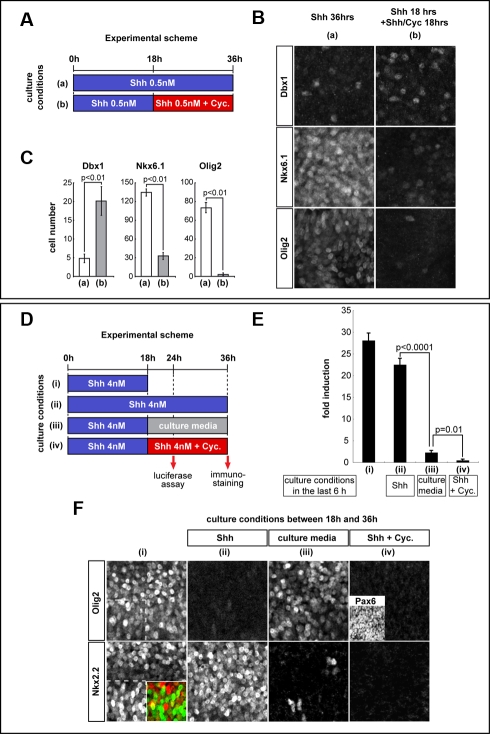
“To test this, we blocked Shh signalling in explants at different time points using the inhibitor cyclopamine [32,44], an antagonist of Smoothened, the essential intracellular transducer of the pathway [45,46].”
BackgroundMethodRobustness in bacterial chemotaxis
Alon, U., Surette, M. G., Barkai, N., & Leibler, S. (1999) · Nature · doi:10.1038/16483 · Cited by 1,129 · cited 1×
“The use of integral feedback control has been noted in several biological systems where it can act as a ‘‘gain’’ control to allow sensing over large concentration ranges or as a means to re-establish homeostasis after a system is disturbed [75,76,77].”
BackgroundBriscoe, J., Pierani, A., Jessell, T. M., & Ericson, J. (2000) · Cell · doi:10.1016/s0092-8674(00)80853-3 · Cited by 1,112
Self-citation
Cited by
Items 101–200 of 202
Peyrot, S. M., Wallingford, J. B., & Harland, R. M. (2011) · Developmental Biology · doi:10.1016/j.ydbio.2011.01.021 · Cited by 27
The unappreciated generative role of cell movements in pattern formation
Fulton, T., Verd, B., & Steventon, B. (2022) · Royal Society Open Science · doi:10.1098/rsos.211293 · Cited by 28
“These approaches have been very successful at explaining pattern formation and in particular the contribution of morphogens via positional information in systems such as the fore-mentioned anterior-posterior patterning in the Drosophila blastoderm, pattern formation in the vertebrate neural tube and the limb bud [3,4,…”
BackgroundRepressive interactions in gene regulatory networks: When you have no other choice
Delàs, M. J., & Briscoe, J. (2020) · Current topics in developmental biology/Current Topics in Developmental Biology · doi:10.1016/bs.ctdb.2020.03.003 · Cited by 26
Self-citationNeural crest emigration: From start to stop
Kalcheim, C. (2018) · genesis · doi:10.1002/dvg.23090 · Cited by 29
“Such a longer exposure time might be interpreted by the cells as a cumulative higher level of signaling, as previously demonstrated for the activity of Sonic hedgehog in ventral patterning (Balaskas et al., 2012; Dessaud et al., 2010).”
BackgroundNeuroinflammatory modulators of oligodendrogenesis
Xapelli, S., Armada‐Moreira, A., Ribeiro, F. F., & Sebastião, A. M. (2015) · Neuroimmunology and Neuroinflammation · doi:10.4103/2347-8659.167311 · Cited by 25
Temporal and spatial requirements of Smoothened in ventral midbrain neuronal development
Tang, M.-Z., Luo, S. X., Tang, V., & Huang, E. J. (2013) · Neural Development · doi:10.1186/1749-8104-8-8 · Cited by 28
“type-specific transcriptional factors, which are required for t he development of different groups of neurons in the ventral neural tube [1,4,5].”
BackgroundResultSonic Hedgehog Regulates Wnt Activity During Neural Circuit Formation
Wilson, N. H., & Stoeckli, E. T. (2012) · Vitamins and hormones · doi:10.1016/b978-0-12-394622-5.00008-0 · Cited by 31
Lee, H. C., Hastings, C., Oliveira, N. M. M., Perez‐Carrasco, R., Page, K. M., Wolpert, L., & Stern, C. D. (2022) · Development · doi:10.1242/dev.200295 · Cited by 25
Prox1 Regulates Olig2 Expression to Modulate Binary Fate Decisions in Spinal Cord Neurons
Kaltezioti, V., Αντωνίου, Δ., Στεργιόπουλος, Α., Rozani, I., Rohrer, H., & Politis, P. K. (2014) · Journal of Neuroscience · doi:10.1523/jneurosci.1865-14.2014 · Cited by 27
“…a key role in cell type specification in various organs and tissues (Wigle and Oliver, 1999; Wigle et al., 1999, 2002; Sosa-Pineda et al., 2000; Dyer et al., 2003; Harvey et al., 2005; Risebro et al., 2009; Kaltezioti et al., 2010; Elkouris et al., 2011), is strongly expressed in neural tube…”
BackgroundDirected Differentiation of V3 Interneurons from Mouse Embryonic Stem Cells
Xu, H. Y., & Sakiyama‐Elbert, S. E. (2015) · Stem Cells and Development · doi:10.1089/scd.2015.0122 · Cited by 27
“V3 INs also have the ability to cross the midline and synapse onto motoneurons (MNs) and other INs across multiple spinal segments [5].”
InfluentialDifferential requirements for Gli2 and Gli3 in the regional specification of the mouse hypothalamus
Haddad-Tóvolli, R., Paul, F. A., Zhang, Y., Zhou, X., Theil, T., Puelles, L., Blaess, S., & Álvarez-Bolado, G. (2015) · Frontiers in Neuroanatomy · doi:10.3389/fnana.2015.00034 · Cited by 32
“…ventral progenitor gene expression (Matise et al., 1998; Jeong and McMahon, 2005), whereas ongoing Shh signaling from the floor plate (neural Shh ) is necessary to maintain progenitor domain formation during neurogenesis (Dessaud et al., 2010) and for oligodendrocyte specification (Yu et al., 2013).”
Gard, C., Curto, G. G., Frarma, Y. E.-M., Chollet, E., Duval, N., Auzié, V., Aurade, F., Vigier, L., Relaix, F., Pierani, A., et al. (2017) · Developmental Biology · doi:10.1016/j.ydbio.2017.06.014 · Cited by 24
“Dbx1 is mainly expressed by p0 progenitors in a domain that just overlaps with that of Pax7 ((Dessaud et al., 2010; Dyck et al., 2012; Lanuza et al., 2004; Pierani et al., 2001) and is able to direct spinal progenitor cells towards a V0 fate by preventing them from adopting either a V1 or a dI6 fate ((Lanuza et al.”
BackgroundSelf-citationNeural induction: Historical views and application to pluripotent stem cells
Sasai, N., Kadoya, M., & Ong, A. L. C. (2021) · Development Growth & Differentiation · doi:10.1111/dgd.12703 · Cited by 23
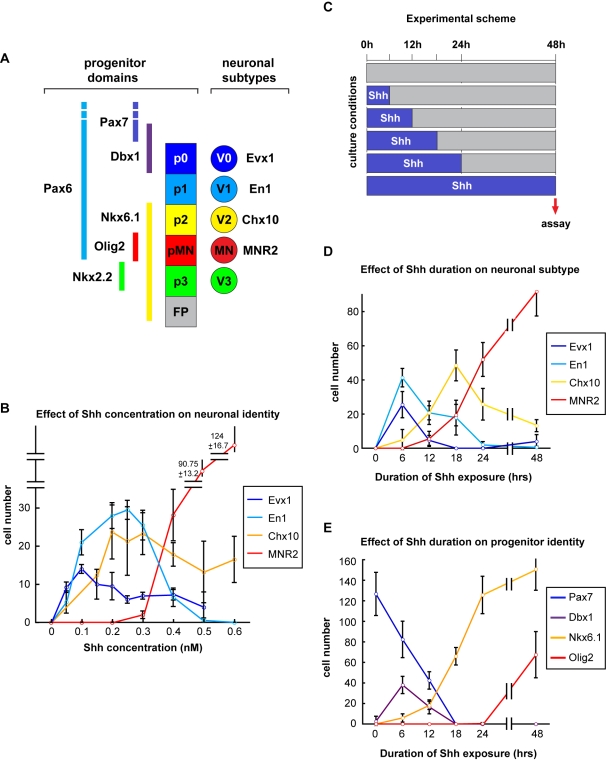
“The treatment with different concentrations of Shh on the neural explant isolated from chick embryos provides different neural subtypes, indicating the morphogen model is correct (Dessaud et al., 2007, 2010; Marti et al., 1995; Wichterle et al., 2002; Yamada et al., 1993).”
BackgroundSelf-citationScott, K., O’Rourke, R., Gillen, A. E., & Appel, B. (2020) · Development · doi:10.1242/dev.191023 · Cited by 24
Nat, R., Salti, A., Ceafalan, L. C., Ström, S., & Dechant, G. (2011) · Stem Cells and Development · doi:10.1089/scd.2011.0271 · Cited by 21
“Since different interneuron subtypes are generated at different stages of development in vivo [65,68], both the level of Hh signaling and its duration are likely to be critical [68,82,83].”
Matise, M. P. (2012) · Wiley Interdisciplinary Reviews Developmental Biology · doi:10.1002/wdev.83 · Cited by 22
Dynamic patterning by morphogens illuminated by cis-regulatory studies
Irizarry, J., & Stathopoulos, A. (2021) · Development · doi:10.1242/dev.196113 · Cited by 22
“Cells become desensitized with increased exposure to morphogen input over time; furthermore, hysteresis allows the cells to maintain proper identities regardless of fluctuation of morphogen input (Balaskas et al., 2012; Dessaud et al., 2010).”
BackgroundGordon, N. K., Chen, Z., Gordon, R., & Zou, Y. (2020) · Biosystems · doi:10.1016/j.biosystems.2020.104169 · Cited by 22
Xu, H. Y., Iyer, N. R., Huettner, J. E., & Sakiyama‐Elbert, S. E. (2015) · Stem Cell Research & Therapy · doi:10.1186/s13287-015-0213-z · Cited by 22
“Being a more ventral population, V3 INs sit closer to the floor plate and notochord, and therefore would be exposed to increased Shh signal strength and duration [22].”
BackgroundYatsuzuka, A., Hori, A., Kadoya, M., Matsuo‐Takasaki, M., Kondo, T., & Sasai, N. (2019) · Development · doi:10.1242/dev.176784 · Cited by 18
Self-citationSchneider, A., Klingmüller, U., & Schilling, M. (2012) · BioEssays · doi:10.1002/bies.201100172 · Cited by 20
Jiang, W. J., Ishino, Y., Hashimoto, H., Keino‐Masu, K., Masu, M., Uchimura, K., Kadomatsu, K., Yoshimura, T., & Ikenaka, K. (2017) · Developmental Neuroscience · doi:10.1159/000464284 · Cited by 20
White, N., & Sakiyama‐Elbert, S. E. (2018) · Developmental Dynamics · doi:10.1002/dvdy.24680 · Cited by 20
“Recently, Sances et al. presented a review regarding the many attempts at using hiPSC techniques to produce pluripotent cells to derive MNs as a novel tool for evaluating ALS in vitro.”
MethodInfluentialPuelles, L., Tvrdík, P., & Martínez-de-la-Torre, M. (2018) · The Anatomical Record · doi:10.1002/ar.23830 · Cited by 18
“…patterning mechanism based on antagonism of roof dorsalizing and floor ventralizing signals produces 5 parallel DV basal microzones having differential molecular profiles (Ulloa and Briscoe, 2007; Dessaud et al., 2010; Balaskas, 2012; note the floor plate is itself divided into two microzones).”
BackgroundKramer, K., Yang, J., Swanson, W. B., Hayano, S., Toda, M., Pan, H., Kim, J. K., Krebsbach, P. H., & Mishina, Y. M. (2018) · genesis · doi:10.1002/dvg.23220 · Cited by 17
“signaling regulates the expression of many transcriptional regulators during neural tube patterning (Briscoe, Pierani, Jessell, & Ericson, 2000; Dessaud et al., 2010).”
BackgroundNegative Regulation of mTOR Signaling Restricts Cell Proliferation in the Floor Plate
Kadoya, M., & Sasai, N. (2019) · Frontiers in Neuroscience · doi:10.3389/fnins.2019.01022 · Cited by 16
“The floor plate, located at the ventral-most part of the neural tube, is a source of Shh, and acts as an organizer for D-V pattern formation of the neural tube (Dessaud et al., 2010; Yu et al., 2013).”
BackgroundInfluentialSelf-citationSp8 plays a supplementary role to Pax6 in establishing the pMN/p3 domain boundary in the spinal cord
Li, X., Liu, Z., Qiu, M. S., & Yang, Z. (2014) · Development · doi:10.1242/dev.105387 · Cited by 16
“…fate-mapping studies based on the Cre-loxP strategy indicated that the Nkx2-2 and Olig2 cell lineages may share a common origin (Wu et al., 2006; Dessaud et al., 2007, 2010; Holz et al., 2010; Chen et al., 2011; Wang et al., 2011), a result that is supported by the analysis of the temporal…”
ResultPerspectives on Intra- and Intercellular Trafficking of Hedgehog for Tissue Patterning
Simon, E., Aguirre‐Tamaral, A., Aguilar, G., & Guerrero, I. (2016) · Journal of Developmental Biology · doi:10.3390/jdb4040034 · Cited by 14
“In summary, several theoretical models in gradient formation have been proposed and improved over the years [118,119,137–143].”
BackgroundEph/Ephrin Signaling Controls Progenitor Identities In The Ventral Spinal Cord
Laussu, J., Audouard, C., Kischel, A., Assis-Nascimento, P., Escalas, N., Liebl, D. J., Soula, C., & Davy, A. (2017) · Neural Development · doi:10.1186/s13064-017-0087-0 · Cited by 15
“ance of progenitor identities [4, 7, 8] as well as control”
BackgroundMathematical modelling in developmental biology
Vasieva, O., Rasolonjanahary, M., & Vasiev, B. N. (2013) · Reproduction · doi:10.1530/rep-12-0081 · Cited by 16
“There are many indications that positional information is provided by (or interpreted according to) a signal that is integrated over time, rather than by its present value (Dessaud et al. 2010).”
BackgroundGigante, E. D., Long, A. B., Ben-Ami, J., & Caspary, T. (2018) · Developmental Biology · doi:10.1016/j.ydbio.2018.03.019 · Cited by 12
Zebrafish spinal cord oligodendrocyte formation requires boc function
Kearns, C. A., Walker, M. B., Ravanelli, A. M., Scott, K., Arzbecker, M. R., & Appel, B. (2021) · Genetics · doi:10.1093/genetics/iyab082 · Cited by 11
Mechanisms of robustness in gene regulatory networks involved in neural development
Arcuschin, C. D., Pinkasz, M., & Schor, I. E. (2023) · Frontiers in Molecular Neuroscience · doi:10.3389/fnmol.2023.1114015 · Cited by 12
“2, which plays important roles in the specific transcriptional responses and the adaptation of cells to variable spatio-temporal Shh concentration, while at the same time provides robustness against transient variation of the GRN effectors (Dessaud et al., 2010; Balaskas et al., 2012).”
BackgroundDifferential developmental strategies by Sonic hedgehog in thalamus and hypothalamus
Zhang, Y., & Álvarez-Bolado, G. (2015) · Journal of Chemical Neuroanatomy · doi:10.1016/j.jchemneu.2015.11.008 · Cited by 12
Ventral neural patterning in the absence of a Shh activity gradient from the floorplate
Iulianella, A., Sakai, D., Kurosaka, H., & Trainor, P. A. (2017) · Developmental Dynamics · doi:10.1002/dvdy.24590 · Cited by 9
“…relationship between the concentration of Shh and the acquisition of specific cell types along the dorsal–ventral axis of the neural tube (Stamataki et al., 2005; Ribes and Briscoe, 2009; Dessaud et al., 2010; Balaskas et al., 2012; Junker et al., 2014; Briscoe and Small, 2015; Cohen et al., 2015).”
BackgroundInfluentialInvestigating morphogen and patterning dynamics with optogenetic control of morphogen production
Benzinger, D., & Briscoe, J. (2025) · Developmental Cell · doi:10.1016/j.devcel.2025.07.019 · Cited by 17
Self-citationPeter, I. S., & Davidson, E. H. (2012) · Elsevier eBooks · doi:10.1016/b978-0-12-385944-0.00011-3 · Cited by 9
A Highly Conserved Shh Enhancer Coordinates Hypothalamic and Craniofacial Development
Crane‐Smith, Z., Schoenebeck, J. J., Graham, K. A., Devenney, P. S., Rose, L., Ditzel, M., Anderson, E., Thomson, J. I., Klenin, N., Kurrasch, D. M., et al. (2021) · Frontiers in Cell and Developmental Biology · doi:10.3389/fcell.2021.595744 · Cited by 9
Competition and boundary formation in heterogeneous media: Application to neuronal differentiation
Benoît Perthame, B., Quiñinao, C., & Touboul, J. (2015) · Mathematical Models and Methods in Applied Sciences · doi:10.1142/s0218202515400151 · Cited by 10
“This is well-known to result in the clear definition of territories that express distinct transcription factors subsets [1, 10, 11, 18].”
BackgroundWiegering, A., Anselme, I., Brunetti, L., Metayer-Derout, L., Calderon, D., Thomas, S., Nedelec, S., Eschstruth, A., Serpieri, V., Catala, M., et al. (2025) · Nature Communications · doi:10.1038/s41467-025-58554-3 · Cited by 8
Dynamics of positional information in the vertebrate neural tube
Marković, A., Briscoe, J., & Page, K. M. (2024) · Journal of The Royal Society Interface · doi:10.1098/rsif.2024.0414 · Cited by 7
Self-citationSulf2a controls Shh-dependent neural fate specification in the developing spinal cord
Danesin, C., Darche-Gabinaud, R., Escalas, N., Bouguetoch, V., Cochard, P., Oustah, A. A., Ohayon, D., Glise, B., & Soula, C. (2021) · Scientific Reports · doi:10.1038/s41598-020-80455-2 · Cited by 8
Kuyyamudi, C., Menon, S. N., & Sinha, S. (2021) · Physical review. E · doi:10.1103/physreve.103.062409 · Cited by 6
hiPSC-Neural Stem/Progenitor Cell Transplantation Therapy for Spinal Cord Injury
Du, X., Amponsah, A. E., Kong, D., He, J., Ma, Z., Ma, J., & Cui, H. (2022) · Current Stem Cell Research & Therapy · doi:10.2174/1574888x17666220509222520 · Cited by 6
Core regulatory network motif underlies the ocellar complex patterning in Drosophila melanogaster
Aguilar‐Hidalgo, D., Lemos, M. C., & Córdoba, A. (2015) · Physica D Nonlinear Phenomena · doi:10.1016/j.physd.2014.12.006 · Cited by 5
“RD expression pattern is only able to correctly define the IOC and OC regions when both nCiA and nEn ∈ [2, 4] (Fig.”
BackgroundInfluentialDIO3 coordinates photoreceptor development timing and fate stability in human retinal organoids
McNerney, C., Santiago, C. P., Eldred, K. C., Glass, I. A., Reh, T. A., Hernández, A., Blackshaw, S., Lord, N. D., & Johnston, R. J. (2025) · Genes & Development · doi:10.1101/gad.352924.125 · Cited by 7
“…of Shh and BMP/Wnt that pattern the neurons of the spinal cord (Ericson et al. 1997a,b; Briscoe and Ericson 1999; Briscoe et al. 2000, 2001; Jessell 2000; Patten and Placzek 2002; Stamataki et al. 2005; Fuccillo et al. 2006; Dessaud et al. 2010; Exelby et al. 2021; Dou-ceau et al. 2023).”
Boezio, G. L. M., Depotter, J. R. L., Frith, T. J. R., Radley, A., Strohbuecker, S., Cunha, A. C., Howell, M. T., & Briscoe, J. (2025) · bioRxiv (Cold Spring Harbor Laboratory) · doi:10.1101/2025.10.24.684328 · Cited by 7
Self-citationXiong, F., Tentner, A. R., Nandagopal, N., Hiscock, T. W., Huang, P., & Tsung-Megason, S. G. (2026) · eLife · doi:10.7554/elife.96980.3 · Cited by 5
Anbari, S., & Buceta, J. (2020) · Scientific Reports · doi:10.1038/s41598-020-67413-8 · Cited by 4
“[35].”
Nahmad, M., & Stathopoulos, A. (2010) · Fly · doi:10.4161/fly.4.4.12677 · Cited by 6
Scuderi, S., Khouri‐Farah, N., Rauthan, R., Natu, A., Wang, H., Nelson, A., Jourdon, A., & Vaccarino, F. M. (2025) · Stem Cell Reports · doi:10.1016/j.stemcr.2025.102615 · Cited by 6
The medaka dhc2 mutant reveals conserved and distinct mechanisms of Hedgehog signaling in teleosts
Yamamoto, T., Tsukahara, T., Ishiguro, T., Hagiwara, H., Taira, M., & Takeda, H. (2015) · BMC Developmental Biology · doi:10.1186/s12861-015-0057-x · Cited by 3
“2), while suppressing the dorsal genes (pax6, pax3, dbx1 and dbx2) [17-19].”
BackgroundThe Specification and Generation of Neurons in the Ventral Spinal Cord
Matise, M. P., & Sharma, K. (2013) · Elsevier eBooks · doi:10.1016/b978-0-12-397265-1.00101-5 · Cited by 2
Self-organized Patterning by Diffusible Factors: Roles of a Community Effect
Batmanov, K., Kuttler, C., Lhoussaine, C., & Saka, Y. (2012) · Fundamenta Informaticae · doi:10.3233/fi-2012-723 · Cited by 5
“Dynamic assessment of a morphogen gradient has been suggested previously based on experimental evidence [15, 23, 27, 29].”
MethodNahmad, M. (2011) · Journal of The Royal Society Interface · doi:10.1098/rsif.2010.0738 · Cited by 5
Advances in Understanding Limb Regeneration in a Developmental and Evolutionary Context
Lehoczky, J. A., & Tabin, C. J. (2013) · Wiley eBooks · doi:10.1002/9781118707449.ch6 · Cited by 3
Xiong, F., Tentner, A. R., Nandagopal, N., Hiscock, T. W., Huang, P., & Megason, S. G. (2024) · eLife · doi:10.7554/elife.96980 · Cited by 6
Arboleda, J. C., Machado, G., Rodríguez, B. A., & Gutiérrez, J. (2022) · PLoS Computational Biology · doi:10.1371/journal.pcbi.1009704 · Cited by 2
Cdo Is Required for Efficient Motor Neuron Generation of Embryonic Stem Cells
Kim, H., Lee, S.-Y., Jeong, H., Kang, J., Cho, H., & Leem, Y.-E. (2020) · International Journal of Stem Cells · doi:10.15283/ijsc20037 · Cited by 2
“the maintenance of Olig2-positive motor neuron progenitors after their initial specification (11-13).”
BackgroundBushati, N., & Briscoe, J. (2012) · Wiley eBooks · doi:10.1002/9780470015902.a0000795.pub2 · Cited by 3
Self-citationIlluminating morphogen and patterning dynamics with optogenetic control of morphogen productionPreprint
Benzinger, D., & Briscoe, J. (2024) · bioRxiv (Cold Spring Harbor Laboratory) · doi:10.1101/2024.06.11.598403 · Cited by 2
“In neural progenitors, Shh concentra (cid:415) on a ff ects both the level and dura (cid:415) on of downstream signalling [38,41].”
BackgroundSelf-citationChen, X., Sakumura, Y., Kokaji, T., Kunida, K., & Sasai, N. (2024) · bioRxiv (Cold Spring Harbor Laboratory) · doi:10.1101/2024.08.25.609396 · Cited by 2
“For instance, OLIG2 and NKX2-2 repress each other’s expression, and both are negatively regulated by PAX6, contributing to the specification of identities along the D-V axis (Balaskas et al., 2012; Dessaud et al., 2010).”
InfluentialSelf-citationTiming of Delamination of Inner Ear Neurons Specifies Their Topography and Target Innervation
Saini, S. S., & Ladher, R. K. (2025) · The Journal of Comparative Neurology · doi:10.1002/cne.70103 · Cited by 1
“Developing nervous systems must solve a non-trivial problem of neurons with positional identity, making the appropriate connections with the appropriate targets (Dessaud et al. 2010; Hochstim et al. 2008; Imai 2012; J. P. Liu et al. 2001; Lumsden 1993; Sagner and Briscoe 2019).”
de Lachapelle, A. M., & Bergmann, S. (2011) · Cited by 1
Patterning, Dynamics and Evolution in the Ocellar Complex of the Fruit Fly
Aguilar‐Hidalgo, D., Casares, F., & Lemos, M. C. (2017) · Understanding complex systems · doi:10.1007/978-3-319-72218-4_2 · Cited by 1
A mathematical model of the role of aggregation in sonic hedgehog signalling
Derrick, D. J. A., Wolton, K., Currie, R. A., & Tindall, M. J. (2021) · PLoS Computational Biology · doi:10.1371/journal.pcbi.1008562 · Cited by 1
Kuyyamudi, C., Menon, S. N., & Sitabhra Sinha, A. (2022) · Indian Journal of Physics · doi:10.1007/s12648-022-02348-6 · Cited by 2
Spatial and temporal mechanisms of cell fate determination in the developing CNS
Dias, J. M. M. (2011) · Figshare · Cited by 1
Yatsuzuka, A., Hori, A., Kadoya, M., Matsuo‐Takasaki, M., Kondo, T., & Sasai, N. (2018) · bioRxiv · doi:10.1101/424598 · Cited by 2
“477 In a developmental context, negative feedback regulation confers diversity of cell types and 478 robustness of pattern formation [14].”
BackgroundResultSelf-citationStarikov, L., Tegla, M. G. G., & Kottmann, A. H. (2019) · bioRxiv (Cold Spring Harbor Laboratory) · doi:10.1101/534750 · Cited by 1
Xiong, F., Tentner, A. R., Nandagopal, N., Hiscock, T. W., Huang, P., & Megason, S. G. (2024) · eLife · doi:10.7554/elife.96980.1 · Cited by 2
Lineage origin of spinal cord cell type diversityPreprint
Gobeil, S., Neto, F. D. S., Silvestrelli, G., Smits, M., Streicher, C., Cheung, G., Hippenmeyer, S., & Sweeney, L. B. (2026) · bioRxiv (Cold Spring Harbor Laboratory) · doi:10.64898/2026.02.12.705305 · Cited by 2
Molecular background of three lethal fetal syndromes
Nousiainen, H. O. (2011) · Helda - University of Helsinki Institutional Repository
The Role of Sonic Hedgehog in the Hypothalamus
Zevallos, S. E. (2011) · ScholarlyCommons (University of Pennsylvania)
Subramanian, A., & Sarkar, R. R. (2015) · Journal of Biological Systems · doi:10.1142/s0218339015500333
Interspace Encounters: Parkview Gardens
Marak, M. (2016) · Open Scholarship Institutional Repository (Washington University in St. Louis) · doi:10.7936/k7pg1q0b
“1B) [37,38,151].”
BackgroundInfluentialPetracca, Y. L. (2015) · Repositorio Digital Institucional de la Universidad de Buenos Aires (Universidad de Buenos Aires)
Dynamic Maternal Gradients Control Timing and Shift-Rates for Drosophila Gap Gene ExpressionPreprint
Verd, B., Crombach, A., & Jaeger, J. (2016) · bioRxiv (Cold Spring Harbor Laboratory) · doi:10.1101/068064
Linear orthogonal protein/peptide gradients to control pluripotent stem cell differentiation
Nebhnani, S. (2020) · Digital Repository Service (Northeastern University) · doi:10.17760/d20382866
Mathematical Models of Morphogen Gradients and Growth Control
Lei, J. (2021) · Lecture notes on mathematical modelling in the life sciences · doi:10.1007/978-3-030-73033-8_7
Arboleda-Rivera, J. C., Machado-Rodríguez, G., Rodríguez, B. A., & Gutiérrez, J. (2021) · bioRxiv (Cold Spring Harbor Laboratory) · doi:10.1101/2021.11.01.466847
“2 genes can act as the receiver nodes [7, 36, 37].”
InfluentialFerretti, P. (2013) · Faculty Opinions – Post-Publication Peer Review of the Biomedical Literature · doi:10.3410/f.718002732.793476200
The specification and generation of neurons in the ventral spinal cord
Matise, M. P., & Sharma, K. (2020) · Elsevier eBooks · doi:10.1016/b978-0-12-814405-3.00015-1
Fritzsch, B. (2019) · Faculty Opinions – Post-Publication Peer Review of the Biomedical Literature · doi:10.3410/f.731246016.793558093
Rapid TetOn-mediated gene expression in neurons across the lifespan with uTTOPPreprint
Salmon, C. K., Quesseveur, G., Cheong, G. H. L., Chierzi, S., Green, M., Rosen, M. P., Gao, A. Y. L., Kacerovsky, J. B., & Murai, K. K. (2023) · bioRxiv (Cold Spring Harbor Laboratory) · doi:10.1101/2023.12.05.570307
Kottmann, A. H., Starikov, L., & Tegla, M. G. G. (2024) · Research Square · doi:10.21203/rs.3.rs-4249282/v1
Synchronous 3D patterning of diverse CNS progenitors generates motor neurons of broad axial identityPreprint
Buchner, F., Dokuzluoglu, Z., Thomas, J. D., Caldarelli, A., Kavali, S., Rost, F., Graß, T., & Rodríguez‐Muela, N. (2024) · bioRxiv (Cold Spring Harbor Laboratory) · doi:10.1101/2024.12.13.628384 · Cited by 1
Stem cell-based approach to identify regulatory TFs during mammalian cell differentiation
Pei, Y., Li, S., Garipler, G., Kamimoto, K., & Mazzoni, E. O. (2025) · Stem Cell Reports · doi:10.1016/j.stemcr.2025.102716
Quiñinao, C. (2015) · theses.fr (ABES) · doi:10.70675/bfb0756bza6e2z4fd9zb5bfze7453a4e0f71 · Cited by 1
“A continuous gradient activates ventral and dorsal genes and territories are formed that express distinct TF subsets [7, 44, 45, 91].”
Xiong, F., Tentner, A. R., Nandagopal, N., Hiscock, T. W., Huang, P., & Tsung-Megason, S. G. (2026) · eLife · doi:10.7554/elife.96980.2
Ghazale, H. (2019) · theses.fr (ABES) · doi:10.70675/131710fezef59z4eb9za19bz5e24cb31410d
“morphogen concentration is sufficient to alter cell fates illustrating the complexity of morphogen dynamics in vertebrate patterning [201], [202].”
BackgroundBiochemical and mechanical interplay during Drosophila endoderm morphogenesis
Mundhe, G. (2023) · theses.fr (ABES) · doi:10.70675/eca4359ezb819z494dz9dd8zab38da0b6cde
Identification and characterization of Sonic Hedgehog signal for brain maintenance and repair
Russo, M. (2023) · theses.fr (ABES) · doi:10.70675/76dce8acz0153z49ecza2f8zf494f96ab226
Metadata
- Authors
- Dessaud, E., Ribes, V., Balaskas, N., Yang, L. L., Pierani, A., Kicheva, A., Novitch, B. G., Briscoe, J., & Sasai, N.
- Affiliations
- National Institute for Medical Research (GB)
- University of California, Los Angeles (US)
- Institut Jacques Monod (FR)
- Corresponding author
- Briscoe, James
- ORCID
- Venue
- PLoS Biology
- Publisher
- Public Library of Science (PLoS)
- Published
- 2010-06-01
- Volume
- 8
- Issue
- 6
- Pages
- e1000382
- ISSN
- 1544-9173 (ISSN-L)
- 1545-7885
- PMC
- PMC2879390
- OpenAlex
- W1975129643
- Cited by
- 203
- References
- 85
- Citations by year
- 2026: 4 · 2025: 8 · 2024: 7 · 2023: 7 · 2022: 9 · 2021: 10 · 2020: 15 · 2019: 10 · 2018: 9 · 2017: 13 · 2016: 12 · 2015: 23 · 2014: 13 · 2013: 15 · 2012: 23
- FWCI
- 8.20
- Type
- journal article
- Language
- en
- Open access
- gold
- doi.org
- Locations
- PLoS Biology (publishedVersion, cc-by)
- Europe PMC (PubMed Central) (publishedVersion, cc-by)
- PubMed Central (publishedVersion, cc-by)
- PubMed (publishedVersion)
- DOAJ (DOAJ: Directory of Open Access Journals) (submittedVersion, cc-by-sa)
- eScholarship (California Digital Library) (submittedVersion)
- eScholarship (California Digital Library) (submittedVersion, cc-by)
- Figshare (submittedVersion, cc-by)
- Funders
- March of Dimes Foundation
- Whitehall Foundation
- Muscular Dystrophy Association
- Association pour la Recherche sur le Cancer
- Wellcome Trust (219939, 080630)
- Centre National de la Recherche Scientifique
- Mochida Memorial Foundation for Medical and Pharmaceutical Research
- Medical Research Council
- National Institute of Neurological Disorders and Stroke (R01NS053976, NS053976)
- Topics
- Life Sciences › Biochemistry, Genetics and Molecular Biology › Molecular Biology › Hedgehog Signaling Pathway Studies
- Life Sciences › Biochemistry, Genetics and Molecular Biology › Molecular Biology › Developmental Biology and Gene Regulation
- Life Sciences › Neuroscience › Developmental Neuroscience › Neurogenesis and neuroplasticity mechanisms
- Keywords
- Sonic hedgehog, morphogen signalling, ventral neural tube, positional identity, embryonic patterning, signal duration, signal level, signal transduction, central nervous system development
- MeSH terms
- Animals, Vertebrates, Signal Transduction, Hedgehog Proteins, Neural Tube
About these checks
Registry, retraction, Cites and statistics results are computed, not judged, with one exception: a printed reference that no index lists is read once by a model before it counts as a citation error. Claims are extracted by a model and kept only when their quote appears verbatim in the text; each cited source is then checked, with a model’s help, for whether it says what the claim relies on. Those verdicts can be wrong — read the claim’s quote and the cited source before relying on one.
Statistics and arithmetic are recomputed, not judged.
Confidence bands are shown only for fields calibrated on our annotated test set. None is calibrated yet, so no band is shown.
What counts as a claim ›How we measure confidence ›How we check this ›
Are you an author, or do you see a problem with this page? Request a review
Data sources
Bibliographic data: Semantic Scholar, OpenAlex, Crossref.
Contains information from the Semantic Scholar Academic Graph Datasets, made available under the ODC Attribution License (ODC-BY 1.0).
Semantic Scholar’s data is described in: Kinney, R., et al. (2023). The Semantic Scholar Open Data Platform. arXiv:2301.10140.
