

The DOI matches its Crossref record; 56 of the 56 references it cites were found in a registry or an index.
DOGS: Reaction-Driven de novo Design of Bioactive Compounds
Open accessAbstract
We present a computational method for the reaction-based de novo design of drug-like molecules. The software DOGS (Design of Genuine Structures) features a ligand-based strategy for automated 'in silico' assembly of potentially novel bioactive compounds. The quality of the designed compounds is assessed by a graph kernel method measuring their similarity to known bioactive reference ligands in terms of structural and pharmacophoric features. We implemented a deterministic compound construction procedure that explicitly considers compound synthesizability, based on a compilation of 25'144 readily available synthetic building blocks and 58 established reaction principles. This enables the software to suggest a synthesis route for each designed compound. Two prospective case studies are presented together with details on the algorithm and its implementation. De novo designed ligand candidates for the human histamine H₄ receptor and γ-secretase were synthesized as suggested by the software. The computational approach proved to be suitable for scaffold-hopping from known ligands to novel chemotypes, and for generating bioactive molecules with drug-like properties.
Overview
The claims and statistics of this paper haven’t been checked yet.
Run the check — free, no account needed. It reads the open-access text and checks the sources it cites.
Integrity signals
Registry
Cites
Statistics
Figures
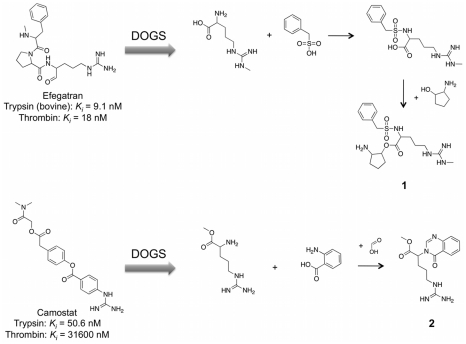
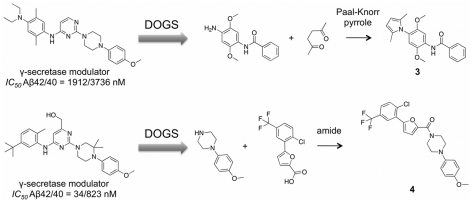
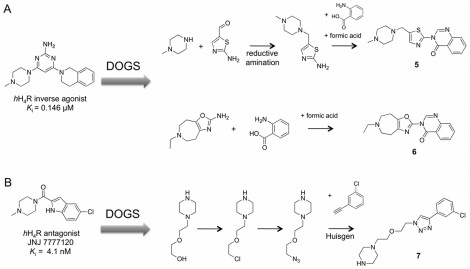
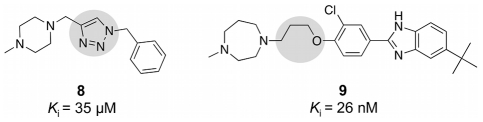
Verification
Claims the paper makes
The claims and statistics of this paper haven’t been checked yet.
Run the check — free, no account needed. It reads the open-access text and checks the sources it cites.
Claims other papers make about this one
Each is checked against this paper’s own text: does it say what the citing paper says it does?
In the citing paper
“This algorithm applies 58 well-established chemical transformation rules to a set of 25144 readily available synthetic blocks from the Sigma-Aldrich catalog.”
From QSAR without borders (2020) · cites this paper as [154]
Self-check
Percentages, sums and reported differences re-computed from the paper’s own numbers.
The self-check needs the paper’s full text.
Citations
Cites
Lipinski, C. A., Lombardo, F., Dominy, B. W., & Feeney, P. J. (2001) · Advanced Drug Delivery Reviews · doi:10.1016/s0169-409x(00)00129-0 · Cited by 18,139
Lipinski, C. A., Lombardo, F., Dominy, B. W., & Feeney, P. J. (1997) · Advanced Drug Delivery Reviews · doi:10.1016/s0169-409x(96)00423-1 · Cited by 11,484
Partition coefficients and their uses
Leo, A., Hansch, C., & Elkins, D. R. (1971) · Chemical Reviews · doi:10.1021/cr60274a001 · Cited by 4,253 · cited 1×
“A common parameter closely related to lipophilicity is the octanol-water partition coefficient (logP(o/w)) [28].”
BackgroundZINC − A Free Database of Commercially Available Compounds for Virtual Screening
Irwin, J. J., & Shoichet, B. K. (2005) · Journal of Chemical Information and Modeling · doi:10.1021/ci049714+ · Cited by 4,058 · cited 1×
“Louis, MO 63103, USA) catalog containing 56,878 chemical building blocks was downloaded from the ZINC database [16,17].”
MethodLipinski, C. A., Lombardo, F., Dominy, B. W., & Feeney, P. J. (2012) · Advanced Drug Delivery Reviews · doi:10.1016/j.addr.2012.09.019 · Cited by 3,720 · cited 1×
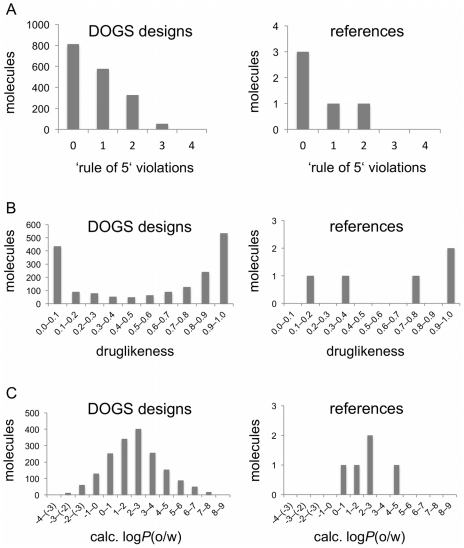
“of Lipinski’s ‘rule of 5’ [25] were recorded for the 1’767 molecules using a descriptor implemented in the software MOE.”
MethodA subset of NSAIDs lower amyloidogenic Aβ42 independently of cyclooxygenase activity
Weggen, S., Eriksen, J. L., Das, P., Sagi, S. A., Wang, R., Pietrzik, C. U., Findlay, K. A., Smith, T. E., Murphy, M. P., Bulter, T., et al. (2001) · Nature · doi:10.1038/35102591 · Cited by 1,388 · cited 1×
“c-Secretase modulators shift the product ratio of APP processing from the highly amyloidogenic Ab42 peptides towards shorter Ab fragments with a lower propensity to aggregate like Ab38 [31,33].”
BackgroundSelf-citationTrypsin Cleaves Exclusively C-terminal to Arginine and Lysine Residues
Olsen, J. V., Ong, S., & Mann, M. (2004) · Molecular & Cellular Proteomics · doi:10.1074/mcp.t400003-mcp200 · Cited by 1,309 · cited 3×
“S1 pocket during peptide bond cleavage [30].”
BackgroundInfluentialThe Chemistry Development Kit (CDK): An Open-Source Java Library for Chemo- and Bioinformatics
Steinbeck, C., Han, Y., Kühn, S., Horlacher, O., Luttmann, E., & Willighagen, E. (2003) · Journal of Chemical Information and Computer Sciences · doi:10.1021/ci025584y · Cited by 1,111 · cited 1×
“2) [23,24].”
Alzheimer's disease: strategies for disease modification
Citron, M. (2010) · Nature Reviews Drug Discovery · doi:10.1038/nrd2896 · Cited by 1,075
Computer-based de novo design of drug-like molecules
Schneider, G., & Fechner, U. (2005) · Nature Reviews Drug Discovery · doi:10.1038/nrd1799 · Cited by 956
Self-citation
Cited by
Sorted by citations
Generating Focused Molecule Libraries for Drug Discovery with Recurrent Neural Networks
Segler, M. H. S., Kogej, T., Tyrchan, C., & Waller, M. P. (2018) · ACS Central Science · doi:10.1021/acscentsci.7b00512 · Cited by 1,537
Molecular de-novo design through deep reinforcement learning
Olivecrona, M., Blaschke, T., Engkvist, O., & Chen, H. (2017) · Journal of Cheminformatics · doi:10.1186/s13321-017-0235-x · Cited by 1,443
“In contrast, the ligand based approach is to generate a large virtual library of chemical structures, and search this chemical space using a scoring function that typically takes into account several properties such as DMPK profiles, synthetic accessibility, bioactivity, and query structure similarity [4, 5].”
BackgroundConcepts of Artificial Intelligence for Computer-Assisted Drug Discovery
Yang, X. Y., Wang, Y., Byrne, R., Schneider, G., & Yang, S. (2019) · Chemical Reviews · doi:10.1021/acs.chemrev.8b00728 · Cited by 1,079
Self-citationMuratov, E. N., Bajorath, J., Sheridan, R. P., Tetko, I. V., Filimonov, D., Poroikov, V., Oprea, T. I., Baskin, I. I., Varnek, A., Roitberg, A., et al. (2020) · Chemical Society Reviews · doi:10.1039/d0cs00098a · Cited by 913
Rethinking drug design in the artificial intelligence era
Schneider, P., Walters, W. P., Plowright, A. T., Sieroka, N., Listgarten, J., Goodnow, R. A., Fisher, J., Jansen, J. M., Duca, J. S., Rush, T. S., et al. (2020) · Nature Reviews Drug Discovery · doi:10.1038/s41573-019-0050-3 · Cited by 894
“…drug design, these generative methods do not learn explicit chemical transformations (for example, forward and/or retrosynthetic reaction schemes) 164 to construct new molecules but instead model the distribution of chemical features of the training data and thereby implicitly capture important…”
BackgroundSelf-citationPolypharmacology by Design: A Medicinal Chemist’s Perspective on Multitargeting Compounds
Proschak, E., Stark, H., & Merk, D. (2019) · Journal of Medicinal Chemistry · doi:10.1021/acs.jmedchem.8b00760 · Cited by 498
Self-citationArtificial intelligence in drug discovery: recent advances and future perspectives
Jiménez-Luna, J., Grisoni, F., Weskamp, N., & Schneider, G. (2021) · Expert Opinion on Drug Discovery · doi:10.1080/17460441.2021.1909567 · Cited by 464
“In retrosynthesis, where the main goal is to recursively design efficient synthetic routes for a molecule of interest, rule-based methods [122,123,166] are indisputably valuable.”
BackgroundMethodSelf-citationIntegrating QSAR modelling and deep learning in drug discovery: the emergence of deep QSAR
Tropsha, A., Isayev, O., Varnek, A. A., Schneider, G., & Cherkasov, A. R. (2023) · Nature Reviews Drug Discovery · doi:10.1038/s41573-023-00832-0 · Cited by 447
“One of the most productive forward synthesis tools was developed in the Schneider group and implemented in the DOGS programme 31 .”
Self-citationA review of molecular representation in the age of machine learning
Wigh, D. S., Goodman, J. M., & Lapkin, A. A. (2022) · Wiley Interdisciplinary Reviews Computational Molecular Science · doi:10.1002/wcms.1603 · Cited by 432
“…such as BRICS 95 and RECAP 96 which break retrosynthetically interesting compounds into fragments which can be combinatorally recombined, DOGS 97 for the de novo design of drug-like molecules using a ligand-based strategy, and combining CoLibri with FTrees-FS 98 for chemical space creation…”
MethodAutonomous Discovery in the Chemical Sciences Part I: Progress
Coley, C. W., Eyke, N. S., & Jensen, K. F. (2019) · Angewandte Chemie International Edition · doi:10.1002/anie.201909987 · Cited by 371
Advances in De Novo Drug Design: From Conventional to Machine Learning Methods
Mouchlis, V. D., Afantitis, A., Serra, A., Fratello, M., Papadiamantis, A. G., Aidinis, V., Lynch, I., Greco, D., & Melagraki, G. (2021) · International Journal of Molecular Sciences · doi:10.3390/ijms22041676 · Cited by 381
“Examples of ligand-based de novo drug design tools include TOPAS [37], SYNOPSIS [38], and DOGS [39].”
MethodSynthetic organic chemistry driven by artificial intelligence
Almeida, A. F., Moreira, R., & Rodrigues, T. (2019) · Nature Reviews Chemistry · doi:10.1038/s41570-019-0124-0 · Cited by 318
Vázquez, J., López, M., Gibert, E., Herrero, E., & Luque, F. J. (2020) · Molecules · doi:10.3390/molecules25204723 · Cited by 270
The next level in chemical space navigation: going far beyond enumerable compound libraries
Hoffmann, T., & Gastreich, M. (2019) · Drug Discovery Today · doi:10.1016/j.drudis.2019.02.013 · Cited by 253
Shape-Based Generative Modeling for de Novo Drug Design
Skalic, M., Jiménez, J., Sabbadin, D., & De Fabritiis, G. (2019) · Journal of Chemical Information and Modeling · doi:10.1021/acs.jcim.8b00706 · Cited by 229
Bidirectional Molecule Generation with Recurrent Neural Networks
Grisoni, F., Moret, M., Lingwood, R., & Schneider, G. (2020) · Journal of Chemical Information and Modeling · doi:10.1021/acs.jcim.9b00943 · Cited by 240
Self-citationReker, D., Rodrigues, T., Schneider, P., & Schneider, G. (2014) · Proceedings of the National Academy of Sciences · doi:10.1073/pnas.1320001111 · Cited by 228
“Using the unsupervised SOM al-gorithm, we clustered 12,661 manually annotated, pharmaceuti-cally relevant drugs and lead compounds [collection of bioactive reference analogs (COBRA); inSili.com LLC] (33).”
MethodSelf-citationNatural product drug discovery in the artificial intelligence era
Saldívar‐González, F. I., Aldas-Bulos, V. D., Medina‐Franco, J. L., & Plisson, F. (2021) · Chemical Science · doi:10.1039/d1sc04471k · Cited by 235
Exploring the GDB-13 chemical space using deep generative models
Arús‐Pous, J., Blaschke, T., Ulander, S., Reymond, J., Chen, H., & Engkvist, O. (2019) · Journal of Cheminformatics · doi:10.1186/s13321-019-0341-z · Cited by 198
Generative Deep Learning for Targeted Compound Design
de Sousa, T. F., Correia, J. V. M., Pereira, V., & Rocha, M. (2021) · Journal of Chemical Information and Modeling · doi:10.1021/acs.jcim.0c01496 · Cited by 202
Automated in Silico Design of Homogeneous Catalysts
Foscato, M., & Jensen, V. R. (2020) · ACS Catalysis · doi:10.1021/acscatal.9b04952 · Cited by 190
Computational Multitarget Drug Design
Zhang, W., Pei, J., & Lai, L. (2017) · Journal of Chemical Information and Modeling · doi:10.1021/acs.jcim.6b00491 · Cited by 189
Generative machine learning for de novo drug discovery: A systematic review
Martinelli, D. D. (2022) · Computers in Biology and Medicine · doi:10.1016/j.compbiomed.2022.105403 · Cited by 177
Machine learning-aided generative molecular design
Du, Y., Jamasb, A. R., Guo, J., Fu, T., Harris, C., Wang, Y., Duan, C., Lió, P., Schwaller, P., & Blundell, T. L. (2024) · Nature Machine Intelligence · doi:10.1038/s42256-024-00843-5 · Cited by 221
“Other studies perform de novo design using reaction-based expansion from a library of building blocks 99,100 .”
Artificial Intelligence in Drug Discovery
Sellwood, M. A., Ahmed, M., Segler, M., & Brown, N. (2018) · Future Medicinal Chemistry · doi:10.4155/fmc-2018-0212 · Cited by 186
Cox, O. B., Krojer, T. J., Collins, P. M., Monteiro, O., Talon, R., Bradley, A. R., Fedorov, O., Amin, J., Marsden, B. D., Spencer, J., et al. (2015) · Chemical Science · doi:10.1039/c5sc03115j · Cited by 170
De Novo Design at the Edge of Chaos
Schneider, P., & Schneider, G. (2016) · Journal of Medicinal Chemistry · doi:10.1021/acs.jmedchem.5b01849 · Cited by 168
Self-citationMao, J., Akhtar, J., Zhang, X., Sun, L., Guan, S., Li, X., Chen, G., Liu, J., Jeon, H.-N., Kim, M. S., et al. (2021) · iScience · doi:10.1016/j.isci.2021.103052 · Cited by 179
“useful in de novo molecular design and reaction prediction (Button et al., 2017; Hartenfeller et al., 2012; Kang and Liu, 2021; Schneider and Schneider, 2018).”
MethodAutomated De Novo Drug Design: Are We Nearly There Yet?
Schneider, G., & Clark, D. E. (2019) · Angewandte Chemie International Edition · doi:10.1002/anie.201814681 · Cited by 173
Self-citationCheminformatics in Natural Product‐based Drug Discovery
Chen, Y., & Kirchmair, J. (2020) · Molecular Informatics · doi:10.1002/minf.202000171 · Cited by 173
Exploration of Ultralarge Compound Collections for Drug Discovery
Warr, W. A., Nicklaus, M. C., Nicolaou, C. A., & Rarey, M. (2022) · Journal of Chemical Information and Modeling · doi:10.1021/acs.jcim.2c00224 · Cited by 161
SYBA: Bayesian estimation of synthetic accessibility of organic compounds
Voršilák, M., Kolář, M., Čmelo, I., & Svozil, D. (2020) · Journal of Cheminformatics · doi:10.1186/s13321-020-00439-2 · Cited by 163
Konze, K. D., Bos, P. H., Dahlgren, M. K., Leswing, K., Tubert‐Brohman, I., Bortolato, A., Robbason, B., Abel, R., & Bhat, S. (2019) · Journal of Chemical Information and Modeling · doi:10.1021/acs.jcim.9b00367 · Cited by 151
Sattarov, B., Baskin, I. I., Horvath, D., Marcou, G., Bjerrum, E. J., & Varnek, A. A. (2019) · Journal of Chemical Information and Modeling · doi:10.1021/acs.jcim.8b00751 · Cited by 151
“New molecules can be generated in this case by applying formal molecular-graph mutation operations, recombining atoms and fragments (building blocks), as well as combining synthetic reactions.(18) The third-generation methods have recently been developed under the influence of the “deep learning revolution”,(19) which…”
BackgroundThe Advent of Generative Chemistry
Vanhaelen, Q., Lin, Y.-C., & Zhavoronkov, A. (2020) · ACS Medicinal Chemistry Letters · doi:10.1021/acsmedchemlett.0c00088 · Cited by 151
Basith, S., Cui, M., Macalino, S. J. Y., Park, J., Clavio, N. A. B., Kang, S., & Choi, S. (2018) · Frontiers in Pharmacology · doi:10.3389/fphar.2018.00128 · Cited by 149
“To further improve selectivity and increase the scaffold diversity, de novo design software DOGS (Hartenfeller et al., 2012) and FDA-approved drug molecule structures were utilized to produce NCEs.”
MethodConcepts and applications of chemical fingerprint for hit and lead screening
Yang, J., Cai, Y., Zhao, K., Xie, H., & Chen, X. (2022) · Drug Discovery Today · doi:10.1016/j.drudis.2022.103356 · Cited by 146
A Collection of Robust Organic Synthesis Reactions for In Silico Molecule Design
Hartenfeller, M., Eberle, M., Meier, P. J., Nieto-Oberhuber, C. M., Altmann, K., Schneider, G., Jacoby, E., & Renner, S. (2011) · Journal of Chemical Information and Modeling · doi:10.1021/ci200379p · Cited by 126
Self-citationDefining and Exploring Chemical Spaces
Coley, C. W. (2020) · Trends in Chemistry · doi:10.1016/j.trechm.2020.11.004 · Cited by 134
“For the latter, a common approach is reaction-based de novo design, where candidates are generated through expert-encoded reaction templates and evaluated (i.e., an on-the-fly equivalent of make-on-demand libraries) [28, 31, 100, 101].”
MethodBIGCHEM: Challenges and Opportunities for Big Data Analysis in Chemistry
Tetko, I. V., Engkvist, O., Koch, U., Reymond, J., & Chen, H. (2016) · Molecular Informatics · doi:10.1002/minf.201600073 · Cited by 125
CReM: chemically reasonable mutations framework for structure generation
Полищук, П. Г. (2020) · Journal of Cheminformatics · doi:10.1186/s13321-020-00431-w · Cited by 126
Generative deep learning enables the discovery of a potent and selective RIPK1 inhibitor
Li, Y., Zhang, L., Wang, Y., Zou, J., Yang, R., Luo, X., Wu, C., Yang, W. M., Tian, C., Xu, H., et al. (2022) · Nature Communications · doi:10.1038/s41467-022-34692-w · Cited by 113
“(8)], and single-point sampling [Sample, Eq.”
The impact of in silico screening in the discovery of novel and safer drug candidates
Rognan, D. (2017) · Pharmacology & Therapeutics · doi:10.1016/j.pharmthera.2017.02.034 · Cited by 105
RELATION: A Deep Generative Model for Structure-Based De Novo Drug Design
Wang, M., Hsieh, C.-Y., Wang, J., Wang, D., Weng, G., Shen, C., Yao, X., Bing, Z., Li, H., Cao, D., et al. (2022) · Journal of Medicinal Chemistry · doi:10.1021/acs.jmedchem.2c00732 · Cited by 99
The Proximal Lilly Collection: Mapping, Exploring and Exploiting Feasible Chemical Space
Nicolaou, C. A., Watson, I. A., Hu, H., & Wang, J. (2016) · Journal of Chemical Information and Modeling · doi:10.1021/acs.jcim.6b00173 · Cited by 94
Multi‐Objective Molecular De Novo Design by Adaptive Fragment Prioritization
Reutlinger, M., Rodrigues, T., Schneider, P., & Schneider, G. (2014) · Angewandte Chemie International Edition · doi:10.1002/anie.201310864 · Cited by 89
Self-citationSynthetic data in biomedicine via generative artificial intelligence
van Breugel, B., Liu, T., Oglić, D., & van der Schaar, M. (2024) · Nature Reviews Bioengineering · doi:10.1038/s44222-024-00245-7 · Cited by 111
Learning To Navigate The Synthetically Accessible Chemical Space Using Reinforcement LearningPreprint
Gottipati, S. K., Sattarov, B., Niu, S., Pathak, Y., Wei, H., Liu, S., Thomas, K. M. J., Blackburn, S., Coley, C. W., Tang, J., et al. (2020) · arXiv (Cornell University) · doi:10.48550/arxiv.2004.12485 · Cited by 90
“Generalized reaction transformations define how one molecular subgraph can be produced from another and can be encoded by expert chemists (Hartenfeller et al. [28], Szymkuc et al. [61]) or algorithmically extracted from reaction data (Law et al. [38]).”
BackgroundKumar, S. A., Kumar, T. D. A., Beeraka, N. M., Pujar, G. V., Singh, M., Akshatha, H. S., & Bhagyalalitha, M. (2021) · Future Medicinal Chemistry · doi:10.4155/fmc-2021-0243 · Cited by 77
OpenGrowth: An Automated and Rational Algorithm for Finding New Protein Ligands
Chéron, N., Jasty, N. M., & Shakhnovich, E. I. (2015) · Journal of Medicinal Chemistry · doi:10.1021/acs.jmedchem.5b00886 · Cited by 72
Navigating large chemical spaces in early-phase drug discovery
Korn, M., Ehrt, C., Ruggiu, F., Gastreich, M., & Rarey, M. (2023) · Current Opinion in Structural Biology · doi:10.1016/j.sbi.2023.102578 · Cited by 71
Artificial intelligence in synthetic chemistry: achievements and prospects
Baskin, I. I., Madzhidov, T., Antipin, I. S., & Varnek, A. A. (2017) · Russian Chemical Reviews · doi:10.1070/rcr4746 · Cited by 62
Firth, N. C., Atrash, B., Brown, N., & Blagg, J. (2015) · Journal of Chemical Information and Modeling · doi:10.1021/acs.jcim.5b00073 · Cited by 61
Artificial intelligence in the pharmaceutical sector: current scene and future prospect
Kalyane, D., Sanap, G., Paul, D., Shenoy, S., Anup, N., Polaka, S., Tambe, V., & Tekade, R. K. (2020) · Elsevier eBooks · doi:10.1016/b978-0-12-814455-8.00003-7 · Cited by 62
Balancing novelty with confined chemical space in modern drug discovery
Medina‐Franco, J. L., Martínez‐Mayorga, K., & Meurice, N. (2013) · Expert Opinion on Drug Discovery · doi:10.1517/17460441.2014.872624 · Cited by 57
De Novo Design of Nurr1 Agonists via Fragment-Augmented Generative Deep Learning in Low-Data Regime
Ballarotto, M., Willems, S., Stiller, T., Nawa, F., Marschner, J. A., Grisoni, F., & Merk, D. (2023) · Journal of Medicinal Chemistry · doi:10.1021/acs.jmedchem.3c00485 · Cited by 53
LiGen: A High Performance Workflow for Chemistry Driven de Novo Design
Beccari, A. R., Cavazzoni, C., Beato, C., & Costantino, G. (2013) · Journal of Chemical Information and Modeling · doi:10.1021/ci400078g · Cited by 55
Ghanakota, P., Bos, P. H., Konze, K. D., Staker, J., Marques, G. F. F., Marshall, K., Leswing, K., Abel, R., & Bhat, S. (2020) · Journal of Chemical Information and Modeling · doi:10.1021/acs.jcim.0c00120 · Cited by 51
Kumar, N., Tomar, R., Pandey, A. K., Tomar, V., Singh, V. K., & Chandra, R. (2017) · Artificial Cells Nanomedicine and Biotechnology · doi:10.1080/21691401.2017.1369423 · Cited by 49
“The drug likeness is a pharmacological parameter that indicates fragments and bioactivity similarity between designed ligands and approved drugs [54].”
BackgroundMerk, D., Grisoni, F., Friedrich, L., Gelžinytė, E., & Schneider, G. (2018) · Journal of Medicinal Chemistry · doi:10.1021/acs.jmedchem.8b00494 · Cited by 50
Self-citationChemistry‐driven Hit‐to‐lead Optimization Guided by Structure‐based Approaches
Hoffer, L., Müller, C., Roche, P., & Morelli, X. (2018) · Molecular Informatics · doi:10.1002/minf.201800059 · Cited by 50
Stanley, M., & Segler, M. (2023) · Current Opinion in Structural Biology · doi:10.1016/j.sbi.2023.102658 · Cited by 53
Automated Design of Realistic Organometallic Molecules from Fragments
Foscato, M., Occhipinti, G., Venkatraman, V., Alsberg, B. K., & Jensen, V. R. (2014) · Journal of Chemical Information and Modeling · doi:10.1021/ci4007497 · Cited by 49
Fragment‐Based De Novo Design Reveals a Small‐Molecule Inhibitor of Helicobacter Pylori HtrA
Perna, A. M., Rodrigues, T., Schmidt, T. P., Böhm, M., Stutz, K., Reker, D., Pfeiffer, B., Altmann, K., Backert, S., Weßler, S., et al. (2015) · Angewandte Chemie International Edition · doi:10.1002/anie.201504035 · Cited by 51
Self-citationMachine Learning in Chemoinformatics and Medicinal Chemistry
Rodríguez-Pérez, R., Miljković, F. N., & Bajorath, J. (2022) · Annual Review of Biomedical Data Science · doi:10.1146/annurev-biodatasci-122120-124216 · Cited by 50
From Complex Natural Products to Simple Synthetic Mimetics by Computational De Novo Design
Friedrich, L., Rodrigues, T., Neuhaus, C. S., Schneider, P., & Schneider, G. (2016) · Angewandte Chemie International Edition · doi:10.1002/anie.201601941 · Cited by 48
Self-citationOlğaç, A., Orhan, İ. E., & Banoğlu, E. (2017) · Future Medicinal Chemistry · doi:10.4155/fmc-2017-0124 · Cited by 49
Grebner, C., Matter, H., Plowright, A. T., & Heßler, G. (2020) · Journal of Medicinal Chemistry · doi:10.1021/acs.jmedchem.9b02044 · Cited by 47
Inverse‐QSPR for de novo Design: A Review
Gantzer, P., Creton, B., & Nieto‐Draghi, C. (2019) · Molecular Informatics · doi:10.1002/minf.201900087 · Cited by 51
DENOPTIM: Software for Computational de Novo Design of Organic and Inorganic Molecules
Foscato, M., Venkatraman, V., & Jensen, V. R. (2019) · Journal of Chemical Information and Modeling · doi:10.1021/acs.jcim.9b00516 · Cited by 45
Approaching Target Selectivity by De Novo Drug Design
Fischer, T., Gazzola, S., & Riedl, R. (2019) · Expert Opinion on Drug Discovery · doi:10.1080/17460441.2019.1615435 · Cited by 46
“tion schemes were used by DOGS for the exploration of the chemical space through virtual organic synthesis [34].”
MethodDe novo drug design through artificial intelligence: an introduction
Crucitti, D., Míguez, C. P., Arias, J. Á. D., Prada, D. B. F., & Orgueira, A. M. (2024) · Frontiers in Hematology · doi:10.3389/frhem.2024.1305741 · Cited by 50
Generative AI for navigating synthesizable chemical space
Gao, W., Luo, S., & Coley, C. W. (2025) · Proceedings of the National Academy of Sciences · doi:10.1073/pnas.2415665122 · Cited by 94
Hoffer, L., Renaud, J., & Horvath, D. (2013) · Journal of Chemical Information and Modeling · doi:10.1021/ci4000163 · Cited by 42
Multidimensional De Novo Design Reveals 5‐HT2B Receptor‐Selective Ligands
Rodrigues, T., Hauser, N., Reker, D., Reutlinger, M., Wunderlin, T., Hamon, J., Koch, G., & Schneider, G. (2014) · Angewandte Chemie International Edition · doi:10.1002/anie.201410201 · Cited by 41
Self-citationDe novo design – hop(p)ing against hope
Schneider, G. (2012) · Drug Discovery Today Technologies · doi:10.1016/j.ddtec.2012.06.001 · Cited by 39
Self-citationHarnessing the potential of natural products in drug discovery from a cheminformatics vantage point
Rodrigues, T. (2017) · Organic & Biomolecular Chemistry · doi:10.1039/c7ob02193c · Cited by 38
Chemical Space Expansion of Bromodomain Ligands Guided by in Silico Virtual Couplings (AutoCouple)
Batiste, L., Unzue, A., Dolbois, A., Hassler, F., Wang, X., Deerain, N., Zhu, J., Spiliotopoulos, D., Nevado, C., & Caflisch, A. (2018) · ACS Central Science · doi:10.1021/acscentsci.7b00401 · Cited by 41
SAR by Space: Enriching Hit Sets from the Chemical Space
Klingler, F., Gastreich, M., Grygorenko, O. O., Savych, O., Borysko, P., Griniukova, A., Gubina, K. E., Lemmen, C., & Moroz, Y. S. (2019) · Molecules · doi:10.3390/molecules24173096 · Cited by 40
“, Merck’s MASSIV space [7] or Pfizer’s PGVL [8]) and internally or commercially available reagents [9,10], respectively [2].”
Discovery of SARS-CoV-2 main protease inhibitors using a synthesis-directed de novo design model
Morris, A., McCorkindale, W., The COVID Moonshot Consortium, Drayman, N., Chodera, J. D., Tay, S., London, N., & Lee, A. A. (2021) · Chemical Communications · doi:10.1039/d1cc00050k · Cited by 37
Artificial Intelligence, Machine Learning, and Deep Learning in Real-Life Drug Design Cases
Müller, C., Rabal, O., & Gonzalez, C. D. (2021) · Methods in molecular biology · doi:10.1007/978-1-0716-1787-8_16 · Cited by 38
Directly optimizing for synthesizability in generative molecular design using retrosynthesis models
Guo, J., & Schwaller, P. (2025) · Chemical Science · doi:10.1039/d5sc01476j · Cited by 47
“Expansion methods include SYNOPSIS 19 , Design of Genuine Structures (DOGS) 20 , and RENATE 52 .”
MethodLEADD: Lamarckian evolutionary algorithm for de novo drug design
Kerstjens, A., & Winter, H. L. D. (2022) · Journal of Cheminformatics · doi:10.1186/s13321-022-00582-y · Cited by 40
Schneider, G. (2014) · Molecular Informatics · doi:10.1002/minf.201400034 · Cited by 36
Self-citationDe Novo Fragment Design for Drug Discovery and Chemical Biology
Rodrigues, T., Reker, D., Welin, M., Caldera, M., Brunner, C., Gabernet, G., Schneider, P., Walse, B., & Schneider, G. (2015) · Angewandte Chemie International Edition · doi:10.1002/anie.201508055 · Cited by 33
Self-citationSynthI: A New Open-Source Tool for Synthon-Based Library Design
Zabolotna, Y., Volochnyuk, D. M., Ryabukhin, S. V., Gavrylenko, K., Horvath, D., Klimchuk, O., Oksiuta, O., Marcou, G., & Varnek, A. A. (2021) · Journal of Chemical Information and Modeling · doi:10.1021/acs.jcim.1c00754 · Cited by 33
Barking up the right tree: an approach to search over molecule synthesis DAGsPreprint
Bradshaw, J., Paige, B., Kusner, M. J., Segler, M., & Hernández-Lobato, J. M. (2020) · arXiv (Cornell University) · doi:10.48550/arxiv.2012.11522 · Cited by 35
“Works to address this in the chemoinformatics literature have built algorithms around virtual reaction schemes [27, 76].”
BackgroundFriedrich, L., Cingolani, G., Ko, Y., Iaselli, M., Miciaccia, M., Perrone, M. G., Neukirch, K., Bobinger, V., Merk, D., Hofstetter, R. K., et al. (2021) · Advanced Science · doi:10.1002/advs.202100832 · Cited by 30
Self-citationMoshawih, S., Goh, H. P., Kifli, N., Idris, A. C., Yassin, H., Kotra, V., Goh, K. W., Liew, K. B., & Ming, L. C. (2022) · Chemical Biology & Drug Design · doi:10.1111/cbdd.14062 · Cited by 32
“…compounds with related features to a bioactive reference ligand from NPs, by using computational methods such as Design of Genuine Structures (DOGS; Hartenfeller et al., 2012), explains the relevance between natural and synthetic molecules’ pharmacophores and their synthetic pathways (Rupp et al.,…”
MethodMeta Learning for Low-Resource Molecular Optimization
Wang, J., Zheng, S., Chen, J., & Yang, Y. (2021) · Journal of Chemical Information and Modeling · doi:10.1021/acs.jcim.0c01416 · Cited by 32
Automated De Novo Drug Design: Are We Nearly There Yet?
Schneider, G., & Clark, D. E. (2019) · Angewandte Chemie · doi:10.1002/ange.201814681 · Cited by 37
Self-citationDrugs by Numbers: Reaction‐Driven De Novo Design of Potent and Selective Anticancer Leads
Spänkuch, B., Keppner, S., Lange, L. D., Rodrigues, T., Zettl, H., Koch, C. P., Reutlinger, M., Hartenfeller, M., Schneider, P., & Schneider, G. (2012) · Angewandte Chemie International Edition · doi:10.1002/anie.201206897 · Cited by 28
Self-citationMedicinal Chemistry Aware Database GDBMedChem
Awale, M., Sirockin, F., Stiefl, N., & Reymond, J. (2019) · Molecular Informatics · doi:10.1002/minf.201900031 · Cited by 29
Yoshimori, A., Kawasaki, E., Kanai, C., & Tasaka, T. (2020) · Chemical and Pharmaceutical Bulletin · doi:10.1248/cpb.c19-00625 · Cited by 29
Multi-targeted drug design strategies for the treatment of schizophrenia
Stępnicki, P., Kondej, M., Koszła, O., Żuk, J., & Kaczor, A. A. (2020) · Expert Opinion on Drug Discovery · doi:10.1080/17460441.2020.1816962 · Cited by 33
Exploring chemical space — Generative models and their evaluation
Vogt, M. (2023) · Artificial Intelligence in the Life Sciences · doi:10.1016/j.ailsci.2023.100064 · Cited by 29
Deep Learning Applied to Ligand-Based De Novo Drug Design
Palazzesi, F., & Pozzan, A. (2021) · Methods in molecular biology · doi:10.1007/978-1-0716-1787-8_12 · Cited by 30
Using deep neural networks to explore chemical space
Vogt, M. (2021) · Expert Opinion on Drug Discovery · doi:10.1080/17460441.2022.2019704 · Cited by 24
“Here, the virtual exploration process, in its most tangible form, might mimic the process of lead optimization and explore virtual analogs based on a given core structure using fragment recom-binations [2,5,6].”
BackgroundMethodMeyenburg, C., Dolfus, U., Briem, H., & Rarey, M. (2022) · Journal of Computer-Aided Molecular Design · doi:10.1007/s10822-022-00485-y · Cited by 24
“It also allows to represent molecules as tree-shaped reduced graphs [19].”
BackgroundAutoT&T v.2: An Efficient and Versatile Tool for Lead Structure Generation and Optimization
Li, Y., Zhao, Z., Liu, Z., Su, M., & Wang, R. (2016) · Journal of Chemical Information and Modeling · doi:10.1021/acs.jcim.5b00691 · Cited by 25
Metadata
- Authors
- Hartenfeller, M., Zettl, H., Walter, M., Rupp, M., Reisen, F., Proschak, E., Weggen, S., Stark, H., & Schneider, G.
- Affiliations
- ETH Zurich (CH)
- Goethe University Frankfurt (DE)
- Heinrich Heine University Düsseldorf (DE)
- Corresponding author
- Schneider, Gisbert
- Venue
- PLoS Computational Biology
- Publisher
- Public Library of Science (PLoS)
- Published
- 2012-02-16
- Volume
- 8
- Issue
- 2
- Pages
- e1002380
- ISSN
- 1553-734X (ISSN-L)
- 1553-7358
- PMC
- PMC3280956
- OpenAlex
- W2052933929
- Cited by
- 251
- References
- 56
- Citations by year
- 2026: 3 · 2025: 13 · 2024: 27 · 2023: 16 · 2022: 25 · 2021: 31 · 2020: 25 · 2019: 23 · 2018: 17 · 2017: 9 · 2016: 15 · 2015: 11 · 2014: 12 · 2013: 17 · 2012: 6
- FWCI
- 15.80
- Type
- journal article
- Language
- en
- Open access
- gold
- doi.org
- Locations
- PLoS Computational Biology (publishedVersion, cc-by)
- PubMed Central (publishedVersion, cc-by)
- PubMed (publishedVersion)
- Repository for Publications and Research Data (ETH Zurich) (publishedVersion, cc-by)
- KOPS (University of Konstanz) (submittedVersion, cc-by)
- DOAJ (DOAJ: Directory of Open Access Journals) (submittedVersion)
- Figshare (submittedVersion, cc-by)
- Publication Server of Goethe University Frankfurt am Main (Goethe University Frankfurt) (submittedVersion, cc-by)
- ETH Zürich Research Collection (cc-by)
- Funders
- Deutsche Forschungsgemeinschaft (BM0806)
- Ministry of Education, India
- Topics
- Life Sciences › Pharmacology, Toxicology and Pharmaceutics › Drug Discovery › Computational Drug Discovery Methods
- Physical Sciences › Chemistry › Organic Chemistry › Synthesis and Characterization of Heterocyclic Compounds
- Physical Sciences › Chemistry › Organic Chemistry › Chemical Synthesis and Analysis
- Keywords
- de novo drug design, ligand-based drug design, synthetic building blocks, scaffold hopping, histamine H4 receptor, gamma-secretase, bioactive compounds, drug-likeness
- MeSH terms
- Receptors, Histamine H4, Algorithms, Automation, Computers, Humans, Ligands, Models, Chemical, Receptors, Histamine, Software, Technology, Pharmaceutical, Drug Design, Models, Statistical, Molecular Structure, Computational Biology, Receptors, G-Protein-Coupled, Amyloid Precursor Protein Secretases
About these checks
Registry, retraction, Cites and statistics results are computed, not judged, with one exception: a printed reference that no index lists is read once by a model before it counts as a citation error. Claims are extracted by a model and kept only when their quote appears verbatim in the text; each cited source is then checked, with a model’s help, for whether it says what the claim relies on. Those verdicts can be wrong — read the claim’s quote and the cited source before relying on one.
Statistics and arithmetic are recomputed, not judged.
Confidence bands are shown only for fields calibrated on our annotated test set. None is calibrated yet, so no band is shown.
What counts as a claim ›How we measure confidence ›How we check this ›
Are you an author, or do you see a problem with this page? Request a review
