

The DOI matches its Crossref record; 34 of the 34 references it cites were found in a registry or an index.
Reliable B Cell Epitope Predictions: Impacts of Method Development and Improved Benchmarking
Open accessAbstract
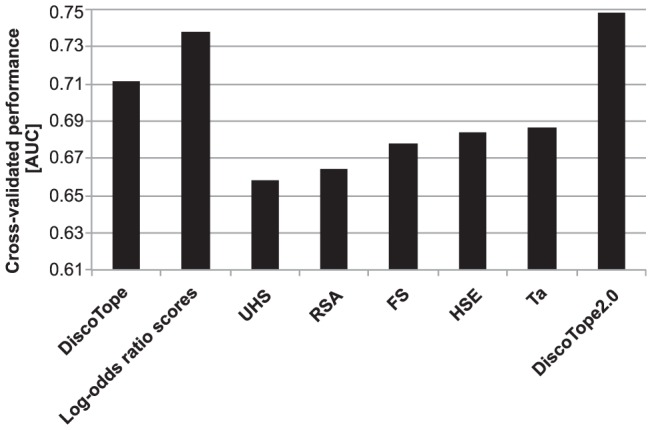
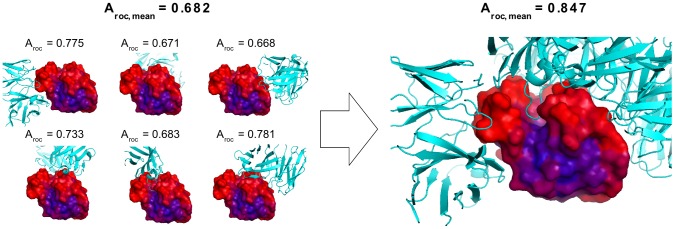
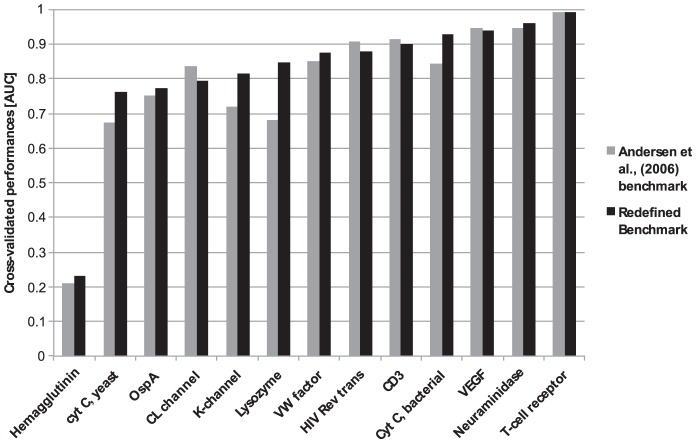
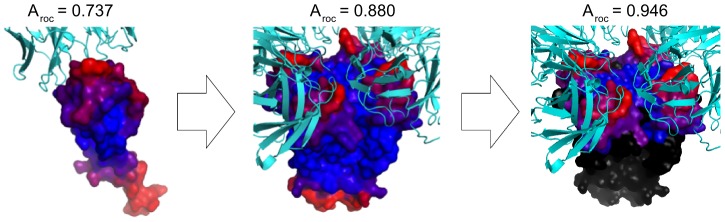
The interaction between antibodies and antigens is one of the most important immune system mechanisms for clearing infectious organisms from the host. Antibodies bind to antigens at sites referred to as B-cell epitopes. Identification of the exact location of B-cell epitopes is essential in several biomedical applications such as; rational vaccine design, development of disease diagnostics and immunotherapeutics. However, experimental mapping of epitopes is resource intensive making in silico methods an appealing complementary approach. To date, the reported performance of methods for in silico mapping of B-cell epitopes has been moderate. Several issues regarding the evaluation data sets may however have led to the performance values being underestimated: Rarely, all potential epitopes have been mapped on an antigen, and antibodies are generally raised against the antigen in a given biological context not against the antigen monomer. Improper dealing with these aspects leads to many artificial false positive predictions and hence to incorrect low performance values. To demonstrate the impact of proper benchmark definitions, we here present an updated version of the DiscoTope method incorporating a novel spatial neighborhood definition and half-sphere exposure as surface measure. Compared to other state-of-the-art prediction methods, Discotope-2.0 displayed improved performance both in cross-validation and in independent evaluations. Using DiscoTope-2.0, we assessed the impact on performance when using proper benchmark definitions. For 13 proteins in the training data set where sufficient biological information was available to make a proper benchmark redefinition, the average AUC performance was improved from 0.791 to 0.824. Similarly, the average AUC performance on an independent evaluation data set improved from 0.712 to 0.727. Our results thus demonstrate that given proper benchmark definitions, B-cell epitope prediction methods achieve highly significant predictive performances suggesting these tools to be a powerful asset in rational epitope discovery. The updated version of DiscoTope is available at www.cbs.dtu.dk/services/DiscoTope-2.0.
Overview
The claims and statistics of this paper haven’t been checked yet.
Run the check — free, no account needed. It reads the open-access text and checks the sources it cites.
Integrity signals
Registry
Cites
Statistics
Figures
Verification
Claims the paper makes
The claims and statistics of this paper haven’t been checked yet.
Run the check — free, no account needed. It reads the open-access text and checks the sources it cites.
Claims other papers make about this one
Each is checked against this paper’s own text: does it say what the citing paper says it does?
In the citing paper
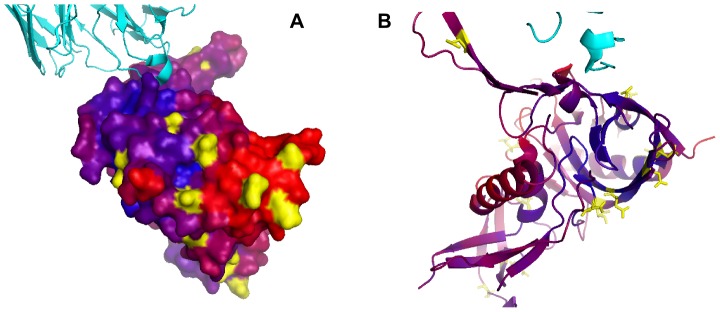
“Accurate delineation of an epitope is an important step in characterizing the function of an antibody [161] (Figure 2B).”
From Computational approaches to therapeutic antibody design: established methods and emerging trends (2020) · cites this paper as [161]
Self-check
Percentages, sums and reported differences re-computed from the paper’s own numbers.
The self-check needs the paper’s full text.
Citations
Cites
Kabsch, W., & Sander, C. (1983) · Biopolymers · doi:10.1002/bip.360221211 · Cited by 15,320
Measuring the Accuracy of Diagnostic Systems
Swets, J. A. (1988) · Science · doi:10.1126/science.3287615 · Cited by 10,058
Prediction of protein antigenic determinants from amino acid sequences.
Hopp, T. P., & Woods, K. R. (1981) · Proceedings of the National Academy of Sciences · doi:10.1073/pnas.78.6.3824 · Cited by 3,726
ElliPro: a new structure-based tool for the prediction of antibody epitopes
Ponomarenko, J. V., Bui, H., Li, W., Fusseder, N., Bourne, P. E., Sette, A., & Peters, B. (2008) · BMC Bioinformatics · doi:10.1186/1471-2105-9-514 · Cited by 1,738
Parker, J. M. R., Guo, D., & Hodges, R. S. (1986) · Biochemistry · doi:10.1021/bi00367a013 · Cited by 1,188
Large-scale validation of methods for cytotoxic T-lymphocyte epitope prediction
Larsen, M. V., Lundegaard, C., Lamberth, K., Buus, S., Lund, O., & Nielsen, M. (2007) · BMC Bioinformatics · doi:10.1186/1471-2105-8-424 · Cited by 973
Self-citationThe antigenic index: a novel algorithm for predicting antigenic determinants
Jameson, B. A., & Wolf, H. (1988) · Computer applications in the biosciences · doi:10.1093/bioinformatics/4.1.181 · Cited by 649
Prediction of residues in discontinuous B‐cell epitopes using protein 3D structures
Andersen, P. H., Nielsen, M., & Lund, O. (2006) · Protein Science · doi:10.1110/ps.062405906 · Cited by 631
Self-citationPrediction of linear B-cell epitopes using amino acid pair antigenicity scale
Chen, J., Liu, H., Yang, J., & Chou, K.-C. (2007) · Amino Acids · doi:10.1007/s00726-006-0485-9 · Cited by 552
Pancera, M., Majeed, S., Ban, Y. A., Chen, L., Huang, C.-C., Kong, L., Kwon, Y. D., Stuckey, J., Zhou, T., Robinson, J. E., et al. (2009) · Proceedings of the National Academy of Sciences · doi:10.1073/pnas.0911004107 · Cited by 339
Cited by
Sorted by citations
BepiPred-2.0: improving sequence-based B-cell epitope prediction using conformational epitopes
Jespersen, M. C., Peters, B., Nielsen, M., & Marcatili, P. (2017) · Nucleic Acids Research · doi:10.1093/nar/gkx346 · Cited by 1,739
Self-citationGenetic Analysis of Human Norovirus Strains in Japan in 2016–2017
Nagasawa, K., Matsushima, Y., Motoya, T., Mizukoshi, F., Ueki, Y., Sakon, N., Murakami, K., Shimizu, T., Okabe, N., Nagata, N., et al. (2018) · Frontiers in Microbiology · doi:10.3389/fmicb.2018.00001 · Cited by 1,258
Grifoni, A., Sidney, J., Zhang, Y., Scheuermann, R. H., Peters, B., & Sette, A. (2020) · Cell Host & Microbe · doi:10.1016/j.chom.2020.03.002 · Cited by 920
The Immune Epitope Database and Analysis Resource in Epitope Discovery and Synthetic Vaccine Design
Fleri, W., Paul, S., Dhanda, S. K., Mahajan, S., Xu, X., Peters, B., & Sette, A. (2017) · Frontiers in Immunology · doi:10.3389/fimmu.2017.00278 · Cited by 501
An overview of bioinformatics tools for epitope prediction: Implications on vaccine development
Soria‐Guerra, R. E., Nieto‐Gómez, R., Govea‐Alonso, D. O., & Rosales‐Mendoza, S. (2014) · Journal of Biomedical Informatics · doi:10.1016/j.jbi.2014.11.003 · Cited by 441
IEDB-AR: immune epitope database-analysis resource in 2019
Dhanda, S. K., Mahajan, S., Paul, S., Yan, Z., Kim, H., Jespersen, M. C., Jurtz, V., Andreatta, M., Greenbaum, J. A., Marcatili, P., et al. (2019) · Nucleic Acids Research · doi:10.1093/nar/gkz452 · Cited by 427
Self-citationAn Introduction to B-Cell Epitope Mapping and In Silico Epitope Prediction
Potocnakova, L., Bhide, M. R., & Pulzová, L. (2016) · Journal of Immunology Research · doi:10.1155/2016/6760830 · Cited by 371
Epitope-based vaccine design: a comprehensive overview of bioinformatics approaches
Parvizpour, S., Pourseif, M. M., Razmara, J., Rafi, M. A., & Omidi, Y. (2020) · Drug Discovery Today · doi:10.1016/j.drudis.2020.03.006 · Cited by 311
BepiPred ‐3.0: Improved B‐cell epitope prediction using protein language models
Clifford, J. N., Høie, M. H., Deleuran, S., Peters, B., Nielsen, M., & Marcatili, P. (2022) · Protein Science · doi:10.1002/pro.4497 · Cited by 296
Self-citationTubiana, J., Schneidman-Duhovny, D., & Wolfson, H. J. (2022) · Nature Methods · doi:10.1038/s41592-022-01490-7 · Cited by 274
A novel multi-epitope peptide vaccine against cancer: An in silico approach
Nezafat, N., Ghasemi, Y., Javadi, G., Khoshnoud, M. J., & Omidinia, E. (2014) · Journal of Theoretical Biology · doi:10.1016/j.jtbi.2014.01.018 · Cited by 262
Matsushima, Y., Ishikawa, M., Shimizu, T., Komane, A., Kasuo, S., Shinohara, M., Nagasawa, K., Kimura, H., Ryo, A., Okabe, N., et al. (2015) · Eurosurveillance · doi:10.2807/1560-7917.es2015.20.26.21173 · Cited by 222
Computational approaches to therapeutic antibody design: established methods and emerging trends
Norman, R. A., Ambrosetti, F., Bonvin, A. M. J. J., Colwell, L. J., Kelm, S., Kumar, S., & Krawczyk, K. (2020) · Briefings in Bioinformatics · doi:10.1093/bib/bbz095 · Cited by 219
“Accurate delineation of an epitope is an important step in characterizing the function of an antibody [161] (Figure 2B).”
BackgroundImmunoinformatics and epitope prediction in the age of genomic medicine
Backert, L., & Kohlbacher, O. (2015) · Genome Medicine · doi:10.1186/s13073-015-0245-0 · Cited by 205
Saadi, M., Karkhah, A., & Nouri, H. R. (2017) · Infection Genetics and Evolution · doi:10.1016/j.meegid.2017.04.009 · Cited by 205
SAbPred: a structure-based antibody prediction server
Dunbar, J., Krawczyk, K., Leem, J., Marks, C., Nowak, J., Regep, C., Georges, G. J., Kelm, S., Popovic, B., & Deane, C. M. (2016) · Nucleic Acids Research · doi:10.1093/nar/gkw361 · Cited by 202
Hajighahramani, N., Nezafat, N., Eslami, M., Negahdaripour, M., Rahmatabadi, S. S., & Ghasemi, Y. (2016) · Infection Genetics and Evolution · doi:10.1016/j.meegid.2016.12.010 · Cited by 195
Akbar, R., Robert, P. A., Pavlović, M., Jeliazkov, J. R., Snapkov, I., Slabodkin, A., Weber, C. R., Scheffer, L., Miho, E., Haff, I. H., et al. (2021) · Cell Reports · doi:10.1016/j.celrep.2021.108856 · Cited by 191
Groot, A. S. D., Moise, L., Terry, F. E., Gutiérrez, A. H., Hindocha, P., Richard, G., Hoft, D. F., Ross, T. M., Noe, A. R., Takahashi, Y., et al. (2020) · Frontiers in Immunology · doi:10.3389/fimmu.2020.00442 · Cited by 183
Improving B-cell epitope prediction and its application to global antibody–antigen docking
Krawczyk, K., Liu, X., Baker, T., Shi, J., & Deane, C. M. (2014) · Bioinformatics · doi:10.1093/bioinformatics/btu190 · Cited by 174
iBCE-EL: A New Ensemble Learning Framework for Improved Linear B-Cell Epitope Prediction
Manavalan, B., Govindaraj, R. G., Shin, T. H., Kim, M. O., & Lee, G. (2018) · Frontiers in Immunology · doi:10.3389/fimmu.2018.01695 · Cited by 173
Nezafat, N., Karimi, Z., Eslami, M., Mohkam, M., Sanam, Z., & Ghasemi, Y. (2016) · Computational Biology and Chemistry · doi:10.1016/j.compbiolchem.2016.04.006 · Cited by 170
Rahman, M. S., Hoque, M. N., Islam, M. R., Akter, S., Alam, A. R.-U., Siddique, M. A., Saha, O., Rahaman, M. M., Sultana, M., Crandall, K. A., et al. (2020) · PeerJ · doi:10.7717/peerj.9572 · Cited by 166
DiscoTope-3.0: improved B-cell epitope prediction using inverse folding latent representations
Høie, M. H., Gade, F. S., Johansen, J. M., Würtzen, C., Winther, O., Nielsen, M., & Marcatili, P. (2024) · Frontiers in Immunology · doi:10.3389/fimmu.2024.1322712 · Cited by 151
Self-citationJespersen, M. C., Mahajan, S., Peters, B., Nielsen, M., & Marcatili, P. (2019) · Frontiers in Immunology · doi:10.3389/fimmu.2019.00298 · Cited by 148
Self-citationImmunity to CRISPR Cas9 and Cas12a therapeutics
Chew, W. L. (2017) · WIREs Systems Biology and Medicine · doi:10.1002/wsbm.1408 · Cited by 150
Ayyagari, V. S., Venkateswarulu, T. C., Peele, K. A., & Srirama, K. (2020) · Journal of Biomolecular Structure and Dynamics · doi:10.1080/07391102.2020.1850357 · Cited by 146
SEPPA 3.0—enhanced spatial epitope prediction enabling glycoprotein antigens
Zhou, C., Chen, Z., Zhang, L., Yan, D., Mao, T., Tang, K., Qiu, T., & Cao, Z. (2019) · Nucleic Acids Research · doi:10.1093/nar/gkz413 · Cited by 143
B-cell epitope mapping for the design of vaccines and effective diagnostics
Ahmad, T. A., Eweida, A. E., & Sheweita, S. A. (2016) · Trials in Vaccinology · doi:10.1016/j.trivac.2016.04.003 · Cited by 140
Learning context-aware structural representations to predict antigen and antibody binding interfaces
Pittala, S., & Bailey‐Kellogg, C. (2020) · Bioinformatics · doi:10.1093/bioinformatics/btaa263 · Cited by 142
Structural vaccinology considerations for in silico designing of a multi-epitope vaccine
Negahdaripour, M., Nezafat, N., Eslami, M., Ghoshoon, M. B., Shoolian, E., Najafipour, S., Morowvat, M. H., Dehshahri, A., Erfani, N., & Ghasemi, Y. (2017) · Infection Genetics and Evolution · doi:10.1016/j.meegid.2017.12.008 · Cited by 136
Progress and challenges in predicting protein interfaces
Esmaielbeiki, R., Krawczyk, K., Knapp, B., Nebel, J., & Deane, C. M. (2015) · Briefings in Bioinformatics · doi:10.1093/bib/bbv027 · Cited by 130
Vaccinomics approach for developing multi-epitope peptide pneumococcal vaccine
Dorosti, H., Eslami, M., Negahdaripour, M., Ghoshoon, M. B., Gholami, A., Heidari, R., Dehshahri, A., Erfani, N., Nezafat, N., & Ghasemi, Y. (2019) · Journal of Biomolecular Structure and Dynamics · doi:10.1080/07391102.2018.1519460 · Cited by 129
pHLA3D: An online database of predicted three-dimensional structures of HLA molecules
Oliveira, D. M. T. E., Brandão, R. M. S. D. S., Sousa, L. C. D. D. M., Lima, F. D. C. A., do Monte, S. J. H., Marroquim, M. S. C., Lima, A. V. D. S., Coelho, A. G. B., Costa, J. M. S., Ramos, R. M., et al. (2019) · Human Immunology · doi:10.1016/j.humimm.2019.06.009 · Cited by 129
Safavi, A., Kefayat, A., Mahdevar, E., Abiri, A., & Ghahremani, F. H. (2020) · Vaccine · doi:10.1016/j.vaccine.2020.10.016 · Cited by 124
Kazi, A., Chuah, C., Majeed, A. B. A., Leow, C. H., Lim, B. H., & Leow, C. Y. (2018) · Pathogens and Global Health · doi:10.1080/20477724.2018.1446773 · Cited by 122
Nezafat, N., Eslami, M., Negahdaripour, M., Rahbar, M. R., & Ghasemi, Y. (2017) · Molecular BioSystems · doi:10.1039/c6mb00772d · Cited by 112
Bioinformatics analysis of epitope-based vaccine design against the novel SARS-CoV-2
Chen, H., Tang, L., Yu, X., Zhou, J., Chang, Y.-F., & Wu, X. F. (2020) · Infectious Diseases of Poverty · doi:10.1186/s40249-020-00713-3 · Cited by 100
Protein interaction interface region prediction by geometric deep learning
Dai, B., & Bailey‐Kellogg, C. (2021) · Bioinformatics · doi:10.1093/bioinformatics/btab154 · Cited by 107
Critical review of conformational B-cell epitope prediction methods
Cia, G., Pucci, F., & Rooman, M. J. (2023) · Briefings in Bioinformatics · doi:10.1093/bib/bbac567 · Cited by 104
Innovative Immunization Strategies for Antivenom Development
Bermúdez-Méndez, E., Fuglsang-Madsen, A. J., Føns, S., Lomonte, B., Gutiérrez, J. M., & Laustsen, A. H. (2018) · Toxins · doi:10.3390/toxins10110452 · Cited by 98
Khuat, T. T., Bassett, R., Otte, E. A., Grevis-James, A., & Gabryś, B. (2024) · Computers & Chemical Engineering · doi:10.1016/j.compchemeng.2024.108585 · Cited by 102
Modeling Antibody-Antigen Complexes by Information-Driven Docking
Ambrosetti, F., Jiménez‐García, B., Roel‐Touris, J., & Bonvin, A. M. J. J. (2019) · Structure · doi:10.1016/j.str.2019.10.011 · Cited by 98
Peptide-Based Vaccines for Tuberculosis
Gong, W., Pan, C., Cheng, P., Wang, J., Zhao, G., & Wu, X. (2022) · Frontiers in Immunology · doi:10.3389/fimmu.2022.830497 · Cited by 103
Heffernan, R., Dehzangi, A., Lyons, J., Paliwal, K. K., Sharma, A. K., Wang, J., Sattar, A., Zhou, Y., & Yang, Y. (2015) · Bioinformatics · doi:10.1093/bioinformatics/btv665 · Cited by 95
Aldakheel, F. M. (2021) · International Journal of Environmental Research and Public Health · doi:10.3390/ijerph182212105 · Cited by 98
Structural and Computational Biology in the Design of Immunogenic Vaccine Antigens
Liljeroos, L., Malito, E., Ferlenghi, I., & Bottomley, M. J. (2015) · Journal of Immunology Research · doi:10.1155/2015/156241 · Cited by 98
Potential T-cell and B-cell Epitopes of 2019-nCoVPreprint
Fast, E., Altman, R. B., & Chen, B. (2020) · bioRxiv (Cold Spring Harbor Laboratory) · doi:10.1101/2020.02.19.955484 · Cited by 91
Personalized cancer vaccine design using AI-powered technologies
Kumar, A., Dixit, S., Srinivasan, K., Dinakaran, M., & Vincent, P. M. D. R. (2024) · Frontiers in Immunology · doi:10.3389/fimmu.2024.1357217 · Cited by 94
Novel in silico tools for designing peptide-based subunit vaccines and immunotherapeutics
Dhanda, S. K., Usmani, S. S., Agrawal, P., Nagpal, G., Gautam, A., & Raghava, G. P. S. (2016) · Briefings in Bioinformatics · doi:10.1093/bib/bbw025 · Cited by 87
SEMA: Antigen B-cell conformational epitope prediction using deep transfer learning
Shashkova, T., Umerenkov, D., Salnikov, M., Страшнов, П. В., Konstantinova, A. V., Lebed, I., Щербинин, Д. Н., Asatryan, M. N., Kardymon, O. L., & Ivanisenko, N. V. (2022) · Frontiers in Immunology · doi:10.3389/fimmu.2022.960985 · Cited by 90
Safavi, A., Kefayat, A., Abiri, A., Mahdevar, E., Behnia, A., & Ghahremani, F. H. (2019) · Molecular Immunology · doi:10.1016/j.molimm.2019.04.030 · Cited by 86
An overview of in silico vaccine design against different pathogens and cancer
Kardani, K., Bolhassani, A., & Namvar, A. (2020) · Expert Review of Vaccines · doi:10.1080/14760584.2020.1794832 · Cited by 85
Yarmarkovich, M., Warrington, J. M., Farrel, A., & Maris, J. M. (2020) · Cell Reports Medicine · doi:10.1016/j.xcrm.2020.100036 · Cited by 85
Wilman, W., Wróbel, S., Bielska, W., Deszyński, P., Dudzic, P., Jaszczyszyn, I., Kaniewski, J., Młokosiewicz, J., Rouyan, A., Satława, T., et al. (2022) · Briefings in Bioinformatics · doi:10.1093/bib/bbac267 · Cited by 86
epitope3D: a machine learning method for conformational B-cell epitope prediction
Silva¹, B. F. D., Myung, Y., Ascher, D. B., & Pires, D. E. V. (2021) · Briefings in Bioinformatics · doi:10.1093/bib/bbab423 · Cited by 84
Negahdaripour, M., Eslami, M., Nezafat, N., Hajighahramani, N., Ghoshoon, M. B., Shoolian, E., Dehshahri, A., Erfani, N., Morowvat, M. H., & Ghasemi, Y. (2017) · Infection Genetics and Evolution · doi:10.1016/j.meegid.2017.08.002 · Cited by 79
Guarra, F., & Colombo, G. (2023) · Journal of Chemical Theory and Computation · doi:10.1021/acs.jctc.3c00513 · Cited by 82
Antibody specific epitope prediction—emergence of a new paradigm
Sela‐Culang, I., Ofran, Y., & Peters, B. (2015) · Current Opinion in Virology · doi:10.1016/j.coviro.2015.03.012 · Cited by 78
The immunodominant and neutralization linear epitopes for SARS-CoV-2
Lu, S., Xie, X.-X., Zhao, L., Wang, B., Zhu, J., Yang, T.-R., Yang, G.-W., Ji, M., Lv, C.-P., Xue, J., et al. (2021) · Cell Reports · doi:10.1016/j.celrep.2020.108666 · Cited by 79
Next-generation IEDB tools: a platform for epitope prediction and analysis
Yan, Z., Kim, K., Kim, H., Ha, B., Gambiez, A., Bennett, J., Mendes, M. F. D. A., Trevizani, R., Mahita, J., Richardson, E., et al. (2024) · Nucleic Acids Research · doi:10.1093/nar/gkae407 · Cited by 76
Self-citationAntibody variable region engineering for improving cancer immunotherapy
Lou, H., & Cao, X. (2022) · 癌症:英文版 · doi:10.1002/cac2.12330 · Cited by 78
Identifying B-cell epitopes using AlphaFold2 predicted structures and pretrained language model
Zeng, Y., Wei, Z., Yuan, Q., Chen, S., Yu, W., Lu, Y., Gao, J., & Yang, Y. (2023) · Bioinformatics · doi:10.1093/bioinformatics/btad187 · Cited by 73
A Review of Deep Learning Methods for Antibodies
Graves, J., Byerly, J., Priego, E., Makkapati, N., Parish, S., Medellin, B. P., & Berrondo, M. (2020) · Antibodies · doi:10.3390/antib9020012 · Cited by 76
PEASE: predicting B-cell epitopes utilizing antibody sequence
Sela‐Culang, I., Ashkenazi, S., Peters, B., & Ofran, Y. (2014) · Bioinformatics · doi:10.1093/bioinformatics/btu790 · Cited by 71
Epitope-based peptide vaccines predicted against novel coronavirus disease caused by SARS-CoV-2
Li, L., Sun, T., He, Y., Wendong, L., Yubo, F., & Jing, Z. (2020) · Virus Research · doi:10.1016/j.virusres.2020.198082 · Cited by 70
Mahdevar, E., Safavi, A., Abiri, A., Kefayat, A., Hejazi, S. H., Miresmaeili, S. M., & Mobarakeh, V. I. (2021) · Journal of Biomolecular Structure and Dynamics · doi:10.1080/07391102.2021.1883111 · Cited by 69
Mehla, K., & Ramana, J. (2016) · Molecular BioSystems · doi:10.1039/c5mb00745c · Cited by 69
Maggi, M., Mittelman, S. D., Parmentier, J. H., Colombo, G., Meli, M., Whitmire, J. M., Merrell, D. S., Whitelegge, J. P., & Scotti, C. (2017) · Scientific Reports · doi:10.1038/s41598-017-15075-4 · Cited by 69
Immunoinformatics Approach to Design a Novel Epitope-Based Oral Vaccine Against Helicobacter pylori
Urrutia-Baca, V. H., Gomez‐Flores, R., la Garza-Ramos, M. A. D., Tamez‐Guerra, P., Lucio-sauceda, D. G., & Rodríguez-padilla, M. C. (2019) · Journal of Computational Biology · doi:10.1089/cmb.2019.0062 · Cited by 69
Shaddel, M., Ebrahimi, M., & Tabandeh, M. R. (2018) · Journal of Parasitic Diseases · doi:10.1007/s12639-018-0996-9 · Cited by 67
Ahmad, B., Ashfaq, U. A., Rahman, M. U., Masoud, M. S., & Yousaf, M. Z. (2019) · Microbial Pathogenesis · doi:10.1016/j.micpath.2019.05.010 · Cited by 67
Guy, A. J., Irani, V., MacRaild, C. A., Anders, R. F., Norton, R. S., Beeson, J. G., Richards, J. S., & Ramsland, P. A. (2015) · PLoS ONE · doi:10.1371/journal.pone.0141729 · Cited by 66
Residue-Level Prediction of HIV-1 Antibody Epitopes Based on Neutralization of Diverse Viral Strains
Chuang, G., Acharya, P., Schmidt, S. D., Yang, Y., Louder, M. K., Zhou, T., Kwon, Y. D., Pancera, M., Bailer, R. T., Doria‐Rose, N. A., et al. (2013) · Journal of Virology · doi:10.1128/jvi.00984-13 · Cited by 66
Retrieval and Investigation of Data on SARS-CoV-2 and COVID-19 Using Bioinformatics Approach
Fahmi, M., Kharisma, V. D., Ansori, A. N. M., & Ito, M. (2021) · Advances in experimental medicine and biology · doi:10.1007/978-3-030-63761-3_47 · Cited by 65
Chakraborty, C., Sharma, A. R., Bhattacharya, M., Sharma, G., & Lee, S. (2021) · Archives of Medical Research · doi:10.1016/j.arcmed.2021.01.004 · Cited by 64
Zinsli, L. V., Stierlin, N., Loessner, M. J., & Schmelcher, M. (2021) · Computational and Structural Biotechnology Journal · doi:10.1016/j.csbj.2020.12.024 · Cited by 63
Qi, T., Qiu, T., Zhang, Q., Tang, K., Fan, Y., Qiu, J., Wu, D., Zhang, W., Chen, Y., Gao, J. A., et al. (2014) · Nucleic Acids Research · doi:10.1093/nar/gku395 · Cited by 63
Pourseif, M. M., Parvizpour, S., Jafari, B., Dehghani, J., Naghili, B., & Omidi, Y. (2020) · Bioimpacts · doi:10.34172/bi.2021.11 · Cited by 63
Portelli, S., Olshansky, M., Rodrigues, C. H. M., D’Souza, E. N., Myung, Y., Silk, M. A., Alavi, A., Pires, D. E. V., & Ascher, D. B. (2020) · Nature Genetics · doi:10.1038/s41588-020-0693-3 · Cited by 63
Hawley, K. L., Montezuma-Rusca, J. M., Delgado, K. N., Singh, N. K., Uversky, V. N., Caimano, M. J., Radolf, J. D., & Luthra, A. (2021) · Journal of Bacteriology · doi:10.1128/jb.00082-21 · Cited by 63
Bioinformatics analysis of ROP8 protein to improve vaccine design against Toxoplasma gondii
Foroutan, M., Ghaffarifar, F., Sharifi, Z., Dalimi, A., & Pirestani, M. (2018) · Infection Genetics and Evolution · doi:10.1016/j.meegid.2018.04.033 · Cited by 61
The Immune Epitope Database and Analysis Resource Program 2003–2018: reflections and outlook
Martini, S. R., Nielsen, M., Peters, B., & Sette, A. (2019) · Immunogenetics · doi:10.1007/s00251-019-01137-6 · Cited by 61
Self-citationPokrovskaya, M. V., Pokrovsky, V. S., Александрова, С. С., Sokolov, N. N., & Zhdanov, D. D. (2022) · Pharmaceutics · doi:10.3390/pharmaceutics14030599 · Cited by 60
In Silico Tools and Databases for Designing Peptide-Based Vaccine and Drugs
Usmani, S. S., Kumar, R., Bhalla, S., Kumar, V. D., & Raghava, G. P. S. (2018) · Advances in protein chemistry and structural biology · doi:10.1016/bs.apcsb.2018.01.006 · Cited by 60
Jahangiri, A., Rasooli, I., Owlia, P., Fooladi, A. A. I., & Salimian, J. (2017) · Microbial Pathogenesis · doi:10.1016/j.micpath.2017.02.028 · Cited by 59
dos Santos, A. R., Pereira, V. B., Barbosa, E., Baumbach, J., Pauling, J. K., Röttger, R., Zurita-Turk, M., Silva, A., Miyoshi, A., & Azevedo, V. (2013) · BMC Genomics · doi:10.1186/1471-2164-14-s6-s4 · Cited by 58
Farhadi, T., Nezafat, N., Ghasemi, Y., Karimi, Z., Hemmati, S., & Erfani, N. (2015) · International Journal of Peptide Research and Therapeutics · doi:10.1007/s10989-015-9461-0 · Cited by 58
Srivastava, S., Kamthania, M., Singh, S., Saxena, A. K., & Sharma, N. (2018) · Infection and Drug Resistance · doi:10.2147/idr.s175114 · Cited by 57
In Silico Analysis of Epitope-Based Vaccine Candidates against Hepatitis B Virus Polymerase Protein
Zheng, J., Lin, X., Wang, X., Zheng, L., Lan, S., Jin, S., Ou, Z., & Wu, J. (2017) · Viruses · doi:10.3390/v9050112 · Cited by 56
In silico design of a triple-negative breast cancer vaccine by targeting cancer testis antigens
Parvizpour, S., Razmara, J., Pourseif, M. M., & Omidi, Y. (2018) · Bioimpacts · doi:10.15171/bi.2019.06 · Cited by 56
Omoniyi, A. A., Adebisi, S. S., Musa, S. A., Nzalak, J. O., Bauchi, Z. M., Bako, K. W., Olatomide, O. D., Zachariah, R., & Nyengaard, J. R. (2022) · Scientific Reports · doi:10.1038/s41598-022-12651-1 · Cited by 55
Zha, Z., Li, C., Li, W., Ye, Z., & Pan, J. (2016) · Scientific Reports · doi:10.1038/srep38577 · Cited by 53
Molecular Evolution of the VP1 Gene in Human Norovirus GII.4 Variants in 1974–2015
Motoya, T., Nagasawa, K., Matsushima, Y., Nagata, N., Ryo, A., Sekizuka, T., Yamashita, A., Kuroda, M., Morita, Y., Suzuki, Y., et al. (2017) · Frontiers in Microbiology · doi:10.3389/fmicb.2017.02399 · Cited by 54
Prediction of Antimicrobial Potential of a Chemically Modified Peptide From Its Tertiary Structure
Agrawal, P., & Raghava, G. P. S. (2018) · Frontiers in Microbiology · doi:10.3389/fmicb.2018.02551 · Cited by 56
Pumchan, A., Krobthong, S., Roytrakul, S., Sawatdichaikul, O., Kondo, H., Hırono, I., Areechon, N., & Unajak, S. (2020) · Scientific Reports · doi:10.1038/s41598-019-57283-0 · Cited by 53
Srivastava, S., Verma, S., Kamthania, M., Kaur, R., Badyal, R. K., Saxena, A. K., Shin, H., Kolbe, M., & Pandey, K. C. (2020) · JMIR Bioinformatics and Biotechnology · doi:10.2196/19371 · Cited by 50
Farhani, I., Yamchi, A., Madanchi, H., Khazaei, V., Behrouzikhah, M., Abbasi, H., Salehi, M., Moradi, N., & Sanami, S. (2023) · Current Computer - Aided Drug Design · doi:10.2174/1573409919666230612125440 · Cited by 49
Current and prospective computational approaches and challenges for developing COVID-19 vaccines
Hwang, W., Lei, W., Katritsis, N. M., MacMahon, M., Chapman, K. L., & Han, N. (2021) · Advanced Drug Delivery Reviews · doi:10.1016/j.addr.2021.02.004 · Cited by 51
Pokrovsky, V. S., Kazanov, M. D., Dyakov, I. N., Pokrovskaya, M. V., & Александрова, С. С. (2016) · BMC Cancer · doi:10.1186/s12885-016-2125-4 · Cited by 47
Metadata
- Authors
- Kringelum, J. V., Lundegaard, C., Lund, O., & Nielsen, M.
- Affiliations
- Technical University of Denmark (DK)
- National University of General San Martín (AR)
- Corresponding author
- Nielsen, Morten
- Venue
- PLoS Computational Biology
- Publisher
- Public Library of Science (PLoS)
- Published
- 2012-12-27
- Volume
- 8
- Issue
- 12
- Pages
- e1002829
- ISSN
- 1553-734X (ISSN-L)
- 1553-7358
- PMC
- PMC3531324
- OpenAlex
- W2100316154
- Cited by
- 697
- References
- 34
- Citations by year
- 2026: 34 · 2025: 49 · 2024: 54 · 2023: 65 · 2022: 91 · 2021: 90 · 2020: 91 · 2019: 41 · 2018: 41 · 2017: 41 · 2016: 34 · 2015: 38 · 2014: 21 · 2013: 6 · 2012: 1
- FWCI
- 8.48
- Type
- journal article
- Language
- en
- Open access
- gold
- doi.org
- Locations
- PLoS Computational Biology (publishedVersion, cc-by)
- PubMed Central (publishedVersion, cc-by)
- PubMed (publishedVersion)
- RePEc: Research Papers in Economics (submittedVersion)
- DOAJ (DOAJ: Directory of Open Access Journals) (submittedVersion, cc-by-sa)
- Figshare (submittedVersion, cc-by)
- Technical University of Denmark, DTU Orbit (Technical University of Denmark, DTU) (submittedVersion, other-oa)
- Funders
- European Commission (2007–2013, FP7 2007-2013, FP7/2007, 222773)
- Topics
- Life Sciences › Biochemistry, Genetics and Molecular Biology › Molecular Biology › vaccines and immunoinformatics approaches
- Life Sciences › Biochemistry, Genetics and Molecular Biology › Molecular Biology › Machine Learning in Bioinformatics
- Life Sciences › Biochemistry, Genetics and Molecular Biology › Molecular Biology › Protein Structure and Dynamics
- Keywords
- B-cell epitope prediction, benchmarking, antigen-antibody reaction, surface accessibility, rational vaccine design
- MeSH terms
- Epitopes, B-Lymphocytes, Humans, Models, Molecular, Odds Ratio, Benchmarking
About these checks
Registry, retraction, Cites and statistics results are computed, not judged, with one exception: a printed reference that no index lists is read once by a model before it counts as a citation error. Claims are extracted by a model and kept only when their quote appears verbatim in the text; each cited source is then checked, with a model’s help, for whether it says what the claim relies on. Those verdicts can be wrong — read the claim’s quote and the cited source before relying on one.
Statistics and arithmetic are recomputed, not judged.
Confidence bands are shown only for fields calibrated on our annotated test set. None is calibrated yet, so no band is shown.
What counts as a claim ›How we measure confidence ›How we check this ›
Are you an author, or do you see a problem with this page? Request a review
