

Biochemical Diversification through Foreign Gene Expression in Bdelloid Rotifers
Open accessThe DOI matches its Crossref record; 50 of the 50 references it cites were found in a registry or an index.
Abstract
Bdelloid rotifers are microinvertebrates with unique characteristics: they have survived tens of millions of years without sexual reproduction; they withstand extreme desiccation by undergoing anhydrobiosis; and they tolerate very high levels of ionizing radiation. Recent evidence suggests that subtelomeric regions of the bdelloid genome contain sequences originating from other organisms by horizontal gene transfer (HGT), of which some are known to be transcribed. However, the extent to which foreign gene expression plays a role in bdelloid physiology is unknown. We address this in the first large scale analysis of the transcriptome of the bdelloid Adineta ricciae: cDNA libraries from hydrated and desiccated bdelloids were subjected to massively parallel sequencing and assembled transcripts compared against the UniProtKB database by blastx to identify their putative products. Of ~29,000 matched transcripts, ~10% were inferred from blastx matches to be horizontally acquired, mainly from eubacteria but also from fungi, protists, and algae. After allowing for possible sources of error, the rate of HGT is at least 8%-9%, a level significantly higher than other invertebrates. We verified their foreign nature by phylogenetic analysis and by demonstrating linkage of foreign genes with metazoan genes in the bdelloid genome. Approximately 80% of horizontally acquired genes expressed in bdelloids code for enzymes, and these represent 39% of enzymes in identified pathways. Many enzymes encoded by foreign genes enhance biochemistry in bdelloids compared to other metazoans, for example, by potentiating toxin degradation or generation of antioxidants and key metabolites. They also supplement, and occasionally potentially replace, existing metazoan functions. Bdelloid rotifers therefore express horizontally acquired genes on a scale unprecedented in animals, and foreign genes make a profound contribution to their metabolism. This represents a potential mechanism for ancient asexuals to adapt rapidly to changing environments and thereby persist over long evolutionary time periods in the absence of sex.
Overview
The claims and statistics of this paper haven’t been checked yet.
Free: it reads the open-access text and checks the first 5 claims that cite a source we can check. Create a free account to check every claim.
Integrity signals
Registry
Cites
Statistics
Figures
Verification
Claims the paper makes
The claims and statistics of this paper haven’t been checked yet.
Free: it reads the open-access text and checks the first 5 claims that cite a source we can check. Create a free account to check every claim.
Claims other papers make about this one
Each is checked against this paper’s own text: does it say what the citing paper says it does?
The cited source says what the claim attributes to it.
In the citing paper
“Among the 19,521 tardigrade proteins, 10,957 proteins (56.1%) had similar proteins below the threshold (E-value≤10−5) used to estimate HGT in rotifers17.”
From Extremotolerant tardigrade genome and improved radiotolerance of human cultured cells by tardigrade-unique protein (2016) · cites this paper as [17]
The cited source says what the claim attributes to it.
In the citing paper
“Only 234 proteins (1.2%) had HGT scores higher than the previously defined threshold (≥30)1017 and were classified as putative HGT genes (Fig. 1c and Supplementary Data 2).”
From Extremotolerant tardigrade genome and improved radiotolerance of human cultured cells by tardigrade-unique protein (2016) · cites this paper as [17]
Self-check
Percentages, sums and reported differences re-computed from the paper’s own numbers.
The self-check needs the paper’s full text.
Citations
Cites
Basic local alignment search tool
Altschul, S. F., Gish, W., Miller, W., Myers, E. W., & Lipman, D. J. (1990) · Journal of Molecular Biology · doi:10.1006/jmbi.1990.9999 · Cited by 98,669
A Simple, Fast, and Accurate Algorithm to Estimate Large Phylogenies by Maximum Likelihood
Guindon, S., & Gascuel, O. (2003) · Systematic Biology · doi:10.1080/10635150390235520 · Cited by 16,806 · cited 1×
“0 [47].”
The rapid generation of mutation data matrices from protein sequences
Jones, D. T., Taylor, W. R., & Thornton, J. M. (1992) · Bioinformatics · doi:10.1093/bioinformatics/8.3.275 · Cited by 6,947 · cited 1×
“Each alignment was then trimmed to exclude regions where only one of the sequences was present, and phylogenetic trees were built in PhyML from amino-acids sequences using a JTT model [15]; branch support was calculated with the aLRT (approximate Likelihood-Ratio Test) method.”
MethodCAP3: A DNA Sequence Assembly Program
Huang, X., & Madan, A. (1999) · Genome Research · doi:10.1101/gr.9.9.868 · Cited by 5,261 · cited 2×
“plicatilis, ESTs with accession numbers FM897377–FM945301 [48] were first assembled with CAP3 [49] into 16024 contigs, which became 9685 contigs after filtering for a blastx Evalue#10(25).”
MethodThe Masterpiece of Nature: The Evolution and Genetics of Sexuality
Bell, G. (1981) · Cited by 1,654
Horizontal gene transfer in eukaryotic evolution
Keeling, P. J., & Palmer, J. D. (2008) · Nature Reviews Genetics · doi:10.1038/nrg2386 · Cited by 1,355 · cited 4×
“horizontally acquired sequences [14] and this can be performed meaningfully where contigs with hU$30 have a significant (Evalue#10(25)) blast match to at least one metazoan sequence, allowing a phylogenetic tree to be constructed.”
BackgroundMethodInfluentialMayr, E., & White, M. J. D. (1978) · Systematic Zoology · doi:10.2307/2412932 · Cited by 1,246
Horizontal gene transfer among genomes: The complexity hypothesis
Jain, R., Rivera, M. C., & Lake, J. A. (1999) · Proceedings of the National Academy of Sciences · doi:10.1073/pnas.96.7.3801 · Cited by 1,165 · cited 2×
“This supports the complexity hypothesis, which states that genes whose products are involved in relatively few protein-protein interactions, such as those specifying enzymes, are more likely to be horizontally transferred than those with a higher degree of connectivity, like transcription factor genes [17,39,40].”
BackgroundWu, M., Sun, L. V., Vamathevan, J., Riegler, M., Deboy, R., Brownlie, J. C., McGraw, E. A., Martin, W., Esser, C., Ahmadinejad, N., et al. (2004) · PLoS Biology · doi:10.1371/journal.pbio.0020069 · Cited by 851 · cited 1×
“melanogaster, has not acquired the Wolbachia genome [32,33].”
BackgroundWidespread Lateral Gene Transfer from Intracellular Bacteria to Multicellular Eukaryotes
Hotopp, J. C. D., Clark, M. E., Oliveira, D. C. S. G., Foster, J. M., Fischer, P., Torres, M. C. M., Giebel, J. D., Kumar, N., Ishmael, N., Wang, S., et al. (2007) · Science · doi:10.1126/science.1142490 · Cited by 817 · cited 1×
“melanogaster, has not acquired the Wolbachia genome [32,33].”
Background
Research works printed but not linked: 1
- McGee B (2006) Hydrophilic proteins in the anhydrobiosis of bdelloid rotifers. PhD Thesis: University of Cambridge.
Cited by
Horizontal gene transfer: building the web of life
Soucy, S. M., Huang, J., & Gogarten, J. P. (2015) · Nature Reviews Genetics · doi:10.1038/nrg3962 · Cited by 1,449
Mallet, J., Besansky, N., & Hahn, M. W. (2016) · BioEssays · doi:10.1002/bies.201500149 · Cited by 586
“Lateral transfer is common in some multicellular groups [36], such as bdelloid rotifers, which, interestingly, lack meiotic sex [38, 39].”
BackgroundFunctional horizontal gene transfer from bacteria to eukaryotes
Husnik, F., & McCutcheon, J. P. (2018) · Nature Reviews Microbiology · doi:10.1038/nrmicro.2017.137 · Cited by 480
Hashimoto, T., Horikawa, D. D., Saito, Y., Kuwahara, H., Kozuka-Hata, H., Shin-I, T., Minakuchi, Y., Ohishi, K., Motoyama, A., Aizu, T., et al. (2016) · Nature Communications · doi:10.1038/ncomms12808 · Cited by 394
Ancient and modern environmental DNA
Pedersen, M. W., Overballe-Petersen, S., Ermini, L., Sarkissian, C. D., Haile, J., Hellstrom, M., Spens, J., Thomsen, P. F., Bohmann, K., Cappellini, E., et al. (2015) · Philosophical Transactions of the Royal Society B: Biological Sciences · doi:10.1098/rstb.2013.0383 · Cited by 329
“and even a eukaryotic group of micro-invertebrates, the bdelloid rotifers [48–51].”
BackgroundDong, L.-F., Kovarova, J., Bajzikova, M., Bezawork-Geleta, A., Svec, D., Endaya, B., Sachaphibulkij, K., Coelho, A. R., Sebkova, N., Ruzickova, A., et al. (2017) · eLife · doi:10.7554/elife.22187 · Cited by 297
“, 2008), affecting their phenotype (Boschetti et al., 2012).”
Crisp, A., Boschetti, C., Perry, M., Tunnacliffe, A., & Micklem, G. (2015) · Genome Biology · doi:10.1186/s13059-015-0607-3 · Cited by 268
“the bitscore of the best metazoan match from that of the best non-metazoan match [12].”
InfluentialSelf-citationKoutsovoulos, G., Kumar, S., Laetsch, D. R., Stevens, L., Daub, J., Conlon, C., Maroon, H., Thomas, F., Aboobaker, A. A., & Blaxter, M. (2016) · Proceedings of the National Academy of Sciences · doi:10.1073/pnas.1600338113 · Cited by 226
“(13) assessed foreignness using an HGT index (47) and by analyzing phylogenies of candidate genes.”
MethodComparative genomics of the tardigrades Hypsibius dujardini and Ramazzottius varieornatus
Yoshida, Y., Koutsovoulos, G., Laetsch, D. R., Stevens, L., Kumar, S., Horikawa, D. D., Ishino, K., Komine, S., Kunieda, T., Tomita, M., et al. (2017) · PLOS Biology · doi:10.1371/journal.pbio.2002266 · Cited by 223
“We performed ab initio gene finding on the genomes of the model species 274 Caenorhabditis elegans and Drosophila melanogaster with Augustus [61] and used the HGT index approach 275 [62], which simply classifies loci based on the ratio of their best BLAST scores to ingroup and potential 276 donor taxon databases, to i…”
BackgroundMethodHorizontal gene transfer in the acquisition of novel traits by metazoans
Boto, L. (2014) · Proceedings of the Royal Society B: Biological Sciences · doi:10.1098/rspb.2013.2450 · Cited by 204
Horizontal Gene Transfer: From Evolutionary Flexibility to Disease Progression
Emamalipour, M., Seidi, K., Zununi Vahed, S., Jahanban-Esfahlan, A., Jaymand, M., Majdi, H., Amoozgar, Z., Chitkushev, L. T., Javaheri, T., Jahanban-Esfahlan, R., et al. (2020) · Frontiers in Cell and Developmental Biology · doi:10.3389/fcell.2020.00229 · Cited by 198
“Phylogenetic analysis of Adineta vaga genomes as a bdelloid describes the existence of more than 8% of transferred foreign genes laterally in their genome (Boschetti et al., 2012; Flot et al., 2013; Eyres et al., 2015).”
How Do Species Interactions Affect Evolutionary Dynamics Across Whole Communities?
Barraclough, T. G. (2015) · Annual Review of Ecology, Evolution, and Systematics · doi:10.1146/annurev-ecolsys-112414-054030 · Cited by 190
Self-citationMetabolic Coevolution in the Bacterial Symbiosis of Whiteflies and Related Plant Sap-Feeding Insects
Luan, J.-B., Chen, W., Hasegawa, D. K., Simmons, A. M., Wintermantel, W. M., Ling, K.-S., Fei, Z., Liu, S.-S., & Douglas, A. E. (2015) · Genome Biology and Evolution · doi:10.1093/gbe/evv170 · Cited by 189
Evidence for extensive horizontal gene transfer from the draft genome of a tardigrade
Boothby, T. C., Tenlen, J. R., Smith, F. W., Wang, J. R., Patanella, K. A., Osborne Nishimura, E., Tintori, S. C., Li, Q., Jones, C. D., Yandell, M., et al. (2015) · Proceedings of the National Academy of Sciences · doi:10.1073/pnas.1510461112 · Cited by 172
“These results confirm that the HGT index (14) is an effective tool for rapidly predicting the taxonomic origins of genes in large datasets, and they support Fig.”
BackgroundMethodInfluentialHorizontal gene transfer in eukaryotes: The weak‐link model
Huang, J. (2013) · BioEssays · doi:10.1002/bies.201300007 · Cited by 165
“eukaryotes such as rumen ciliates and red alga Galdieria sulphuraria, acquired genes account for 4–5% of the total genome [77, 96]; similarly, HGT has contributed to over 3% of the nematode genome [97] and at least 8–9% of the gene content in bdelloid rotifers [98].”
BackgroundHorizontal gene acquisitions by eukaryotes as drivers of adaptive evolution
Schönknecht, G., Weber, A. P. M., & Lercher, M. J. (2014) · BioEssays · doi:10.1002/bies.201300095 · Cited by 163
“in Table 1), we find that reported numbers of HGT candidates vary less than suggested by the direct comparisons [37, 39], ranging from 1.”
BackgroundMethodResultBuilding-in biosafety for synthetic biology
Wright, O., Stan, G.-B., & Ellis, T. (2013) · Microbiology · doi:10.1099/mic.0.066308-0 · Cited by 145
“, 2005) and multicellular eukaryotes (Boschetti et al., 2012).”
Ku, C., & Martin, W. F. (2016) · BMC Biology · doi:10.1186/s12915-016-0315-9 · Cited by 149
“literature [9], based on analyses employing the same LGT identification software [10] used for the tardigrade genome that was reported to be LGT-rich [7].”
MethodDebortoli, N., Li, X., Eyres, I., Fontaneto, D., Hespeels, B., Tang, C. Q., Flot, J., & Doninck, K. V. (2016) · Current Biology · doi:10.1016/j.cub.2016.01.031 · Cited by 134
Self-citationFungal metabolic gene clusters—caravans traveling across genomes and environments
Wisecaver, J. H., & Rokas, A. (2015) · Frontiers in Microbiology · doi:10.3389/fmicb.2015.00161 · Cited by 144
“Elevated rates of HGT have also been coincident with the loss of typical eukaryotic traits such as sexual reproduction (Boschetti et al., 2012) and aerobic growth (Andersson et al., 2003; Loftus et al., 2005; Pombert et al., 2012).”
BackgroundInfluentialMitochondria on the move: Horizontal mitochondrial transfer in disease and health
Dong, L., Rohlena, J., Zobalová, R., Nahácka, Z., Rodriguez, A., Berridge, M. V., & Neužil, J. (2023) · The Journal of Cell Biology · doi:10.1083/jcb.202211044 · Cited by 127
“, 2003), promoting their biochemical diversification (Boschetti et al., 2012).”
Eyres, I., Boschetti, C., Crisp, A., Smith, T. P., Fontaneto, D., Tunnacliffe, A., & Barraclough, T. G. (2015) · BMC Biology · doi:10.1186/s12915-015-0202-9 · Cited by 115
“ricciae [15] and studies in prokaryotes [38], we found that a high proportion of foreign genes in Rotaria govern metabolic functions.”
InfluentialSelf-citationGenomic Features of Parthenogenetic Animals
Jaroň, K. S., Bast, J., Nowell, R. W., Ranallo-Benavidez, T. R., Robinson‐Rechavi, M., & Schwander, T. (2020) · Journal of Heredity · doi:10.1093/jhered/esaa031 · Cited by 124
Comparative genomics of bdelloid rotifers: Insights from desiccating and nondesiccating species
Nowell, R. W., Almeida, P., Wilson, C. G., Smith, T., Fontaneto, D., Crisp, A., Micklem, G., Tunnacliffe, A., Boschetti, C., & Barraclough, T. G. (2018) · PLoS Biology · doi:10.1371/journal.pbio.2004830 · Cited by 118
Self-citationEvidence for a role of viruses in the thermal sensitivity of coral photosymbionts
Levin, R. A., Voolstra, C. R., Weynberg, K. D., & van Oppen, M. J. H. (2016) · The ISME Journal · doi:10.1038/ismej.2016.154 · Cited by 98
“Viral transcripts in each de novo transcriptome were identified through a robust BLASTx bit score approach adapted from Boschetti et al. (2012), which calculates the difference between the highest viral and the highest non-viral bit score to determine if a transcript is from a virus Correspondence:…”
MethodBhattacharya, D., Pelletreau, K. N., Price, D. C., Sarver, K. E., & Rumpho, M. E. (2013) · Molecular Biology and Evolution · doi:10.1093/molbev/mst084 · Cited by 93
“…from https://academic.oup.com/mbe/article-abstract/30/8/1843/1013309 by guest on 29 July 2018 exception is the recent finding of gene acquisition “from the environment” by bdelloid rotifers that provides this lineage with novel physiological adaptations (Boschetti et al. 2012).”
BackgroundHavill, N. P., Shiyake, S., Lamb, A., Foottit, R. G., GuoYue, Y., Paradis, A., Elkinton, J. S., Montgomery, M. E., Sano, M., & Caccone, A. (2016) · Molecular Ecology · doi:10.1111/mec.13589 · Cited by 110
“Further analyses that explore whether other genetic signatures of ancient asexuality are present (Boschetti et al. 2012; Flot © 2016 John Wiley & Sons Ltd et al. 2013) could be used to confirm this result, and to infer whether frequent extinction of asexual lineages due to accumulation of…”
BackgroundRossoni, A. W., Price, D. C., Seger, M., Lyska, D., Lammers, P., Bhattacharya, D., & Weber, A. P. (2019) · eLife · doi:10.7554/elife.45017 · Cited by 89
Kim, H.-S., Lee, B., Won, E., Han, J., Hwang, D., Park, H. G., & Lee, J. (2015) · Marine Genomics · doi:10.1016/j.margen.2015.05.011 · Cited by 89
Murphy, C. L., Youssef, N. H., Hanafy, R. A., Couger, M. B., Stajich, J., Wang, Y., Baker, K., Dagar, S. S., Griffith, G. W., Farag, I., et al. (2019) · Applied and Environmental Microbiology · doi:10.1128/aem.00988-19 · Cited by 95
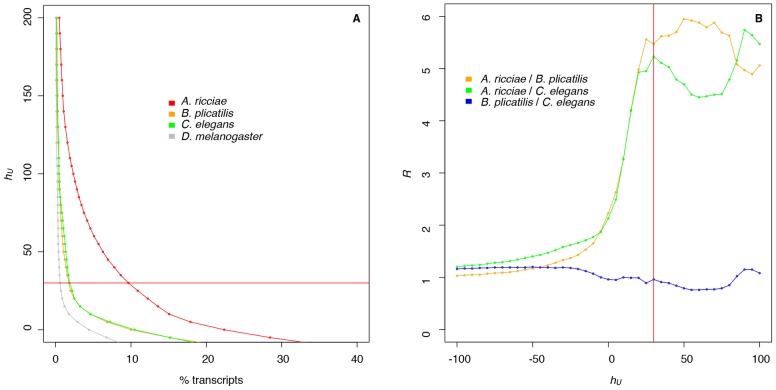
“We chose an hU value of 30 (a difference of bit-score of at least 30 between the best nonfungal hit and the best fungal hit to an AGF sequence) previously suggested and validated (88, 89) as the best trade-off between sensitivity and specificity.”
MethodLi, M., Zhao, J., Tang, N., Sun, H., & Huang, J. (2018) · Frontiers in Plant Science · doi:10.3389/fpls.2018.00701 · Cited by 91
“Other examples include bdelloid rotifers, in which the accumulation of deleteriousmutations from asexual reproduction might be prevented by acquiring new genes to replace the defective ones (Boschetti et al., 2012), and plantparasitic nematodes where HGTs have promoted parasitism (Danchin et al.”
BackgroundMethodInfluentialZhang, D., Qi, J., Yue, J., Huang, J., Sun, T., Li, S., Wen, J., Hettenhausen, C., Wu, J., Wang, L., et al. (2014) · BMC Plant Biology · doi:10.1186/1471-2229-14-19 · Cited by 99
“Although in multicellular animals, the separation of germ line cells from the soma expectedly leads to low HGT frequencies, genes of prokaryotic, fungal or plant origins have been discovered in diverse animals including bdelloid rotifer [8,9], tunicates [10], jelly fishes [11], starlet sea anemones [12], nematodes [13…”
BackgroundMurray, G. G. R., Weinert, L. A., Rhule, E., & Welch, J. J. (2015) · Systematic Biology · doi:10.1093/sysbio/syv084 · Cited by 95
“…horizontal gene transfer across distantly related organisms, particularly when considering deep nodes or sparsely sampled lineages of a phylogeny, and therefore especially across different domains of life (Gladyshev et al. 2008; Puigbò et al. 2009; e.g. Boschetti et al. 2012; Crisp et al. 2015).”
BackgroundDriscoll, T., Gillespie, J. J., Nordberg, E. K., Azad, A. F., & Sobral, B. (2013) · Genome Biology and Evolution · doi:10.1093/gbe/evt036 · Cited by 83
“2) b LeuS 0.1 sub/site bootstrap .9-1 .8-.9 .7-.8 .6-.7 .5-.6 Anaplasma spp. (6) Wolbachia spp. (11) Ehrlichia spp. (5) Rickettsia spp. (27) Orientia spp. (2) Alphaproteobacteria (16) Gammaproteobacteria (15) Fusobacterium spp. (13) [Fusobacteria] Desulfovibrio spp. (3) Cyanobacteria (6) Cyanobacteria Eukaryota Deltap…”
InfluentialHosts, parasites, and horizontal gene transfer
Wijayawardena, B. K., Minchella, D. J., & DeWoody, J. A. (2013) · Trends in Parasitology · doi:10.1016/j.pt.2013.05.001 · Cited by 77
Simion, P., Narayan, J., Houtain, A., Derzelle, A., Baudry, L., Nicolas, É., Arora, R., Cariou, M. L., Cruaud, C., Gaudray, F. R., et al. (2021) · Science Advances · doi:10.1126/sciadv.abg4216 · Cited by 87
Alienness: Rapid Detection of Candidate Horizontal Gene Transfers across the Tree of Life
Rancurel, C., Legrand, L., & Danchin, É. (2017) · Genes · doi:10.3390/genes8100248 · Cited by 76
“The HGT index method was first used to determine genes of non-metazoan origin in the transcriptome of the bdelloid rotifer Adineta ricciae [28] and later used to infer the contribution of HGT to the transcriptomes of several different metazoan species, including vertebrates [11].”
BackgroundMethodThe cancer which survived: insights from the genome of an 11 000 year-old cancer
Strakova, A., & Murchison, E. P. (2015) · Current Opinion in Genetics & Development · doi:10.1016/j.gde.2015.03.005 · Cited by 87
Hespeels, B., Knapen, M. F. C. M., Mambres, D. H., Heuskin, A., Pineux, F., Lucas, S., Koszul, R., & Doninck, K. V. (2014) · Journal of Evolutionary Biology · doi:10.1111/jeb.12326 · Cited by 73
Faddeeva‐Vakhrusheva, A., Derks, M. F. L., Anvar, S. Y., Agamennone, V., Suring, W., Smit, S., van Straalen, N. M., & Roelofs, D. (2016) · Genome Biology and Evolution · doi:10.1093/gbe/evw134 · Cited by 79
Maeda, T., Takahashi, S., Yoshida, T., Shimamura, S., Takaki, Y., Nagai, Y., Toyoda, A., Suzuki, Y., Arimoto, A., Ishii, H., et al. (2021) · eLife · doi:10.7554/elife.60176 · Cited by 65
The Evolutionary Biology of Species
Barraclough, T. G. (2019) · doi:10.1093/oso/9780198749745.001.0001 · Cited by 72
Self-citationMulti-omics landscape and molecular basis of radiation tolerance in a tardigrade
Li, L., Ge, Z., Liu, S., Zheng, K., Li, Y., Chen, K., Fu, Y., Lei, X., Cui, Z., Wang, Y., et al. (2024) · Science · doi:10.1126/science.adl0799 · Cited by 68
Wybouw, N., Leeuwen, T. V., & Dermauw, W. (2018) · Insect Molecular Biology · doi:10.1111/imb.12374 · Cited by 59
“urticae genome using the predefined cut-offs of 75 and 30 for best nonmetazoan bit-score and h-index metrics, respectively (Boschetti et al., 2012; Crisp et al., 2015).”
MethodMolecular phylogenies as a tool to understand diversity in rotifers
Fontaneto, D. (2014) · International Review of Hydrobiology · doi:10.1002/iroh.201301719 · Cited by 52
Bacterial N4-methylcytosine as an epigenetic mark in eukaryotic DNA
Rodríguez, F., Yushenova, I. A., DICORPO, D. A., & Arkhipova, I. R. (2022) · Nature Communications · doi:10.1038/s41467-022-28471-w · Cited by 58
Rebecchi, L., Boschetti, C., & Nelson, D. R. (2019) · Hydrobiologia · doi:10.1007/s10750-019-04144-6 · Cited by 63
Self-citationWilson, C. G., Nowell, R. W., & Barraclough, T. G. (2018) · Current Biology · doi:10.1016/j.cub.2018.05.070 · Cited by 53
“Molecular investigations have revealed some remarkable characteristics in these tiny and unassuming creatures [13, 15, 17, 58–60], inviting speculation about links to their unusual reproductive mode.”
Self-citationAli, S. A., Mittal, D., & Kaur, G. (2021) · World Journal of Microbiology and Biotechnology · doi:10.1007/s11274-021-03024-3 · Cited by 53
“Nielsen 2005), unicellular and multicellular eukaryotes (Boschetti et al. 2012).”
Evolutionary dynamics of transposable elements in bdelloid rotifers
Nowell, R. W., Wilson, C. G., Almeida, P., Schiffer, P. H., Fontaneto, D., Becks, L., Rodríguez, F., Arkhipova, I. R., & Barraclough, T. G. (2021) · eLife · doi:10.7554/elife.63194 · Cited by 50
“sordida assemblies, published RNA-seq data (Boschetti et al., 2012; Eyres et al., 2015; Hanson et al., 2013) were downloaded from NCBI Sequence Read Archive (SRA), qualitytrimmed using BBTools ‘bbduk’ with default settings and aligned to the genomic scaffolds using STAR v2.”
Self-citationDoes the avoidance of sexual costs increase fitness in asexual invaders?
Stelzer, C. (2015) · Proceedings of the National Academy of Sciences · doi:10.1073/pnas.1501726112 · Cited by 44
“Bdelloid rotifers, one of the best examples of ancient asexuality, show some characteristics that might be interpreted as alternative forms of genetic exchange (14, 15), exceptional DNA repair mechanisms (16), and nongenetic means of evading fungal parasites (17).”
BackgroundMechanisms and evolution of resistance to environmental extremes in animals
Boothby, T. C. (2019) · EvoDevo · doi:10.1186/s13227-019-0143-4 · Cited by 51
Ianiri, G., Coelho, M. A., Ruchti, F., Sparber, F., McMahon, T., Fu, C., Bolejack, M. J., Donovan, O., Smutney, H., Myler, P. J., et al. (2020) · Proceedings of the National Academy of Sciences · doi:10.1073/pnas.2003473117 · Cited by 43
Hara, Y., Shibahara, R., Kondo, K., Abe, W., & Kunieda, T. (2021) · Open Biology · doi:10.1098/rsob.200413 · Cited by 52
“For this purpose, we computed the horizontal gene transfer (HGT) index [32], a rough but simple metric based on a similarity score, with slight modifications: we used BlastP bit scores instead of BlastX ones and, to reduce false positives, employed our unique correction weighted by alignment lengths (see electronic su…”
MethodChallenges during diapause and anhydrobiosis: Mitochondrial bioenergetics and desiccation tolerance
Hand, S. C., Moore, D. S., & Patil, Y. N. (2018) · IUBMB Life · doi:10.1002/iub.1953 · Cited by 43
Selective Feeding of Bdelloid Rotifers in River Biofilms
Mialet, B., Majdi, N., Tackx, M., Azémar, F., & Buffan‐Dubau, E. (2013) · PLoS ONE · doi:10.1371/journal.pone.0075352 · Cited by 42
“HGT processes in rotifers are still not well understood.”
BackgroundBruto, M., Prigent‐Combaret, C., Luis, P., Moënne‐Loccoz, Y., & Muller, D. A. E. (2014) · Proceedings of the Royal Society B Biological Sciences · doi:10.1098/rspb.2014.0848 · Cited by 44
“Thus, previous studies reported that significant parts of genome, up to 10% of the gene repertoire of the multicellular rotifer Adineta ricciae [13], had been horizontally acquired.”
BackgroundNEUROSPORAAND THE DEAD-END HYPOTHESIS: GENOMIC CONSEQUENCES OF SELFING IN THE MODEL GENUS
Gioti, Α., Stajich, J., & Johannesson, H. (2013) · Evolution · doi:10.1111/evo.12206 · Cited by 50
“Ancient asexual lineages exist in the fungal and other kingdoms, providing examples of mechanisms that promote genetic diversity and thus, long-term persistence (Kuhn et al. 2001; Pouchkina-Stantcheva et al. 2007; Rice and Friberg 2007; Gladyshev et al. 2008; Boschetti et al. 2012).”
BackgroundColonization of maritime glacier ice by bdelloid Rotifera
Shain, D. H., Halldórsdóttir, K., Pálsson, F., Ađalgeirsdóttir, G., Gunnarsson, A., Jónsson, Þ., Lang, S. A., Pálsson, H. S., Steinþórsson, S., & Árnason, E. (2016) · Molecular Phylogenetics and Evolution · doi:10.1016/j.ympev.2016.02.020 · Cited by 39
The genome, transcriptome, and proteome of the fish parasite Pomphorhynchus laevis (Acanthocephala)
Mauer, K., Hellmann, S. L., Groth, M., Fröbius, A. C., Zischler, H., Hankeln, T., & Herlyn, H. (2020) · PLoS ONE · doi:10.1371/journal.pone.0232973 · Cited by 41
Hanson, S. J., Stelzer, C., Welch, D. B. M., & Logsdon, J. M., Jr. (2013) · BMC Genomics · doi:10.1186/1471-2164-14-412 · Cited by 39
“…transcripts were assembled from a pool of samples obtained from bdelloids under normal conditions as well as various stages of desiccation recovery [44]; thus, expression of genes with functions in dormancy (Additional file 11) may be to the inclusion of transcripts from the recovering samples.”
InfluentialDo Species Exist in Asexuals? Theory and Evidence from Bdelloid Rotifers
Fontaneto, D., & Barraclough, T. G. (2015) · Integrative and Comparative Biology · doi:10.1093/icb/icv024 · Cited by 37
Self-citationBdelloid rotifers: ‘sleeping beauties’ and ‘evolutionary scandals’, but not only
Ricci, C. N. (2016) · Hydrobiologia · doi:10.1007/s10750-016-2919-z · Cited by 37
Evolution: The End of an Ancient Asexual Scandal
Schwander, T. (2016) · Current Biology · doi:10.1016/j.cub.2016.01.034 · Cited by 35
AvP: A software package for automatic phylogenetic detection of candidate horizontal gene transfers
Koutsovoulos, G., Noriot, S. G., Bailly‐Bechet, M., Danchin, É., & Rancurel, C. (2022) · PLoS Computational Biology · doi:10.1371/journal.pcbi.1010686 · Cited by 34
“Similarly, the HGT Index (h) [4] uses the difference in bit scores but is hampered by the same limitations in terms of a trade-off between reducing false positives without missing valid cases.”
MethodThe Role of the Environment in Horizontal Gene Transfer
Kirit, H. A., Bollback, J. P., & Lagator, M. (2022) · Molecular Biology and Evolution · doi:10.1093/molbev/msac220 · Cited by 36
“For example, 10% of the active genes in microinvertebrate Bdelloid rotifers were acquired from other species through HGT, enabling them to survive in extreme conditions without sex for 80 million years (Boschetti et al. 2012).”
BackgroundGarcía‐Fontana, C., Narváez-Reinaldo, J. J., Castillo, F., González-López, J., Luque, I., & Manzanera, M. (2016) · Frontiers in Microbiology · doi:10.3389/fmicb.2016.02066 · Cited by 33
“These processes might explain the high frequency of horizontally acquired genes among desiccation-tolerant organisms such as rotifers, tardigrades, and bacteria (Mattimore and Battista, 1996; Boschetti et al., 2011, 2012; Szydlowski et al., 2015).”
BackgroundLee, B., Kim, H.-S., Hwang, D., Won, E., Choi, B., Choi, I., Park, H. G., Rhee, J., & Lee, J. (2015) · Comparative Biochemistry and Physiology Part D Genomics and Proteomics · doi:10.1016/j.cbd.2015.02.003 · Cited by 30
“InterProScan5 identified protein domains in 4059 transcripts, of which 3612 transcripts were annotated by gene ontology analysis (Supplementary file S2) (Boschetti et al., 2012).”
MethodYue, J., Sun, G., Hu, X., & Huang, J. (2013) · BMC Genomics · doi:10.1186/1471-2164-14-729 · Cited by 33
“sulphuraria [45] and 8-9% in the bdelloid rotifer Adineta ricciae were acquired from other organisms [46].”
BackgroundResultDecontaminating eukaryotic genome assemblies with machine learning
Fierst, J. L., & Murdock, D. A. (2017) · BMC Bioinformatics · doi:10.1186/s12859-017-1941-0 · Cited by 29
“We included A. vaga to determine if a decision tree could accurately separate foreign DNA from horizontally transferred DNA in an organism with high levels of confirmed HGT [35–37].”
BackgroundHespeels, B., Li, X., Flot, J., Pigneur, L., Malaisse, J., Silva, C. D., & Doninck, K. V. (2015) · PLoS ONE · doi:10.1371/journal.pone.0131313 · Cited by 29
“Two TRE genes were found on scaffold av458 in a palindromic, highly colinear allelic region [3], and were therefore annotated AvTreA and AvTreA’.”
BackgroundInfluentialOverballe‐Petersen, S., & Willerslev, E. (2014) · BioEssays · doi:10.1002/bies.201400035 · Cited by 33
Gouvea, N. N., Alves-Lima, C., Benites, L. F., Iha, C., Maracaja‐Coutinho, V., Aliaga-Tobar, V., Carneiro, M. A. D. A., Yokoya, N. S., Marinho‐Soriano, E., Graminha, M. A. S., et al. (2022) · Journal of Phycology · doi:10.1111/jpy.13238 · Cited by 28
“Second, we also calculated the HGT indexes (hU; Boschetti et al. 2012) for each sequence, where best bitscores were used instead of e-values in measuring differences between best target subject hit from best nontarget hit, where hits with hU ≥ 30 were retained.”
MethodRichards, T. A., & Monier, A. (2016) · Proceedings of the National Academy of Sciences · doi:10.1073/pnas.1603862113 · Cited by 29
Hespeels, B., Fontaneto, D., Cornet, V., Penninckx, S., Berthe, J., Bruneau, L., Larrick, J. W., Rapport, E., Bailly, J., Debortoli, N., et al. (2023) · BMC Biology · doi:10.1186/s12915-023-01554-w · Cited by 26
“vaga [24], showing that both desiccation-resistant species contained around 8 to 10% of horizontally acquired nonmetazoan genes.”
BackgroundStencel, A., & Crespi, B. (2013) · Molecular Ecology · doi:10.1111/mec.12355 · Cited by 26
Szydlowski, L., Boschetti, C., Crisp, A., Barbosa, E. G. G., & Tunnacliffe, A. (2015) · Gene · doi:10.1016/j.gene.2015.04.007 · Cited by 27
“Herewepresent a study of the cellulase-encoding genes in six bdelloid species, which validates and extends computationally characterised HGT (Boschetti et al., 2012) in A.”
BackgroundMethodSelf-citationComparative Analysis of ROS Network Genes in Extremophile Eukaryotes
Lyall, R., Nikoloski, Z., & Gechev, T. (2020) · International Journal of Molecular Sciences · doi:10.3390/ijms21239131 · Cited by 23
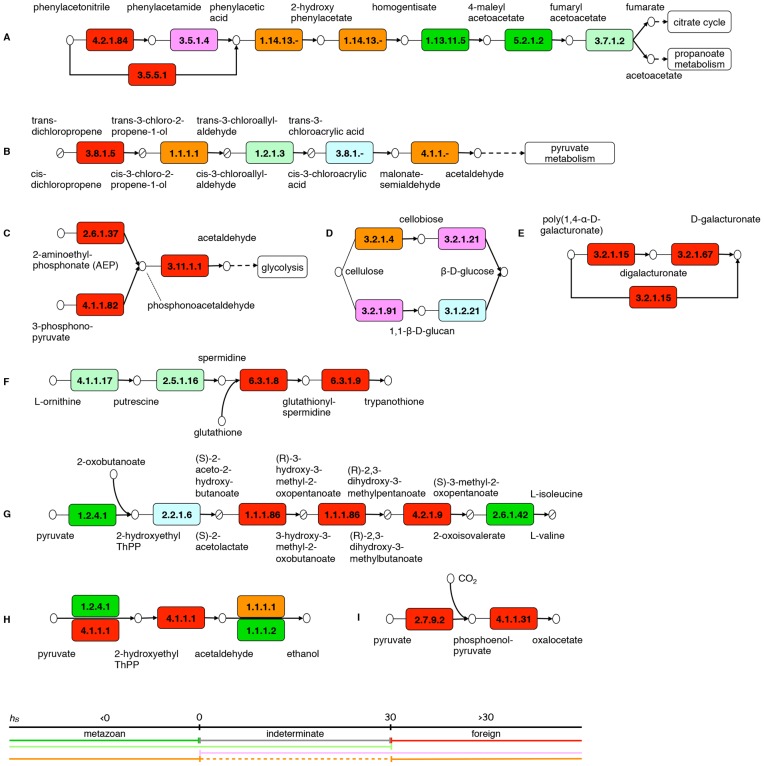
“Additionally, rotifers are the only animals that produce trypanothione, probably via HGT-derived metabolic pathways, and trypanothione genes are up-regulated during desiccation [43].”
BackgroundDetection of horizontal gene transfer in the genome of the choanoflagellate Salpingoeca rosetta
Mateo-Matriano, D. M., Alegado, R. ʻ., & Conaco, C. (2021) · Scientific Reports · doi:10.1038/s41598-021-85259-6 · Cited by 23
Evangelista, C. C. S., Guidelli, G. V., Borges, G. D. O., Araujo, T. F., de Souza, T. A. J., Neves, U. P. D. C., Tunnacliffe, A., & Pereira, T. C. (2017) · Genetics and Molecular Biology · doi:10.1590/1678-4685-gmb-2017-0030 · Cited by 19
“…genes in Table 1) comprised 64 genes shown to be up-regulated during anhydrobiosis in other animal species (Adhikari et al., 2009; Haegeman et al., 2009; Mali et al., 2010; Schokraie et al., 2010, 2012; Cornette et al., 2010; Boschetti et al., 2012; Tyson et al., 2012; Yamaguchi et al., 2012).”
BackgroundSelf-citationZhang, J., Lou, X., Zellmer, L., Liu, S., Xu, N., & JoshuaLiao, D. (2014) · Oncoscience · doi:10.18632/oncoscience.83 · Cited by 19
“Nevertheless, yeasts, some evolutionarily-lower animals such as rotifers, and many species of plants reproduce sexually only during times of various forms of stress, including infections, and reproduce asexually in normal situations [109-114].”
BackgroundVan, P. T., Anselmetti, Y., Bast, J., Dumas, Z., Galtier, N., Jaroň, K. S., Martens, K., Parker, D. J., Robinson‐Rechavi, M., Schwander, T., et al. (2021) · G3 Genes Genomes Genetics · doi:10.1093/g3journal/jkab043 · Cited by 21
“…2020) and to develop insights into mechanisms such as gene conversion (Omilian et al. 2006), DNA repair (Schön and Martens, 1998; Hecox-Lea and Mark Welch 2018) or horizontal gene transfer (Gladyshev et al. 2008; Danchin et al. 2010; Boschetti et al. 2012; Flot et al. 2013; Paganini et al. 2012).”
BackgroundRecombination in bdelloid rotifer genomes: asexuality, transfer and stress
Wilson, C. G., Pieszko, T., Nowell, R. W., & Barraclough, T. G. (2024) · Trends in Genetics · doi:10.1016/j.tig.2024.02.001 · Cited by 19
Self-citationHorizontal DNA transfer from bacteria to eukaryotes and a lesson from experimental transfers
Suzuki, K., Moriguchi, K., & Yamamoto, S. (2015) · Research in Microbiology · doi:10.1016/j.resmic.2015.08.001 · Cited by 20
Horizontal functional gene transfer from bacteria to fishes
Sun, B., Li, T., Xiao, J., Jia, L.-Y., Liu, L., Zhang, P., Murphy, R. W., He, S., & Huang, D. (2015) · Scientific Reports · doi:10.1038/srep18676 · Cited by 21
Benites, L. F., Stephens, T. G., Etten, J. V., James, T., Christian, W. C., Barry, K., Grigoriev, I. V., McDermott, T. R., & Bhattacharya, D. (2024) · Communications Biology · doi:10.1038/s42003-024-05931-1 · Cited by 17
Biochemical pathways supporting beta-lactam biosynthesis in the springtail Folsomia candida
Suring, W., Mariën, J., Broekman, R., van Straalen, N. M., & Roelofs, D. (2016) · Biology Open · doi:10.1242/bio.019620 · Cited by 16
“As a result of the increased number of sequenced genomes, it has become clear that horizontal gene transfer has contributed to the biochemical diversification of many eukaryotic species (Boschetti et al., 2012; Crisp et al., 2015).”
BackgroundDenton, R. D., Morales, A. E., & Gibbs, H. L. (2018) · Evolution · doi:10.1111/evo.13528 · Cited by 16
“Evolution 72-8: 1689–1700 Support for this hypothesis comes from recent studies that show few ancient asexual lineages are in fact completely asexual (Mable 2007; Gladyshev et al. 2008; Boschetti et al. 2012; Sánchez Navarro et al. 2013).”
BackgroundHorizontal acquisition of a DNA ligase improves DNA damage tolerance in eukaryotes
Nicolas, É., Simion, P., Guérineau, M., Terwagne, M., Colinet, M., Virgo, J., Lingurski, M., Boutsen, A., Dieu, M., Hallet, B., et al. (2023) · Nature Communications · doi:10.1038/s41467-023-43075-8 · Cited by 16
Moris, V. C., Bruneau, L., Berthe, J., Heuskin, A., Penninckx, S., Ritter, S., Weber, U. A., Durante, M., Danchin, É., Hespeels, B., et al. (2024) · BMC Biology · doi:10.1186/s12915-023-01807-8 · Cited by 19
“HGTs involved with desiccation resistance have also been 674 described previously in rotifers [33, 43, 146].”
BackgroundCirculating nucleic acids: possible inherited effects
Gahan, P. (2013) · Biological Journal of the Linnean Society · doi:10.1111/bij.12160 · Cited by 16
Ciancio, A. (2016) · Springer eBooks · doi:10.1007/978-94-024-0884-3_8 · Cited by 16
Bdelloid rotifers deploy horizontally acquired biosynthetic genes against a fungal pathogen
Nowell, R. W., Rodríguez, F., Hecox-Lea, B. J., Welch, D. B. M., Arkhipova, I. R., Barraclough, T. G., & Wilson, C. G. (2024) · Nature Communications · doi:10.1038/s41467-024-49919-1 · Cited by 15
Self-citationMultiple functionally divergent and conserved copies of alpha tubulin in bdelloid rotifers
Eyres, I., Frangedakis, E., Fontaneto, D., Herniou, E. A., Boschetti, C., Carr, A. R., Micklem, G., Tunnacliffe, A., & Barraclough, T. G. (2012) · BMC Evolutionary Biology · doi:10.1186/1471-2148-12-148 · Cited by 14
Self-citationSex uncovered: the evolutionary biology of reproductive systems
Schwander, T., Marais, G. A. B., & Roze, D. (2014) · Journal of Evolutionary Biology · doi:10.1111/jeb.12424 · Cited by 14
Reproduction, Overview by Phylogeny: Rotifera
Serra, M., Snell, T. W., & WALLACE, R. L. (2017) · Elsevier eBooks · doi:10.1016/b978-0-12-809633-8.20646-8 · Cited by 13
Rodríguez, F., & Arkhipova, I. R. (2016) · Genetics · doi:10.1534/genetics.116.186734 · Cited by 16
“Approximately 10% of expressed genes in the congeneric A. ricciae are of foreign origin (Boschetti et al. 2012).”
BackgroundLin, D., Xiang, S., Sanogo, B., YouSheng, L., Sun, X., & Wu, Z. (2021) · Frontiers in Cellular and Infection Microbiology · doi:10.3389/fcimb.2021.744352 · Cited by 12
“Rotifers not only grab food from other species but also receive foreign DNA from the animal kingdom, fungi, plants, and bacteria (Gladyshev et al., 2008; Boschetti et al., 2012; Szydlowski et al., 2015).”
BackgroundYoshida, Y., & Tanaka, S. (2022) · Insects · doi:10.3390/insects13060557 · Cited by 12
Rotifers as a Model for the Biology of Aging
Gribble, K. E., & Snell, T. W. (2018) · Elsevier eBooks · doi:10.1016/b978-0-12-811353-0.00036-1 · Cited by 14
Metadata
- Authors
- Boschetti, C., Carr, A., Crisp, A., Eyres, I., Wang-Koh, Y., Lubzens, E., Barraclough, T. G., Micklem, G., & Tunnacliffe, A.
- Affiliations
- University of Cambridge (GB)
- Imperial College London (GB)
- Corresponding author
- Micklem, Gos
- Tunnacliffe, Alan
- ORCID
- Venue
- PLoS Genetics
- Publisher
- Public Library of Science (PLoS)
- Published
- 2012-11-15
- Volume
- 8
- Issue
- 11
- Pages
- e1003035
- ISSN
- 1553-7390 (ISSN-L)
- 1553-7404
- PMC
- PMC3499245
- OpenAlex
- W2070409482
- Cited by
- 171
- References
- 49
- Citations by year
- 2026: 4 · 2025: 5 · 2024: 8 · 2023: 10 · 2022: 6 · 2021: 10 · 2020: 9 · 2019: 22 · 2018: 15 · 2017: 8 · 2016: 20 · 2015: 20 · 2014: 13 · 2013: 19 · 2012: 1
- FWCI
- 6.81
- Type
- journal article
- Language
- en
- Open access
- gold
- doi.org
- Locations
- PLoS Genetics (publishedVersion, cc-by)
- Europe PMC (PubMed Central) (publishedVersion, cc-by)
- PubMed Central (publishedVersion, cc-by)
- PubMed (publishedVersion)
- White Rose Research Online (University of Leeds, The University of Sheffield, University of York) (acceptedVersion)
- DOAJ (DOAJ: Directory of Open Access Journals) (submittedVersion, cc-by-sa)
- Figshare (submittedVersion, cc-by)
- Funders
- Università degli Studi di Milano
- Directorate for Biological Sciences
- Biotechnology and Biological Sciences Research Council (BB/F020562/1, BB/F020856/1)
- Natural Environment Research Council
- FP7 Ideas: European Research Council (233232)
- Topics
- Life Sciences › Biochemistry, Genetics and Molecular Biology › Molecular Biology › Genomics and Phylogenetic Studies
- Life Sciences › Biochemistry, Genetics and Molecular Biology › Genetics › Chromosomal and Genetic Variations
- Life Sciences › Agricultural and Biological Sciences › Ecology, Evolution, Behavior and Systematics › Invertebrate Taxonomy and Ecology
- Keywords
- bdelloid rotifers, horizontal gene transfer, foreign gene expression, transcriptome, anhydrobiosis, desiccation tolerance, subtelomeric regions, enzyme evolution, toxin degradation, antioxidant metabolism, asexual reproduction
- MeSH terms
- Animals, Desiccation, Phylogeny, Radiation, Ionizing, Rotifera, Gene Library, Gene Expression, Gene Transfer, Horizontal, Metabolic Networks and Pathways, Transcriptome
About these checks
Registry, retraction, Cites and statistics results are computed, not judged, with one exception: a printed reference that no index lists is read once by a model before it counts as a citation error. Claims are extracted by a model and kept only when their quote appears verbatim in the text; each cited source is then checked, with a model’s help, for whether it says what the claim relies on. Those verdicts can be wrong — read the claim’s quote and the cited source before relying on one.
Statistics and arithmetic are recomputed, not judged.
Confidence bands are shown only for fields calibrated on our annotated test set. None is calibrated yet, so no band is shown.
What counts as a claim ›How we measure confidence ›How we check this ›
Are you an author, or do you see a problem with this page? Request a review
Data sources
Bibliographic data: Semantic Scholar, OpenAlex, Crossref.
Contains information from the Semantic Scholar Academic Graph Datasets, made available under the ODC Attribution License (ODC-BY 1.0).
Semantic Scholar’s data is described in: Kinney, R., et al. (2023). The Semantic Scholar Open Data Platform. arXiv:2301.10140.
