

Genetic and Genomic Architecture of the Evolution of Resistance to Antifungal Drug Combinations
Open accessThe DOI matches its Crossref record; 105 of the 105 references it cites were found in a registry or an index.
Abstract
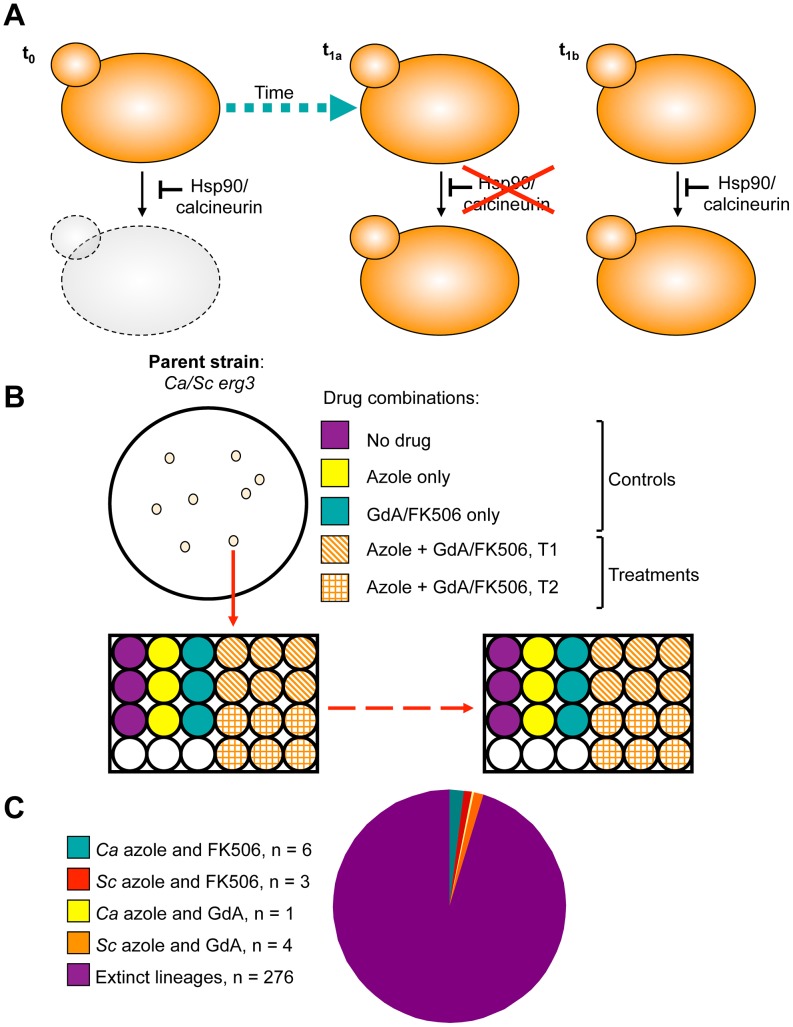
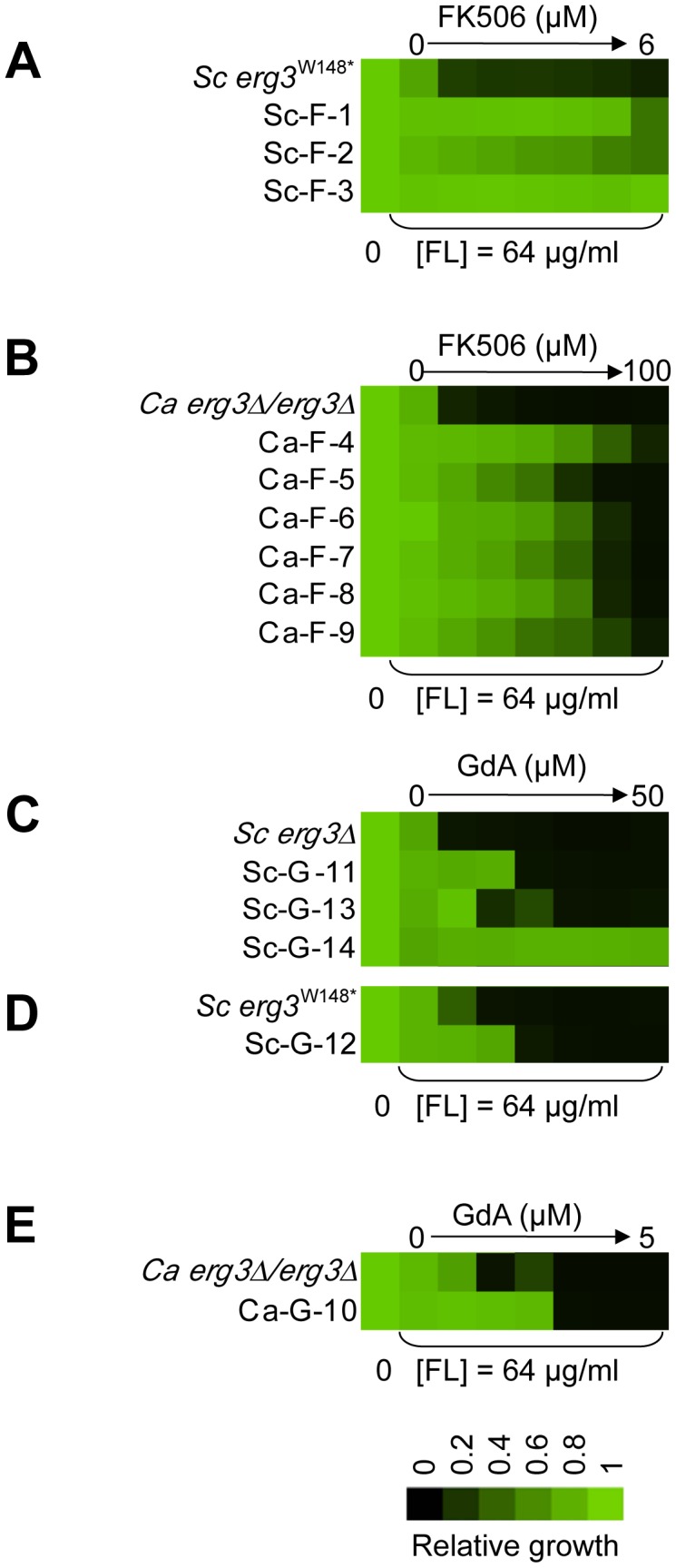
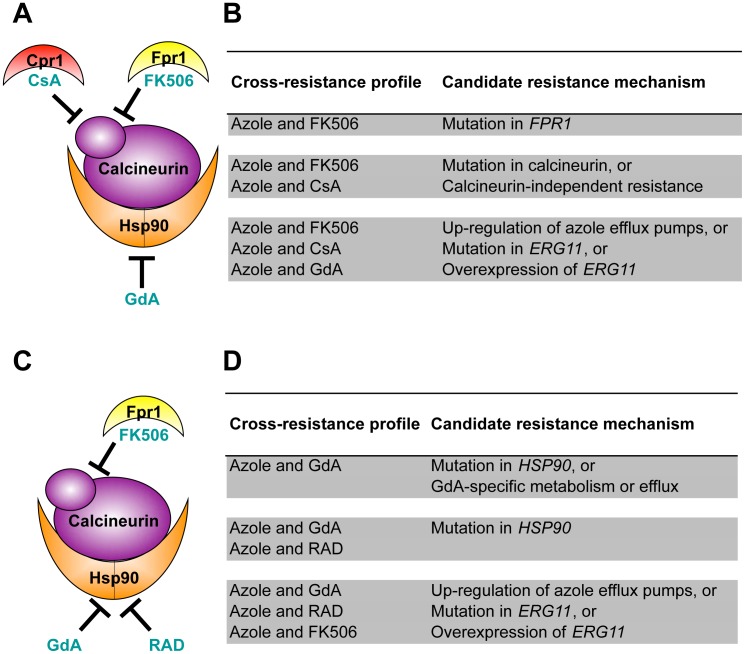
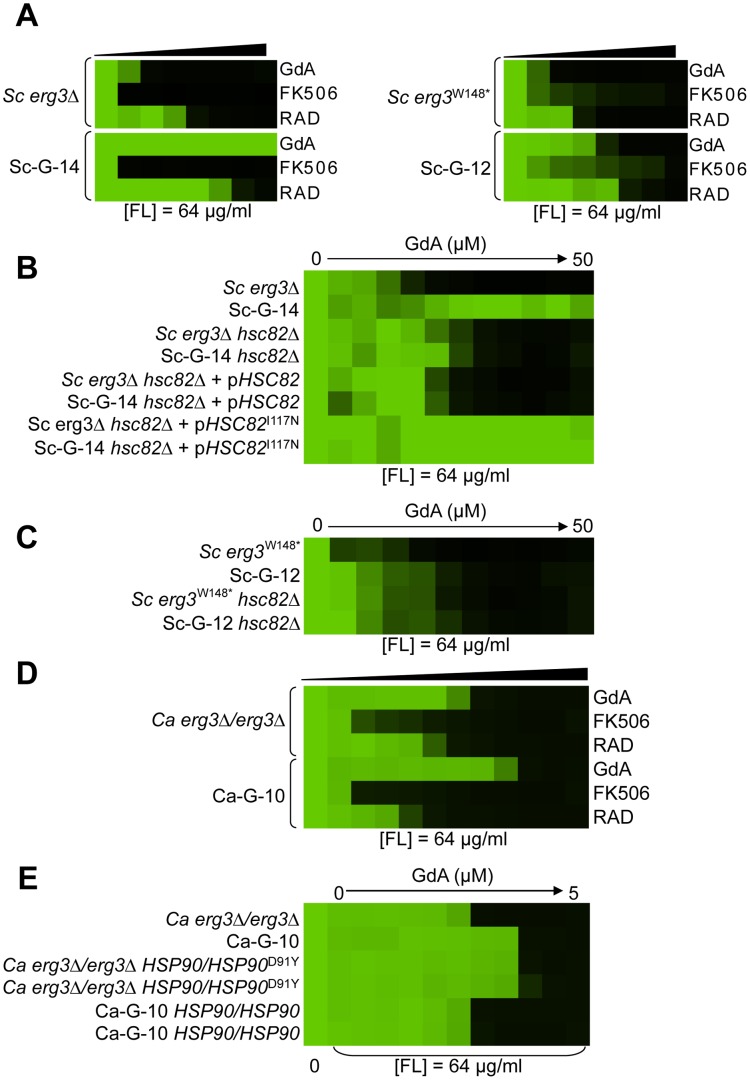
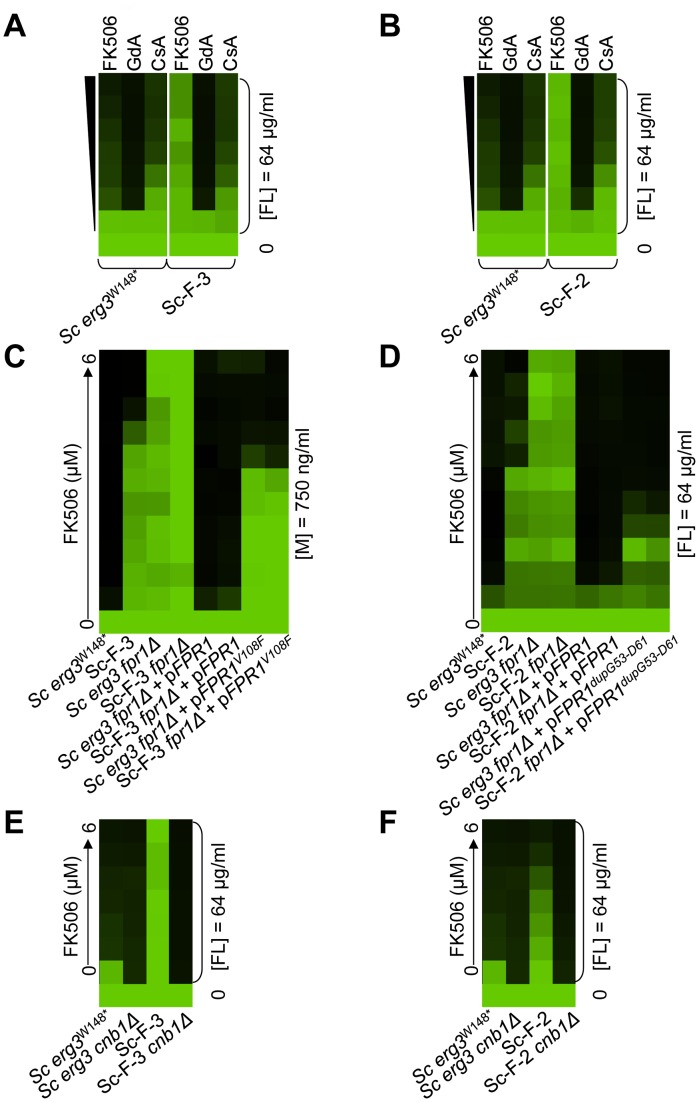
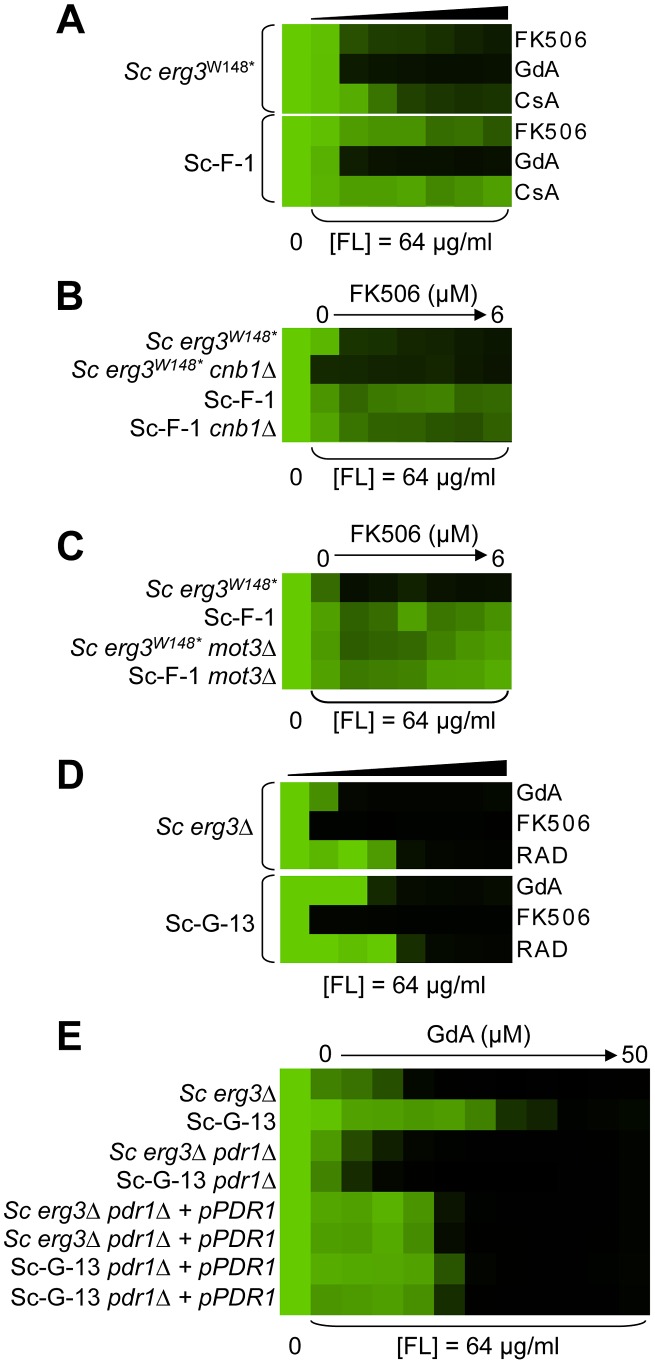
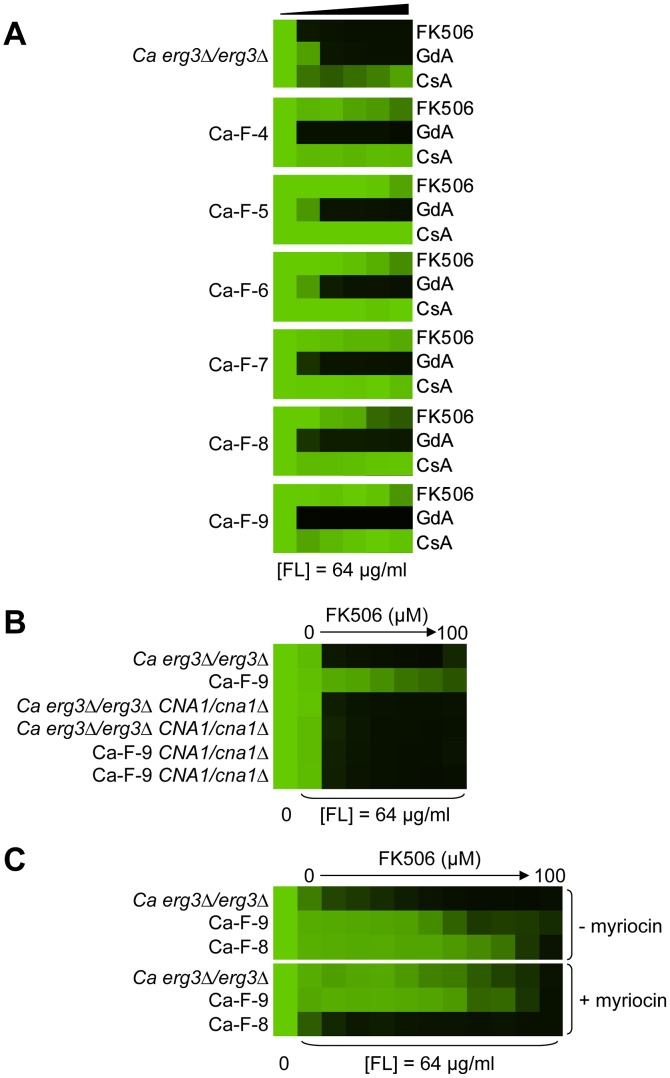
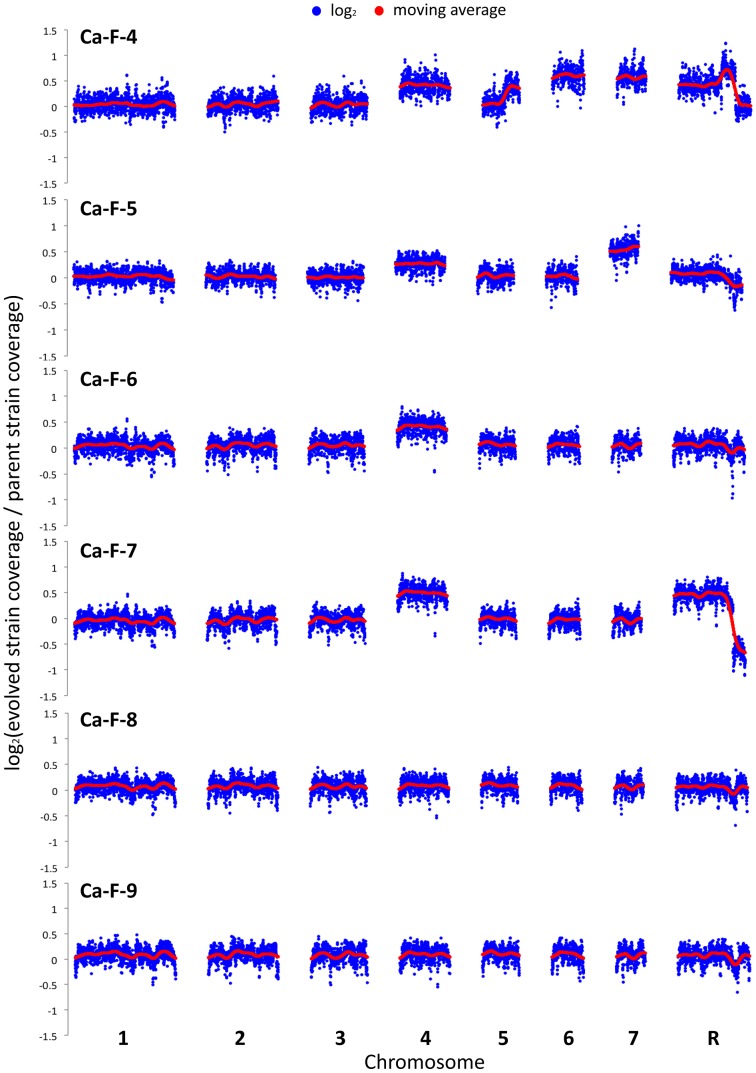
The evolution of drug resistance in fungal pathogens compromises the efficacy of the limited number of antifungal drugs. Drug combinations have emerged as a powerful strategy to enhance antifungal efficacy and abrogate drug resistance, but the impact on the evolution of drug resistance remains largely unexplored. Targeting the molecular chaperone Hsp90 or its downstream effector, the protein phosphatase calcineurin, abrogates resistance to the most widely deployed antifungals, the azoles, which inhibit ergosterol biosynthesis. Here, we evolved experimental populations of the model yeast Saccharomyces cerevisiae and the leading human fungal pathogen Candida albicans with azole and an inhibitor of Hsp90, geldanamycin, or calcineurin, FK506. To recapitulate a clinical context where Hsp90 or calcineurin inhibitors could be utilized in combination with azoles to render resistant pathogens responsive to treatment, the evolution experiment was initiated with strains that are resistant to azoles in a manner that depends on Hsp90 and calcineurin. Of the 290 lineages initiated, most went extinct, yet 14 evolved resistance to the drug combination. Drug target mutations that conferred resistance to geldanamycin or FK506 were identified and validated in five evolved lineages. Whole-genome sequencing identified mutations in a gene encoding a transcriptional activator of drug efflux pumps, PDR1, and a gene encoding a transcriptional repressor of ergosterol biosynthesis genes, MOT3, that transformed azole resistance of two lineages from dependent on calcineurin to independent of this regulator. Resistance also arose by mutation that truncated the catalytic subunit of calcineurin, and by mutation in LCB1, encoding a sphingolipid biosynthetic enzyme. Genome analysis revealed extensive aneuploidy in four of the C. albicans lineages. Thus, we identify molecular determinants of the transition of azole resistance from calcineurin dependence to independence and establish multiple mechanisms by which resistance to drug combinations evolves, providing a foundation for predicting and preventing the evolution of drug resistance.
Overview
The claims and statistics of this paper haven’t been checked yet.
Free: it reads the open-access text and checks the first 5 claims that cite a source we can check. Create a free account to check every claim.
Integrity signals
Registry
Cites
Statistics
Figures
Verification
Claims the paper makes
The claims and statistics of this paper haven’t been checked yet.
Free: it reads the open-access text and checks the first 5 claims that cite a source we can check. Create a free account to check every claim.
Self-check
Percentages, sums and reported differences re-computed from the paper’s own numbers.
The self-check needs the paper’s full text.
Citations
Cites
The Sequence Alignment/Map format and SAMtools
Li, H., Handsaker, B., Wysoker, A., Fennell, T., Ruan, J., Homer, N., Marth, G., Abecasis, G., Durbin, R., & 1000 Genome Project Data Processing Subgroup (2009) · Bioinformatics · doi:10.1093/bioinformatics/btp352 · Cited by 62,041
Fast and accurate short read alignment with Burrows-Wheeler transform
Li, H., & Durbin, R. (2009) · Bioinformatics · doi:10.1093/bioinformatics/btp324 · Cited by 58,607
Fast gapped-read alignment with Bowtie 2
Langmead, B., & Salzberg, S. L. (2012) · Nature Methods · doi:10.1038/nmeth.1923 · Cited by 56,400 · cited 2×
“one of the fastest accurate aligners [94–98].”
The Genome Analysis Toolkit: A MapReduce framework for analyzing next-generation DNA sequencing data
McKenna, A., Hanna, M., Banks, E., Sivachenko, A., Cibulskis, K., Kernytsky, A., Garimella, K., Altshuler, D., Gabriel, S., Daly, M., et al. (2010) · Genome Research · doi:10.1101/gr.107524.110 · Cited by 27,895
Ultrafast and memory-efficient alignment of short DNA sequences to the human genome.
Langmead, B., Trapnell, C., Pop, M., & Salzberg, S. L. (2009) · Genome Biology · doi:10.1186/gb-2009-10-3-r25 · Cited by 21,849
A framework for variation discovery and genotyping using next-generation DNA sequencing data
DePristo, M. A., Banks, E., Poplin, R., Garimella, K. V., Maguire, J. R., Hartl, C., Philippakis, A. A., del Angel, G., Rivas, M. A., Hanna, M., et al. (2011) · Nature Genetics · doi:10.1038/ng.806 · Cited by 11,456
Palella, F. J., Delaney, K. M., Moorman, A. C., Loveless, M. O., Fuhrer, J., Satten, G. A., Aschman, D. J., & Holmberg, S. D. (1998) · New England Journal of Medicine · doi:10.1056/nejm199803263381301 · Cited by 9,405
Epidemiology of Invasive Candidiasis: a Persistent Public Health Problem
Pfaller, M. A., & Diekema, D. J. (2007) · Clinical Microbiology Reviews · doi:10.1128/cmr.00029-06 · Cited by 4,174 · cited 1×
“albicans is the leading cause of death due to fungal infection [32], and the fourth leading cause of hospital-acquired infectious disease [7,32].”
BackgroundSOAP: Short oligonucleotide alignment program
Li, R., Li, Y., Kristiansen, K., & Wang, J. (2008) · Bioinformatics · doi:10.1093/bioinformatics/btn025 · Cited by 3,597 · cited 1×
“one of the fastest accurate aligners [94–98].”
Mapping short DNA sequencing reads and calling variants using mapping quality scores
Li, H., Ruan, J., & Durbin, R. (2008) · Genome Research · doi:10.1101/gr.078212.108 · Cited by 2,638
Cited by
Antifungal Drug Resistance: Molecular Mechanisms in Candida albicans and Beyond
Lee, Y., Puumala, E., Robbins, N., & Cowen, L. E. (2021) · Chemical Reviews · doi:10.1021/acs.chemrev.0c00199 · Cited by 801
Self-citationMolecular Evolution of Antifungal Drug Resistance
Robbins, N., Caplan, T., & Cowen, L. E. (2017) · Annual Review of Microbiology · doi:10.1146/annurev-micro-030117-020345 · Cited by 441
Self-citationCurrent and Emerging Legionella Diagnostics for Laboratory and Outbreak Investigations
Mercante, J. W., & Winchell, J. M. (2015) · Clinical Microbiology Reviews · doi:10.1128/cmr.00029-14 · Cited by 339
The Candida Pathogenic Species Complex
Turner, S. A., & Butler, G. (2014) · Cold Spring Harbor Perspectives in Medicine · doi:10.1101/cshperspect.a019778 · Cited by 336
Dadar, M., Tiwari, R., Karthik, K., Chakraborty, S., Shahali, Y., & Dhama, K. (2018) · Microbial Pathogenesis · doi:10.1016/j.micpath.2018.02.028 · Cited by 332
NLLSS: Predicting Synergistic Drug Combinations Based on Semi-supervised Learning
Chen, X., Ren, B., Chen, M., Wang, Q., Zhang, L., & Yan, G. (2016) · PLOS Computational Biology · doi:10.1371/journal.pcbi.1004975 · Cited by 279
Recent insights into Candida albicans biofilm resistance mechanisms
Mathé, L., & Van Dijck, P. (2013) · Current Genetics · doi:10.1007/s00294-013-0400-3 · Cited by 271
“The potential and likelihood of C. albicans to develop resistance against such a combination therapy was investigated by Hill et al. (2013).”
DeepDDS: deep graph neural network with attention mechanism to predict synergistic drug combinations
Wang, J., Liu, X., Shen, S., Deng, L., & Liu, H. (2022) · Briefings in Bioinformatics · doi:10.1093/bib/bbab390 · Cited by 261
Highly efficient CRISPR mutagenesis by microhomology-mediated end joining in Aspergillus fumigatus
Zhang, C., Meng, X., Wei, X., & Lu, L. (2016) · Fungal Genetics and Biology · doi:10.1016/j.fgb.2015.12.007 · Cited by 264
Bulusu, K. C., Guha, R., Mason, D. J., Lewis, R. P. I., Muratov, E., Kalantar Motamedi, Y., Cokol, M., & Bender, A. (2016) · Drug Discovery Today · doi:10.1016/j.drudis.2015.09.003 · Cited by 202
A Tetraploid Intermediate Precedes Aneuploid Formation in Yeasts Exposed to Fluconazole
Harrison, B. D., Hashemi, J., Bibi, M., Pulver, R., Bavli, D., Nahmias, Y., Wellington, M., Sapiro, G., & Berman, J. (2014) · PLoS Biology · doi:10.1371/journal.pbio.1001815 · Cited by 174
“albicans is low, both in the presence and in the absence of the drug stress [14,50].”
BackgroundLiu, S., Hou, Y., Chen, X., Gao, Y., Li, H., & Sun, S. (2014) · International Journal of Antimicrobial Agents · doi:10.1016/j.ijantimicag.2013.12.009 · Cited by 164
Genetic diversity and antifungal susceptibility profiles in causative agents of sporotrichosis
Rodrigues, A. M., de Hoog, S., Pires, D. D. C., Brihante, R. S. N., Sidrim, J. J. C., Gadelha, M. F. R., Colombo, A. L., & Camargo, Z. P. D. (2014) · BMC Infectious Diseases · doi:10.1186/1471-2334-14-219 · Cited by 153
Sekyere, J. O., & Asante, J. (2018) · Future Microbiology · doi:10.2217/fmb-2017-0172 · Cited by 142
Trends and Challenges in Pesticide Resistance Detection
(2016) · Trends in Plant Science · doi:10.1016/j.tplants.2016.06.006 · Cited by 132
Molecular basis of antifungal drug resistance in yeasts
Morio, F., Jensen, R. H., Le Pape, P., & Arendrup, M. C. (2017) · International Journal of Antimicrobial Agents · doi:10.1016/j.ijantimicag.2017.05.012 · Cited by 114
Molecular Hydrogen Metabolism: a Widespread Trait of Pathogenic Bacteria and Protists
Benoit, S. L., Maier, R. J., Sawers, R. G., & Greening, C. (2020) · Microbiology and Molecular Biology Reviews · doi:10.1128/mmbr.00092-19 · Cited by 125
Dual action antifungal small molecule modulates multidrug efflux and TOR signaling
Shekhar-Guturja, T., Gunaherath, G. M. K. B., Wijeratne, E. M. K., Lambert, J.-P., Averette, A. F., Lee, S. C., Kim, T., Bahn, Y.-S., Tripodi, F., Ammar, R., et al. (2016) · Nature Chemical Biology · doi:10.1038/nchembio.2165 · Cited by 101
Self-citationElucidating Drug Resistance in Human Fungal Pathogens
Xie, J. L., Polvi, E. J., Shekhar-Guturja, T., & Cowen, L. E. (2014) · Future Microbiology · doi:10.2217/fmb.14.18 · Cited by 100
Self-citationThe Fitness Consequences of Aneuploidy Are Driven by Condition-Dependent Gene Effects
Sunshine, A. B., Payen, C., Ong, G. T., Liachko, I., Tan, K. M., & Dunham, M. J. (2015) · PLOS Biology · doi:10.1371/journal.pbio.1002155 · Cited by 99
Opportunistic yeast pathogens: reservoirs, virulence mechanisms, and therapeutic strategies
Polvi, E. J., Li, X., O’Meara, T. R., Leach, M. D., & Cowen, L. E. (2015) · Cellular and Molecular Life Sciences · doi:10.1007/s00018-015-1860-z · Cited by 106
Self-citationFitness Trade-Offs Associated with the Evolution of Resistance to Antifungal Drug Combinations
Hill, J. A., O’Meara, T. R., & Cowen, L. E. (2015) · Cell Reports · doi:10.1016/j.celrep.2015.01.009 · Cited by 80
Self-citationUsing Combination Therapy to Thwart Drug Resistance
Hill, J. A., & Cowen, L. E. (2015) · Future Microbiology · doi:10.2217/fmb.15.68 · Cited by 75
Self-citationAntifungal resistance on Sporothrix species: an overview
Waller, S. B., Lana, D. F. D., Quatrin, P. M., Ferreira, M. R. A., Fuentefría, A. M., & Mezzari, A. (2020) · Brazilian Journal of Microbiology · doi:10.1007/s42770-020-00307-z · Cited by 94
A CRISPR Interference Platform for Efficient Genetic Repression in Candida albicans
Wensing, L. F., Sharma, J., Uthayakumar, D., Proteau, Y., Chavez, A., & Shapiro, R. S. (2019) · mSphere · doi:10.1128/msphere.00002-19 · Cited by 76
Ji, X., Tong, W., Liu, Z., & Shi, T. (2019) · Frontiers in Genetics · doi:10.3389/fgene.2019.00600 · Cited by 69
Flavodoxin-Like Proteins Protect Candida albicans from Oxidative Stress and Promote Virulence
Li, L., Naseem, S., Sharma, S., & Konopka, J. B. (2015) · PLOS Pathogens · doi:10.1371/journal.ppat.1005147 · Cited by 60
Antifungal drugs and resistance: Current concepts
Nigam, P. K. (2015) · Our Dermatology Online · doi:10.7241/ourd.20152.58 · Cited by 75
Shekhar-Guturja, T., Tebung, W. A., Mount, H., Liu, N., Köhler, J. R., Whiteway, M., & Cowen, L. E. (2016) · Antimicrobial Agents and Chemotherapy · doi:10.1128/aac.01959-16 · Cited by 59
Self-citationForche, A., Solis, N. V., Swidergall, M., Thomas, R., Guyer, A., Beach, A., Cromie, G. A., Le, G. T., Lowell, E., Pavelka, N., et al. (2019) · PLOS Genetics · doi:10.1371/journal.pgen.1008137 · Cited by 54
Anderson, M. Z., Saha, A., Haseeb, A., & Bennett, R. J. (2017) · Microbiology · doi:10.1099/mic.0.000478 · Cited by 53
The Genetic Architecture of Emerging Fungicide Resistance in Populations of a Global Wheat Pathogen
Pereira, D., McDonald, B. A., & Croll, D. (2020) · Genome Biology and Evolution · doi:10.1093/gbe/evaa203 · Cited by 54
Different Facets of Copy Number Changes: Permanent, Transient, and Adaptive
Mishra, S., & Whetstine, J. R. (2016) · Molecular and Cellular Biology · doi:10.1128/mcb.00652-15 · Cited by 51
Revie, N. M., Iyer, K. R., Maxson, M. E., Zhang, J., Yan, S., Fernandes, C. M., Meyer, K. J., Chen, X., Skulska, I., Fogal, M., et al. (2022) · Nature Communications · doi:10.1038/s41467-022-31308-1 · Cited by 57
Self-citationGerstein, A. C., & Berman, J. (2020) · mSphere · doi:10.1128/msphere.00480-20 · Cited by 44
O’Meara, T. R., Veri, A. O., Polvi, E. J., Li, X., Valaei, S. F., Diezmann, S., & Cowen, L. E. (2016) · PLOS Genetics · doi:10.1371/journal.pgen.1006142 · Cited by 42
Self-citationFeri, A., Loll-Krippleber, R., Commere, P.-H., Maufrais, C., Sertour, N., Schwartz, K., Sherlock, G., Bougnoux, M.-E., d’Enfert, C., & Legrand, M. (2016) · mBio · doi:10.1128/mbio.01109-16 · Cited by 39
Current Progress in Sporothrix brasiliensis Basic Aspects
Gómez-Gaviria, M., Martínez-Álvarez, J. A., & Mora-Montes, H. M. (2023) · Journal of Fungi · doi:10.3390/jof9050533 · Cited by 46
Synergy Maps: exploring compound combinations using network-based visualization
Lewis, R., Guha, R., Korcsmáros, T., & Bender, A. (2015) · Journal of Cheminformatics · doi:10.1186/s13321-015-0090-6 · Cited by 39
Vasicek, E. M., Berkow, E. L., Bruno, V. M., Mitchell, A. P., Wiederhold, N. P., Barker, K. S., & Rogers, P. D. (2014) · Antimicrobial Agents and Chemotherapy · doi:10.1128/aac.00064-14 · Cited by 36
Hope, E. A., & Dunham, M. J. (2014) · G3 Genes Genomes Genetics · doi:10.1534/g3.114.013250 · Cited by 47
Nikoomanesh, F., Roudbarmohammadi, S., Khoobi, M., Haghighi, F., & Roudbary, M. (2019) · Artificial Cells Nanomedicine and Biotechnology · doi:10.1080/21691401.2018.1543193 · Cited by 40
Grimbs, A., Shrestha, A., Rezk, A., Grimbs, S., Said, I. H., Schepker, H., Hütt, M. ‐., Albach, D. C., Brix, K., Kuhnert, N., et al. (2017) · Frontiers in Plant Science · doi:10.3389/fpls.2017.00551 · Cited by 37
Synergy Against Fungal Pathogens: Working Together is Better Than Working Alone
Musioł, R., Mrozek‐Wilczkiewicz, A., & Polański, J. (2014) · Current Medicinal Chemistry · doi:10.2174/0929867321666131218094848 · Cited by 35
Xu, J., Liu, R., Sun, F., An, L., Shang, Z., Kong, L., & Yang, M. (2019) · Frontiers in Cellular and Infection Microbiology · doi:10.3389/fcimb.2019.00211 · Cited by 35
Future therapies targeted towards eliminatingCandidabiofilms and associated infections
Bandara, N., Matsubara, V. H., & Samaranayake, L. P. (2016) · Expert Review of Anti-infective Therapy · doi:10.1080/14787210.2017.1268530 · Cited by 41
Uniqueness of Candida auris cell wall in morphogenesis, virulence, resistance, and immune evasion
Dakalbab, S., Hamdy, R., Holigová, P., Abuzaid, E. J., Abu-Qiyas, A., Lashine, Y., Mohammad, M. G., & Soliman, S. S. M. (2024) · Microbiological Research · doi:10.1016/j.micres.2024.127797 · Cited by 31
Zhou, X., Hilk, A. L., Solis, N. V., Scott, N. E., Beach, A., Soisangwan, N., Billings, C. L., Burrack, L. S., Filler, S. G., & Selmecki, A. M. (2024) · Nature Microbiology · doi:10.1038/s41564-024-01795-7 · Cited by 24
The novel nematicide wact-86 interacts with aldicarb to kill nematodes
Burns, A. R., Bagg, R., Yeo, M. T. S., Luciani, G. M., Schertzberg, M. R., Fraser, A. G., & Roy, P. J. (2017) · PLoS neglected tropical diseases · doi:10.1371/journal.pntd.0005502 · Cited by 27
Difficult but Not Impossible: in Search of an Anti-Candida Vaccine
Piccione, D., Mirabelli, S., Minto, N., & Bouklas, T. (2019) · Current Tropical Medicine Reports · doi:10.1007/s40475-019-00173-2 · Cited by 20
Mehmood, A., Kaushik, A. C., & Wei, D. (2024) · Journal of Chemical Information and Modeling · doi:10.1021/acs.jcim.4c01101 · Cited by 19
Bombassaro, A., Spruijtenburg, B., Medeiros, F., Lima, B. J. F. D. S., Ballardin, L. B., de Farias, M. R., Vicente, V. A., Queiroz‐Telles, F., Meis, J. F. G. M., & de Groot, T. (2023) · Mycoses · doi:10.1111/myc.13584 · Cited by 19
Jin, S., Long, H., Huang, A., Wang, J., Yu, X., Xu, Z., & Xu, J. (2025) · BMC Biology · doi:10.1186/s12915-025-02302-y · Cited by 20
Penetrating cations induce pleiotropic drug resistance in yeast
Galkina, K. V., Besedina, E. G., Zinovkin, R. A., Severin, F. F., & Кнорре, Д. А. (2018) · Scientific Reports · doi:10.1038/s41598-018-26435-z · Cited by 17
Song, J., Zhai, P., & Lü, L. (2017) · Applied Microbiology and Biotechnology · doi:10.1007/s00253-016-8072-9 · Cited by 16
Taylor, M. B., Skophammer, R. G., Warwick, A. R., Geck, R. C., Boyer, J. M., Students, Y., Walson, M., Large, C. R. L., Hickey, A. S.-M., Rowley, P. A., et al. (2022) · G3 Genes Genomes Genetics · doi:10.1093/g3journal/jkac246 · Cited by 15
From cell lines to cancer patients: personalized drug synergy prediction
Kuru, H. İ., Çiçek, A. E., & Taştan, Ö. (2024) · Bioinformatics · doi:10.1093/bioinformatics/btae134 · Cited by 16
Public health implications of antibiotic resistance in sewage water: an epidemiological perspective
Rahim, K., Nawaz, M. N., Almehmadi, M. M., Alsuwat, M. A., Liu, L., Yu, C., & Khan, S. S. (2024) · Bioresources and Bioprocessing · doi:10.1186/s40643-024-00807-y · Cited by 18
Shestov, M., Ontañón, S., & Tözeren, A. (2015) · BMC Genomics · doi:10.1186/s12864-015-1957-7 · Cited by 16
MPFFPSDC: A multi-pooling feature fusion model for predicting synergistic drug combinations
Bao, X., Sun, J., Yi, M., Qiu, J., Chen, X., Shuai, S. C., & Zhao, Q. (2023) · Methods · doi:10.1016/j.ymeth.2023.06.006 · Cited by 14
Ravishankar, A., Pupo, A., & Gallagher, J. E. G. (2020) · G3 Genes Genomes Genetics · doi:10.1534/g3.120.401183 · Cited by 20
Cai, Z., Chai, Y., Zhang, C., Feng, R., Sang, H., & Lü, L. (2016) · Frontiers in Microbiology · doi:10.3389/fmicb.2016.00106 · Cited by 13
Foderaro, J. E., & Konopka, J. B. (2021) · Infection and Immunity · doi:10.1128/iai.00670-20 · Cited by 12
FtsZ‐Independent Mechanism of Division Inhibition by the Small Molecule PC190723 in Escherichia coli
Khare, S., Hsin, J., Sorto, N. A., Nepomuceno, G. M., Shaw, J. T., Shi, H., & Huang, K. C. (2019) · Advanced Biosystems · doi:10.1002/adbi.201900021 · Cited by 11
Hull, C. M., Purdy, N. J., & Moody, S. C. (2014) · Future Microbiology · doi:10.2217/fmb.13.160 · Cited by 11
Yang, T., Li, H., Kang, Y., & Li, Z. (2024) · Biomolecules · doi:10.3390/biom14081039 · Cited by 9
Biology and molecular interactions of Parastagonospora nodorum blotch of wheat
Katoch, S., Sharma, V., Sharma, D., Salwan, R., & Rana, S. K. (2021) · Planta · doi:10.1007/s00425-021-03796-w · Cited by 9
Cellular Calcium Levels Influenced by NCA-2 Impact Circadian Period Determination in Neurospora
Wang, B., Zhou, X., Gerber, S. A., Loros, J., & Dunlap, J. (2021) · mBio · doi:10.1128/mbio.01493-21 · Cited by 7
The Use of Whole Genome and Next-Generation Sequencing in the Diagnosis of Invasive Fungal Disease
El-Kamand, S., Papanicolaou, A., & Morton, C. O. (2019) · Current Fungal Infection Reports · doi:10.1007/s12281-019-00363-5 · Cited by 9
DualSyn: A dual-level feature interaction method to predict synergistic drug combinations
Chen, Z., Li, Z., Shen, X., Liu, Y., Lin, X., Zeng, D., & Zeng, X. (2024) · Expert Systems with Applications · doi:10.1016/j.eswa.2024.125065 · Cited by 6
Gaikani, H. K., Smith, A. M., Lee, A. Y., Giaever, G. N., & Nislow, C. (2021) · Frontiers in Fungal Biology · doi:10.3389/ffunb.2021.683414 · Cited by 7
Self-citationCandida glabrata: un patógeno emergente
del Valle, G. M. M. (2015) · Revista Biociencias · doi:10.18041/2390-0512/bioc..1.2859 · Cited by 29
Puumala, E., Sychantha, D., Lach, E., Reeves, S., Nabeela, S., Fogal, M., Nigam, A., Johnson, J. W., Aspuru‐Guzik, A., Shapiro, R. S., et al. (2024) · Cell chemical biology · doi:10.1016/j.chembiol.2024.01.010 · Cited by 7
Self-citationExperimental Evolution of Candida by Serial Passaging in Host Cells
Graf, K., Hube, B., & Brunke, S. (2021) · Methods in molecular biology · doi:10.1007/978-1-0716-1182-1_10 · Cited by 4
New Cell Wall-Affecting Antifungal Antibiotics
Ribas, J. C., Durán, Á., & Cortés, J. C. G. (2013) · Springer eBooks · doi:10.1007/978-3-642-40444-3_9 · Cited by 7
Engelken, J., Altmeyer, M., & FRANKLIN, R. B. (2014) · bioRxiv (Cold Spring Harbor Laboratory) · doi:10.1101/002105 · Cited by 4
Sousa, G., Correia, I., & Bezerra, A. R. (2026) · Microorganisms · doi:10.3390/microorganisms14020273 · Cited by 3
Taylor, M. B., Skophammer, R. G., Warwick, A. R., Boyer, J. M., Students, Y., Walson, M., Large, C. R. L., Hickey, A. S.-M., Rowley, P. A., & Dunham, M. J. (2021) · bioRxiv (Cold Spring Harbor Laboratory) · doi:10.1101/2021.05.02.442375 · Cited by 3
Zhang, L., Kang, X., Yang, X., Wang, L., Yang, G., & Chu, J. (2025) · IEEE Journal of Biomedical and Health Informatics · doi:10.1109/jbhi.2025.3605313 · Cited by 6
Antifungal Resistance in Candida albicans
Seyedjavadi, S. S., Hatami, F., & Jahanshiri, Z. (2024) · IntechOpen eBooks · doi:10.5772/intechopen.1004578 · Cited by 3
Microevolution of Antifungal Drug Resistance
Cowen, L. E. (2014) · Springer eBooks · doi:10.1007/978-1-4939-0667-3_19-1 · Cited by 2
Self-citationYeast as Models of Mitotic Fidelity
Torres, E. M. (2015) · Recent results in cancer research/Recent Results in Cancer Research · doi:10.1007/978-3-319-20291-4_7 · Cited by 2
Fine-Scale Chromosomal Changes in Fungal Fitness
Fischer, D., Hube, B., & Brunke, S. (2014) · Current Fungal Infection Reports · doi:10.1007/s12281-014-0179-9 · Cited by 1
Qiao, Y., Zhang, L., Qi, Q., Jia-Hui, N., Ze-Mei, R., Hai-Mei, Y., Chen-Chen, Z., Hong-Ju, P., Nan-Nan, D., & Qing-shan, L. (2020) · Medical Mycology · doi:10.1093/mmy/myaa070 · Cited by 1
Functional Genomic and Chemical Biology Analysis of Echinocandin Resistance in Candida albicans
Caplan, T. (2018) · TSpace (University of Toronto) · Cited by 2
Potential role of lysine acetylation in the stepwise adaptation of Candida albicans to fluconazole
Song, N., Huang, Y., Zhou, X., Li, D., Liu, W., & Li, X. (2025) · Microbiology Spectrum · doi:10.1128/spectrum.02797-24
“Current research on drug resistance mechanisms in C. albicans primarily focuses on genetic mechanisms, including mutations or overexpression of the target enzyme coding gene ( ERG11 ), increased expression of drug efflux pump-related genes ( CDR1 , CDR2 , and MDR1 ), biofilm formation, cellular metabolic stress respon…”
Pós-Graduação, P. D., Eduardo, C., & Teixeira, C. (2014) · Cited by 1
Shekhar‐Guturja, T. (2016) · TSpace (University of Toronto)
Ocorrência de candidíase bucal em pacientes com câncer na região de cabeça e pescoço
Florentino, A. C. A. (2016) · doi:10.14393/ufu.di.2016.498 · Cited by 1
Hill, J. A. (2014) · TSpace (University of Toronto)
Self-citationAL-DULAIMI, F. H., Al-shamma, L. M. J., & Alnajjar, M. A. H. (2025) · Revista Brasileira de Botânica · doi:10.1007/s40415-025-01115-1
Rahim, K., Nawaz, M. N., Almehmadi, M., Alsuwat, M. A., Liu, L., Yu, C., & Khan, S. S. (2024) · Figshare · doi:10.6084/m9.figshare.27129326
Wang, Y., Ding, J., Han, Z., Si, C., Liu, Y., Sheng, N., & Huang, L. (2026) · Interdisciplinary Sciences Computational Life Sciences · doi:10.1007/s12539-026-00852-5 · Cited by 1
Metadata
- Authors
- Hill, J. A., Ammar, R., Torti, D., Nislow, C., & Cowen, L. E.
- Affiliations
- University of Toronto (CA)
- Corresponding author
- Cowen, Leah E.
- Venue
- PLoS Genetics
- Publisher
- Public Library of Science (PLoS)
- Published
- 2013-04-04
- Volume
- 9
- Issue
- 4
- Pages
- e1003390
- ISSN
- 1553-7390 (ISSN-L)
- 1553-7404
- PMC
- PMC3617151
- OpenAlex
- W1983265239
- Cited by
- 93
- References
- 104
- Citations by year
- 2026: 2 · 2025: 4 · 2024: 10 · 2023: 3 · 2022: 2 · 2021: 7 · 2020: 7 · 2019: 8 · 2018: 4 · 2017: 6 · 2016: 11 · 2015: 13 · 2014: 14 · 2013: 2
- FWCI
- 9.69
- Type
- journal article
- Language
- en
- Open access
- gold
- doi.org
- Locations
- PLoS Genetics (publishedVersion, cc-by)
- Europe PMC (PubMed Central) (publishedVersion, cc-by)
- PubMed Central (publishedVersion, cc-by)
- PubMed (publishedVersion)
- DOAJ (DOAJ: Directory of Open Access Journals) (submittedVersion, cc-by-sa)
- Figshare (submittedVersion, cc-by)
- Funders
- Burroughs Wellcome Fund
- University of Toronto
- Natural Sciences and Engineering Research Council of Canada (355965-2009)
- Topics
- Health Sciences › Medicine › Infectious Diseases › Antifungal resistance and susceptibility
- Life Sciences › Biochemistry, Genetics and Molecular Biology › Molecular Biology › Fungal and yeast genetics research
- Life Sciences › Agricultural and Biological Sciences › Plant Science › Fungal Plant Pathogen Control
- Keywords
- antifungal resistance, azole resistance, Hsp90 inhibitors, calcineurin inhibitors, geldanamycin, FK506, Candida albicans, Saccharomyces cerevisiae, PDR1, aneuploidy, drug efflux pumps, ergosterol biosynthesis, resistance evolution, drug target mutations
- MeSH terms
- Aneuploidy, Antifungal Agents, Azoles, Candida albicans, DNA-Binding Proteins, Drug Combinations, Ergosterol, Saccharomyces cerevisiae, Transcription Factors, Benzoquinones, Tacrolimus, HSP90 Heat-Shock Proteins, Evolution, Molecular, Calcineurin, Drug Resistance, Fungal, Saccharomyces cerevisiae Proteins, Lactams, Macrocyclic, Calcineurin Inhibitors
About these checks
Registry, retraction, Cites and statistics results are computed, not judged, with one exception: a printed reference that no index lists is read once by a model before it counts as a citation error. Claims are extracted by a model and kept only when their quote appears verbatim in the text; each cited source is then checked, with a model’s help, for whether it says what the claim relies on. Those verdicts can be wrong — read the claim’s quote and the cited source before relying on one.
Statistics and arithmetic are recomputed, not judged.
Confidence bands are shown only for fields calibrated on our annotated test set. None is calibrated yet, so no band is shown.
What counts as a claim ›How we measure confidence ›How we check this ›
Are you an author, or do you see a problem with this page? Request a review
Data sources
Bibliographic data: Semantic Scholar, OpenAlex, Crossref.
Contains information from the Semantic Scholar Academic Graph Datasets, made available under the ODC Attribution License (ODC-BY 1.0).
Semantic Scholar’s data is described in: Kinney, R., et al. (2023). The Semantic Scholar Open Data Platform. arXiv:2301.10140.
