

Genetic and Genomic Architecture of the Evolution of Resistance to Antifungal Drug Combinations
Open accessThe DOI matches its Crossref record; 105 of the 105 references it cites were found in a registry or an index.
Abstract
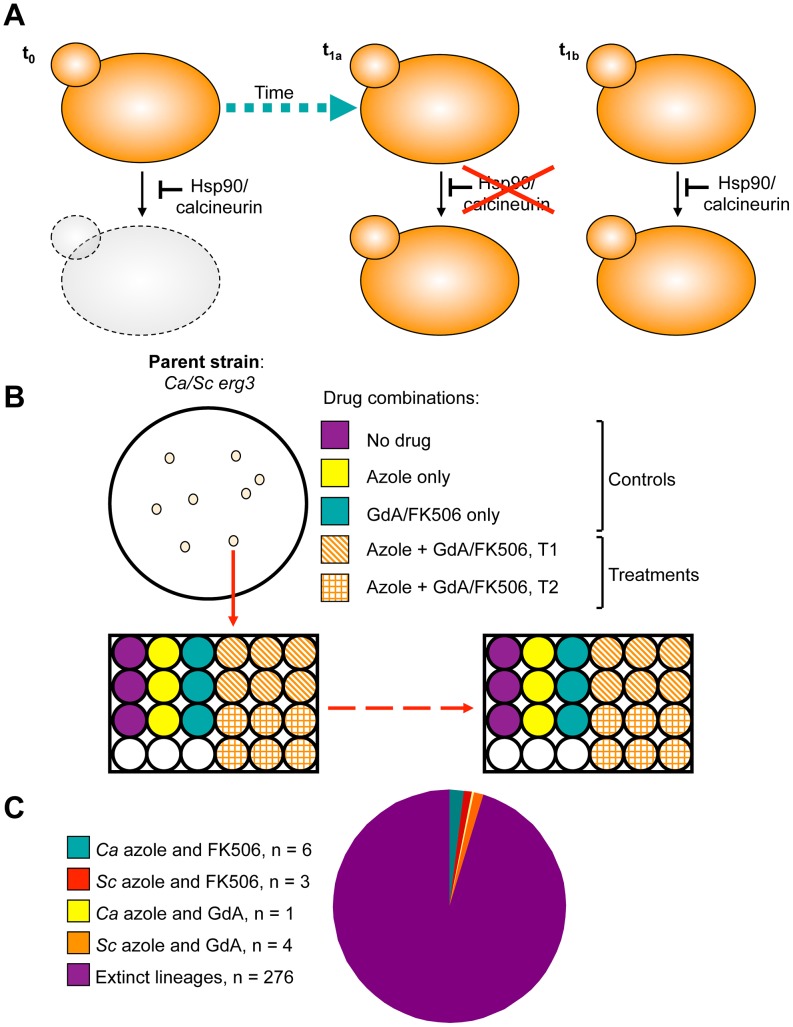
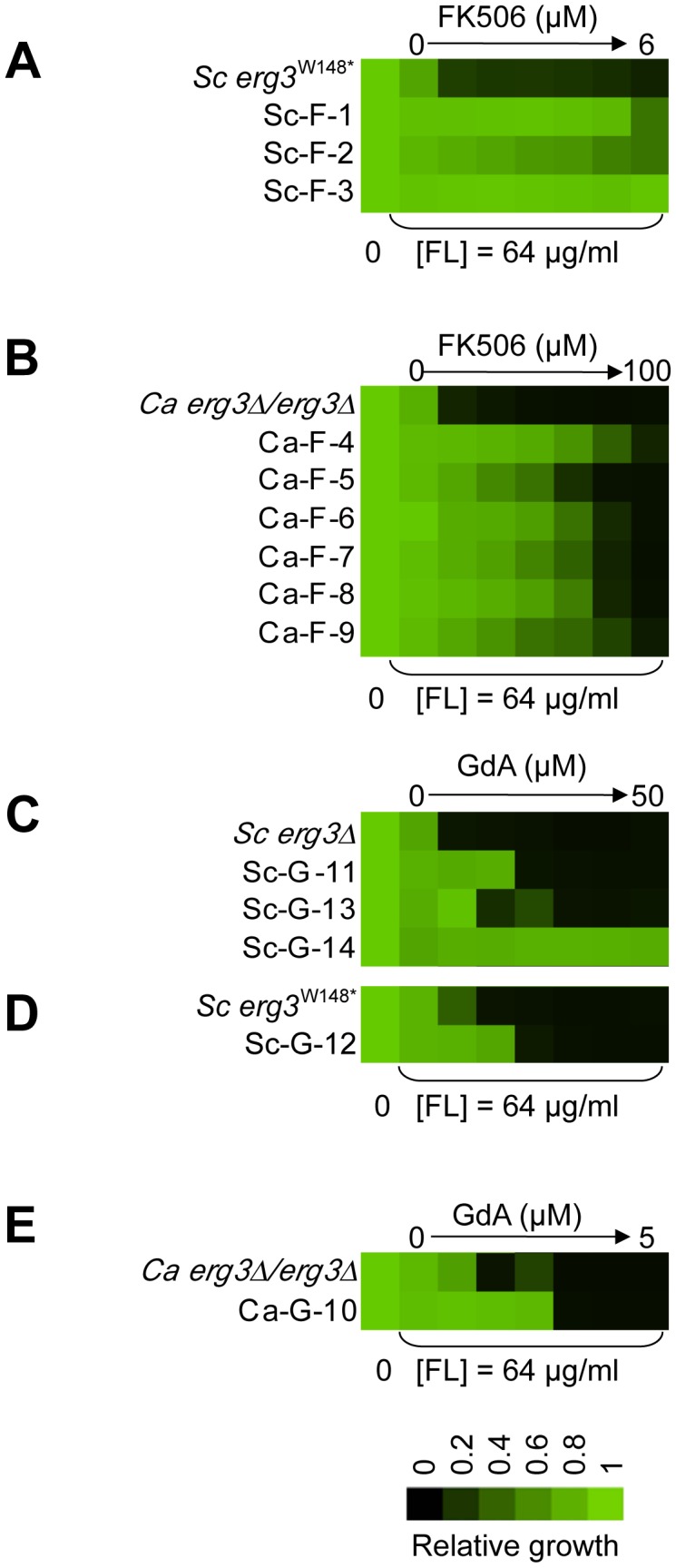
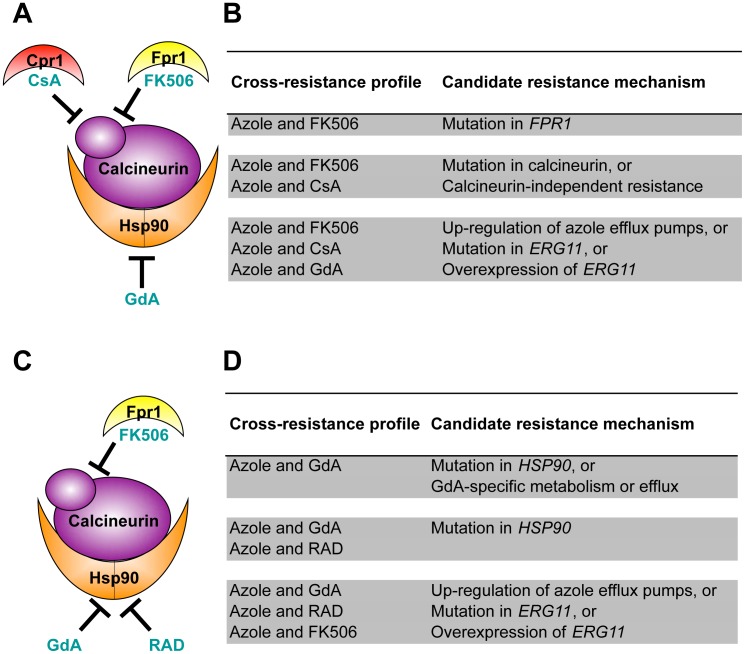
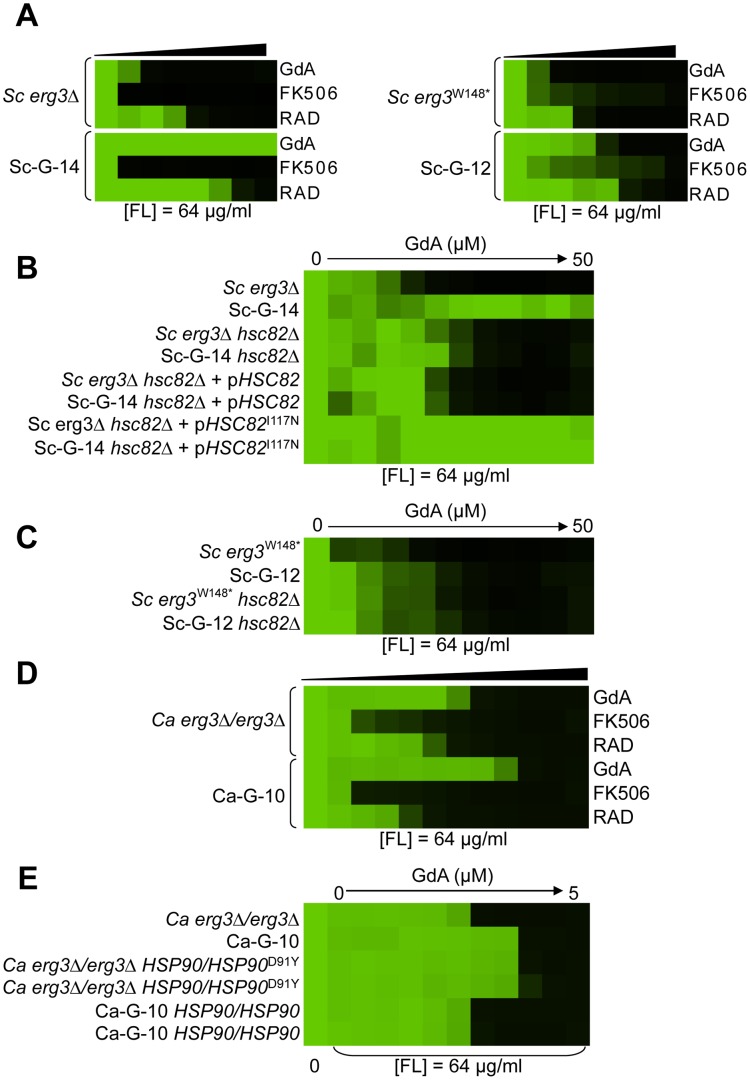
The evolution of drug resistance in fungal pathogens compromises the efficacy of the limited number of antifungal drugs. Drug combinations have emerged as a powerful strategy to enhance antifungal efficacy and abrogate drug resistance, but the impact on the evolution of drug resistance remains largely unexplored. Targeting the molecular chaperone Hsp90 or its downstream effector, the protein phosphatase calcineurin, abrogates resistance to the most widely deployed antifungals, the azoles, which inhibit ergosterol biosynthesis. Here, we evolved experimental populations of the model yeast Saccharomyces cerevisiae and the leading human fungal pathogen Candida albicans with azole and an inhibitor of Hsp90, geldanamycin, or calcineurin, FK506. To recapitulate a clinical context where Hsp90 or calcineurin inhibitors could be utilized in combination with azoles to render resistant pathogens responsive to treatment, the evolution experiment was initiated with strains that are resistant to azoles in a manner that depends on Hsp90 and calcineurin. Of the 290 lineages initiated, most went extinct, yet 14 evolved resistance to the drug combination. Drug target mutations that conferred resistance to geldanamycin or FK506 were identified and validated in five evolved lineages. Whole-genome sequencing identified mutations in a gene encoding a transcriptional activator of drug efflux pumps, PDR1, and a gene encoding a transcriptional repressor of ergosterol biosynthesis genes, MOT3, that transformed azole resistance of two lineages from dependent on calcineurin to independent of this regulator. Resistance also arose by mutation that truncated the catalytic subunit of calcineurin, and by mutation in LCB1, encoding a sphingolipid biosynthetic enzyme. Genome analysis revealed extensive aneuploidy in four of the C. albicans lineages. Thus, we identify molecular determinants of the transition of azole resistance from calcineurin dependence to independence and establish multiple mechanisms by which resistance to drug combinations evolves, providing a foundation for predicting and preventing the evolution of drug resistance.
Overview
The claims and statistics of this paper haven’t been checked yet.
Free: it reads the open-access text and checks the first 5 claims that cite a source we can check. Create a free account to check every claim.
Integrity signals
Registry
Cites
Statistics
Figures
Verification
Claims the paper makes
The claims and statistics of this paper haven’t been checked yet.
Free: it reads the open-access text and checks the first 5 claims that cite a source we can check. Create a free account to check every claim.
Self-check
Percentages, sums and reported differences re-computed from the paper’s own numbers.
The self-check needs the paper’s full text.
Citations
Cites
The Sequence Alignment/Map format and SAMtools
Li, H., Handsaker, B., Wysoker, A., Fennell, T., Ruan, J., Homer, N., Marth, G., Abecasis, G., Durbin, R., & 1000 Genome Project Data Processing Subgroup (2009) · Bioinformatics · doi:10.1093/bioinformatics/btp352 · Cited by 62,041
Fast and accurate short read alignment with Burrows-Wheeler transform
Li, H., & Durbin, R. (2009) · Bioinformatics · doi:10.1093/bioinformatics/btp324 · Cited by 58,607
Fast gapped-read alignment with Bowtie 2
Langmead, B., & Salzberg, S. L. (2012) · Nature Methods · doi:10.1038/nmeth.1923 · Cited by 56,400 · cited 2×
“one of the fastest accurate aligners [94–98].”
The Genome Analysis Toolkit: A MapReduce framework for analyzing next-generation DNA sequencing data
McKenna, A., Hanna, M., Banks, E., Sivachenko, A., Cibulskis, K., Kernytsky, A., Garimella, K., Altshuler, D., Gabriel, S., Daly, M., et al. (2010) · Genome Research · doi:10.1101/gr.107524.110 · Cited by 27,895
Ultrafast and memory-efficient alignment of short DNA sequences to the human genome.
Langmead, B., Trapnell, C., Pop, M., & Salzberg, S. L. (2009) · Genome Biology · doi:10.1186/gb-2009-10-3-r25 · Cited by 21,849
A framework for variation discovery and genotyping using next-generation DNA sequencing data
DePristo, M. A., Banks, E., Poplin, R., Garimella, K. V., Maguire, J. R., Hartl, C., Philippakis, A. A., del Angel, G., Rivas, M. A., Hanna, M., et al. (2011) · Nature Genetics · doi:10.1038/ng.806 · Cited by 11,456
Palella, F. J., Delaney, K. M., Moorman, A. C., Loveless, M. O., Fuhrer, J., Satten, G. A., Aschman, D. J., & Holmberg, S. D. (1998) · New England Journal of Medicine · doi:10.1056/nejm199803263381301 · Cited by 9,405
Epidemiology of Invasive Candidiasis: a Persistent Public Health Problem
Pfaller, M. A., & Diekema, D. J. (2007) · Clinical Microbiology Reviews · doi:10.1128/cmr.00029-06 · Cited by 4,174 · cited 1×
“albicans is the leading cause of death due to fungal infection [32], and the fourth leading cause of hospital-acquired infectious disease [7,32].”
BackgroundSOAP: Short oligonucleotide alignment program
Li, R., Li, Y., Kristiansen, K., & Wang, J. (2008) · Bioinformatics · doi:10.1093/bioinformatics/btn025 · Cited by 3,597 · cited 1×
“one of the fastest accurate aligners [94–98].”
Mapping short DNA sequencing reads and calling variants using mapping quality scores
Li, H., Ruan, J., & Durbin, R. (2008) · Genome Research · doi:10.1101/gr.078212.108 · Cited by 2,638
HSP90 and the chaperoning of cancer
Whitesell, L., & Lindquist, S. L. (2005) · Nature Reviews Cancer · doi:10.1038/nrc1716 · Cited by 2,502 · cited 1×
“This has helped fuel research on Hsp90 as a target for development of anti-cancer drugs, where inhibiting Hsp90 can impair the function of a multitude of oncoproteins [62–64].”
BackgroundHSP90 at the hub of protein homeostasis: emerging mechanistic insights
Taipale, M., Jarosz, D. F., & Lindquist, S. (2010) · Nature Reviews Molecular Cell Biology · doi:10.1038/nrm2918 · Cited by 1,818
Targeting the dynamic HSP90 complex in cancer
Trepel, J., Mollapour, M., Giaccone, G., & Neckers, L. (2010) · Nature Reviews Cancer · doi:10.1038/nrc2887 · Cited by 1,514
Population genomics of domestic and wild yeasts
Liti, G., Carter, D. M., Moses, A. M., Warringer, J., Parts, L., James, S. A., Davey, R. P., Roberts, I. N., Burt, A., Koufopanou, V., et al. (2009) · Nature · doi:10.1038/nature07743 · Cited by 1,392
Stebbins, C. E., Russo, A. A., Schneider, C., Rosen, N., Hartl, F. U., & Pavletich, N. P. (1997) · Cell · doi:10.1016/s0092-8674(00)80203-2 · Cited by 1,364
Clinical, Cellular, and Molecular Factors That Contribute to Antifungal Drug Resistance
White, T. C., Marr, K. A., & Bowden, R. A. (1998) · Clinical Microbiology Reviews · doi:10.1128/cmr.11.2.382 · Cited by 1,353
Humans as the World's Greatest Evolutionary Force
Palumbi, S. R. (2001) · Science · doi:10.1126/science.293.5536.1786 · Cited by 1,290
Tackling antibiotic resistance
Bush, K., Courvalin, P., Dantas, G., Davies, J., Eisenstein, B., Huovinen, P., Jacoby, G. A., Kishony, R., Kreiswirth, B. N., Kutter, E., et al. (2011) · Nature Reviews Microbiology · doi:10.1038/nrmicro2693 · Cited by 1,062
A Systematic Survey Identifies Prions and Illuminates Sequence Features of Prionogenic Proteins
Alberti, S., Halfmann, R., King, O., Kapila, A., & Lindquist, S. (2009) · Cell · doi:10.1016/j.cell.2009.02.044 · Cited by 968
Horn, D. L., Neofytos, D., Anaissie, E. J., Fishman, J. A., Steinbach, W. J., Olyaei, A. J., Marr, K. A., Pfaller, M. A., Chang, C., & Webster, K. M. (2009) · Clinical Infectious Diseases · doi:10.1086/599039 · Cited by 956 · cited 4×
“Great success has been achieved with combination therapy in the treatment of HIV [10–12], and it is currently the recommended strategy for treatment of tuberculosis and malaria [13,14].”
BackgroundInfluentialAntifungal drug resistance: mechanisms, epidemiology, and consequences for treatment
Pfaller, M. A. (2012) · The American Journal of Medicine · doi:10.1016/j.amjmed.2011.11.001 · Cited by 903 · cited 1×
“albicans in the laboratory and the clinic, and molecular studies have revealed a diversity of resistance mechanisms [35].”
BackgroundEpidemiology of Invasive Mycoses in North America
Pfaller, M. A., & Diekema, D. J. (2010) · Critical Reviews in Microbiology · doi:10.3109/10408410903241444 · Cited by 901 · cited 6×
“Great success has been achieved with combination therapy in the treatment of HIV [10–12], and it is currently the recommended strategy for treatment of tuberculosis and malaria [13,14].”
BackgroundInfluentialHsp90 Molecular Chaperone Inhibitors: Are We There Yet?
Neckers, L., & Workman, P. (2012) · Clinical Cancer Research · doi:10.1158/1078-0432.ccr-11-1000 · Cited by 891
A survey of sequence alignment algorithms for next-generation sequencing
Li, H., & Homer, N. (2010) · Briefings in Bioinformatics · doi:10.1093/bib/bbq015 · Cited by 875
Improved Survival Among HIV-Infected Individuals Following Initiation of Antiretroviral Therapy
Hogg, R. S. (1998) · JAMA · doi:10.1001/jama.279.6.450 · Cited by 850
The diploid genome sequence of Candida albicans
Jones, T., Federspiel, N. A., Chibana, H., Dungan, J., Kalman, S., Magee, B. B., Newport, G., Thorstenson, Y. R., Agabian, N., Magee, P. T., et al. (2004) · Proceedings of the National Academy of Sciences · doi:10.1073/pnas.0401648101 · Cited by 768
Crystal structures of human calcineurin and the human FKBP12–FK506–calcineurin complex
Kissinger, C. R., Parge, H. E., Knighton, D. R., Lewis, C. T., Pelletier, L. A., Tempczyk, A., Kalish, V. J., Tucker, K. D., Showalter, R. E., Moomaw, E. W., et al. (1995) · Nature · doi:10.1038/378641a0 · Cited by 762
Aneuploidy and Isochromosome Formation in Drug-Resistant Candida albicans
Selmecki, A., Forche, A., & Berman, J. (2006) · Science · doi:10.1126/science.1128242 · Cited by 733
Hsp90 Potentiates the Rapid Evolution of New Traits: Drug Resistance in Diverse Fungi
Cowen, L. E., & Lindquist, S. (2005) · Science · doi:10.1126/science.1118370 · Cited by 698 · cited 9×
“While this patient was not treated with Hsp90 or calcineurin inhibitors, fever may have provided the selection for Hsp90 independence given that febrile temperatures cause global problems in protein folding that can overwhelm Hsp90 function and reduce azole resistance in a manner that phenocopies Hsp90 inhibition [16].”
BackgroundResultInfluentialSelf-citationBorkovich, K. A., Farrelly, F. W., Finkelstein, D. B., Taulien, J., & Lindquist, S. (1989) · Molecular and Cellular Biology · doi:10.1128/mcb.9.9.3919 · Cited by 641
Tackling Human Fungal Infections
Brown, G. D., Denning, D. W., & Levitz, S. M. (2012) · Science · doi:10.1126/science.1222236 · Cited by 619
White, T. C. (1997) · Antimicrobial Agents and Chemotherapy · doi:10.1128/aac.41.7.1482 · Cited by 612
CNV-seq, a new method to detect copy number variation using high-throughput sequencing
Xie, C., & Tammi, M. T. (2009) · BMC Bioinformatics · doi:10.1186/1471-2105-10-80 · Cited by 582 · cited 1×
“and evolved lineages [106].”
Candida albicans: A molecular revolution built on lessons from budding yeast
Berman, J., & Sudbery, P. E. (2002) · Nature Reviews Genetics · doi:10.1038/nrg948 · Cited by 578 · cited 1×
“albicans are hindered by its obligate diploid state, lack of meiotic cycle, unusual codon usage, and inability to maintain plasmids [36], thus complementary experiments are often performed with its genetically tractable relative, S.”
BackgroundRegulatory circuitry governing fungal development, drug resistance, and disease.
Shapiro, R. S., Robbins, N., & Cowen, L. E. (2011) · Microbiology and Molecular Biology Reviews · doi:10.1128/mmbr.00045-10 · Cited by 576 · cited 1×
“Geldanamycin and FK506 were selected based on their specificity of target inhibition and their capacity to abrogate erg3-mediated azole resistance [16]; fluconazole and miconazole were selected as clinically relevant azoles of the triazole and imidazole class, respectively [4,37].”
BackgroundSelf-citationBalzi, E., Wang, M., Leterme, S., Van Dyck, L., & Goffeau, A. (1994) · Journal of Biological Chemistry · doi:10.1016/s0021-9258(17)42155-7 · Cited by 447
Projected life expectancy of people with HIV according to timing of diagnosis
Nakagawa, F., Lodwick, R. K., Smith, C. J., Smith, R., Cambiano, V., Lundgren, J. D., Delpech, V., & Phillips, A. N. (2012) · AIDS · doi:10.1097/qad.0b013e32834dcec9 · Cited by 443
Antibiotic interactions that select against resistance
Chait, R., Craney, A., & Kishony, R. (2007) · Nature · doi:10.1038/nature05685 · Cited by 439
Cowen, L. E., Singh, S. D., Köhler, J. R., Collins, C., Zaas, A. K., Schell, W. A., Aziz, H., Mylonakis, E., Perfect, J. R., Whitesell, L., et al. (2009) · Proceedings of the National Academy of Sciences · doi:10.1073/pnas.0813394106 · Cited by 413 · cited 1×
“For both species, inhibition of Hsp90 or calcineurin reduces azole resistance acquired by diverse mutations [16,18,22,38].”
BackgroundSelf-citationSchulte, T. W., Akinaga, S., Soga, S., Sullivan, W., Stensgard, B., Toft, D., & Neckers, L. M. (1998) · Cell Stress & Chaperones · doi:10.1379/1466-1268(1998)003<0100:arbttn>2.3.co;2 · Cited by 403
Fungal Infections in Solid-Organ Transplantation
Paya, C. V. (1993) · Clinical Infectious Diseases · doi:10.1093/clind/16.5.677 · Cited by 378
Evolution of antifungal-drug resistance: mechanisms and pathogen fitness
Anderson, J. B. (2005) · Nature Reviews Microbiology · doi:10.1038/nrmicro1179 · Cited by 375 · cited 1×
“The azoles are generally fungistatic, causing inhibition of growth rather than cell death, and thus impose strong selection for resistance on the surviving fungal population [26]; as a consequence, resistance is frequently encountered in the clinic [27].”
BackgroundHsp90 Governs Echinocandin Resistance in the Pathogenic Yeast Candida albicans via Calcineurin
Singh, S. D., Robbins, N., Zaas, A. K., Schell, W. A., Perfect, J. R., & Cowen, L. E. (2009) · PLoS Pathogens · doi:10.1371/journal.ppat.1000532 · Cited by 362 · cited 1×
“Resistance to drug combinations was assayed in 96-well microtiter plates, as previously described [16,21].”
MethodSelf-citationDrug interactions and the evolution of antibiotic resistance
Yeh, P. J., Hegreness, M. J., Aiden, A. P., & Kishony, R. (2009) · Nature Reviews Microbiology · doi:10.1038/nrmicro2133 · Cited by 350 · cited 1×
“Drug interactions have tremendous potential to influence the evolution of drug resistance [84].”
BackgroundSanglard, D., Ischer, F., Marchetti, O., Entenza, J., & Bille, J. (2003) · Molecular Microbiology · doi:10.1046/j.1365-2958.2003.03495.x · Cited by 350 · cited 2×
“albicans Cna1 at position 499 removes the autoinhibitory domain, resulting in a constitutively activated form of calcineurin [51].”
BackgroundCalcineurin is essential for survival during membrane stress in Candida albicans
Cruz, M. C., Goldstein, A. L., Blankenship, J. R., Del Poeta, M., Davis, D., Cardenas, M. E., Perfect, J. R., McCusker, J. H., & Heitman, J. (2002) · The EMBO Journal · doi:10.1093/emboj/21.4.546 · Cited by 342 · cited 2×
“For both species, inhibition of Hsp90 or calcineurin reduces azole resistance acquired by diverse mutations [16,18,22,38].”
BackgroundComparative genomics and evolution of the HSP90 family of genes across all kingdoms of organisms
Chen, B., Zhong, D., & Monteiro, A. (2006) · BMC Genomics · doi:10.1186/1471-2164-7-156 · Cited by 333
LaFayette, S. L., Collins, C., Zaas, A. K., Schell, W. A., Betancourt-Quiroz, M., Gunatilaka, A. A. L., Perfect, J. R., & Cowen, L. E. (2010) · PLoS Pathogens · doi:10.1371/journal.ppat.1001069 · Cited by 329 · cited 1×
“The azole resistance phenotype was independent of calcineurin but dependent on Hsp90 (Figure 6), suggesting a resistance mechanism that is contingent upon distinct Hsp90 downstream effectors, such as Mkc1 [74].”
BackgroundSelf-citationAn isochromosome confers drug resistance in vivo by amplification of two genes, ERG11 and TAC1
Selmecki, A., Gerami‐Nejad, M., Paulson, C., Forche, A., & Berman, J. (2008) · Molecular Microbiology · doi:10.1111/j.1365-2958.2008.06176.x · Cited by 325 · cited 1×
“The isochromosome confers azole resistance due to increased dosage of two genes located on the left arm of chromosome 5: ERG11, which encodes the target of the azoles; and TAC1, which encodes a transcriptional regulator of multidrug efflux pumps [78].”
BackgroundSelmecki, A. M., Dulmage, K., Cowen, L. E., Anderson, J. B., & Berman, J. (2009) · PLoS Genetics · doi:10.1371/journal.pgen.1000705 · Cited by 319 · cited 2×
“aneuploidies and genomic instability [59].”
ResultSelf-citationHarnessing calcineurin as a novel anti-infective agent against invasive fungal infections.
Steinbach, W. J., Reedy, J. L., Cramer, R. A., Perfect, J. R., & Heitman, J. (2007) · Nature Reviews Microbiology · doi:10.1038/nrmicro1680 · Cited by 313
The evolution of fungal drug resistance: modulating the trajectory from genotype to phenotype.
Cowen, L. E. (2008) · Nature Reviews Microbiology · doi:10.1038/nrmicro1835 · Cited by 311 · cited 4×
“However, targeting cellular regulators of fungal stress responses has emerged as a promising strategy to enhance the efficacy of antifungal drugs and to abrogate drug resistance [5,15].”
BackgroundInfluentialSelf-citationAccelerated evolution of resistance in multidrug environments
Hegreness, M., Shoresh, N., Damian, D., Hartl, D., & Kishony, R. (2008) · Proceedings of the National Academy of Sciences · doi:10.1073/pnas.0805965105 · Cited by 300
Heitman, J., Movva, N. R., Hiestand, P. C., & Hall, M. N. (1991) · Proceedings of the National Academy of Sciences · doi:10.1073/pnas.88.5.1948 · Cited by 294
Hsp90 Governs Dispersion and Drug Resistance of Fungal Biofilms
Robbins, N., Uppuluri, P., Nett, J., Rajendran, R., Ramage, G., Lopez-Ribot, J. L., Andes, D., & Cowen, L. E. (2011) · PLoS Pathogens · doi:10.1371/journal.ppat.1002257 · Cited by 291 · cited 1×
“Azole resistance acquired by loss of function of Erg3 or by many other mutations is exquisitely dependent on Hsp90 and calcineurin [16]; inhibition of these stress response regulators enhances azole sensitivity of diverse clinical isolates, and compromises azole resistance of isolates that evolved resistance in a huma…”
BackgroundSelf-citationCyert, M. S., Kunisawa, R., Kaim, D., & Thorner, J. (1991) · Proceedings of the National Academy of Sciences · doi:10.1073/pnas.88.16.7376 · Cited by 289 · cited 1×
“cerevisiae [39,46].”
Stress, drugs, and evolution: the role of cellular signaling in fungal drug resistance.
Cowen, L. E., & Steinbach, W. J. (2008) · Eukaryotic Cell · doi:10.1128/ec.00041-08 · Cited by 285 · cited 2×
“Geldanamycin and FK506 were selected based on their specificity of target inhibition and their capacity to abrogate erg3-mediated azole resistance [16]; fluconazole and miconazole were selected as clinically relevant azoles of the triazole and imidazole class, respectively [4,37].”
BackgroundSelf-citationOnyewu, C., Blankenship, J. R., Del Poeta, M., & Heitman, J. (2003) · Antimicrobial Agents and Chemotherapy · doi:10.1128/aac.47.3.956-964.2003 · Cited by 282 · cited 1×
“For both species, inhibition of Hsp90 or calcineurin reduces azole resistance acquired by diverse mutations [16,18,22,38].”
BackgroundPotent Synergism of the Combination of Fluconazole and Cyclosporine in Candida albicans
Marchetti, O., Moreillon, P., Glauser, M. P., Bille, J., & Sanglard, D. (2000) · Antimicrobial Agents and Chemotherapy · doi:10.1128/aac.44.9.2373-2381.2000 · Cited by 252
Heat shock protein 90 in neurodegenerative diseases
Luo, W., Sun, W., Taldone, T., Rodina, A., & Chiosis, G. (2010) · Molecular Neurodegeneration · doi:10.1186/1750-1326-5-24 · Cited by 248
Genomic Plasticity of the Human Fungal Pathogen Candida albicans
Selmecki, A., Forche, A., & Berman, J. (2010) · Eukaryotic Cell · doi:10.1128/ec.00060-10 · Cited by 247 · cited 1×
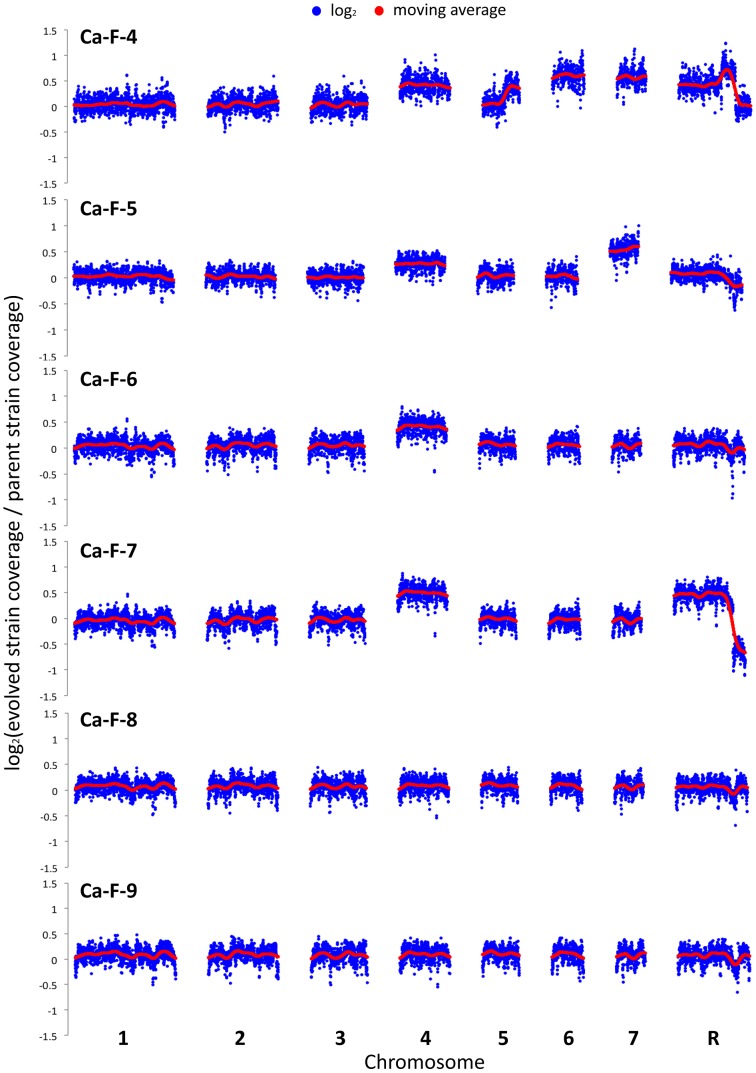
“albicans lineages underscores the remarkable genomic plasticity of this pathogen [81], and the diversity of genomic alterations that can accompany adaptation.”
BackgroundPopulation biological principles of drug-resistance evolution in infectious diseases
zur Wiesch, P. A., Kouyos, R., Engelstädter, J., Regoes, R. R., & Bonhoeffer, S. (2011) · The Lancet Infectious Diseases · doi:10.1016/s1473-3099(10)70264-4 · Cited by 240
Sphingolipid functions in Saccharomyces cerevisiae
Dickson, R. C., & Lester, R. L. (2002) · Biochimica et Biophysica Acta (BBA) - Molecular and Cell Biology of Lipids · doi:10.1016/s1388-1981(02)00210-x · Cited by 235
Synergistic Effect of Calcineurin Inhibitors and Fluconazole against Candida albicans Biofilms
Uppuluri, P., Nett, J., Heitman, J., & Andes, D. (2008) · Antimicrobial Agents and Chemotherapy · doi:10.1128/aac.01397-07 · Cited by 228 · cited 1×
“Compromise of Hsp90 or calcineurin function transforms antifungals from fungistatic to fungicidal and enhances the efficacy of antifungals in mammalian models of systemic and biofilm fungal infections [15,22–24], suggesting that combination therapy with azoles and inhibitors of Hsp90 or calcineurin may provide a power…”
BackgroundCalcineurin: Structure, function, and inhibition
Hemenway, C. S., & Heitman, J. (1999) · Cell Biochemistry and Biophysics · doi:10.1007/bf02737887 · Cited by 227 · cited 2×
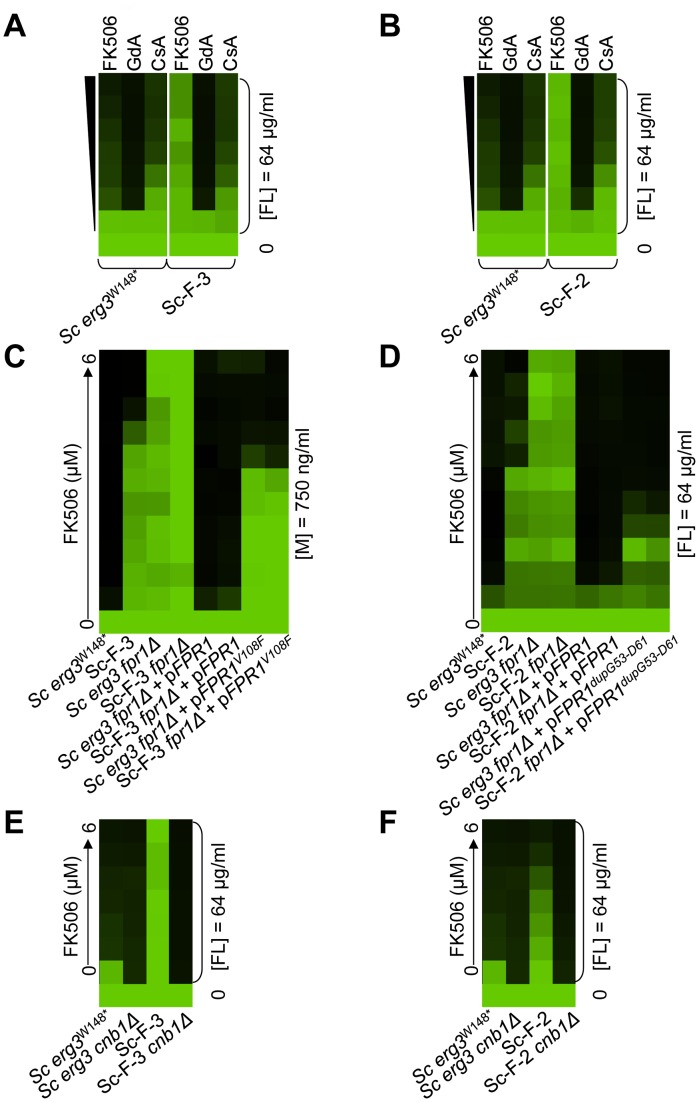
“Lineages evolved with azole and FK506 were assayed for resistance to azole and geldanamycin (a naı̈ve inhibitor) as well as to azole and cyclosporin A (a structurally dissimilar calcineurin inhibitor) [39,40] (Figure 3A).”
BackgroundDrug interactions modulate the potential for evolution of resistance
Michel, J.-B., Yeh, P. J., Chait, R., Moellering, R. C., & Kishony, R. (2008) · Proceedings of the National Academy of Sciences · doi:10.1073/pnas.0800944105 · Cited by 215
Highly-multiplexed barcode sequencing: an efficient method for parallel analysis of pooled samples
Smith, A. M., Heisler, L. E., St.Onge, R. P., Farias-Hesson, E., Wallace, I. M., Bodeau, J., Harris, A. N., Perry, K. M., Giaever, G., Pourmand, N., et al. (2010) · Nucleic Acids Research · doi:10.1093/nar/gkq368 · Cited by 208
Self-citationEvolution of Drug Resistance in Experimental Populations of Candida albicans
Cowen, L. E., Sanglard, D., Calabrese, D., Sirjusingh, C., Anderson, J. B., & Kohn, L. M. (2000) · Journal of Bacteriology · doi:10.1128/jb.182.6.1515-1522.2000 · Cited by 207 · cited 1×
“albicans [50], likely as a consequence of the highly repetitive nature of the genomic context.”
BackgroundSelf-citationHypermutation as a Factor Contributing to the Acquisition of Antimicrobial Resistance
Eliopoulos, G. M., & Blazquez, J. (2003) · Clinical Infectious Diseases · doi:10.1086/378810 · Cited by 206
Chen, S., Sullivan, W. P., Toft, D. O., & Smith, D. F. (1998) · Cell Stress and Chaperones · doi:10.1379/1466-1268(1998)003<0256:ealocb>2.3.co;2 · Cited by 189
Buede, R., Rinker-Schaffer, C., Pinto, W. J., Lester, R. L., & Dickson, R. C. (1991) · Journal of Bacteriology · doi:10.1128/jb.173.14.4325-4332.1991 · Cited by 189
Cross‐species discovery of syncretic drug combinations that potentiate the antifungal fluconazole
Spitzer, M., Griffiths, E., Blakely, K. M., Wildenhain, J., Ejim, L., Rossi, L., De Pascale, G., Curak, J., Brown, E., Tyers, M., et al. (2011) · Molecular Systems Biology · doi:10.1038/msb.2011.31 · Cited by 183
Resistance of human fungal pathogens to antifungal drugs
Sanglard, D. (2002) · Current Opinion in Microbiology · doi:10.1016/s1369-5274(02)00344-2 · Cited by 179
Minami, Y., Kimura, Y., Kawasaki, H., Suzuki, K., & Yahara, I. (1994) · Molecular and Cellular Biology · doi:10.1128/mcb.14.2.1459 · Cited by 172
Roth, A., Ding, J., Morin, R., Crisan, A., Ha, G., Giuliany, R., Bashashati, A., Hirst, M., Turashvili, G., Oloumi, A., et al. (2012) · Bioinformatics · doi:10.1093/bioinformatics/bts053 · Cited by 171
Assembly of the Candida albicans genome into sixteen supercontigs aligned on the eight chromosomes
van het Hoog, M., Rast, T. J., Martchenko, M., Grindle, S., Dignard, D., Hogues, H., Cuomo, C., Berriman, M., Scherer, S., Magee, B., et al. (2007) · Genome Biology · doi:10.1186/gb-2007-8-4-r52 · Cited by 166
Optimal Drug Synergy in Antimicrobial Treatments
Torella, J. P., Chait, R., & Kishony, R. (2010) · PLoS Computational Biology · doi:10.1371/journal.pcbi.1000796 · Cited by 162
Evolutionary insight from whole‐genome sequencing of experimentally evolved microbes
DETTMAN, J. R., RODRIGUE, N., MELNYK, A. H., WONG, A., BAILEY, S. F., & KASSEN, R. (2012) · Molecular Ecology · doi:10.1111/j.1365-294x.2012.05484.x · Cited by 160
Genetic Architecture of Hsp90-Dependent Drug Resistance
Cowen, L. E., Carpenter, A. E., Matangkasombut, O., Fink, G. R., & Lindquist, S. (2006) · Eukaryotic Cell · doi:10.1128/ec.00274-06 · Cited by 159 · cited 1×
“Inhibition of Hsp90 or calcineurin with molecules that are well tolerated in humans can impair the evolution of azole resistance [16,20], though the potential for evolution of resistance to the drug combinations remains unknown.”
BackgroundSelf-citationAnderson, J. B., Sirjusingh, C., Parsons, A. B., Boone, C., Wickens, C., Cowen, L. E., & Kohn, L. M. (2003) · Genetics · doi:10.1093/genetics/163.4.1287 · Cited by 156
Self-citationRegulation of pleiotropic drug resistance in yeast
Kołaczkowska, A., & Goffeau, A. (1999) · Drug Resistance Updates · doi:10.1054/drup.1999.0113 · Cited by 140
THE PROBABILITY THAT BENEFICIAL MUTATIONS ARE LOST IN POPULATIONS WITH PERIODIC BOTTLENECKS
Wahl, L. M., & Gerrish, P. J. (2001) · Evolution · doi:10.1111/j.0014-3820.2001.tb00772.x · Cited by 137
Saccharomyces Genome Database provides mutant phenotype data
Engel, S. R., Balakrishnan, R., Binkley, G., Christie, K. R., Costanzo, M. C., Dwight, S. S., Fisk, D. G., Hirschman, J. E., Hitz, B. C., Hong, E. L., et al. (2010) · Nucleic Acids Research · doi:10.1093/nar/gkp917 · Cited by 125
Role of HSP90 in salt stress tolerance via stabilization and regulation of calcineurin.
Imai, J., & Yahara, I. (2000) · Molecular and Cellular Biology · doi:10.1128/mcb.20.24.9262-9270.2000 · Cited by 123 · cited 1×
“The molecular chaperone Hsp90 regulates the stability and function of diverse client proteins [16,17], and controls stress responses required for drug resistance by stabilizing the protein phosphatase calcineurin [16,18–21].”
BackgroundCardenas, M. E., Muir, R. S., Breuder, T., & Heitman, J. (1995) · The EMBO Journal · doi:10.1002/j.1460-2075.1995.tb07277.x · Cited by 122
Cowen, L. E., Kohn, L. M., & Anderson, J. B. (2001) · Journal of Bacteriology · doi:10.1128/jb.183.10.2971-2978.2001 · Cited by 113
Self-citationSavant: genome browser for high-throughput sequencing data
Fiume, M., Williams, V., Brook, A., & Brudno, M. (2010) · Bioinformatics · doi:10.1093/bioinformatics/btq332 · Cited by 112
The identification of myriocin-binding proteins
Chen, J., Lane, W. S., & Schreiber, S. L. (1999) · Chemistry & Biology · doi:10.1016/s1074-5521(99)80038-6 · Cited by 104
Anderson, J. B., Funt, J., Thompson, D. A., Prabhu, S., Socha, A., Sirjusingh, C., Dettman, J. R., Parreiras, L., Guttman, D. S., Regev, A., et al. (2010) · Current Biology · doi:10.1016/j.cub.2010.06.022 · Cited by 97
Favre, B., Ryder, N. S., & Didmon, M. (1999) · Microbiology · doi:10.1099/00221287-145-10-2715 · Cited by 94
Sasse, C., Dunkel, N., Schäfer, T., Schneider, S., Dierolf, F., Ohlsen, K., & Morschhäuser, J. (2012) · Molecular Microbiology · doi:10.1111/j.1365-2958.2012.08210.x · Cited by 93 · cited 1×
“In contrast, many azole resistance mutations are associated with a fitness cost [79], though this cost can be mitigated with further evolution [80].”
BackgroundThe 2012 Garrod Lecture: Discovery of antibacterial drugs in the 21st century
Chopra, I. (2012) · Journal of Antimicrobial Chemotherapy · doi:10.1093/jac/dks436 · Cited by 91
Etzkorn, F. A., Chang, Z., Stolz, L. A., & Walsh, C. T. (1994) · Biochemistry · doi:10.1021/bi00175a005 · Cited by 75
Hongay, C., Jia, N., Bard, M., & Winston, F. (2002) · The EMBO Journal · doi:10.1093/emboj/cdf415 · Cited by 72 · cited 2×
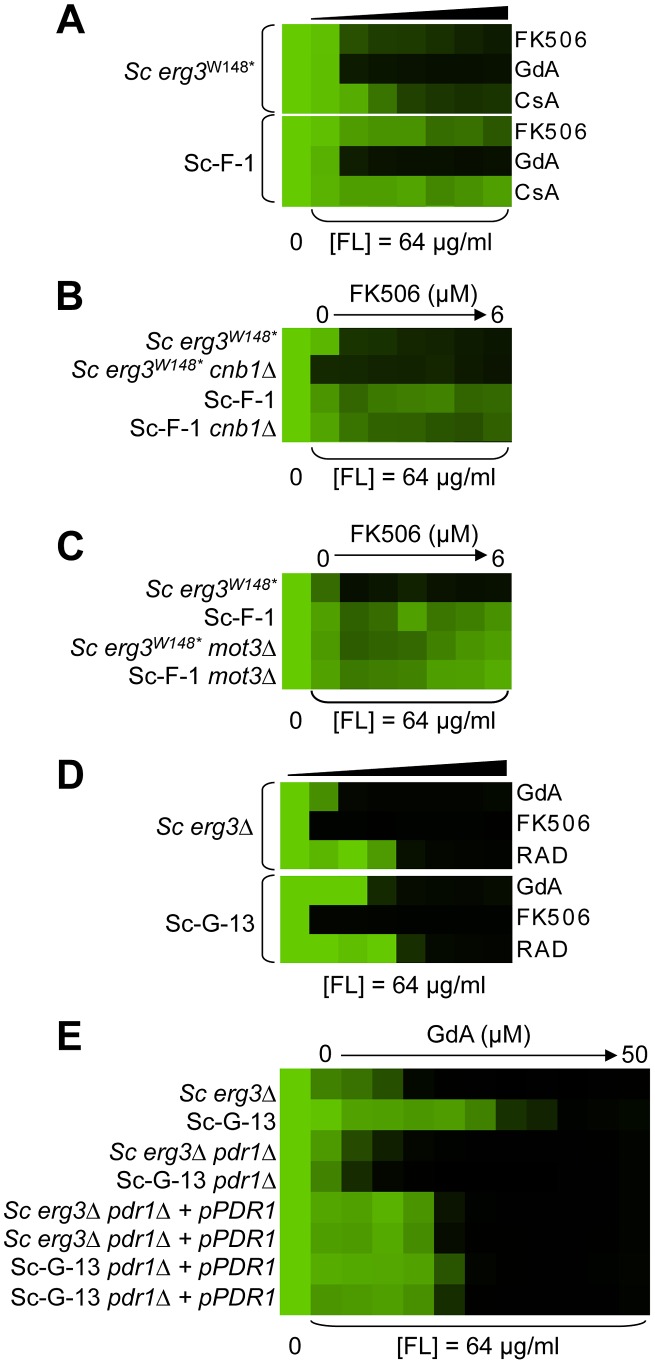
“Whole genome sequencing at high coverage (Table S1) identified two non-synonymous mutations (Table 2), as well as 58 mutations that were synonymous or in noncoding regions (Table S2 and Table S3); the best candidate for a mutation for affecting resistance was a mutation in MOT3, a transcriptional repressor of ergoster…”
BackgroundNew tools at the Candida Genome Database: biochemical pathways and full-text literature search
Skrzypek, M. S., Arnaud, M. B., Costanzo, M. C., Inglis, D. O., Shah, P., Binkley, G., Miyasato, S. R., & Sherlock, G. (2010) · Nucleic Acids Research · doi:10.1093/nar/gkp836 · Cited by 67
Structural Basis of the Radicicol Resistance Displayed by a Fungal Hsp90
Prodromou, C., Nuttall, J. M., Millson, S. H., Roe, S. M., Sim, T., Tan, D., Workman, P., Pearl, L. H., & Piper, P. W. (2009) · ACS Chemical Biology · doi:10.1021/cb9000316 · Cited by 60
The Chemical Biology of Immunophilin Ligands
Gaali, S., Gopalakrishnan, R., Wang, Y., Kozany, C., & Hausch, F. (2011) · Current Medicinal Chemistry · doi:10.2174/092986711798194342 · Cited by 58
Fungal infections in oncology patients: update on epidemiology, prevention, and treatment
Marr, K. A. (2010) · Current Opinion in Oncology · doi:10.1097/cco.0b013e328335a755 · Cited by 37
Exploring Gene Function and Drug Action Using Chemogenomic Dosage Assays
Ericson, E., Hoon, S. S., St.Onge, R. P., Giaever, G. N., & Nislow, C. (2010) · Methods in enzymology on CD-ROM/Methods in enzymology · doi:10.1016/s0076-6879(10)70010-0 · Cited by 33
Self-citationHendrych, T., Kodedová, M., Sigler, K., & Gášková, D. (2008) · Biochimica et Biophysica Acta (BBA) - Biomembranes · doi:10.1016/j.bbamem.2008.12.001 · Cited by 32
Millson, S. H., Prodromou, C., & Piper, P. W. (2010) · Biochemical Pharmacology · doi:10.1016/j.bcp.2010.01.031 · Cited by 27
Blankenship, J. R., Singh, N., Alexander, B. D., & Heitman, J. (2005) · Journal of Clinical Microbiology · doi:10.1128/jcm.43.1.464-467.2005 · Cited by 25
Reedy, J. L., Husain, S., Ison, M., Pruett, T. L., Singh, N., & Heitman, J. (2006) · Antimicrobial Agents and Chemotherapy · doi:10.1128/aac.50.4.1573-1577.2006 · Cited by 18
Antagonism between Two Mechanisms of Antifungal Drug Resistance
Anderson, J. B., Ricker, N., & Sirjusingh, C. (2006) · Eukaryotic Cell · doi:10.1128/ec.00048-06 · Cited by 16
Dolgin, E., & Motluk, A. (2011) · Nature Medicine · doi:10.1038/nm0611-646 · Cited by 14
Cited by
Antifungal Drug Resistance: Molecular Mechanisms in Candida albicans and Beyond
Lee, Y., Puumala, E., Robbins, N., & Cowen, L. E. (2021) · Chemical Reviews · doi:10.1021/acs.chemrev.0c00199 · Cited by 801
Self-citationMolecular Evolution of Antifungal Drug Resistance
Robbins, N., Caplan, T., & Cowen, L. E. (2017) · Annual Review of Microbiology · doi:10.1146/annurev-micro-030117-020345 · Cited by 441
Self-citationCurrent and Emerging Legionella Diagnostics for Laboratory and Outbreak Investigations
Mercante, J. W., & Winchell, J. M. (2015) · Clinical Microbiology Reviews · doi:10.1128/cmr.00029-14 · Cited by 339
The Candida Pathogenic Species Complex
Turner, S. A., & Butler, G. (2014) · Cold Spring Harbor Perspectives in Medicine · doi:10.1101/cshperspect.a019778 · Cited by 336
Dadar, M., Tiwari, R., Karthik, K., Chakraborty, S., Shahali, Y., & Dhama, K. (2018) · Microbial Pathogenesis · doi:10.1016/j.micpath.2018.02.028 · Cited by 332
Metadata
- Authors
- Hill, J. A., Ammar, R., Torti, D., Nislow, C., & Cowen, L. E.
- Affiliations
- University of Toronto (CA)
- Corresponding author
- Cowen, Leah E.
- Venue
- PLoS Genetics
- Publisher
- Public Library of Science (PLoS)
- Published
- 2013-04-04
- Volume
- 9
- Issue
- 4
- Pages
- e1003390
- ISSN
- 1553-7390 (ISSN-L)
- 1553-7404
- PMC
- PMC3617151
- OpenAlex
- W1983265239
- Cited by
- 93
- References
- 104
- Citations by year
- 2026: 2 · 2025: 4 · 2024: 10 · 2023: 3 · 2022: 2 · 2021: 7 · 2020: 7 · 2019: 8 · 2018: 4 · 2017: 6 · 2016: 11 · 2015: 13 · 2014: 14 · 2013: 2
- FWCI
- 9.69
- Type
- journal article
- Language
- en
- Open access
- gold
- doi.org
- Locations
- PLoS Genetics (publishedVersion, cc-by)
- Europe PMC (PubMed Central) (publishedVersion, cc-by)
- PubMed Central (publishedVersion, cc-by)
- PubMed (publishedVersion)
- DOAJ (DOAJ: Directory of Open Access Journals) (submittedVersion, cc-by-sa)
- Figshare (submittedVersion, cc-by)
- Funders
- Burroughs Wellcome Fund
- University of Toronto
- Natural Sciences and Engineering Research Council of Canada (355965-2009)
- Topics
- Health Sciences › Medicine › Infectious Diseases › Antifungal resistance and susceptibility
- Life Sciences › Biochemistry, Genetics and Molecular Biology › Molecular Biology › Fungal and yeast genetics research
- Life Sciences › Agricultural and Biological Sciences › Plant Science › Fungal Plant Pathogen Control
- Keywords
- antifungal resistance, azole resistance, Hsp90 inhibitors, calcineurin inhibitors, geldanamycin, FK506, Candida albicans, Saccharomyces cerevisiae, PDR1, aneuploidy, drug efflux pumps, ergosterol biosynthesis, resistance evolution, drug target mutations
- MeSH terms
- Aneuploidy, Antifungal Agents, Azoles, Candida albicans, DNA-Binding Proteins, Drug Combinations, Ergosterol, Saccharomyces cerevisiae, Transcription Factors, Benzoquinones, Tacrolimus, HSP90 Heat-Shock Proteins, Evolution, Molecular, Calcineurin, Drug Resistance, Fungal, Saccharomyces cerevisiae Proteins, Lactams, Macrocyclic, Calcineurin Inhibitors
About these checks
Registry, retraction, Cites and statistics results are computed, not judged, with one exception: a printed reference that no index lists is read once by a model before it counts as a citation error. Claims are extracted by a model and kept only when their quote appears verbatim in the text; each cited source is then checked, with a model’s help, for whether it says what the claim relies on. Those verdicts can be wrong — read the claim’s quote and the cited source before relying on one.
Statistics and arithmetic are recomputed, not judged.
Confidence bands are shown only for fields calibrated on our annotated test set. None is calibrated yet, so no band is shown.
What counts as a claim ›How we measure confidence ›How we check this ›
Are you an author, or do you see a problem with this page? Request a review
Data sources
Bibliographic data: Semantic Scholar, OpenAlex, Crossref.
Contains information from the Semantic Scholar Academic Graph Datasets, made available under the ODC Attribution License (ODC-BY 1.0).
Semantic Scholar’s data is described in: Kinney, R., et al. (2023). The Semantic Scholar Open Data Platform. arXiv:2301.10140.
