

Eight Americas: investigating mortality disparities across races, counties, and race-counties in the United States.
Open accessThe DOI matches its Crossref record; 50 of the 50 references it cites were found in a registry or an index.
Abstract
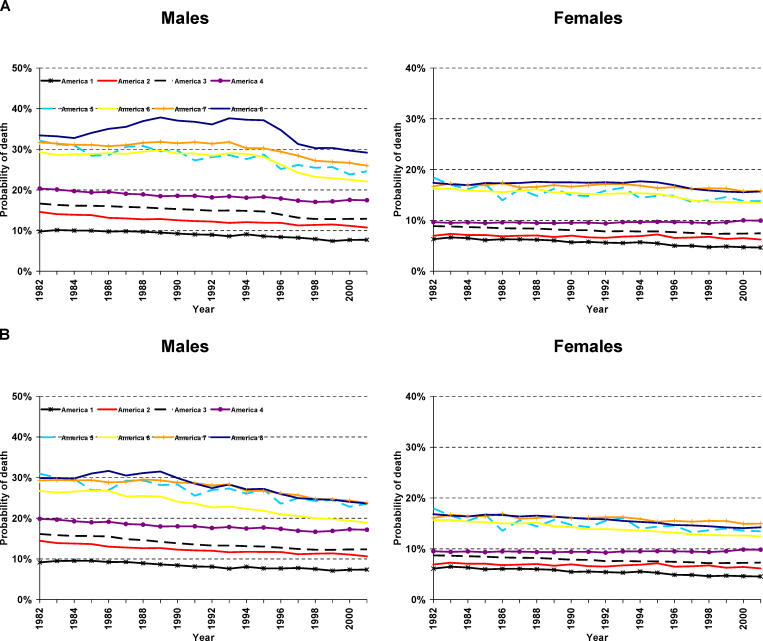
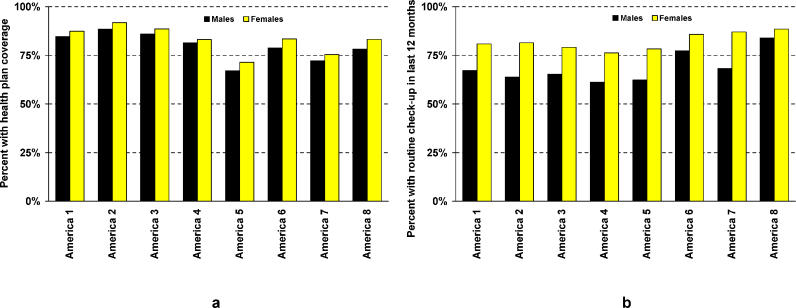
BACKGROUND: The gap between the highest and lowest life expectancies for race-county combinations in the United States is over 35 y. We divided the race-county combinations of the US population into eight distinct groups, referred to as the "eight Americas," to explore the causes of the disparities that can inform specific public health intervention policies and programs. METHODS AND FINDINGS: The eight Americas were defined based on race, location of the county of residence, population density, race-specific county-level per capita income, and cumulative homicide rate. Data sources for population and mortality figures were the Bureau of the Census and the National Center for Health Statistics. We estimated life expectancy, the risk of mortality from specific diseases, health insurance, and health-care utilization for the eight Americas. The life expectancy gap between the 3.4 million high-risk urban black males and the 5.6 million Asian females was 20.7 y in 2001. Within the sexes, the life expectancy gap between the best-off and the worst-off groups was 15.4 y for males (Asians versus high-risk urban blacks) and 12.8 y for females (Asians versus low-income southern rural blacks). Mortality disparities among the eight Americas were largest for young (15-44 y) and middle-aged (45-59 y) adults, especially for men. The disparities were caused primarily by a number of chronic diseases and injuries with well-established risk factors. Between 1982 and 2001, the ordering of life expectancy among the eight Americas and the absolute difference between the advantaged and disadvantaged groups remained largely unchanged. Self-reported health plan coverage was lowest for western Native Americans and low-income southern rural blacks. Crude self-reported health-care utilization, however, was slightly higher for the more disadvantaged populations. CONCLUSIONS: Disparities in mortality across the eight Americas, each consisting of millions or tens of millions of Americans, are enormous by all international standards. The observed disparities in life expectancy cannot be explained by race, income, or basic health-care access and utilization alone. Because policies aimed at reducing fundamental socioeconomic inequalities are currently practically absent in the US, health disparities will have to be at least partly addressed through public health strategies that reduce risk factors for chronic diseases and injuries.
Overview
The claims and statistics of this paper haven’t been checked yet.
Free: it reads the open-access text and checks the first 5 claims that cite a source we can check. Create a free account to check every claim.
Integrity signals
Registry
Cites
Statistics
Figures
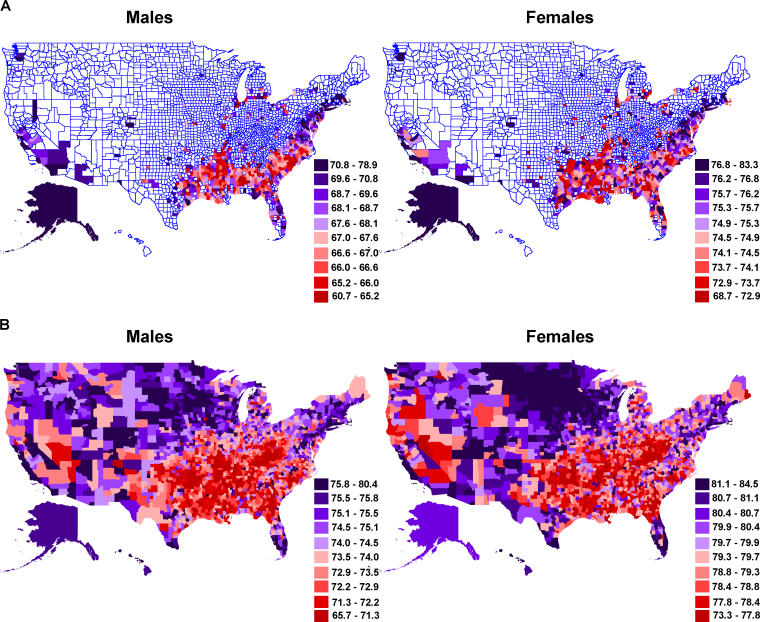
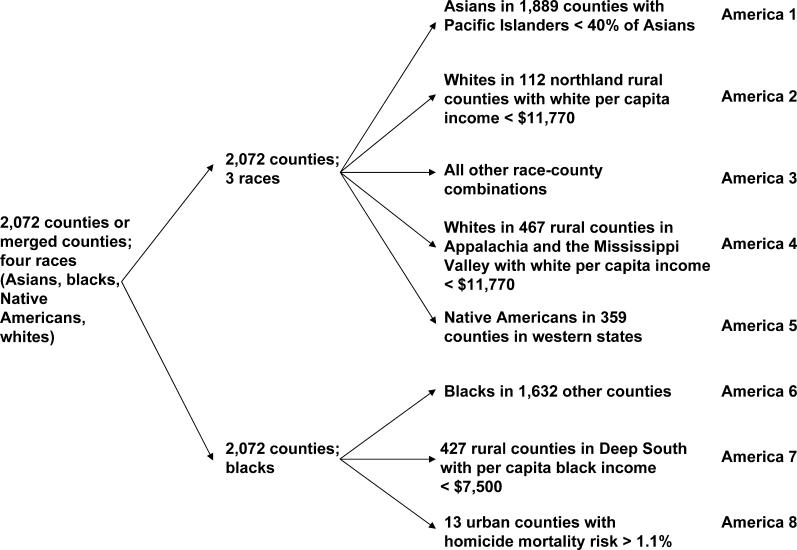
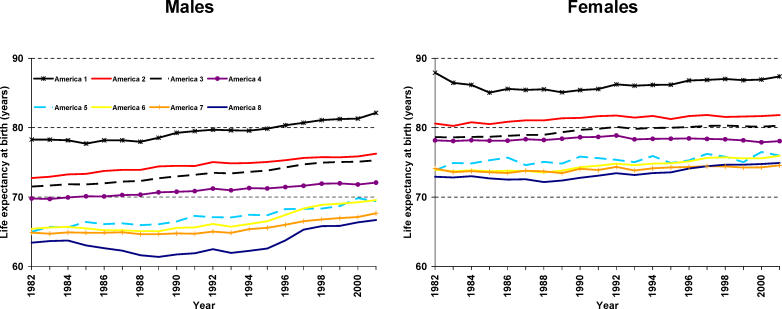
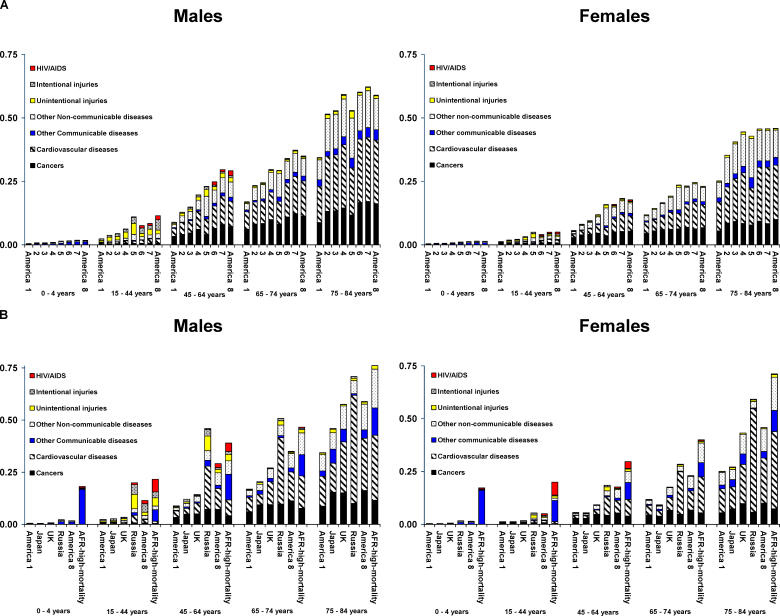
Verification
Claims the paper makes
The claims and statistics of this paper haven’t been checked yet.
Free: it reads the open-access text and checks the first 5 claims that cite a source we can check. Create a free account to check every claim.
Claims other papers make about this one
Each is checked against this paper’s own text: does it say what the citing paper says it does?
The check wasn’t confident either way, so it gives no verdict — never disputed.
In the citing paper
“Site-specific differences in the incidence of candidemia might be due to differences in the percentages of patients with underlying conditions such as diabetes and other immunosuppressive conditions (40,41), differences in practice patterns and use of antibiotics, and differences in use of antifungals and CVCs, all of which contribute to the risk for candidemia.”
From Population-Based Active Surveillance for Culture-Confirmed Candidemia — Four Sites, United States, 2012–2016 (2019) · cites this paper as [41]
Experimental — accuracy not yet measured
Self-check
Percentages, sums and reported differences re-computed from the paper’s own numbers.
The self-check needs the paper’s full text.
Citations
Cites
Yusuf, S., Hawken, S., Ôunpuu, S., Dans, T., Avezum, A., Lanas, F., McQueen, M., Budaj, A., Pais, P., Varigos, J., et al. (2004) · The Lancet · doi:10.1016/s0140-6736(04)17018-9 · Cited by 12,026
Unequal treatment: confronting racial and ethnic disparities in health care
(2003) · Choice Reviews Online · doi:10.5860/choice.40-5843 · Cited by 7,043
The World Health Report 2002 - Reducing Risks, Promoting Healthy Life
Not Available, N. A. (2003) · Education for Health: Change in Learning & Practice · doi:10.1080/1357628031000116808 · Cited by 6,046
Selected major risk factors and global and regional burden of disease
Ezzati, M., Lopez, A. D., Rodgers, A., Vander Hoorn, S., & Murray, C. J. (2002) · The Lancet · doi:10.1016/s0140-6736(02)11403-6 · Cited by 3,594
Self-citationGlobal Burden of Disease and Risk Factors
(2006) · World Bank, Washington, DC eBooks · doi:10.1596/978-0-8213-6262-4 · Cited by 2,605
Self-citationDemography, Measuring and Modeling Population Processes
Veron, J., Preston, S. H., Heuveline, P., & Guillot, M. (2002) · Population (French Edition) · doi:10.2307/1535065 · Cited by 1,709
Pappas, G., Queen, S., Hadden, W., & Fisher, G. (1993) · New England Journal of Medicine · doi:10.1056/nejm199307083290207 · Cited by 1,524
Area Deprivation and Widening Inequalities in US Mortality, 1969–1998
Singh, G. K. (2003) · American Journal of Public Health · doi:10.2105/ajph.93.7.1137 · Cited by 1,423 · cited 1×
“Researchers have also drawn attention to substantial disparities in mortality and functional health status nationally and within race groups in relation to income, social class, education, and community characteristics [6–16].”
BackgroundThe Influence Of Income On Health: Views Of An Epidemiologist
Marmot, M. (2002) · Health Affairs · doi:10.1377/hlthaff.21.2.31 · Cited by 848 · cited 1×
“Important research in the past few decades has illustrated the critical role of individual and community-level socioeconomic factors, be it in absolute or relative terms, in health outcomes [11,24,37,38].”
BackgroundCooper, R., Cutler, J., Desvigne-Nickens, P., Fortmann, S. P., Friedman, L., Havlik, R., Hogelin, G., Marler, J., McGovern, P., Morosco, G., et al. (2000) · Circulation · doi:10.1161/01.cir.102.25.3137 · Cited by 831 · cited 1×
“Multiple investigations have documented the consistent gap in all measures of mortality by race, particularly between black and white Americans [1–5].”
Background
Research works printed but not linked: 1
- Nelson DE Holtzman D Waller M Leutzinger CL Condon K 1998 Objectives and design of the Behavioral Risk Factor Surveillance System Proceedings of the Survey Research Methods Section, American Statistical Association National Meeting (1998) Alexandria (Virginia) American Statistical Association Available: http://www.amstat.org/sections/srms/proceedings/papers/1998_032.pdf. Accessed 11 July 2006.
Cited by
Items 201–300 of 833
Time for a Creative Transformation of Epidemiology in the United States
Lauer, M. S. (2012) · JAMA · doi:10.1001/jama.2012.14838 · Cited by 51
State-level climate, anti-discrimination law, and sexual minority health status: An ecological study
Solazzo, A. L., Brown, T. N., & Gorman, B. K. (2017) · Social Science & Medicine · doi:10.1016/j.socscimed.2017.11.033 · Cited by 51
Decomposing Mortality Disparities in Urban and Rural U.S. Counties
Spencer, J. C., Wheeler, S. B., Rotter, J., & Holmes, M. (2018) · Health Services Research · doi:10.1111/1475-6773.12982 · Cited by 53
Hastings, K. G., Boothroyd, D. B., Kapphahn, K., Hu, J., Rehkopf, D. H., Cullen, M. R., & Palaniappan, L. P. (2018) · Annals of Internal Medicine · doi:10.7326/m17-0796 · Cited by 51
“subpopulations based on sociodemographic and geographic indicators) and found that the greatest contributor to mortality disparities among these groups was differences in chronic disease risk factors, such as alcohol use, smoking, obesity, and elevated blood pressure and glucose level (22).”
BackgroundTrends in Cigarette Smoking and Obesity in Appalachian Kentucky
Schoenberg, N. E., Huang, B., Seshadri, S., & Tucker, T. C. (2015) · Southern Medical Journal · doi:10.14423/smj.0000000000000245 · Cited by 51
“In 2001, Appalachian men and women could expect to live 72 and 78 years, respectively, approximately 4 years and 3 years less, respectively, than the general white US population; they had a life expectancy equal to populations in Mexico and Panama.1 Implicated in this lower life expectancy are elevated rates of cigare…”
BackgroundInfluentialComparing population health in the United States and Canada
Feeny, D. H., Kaplan, M. S., Huguet, N., & McFarland, B. H. (2010) · Population Health Metrics · doi:10.1186/1478-7954-8-8 · Cited by 52
“The result that the proportion of a state's population that is African American is important in explaining statelevel variations in mortality [16,17,65,70] suggests that the legacies of slavery and racial discrimination may be important in accounting for the HALE gap.”
BackgroundRacial and social class gradients in life expectancy in contemporary California
Clarke, C. A., Miller, T. C., Chang, E. T., Yin, D., Cockburn, M., & Gomez, S. L. (2010) · Social Science & Medicine · doi:10.1016/j.socscimed.2010.01.003 · Cited by 51
“However, prior US studies assigned area-level SES based on county of residence (Murray et al., 2006; Singh & Siahpush, 2006), a highly heterogeneous geographic delimiter in the US, with some counties having hundreds and others millions of residents.”
BackgroundMortality among adults: gender and socioeconomic differences in a Brazilian city
Belon, A. P., Barros, M. B. D. A., & Marín‐Léon, L. (2012) · BMC Public Health · doi:10.1186/1471-2458-12-39 · Cited by 51
“These results are consistent with findings of previous studies [1,5,12,16], with variations in the magnitude of the difference.”
BackgroundMethodResultInfluentialJolly, S. E., Burrows, N. R., Chen, S., Li, S., Jurkovitz, C. T., Norris, K. C., & Shlipak, M. G. (2011) · Clinical Journal of the American Society of Nephrology · doi:10.2215/cjn.00500111 · Cited by 50
“Age years , mean 65 (14) 59 (14) 56 (15) 61 (13) 58 (16) 0.”
Rubin, J. K., Taylor, J., Krapels, J., Sutherland, A., Felician, M., Liu, J., Davis, L. M., & Rohr, C. (2016) · RAND Corporation eBooks · doi:10.7249/rr1252 · Cited by 50
“In short, there are ‘many Americas’ (Murray et al. 2006).”
BackgroundBASICS INEQUALITY: Race and Access to Complete Plumbing Facilities in the United States
Gasteyer, S. P., Lai, J., Tucker, B., Carrera, J. S., & Moss, J. (2016) · Du Bois Review Social Science Research on Race · doi:10.1017/s1742058x16000242 · Cited by 51
Minhas, A. M. K., Talha, K. M., Abramov, D., Johnson, H. M., Antoine, S., Rodríguez, F., Fudim, M., Michos, E. D., Misra, A., Abushamat, L. A., et al. (2024) · Journal of the National Medical Association · doi:10.1016/j.jnma.2024.01.022 · Cited by 49
Cruz, D. E., Tahir, U. A., Hu, J., Ngo, D., Chen, Z., Robbins, J., Katz, D. H., Balasubramanian, R., Peterson, B. D., Deng, S., et al. (2021) · JAMA Cardiology · doi:10.1001/jamacardio.2021.4925 · Cited by 49
Will People Be Healthy Enough to Work Longer?Preprint
Munnell, A. H., Soto, M., & Golub-Sass, A. (2008) · SSRN Electronic Journal · doi:10.2139/ssrn.1315487 · Cited by 49
“Most recently, Murray et al. (2006) examines mortality between eight cross sections of the American population and finds large disparities across the socioeconomic sub-groups.”
Global health research: changing the agenda
Pang, T. (2011) · Cambridge University Press eBooks · doi:10.1017/cbo9780511984792.025 · Cited by 48
Braunstein, S. F., & Lavizzo‐Mourey, R. J. (2011) · Health Affairs · doi:10.1377/hlthaff.2011.0838 · Cited by 48
Arora, A., Spatz, E. S., Herrin, J. S., Riley, C. L., Roy, B., Kell, K. P., Coberley, C. R., Rula, E. Y., & Krumholz, H. M. (2016) · Health Affairs · doi:10.1377/hlthaff.2016.0715 · Cited by 48
The differential effects of rural health care access on race-specific mortality
Cossman, J. S., James, W., & Wolf, J. K. (2017) · SSM - Population Health · doi:10.1016/j.ssmph.2017.07.013 · Cited by 48
Health inequities in influenza transmission and surveillance
Zipfel, C. M., Colizza, V., & Bansal, S. (2021) · PLoS Computational Biology · doi:10.1371/journal.pcbi.1008642 · Cited by 49
“There is also a role played by geographic context: the spatial distribution of disparity in health cannot be explained by variation in social factors alone [3].”
BackgroundPrecision Medicine, Cardiovascular Disease and Hunting Elephants
Joyner, M. J. (2016) · Progress in Cardiovascular Diseases · doi:10.1016/j.pcad.2016.02.004 · Cited by 48
Aungkulanon, S., Tangcharoensathien, V., Shibuya, K., Bundhamcharoen, K., & Chongsuvivatwong, V. (2017) · International Journal for Equity in Health · doi:10.1186/s12939-017-0613-z · Cited by 47
“Such a map will facilitate better targeting of health interventions and resource investments [14].”
BackgroundEkström, M. P., & Mannino, D. M. (2022) · Respiratory Research · doi:10.1186/s12931-022-02194-4 · Cited by 47
“described large disparities in mortality across race-county groupings and concluded that these differences could not be explained by race/ethnicity, income, or basic health-care access and utilization alone [32].”
BackgroundEarly-Life Conditions And Mechanisms Of Population Health Vulnerabilities
Furumoto-Dawson, A., Gehlert, S. J., Sohmer, D., Olopade, O. I., & Sacks, T. K. (2007) · Health Affairs · doi:10.1377/hlthaff.26.5.1238 · Cited by 47
Drivers of STD/HIV epidemiology and the timing and targets of STD/HIV prevention
Aral, S. O., Lipshutz, J. A., & Blanchard, J. (2007) · Sexually Transmitted Infections · doi:10.1136/sti.2007.027169 · Cited by 47
Responsibility for Global Health
Buchanan, A. E., & DeCamp, M. W. (2006) · Metamedicine · doi:10.1007/s11017-005-5755-0 · Cited by 49
Thorpe, R. J., Bowie, J. V., Wilson‐Frederick, S. M., Coa, K. I., & LaVeist, T. A. (2012) · American Journal of Men s Health · doi:10.1177/1557988312466910 · Cited by 46
“…that health care providers practicing in low-income urban communities may be more vigilant in recommending preventive screening among African American men due to increased awareness of health disparities and earlier disease onset (Murray et al., 2006; National Center for Health Statistics, 2011).”
BackgroundOstchega, Y., Hughes, J. P., Zhang, G., Nwankwo, T., Graber, J., & Nguyễn, D. (2021) · American Journal of Hypertension · doi:10.1093/ajh/hpab067 · Cited by 46
Foundations of Activity of Daily Living Trajectories of Older Americans
Martin, L. G., Zimmer, Z., & Lee, J. (2015) · The Journals of Gerontology Series B · doi:10.1093/geronb/gbv074 · Cited by 46
Wray, C. J., Castro‐Echeverry, E., Silberfein, E. J., Ko, T. C., & Kao, L. S. (2012) · Annals of Surgical Oncology · doi:10.1245/s10434-012-2361-z · Cited by 46
Muennig, P. A., Jiao, B., & Singer, E. K. (2017) · SSM - Population Health · doi:10.1016/j.ssmph.2017.11.001 · Cited by 45
Shanahan, K. H., Subramanian, S. V., Burdick, K. J., Monuteaux, M. C., Lee, L. K., & Fleegler, E. W. (2022) · JAMA Network Open · doi:10.1001/jamanetworkopen.2022.35912 · Cited by 45
The Costs of Treating American Indian Adults With Diabetes Within the Indian Health Service
O’Connell, J., Wilson, C., Manson, S. M., & Acton, K. J. (2011) · American Journal of Public Health · doi:10.2105/ajph.2011.300332 · Cited by 45
Benabentos, R., Ray, P., & Kumar, D. (2014) · CBE—Life Sciences Education · doi:10.1187/cbe.14-06-0101 · Cited by 44
Madimenos, F. C., Gildner, T. E., Eick, G. N., Sugiyama, L. S., & Snodgrass, J. J. (2022) · American Journal of Human Biology · doi:10.1002/ajhb.23808 · Cited by 43
“…Risk Factor Surveillance System (BRFSS) and National Center for Health Statistics (NCHS) show that rural minority populations are more likely to self-report poor health, to be uninsured, and to have comorbidities compared to non-minority rural populations (James et al., 2017; Murray et al., 2006).”
BackgroundSingh, S., Somers, V. K., Clark, M. M., Vickers, K. S., Hensrud, D. D., Korenfeld, Y., & López-Jiménez, F. A. (2010) · American Heart Journal · doi:10.1016/j.ahj.2010.07.023 · Cited by 44
“Age categories, in years Less than 50 25 (12) 70 (20) 50-65 81 (28) 166 (35) More than 65 283 (60) 282 (45) Gender Male 173 (42) 252 (47)”
BackgroundDeBell, M. (2016) · Political Psychology · doi:10.1111/pops.12342 · Cited by 43
State‐Level Variations in Racial Disparities in Life Expectancy
Bharmal, N. H., Tseng, C., Kaplan, R. M., & Wong, M. D. (2011) · Health Services Research · doi:10.1111/j.1475-6773.2011.01345.x · Cited by 43
“Previous studies show geographic variation in racial differences in life expectancy (Murray et al. 2006; Ezzati et al. 2008).”
BackgroundGrant, W. B. (2016) · Dermato-Endocrinology · doi:10.1080/19381980.2015.1137400 · Cited by 44
“is linked primarily to life expectancy, with rates directly correlated with life expectancy.(84) As for pancreatic cancer, analysis of results from 2 US cohort studies shows that pancreatic cancer incidence rate is inversely correlated with 25(OH)D concentration.”
Schrock, J. M., McClure, H. H., Snodgrass, J. J., Liebert, M. A., Charlton, K. E., Perianayagam, A., Naidoo, N., & Kowal, P. R. (2017) · American Journal of Human Biology · doi:10.1002/ajhb.23033 · Cited by 43
“Dimensions of social disadvantage, such as low socioeconomic status or marginalized minority identities, are often associated with increased morbidity and mortality (Balarajan, Selvaraj, & Subramanian, 2011; Kuzawa & Sweet, 2009; Murray et al., 2006; Pickett & Wilkinson, 2015, Valeggia & Snodgrass, 2015).”
BackgroundAllocating Resources in Humanitarian Medicine
Hurst, S., Mezger, N., & Mauron, A. (2009) · Public Health Ethics · doi:10.1093/phe/phn042 · Cited by 44
Fretz, A., Schneider, A. L. C., McEvoy, J. W., Hoogeveen, R. C., Ballantyne, C. M., Coresh, J., & Selvin, E. (2016) · American Journal of Epidemiology · doi:10.1093/aje/kwv253 · Cited by 42
“The clinical manifestations of low SES may be more severe and possibly more poorly recognized and controlled in blacks than in whites because of differences in access to health care (62–66), quality of care (62–67), and medication adherence (62, 63, 67), resulting in more myocardial damage and future excess risk.”
BackgroundNational Institutes of Health Funding for Behavioral Interventions to Prevent Chronic Diseases
Calitz, C., Pollack, K. M., Millard, C., & Yach, D. (2015) · American Journal of Preventive Medicine · doi:10.1016/j.amepre.2014.10.015 · Cited by 42
Krishnaswami, J., Sardana, J. J., & Daxini, A. (2019) · American Journal of Lifestyle Medicine · doi:10.1177/1559827619838469 · Cited by 41
No Man is an Island: The Impact of Neighborhood Disadvantage on Mortality
Gaskin, D. J., Roberts, E. T., Chan, K. S., McCleary, R. R., Buttorff, C., & Delarmente, B. A. (2019) · International Journal of Environmental Research and Public Health · doi:10.3390/ijerph16071265 · Cited by 42
“Ecological studies have found significant differences in mortality rates and life expectancy across geographic areas [6].”
BackgroundRoy, B., Kiefe, C. I., Jacobs, D. R., Goff, D. C., Lloyd‐Jones, D. M., Shikany, J. M., Reis, J. P., Gordon‐Larsen, P., & Lewis, C. E. (2020) · American Journal of Public Health · doi:10.2105/ajph.2019.305506 · Cited by 41
Rangachari, P., Govindarajan, A., Mehta, R., Seehusen, D. A., & Rethemeyer, R. K. (2022) · BMC Public Health · doi:10.1186/s12889-022-12653-8 · Cited by 41
From Scientism to Science: How Contemporary Epistemology Can Inform Practice Research
Anastas, J. W. (2012) · Clinical Social Work Journal · doi:10.1007/s10615-012-0388-z · Cited by 44
Time to care: tackling health inequalities through primary care
Norbury, M., Mercer, S. W., Gillies, J. C. M., Furler, J., & Watt, G. C. M. (2011) · Family Practice · doi:10.1093/fampra/cmq118 · Cited by 41
Implementing Health Reform: Improved Data Collection and the Monitoring of Health Disparities
Dorsey, R. R., Graham, G. N., Glied, S., Meyers, D. S., Clancy, C. M., & Koh, H. K. (2013) · Annual Review of Public Health · doi:10.1146/annurev-publhealth-032013-182423 · Cited by 41
“For example, on average, racial and ethnic minorities are more likely than whites to be uninsured (67) and also to have higher rates of illness and death from conditions such as heart disease, stroke, specific cancers, diabetes, HIV/AIDS, asthma, hepatitis B, and overweight and obesity compared with the rest of the US…”
BackgroundStructural Violence: A Barrier to Achieving the Millennium Development Goals for Women
Mukherjee, J. S., Barry, D. J., Satti, H., Raymonville, M., Marsh, S., & Smith-Fawzi, M. C. (2011) · Journal of Women s Health · doi:10.1089/jwh.2010.2375 · Cited by 43
Urban sprawl and health: a review of the scientific literature
Genovese, D., Candiloro, S., D’Anna, A., Dettori, M., Restivo, V., Amodio, E., & Casuccio, A. (2023) · Environmental Research Letters · doi:10.1088/1748-9326/ace986 · Cited by 40
Educational inequalities in self-rated health across US states and European countries
Präg, P., & Subramanian, S. V. (2017) · International Journal of Public Health · doi:10.1007/s00038-017-0981-6 · Cited by 40
Future of Personalized Cardiovascular Medicine
Califf, R. M. (2018) · Journal of the American College of Cardiology · doi:10.1016/j.jacc.2018.09.079 · Cited by 40
Health outcomes for adults in family foster care as children: An analysis by ethnicity
Villegas, S., Rosenthal, J. A., O’Brien, K., & Pecora, P. J. (2010) · Children and Youth Services Review · doi:10.1016/j.childyouth.2010.08.020 · Cited by 40
Mortality Patterns of Native Hawaiians Across Their Lifespan: 1990–2000
Panapasa, S. V., Mau, M. K. L. M., Williams, D. R., & McNally, J. W. (2010) · American Journal of Public Health · doi:10.2105/ajph.2009.183541 · Cited by 40
“The results of our data also highlight age-specific mortality and show how risk of death is distributed across the lifespan.(58,59) In particular, the infant (age<1 year) and mid-life (age 15–34 years) stages of life of the Native Hawaiian population seem particularly vulnerable to early death compared with their corr…”
BackgroundGiving voice to African thought in medical research ethics
Tangwa, G. B. (2017) · Metamedicine · doi:10.1007/s11017-017-9402-3 · Cited by 41
Outcomes Associated with Race in Males with Nondialysis-Dependent Chronic Kidney Disease
Kovesdy, C. P., Anderson, J. E., Derose, S. F., & Kalantar‐Zadeh, K. (2009) · Clinical Journal of the American Society of Nephrology · doi:10.2215/cjn.06031108 · Cited by 40
Chasing Mendel: five questions for personalized medicine
Joyner, M. J., & Prendergast, F. G. (2014) · The Journal of Physiology · doi:10.1113/jphysiol.2014.272336 · Cited by 39
“…biology and started to look for the genetic causes of diseases, including the common non-communicable or chronic diseases responsible for so much morbidity and mortality throughout the world (Murray et al. 2006; World Health Organization: http://www.who. int/mediacentre/factsheets/fs310/en/).”
BackgroundEthnic differences in the treatment of depression in patients with ischemic heart disease
Waldman, S. V., Blumenthal, J. A., Babyak, M. A., Sherwood, A., Sketch, M. H., Davidson, J. R. T., & Watkins, L. L. (2008) · American Heart Journal · doi:10.1016/j.ahj.2008.08.013 · Cited by 39
Rural Aging in 21st Century America
Glasgow, N., & Berry, E. H. (2012) · Springer eBooks · doi:10.1007/978-94-007-5567-3 · Cited by 40
Oraka, E., Thummalapally, S., Anderson, L., Burgess, T. L., Seibert, F., & Strasser, S. M. (2019) · Preventive Medicine · doi:10.1016/j.ypmed.2019.03.021 · Cited by 38
Owens-Young, J. L., & Bell, C. N. (2020) · Ethnicity & Disease · doi:10.18865/ed.30.3.389 · Cited by 38
Maybe Small Is Too Small a Term: Introduction to Advancing Small Sample Prevention Science
Fok, C. C. T., Henry, D. B., & Allen, J. (2015) · Prevention Science · doi:10.1007/s11121-015-0584-5 · Cited by 38
Mentz, G. B., Schulz, A. J., Mukherjee, B., Ragunathan, T., Perkins, D. W., & Israel, B. A. (2012) · BMC Health Services Research · doi:10.1186/1472-6963-12-312 · Cited by 38
“Age, gender, education, geographic area, marital status, race and ethnicity have been found to be associated with accuracy of self-reported HBP [4,6,7,16,24-27].”
BackgroundSurvival Advantage in Black Versus White Men With CKD: Effect of Estimated GFR and Case Mix
Kovesdy, C. P., Quarles, L. D., Lott, E. H., Lü, J., Ma, J. Z., Molnar, M. Z., & Kalantar‐Zadeh, K. (2013) · American Journal of Kidney Diseases · doi:10.1053/j.ajkd.2012.12.012 · Cited by 38
Twelve worlds: a geo-demographic comparison of global inequalities in mortality
Day, P., Pearce, J. R., & Dorling, D. (2008) · Journal of Epidemiology & Community Health · doi:10.1136/jech.2007.067702 · Cited by 38
Nietert, P. J., Tilley, B. C., Zhao, W., Edwards, P. F., Wessell, A. M., Mauldin, P. D., & Polk, P. P. (2008) · Medical Care · doi:10.1097/mlr.0b013e3181808c17 · Cited by 38
Local modelling of U.S. mortality rates: A multiscale geographically weighted regression approach
Cupido, K., Fotheringham, A. S., & Jevtić, P. (2020) · Population Space and Place · doi:10.1002/psp.2379 · Cited by 37
Hicken, M. T., Payne-Sturges, D., & McCoy, E. D. (2023) · Current Environmental Health Reports · doi:10.1007/s40572-023-00390-y · Cited by 37
Understanding Gender and Health: Old Patterns, New Trends, and Future Directions
Rieker, P. P., Bird, C. E., & Lang, M. E. (2010) · Vanderbilt University Press eBooks · doi:10.2307/j.ctv16h2n9s.7 · Cited by 40
Cancer Disparities: Unmet Challenges in the Elimination of Disparities
Gehlert, S. J., & Colditz, G. A. (2011) · Cancer Epidemiology Biomarkers & Prevention · doi:10.1158/1055-9965.epi-11-0628 · Cited by 37
Crook, E. D., Bryan, N. B., Hanks, R. S., Slagle, M. L., Morris, C. G., Ross, M. C., Torres, H., Williams, R., Voelkel, C., Walker, S., et al. (2009) · PubMed · Cited by 37
Goff, D. C., Buxton, D. B., Pearson, G. D., Wei, G. S., Gosselin, T. E., Addou, E., Stoney, C. M., Desvigne-Nickens, P. M., Srinivas, P. R., Galis, Z. S., et al. (2019) · Circulation Research · doi:10.1161/circresaha.118.314338 · Cited by 36
“In the United States, CVD disproportionately affects racial and ethnic minorities(8) and individuals of low socioeconomic status,(9) including those in rural communities.(10) DCVS has been at the forefront of supporting population-based research that has identified the important contributions of social determinants to…”
BackgroundScaling of mortality in 742 metropolitan areas of the Americas
Bilal, U., de Castro, C. P., Alfaro, T., Barrientos‐Gutiérrez, T., Barreto, M. L., Leveau, C. M., Martínez-Folgar, K., Miranda, J. J., Montes, F., Mullachery, P. H., et al. (2021) · Science Advances · doi:10.1126/sciadv.abl6325 · Cited by 36
“…stages of the epidemiologic transition reflected in countries we analyzed E u r op e P M C F und e r s A u t ho r M a nu s c r i p t s E u r op e P M C F und e r s A u t ho r M a nu s c r i p t s (64–66) could thus also explain heterogeneities in scaling coefficients across regions and countries.”
The Effects of Race on Acute Kidney Injury
Hassan, M. O., & Balogun, R. A. (2022) · Journal of Clinical Medicine · doi:10.3390/jcm11195822 · Cited by 36
“In our study that included data of 11,567 AKI patients managed at the University of Virginia Health System, we demonstrated that Black patients had lower in-hospital mortality than Whites, with adjusted odds ratio 0.82, 95% confidence interval 0.70–0.96, p = 0.0015.”
BackgroundInfluentialDisentangling Race and Social Context in Understanding Disparities in Chronic Conditions among Men
Thorpe, R. J., Bell, C. N., Kennedy‐Hendricks, A., Harvey, J., Smolen, J. R., Bowie, J. V., & LaVeist, T. A. (2014) · Journal of Urban Health · doi:10.1007/s11524-014-9900-9 · Cited by 36
“Finally, it is likely that health care providers practicing in low-income urban communities may be more vigilant in screening and managing chronic conditions among African-American men due to increased awareness of earlier disease onset, higher prevalence of chronic conditions, shorter life expectancy, lower participa…”
BackgroundVanderpool, R. C., Gainor, S. J., Conn, M. E., Spencer, C., Allen, A. R., & Kennedy, S. K. (2011) · Rural and Remote Health · doi:10.22605/rrh1807 · Cited by 36
A Sociological Approach to Health Determinants
Schofield, T. (2015) · Cambridge University Press eBooks · doi:10.1017/cbo9781316178713 · Cited by 36
Community effects on elderly health: Evidence from CHARLS national baseline
Smith, J. P., Tian, M., & Zhao, Y. (2013) · The Journal of the Economics of Ageing · doi:10.1016/j.jeoa.2013.07.001 · Cited by 36
A New Method for Determining Why Length of Life is More Unequal in Some Populations Than in Others
Nau, C., & Firebaugh, G. (2012) · Demography · doi:10.1007/s13524-012-0133-9 · Cited by 35
“12 Studies in the fields of epidemiology and public health often focus on variability in life expectancies for meaningful aggregates of individuals, as determined by race, social class, or geography (e.g., Hahn and Eberhardt 1995; Lantz et al. 1998; Murray et al. 2006).”
Black, N. C. (2014) · Applied Spatial Analysis and Policy · doi:10.1007/s12061-014-9108-0 · Cited by 35
“It is well documented that these protective factors and disease prevalence are not evenly distributed across people or places (Geronimus et al. 1996; Murray et al. 2006; Cossman et al. 2007; Ezzat et al. 2008).”
BackgroundThe Effects of Social Determinants on Black Women’s HIV Risk: HIV Is Bigger Than Biology
Davis, S. K., & Tucker-Brown, A. (2013) · Journal of Black Studies · doi:10.1177/0021934713481805 · Cited by 35
“Several studies have documented the effects of these factors on the spread of HIV infection in other countries such as Africa and Asia, but the effect of socioeconomic status (SES) on the HIV and STI epidemic among Blacks in the United States has received very little attention in the research (Murray et al., 2006).”
BackgroundFalkstedt, D., Möller, J., Zeebari, Z., & Engström, K. (2016) · Preventive Medicine · doi:10.1016/j.ypmed.2016.09.017 · Cited by 35
Understanding the Mechanism of Panel Attrition
LeMay, M. C. (2009) · University Libraries (University of Maryland) · Cited by 35
Global Health: Ethical Challenges
Benatar, S. R., & Brock, G. (2020) · Cited by 34
Ng, D. K., Brotman, D. J., Lau, B. M., & Young, J. H. (2012) · Journal of General Internal Medicine · doi:10.1007/s11606-012-2147-9 · Cited by 34
“001 2 [1,6] 3 [1, 7] < 0.”
Venkataramani, A. S., Daza, S., & Emanuel, E. (2020) · JAMA Internal Medicine · doi:10.1001/jamainternmed.2019.6532 · Cited by 34
Planey, A. M., Planey, D., Wong, S., McLafferty, S., & Ko, M. (2023) · Milbank Quarterly · doi:10.1111/1468-0009.12655 · Cited by 33
Socioeconomic deprivation adversely affects survival of patients with rectal cancer
Harris, A. R., Bowley, D. M., Stannard, A., Kurrimboccus, S., Geh, J. I., & Karandikar, S. S. (2009) · British journal of surgery · doi:10.1002/bjs.6621 · Cited by 33
Social Context of Rural Women with HIV/AIDS
Phillips, K. D., Moneyham, L. L., Thomas, S. P., Gunther, M. E., & Vyavaharkar, M. V. (2011) · Issues in Mental Health Nursing · doi:10.3109/01612840.2011.568273 · Cited by 33
“Recent evidence suggests that socioeconomic status, poverty, and geography are important determinants of racial disparities in health (Murray et al., 2006).”
BackgroundWashington, D. L., Steers, W. N., Huynh, A. K., Frayne, S. M., Uchendu, U. S., Riopelle, D., Yano, E. M., Saechao, F. S., & Hoggatt, K. J. (2017) · Health Affairs · doi:10.1377/hlthaff.2017.0029 · Cited by 33
Jack, L., Toston, T., Jack, N. H., & Sims, M. (2008) · American Journal of Men s Health · doi:10.1177/1557988308321956 · Cited by 33
“For example, researchers investigating disparities in mortality among racial/ethnic groups reported that the difference in life expectancy between Black men and Asian men living in high-risk urban areas of the United States was 15.4 years (Murray et al., 2006).”
BackgroundInfluentialGould, L., Mogford, E., & DeVoght, A. (2010) · Health Promotion Practice · doi:10.1177/1524839909360172 · Cited by 32
“…adolescent health; social change; social justice; empowerment S Although global health has improved steadily during the 20th century, health disparities between population groups are increasing (Berkman, 2009; Commission on Social Determinants of Health [SDOH], 2008; Murray et al., 2006).”
BackgroundCoady, S., Johnson, N., Hakes, J., & Sorlie, P. (2014) · BMC Public Health · doi:10.1186/1471-2458-14-705 · Cited by 27
“However, area SES has generally been positively associated with mortality in studies with a broader age range.”
BackgroundInfluentialLimdi, N. A., Howard, V. J., Higginbotham, J. C., Parton, J., Safford, M. M., & Howard, G. (2015) · Journal of Racial and Ethnic Health Disparities · doi:10.1007/s40615-015-0179-7 · Cited by 32
“Asian and Western Native American as defined by Murray et al. were not represented in the REGARDS cohort c A hazard ratio of 1.00 denotes null association and serves as a reference. Middle-America White serves as a reference for the stratified analysis within Whites. Southern Low-Income Rural Blacks serve as a referen…”
BackgroundInfluentialThe Role of the Epigenome in Translating Neighborhood Disadvantage Into Health Disparities
Olden, K., Olden, H. A., & Lin, Y.-S. (2015) · Current Environmental Health Reports · doi:10.1007/s40572-015-0048-x · Cited by 31
Furr-Holden, D., Nesoff, E. D., Nelson, V. M., Milam, A. J., Smart, M. J., Lacey, K. K., Thorpe, R. J., & Leaf, P. J. (2018) · Journal of Community Psychology · doi:10.1002/jcop.22099 · Cited by 31
“Cities such as Baltimore suffer from large variations in life expectancy by neighborhood (Baltimore Neighborhood Indicators Alliance, 2016; Murray et al., 2006), with a more than 20-year gap between the healthiest and unhealthiest neighborhoods, despite only a 3-mile distance (4.”
BackgroundInfluentialTuri, K. N., & Grigsby‐Toussaint, D. S. (2017) · Applied Geography · doi:10.1016/j.apgeog.2017.05.005 · Cited by 30
Pauvreté, Egalité, Mortalité: mortality (in)equality in France and the United States
Currie, J., Schwandt, H., & Thuilliez, J. (2019) · Journal of Population Economics · doi:10.1007/s00148-019-00736-7 · Cited by 31
Fry-Johnson, Y. W., Levine, R. S., Rowley, D. L., Agboto, V. K., & Rust, G. S. (2010) · PubMed · doi:10.13016/psng-7vhu · Cited by 30
Metadata
- Authors
- Murray, C. J. L., Kulkarni, S. C., Michaud, C., Tomijima, N., Bulzacchelli, M. T., Iandiorio, T. J., & Ezzati, M.
- Affiliations
- Harvard University (US)
- Corresponding author
- Ezzati, Majid
- Venue
- PLoS Medicine
- Publisher
- Public Library of Science (PLoS)
- Published
- 2006-09-12
- Volume
- 3
- Issue
- 9
- Pages
- e260
- ISSN
- 1549-1277 (ISSN-L)
- 1549-1676
- PMC
- PMC1564165
- OpenAlex
- W2163209812
- Cited by
- 762
- References
- 48
- Citations by year
- 2026: 8 · 2025: 19 · 2024: 16 · 2023: 21 · 2022: 34 · 2021: 81 · 2020: 39 · 2019: 45 · 2018: 32 · 2017: 35 · 2016: 60 · 2015: 30 · 2014: 46 · 2013: 47 · 2012: 53
- FWCI
- 28.53
- Type
- journal article
- Language
- en
- Update notices
- correction (2006-12-26)
- Open access
- gold
- doi.org
- Locations
- PLoS Medicine (publishedVersion, cc-by)
- Europe PMC (PubMed Central) (publishedVersion, cc-by)
- PubMed (publishedVersion)
- Digital Access to Scholarship at Harvard (DASH) (Harvard University) (submittedVersion, cc-by)
- RePEc: Research Papers in Economics (submittedVersion)
- DOAJ (DOAJ: Directory of Open Access Journals) (submittedVersion, cc-by-sa)
- University Libraries (University of Maryland) (submittedVersion)
- Figshare (submittedVersion, cc-by)
- Digital Repository at the University of Maryland (University of Maryland College Park)
- Funders
- Centers for Disease Control and Prevention
- U.S. Public Health Service (U36 CCU300430-23)
- National Institute on Aging (P01 AG17625, P01AG017625)
- Topics
- Social Sciences › Health › Health disparities and outcomes
- Health Sciences › Medicine › Oncology › Global Cancer Incidence and Screening
- Social Sciences › Demography › Insurance, Mortality, Demography, Risk Management
- Keywords
- health disparities, mortality disparities, life expectancy, racial disparities, socioeconomic disparities, county income, homicide, chronic disease, injuries, health insurance coverage, health care utilization, Native Americans, African Americans, Asian Americans, urban-rural differences, risk factors
- MeSH terms
- Adolescent, Adult, Age Factors, Delivery of Health Care, Female, Geography, Health Services Accessibility, Humans, Life Expectancy, Male, Middle Aged, Mortality, Patient Acceptance of Health Care, Risk Factors, Sex Factors, Socioeconomic Factors, United States, Racial Groups
About these checks
Registry, retraction, Cites and statistics results are computed, not judged, with one exception: a printed reference that no index lists is read once by a model before it counts as a citation error. Claims are extracted by a model and kept only when their quote appears verbatim in the text; each cited source is then checked, with a model’s help, for whether it says what the claim relies on. Those verdicts can be wrong — read the claim’s quote and the cited source before relying on one.
Statistics and arithmetic are recomputed, not judged.
Confidence bands are shown only for fields calibrated on our annotated test set. None is calibrated yet, so no band is shown.
What counts as a claim ›How we measure confidence ›How we check this ›
Are you an author, or do you see a problem with this page? Request a review
Data sources
Bibliographic data: Semantic Scholar, OpenAlex, Crossref.
Contains information from the Semantic Scholar Academic Graph Datasets, made available under the ODC Attribution License (ODC-BY 1.0).
Semantic Scholar’s data is described in: Kinney, R., et al. (2023). The Semantic Scholar Open Data Platform. arXiv:2301.10140.
