

Eight Americas: investigating mortality disparities across races, counties, and race-counties in the United States.
Open accessThe DOI matches its Crossref record; 50 of the 50 references it cites were found in a registry or an index.
Abstract
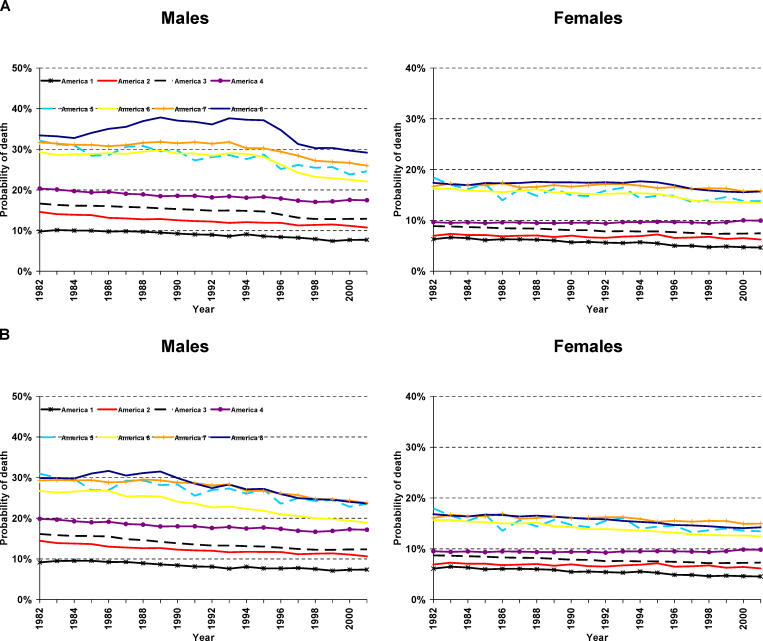
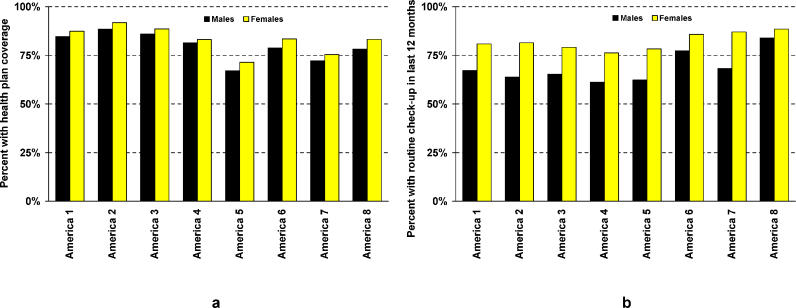
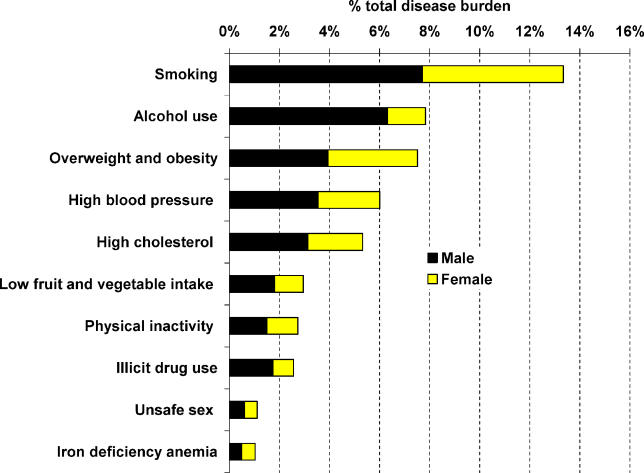
BACKGROUND: The gap between the highest and lowest life expectancies for race-county combinations in the United States is over 35 y. We divided the race-county combinations of the US population into eight distinct groups, referred to as the "eight Americas," to explore the causes of the disparities that can inform specific public health intervention policies and programs. METHODS AND FINDINGS: The eight Americas were defined based on race, location of the county of residence, population density, race-specific county-level per capita income, and cumulative homicide rate. Data sources for population and mortality figures were the Bureau of the Census and the National Center for Health Statistics. We estimated life expectancy, the risk of mortality from specific diseases, health insurance, and health-care utilization for the eight Americas. The life expectancy gap between the 3.4 million high-risk urban black males and the 5.6 million Asian females was 20.7 y in 2001. Within the sexes, the life expectancy gap between the best-off and the worst-off groups was 15.4 y for males (Asians versus high-risk urban blacks) and 12.8 y for females (Asians versus low-income southern rural blacks). Mortality disparities among the eight Americas were largest for young (15-44 y) and middle-aged (45-59 y) adults, especially for men. The disparities were caused primarily by a number of chronic diseases and injuries with well-established risk factors. Between 1982 and 2001, the ordering of life expectancy among the eight Americas and the absolute difference between the advantaged and disadvantaged groups remained largely unchanged. Self-reported health plan coverage was lowest for western Native Americans and low-income southern rural blacks. Crude self-reported health-care utilization, however, was slightly higher for the more disadvantaged populations. CONCLUSIONS: Disparities in mortality across the eight Americas, each consisting of millions or tens of millions of Americans, are enormous by all international standards. The observed disparities in life expectancy cannot be explained by race, income, or basic health-care access and utilization alone. Because policies aimed at reducing fundamental socioeconomic inequalities are currently practically absent in the US, health disparities will have to be at least partly addressed through public health strategies that reduce risk factors for chronic diseases and injuries.
Overview
The claims and statistics of this paper haven’t been checked yet.
Free: it reads the open-access text and checks the first 5 claims that cite a source we can check. Create a free account to check every claim.
Integrity signals
Registry
Cites
Statistics
Figures
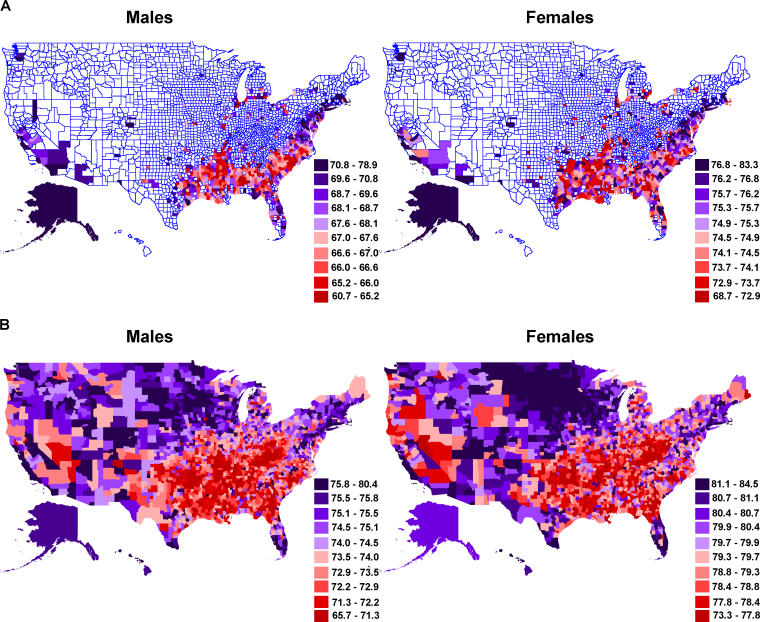
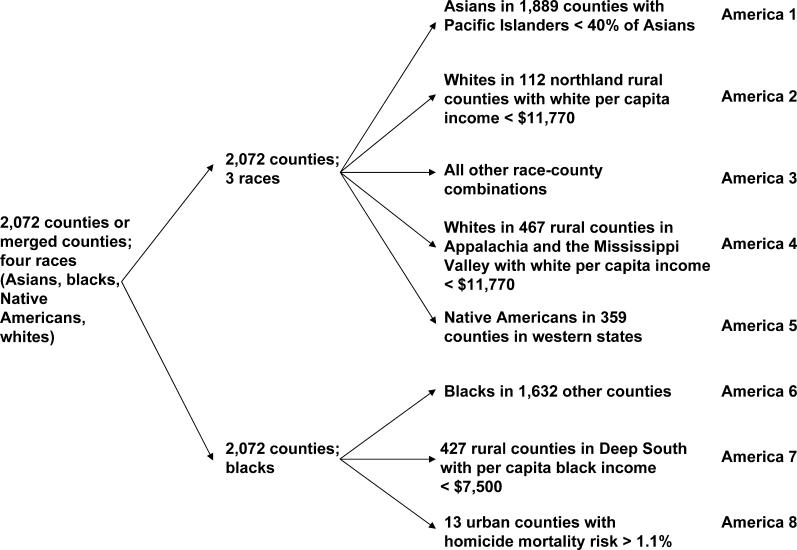
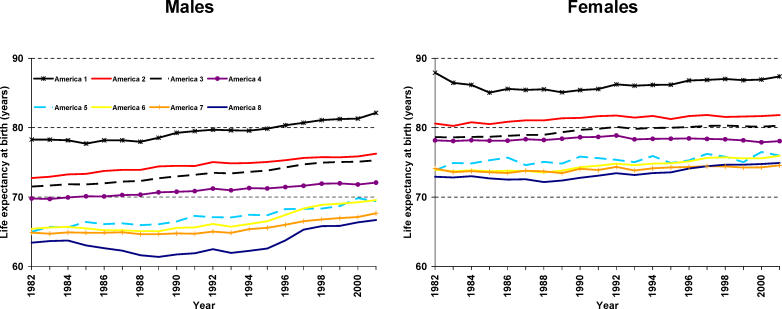
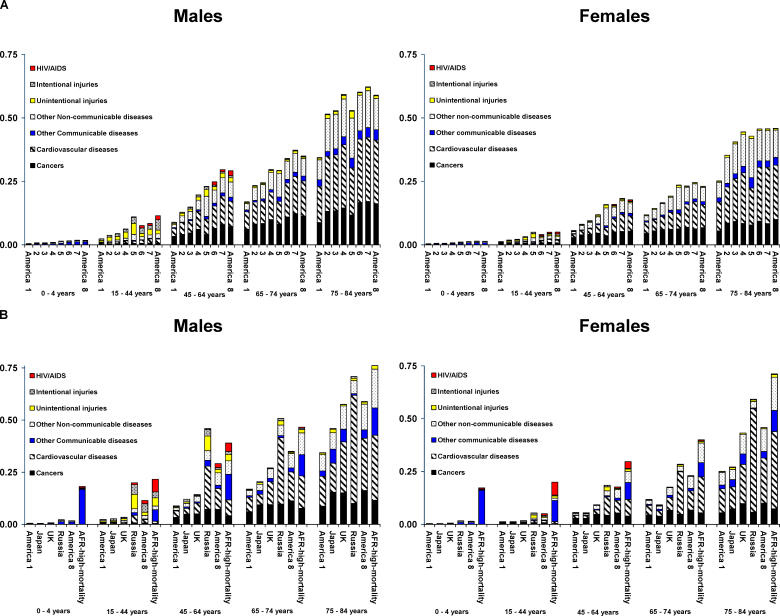
Verification
Claims the paper makes
The claims and statistics of this paper haven’t been checked yet.
Free: it reads the open-access text and checks the first 5 claims that cite a source we can check. Create a free account to check every claim.
Claims other papers make about this one
Each is checked against this paper’s own text: does it say what the citing paper says it does?
The check wasn’t confident either way, so it gives no verdict — never disputed.
In the citing paper
“Site-specific differences in the incidence of candidemia might be due to differences in the percentages of patients with underlying conditions such as diabetes and other immunosuppressive conditions (40,41), differences in practice patterns and use of antibiotics, and differences in use of antifungals and CVCs, all of which contribute to the risk for candidemia.”
From Population-Based Active Surveillance for Culture-Confirmed Candidemia — Four Sites, United States, 2012–2016 (2019) · cites this paper as [41]
Experimental — accuracy not yet measured
Self-check
Percentages, sums and reported differences re-computed from the paper’s own numbers.
The self-check needs the paper’s full text.
Citations
Cites
Yusuf, S., Hawken, S., Ôunpuu, S., Dans, T., Avezum, A., Lanas, F., McQueen, M., Budaj, A., Pais, P., Varigos, J., et al. (2004) · The Lancet · doi:10.1016/s0140-6736(04)17018-9 · Cited by 12,026
Unequal treatment: confronting racial and ethnic disparities in health care
(2003) · Choice Reviews Online · doi:10.5860/choice.40-5843 · Cited by 7,043
The World Health Report 2002 - Reducing Risks, Promoting Healthy Life
Not Available, N. A. (2003) · Education for Health: Change in Learning & Practice · doi:10.1080/1357628031000116808 · Cited by 6,046
Selected major risk factors and global and regional burden of disease
Ezzati, M., Lopez, A. D., Rodgers, A., Vander Hoorn, S., & Murray, C. J. (2002) · The Lancet · doi:10.1016/s0140-6736(02)11403-6 · Cited by 3,594
Self-citationGlobal Burden of Disease and Risk Factors
(2006) · World Bank, Washington, DC eBooks · doi:10.1596/978-0-8213-6262-4 · Cited by 2,605
Self-citationDemography, Measuring and Modeling Population Processes
Veron, J., Preston, S. H., Heuveline, P., & Guillot, M. (2002) · Population (French Edition) · doi:10.2307/1535065 · Cited by 1,709
Pappas, G., Queen, S., Hadden, W., & Fisher, G. (1993) · New England Journal of Medicine · doi:10.1056/nejm199307083290207 · Cited by 1,524
Area Deprivation and Widening Inequalities in US Mortality, 1969–1998
Singh, G. K. (2003) · American Journal of Public Health · doi:10.2105/ajph.93.7.1137 · Cited by 1,423 · cited 1×
“Researchers have also drawn attention to substantial disparities in mortality and functional health status nationally and within race groups in relation to income, social class, education, and community characteristics [6–16].”
BackgroundThe Influence Of Income On Health: Views Of An Epidemiologist
Marmot, M. (2002) · Health Affairs · doi:10.1377/hlthaff.21.2.31 · Cited by 848 · cited 1×
“Important research in the past few decades has illustrated the critical role of individual and community-level socioeconomic factors, be it in absolute or relative terms, in health outcomes [11,24,37,38].”
BackgroundCooper, R., Cutler, J., Desvigne-Nickens, P., Fortmann, S. P., Friedman, L., Havlik, R., Hogelin, G., Marler, J., McGovern, P., Morosco, G., et al. (2000) · Circulation · doi:10.1161/01.cir.102.25.3137 · Cited by 831 · cited 1×
“Multiple investigations have documented the consistent gap in all measures of mortality by race, particularly between black and white Americans [1–5].”
Background
Research works printed but not linked: 1
- Nelson DE Holtzman D Waller M Leutzinger CL Condon K 1998 Objectives and design of the Behavioral Risk Factor Surveillance System Proceedings of the Survey Research Methods Section, American Statistical Association National Meeting (1998) Alexandria (Virginia) American Statistical Association Available: http://www.amstat.org/sections/srms/proceedings/papers/1998_032.pdf. Accessed 11 July 2006.
Cited by
Items 101–200 of 833
Sexually transmitted diseases in the USA: temporal trends
Aral, S. O., Fenton, K. A., & Holmes, K. K. (2007) · Sexually Transmitted Infections · doi:10.1136/sti.2007.026245 · Cited by 95
Trends In The Black-White Life Expectancy Gap Among US States, 1990–2009
Harper, S. B., MacLehose, R. F., & Kaufman, J. S. (2014) · Health Affairs · doi:10.1377/hlthaff.2013.1273 · Cited by 105
Tajuddin, S. M., Hernandez, D. G., Chen, B. H., Hooten, N. N., Mode, N. A., Nalls, M. A., Singleton, A., Ejiogu, N., Chitrala, K. N., Zonderman, A. B., et al. (2019) · Clinical Epigenetics · doi:10.1186/s13148-019-0722-1 · Cited by 105
Neighborhood-level disparities and subway utilization during the COVID-19 pandemic in New York City
Carrión, D., Colicino, E., Pedretti, N. F., Arfer, K. B., Rush, J., DeFelice, N., & Just, A. C. (2021) · Nature Communications · doi:10.1038/s41467-021-24088-7 · Cited by 106
The Future of Cardiovascular Epidemiology
Vasan, R. S., & Benjamin, E. J. (2016) · Circulation · doi:10.1161/circulationaha.116.023528 · Cited by 105
Rewak, M., Buka, S. L., Prescott, J., Vivo, I. D., Loucks, E. B., Kawachi, I. I., Non, A. L., & Kubzansky, L. D. (2014) · Biological Psychology · doi:10.1016/j.biopsycho.2014.03.007 · Cited by 105
“with lower life expectancy, earlier onset of chronic diseases, and greater disability among Blacks relative to Whites (Murray et al., 2006; Williams & Mohammed, 2009; Wyatt et al., 2003).”
BackgroundThe Evolution of Mortality Inequality in 11 OECD Countries: Introduction*
Banks, J., Currie, J., Krutikova, S., Salvanes, K. G., & Schwandt, H. (2021) · Fiscal Studies · doi:10.1111/1475-5890.12267 · Cited by 103
Explaining inequalities in women's mortality between U.S. States
Montez, J. K., Zajacova, A., & Hayward, M. D. (2016) · SSM - Population Health · doi:10.1016/j.ssmph.2016.07.004 · Cited by 102
“It concluded that nder the CC BY-NC-ND license (http://creativecommons.org/licenses/by-nc-nd/4.0/). disparities in longevity among them were not explained by aggregate measures of race, income, or health-care access and utilization (Murray et al., 2006).”
BackgroundInfluentialFeinstein, M., Ning, H., Kang, J., Bertoni, A., Carnethon, M., & Lloyd-Jones, D. M. (2012) · Circulation · doi:10.1161/circulationaha.111.057232 · Cited by 94
“CVD, especially given the substantially greater rates of non-CVD death among blacks compared with whites.(29-31) This greater risk of non-CVD death among blacks indicates a greater burden of by gest on A uust (2)4, 2017 http://ciajournals.”
Kimball, M. M., Neal, D., Waters, M. F., & Hoh, B. L. (2014) · Journal of Stroke and Cerebrovascular Diseases · doi:10.1016/j.jstrokecerebrovasdis.2012.06.004 · Cited by 99
Making Health Research Matter: A Call to Increase Attention to External Validity
Huebschmann, A. G., Leavitt, I. M., & Glasgow, R. E. (2019) · Annual Review of Public Health · doi:10.1146/annurev-publhealth-040218-043945 · Cited by 76
“When location and race are considered together, health disparities tend to be even more prominent (60).”
BackgroundRacial Disparities in Health Status
O'Connell, J., Yi, R., Wilson, C., Manson, S. M., & Acton, K. J. (2010) · Diabetes Care · doi:10.2337/dc09-1652 · Cited by 90
Understanding and Addressing Widening Racial Inequalities in Drug Overdose
Friedman, J. R., Tiako, M. J. N., & Hansen, H. (2024) · American Journal of Psychiatry · doi:10.1176/appi.ajp.20230917 · Cited by 98
Mortality profiles in a country facing epidemiological transition: An analysis of registered data
Huicho, L., Trelles, M., Gonzales, F., Mendoza, W., & Miranda, J. J. (2009) · BMC Public Health · doi:10.1186/1471-2458-9-47 · Cited by 95
“Morbidity and mortality patterns are heterogeneous within different regions of the world [5] but also, and most importantly, within countries [6].”
BackgroundSteep Increase in Best‐Practice Cohort Life Expectancy
Shkolnikov, V. M., Jdanov, D. A., Andreev, E. M., & Vaupel, J. W. (2011) · Population and Development Review · doi:10.1111/j.1728-4457.2011.00428.x · Cited by 88
Ten questions about systems biology
Joyner, M. J., & Pedersen, B. K. (2011) · The Journal of Physiology · doi:10.1113/jphysiol.2010.201509 · Cited by 93
Remote patient monitoring acceptance trends among older adults residing in a frontier state
Giger, J. T., Pope, N. D., Vogt, H. B., Gutierrez, C., Newland, L. A., Lemke, J., & Lawler, M. J. (2014) · Computers in Human Behavior · doi:10.1016/j.chb.2014.11.044 · Cited by 95
Aragón, T., Lichtensztajn, D. Y., Katcher, B. S., Reiter, R. B., & Katz, M. H. (2008) · BMC Public Health · doi:10.1186/1471-2458-8-116 · Cited by 93
“The Eight Americas Study [22,23] also found large disparities, measured as life expectancy, between Asian Americans and African Americans.”
BackgroundCharacteristics of Rural Children Admitted to Pediatric Hospitals
Peltz, A., Wu, C. L., White, M. L., Wilson, K. M., Lorch, S. A., Thurm, C. W., Hall, M., & Berry, J. G. (2016) · PEDIATRICS · doi:10.1542/peds.2015-3156 · Cited by 93
Disparities in Breast Cancer Associated With African American Identity
Stringer-Reasor, E. M., Elkhanany, A. M., Khoury, K. E., Simon, M. A., & Newman, L. A. (2021) · American Society of Clinical Oncology Educational Book · doi:10.1200/edbk_319929 · Cited by 92
The Relationship of Age, Race, and Ethnicity with Survival in Dialysis Patients
Yan, G., Norris, K. C., Yu, A. J., Ma, J. Z., Greene, T., Yu, W., & Cheung, A. K. (2013) · Clinical Journal of the American Society of Nephrology · doi:10.2215/cjn.09180912 · Cited by 91
Emanuel, E., Gudbranson, E., Parys, J. V., Gørtz, M., Helgeland, J., & Skinner, J. (2020) · JAMA Internal Medicine · doi:10.1001/jamainternmed.2020.7484 · Cited by 90
The Influence of Health Disparities on Targeting Cancer Prevention Efforts
Zonderman, A. B., Ejiogu, N., Norbeck, J., & Evans, M. K. (2014) · American Journal of Preventive Medicine · doi:10.1016/j.amepre.2013.10.026 · Cited by 91
International Exchange Programs and U.S. Medical Schools
McKinley, D. W., Williams, S. R., Norcini, J. J., & Anderson, M. B. (2008) · Academic Medicine · doi:10.1097/acm.0b013e318183e351 · Cited by 90
Health in the cities: When the neighborhood matters more than income
Bilger, M., & Carrieri, V. (2012) · Journal of Health Economics · doi:10.1016/j.jhealeco.2012.09.010 · Cited by 90
Receipt of Cancer Screening Services: Surprising Results for Some Rural Minorities
Bennett, K. J., Probst, J. C., & Bellinger, J. D. (2011) · The Journal of Rural Health · doi:10.1111/j.1748-0361.2011.00365.x · Cited by 92
Montez, J. K., & Berkman, L. F. (2014) · American Journal of Public Health · doi:10.2105/ajph.2013.301526 · Cited by 80
Underlying Causes of the Emerging Nonmetropolitan Mortality Penalty
Cossman, J. S., James, W. L., Cosby, A. G., & Cossman, R. E. (2010) · American Journal of Public Health · doi:10.2105/ajph.2009.174185 · Cited by 88
Associations between Urban Sprawl and Life Expectancy in the United States
Hamidi, S., Ewing, R., Tatalovich, Z., Grace, J. B., & Berrigan, D. A. (2018) · International Journal of Environmental Research and Public Health · doi:10.3390/ijerph15050861 · Cited by 88
“Recent reviews and analyses of county-level disparities in mortality have highlighted the role of tobacco use in women [2,3], specific chronic diseases and injuries [4], and urban–rural disparities [66].”
BackgroundLiu, Z., Chen, B. H., Assimes, T. L., Ferrucci, L., Horvath, S., & Levine, M. E. (2019) · Psychoneuroendocrinology · doi:10.1016/j.psyneuen.2019.01.028 · Cited by 81
Interrogating scarcity: how to think about 'resource-scarce settings'
Schrecker, T. (2012) · Health Policy and Planning · doi:10.1093/heapol/czs071 · Cited by 87
“…high-income countries provide health insurance to all, or nearly all, of their population, often with superior results in terms both of crude outcome measures like life expectancy and of the steepness of socio-economic gradients in health (see e.g. Murray et al. 2006; Hertzman and Siddiqi 2008).”
BackgroundRacial Discrimination, Social Support, and Sexual HIV Risk among Black Heterosexual Men
Bowleg, L., Burkholder, G. J., Massie, J. S., Wahome, R., Teti, M., Malebranche, D. J., & Tschann, J. M. (2012) · AIDS and Behavior · doi:10.1007/s10461-012-0179-0 · Cited by 84
“7 year gap between them and the lowest mortality group, Asian American women [73].”
BackgroundBlackley, D. J., Behringer, B., & Zheng, S. (2011) · Journal of Community Health · doi:10.1007/s10900-011-9514-z · Cited by 84
“Are cancer mortality rates in Appalachia higher than national rates? Within the 13 states that contain Appalachian counties, are cancer mortality rates higher in Appalachia compared to non-Appalachia? Subsequently, how much of the hypothesized variations in these rates are explained by select ecological variables? Ana…”
BackgroundCole, S. W., Shanahan, M. J., Gaydosh, L. M., & Harris, K. M. (2020) · Proceedings of the National Academy of Sciences · doi:10.1073/pnas.1821367117 · Cited by 86
“Elevated health risk in the southern United States in particular (8, 9) may relate to the observed upregulation of the F2 inflammatory gene module (FOS/PTGS2/ CXCL8) and associated differences in activation of NF-κB, classical and nonclassical monocytes, and the CREB transcription factor involved in β-adrenergic signa…”
BackgroundTen Americas: a systematic analysis of life expectancy disparities in the USA
Dwyer‐Lindgren, L., Baumann, M. M., Li, Z., Kelly, Y. O., Schmidt, C., Searchinger, C., Motte‐Kerr, W. L., Bollyky, T. J., Mokdad, A. H., & Murray, C. J. L. (2024) · The Lancet · doi:10.1016/s0140-6736(24)01495-8 · Cited by 83
Self-citationToward a New Common Sense: The Need for New Paradigms of Global Health Beyond the COVID-19 Emergency
Bakker, I., Gill, S. R., & Wamsley, D. (2021) · Cambridge University Press eBooks · doi:10.1017/9781108692137.040 · Cited by 83
Shield, K. D., Gmel, G., Kehoe-Chan, T., Dawson, D. A., Grant, B. F., & Rehm, J. (2013) · PLoS ONE · doi:10.1371/journal.pone.0051923 · Cited by 74
“Thus, effective interventions and policies aimed at addressing this disparity should address race differences in health plan coverage and health-care utilization for alcohol-related conditions [1], and should include race-specific interventions aimed at reducing the volume of alcohol consumed and deterring harmful alc…”
BackgroundEssential elements of personalized medicine
Burke, W., Trinidad, S. B., & Press, N. A. (2013) · Urologic Oncology Seminars and Original Investigations · doi:10.1016/j.urolonc.2013.09.002 · Cited by 80
Elo, I. T., Hendi, A. S., Ho, J. Y., Vierboom, Y. C., & Preston, S. H. (2019) · Population and Development Review · doi:10.1111/padr.12249 · Cited by 80
“…typically find that although some counties, states, and regions have experienced improvements in life expectancy, others have experienced more moderate gains or even declines over the past few decades (Murray et al. 2006; Cullen, Cummins, and Fuchs 2012; Wang et al. 2013; Chetty et al. 2016).”
Studts, C. R., Tarasenko, Y. N., Schoenberg, N. E., Shelton, B. J., Hatcher, J., & Dignan, M. (2012) · Preventive Medicine · doi:10.1016/j.ypmed.2012.03.019 · Cited by 79
“The study location is circled and indicated in gray: Harlan, Knott, Letcher, and Perry counties, Kentucky, U.S.A. 2005–2008.”
BackgroundInfluentialWolff, J. (2011) · Cambridge University Press eBooks · doi:10.1017/9781108692137.008 · Cited by 78
Health promotion in barbershops: balancing outreach and research in African American communities.
Releford, B. J., Frencher, S. K., & Yancey, A. K. (2010) · PubMed · doi:10.13016/wten-vme7 · Cited by 78
“Finally, spurred by input from barbers and community members, two project emphases arose resulting in research protocols and grant proposals: (1) pilot testing the barbershop as a means to manage hypertension and diabetes among African American men; and (2) testing the effectiveness of using shared decision-making too…”
BackgroundBowleg, L., & Raj, A. (2012) · American Journal of Public Health · doi:10.2105/ajph.2011.300342 · Cited by 77
A Geography of Risk: Structural Racism and Coronavirus Disease 2019 Mortality in the United States
Zalla, L. C., Martin, C. L., Edwards, J. K., Gartner, D. R., & Noppert, G. A. (2021) · American Journal of Epidemiology · doi:10.1093/aje/kwab059 · Cited by 76
“matters differently for different racial and ethnic groups (43).”
BackgroundSiegel, K. R., Bullard, K. M., Imperatore, G., Kahn, H. S., Stein, A. D., Ali, M. K., & Narayan, K. M. V. (2016) · JAMA Internal Medicine · doi:10.1001/jamainternmed.2016.2410 · Cited by 76
Peñalvo, J. L., Cudhea, F., Micha, R., Rehm, C. D., Afshin, A., Whitsel, L. P., Wilde, P., Gaziano, T., Pearson‐Stuttard, J., O’Flaherty, M., et al. (2017) · BMC Medicine · doi:10.1186/s12916-017-0971-9 · Cited by 78
“Large disparities in these burdens are also evident, with a much higher risk among those of lower socioeconomic status (SES) [4, 5] and disparities growing over time [6].”
BackgroundNwabuo, C. C., Dy, S. M., Weeks, K. R., & Young, J. H. (2014) · PLoS ONE · doi:10.1371/journal.pone.0103090 · Cited by 76
“These differences may contribute to observed ethnic disparities in mortality [16].”
BackgroundHHS Action Plan to Reduce Racial and Ethnic Health Disparities
UNSPECIFIED (2011) · University Libraries (University of Maryland) · doi:10.13016/o9on-vsyh · Cited by 75
The Causal Effects of Place on Health and Longevity
Deryugina, T., & Molitor, D. (2021) · The Journal of Economic Perspectives · doi:10.1257/jep.35.4.147 · Cited by 76
Socioeconomic gradients in health in international and historical context
Dow, W. H., & Rehkopf, D. H. (2010) · Annals of the New York Academy of Sciences · doi:10.1111/j.1749-6632.2009.05384.x · Cited by 72
Yi, Q., Hoskins, R. E., Hillringhouse, E. A., Sorensen, S. S., Oberle, M. W., Fuller, S. S., & Wallace, J. C. (2008) · International Journal of Health Geographics · doi:10.1186/1476-072x-7-29 · Cited by 72
“was downloaded and incorporated into EpiVue [10].”
InfluentialPoor Health: Adding insult to injury for HOPE VI Families
Manjarrez, C. A., Popkin, S. J., & Guernsey, E. (2007) · PsycEXTRA Dataset · doi:10.1037/e725572011-001 · Cited by 72
“As figure 4 shows, for three different age categories, the death rate of HOPE VI residents exceeds the national average for black women—which is already high relative to other races (Murray et al. 2006)—with the gap increasing dramatically at older ages.”
BackgroundPotential for vitamin D receptor agonists in the treatment of cardiovascular disease
Wu-Wong, J. R. (2009) · British Journal of Pharmacology · doi:10.1111/j.1476-5381.2009.00171.x · Cited by 71
“It is known that the mortality rates for Black are higher than those for White in the general population (Murray et al., 2006), but Black on dialysis seem to have a survival advantage compared with White (Robinson et al.”
BackgroundChi, S.-H., Grigsby‐Toussaint, D. S., Bradford, N., & Choi, J. (2013) · Applied Geography · doi:10.1016/j.apgeog.2013.07.017 · Cited by 72
Alang, S. (2016) · Social Science & Medicine · doi:10.1016/j.socscimed.2016.03.032 · Cited by 73
Hackman, J., & Hruschka, D. J. (2013) · Evolution and Human Behavior · doi:10.1016/j.evolhumbehav.2012.11.002 · Cited by 69
Ferguson, H. J. M., Nightingale, P., Pathak, R., & Jayatunga, A. (2010) · European Journal of Vascular and Endovascular Surgery · doi:10.1016/j.ejvs.2010.03.008 · Cited by 69
Inter-Philosophies Dialogue: Creating a Paradigm for Global Health Ethics
Benatar, S. R., Daibes, I., & Tomsons, S. (2016) · Kennedy Institute of Ethics journal · doi:10.1353/ken.2016.0027 · Cited by 69
A Prospective Analysis of Genetic Variants Associated with Human Lifespan
Wright, K. M., Rand, K. A., Kermany, A. R., Noto, K., Curtis, D., Garrigan, D., Slinkov, D., Dorfman, I., Granka, J. M., Byrnes, J., et al. (2019) · G3 Genes Genomes Genetics · doi:10.1534/g3.119.400448 · Cited by 69
Patel, S. A., Ali, M. K., Narayan, K. M. V., & Mehta, N. K. (2016) · American Journal of Epidemiology · doi:10.1093/aje/kww081 · Cited by 64
Pinpointing the sources of the Asian mortality advantage in the USA
Acciai, F., Horse, A. J. Y., & Firebaugh, G. (2015) · Journal of Epidemiology & Community Health · doi:10.1136/jech-2015-205623 · Cited by 65
Roles of Solar UVB and Vitamin D in Reducing Cancer Risk and Increasing Survival.
Grant, W. B. (2016) · PubMed · Cited by 65
The quality of medical care, behavioral risk factors, and longevity growth
Lichtenberg, F. R. (2010) · International Journal of Health Care Finance and Economics · doi:10.1007/s10754-010-9086-y · Cited by 65
“14 Murray et al. (2006) also computed state and local estimates of life expectancy.”
BackgroundTrends in U.S. Working-Age non-Hispanic White Mortality: Rural–Urban and Within-Rural Differences
Monnat, S. M. (2020) · Population Research and Policy Review · doi:10.1007/s11113-020-09607-6 · Cited by 65
Healthcare Disparities in Laryngology: A Scoping Review
Feit, N. Z., Wang, Z., Demetres, M. R., Drenis, S., Andreadis, K., & Rameau, A. (2020) · The Laryngoscope · doi:10.1002/lary.29325 · Cited by 63
“1 Health inequity can manifest along racial, ethnic, geographic, socioeconomic, age, sex, gender identity, and sexual orientation lines.1–4 Physicians are tasked with studying and rectifying such inequity where it exists, as the pursuit of justice is a core ethical tenet of our profession.5,6 Per the most recent Natio…”
BackgroundThe Hurrider I Go the Behinder I Get: The Deteriorating International Ranking of U.S. Health Status
Bezruchka, S. (2012) · Annual Review of Public Health · doi:10.1146/annurev-publhealth-031811-124649 · Cited by 65
Population-Based Cohort Studies: Still Relevant?
Sorlie, P. D., & Wei, G. S. (2011) · Journal of the American College of Cardiology · doi:10.1016/j.jacc.2011.08.020 · Cited by 62
“Differences in health status among various population groups are consistently confirmed by data on variations in mortality (7).”
BackgroundDouglas, R. D., Alvis, L. M., Rooney, E. E., Busby, D. R., & Kaplow, J. B. (2021) · Journal of Traumatic Stress · doi:10.1002/jts.22732 · Cited by 63
Aidoo, E. M. (2023) · World Journal of Advanced Research and Reviews · doi:10.30574/wjarr.2023.20.1.2018 · Cited by 62
“By recognizing the impact of SDOH on healthcare access, policymakers, researchers, and healthcare providers can implement targeted interventions that address both immediate medical needs and broader systemic inequities [37].”
InfluentialGoh, J., Pfeffer, J., & Zenios, S. A. (2015) · Health Affairs · doi:10.1377/hlthaff.2015.0022 · Cited by 61
Precision Health Analytics With Predictive Analytics and Implementation Research
Pearson, T. A., Califf, R. M., Roper, R., Engelgau, M. M., Khoury, M. J., Alcántara, C., Blakely, C. H., Boyce, C. A., Brown, M. K., Croxton, T. L., et al. (2020) · Journal of the American College of Cardiology · doi:10.1016/j.jacc.2020.05.043 · Cited by 60
Groenewald, P., Bradshaw, D., Daniels, J., Zinyakatira, N., Matzopoulos, R., Bourne, D., Shaikh, N. B., & Naledi, T. (2010) · Bulletin of the World Health Organization · doi:10.2471/blt.09.069435 · Cited by 60
Returning to the Profession's Roots: Social Justice in Nursing Education for the 21st Century
Thurman, W., & Lippe, M. (2016) · Advances in Nursing Science · doi:10.1097/ans.0000000000000140 · Cited by 59
Dehmer, S. P., Maciosek, M. V., LaFrance, A. B., & Flottemesch, T. J. (2017) · The Annals of Family Medicine · doi:10.1370/afm.2015 · Cited by 60
The Influence of Race on the Severity of Sleep Disordered Breathing
Pranathiageswaran, S., Badr, M. S., Severson, R. K., & Rowley, J. A. (2013) · Journal of Clinical Sleep Medicine · doi:10.5664/jcsm.2572 · Cited by 59
McNall, M. A., Lichty, L. F., & Mavis, B. (2010) · American Journal of Public Health · doi:10.2105/ajph.2009.183590 · Cited by 58
Redwood, Y., Schulz, A. J., Israel, B. A., Yoshihama, M., Wang, C. C., & Kreuter, M. W. (2010) · Family & Community Health · doi:10.1097/fch.0b013e3181c4e2d4 · Cited by 58
Appalachian Residents’ Experiences With and Management of Multiple Morbidity
Schoenberg, N. E., Bardach, S. H., Manchikanti, K. N., & Goodenow, A. C. (2011) · Qualitative Health Research · doi:10.1177/1049732310395779 · Cited by 58
“First, the prevalence of chronic diseases such as cancer, diabetes, arthritis, asthma, and heart disease among rural residents is higher than among other segments of the population (Eberhardt et al., 2001; Murray et al., 2006; Wingo et al., 2008).”
BackgroundAbbott, L. S., & Elliott, L. (2016) · Public Health Nursing · doi:10.1111/phn.12268 · Cited by 59
Health and Social Conditions of the Poorest Versus Wealthiest Counties in the United States
Egen, O., Beatty, K., Blackley, D. J., Brown, K., & Wykoff, R. (2016) · American Journal of Public Health · doi:10.2105/ajph.2016.303515 · Cited by 58
Population Dynamics and Projection Methods
Stillwell, J., & Clarke, M. (2011) · Springer eBooks · doi:10.1007/978-90-481-8930-4 · Cited by 58
Eliminating Healthcare Disparities in America
Williams, R. A. (2007) · Humana Press eBooks · doi:10.1007/978-1-59745-485-8 · Cited by 57
Davis, S., Gebreab, S. Y., Quarells, R. C., & Gibbons, G. H. (2014) · PubMed · Cited by 57
Place-Based Drivers of Mortality: Evidence from Migration
Finkelstein, A. N., Gentzkow, M. A., & Williams, H. (2019) · National Bureau of Economic Research · doi:10.3386/w25975 · Cited by 57
Economic Opportunity, Health Behaviors, and Mortality in the United States
Venkataramani, A. S., Chatterjee, P., Kawachi, I. I., & Tsai, A. C. (2015) · American Journal of Public Health · doi:10.2105/ajph.2015.302941 · Cited by 58
Rush, B., Wiskar, K., Celi, L. A., Walley, K. R., Russell, J. A., McDermid, R. C., & Boyd, J. H. (2018) · Journal of Intensive Care Medicine · doi:10.1177/0885066617703338 · Cited by 41
“chronic diseases and increased health-care utilization, reflecting poorer baseline health.(7,26,27) Furthermore, immunosuppressive conditions such as HIV, which are more common in lowincome individuals, may directly relate to increased incidence of sepsis.”
Brownlow, B. N. (2022) · Perspectives on Psychological Science · doi:10.1177/17456916221113762 · Cited by 55
Mathews, L. M., Ding, N., Mok, Y., Shin, J., Crews, D. C., Rosamond, W. D., Newton, A., Chang, P. P., Ndumele, C. E., Coresh, J., et al. (2022) · Journal of the American Heart Association · doi:10.1161/jaha.121.024057 · Cited by 54
“45 Thus, we also examined whether race modified the associations of SES with HF outcomes by estimating the cumulative incidence of the recurrent outcomes using Kaplan– Meier curves, stratified by both race and SES, and by testing race×SES interactions in the Cox models.”
Diabetes, Kidney Disease, and Cardiovascular Outcomes in the Jackson Heart Study.
Afkarian, M., Katz, R., Bansal, N., Correa, A., Kestenbaum, B., Himmelfarb, J., de Boer, I., & Young, B. (2016) · American Society of Nephrology. Clinical Journal · doi:10.2215/cjn.13111215 · Cited by 46
County-level contextual factors associated with diabetes incidence in the United States
Cunningham, S. A., Patel, S. A., Beckles, G. L., Geiss, L. S., Mehta, N. K., Xie, H. W., & Imperatore, G. (2017) · Annals of Epidemiology · doi:10.1016/j.annepidem.2017.11.002 · Cited by 54
Coccidioidomycosis and COVID-19 Co-Infection, United States, 2020
Heaney, A. K., Head, J. R., Broen, K., Click, K., Taylor, J. W., Balmes, J. R., Zelner, J., & Remais, J. V. (2021) · Emerging infectious diseases · doi:10.3201/eid2705.204661 · Cited by 53
Sociospatial Disparities in “Third Place” Availability in the United States
Rhubart, D. C., Sun, Y., Pendergrast, C. B., & Monnat, S. M. (2022) · Socius Sociological Research for a Dynamic World · doi:10.1177/23780231221090301 · Cited by 53
“As the United States continues to struggle with high levels of racial, ethnic, economic, and geographic inequality (Murray et al. 2006; Smeeding 2005), social scientists must broaden our understanding of how the built environment propels or stymies movement up the social ladder.”
BackgroundJustice and research in developing countries
London, A. J. (2011) · Cambridge University Press eBooks · doi:10.1017/cbo9780511984792.026 · Cited by 53
Using Simulation to Compare 4 Categories of Intervention for Reducing Cardiovascular Disease Risks
Hirsch, G. B., Homer, J. B., Trogdon, J. G., Wile, K., & Orenstein, D. (2014) · American Journal of Public Health · doi:10.2105/ajph.2013.301816 · Cited by 53
An, Q., Prejean, J., Harrison, K. M., & Fang, X. (2012) · American Journal of Public Health · doi:10.2105/ajph.2012.300853 · Cited by 53
Health Disparities in Rural Areas: The Interaction of Race, Socioeconomic Status, and Geography
Erwin, P. C., Fitzhugh, E. C., Brown, K. C., Looney, S. E., & Forde, T. (2010) · Journal of Health Care for the Poor and Underserved · doi:10.1353/hpu.0.0336 · Cited by 53
Are local health department expenditures related to racial disparities in mortality?
Grembowski, D. E., Bekemeier, B., Conrad, D. A., & Kreuter, W. (2010) · Social Science & Medicine · doi:10.1016/j.socscimed.2010.09.004 · Cited by 52
Disparities in Sexually Transmitted Disease Rates Across the “Eight Americas”
Chesson, H. W., Kent, C. K., Owusu‐Edusei, K., Leichliter, J. S., & Aral, S. O. (2012) · Sexually Transmitted Diseases · doi:10.1097/olq.0b013e318248e3eb · Cited by 52
“…purpose of this study was to examine rates of 3 STDs (syphilis, gonorrhea, and chlamydia) in the eight Americas and to examine whether these STDs showed patterns of disparities similar to the disparities in mortality rates and life expectancy in the eight Americas reported by Murray et al (2006).44”
BackgroundMethodInfluentialOlden, K., Lin, Y.-S., Gruber, D., & Sonawane, B. R. (2014) · American Journal of Public Health · doi:10.2105/ajph.2014.302130 · Cited by 53
“A landmark study showed that the most significant risk factors accounting for differential health outcomes were related to the environment.(2) For example, minority communities of color are exposed to more environmental pollutants than are White communities(3) because toxic waste sites, landfills, congested roadways,…”
BackgroundHoward, G., Peace, F., & Howard, V. J. (2014) · Preventing Chronic Disease · doi:10.5888/pcd11.140138 · Cited by 51
Metadata
- Authors
- Murray, C. J. L., Kulkarni, S. C., Michaud, C., Tomijima, N., Bulzacchelli, M. T., Iandiorio, T. J., & Ezzati, M.
- Affiliations
- Harvard University (US)
- Corresponding author
- Ezzati, Majid
- Venue
- PLoS Medicine
- Publisher
- Public Library of Science (PLoS)
- Published
- 2006-09-12
- Volume
- 3
- Issue
- 9
- Pages
- e260
- ISSN
- 1549-1277 (ISSN-L)
- 1549-1676
- PMC
- PMC1564165
- OpenAlex
- W2163209812
- Cited by
- 762
- References
- 48
- Citations by year
- 2026: 8 · 2025: 19 · 2024: 16 · 2023: 21 · 2022: 34 · 2021: 81 · 2020: 39 · 2019: 45 · 2018: 32 · 2017: 35 · 2016: 60 · 2015: 30 · 2014: 46 · 2013: 47 · 2012: 53
- FWCI
- 28.53
- Type
- journal article
- Language
- en
- Update notices
- correction (2006-12-26)
- Open access
- gold
- doi.org
- Locations
- PLoS Medicine (publishedVersion, cc-by)
- Europe PMC (PubMed Central) (publishedVersion, cc-by)
- PubMed (publishedVersion)
- Digital Access to Scholarship at Harvard (DASH) (Harvard University) (submittedVersion, cc-by)
- RePEc: Research Papers in Economics (submittedVersion)
- DOAJ (DOAJ: Directory of Open Access Journals) (submittedVersion, cc-by-sa)
- University Libraries (University of Maryland) (submittedVersion)
- Figshare (submittedVersion, cc-by)
- Digital Repository at the University of Maryland (University of Maryland College Park)
- Funders
- Centers for Disease Control and Prevention
- U.S. Public Health Service (U36 CCU300430-23)
- National Institute on Aging (P01 AG17625, P01AG017625)
- Topics
- Social Sciences › Health › Health disparities and outcomes
- Health Sciences › Medicine › Oncology › Global Cancer Incidence and Screening
- Social Sciences › Demography › Insurance, Mortality, Demography, Risk Management
- Keywords
- health disparities, mortality disparities, life expectancy, racial disparities, socioeconomic disparities, county income, homicide, chronic disease, injuries, health insurance coverage, health care utilization, Native Americans, African Americans, Asian Americans, urban-rural differences, risk factors
- MeSH terms
- Adolescent, Adult, Age Factors, Delivery of Health Care, Female, Geography, Health Services Accessibility, Humans, Life Expectancy, Male, Middle Aged, Mortality, Patient Acceptance of Health Care, Risk Factors, Sex Factors, Socioeconomic Factors, United States, Racial Groups
About these checks
Registry, retraction, Cites and statistics results are computed, not judged, with one exception: a printed reference that no index lists is read once by a model before it counts as a citation error. Claims are extracted by a model and kept only when their quote appears verbatim in the text; each cited source is then checked, with a model’s help, for whether it says what the claim relies on. Those verdicts can be wrong — read the claim’s quote and the cited source before relying on one.
Statistics and arithmetic are recomputed, not judged.
Confidence bands are shown only for fields calibrated on our annotated test set. None is calibrated yet, so no band is shown.
What counts as a claim ›How we measure confidence ›How we check this ›
Are you an author, or do you see a problem with this page? Request a review
Data sources
Bibliographic data: Semantic Scholar, OpenAlex, Crossref.
Contains information from the Semantic Scholar Academic Graph Datasets, made available under the ODC Attribution License (ODC-BY 1.0).
Semantic Scholar’s data is described in: Kinney, R., et al. (2023). The Semantic Scholar Open Data Platform. arXiv:2301.10140.
