

Macrophages Inhibit Neovascularization in a Murine Model of Age-Related Macular Degeneration
Open accessThe DOI matches its Crossref record; 45 of the 45 references it cites were found in a registry or an index.
Abstract
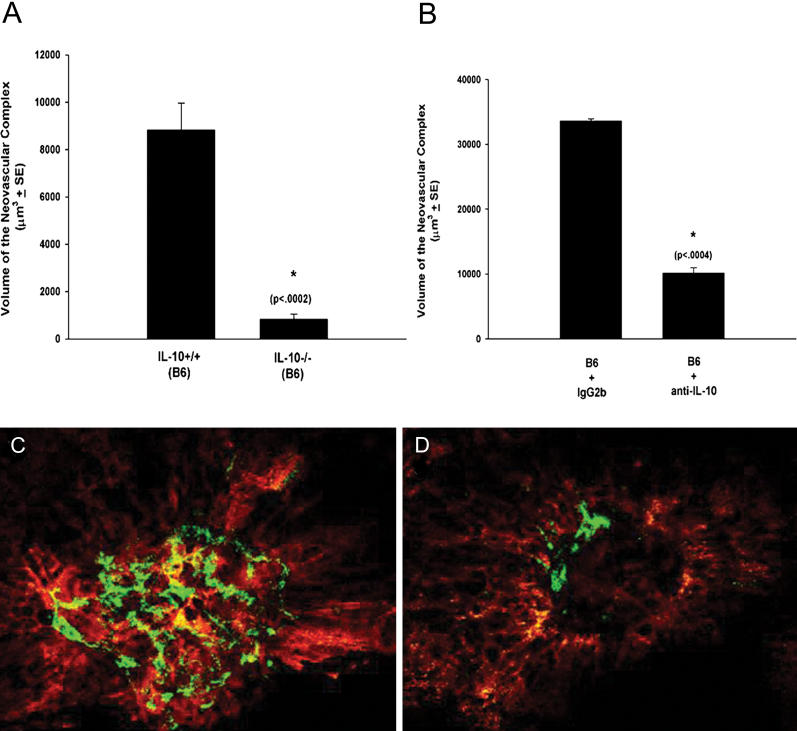
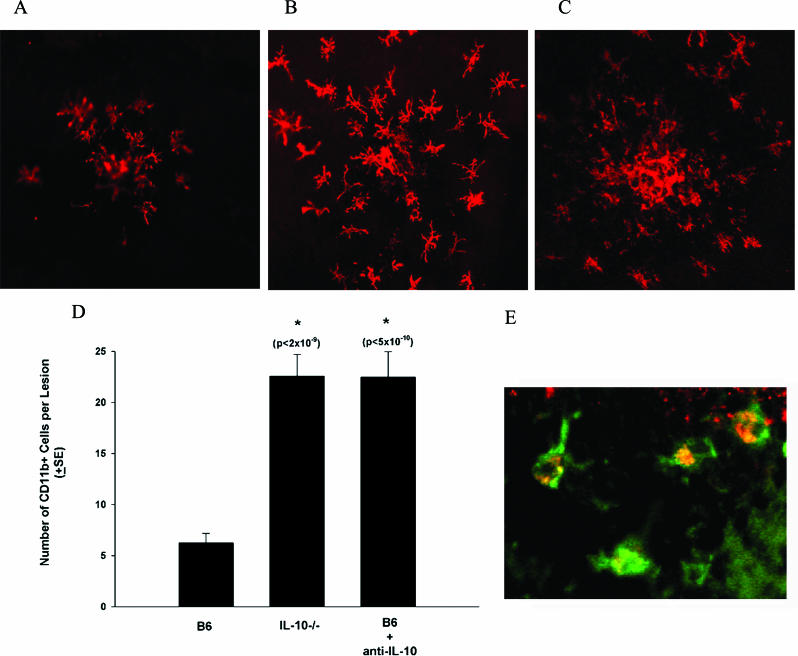
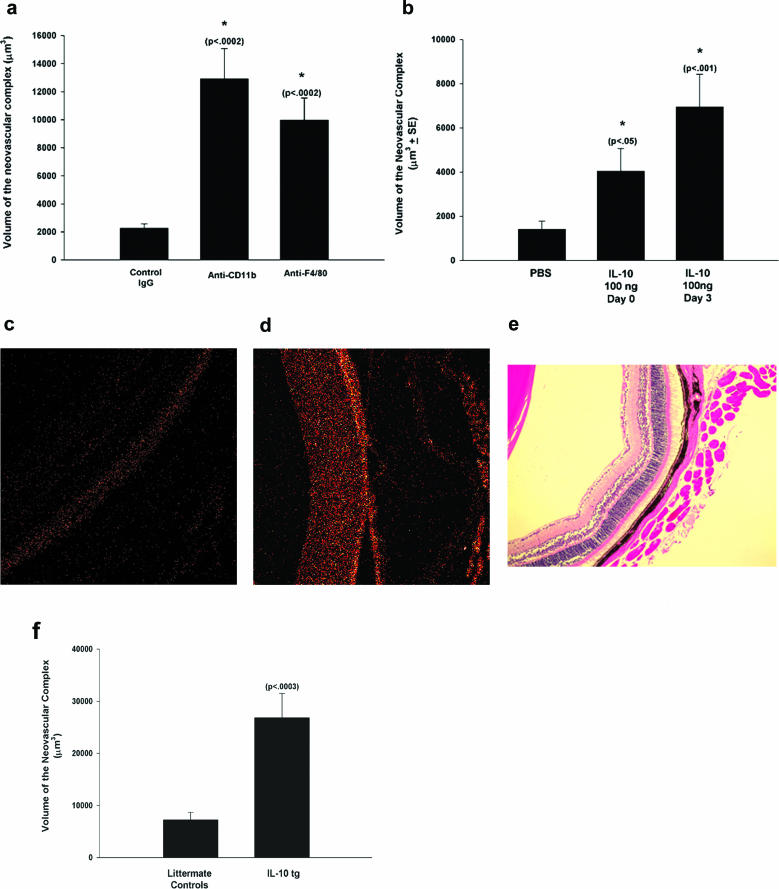
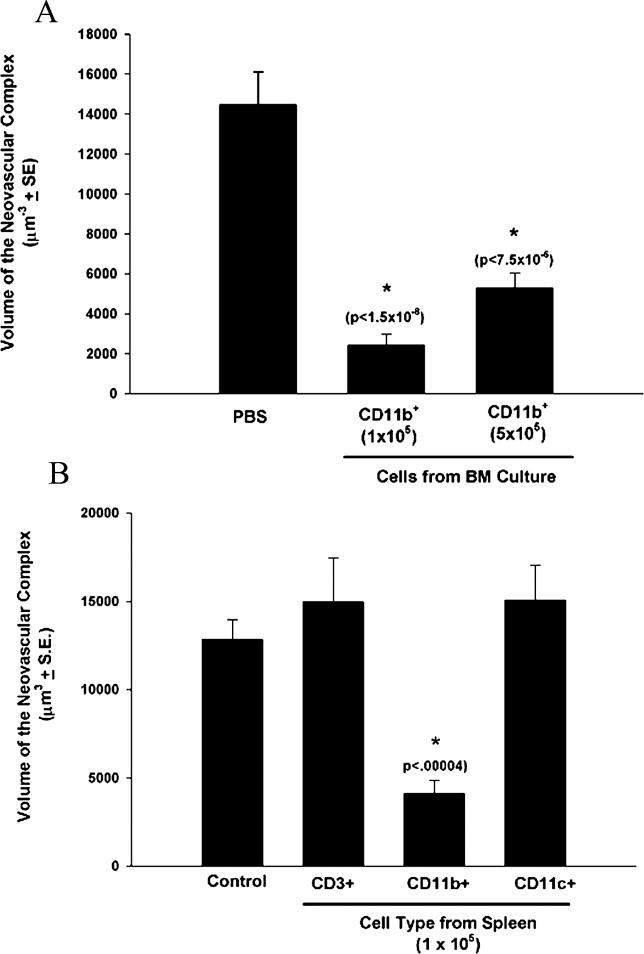
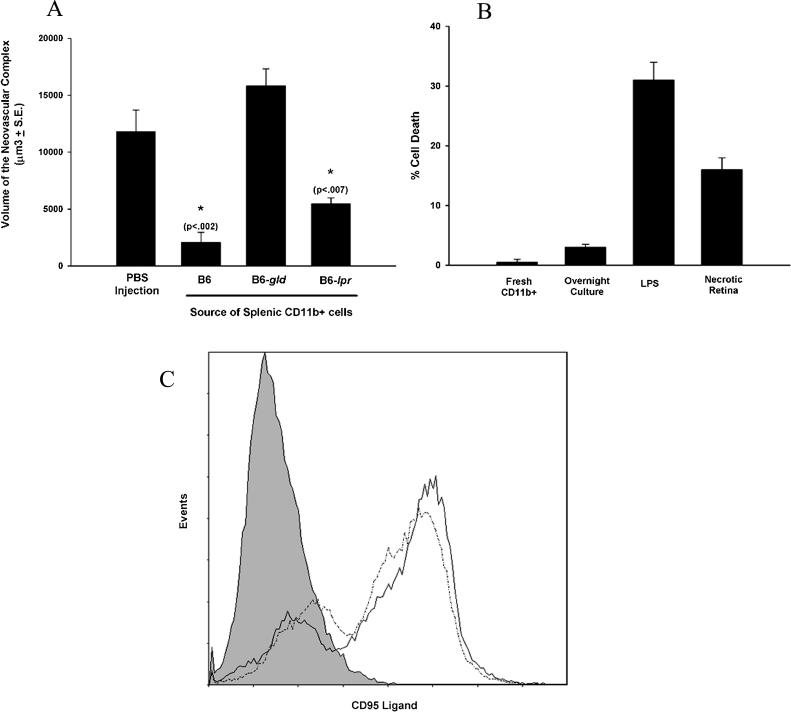
BACKGROUND: Age-related macular degeneration (AMD) is the leading cause of blindness in people over 50 y of age in at least three continents. Choroidal neovascularization (CNV) is the process by which abnormal blood vessels develop underneath the retina. CNV develops in 10% of patients with AMD but accounts for up to 90% of the blindness from AMD. Although the precise etiology of CNV in AMD remains unknown, the macrophage component of the inflammatory response, which has been shown to promote tumor growth and support atherosclerotic plaque formation, is thought to stimulate aberrant angiogenesis in blinding eye diseases. The current theory is that macrophage infiltration promotes the development of neovascularization in CNV. METHODS AND FINDINGS: We examined the role of macrophages in a mouse model of CNV. IL-10(-/-) mice, which have increased inflammation in response to diverse stimuli, have significantly reduced CNV with increased macrophage infiltrates compared to wild type. Prevention of macrophage entry into the eye promoted neovascularization while direct injection of macrophages significantly inhibited CNV. Inhibition by macrophages was mediated by the TNF family death molecule Fas ligand (CD95-ligand). CONCLUSIONS: Immune vascular interactions can be highly complex. Normal macrophage function is critical in controlling pathologic neovascularization in the eye. IL-10 regulates macrophage activity in the eye and is an attractive therapeutic target in order to suppress or inhibit CNV in AMD that can otherwise lead to blindness.
Overview
The claims and statistics of this paper haven’t been checked yet.
Free: it reads the open-access text and checks the first 5 claims that cite a source we can check. Create a free account to check every claim.
Integrity signals
Registry
Cites
Statistics
Figures
Verification
Claims the paper makes
The claims and statistics of this paper haven’t been checked yet.
Free: it reads the open-access text and checks the first 5 claims that cite a source we can check. Create a free account to check every claim.
Claims other papers make about this one
Each is checked against this paper’s own text: does it say what the citing paper says it does?
In the citing paper
“On the other hand, Apte and colleagues, using a model of interleukin-10 (IL-10) deficient mice, found that macrophages play a protective role in CNV (Apte et al., 2006).”
From Molecular pathology of age-related macular degeneration (2009) · cites this paper as Apte et al., 2006
Self-check
Percentages, sums and reported differences re-computed from the paper’s own numbers.
The self-check needs the paper’s full text.
Citations
Cites
Inflammation, Atherosclerosis, and Coronary Artery Disease
Hansson, G. K. (2005) · New England Journal of Medicine · doi:10.1056/nejmra043430 · Cited by 8,773
Interleukin-10 and the Interleukin-10 Receptor
Moore, K. W., de Waal Malefyt, R., Coffman, R. L., & O'Garra, A. (2001) · Annual Review of Immunology · doi:10.1146/annurev.immunol.19.1.683 · Cited by 6,737
Complement factor H polymorphism in age-related macular degeneration
Klein, R. J., Zeiss, C., Chew, E. Y., Tsai, J.-Y., Sackler, R. S., Haynes, C., Henning, A. K., SanGiovanni, J. P., Mane, S. M., Mayne, S. T., et al. (2005) · Science · doi:10.1126/science.1109557 · Cited by 4,492
Inaba, K., Inaba, M., Romani, N., Aya, H., Deguchi, M., Ikehara, S., Muramatsu, S., & Steinman, R. M. (1992) · The Journal of experimental medicine · doi:10.1084/jem.176.6.1693 · Cited by 3,738
Prevalence of Age-Related Macular Degeneration in the United States
(2004) · Archives of Ophthalmology · doi:10.1001/archopht.122.4.564 · Cited by 2,736
Complement factor H polymorphism and age-related macular degeneration
Edwards, A. O., Ritter, R., Abel, K. J., Manning, A., Panhuysen, C., & Farrer, L. A. (2005) · Science · doi:10.1126/science.1110189 · Cited by 2,449 · cited 1×
“Recent genetic-linkage-based evidence suggests the potential importance of complement factor H in AMD [9,11,12].”
BackgroundComplement factor H variant increases the risk of age-related macular degeneration
Haines, J. L., Hauser, M. A., Schmidt, S., Scott, W. K., Olson, L. M., Gallins, P., Spencer, K. L., Kwan, S. Y., Noureddine, M., Gilbert, J. R., et al. (2005) · Science · doi:10.1126/science.1110359 · Cited by 2,424 · cited 1×
“Recent genetic-linkage-based evidence suggests the potential importance of complement factor H in AMD [9,11,12].”
BackgroundPegaptanib for neovascular age-related macular degeneration
Gragoudas, E. S., Adamis, A. P., Cunningham, E. T., Feinsod, M., & Guyer, D. R. (2004) · New England Journal of Medicine · doi:10.1056/nejmoa042760 · Cited by 2,337 · cited 3×
“The model has also been used in preclinical trials for testing potential therapies for AMD that have since proven effective in preventing vision loss [16,27].”
BackgroundMethod(1999) · Archives of Ophthalmology · doi:10.1001/archopht.117.10.1329 · Cited by 2,192
Alzheimer Disease in the US Population: Prevalence Estimates Using the 2000 Census
Hebert, L. E., Scherr, P. A., Bienias, J. L., Bennett, D. A., & Evans, D. A. (2003) · Archives of Neurology · doi:10.1001/archneur.60.8.1119 · Cited by 2,168 · cited 1×
“Current estimates of patients affected with AMD are higher than those of patients affected by Alzheimer disease [8].”
Result
Cited by
VEGF in signaling and disease: beyond discovery and development
Apte, R. S., Chen, D. S., & Ferrara, N. (2019) · Cell · doi:10.1016/j.cell.2019.01.021 · Cited by 2,721
“, 2015), and factors associated with abnormal activation of monocyte derived macrophages and glial cells as they age (Apte et al., 2006; Ban et al., 2018; Combadière et al., 2007; Kelly et al., 2007; Ma and Wong, 2016; Sene et al., 2013).”
BackgroundSelf-citationBhutto, I., & Lutty, G. (2012) · Molecular Aspects of Medicine · doi:10.1016/j.mam.2012.04.005 · Cited by 1,005
“Interleukin-2, -6, and -10 might participate to CNV expansion, but their exact roles have not been investigated thoroughly yet (Apte et al., 2006; Izumi-Nagai et al., 2007).”
BackgroundMolecular pathology of age-related macular degeneration
Ding, X., Patel, M., & Chan, C.-C. (2009) · Progress in Retinal and Eye Research · doi:10.1016/j.preteyeres.2008.10.001 · Cited by 582
“might therefore be secondary to the direct injury to CNV endothelium, rather than the depletion of macrophages (Apte et al., 2006).”
BackgroundInfluentialImmunology of age-related macular degeneration
Ambati, J., Atkinson, J. P., & Gelfand, B. D. (2013) · Nature Reviews Immunology · doi:10.1038/nri3459 · Cited by 584
Macrophages and lipid metabolism
Remmerie, A., & Scott, C. L. (2018) · Cellular Immunology · doi:10.1016/j.cellimm.2018.01.020 · Cited by 433
Laser-induced choroidal neovascularization model to study age-related macular degeneration in mice
Lambert, V., Lecomte, J., Hansen, S., Blacher, S., Gonzalez, M.-L. A., Struman, I., Sounni, N. E., Rozet, E., de Tullio, P., Foidart, J. M., et al. (2013) · Nature Protocols · doi:10.1038/nprot.2013.135 · Cited by 416
Lung interstitial macrophages alter dendritic cell functions to prevent airway allergy in mice
Bedoret, D., Wallemacq, H., Marichal, T., Desmet, C., Quesada Calvo, F., Henry, E., Closset, R., Dewals, B., Thielen, C., Gustin, P., et al. (2009) · Journal of Clinical Investigation · doi:10.1172/jci39717 · Cited by 399
Campochiaro, P. A. (2013) · Journal of Molecular Medicine · doi:10.1007/s00109-013-0993-5 · Cited by 386
Mettu, P. S., Allingham, M. J., & Cousins, S. W. (2021) · Progress in Retinal and Eye Research · doi:10.1016/j.preteyeres.2020.100906 · Cited by 370
Noncanonical autophagy promotes the visual cycle
Kim, J.-Y., Zhao, H., Martinez, J., Doggett, T. A., Kolesnikov, A. V., Tang, P. H., Ablonczy, Z., Chan, C.-C., Zhou, Z., Green, D. R., et al. (2013) · Cell · doi:10.1016/j.cell.2013.06.012 · Cited by 347
Self-citationThe Role of Inflammation in Age-Related Macular Degeneration
Tan, W., Zou, J., Yoshida, S., Jiang, B., & Zhou, Y. (2020) · International Journal of Biological Sciences · doi:10.7150/ijbs.49890 · Cited by 311
“proved that IL-10 suppressed the recruitment of macrophage to neovascular lesions and enhanced CNV formation [82].”
BackgroundInfluentialImpaired Cholesterol Efflux in Senescent Macrophages Promotes Age-Related Macular Degeneration
Sene, A., Khan, A. A., Cox, D., Nakamura, R. E. I., Santeford, A., Kim, B. M., Sidhu, R., Onken, M. D., Harbour, J. W., Hagbi-Levi, S., et al. (2013) · Cell Metabolism · doi:10.1016/j.cmet.2013.03.009 · Cited by 277
“Laser-Induced CNV in Mice Rupture of Bruchs membrane with laser was used to initiate CNV in mice as described previously (Apte et al., 2006).”
InfluentialSelf-citationAlvarez, M. M., Liu, J. C., Trujillo-de Santiago, G., Cha, B.-H., Vishwakarma, A., Ghaemmaghami, A. M., & Khademhosseini, A. (2016) · Journal of Controlled Release · doi:10.1016/j.jconrel.2016.01.026 · Cited by 256
Senescence regulates macrophage activation and angiogenic fate at sites of tissue injury in mice
Kelly, J., Khan, A. A., Yin, J., Ferguson, T. A., & Apte, R. S. (2007) · Journal of Clinical Investigation · doi:10.1172/jci32430 · Cited by 249
Aging is not a disease: Distinguishing age-related macular degeneration from aging
Ardeljan, D., & Chan, C.-C. (2013) · Progress in Retinal and Eye Research · doi:10.1016/j.preteyeres.2013.07.003 · Cited by 242
“Indeed, macrophages play a particularly complicated role in the regulation of angiogenesis, as experimental models of CNV have been used to generate contradictory reports on the role of macrophages in regulating the angiogenic response to tissue injury (Apte et al., 2006; Espinosa-Heidmann et al., 2003).”
BackgroundInfluentialAge related macular degeneration and drusen: Neuroinflammation in the retina
Buschini, E., Piras, A., Nuzzi, R., & Vercelli, A. (2011) · Progress in Neurobiology · doi:10.1016/j.pneurobio.2011.05.011 · Cited by 230
Macrophage polarization in the maculae of age‐related macular degeneration: A pilot study
Cao, X., Shen, D., Patel, M. M., Tuo, J., Johnson, T. M., Olsen, T. W., & Chan, C. (2011) · Pathology International · doi:10.1111/j.1440-1827.2011.02695.x · Cited by 209
IL10-driven STAT3 signalling in senescent macrophages promotes pathological eye angiogenesis
Nakamura, R., Sene, A., Santeford, A., Gdoura, A., Kubota, S., Zapata, N., & Apte, R. S. (2015) · Nature Communications · doi:10.1038/ncomms8847 · Cited by 208
Self-citationROCK-Isoform-Specific Polarization of Macrophages Associated with Age-Related Macular Degeneration
Zandi, S., Nakao, S., Chun, K.-H., Fiorina, P., Sun, D., Arita, R., Zhao, M., Kim, E., Schueller, O., Campbell, S., et al. (2015) · Cell Reports · doi:10.1016/j.celrep.2015.01.050 · Cited by 194
“, 2003) and also to inhibit CNV (Apte et al., 2006), without elucidating which macrophage subtypes might be involved.”
BackgroundRoles of IL-8 in Ocular Inflammations: A Review
Ghasemi, H., Ghazanfari, T., Yaraee, R., Faghihzadeh, S., & Hassan, Z. M. (2011) · Ocular Immunology and Inflammation · doi:10.3109/09273948.2011.618902 · Cited by 195
Immune mechanisms in inflammatory and degenerative eye disease
Perez, V. L., & Caspi, R. R. (2015) · Trends in Immunology · doi:10.1016/j.it.2015.04.003 · Cited by 188
IL-10 regulation of macrophage VEGF production is dependent on macrophage polarisation and hypoxia
Wu, W.-K., Llewellyn, O. P. C., Bates, D. O., Nicholson, L. B., & Dick, A. D. (2010) · Immunobiology · doi:10.1016/j.imbio.2010.05.025 · Cited by 186
“, 2003; Mosser and Edwards, 2008), micro-environmental conditioning likely exerts significant control over the macrophage contribution to both an anti- or pro-angiogenic outcome (Apte et al., 2006).”
Xu, Y., Cui, K., Li, J., Tang, X., Lin, J., Lu, X., Huang, R., Yang, B., Shi, Y., Ye, D., et al. (2020) · Journal of Pineal Research · doi:10.1111/jpi.12660 · Cited by 186
Langer, H. F., Chung, K.-J., Orlova, V. V., Choi, E. Y., Kaul, S., Kruhlak, M. J., Alatsatianos, M., DeAngelis, R. A., Roche, P. A., Magotti, P., et al. (2010) · Blood · doi:10.1182/blood-2010-01-261503 · Cited by 176
Funk, M., Karl, D., Georgopoulos, M., Benesch, T., Sacu, S., Polak, K., Zlabinger, G. J., & Schmidt-Erfurth, U. (2009) · Ophthalmology · doi:10.1016/j.ophtha.2009.05.039 · Cited by 175
Immunopathological aspects of age-related macular degeneration
Patel, M., & Chan, C.-C. (2008) · Seminars in Immunopathology · doi:10.1007/s00281-008-0112-9 · Cited by 164
“They therefore hypothesized that the improvement after Cl2MDliposome treatment might be due not from macrophage depletion but from direct injury to CNV endothelium [69].”
BackgroundThe Therapeutic Role of Interleukin-10 after Spinal Cord Injury
Thompson, C. D., Zurko, J. C., Hanna, B. F., Hellenbrand, D. J., & Hanna, A. (2013) · Journal of Neurotrauma · doi:10.1089/neu.2012.2651 · Cited by 162
Dace, D. S., Khan, A. A., Kelly, J., & Apte, R. S. (2008) · PLoS ONE · doi:10.1371/journal.pone.0003381 · Cited by 146
“Of these cytokines, IL-10 may possess the most significant influence on the polarization of macrophages and their ability to regulate angiogenesis in the eye [10,14].”
BackgroundMethodResultInfluentialSelf-citationEndothelial cell FGF signaling is required for injury response but not for vascular homeostasis
Oladipupo, S. S., Smith, C., Santeford, A., Park, C., Sene, A., Wiley, L. A., Osei-Owusu, P., Hsu, J., Zapata, N., Liu, F., et al. (2014) · Proceedings of the National Academy of Sciences · doi:10.1073/pnas.1324235111 · Cited by 142
“To determine whether cellautonomous loss of EC FGFR1/2 affected vascular permeability, we examined vascular integrity in the retina using FITC-dextran– based angiography and in skin using the Evans Blue (EB)-based Miles assay (24, 25).”
MethodSelf-citationInflammaging in Skin and Other Tissues - The Roles of Complement System and Macrophage
Zhuang, Y., & Lyga, J. (2014) · Inflammation & Allergy-Drug Targets · doi:10.2174/1871528113666140522112003 · Cited by 132
“Mononuclear phagocytes such as macrophages play pivotal role in innate immunity and its mediated inflammation is implicated in several aging related diseases, such as atherosclerosis [8], cancers [9] and age-related macular degeneration (AMD) [10].”
BackgroundAge-related macular degeneration and the immune response: implications for therapy
Nussenblatt, R. B., & Ferris, F. (2007) · American Journal of Ophthalmology · doi:10.1016/j.ajo.2007.06.025 · Cited by 130
Seeing through VEGF: innate and adaptive immunity in pathological angiogenesis in the eye
Sene, A., Chin-Yee, D., & Apte, R. S. (2015) · Trends in Molecular Medicine · doi:10.1016/j.molmed.2014.10.005 · Cited by 130
Self-citationChen, H., Liu, B., Lukas, T. J., & Neufeld, A. H. (2008) · PLoS ONE · doi:10.1371/journal.pone.0002339 · Cited by 129
“Several studies have demonstrated that interleukins (IL) including IL-6, -8, and -10 are associated with AMD [41–43].”
BackgroundInnate Immune Response in Retinal Homeostasis and Inflammatory Disorders
Murakami, Y., Ishikawa, K., Nakao, S., & Sonoda, K.-H. (2020) · Progress in Retinal and Eye Research · doi:10.1016/j.preteyeres.2019.100778 · Cited by 125
He, L., & Marneros, A. G. (2013) · The American Journal of Pathology · doi:10.1016/j.ajpath.2013.02.032 · Cited by 124
“Clodronate liposomeeinduced ablation of macrophages inhibited CNV lesion formation(2); however, others have suggested that macrophages promote CNV, and thus the role of macrophages in this model is not well understood.(3) Although some studies suggest that macrophages can undergo transdifferentiation into endothelial…”
BackgroundOptimization of an Image-Guided Laser-Induced Choroidal Neovascularization Model in Mice
Gong, Y., Li, J., Sun, Y., Fu, Z., Liu, C.-H., Evans, L., Tian, K., Saba, N., Fredrick, T., Morss, P., et al. (2015) · PLOS ONE · doi:10.1371/journal.pone.0132643 · Cited by 117
“In this model inflammatory cells initiate the angiogenic 300 process, as depletion of either neutrophils or macrophages reduces CNV development 301 [27-29].”
BackgroundThe roles of signal transducer and activator of transcription factor 3 in tumor angiogenesis
Gao, P., Niu, N., Wei, T., Tozawa, H., Chen, X., Zhang, W., Zhang, J., Wada, Y., Kapron, C. M., & Liu, J. (2017) · Oncotarget · doi:10.18632/oncotarget.19932 · Cited by 124
Macrophage polarization in experimental and clinical choroidal neovascularization
Yang, Y., Liu, F., Tang, M., Yuan, M., Hu, A., Zhan, Z., Li, Z., Li, J., Ding, X., & Lu, L. (2016) · Scientific Reports · doi:10.1038/srep30933 · Cited by 113
Liu, J., Copland, D. A., Horie, S., Wu, W.-K., Chen, M., Xu, Y., Paul Morgan, B., Mack, M., Xu, H., Nicholson, L. B., et al. (2013) · PLoS ONE · doi:10.1371/journal.pone.0072935 · Cited by 108
Transgenic Mice Expressing Variants of Complement Factor H Develop AMD-like Retinal Findings
Ufret-Vincenty, R. L., Aredo, B., Liu, X., McMahon, A., Chen, P. W., Sun, H., Niederkorn, J. Y., & Kedzierski, W. (2010) · Investigative Opthalmology & Visual Science · doi:10.1167/iovs.09-4457 · Cited by 104
[WITHDRAWN] Retinal Vasculature in Development and Diseases
Sun, Y., & Smith, L. E. H. (2018) · Annual Review of Vision Science · doi:10.1146/annurev-vision-091517-034018 · Cited by 122
RetractedTopical Delivery of Anti-VEGF Drugs to the Ocular Posterior Segment Using Cell-Penetrating Peptides
de Cogan, F., Hill, L. J., Lynch, A., Morgan-Warren, P. J., Lechner, J., Berwick, M. R., Peacock, A. F. A., Chen, M., Scott, R. A. H., Xu, H., et al. (2017) · Investigative Opthalmology & Visual Science · doi:10.1167/iovs.16-20072 · Cited by 100
Wittchen, E. S., Han, X., & Wang, H. (2020) · PubMed · doi:10.17615/y5w1-3e44 · Cited by 99
Inflammatory Mechanisms of Age-related Macular Degeneration
Knickelbein, J. E., Chan, C.-C., Sen, H. N., Ferris, F. L., & Nussenblatt, R. B. (2015) · International Ophthalmology Clinics · doi:10.1097/iio.0000000000000073 · Cited by 97
Mo, F. M., Proia, A. D., Johnson, W. H., Cyr, D., & Lashkari, K. (2010) · Investigative Ophthalmology & Visual Science · doi:10.1167/iovs.09-3910 · Cited by 105
Campa, C., Costagliola, C., Incorvaia, C., Sheridan, C., Semeraro, F., Nadai, K. D., Sebastiani, A., & Parmeggiani, F. (2010) · Mediators of Inflammation · doi:10.1155/2010/546826 · Cited by 102
“…of CNV growth have been described [7]: (i) sub-RPE (type 1, clinically definable as occult CNV with no classic component); (ii) subretinal (type 2, clinically definable as classic CNV); (iii) sub-RPE and subretinal (combined, clinically definable as predominantly classic or minimally classic CNV).”
MethodIn Aged Mice, Outgrowth of Intraocular Melanoma Depends on Proangiogenic M2-Type Macrophages
Ly, L. V., Baghat, A., Versluis, M., Jordanova, E. S., Luyten, G. P. M., van Rooijen, N., van Hall, T., van der Velden, P. A., & Jager, M. J. (2010) · The Journal of Immunology · doi:10.4049/jimmunol.0903479 · Cited by 93
“Because EspinosaHeidmann and Apte (7, 8) showed that age influences macrophage polarization, we also determinedwhether tumor growthwas different inyoung versus oldmice andwhat the effect ofmacrophage depletion would be on tumor progression at different ages.”
BackgroundResultGregory, M. S., Hackett, C. G., Abernathy, E. F., Lee, K. S., Saff, R. R., Hohlbaum, A. M., Moody, K.-S. L., Hobson, M. W., Jones, A., Kolovou, P., et al. (2011) · PLoS ONE · doi:10.1371/journal.pone.0017659 · Cited by 95
“However, other cells of the innate immune system, notably macrophages and retinal microglia, can express FasL upon activation [16,17].”
BackgroundLin, J. B., Tsubota, K., & Apte, R. S. (2016) · npj Aging and Mechanisms of Disease · doi:10.1038/npjamd.2016.3 · Cited by 91
“Studies involving mouse models have revealed that classically activated, M1-like macrophages tend to be anti-angiogenic.(45) However, as macrophages age, they tend to polarize to an alternative, M2-like phenotype with an altered cytokine profile.”
BackgroundSelf-citationInflammatory signals from photoreceptor modulate pathological retinal angiogenesis via c-Fos
Sun, Y., Lin, Z., Liu, C., Gong, Y. Q., Liegl, R. G.-H., Fredrick, T. W., Meng, S. S., Burnim, S. B., Wang, Z., Akula, J. D., et al. (2017) · The Journal of Experimental Medicine · doi:10.1084/jem.20161645 · Cited by 90
Inflammation and the pathogenesis of age-related macular degeneration
Augustin, A. J., & Kirchhof, J. (2009) · Expert Opinion on Therapeutic Targets · doi:10.1517/14728220902942322 · Cited by 83
“Macrophages play a key role in the pathogenesis of AMD, stimulating aberrant angiogenesis in blinding eye diseases [54].”
BackgroundMacrophages in neovascular age-related macular degeneration: friends or foes?
Skeie, J. M., & Mullins, R. F. (2009) · Eye · doi:10.1038/eye.2008.206 · Cited by 78
Macrophages in uveal melanoma and in experimental ocular tumor models: Friends or foes?
Jager, M. J., Ly, L. V., el Filali, M., & Madigan, M. C. (2010) · Progress in Retinal and Eye Research · doi:10.1016/j.preteyeres.2010.11.004 · Cited by 86
Yang, S., Li, T., Jia, H., Gao, M., Li, Y., Wan, X., Huang, Z., Li, M., Zhai, Y., Li, X., et al. (2022) · Science Translational Medicine · doi:10.1126/scitranslmed.abj2177 · Cited by 78
Interleukin gene polymorphisms in age-related macular degeneration
Tsai, Y.-Y., Lin, J.-M., Wan, L., Lin, H.-J., Tsai, Y., Lee, C.-C., Tsai, C.-H., Tsai, F.-J., & Tseng, S.-H. (2008) · Investigative Opthalmology & Visual Science · doi:10.1167/iovs.07-0125 · Cited by 69
Immune cells in the human choroid
Ezzat, M.-K., Hann, C. R., Vuk-Pavlovic, S., & Pulido, J. S. (2008) · British Journal of Ophthalmology · doi:10.1136/bjo.2007.129742 · Cited by 68
miRNAs as potential therapeutic targets for age-related macular degeneration
Wang, S., Koster, K. M., He, Y., & Zhou, Q. (2012) · Future Medicinal Chemistry · doi:10.4155/fmc.11.176 · Cited by 67
Injury-Mediated Vascular Regeneration Requires Endothelial ER71/ETV2
Park, C., Lee, T., Bhang, S. H., Liu, F., Nakamura, R. E. I., Oladipupo, S. S., Pitha, I., Capoccia, B. J., Choi, H. S., Kim, T., et al. (2015) · Arteriosclerosis Thrombosis and Vascular Biology · doi:10.1161/atvbaha.115.306430 · Cited by 69
“choroidal neovascularization, the major cause of blindness of age-related macular degeneration.(23,33) Particularly, there was a significant reduction in the choroidal neovasculariza-”
BackgroundSelf-citationCruz‐Guilloty, F., Saeed, A. M., Duffort, S., Cano, M., Ebrahimi, K. B., Ballmick, A., Tan, Y., Wang, H., Laird, J. M., Salomon, R. G., et al. (2014) · PLoS ONE · doi:10.1371/journal.pone.0088201 · Cited by 75
C‐Reactive Protein and Complement Components in Patients with Pathological Myopia
Long, Q., Ye, J., Li, Y., Wang, S., & Jiang, Y. Z. (2013) · Optometry and Vision Science · doi:10.1097/opx.0b013e31828daa6e · Cited by 71
“Therefore, inflammation and suppression of macrophage infiltration may be a useful therapeutic strategy for treating CNV associated with AMD.(38,39) Our previous data also revealed that VEGF and C3 mRNA were significantly upregulated in RPE-choroid samples from laser-induced CNV mice after injury, raising the possibil…”
BackgroundInfluentialZhu, Y., Zhang, L., Lü, Q., Gao, Y., Cai, Y., Sui, A., Su, T., Shen, X. P., & Xie, B. (2017) · International Journal of Molecular Medicine · doi:10.3892/ijmm.2017.3022 · Cited by 71
“Immune vascular interactions can play an important role in regulating angiogenesis in the eye (22,40,41).”
InfluentialSpindler, J., Zandi, S., Pfister, I. B., Gerhardt, C., & Garweg, J. G. (2018) · PLoS ONE · doi:10.1371/journal.pone.0203337 · Cited by 60
Grunin, M. A., Burstyn‐Cohen, T., Hagbi-Levi, S., Peled, A., & Chowers, I. (2012) · Investigative Ophthalmology & Visual Science · doi:10.1167/iovs.11-9165 · Cited by 63
Eyeballing cholesterol efflux and macrophage function in disease pathogenesis
Sene, A., & Apte, R. S. (2014) · Trends in Endocrinology & Metabolism · doi:10.1016/j.tem.2013.10.007 · Cited by 56
“Previous studies in murine models of AMD demonstrated that the switch of macrophage polarization from M1 to M2, also seen during normal aging, is a key event in CNV progression [11, 16].”
BackgroundSelf-citationLin, J. B., Moolani, H. V., Sene, A., Sidhu, R., Kell, P., Lin, J. B., Dong, Z., Ban, N., Ory, D. S., & Apte, R. S. (2018) · JCI Insight · doi:10.1172/jci.insight.120157 · Cited by 54
Self-citationRAGE Regulates Immune Cell Infiltration and Angiogenesis in Choroidal Neovascularization
Chen, M., Glenn, J. V., Dasari, S., McVicar, C., Ward, M. S., Colhoun, L. M., Quinn, M. P., Bierhaus, A., Xu, H., & Stitt, A. W. (2014) · PLoS ONE · doi:10.1371/journal.pone.0089548 · Cited by 58
Aredo, B., Zhang, K., Chen, X., Wang, C. X.-Z., Li, T., & Ufret-Vincenty, R. L. (2015) · Journal of Neuroinflammation · doi:10.1186/s12974-014-0221-4 · Cited by 61
“Some studies suggest that MG/MΦ play a protective role in AMD (by clearing pro-inflammatory debris) [11,57-59], while others suggest that they promote disease progression (perhaps by secreting pro-inflammatory or pro-angiogenic factors) [59-61].”
Nagai, N., Kubota, S., Tsubota, K., & Ozawa, Y. (2014) · The Journal of Nutritional Biochemistry · doi:10.1016/j.jnutbio.2014.05.015 · Cited by 56
“Macrophages can also be antiangiogenic depending on their condition; the intensity of the CNV development may be relied on a balance between M1 and M2 macrophages [38–40].”
BackgroundOcular immune privilege and retinal pigment epithelial cells
Du, Y., & Yan, B. (2023) · Journal of Leukocyte Biology · doi:10.1093/jleuko/qiac016 · Cited by 59
Effect of Senescence on Macrophage Polarization and Angiogenesis
Dace, D. S., & Apte, R. S. (2008) · Rejuvenation Research · doi:10.1089/rej.2007.0614 · Cited by 51
Self-citationRegulating the Polarization of Macrophages: A Promising Approach to Vascular Dermatosis
Peng, H., Xian, D., Liu, J., Pan, S., Tang, R., & Zhong, J. (2020) · Journal of Immunology Research · doi:10.1155/2020/8148272 · Cited by 56
“In an experiment on mice, it found that M2-produced IL-10 was a crucial factor that positively derived abnormal angiogenesis, whereas angiogenesis would decrease once IL-10 absence [87].”
Lu, P., Li, L., Kuno, K., Wu, Y., Baba, T., Li, Y.-Y., Zhang, X., & Mukaida, N. (2008) · The Journal of Immunology · doi:10.4049/jimmunol.180.6.4283 · Cited by 56
“In contrast, several groups have provided evidence of the antiangiogenic activities of infiltrating macrophages in choroidal neovascularization (20, 21).”
BackgroundKim, E. J., Grant, G. R., Bowman, A. S., Haider, N., Gudiseva, H. V., & Chavali, V. R. M. (2018) · Scientific Reports · doi:10.1038/s41598-018-21104-7 · Cited by 54
Sui, A., Chen, X., Demetriades, A. M., Shen, J., Cai, Y., Yao, Y., Yao, Y., Zhu, Y., Shen, X. P., & Xie, B. (2020) · Investigative Ophthalmology & Visual Science · doi:10.1167/iovs.61.6.4 · Cited by 53
Opposite Roles of CCR2 and CX3CR1 Macrophages in Alkali-Induced Corneal Neovascularization
Lu, P., Li, L., Liu, G., van Rooijen, N., Mukaida, N., & Zhang, X. (2009) · Cornea · doi:10.1097/ico.0b013e3181930bcd · Cited by 48
“Although there are no data demonstrating that endothelial cells are directly affected by clodronate-liposomes, published data suggest the possible toxicity of clodronate-liposomes on sprouting endothelial cells.(12,23,24) In alkali-induced corneal neovascularization, corneal neovascularization peaks at 2 weeks after t…”
BackgroundPaine, S. K., Sen, A., Choudhuri, S., Mondal, L. K., Chowdhury, I. H., Basu, A., Mukherjee, A., & Bhattacharya, B. (2011) · Retina · doi:10.1097/iae.0b013e31822f55f3 · Cited by 47
“Interleukin 10 is another important immunoregulatory cytokine produced from various cell populations including monocytes, macrophages, and certain T-cell subsets.(32) Recent study demonstrated that IL-10 promotes pathologic angiogenesis by regulating macrophage in response to hypoxia including retinal neovasularizatio…”
BackgroundOoi, K., Khoo, P., Vaclavik, V., & Watson, S. L. (2019) · Survey of Ophthalmology · doi:10.1016/j.survophthal.2019.01.013 · Cited by 54
Angiogenesis in eye disease: immunity gained or immunity lost?
Ferguson, T. A., & Apte, R. S. (2008) · Seminars in Immunopathology · doi:10.1007/s00281-008-0113-8 · Cited by 47
“Could complement have a role in polarizing macrophages toward angiogenesis promoting M2? Complement receptors on macrophages are associated with cytolytic activity by these cells [52]; conditions which tend to inhibit CNV [17, 18].”
BackgroundResultInfluentialSelf-citationIL-4 Regulates Specific Arg-1+ Macrophage sFlt-1–Mediated Inhibition of Angiogenesis
Wei-kang, W., Georgiadis, A., Copland, D. A., Liyanage, S. E., Luhmann, U. F. O., Robbie, S. J., Liu, J., Wu, J., Bainbridge, J. W., Bates, D. O., et al. (2015) · American Journal Of Pathology · doi:10.1016/j.ajpath.2015.04.013 · Cited by 46
FGF2-induced STAT3 activation regulates pathologic neovascularization
Dong, Z., Santeford, A. C., Ban, N., Lee, T. J., Smith, C., Ornitz, D. M., & Apte, R. S. (2019) · Experimental Eye Research · doi:10.1016/j.exer.2019.107775 · Cited by 47
Self-citationSpatiotemporal Cadence of Macrophage Polarisation in a Model of Light-Induced Retinal Degeneration
Jiao, H., Natoli, R., Valter, K., Provis, J. M., & Rutar, M. (2015) · PLoS ONE · doi:10.1371/journal.pone.0143952 · Cited by 49
“Inhibition of this chemokine pathway has variously yielded protection in models such as light damage [26], Cxc3r1-/- mice [49], CEP-immunised mice [17], laser-induced CNV [50], and autoimmune uveitis [51], or exacerbation of damage in the instance of retinal glutamate intoxication [37].”
BackgroundInfluentialQin, S., & Rodrigues, G. A. (2008) · Journal of Inflammation Research · doi:10.2147/jir.s4354 · Cited by 46
“Moreover, direct injection of macrophages into the eye of these IL-10 − / − mice inhibits CNV (Apte et al 2006).”
Zhang, P., Wang, H., Luo, X., Liu, H., Lu, B., Li, T., Yang, S., Gu, Q., Li, B., Wang, F., et al. (2017) · Inflammation · doi:10.1007/s10753-017-0672-8 · Cited by 42
“[6] showed that clodronate liposome-induced ablation of macrophages inhibited CNV formation, while others [7] held a contrary point with macrophages inhibiting CNV development.”
MethodEffect of Bevacizumab on Inflammation and Proliferation in Human Choroidal Neovascularization
Tatar, O., Yoeruek, E., Szurman, P., Bartz-Schmidt, K. U., Adam, A., Shinoda, K., Eckardt, C., Boeyden, V., Claes, C., Pertile, G., et al. (2008) · Archives of Ophthalmology · doi:10.1001/archopht.126.6.782 · Cited by 43
Fu, Y., Zhang, Z., Webster, K. A., & Paulus, Y. M. (2024) · Biomolecules · doi:10.3390/biom14030252 · Cited by 45
“Macrophages from young but not old mice inhibit experimental CNV [87,93].”
BackgroundInflammation in Age-Related Macular Degeneration
Ozaki, E., Campbell, M., Kiang, A., Humphries, M. M., Doyle, S., & Humphries, P. (2014) · Advances in experimental medicine and biology · doi:10.1007/978-1-4614-3209-8_30 · Cited by 43
Horie, S., Robbie, S. J., Liu, J., Wei-kang, W., Ali, R. R., Bainbridge, J. W., Nicholson, L. B., Mochizuki, M., Dick, A. D., & Copland, D. A. (2013) · Scientific Reports · doi:10.1038/srep03072 · Cited by 47
“The phenotype and functional roles of infiltrating macrophages associated with maintaining vascular integrity and promoting angiogenic responses in the eye are dependent upon how these macrophages are activated 14 .”
Shi, Y., Wang, Y., Zhang, Z., Cai, Y., Zhou, J., Hou, H., & van Rooijen, N. (2011) · Graefe s Archive for Clinical and Experimental Ophthalmology · doi:10.1007/s00417-011-1699-4 · Cited by 42
“In addition, as clodronate-lip was suspected to inhibit experimental CNV by damaging local cellsinthe laser lesion[ 20 ], we firstly evaluated the effects of clodronate-lip before going into the present research.”
BackgroundMethodZhao, H., Roychoudhury, J., Doggett, T. A., Apte, R. S., & Ferguson, T. A. (2013) · Investigative Opthalmology & Visual Science · doi:10.1167/iovs.13-12122 · Cited by 41
“Young and aged mice were laser treated to induce CNV. Bone marrow chimeras were performed between young and aged mice.”
BackgroundMethodInfluentialSelf-citationKlettner, A., & Roider, J. B. (2021) · International Journal of Molecular Sciences · doi:10.3390/ijms22168387 · Cited by 47
Regulation of Angiogenesis by Macrophages
Apte, R. S. (2009) · Advances in experimental medicine and biology · doi:10.1007/978-1-4419-1399-9_2 · Cited by 41
“Immune vascular interactions are important role in regulating angiogenesis during development and in disorders of aging such as cancers, atheromatous heart disease and blinding eye disease such as age-related macular degeneration (AMD) (Apte et al. 2006; Espinosa-Heidmann et al. 2002; Hansson 2005; Kelly et al. 2007;…”
BackgroundInfluentialSelf-citationEffect of Inhibition of Colony-Stimulating Factor 1 Receptor on Choroidal Neovascularization in Mice
Schwarzer, P., Kokona, D., Ebneter, A., & Zinkernagel, M. S. (2019) · American Journal Of Pathology · doi:10.1016/j.ajpath.2019.10.011 · Cited by 42
Targeting Neurovascular Interaction in Retinal Disorders
Fu, Z., Sun, Y., Cakir, B., Tomita, Y., Huang, S., Wang, Z., Liu, C., Cho, S. S., Britton, W. R., Kern, T. S., et al. (2020) · International Journal of Molecular Sciences · doi:10.3390/ijms21041503 · Cited by 50
Zhao, L., Ma, W., Fariss, R. N., & Wong, W. T. (2009) · Experimental Eye Research · doi:10.1016/j.exer.2008.12.013 · Cited by 40
“, 2003) as well as anti-angiogenic effects (Apte et al., 2006; Lu et al., 2008; Ritter et al., 2006).”
BackgroundDace, D. S., Khan, A. A., Stark, J. L., Kelly, J., Cross, A. H., & Apte, R. S. (2009) · PLoS ONE · doi:10.1371/journal.pone.0007121 · Cited by 40
“Since membrane bound FasL can regulate cell death [1,3,12], we hypothesized that this increase in FasL may be due to increased expression on Tg+ macrophages, and that these macrophages are utilizing FasL to mediate myelin-producing Schwann cell death in the sciatic nerve, leading to demyelination of the sciatic nerve…”
BackgroundMethodInfluentialSelf-citationHagbi-Levi, S., Grunin, M. A., Jaouni, T., Tiosano, L., Rinsky, B., Elbaz-Hayoun, S., Peled, A., & Chowers, I. (2016) · Neurobiology of Aging · doi:10.1016/j.neurobiolaging.2016.11.018 · Cited by 37
“Several lines of evidence suggest the involvement of mononuclear cells including monocytes and their macrophage descendants in AMD (Apte et al., 2006; Espinosa-Heidmann et al., 2003b; Grunin et al., 2014; Kataoka et al., 2011; Robertson et al., 2002; Sakurai et al., 2003; Sarks et al., 1980; Zhang et al., 2011).”
BackgroundMethodInfluentialChoroidal pericytes promote subretinal fibrosis after experimental photocoagulation
Luo, X., Yang, S., Liang, J., Zhai, Y., Shen, M., Sun, J., Feng, Y., Lu, X., Zhu, H., Wang, F., et al. (2018) · Disease Models & Mechanisms · doi:10.1242/dmm.032060 · Cited by 41
“Mice were subjected to laserinduced photocoagulation as previously described (Apte et al., 2006), with modifications.”
MethodTargeting Immune Privilege to Prevent Pathogenic Neovascularization
Roychoudhury, J., Herndon, J. M., Yin, J., Apte, R. S., & Ferguson, T. A. (2010) · Investigative Opthalmology & Visual Science · doi:10.1167/iovs.09-3890 · Cited by 37
Self-citationPaeng, S. H., Jung, W., Park, W. S., Lee, D.-S., Kim, G., Choi, Y. H., Seo, S., Jang, W. H., Choi, J. S., Lee, Y., et al. (2015) · International Journal of Molecular Medicine · doi:10.3892/ijmm.2015.2116 · Cited by 42
“‘Dry’ AMD is characterized by late-stage geographic atrophy resulting from the gradual degeneration of retinal cells, and ‘wet’ AMD is caused by choroidal neovascularization (CNV) (1).”
InfluentialRho-Kinase/ROCK as a Potential Drug Target for Vitreoretinal Diseases
Yamaguchi, M., Nakao, S., Arima, M., Wada, I., Kaizu, Y., Hao, F., Yoshida, S., & Sonoda, K. (2017) · Journal of Ophthalmology · doi:10.1155/2017/8543592 · Cited by 39
“A ROCK inhibitor, AMA0428, was recently reported to be effective in reducing fibrosis in a mouse CNV model [66] (Table 2).”
BackgroundInfluential
Metadata
- Authors
- Apte, R. S., Richter, J., Herndon, J., & Ferguson, T. A.
- Affiliations
- Washington University in St. Louis (US)
- Corresponding author
- Apte, Rajendra S
- Ferguson, Thomas A
- Venue
- PLoS Medicine
- Publisher
- Public Library of Science (PLoS)
- Published
- 2006-08-15
- Volume
- 3
- Issue
- 8
- Pages
- e310
- ISSN
- 1549-1277 (ISSN-L)
- 1549-1676
- PMC
- PMC1539093
- OpenAlex
- W2000383031
- Cited by
- 249
- References
- 45
- Citations by year
- 2026: 6 · 2025: 8 · 2024: 10 · 2023: 11 · 2022: 8 · 2021: 18 · 2020: 18 · 2019: 11 · 2018: 19 · 2017: 10 · 2016: 12 · 2015: 16 · 2014: 15 · 2013: 19 · 2012: 12
- FWCI
- 9.40
- Type
- journal article
- Language
- en
- Open access
- gold
- doi.org
- Locations
- PLoS Medicine (publishedVersion, cc-by)
- PubMed (publishedVersion)
- Digital Commons@Becker (Washington University School of Medicine) (submittedVersion)
- DOAJ (DOAJ: Directory of Open Access Journals) (submittedVersion, cc-by-sa)
- Figshare (submittedVersion, cc-by)
- Funders
- Research to Prevent Blindness
- National Institutes of Health (5p60dk020579-35, 5r01ey008972-07, DK20579, P60-DK-20579, 5 P60 DK20579, EY06765)
- National Eye Institute (EY08972, EY 12826, K08EY016139, R01EY012826, F32EY006765, EY06765, R01EY006765)
- National Institute of Diabetes and Digestive and Kidney Diseases (5P60 DK20579, P60-DK-020579)
- Topics
- Health Sciences › Medicine › Ophthalmology › Retinal Diseases and Treatments
- Health Sciences › Medicine › Ophthalmology › Ocular Diseases and Behçet’s Syndrome
- Health Sciences › Medicine › Radiology, Nuclear Medicine and Imaging › Retinal Imaging and Analysis
- Keywords
- age-related macular degeneration, choroidal neovascularization, macrophages, IL-10, Fas ligand, angiogenesis, choroidal inflammation, macrophage infiltration, therapeutic target
- MeSH terms
- Aging, Animals, Disease Models, Animal, Injections, Macrophages, Macular Degeneration, Mice, Inbred C57BL, Mice, Transgenic, Molecular Sequence Data, Retina, Interleukin-10, Cell Death, Choroidal Neovascularization, Mice, Fas Ligand Protein
About these checks
Registry, retraction, Cites and statistics results are computed, not judged, with one exception: a printed reference that no index lists is read once by a model before it counts as a citation error. Claims are extracted by a model and kept only when their quote appears verbatim in the text; each cited source is then checked, with a model’s help, for whether it says what the claim relies on. Those verdicts can be wrong — read the claim’s quote and the cited source before relying on one.
Statistics and arithmetic are recomputed, not judged.
Confidence bands are shown only for fields calibrated on our annotated test set. None is calibrated yet, so no band is shown.
What counts as a claim ›How we measure confidence ›How we check this ›
Are you an author, or do you see a problem with this page? Request a review
Data sources
Bibliographic data: Semantic Scholar, OpenAlex, Crossref.
Contains information from the Semantic Scholar Academic Graph Datasets, made available under the ODC Attribution License (ODC-BY 1.0).
Semantic Scholar’s data is described in: Kinney, R., et al. (2023). The Semantic Scholar Open Data Platform. arXiv:2301.10140.
