

Prolonged Grief Disorder: Psychometric Validation of Criteria Proposed for DSM-V and ICD-11
Open accessThe DOI matches its Crossref record; 74 of the 76 references it cites were found in a registry or an index.
Abstract
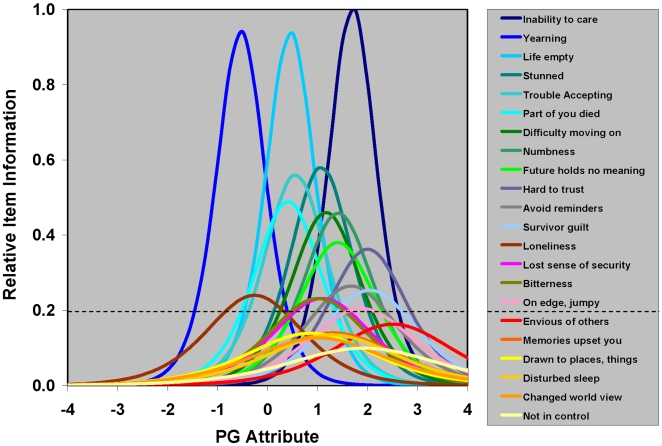
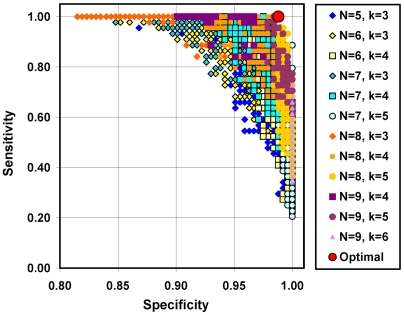
BACKGROUND: Bereavement is a universal experience, and its association with excess morbidity and mortality is well established. Nevertheless, grief becomes a serious health concern for a relative few. For such individuals, intense grief persists, is distressing and disabling, and may meet criteria as a distinct mental disorder. At present, grief is not recognized as a mental disorder in the DSM-IV or ICD-10. The goal of this study was to determine the psychometric validity of criteria for prolonged grief disorder (PGD) to enhance the detection and potential treatment of bereaved individuals at heightened risk of persistent distress and dysfunction. METHODS AND FINDINGS: A total of 291 bereaved respondents were interviewed three times, grouped as 0-6, 6-12, and 12-24 mo post-loss. Item response theory (IRT) analyses derived the most informative, unbiased PGD symptoms. Combinatoric analyses identified the most sensitive and specific PGD algorithm that was then tested to evaluate its psychometric validity. Criteria require reactions to a significant loss that involve the experience of yearning (e.g., physical or emotional suffering as a result of the desired, but unfulfilled, reunion with the deceased) and at least five of the following nine symptoms experienced at least daily or to a disabling degree: feeling emotionally numb, stunned, or that life is meaningless; experiencing mistrust; bitterness over the loss; difficulty accepting the loss; identity confusion; avoidance of the reality of the loss; or difficulty moving on with life. Symptoms must be present at sufficiently high levels at least six mo from the death and be associated with functional impairment. CONCLUSIONS: The criteria set for PGD appear able to identify bereaved persons at heightened risk for enduring distress and dysfunction. The results support the psychometric validity of the criteria for PGD that we propose for inclusion in DSM-V and ICD-11. Please see later in the article for Editors' Summary.
Overview
The claims and statistics of this paper haven’t been checked yet.
Free: it reads the open-access text and checks the first 5 claims that cite a source we can check. Create a free account to check every claim.
Integrity signals
Registry
Cites
Statistics
Figures
Verification
Claims the paper makes
The claims and statistics of this paper haven’t been checked yet.
Free: it reads the open-access text and checks the first 5 claims that cite a source we can check. Create a free account to check every claim.
Claims other papers make about this one
Each is checked against this paper’s own text: does it say what the citing paper says it does?
The source backs part of the claim, not all of it — or backs it for a different population, condition or comparison.
In the citing paper
“bereaved parents are believed to be at heightened risk for psychological distress, including prolonged grief disorder (PGD), 4,5”
From Mental health services for parents who lost a child to cancer: if we build them, Will they come? (2015) · cites this paper as [5]
Experimental — accuracy not yet measuredThe source backs part of the claim, not all of it — or backs it for a different population, condition or comparison.
In the citing paper
“Recently, PGD has been included in the International Classification of Diseases, 11th revision (ICD-11) (Killikelly and Maercker, 2017;Prigerson et al., 2009;World Health Organization, 2018) with a time criterium of 6 months following bereavement.”
From The prevalence of prolonged grief disorder in bereaved individuals following unnatural losses: Systematic review and meta regression analysis (2020) · cites this paper as Prigerson et al., 2009
Experimental — accuracy not yet measuredThe source backs part of the claim, not all of it — or backs it for a different population, condition or comparison.
In the citing paper
“Empirical studies that have considered this question have concluded that people with severe grief symptoms persisting beyond 6 months typically have ongoing difficulties in functioning at later assessment 83,84 .”
From Emerging experience with selected new categories in the ICD‐11: complex PTSD, prolonged grief disorder, gaming disorder, and compulsive sexual behaviour disorder (2022) · cites this paper as [84]
Experimental — accuracy not yet measuredThe source backs part of the claim, not all of it — or backs it for a different population, condition or comparison.
In the citing paper
“It is the most widely used measure of PGD, represents a unidimensional scale and has been shown to index grief-related impairment.”
From Feasibility trial of a scalable transdiagnostic group psychological intervention for Syrians residing in a refugee camp (2021) · cites this paper as Prigerson et al., 2009
Experimental — accuracy not yet measuredThe source backs part of the claim, not all of it — or backs it for a different population, condition or comparison.
In the citing paper
“Research have found symptoms of PGD to be associated with impairment of the bereaved person's famil ial, social, and occupational functioning to a similar extent as found for other mental disorders, e.g., depression and post-traumatic stress disorder (Jordan and Litz, 2014; Maercker et al., 2013; Prigerson et al., 2009; Shah and Meeks, 2012).”
From Prevalence of prolonged grief disorder in adult bereavement: A systematic review and meta-analysis (2017) · cites this paper as Prigerson et al., 2009
Experimental — accuracy not yet measured
6 more claims about this paper
Create a free account to see every claim other papers make about this one.
Self-check
Percentages, sums and reported differences re-computed from the paper’s own numbers.
The self-check needs the paper’s full text.
Citations
Cites
(1992) · PubMed · Cited by 33,716
The MOS 36-ltem Short-Form Health Survey (SF-36): I. Conceptual Framework and Item Selection
Ware, J. E., & Sherbourne, C. D. (1992) · Medical Care · doi:10.1097/00005650-199206000-00002 · Cited by 30,033 · cited 1×
“Scores less than 5 (below the lowest quartile) on the Medical Outcomes ShortForm [65] indicated inferior quality of life.”
BackgroundHandbook of Mathematical Functions with Formulas, Graphs, and Mathematical Tables
Owen, D. B., Abramowitz, M., & Stegun, I. A. (1965) · Technometrics · doi:10.2307/1266136 · Cited by 16,138
The Scree Test For The Number Of Factors
Cattell, R. B. (1966) · Multivariate Behavioral Research · doi:10.1207/s15327906mbr0102_10 · Cited by 13,554 · cited 1×
“Consistent with the use of IRT to construct a one-dimensional scale for PG, Cattell’s scree test [ 67 ] indicated that grief, as measured by these 22 symptoms, is one-dimensional.”
MethodProgress in Development of the Index of ADL
Katz, S., Downs, T. D., Cash, H. R., & Grotz, R. C. (1970) · The Gerontologist · doi:10.1093/geront/10.1_part_1.20 · Cited by 4,118
SYMPTOMATOLOGY AND MANAGEMENT OF ACUTE GRIEF
LINDEMANN, E. (1944) · American Journal of Psychiatry · doi:10.1176/ajp.101.2.141 · Cited by 3,184
Health outcomes of bereavement.
Stroebe, M., Schut, H., & Stroebe, W. (2007) · The Lancet · doi:10.1016/s0140-6736(07)61816-9 · Cited by 1,746 · cited 1×
“Nevertheless, numerous studies have shown that bereaved individuals have higher rates of disability and medication use than their nonbereaved counterparts [1–7], and are themselves at heightened risk of death [8–11].”
Deaths: preliminary data for 2003.
Hoyert, D. L., Kung, H.-C., & Smith, B. L. (2005) · PubMed · Cited by 1,649
The Structured Clinical Interview for DSM-III-R (SCID): II. Multisite Test-Retest Reliability
Williams, J. B. W. (1992) · Archives of General Psychiatry · doi:10.1001/archpsyc.1992.01820080038006 · Cited by 1,618 · cited 1×
“Research has supported the reliability and validity of SCID diagnoses [61].”
Inventory of complicated grief: a scale to measure maladaptive symptoms of loss.
Prigerson, H. G., Maciejewski, P. K., Reynolds, C. F., Bierhals, A. J., Newsom, J. T., Fasiczka, A., Frank, E., Doman, J., & Miller, M. (1995) · Psychiatry Research · doi:10.1016/0165-1781(95)02757-2 · Cited by 1,582 · cited 4×
“The ICG-R is a modification of the Inventory of Complicated Grief (ICG) [15] that includes all the symptoms proposed by the consensus panel [23] and additional symptoms enabling the testing of alternative diagnostic algorithms [22].”
InfluentialSelf-citation
Research works printed but not linked: 2
- 12. American Psychiatric Association (1994) Diagnostic and statistical manual of mental disorders: DSM-IV. 4th edition. Washington (D.C.): American Psychiatric Press. 886 pp.
- 66. Hambleton RK, Swaminathan H, Rogers HJ (1991) Fundamentals of items response theory. Newbury Park (California): Sage Publications. 174 p.
Cited by
Items 501–600 of 1,007
The International Grief Questionnaire (IGQ): A new measure of ICD‐11 prolonged grief disorder
Hyland, P., Redican, E., Karatzias, T., & Shevlin, M. E. (2023) · Journal of Traumatic Stress · doi:10.1002/jts.22986 · Cited by 37
“Prigerson et al. (2009) subsequently formulated a diagnostic entity termed “prolonged grief disorder” (PGD), and this was included in the draft proposals of the 11th version of the International Statistical Classification of Diseases and Related Health The formulation of PGD in the two…”
Hu, X., Li, X., Dou, X., & Li, R. (2015) · Chinese Medical Journal · doi:10.4103/0366-6999.157647 · Cited by 37
“[9] CG is associated with significant impairment and distress, including work and social disorder,[10,11] disruption in daily activities,[12] impairment in relationship,[13] sleep disorders,[14] suicidal ideation and behavior,[15,16] and increased substance abuse.[17] In addition, CG may worsen symptoms of other menta…”
BackgroundFaces, feelings, words: Divergence across channels of emotional responding in complicated grief.
Diminich, E. D., & Bonanno, G. A. (2014) · Journal of Abnormal Psychology · doi:10.1037/a0036398 · Cited by 42
Self-citationDodd, A., Guérin, S., Delaney, S., & Dodd, P. C. (2017) · Patient Education and Counseling · doi:10.1016/j.pec.2017.03.010 · Cited by 38
Eddinger, J. R., Hardt, M. M., & Williams, J. L. (2019) · OMEGA - Journal of Death and Dying · doi:10.1177/0030222819854907 · Cited by 33
“The DSM-5 committee has taken several key concepts from different theoretical perspectives and combined them into what is now conceptualized as “persistent complex bereavement disorder” (Prigerson et al., 2009; Shear et al., 2011; Wakefield, 2013).”
BackgroundThe stress continuum model: a military organizational approach to resilience and recovery
Nash, W. P., Steenkamp, M. M., Conoscenti, L. M., & Litz, B. T. (2011) · Cambridge University Press eBooks · doi:10.1017/cbo9780511994791.018 · Cited by 44
Self-citationTsutsui, T., Hasegawa, Y., Hiraga, M., Ishiki, M., & Asukai, N. (2014) · Psychiatry Research · doi:10.1016/j.psychres.2014.03.001 · Cited by 31
“, 2001), has been proposed for inclusion in DSM-5 and ICD-11 as a chronic bereavement-related disorder (Prigerson et al., 2009).”
Akhtar, A., Giardinelli, L., Bawaneh, A., Awwad, M., Al-Hayek, H., Whitney, C., Jordans, M. J. D., Sijbrandij, M., Cuijpers, P., Dawson, K., et al. (2021) · European Journal of Psychotraumatology · doi:10.1080/20008198.2021.1932295 · Cited by 31
“The PG-13 is a 13-item selfreport measure that indexes core symptoms of prolonged grief disorder (PGD) as defined by the ICD-11.”
MethodLate-life bereavement and complicated grief: A proposed comprehensive framework
Shah, S. N., & Meeks, S. (2011) · Aging & Mental Health · doi:10.1080/13607863.2011.605054 · Cited by 42
“Moreover, because some current thanatologists claim that existing diagnostic entities in the current edition of the Diagnostic and Statistical Manual of Mental Disorders (DSM-IV-TR; American Psychiatric Association (APA), 2000) fail to adequately capture the supposed psychopathology associated with CG reactions, sever…”
BackgroundBereaved African American Adults: The Role of Social Support, Religious Coping, and Continuing Bonds
Boulware, D. L., & Bui, N. H. (2015) · Journal of Loss and Trauma · doi:10.1080/15325024.2015.1057455 · Cited by 41
Bastianelli, A., Gius, E., & Cipolletta, S. (2014) · Journal of Health Psychology · doi:10.1177/1359105314539533 · Cited by 35
Psicologia del lutto e del morire: dal lavoro clinico alla death education
Testoni, I. (2016) · PSICOTERAPIA E SCIENZE UMANE · doi:10.3280/pu2016-002004 · Cited by 35
Akhtar, A., Giardinelli, L., Bawaneh, A., Awwad, M., Naser, H., Whitney, C., Jordans, M. J. D., Sijbrandij, M., & Bryant, R. A. (2020) · BMC Public Health · doi:10.1186/s12889-020-08463-5 · Cited by 37
Aoun, S. M., Kissane, D. W., Cafarella, P., Rumbold, B. D., Hogden, A., Jiang, L., & Bear, N. (2020) · Amyotrophic Lateral Sclerosis and Frontotemporal Degeneration · doi:10.1080/21678421.2020.1790610 · Cited by 35
Self-citationStelzer, E., Höltge, J., Zhou, N., Maercker, A., & Killikelly, C. (2020) · Comprehensive Psychiatry · doi:10.1016/j.comppsych.2020.152211 · Cited by 32
Self-citationThe changing face of grief: Contemporary directions in theory, research, and practice
Neimeyer, R. A. (2014) · Progress in Palliative Care · doi:10.1179/1743291x13y.0000000075 · Cited by 45
Self-citationUnderstanding Bereavement: What Every Oncology Practitioner Should Know
Kacel, E. L., Gao, X., & Prigerson, H. G. (2011) · The Journal of Supportive Oncology · doi:10.1016/j.suponc.2011.04.007 · Cited by 38
“Finally, “Prolonged Grief Disorder” (PGD) refers to a severe and protracted reaction to loss which manifests as extreme emotional distress and mental or functional impairment (7,8, 9).”
BackgroundInfluentialSelf-citationSveen, J., Pohlkamp, L., Kreicbergs, U. C., & Eisma, M. C. (2019) · PLoS ONE · doi:10.1371/journal.pone.0213152 · Cited by 35
“The Prolonged Grief Disorder-13 (PG-13) was used to assess prolonged grief symptoms, according to Prigerson’s 2009 criteria (which differ from recently released ICD-11 criteria) [7].”
BackgroundMethodPizzoli, S. F. M., Monzani, D., Vergani, L., Sanchini, V., & Mazzocco, K. (2021) · Current Psychology · doi:10.1007/s12144-021-02158-9 · Cited by 38
Nielsen, M. K., Christensen, K. S., Neergaard, M. A., Bidstrup, P. E., & Guldin, M.-B. (2020) · Frontiers in Psychiatry · doi:10.3389/fpsyt.2020.537674 · Cited by 30
“Grief, Depressive Symptoms, and Sociodemographic Factors All items of the PG-13 scale (18) were used to measure fulfillment of the PGDPG13 criteria (yes, no) at 6 months and at 3 years after bereavement.”
BackgroundMethodInfluentialVariables Mediating the Linkage Between Loss Centrality and Postloss Psychopathology
Boelen, P. A. (2012) · Journal of Nervous & Mental Disease · doi:10.1097/nmd.0b013e318266ba02 · Cited by 30
“There is also evidence that the centrality of a loss event is associated with different types of postloss psychopathology, including symptoms of prolonged grief disorder (PGD), a debilitating syndrome of grief associated with significant health impairments (Prigerson et al., 2009).”
BackgroundMethodSelf-citationGilman, S. E., Breslau, J. A., Trinh, N., Fava, M., Murphy, J. M., & Smoller, J. W. (2011) · The Journal of Clinical Psychiatry · doi:10.4088/jcp.10m06080 · Cited by 34
Risk Factors for Complicated Grief in Older Adults
Bruinsma, S. M., Tiemeier, H. W., Heemst, J. V., van der Heide, A., & Rietjens, J. A. C. (2015) · Journal of Palliative Medicine · doi:10.1089/jpm.2014.0366 · Cited by 40
“(1995).(20) The ICG is the most widely used instrument to measure complicated grief, and items represent the array of symptoms attributed to complicated grief.”
Goldstein, N. E., Kalman, J., Kutner, J. S., Fromme, E. K., Hutchinson, M. D., Lipman, H. I., Matlock, D. D., Swetz, K. M., Lampert, R. J., Herasme, O. I., et al. (2014) · Journal of Pain and Symptom Management · doi:10.1016/j.jpainsymman.2014.03.005 · Cited by 36
Art Therapy for Complicated Grief: A Focus on Meaning-Making Approaches
Beaumont, S. L. (2013) · Canadian Art Therapy Association Journal · doi:10.1080/08322473.2013.11415582 · Cited by 47
“…major depression and post-traumatic stress disorder (PTSD), the symptoms of CG are unique enough to be considered as a separate disorder, and so it has been argued that it should be included in the forthcoming DSM-V (Bonanno, 2006; Horowtiz et al., 1997; Prigerson et al., 2009; Shear et al., 2011).”
BackgroundDisenfranchised Grief Following African American Homicide Loss: An Inductive Case Study
Piazza-Bonin, E., Neimeyer, R. A., Burke, L. A., McDevitt‐Murphy, M. E., & Young, A. (2015) · OMEGA - Journal of Death and Dying · doi:10.1177/0030222815573727 · Cited by 43
“This severe reaction is a protracted, debilitating, and sometimes life-threatening response to loss (Prigerson et al., 2009; Shear et al., 2011).”
BackgroundSelf-citationPsychosocial outcomes in cancer‐bereaved children and adolescents: A systematic review
Hoffmann, R., Kaiser, J., & Kersting, A. (2018) · Psycho-Oncology · doi:10.1002/pon.4863 · Cited by 34
Al‐Gamal, E., Saeed, S. M. B., Victor, A. M., & Long, T. (2018) · Journal of Psychosocial Nursing and Mental Health Services · doi:10.3928/02793695-20181023-03 · Cited by 36
O’Connor, M., Lasgaard, M., Larsen, L. H., Johannsen, M., Lundorff, M., Farver-Vestergaard, I., & Boelen, P. A. (2019) · Journal of Affective Disorders · doi:10.1016/j.jad.2019.01.056 · Cited by 33
Self-citationComteße, H., Vogel, A., Kersting, A., Rief, W., Steil, R., & Rosner, R. (2020) · European Journal of Psychotraumatology · doi:10.1080/20008198.2019.1694348 · Cited by 37
“Such prolonged grief is characterized by intense longing and yearning, avoidance of reminders, difficulty accepting the death, bitterness, numbness, and social/identity disruption (Prigerson et al., 2009).”
BackgroundMethodInfluentialProlonged grief disorder in Chinese Shidu parents who have lost their only child
Zhang, H., Shang, Z., Wu, L., Sun, Z., Zhang, F., Sun, L., Zhou, Y., Wang, Y., & Liu, W. (2020) · European Journal of Psychotraumatology · doi:10.1080/20008198.2020.1726071 · Cited by 34
“PGD is a proposed diagnostic category intended to classify bereaved individuals who experience notable dysfunction for atypically long periods of time following a significant loss (Prigerson et al., 2009).”
BackgroundMethodResultInfluentialThe potential impact of bereavement grief on workers, work, careers, and the workplace
Wilson, D. M., Rodríguez‐Prat, A., & Low, G. (2020) · Social Work in Health Care · doi:10.1080/00981389.2020.1769247 · Cited by 41
“Physical illnesses, depression, and even premature death are grief outcomes to anticipate whenever an older person loses a beloved spouse (Carr et al., 2000, 2001; Christakis & Allison, 2006; De Groot & Kollen, 2013; Prigerson et al., 2009; Rushton, 2007; Schulz et al., 2003).”
BackgroundSekowski, M. M., & Prigerson, H. G. (2021) · Comprehensive Psychiatry · doi:10.1016/j.comppsych.2021.152242 · Cited by 35
Self-citationNetwork analysis of PGD, PTSD and insomnia symptoms in Chinese shidu parents with PGD
Xu, X. Y., Xie, T., Zhou, N., Shi, G., Wen, J., Wang, J., Li, X., & Poppen, P. J. (2022) · European Journal of Psychotraumatology · doi:10.1080/20008198.2022.2057674 · Cited by 31
“Based on self-report results from the Prolonged Grief Questionnaire (Prigerson et al., 2009) and 1 item from the depression subscale of the Symptom Checklist-90 (Tan, Lan, Yu, & Yang, 2015), 310 par-”
BackgroundMethodInfluentialDell'Osso, L., Carmassi, C., Corsi, M., Pergentini, I., Socci, C., Maremmani, A. G., & Perugi, G. (2011) · Annals of General Psychiatry · doi:10.1186/1744-859x-10-29 · Cited by 32
“A growing body of literature provides evidence that a minority of individuals (9% to 20%) that experience the loss of a relative or a significant other may report symptoms of unresolved grief that are associated with significant distress and impairment, heightened risk for depression, anxiety, alcohol and tobacco cons…”
BackgroundBereavement care in general practice: a cluster-randomized clinical trial
Guldin, M., Vedsted, P., Jensen, A. B., Olesen, F., & Zachariae, R. H. (2012) · Family Practice · doi:10.1093/fampra/cms053 · Cited by 36
Narrative reconstruction therapy for prolonged grief disorder—rationale and case study
Peri, T., Hasson‐Ohayon, I., Garber, S., Tuval‐Mashiach, R., & Boelen, P. A. (2016) · European Journal of Psychotraumatology · doi:10.3402/ejpt.v7.30687 · Cited by 44
“Herein, we refer to this disorder as Prolonged Grief Disorder (PGD), a term previously proposed by key researchers in the field (Prigerson et al., 2009) and now proposed for the upcoming International Classification of Diseases, 11th Revision (Maercker et al.”
BackgroundResultSelf-citationThe presence of your absence: A conditioning theory of grief
Boddez, Y. (2018) · Behaviour Research and Therapy · doi:10.1016/j.brat.2018.04.006 · Cited by 31
Falk, M. W., Alvariza, A., Kreicbergs, U. C., & Sveen, J. (2019) · OMEGA - Journal of Death and Dying · doi:10.1177/0030222819859965 · Cited by 30
“The PG-13 Child is based on the PG-13 for adults (Pohlkamp, Kreicbergs, Prigerson, & Sveen, 2018; Prigerson et al., 2009) and is comprised of 13 items including 2 on duration and impairment which are answered with yes or no and 11 items assessing cognitive, behavioral, and emotional symptoms…”
MethodKaplow, J. B., Shapiro, D. N., Wardecker, B. M., Howell, K. H., Abelson, J. L., Worthman, C. M., & Prossin, A. R. (2013) · Journal of Traumatic Stress · doi:10.1002/jts.21788 · Cited by 29
“Parent maladaptive grief was assessed with the PG-13, based on proposed diagnostic criteria for Prolonged Grief Disorder (Prigerson et al., 2009).”
MethodBurke, L. A., Neimeyer, R. A., Bottomley, J. S., & Smigelsky, M. A. (2019) · Illness, Crisis & Loss · doi:10.1177/1054137317699580 · Cited by 29
Self-citationHinton, D. E., Nickerson, A., & Bryant, R. A. (2013) · Journal of Loss and Trauma · doi:10.1080/15325024.2012.714218 · Cited by 30
“PGD has been conceptualized as a reaction characterized by longing or yearning for the deceased and intense emotional pain related to the loss that continues for more than six months after the loss (Prigerson et al, 2008 ; 2009 ).”
BackgroundMusic Therapy as Grief Therapy for Adults With Mental Illness and Complicated Grief: A Pilot Study
Iliya, Y. A. (2015) · Death Studies · doi:10.1080/07481187.2014.946623 · Cited by 42
“The researcher presented the study design and inclusion criteria to psychologists, social workers, and creative arts therapists at these clinics and provided them with the proposed criteria for CG (Prigerson et al., 2009).”
BackgroundBereavement grief: A population-based foundational evidence study
Wilson, D. M., Cohen, J., MacLeod, R., & Houttekier, D. (2017) · Death Studies · doi:10.1080/07481187.2017.1382609 · Cited by 29
“It is also evident now that clinical depression and other mental and physical illnesses as well as premature death are possible outcomes of bereavement grief (de Groot & Kollen, 2013; Prigerson et al., 2009).”
BackgroundDuberstein, P. R., Maciejewski, P. K., Epstein, R. M., Fenton, J. J., Chapman, B. P., Norton, S. A., Hoerger, M. P., Wittink, M. N., Tancredi, D. J., Xing, G., et al. (2019) · Journal of Palliative Medicine · doi:10.1089/jpm.2019.0078 · Cited by 33
“82) from the Prolonged Grief Disorder-13 (PG-13).(5) The PG-13 includes items such as ‘‘Do you feel emotionally numb since your loss?’’ Well-established measures were used to assess the other prespecified secondary outcome, overall mental health function (SF-12 Mental),(35) as well as three other outcomes, sense of pu…”
MethodSelf-citationLenger, M. K., Neergaard, M. A., Guldin, M., & Nielsen, M. K. (2020) · Palliative Medicine · doi:10.1177/0269216320948007 · Cited by 37
Engaging Parents of Children Who Died From Cancer in Research on the Early Grief Experience
Snaman, J. M., Helton, G., Baker, J. N., Morris, S. E., Al‐Sayegh, H., Ma, C., & Wolfe, J. (2020) · Journal of Pain and Symptom Management · doi:10.1016/j.jpainsymman.2020.09.014 · Cited by 32
Caycho‐Rodríguez, T., Vilca, L. W., Vivanco-Vidal, A., Saroli-Araníbar, D., Carbajal‐León, C., Gallegos, W. L. A., White, M., & Lee, S. A. (2021) · Trends in Psychology · doi:10.1007/s43076-021-00091-1 · Cited by 33
“For example, grief symptoms include, but are not limited to, longing, sadness, a sense of emptiness or absence of meaning in life, problems trusting others and accepting the loss, and anger associated with the loss and identity confusion (Gesi et al., 2020; Prigerson et al., 2009; Zhai & Du, 2020).”
BackgroundWen, F., Chou, W., Hou, M., Su, P., Shen, W., Chen, J., Chang, W., Hsu, M. H., & Tang, S. T. (2021) · Psycho-Oncology · doi:10.1002/pon.5827 · Cited by 33
Grief Symptoms Promote Inflammation During Acute Stress Among Bereaved Spouses
Brown, R. L., LeRoy, A. S., Chen, M. A., Suchting, R., Jaremka, L. M., Liu, J., Heijnen, C. J., & Fagundes, C. P. (2022) · Psychological Science · doi:10.1177/09567976211059502 · Cited by 32
Sandalic, D., Arora, M., Pozzato, I., Simpson, G. K., Middleton, J. W., & Craig, A. R. (2022) · Psychology Research and Behavior Management · doi:10.2147/prbm.s259712 · Cited by 32
“from grief possessing features that are discrete from depression, specifically reflecting loss-related and trauma-related factors.(58,59) Unlike clinical depression that reflects themes of worthlessness, which are never normal and always warrant”
BackgroundAdult attachment and prolonged grief: A systematic review and meta-analysis
Eisma, M. C., Bernemann, K., Aehlig, L., Janshen, A., & Doering, B. K. (2023) · Personality and Individual Differences · doi:10.1016/j.paid.2023.112315 · Cited by 40
“%) employed a version of the Prolonged Grief-13 (PG-13; Prigerson et al., 2009), as a measure of prolonged grief symptoms.”
MethodCan Grief be a Mental Disorder?
Breen, L. J., Penman, E. L., Prigerson, H. G., & Hewitt, L. Y. (2015) · The Journal of Nervous and Mental Disease · doi:10.1097/nmd.0000000000000331 · Cited by 29
“Additionally, PGD is proposed for inclusion in the forthcoming International Classification of Diseases (Maercker et al., 2013; Prigerson et al., 2009).”
BackgroundInfluentialSelf-citationAutobiographical memory following cognitive behaviour therapy for complicated grief
Maccallum, F., & Bryant, R. A. (2010) · Journal of Behavior Therapy and Experimental Psychiatry · doi:10.1016/j.jbtep.2010.08.006 · Cited by 39
“Other symptoms include difficulty accepting the loss, emotional numbing, bitterness, a loss of meaning and sense of purpose, a difficulty re-engaging in life, confusion about one’s role in life or a diminished sense of self, and avoidance of reminders (Prigerson et al., 2009, 2008).”
BackgroundHow do attachment dimensions affect bereavement adjustment? A mediation model of continuing bonds
Yu, W., He, L., Xu, W., Wang, J., & Prigerson, H. G. (2016) · Psychiatry Research · doi:10.1016/j.psychres.2016.02.030 · Cited by 35
Self-citationLien, C. A., Rosen, T., Bloemen, E. M., Abrams, R. C., Pavlou, M., & Lachs, M. S. (2016) · Journal of the American Geriatrics Society · doi:10.1111/jgs.14524 · Cited by 32
“In traumaexposed refugees, losses of family members, abuse, and lack of social support after displacement have been associated with PTSD and prolonged grief disorder (PGD),(27) a bereavement-related entity associated with adverse mental health outcomes including depression, PTSD, and anxiety.(28) Late-life consequence…”
BackgroundMcAdam, J. L., & Puntillo, K. (2018) · American Journal of Critical Care · doi:10.4037/ajcc2018575 · Cited by 34
Accelerated Resolution Therapy: Randomized Controlled Trial of a Complicated Grief Intervention
Buck, H. G., Cairns, P. L., Emechebe, N. C., Hernández, D., Mason, T. M., Bell, J., Kip, K. E., Barrison, P., & Tofthagen, C. S. (2020) · American Journal of Hospice and Palliative Medicine® · doi:10.1177/1049909119900641 · Cited by 37
Titlestad, K. B., Schmid, M. T., & Dyregrov, K. (2021) · Death Studies · doi:10.1080/07481187.2020.1867255 · Cited by 32
“The Prolonged Grief Disorder-13 (PG-13, Prigerson & Maciejewski, n.d.) is a criterionbased diagnostic tool developed by Prigerson et al. (2009) that assesses the symptoms of PG.”
BackgroundDistinguishing Grief From Depression During Acute Recovery From Spinal Cord Injury
Klyce, D. W., Bombardier, C. H., Davis, T. J., Hartoonian, N., Hoffman, J. M., Fann, J. R., & Kalpakjian, C. Z. (2015) · Archives of Physical Medicine and Rehabilitation · doi:10.1016/j.apmr.2015.02.018 · Cited by 28
Falzarano, F. B., Winoker, H., Burke, R. V., Mendoza, J. A., Munoz, F., Tergas, A. I., Maciejewski, P. K., & Prigerson, H. G. (2022) · Health Equity · doi:10.1089/heq.2022.0031 · Cited by 39
Self-citationNewsom, C., Schut, H. A. W., Stroebe, M., Wilson, S., Birrell, J., Moerbeek, M., & Eisma, M. C. (2017) · Clinical Psychology & Psychotherapy · doi:10.1002/cpp.2113 · Cited by 36
“For the sake of clarity, it is useful to note that varying labels and definitions of CG have been proposed (e.g., prolonged grief disorder, persistent complex bereavement disorder; American Psychiatric Association, 2013; Maercker et al., 2013; Prigerson et al., 2009; Shear, 2015), with estimates of the prevalence and…”
BackgroundDietl, L., Wagner, B., & Fydrich, T. (2018) · Journal of Affective Disorders · doi:10.1016/j.jad.2017.12.095 · Cited by 33
Shapiro‐Mendoza, C. K., Parks, S. E., Lambert, A. B. E., Camperlengo, L. T., Cottengim, C. R., & Olson, C. K. (2018) · University of Adelaide Press eBooks · doi:10.20851/sids-13 · Cited by 29
Lee, S. A. (2020) · Psychiatry Research · doi:10.1016/j.psychres.2020.112800 · Cited by 28
Downar, J., Sinuff, T., Kalocsai, C., Przybylak‐Brouillard, A., Smith, O. M., Cook, D., Koo, E., Vanderspank‐Wright, B., & Ordons, A. R. D. (2020) · Canadian Journal of Anesthesia/Journal canadien d anesthésie · doi:10.1007/s12630-020-01573-z · Cited by 30
Lenferink, L. I. M., van Eersel, J. H. W., & Franzen, M. (2022) · Comprehensive Psychiatry · doi:10.1016/j.comppsych.2022.152351 · Cited by 31
Heeke, C., Franzen, M., Knaevelsrud, C., & Lenferink, L. I. M. (2023) · Journal of Affective Disorders Reports · doi:10.1016/j.jadr.2023.100654 · Cited by 33
Facets of pejorative self-processing in complicated grief.
Golden, A.-M. J., & Dalgleish, T. (2012) · Journal of Consulting and Clinical Psychology · doi:10.1037/a0027338 · Cited by 35
A Study to Understand the Impact of Bereavement Grief on the Workplace
Wilson, D. M., Punjani, S., Song, Q., & Low, G. (2019) · OMEGA - Journal of Death and Dying · doi:10.1177/0030222819846419 · Cited by 35
“A growing body of research is revealing depression, other mental illnesses, physical illnesses, and even premature death are potential if not actual outcomes of severe bereavement grief (Byrne & Raphael, 1994; Carr et al., 2000; Carr, House, Wortman, Nesse, & Kessler, 2001; de Groot & Kollen, 2013; Prigerson et al., 2…”
BackgroundCoelho, A., Silva, C., & Barbosa, A. (2017) · Palliative and Supportive Care · doi:10.1017/s1478951516001000 · Cited by 27
“tional temporal criterion that requires six months of persistent grief symptoms after the loss of the family member (Prigerson et al., 2009).”
BackgroundSmith, K. V., & Ehlers, A. (2021) · Psychological Medicine · doi:10.1017/s0033291721003123 · Cited by 30
“The PG-13 measures the PGD criteria proposed by Prigerson et al. (2009).”
MethodFrom loss to disorder: The influence of maladaptive coping on prolonged grief
Smith, K. V., Wild, J., & Ehlers, A. (2024) · Psychiatry Research · doi:10.1016/j.psychres.2024.116060 · Cited by 32
How self-enhancers adapt well to loss: the mediational role of loneliness and social functioning
Yan, O. H., & Bonanno, G. A. (2014) · The Journal of Positive Psychology · doi:10.1080/17439760.2014.965266 · Cited by 29
“…were questioned regarding symptoms of major depressive disorder and PTSD and complicated grief (Bonanno et al., 2007; Horowitz et al., 1997; Prigerson et al., 1999, 2009): strong yearning for the deceased; recurrent and intrusive recollections of the death event; intense distress over…”
Self-citationThe Experiences of Suffering of Palliative Care Informal Caregivers in Malaysia: A Thematic Analysis
Beng, T. S., Ng, C. G., Seang, L. K., Pathmawathi, S., Moy, F. M., Jane, L. E., Chin, L. E., & Loong, L. C. (2013) · American Journal of Hospice and Palliative Medicine® · doi:10.1177/1049909112473633 · Cited by 40
Spiritual Distress and Depression in Bereavement: A Meaning-Oriented Contribution
Neimeyer, R. A., & Burke, L. A. (2017) · Journal of Rational-Emotive & Cognitive-Behavior Therapy · doi:10.1007/s10942-017-0262-6 · Cited by 31
“…a crisis of faith could precipitate or deepen depression, that severe mood disturbance could instigate spiritual questioning, or that both outcomes could be triggered by a third factor, such as the keen separation distress that is a defining feature of complicated grief (Prigerson et al. 2009).”
BackgroundSelf-citationImpact of sleep on complicated grief severity and outcomes
Szuhany, K. L., Young, A., Mauro, C., de la Garza, Á. G., Spandorfer, J., Lubin, R. E., Skritskaya, N. A., Hoeppner, S. S., Li, M., Pace-Schott, E. F., et al. (2020) · Depression and Anxiety · doi:10.1002/da.22929 · Cited by 32
“Although official criteria for persistent impairing grief are not yet finalized, criteria sets under consideration have not included sleep impairment (American Psychiatric Association, 2013; Prigerson et al., 2009; Shear, 2015; World Health Organization, 2018).”
BackgroundIdentity confusion in complicated grief: A closer look.
Bellet, B. W., LeBlanc, N. J., Nizzi, M., Carter, M. L., van der Does, F. H. S., Peters, J., Robinaugh, D. J., & McNally, R. J. (2020) · Journal of Abnormal Psychology · doi:10.1037/abn0000520 · Cited by 33
“…by the extent to which the loss challenges a bereaved person’s selfconcept and leads to identity confusion, or the sense that a part of oneself has died with the deceased (American Psychiatric Association, 2013; Jacobs, Mazure, & Prigerson, 2000; Prigerson et al., 2009; Shear et al., 2011).”
BackgroundInfluentialFalzarano, F. B., Prigerson, H. G., & Maciejewski, P. K. (2021) · Cancers · doi:10.3390/cancers13081977 · Cited by 31
“Additionally, for caregivers, heightened grief near the end of patients’ lives can lead to poor bereavement outcomes – including Prolonged Grief Disorder, itself one of the strongest predictors of suicidal ideation in bereaved caregivers [16-20].”
BackgroundSelf-citationProlonged grief in refugees living in Germany confronted with ambiguous or confirmed loss
Comteße, H., Lechner‐Meichsner, F., Haneveld, J., Vogel, A., & Rosner, R. (2021) · Anxiety Stress & Coping · doi:10.1080/10615806.2021.1967936 · Cited by 30
“Based on the PGD diagnostic criteria by Prigerson et al. (2009), PGD has been newly introduced as a disorder to ICD-11 (WHO, 2018) and has been proposed to be included as a new diagnostic entity in a text revision of DSM-5 (APA, 2020).”
BackgroundMethodInfluentialAshouri, A., Yousefi, S., & Prigerson, H. G. (2023) · Palliative & Supportive Care · doi:10.1017/s1478951523000202 · Cited by 30
Self-citationXu, Y., Herrman, H., Tsutsumi, A., & Fisher, J. (2012) · Asia-Pacific Psychiatry · doi:10.1111/appy.12013 · Cited by 28
“It is characterized by symptoms such as severe yearning for the deceased, difficulties accepting the loss, bitterness or anger related to the loss persisting for at least 6 months after the death (Jacobs, 1999; Prigerson et al., 2009).”
BackgroundBarnes, J. B., Dickstein, B. D., Maguen, S., Neria, Y., & Litz, B. T. (2011) · Journal of Affective Disorders · doi:10.1016/j.jad.2011.11.022 · Cited by 35
“, 1997), PGD is characterized by intense yearning for a deceased individual, disbelief regarding a loved one's death, emotional numbness, and avoidance of reminders of the loss (Prigerson et al., 2009).”
BackgroundSelf-citationDrug-Induced Impulse Control Disorders: A Prospectus for Neuroethical Analysis
Carter, A., Ambermoon, P., & Hall, W. (2010) · Neuroethics · doi:10.1007/s12152-010-9071-7 · Cited by 30
Complicated Grief Treatment for older adults: The critical role of a supportive person
Nam, I. (2016) · Psychiatry Research · doi:10.1016/j.psychres.2016.07.044 · Cited by 34
Eckholdt, L., Watson, L. A., & O’Connor, M. (2017) · Journal of Affective Disorders · doi:10.1016/j.jad.2017.11.010 · Cited by 35
“Previous studies show that symptoms of PGD are distinct from other types of complicated bereavement reactions, such as depression and PTSD - and, if left untreated, PGD is associated with significant impairments in health and quality of life (Prigerson, Frank et al., 1995; Prigerson et al., 2009).”
BackgroundInfluentialXin, Y., Gao, J., Wu, C., Bai, D., Li, Y., Tang, N., & Liu, X. (2018) · International Journal of Nursing Sciences · doi:10.1016/j.ijnss.2018.04.001 · Cited by 30
“PGD resembles other bereavement-related disorders, such as post-traumatic stress disorder (PTSD) or major depressive disorder (MDD), and it always occurs simultaneously with these disorders (approximately 30%e50% and 21%e54%, respectively) [3,14,15].”
BackgroundInfluentialPredictors of treatment response for cognitive behaviour therapy for prolonged grief disorder
Bryant, R. A., Kenny, L. M., Joscelyne, A., Rawson, N., Maccallum, F., Cahill, C. M., & Hopwood, S. (2017) · European Journal of Psychotraumatology · doi:10.1080/20008198.2018.1556551 · Cited by 29
“…under the terms of the Creative Commons Attribution-NonCommercial License (http://creativecommons.org/licenses/by-nc/4.0/), which permits unrestricted non-commercial use, distribution, and reproduction in any medium, provided the original work is properly cited. problems (Prigerson et al., 2009).”
BackgroundInfluentialSmith, K. V., Rankin, H., & Ehlers, A. (2020) · European Journal of Psychotraumatology · doi:10.1080/20008198.2020.1789325 · Cited by 36
“A recent study suggested that previously proposed criteria for PGD (Prigerson et al., 2009) and PCBD (American Psychiatric Association, 2012) are diagnostically substantively the same with strong diagnostic properties (Maciejewski, Maercker, Boelen, & Prigerson, 2016).”
BackgroundMethodInfluentialSupiano, K. P. (2012) · Journal of Loss and Trauma · doi:10.1080/15325024.2012.665298 · Cited by 36
“The selected participants voiced key symptoms associated with complicated grief at group onset including yearning, difficulty accepting the reality of the death, distressing=ruminative thoughts, and=or alienation from previous social relationships (Prigerson et al., 2009).”
BackgroundLenferink, L. I. M., van Dijk, I., Eisma, M. C., Eklund, R., Boelen, P. A., & Sveen, J. (2023) · Clinical Psychology & Psychotherapy · doi:10.1002/cpp.2922 · Cited by 28
Self-citationBereavement support guidelines for caregivers in palliative care: a scoping review
Coelho, A., Albuquerque, S., & Neto, D. D. (2025) · Frontiers in Psychology · doi:10.3389/fpsyg.2025.1541783 · Cited by 34
Kokou‐Kpolou, C. K., Cénat, J. M., Noorishad, P., Park, S., & Bacque, M. (2020) · Social Psychiatry and Psychiatric Epidemiology · doi:10.1007/s00127-020-01840-w · Cited by 30
Losing a Family Member to Incarceration: Grief and Resilience
King, K. M., & Delgado, H. (2020) · Journal of Loss and Trauma · doi:10.1080/15325024.2020.1816753 · Cited by 41
“Often prolonged in nature, complicated grief involves rumination on the loved one or loss, and an intense emotional reaction such as anger and shock (Prigerson et al., 2009).”
BackgroundMah, K., Swami, N., Pope, A. J., Earle, C. C., Krzyzanowska, M. K., Nissim, R. S., Hales, S., Rodin, G., Hannon, B. L., & Zimmermann, C. (2021) · Supportive Care in Cancer · doi:10.1007/s00520-021-06536-8 · Cited by 36
“Univariate analyses (Pearson’s correlations, ANOVAs, chi-square tests) were conducted to identify significant sociodemographic and medical correlates of the main caregiver bereavement outcomes (Past TRIG, Present TRIG, PG-13, and CESD-10).”
MethodInfluentialChami, J. M., & Pooley, J. A. (2021) · OMEGA - Journal of Death and Dying · doi:10.1177/00302228211047088 · Cited by 32
Heeke, C., Franzen, M., Hofmann, H., Knaevelsrud, C., & Lenferink, L. I. M. (2022) · Frontiers in Psychiatry · doi:10.3389/fpsyt.2022.878773 · Cited by 33
Snaman, J. M., Mazzola, E., Helton, G., Feifer, D., Morris, S. E., Clark, L., Baker, J. N., & Wolfe, J. (2023) · JCO Oncology Practice · doi:10.1200/op.22.00538 · Cited by 30
“The Posttraumatic Stress Disorder (PTSD) Checklist for DSM-5(37) Diagnostic and Statistical Manual of Mental Disorders, Fifth Edition (DSM-5) was used to determine the presence of PTSD, and the Prolonged Grief Disorder (PGD) was assessed using the Prolonged Grief Disorder instrument (PG-13).(39) The survey also includ…”
MethodProlonged Grief Disorder: Addressing Misconceptions With Evidence
Prigerson, H. G., Singer, J. P., & Killikelly, C. (2023) · American Journal of Geriatric Psychiatry · doi:10.1016/j.jagp.2023.10.020 · Cited by 37
Self-citationComorbid Prolonged Grief, PTSD, and Depression Trajectories for Bereaved Family Surrogates
Wen, F., Prigerson, H. G., Chou, W., Huang, C.-C., Hu, T., Chiang, M.-C., Chuang, L., & Tang, S. T. (2023) · JAMA Network Open · doi:10.1001/jamanetworkopen.2023.42675 · Cited by 33
Self-citation
Metadata
- Authors
- Prigerson, H. G., Horowitz, M. J., Jacobs, S. C., Parkes, C. M., Aslan, M., Goodkin, K., Raphael, B., Marwit, S. J., Wortman, C., Neimeyer, R. A., Bonanno, G., Block, S. D., Kissane, D., Boelen, P., Maercker, A., Litz, B. T., Johnson, J. G., First, M. B., & Maciejewski, P. K.
- Affiliations
- Brigham and Women's Hospital (US)
- University of California, San Francisco (US)
- Yale University (US)
- St Christopher's Hospice (GB)
- Cedars-Sinai Medical Center (US)
- Western Sydney University (AU)
- University of Missouri–St. Louis (US)
- State University of New York (US)
- University of Memphis (US)
- Columbia University (US)
- Memorial Sloan Kettering Cancer Center (US)
- Utrecht University (NL)
- Boston University (US)
- Corresponding author
- Prigerson, Holly G.
- ORCID
- Venue
- PLoS Medicine
- Publisher
- Public Library of Science (PLoS)
- Published
- 2009-08-04
- Volume
- 6
- Issue
- 8
- Pages
- e1000121
- ISSN
- 1549-1277 (ISSN-L)
- 1549-1676
- PMC
- PMC2711304
- OpenAlex
- W2127461282
- Semantic Scholar
- ba3283d11676796ee3fd57b2e48586fd00f7d14f
- Cited by
- 1,863
- References
- 76
- Citations by year
- 2026: 93 · 2025: 103 · 2024: 155 · 2023: 119 · 2022: 136 · 2021: 148 · 2020: 171 · 2019: 113 · 2018: 102 · 2017: 136 · 2016: 72 · 2015: 123 · 2014: 88 · 2013: 100 · 2012: 79
- FWCI
- 70.54
- Type
- journal article
- Language
- en
- Update notices
- correction (2013-12-17)
- Open access
- gold
- doi.org
- Locations
- PLoS Medicine (publishedVersion, cc-by)
- PubMed Central (publishedVersion, cc-by)
- PubMed (publishedVersion)
- Zurich Open Repository and Archive (University of Zurich) (acceptedVersion, cc-by)
- Zurich Open Repository and Archive (University of Zurich) (acceptedVersion, other-oa)
- Minerva Access (University of Melbourne) (submittedVersion, cc-by)
- Digital Access to Scholarship at Harvard (DASH) (Harvard University) (submittedVersion, cc-by)
- RePEc: Research Papers in Economics (submittedVersion)
- DOAJ (DOAJ: Directory of Open Access Journals) (submittedVersion, cc-by-sa)
- eScholarship (California Digital Library) (submittedVersion)
- eScholarship (California Digital Library) (submittedVersion, cc-by)
- OpenBU (Boston University) (submittedVersion, cc-by)
- Zurich Open Repository and Archive (University of Zurich) (submittedVersion, cc-by)
- Zurich Open Repository and Archive (University of Zurich)
- Funders
- Eli Lilly and Company
- National Institutes of Health (CA106370)
- National Institute of Mental Health (R01MH056529, MH-56529, MH-63892, R01MH063892, CA106370)
- National Cancer Institute (R01CA106370, CA106370, MH63892, MH56529)
- National Institute of Neurological Disorders and Stroke (NS-044316, K25NS044316)
- Topics
- Social Sciences › Psychology › Clinical Psychology › Grief, Bereavement, and Mental Health
- Social Sciences › Anthropology › Death, Funerary Practices, and Mourning
- Social Sciences › Psychology › Clinical Psychology › Posttraumatic Stress Disorder Research
- Keywords
- prolonged grief disorder, bereavement, grief, ICD-11 criteria, psychometric validation, longing, functional disability, diagnostic criteria, item response theory
- MeSH terms
- Algorithms, Mental Disorders, Bereavement, Female, Grief, Health Surveys, Humans, Male, Middle Aged, Psychometrics, Reference Values, Severity of Illness Index, Patient Selection, International Classification of Diseases, Diagnostic and Statistical Manual of Mental Disorders
About these checks
Registry, retraction, Cites and statistics results are computed, not judged, with one exception: a printed reference that no index lists is read once by a model before it counts as a citation error. Claims are extracted by a model and kept only when their quote appears verbatim in the text; each cited source is then checked, with a model’s help, for whether it says what the claim relies on. Those verdicts can be wrong — read the claim’s quote and the cited source before relying on one.
Statistics and arithmetic are recomputed, not judged.
Confidence bands are shown only for fields calibrated on our annotated test set. None is calibrated yet, so no band is shown.
What counts as a claim ›How we measure confidence ›How we check this ›
Are you an author, or do you see a problem with this page? Request a review
Data sources
Bibliographic data: Semantic Scholar, OpenAlex, Crossref.
Contains information from the Semantic Scholar Academic Graph Datasets, made available under the ODC Attribution License (ODC-BY 1.0).
Semantic Scholar’s data is described in: Kinney, R., et al. (2023). The Semantic Scholar Open Data Platform. arXiv:2301.10140.
