

Prolonged Grief Disorder: Psychometric Validation of Criteria Proposed for DSM-V and ICD-11
Open accessThe DOI matches its Crossref record; 74 of the 76 references it cites were found in a registry or an index.
Abstract
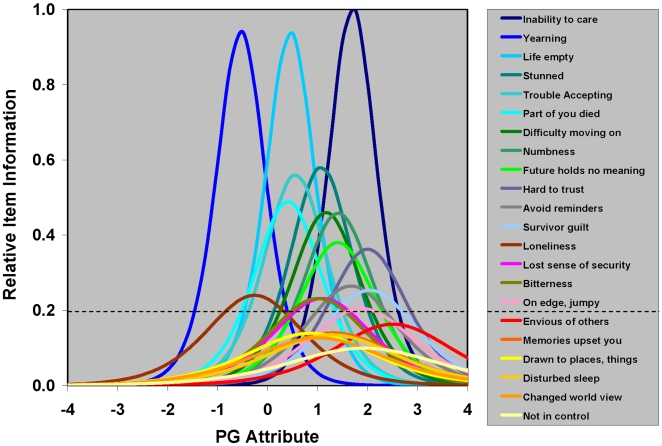
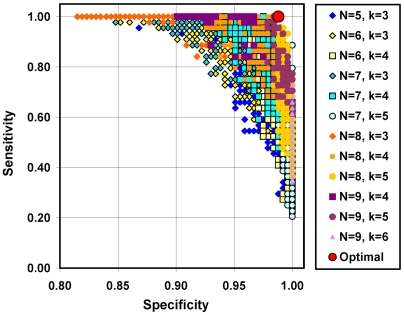
BACKGROUND: Bereavement is a universal experience, and its association with excess morbidity and mortality is well established. Nevertheless, grief becomes a serious health concern for a relative few. For such individuals, intense grief persists, is distressing and disabling, and may meet criteria as a distinct mental disorder. At present, grief is not recognized as a mental disorder in the DSM-IV or ICD-10. The goal of this study was to determine the psychometric validity of criteria for prolonged grief disorder (PGD) to enhance the detection and potential treatment of bereaved individuals at heightened risk of persistent distress and dysfunction. METHODS AND FINDINGS: A total of 291 bereaved respondents were interviewed three times, grouped as 0-6, 6-12, and 12-24 mo post-loss. Item response theory (IRT) analyses derived the most informative, unbiased PGD symptoms. Combinatoric analyses identified the most sensitive and specific PGD algorithm that was then tested to evaluate its psychometric validity. Criteria require reactions to a significant loss that involve the experience of yearning (e.g., physical or emotional suffering as a result of the desired, but unfulfilled, reunion with the deceased) and at least five of the following nine symptoms experienced at least daily or to a disabling degree: feeling emotionally numb, stunned, or that life is meaningless; experiencing mistrust; bitterness over the loss; difficulty accepting the loss; identity confusion; avoidance of the reality of the loss; or difficulty moving on with life. Symptoms must be present at sufficiently high levels at least six mo from the death and be associated with functional impairment. CONCLUSIONS: The criteria set for PGD appear able to identify bereaved persons at heightened risk for enduring distress and dysfunction. The results support the psychometric validity of the criteria for PGD that we propose for inclusion in DSM-V and ICD-11. Please see later in the article for Editors' Summary.
Overview
The claims and statistics of this paper haven’t been checked yet.
Free: it reads the open-access text and checks the first 5 claims that cite a source we can check. Create a free account to check every claim.
Integrity signals
Registry
Cites
Statistics
Figures
Verification
Claims the paper makes
The claims and statistics of this paper haven’t been checked yet.
Free: it reads the open-access text and checks the first 5 claims that cite a source we can check. Create a free account to check every claim.
Claims other papers make about this one
Each is checked against this paper’s own text: does it say what the citing paper says it does?
The source backs part of the claim, not all of it — or backs it for a different population, condition or comparison.
In the citing paper
“bereaved parents are believed to be at heightened risk for psychological distress, including prolonged grief disorder (PGD), 4,5”
From Mental health services for parents who lost a child to cancer: if we build them, Will they come? (2015) · cites this paper as [5]
Experimental — accuracy not yet measuredThe source backs part of the claim, not all of it — or backs it for a different population, condition or comparison.
In the citing paper
“Recently, PGD has been included in the International Classification of Diseases, 11th revision (ICD-11) (Killikelly and Maercker, 2017;Prigerson et al., 2009;World Health Organization, 2018) with a time criterium of 6 months following bereavement.”
From The prevalence of prolonged grief disorder in bereaved individuals following unnatural losses: Systematic review and meta regression analysis (2020) · cites this paper as Prigerson et al., 2009
Experimental — accuracy not yet measuredThe source backs part of the claim, not all of it — or backs it for a different population, condition or comparison.
In the citing paper
“Empirical studies that have considered this question have concluded that people with severe grief symptoms persisting beyond 6 months typically have ongoing difficulties in functioning at later assessment 83,84 .”
From Emerging experience with selected new categories in the ICD‐11: complex PTSD, prolonged grief disorder, gaming disorder, and compulsive sexual behaviour disorder (2022) · cites this paper as [84]
Experimental — accuracy not yet measuredThe source backs part of the claim, not all of it — or backs it for a different population, condition or comparison.
In the citing paper
“It is the most widely used measure of PGD, represents a unidimensional scale and has been shown to index grief-related impairment.”
From Feasibility trial of a scalable transdiagnostic group psychological intervention for Syrians residing in a refugee camp (2021) · cites this paper as Prigerson et al., 2009
Experimental — accuracy not yet measuredThe source backs part of the claim, not all of it — or backs it for a different population, condition or comparison.
In the citing paper
“Research have found symptoms of PGD to be associated with impairment of the bereaved person's famil ial, social, and occupational functioning to a similar extent as found for other mental disorders, e.g., depression and post-traumatic stress disorder (Jordan and Litz, 2014; Maercker et al., 2013; Prigerson et al., 2009; Shah and Meeks, 2012).”
From Prevalence of prolonged grief disorder in adult bereavement: A systematic review and meta-analysis (2017) · cites this paper as Prigerson et al., 2009
Experimental — accuracy not yet measured
6 more claims about this paper
Create a free account to see every claim other papers make about this one.
Self-check
Percentages, sums and reported differences re-computed from the paper’s own numbers.
The self-check needs the paper’s full text.
Citations
Cites
(1992) · PubMed · Cited by 33,716
The MOS 36-ltem Short-Form Health Survey (SF-36): I. Conceptual Framework and Item Selection
Ware, J. E., & Sherbourne, C. D. (1992) · Medical Care · doi:10.1097/00005650-199206000-00002 · Cited by 30,033 · cited 1×
“Scores less than 5 (below the lowest quartile) on the Medical Outcomes ShortForm [65] indicated inferior quality of life.”
BackgroundHandbook of Mathematical Functions with Formulas, Graphs, and Mathematical Tables
Owen, D. B., Abramowitz, M., & Stegun, I. A. (1965) · Technometrics · doi:10.2307/1266136 · Cited by 16,138
The Scree Test For The Number Of Factors
Cattell, R. B. (1966) · Multivariate Behavioral Research · doi:10.1207/s15327906mbr0102_10 · Cited by 13,554 · cited 1×
“Consistent with the use of IRT to construct a one-dimensional scale for PG, Cattell’s scree test [ 67 ] indicated that grief, as measured by these 22 symptoms, is one-dimensional.”
MethodProgress in Development of the Index of ADL
Katz, S., Downs, T. D., Cash, H. R., & Grotz, R. C. (1970) · The Gerontologist · doi:10.1093/geront/10.1_part_1.20 · Cited by 4,118
SYMPTOMATOLOGY AND MANAGEMENT OF ACUTE GRIEF
LINDEMANN, E. (1944) · American Journal of Psychiatry · doi:10.1176/ajp.101.2.141 · Cited by 3,184
Health outcomes of bereavement.
Stroebe, M., Schut, H., & Stroebe, W. (2007) · The Lancet · doi:10.1016/s0140-6736(07)61816-9 · Cited by 1,746 · cited 1×
“Nevertheless, numerous studies have shown that bereaved individuals have higher rates of disability and medication use than their nonbereaved counterparts [1–7], and are themselves at heightened risk of death [8–11].”
Deaths: preliminary data for 2003.
Hoyert, D. L., Kung, H.-C., & Smith, B. L. (2005) · PubMed · Cited by 1,649
The Structured Clinical Interview for DSM-III-R (SCID): II. Multisite Test-Retest Reliability
Williams, J. B. W. (1992) · Archives of General Psychiatry · doi:10.1001/archpsyc.1992.01820080038006 · Cited by 1,618 · cited 1×
“Research has supported the reliability and validity of SCID diagnoses [61].”
Inventory of complicated grief: a scale to measure maladaptive symptoms of loss.
Prigerson, H. G., Maciejewski, P. K., Reynolds, C. F., Bierhals, A. J., Newsom, J. T., Fasiczka, A., Frank, E., Doman, J., & Miller, M. (1995) · Psychiatry Research · doi:10.1016/0165-1781(95)02757-2 · Cited by 1,582 · cited 4×
“The ICG-R is a modification of the Inventory of Complicated Grief (ICG) [15] that includes all the symptoms proposed by the consensus panel [23] and additional symptoms enabling the testing of alternative diagnostic algorithms [22].”
InfluentialSelf-citation
Research works printed but not linked: 2
- 12. American Psychiatric Association (1994) Diagnostic and statistical manual of mental disorders: DSM-IV. 4th edition. Washington (D.C.): American Psychiatric Press. 886 pp.
- 66. Hambleton RK, Swaminathan H, Rogers HJ (1991) Fundamentals of items response theory. Newbury Park (California): Sage Publications. 174 p.
Cited by
Items 701–800 of 1,007
Tang, S., & Chow, A. Y. M. (2017) · Psychiatry Research · doi:10.1016/j.psychres.2017.06.001 · Cited by 25
Burns, E., Prigerson, H. G., Quinn, S. J., Abernethy, A. P., & Currow, D. C. (2017) · Palliative Medicine · doi:10.1177/0269216317717370 · Cited by 23
Self-citationA cognitive approach to persistent complex bereavement disorder (PCBD)
Duffy, M., & Wild, J. (2017) · The Cognitive Behaviour Therapist · doi:10.1017/s1754470x17000034 · Cited by 29
“There has been a debate about whether prolonged grief is a distinct diagnostic category (Prigerson et al. , 2009; Strobe et al. , 2001).”
Allen, J. Y., Haley, W. E., & Small, B. J. (2019) · Death Studies · doi:10.1080/07481187.2019.1648331 · Cited by 24
Polish version of the Inventory of Complicated Grief – preliminary validation
Ludwikowska-Świeboda, K., & Lachowska, B. (2019) · Psychiatria Polska · doi:10.12740/pp/91729 · Cited by 26
“The intense experiences relate to such symptoms as: strong longing for the deceased rendering regular everyday functioning impossible, difficulties with accepting loss, avoiding factors associated with the loss, inability to trust other people after the death of the close person, anger and bitterness related to loss,…”
BackgroundLacour, O., Morina, N., Spaaij, J., Nickerson, A., Schnyder, U., von Känel, R., Bryant, R. A., & Schick, M. (2020) · Frontiers in Psychiatry · doi:10.3389/fpsyt.2020.00526 · Cited by 27
“Consequently, those individuals may experience substantial psychological distress, impairments in work and social functioning (7, 10, 11), and reduced quality of life (12, 13).”
BackgroundResultComplicated grief following job loss: Risk factors for its development and maintenance
van Eersel, J. H. W., Taris, T. W., & Boelen, P. A. (2020) · Scandinavian Journal of Psychology · doi:10.1111/sjop.12650 · Cited by 27
Self-citationMcLean, E., Singer, J., Laurita, E., Kahler, J., Levin, C., & Papa, A. (2021) · Death Studies · doi:10.1080/07481187.2021.1983890 · Cited by 28
“…(7–15%; Bonanno, 2004; Prigerson et al., 2009) experience persistent and debilitating grief, potentially leading to Prolonged Grief Disorder (PGD; Prigerson et al., 2009), which includes intense and prolonged symptoms of yearning and longing for the person, feeling stunned by the loss, and…”
BackgroundParticipants' Recommendations for the Ideal Grief Group: A Qualitative Study
Dyregrov, K., Dyregrov, A., & Johnsen, I. (2013) · OMEGA - Journal of Death and Dying · doi:10.2190/om.67.4.b · Cited by 29
“In fact, for bereaved individuals struggling with complicated grief (Prigerson et al., 2009), participation in a grief support group can contribute to sustaining the longing instead of processing it.”
BackgroundCommentary on: A Call to Action: Facing the Shadow Pandemic of Complicated Forms of Grief
Eisma, M. C., & Boelen, P. A. (2021) · OMEGA - Journal of Death and Dying · doi:10.1177/00302228211016227 · Cited by 24
“…research by Tang and Xiang (2021); based on a survey of Chinese COVID-19 bereaved adults, including a subset who lost someone more than six months ago, they showed that 38% and 29% met criteria for prolonged grief disorder as defined in ICD-11 and proposed by Prigerson et al. (2009), respectively.”
BackgroundSelf-citationReconstructing Meaning in Bereavement
Neimeyer, R. A. (2011) · Wiley eBooks · doi:10.1002/9780470975176.ch21 · Cited by 28
Self-citationPre-loss personal factors and prolonged grief disorder in bereaved mothers
Goldstein, R. D., Petty, C. R., Morris, S. E., Human, M., Odendaal, H., Elliott, A., Tobacco, D., Angal, J., Brink, L., Kinney, H. C., et al. (2019) · Psychological Medicine · doi:10.1017/s0033291718003264 · Cited by 20
Self-citationFamily caregiver grief and post-loss adjustment: A longitudinal cohort study
Coelho, A., Roberto, M., Barros, L., & Barbosa, A. (2022) · Palliative and Supportive Care · doi:10.1017/s147895152100095x · Cited by 20
“Prolonged Grief Disorder Questionnaire (Prigerson et al., 2009).”
Smith, A. J., Layne, C. M., Coyle, P., Kaplow, J. B., Brymer, M. J., Pynoos, R. S., & Jones, R. T. (2017) · Violence and Victims · doi:10.1891/0886-6708.vv-d-16-00043 · Cited by 20
Holland, J. M., Currier, J. M., Kirkendall, A. M., Keene, J. R., & Luna, N. (2014) · Journal of Palliative Medicine · doi:10.1089/jpm.2013.0485 · Cited by 20
“22 Thus, it would seem that both veteran patients and their families may be in need of augmented support services.”
Schenck, L. K., Eberle, K. M., & Rings, J. A. (2015) · OMEGA - Journal of Death and Dying · doi:10.1177/0030222815576124 · Cited by 45
“While uncomplicated grief has been linked to increased physical health concerns, most of which begin to dissipate along with grief symptoms within the first 6 months following the death (Utz, Caserta, & Lund, 2012), CG may result in chronic medical and mental health problems without effective treatment (Prigerson et a…”
BackgroundInfluentialThe family talk intervention in palliative care: a study protocol
Eklund, R., Kreicbergs, U. C., Alvariza, A., & Lövgren, M. (2018) · BMC Palliative Care · doi:10.1186/s12904-018-0290-8 · Cited by 24
“Grief among bereaved family members (both children and adults) will be measured one year after baseline with the Prolonged Grief Disorder (PG-13) instrument [29].”
MethodSex Differences in Mental Health Outcomes of Suicide Exposure
van de Venne, J., Cerel, J., Moore, M. M., & Maple, M. J. (2019) · Archives of Suicide Research · doi:10.1080/13811118.2019.1612800 · Cited by 21
“It Is Not Something You Can Easily Forget”: Ghanaian Parents’ Experiences of Child Loss
Asare, G., Annor, F., & Yendork, J. S. (2020) · OMEGA - Journal of Death and Dying · doi:10.1177/0030222820981230 · Cited by 21
“While some studies suggest that parents could grieve for much longer (e.g., Goldstein et al., 2018), this finding underscores child loss as a significant precursor to complicated grief (e.g. McCallum & Bryant, 2013; Newson et al., 2011; Prigerson et al., 2013; Rando, 1993; Shear & Shair, 2005).”
BackgroundProlonged grief disorder among bereaved survivors after the 2011 Van Earthquake in Turkey
Ergün, D., & Şenyüz, S. (2021) · Death Studies · doi:10.1080/07481187.2021.1884624 · Cited by 25
Pre-Loss Grief in Caregivers of Older Adults with Dementia with Lewy Bodies
Park, J., & Galvin, J. E. (2021) · Journal of Alzheimer s Disease · doi:10.3233/jad-210616 · Cited by 25
“Prolonged grief is a clinical condition with specific grief reactions, including daily symptoms of longing and yearning for the deceased, significant emotional suffering, behavioral symptoms, and difficulty in accepting the loss and moving on without the deceased [10, 11].”
How we continue bonds with deceased persons: The proximity-seeking behavior scale
Eisma, M. C., & Nguyen, L. T. H. (2022) · Death Studies · doi:10.1080/07481187.2022.2039811 · Cited by 23
“…Grief Inventory Self-Report (TGI-SR; Boelen & Smid, 2017) includes 18 items describing symptoms of Prolonged Grief Disorder (per criteria of Prigerson et al., 2009) and of Persistent Complex Bereavement Disorder (Diagnostical and Statistical Manual of Mental Disorders 5, DSM-5, American…”
MethodLacasta, M. A., & Cruzado, J. A. (2023) · Palliative & Supportive Care · doi:10.1017/s147895152300010x · Cited by 24
Delgado, H., Goergen, J., Tyler, J., & Windham, H. (2023) · OMEGA - Journal of Death and Dying · doi:10.1177/00302228231193184 · Cited by 26
“Due to this dif fi culty in processing grief, approximately 5 to 10 percent of people who experience losing a loved one to suicide develop complicated grief (Prigerson et al., 2009; Zetumer et al., 2015).”
Li, X., Yu, J., Jiang, S., Fang, L., Li, Y., Ma, S., Kong, H., Qin, X., & Zhu, D. (2024) · BMC Psychiatry · doi:10.1186/s12888-024-05606-5 · Cited by 28
“All participants with depressive disorders were assessed by two mental health professionals using DSM-IV criteria to determine all psychiatric diagnoses [21].”
MethodReported experiences of bereavement support in Western Australia: a pilot study
Aoun, S. M., Breen, L. J., Rumbold, B. D., & Howting, D. A. (2014) · Australian and New Zealand Journal of Public Health · doi:10.1111/1753-6405.12177 · Cited by 20
“The questionnaire includes a validated risk assessment screening measure for PGD, the PG13 in section 7.(12) Compared to other tools reviewed, the PG-13 is short, easy to selfadminister, has a theoretical basis and aligns with the criteria proposed for inclusion in the forthcoming World Health Organization’s Internati…”
MethodMoretta, P., Masotta, O., Crispino, E., Castronovo, G., Ruvolo, S., Montalbano, C., Loreto, V., Trojano, L., & Estraneo, A. (2017) · Brain Injury · doi:10.1080/02699052.2017.1290278 · Cited by 22
“%) the psychological pattern met the criteria for PGD, and had a strong impact on QOL, with drastic reduction of hobbies, social life and working activity.”
BackgroundMethodInfluentialCan grief be a mental disorder? An online survey on public opinion in mainland China
Tang, S., Chow, A. Y. M., Breen, L. J., & Prigerson, H. G. (2019) · Death Studies · doi:10.1080/07481187.2018.1527415 · Cited by 22
“…post-loss was associated with an 8.21 times greater likelihood of high suicidality at 10.8months post-loss follow-up (Latham & Prigerson, 2004), and PGD diagnoses assessed 6–12months post-loss were significantly associated with suicidal ideation 12–24months post-loss (Prigerson et al., 2009).”
BackgroundInfluentialSelf-citationThimm, J. C., Davidsen, M., Elsness, M. M., & Vara, H. (2019) · Scandinavian Psychologist · doi:10.15714/scandpsychol.6.e7 · Cited by 21
Boelen, P. A., & Lenferink, L. I. M. (2020) · Clinical Psychology & Psychotherapy · doi:10.1002/cpp.2482 · Cited by 22
“That self-focused and emotion-focused positive rumination emerged as distinct clusters accords with some prior studies (Feldman et al., 2008; Raes et al., 2009) but not with other studies showing these forms of positive rumination essentially form one concept (Lenferink et al., 2018; Nelis et al.,…”
ResultSelf-citationBecker, C., Taniyama, Y., Kondo‐Arita, M., Yamada, S., & Yamamoto, K. (2020) · OMEGA - Journal of Death and Dying · doi:10.1177/0030222820947573 · Cited by 23
Kennedy, C., Deane, F. P., & Chan, A. (2020) · Cognitive Therapy and Research · doi:10.1007/s10608-020-10156-7 · Cited by 23
Tang, R., Xie, T., Jiao, K., Xu, X. Y., Zou, X., Qian, W., & Wang, J. (2021) · International Journal of Environmental Research and Public Health · doi:10.3390/ijerph18179061 · Cited by 25
“But adjustment to loss has substantial variations between individuals, and various responses to loss follow several distinct trajectories [4,8].”
BackgroundMethodInfluentialEklund, R., Eisma, M. C., Boelen, P. A., Arnberg, F. K., & Sveen, J. (2021) · BMJ Open · doi:10.1136/bmjopen-2021-052763 · Cited by 21
Self-citationDeno, M., Miyashita, M., Fujisawa, D., Nakajima, S., & Ito, M. (2011) · Journal of Affective Disorders · doi:10.1016/j.jad.2011.06.037 · Cited by 22
“A diagnosis of complicated brief should not be given within six month after bereavement (Prigerson et al., 2009); therefore, those who had experienced bereavement within the past six months were excluded.”
BackgroundKofod, E. H. (2015) · Ethical Human Psychology and Psychiatry · doi:10.1891/1559-4343.17.2.109 · Cited by 19
“Similarly, academic texts on grief disorders typically opens with a statement of the natural and universal character of grief, before they move on to discuss how grief can develop into a mental disorder for some individuals (see, e.g., Prigerson et al., 2009; Shear, 2012).”
BackgroundZhao, S., Ren, L., Wang, Q., Long, M., Wu, H. L., & Wang, Y. (2021) · Asia-Pacific Psychiatry · doi:10.1111/appy.12489 · Cited by 21
Palitsky, R., Wilson, D. T., Friedman, S. E., Ruiz, J. M., Sullivan, D., & O'Connor, M. (2023) · Psychosomatic Medicine · doi:10.1097/psy.0000000000001223 · Cited by 19
“Grief severity was assessed with the Prolonged Grief-13 Scale (18).”
MethodPeinado, V., Valiente, C., Contreras, A., Trucharte, A., Butter, S., Murphy, J., & Shevlin, M. E. (2023) · International Journal of Psychology · doi:10.1002/ijop.12951 · Cited by 22
Gillespie, K., McConnell, T., Roulston, A., Potvin, N., Ghiglieri, C. G., Gadde, I., Anderson, M. I., Kirkwood, J., Thomas, D., Roche, L., et al. (2024) · BMC Palliative Care · doi:10.1186/s12904-024-01364-z · Cited by 23
García, J. A., Landa, V., Grandes, G., Pombo, H., & Mauriz, A. (2012) · Death Studies · doi:10.1080/07481187.2012.722041 · Cited by 21
“), prolonged grief disorder (Prigerson et al., 2009), and an increased demand for health resources (Parkes, 1964; Tudiver, Permaul-Woods, Hilditch, Harmina, & Saini, 1995), with the bereaved visiting their health centres 80% more often than general population (López, Ela, Bartolomé, Gómez, & Garcı́a-Garcı́a, 2001).”
BackgroundRajkumar, A. P., Mohan, T. S., & Tharyan, P. (2015) · International Journal of Social Psychiatry · doi:10.1177/0020764015570713 · Cited by 28
“Many factors, including childhood separation anxiety, controlling parenting style, parental abuse, insecure attachment styles and lack of preparation for the death, have been associated with PGD (Prigerson et al., 2009).”
BackgroundMethodResultInfluentialKip, K. E., Hernández, D., Shuman, A., Witt, A., Diamond, D. M., Davis, S., Kip, R., Abhayakumar, A., Wittenberg, T., Girling, S. A., et al. (2015) · Military Medicine · doi:10.7205/milmed-d-14-00307 · Cited by 26
Wenn, J., O'Connor, M., Breen, L. J., Kane, R. T., & Rees, C. S. (2015) · BMJ Open · doi:10.1136/bmjopen-2014-007221 · Cited by 18
Participants with Prolonged Grief—How Do They Benefit from Grief Group Participation?
Johnsen, I., Dyregrov, A., & Dyregrov, K. (2012) · OMEGA - Journal of Death and Dying · doi:10.2190/om.65.2.a · Cited by 24
Could grief be a mental disorder?
Brinkmann, S. (2017) · Nordic Psychology · doi:10.1080/19012276.2017.1381038 · Cited by 19
“Unlike the DSM category, which is theoretically quite eclectic, the proposed category of complicated grief in WHO’s ICD system seems to be more closely tied to a specific theory, namely that of Holly Prigerson and colleagues (Parkes, 2014; Prigerson et al., 2009).”
BackgroundHow religious and spiritual beliefs explain prolonged grief disorder symptoms
Christian, K. M., Aoun, S. M., & Breen, L. J. (2018) · Death Studies · doi:10.1080/07481187.2018.1469054 · Cited by 29
“84 (Prigerson et al., 2009; Schaal et al., 2014) and its convergent, discriminant, and predictive validity has been demonstrated in previous samples (Prigerson et al.”
BackgroundMethodSebring, K., Shattuck, J., Berk, J., Boersma, I. M., Sillau, S., & Kluger, B. M. (2018) · Palliative Medicine · doi:10.1177/0269216318785830 · Cited by 21
Xiao, Y., Liu, D., Liu, K., & Jiang, X. (2018) · Archives of Psychiatric Nursing · doi:10.1016/j.apnu.2018.11.010 · Cited by 19
“Some research showed that relatives' death resulted in a progress of complex bereavement responding, such as depression (Bryant, 2013), bereavement-related PTSD (Prigerson et al., 2009).”
Background“If only…”: Counterfactual thinking in bereavement
Neimeyer, R. A., Pitcho‐Prelorentzos, S., & Shamir, M. M. (2019) · Death Studies · doi:10.1080/07481187.2019.1679959 · Cited by 19
“…yearning for or preoccupation with the deceased, shock, disbelief, and anger about the death; feeling that it is difficult to care for or trust others; and impairing behaviors to try to avoid reminders of the loss or to feel closer to the deceased (Prigerson et al., 2009; Shear et al., 2011).”
BackgroundSelf-citationVara, H., & Thimm, J. C. (2019) · Nordic Psychology · doi:10.1080/19012276.2019.1684347 · Cited by 24
“This condition has been labeled complicated grief (CG; Shear et al., 2011) or prolonged grief (Prigerson et al., 2009).”
Ennis, J., & Majid, U. (2020) · The Family Journal · doi:10.1177/1066480720929360 · Cited by 25
“Prolonged grief disorder is a psychiatric illness identified in the DSM-5 (Prigerson et al., 2009), which has been associated with multiple adverse outcomes such as suicidality, depression, and anxiety (Boelen & Prigerson, 2007; Boelen et al., 2010; Latham & Prigerson, 2004).”
BackgroundTrang, I., Katz, M., Galifianakis, N. B., Fairclough, D. L., Sillau, S., Miyasaki, J. M., & Kluger, B. M. (2020) · Parkinsonism & Related Disorders · doi:10.1016/j.parkreldis.2020.05.036 · Cited by 19
Sekowski, M. M., & Prigerson, H. G. (2021) · British Journal of Clinical Psychology · doi:10.1111/bjc.12344 · Cited by 20
Self-citationContinuing Bonds and Bereavement Adjustment Among Bereaved Mainland Chinese
Yu, W., He, L., Xu, W., Wang, J., & Prigerson, H. G. (2016) · The Journal of Nervous and Mental Disease · doi:10.1097/nmd.0000000000000550 · Cited by 21
“The Prolonged Grief Questionnaire 13 (PG-13; Prigerson et al., 2009).”
BackgroundSelf-citationGrief counselling and therapy: The case for humility
Neimeyer, R. A. (2010) · Bereavement Care · doi:10.1080/02682620903560833 · Cited by 26
“In fact, the experience of a lifelimiting grief that seems unremitting, marked by persistent and disruptive separation distress many months or years after a loss, is the very hallmark of complicated grief, renamed prolonged grief disorder for this very reason (Prigerson et al, 2009).”
BackgroundSelf-citationProcesos de la comprensión, memoria y aprendizaje de textos
de Juan, M. R. E. (2000) · Dialnet (Universidad de la Rioja) · Cited by 23
Hoffmann, R., Große, J., Nagl, M., Niederwieser, D., Mehnert, A., & Kersting, A. (2018) · BMC Psychiatry · doi:10.1186/s12888-018-1633-y · Cited by 18
“All measures except the Prolonged Grief Interview [49, 61] are assessed by online self-assessment questionnaires which minimizes potential assessment bias.”
BackgroundInfluentialChoi, H., & Cho, S.-M. (2019) · International Journal of Social Psychiatry · doi:10.1177/0020764019894607 · Cited by 19
“…and persistent responses, and these psychological states of grief have been called ‘pathological grief’ (Horowitz et al., 1993), ‘traumatic grief’ (Prigerson et al., 1999), ‘prolonged grief (PG)’ (Prigerson et al., 2009) or ‘complicated grief (CG)’ (Horowitz et al., 1997; Shear et al., 2011).”
BackgroundValid ICD-11 PGD Scales and Structured Clinical Interviews Needed
O’Connor, M., Larsen, L. H., Joensen, B. V., Boelen, P. A., Maccallum, F., Komischke-Konnerup, K. B., & Bryant, R. A. (2020) · Frontiers in Psychology · doi:10.3389/fpsyg.2020.01120 · Cited by 19
“, 2013)], finally evolving into the PG-13 (Prigerson et al., 2009).”
BackgroundSelf-citationSoysal, G. C., & Batıgün, A. D. (2020) · Death Studies · doi:10.1080/07481187.2020.1846639 · Cited by 20
Sveen, J., Bondjers, K., Heinsoo, J., & Arnberg, F. K. (2020) · Frontiers in Psychiatry · doi:10.3389/fpsyt.2020.541789 · Cited by 20
“The PG-13 is comprised of 13 items which follow the diagnostic criteria suggested by Prigerson et al. (2).”
InfluentialSupporting Childhood Bereavement Through School-Based Grief Group
Linder, L. K., Lunardini, M. M., & Zimmerman, H. (2022) · OMEGA - Journal of Death and Dying · doi:10.1177/00302228221082756 · Cited by 24
“Of the measure available at this study ’ s commencement the Inventory of Complicated Grief -Revised (Prigerson et al., 2009), the Persistent Complex Bereavement Disorder Checklist — Youth Version (Kaplow et al., 2018), and the Inventory of People, Places, and Things that I Miss (Nader & Prigerson,…”
MethodLeidl, B., Fox-Davis, D., Walker, F. O., Gabbard, J., & Marterre, B. (2022) · Journal of Pain and Symptom Management · doi:10.1016/j.jpainsymman.2022.09.010 · Cited by 23
Wen, F., Prigerson, H. G., Hu, T., Huang, C.-C., Chou, W., Chuang, L., Chiang, M.-C., & Tang, S. T. (2024) · Critical Care Medicine · doi:10.1097/ccm.0000000000006199 · Cited by 20
“Symptoms of anxiety, depression, and PTSD as well as HRQOL were assessed by phone interviews at 1, 3, 6, 13, 18, and 24 months post-loss, whereas PGD symptoms were assessed 6 months post-loss onward to comply with the duration criterion for PGD (44).”
BackgroundMethodSelf-citationRosner, R., Rau, J., Kersting, A., Rief, W., Steil, R., Rummel, A.-M., Vogel, A., & Comtesse, H. (2024) · JAMA psychiatry · doi:10.1001/jamapsychiatry.2024.3409 · Cited by 17
Glickman, K., Shear, M. K., & Wall, M. (2016) · Clinical Psychology & Psychotherapy · doi:10.1002/cpp.1940 · Cited by 18
Reconstructing meaning in bereavement: summary of a research program
Neimeyer, R. A. (2011) · Estudos de Psicologia (Campinas) · doi:10.1590/s0103-166x2011000400002 · Cited by 29
Self-citationEvaluating the Efficacy of EMDR With Grieving Individuals: A Randomized Control Trial
Meysner, L., Cotter, P., & Lee, C. W. (2016) · Journal of EMDR Practice and Research · doi:10.1891/1933-3196.10.1.2 · Cited by 23
“…as to whether severe grief reactions should be characterized as posttraumatic stress disorder (PTSD), major depressive disorder (MDD), or whether symptoms of complicated grief are best accounted for by a distinct diagnosis (Bonanno et al., 2007; O’Connor et al., 2010; Prigerson et al., 2009).”
BackgroundInfluentialBoelen, P. A. (2017) · The Journal of Nervous and Mental Disease · doi:10.1097/nmd.0000000000000660 · Cited by 26
“%) participants passed the threshold for “ PGD caseness, ” according to the scoring rule by Prigerson et al. (2009) where PGD caseness is defined as a score of 4 or 5 on the “ yearning-symptom, ” a score of 4 or 5 on the “ impairment in functioning ” item, and a score of 4 or 5 on at least 5 of the…”
InfluentialSelf-citationDrabwell, L., Eng, J., Stevenson, F. A., King, M., Osborn, D., & Pitman, A. (2020) · International Journal of Environmental Research and Public Health · doi:10.3390/ijerph17030677 · Cited by 25
“This diagnostic entity arises from descriptions of complicated grief, in which prolonged, unresolved and intense grief is associated with substantial psychosocial functioning , and prolonged grief disorder, in which core symptoms include yearning for the deceased and difficulties in psychosocial functioning beyond 6 m…”
BackgroundSoydas, S., Smid, G. E., Lenferink, L. I. M., Djelantik, A. A. A. M. J., Goodfellow, B., Wilson, R. A., & Boelen, P. A. (2021) · Journal of Affective Disorders · doi:10.1016/j.jad.2021.05.026 · Cited by 21
“The Inventory of Complicated Grief (ICG) (Prigerson et al., 1995) was used to measure self-reported symptoms of PGD consistent with Prigerson et al. (2009) and additional markers of disturbed grief.”
MethodSelf-citationAnxiety Sensitivity in Bereaved Adults With and Without Complicated Grief
Robinaugh, D. J., McNally, R. J., LeBlanc, N. J., Pentel, K. Z., Schwarz, N. R., Shah, R. M., Nadal-Vicens, M. F., Moore, C., Marques, L. M., Bui, É., et al. (2014) · The Journal of Nervous and Mental Disease · doi:10.1097/nmd.0000000000000171 · Cited by 23
“…(CG) is a bereavement-specific syndromechiefly characterized by symptoms of separation distress, including distressed yearning and intense ‘‘pangs’’ of grief, that persist for more than 6 months after the death of a loved one (Horowitz et al., 1997; Prigerson et al., 2009; Shear et al., 2011).”
InfluentialLai, C., Luciani, M., Galli, F., Morelli, E., Moriconi, F., Penco, I., Aceto, P., & Lombardo, L. (2016) · Journal of Mental Health · doi:10.3109/09638237.2016.1167855 · Cited by 20
“, 1997), by Prigerson as ‘‘Prolonged Grief Disorder’’ (PGD) (Prigerson et al., 2009) and by Diagnostic and Statistical Manual of Mental Disorders (Fifth Edition; DSM-5) as ‘‘Persistent Complex Bereavement Disorder’’ (PCBD).”
BackgroundInfluentialCrunk, A. E., Burke, L. A., Neimeyer, R. A., Robinson, E. H., & Bai, H. (2019) · Death Studies · doi:10.1080/07481187.2019.1676323 · Cited by 22
“…known as complicated grief (CG; Shear et al., 2011), also known as prolonged grief disorder (Maciejewski, Maercker, Boelen, & Prigerson, 2016; Prigerson et al., 2009) or persistent complex bereavement disorder (American Psychiatric Association, 2013; see Crunk, Burke, & Robinson, 2017, for…”
BackgroundSelf-citationTrauma in Children and Adolescents: Issues Related to Age and Complex Traumatic Reactions
Nader, K. (2011) · Journal of Child & Adolescent Trauma · doi:10.1080/19361521.2011.597373 · Cited by 24
“Prolonged grief includes symptoms of grief that are persistent and exacerbated ( Boelen, van den Hout, & van den Bout, 2006 ; Prigerson et al, 2009 ).”
BackgroundParent Distress and the Decision to Have Another Child After an Infant's Death in the NICU
Keim, M. C., Fortney, C. A., Shultz, E. L., Winning, A. M., Gerhardt, C. A., & Baughcum, A. E. (2017) · Journal of Obstetric, Gynecologic & Neonatal Nursing · doi:10.1016/j.jogn.2017.01.009 · Cited by 19
EMPOWER: A Multi-Site Pilot Trial to Reduce Distress in Surrogate Decision-Makers in the ICU
Lichtenthal, W. G., Lief, L., Rogers, M., Russell, D., Viola, M., Winoker, H., Kakarala, S., Traube, C., Coats, T., Fadalla, C., et al. (2024) · Journal of Pain and Symptom Management · doi:10.1016/j.jpainsymman.2024.03.002 · Cited by 17
Self-citationFear of Death and Death Acceptance Among Bereaved Adults: Associations With Prolonged Grief
Gegieckaite, G., & Kazlauskas, E. (2022) · OMEGA - Journal of Death and Dying · doi:10.1177/0030222820921045 · Cited by 17
ICD-11 prolonged grief disorder, physical health, and somatic problems: A systematic review
Cunningham, J., Shevlin, M. E., Cerda, C., & McElroy, E. (2025) · Clinical Psychology in Europe · doi:10.32872/cpe.14351 · Cited by 25
Caregiving for Parents Who Harmed You: A Conceptual Review
Kong, J., Kunze, A., Goldberg, J. H., & Schroepfer, T. A. (2021) · Clinical Gerontologist · doi:10.1080/07317115.2021.1920531 · Cited by 20
Revet, A., Suc, A., Conte-Auriol, F., Djelantik, A. A. A. M. J., Raynaud, J., & Bui, É. (2021) · European Journal of Psychotraumatology · doi:10.1080/20008198.2021.1936916 · Cited by 25
“sion in the DSM- 5 and ICD-11 (Prigerson et al., 2009), and its revised version, the PG-13-R (Prigerson, Boelen, & Xu et al.”
BackgroundMethodFrench-Canadian validation of the Traumatic Grief Inventory-Self Report (TGI-SR)
Cherblanc, J., Gagnon, C., Côté, I., Bergeron‐Leclerc, C., Cadell, S., Gauthier, G., & Boelen, P. A. (2022) · Death Studies · doi:10.1080/07481187.2022.2085347 · Cited by 20
“The TGI-SRþ includes four more items, in addition to the 18 items of the TGI-SR, and assesses criteria for prolonged grief disorder as defined in DSM-5-TR, in addition to the criteria for PCBD (as per DSM-5) and PGD as per ICD-11 and Prigerson et al. (2009).”
MethodSelf-citationTur, C., Campos, D., Suso‐Ribera, C., Kazlauskas, E., Castilla, D., Zaragozá, I., García‐Palacios, A., & Quero, S. (2022) · Internet Interventions · doi:10.1016/j.invent.2022.100558 · Cited by 22
O’Riordan, D., Boland, G., Guérin, S., & Dodd, P. C. (2022) · Journal of Intellectual Disability Research · doi:10.1111/jir.12973 · Cited by 17
“…pathological grief process is characterised in the general population by a range of symptoms including a sense of disbelief regarding the death, recurrent pangs of painful emotions, intense yearning, longing for the deceased and anger over the death (Shear et al., 2005; Prigerson et al., 2009).”
BackgroundChallenges in Grief-Focused Cognitive Behavior Therapy for Prolonged Grief Disorder
Maccallum, F., Dawson, K. S., Azevedo, S., & Bryant, R. A. (2023) · Cognitive and Behavioral Practice · doi:10.1016/j.cbpra.2023.10.002 · Cited by 20
Is this bereaved relative at risk of prolonged grief?
Kentish‐Barnes, N., & Prigerson, H. G. (2015) · Intensive Care Medicine · doi:10.1007/s00134-015-4182-6 · Cited by 19
Self-citationEmotional and physiological reactivity in Complicated Grief
LeBlanc, N. J., Unger, L. D., & McNally, R. J. (2016) · Journal of Affective Disorders · doi:10.1016/j.jad.2016.01.024 · Cited by 24
“Individuals with CG also report symptoms of emotional numbing, loss of interest in relationships and activities, and difficulty experiencing positive memories of the deceased (APA, 2013; Horowitz et al., 1997; Prigerson et al., 2009; Shear et al., 2011).”
BackgroundResultFisher, J. E., Mauro, C., Cozza, S. J., Wall, M. M., Simon, N. M., Ortiz, C. D., Harrington‐LaMorie, J., Wang, Y., Fullerton, C. S., Ursano, R. J., et al. (2017) · International Journal of Methods in Psychiatric Research · doi:10.1002/mpr.1571 · Cited by 19
“…proposed criteria set (CG, PGD, PCBD) defines a persistent grief condition that causes impairment and is distinct from major depressive disorder (MDD) and post‐traumatic stress disorder (PTSD) (Barnes, Dickstein, Maguen, Neria, & Litz, 2012; Prigerson et al., 2009; Shear, 2012; Shear et al., 2011).”
InfluentialFinding Meaning in Loss: A Narrative Constructivist Contribution
Alves, D., Neimeyer, R. A., Batista, J., & Gonçalves, M. M. (2017) · Springer eBooks · doi:10.1007/978-3-319-65241-2_8 · Cited by 23
Self-citationDahlberg, J. (2018) · OMEGA - Journal of Death and Dying · doi:10.1177/0030222818756740 · Cited by 19
“First, the death of a parent can lead to deep and prolonged emotional turmoil and a reduced quality of personal relationships (e.g., Prigerson et al., 2009).”
BackgroundFamily talk intervention in paediatric oncology: a pilot study protocol
Lövgren, M., Kreicbergs, U. C., & Udo, C. (2019) · BMJ Paediatrics Open · doi:10.1136/bmjpo-2018-000417 · Cited by 19
“Grief experiences associated with illness This is measured with Prolonged Grief Disorder (PG-12) among parents/guardians and siblings 13 years and older.(36) 37 It covers: (1) separation distress, which is characterised by manifestations of longing and yearning, (2) emotional, cognitive and behavioural symptoms, for e…”
Harrison, O., Windmann, S., Rosner, R., & Steil, R. (2021) · Clinical Psychology & Psychotherapy · doi:10.1002/cpp.2697 · Cited by 18
Fisher, E., Crawley, S., Sampson, E. L., Cooper, C., Jones, R., Anantapong, K., & Moore, K. J. (2022) · Dementia · doi:10.1177/14713012211066674 · Cited by 23
“…(Henriksson & Arestedt, 2013) and less complicated grief after death (Hebert, Dang et al., 2006; Schulz et al., 2003; Supiano et al., 2020), characterised as disabling distress affecting daily functioning for more than six months after the death of a significant other (Prigerson et al., 2009).”
BackgroundDream Content in Complicated Grief: A Window into Loss-Related Cognitive Schemas
Germain, A., Shear, K. M., Walsh, C., Buysse, D. J., Monk, T. H., Reynolds, C. F., Frank, E., & Silowash, R. (2013) · Death Studies · doi:10.1080/07481187.2011.641138 · Cited by 29
“…Classification of Disease (ICD-11) and include separation distress (yearning), and a variety of cognitive, behavioral, and emotional symptoms that follow bereavement, persist for more than 6 mo after the loss, and is associated with significant functional impairments (Prigerson et al., 2009).”
BackgroundGrief and Risk of Depression in Context: The Emotional Outcomes of Bereaved Cancer Caregivers
Francis, L. E., Kypriotakis, G., O’Toole, E. E., Bowman, K. F., & Rose, J. H. (2015) · OMEGA - Journal of Death and Dying · doi:10.1177/0030222815573720 · Cited by 24
“On the contrary, widespread research has made it clear that many, if not most episodes of depression have an environmental trigger (Dohrenwend, Francis et al. 355 2000; Pearlin, Aneshensel, & LeBlanc, 1997; Prigerson et al., 2009).”
BackgroundBacque, M. (2013) · Annales Médico-psychologiques revue psychiatrique · doi:10.1016/j.amp.2013.02.001 · Cited by 24
Parental Grief Expression in Online Cancer Support Groups
Elder, J., & Burke, L. A. (2015) · Illness Crisis & Loss · doi:10.1177/1054137315576617 · Cited by 22
Abnormal Grief: Should We Consider a More Patient-Centered Approach?
Moayedoddin, B., & Markowitz, J. C. (2015) · American Journal of Psychotherapy · doi:10.1176/appi.psychotherapy.2015.69.4.361 · Cited by 23
“According to the litterature, approximately 10 percent of grieving individuals appear to develop CG (Middleton, Raphael, Burnett, & Martinek, 1998; Prigerson et al., 2009).”
BackgroundWilliams, J. L., & Rheingold, A. A. (2018) · OMEGA - Journal of Death and Dying · doi:10.1177/0030222818766138 · Cited by 17
“PGD symptoms were assessed using the Prolonged Grief 13 (PG-13) Scale (Prigerson et al., 2009).”
Method
Metadata
- Authors
- Prigerson, H. G., Horowitz, M. J., Jacobs, S. C., Parkes, C. M., Aslan, M., Goodkin, K., Raphael, B., Marwit, S. J., Wortman, C., Neimeyer, R. A., Bonanno, G., Block, S. D., Kissane, D., Boelen, P., Maercker, A., Litz, B. T., Johnson, J. G., First, M. B., & Maciejewski, P. K.
- Affiliations
- Brigham and Women's Hospital (US)
- University of California, San Francisco (US)
- Yale University (US)
- St Christopher's Hospice (GB)
- Cedars-Sinai Medical Center (US)
- Western Sydney University (AU)
- University of Missouri–St. Louis (US)
- State University of New York (US)
- University of Memphis (US)
- Columbia University (US)
- Memorial Sloan Kettering Cancer Center (US)
- Utrecht University (NL)
- Boston University (US)
- Corresponding author
- Prigerson, Holly G.
- ORCID
- Venue
- PLoS Medicine
- Publisher
- Public Library of Science (PLoS)
- Published
- 2009-08-04
- Volume
- 6
- Issue
- 8
- Pages
- e1000121
- ISSN
- 1549-1277 (ISSN-L)
- 1549-1676
- PMC
- PMC2711304
- OpenAlex
- W2127461282
- Semantic Scholar
- ba3283d11676796ee3fd57b2e48586fd00f7d14f
- Cited by
- 1,863
- References
- 76
- Citations by year
- 2026: 93 · 2025: 103 · 2024: 155 · 2023: 119 · 2022: 136 · 2021: 148 · 2020: 171 · 2019: 113 · 2018: 102 · 2017: 136 · 2016: 72 · 2015: 123 · 2014: 88 · 2013: 100 · 2012: 79
- FWCI
- 70.54
- Type
- journal article
- Language
- en
- Update notices
- correction (2013-12-17)
- Open access
- gold
- doi.org
- Locations
- PLoS Medicine (publishedVersion, cc-by)
- PubMed Central (publishedVersion, cc-by)
- PubMed (publishedVersion)
- Zurich Open Repository and Archive (University of Zurich) (acceptedVersion, cc-by)
- Zurich Open Repository and Archive (University of Zurich) (acceptedVersion, other-oa)
- Minerva Access (University of Melbourne) (submittedVersion, cc-by)
- Digital Access to Scholarship at Harvard (DASH) (Harvard University) (submittedVersion, cc-by)
- RePEc: Research Papers in Economics (submittedVersion)
- DOAJ (DOAJ: Directory of Open Access Journals) (submittedVersion, cc-by-sa)
- eScholarship (California Digital Library) (submittedVersion)
- eScholarship (California Digital Library) (submittedVersion, cc-by)
- OpenBU (Boston University) (submittedVersion, cc-by)
- Zurich Open Repository and Archive (University of Zurich) (submittedVersion, cc-by)
- Zurich Open Repository and Archive (University of Zurich)
- Funders
- Eli Lilly and Company
- National Institutes of Health (CA106370)
- National Institute of Mental Health (R01MH056529, MH-56529, MH-63892, R01MH063892, CA106370)
- National Cancer Institute (R01CA106370, CA106370, MH63892, MH56529)
- National Institute of Neurological Disorders and Stroke (NS-044316, K25NS044316)
- Topics
- Social Sciences › Psychology › Clinical Psychology › Grief, Bereavement, and Mental Health
- Social Sciences › Anthropology › Death, Funerary Practices, and Mourning
- Social Sciences › Psychology › Clinical Psychology › Posttraumatic Stress Disorder Research
- Keywords
- prolonged grief disorder, bereavement, grief, ICD-11 criteria, psychometric validation, longing, functional disability, diagnostic criteria, item response theory
- MeSH terms
- Algorithms, Mental Disorders, Bereavement, Female, Grief, Health Surveys, Humans, Male, Middle Aged, Psychometrics, Reference Values, Severity of Illness Index, Patient Selection, International Classification of Diseases, Diagnostic and Statistical Manual of Mental Disorders
About these checks
Registry, retraction, Cites and statistics results are computed, not judged, with one exception: a printed reference that no index lists is read once by a model before it counts as a citation error. Claims are extracted by a model and kept only when their quote appears verbatim in the text; each cited source is then checked, with a model’s help, for whether it says what the claim relies on. Those verdicts can be wrong — read the claim’s quote and the cited source before relying on one.
Statistics and arithmetic are recomputed, not judged.
Confidence bands are shown only for fields calibrated on our annotated test set. None is calibrated yet, so no band is shown.
What counts as a claim ›How we measure confidence ›How we check this ›
Are you an author, or do you see a problem with this page? Request a review
Data sources
Bibliographic data: Semantic Scholar, OpenAlex, Crossref.
Contains information from the Semantic Scholar Academic Graph Datasets, made available under the ODC Attribution License (ODC-BY 1.0).
Semantic Scholar’s data is described in: Kinney, R., et al. (2023). The Semantic Scholar Open Data Platform. arXiv:2301.10140.
