

Prolonged Grief Disorder: Psychometric Validation of Criteria Proposed for DSM-V and ICD-11
Open accessThe DOI matches its Crossref record; 74 of the 76 references it cites were found in a registry or an index.
Abstract
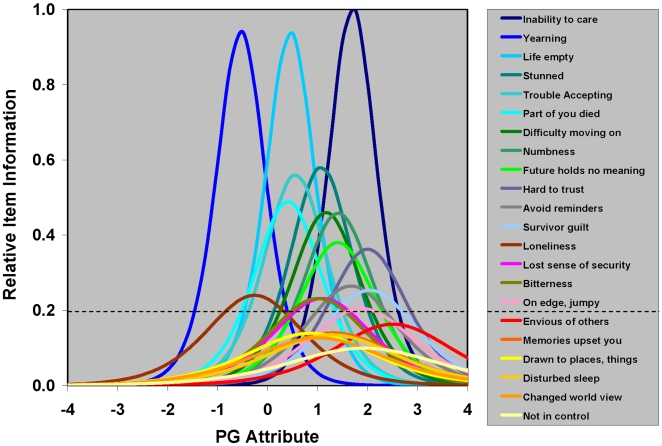
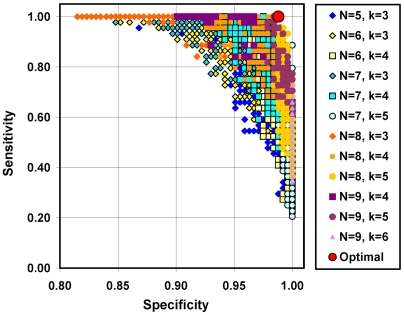
BACKGROUND: Bereavement is a universal experience, and its association with excess morbidity and mortality is well established. Nevertheless, grief becomes a serious health concern for a relative few. For such individuals, intense grief persists, is distressing and disabling, and may meet criteria as a distinct mental disorder. At present, grief is not recognized as a mental disorder in the DSM-IV or ICD-10. The goal of this study was to determine the psychometric validity of criteria for prolonged grief disorder (PGD) to enhance the detection and potential treatment of bereaved individuals at heightened risk of persistent distress and dysfunction. METHODS AND FINDINGS: A total of 291 bereaved respondents were interviewed three times, grouped as 0-6, 6-12, and 12-24 mo post-loss. Item response theory (IRT) analyses derived the most informative, unbiased PGD symptoms. Combinatoric analyses identified the most sensitive and specific PGD algorithm that was then tested to evaluate its psychometric validity. Criteria require reactions to a significant loss that involve the experience of yearning (e.g., physical or emotional suffering as a result of the desired, but unfulfilled, reunion with the deceased) and at least five of the following nine symptoms experienced at least daily or to a disabling degree: feeling emotionally numb, stunned, or that life is meaningless; experiencing mistrust; bitterness over the loss; difficulty accepting the loss; identity confusion; avoidance of the reality of the loss; or difficulty moving on with life. Symptoms must be present at sufficiently high levels at least six mo from the death and be associated with functional impairment. CONCLUSIONS: The criteria set for PGD appear able to identify bereaved persons at heightened risk for enduring distress and dysfunction. The results support the psychometric validity of the criteria for PGD that we propose for inclusion in DSM-V and ICD-11. Please see later in the article for Editors' Summary.
Overview
The claims and statistics of this paper haven’t been checked yet.
Free: it reads the open-access text and checks the first 5 claims that cite a source we can check. Create a free account to check every claim.
Integrity signals
Registry
Cites
Statistics
Figures
Verification
Claims the paper makes
The claims and statistics of this paper haven’t been checked yet.
Free: it reads the open-access text and checks the first 5 claims that cite a source we can check. Create a free account to check every claim.
Claims other papers make about this one
Each is checked against this paper’s own text: does it say what the citing paper says it does?
The source backs part of the claim, not all of it — or backs it for a different population, condition or comparison.
In the citing paper
“bereaved parents are believed to be at heightened risk for psychological distress, including prolonged grief disorder (PGD), 4,5”
From Mental health services for parents who lost a child to cancer: if we build them, Will they come? (2015) · cites this paper as [5]
Experimental — accuracy not yet measuredThe source backs part of the claim, not all of it — or backs it for a different population, condition or comparison.
In the citing paper
“Recently, PGD has been included in the International Classification of Diseases, 11th revision (ICD-11) (Killikelly and Maercker, 2017;Prigerson et al., 2009;World Health Organization, 2018) with a time criterium of 6 months following bereavement.”
From The prevalence of prolonged grief disorder in bereaved individuals following unnatural losses: Systematic review and meta regression analysis (2020) · cites this paper as Prigerson et al., 2009
Experimental — accuracy not yet measuredThe source backs part of the claim, not all of it — or backs it for a different population, condition or comparison.
In the citing paper
“Empirical studies that have considered this question have concluded that people with severe grief symptoms persisting beyond 6 months typically have ongoing difficulties in functioning at later assessment 83,84 .”
From Emerging experience with selected new categories in the ICD‐11: complex PTSD, prolonged grief disorder, gaming disorder, and compulsive sexual behaviour disorder (2022) · cites this paper as [84]
Experimental — accuracy not yet measuredThe source backs part of the claim, not all of it — or backs it for a different population, condition or comparison.
In the citing paper
“It is the most widely used measure of PGD, represents a unidimensional scale and has been shown to index grief-related impairment.”
From Feasibility trial of a scalable transdiagnostic group psychological intervention for Syrians residing in a refugee camp (2021) · cites this paper as Prigerson et al., 2009
Experimental — accuracy not yet measuredThe source backs part of the claim, not all of it — or backs it for a different population, condition or comparison.
In the citing paper
“Research have found symptoms of PGD to be associated with impairment of the bereaved person's famil ial, social, and occupational functioning to a similar extent as found for other mental disorders, e.g., depression and post-traumatic stress disorder (Jordan and Litz, 2014; Maercker et al., 2013; Prigerson et al., 2009; Shah and Meeks, 2012).”
From Prevalence of prolonged grief disorder in adult bereavement: A systematic review and meta-analysis (2017) · cites this paper as Prigerson et al., 2009
Experimental — accuracy not yet measured
6 more claims about this paper
Create a free account to see every claim other papers make about this one.
Self-check
Percentages, sums and reported differences re-computed from the paper’s own numbers.
The self-check needs the paper’s full text.
Citations
Cites
(1992) · PubMed · Cited by 33,716
The MOS 36-ltem Short-Form Health Survey (SF-36): I. Conceptual Framework and Item Selection
Ware, J. E., & Sherbourne, C. D. (1992) · Medical Care · doi:10.1097/00005650-199206000-00002 · Cited by 30,033 · cited 1×
“Scores less than 5 (below the lowest quartile) on the Medical Outcomes ShortForm [65] indicated inferior quality of life.”
BackgroundHandbook of Mathematical Functions with Formulas, Graphs, and Mathematical Tables
Owen, D. B., Abramowitz, M., & Stegun, I. A. (1965) · Technometrics · doi:10.2307/1266136 · Cited by 16,138
The Scree Test For The Number Of Factors
Cattell, R. B. (1966) · Multivariate Behavioral Research · doi:10.1207/s15327906mbr0102_10 · Cited by 13,554 · cited 1×
“Consistent with the use of IRT to construct a one-dimensional scale for PG, Cattell’s scree test [ 67 ] indicated that grief, as measured by these 22 symptoms, is one-dimensional.”
MethodProgress in Development of the Index of ADL
Katz, S., Downs, T. D., Cash, H. R., & Grotz, R. C. (1970) · The Gerontologist · doi:10.1093/geront/10.1_part_1.20 · Cited by 4,118
SYMPTOMATOLOGY AND MANAGEMENT OF ACUTE GRIEF
LINDEMANN, E. (1944) · American Journal of Psychiatry · doi:10.1176/ajp.101.2.141 · Cited by 3,184
Health outcomes of bereavement.
Stroebe, M., Schut, H., & Stroebe, W. (2007) · The Lancet · doi:10.1016/s0140-6736(07)61816-9 · Cited by 1,746 · cited 1×
“Nevertheless, numerous studies have shown that bereaved individuals have higher rates of disability and medication use than their nonbereaved counterparts [1–7], and are themselves at heightened risk of death [8–11].”
Deaths: preliminary data for 2003.
Hoyert, D. L., Kung, H.-C., & Smith, B. L. (2005) · PubMed · Cited by 1,649
The Structured Clinical Interview for DSM-III-R (SCID): II. Multisite Test-Retest Reliability
Williams, J. B. W. (1992) · Archives of General Psychiatry · doi:10.1001/archpsyc.1992.01820080038006 · Cited by 1,618 · cited 1×
“Research has supported the reliability and validity of SCID diagnoses [61].”
Inventory of complicated grief: a scale to measure maladaptive symptoms of loss.
Prigerson, H. G., Maciejewski, P. K., Reynolds, C. F., Bierhals, A. J., Newsom, J. T., Fasiczka, A., Frank, E., Doman, J., & Miller, M. (1995) · Psychiatry Research · doi:10.1016/0165-1781(95)02757-2 · Cited by 1,582 · cited 4×
“The ICG-R is a modification of the Inventory of Complicated Grief (ICG) [15] that includes all the symptoms proposed by the consensus panel [23] and additional symptoms enabling the testing of alternative diagnostic algorithms [22].”
InfluentialSelf-citation
Research works printed but not linked: 2
- 12. American Psychiatric Association (1994) Diagnostic and statistical manual of mental disorders: DSM-IV. 4th edition. Washington (D.C.): American Psychiatric Press. 886 pp.
- 66. Hambleton RK, Swaminathan H, Rogers HJ (1991) Fundamentals of items response theory. Newbury Park (California): Sage Publications. 174 p.
Cited by
Items 601–700 of 1,007
Cipolletta, S., Gius, E., & Bastianelli, A. (2013) · Brain Injury · doi:10.3109/02699052.2013.857789 · Cited by 30
“[11] suggested calling this complex condition Prolonged Grief Disorder (PGD).”
BackgroundThe Diagnosis of Complicated Grief as a Mental Disorder: A Critical Appraisal
Wagner, B., & Maercker, A. (2010) · Psychologica Belgica · doi:10.5334/pb-50-1-2-27 · Cited by 27
“As already stated above, the most recent concept of Prolonged Grief Disorder (Prigerson et al., 2009), where the two categories ‘separation distress’ and ‘traumatic distress’ were substituted by the categories ‘Separation Distress’ and ‘Cognitive, Emotional and Behavioural Symptoms’, remains ham-”
BackgroundMethodSelf-citationThe Unique Impact of Late-Life Bereavement and Prolonged Grief on Diurnal Cortisol
Holland, J. M., Rozalski, V., Thompson, K. L., Tiongson, R. J., Schatzberg, A. F., O'Hara, R. M., & Gallagher-Thompson, D. E. (2013) · The Journals of Gerontology Series B · doi:10.1093/geronb/gbt051 · Cited by 34
Lai, C., Luciani, M., Morelli, E., Galli, F., Cappelluti, R., Penco, I., Aceto, P., & Lombardo, L. (2013) · American Journal of Hospice and Palliative Medicine® · doi:10.1177/1049909113490227 · Cited by 31
“Predeath grief symptoms were measured using the PG12.”
MethodLai, C., Luciani, M., Galli, F., Morelli, E., Cappelluti, R., Penco, I., Aceto, P., & Lombardo, L. (2014) · American Journal of Hospice and Palliative Medicine® · doi:10.1177/1049909114547945 · Cited by 34
“The criteria set for prolonged grief disorder proposed in the DSM-5(30) has been chosen through an item response theory analyses that allowed to identify the most informative, unbiased prolonged grief disorder symptoms.(37) Recent studies showed that prolonged grief risk is associated with female gender, lower ability…”
MethodLansing, A. E., Plante, W. Y., & Beck, A. N. (2016) · Journal of Anxiety Disorders · doi:10.1016/j.janxdis.2016.09.007 · Cited by 29
“experiences which may cause grief responses, including complicated bereavement, intrusion, avoidance, re-experiencing, guilt/self-blame, increased emotionality, and failure to adapt.(54,55) Trauma Events include Criterion-A traumas (e.”
BackgroundBereaved Military Dependent Spouses and Children: Those Left Behind in a Decade of War (2001–2011)
Cozza, S. J., Fisher, J. E., Zhou, J. W., Harrington‐LaMorie, J., Flair, L. L., Fullerton, C. S., & Ursano, R. J. (2017) · Military Medicine · doi:10.7205/milmed-d-16-00101 · Cited by 28
Clinically Relevant Diagnostic Criteria for a Persistent Impairing Grief Disorder
Reynolds, C. F., Cozza, S. J., & Shear, M. K. (2017) · JAMA Psychiatry · doi:10.1001/jamapsychiatry.2017.0290 · Cited by 26
Shulla, R. M., & Toomey, R. B. (2018) · Journal of Adolescence · doi:10.1016/j.adolescence.2018.04.001 · Cited by 31
Aoun, S. M. (2020) · Progress in Palliative Care · doi:10.1080/09699260.2019.1706277 · Cited by 35
Kristensen, P., Heir, T., Herlofsen, P. H., Langsrud, Ø., & Weisæth, L. (2011) · The Journal of Nervous and Mental Disease · doi:10.1097/nmd.0b013e31823e5796 · Cited by 33
“The latter, also referred to as complicated grief, was recently proposed as a new mental health disorder in DSM-V and ICD-11 (Prigerson et al., 2009).”
BackgroundMethodDSM-5: proposed changes to depressive disorders
Wakefield, J. C. (2011) · Current Medical Research and Opinion · doi:10.1185/03007995.2011.653436 · Cited by 32
Grief trajectories after loss in pregnancy and during the neonatal period
Mørk, S., Hvidtjørn, D., Möller, S., Henriksen, T. B., O’Connor, M., & Bonanno, G. A. (2023) · Journal of Psychiatric Research · doi:10.1016/j.jpsychires.2023.10.052 · Cited by 30
“The criteria for PGD were captured by the instrument PG-13 (Prigerson et al., 2009).”
BackgroundMethodInfluentialSelf-citationPrimary care providers' bereavement care practices: recommendations for research directions
Ghesquiere, A., Patel, S. R., Kaplan, D. B., & BRUCE, M. L. (2014) · International Journal of Geriatric Psychiatry · doi:10.1002/gps.4157 · Cited by 29
“Rather, diagnosis should lead to better identification, improved treatment, and greater social acknowledgement of symptoms (Parkes, 2002; Bambauer and Prigerson, 2006; Prigerson et al., 2009).”
BackgroundInfluentialUnderstanding the spirituality of parents following stillbirth: A qualitative meta-synthesis
Alvarenga, W. D. A., de Montigny, F., Zeghiche, S., Polita, N. B., Verdon, C., & Nascimento, L. C. (2019) · Death Studies · doi:10.1080/07481187.2019.1648336 · Cited by 29
“Inability to find meaning in the death as evidenced in this review has been linked to the development of CG, also termed “prolonged grief disorder” (Christian et al., 2018; Prigerson et al., 2009).”
BackgroundGoldstein, R. D., Petty, C. R., Morris, S. E., Human, M., Odendaal, H. J., Elliott, A., Tobacco, D., Angal, J., Brink, L. T., & Prigerson, H. G. (2020) · Comprehensive Psychiatry · doi:10.1016/j.comppsych.2020.152161 · Cited by 38
“The PBQ measures diagnostic criteria for PGD (Prigerson 2009 criteria [12]) with items addressing separation distress (yearning and emotional pain), and cognitive, emotional, and behavioral symptoms, including confusion about one’s role in life or diminished sense of self, difficulty accepting the…”
BackgroundMethodInfluentialSelf-citationAcierno, R. E., Kauffman, B. Y., Muzzy, W. A., Hernandez‐Tejada, M. A., & Lejuez, C. W. (2021) · American Journal of Hospice and Palliative Medicine® · doi:10.1177/1049909121989021 · Cited by 26
“Moreover, the relatively strong effect the treatments had on grief ratings, relative to the mild effect they had on depression ratings, supports prior research contentions that Persistent Complex Bereavement Disorder is related to, albeit distinct from depression.(6,12-16) When considering relevant treatment targets f…”
ResultWilliams, J. H., Shorter, G. W., Howlett, N., Zakrzewski-Fruer, J. K., & Chater, A. (2021) · Sports Medicine - Open · doi:10.1186/s40798-021-00311-z · Cited by 31
“PGD is categorised as grief outcomes which fail to diminish after 6 months causing disruption to daily, social and occupational functioning [17, 19].”
BackgroundSandler, I. N., Yun‐Tien, J., Zhang, N., Wolchik, S. A., & Thieleman, K. (2021) · Journal of Traumatic Stress · doi:10.1002/jts.22759 · Cited by 28
Investigation of a Web-Based Explainable AI Screening for Prolonged Grief Disorder
She, W. J., Ang, C. S., Neimeyer, R. A., Burke, L. A., Zhang, Y., Jatowt, A., Kawai, Y., Hu, J., Rauterberg, M., Prigerson, H. G., et al. (2022) · IEEE Access · doi:10.1109/access.2022.3163311 · Cited by 32
“After having so recently lost a loved one, such individuals could become ‘‘stuck’’ in their grief, finding it difficult to take the necessary actions to move forward in a positive manner with their losses [27], [28], [110].”
BackgroundMethodInfluentialSelf-citationOn the Classification and Reporting of Prolonged Grief: Assessment and Research Guidelines
Stroebe, M., Schut, H. A. W., & Eisma, M. C. (2024) · Harvard Review of Psychiatry · doi:10.1097/hrp.0000000000000389 · Cited by 26
Craig, L. (2010) · Oncology nursing forum · doi:10.1188/10.onf.401-406 · Cited by 30
Fasse, L., & Zech, E. (2016) · OMEGA - Journal of Death and Dying · doi:10.1177/0030222815598668 · Cited by 33
Public stigma towards prolonged grief disorder: Does diagnostic labeling matter?
Gonschor, J., Eisma, M. C., Barke, A., & Doering, B. K. (2020) · PLoS ONE · doi:10.1371/journal.pone.0237021 · Cited by 28
Chen, Z., Ying, J., Ingels, J. B., Zhang, D. “., Rajbhandari‐Thapa, J., Wang, R., Emerson, K. G., & Feng, Z. (2020) · BMC Psychiatry · doi:10.1186/s12888-020-02916-2 · Cited by 34
A Nationwide Random Sampling Survey of Potential Complicated Grief in Japan
Mizuno, Y., Kishimoto, J., & Asukai, N. (2012) · Death Studies · doi:10.1080/07481187.2011.553323 · Cited by 27
“Although most bereaved individuals will eventually adapt to the loss of a loved one more or less successfully, a significant identifiable minority will experience chronic and disabling grief (Bonanno & Kaltman, 2001 ; Prigerson et al, 2009 ).”
BackgroundInfluentialBehavioral Activation for Pathological Grief
Papa, A., Rummel, C., Garrison-Diehn, C., & Sewell, M. T. (2013) · Death Studies · doi:10.1080/07481187.2012.692459 · Cited by 25
“…scores after decomposing the PG-13 grief measure into separation= longing and other cognitive, emotional, and behavioral symptoms, as outlined by Prigerson et al. (2009), as well as scores from the grief-related intrusions question, scores of individual PTSD symptoms clusters, and scores from…”
BackgroundMethodInfluentialLitz, B. T., Yeterian, J., Berke, D., Lang, A. J., Gray, M. J., Nienow, T., Frankfurt, S., Harris, J. I., Maguen, S., & Rusowicz-Orazem, L. (2024) · Journal of Consulting and Clinical Psychology · doi:10.1037/ccp0000873 · Cited by 25
Self-citationRodríguez Villar, S., Sánchez Casado, M., Prigerson, H. G., Mesa García, S., Rodríguez Villar, M., Hortigüela Martín, V. A., Marco Schulke, C. M., Barrientos Vega, R., & Quintana, M. (2012) · Chest · doi:10.1378/chest.11-3099 · Cited by 24
Self-citationBoelen, P. A., & Lancee, J. (2013) · Depression Research and Treatment · doi:10.1155/2013/739804 · Cited by 24
Self-citationCo-occurrence of approach and avoidance in prolonged grief: a latent class analysis
Eisma, M. C., & Lenferink, L. I. M. (2023) · European Journal of Psychotraumatology · doi:10.1080/20008066.2023.2190544 · Cited by 30
Kurapov, A., Balashevych, O., Borodko, Y., Vovk, Y., Borozenets, A., & Danyliuk, I. (2025) · Frontiers in Psychology · doi:10.3389/fpsyg.2025.1553555 · Cited by 37
“According to Prigerson et al. (2009), a diagnosis requires the presence of at least five out of nine specific symptoms, occurring either daily or to a disabling extent.”
InfluentialSmid, G. E., Drogendijk, A. N., Knipscheer, J. W., Boelen, P. A., & Kleber, R. J. (2018) · Transcultural Psychiatry · doi:10.1177/1363461518784355 · Cited by 31
“These may include a sense of mistrust, anger, detachment, or identity disruption and other manifestations of persistent grief (Prigerson et al., 2009).”
BackgroundSelf-citationHuang, M., Schmiedek, F., & Habermas, T. (2020) · Journal of Personality · doi:10.1111/jopy.12573 · Cited by 30
Angelhoff, C., Sveen, J., Alvariza, A., Falk, M. W., & Kreicbergs, U. C. (2020) · European Journal of Oncology Nursing · doi:10.1016/j.ejon.2020.101883 · Cited by 35
Turkish Version of the Traumatic Grief Inventory-Self Report (TGI-SR): Validity and reliability
Baş, S., Yüksel, Ö., Ülbe, S., & Güngör, D. (2020) · Death Studies · doi:10.1080/07481187.2020.1850551 · Cited by 29
Acute and long-term grief reactions and experiences in parentally cancer-bereaved teenagers
Bylund‐Grenklo, T., Birgisdóttir, D., Beernaert, K., Nyberg, T., Skokic, V., Kristensson, J., Steineck, G., Fürst, C. J., & Kreicbergs, U. C. (2021) · BMC Palliative Care · doi:10.1186/s12904-021-00758-7 · Cited by 34
Demarchi, L., Pawluski, J. L., & Bosch, O. J. (2021) · Peptides · doi:10.1016/j.peptides.2021.170593 · Cited by 26
Komischke-Konnerup, K. B., Vang, M. L., Lundorff, M., Elklit, A., & O’Connor, M. (2023) · Journal of Psychopathology and Clinical Science · doi:10.1037/abn0000859 · Cited by 29
Breen, L. J., Aoun, S. M., & O’Connor, M. (2015) · BMC Palliative Care · doi:10.1186/s12904-015-0009-z · Cited by 24
“, mutual-help groups, trained volunteer support), and an even smaller proportion will experience persistent psychiatric distress, such as Prolonged Grief Disorder, requiring specialist intervention [36,41,42].”
BackgroundMethodPersonality Change Pre- to Post- Loss in Spousal Caregivers of Patients With Terminal Lung Cancer
Hoerger, M. P., Chapman, B. P., Prigerson, H. G., Fagerlin, A., Mohile, S. G., Epstein, R. M., Lyness, J. M., & Duberstein, P. R. (2014) · Social Psychological and Personality Science · doi:10.1177/1948550614524448 · Cited by 26
“As well, there is a need for research on the implications of personality change for prolonged grief (Prigerson et al., 2009).”
InfluentialSelf-citationMacKinnon, C. J., Milman, E. J., Smith, N. G., Henry, M., Berish, M., Copeland, L. S., Körner, A., Chochinov, H. M., & Cohen, S. R. (2012) · The Counseling Psychologist · doi:10.1177/0011000012459969 · Cited by 33
“Counseling psychologists are encouraged to assess grief trajectory at the outset and during the course of therapy (see Bonanno, 2009; Prigerson et al., 2009), as prolonged grief tends to be comorbid with other psychological disturbances (e.”
BackgroundInter-rater reliability of the Bereavement Risk Assessment Tool
Rose, C., Wainwright, W., Downing, M. G., & Lesperance, M. (2011) · Palliative & Supportive Care · doi:10.1017/s1478951511000022 · Cited by 28
“Prigerson and colleagues (Zhang, ElJawahri, & Prigerson, 2006; Prigerson et al., 2009) believe this classification of grief is clinically distinct from depression, anxiety, and Post Traumatic Stress Disorder (PTSD), although they suggest these phenomena may co-exist.”
BackgroundFamily Resilience in the Wake of Loss: A Meaning-Oriented Contribution
Hooghe, A., & Neimeyer, R. A. (2012) · Springer eBooks · doi:10.1007/978-1-4614-3917-2_16 · Cited by 31
Self-citationSimon, N. M., O'Day, E. B., Hellberg, S. N., Hoeppner, S. S., Charney, M. E., Robinaugh, D. J., Bui, É., Goetter, E. M., Baker, A. W., Rogers, A. H., et al. (2017) · Journal of Neuroscience Research · doi:10.1002/jnr.24094 · Cited by 25
“…we were more likely to be detecting a sample with current CG; to date, cut scores for threshold levels of CG using the ICG have varied, with some other studies reporting both somewhat lower or higher cut-off scores (Kersting et al., 2011; Kersting et al., 2009; Ott 2003; Prigerson et al., 2009).”
Bereavement Challenges and Their Relationship to Physical and Psychological Adjustment to Loss
Trevino, K. M., Litz, B. T., Papa, A., Maciejewski, P. K., Lichtenthal, W. G., Healy, C., & Prigerson, H. G. (2017) · Journal of Palliative Medicine · doi:10.1089/jpm.2017.0386 · Cited by 29
“Prolonged grief has been associated with increased risk for anxiety,(19,20) major depressive disorder (MDD),(17) and suicidal ideation.(17,21,22) Prolonged grief is also associated with worse physical health over time,(5) including more frequent headaches and flu symptoms,(22) greater pain,(23) and elevated systolic b…”
BackgroundInfluentialSelf-citationTsai, W., Wen, F., Kuo, S., Prigerson, H. G., Chou, W., Shen, W., & Tang, S. T. (2020) · Psycho-Oncology · doi:10.1002/pon.5333 · Cited by 25
“However, a strong and persistent grief reaction increases psychological stress for bereaved family members, resulting in prolonged grief disorder (PGD), major depressive disorder (MDD), and poor quality of life (QOL).(3) PGD and MDD are common mental disorders following bereavement (ie, death of a significant other).”
BackgroundSelf-citationGegieckaitė, G., & Kazlauskas, E. (2020) · Death Studies · doi:10.1080/07481187.2020.1788667 · Cited by 30
“Prolonged grief disorder symptoms In order to assess prolonged grief symptoms, we used the Prolonged Grief Disorder-13 questionnaire (PG13; Prigerson et al., 2009).”
BackgroundMethodInfluentialBereavement risk screening: A pathway to psychosocial oncology care
Roberts, K. E., Jankauskaite, G., Slivjak, E. T., Rubin, L., Schachter, S. R., Stabler, S. M., Wiener, L. S., Prigerson, H. G., & Lichtenthal, W. G. (2020) · Psycho-Oncology · doi:10.1002/pon.5526 · Cited by 27
Self-citationSekowski, M. M. (2021) · Journal of Social and Personal Relationships · doi:10.1177/02654075211001574 · Cited by 25
“Their persistence in an intense form for 6 months (Prigerson et al., 2009; World Health Organization (WHO), 2020) or 1 year after the loss (American Psychiatric Association (APA), 2020; Prigerson et al., 2021) may, however, indicate a serious difficulty in adjustment to the loss.”
BackgroundFonseca, L. M., de Oliveira, M. C., Guilhoto, L. M. D. F. F., Cavalheiro, É. A., & Bottino, C. M. D. C. (2014) · Neuropsychiatric Disease and Treatment · doi:10.2147/ndt.s68831 · Cited by 26
Bereavement Assessment Practice in Hospice Settings: Challenges for Palliative Care Social Workers
Agnew, A., Manktelow, R., Haynes, T., & Jones, L. (2010) · The British Journal of Social Work · doi:10.1093/bjsw/bcq055 · Cited by 24
“However, they recognised that the challenge is to identify those who may be at risk of lasting physical and mental health problems and who may be unwilling or unable to access bereavement services (Prigerson et al., 2009).”
BackgroundInfluentialPrigerson, H. G., Viola, M., Brewin, C. R., Cox, C., Ouyang, D., Rogers, M., Pan, C. X., Rabin, S., Xu, J., Vaughan, S., et al. (2019) · Trials · doi:10.1186/s13063-019-3515-0 · Cited by 23
Self-citationJohannsen, M., Schlander, C., Farver-Vestergaard, I., Lundorff, M., Wellnitz, K. B., Komischke-Konnerup, K. B., & O'Connor, M. (2022) · Psychiatry Research · doi:10.1016/j.psychres.2022.114683 · Cited by 23
Davis, E. L., Deane, F. P., & Lyons, G. C. B. (2016) · Death Studies · doi:10.1080/07481187.2015.1122677 · Cited by 23
“Postloss grief was measured by the PG-13 (Prigerson & Maciejewski, 2006), which is a diagnostic tool for PGD based on the diagnostic criteria outlined by Prigerson and colleagues (Prigerson et al., 2009).”
BackgroundMethodInfluentialLichtenthal, W. G., Viola, M., Rogers, M., Roberts, K. E., Lief, L., Cox, C. E., Brewin, C. R., Xu, J. C., Maciejewski, P. K., Pan, C. X., et al. (2022) · Palliative and Supportive Care · doi:10.1017/s1478951521000626 · Cited by 23
“EMPOWER targets surrogates who are anxious and/or closely attached to the patient because these individuals are at greatest risk for developing poor outcomes, such as PTSD and PGD, following the patient’s death or discharge from the ICU (Bryant et al., 2008; Andrews et al., 2009; Prigerson et al., 2009; Gartlehner et…”
InfluentialSelf-citationLarsen, L. H., Hybholt, L., & O’Connor, M. (2024) · Death Studies · doi:10.1080/07481187.2024.2355244 · Cited by 31
“The intensity of the grief symptoms typically declines over the first 6 months following bereavement (Lundorff et al., 2019; Nielsen et al., 2019) without requiring specialized professional intervention (Bonanno & Kaltman, 2001; Prigerson et al., 2009).”
InfluentialJann, P., Netzer, J., & Hecker, T. (2024) · European Journal of Psychotraumatology · doi:10.1080/20008066.2024.2371762 · Cited by 30
“Previous research has pointed out that pathological grief symptoms are highly likely to manifest after a few months and therefore should be addressed at an early stage (Boelen et al., 2020; Boelen & Lenferink, 2020; Prigerson et al., 2009).”
BackgroundMilić, J., Vučurović, M., Grego, E., Jovic, D. P., Šapić, R., Jović, S., & Jovanović, V. (2025) · Journal of Clinical Medicine · doi:10.3390/jcm14113621 · Cited by 26
“The Inventory of Complicated Grief is the most commonly used scale to assess grief severity [85].”
Ghesquiere, A., Bagaajav, A., Metzendorf, M., Bookbinder, M., & Gardner, D. S. (2018) · American Journal of Hospice and Palliative Medicine® · doi:10.1177/1049909118812025 · Cited by 25
Bottomley, J. S., Campbell, K. W., & Neimeyer, R. A. (2021) · Journal of Clinical Psychology · doi:10.1002/jclp.23261 · Cited by 27
“…for the deceased, identity disruption, disbelief, avoidance of bereavement-related stimuli, protracted emotional pain, difficulties moving on, numbness, loss of meaning, and loneliness following the death of someone close that exceeds cultural and contextual norms (e.g., Prigerson et al., 2009).”
BackgroundSelf-citationEisma, M. C., Büyükcan-Tetik, A., & Boelen, P. A. (2022) · Behavior Therapy · doi:10.1016/j.beth.2022.01.001 · Cited by 27
Self-citationPark, H. J., & Jeong, G.-C. (2022) · Behavioral Sciences · doi:10.3390/bs12080291 · Cited by 30
“It is common to return, but depending on the person, the state of sadness and pain continues to be maintained, and it remains pathological and causes difficulties in daily life [14].”
BackgroundO’Connor, M., Vang, M. L., Shevlin, M. E., Elklit, A., Komischke-Konnerup, K. B., Lundorff, M., & Bryant, R. A. (2023) · Journal of Affective Disorders · doi:10.1016/j.jad.2023.09.022 · Cited by 27
Helpful aspects of bereavement counselling: An interpretative phenomenological analysis
Simonsen, G., & Cooper, M. (2015) · Counselling and Psychotherapy Research · doi:10.1002/capr.12000 · Cited by 29
Field, N. P., Strasser, J., Taing, S., HORIUCHI, S. G., Chhim, S., & Packman, W. L. (2014) · Psychiatry Research · doi:10.1016/j.psychres.2014.05.014 · Cited by 24
“In the bereavement literature, there is evidence that those who experienced losses earlier in life are at greater risk for psychopathology including prolonged grief disorder (PGD) following the death of a significant other in adulthood (Silverman et al., 2001; Luecken, 2008; Prigerson et al., 2009).”
BackgroundInfluentialFasse, L., Sultan, S., Flahault, C., MacKinnon, C. J., Dolbeault, S., & Brédart, A. (2013) · Psycho-Oncology · doi:10.1002/pon.3412 · Cited by 27
“These symptoms of prolonged grief are postulated to be distinct from other psychiatric disorders such as anxiety disorders or clinical depression [8,95,99].”
BackgroundOgden, S. P., & Simmonds, J. G. (2014) · Counselling and Psychotherapy Research · doi:10.1080/14733145.2013.790456 · Cited by 28
Pérez, H. C. S., Direk, N., Milić, J., Ikram, M. A., Hofman, A., & Tiemeier, H. W. (2016) · Psychosomatic Medicine · doi:10.1097/psy.0000000000000422 · Cited by 27
“However, at least 6-month duration of symptoms was required in accordance with recommendations for diagnostic criteria and to exclude acute stress reaction (32).”
MethodWhat distinguishes prolonged grief disorder from depression?
Kristensen, P., Dyregrov, K., & Dyregrov, A. (2017) · Tidsskrift for Den norske legeforening · doi:10.4045/tidsskr.16.0629 · Cited by 34
Bovero, A., Pidinchedda, A. V., Clovis, F., Berchialla, P., & Carletto, S. (2021) · Death Studies · doi:10.1080/07481187.2021.2019144 · Cited by 28
“…the death (sudden, traumatic or violent), the lack of preparation for death, the personological characteristics of the individual, the availability of family and social support, socio-economic implications and cultural context (Prigerson et al., 2009; Carmassi et al., 2016; Lundorff et al., 2017).”
BackgroundPsychometric evaluation of the Chinese version of the Utrecht Grief Rumination Scale
Tang, S., Eisma, M. C., Li, J., & Chow, A. Y. M. (2019) · Clinical Psychology & Psychotherapy · doi:10.1002/cpp.2348 · Cited by 22
“Over the past decades, research interest has been increasing for persistent, severe, and disabling grief, also termed complicated grief (e.g., Horowitz et al., 2003; Prigerson et al., 1995) or prolonged grief (Prigerson et al., 2009).”
BackgroundMethodInfluentialPTSD in theDSM-5: Reply to Brewin (2013), Kilpatrick (2013), and Maercker and Perkonigg (2013)
Friedman, M. J. (2013) · Journal of Traumatic Stress · doi:10.1002/jts.21847 · Cited by 25
Aoun, S. M., Cafarella, P., Rumbold, B. D., Thomas, G., Hogden, A., Jiang, L., Gregory, S., & Kissane, D. W. (2020) · Amyotrophic Lateral Sclerosis and Frontotemporal Degeneration · doi:10.1080/21678421.2020.1813780 · Cited by 26
“Among the significant predictors of PGD were the insufficient support during the disease journey and a shorter period of caring which possibly reflects the lack of timely support and resources when the progression of the disease is fast (6).”
BackgroundSelf-citationMiller, L. M., Utz, R., Supiano, K. P., Lund, D. A., & Caserta, M. S. (2020) · Social Science & Medicine · doi:10.1016/j.socscimed.2020.113455 · Cited by 27
“—The Prolonged Grief instrument (PG-13), (Prigerson et al., 2009) consists of 11 self-report items describing the presence and frequency of common grief symptoms.”
MethodKillikelly, C., Ramp, M., & Maercker, A. (2021) · Mental Health Religion & Culture · doi:10.1080/13674676.2020.1825361 · Cited by 25
“These guidelines reflect extensive research and expertise (Maciejewski et al., 2016; Prigerson et al., 2009) and have been developed in line with the WHO’s mission to improve clinical utility and global applicability of diagnostic guidelines (Keeley et al., 2016; Reed, 2010).”
Self-citationLetter Writing as a Clinical Tool in Grief Psychotherapy
Larsen, L. H. (2022) · OMEGA - Journal of Death and Dying · doi:10.1177/00302228211070155 · Cited by 34
“…accepting the death, disbelief or emotional numbness, bitterness or anger, and identity disruption, which is accompanied by functional impairment (American Psychiatric Association, 2013; Killikelly & Maercker, 2017; Lenferink et al., 2019; Prigerson et al., 2009; Shear et al., 2011; Shear, 2015).”
BackgroundKluger, B. M., Katz, M., Galifianakis, N. B., Pantilat, S. Z., Hauser, J. M., Khan, R., Friedman, C., Vaughan, C. L., Goto, Y., Long, S. J., et al. (2023) · JAMA Neurology · doi:10.1001/jamaneurol.2023.4260 · Cited by 26
Komischke-Konnerup, K. B., O’Connor, M., Hoijtink, H., & Boelen, P. A. (2023) · Cognitive and Behavioral Practice · doi:10.1016/j.cbpra.2023.11.001 · Cited by 27
Self-citationThe effects of temperament, character, and defense mechanisms on grief severity among the elderly
Gana, K., & K’Delant, P. (2010) · Journal of Affective Disorders · doi:10.1016/j.jad.2010.06.017 · Cited by 25
Mental health outcomes of widowed and married mothers after war
Morina, N., & Emmelkamp, P. M. G. (2012) · The British Journal of Psychiatry · doi:10.1192/bjp.bp.111.093609 · Cited by 28
CROSS-CULTURAL ADAPTATION AND VALIDATION EVIDENCE OF THE PERINATAL GRIEF SCALE
Paris, G. F., de Montigny, F., & Pelloso, S. M. (2017) · Texto & Contexto - Enfermagem · doi:10.1590/0104-07072017005430015 · Cited by 29
Grief, Tragic Death, and Multiple Loss in the Lives of Irish Traveller Community Health Workers
Tobin, M. C., Lambert, S., & McCarthy, J. (2018) · OMEGA - Journal of Death and Dying · doi:10.1177/0030222818762969 · Cited by 29
“It is estimated that 10% to 15% of bereaved people experience complicated grief (Prigerson et al., 2009; Shear et al., 2011), although the proportion is reckoned to be higher among people grieving the loss of a child and people bereaved by suicide (Keesee, Currier, & Neimeyer, 2008).”
BackgroundAn, A. W., Ladwig, S., Epstein, R. M., Prigerson, H. G., & Duberstein, P. R. (2020) · Supportive Care in Cancer · doi:10.1007/s00520-019-05185-2 · Cited by 28
Self-citationDodd, A., Guérin, S., Delaney, S., & Dodd, P. C. (2020) · Death Studies · doi:10.1080/07481187.2020.1741048 · Cited by 26
“Summerfield (2001) describes the “trauma industry” (p. 96), which he maintains grew out of the designation of Post-traumatic Stress Disorder (PTSD) as a diagnosis.”
BackgroundInfluentialKučukalić, S., & Kučukalić, A. (2017) · PubMed · Cited by 66
Prolonged Grief Disorder and Depression in a German Community Sample
Schaal, S., Richter, A., & Elbert, T. R. (2013) · Death Studies · doi:10.1080/07481187.2013.809032 · Cited by 27
“The Prolonged Grief Disorder questionnaire (PG-13; Prigerson et al., 2009; Prigerson et al., 2008) is a structured diagnostic interview designed to assess the 11 potential PGD symptoms over the previous month.”
BackgroundCarmassi, C., Gesi, C., Corsi, M., Pergentini, I., Cremone, I. M., Conversano, C., Perugi, G., Shear, M. K., & Dell’Osso, L. (2014) · Comprehensive Psychiatry · doi:10.1016/j.comppsych.2014.11.012 · Cited by 30
“complicate the grief process, including disbelief and preoccupation with the deceased, intense yearning and searching, distressing memories and difficulties moving on [2–5].”
BackgroundMethodResultInfluentialKennedy, C., Deane, F. P., & Chan, A. Y. C. (2021) · Journal of Contextual Behavioral Science · doi:10.1016/j.jcbs.2021.05.006 · Cited by 21
Lenferink, L. I. M., Wessel, I., & Boelen, P. A. (2018) · Journal of Nervous & Mental Disease · doi:10.1097/nmd.0000000000000781 · Cited by 21
“The 11-item PGD scale (Boelen et al., 2012) was administered to assess PGD symptom as put forth by Prigerson et al. (2009).”
InfluentialSelf-citationWilliams, J. L., Hardt, M. M., Henschel, A. V., & Eddinger, J. R. (2019) · Psychiatry Research · doi:10.1016/j.psychres.2019.01.020 · Cited by 21
Prevalence of prolonged grief disorder in bereaved children and adolescents: A systematic review
Falala, A., Lannes, A., Bui, É., & Revet, A. (2024) · L Encéphale · doi:10.1016/j.encep.2023.11.016 · Cited by 26
Family focused grief therapy: a versatile intervention in palliative care and bereavement
Masterson, M. P., Schuler, T. A., & Kissane, D. W. (2013) · Bereavement Care · doi:10.1080/02682621.2013.854544 · Cited by 21
“The potential of this model of therapy to prevent complicated grief disorder (CGD) is also suggested by this recent trial, in which the Complicated Grief Consensus Criteria (Prigerson et al, 2009) was used to compare the prevalence of CGD amongst family members who had reached bereavement.”
MethodSelf-citationXu, X. Y., Wen, J., Zhou, N., Shi, G., Tang, R., Wang, J., & Skritskaya, N. A. (2020) · Frontiers in Psychology · doi:10.3389/fpsyg.2020.558313 · Cited by 25
Fang, L., Yu, Q., Yin, F., Yu, J., Zhang, Y., Zhang, Y., Zhu, D., & Qin, X. (2021) · Brain and Behavior · doi:10.1002/brb3.2186 · Cited by 22
“Bipolar disorder patients all meet the diagnosis of BD in the International Classification of Diseases and Related Health Problems (Tenth Edition; ICD- 10) (Prigerson et al., 2009).”
BackgroundPublic Stigma of Prolonged Grief Disorder: An Experimental Replication and Extension
Dennis, H., Eisma, M. C., & Breen, L. J. (2021) · The Journal of Nervous and Mental Disease · doi:10.1097/nmd.0000000000001427 · Cited by 22
“For an estimated 1 in 10 individuals bereaved due to natural causes, grief can become severe, persistent, and debilitating, resulting in prolonged grief disorder (PGD; Lundorff et al., 2017; Prigerson et al., 2009).”
BackgroundGrafiadeli, R., Glaesmer, H., & Wagner, B. (2022) · International Journal of Environmental Research and Public Health · doi:10.3390/ijerph191610277 · Cited by 28
“A high percentage of participants were bereaved for more than 6 months, which is the prerequisite for a PGD diagnosis [28].”
BackgroundMethodKalpakjian, C. Z., Tulsky, D. S., Kisala, P. A., & Bombardier, C. H. (2015) · Journal of Spinal Cord Medicine · doi:10.1179/2045772315y.0000000015 · Cited by 24
Morina, N., & Emmelkamp, P. M. G. (2012) · BMC Psychiatry · doi:10.1186/1471-244x-12-39 · Cited by 20
“The PGD-I was modified by Prigerson et al. [30] to measures the recently proposed criteria for prolonged grief [30] on a scale from 1 (“never”) to 5 (“always”).”
BackgroundMethodInfluentialA Quantitative Study of Graduate Student Grief Experiences
Varga, M. A. (2015) · Illness Crisis & Loss · doi:10.1177/1054137315589700 · Cited by 21
“These specific diagnoses were selected due to their established link to prolonged grief disorder (Prigerson et al., 2009).”
BackgroundMethodInfluential
Metadata
- Authors
- Prigerson, H. G., Horowitz, M. J., Jacobs, S. C., Parkes, C. M., Aslan, M., Goodkin, K., Raphael, B., Marwit, S. J., Wortman, C., Neimeyer, R. A., Bonanno, G., Block, S. D., Kissane, D., Boelen, P., Maercker, A., Litz, B. T., Johnson, J. G., First, M. B., & Maciejewski, P. K.
- Affiliations
- Brigham and Women's Hospital (US)
- University of California, San Francisco (US)
- Yale University (US)
- St Christopher's Hospice (GB)
- Cedars-Sinai Medical Center (US)
- Western Sydney University (AU)
- University of Missouri–St. Louis (US)
- State University of New York (US)
- University of Memphis (US)
- Columbia University (US)
- Memorial Sloan Kettering Cancer Center (US)
- Utrecht University (NL)
- Boston University (US)
- Corresponding author
- Prigerson, Holly G.
- ORCID
- Venue
- PLoS Medicine
- Publisher
- Public Library of Science (PLoS)
- Published
- 2009-08-04
- Volume
- 6
- Issue
- 8
- Pages
- e1000121
- ISSN
- 1549-1277 (ISSN-L)
- 1549-1676
- PMC
- PMC2711304
- OpenAlex
- W2127461282
- Semantic Scholar
- ba3283d11676796ee3fd57b2e48586fd00f7d14f
- Cited by
- 1,863
- References
- 76
- Citations by year
- 2026: 93 · 2025: 103 · 2024: 155 · 2023: 119 · 2022: 136 · 2021: 148 · 2020: 171 · 2019: 113 · 2018: 102 · 2017: 136 · 2016: 72 · 2015: 123 · 2014: 88 · 2013: 100 · 2012: 79
- FWCI
- 70.54
- Type
- journal article
- Language
- en
- Update notices
- correction (2013-12-17)
- Open access
- gold
- doi.org
- Locations
- PLoS Medicine (publishedVersion, cc-by)
- PubMed Central (publishedVersion, cc-by)
- PubMed (publishedVersion)
- Zurich Open Repository and Archive (University of Zurich) (acceptedVersion, cc-by)
- Zurich Open Repository and Archive (University of Zurich) (acceptedVersion, other-oa)
- Minerva Access (University of Melbourne) (submittedVersion, cc-by)
- Digital Access to Scholarship at Harvard (DASH) (Harvard University) (submittedVersion, cc-by)
- RePEc: Research Papers in Economics (submittedVersion)
- DOAJ (DOAJ: Directory of Open Access Journals) (submittedVersion, cc-by-sa)
- eScholarship (California Digital Library) (submittedVersion)
- eScholarship (California Digital Library) (submittedVersion, cc-by)
- OpenBU (Boston University) (submittedVersion, cc-by)
- Zurich Open Repository and Archive (University of Zurich) (submittedVersion, cc-by)
- Zurich Open Repository and Archive (University of Zurich)
- Funders
- Eli Lilly and Company
- National Institutes of Health (CA106370)
- National Institute of Mental Health (R01MH056529, MH-56529, MH-63892, R01MH063892, CA106370)
- National Cancer Institute (R01CA106370, CA106370, MH63892, MH56529)
- National Institute of Neurological Disorders and Stroke (NS-044316, K25NS044316)
- Topics
- Social Sciences › Psychology › Clinical Psychology › Grief, Bereavement, and Mental Health
- Social Sciences › Anthropology › Death, Funerary Practices, and Mourning
- Social Sciences › Psychology › Clinical Psychology › Posttraumatic Stress Disorder Research
- Keywords
- prolonged grief disorder, bereavement, grief, ICD-11 criteria, psychometric validation, longing, functional disability, diagnostic criteria, item response theory
- MeSH terms
- Algorithms, Mental Disorders, Bereavement, Female, Grief, Health Surveys, Humans, Male, Middle Aged, Psychometrics, Reference Values, Severity of Illness Index, Patient Selection, International Classification of Diseases, Diagnostic and Statistical Manual of Mental Disorders
About these checks
Registry, retraction, Cites and statistics results are computed, not judged, with one exception: a printed reference that no index lists is read once by a model before it counts as a citation error. Claims are extracted by a model and kept only when their quote appears verbatim in the text; each cited source is then checked, with a model’s help, for whether it says what the claim relies on. Those verdicts can be wrong — read the claim’s quote and the cited source before relying on one.
Statistics and arithmetic are recomputed, not judged.
Confidence bands are shown only for fields calibrated on our annotated test set. None is calibrated yet, so no band is shown.
What counts as a claim ›How we measure confidence ›How we check this ›
Are you an author, or do you see a problem with this page? Request a review
Data sources
Bibliographic data: Semantic Scholar, OpenAlex, Crossref.
Contains information from the Semantic Scholar Academic Graph Datasets, made available under the ODC Attribution License (ODC-BY 1.0).
Semantic Scholar’s data is described in: Kinney, R., et al. (2023). The Semantic Scholar Open Data Platform. arXiv:2301.10140.
