

The DOI matches its Crossref record; 42 of the 42 references it cites were found in a registry or an index.
The Warburg Effect Is Genetically Determined in Inherited Pheochromocytomas
Open accessAbstract
The Warburg effect describes how cancer cells down-regulate their aerobic respiration and preferentially use glycolysis to generate energy. To evaluate the link between hypoxia and Warburg effect, we studied mitochondrial electron transport, angiogenesis and glycolysis in pheochromocytomas induced by germ-line mutations in VHL, RET, NF1 and SDH genes. SDH and VHL gene mutations have been shown to lead to the activation of hypoxic response, even in normoxic conditions, a process now referred to as pseudohypoxia. We observed a decrease in electron transport protein expression and activity, associated with increased angiogenesis in SDH- and VHL-related, pseudohypoxic tumors, while stimulation of glycolysis was solely observed in VHL tumors. Moreover, microarray analyses revealed that expression of genes involved in these metabolic pathways is an efficient tool for classification of pheochromocytomas in accordance with the predisposition gene mutated. Our data suggest an unexpected association between pseudohypoxia and loss of p53, which leads to a distinct Warburg effect in VHL-related pheochromocytomas.
Overview
The claims and statistics of this paper haven’t been checked yet.
Run the check — free, no account needed. It reads the open-access text and checks the sources it cites.
Integrity signals
Registry
Cites
Statistics
Figures
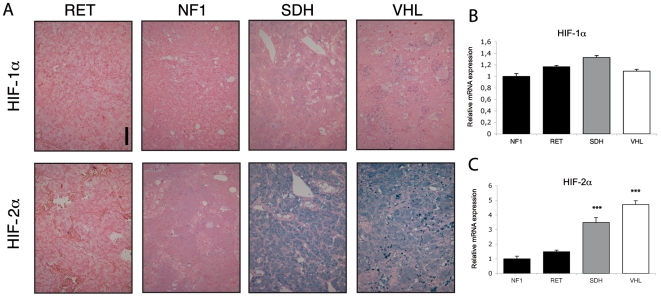
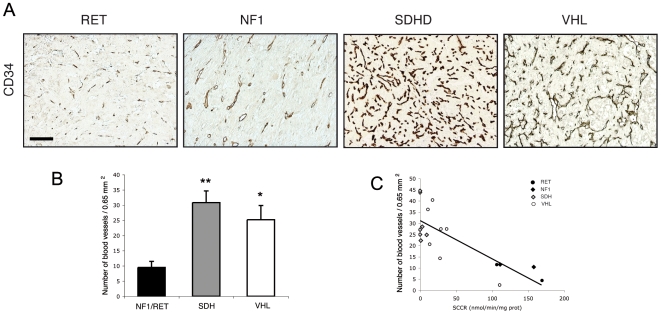
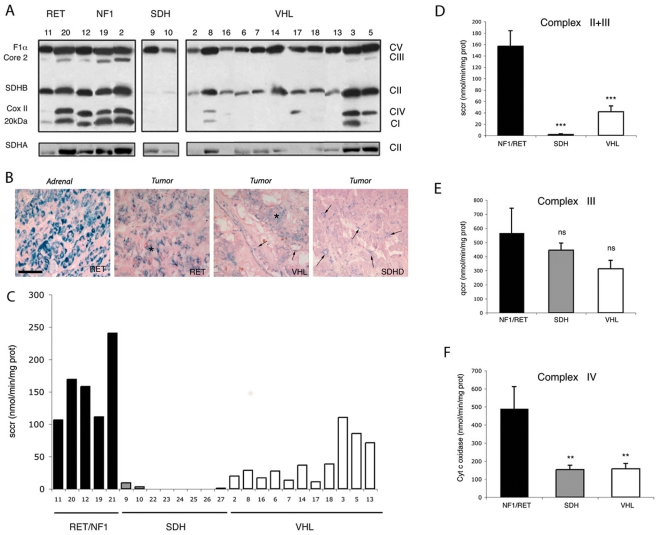
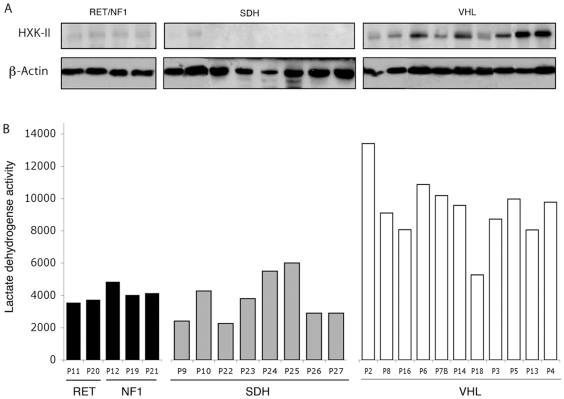
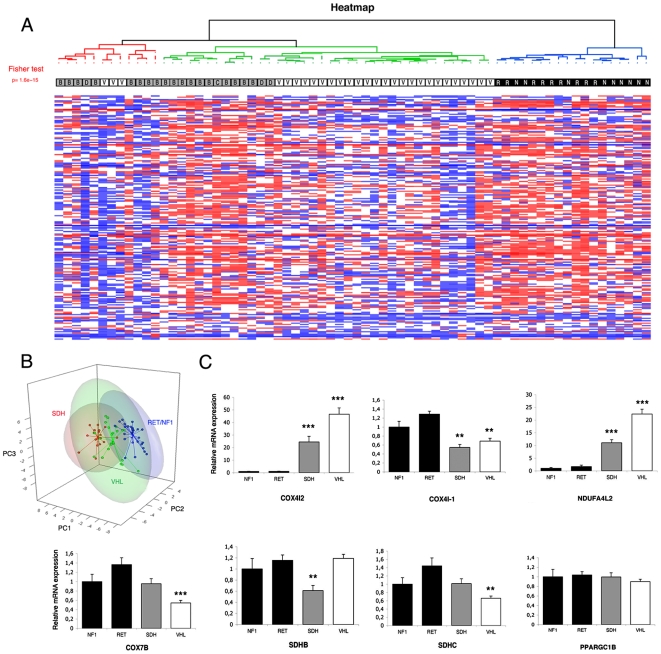
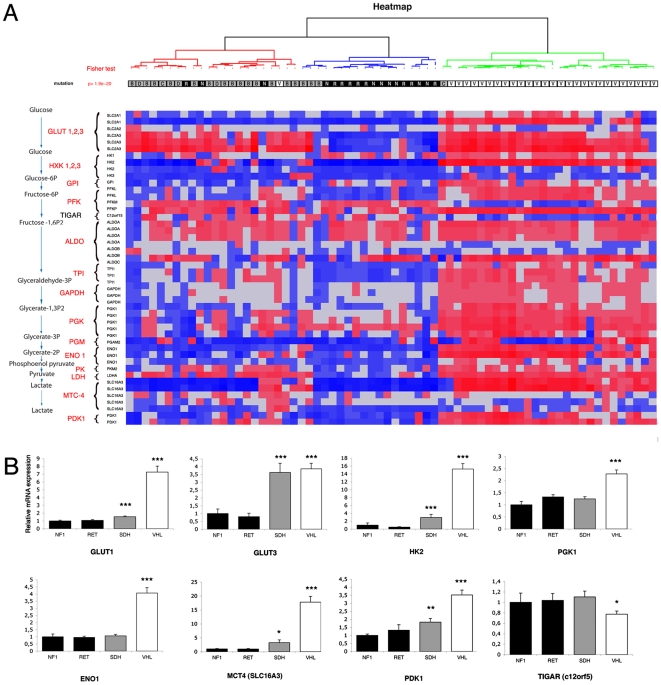
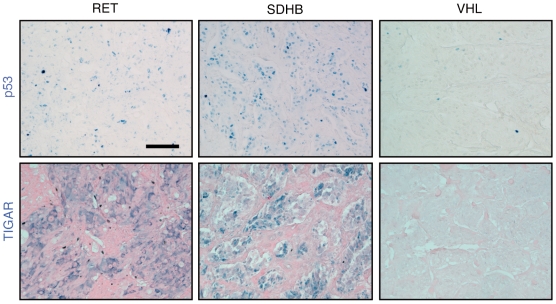
Verification
Claims the paper makes
The claims and statistics of this paper haven’t been checked yet.
Run the check — free, no account needed. It reads the open-access text and checks the sources it cites.
Claims other papers make about this one
Each is checked against this paper’s own text: does it say what the citing paper says it does?
The source backs part of the claim, not all of it — or backs it for a different population, condition or comparison.
In the citing paper
“Interestingly, the tumorigenesis of these closely related tumors seems to involve aberrant HIF-2 signaling, resulting in pseudohypoxic phenotypes linked to disseminated disease (Eisenhofer et al., 2004;Pietras et al., 2008;Favier et al., 2009).”
From Therapeutic targeting of hypoxia and hypoxia-inducible factors in cancer (2016) · cites this paper as Favier et al., 2009
Experimental — accuracy not yet measured
Self-check
Percentages, sums and reported differences re-computed from the paper’s own numbers.
The self-check needs the paper’s full text.
Citations
Cites
Understanding the Warburg Effect: The Metabolic Requirements of Cell Proliferation
Vander Heiden, M. G., Cantley, L. C., & Thompson, C. B. (2009) · Science · doi:10.1126/science.1160809 · Cited by 16,197
Bioconductor: open software development for computational biology and bioinformatics
Gentleman, R. C., Carey, V. J., Bates, D. M., Bolstad, B., Dettling, M., Dudoit, S., Ellis, B., Gautier, L., Ge, Y., Gentry, J., et al. (2004) · Genome biology · doi:10.1186/gb-2004-5-10-r80 · Cited by 12,082
Exploration, normalization, and summaries of high density oligonucleotide array probe level data
Irizarry, R. A. (2003) · Biostatistics · doi:10.1093/biostatistics/4.2.249 · Cited by 10,603
Targeting HIF-1 for cancer therapy
Semenza, G. L. (2003) · Nature Reviews Cancer · doi:10.1038/nrc1187 · Cited by 6,717
On Respiratory Impairment in Cancer Cells
Warburg, O. H. (1956) · Science · doi:10.1126/science.124.3215.269 · Cited by 3,472
Succinate links TCA cycle dysfunction to oncogenesis by inhibiting HIF-α prolyl hydroxylase
Selak, M. A., Armour, S. M., MacKenzie, E. D., Boulahbel, H., Watson, D. G., Mansfield, K. D., Pan, Y., Simon, M. C., Thompson, C. B., & Gottlieb, E. (2005) · Cancer Cell · doi:10.1016/j.ccr.2004.11.022 · Cited by 2,108
TIGAR, a p53-Inducible Regulator of Glycolysis and Apoptosis
Bensaad, K., Tsuruta, A., Selak, M. A., Vidal, M. N. C., Nakano, K., Bartrons, R., Gottlieb, E., & Vousden, K. H. (2006) · Cell · doi:10.1016/j.cell.2006.05.036 · Cited by 2,019
p53 Regulates Mitochondrial Respiration
Matoba, S., Kang, J.-G., Patino, W. D., Wragg, A., Boehm, M., Gavrilova, O., Hurley, P. J., Bunz, F., & Hwang, P. M. (2006) · Science · doi:10.1126/science.1126863 · Cited by 1,650
HIF-1 Regulates Cytochrome Oxidase Subunits to Optimize Efficiency of Respiration in Hypoxic Cells
Fukuda, R., Zhang, H., Kim, J.-W., Shimoda, L., Dang, C. V., & Semenza, G. L. (2007) · Cell · doi:10.1016/j.cell.2007.01.047 · Cited by 1,225
Role of VHL Gene Mutation in Human Cancer
Kim, W. Y., & Kaelin, W. G. (2004) · Journal of Clinical Oncology · doi:10.1200/jco.2004.05.061 · Cited by 955
Cited by
Sorted by citations
SDH mutations establish a hypermethylator phenotype in paraganglioma
Letouzé, E., Martinelli, C., Loriot, C., Burnichon, N., Abermil, N., Ottolenghi, C., Janin, M., Menara, M., Nguyen, A. T., Benit, P., et al. (2013) · Cancer Cell · doi:10.1016/j.ccr.2013.04.018 · Cited by 776
Self-citationTherapeutic targeting of hypoxia and hypoxia-inducible factors in cancer
Wigerup, C., Påhlman, S., & Bexell, D. (2016) · Pharmacology & Therapeutics · doi:10.1016/j.pharmthera.2016.04.009 · Cited by 687
“Interestingly, the tumorigenesis of these closely related tumors seems to involve aberrant HIF-2 signaling, resulting in pseudohypoxic phenotypes linked to disseminated disease (Eisenhofer et al., 2004; Pietras et al., 2008; Favier et al., 2009).”
BackgroundSeyfried, T. N., & Shelton, L. M. (2010) · Nutrition & Metabolism · doi:10.1186/1743-7075-7-7 · Cited by 675
SDHA is a tumor suppressor gene causing paraganglioma
Burnichon, N., Brière, J.-J., Libé, R., Vescovo, L., Rivière, J., Tissier, F., Jouanno, E., Jeunemaı̂tre, X., Bénit, P., Tzagoloff, A., et al. (2010) · Human Molecular Genetics · doi:10.1093/hmg/ddq206 · Cited by 645
Self-citationExome sequencing identifies MAX mutations as a cause of hereditary pheochromocytoma
Comino‐Méndez, I., Gracia-Aznárez, F. J., Schiavi, F., Landa, I., Leandro-Garcia, L. J., Letón, R., Honrado, E., Ramos‐Medina, R., Caronia, D., Pita, G., et al. (2011) · Nature Genetics · doi:10.1038/ng.861 · Cited by 528
Paraganglioma and phaeochromocytoma: from genetics to personalized medicine
Favier, J., Amar, L., & Gimenez‐Roqueplo, A. (2014) · Nature Reviews Endocrinology · doi:10.1038/nrendo.2014.188 · Cited by 484
Self-citationPheochromocytoma and paraganglioma pathogenesis: learning from genetic heterogeneity
Dahia, P. L. M. (2014) · Nature Reviews Cancer · doi:10.1038/nrc3648 · Cited by 545
Taïeb, D., Hicks, R. J., Hindié, E., Guillet, B. A., Avram, A. M., Ghedini, P., Timmers, H. J. L. M., Scott, A. T., Elojeimy, S. N., Rubello, D., et al. (2019) · European Journal of Nuclear Medicine and Molecular Imaging · doi:10.1007/s00259-019-04398-1 · Cited by 420
Somatic HIF2A Gain-of-Function Mutations in Paraganglioma with Polycythemia
Zhuang, Z., Yang, C., Lorenzo, F., Merino, M., Fojo, T., Kebebew, E., Popovic, V., Stratakis, C. A., Prchal, J. T., & Pacak, K. (2012) · New England Journal of Medicine · doi:10.1056/nejmoa1205119 · Cited by 397
Bardella, C., Pollard, P. J., & Tomlinson, I. (2011) · Biochimica et Biophysica Acta (BBA) - Bioenergetics · doi:10.1016/j.bbabio.2011.07.003 · Cited by 395
Tello, D., Balsa, E., Acosta‐Iborra, B., Fuertes-Yebra, E., Elorza, A., Ordóñez, Á., Corral-Escariz, M., Soro-Arnáiz, I., López-Bernardo, E., Perales‐Clemente, E., et al. (2011) · Cell Metabolism · doi:10.1016/j.cmet.2011.10.008 · Cited by 371
Genetics and clinical characteristics of hereditary pheochromocytomas and paragangliomas
Welander, J., Söderkvist, P., & Gimm, O. (2011) · Endocrine Related Cancer · doi:10.1530/erc-11-0170 · Cited by 356
MAX Mutations Cause Hereditary and Sporadic Pheochromocytoma and Paraganglioma
Burnichon, N., Cascón, A., Schiavi, F., Morales, N. P., Comino‐Méndez, I., Abermil, N., Inglada‐Pérez, L., de Cubas, A. A., Amar, L., Barontini, M., et al. (2012) · Clinical Cancer Research · doi:10.1158/1078-0432.ccr-12-0160 · Cited by 331
Self-citationNew Perspectives on Pheochromocytoma and Paraganglioma: Toward a Molecular Classification
Crona, J., Taïeb, D., & Pacák, K. (2017) · Endocrine Reviews · doi:10.1210/er.2017-00062 · Cited by 330
Integrative genomic analysis reveals somatic mutations in pheochromocytoma and paraganglioma
Burnichon, N., Vescovo, L., Amar, L., Libé, R., de Reyniès, A., Vénisse, A., Jouanno, E., Laurendeau, I., Parfait, B., Bertherat, J. Y., et al. (2011) · Human Molecular Genetics · doi:10.1093/hmg/ddr324 · Cited by 304
Self-citationThe Redox Basis of Epigenetic Modifications: From Mechanisms to Functional Consequences
Cyr, A. R., & Domann, F. E. (2010) · Antioxidants and Redox Signaling · doi:10.1089/ars.2010.3492 · Cited by 301
Pyruvate carboxylation enables growth of SDH-deficient cells by supporting aspartate biosynthesis
Cardaci, S., Zheng, L., MacKay, G., van den Broek, N. J. F., MacKenzie, E. D., Nixon, C., Stevenson, D., Tumanov, S., Bulusu, V., Kamphorst, J. J., et al. (2015) · Nature Cell Biology · doi:10.1038/ncb3233 · Cited by 286
Timmers, H. J. L. M., Chen, C. C., Carrasquillo, J. A., Whatley, M. A., Ling, A. L., Eisenhofer, G., King, K. S., Rao, J. U., WESLEY, R. A., Adams, K. T., et al. (2012) · JNCI Journal of the National Cancer Institute · doi:10.1093/jnci/djs188 · Cited by 278
EANM 2012 guidelines for radionuclide imaging of phaeochromocytoma and paraganglioma
Taïeb, D., Timmers, H. J. L. M., Hindié, E., Guillet, B. A., Neumann, H. P. H., Walz, M. K., Opocher, G., de Herder, W. W., Boedeker, C. C., de Krijger, R. R., et al. (2012) · European Journal of Nuclear Medicine and Molecular Imaging · doi:10.1007/s00259-012-2215-8 · Cited by 257
Oxidative phosphorylation in cancer cells
Solaini, G., Sgarbi, G., & Baracca, A. (2010) · Biochimica et Biophysica Acta (BBA) - Bioenergetics · doi:10.1016/j.bbabio.2010.09.003 · Cited by 233
Lussey-Lepoutre, C., Hollinshead, K. E. R., Ludwig, C., Menara, M., Morin, A., Castro-Vega, L.-J., Parker, S. J., Janin, M., Martinelli, C., Ottolenghi, C., et al. (2015) · Nature Communications · doi:10.1038/ncomms9784 · Cited by 227
Self-citationLópez-Jiménez, E. A., Goméz-López, G., Leandro-Garcia, L. J., Muñoz, I., Schiavi, F., Montero‐Conde, C., de Cubas, A. A., Fernández‐Ramires, R., Landa, I., Leskelä, S., et al. (2010) · Molecular Endocrinology · doi:10.1210/me.2010-0256 · Cited by 213
Catecholamine metabolomic and secretory phenotypes in phaeochromocytoma
Eisenhofer, G., Pacák, K., Huynh, T.-T., Qin, N., Bratslavsky, G., Linehan, W. M., Mannelli, M., Friberg, P., Grebe, S. K., Timmers, H. J. L. M., et al. (2010) · Endocrine Related Cancer · doi:10.1677/erc-10-0211 · Cited by 206
Pheochromocytoma and paraganglioma: Diagnosis, genetics, management, and treatment
Martucci, V. L., & Pacák, K. (2014) · Current Problems in Cancer · doi:10.1016/j.currproblcancer.2014.01.001 · Cited by 212
Multi-omics analysis defines core genomic alterations in pheochromocytomas and paragangliomas
Castro‐Vega, L. J., Letouzé, É., Burnichon, N., Buffet, A., Disderot, P.-H., Khalifa, E., Loriot, C., Elarouci, N., Morin, A., Menara, M., et al. (2015) · Nature Communications · doi:10.1038/ncomms7044 · Cited by 211
Self-citationKing, K. S., Prodanov, T., Kantorovich, V., Fojo, T., Hewitt, J. K., Zacharin, M., WESLEY, R. A., Lodish, M. B., Raygada, M. J., Gimenez‐Roqueplo, A., et al. (2011) · Journal of Clinical Oncology · doi:10.1200/jco.2011.34.6353 · Cited by 193
Self-citationCurrent and Future Treatments for Malignant Pheochromocytoma and Sympathetic Paraganglioma
Jiménez, C., ROHREN, E. M., Habra, M. A., Rich, T. A., Jiménez, P., Ayala‐Ramirez, M., & Baudin, É. (2013) · Current Oncology Reports · doi:10.1007/s11912-013-0320-x · Cited by 179
Hypoxia-Inducible Factor Signaling in Pheochromocytoma: Turning the Rudder in the Right Direction
Jochmanová, I., Yang, C., Zhuang, Z., & Pacák, K. (2013) · JNCI Journal of the National Cancer Institute · doi:10.1093/jnci/djt201 · Cited by 177
Current Approaches and Recent Developments in the Management of Head and Neck Paragangliomas
Taïeb, D., Kaliski, A., Boedeker, C. C., Martucci, V. L., Fojo, T., Adler, J. R., & Pacák, K. (2014) · Endocrine Reviews · doi:10.1210/er.2014-1026 · Cited by 169
Rajeshkumar, N. V., Dutta, P., Yabuuchi, S., de Wilde, R. F., Martinez, G. V., Le, A., Kamphorst, J. J., Rabinowitz, J. D., Jain, S. K., Hidalgo, M., et al. (2015) · Cancer Research · doi:10.1158/0008-5472.can-15-0108 · Cited by 158
Oncometabolites‐driven tumorigenesis: From genetics to targeted therapy
Morin, A., Letouzé, É., Gimenez‐Roqueplo, A., & Favier, J. (2014) · International Journal of Cancer · doi:10.1002/ijc.29080 · Cited by 162
Self-citationRichter, S., Peitzsch, M., Rapizzi, E., Lenders, J. W., Qin, N., de Cubas, A. A., Schiavi, F., Rao, J. U., Beuschlein, F., Quinkler, M., et al. (2014) · The Journal of Clinical Endocrinology & Metabolism · doi:10.1210/jc.2014-2151 · Cited by 135
The role of complex II in disease
Hoekstra, A. S., & Bayley, J. (2012) · Biochimica et Biophysica Acta (BBA) - Bioenergetics · doi:10.1016/j.bbabio.2012.11.005 · Cited by 145
Parenti, G., Zampetti, B., Rapizzi, E., Ercolino, T., Giaché, V., & Mannelli, M. (2012) · Journal of Oncology · doi:10.1155/2012/872713 · Cited by 126
Isocitrate Dehydrogenase Mutations Are Rare in Pheochromocytomas and Paragangliomas
Gaal, J., Burnichon, N., Korpershoek, E., Roncelin, I., Bertherat, J. Y., Plouin, P., de Krijger, R. R., Gimenez‐Roqueplo, A., & Dinjens, W. N. M. (2009) · The Journal of Clinical Endocrinology & Metabolism · doi:10.1210/jc.2009-2170 · Cited by 131
Self-citationMitochondrial respiratory chain complexes: apoptosis sensors mutated in cancer?
Lemarié, A., & Grimm, S. (2011) · Oncogene · doi:10.1038/onc.2011.167 · Cited by 126
Lázaro, I. A., Haddad, S., Rodrigo-Muñoz, J. M., Orellana‐Tavra, C., del Pozo, V., Fairen‐Jiménez, D., & Forgan, R. S. (2018) · ACS Applied Materials & Interfaces · doi:10.1021/acsami.7b17756 · Cited by 124
Bayley, J., & Devilee, P. (2010) · Current Opinion in Genetics & Development · doi:10.1016/j.gde.2010.02.008 · Cited by 119
Pillai, S., Gopalan, V., Smith, R. A., & Lam, A. K.-Y. (2016) · Critical Reviews in Oncology/Hematology · doi:10.1016/j.critrevonc.2016.01.022 · Cited by 113
Eisenhofer, G., Tischler, A. S., & de Krijger, R. R. (2011) · Endocrine Pathology · doi:10.1007/s12022-011-9188-1 · Cited by 111
Pheochromocytomas: The (pseudo)-hypoxia hypothesis
Favier, J., & Gimenez‐Roqueplo, A. (2010) · Best Practice & Research Clinical Endocrinology & Metabolism · doi:10.1016/j.beem.2010.10.004 · Cited by 117
Self-citationFliedner, S. M. J., Lehnert, H., & Pacák, K. (2010) · Seminars in Oncology · doi:10.1053/j.seminoncol.2010.10.017 · Cited by 110
SDH-related pheochromocytoma and paraganglioma
Kantorovich, V., King, K. S., & Pacák, K. (2010) · Best Practice & Research Clinical Endocrinology & Metabolism · doi:10.1016/j.beem.2010.04.001 · Cited by 105
Mitochondrial complex II, a novel target for anti-cancer agents
Kluckova, K., Bezawork-Geleta, A., Rohlena, J., Dong, L., & Neuzil, J. (2013) · Biochimica et Biophysica Acta (BBA) - Bioenergetics · doi:10.1016/j.bbabio.2012.10.015 · Cited by 104
TET-Mediated Hypermethylation Primes SDH-Deficient Cells for HIF2α-Driven Mesenchymal Transition
Morin, A., Goncalves, J., Moog, S., Castro‐Vega, L. J., Job, S., Buffet, A., Fontenille, M., Woszczyk, J., Gimenez‐Roqueplo, A., Letouzé, É., et al. (2020) · Cell Reports · doi:10.1016/j.celrep.2020.03.022 · Cited by 110
Self-citationKrasnov, G. S., Dmitriev, A. A., Snezhkina, A. V., & Kudryavtseva, A. V. (2013) · Expert Opinion on Therapeutic Targets · doi:10.1517/14728222.2013.775253 · Cited by 102
NDUFA4L2 Fine-tunes Oxidative Stress in Hepatocellular Carcinoma
Lai, R. K., Xu, M., Chiu, D. K., Tse, A. P., Wei, L. L., Law, C., Lee, D. P. H., Wong, C., Wong, M. P., Ng, I. O., et al. (2016) · Clinical Cancer Research · doi:10.1158/1078-0432.ccr-15-1987 · Cited by 91
Lorendeau, D., Rinaldi, G., Boon, R., Spincemaille, P., Metzger, K., Jäger, C., Christen, S., Dong, X., Kuenen, S., Voordeckers, K., et al. (2016) · Metabolic Engineering · doi:10.1016/j.ymben.2016.11.005 · Cited by 95
Rationale for Anti-angiogenic Therapy in Pheochromocytoma and Paraganglioma
Favier, J., Igaz, P., Burnichon, N., Amar, L., Libé, R., Badoual, C., Tissier, F., Bertherat, J. Y., Plouin, P., Jeunemaı̂tre, X., et al. (2011) · Endocrine Pathology · doi:10.1007/s12022-011-9189-0 · Cited by 86
Self-citationModern Nuclear Imaging for Paragangliomas: Beyond SPECT
Taïeb, D., Neumann, H. P. H., Rubello, D., AL-NAHHAS, A. M., Guillet, B. A., & Hindié, E. (2012) · Journal of Nuclear Medicine · doi:10.2967/jnumed.111.098152 · Cited by 88
Jha, A., Ling, A. L., Millo, C., Gupta, G., Viana, B., Lin, F. I., Herscovitch, P., Adams, K. T., Taïeb, D., Metwalli, A. R., et al. (2017) · European Journal of Nuclear Medicine and Molecular Imaging · doi:10.1007/s00259-017-3896-9 · Cited by 91
Physiological consequences of complex II inhibition for aging, disease, and the mKATP channel
Wojtovich, A. P., Smith, C. O., Haynes, C. M., Nehrke, K. W., & Brookes, P. S. (2013) · Biochimica et Biophysica Acta (BBA) - Bioenergetics · doi:10.1016/j.bbabio.2012.12.007 · Cited by 86
Eisenhofer, G., Klink, B., Richter, S., Lenders, J. W. M., & Robledo, M. (2017) · Europe PMC (PubMed Central) · Cited by 84
Aim, L. B., Pigny, P., Castro‐Vega, L. J., Buffet, A., Amar, L., Bertherat, J. Y., Drui, D., Guilhem, I., Baudin, É., Lussey‐Lepoutre, C., et al. (2019) · Journal of Medical Genetics · doi:10.1136/jmedgenet-2018-105714 · Cited by 83
Self-citationQin, N., de Cubas, A. A., García-Martín, R., Richter, S., Peitzsch, M., Menschikowski, M., Lenders, J. W. M., Timmers, H. J. L. M., Mannelli, M., Opocher, G., et al. (2014) · International Journal of Cancer · doi:10.1002/ijc.28868 · Cited by 88
Frequent EPAS1/HIF2α exons 9 and 12 mutations in non-familial pheochromocytoma
Welander, J., Stenman, A., Brauckhoff, M., Bäckdahl, M., Larsson, C., Gimm, O., & Söderkvist, P. (2014) · Endocrine Related Cancer · doi:10.1530/erc-13-0384 · Cited by 82
Clinical implications of the oncometabolite succinate in SDHx ‐mutation carriers
Eijkelenkamp, K., Osinga, T. E., Links, T. P., & van der Horst‐Schrivers, A. N. A. (2019) · Clinical Genetics · doi:10.1111/cge.13553 · Cited by 78
Alterations of oxidative phosphorylation complexes in astrocytomas
Feichtinger, R. G., Weis, S., Mayr, J. A., Zimmermann, F., Geilberger, R., Sperl, W., & Kofler, B. (2014) · Glia · doi:10.1002/glia.22621 · Cited by 76
van Berkel, A., Rao, J. U., Küsters, B., Demir, T., Visser, E. P., Mensenkamp, A. R., van der Laak, J. A. W. M., Oosterwijk, E., Lenders, J. W. M., Sweep, F. C. G. J., et al. (2014) · Journal of Nuclear Medicine · doi:10.2967/jnumed.114.137034 · Cited by 76
Pheochromocytoma and Paraganglioma
Kantorovich, V., & Pacák, K. (2010) · Progress in brain research · doi:10.1016/s0079-6123(10)82015-1 · Cited by 75
Pang, Y. K., Lu, Y., Caisová, V., Liu, Y., Bullova, P., Huynh, T., Zhou, Y., Yu, D., Fryšák, Z., Hartmann, I., et al. (2018) · Clinical Cancer Research · doi:10.1158/1078-0432.ccr-17-3406 · Cited by 79
Phaeochromocytoma: a catecholamine and oxidative stress disorder
Pacák, K. (2011) · Endocrine Regulations · doi:10.4149/endo_2011_02_65 · Cited by 73
Pheochromocytoma and Paraganglioma
Pacák, K., & Wimalawansa, S. J. (2015) · Endocrine Practice · doi:10.4158/ep14481.ra · Cited by 71
Mutation of SDHB is a Cause of Hypoxia-Related High-Altitude Paraganglioma
Cerecer-Gil, N. Y., Figuera, L. E., Llamas, F. J., Lara, M., Escamilla, J. N., Ramos, R., Estrada, G., Hussain, A. K., Gaal, J., Korpershoek, E., et al. (2010) · Clinical Cancer Research · doi:10.1158/1078-0432.ccr-10-0637 · Cited by 70
Loss of SDHB Promotes Dysregulated Iron Homeostasis, Oxidative Stress, and Sensitivity to Ascorbate
Goncalves, J., Moog, S., Morin, A., Gentric, G., Müller, S., Morrell, A. P., Kľučková, K., Stewart, T. J., Andoniadou, C. L., Lussey‐Lepoutre, C., et al. (2021) · Cancer Research · doi:10.1158/0008-5472.can-20-2936 · Cited by 77
Self-citationBlank, A., Schmitt, A. M., Korpershoek, E., van Nederveen, F. H., Rudolph, T. J., Weber, N., Strebel, R. T., de Krijger, R. R., Komminoth, P., & Perren, A. A. (2010) · Endocrine Related Cancer · doi:10.1677/erc-09-0316 · Cited by 67
Metabolic implications of hypoxia and pseudohypoxia in pheochromocytoma and paraganglioma
Kľučková, K., & Tennant, D. A. (2018) · Cell and Tissue Research · doi:10.1007/s00441-018-2801-6 · Cited by 68
Pheochromocytoma: The First Metabolic Endocrine Cancer
Jochmanová, I., & Pacák, K. (2016) · Clinical Cancer Research · doi:10.1158/1078-0432.ccr-16-0606 · Cited by 66
Berends, A. M. A., Eisenhofer, G., Fishbein, L. M., van der Horst‐Schrivers, A. N. A., Kema, I. P., Links, T. P., Lenders, J. W. M., & Kerstens, M. N. (2019) · Cancers · doi:10.3390/cancers11081121 · Cited by 68
Rethinking pheochromocytomas and paragangliomas from a genomic perspective
Castro‐Vega, L. J., Lussey‐Lepoutre, C., Gimenez‐Roqueplo, A., & Favier, J. (2015) · Oncogene · doi:10.1038/onc.2015.172 · Cited by 76
Self-citationProvost, J., Garofalakis, A., Sourdon, J., Bouda, D., Berthon, B., Viel, T., Pérez-Liva, M., Lussey‐Lepoutre, C., Favier, J., Correia, M., et al. (2018) · Nature Biomedical Engineering · doi:10.1038/s41551-018-0188-z · Cited by 62
Self-citationMANAGEMENT OF ENDOCRINE DISEASE: Clinical management of paragangliomas
Corssmit, E. P. M., & Romijn, J. A. (2014) · European Journal of Endocrinology · doi:10.1530/eje-14-0396 · Cited by 61
Signaling Pathways in Pheochromocytomas and Paragangliomas: Prospects for Future Therapies
Nölting, S., & Grossman, A. B. (2012) · Endocrine Pathology · doi:10.1007/s12022-012-9199-6 · Cited by 61
Baysal, B. E., & Maher, E. R. (2015) · Endocrine Related Cancer · doi:10.1530/erc-15-0226 · Cited by 62
Rao, J. U., Engelke, U. F. H., Rodenburg, R. J., Wevers, R. A., Pacák, K., Eisenhofer, G., Qin, N., Küsters, B., Goudswaard, A. G., Lenders, J. W. M., et al. (2013) · Clinical Cancer Research · doi:10.1158/1078-0432.ccr-12-3922 · Cited by 58
Metastatic Phaeochromocytoma: Spinning Towards More Promising Treatment Options
Nölting, S., Grossman, A. B., & Pacák, K. (2018) · Experimental and Clinical Endocrinology & Diabetes · doi:10.1055/a-0715-1888 · Cited by 58
de Cubas, A. A., Leandro-Garcia, L. J., Schiavi, F., Mančíková, V., Comino‐Méndez, I., Inglada‐Pérez, L., Pérez‐Martínez, M., Ibarz, N., Ximénez‐Embún, P., López-Jiménez, E. A., et al. (2013) · Endocrine Related Cancer · doi:10.1530/erc-12-0183 · Cited by 62
Ladroue, C., Hoogewijs, D., Gad, S., Carcenac, R., Storti, F., Barrois, M., Gimenez-Roqueplo, A.-P., Leporrier, M., Casadevall, N., Hermine, O., et al. (2012) · Haematologica · doi:10.3324/haematol.2011.044644 · Cited by 55
Self-citationSDHD Immunohistochemistry: A New Tool to ValidateSDHxMutations in Pheochromocytoma/Paraganglioma
Menara, M., Oudijk, L., Badoual, C., Bertherat, J. Y., Lussey‐Lepoutre, C., Amar, L., Iturrioz, X., Sibony, M., Zinzindohoué, F., de Krijger, R. R., et al. (2014) · The Journal of Clinical Endocrinology & Metabolism · doi:10.1210/jc.2014-1870 · Cited by 55
Self-citationSuccinate Dehydrogenase Loss in Familial Paraganglioma: Biochemistry, Genetics, and Epigenetics
Her, Y. F., & Maher, L. J. (2015) · International Journal of Endocrinology · doi:10.1155/2015/296167 · Cited by 53
Merlo, A., Fernández, S. B. D. Q., Secades, P., Zambrano, I., Balbı́n, M., Astudillo, A., Scola, B., Arístegui, M., Suarez, C. M., & Chiara, M. (2012) · The Journal of Clinical Endocrinology & Metabolism · doi:10.1210/jc.2012-2410 · Cited by 51
Pinato, D. J., Ramachandran, R., Toussi, S. T. K., Vergine, M., Ngo, N., Sharma, R., Lloyd, T., Meeran, K. M., Palazzo, F. F., Martin, N., et al. (2012) · British Journal of Cancer · doi:10.1038/bjc.2012.538 · Cited by 55
From Nf1 to Sdhb knockout: Successes and failures in the quest for animal models of pheochromocytoma
Lussey‐Lepoutre, C., Thibault, C., Buffet, A., Morin, A., Badoual, C., Bénit, P., Rustin, P., Ottolenghi, C., Janin, M., Castro‐Vega, L. J., et al. (2015) · Molecular and Cellular Endocrinology · doi:10.1016/j.mce.2015.06.027 · Cited by 56
Self-citationFunctional Imaging Signature of Patients Presenting with Polycythemia/Paraganglioma Syndromes
Janssen, I., Chen, C. C., Zhuang, Z., Millo, C., Wolf, K. I., Ling, A. L., Lin, F. I., Adams, K. T., Herscovitch, P., Feelders, R. A., et al. (2017) · Journal of Nuclear Medicine · doi:10.2967/jnumed.116.187690 · Cited by 47
Cheng, T.-M., Chu, H., Lee, Y.-C., Wang, D., Chang, C., Chung, K.-L., Yen, H., Hsiao, C.-W., Pan, X.-Y., Kuo, T., et al. (2018) · Analytical Chemistry · doi:10.1021/acs.analchem.7b04961 · Cited by 46
Giubellino, A., Bullova, P., Nölting, S., Turková, H., Powers, J. F., Liu, Q., Guichard, S. M., Tischler, A. S., Grossman, A. B., & Pacák, K. (2013) · Endocrinology · doi:10.1210/en.2012-1854 · Cited by 50
A novel TMEM127 mutation in a patient with familial bilateral pheochromocytoma
Burnichon, N., Lussey‐Lepoutre, C., Laffaire, J., Gadessaud, N., Molinié, V., Hernigou, A., Plouin, P., Jeunemaı̂tre, X., Favier, J., & Gimenez‐Roqueplo, A. (2010) · European Journal of Endocrinology · doi:10.1530/eje-10-0758 · Cited by 44
Self-citationBechmann, N., Poser, I., Seifert, V., Greunke, C., Ullrich, M., Qin, N., Walch, A. K., Peitzsch, M., Robledo, M., Pacák, K., et al. (2019) · Cancers · doi:10.3390/cancers11050594 · Cited by 44
Liu, Y., Pang, Y. K., Zhu, B., Uher, O., Caisová, V., Huynh, T., Taïeb, D., Vanova, K. H., Ghayee, H. K., Neužil, J., et al. (2020) · Clinical Cancer Research · doi:10.1158/1078-0432.ccr-19-2335 · Cited by 46
A New Specific Succinate-Glutamate Metabolomic Hallmark in Sdhx-Related Paragangliomas
Impériale, A., Moussallieh, F., Sebag, F. A., Brunaud, L., Barlier, A., Elbayed, K., Bachellier, P., Goichot, B., Pacák, K., Namer, I. J., et al. (2013) · PLoS ONE · doi:10.1371/journal.pone.0080539 · Cited by 43
Minireview: The Busy Road to Pheochromocytomas and Paragangliomas Has a New Member, TMEM127
Jiang, S., & Dahia, P. L. M. (2011) · Endocrinology · doi:10.1210/en.2011-0052 · Cited by 43
Molecular markers of paragangliomas/pheochromocytomas
Zhikrivetskaya, S. O., Snezhkina, A. V., Zaretsky, A. R., Alekseev, B. Y., Pokrovsky, A. V., Golovyuk, A. L., Melnikova, N. V., Stepanov, O. A., Kalinin, D. V., Moskalev, A., et al. (2017) · Oncotarget · doi:10.18632/oncotarget.15201 · Cited by 45
Medjkane, S., Perichon, M., Marsolier, J., Dairou, J., & Weitzman, J. B. (2013) · Oncogene · doi:10.1038/onc.2013.134 · Cited by 46
The VHL/HIF Axis in the Development and Treatment of Pheochromocytoma/Paraganglioma
Song, P., Zhang, J., Tan, X., Huang, Y., Xu, J., Silk, N., Zhang, D., Liu, Q., & Jiang, J. (2020) · Frontiers in Endocrinology · doi:10.3389/fendo.2020.586857 · Cited by 42
Richter, S., Qin, N., Pacak, K., & Eisenhofer, G. (2013) · Advances in Pharmacology · doi:10.1016/b978-0-12-411512-5.00014-2 · Cited by 42
Gerometabolites: The pseudohypoxic aging side of cancer oncometabolites
Menéndez, J. A., Alarcón, T., & Joven, J. (2014) · Cell Cycle · doi:10.4161/cc.28079 · Cited by 42
Armstrong, N., Storey, C. M., Noll, S. E., Margulis, K., Soe, M. H., Xu, H., Yeh, B. T., Fishbein, L. M., Kebebew, E., Howitt, B. E., et al. (2022) · Cell Reports · doi:10.1016/j.celrep.2022.110453 · Cited by 42
Magnetic resonance spectroscopy of paragangliomas: new insights into in vivo metabolomics
Varoquaux, A. D., Fur, Y. L., Impériale, A., Reyre, A., Montava, M., Fakhry, N., Namer, I. J., Moulin, G., Pacák, K., Guye, M., et al. (2015) · Endocrine Related Cancer · doi:10.1530/erc-15-0246 · Cited by 39
van Berkel, A., Vriens, D., Visser, E. P., Janssen, M. J. R., Gotthardt, M., Hermus, A. R., de Geus‐Oei, L., & Timmers, H. J. L. M. (2018) · Journal of Nuclear Medicine · doi:10.2967/jnumed.118.216796 · Cited by 39
Shankavaram, U. T., Fliedner, S. M. J., ELKAHLOUN, A. G., Barb, J. J., Munson, P. J., Huynh, T., Matro, J. C., Turková, H., Linehan, W. M., Timmers, H. J. L. M., et al. (2013) · Neoplasia · doi:10.1593/neo.122132 · Cited by 38
Metadata
- Authors
- Favier, J., Brière, J.-J., Burnichon, N., Rivière, J., Vescovo, L., Benit, P., Giscos-Douriez, I., De Reyniès, A., Bertherat, J., Badoual, C., Tissier, F., Amar, L., Libé, R., Plouin, P.-F., Jeunemaitre, X., Rustin, P., & Gimenez-Roqueplo, A.-P.
- Affiliations
- Inserm (FR)
- La Ligue Contre le Cancer (FR)
- Assistance Publique – Hôpitaux de Paris (FR)
- Hôpital Cochin (FR)
- Corresponding author
- Favier, Judith
- ORCID
- Venue
- PLoS ONE
- Publisher
- Public Library of Science (PLoS)
- Published
- 2009-09-18
- Volume
- 4
- Issue
- 9
- Pages
- e7094
- ISSN
- 1932-6203 (ISSN-L)
- PMC
- PMC2738974
- OpenAlex
- W2063687158
- Cited by
- 232
- References
- 42
- Citations by year
- 2026: 7 · 2025: 3 · 2024: 4 · 2023: 4 · 2022: 10 · 2021: 7 · 2020: 12 · 2019: 13 · 2018: 14 · 2017: 11 · 2016: 15 · 2015: 28 · 2014: 27 · 2013: 16 · 2012: 27
- FWCI
- 20.62
- Type
- journal article
- Language
- en
- Open access
- gold
- doi.org
- Locations
- PLoS ONE (publishedVersion, cc-by)
- PubMed Central (publishedVersion, cc-by)
- PubMed (publishedVersion)
- DOAJ (DOAJ: Directory of Open Access Journals) (submittedVersion, cc-by-sa)
- Funders
- Association pour la Recherche sur le Cancer
- Agence Nationale de la Recherche
- GIS-Institut des Maladies Rares
- Topics
- Health Sciences › Medicine › Surgery › Adrenal and Paraganglionic Tumors
- Life Sciences › Biochemistry, Genetics and Molecular Biology › Cancer Research › Cancer, Hypoxia, and Metabolism
- Health Sciences › Medicine › Oncology › Ear and Head Tumors
- Keywords
- Warburg effect, pheochromocytoma, pseudohypoxia, VHL gene, SDH genes, RET proto-oncogene, NF1 gene, mitochondrial electron transport chain, angiogenesis, glycolysis, p53 deficiency, cancer metabolism, germline mutations, gene expression profiling
- MeSH terms
- Adolescent, Adult, Aged, Hypoxia, Child, Electron Transport, Female, Glycolysis, Humans, Male, Middle Aged, Mitochondria, Neovascularization, Pathologic, Oxidative Phosphorylation, Pheochromocytoma, Genes, p53, Germ-Line Mutation, Oligonucleotide Array Sequence Analysis
About these checks
Registry, retraction, Cites and statistics results are computed, not judged, with one exception: a printed reference that no index lists is read once by a model before it counts as a citation error. Claims are extracted by a model and kept only when their quote appears verbatim in the text; each cited source is then checked, with a model’s help, for whether it says what the claim relies on. Those verdicts can be wrong — read the claim’s quote and the cited source before relying on one.
Statistics and arithmetic are recomputed, not judged.
Confidence bands are shown only for fields calibrated on our annotated test set. None is calibrated yet, so no band is shown.
What counts as a claim ›How we measure confidence ›How we check this ›
Are you an author, or do you see a problem with this page? Request a review
