

The DOI matches its Crossref record; 139 of the 139 references it cites were found in a registry or an index.
Comparative Genomics of Flowering Time Pathways Using Brachypodium distachyon as a Model for the Temperate Grasses
Open accessAbstract
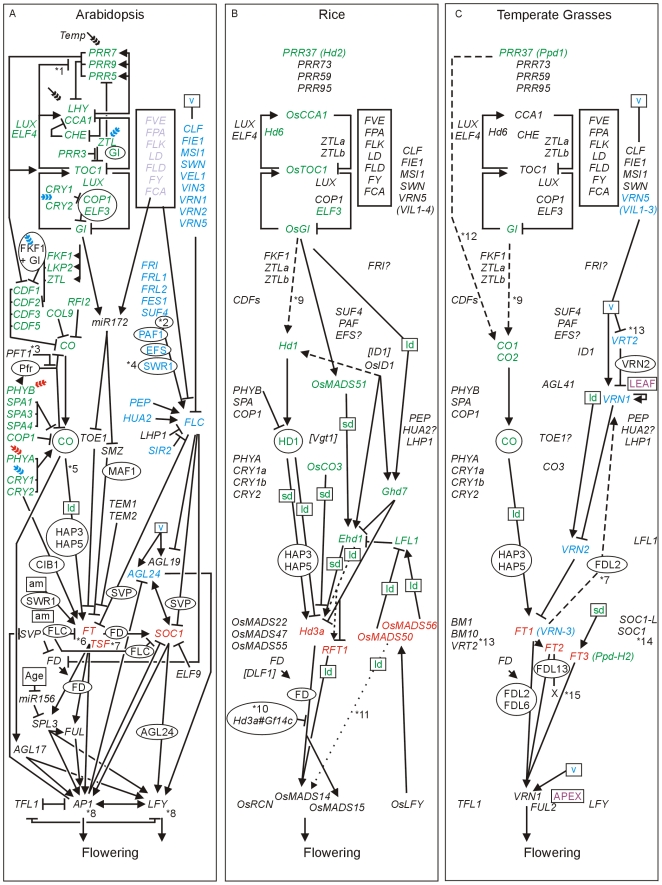
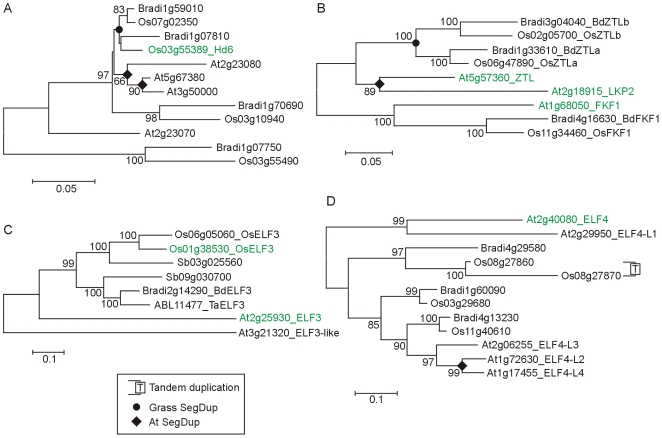
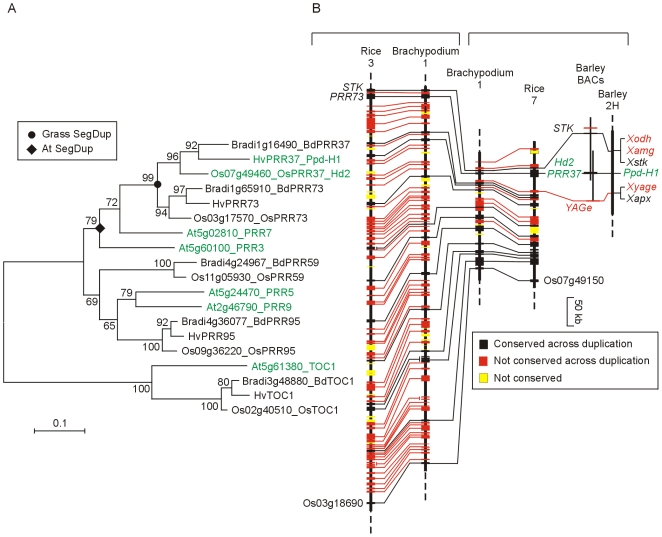
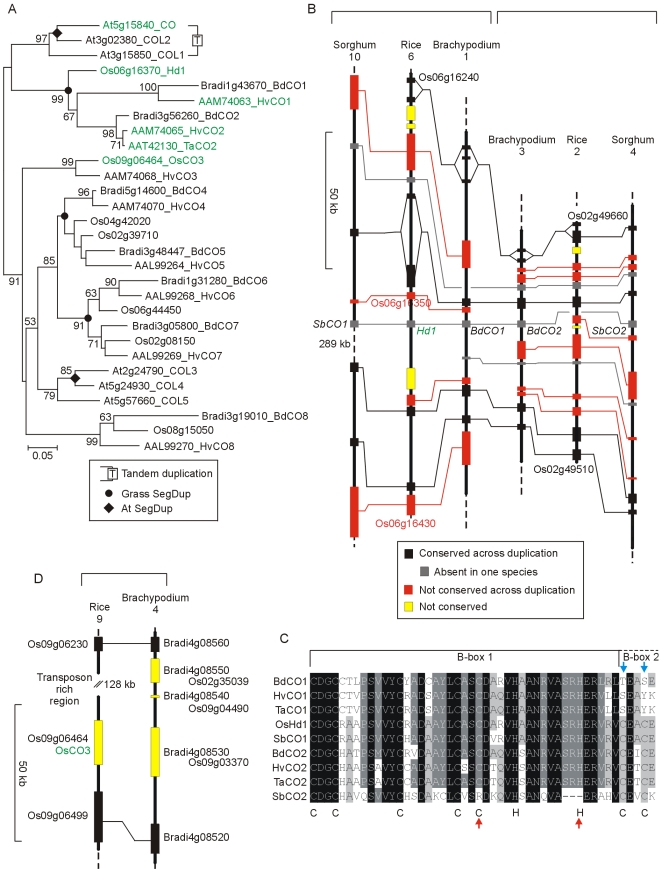
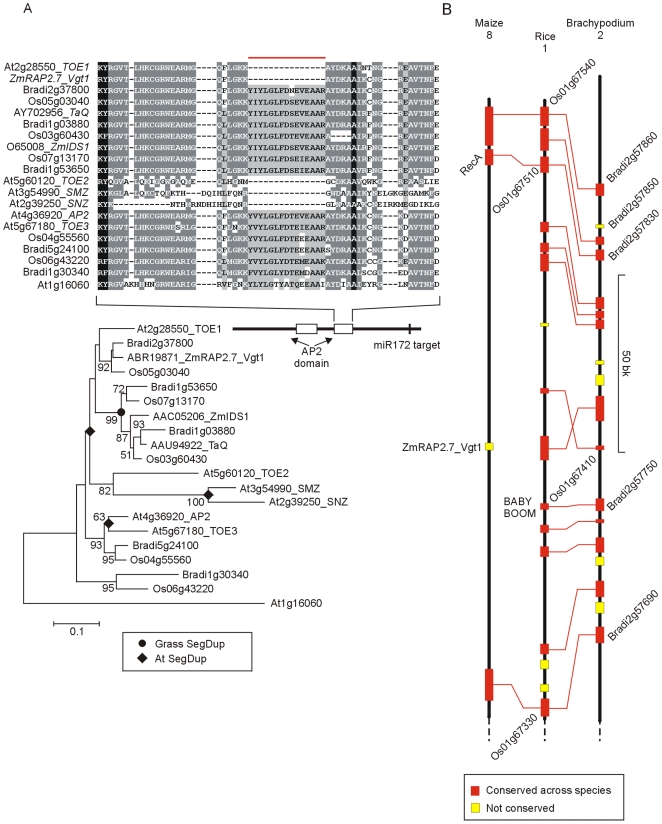
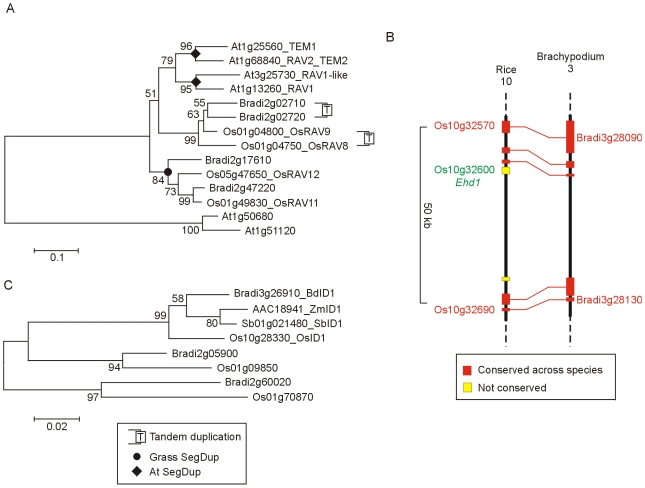
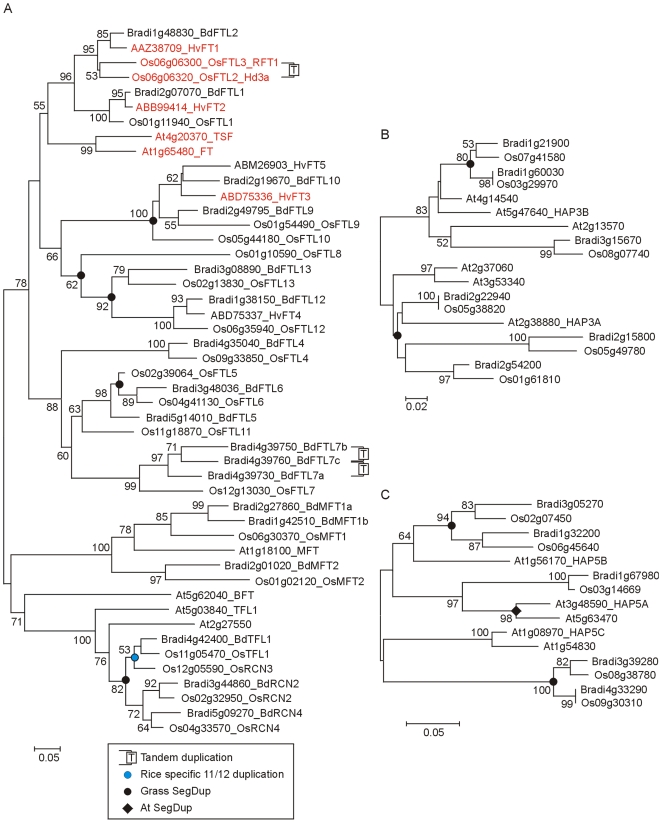
Brachypodium distachyon (Brachypodium) is a model for the temperate grasses which include important cereals such as barley, wheat and oats. Comparison of the Brachypodium genome (accession Bd21) with those of the model dicot Arabidopsis thaliana and the tropical cereal rice (Oryza sativa) provides an opportunity to compare and contrast genetic pathways controlling important traits. We analysed the homologies of genes controlling the induction of flowering using pathways curated in Arabidopsis Reactome as a starting point. Pathways include those detecting and responding to the environmental cues of day length (photoperiod) and extended periods of low temperature (vernalization). Variation in these responses has been selected during cereal domestication, providing an interesting comparison with the wild genome of Brachypodium. Brachypodium Bd21 has well conserved homologues of circadian clock, photoperiod pathway and autonomous pathway genes defined in Arabidopsis and homologues of vernalization pathway genes defined in cereals with the exception of VRN2 which was absent. Bd21 also lacked a member of the CO family (CO3). In both cases flanking genes were conserved showing that these genes are deleted in at least this accession. Segmental duplication explains the presence of two CO-like genes in temperate cereals, of which one (Hd1) is retained in rice, and explains many differences in gene family structure between grasses and Arabidopsis. The conserved fine structure of duplications shows that they largely evolved to their present structure before the divergence of the rice and Brachypodium. Of four flowering-time genes found in rice but absent in Arabidopsis, two were found in Bd21 (Id1, OsMADS51) and two were absent (Ghd7, Ehd1). Overall, results suggest that an ancient core photoperiod pathway promoting flowering via the induction of FT has been modified by the recruitment of additional lineage specific pathways that promote or repress FT expression.
Overview
The claims and statistics of this paper haven’t been checked yet.
Run the check — free, no account needed. It reads the open-access text and checks the sources it cites.
Integrity signals
Registry
Cites
Statistics
Figures
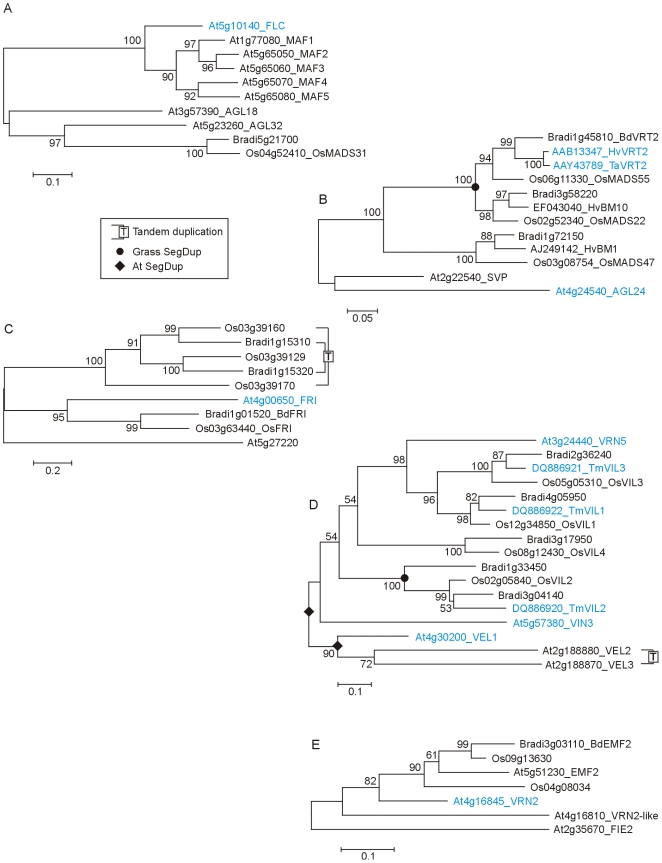
Verification
Claims the paper makes
The claims and statistics of this paper haven’t been checked yet.
Run the check — free, no account needed. It reads the open-access text and checks the sources it cites.
Claims other papers make about this one
Each is checked against this paper’s own text: does it say what the citing paper says it does?
In the citing paper
“though at least some flowering time genes that contribute to perenniality seem to be conserved between monocots and dicots (Wang et al., 2009;Higgins et al., 2010), in a way that root architecture is not (see above).”
From Breeding crop plants with deep roots: their role in sustainable carbon, nutrient and water sequestration (2011) · cites this paper as Higgins et al., 2010
Self-check
Percentages, sums and reported differences re-computed from the paper’s own numbers.
The self-check needs the paper’s full text.
Citations
Cites
PHYLIP-Phylogeny inference package (Version 3.2)
Felsenstein, J. (1989) · Cladistics · Cited by 17,682
Eddy, S. R. (1998) · Bioinformatics · doi:10.1093/bioinformatics/14.9.755 · Cited by 5,515
MEGA: A biologist-centric software for evolutionary analysis of DNA and protein sequences
Kumar, S., Nei, M., Dudley, J. T., & Tamura, K. (2008) · Briefings in Bioinformatics · doi:10.1093/bib/bbn017 · Cited by 3,511
Genome sequencing and analysis of the model grass Brachypodium distachyon
Initiative, T. I. B. (2010) · Nature · doi:10.1038/nature08747 · Cited by 1,862
FD, a bZIP Protein Mediating Signals from the Floral Pathway Integrator FT at the Shoot Apex
Abe, M., Kobayashi, Y., Yamamoto, S., Daimon, Y., Yamaguchi, A., Ikeda, Y., Ichinoki, H., Notaguchi, M., Goto, K., & Araki, T. (2005) · Science · doi:10.1126/science.1115983 · Cited by 1,661
Synteny and Collinearity in Plant Genomes
Tang, H., Bowers, J., Wang, X., Ming, R., Alam, M. S., & Paterson, A. H. (2008) · Science · doi:10.1126/science.1153917 · Cited by 1,620
Natural variation in Ghd7 is an important regulator of heading date and yield potential in rice
Xue, W., Xing, Y., Weng, X., Zhao, Y. J., Tang, W., Wang, L., Zhou, H., Yu, S., Xu, C., Li, X., et al. (2008) · Nature Genetics · doi:10.1038/ng.143 · Cited by 1,615
Yano, M., Katayose, Y., Ashikari, M., Yamanouchi, U., Monna, L., Fuse, T., Baba, T., Yamamoto, K., Umehara, Y., Nagamura, Y., et al. (2000) · The Plant Cell · doi:10.1105/tpc.12.12.2473 · Cited by 1,609
Integration of Spatial and Temporal Information During Floral Induction in Arabidopsis
Wigge, P. A., Kim, M. C., Jaeger, K. E., Busch, W., Schmid, M., Lohmann, J. U., & Weigel, D. (2005) · Science · doi:10.1126/science.1114358 · Cited by 1,492
Positional cloning of the wheat vernalization gene VRN1
Yan, L., Loukoianov, A., Tranquilli, G. E., Helguera, M., Fahima, T., & Dubcovsky, J. (2003) · Proceedings of the National Academy of Sciences · doi:10.1073/pnas.0937399100 · Cited by 1,438
Photoreceptor Regulation of CONSTANS Protein in Photoperiodic Flowering
Valverde, F., Mouradov, A., Soppe, W. J. J., Ravenscroft, D., Samach, A., & Coupland, G. (2004) · Science · doi:10.1126/science.1091761 · Cited by 1,313
The Wheat VRN2 Gene Is a Flowering Repressor Down-Regulated by Vernalization
Yan, L., Loukoianov, A., Blechl, A. E., Tranquilli, G. E., Ramakrishna, W., SanMiguel, P. J., Bennetzen, J. L., Echenique, V. C., & Dubcovsky, J. (2004) · Science · doi:10.1126/science.1094305 · Cited by 1,161
Kojima, S., Takahashi, Y., Kobayashi, Y., Monna, L., Sasaki, T., Araki, T., & Yano, M. (2002) · Plant and Cell Physiology · doi:10.1093/pcp/pcf156 · Cited by 1,158
The wheat and barley vernalization gene VRN3 is an orthologue of FT
Yan, L., Fu, D., Li, C., Blechl, A. E., Tranquilli, G. E., Bonafede, M., Sanchez, A., Valárik, M., 安田, 昭., & Dubcovsky, J. (2006) · Proceedings of the National Academy of Sciences · doi:10.1073/pnas.0607142103 · Cited by 1,147
Regulation and Identity of Florigen: FLOWERING LOCUS T Moves Center Stage
Turck, F., Fornara, F., & Coupland, G. (2008) · Annual Review of Plant Biology · doi:10.1146/annurev.arplant.59.032607.092755 · Cited by 1,053
H2A.Z-containing nucleosomes mediate the thermosensory response in Arabidopsis
Kumar, S. V., & Wigge, P. A. (2010) · Cell · doi:10.1016/j.cell.2009.11.006 · Cited by 971
The Pseudo-Response Regulator Ppd-H1 Provides Adaptation to Photoperiod in Barley
Turner, A., Beales, J., Faure, S., Dunford, R. P., & Laurie, D. A. (2005) · Science · doi:10.1126/science.1117619 · Cited by 943
Self-citationFKF1 and GIGANTEA Complex Formation Is Required for Day-Length Measurement in Arabidopsis
Sawa, M., Nusinow, D. A., Kay, S. A., & Imaizumi, T. (2007) · Science · doi:10.1126/science.1146994 · Cited by 912
Beales, J., Turner, A., Griffiths, S., Snape, J. W., & Laurie, D. A. (2007) · Theoretical and Applied Genetics · doi:10.1007/s00122-007-0603-4 · Cited by 866
Self-citationDoi, K., Izawa, T., Fuse, T., Yamanouchi, U., Kubo, T., Shimatani, Z., Yano, M., & Yoshimura, A. (2004) · Genes & Development · doi:10.1101/gad.1189604 · Cited by 865
Phylogeny-Aware Gap Placement Prevents Errors in Sequence Alignment and Evolutionary Analysis
Löytynoja, A., & Goldman, N. (2008) · Science · doi:10.1126/science.1158395 · Cited by 809
Adaptation of photoperiodic control pathways produces short-day flowering in rice
Hayama, R., Yokoi, S., Tamaki, S., Yano, M., & Shimamoto, K. (2003) · Nature · doi:10.1038/nature01549 · Cited by 796
FKF1 F-Box Protein Mediates Cyclic Degradation of a Repressor of CONSTANS in Arabidopsis
Imaizumi, T., Schultz, T. F., Harmon, F. G., Ho, L. A., & Kay, S. A. (2005) · Science · doi:10.1126/science.1110586 · Cited by 778
A Recent Polyploidy Superimposed on Older Large-Scale Duplications in the Arabidopsis Genome
Blanc, G., Hokamp, K., & Wolfe, K. H. (2003) · Genome Research · doi:10.1101/gr.751803 · Cited by 724
Photoexcited CRY2 Interacts with CIB1 to Regulate Transcription and Floral Initiation in Arabidopsis
Liu, H., Yu, X., Li, K., John Klejnot, B., Yang, H., Lisiero, D. N., & Lin, C. (2008) · Science · doi:10.1126/science.1163927 · Cited by 720
The Circadian System in Higher Plants
Harmer, S. L. (2009) · Annual Review of Plant Biology · doi:10.1146/annurev.arplant.043008.092054 · Cited by 714
An, H., Roussot, C., Suárez‐López, P., Corbesier, L., Vincent, C. A., Piñeiro, M., Hepworth, S. R., Mouradov, A., Justin, S., Turnbull, C. G. N., et al. (2004) · Development · doi:10.1242/dev.01231 · Cited by 690
Role of SVP in the control of flowering time by ambient temperature in ArabidopsisPreprint
Lee, J. H., Yoo, S. J., Park, S. H., Hwang, I., Lee, J. S., & Ahn, J. H. (2007) · Genes & Development · doi:10.1101/gad.1518407 · Cited by 684
The Timing of Developmental Transitions in Plants
Bäurle, I., & Dean, C. (2006) · Cell · doi:10.1016/j.cell.2006.05.005 · Cited by 659
Yamaguchi, A., Wu, M., Yang, L., Wu, G., Poethig, R. S., & Wagner, D. (2009) · Developmental Cell · doi:10.1016/j.devcel.2009.06.007 · Cited by 648
Fornara, F., Panigrahi, K. C. S., Gissot, L., Sauerbrunn, N., Rühl, M., Jarillo, J. A., & Coupland, G. (2009) · Developmental Cell · doi:10.1016/j.devcel.2009.06.015 · Cited by 631
Wenkel, S., Turck, F., Singer, K., Gissot, L., Gourrierec, J. L., Samach, A., & Coupland, G. (2006) · The Plant Cell · doi:10.1105/tpc.106.043299 · Cited by 629
Hd3a and RFT1 are essential for flowering in rice
Komiya, R., Ikegami, A., Tamaki, S., Yokoi, S., & Shimamoto, K. (2008) · Development · doi:10.1242/dev.008631 · Cited by 624
Salvi, S., Sponza, G., Morgante, M., Tomes, D. T., Niu, X., Fengler, K. A., Meeley, R. B., Ananiev, E. V., Svitashev, S. K., Bruggemann, E. P., et al. (2007) · Proceedings of the National Academy of Sciences · doi:10.1073/pnas.0704145104 · Cited by 616
Vernalization: Winter and the Timing of Flowering in Plants
Kim, D., Doyle, M. R., Sung, S., & Amasino, R. M. (2009) · Annual Review of Cell and Developmental Biology · doi:10.1146/annurev.cellbio.042308.113411 · Cited by 600
Potent Induction of Arabidopsis thaliana Flowering by Elevated Growth Temperature
Balasubramanian, S., Sureshkumar, S., Lempe, J., & Weigel, D. (2006) · PLoS Genetics · doi:10.1371/journal.pgen.0020106 · Cited by 597
ZEITLUPE is a circadian photoreceptor stabilized by GIGANTEA in blue light
Kim, W., Fujiwara, S., Suh, S., Kim, J., Kim, Y., Han, L., David, K. M., Putterill, J., Nam, H. G., & Somers, D. E. (2007) · Nature · doi:10.1038/nature06132 · Cited by 591
Flowering time control and applications in plant breeding
Jung, C., & MÜLLER, A. E. (2009) · Trends in Plant Science · doi:10.1016/j.tplants.2009.07.005 · Cited by 565
TWIN SISTER OF FT (TSF) Acts as a Floral Pathway Integrator Redundantly with FT
Yamaguchi, A., Kobayashi, Y., Goto, K., Abe, M., & Araki, T. (2005) · Plant and Cell Physiology · doi:10.1093/pcp/pci151 · Cited by 550
Regulation of flowering time by light quality
Cerdán, P. D., & Chory, J. (2003) · Nature · doi:10.1038/nature01636 · Cited by 544
Regulation of flowering in temperate cereals
Distelfeld, A., Li, C., & Dubcovsky, J. (2009) · Current Opinion in Plant Biology · doi:10.1016/j.pbi.2008.12.010 · Cited by 543
The Evolution of CONSTANS-Like Gene Families in Barley, Rice, and Arabidopsis
Griffiths, S., Dunford, R. P., Coupland, G., & Laurie, D. A. (2003) · PLANT PHYSIOLOGY · doi:10.1104/pp.102.016188 · Cited by 538
Self-citationA Repressor Complex Governs the Integration of Flowering Signals in Arabidopsis
Li, D., Liu, C., Shen, L., Wu, Y., Chen, H., Robertson, M., Helliwell, C. A., Ito, T., Meyerowitz, E. M., & Yu, H. Q. (2008) · Developmental Cell · doi:10.1016/j.devcel.2008.05.002 · Cited by 523
Jung, J., Seo, Y.-H., Seo, P. J., Reyes, J. L., Yun, J., Chua, N., & Park, C. (2007) · The Plant Cell · doi:10.1105/tpc.107.054528 · Cited by 519
Jang, S., Marchal, V., Panigrahi, K. C. S., Wenkel, S., Soppe, W. J. J., Deng, X., Valverde, F., & Coupland, G. (2008) · The EMBO Journal · doi:10.1038/emboj.2008.68 · Cited by 518
Robson, F., Costa, M. M. R., Hepworth, S. R., Vizir, I., ̃eiro, M. P., Reeves, P. H., Putterill, J., & Coupland, G. (2001) · The Plant Journal · doi:10.1046/j.1365-313x.2001.01163.x · Cited by 515
A PHD-Polycomb Repressive Complex 2 triggers the epigenetic silencing of FLC during vernalization
Lucia, F. D., Crevillén, P., Jones, A. M. E., Greb, T., & Dean, C. (2008) · Proceedings of the National Academy of Sciences · doi:10.1073/pnas.0808687105 · Cited by 495
Takahashi, Y., Shomura, A., Sasaki, T., & Yano, M. (2001) · Proceedings of the National Academy of Sciences · doi:10.1073/pnas.111136798 · Cited by 483
A Functional Genomics Approach Reveals CHE as a Component of the Arabidopsis Circadian Clock
Pruneda-Paz, J. L., Breton, G., Para, A., & Kay, S. A. (2009) · Science · doi:10.1126/science.1167206 · Cited by 462
Repression of Flowering by the miR172 Target SMZ
Mathieu, J., Yant, L. J., Muerdter, F., Küttner, F., & Schmid, M. (2009) · PLoS Biology · doi:10.1371/journal.pbio.1000148 · Cited by 461
Control of flowering time in temperate cereals: genes, domestication, and sustainable productivity
Cockram, J., Jones, H., Leigh, F. J., O’Sullivan, D. M., Powell, W., Laurie, D. A., & Greenland, A. (2007) · Journal of Experimental Botany · doi:10.1093/jxb/erm042 · Cited by 457
Self-citationPhotoperiodic control of flowering: not only by coincidence
Imaizumi, T., & Kay, S. A. (2006) · Trends in Plant Science · doi:10.1016/j.tplants.2006.09.004 · Cited by 444
COP1 and ELF3 Control Circadian Function and Photoperiodic Flowering by Regulating GI Stability
Yu, J., Rubio, V., Lee, N.-Y., Bai, S., Lee, S., Kim, S. S., Liu, L., Zhang, Y., Irigoyen, M. L., Sullivan, J. A., et al. (2008) · Molecular Cell · doi:10.1016/j.molcel.2008.09.026 · Cited by 426
The molecular basis of vernalization-induced flowering in cereals
Trevaskis, B., Hemming, M. N., Dennis, E. S., & Peacock, W. J. (2007) · Trends in Plant Science · doi:10.1016/j.tplants.2007.06.010 · Cited by 401
Effects of Genetic Perturbation on Seasonal Life History Plasticity
Wilczek, A. M., Roe, J. L., Knapp, M. C., Cooper, M. D., López‐Gallego, C., Martin, L. J., Muir, C. D., Sim, S. B., Walker, A. M., Anderson, J., et al. (2009) · Science · doi:10.1126/science.1165826 · Cited by 391
Wood, C. C., Robertson, M., Tanner, G. J., Peacock, W. J., Dennis, E. S., & Helliwell, C. A. (2006) · Proceedings of the National Academy of Sciences · doi:10.1073/pnas.0606385103 · Cited by 369
Ratcliffe, O. J., Kumimoto, R. W., Wong, B. J., & Riechmann, J. L. (2003) · The Plant Cell · doi:10.1105/tpc.009506 · Cited by 350
Colasanti, J., Yuan, Z., & Sundaresan, V. (1998) · Cell · doi:10.1016/s0092-8674(00)81188-5 · Cited by 339
Laubinger, S., Marchal, V., Gentilhomme, J., Wenkel, S., Adrian, J., Jang, S., Kulajta, C., Braun, H., Coupland, G., & Hoecker, U. (2006) · Development · doi:10.1242/dev.02481 · Cited by 330
Jiang, D., Wang, Y., Wang, Y., & He, Y. (2008) · PLoS ONE · doi:10.1371/journal.pone.0003404 · Cited by 326
Effect of Photoperiod on the Regulation of Wheat Vernalization Genes VRN1 and VRN2
Dubcovsky, J., Loukoianov, A., Fu, D., Valárik, M., Sanchez, A., & Yan, L. (2006) · Plant Molecular Biology · doi:10.1007/s11103-005-4814-2 · Cited by 321
TheFLOWERING LOCUS T-Like Gene Family in Barley (Hordeum vulgare)
Faure, S., Higgins, J. A., Turner, A., & Laurie, D. A. (2007) · Genetics · doi:10.1534/genetics.106.069500 · Cited by 313
Self-citationThe flowering world: a tale of duplications
de Peer, Y. V., Fawcett, J. A., Proost, S., Sterck, L., & Vandepoele, K. (2009) · Trends in Plant Science · doi:10.1016/j.tplants.2009.09.001 · Cited by 301
Castillejo, C., & Pelaz, S. (2008) · Current Biology · doi:10.1016/j.cub.2008.07.075 · Cited by 299
The molecular biology of seasonal flowering-responses in Arabidopsis and the cereals
Greenup, A. G., Peacock, W. J., Dennis, E. S., & Trevaskis, B. (2009) · Annals of Botany · doi:10.1093/aob/mcp063 · Cited by 297
Over-expression of CONSTANS-LIKE 5 can induce flowering in short-day grown Arabidopsis
Hassidim, M., Harir, Y., Yakir, E., Kron, I., & Green, R. M. (2009) · Planta · doi:10.1007/s00425-009-0958-7 · Cited by 296
Ehd2, a Rice Ortholog of the Maize INDETERMINATE1 Gene, Promotes Flowering by Up-Regulating Ehd1
Matsubara, K., Yamanouchi, U., Wang, Z., Minobe, Y., Izawa, T., & Yano, M. (2008) · PLANT PHYSIOLOGY · doi:10.1104/pp.108.125542 · Cited by 290
Oliver, S. N., Finnegan, E. J., Dennis, E. S., Peacock, W. J., & Trevaskis, B. (2009) · Proceedings of the National Academy of Sciences · doi:10.1073/pnas.0903566106 · Cited by 263
Kiba, T., Henriques, R., Sakakibara, H., & Chua, N. (2007) · The Plant Cell · doi:10.1105/tpc.107.053033 · Cited by 261
Photoperiod insensitive Ppd-A1a mutations in tetraploid wheat (Triticum durum Desf.)
Wilhelm, E. P., Turner, A. S., & Laurie, D. A. (2008) · Theoretical and Applied Genetics · doi:10.1007/s00122-008-0898-9 · Cited by 252
Self-citationPhylogenomic Analysis of the PEBP Gene Family in Cereals
Chardon, G., & Damerval, C. (2005) · Journal of Molecular Evolution · doi:10.1007/s00239-004-0179-4 · Cited by 247
Wheat FT protein regulates VRN1 transcription through interactions with FDL2
Li, C., & Dubcovsky, J. (2008) · The Plant Journal · doi:10.1111/j.1365-313x.2008.03526.x · Cited by 246
OsMADS51 Is a Short-Day Flowering Promoter That Functions Upstream of Ehd1, OsMADS14, and Hd3a
Kim, S. L., Lee, S.-Y., Kim, H. J., Nam, H. G., & An, G. (2007) · PLANT PHYSIOLOGY · doi:10.1104/pp.107.103291 · Cited by 246
Jang, S., Torti, S., & Coupland, G. (2009) · The Plant Journal · doi:10.1111/j.1365-313x.2009.03986.x · Cited by 242
HvVRN2Responds to Daylength, whereasHvVRN1Is Regulated by Vernalization and Developmental Status
Trevaskis, B., Hemming, M. N., Peacock, W. J., & Dennis, E. S. (2006) · PLANT PHYSIOLOGY · doi:10.1104/pp.105.073486 · Cited by 241
Wu, C., You, C., Li, C., Long, T., Chen, G., Byrne, M. E., & Zhang, Q. (2008) · Proceedings of the National Academy of Sciences · doi:10.1073/pnas.0806019105 · Cited by 239
Nakamichi, N., Kita, M., Niinuma, K., Ito, S., Yamashino, T., Mizoguchi, T., & Mizuno, T. (2007) · Plant and Cell Physiology · doi:10.1093/pcp/pcm056 · Cited by 238
A novel computational model of the circadian clock in Arabidopsis that incorporates PRR7 and PRR9
Zeilinger, M. N., Farré, E. M., Taylor, S. R., Kay, S. A., & Doyle, F. J. (2006) · Molecular Systems Biology · doi:10.1038/msb4100101 · Cited by 231
Flowering time regulation produces much fruit
Michaels, S. D. (2008) · Current Opinion in Plant Biology · doi:10.1016/j.pbi.2008.09.005 · Cited by 228
Arabidopsis circadian clock and photoperiodism: time to think about location
Imaizumi, T. (2009) · Current Opinion in Plant Biology · doi:10.1016/j.pbi.2009.09.007 · Cited by 214
Fujiwara, S., Oda, A., Yoshida, R., Niinuma, K., Miyata, K., Tomozoe, Y., Tajima, T., Nakagawa, M., Hayashi, K., Coupland, G., et al. (2008) · The Plant Cell · doi:10.1105/tpc.108.061531 · Cited by 208
Genetics and Evolution of Inflorescence and Flower Development in Grasses
Bommert, P., Satoh‐Nagasawa, N., Jackson, D. P., & Hirano, H. (2005) · Plant and Cell Physiology · doi:10.1093/pcp/pci504 · Cited by 208
Pseudo-Response Regulators (PRRs) or True Oscillator Components (TOCs)
Mizuno, T., & Nakamichi, N. (2005) · Plant and Cell Physiology · doi:10.1093/pcp/pci087 · Cited by 204
Rao, N. N., Prasad, K., Kumar, P. R., & Vijayraghavan, U. (2008) · Proceedings of the National Academy of Sciences · doi:10.1073/pnas.0709059105 · Cited by 197
Suppression of the Floral ActivatorHd3aIs the Principal Cause of the Night Break Effect in Rice[W]
Ishikawa, R., Tamaki, S., Yokoi, S., Inagaki, N., Shinomura, T., Takano, M., & Shimamoto, K. (2005) · The Plant Cell · doi:10.1105/tpc.105.037028 · Cited by 187
Widespread Role for the Flowering-Time Regulators FCA and FPA in RNA-Mediated Chromatin Silencing
Bäurle, I., Smith, L. M., Baulcombe, D. C., & Dean, C. (2007) · Science · doi:10.1126/science.1146565 · Cited by 184
Muszynski, M. G., Dam, T., Li, B., Shirbroun, D. M., Hou, Z., Bruggemann, E. P., Archibald, R. L., Ananiev, E. V., & Danilevskaya, O. N. (2006) · PLANT PHYSIOLOGY · doi:10.1104/pp.106.088815 · Cited by 180
Kikuchi, R., Kawahigashi, H., Ando, T., Tonooka, T., & Handa, H. (2009) · PLANT PHYSIOLOGY · doi:10.1104/pp.108.132134 · Cited by 177
Evolution of the B3 DNA Binding Superfamily: New Insights into REM Family Gene Diversification
Romanel, E. A. D. C., Schrago, C. G., Couñago, R. M., Russo, C., & Alves‐Ferreira, M. (2009) · PLoS ONE · doi:10.1371/journal.pone.0005791 · Cited by 174
Bossolini, E., Wicker, T., Knobel, P. A., & Keller, B. (2007) · The Plant Journal · doi:10.1111/j.1365-313x.2006.02991.x · Cited by 173
Kim, S.-K., Yun, C.-H., Lee, J. H., Jang, Y. H., Park, H.-Y., & Kim, J.-K. (2008) · Planta · doi:10.1007/s00425-008-0742-0 · Cited by 172
Comparative Overviews of Clock-Associated Genes of Arabidopsis thaliana and Oryza sativa
Murakami, M., Tago, Y., Yamashino, T., & Mizuno, T. (2006) · Plant and Cell Physiology · doi:10.1093/pcp/pcl043 · Cited by 172
Short Vegetative Phase-Like MADS-Box Genes Inhibit Floral Meristem Identity in Barley
Trevaskis, B., Tadege, M., Hemming, M. N., Peacock, W. J., Dennis, E. S., & Sheldon, C. C. (2006) · PLANT PHYSIOLOGY · doi:10.1104/pp.106.090860 · Cited by 167
The ‘inner circle’ of the cereal genomes
Bolot, S., Abrouk, M., Quraishi, U. M., Stein, N., Messing, J. W., Feuillet, C., & Salse, J. (2008) · Current Opinion in Plant Biology · doi:10.1016/j.pbi.2008.10.011 · Cited by 166
Nemoto, Y., Kisaka, M., Fuse, T., Yano, M., & Ogihara, Y. (2003) · The Plant Journal · doi:10.1046/j.1365-313x.2003.01859.x · Cited by 163
Park, S. J., Kim, S. L., Lee, S.-Y., Je, B. I., Piao, H. L., Park, S. H., Kim, C. M., Ryu, C., Park, S. H., Xuan, Y., et al. (2008) · The Plant Journal · doi:10.1111/j.1365-313x.2008.03667.x · Cited by 162
Murakami, M., Ashikari, M., Miura, K., Yamashino, T., & Mizuno, T. (2003) · Plant and Cell Physiology · doi:10.1093/pcp/pcg135 · Cited by 159
Kane, N. A., Danyluk, J., Tardif, G., Ouellet, F., Laliberté, J., Limin, A. E., Fowler, B., & Sarhan, F. (2005) · PLANT PHYSIOLOGY · doi:10.1104/pp.105.061762 · Cited by 153
Alves, S. C., Worland, B., Thole, V., Snape, J. W., Bevan, M. W., & Vain, P. (2009) · Nature Protocols · doi:10.1038/nprot.2009.30 · Cited by 144
Geraldo, N., Bäurle, I., Kidou, S., Hu, X., & Dean, C. (2009) · PLANT PHYSIOLOGY · doi:10.1104/pp.109.137448 · Cited by 141
Kim, S., Choi, K., Park, C., Hwang, H., & Lee, I. (2006) · The Plant Cell · doi:10.1105/tpc.106.045179 · Cited by 141
FLC or not FLC: the other side of vernalization
Alexandre, C. M., & Hennig, L. (2008) · Journal of Experimental Botany · doi:10.1093/jxb/ern070 · Cited by 140
Purwestri, Y. A., Ogaki, Y., Tamaki, S., Tsuji, H., & Shimamoto, K. (2009) · Plant and Cell Physiology · doi:10.1093/pcp/pcp012 · Cited by 136
Smith, H. M. S., Campbell, B. C., & Hake, S. (2004) · Current Biology · doi:10.1016/j.cub.2004.04.032 · Cited by 127
Shitsukawa, N., Ikari, C., Shimada, S., Kitagawa, S., Sakamoto, K., Saito, H., Ryuto, H., Fukunishi, N., Abe, T., Takumi, S., et al. (2007) · Genes & Genetic Systems · doi:10.1266/ggs.82.167 · Cited by 125
Wollenberg, A. C., Strasser, B., Cerdán, P. D., & Amasino, R. M. (2008) · PLANT PHYSIOLOGY · doi:10.1104/pp.108.125468 · Cited by 125
Shaw, L. M., McIntyre, C. L., Gresshoff, P. M., & Xue, G. (2009) · Functional & Integrative Genomics · doi:10.1007/s10142-009-0130-2 · Cited by 118
Murakami, M., Matsushika, A., Ashikari, M., Yamashino, T., & Mizuno, T. (2005) · Bioscience Biotechnology and Biochemistry · doi:10.1271/bbb.69.410 · Cited by 112
Mechanisms of Floral Induction in Grasses: Something Borrowed, Something New
Colasanti, J., & Coneva, V. (2009) · PLANT PHYSIOLOGY · doi:10.1104/pp.108.130500 · Cited by 111
The 14-3-3 Proteins μ and υ Influence Transition to Flowering and Early Phytochrome Response
Mayfield, J. D., Folta, K. M., Paul, A., & Ferl, R. J. (2007) · PLANT PHYSIOLOGY · doi:10.1104/pp.107.108654 · Cited by 109
At the end of the day: a common molecular mechanism for photoperiod responses in plants?
Lagercrantz, U. (2009) · Journal of Experimental Botany · doi:10.1093/jxb/erp139 · Cited by 107
McClung, C. R. (2008) · Current Opinion in Plant Biology · doi:10.1016/j.pbi.2008.06.010 · Cited by 101
Szűcs, P., Karsaï, I., von Zitzewitz, J., Mészáros, K., Cooper, L., Gu, Y., Chen, T. H. H., Hayes, P. M., & Skinner, J. S. (2006) · Theoretical and Applied Genetics · doi:10.1007/s00122-006-0229-y · Cited by 95
TaVRT2 represses transcription of the wheat vernalization gene TaVRN1
Kane, N. A., Agharbaoui, Z., Diallo, A. O., Adam, H., Tominaga, Y., Ouellet, F., & Sarhan, F. (2007) · The Plant Journal · doi:10.1111/j.1365-313x.2007.03172.x · Cited by 94
Plant 14-3-3 proteins catch up with their mammalian orthologs
Oecking, C., & Jaspert, N. (2009) · Current Opinion in Plant Biology · doi:10.1016/j.pbi.2009.08.003 · Cited by 93
Preston, J. C., & Kellogg, E. A. (2007) · The Plant Journal · doi:10.1111/j.1365-313x.2007.03209.x · Cited by 90
Natural Variation of Flowering Time and Vernalization Responsiveness in Brachypodium distachyon
Schwartz, C. J., Doyle, M. R., Manzaneda, A. J., Rey, P. J., Mitchell‐Olds, T., & Amasino, R. M. (2010) · BioEnergy Research · doi:10.1007/s12155-009-9069-3 · Cited by 83
Bäurle, I., & Dean, C. (2008) · PLoS ONE · doi:10.1371/journal.pone.0002733 · Cited by 82
Functional Redundancy and New Roles for Genes of the Autonomous Floral-Promotion Pathway
Veley, K. M., & Michaels, S. D. (2008) · PLANT PHYSIOLOGY · doi:10.1104/pp.108.118927 · Cited by 80
Kanrar, S., Bhattacharya, M., Arthur, B., Courtier, J., & Smith, H. M. S. (2008) · The Plant Journal · doi:10.1111/j.1365-313x.2008.03458.x · Cited by 76
Shitsukawa, N., Ikari, C., Mitsuya, T., Sakiyama, T., Ishikawa, A., Takumi, S., & Murai, K. (2007) · Physiologia Plantarum · doi:10.1111/j.1399-3054.2007.00927.x · Cited by 75
Ectopic expression of OsLFL1 in rice represses Ehd1 by binding on its promoter
Peng, L., Shi, Z.-Y., Li, L., Shen, G., & Zhang, J. (2007) · Biochemical and Biophysical Research Communications · doi:10.1016/j.bbrc.2007.06.041 · Cited by 74
Overexpression of transcription factor OsLFL1 delays flowering time in Oryza sativa
Peng, L., Shi, Z., Li, L., Shen, G., & Zhang, J. (2007) · Journal of Plant Physiology · doi:10.1016/j.jplph.2007.07.010 · Cited by 72
Conservation of Duplicated Segments between Rice Chromosomes 11 and 12.
Nagamura, Y., Inoue, T., Antonio, B. A., Shimano, T., Kajiya‐Kanegae, H., Shomura, A., Lin, S. Y., Kuboki, Y., Harushima, Y., Kurata, N., et al. (1995) · Ikushugaku zasshi · doi:10.1270/jsbbs1951.45.373 · Cited by 70
Dennis, E. S., & Peacock, W. J. (2009) · Journal of Biology · doi:10.1186/jbiol156 · Cited by 66
Wheat VIN3-like PHD finger genes are up-regulated by vernalization
Fu, D., Dunbar, M., & Dubcovsky, J. (2006) · Molecular Genetics and Genomics · doi:10.1007/s00438-006-0189-6 · Cited by 62
The Arabidopsis SPA1 gene is required for circadian clock function and photoperiodic flowering
Ishikawa, M., Kiba, T., & Chua, N. (2006) · The Plant Journal · doi:10.1111/j.1365-313x.2006.02737.x · Cited by 56
Ikeda, Y., Kobayashi, Y., Yamaguchi, A., Abe, M., & Araki, T. (2006) · Plant and Cell Physiology · doi:10.1093/pcp/pcl061 · Cited by 54
Yoshida, R., Fekih, R., Fujiwara, S., Oda, A., Miyata, K., Tomozoe, Y., Nakagawa, M., Niinuma, K., Hayashi, K., Ezura, H., et al. (2009) · New Phytologist · doi:10.1111/j.1469-8137.2009.02809.x · Cited by 54
Orthology between genomes of Brachypodium, wheat and rice
Kumar, S., Mohan, A., Balyan, H. S., & Gupta, P. K. (2009) · BMC Research Notes · doi:10.1186/1756-0500-2-93 · Cited by 51
Arabidopsis Reactome: A Foundation Knowledgebase for Plant Systems Biology
Tsesmetzis, N., Couchman, M., Higgins, J. A., Smith, A. M., Doonan, J. H., Seifert, G. J., Schmidt, E., Västrik, I., Birney, E., Wu, G., et al. (2008) · The Plant Cell · doi:10.1105/tpc.108.057976 · Cited by 51
Self-citationDunford, R. P., Yano, M., Kurata, N., Sasaki, T., Huestis, G. M., Rocheford, T., & Laurie, D. A. (2002) · Genetics · doi:10.1093/genetics/161.2.825 · Cited by 49
Self-citationHong, S., Lee, S., Seo, P. J., Yang, M., & Park, C. (2009) · Plant Molecular Biology · doi:10.1007/s11103-009-9586-7 · Cited by 41
OsEF3, a homologous gene ofArabidopsis ELF3, has pleiotropic effects in rice
Fu, C., Yang, X. O., Chen, X., Chen, W., Ma, Y., Hu, J., & Li, S. (2009) · Plant Biology · doi:10.1111/j.1438-8677.2008.00156.x · Cited by 36
Song, H.-R., Song, J., Cho, J., Amasino, R. M., Noh, B., & Noh, Y. (2009) · The Plant Cell · doi:10.1105/tpc.108.064774 · Cited by 33
Jang, Y. H., Park, H.-Y., Kim, S.-K., Lee, J. H., Suh, M. C., Chung, Y. S., Paek, K.-H., & Kim, J. (2009) · Plant and Cell Physiology · doi:10.1093/pcp/pcp093 · Cited by 20
Winichayakul, S., Beswick, N. L., Dean, C., & Macknight, R. C. (2005) · Functional Plant Biology · doi:10.1071/fp04245 · Cited by 19
IT3F: A web-based tool for functional analysis of transcription factors in plants
Bailey, P. C. E., Dicks, J. L., Wang, T. L., & Martin, C. R. (2008) · Phytochemistry · doi:10.1016/j.phytochem.2008.08.003 · Cited by 17
Self-citationSegmental chromosomal duplications harbouring group IV CONSTANS-like genes in cereals
Cockram, J., Howells, R. M., & O’Sullivan, D. M. (2010) · Genome · doi:10.1139/g09-101 · Cited by 16
Cited by
Sorted by citations
MCScanX: a toolkit for detection and evolutionary analysis of gene synteny and collinearity
Wang, Y., Tang, H., DeBarry, J. D., Tan, X., Li, J., Wang, X., Lee, T.-H., Jin, H., Marler, B., Guo, H., et al. (2012) · Nucleic Acids Research · doi:10.1093/nar/gkr1293 · Cited by 7,093
Reference genome sequence of the model plant Setaria
Bennetzen, J. L., Schmutz, J., Wang, H., Percifield, R. J., Hawkins, J., Pontaroli, A. C., Estep, M. C., Feng, L., Vaughn, J. N., Grimwood, J., et al. (2012) · Nature Biotechnology · doi:10.1038/nbt.2196 · Cited by 923
PGDD: a database of gene and genome duplication in plants
Lee, T., Tang, H., Wang, X., & Paterson, A. H. (2012) · Nucleic Acids Research · doi:10.1093/nar/gks1104 · Cited by 582
Jia, G., Huang, X., Zhi, H., Zhao, Y., Zhao, Q., Li, W., Yang, C., Yang, L., Liu, K., Lu, H., et al. (2013) · Nature Genetics · doi:10.1038/ng.2673 · Cited by 460
Díaz, A., Zikhali, M., Turner, A. S., Isaac, P. G., & Laurie, D. A. (2012) · PLoS ONE · doi:10.1371/journal.pone.0033234 · Cited by 459
Self-citation
Metadata
- Authors
- Higgins, J. A., Bailey, P. C., & Laurie, D. A.
- Affiliations
- John Innes Centre (GB)
- Corresponding author
- Higgins, Janet A.
- Venue
- PLoS ONE
- Publisher
- Public Library of Science (PLoS)
- Published
- 2010-04-19
- Volume
- 5
- Issue
- 4
- Pages
- e10065
- ISSN
- 1932-6203 (ISSN-L)
- PMC
- PMC2856676
- OpenAlex
- W1988145565
- Cited by
- 280
- References
- 139
- Citations by year
- 2026: 6 · 2025: 4 · 2024: 5 · 2023: 7 · 2022: 18 · 2021: 12 · 2020: 17 · 2019: 14 · 2018: 22 · 2017: 15 · 2016: 28 · 2015: 15 · 2014: 18 · 2013: 38 · 2012: 32
- FWCI
- 38.11
- Type
- journal article
- Language
- en
- Open access
- gold
- doi.org
- Locations
- PLoS ONE (publishedVersion, cc-by)
- PubMed Central (publishedVersion, cc-by)
- PubMed (publishedVersion)
- DOAJ (DOAJ: Directory of Open Access Journals) (submittedVersion, cc-by-sa)
- Figshare (submittedVersion, cc-by)
- Funders
- Gatsby Charitable Foundation
- Biotechnology and Biological Sciences Research Council (BBS/E/J/000CA286)
- Topics
- Life Sciences › Agricultural and Biological Sciences › Plant Science › Plant Molecular Biology Research
- Life Sciences › Biochemistry, Genetics and Molecular Biology › Genetics › Chromosomal and Genetic Variations
- Life Sciences › Biochemistry, Genetics and Molecular Biology › Genetics › Genetic Mapping and Diversity in Plants and Animals
- Keywords
- flowering time, Brachypodium distachyon, temperate grass, photoperiod pathway, vernalization pathway, autonomous pathway, circadian clock, CONSTANS, segmental duplication, gene family evolution, cereal domestication, Arabidopsis thaliana, rice, gene homology, MADS-box genes
- MeSH terms
- Poaceae, Temperature, Genes, Plant, Photoperiod, Genome, Plant, Genomics, Flowers, Metabolic Networks and Pathways
About these checks
Registry, retraction, Cites and statistics results are computed, not judged, with one exception: a printed reference that no index lists is read once by a model before it counts as a citation error. Claims are extracted by a model and kept only when their quote appears verbatim in the text; each cited source is then checked, with a model’s help, for whether it says what the claim relies on. Those verdicts can be wrong — read the claim’s quote and the cited source before relying on one.
Statistics and arithmetic are recomputed, not judged.
Confidence bands are shown only for fields calibrated on our annotated test set. None is calibrated yet, so no band is shown.
What counts as a claim ›How we measure confidence ›How we check this ›
Are you an author, or do you see a problem with this page? Request a review
