

The Human Nasal Microbiota and Staphylococcus aureus Carriage
Open accessThe DOI matches its Crossref record; 69 of the 70 references it cites were found in a registry or an index.
Abstract
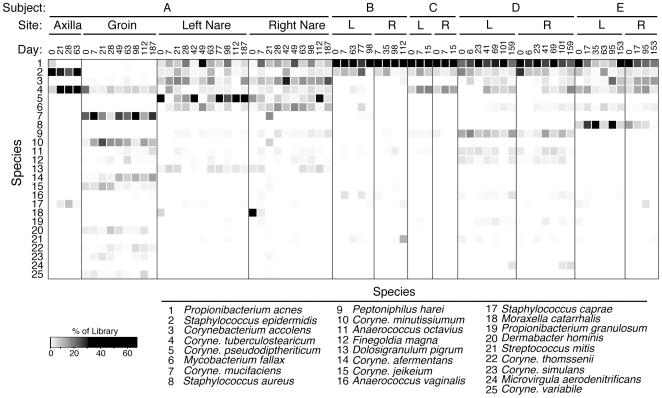
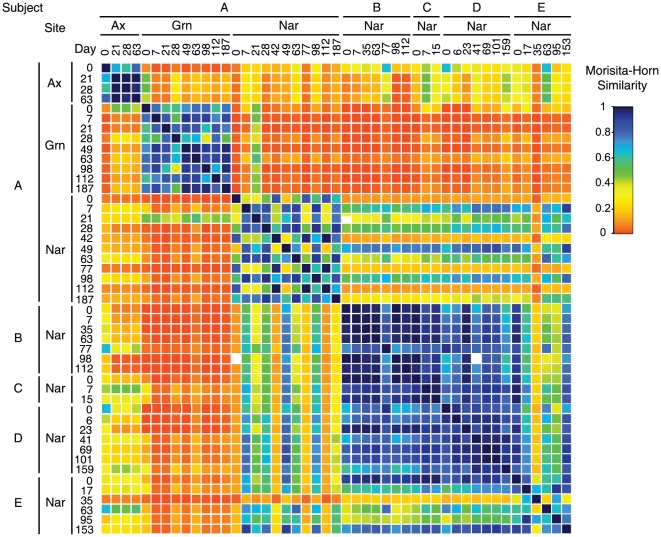
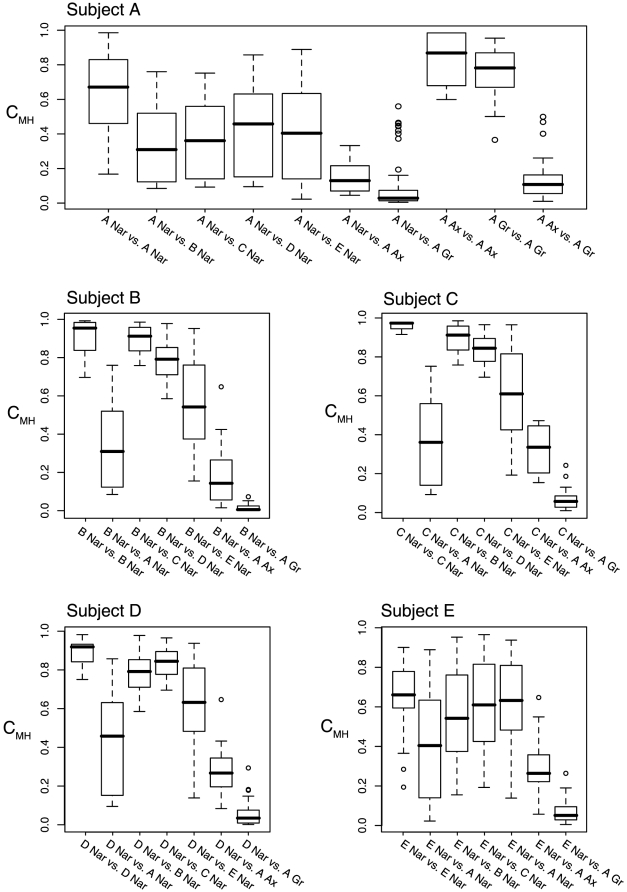
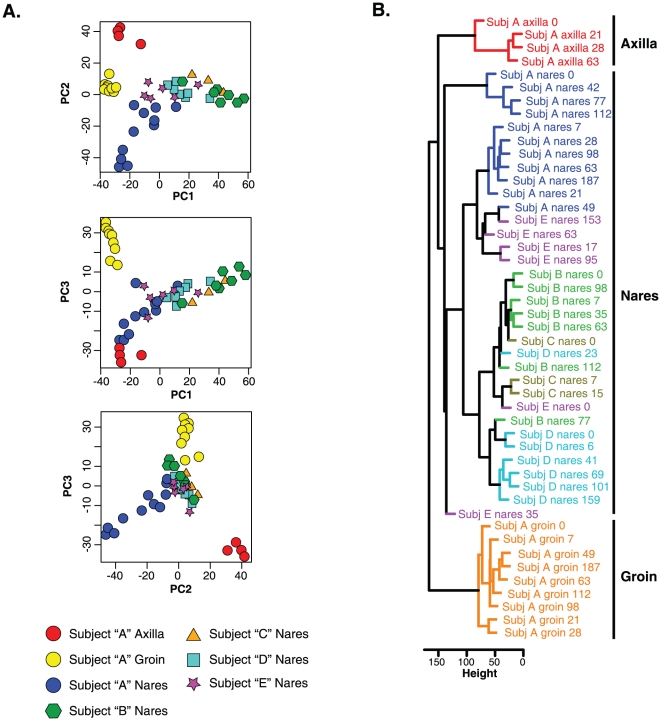
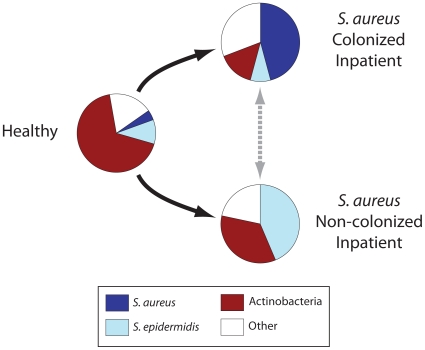
BACKGROUND: Colonization of humans with Staphylococcus aureus is a critical prerequisite of subsequent clinical infection of the skin, blood, lung, heart and other deep tissues. S. aureus persistently or intermittently colonizes the nares of approximately 50% of healthy adults, whereas approximately 50% of the general population is rarely or never colonized by this pathogen. Because microbial consortia within the nasal cavity may be an important determinant of S. aureus colonization we determined the composition and dynamics of the nasal microbiota and correlated specific microorganisms with S. aureus colonization. METHODOLOGY/PRINCIPAL FINDINGS: Nasal specimens were collected longitudinally from five healthy adults and a cross-section of hospitalized patients (26 S. aureus carriers and 16 non-carriers). Culture-independent analysis of 16S rRNA sequences revealed that the nasal microbiota of healthy subjects consists primarily of members of the phylum Actinobacteria (e.g., Propionibacterium spp. and Corynebacterium spp.), with proportionally less representation of other phyla, including Firmicutes (e.g., Staphylococcus spp.) and Proteobacteria (e.g. Enterobacter spp). In contrast, inpatient nasal microbiotas were enriched in S. aureus or Staphylococcus epidermidis and diminished in several actinobacterial groups, most notably Propionibacterium acnes. Moreover, within the inpatient population S. aureus colonization was negatively correlated with the abundances of several microbial groups, including S. epidermidis (p = 0.004). CONCLUSIONS/SIGNIFICANCE: The nares environment is colonized by a temporally stable microbiota that is distinct from other regions of the integument. Negative association between S. aureus, S. epidermidis, and other groups suggests microbial competition during colonization of the nares, a finding that could be exploited to limit S. aureus colonization.
Overview
The claims and statistics of this paper haven’t been checked yet.
Free: it reads the open-access text and checks the first 5 claims that cite a source we can check. Create a free account to check every claim.
Integrity signals
Registry
Cites
Statistics
Figures
Verification
Claims the paper makes
The claims and statistics of this paper haven’t been checked yet.
Free: it reads the open-access text and checks the first 5 claims that cite a source we can check. Create a free account to check every claim.
Claims other papers make about this one
Each is checked against this paper’s own text: does it say what the citing paper says it does?
The source backs part of the claim, not all of it — or backs it for a different population, condition or comparison.
In the citing paper
“The anterior nares are closest to the external environment and are lined with a skin-like keratinized squamous epithelium, including serous and sebaceous glands, the latter of which produces sebum, which leads to the enrichment of lipophilic skin colonizers, including Staphylococcus spp., Propionibacterium spp. and Corynebacterium spp.46,47,48.”
From The microbiota of the respiratory tract: gatekeeper to respiratory health (2017) · cites this paper as [46]
Experimental — accuracy not yet measuredThe cited source says what the claim attributes to it.
In the citing paper
“In healthy adults, bacteria present in the nasal cavity are typically those associated with skin, predominantly members of the Actinobacteria (e.g., Corynebacterium spp., Propionibacterium spp.), followed by Firmicutes (e.g., Staphylococcus spp.), and Proteobacteria”
From Respiratory viral infection-induced microbiome alterations and secondary bacterial pneumonia. (2018) · cites this paper as [67]
In the citing paper
“Competition between S. aureus and S. epidermidis has been implicated as a source of the differences reported between S. aureus carrier and non-carrier communities (Frank et al., 2010).”
From Nasal Microenvironments and Interspecific Interactions Influence Nasal Microbiota Complexity and S. aureus Carriage (2013) · cites this paper as Frank et al., 2010
In the citing paper
“A common feature of microbial ecological studies of the anterior naris has been the dominance of Corynebacterium, Staphylococcus, and Propionibacterium species (Costello et al., 2009; Frank et al., 2010; Grice et al., 2009; TheHumanMicrobiomeProjectConsortium, 2012; Zhou et al., 2013).”
From Nasal Microenvironments and Interspecific Interactions Influence Nasal Microbiota Complexity and S. aureus Carriage (2013) · cites this paper as Frank et al., 2010
In the citing paper
“A negative correlation between S. aureus abundance and Corynebacterium abundance have been previously observed, although no specific mechanisms have been proposed (Frank et al., 2010; Lina et al., 2003; Uehara et al., 2000).”
From Nasal Microenvironments and Interspecific Interactions Influence Nasal Microbiota Complexity and S. aureus Carriage (2013) · cites this paper as Frank et al., 2010
1 more claim about this paper
Create a free account to see every claim other papers make about this one.
Self-check
Percentages, sums and reported differences re-computed from the paper’s own numbers.
The self-check needs the paper’s full text.
Citations
Cites
R: A Language and Environment for Statistical Computing
R Core Team (2025) · doi:10.32614/r.manuals · Cited by 352,181
Naïve Bayesian Classifier for Rapid Assignment of rRNA Sequences into the New Bacterial Taxonomy
Wang, Q., Garrity, G. M., Tiedje, J. M., & Cole, J. R. (2007) · Applied and Environmental Microbiology · doi:10.1128/aem.00062-07 · Cited by 19,885 · cited 2×
“rRNA sequences were provisionally identified by BLAST query of 16S rRNA sequences extracted from the All-Species Living Tree Project database (version LTP_S95; [33]) and results corroborated through the RDP Classifier tool [34,35], parsimony insertion into the SILVA SSURef_98 tree [36], and pairwise distance compariso…”
MethodLane, D. (1991) · Medical Entomology and Zoology · Cited by 12,669
Finding groups in data: an introduction to cluster analysis
(1991) · Choice Reviews Online · doi:10.5860/choice.28-4558 · Cited by 10,474
Nucleic acid techniques in bacterial systematics
Stackebrandt, E. S., & Goodfellow, M. (1991) · Wiley eBooks · Cited by 9,460
Diversity of the Human Intestinal Microbial Flora
Eckburg, P. B., Bik, E. M., Bernstein, C. N., Purdom, E., Dethlefsen, L., Sargent, M., Gill, S. R., Nelson, K. E., & Relman, D. A. (2005) · Science · doi:10.1126/science.1110591 · Cited by 7,913 · cited 1×
“Collectively these microorganisms define a pan-microbiota of the human anterior nares as has been reported for other anatomical sites, including the genitourinary tract [45], gut [38,46,47,48], lung [49], and skin [37,40,41,50,51,52].”
BackgroundBase-Calling of Automated Sequencer Traces Using Phred. I. Accuracy Assessment
Ewing, B., Hillier, L., Wendl, M. C., & Green, P. (1998) · Genome Research · doi:10.1101/gr.8.3.175 · Cited by 6,967 · cited 1×
“Sequence base calling and contig assembly were performed with the applications phred and phrap [56,57], as implemented by XplorSeq [58].”
MethodARB: a software environment for sequence data
Ludwig, W. (2004) · Nucleic Acids Research · doi:10.1093/nar/gkh293 · Cited by 6,702 · cited 2×
“Ambiguities between GenBank and RDP classifications (,0.1% of sequences) were resolved by reference to the results of parsimony insertion into the SILVA guide tree in ARB.”
MethodInfluentialPruesse, E., Quast, C., Knittel, K., Fuchs, B. M., Ludwig, W., Peplies, J., & Glockner, F. O. (2007) · Nucleic Acids Research · doi:10.1093/nar/gkm864 · Cited by 6,668 · cited 2×
“All sequences were aligned to the SILVA SSURef version 98 database using the SINA automated aligner provided by the SILVA web service [36].”
MethodNonparametric estimation of the number of classes in a population
Chao, A. (1984) · Scandinavian Journal of Statistics · Cited by 5,880
Cited by
Items 101–200 of 449
Nasal commensal Staphylococcus epidermidis counteracts influenza virus
Chen, H., Liu, P., Liu, Y.-T., Kuo, S., Zhang, X.-Q., Schooley, R. T., Rohde, H., Gallo, R. L., & Huang, C. (2016) · Scientific Reports · doi:10.1038/srep27870 · Cited by 75
“(1) Unlike antibiotics, commensal bacteria are indigenous to humans and may have a lower risk of causing serious complications or generating resistant viruses.”
InfluentialCharacterization of the upper respiratory tract microbiomes of patients with pandemic H1N1 influenza
Chaban, B., Albert, A., Links, M. G., Gardy, J., Tang, P., & Hill, J. E. (2013) · PLoS ONE · doi:10.1371/journal.pone.0069559 · Cited by 69
“are prominent members of the upper respiratory tract microbiome [6,7,9].”
BackgroundCarriage of Staphylococcus aureus by Free-Living Wild Animals in Spain
Porrero, M. C., Mentaberre, G. G., Sánchez, S., Fernández‐Llario, P., Casas‐Díaz, E., Mateos, A., Vidal, D., Lavín, S., Fernández‐Garayzábal, J. F., & Domínguez, L. (2014) · Applied and Environmental Microbiology · doi:10.1128/aem.00647-14 · Cited by 82
“ST5 t548 (18), t2516 (2), t7174 (2), t11210 (5), t11214 (1), t11219 (3)”
Yang, A. J., Marito, S., Yang, J.-J., Keshari, S., Chew, C.-H., Chen, C.-C., & Huang, C. (2018) · International Journal of Molecular Sciences · doi:10.3390/ijms20010014 · Cited by 70
Ovchinnikov, K. V., Kranjec, C., Thorstensen, T., Carlsen, H., & Diep, D. B. (2020) · Antimicrobial Agents and Chemotherapy · doi:10.1128/aac.00829-20 · Cited by 71
“aureus 39 can colonize anterior nares, axillae, groin, and gastrointestinal tract making a reservoir from 40 which bacteria can start infection if host defenses are compromised (5).”
BackgroundNasal Microbiota, Olfactory Health, Neurological Disorders and Aging—A Review
Thangaleela, S., Sivamaruthi, B. S., Kesika, P., Bharathi, M., & Chaiyasut, C. (2022) · Microorganisms · doi:10.3390/microorganisms10071405 · Cited by 67
Unraveling the role of the microbiome in chronic rhinosinusitis
Psaltis, A. J., Mackenzie, B. W., Cope, E. K., & Ramakrishnan, V. R. (2022) · Journal of Allergy and Clinical Immunology · doi:10.1016/j.jaci.2022.02.022 · Cited by 69
Therapy of Sinonasal Microbiome in CRS: A Critical Approach
Psaltis, A. J., & Wormald, P. (2017) · Current Allergy and Asthma Reports · doi:10.1007/s11882-017-0726-x · Cited by 67
Preparation, characterization and efficacy of lysostaphin-chitosan gel against Staphylococcus aureus
Nithya, S., Nimal, T. R., Baranwal, G., Suresh, M. K., Anju, C. P., Kumar, V. A., Mohan, C. G., Jayakumar, R., & Biswas, R. (2018) · International Journal of Biological Macromolecules · doi:10.1016/j.ijbiomac.2018.01.083 · Cited by 63
The microbiota: a key regulator of health, productivity, and reproductive success in mammals
Khan, I. M., Nassar, N., Chang, H., Khan, S., Cheng, M., Wang, Z., & Xiang, X. (2024) · Frontiers in Microbiology · doi:10.3389/fmicb.2024.1480811 · Cited by 68
The temporal dynamics of bacterial communities across human anterior nares
Camarinha‐Silva, A., Jáuregui, R., Pieper, D. H., & Wos‐Oxley, M. L. (2012) · Environmental Microbiology Reports · doi:10.1111/j.1758-2229.2011.00313.x · Cited by 54
Correlation between Nasal Microbiome Composition and Remote Purulent Skin and Soft Tissue Infections
Johnson, R. C., Ellis, M. W., Lanier, J. B., Schlett, C. D., Cui, T., & Merrell, D. S. (2014) · Infection and Immunity · doi:10.1128/iai.02664-14 · Cited by 63
“In agreement with other nasal microbiome studies that looked primarily at healthy individuals (22, 23, 41, 42), we found that Actinobacteria and Firmicutes dominated the nares of all patients (Fig.”
ResultThe Microbiota, Chemical Symbiosis, and Human Disease
Redinbo, M. R. (2014) · Journal of Molecular Biology · doi:10.1016/j.jmb.2014.09.011 · Cited by 59
Andersen, P. S., Pedersen, J. K., Fode, P., Skov, R. L., Fowler, V. G., Stegger, M., & Christensen, K. (2012) · The Journal of Infectious Diseases · doi:10.1093/infdis/jis491 · Cited by 63
“aureus [33, 34], and another study concluded that nasal microbiomes may be grouped into 12 supergroups, with S.”
BackgroundDing, T., Song, T., Zhou, B., Geber, A. B., Ma, Y., Zhang, L., Volk, M., Kapadia, S. N., Jenkins, S. G., Salvatore, M., et al. (2019) · mBio · doi:10.1128/mbio.01296-19 · Cited by 61
“Total number 157 31 60 66 Age, median (IQR) 60 (24-77) 3 (0-7) 46 (33-55) 79 (72-86) Male gender 60 (40%) 15 (48%) 20 (33%) 25 (38%) Care Setting ER 32 (20%) 14 (45%) 12(60%) 6 (9%) Inpatient 71 (45%) 8 (26%) 17 (28%) 46 (70%) Outpatient/Clinic 54 (34%) 9 (29%) 31 (52%) 14 (21%) Immunocompromise(1) Yes 40 (25%) 4 (13%…”
BackgroundMackenzie, B. W., Chang, K., Zoing, M., Jain, R., Hoggard, M., Biswas, K., Douglas, R. G., & Taylor, M. W. (2019) · Scientific Reports · doi:10.1038/s41598-019-53975-9 · Cited by 61
Staphylococci in the human microbiome: the role of host and interbacterial interactions
Otto, M. J. (2020) · Current Opinion in Microbiology · doi:10.1016/j.mib.2020.03.003 · Cited by 61
Investigation of bacterial repopulation after sinus surgery and perioperative antibiotics
Hauser, L. J., Ir, D., Kingdom, T. T., Robertson, C. E., Frank, D. N., & Ramakrishnan, V. R. (2015) · International Forum of Allergy & Rhinology · doi:10.1002/alr.21630 · Cited by 60
Self-citationBrumbaugh, D. E., Arruda, J., Robbins, K., Ir, D., Santorico, S. A., Robertson, C. E., & Frank, D. N. (2016) · Journal of Pediatric Gastroenterology and Nutrition · doi:10.1097/mpg.0000000000001124 · Cited by 56
Self-citationThe human laryngeal microbiome: effects of cigarette smoke and reflux
Jetté, M. E., Dill‐McFarland, K. A., Hanshew, A. S., Suen, G., & Thibeault, S. L. (2016) · Scientific Reports · doi:10.1038/srep35882 · Cited by 61
El‐Guendouz, S., Aazza, S., Lyoussi, B., Bankova, V. S., Popova, M., Neto, L., Faleiro, M. L., & Miguel, M. G. (2018) · Evidence-based Complementary and Alternative Medicine · doi:10.1155/2018/9759240 · Cited by 72
Einarsson, G. G., Zhao, J., LiPuma, J. J., Downey, D. G., Tunney, M. M., & Elborn, J. S. (2019) · ERJ Open Research · doi:10.1183/23120541.00128-2017 · Cited by 58
Jain, R., Hoggard, M., Biswas, K., Zoing, M., Jiang, Y., & Douglas, R. G. (2016) · International Forum of Allergy & Rhinology · doi:10.1002/alr.21849 · Cited by 60
Marazzato, M., Zicari, A. M., Aleandri, M., Conte, A. L., Longhi, C., Vitanza, L., Bolognino, V., Zagaglia, C., Castro, G. D., Brindisi, G., et al. (2020) · Frontiers in Cellular and Infection Microbiology · doi:10.3389/fcimb.2020.00458 · Cited by 59
Uncovering the microbiota in renal cell carcinoma tissue using 16S rRNA gene sequencing
Wang, J., Li, X., Wu, X., Wang, Z., Zhang, C., Cao, G., Liu, K., & Yan, T. (2020) · Journal of Cancer Research and Clinical Oncology · doi:10.1007/s00432-020-03462-w · Cited by 58
Shukla, S. K., Ye, Z., Sandberg, S., Reyes, I., Fritsche, T. R., & Keifer, M. (2017) · PLoS ONE · doi:10.1371/journal.pone.0183898 · Cited by 60
Acute Radiation Syndrome and the Microbiome: Impact and Review
Hollingsworth, B. A., Cassatt, D. R., DiCarlo, A. L., Rios, C. I., Satyamitra, M. M., Winters, T. A., & Taliaferro, L. P. (2021) · Frontiers in Pharmacology · doi:10.3389/fphar.2021.643283 · Cited by 54
Abraham, W., & Rohde, M. (2014) · Springer eBooks · doi:10.1007/978-3-642-30197-1_260 · Cited by 53
Feazel, L. M., Frank, D. N., & Ramakrishnan, V. R. (2011) · International Forum of Allergy & Rhinology · doi:10.1002/alr.20071 · Cited by 54
Self-citationLee, J., Zilm, P. S., & Kidd, S. P. (2020) · Frontiers in Microbiology · doi:10.3389/fmicb.2020.00321 · Cited by 51
“…between S. aureus and other bacterial species has not been researched in detail, and so we review the interactions in the context of selection of SCV. Staphylococcus epidermidis is commonly found to outcompete S. aureus in the nares (Lina et al., 2003; Frank et al., 2010; Lee et al., 2019).”
BackgroundAnalysis of the nasal vestibule mycobiome in patients with allergic rhinitis
Jung, W. H., Croll, D., Cho, J. H., Kim, Y. R., & Lee, Y. W. (2015) · Mycoses · doi:10.1111/myc.12296 · Cited by 51
Salzano, F. A., Marino, L., Salzano, G., Botta, R. M., Cascone, G., Fiorenza, U. D., Selleri, C., & Casolaro, V. (2018) · Journal of Immunology Research · doi:10.1155/2018/2724951 · Cited by 54
Characterisation of the nasal microbiota in granulomatosis with polyangiitis
Rhee, R. L., Sreih, A. G., Najem, C. E., Grayson, P. C., Zhao, C., Bittinger, K. L., Collman, R. G., & Merkel, P. A. (2018) · Annals of the Rheumatic Diseases · doi:10.1136/annrheumdis-2018-213645 · Cited by 53
Clinical Characteristics of Infections in Humans Due to Staphylococcus epidermidis
Rupp, M. E. (2013) · Methods in molecular biology · doi:10.1007/978-1-62703-736-5_1 · Cited by 57
Ling, A. L., Robertson, C. E., Harris, J. K., Frank, D. N., Kotter, C. V., Stevens, M. J., Pace, N. R., & Hernandez, M. (2015) · PLoS ONE · doi:10.1371/journal.pone.0116400 · Cited by 49
“PCR amplicons from each sample were normalized based on agarose gel densitometry, pooled in approximately equal amounts, and the resulting mixture was gel-purified to select the correctly sized amplicon products as previously described [22], and the gel-purified amplicons were concentrated using a DNA Clean and Concen…”
MethodSelf-citationMRSA colonization and the nasal microbiome in adults at high risk of colonization and infection
Bessesen, M. T., Kotter, C. V., Wagner, B. D., Adams, J. C., Kingery, S., Benoit, J. B., Robertson, C. E., Janoff, E. N., & Frank, D. N. (2015) · Journal of Infection · doi:10.1016/j.jinf.2015.08.008 · Cited by 54
Self-citationFrank, D. N., Manigart, O., Leroy, V., Meda, N., Valéa, D., Zhang, W., Dabis, F., Pace, N. R., Van de Perre, P., & Janoff, E. N. (2012) · JAIDS Journal of Acquired Immune Deficiency Syndromes · doi:10.1097/qai.0b013e31824e4bdb · Cited by 47
“Multiplexed broad-range 16S amplicon libraries were constructed for pyrosequencing on a 454 Life Sciences GS FLX instrument (Branford, CT) using barcoded primers.(25) Samples were amplified through 30 PCR cycles (early log phase for 250,000 templates/mL), and if necessary, additional cycles were performed to produce s…”
MethodSelf-citationVissers, M., Remijn, T., Oosting, M., de Jong, D. J., Diavatopoulos, D. A., Hermans, P. W. M., & Ferwerda, G. (2012) · European Journal of Immunology · doi:10.1002/eji.201242396 · Cited by 53
Investigation of sinonasal microbiome spatial organization in chronic rhinosinusitis
Ramakrishnan, V. R., Gitomer, S. A., Kofonow, J. M., Robertson, C. E., & Frank, D. N. (2016) · International Forum of Allergy & Rhinology · doi:10.1002/alr.21854 · Cited by 52
Self-citationCHOWDHARY, V. R., Tilahun, A. Y., Clark, C. R., Grande, J. P., & Rajagopalan, G. (2012) · The Journal of Immunology · doi:10.4049/jimmunol.1201097 · Cited by 49
Espinosa‐Gongora, C., Larsen, N., Schønning, K., Fredholm, M., & Guardabassi, L. (2016) · PLoS ONE · doi:10.1371/journal.pone.0160331 · Cited by 51
“epidermidis have been reported in these three studies [35, 52, 53].”
ResultEffect of Antimicrobial and Physical Treatments on Growth of Multispecies Staphylococcal Biofilms
Stewart, E. J., Payne, D. E., Ma, T. M., VanEpps, J. S., Boles, B. R., Younger, J. G., & Solomon, M. J. (2017) · Applied and Environmental Microbiology · doi:10.1128/aem.03483-16 · Cited by 49
“aureus persistently or intermittently resides in the nasal cavity of 50% of the population (9), and its presence in the nasal cavity has been linked to S.”
Models and approaches to dissect host–symbiont specificity
Mandel, M. J. (2010) · Trends in Microbiology · doi:10.1016/j.tim.2010.07.005 · Cited by 46
Treesirichod, A., Hantagool, S., & Prommalikit, O. (2014) · Journal of Infection and Public Health · doi:10.1016/j.jiph.2013.12.003 · Cited by 47
Friend or Foe: Interbacterial Competition in the Nasal Cavity
Hardy, B. L., & Merrell, D. S. (2020) · Journal of Bacteriology · doi:10.1128/jb.00480-20 · Cited by 46
“netically, competition for similar environmental niches leads to well-documented competition between various members of the Staphylococcus genus; this competition in turn contributes to the overall structure of the nasal microbiota (13, 31).”
BackgroundBroens, E. M., Graat, E. A. M., van de Giessen, A. W., Broekhuizen‐Stins, M. J., & de Jong, M. C. M. (2011) · Veterinary Microbiology · doi:10.1016/j.vetmic.2011.09.010 · Cited by 43
McNeil, J. C., & Fritz, S. A. (2019) · Current Infectious Disease Reports · doi:10.1007/s11908-019-0670-0 · Cited by 44
Microbiological Aspects of Acute and Chronic Pediatric Rhinosinusitis
Drago, L., Pignataro, L., & Torretta, S. (2019) · Journal of Clinical Medicine · doi:10.3390/jcm8020149 · Cited by 42
Structure of a proton-dependent lipid transporter involved in lipoteichoic acids biosynthesis
Zhang, B., Liu, X., Lambert, E., Mas, G., Hiller, S., Veening, J.-W., & Perez, C. (2020) · Nature Structural & Molecular Biology · doi:10.1038/s41594-020-0425-5 · Cited by 44
White, J. K., Nielsen, J. L., Larsen, C. M., & Madsen, A. M. (2020) · International Journal of Hygiene and Environmental Health · doi:10.1016/j.ijheh.2020.113608 · Cited by 42
Treesirichod, A., Hantagool, S., & Prommalikit, O. (2013) · Journal of Infection and Public Health · doi:10.1016/j.jiph.2012.12.004 · Cited by 50
“, oagulase-negative Staphylococci (CoNS), Streptooccus pneumoniae andMoraxella catarrhalis [6,7].”
BackgroundExploring the bacterial assemblages along the human nasal passage
Wos‐Oxley, M. L., Chaves‐Moreno, D., Jáuregui, R., Oxley, A. P. A., Kaspar, U., Plumeier, I., Kahl, S., Rudack, C., Becker, K., & Pieper, D. H. (2016) · Environmental Microbiology · doi:10.1111/1462-2920.13378 · Cited by 40
“…of host genetics and environmental factors (Liu et al., 2015), as well as age (Oh et al., 2012; Camarinha-Silva et al., 2014) and stability of the community over time (Costello et al., 2009; Grice et al., 2009; Frank et al., 2010; Camarinha-Silva et al., 2012a; Human Microbiome Project, 2012).”
BackgroundMolecular mechanisms of Staphylococcus aureus nasopharyngeal colonization
Edwards, A. M., Massey, R. C., & Clarke, S. R. (2011) · Molecular Oral Microbiology · doi:10.1111/j.2041-1014.2011.00628.x · Cited by 56
Peterson, S. W., Knox, N., Golding, G. R., Tyler, S. D., Tyler, A. D., Mabon, P., Embree, J. E., Fleming, F., Fanella, S. T., Domselaar, G. V., et al. (2016) · PLoS ONE · doi:10.1371/journal.pone.0152493 · Cited by 44
“Studies also have found that cohabitation does not result in a convergence of microbiota [18,57].”
BackgroundSevere viral respiratory infections: are bugs bugging?
Vissers, M., de Groot, R., & Ferwerda, G. (2013) · Mucosal Immunology · doi:10.1038/mi.2013.93 · Cited by 44
“These are mainly Staphylococcus, Corynebacterium, and Propionibacterium on genus level, which are typical skin lineages.(32,33) The oropharynx contains, on”
BackgroundPusparajah, P., Letchumanan, V., Law, J. W., Mutalib, N. A., Ong, Y. S., Goh, B. H., Tan, L. T., & Lee, L. (2021) · International Journal of Molecular Sciences · doi:10.3390/ijms22179360 · Cited by 46
“The common sites of colonization include the nostrils, skin, axillae, perineum and pharynx [21,22].”
BackgroundAllegrone, G., Ceresa, C., Rinaldi, M., & Fracchia, L. (2021) · Pharmaceutics · doi:10.3390/pharmaceutics13081172 · Cited by 39
“This bacterial species is typically found in the human anterior nasopharynx and skin [3,4] but it is also able to colonize tissue and artificial surfaces (prosthetic orthopedic implants, heart valves, pacemakers, and vascular catheters), causing many acute and chronic persistent infections [5,6].”
BackgroundAntimicrobial Peptides in Healthy Skin and Atopic Dermatitis
Schröder, J. (2011) · Allergology International · doi:10.2332/allergolint.10-rai-0292 · Cited by 43
Ahmadi, E., Khojasteh, M., Mortazavi, S. M. J., Khan-Mohammadi, F., Kazemnia, A., Beheshtipour, J., & Raeeszadeh, M. (2019) · BMC Infectious Diseases · doi:10.1186/s12879-019-4567-1 · Cited by 39
Peres, A. G., & Madrenas, J. (2013) · Burns · doi:10.1016/j.burns.2012.12.008 · Cited by 43
“[24] Frank DN, Feazel LM, Bessesen MT, Price CS, Janoff EN, Pace NR.”
BackgroundEl‐Guendouz, S., Aazza, S., Lyoussi, B., Bankova, V. S., Lourenço, J. P., da Costa, A. M. R., Mariano, J. F. M. L., Miguel, M. G., & Faleiro, M. L. (2016) · Molecules · doi:10.3390/molecules21091208 · Cited by 36
Parastan, R., Kargar, M., Solhjoo, K., & Kafilzadeh, F. (2020) · Journal of Global Antimicrobial Resistance · doi:10.1016/j.jgar.2020.02.025 · Cited by 40
Non-invasive assessment of upper and lower airway infection and inflammation in CF patients
Fischer, N., Hentschel, J., Markert, U. R., Keller, P. M., Pletz, M. W., & Mainz, J. G. (2014) · Pediatric Pulmonology · doi:10.1002/ppul.22982 · Cited by 36
“, coagulase negative staphylococci, and non-haemolytic streptococci were frequently found in both NL cultures and IS cultures and considered part of the human nasopharyngeal microbiome.(12,13) Concentrations of IL-1b, -5, -6, -8, and -10, RANTES, MPO, TNF-a, MMP-9 and TIMP-1(3) were determined using cytometric bead ar…”
MethodBefus, M., Lowy, F. D., Miko, B. A., Mukherjee, D. V., Herzig, C. T. A., & Larson, E. (2015) · American Journal of Epidemiology · doi:10.1093/aje/kwv062 · Cited by 40
Fredheim, E. G. A., Flægstad, T., Askarian, F., & Klingenberg, C. (2014) · European Journal of Clinical Microbiology & Infectious Diseases · doi:10.1007/s10096-014-2197-5 · Cited by 36
“epidermidis, Finegoldia magna and Corynebacterium pseudodiphteriticum [9–11].”
Kwiatkowski, P. A., Pruss, A., Wojciuk, B., Dołęgowska, B., Wajs‐Bonikowska, A., Sienkiewicz, M., Mężyńska, M., & Łopusiewicz, Ł. (2019) · Molecules · doi:10.3390/molecules24173105 · Cited by 36
Corynebacterium accolens inhibits Staphylococcus aureus induced mucosal barrier disruption
Huang, S., Hon, K., Bennett, C. A., Hu, H., Menberu, M. A., Wormald, P., Zhao, Y., Vreugde, S., & Liu, S. (2022) · Frontiers in Microbiology · doi:10.3389/fmicb.2022.984741 · Cited by 37
“This supports the findings of other studies that demonstrate a negative correlation between S. aureus abundance and Corynebacterium abundance (Uehara et al., 2000; Lina et al., 2003; Frank et al., 2010) and may explain the typical lack of S. aureus expansion in the non-diseased state.”
ResultBenoit, J. B., Frank, D. N., & Bessesen, M. T. (2018) · PLoS ONE · doi:10.1371/journal.pone.0195860 · Cited by 37
Self-citationPanchatcharam, B. S., Cooksley, C. M., Ramezanpour, M., Vediappan, R. S., Bassiouni, A., Wormald, P. J., Psaltis, A. J., & Vreugde, S. (2020) · International Forum of Allergy & Rhinology · doi:10.1002/alr.22566 · Cited by 38
Determinants of the Nasal Microbiome: Pilot Study of Effects of Intranasal Medication Use
Ramakrishnan, V. R., Holt, J. W., Nelson, L. F., Ir, D., Robertson, C. E., & Frank, D. N. (2018) · Allergy & Rhinology · doi:10.1177/2152656718789519 · Cited by 35
Self-citationEbrahimi, K. H. (2020) · FEBS Letters · doi:10.1002/1873-3468.13845 · Cited by 36
Gaüzère, C., Godon, J., Blanquart, H., Ferreira, S., Moularat, S., Robine, E., & Moletta‐Denat, M. (2014) · The Science of The Total Environment · doi:10.1016/j.scitotenv.2014.03.117 · Cited by 34
Arca-Lafuente, S., Núñez-Corcuera, B., Ramis, R., Karakitsios, S., Sarigiannis, D. A., dos Santos, S. G., Fernández‐Rodríguez, A., & Briz, V. (2025) · Respiratory Research · doi:10.1186/s12931-025-03179-9 · Cited by 35
“%) in healthy subjects [41], so the absence of data for Cyanobacteria in some of the reviewed studies is likely due to an insignificant contribution to the overall microbial abundance.”
Morosuk, T., & Sultan, M. A. (2019) · IntechOpen eBooks · doi:10.5772/intechopen.78524 · Cited by 33
Kwiatkowski, P. A., Mnichowska-Polanowska, M., Pruss, A., Masiuk, H., Dzięcioł, M., Giedrys‐Kalemba, S., & Sienkiewicz, M. (2017) · Burns · doi:10.1016/j.burns.2017.04.014 · Cited by 33
Jervis-Bardy, J., & Psaltis, A. J. (2016) · Annals of Otology Rhinology & Laryngology · doi:10.1177/0003489416641429 · Cited by 41
Sun, J., Yang, M., Sreevatsan, S., Bender, J. B., Singer, R. S., Knutson, T. P., Marthaler, D., & Davies, P. R. (2017) · BMC Infectious Diseases · doi:10.1186/s12879-017-2802-1 · Cited by 32
Microbiota, a Third Player in the Host–Plasmodium Affair
Mukherjee, D., Chora, Â. F., & Mota, M. M. (2019) · Trends in Parasitology · doi:10.1016/j.pt.2019.11.001 · Cited by 33
Vaccine development to preventStaphylococcus aureussurgical-site infections
Mohamed, N., Wang, M., Huec, J.-C. L., Liljenqvist, U., Scully, I. L., Baber, J., Begier, E. M., Jansen, K. U., Gurtman, A., & Anderson, A. S. (2017) · British journal of surgery · doi:10.1002/bjs.10454 · Cited by 34
Dennison, S. R., Morton, L. H. G., Harris, F., & Phoenix, D. A. (2016) · Biochemistry · doi:10.1021/acs.biochem.6b00101 · Cited by 32
Occupational exposure to Staphylococcus aureus in the wastewater treatment plants environment
Kozajda, A., & Jeżak, K. (2020) · Medycyna Pracy · doi:10.13075/mp.5893.00946 · Cited by 31
“sues, endocarditis, osteitis and myelitis, cerebral meningitis, bacteremia, and pneumonia (including pneumonia resulting from flu), with chronic and recurrent infections induced by persisters [3,7].”
BackgroundHabibi, N., Mustafa, A. S., & Khan, M. W. (2021) · PLoS ONE · doi:10.1371/journal.pone.0260314 · Cited by 30
“A nasal specimen from each volunteer was obtained [6] from both nostrils (right and left) using a single disposable dry swab (BD CultureSwabTM, France) and dipped into 2 ml sterile phosphate-buffered saline (PBS) pH-7.”
MethodProbiotics as a biotherapeutics for the management and prevention of respiratory tract diseases
Debnath, N., Kumar, A., & Yadav, A. K. (2022) · Microbiology and Immunology · doi:10.1111/1348-0421.12980 · Cited by 29
“Studies have demonstrated that consumption of probiotic microorganisms influence the composition of gut microflora and gut immune components and also positively regulate the distal microbial communities including lung microbiome as well as lung mucosal immunity.(25,26) While studying probiotic microorganisms such as L…”
BackgroundFeazel, L. M., Santorico, S. A., Robertson, C. E., Bashraheil, M. M., Scott, J. A. G., Frank, D. N., & Hammitt, L. L. (2015) · PLoS ONE · doi:10.1371/journal.pone.0128064 · Cited by 33
“[10] PCR yields were normalized using a SequalPrep kit (Invitrogen, Carlsbad, CA), pooled, lyophilized, and gel purified, as previously described.[11] Pyrosequencing of pooled amplicons was conducted by the Center for Applied Genomics at the University of Toronto on a 454/Roche Life Sciences GS-FLX instrument using Ti…”
MethodSelf-citationArgudín, M. Á., Vanderhaeghen, W., Vandendriessche, S., Vandecandelaere, I., André, F.-X., Denis, O., Coenye, T., & Butaye, P. (2015) · Veterinary Microbiology · doi:10.1016/j.vetmic.2015.04.019 · Cited by 35
de Buys, M., Moodley, K., Cakic, J. N., & Pietrzak, J. R. T. (2023) · EFORT Open Reviews · doi:10.1530/eor-23-0031 · Cited by 30
Cheng, Y., Wang, R., & Zhao, X.-Y. (2020) · Chemosphere · doi:10.1016/j.chemosphere.2020.129117 · Cited by 28
Human microbiome versus food-borne pathogens: friend or foe
Josephs‐Spaulding, J., Beeler, E., & Singh, O. V. (2016) · Applied Microbiology and Biotechnology · doi:10.1007/s00253-016-7523-7 · Cited by 33
Singh, J., Johnson, R. C., Schlett, C. D., Elassal, E. M., Crawford, K. B., Mor, D., Lanier, J. B., Law, N. N., Walters, W. A., Teneza-Mora, N. C., et al. (2016) · mSphere · doi:10.1128/msphere.00232-16 · Cited by 28
“aureus can dramatically impact the microbial community composition (22, 23, 32).”
BackgroundWang, Y., Li, X., Gu, S., & Fu, J. (2023) · Frontiers in Immunology · doi:10.3389/fimmu.2023.1079154 · Cited by 27
“The most abundant phylum was Proteobacteria (HCs, 69.80%; ARC, 77.68%; AR, 89.16%).”
BackgroundInfluentialBotelho-Nevers, É., Verhoeven, P. O., Paul, S., Grattard, F., Pozzetto, B., Berthelot, P., & Lucht, F. (2013) · Expert Review of Vaccines · doi:10.1586/14760584.2013.840091 · Cited by 27
The microbiome of the upper airways: focus on chronic rhinosinusitis
Chalermwatanachai, T., Pereira, L. C. V., & Bachert, C. (2015) · World Allergy Organization Journal · doi:10.1186/s40413-014-0048-6 · Cited by 29
“Enterobacter spp) are less frequent [55,56,60,63].”
Walker, J. N., Pinkner, C. L., Lynch, A. J. L., Ortbal, S., Pinkner, J. S., Hultgren, S. J., & Myckatyn, T. M. (2019) · Aesthetic Surgery Journal · doi:10.1093/asj/sjz099 · Cited by 29
Goyal, M., Javerliat, F., Palmieri, M., Mirande, C., van Wamel, W. J. B., Tavakol, M., Verkaik, N. J., & van Belkum, A. (2019) · Frontiers in Microbiology · doi:10.3389/fmicb.2019.01525 · Cited by 28
Microbiota and nanoparticles: Description and interactions
Ladaycia, A., Passirani, C., & Lepeltier, É. (2021) · European Journal of Pharmaceutics and Biopharmaceutics · doi:10.1016/j.ejpb.2021.10.015 · Cited by 31
Brugger, S. D., Frei, L., Frey, P. M., Aebi, S., Mühlemann, K., & Hilty, M. (2012) · PLoS ONE · doi:10.1371/journal.pone.0052241 · Cited by 26
“In recent years there has been significant development of noncultural methods to characterize microbial communities of different human body sites [5,6,7,8].”
BackgroundAggarwal, D., Bellis, K., Blane, B., de Goffau, M. C., Wagner, J., Ng, D. Y. K., Raven, K. E., Naydenova, P., Kaptoge, S. K., Burton, S., et al. (2025) · Nature Communications · doi:10.1038/s41467-025-66564-4 · Cited by 28
“We have generated multiple new insights into the nasal microbial community structure of the anterior nares, substantially extending previous smaller-scale studies 3,17,31,40,41 .”
InfluentialVeterinary ocular microbiome: Lessons learned beyond the culture
Banks, K. C., Ericsson, A. C., Reinero, C. R., & Giuliano, E. A. (2019) · Veterinary Ophthalmology · doi:10.1111/vop.12676 · Cited by 25
Libberton, B., Horsburgh, M. J., & Brockhurst, M. A. (2015) · Evolutionary Applications · doi:10.1111/eva.12284 · Cited by 29
“There is increasing evidence that the nasal microbial community may contribute to determining S. aureus carriage (Peacock et al. 2001; Frank et al. 2010; © 2015 The Authors.”
BackgroundInfluentialYameen, M. A., Iram, S., Mannan, A., Khan, S. A., & Akhtar, N. (2013) · BMC Infectious Diseases · doi:10.1186/1471-2334-13-156 · Cited by 25
“aureus and may transfer resistance gene [8-11].”
Metadata
- Authors
- Frank, D. N., Feazel, L. M., Bessesen, M. T., Price, C. S., Janoff, E. N., & Pace, N. R.
- Affiliations
- University of Colorado Boulder (US)
- Veterans Health Administration (US)
- Denver Health Medical Center (US)
- Corresponding author
- Pace, Norman R.
- Venue
- PLoS ONE
- Publisher
- Public Library of Science (PLoS)
- Published
- 2010-05-17
- Volume
- 5
- Issue
- 5
- Pages
- e10598
- ISSN
- 1932-6203 (ISSN-L)
- PMC
- PMC2871794
- OpenAlex
- W2169891354
- Cited by
- 422
- References
- 70
- Citations by year
- 2026: 13 · 2025: 21 · 2024: 20 · 2023: 14 · 2022: 25 · 2021: 20 · 2020: 35 · 2019: 27 · 2018: 30 · 2017: 21 · 2016: 40 · 2015: 42 · 2014: 30 · 2013: 32 · 2012: 30
- FWCI
- 17.42
- Type
- journal article
- Language
- en
- Open access
- gold
- doi.org
- Locations
- PLoS ONE (publishedVersion, cc-by)
- Europe PMC (PubMed Central) (publishedVersion, cc-by)
- PubMed Central (publishedVersion, cc-by)
- PubMed (publishedVersion)
- DOAJ (DOAJ: Directory of Open Access Journals) (submittedVersion, cc-by-sa)
- Figshare (submittedVersion, cc-by)
- Funders
- U.S. Department of Veterans Affairs
- Topics
- Health Sciences › Medicine › Infectious Diseases › Antimicrobial Resistance in Staphylococcus
- Health Sciences › Medicine › Dermatology › Dermatology and Skin Diseases
- Life Sciences › Biochemistry, Genetics and Molecular Biology › Molecular Biology › Bacterial biofilms and quorum sensing
- Keywords
- nasal microbiota, Staphylococcus aureus colonization, Staphylococcus epidermidis, Propionibacterium acnes, actinobacteria, microbial competition, nasal carriage, hospitalized patients, 16S rRNA gene sequencing, skin microbiome
- MeSH terms
- Adult, DNA, Ribosomal, Health, Hospitalization, Humans, Inpatients, Longitudinal Studies, Molecular Sequence Data, Nasal Cavity, Nose, Residence Characteristics, Staphylococcus aureus, Staphylococcus epidermidis, Time Factors, Colony Count, Microbial, Bacterial Typing Techniques, Sequence Analysis, DNA, Biodiversity, Metagenome
About these checks
Registry, retraction, Cites and statistics results are computed, not judged, with one exception: a printed reference that no index lists is read once by a model before it counts as a citation error. Claims are extracted by a model and kept only when their quote appears verbatim in the text; each cited source is then checked, with a model’s help, for whether it says what the claim relies on. Those verdicts can be wrong — read the claim’s quote and the cited source before relying on one.
Statistics and arithmetic are recomputed, not judged.
Confidence bands are shown only for fields calibrated on our annotated test set. None is calibrated yet, so no band is shown.
What counts as a claim ›How we measure confidence ›How we check this ›
Are you an author, or do you see a problem with this page? Request a review
Data sources
Bibliographic data: Semantic Scholar, OpenAlex, Crossref.
Contains information from the Semantic Scholar Academic Graph Datasets, made available under the ODC Attribution License (ODC-BY 1.0).
Semantic Scholar’s data is described in: Kinney, R., et al. (2023). The Semantic Scholar Open Data Platform. arXiv:2301.10140.
