

The Human Nasal Microbiota and Staphylococcus aureus Carriage
Open accessThe DOI matches its Crossref record; 69 of the 70 references it cites were found in a registry or an index.
Abstract
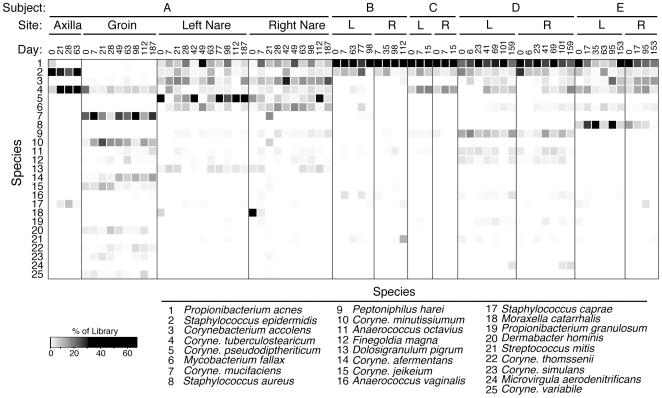
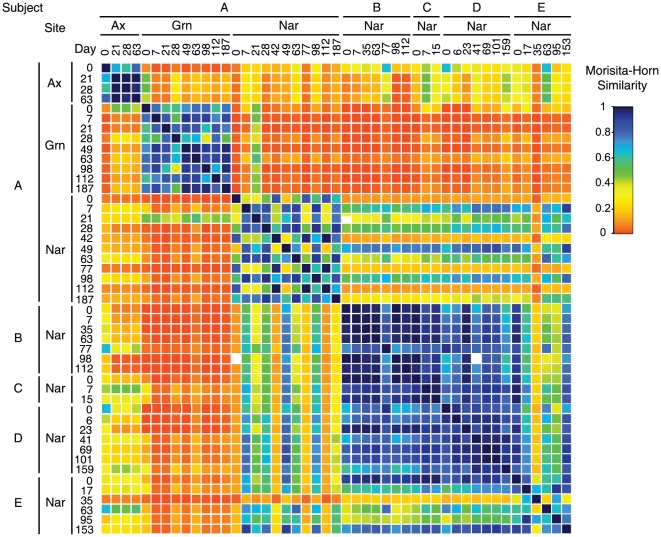
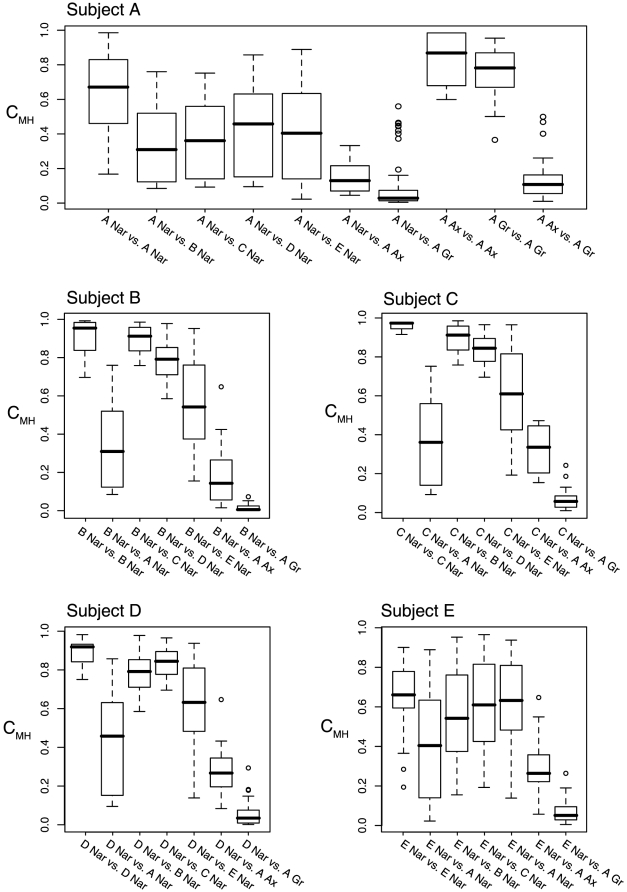
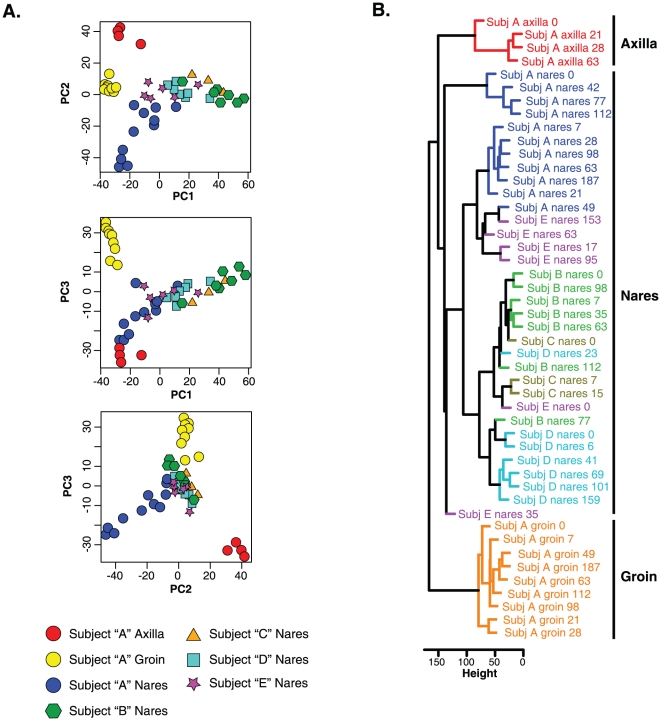
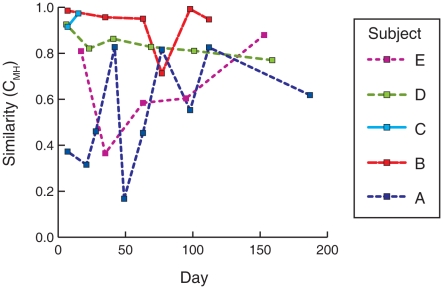
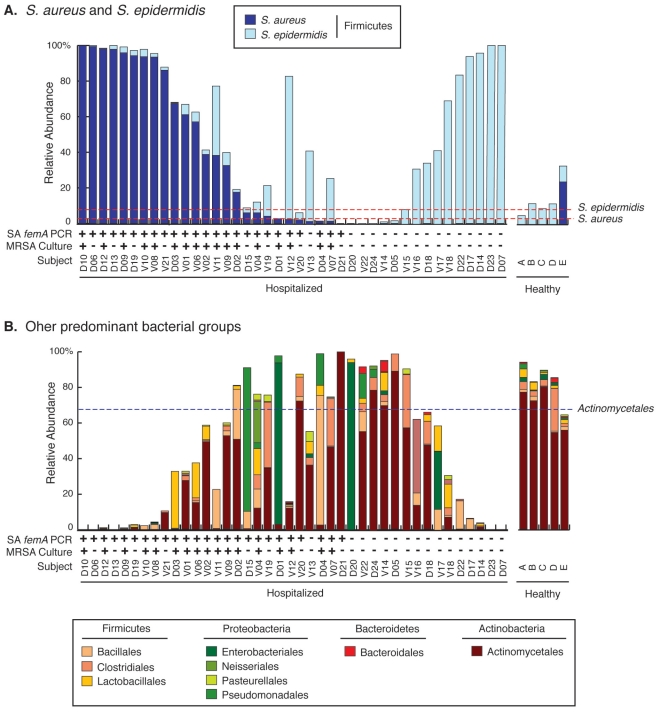
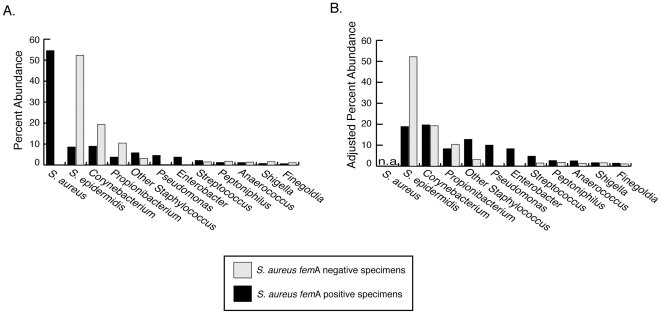
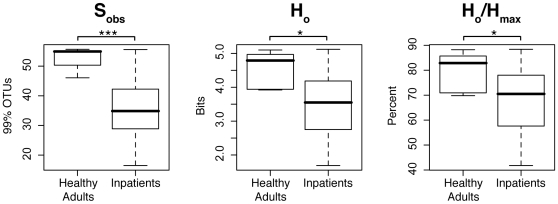
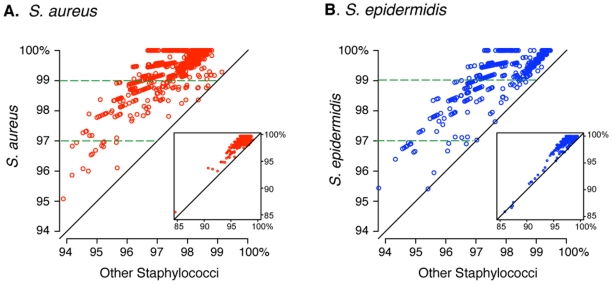
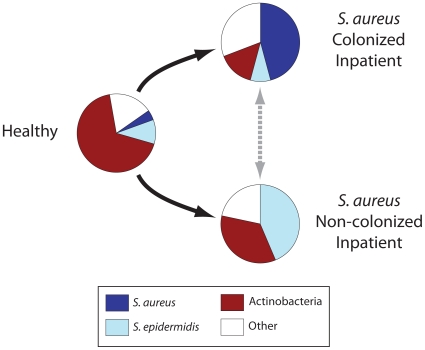
BACKGROUND: Colonization of humans with Staphylococcus aureus is a critical prerequisite of subsequent clinical infection of the skin, blood, lung, heart and other deep tissues. S. aureus persistently or intermittently colonizes the nares of approximately 50% of healthy adults, whereas approximately 50% of the general population is rarely or never colonized by this pathogen. Because microbial consortia within the nasal cavity may be an important determinant of S. aureus colonization we determined the composition and dynamics of the nasal microbiota and correlated specific microorganisms with S. aureus colonization. METHODOLOGY/PRINCIPAL FINDINGS: Nasal specimens were collected longitudinally from five healthy adults and a cross-section of hospitalized patients (26 S. aureus carriers and 16 non-carriers). Culture-independent analysis of 16S rRNA sequences revealed that the nasal microbiota of healthy subjects consists primarily of members of the phylum Actinobacteria (e.g., Propionibacterium spp. and Corynebacterium spp.), with proportionally less representation of other phyla, including Firmicutes (e.g., Staphylococcus spp.) and Proteobacteria (e.g. Enterobacter spp). In contrast, inpatient nasal microbiotas were enriched in S. aureus or Staphylococcus epidermidis and diminished in several actinobacterial groups, most notably Propionibacterium acnes. Moreover, within the inpatient population S. aureus colonization was negatively correlated with the abundances of several microbial groups, including S. epidermidis (p = 0.004). CONCLUSIONS/SIGNIFICANCE: The nares environment is colonized by a temporally stable microbiota that is distinct from other regions of the integument. Negative association between S. aureus, S. epidermidis, and other groups suggests microbial competition during colonization of the nares, a finding that could be exploited to limit S. aureus colonization.
Overview
The claims and statistics of this paper haven’t been checked yet.
Free: it reads the open-access text and checks the first 5 claims that cite a source we can check. Create a free account to check every claim.
Integrity signals
Registry
Cites
Statistics
Figures
Verification
Claims the paper makes
The claims and statistics of this paper haven’t been checked yet.
Free: it reads the open-access text and checks the first 5 claims that cite a source we can check. Create a free account to check every claim.
Claims other papers make about this one
Each is checked against this paper’s own text: does it say what the citing paper says it does?
The source backs part of the claim, not all of it — or backs it for a different population, condition or comparison.
In the citing paper
“The anterior nares are closest to the external environment and are lined with a skin-like keratinized squamous epithelium, including serous and sebaceous glands, the latter of which produces sebum, which leads to the enrichment of lipophilic skin colonizers, including Staphylococcus spp., Propionibacterium spp. and Corynebacterium spp.46,47,48.”
From The microbiota of the respiratory tract: gatekeeper to respiratory health (2017) · cites this paper as [46]
Experimental — accuracy not yet measuredThe cited source says what the claim attributes to it.
In the citing paper
“In healthy adults, bacteria present in the nasal cavity are typically those associated with skin, predominantly members of the Actinobacteria (e.g., Corynebacterium spp., Propionibacterium spp.), followed by Firmicutes (e.g., Staphylococcus spp.), and Proteobacteria”
From Respiratory viral infection-induced microbiome alterations and secondary bacterial pneumonia. (2018) · cites this paper as [67]
In the citing paper
“Competition between S. aureus and S. epidermidis has been implicated as a source of the differences reported between S. aureus carrier and non-carrier communities (Frank et al., 2010).”
From Nasal Microenvironments and Interspecific Interactions Influence Nasal Microbiota Complexity and S. aureus Carriage (2013) · cites this paper as Frank et al., 2010
In the citing paper
“A common feature of microbial ecological studies of the anterior naris has been the dominance of Corynebacterium, Staphylococcus, and Propionibacterium species (Costello et al., 2009; Frank et al., 2010; Grice et al., 2009; TheHumanMicrobiomeProjectConsortium, 2012; Zhou et al., 2013).”
From Nasal Microenvironments and Interspecific Interactions Influence Nasal Microbiota Complexity and S. aureus Carriage (2013) · cites this paper as Frank et al., 2010
In the citing paper
“A negative correlation between S. aureus abundance and Corynebacterium abundance have been previously observed, although no specific mechanisms have been proposed (Frank et al., 2010; Lina et al., 2003; Uehara et al., 2000).”
From Nasal Microenvironments and Interspecific Interactions Influence Nasal Microbiota Complexity and S. aureus Carriage (2013) · cites this paper as Frank et al., 2010
1 more claim about this paper
Create a free account to see every claim other papers make about this one.
Self-check
Percentages, sums and reported differences re-computed from the paper’s own numbers.
The self-check needs the paper’s full text.
Citations
Cites
R: A Language and Environment for Statistical Computing
R Core Team (2025) · doi:10.32614/r.manuals · Cited by 352,181
Naïve Bayesian Classifier for Rapid Assignment of rRNA Sequences into the New Bacterial Taxonomy
Wang, Q., Garrity, G. M., Tiedje, J. M., & Cole, J. R. (2007) · Applied and Environmental Microbiology · doi:10.1128/aem.00062-07 · Cited by 19,885 · cited 2×
“rRNA sequences were provisionally identified by BLAST query of 16S rRNA sequences extracted from the All-Species Living Tree Project database (version LTP_S95; [33]) and results corroborated through the RDP Classifier tool [34,35], parsimony insertion into the SILVA SSURef_98 tree [36], and pairwise distance compariso…”
MethodLane, D. (1991) · Medical Entomology and Zoology · Cited by 12,669
Finding groups in data: an introduction to cluster analysis
(1991) · Choice Reviews Online · doi:10.5860/choice.28-4558 · Cited by 10,474
Nucleic acid techniques in bacterial systematics
Stackebrandt, E. S., & Goodfellow, M. (1991) · Wiley eBooks · Cited by 9,460
Diversity of the Human Intestinal Microbial Flora
Eckburg, P. B., Bik, E. M., Bernstein, C. N., Purdom, E., Dethlefsen, L., Sargent, M., Gill, S. R., Nelson, K. E., & Relman, D. A. (2005) · Science · doi:10.1126/science.1110591 · Cited by 7,913 · cited 1×
“Collectively these microorganisms define a pan-microbiota of the human anterior nares as has been reported for other anatomical sites, including the genitourinary tract [45], gut [38,46,47,48], lung [49], and skin [37,40,41,50,51,52].”
BackgroundBase-Calling of Automated Sequencer Traces Using Phred. I. Accuracy Assessment
Ewing, B., Hillier, L., Wendl, M. C., & Green, P. (1998) · Genome Research · doi:10.1101/gr.8.3.175 · Cited by 6,967 · cited 1×
“Sequence base calling and contig assembly were performed with the applications phred and phrap [56,57], as implemented by XplorSeq [58].”
MethodARB: a software environment for sequence data
Ludwig, W. (2004) · Nucleic Acids Research · doi:10.1093/nar/gkh293 · Cited by 6,702 · cited 2×
“Ambiguities between GenBank and RDP classifications (,0.1% of sequences) were resolved by reference to the results of parsimony insertion into the SILVA guide tree in ARB.”
MethodInfluentialPruesse, E., Quast, C., Knittel, K., Fuchs, B. M., Ludwig, W., Peplies, J., & Glockner, F. O. (2007) · Nucleic Acids Research · doi:10.1093/nar/gkm864 · Cited by 6,668 · cited 2×
“All sequences were aligned to the SILVA SSURef version 98 database using the SINA automated aligner provided by the SILVA web service [36].”
MethodNonparametric estimation of the number of classes in a population
Chao, A. (1984) · Scandinavian Journal of Statistics · Cited by 5,880
Cited by
Items 301–400 of 449
Kurukulasooriya, R. M., Tillekeratne, L. G., Wijayaratne, W. M. D. G. B., Bodinayake, C. K., Dilshan, U. H. B. Y., Silva, A. D., Nicholson, B. P., Østbye, T., Woods, C. W., & Nagahawatte, A. (2024) · Infection Genetics and Evolution · doi:10.1016/j.meegid.2024.105693 · Cited by 5
Nasal Microbiota as a Potential Therapeutic Target for Allergic Rhinitis: An Emerging Perspective
Liang, B.-Y., Yang, Y., Pan, C.-Y., Li, F. F., Zhou, P., Fu, Z., Han, Y., Wang, Q., Pan, H., & Liu, Y. (2025) · Current Pharmaceutical Design · doi:10.2174/0113816128388496250812102820 · Cited by 5
Cedillo-González, E. I., Chierici, P., Buttazzo, M., Siligardi, C., Blasi, E., & Ardizzoni, A. (2022) · Materials Today Communications · doi:10.1016/j.mtcomm.2022.105191 · Cited by 5
The Human Microbiome and Personalized Medicine
Wang, J. (2012) · Elsevier eBooks · doi:10.1016/b978-0-12-382227-7.00014-8 · Cited by 5
“It also contains other phyla such as Proteobacteria, Bacteroidetes, Fusobacteria, Cyanobacteria, Tenericutes and Deinococcus (Frank et al., 2010).”
InfluentialAn unusual cause of necrosis and nasal septum perforation after septoplasty: Enterobacter cloacae
Bınar, M., Arslan, F., Taşlı, H., Karakoç, Ö., Kilic, A., & Aydın, Ü. (2015) · New Microbes and New Infections · doi:10.1016/j.nmni.2015.07.002 · Cited by 5
“) was 4% in anterior nares swabs in healthy adults [15].”
BackgroundBarbier, F. (2015) · Journal des Anti-infectieux · doi:10.1016/j.antinf.2015.01.001 · Cited by 5
Microbiota de la piel: el ecosistema cutáneo
Patiño-Pacheco, L. A., & Morales, C. A. (2013) · Revista de la Asociación Colombiana de Dermatología y Cirugía Dermatológica · doi:10.29176/2590843x.261 · Cited by 17
Paramasivan, S., Bassiouni, A., Shiffer, A., Dillon, M. R., Cope, E. K., Cooksley, C., Ali, M. J., Bleier, B., Callejas, C., Cornet, M., et al. (2019) · bioRxiv (Cold Spring Harbor Laboratory) · doi:10.1101/548743 · Cited by 7
Ceccanti, S., Vecchiani, S., Leonangeli, G., Burgalassi, S., Federigi, I., Carducci, A., & Verani, M. (2024) · Journal of Pharmaceutical Sciences · doi:10.1016/j.xphs.2024.01.019 · Cited by 4
Qin, L., Pan, J., Feng, D., Yu, B., Li, S., Liu, X., Jin, Y., Zhu, S., Wu, W., & Yang, W. (2025) · Toxics · doi:10.3390/toxics13030180 · Cited by 4
“The nasal bacterial community harbors a rich population of lipophilic skin-colonizing microbiota, such as the genera Staphylococcus , Corynebacterium , and Propionibacterium [15,16], as well as bacteria from other respiratory ecological niches including Moraxella Fulton and Streptococcus [12,17].”
An Update on Dynamic Changes in Cytokine Expression and Dysbiosis Due to Radiation Combined Injury
Kiang, J. G., & Cannon, G. (2025) · International Journal of Molecular Sciences · doi:10.3390/ijms262110456 · Cited by 4
“…Veillonella sp. in the lung [72–74]; Propionibacterium acnes , Staphylococcus epidermidis , and Corynebacterium tuberculostearicum in the naso-pharyngeal area [75]; and Lactobacillus iners , Lactobacillus crispatus , Lactobacillus gasseri , and Lactobacillus jensenii in the vaginal area [76–78].”
Bacterial Microbiota Analysis Present in the Nose and Pharynx of a Mexican Young Population
Rodríguez-Vicente, A. K., Bustos‐Martínez, J., Reyes‐Duarte, D., & Sáinz‐Espuñes, T. (2016) · International Journal of Current Microbiology and Applied Sciences · doi:10.20546/ijcmas.2016.506.026 · Cited by 5
“…belonged to different bacterial phyla such as: Actinobacteria (Gram positive organisms for example Corynebacteria), Firmicutes (Gram positive organisms commonly Staphylococcus and Streptococcus) (Yi et al., 2014; Chaban et al., 2013, Bogaert et al., 2011; Charlson et al., 2011; Frank et al., 2010).”
BackgroundOpportunisitic Pathogens of Humans
Burkholder, K. M., & O’Riordan, M. X. (2016) · Advances in environmental microbiology · doi:10.1007/978-3-319-28170-4_11 · Cited by 4
“aureus, either transiently or persistently (Frank et al. 2010), and these individuals can serve as carriers of the microbe, providing a reservoir within the community.”
BackgroundHealth, hygiene, and microbial monitoring during long-duration space simulations
Johnson, B. A., Sierra‐Sastre, Y., & Gifford, S. E. (2022) · Acta Astronautica · doi:10.1016/j.actaastro.2022.07.028 · Cited by 4
The Microbiome at Other Mucosal Sites
Cárdenas, P., & Cookson, W. (2015) · Elsevier eBooks · doi:10.1016/b978-0-12-415847-4.00006-9 · Cited by 4
Nano-targeted drug delivery approaches for biofilm-associated infections
Mihai, M. M., Holban, A. M., Ion, A., Bălăceanu-Gurău, B., Gurau, C.-D., & Lazăr, V. (2022) · Elsevier eBooks · doi:10.1016/b978-0-323-90792-7.00008-7 · Cited by 4
Santoro, R., Romano, A., Morcaldi, M. C., Fiori, F., & Spirito, F. D. (2023) · Applied Sciences · doi:10.3390/app13074377 · Cited by 5
Staphylococcus aureus Infection in the Respiratory Tract
Prince, A. S. (2012) · Springer eBooks · doi:10.1007/978-1-4614-5326-0_10 · Cited by 6
Doss, R. W., Mostafa, A., Arafa, A., & Radi, N. A. E.-M. (2017) · Journal of the Egyptian Womenʼs Dermatologic Society · doi:10.1097/01.ewx.0000516051.01553.99 · Cited by 5
Ritchie, S. R., Burrett, E., Priest, P. C., Drown, J., Taylor, S., Wei, J., Collins, J., & Thomas, M. G. (2018) · Nephrology · doi:10.1111/nep.13474 · Cited by 4
“aureus colonization are, in large part, mediated by the other colonizing nasal flora.(7,23) Thus, it is possible that successful decolonization with only a single dose of treatment caused a change in the other colonizing nasal flora that prevented rapid recolonization with S.”
BackgroundAbiola, O. (2014) · Asian journal of biomedical and pharmaceutical sciences · doi:10.15272/ajbps.v4i35.543 · Cited by 3
Qekwana, D. N., Oguttu, J. W., & Odoi, A. (2018) · Spatial and Spatio-temporal Epidemiology · doi:10.1016/j.sste.2018.11.004 · Cited by 3
Reetz, L., Schulze, L., Kronenberger, T., Selim, K. A., Schaefle, T., Dema, T., Zipperer, A., Mößner, J., Poso, A., Grond, S., et al. (2025) · mBio · doi:10.1128/mbio.03571-24 · Cited by 3
Adeiza, S. S., Onaolapo, J. A., & Olayinka, B. O. (2020) · Journal of Microbiology and Infectious Diseases · doi:10.5799/jmid.790286 · Cited by 3
“The feat of this bacterium as a pathogen is directly linked to its range of virulence and immune evasion factors that enable the bacterium to dodge host defenses [2].”
BackgroundLow pH nasal rinse solution enhances mupirocin antimicrobial efficacy
Hon, K., Liu, S., Cooksley, C. M., Vreugde, S., & Psaltis, A. J. (2022) · Rhinology Journal · doi:10.4193/rhin21.459 · Cited by 3
Armstrong, S. K. (2015) · ASM Press eBooks · doi:10.1128/9781555818883.ch11 · Cited by 3
Sienkiewicz, M., Młodzińska, P., Kilanowicz, A., Dudzińska, E., & Kwiatkowski, P. A. (2024) · Applied Sciences · doi:10.3390/app14052060 · Cited by 5
[Analysis of nasal flora composition in children with perennial allergic rhinitis].
Shen, X., Teng, Z.-P., Li, Q., & Yu, Z. (2024) · PubMed Central · doi:10.13201/j.issn.2096-7993.2024.02.009 · Cited by 3
The Effect of Face Mask Wear on the Ocular Surface and Contact Lens Microbiome
Ozkan, J., Majzoub, M. E., Khan, M., Coroneo, M. T., Thomas, T., & Willcox, M. D. P. (2024) · Eye & Contact Lens Science & Clinical Practice · doi:10.1097/icl.0000000000001122 · Cited by 3
“3 – 5 The microbial load and diversity of the oral cavity 6 and nares 7 are higher than the ocular surface 8 and skin.”
BackgroundVega, J. C., Yaari, R., Robin, T., Wen, L., Zucker, J. E., Uhlemann, A., Pei, S., & Shaman, J. L. (2025) · Epidemics · doi:10.1016/j.epidem.2025.100817 · Cited by 3
Crossed Wires: Interspecies Interference Blocks Pathogen Colonization
Lopez, C. A., & Skaar, E. P. (2017) · Cell Host & Microbe · doi:10.1016/j.chom.2017.11.016 · Cited by 3
“In humans, S. aureus asymptomatically colonizes the nares of up to 50% of individuals permanently or intermittently, living essentially as a commensal (Frank et al., 2010).”
BackgroundMicrobiota - The Unseen Players in Adult Asthmatic Airways
Öztürk, A. B., Ranjan, R., Rani, A., Yazıcı, D., & Bavbek, S. (2021) · Turkish Thoracic Journal · doi:10.5152/turkthoracj.2020.19085 · Cited by 3
“The bacterial communities of the nasal cavities are Actinobacteria, Firmicutes, and in some cases, Proteobacteria.”
BackgroundInfluentialStaphylococcus aureus colonisation and host-microbe interactions
Sangvik, M. (2013) · NVA (Nasjonalt vitenarkiv) · Cited by 4
Spinler, J. K. (2015) · Springer eBooks · doi:10.1007/978-1-4899-7475-4_444 · Cited by 3
El-Kady, H. (2015) · Journal of High Institute of Public Health · doi:10.21608/jhiph.2015.20240 · Cited by 2
“aureus may also reach the nose directly through the air (4,5) Followed longitudinally, approximately 10– 35% of persons are colonized persistently with S.”
BackgroundResultAssessment of sous vide knowledge and inspection/cooking practices
Huang, C., Sciences, E. H. B. S. O. H., Heacock, H. J., & McIntyre, L. (2015) · BCIT Environmental Public Health Journal · doi:10.47339/ephj.2015.112 · Cited by 2
Torres-Cuadros, Y. L., Vélez-Montoya, J. G., Vanegas, J. M., Roncancio-Villamil, G., & Jiménez, J. N. (2021) · IATREIA · doi:10.17533/udea.iatreia.71 · Cited by 2
“Índice de Charlson, media (SD) 5,62 +/-2,3 5,66 (2,4) 5,60 (2,22)”
BackgroundInfluentialSelected Factors of Innate Immunity in Healthy Individuals with S. aureus Nasal Carriage
Karpiński, T. M. M., Żaba, Z., Chudzicka-Strugała, I., Szkaradkiewicz, A. K., Jaworska, A., Zeidler, A., Andrzejewska, E., & Szkaradkiewicz, A. (2016) · Frontiers in Microbiology · doi:10.3389/fmicb.2016.00453 · Cited by 2
“Recently a significance of several host factors has been pointed out and, in particular, of immune determinants in nasal S. aureus colonization.”
BackgroundMuhammed, S. A., Mohammed, A. W., Wadi, A. S., & Mohammed, D. L. (2014) · IOSR Journal of Pharmacy and Biological Sciences · doi:10.9790/3008-09430715 · Cited by 2
“[1] Recent evidence strongly suggests that the microbiota of the nasal cavity plays a crucial role in determining the reaction patterns of the mucosal and systemic immune system.”
BackgroundPrevalence of Nasal colonization with Staphylococcus aureus in 4 cities in Peru
Neyra, J., Ellis, M. W., Rocha, C. A., Silvera, J., Apolaya-Segura, M., Bernal, M., Meza, R. A., Canal, E., Meza, Y., & Blazes, D. L. (2016) · Tropical Diseases Travel Medicine and Vaccines · doi:10.1186/s40794-016-0025-x · Cited by 2
“In non-Latin American populations, colonization status varies with approximately 20–30 % persistently colonized and 20 % is intermittently colonized [6–8].”
BackgroundObesity and the microbiome: Big changes on a small scale?
Ubags, N. D. J., & Marsland, B. J. (2018) · Elsevier eBooks · doi:10.1016/b978-0-12-813553-2.00012-9 · Cited by 3
Chronic Rhinotillexomania Leading to Multiple Infectious Sequelae in a 66-Year-Old Female
Shah, K., Sankrithi, P., Shah, S. D., & Smith, M. A. (2020) · Cureus · doi:10.7759/cureus.9856 · Cited by 3
Kudryavtseva, A. V., Savvina, J. A., & Морозова, О. А. (2015) · Russian Journal of Allergy · doi:10.36691/rja447 · Cited by 2
Next-generation microbial drugs developed from microbiome's natural products
Bhattarai, K., Bhattarai, K., & Baral, B. (2021) · Advances in genetics · doi:10.1016/bs.adgen.2021.08.007 · Cited by 2
Gut-lung cross talk in COVID-19 pathology and fatality rate
El-Ansary, A. K., Balto, H. A. G., & Al‐Hadlaq, S. M. (2022) · Elsevier eBooks · doi:10.1016/b978-0-323-90769-9.00037-2 · Cited by 2
Srisangchun, K., Yoopom, A., Boonyangchanichkul, R., Aungpraphapornchai, P., Nantavisai, K., Pringsulaka, O., & Sarawaneeyaruk, S. (2023) · Journal of Current Science and Technology · doi:10.59796/jcst.v13n3.2023.1349 · Cited by 2
Kates, A., Dalman, M. R., Torner, J. C., & Smith, T. C. (2017) · bioRxiv (Cold Spring Harbor Laboratory) · doi:10.1101/145540 · Cited by 2
Ma, M. (2019) · UA Campus Repository (The University of Arizona) · Cited by 2
Melnikov, V. G., Villena, J., & Kombarova, S. Y. (2019) · Russian Clinical Laboratory Diagnostics · doi:10.18821/0869-2084-2019-64-11-693-699 · Cited by 2
Respiratory Carriage of Haemophilus influenzae Associated with Hib Vaccine in Jordanian Children
Sailik, F. A., Badran, E., Marrar, B., & Shehabi, A. A. (2020) · Journal of Pediatric Infectious Diseases · doi:10.1055/s-0040-1715855 · Cited by 1
Gouveia, A., & Nitschke, M. (2021) · REVISTA BRASILEIRA DE AGROTECNOLOGIA · doi:10.18378/rebagro.v12i2.8830 · Cited by 1
Chronic Rhinosinusitis with and Without Nasal Polyps
Marple, B. F. (2022) · Springer eBooks · doi:10.1007/978-981-16-0784-4_18 · Cited by 2
(2010) · Nature Reviews Microbiology · doi:10.1038/nrmicro2402 · Cited by 1
Zhang, X., Dong, K., Kang, Z., Ji, X., Ning, X., Ma, Q., & Sun, B. (2023) · PubMed Central · Cited by 1
Microbiota: its contribution to carcinogenesis and immunity in the lungs
Buslaev, V. Y., Minina, V. I., & Matskova, L. V. (2023) · Bulletin of Siberian Medicine · doi:10.20538/1682-0363-2023-1-103-112 · Cited by 1
Lin, J. Q., Zhao, J., Liu, X., Pazo, E. E., Wang, Q., Zhu, L., & LIN, T. ‐. (2024) · Indian Journal of Ophthalmology · doi:10.4103/ijo.ijo_3375_23 · Cited by 1
Li, A. C., Yue, M., Ye, X., Gaietto, K. M., Wang-Erickson, A. F., & Chen, W. (2024) · Journal of Respiratory Biology and Translational Medicine · doi:10.70322/jrbtm.2024.10018 · Cited by 1
“In addition, some other notable species from the Staphylococcus genus, specifically S. aureus, S. homonis and S. pseudintermedius, are known opportunistic pathogens of asthma [39–41].”
Cardona-Cabrera, T., González‐Azcona, C., Eguizábal, P., Αλεξάνδρου, Ό., Catsadorakis, G., Azmanis, P., Lozano, C., Höfle, Ú., & Torres, C. (2025) · Microbial Pathogenesis · doi:10.1016/j.micpath.2025.108009 · Cited by 1
Hernández‐Zulueta, J., & la Rosa, A. G. (2026) · Apmis · doi:10.1111/apm.70133 · Cited by 1
“Pseudomonas alternative for the prevention and treatment of ocular infections [52, 53].”
Panagiotidi, K., Markidis, A., Karamatzanis, I., Almomani, M., Omirou, R., & Kosmidou, P. (2026) · Cureus · doi:10.7759/cureus.109921 · Cited by 1
“Notably, the presence of Corynebacterium accolens is associated with better clinical outcomes, while its absence correlates with more severe inflammation [10,20].”
Tyurin, Y. A., Fassakhov, R. S., Grigorieva, T. V., & Ганиевич, М. И. (2016) · Journal of microbiology epidemiology immunobiology · doi:10.36233/0372-9311-2016-2-30-36 · Cited by 1
Ranjithkumar, S., Datta, O. K., Velmurugan, N., & Kalavichirattil, S. (2019) · IP Indian Journal of Conservative and Endodontics · doi:10.18231/j.ijce.2019.026 · Cited by 1
[Microbiology of chronic rhinosinusitis with different clinical phenotypes].
Liu, X., Liu, H., Li, C., & Wu, W. X. (2020) · PubMed Central · doi:10.13201/j.issn.2096-7993.2020.09.009 · Cited by 1
Allergic Rhinitis and Chronic Rhinosinusitis
Kloepfer, K. M., Singh, A., & Ramakrishnan, V. R. (2022) · Respiratory medicine · doi:10.1007/978-3-030-87104-8_4 · Cited by 3
Jawad, A. A., Mohammed, A. A., & Hashimi, A. A. (2022) · Iraqi Journal of Science · doi:10.24996/ijs.2022.63.2.2 · Cited by 1
AreStaphylococcus aureusCarrier Types Evidence of Population Heterogeneity?
Beams, A. B., Keegan, L. T., Adler, F. R., Samore, M. H., Khader, K., & Toth, D. J. A. (2022) · American Journal of Epidemiology · doi:10.1093/aje/kwac201 · Cited by 1
Current perspective of gut-lung axis (GLA) in pulmonary tuberculosis (PTB)
Maulina, N., Hayati, Z., Hasballah, K., & Zulkarnain, Z. (2024) · AIP conference proceedings · doi:10.1063/5.0202051 · Cited by 1
Burkholderia cenocepacia -mediated inhibition of Staphylococcus aureus growth and biofilm formation
Brandt, T. J., Skaggs, H., Hundley, T. C., & Yoder-Himes, D. R. (2025) · Journal of Bacteriology · doi:10.1128/jb.00116-23 · Cited by 1
Staphylococcus aureus Nasal Carriage among Medical Students at Damascus University, Syria
Shehade, S. M., Juma, A. S. M., Ubeid, M. H., & Al-Awqati, S. M. (2025) · Medical Journal of Babylon · doi:10.4103/mjbl.mjbl_590_25 · Cited by 3
Vlasblom, A. A., Patel, S., Lawlor, P. G., Claesson, M. J., Crespo‐Piazuelo, D., Eckenberger, J., Huseyin, C. E., Elend, C., Wagenaar, J. A., Zomer, A., et al. (2026) · BMC Microbiology · doi:10.1186/s12866-025-04613-0 · Cited by 1
Rzotkiewicz, A. (2016) · Michigan State University Libraries · doi:10.25335/j0e4-7g79 · Cited by 1
Mhuireach, G. (2018) · Scholars' Bank (University of Oregon) · Cited by 1
Detección y caracterización de "Staphylococcus aureus" procedentes de aninales y aguas
Porrero, M. C. (2014) · Library Open Repository (Universidad Complutense Madrid) · Cited by 3
Death of a bacterium: exploring the inhibition of Staphylococcus aureus by Burkholderia cenocepacia.
Brandt, T. (2022) · ThinkIR: The University of Louisville's Institutional Repository (University of Louisville) · doi:10.18297/etd/3990 · Cited by 1
Brülisauer, L., Boumasmoud, M., Fait, A., Pfrunder‐Cardozo, K. R., Brugger, S. D., & Hall, A. R. (2026) · bioRxiv (Cold Spring Harbor Laboratory) · doi:10.64898/2026.01.07.698121 · Cited by 1
“Increasing evidence links susceptibility to S. aureus colonisation with nasal microbiome composition, suggesting resident nasal microbiota play an important role in conferring colonisation resistance to pathobionts [3,7,16–19].”
Microdroplet-Enabled Co-Cultivation and Characterization of Microbial Communities.
Park, J. H. (2012) · Deep Blue (University of Michigan)
The Role of MicroRNA in Staphylococcal Enterotoxin B-Induced Inflammation and Acute Lung Injury
Rao, R. (2014) · Scholar Commons (University of South Carolina)
Stancic, D. (2014) · The Sydney eScholarship Repository (The University of Sydney)
Puzniak, L., Ford, K. D., & Huang, D. B. (2014) · Advances in Infectious Diseases · doi:10.4236/aid.2014.44026
“However, these strategies can impact selection pressure in the microbiota and resistance tends to develop quickly [4] [29].”
BackgroundGENETIC ANALYSIS OF TROPODITHIETIC ACID BIOSYNTHESIS IN MARINE BACTERIA
Geng, H. (2011) · University Libraries (University of Maryland)
Principales bacterias aisladas en cultivos de pacientes con leucemia aguda (2011)
Cabrera-García, Á., Balderas-Delgado, C., Castellanos-Sinco, H. B., Olarte-Carrillo, I., Martínez‐Tovar, A., Hernández-Sánchez, M. L., Collazo-Jaloma, J., Murillo, C. M., & Ramos-Peñafiel, C. O. (2012) · Revista de Hematología
The lung microbiome in chronic obstructive pulmonary disease
Sze, M. A. (2012) · cIRcle (University of British Columbia) · doi:10.14288/1.0105128
“The nose microbiome has been shown to be very diverse in healthy subjects and less diverse within the hospital population, in particular this change has been most noticeable in inpatients [155].”
BackgroundStaphylococcus epidermidis Endocarditis in a Patient With Hereditary Hemorrhagic Telangiectasia
Crawford, T., Sabzwari, R. K., & Jarrett, O. D. (2012) · Infectious Diseases in Clinical Practice · doi:10.1097/ipc.0b013e318255d459
“3% of healthy subjects.(8,9) S epidermidis is the predominant organism found on human skin,10 but our patient did not have any indwelling catheters, soft tissue wounds, or abrasions before either admission to suggest that the skin was the portal of entry.”
BackgroundDavis, B. M. (2016) · Deep Blue (University of Michigan)
The Airway Microbiome After Burn and Inhalation Injury
Walsh, D. M. (2016) · Carolina Digital Repository (University of North Carolina at Chapel Hill) · doi:10.17615/f013-s169
The influence of human genetics and environment on the salivary microbiota
Stahringer, S. S. (2013) · CU Scholar (University of Colorado Boulder)
Genome-environment Interactions in Type 1 Diabetes
Markle, J. (2013) · TSpace (University of Toronto)
La microbiota en el control de la colonización nasal por Staphylococcus Aureus
Revilla, G., & de Jesus, V. N. (2017) · UCrea (University of Cantabria)
Prevalencia de Staphylococcus Aureus en profesionales de la salud en la región centro de Portugal
Rodrigues, F. (2015) · Gredos (University of Salamanca) · doi:10.14201/gredos.128500
Qekwana, D. N. (2017) · UpSpace Institutional Repository (University of Pretoria)
Broens, E. M. (2011) · doi:10.18174/179205 · Cited by 1
“Also bacteria of other species or genera might have interfered with colonization (Lina et al., 2003; Frank et al., 2010).”
BackgroundInvestigating the Survival Response of Staphylococcus aureus to the Antimicrobial Lipid Sphingosine
Chen, Y. (2018) · University of Liverpool · doi:10.17638/03020133
Development of a Non-Human Primate Model for Staphylococcus aureus Nasal Carriage
Lasseter, A. G. (2018) · STARS (University of Central Florida)
Alexa, E. A. (2017) · Repositorio Institucional de la Universidad de Burgos (University of Burgos) · doi:10.36443/10259/5188
Metadata
- Authors
- Frank, D. N., Feazel, L. M., Bessesen, M. T., Price, C. S., Janoff, E. N., & Pace, N. R.
- Affiliations
- University of Colorado Boulder (US)
- Veterans Health Administration (US)
- Denver Health Medical Center (US)
- Corresponding author
- Pace, Norman R.
- Venue
- PLoS ONE
- Publisher
- Public Library of Science (PLoS)
- Published
- 2010-05-17
- Volume
- 5
- Issue
- 5
- Pages
- e10598
- ISSN
- 1932-6203 (ISSN-L)
- PMC
- PMC2871794
- OpenAlex
- W2169891354
- Cited by
- 422
- References
- 70
- Citations by year
- 2026: 13 · 2025: 21 · 2024: 20 · 2023: 14 · 2022: 25 · 2021: 20 · 2020: 35 · 2019: 27 · 2018: 30 · 2017: 21 · 2016: 40 · 2015: 42 · 2014: 30 · 2013: 32 · 2012: 30
- FWCI
- 17.42
- Type
- journal article
- Language
- en
- Open access
- gold
- doi.org
- Locations
- PLoS ONE (publishedVersion, cc-by)
- Europe PMC (PubMed Central) (publishedVersion, cc-by)
- PubMed Central (publishedVersion, cc-by)
- PubMed (publishedVersion)
- DOAJ (DOAJ: Directory of Open Access Journals) (submittedVersion, cc-by-sa)
- Figshare (submittedVersion, cc-by)
- Funders
- U.S. Department of Veterans Affairs
- Topics
- Health Sciences › Medicine › Infectious Diseases › Antimicrobial Resistance in Staphylococcus
- Health Sciences › Medicine › Dermatology › Dermatology and Skin Diseases
- Life Sciences › Biochemistry, Genetics and Molecular Biology › Molecular Biology › Bacterial biofilms and quorum sensing
- Keywords
- nasal microbiota, Staphylococcus aureus colonization, Staphylococcus epidermidis, Propionibacterium acnes, actinobacteria, microbial competition, nasal carriage, hospitalized patients, 16S rRNA gene sequencing, skin microbiome
- MeSH terms
- Adult, DNA, Ribosomal, Health, Hospitalization, Humans, Inpatients, Longitudinal Studies, Molecular Sequence Data, Nasal Cavity, Nose, Residence Characteristics, Staphylococcus aureus, Staphylococcus epidermidis, Time Factors, Colony Count, Microbial, Bacterial Typing Techniques, Sequence Analysis, DNA, Biodiversity, Metagenome
About these checks
Registry, retraction, Cites and statistics results are computed, not judged, with one exception: a printed reference that no index lists is read once by a model before it counts as a citation error. Claims are extracted by a model and kept only when their quote appears verbatim in the text; each cited source is then checked, with a model’s help, for whether it says what the claim relies on. Those verdicts can be wrong — read the claim’s quote and the cited source before relying on one.
Statistics and arithmetic are recomputed, not judged.
Confidence bands are shown only for fields calibrated on our annotated test set. None is calibrated yet, so no band is shown.
What counts as a claim ›How we measure confidence ›How we check this ›
Are you an author, or do you see a problem with this page? Request a review
Data sources
Bibliographic data: Semantic Scholar, OpenAlex, Crossref.
Contains information from the Semantic Scholar Academic Graph Datasets, made available under the ODC Attribution License (ODC-BY 1.0).
Semantic Scholar’s data is described in: Kinney, R., et al. (2023). The Semantic Scholar Open Data Platform. arXiv:2301.10140.
