

Genetic Predisposition for Type 2 Diabetes, but Not for Overweight/Obesity, Is Associated with a Restricted Adipogenesis
Open accessThe DOI matches its Crossref record; 23 of the 23 references it cites were found in a registry or an index.
Abstract
BACKGROUND: Development of Type 2 diabetes, like obesity, is promoted by a genetic predisposition. Although several genetic variants have been identified they only account for a small proportion of risk. We have asked if genetic risk is associated with abnormalities in storing excess lipids in the abdominal subcutaneous adipose tissue. METHODOLOGY/PRINCIPAL FINDINGS: We recruited 164 lean and 500 overweight/obese individuals with or without a genetic predisposition for Type 2 diabetes or obesity. Adipose cell size was measured in biopsies from the abdominal adipose tissue as well as insulin sensitivity (HOMA index), HDL-cholesterol and Apo AI and Apo B. 166 additional non-obese individuals with a genetic predisposition for Type 2 diabetes underwent a euglycemic hyperinsulinemic clamp to measure insulin sensitivity. Genetic predisposition for Type 2 diabetes, but not for overweight/obesity, was associated with inappropriate expansion of the adipose cells, reduced insulin sensitivity and a more proatherogenic lipid profile in non-obese individuals. However, obesity per se induced a similar expansion of adipose cells and dysmetabolic state irrespective of genetic predisposition. CONCLUSIONS/SIGNIFICANCE: Genetic predisposition for Type 2 diabetes, but not obesity, is associated with an impaired ability to recruit new adipose cells to store excess lipids in the subcutaneous adipose tissue, thereby promoting ectopic lipid deposition. This becomes particularly evident in non-obese individuals since obesity per se promotes a dysmetabolic state irrespective of genetic predisposition. These results identify a novel susceptibility factor making individuals with a genetic predisposition for Type 2 diabetes particularly sensitive to the environment and caloric excess.
Overview
The claims and statistics of this paper haven’t been checked yet.
Free: it reads the open-access text and checks the first 5 claims that cite a source we can check. Create a free account to check every claim.
Integrity signals
Registry
Cites
Statistics
Figures
Verification
Claims the paper makes
The claims and statistics of this paper haven’t been checked yet.
Free: it reads the open-access text and checks the first 5 claims that cite a source we can check. Create a free account to check every claim.
Claims other papers make about this one
Each is checked against this paper’s own text: does it say what the citing paper says it does?
The source backs part of the claim, not all of it — or backs it for a different population, condition or comparison.
In the citing paper
“It has been shown that nonobese subjects with type 2 diabetes mellitus (T2D) and nondiabetic subjects with a genetic predisposition for T2D (first-degree relatives: FDR) have an unwarranted hypertrophic expansion of subcutaneous adipose tissue (SAT) [10].”
From Adipose Tissue: A Novel Target of the Incretin Axis? A Paradigm Shift in Obesity-Linked Insulin Resistance (2024) · cites this paper as [10]
Experimental — accuracy not yet measuredIn the citing paper
“These two patterns appear tightly entwined: the link between obesity and adipose cell size is undoubtedly curvilinear, and as numerous elegant investigations have been demonstrated in studies [8,9,10], the formation of new adipocytes is triggered when the increase in adipocyte size arrives at a plateau [7].”
From Adipose Tissue: A Novel Target of the Incretin Axis? A Paradigm Shift in Obesity-Linked Insulin Resistance (2024) · cites this paper as [10]
Self-check
Percentages, sums and reported differences re-computed from the paper’s own numbers.
The self-check needs the paper’s full text.
Citations
Cites
Matthews, D. R., Hosker, J. P., Rudenski, A. S., Naylor, B. A., Treacher, D. F., & Turner, R. C. (1985) · Diabetologia · doi:10.1007/bf00280883 · Cited by 31,502 · cited 1×
“Blood samples were drawn for measurements of fasting lipids, glucose and insulin levels as reported [6,16] and HOMA index, which is an indirect measure of insulin sensitivity, was calculated [18].”
MethodObesity is associated with macrophage accumulation in adipose tissue
Weisberg, S. P., McCann, D., Desai, M., Rosenbaum, M., Leibel, R. L., & Ferrante, A. W. (2003) · Journal of Clinical Investigation · doi:10.1172/jci200319246 · Cited by 10,041 · cited 1×
“secretion of adipokines including reduced adiponectin levels and local infiltration of inflammatory cells which inhibits normal adipogenesis and differentiation of preadipocytes [9–12].”
BackgroundGlobal and societal implications of the diabetes epidemic
Zimmet, P., Alberti, K. G. M. M., & Shaw, J. (2001) · Nature · doi:10.1038/414782a · Cited by 5,883 · cited 1×
“Type 2 diabetes is undergoing a global epidemic mainly driven by a concomitant epidemic in obesity [1].”
BackgroundAbdominal obesity and metabolic syndrome
Després, J.-P., & Lemieux, I. (2006) · Nature · doi:10.1038/nature05488 · Cited by 4,354 · cited 2×
“The expanded adipose tissue mass in obesity promotes insulin resistance which, in turn, induces Type 2 diabetes in genetically susceptible individuals [2,3].”
BackgroundDynamics of fat cell turnover in humans
Spalding, K. L., Arner, E., Westermark, P. O., Bernard, S., Buchholz, B. A., Bergmann, O., Blomqvist, L., Hoffstedt, J., Näslund, E., Britton, T., et al. (2008) · Nature · doi:10.1038/nature06902 · Cited by 2,357 · cited 1×
“[7] recently showed that the number of abdominal subcutaneous adipose cells becomes established around puberty and that adipose cell expansion becomes the predominant event for subsequent fat accumulation.”
BackgroundSelf-citationKrotkiewski, M., Björntorp, P., Sjöström, L., & Smith, U. (1983) · Journal of Clinical Investigation · doi:10.1172/jci111040 · Cited by 1,456 · cited 6×
“Accumulation of excess lipids in the adipose tissue can, in principle, be induced by an expansion of the number of differentiated adipose cells (hyperplastic obesity) and/or by adipose cell enlargement (hypertrophic obesity) [5,6].”
BackgroundMethodInfluentialSelf-citationGlucose Transporters and Insulin Action — Implications for Insulin Resistance and Diabetes Mellitus
Shepherd, P. R., & Kahn, B. B. (1999) · New England Journal of Medicine · doi:10.1056/nejm199907223410406 · Cited by 1,295 · cited 1×
“This was initially described in patients with Type 2 diabetes [13,14], but is now well established to precede the development of Type 2 diabetes and to be associated with insulin resistance and a dysmetabolic state also in non-obese individuals [10,11,15].”
BackgroundClinical risk factors, DNA variants, and the development of type 2 diabetes
Lyssenko, V., Jonsson, A., Almgren, P., Pulizzi, N., Isomaa, B., Tuomi, T., Berglund, G., Altshuler, D., Nilsson, P., & Groop, L. (2008) · New England Journal of Medicine · doi:10.1056/nejmoa0801869 · Cited by 938
Weyer, C., Foley, J. E., Bogardus, C., Tataranni, P. A., & Pratley, R. E. (2000) · Diabetologia · doi:10.1007/s001250051560 · Cited by 799 · cited 13×
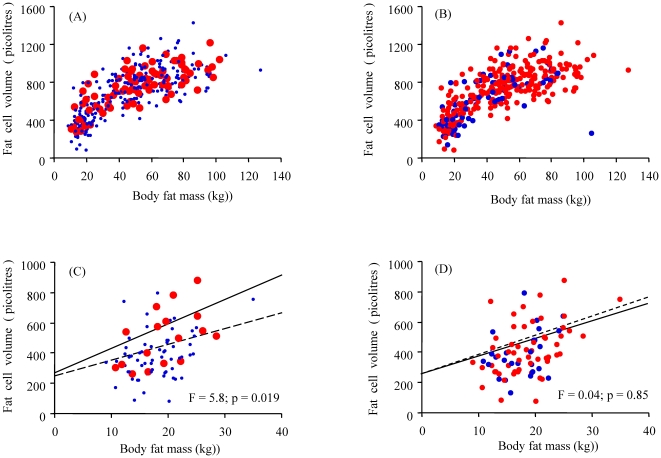
“Individuals with a genetic predisposition for a high BMI showed no evidence of an inappropriate expansion of cell size in relation to amount of body fat measured as delta-value (Table 1).”
ResultInfluentialAdipocyte Turnover: Relevance to Human Adipose Tissue Morphology
Arner, E., Westermark, P. O., Spalding, K. L., Britton, T., Rydén, M., Frisén, J., Bernard, S., & Arner, P. (2010) · Diabetes · doi:10.2337/db09-0942 · Cited by 645
Self-citation
Cited by
Adapting to obesity with adipose tissue inflammation
Reilly, S. M., & Saltiel, A. R. (2017) · Nature Reviews Endocrinology · doi:10.1038/nrendo.2017.90 · Cited by 1,204
The science of obesity management: an endocrine society scientific statement
Bray, G. A., Heisel, W. E., Afshin, A., Jensen, M. D., Dietz, W. H., Long, M., Kushner, R. F., Daniels, S. R., Wadden, T. A., Tsai, A. G., et al. (2018) · Endocrine Reviews · doi:10.1210/er.2017-00253 · Cited by 812
The aetiology and molecular landscape of insulin resistance
James, D. E., Stöckli, J., & Birnbaum, M. J. (2021) · Nature Reviews Molecular Cell Biology · doi:10.1038/s41580-021-00390-6 · Cited by 690
Causes, Characteristics, and Consequences of Metabolically Unhealthy Normal Weight in Humans
Stefan, N., Schick, F., & Häring, H.-U. (2017) · Cell Metabolism · doi:10.1016/j.cmet.2017.07.008 · Cited by 575
The Subtle Balance between Lipolysis and Lipogenesis: A Critical Point in Metabolic Homeostasis
Saponaro, C., Gaggini, M., Carli, F., & Gastaldelli, A. (2015) · Nutrients · doi:10.3390/nu7115475 · Cited by 529
“Non-obese individuals at risk of T2DM are more prone to develop an obese phenotype with dysregulated adipose tissue, hypertrophic enlargement of adipocytes and reduced circulating adiponectin levels and glucose transporter-4 (GLUT4) expression for glucose uptake [89].”
BackgroundSmith, U., & Kahn, B. B. (2016) · Journal of Internal Medicine · doi:10.1111/joim.12540 · Cited by 494
Self-citationImpaired adipogenesis and dysfunctional adipose tissue in human hypertrophic obesity
Hammarstedt, A., Gogg, S., Hedjazifar, S., Nerstedt, A., & Smith, U. (2018) · Physiological Reviews · doi:10.1152/physrev.00034.2017 · Cited by 462
“FDR were shown to have larger waist circumference and disproportionately larger SAT adipocytes for a given BMI compared with matched individuals without known heredity for T2D or having heredity for being overweight and/or obesity (15, 266).”
BackgroundSelf-citationInsulin resistance and impaired adipogenesis
Gustafson, B., Hedjazifar, S., Gogg, S., Hammarstedt, A., & Smith, U. (2015) · Trends in Endocrinology & Metabolism · doi:10.1016/j.tem.2015.01.006 · Cited by 397
Self-citationExtracellular Matrix Remodeling of Adipose Tissue in Obesity and Metabolic Diseases
Ruiz-Ojeda, F. J., Méndez-Gutiérrez, A., Aguilera, C. M., & Plaza-Díaz, J. (2019) · International Journal of Molecular Sciences · doi:10.3390/ijms20194888 · Cited by 301
Abdominal obesity: a marker of ectopic fat accumulation
Smith, U. (2015) · Journal of Clinical Investigation · doi:10.1172/jci81507 · Cited by 298
Self-citationAcosta, J. R., Douagi, I., Andersson, D. P., Bäckdahl, J., Rydén, M., Arner, P., & Laurencikiene, J. (2016) · Diabetologia · doi:10.1007/s00125-015-3810-6 · Cited by 223
“Moreover, non-obese individuals with heredity for type 2 diabetes display WAT hypertrophy and insulin resistance [12].”
BackgroundSelf-citationBMP4 and BMP Antagonists Regulate Human White and Beige Adipogenesis
Gustafson, B., Hammarstedt, A., Hedjazifar, S., Hoffmann, J. M., Svensson, P.-A., Grimsby, J., Rondinone, C., & Smith, U. (2015) · Diabetes · doi:10.2337/db14-1127 · Cited by 214
“Importantly, we have recently shown that adipose cell size in the abdominal SAT is considerably larger in individuals with a genetic predisposition (defined as being a first-degree relative) for T2D than in matched individuals lacking a known heredity for diabetes (5,8).”
Self-citationAdipose tissue and adipocyte dysregulation
Lafontan, M. (2014) · Diabetes & Metabolism · doi:10.1016/j.diabet.2013.08.002 · Cited by 207
“A genetic predisposition for T2D, but not obesity, is assoiated with an impaired ability to recruit new adipose cells to tore excess lipids in subcutaneous AT, thereby also promoting ctopic lipid deposition [42,43].”
BackgroundDalmas, E., Toubal, A., Alzaid, F., Blazek, K., Eames, H. L., Lebozec, K., Pini, M., Hainault, I., Montastier, E., Denis, R. G. P., et al. (2015) · Nature Medicine · doi:10.1038/nm.3829 · Cited by 205
Gustafson, B., Nerstedt, A., & Smith, U. (2019) · Nature Communications · doi:10.1038/s41467-019-10688-x · Cited by 178
Self-citationWISP2 regulates preadipocyte commitment and PPARγ activation by BMP4
Hammarstedt, A., Hedjazifar, S., Jenndahl, L., Gogg, S., Grünberg, J., Gustafson, B., Klimcakova, E., Stich, V., Langin, D., Laakso, M., et al. (2013) · Proceedings of the National Academy of Sciences · doi:10.1073/pnas.1211255110 · Cited by 158
“Intriguingly, we have recently shown that hypertrophic obesity is associated with a genetic predisposition for type-2 diabetes, but not for obesity itself (9, 27, 28), thus providing a mechanism for the well-established association between insulin resistance and heredity for type2 diabetes.”
BackgroundSelf-citationMeyer, L. K., Ciaraldi, T. P., Henry, R. R., Wittgrove, A. C., & Phillips, S. A. (2013) · Adipocyte · doi:10.4161/adip.24953 · Cited by 147
Restricted Adipogenesis in Hypertrophic Obesity
Gustafson, B., Hammarstedt, A., Hedjazifar, S., & Smith, U. (2013) · Diabetes · doi:10.2337/db13-0473 · Cited by 142
“Importantly, FDRs were found to have considerably larger subcutaneous fat cells than either the control group or a similar group of individuals with a family history of overweight/obesity (28).”
BackgroundSelf-citationSubcutaneous adipose cell size and distribution: Relationship to insulin resistance and body fat
McLaughlin, T., Lamendola, C., Coghlan, N., Liu, T. C., Lerner, K., Sherman, A., & Cushman, S. W. (2014) · Obesity · doi:10.1002/oby.20209 · Cited by 137
“More recent clinical studies showed that larger adipose cell size is associated with systemic insulin resistance (17,18), family history of diabetes (19), and future development of type 2 diabetes (20).”
BackgroundGustafson, B., & Smith, U. (2012) · Diabetes · doi:10.2337/db11-1419 · Cited by 138
“Thus, understanding the mechanisms for this, likely genetic, inability is of great importance because the ability to recruit new adipose cells (hyperplastic obesity) is a more benign metabolic state at the same BMI and prevents ectopic lipid accumulation (3).”
BackgroundSelf-citationHenninger, A. M. J., Eliasson, B., Jenndahl, L. E., & Hammarstedt, A. (2014) · PLoS ONE · doi:10.1371/journal.pone.0105262 · Cited by 124
“We have previously shown that genetic predisposition for type 2 diabetes, but not obesity, is associated with inappropriate expansion of the adipose cells for small increases in body fat and that this is associated with reduced insulin sensitivity [11].”
BackgroundSelf-citationTransforming Growth Factor-β3 Regulates Adipocyte Number in Subcutaneous White Adipose Tissue
Petrus, P., Mejhert, N., Corrales, P., Lecoutre, S., Li, Q., Maldonado, E., Kulyté, A., Lopez, Y., Campbell, M., Acosta, J. R., et al. (2018) · Cell Reports · doi:10.1016/j.celrep.2018.09.069 · Cited by 121
Self-citationMurdolo, G., Piroddi, M., Luchetti, F., Tortoioli, C., Canonico, B., Zerbinati, C., Galli, F., & Iuliano, L. (2012) · Biochimie · doi:10.1016/j.biochi.2012.12.014 · Cited by 141
“subjects lacking diabetes heredity [35].”
Hammarstedt, A., Graham, T. E., & Kahn, B. B. (2012) · Diabetology & Metabolic Syndrome · doi:10.1186/1758-5996-4-42 · Cited by 119
“This difference was evident when they were compared to subjects with a genetic predisposition for obesity or to con-trol subjects lacking a known genetic predisposition [23].”
BackgroundSelf-citationMechanisms of obesity-induced metabolic and vascular dysfunctions
Caldwell, R. W. (2019) · Frontiers in bioscience · doi:10.2741/4758 · Cited by 122
“Proceedings of the National Academy of Sciences of the United States of America, 101(47), 16507-16512 (2004) DOI: 10.”
Gustafson, B., & Smith, U. (2015) · Atherosclerosis · doi:10.1016/j.atherosclerosis.2015.04.812 · Cited by 129
“; an “obese” adipose tissue phenotype, is seen in FDR independent of overweight or obesity [11].”
BackgroundSelf-citationCellular senescence and its role in white adipose tissue
Smith, U., Li, Q., Rydén, M., & Spalding, K. L. (2021) · International Journal of Obesity · doi:10.1038/s41366-021-00757-x · Cited by 123
Self-citationVariations in the Size of the Major Omentum Are Primarily Determined by Fat Cell Number
Arner, P., Andersson, D. P., Thörne, A., Wirén, M., Hoffstedt, J., Näslund, E., Thorell, A., & Rydén, M. (2013) · The Journal of Clinical Endocrinology & Metabolism · doi:10.1210/jc.2012-4106 · Cited by 102
Self-citationEarly B Cell Factor 1 Regulates Adipocyte Morphology and Lipolysis in White Adipose Tissue
Gao, H., Mejhert, N., Fretz, J. A., Arner, E., Lorente-Cebrián, S., Ehrlund, A., Dahlman-Wright, K., Gong, X., Strömblad, S., Douagi, I., et al. (2014) · Cell Metabolism · doi:10.1016/j.cmet.2014.03.032 · Cited by 98
“…subjects, a phenotype characterized by fewer but larger fat cells (adipose hypertrophy) correlates closely with C WAT dysfunction and insulin resistance, while a phenotype characterized bymany small adipocytes (adipose hyperplasia) is protective (Arner et al., 2010b, 2011; Hoffstedt et al., 2010).”
BackgroundSelf-citationCederberg, H., Stančáková, A., Kuusisto, J., Laakso, M., & Smith, U. (2014) · Journal of Internal Medicine · doi:10.1111/joim.12289 · Cited by 108
Self-citationInsulin Resistance Modulates Iron-Related Proteins in Adipose Tissue
Moreno‐Navarrete, J. M., Novelle, M. G., Catalán, V., Ortega, F. J., Moreno, M., Gómez‐Ambrosi, J., Xifra, G., Serrano, M., Guerra, E., Ricart, W., et al. (2014) · Diabetes Care · doi:10.2337/dc13-1602 · Cited by 88
Farias, T. D. S. M. D., Cruz, M. M., Sa, R. C. D. C. D., Severi, I., Perugini, J., Senzacqua, M., Cerutti, S. M., Giordano, A., Cinti, S., & Alonso-Vale, M. I. C. (2019) · Frontiers in Endocrinology · doi:10.3389/fendo.2019.00750 · Cited by 74
“In fact, it has been suggested that the damage in the ability to recruit and differentiate new subcutaneous adipose precursor cells is the cause of the hypertrophic obesity (43, 44).”
BackgroundHedjazifar, S., Shahidi, R. K., Hammarstedt, A., Bonnet, L., CHURCH, C. D., Boucher, J., Blüher, M., & Smith, U. (2019) · Diabetes · doi:10.2337/db19-0701 · Cited by 75
Self-citationLongo, M., Raciti, G. A., Zatterale, F., Parrillo, L., Desiderio, A., Spinelli, R., Hammarstedt, A., Hedjazifar, S., Hoffmann, J. M., Nigro, C., et al. (2018) · Diabetologia · doi:10.1007/s00125-017-4471-4 · Cited by 74
“Adipocyte size was measured according to previously described procedures [13, 16].”
BackgroundMethodSelf-citationAndersen, E., Ingerslev, L. R., Fabre, O., Donkin, I., Altıntaş, A., Versteyhe, S., Bisgaard, T., Kristiansen, V. B., Simar, D., & Barrès, R. (2018) · International Journal of Obesity · doi:10.1038/s41366-018-0031-3 · Cited by 74
“Isolation of preadipocytes was performed as described [16].”
MethodHuman white adipose tissue: A highly dynamic metabolic organ
Arner, P., & Rydén, M. (2022) · Journal of Internal Medicine · doi:10.1111/joim.13435 · Cited by 77
Self-citationMurdolo, G., Bartolini, D., Tortoioli, C., Piroddi, M., Iuliano, L., & Galli, F. (2013) · Free Radical Biology and Medicine · doi:10.1016/j.freeradbiomed.2013.08.007 · Cited by 62
Shum, M., Pinard, S., Guimond, M., Labbé, S. M., Roberge, C., Baillargeon, J., Langlois, M., Alterman, M., Wallinder, C., Hallberg, A., et al. (2012) · American Journal of Physiology-Endocrinology and Metabolism · doi:10.1152/ajpendo.00149.2012 · Cited by 62
“In contrast, increasing lipid storage in subcutaneous (SC) adipose tissue may be protective (1, 2, 15, 23, 27, 52, 53).”
BackgroundThe impact of cellular senescence in human adipose tissue
Nerstedt, A., & Smith, U. (2023) · Journal of Cell Communication and Signaling · doi:10.1007/s12079-023-00769-4 · Cited by 63
Self-citationHammarstedt, A., Syed, I., Vijayakumar, A., Eliasson, B., Gogg, S., Kahn, B. B., & Smith, U. (2018) · Scientific Reports · doi:10.1038/s41598-018-34113-3 · Cited by 56
Self-citationQatanani, M., Tan, Y., Dobrin, R., Greenawalt, D. M., Hu, G., Zhao, W., Olefsky, J. M., Sears, D. D., Kaplan, L. M., & Kemp, D. M. (2013) · Diabetes · doi:10.2337/db12-0399 · Cited by 56
“The latter notion was elegantly demonstrated in a recent article that shows that genetic predisposition for type 2 diabetes mellitus, but not obesity, is associated with an impaired ability to recruit new adipose cells to store excess lipids in the subcutaneous adipose tissue, thereby promoting ectopic lipid depositio…”
BackgroundLeft Ventricular Hypertrophy and Obesity: Only a Matter of Fat?
Murdolo, G., Angeli, F., Reboldi, G., Giacomo, L. D., Aita, A., Bartolini, C., & Vedecchia, P. (2014) · High Blood Pressure & Cardiovascular Prevention · doi:10.1007/s40292-014-0068-x · Cited by 65
Necdin Controls Proliferation of White Adipocyte Progenitor Cells
Fujiwara, K., Hasegawa, K., Ohkumo, T., Miyoshi, H., Tseng, Y., & Yoshikawa, K. (2012) · PLoS ONE · doi:10.1371/journal.pone.0030948 · Cited by 58
Obesity and Pregnancy, the Perfect Metabolic Storm
Corrales, P., Vidal-Puig, A., & Medina-Gómez, G. (2021) · European Journal of Clinical Nutrition · doi:10.1038/s41430-021-00914-5 · Cited by 51
“Conversely, when AT proliferative capacity is maintained, its phenotype reflects many small adipocytes (adipose hyperplasia) and a healthy metabolic profile [29, 30].”
BackgroundInsulin sparing action of Adenovirus 36 and its E4orf1 protein
Dhurandhar, N. V. (2012) · Journal of Diabetes and its Complications · doi:10.1016/j.jdiacomp.2012.09.006 · Cited by 49
Schinzari, F., Tesauro, M., & Cardillo, C. (2017) · Journal of Cardiovascular Pharmacology · doi:10.1097/fjc.0000000000000469 · Cited by 48
Antraco, V. J., Hirata, B. K. S., Simão, J. D. J., Cruz, M. M., da Silva, V. S., de Sá, R. D. C. D. C., Abdala, F. M., Armelin‐Correa, L., & Alonso‐Vale, M. I. C. (2021) · Nutrients · doi:10.3390/nu13020622 · Cited by 53
“In agreement, it was demonstrated that subcutaneous adipocyte precursor cells failure to recruit and differentiate is the cause of hypertrophic obesity [34,35].”
BackgroundFano, M. D., Bartolini, D., Tortoioli, C., Vermigli, C., Malara, M., Galli, F., & Murdolo, G. (2022) · International Journal of Molecular Sciences · doi:10.3390/ijms23105511 · Cited by 47
“In line with this, Peter Arner and co-workers showed that total adipocyte number and adipose cell size in the SAT are negatively correlated and, in individuals with hypertrophic fat cells, the formation of new adipocytes is reduced [23,25].”
BackgroundDe Fano, M., Bartolini, D., Tortoioli, C., Vermigli, C., Malara, M., Galli, F., & Murdolo, G. (2022) · doi:10.20944/preprints202204.0011.v1 · Cited by 41
Genetic vulnerability to diabetes and obesity: Does education offset the risk?
Liu, S. Y., Walter, S., Marden, J. R., Rehkopf, D. H., Kubzansky, L. D., Nguyen, T. T., & Glymour, M. M. (2014) · Social Science & Medicine · doi:10.1016/j.socscimed.2014.09.009 · Cited by 50
“Knowledge of the function of genes have allowed prior studies examining main effects to subdivide gene scores based on whether SNPs are related to genes for satiety (Llewellyn et al., 2014), apidogenesis (Arner et al., 2011) or other specific biological pathways.”
BackgroundThe role of interleukin 1β in the anti-adipogenic action of macrophages on human preadipocytes
Gagnon, A., Foster, C. E., Landry, A., & Sorisky, A. (2013) · Journal of Endocrinology · doi:10.1530/joe-12-0565 · Cited by 54
Mango fruit peel and flesh extracts affect adipogenesis in 3T3-L1 cells
Taing, M.-W., Pierson, J.-T., Hoang, V. L. T., Shaw, P. N., Dietzgen, R. G., Gidley, M. J., Roberts-Thomson, S. J., & Monteith, G. R. (2012) · Food & Function · doi:10.1039/c2fo30073g · Cited by 38
Gustafson, B., Nerstedt, A., Spinelli, R., Bèguinot, F., & Smith, U. (2022) · Diabetes · doi:10.2337/db22-0003 · Cited by 43
Self-citationIacobini, C., Vitale, M., Haxhi, J., Menini, S., & Pugliese, G. (2024) · Cells · doi:10.3390/cells13090763 · Cited by 44
“Several studies have shown that adipocyte size is increased in people with obesity [11,27,28] and T2D [29–31], and even in lean individuals with a genetic predisposition to T2D [32,33] but not to obesity [32].”
BackgroundJohn, A. N., & Jiang, F. (2017) · Journal of Diabetes and its Complications · doi:10.1016/j.jdiacomp.2017.12.002 · Cited by 45
Spinelli, R., Florese, P., Parrillo, L., Zatterale, F., Longo, M., D’Esposito, V., Desiderio, A., Nerstedt, A., Gustafson, B., Formisano, P., et al. (2022) · Aging Cell · doi:10.1111/acel.13557 · Cited by 41
Self-citationInterferon-alpha inhibits adipogenesis via regulation of JAK/STAT1 signaling
Lee, K., Um, S. H., Rhee, D. K., & Pyo, S. (2016) · Biochimica et Biophysica Acta (BBA) - General Subjects · doi:10.1016/j.bbagen.2016.07.009 · Cited by 37
IL-1β promotes adipogenesis by directly targeting adipocyte precursors
Hofwimmer, K., Souza, J. D. P., Subramanian, N., Vujičić, M., Rachid, L., Méreau, H., Zhao, C., Dror, E., Barreby, E., Björkström, N. K., et al. (2024) · Nature Communications · doi:10.1038/s41467-024-51938-x · Cited by 37
Cai, X., Hayashi, S., Fang, C., Hao, S., Wang, X., Nishiguchi, S., Tsutsui, H., & Sheng, J. (2017) · Journal of Gastroenterology · doi:10.1007/s00535-017-1332-3 · Cited by 30
“Furthermore, a growing body of evidence suggests that both DNL and adipogenesis in WAT are critical for a healthy response to excessive caloric intake [3, 6, 9, 11, 12].”
BackgroundStafeev, I., Podkuychenko, N. V., Michurina, S. S., Sklyanik, I. A., Сергеевна, П. А., Shestakova, E. A., YAHYAEV, K., Fedenko, V., Ratner, E. I., Vorotnikov, A. V., et al. (2018) · Journal of Diabetes and its Complications · doi:10.1016/j.jdiacomp.2018.10.011 · Cited by 30
Rawshani, A., Eliasson, B., Rawshani, A., Henninger, J., Mardinoğlu, A., Carlsson, Å., Sohlin, M. C., Ljungberg, M., Hammarstedt, A., Rosengren, A., et al. (2020) · Scientific Reports · doi:10.1038/s41598-020-66199-z · Cited by 30
Self-citationAdipocyte biology: It is time to upgrade to a new model
Gijsen, H. S. (2018) · Journal of Cellular Physiology · doi:10.1002/jcp.27266 · Cited by 32
Adeva‐Andany, M. M., Domínguez-Montero, A., Castro-Quintela, E., Funcasta-Calderón, R., & Fernández‐Fernández, C. (2024) · Reviews in Cardiovascular Medicine · doi:10.31083/j.rcm2506231 · Cited by 28
“Subjects with normal weight, glucose tolerance, and fasting triglyceride level, but with a genetic predisposition for T2D (first-degree relatives of T2D patients) demonstrate a profound reduction of GLUT-4 (mRNA and protein) in adipocytes [ 282,289].”
BackgroundCasana, E., Jiménez, V., Sacristan, V., MUÑOZ, S. A., Jambrina, C., Rodó, J., García, M., Mallol, C., León, X., Franckhauser, S., et al. (2020) · International Journal of Obesity · doi:10.1038/s41366-020-00700-6 · Cited by 24
Histone demethylase KDM1A represses inflammatory gene expression in preadipocytes
Hanzu, F. A., Musri, M. M., Sánchez‐Herrero, A., Claret, M., Esteban, Y., Kaliman, P., Gomis, R., & Párrizas, M. (2013) · Obesity · doi:10.1002/oby.20479 · Cited by 25
“Conversely, the presence of a progenitor pool with conserved adipogenic potential is associated with an improved metabolic profile both in humans (5,6) and in animal models of obesity (7).”
BackgroundCutaneous changes in diabetic patients: Primed for aberrant healing?
Chen, V. Y., Siegfried, L. G., Tomic‐Canic, M., Stone, R. C., & Pastar, I. (2023) · Wound Repair and Regeneration · doi:10.1111/wrr.13108 · Cited by 25
Therapeutic potential of antisense oligonucleotides for the management of dyslipidemia
Carpentier, A. C., Labbé, S. M., Grenier–Larouche, T., & Noll, C. (2011) · Clinical Lipidology · doi:10.2217/clp.11.60 · Cited by 26
Kulyté, A., Aman, A., Strawbridge, R. J., Arner, P., & Dahlman, I. A. (2022) · Diabetes · doi:10.2337/db21-0804 · Cited by 21
“Interestingly, genetic predisposition to type 2 diabetes, but not obesity, is associated with impaired ability to produce adipocytes in the subcutaneous depot (12).”
BackgroundSelf-citationParrillo, L., Spinelli, R., Longo, M., Zatterale, F., Santamaria, G., Leone, A., Campitelli, M., Raciti, G. A., & Bèguinot, F. (2023) · Cells · doi:10.3390/cells12162090 · Cited by 24
“make their abdominal SAT similar to those of obese subjects, even if not obese [66].”
BackgroundMoreno‐Navarrete, J. M., Ortega, F. J., Gómez‐Serrano, M., García‐Santos, E., Ricart, W., Tinahones, F. J., Mingrone, G., Peral, B., & Fernández‐Real, J. M. (2013) · PLoS ONE · doi:10.1371/journal.pone.0070810 · Cited by 24
“On the other hand, it is well-known that the gene expression of adipogenic genes (both lipogenic and insulin signaling-related genes) is positively linked to adipose tissue expandability (lipid storage capacity) and to protection from developing obesity-related metabolic disturbances [19–21].”
BackgroundParrillo, L., Spinelli, R., Longo, M., Desiderio, A., Mirra, P., Nigro, C., Fiory, F., Hedjazifar, S., Mutarelli, M., Carissimo, A., et al. (2020) · Epigenomics · doi:10.2217/epi-2019-0267 · Cited by 23
Self-citationFamily history of type 2 diabetes, abdominal adipocyte size and markers of the metabolic syndrome
Anthanont, P., Ramos, P. A., Jensen, M. D., & Hames, K. C. (2017) · International Journal of Obesity · doi:10.1038/ijo.2017.171 · Cited by 19
Dahlman, I. A., Rydén, M., & Arner, P. (2017) · Diabetes & Metabolism · doi:10.1016/j.diabet.2017.10.010 · Cited by 20
Self-citationMirzaeicheshmeh, E., Zerrweck, C., Centeno-Cruz, F., Baca, P., Martínez-Hernández, A. G., Garcia‐Ortíz, H., Contreras-Cubas, C., Salas-Martínez, M. G., Saldaña‐Alvarez, Y., Mendoza‐Caamal, E., et al. (2021) · Adipocyte · doi:10.1080/21623945.2021.1978157 · Cited by 24
“WAT expansion can arise from adipogenesis, where new adipocytes are formed by precursor differentiation (hyperplasia), or from an increase in adipocyte size (hypertrophy) [3,4].”
BackgroundBarilla, S., Liang, N., Mileti, E., Ballaire, R., Lhomme, M., Ponnaiah, M., Lemoine, S., Soprani, A., Gautier, J., Amri, E., et al. (2020) · Molecular Metabolism · doi:10.1016/j.molmet.2020.101066 · Cited by 21
“Normal-weight subjects with a genetic predisposition for type 2 diabetes show improper adipose cell enlargement and develop insulin resistance before obesity [57].”
BackgroundAnnamalai, D., & Clipstone, N. A. (2014) · Journal of Cellular Biochemistry · doi:10.1002/jcb.24785 · Cited by 20
“Indeed, there is now considerable evidence to suggest that the impaired adipogenesis of adipocyte precursors within the adipose tissue of obese individuals may play a causal role in triggering the onset of type-2 diabetes by favoring the development of hypertrophic obesity and its associated pathological consequences…”
BackgroundTODAY — A Stark Glimpse of Tomorrow
Allen, D. B. (2012) · New England Journal of Medicine · doi:10.1056/nejme1204710 · Cited by 19
De Fano, M., Malara, M., Vermigli, C., & Murdolo, G. (2024) · International Journal of Molecular Sciences · doi:10.3390/ijms25168650 · Cited by 17
“It has been shown that nonobese subjects with type 2 diabetes mellitus (T2D) and nondiabetic subjects with a genetic predisposition for T2D (first-degree relatives: FDR) have an unwarranted hypertrophic expansion of subcutaneous adipose tissue (SAT) [10].”
BackgroundResultLongo, M., Zatterale, F., Spinelli, R., Naderi, J., Parrillo, L., Florese, P., Nigro, C., Leone, A., Moccia, A., Desiderio, A., et al. (2023) · Clinical Epigenetics · doi:10.1186/s13148-023-01556-z · Cited by 17
“Following an additional 3-day incubation period, the remaining inflammatory and endothelial cells were eliminated by immune magnetic separation, as previously described [9, 22].”
BackgroundMethodInfluentialSelf-citationGrenier–Larouche, T., Labbé, S. M., Noll, C., Richard, D., & Carpentier, A. C. (2012) · International Journal of Obesity Supplements · doi:10.1038/ijosup.2012.21 · Cited by 20
Eliasson, B., Smith, U., Mullen, S., Cushman, S. W., Sherman, A., & Yang, J. (2014) · Adipocyte · doi:10.4161/adip.34425 · Cited by 19
Self-citationMirra, P., Desiderio, A., Spinelli, R., Nigro, C., Longo, M., Parrillo, L., D’Esposito, V., Carissimo, A., Hedjazifar, S., Smith, U., et al. (2021) · The FASEB Journal · doi:10.1096/fj.202002156rrr · Cited by 20
Self-citationParrillo, L., Spinelli, R., Costanzo, M., Florese, P., Cabaro, S., Desiderio, A., Prevenzano, I., Raciti, G. A., Smith, U., Miele, C., et al. (2022) · Cells · doi:10.3390/cells11040728 · Cited by 17
“First‐degree relatives of Type 2 diabetics (FDR) feature a dysfunctional SAT accompanied by adipocyte hypertrophy and impaired differentiation of the resident preadipocytes (Table S2); a detailed description of this cohort is provided in [3,9].”
BackgroundMethodResultSelf-citationHow obesity affects adipocyte turnover
Han, S. M., Nahmgoong, H., Yim, K. M., & Kim, J. B. (2024) · Trends in Endocrinology and Metabolism · doi:10.1016/j.tem.2024.07.004 · Cited by 17
Madhu, S. V., Mishra, B. K., Mannar, V., Aslam, M., Banerjee, B., & Agrawal, V. (2022) · Frontiers in Endocrinology · doi:10.3389/fendo.2022.973718 · Cited by 17
“It has therefore been suggested that genetic predisposition for T2DM in south Asians is associated with restricted adipogenesis and hypertrophic obesity (59).”
BackgroundLessard, J., & Tchernof, A. (2012) · Clinical Lipidology · doi:10.2217/clp.12.49 · Cited by 23
Tackling the effects of extracellular vesicles in fibrosis
Martín-Taboada, M., Corrales, P., Medina‐Gómez, G., & Vila‐Bedmar, R. (2022) · European Journal of Cell Biology · doi:10.1016/j.ejcb.2022.151221 · Cited by 16
DNA methylation in the pathogenesis of type 2 diabetes
Kaimala, S., Ansari, S. A., & Emerald, B. S. (2022) · Vitamins and hormones · doi:10.1016/bs.vh.2022.11.002 · Cited by 14
Role of long non-coding RNAs in adipose tissue metabolism and associated pathologies
Corral, A., Alcalá, M., Durán-Ruiz, M. C., Arroba, A. I., Ponce‐González, J. G., Todorčević, M., Serra, D., Calderón‐Domínguez, M., & Herrero, L. (2022) · Biochemical Pharmacology · doi:10.1016/j.bcp.2022.115305 · Cited by 14
Lundbäck, V., Kulyté, A., Arner, P., Strawbridge, R. J., & Dahlman, I. A. (2020) · Cells · doi:10.3390/cells9051085 · Cited by 15
“In 12 genetic loci, the allele increasing the risk of T2D was associated with adipose hypertrophy consistent with the finding that this adipose morphology increases the risk for T2D in genetic epidemiological studies [9].”
BackgroundResultSelf-citationMoreno‐Navarrete, J. M., Ortega, F. J., Moreno, M., Xifra, G., Ricart, W., & Fernández‐Real, J. M. (2015) · Molecular and Cellular Endocrinology · doi:10.1016/j.mce.2015.01.042 · Cited by 16
“Adipose tissue dysfunction is defined as an impaired capacity for triglyceride storage, with resultant increased lipolysis, mitochondrial dysfunction, oxidative and endoplasmic reticulum stress and systemic inflammation (Arner et al., 2011; Gregor et al., 2009; Kim et al., 2007; Klöting et al., 2010; Virtue and Vidal-…”
InfluentialThe contribution of bone marrow-derived cells to the human adipocyte pool
Arner, P., & Rydén, M. (2017) · Adipocyte · doi:10.1080/21623945.2017.1306158 · Cited by 14
Self-citationSkin manifestations in diabetes—what is new?
Dorf, N., & Maciejczyk, M. (2025) · Frontiers in Medicine · doi:10.3389/fmed.2025.1640144 · Cited by 17
The impact of high altitude (hypobaric hypoxia) on insulin resistance in humans
Adeva‐Andany, M. M., Adeva-Contreras, L., Carneiro-Freire, N., Ameneiros-Rodríguez, E., Vila-Altesor, M., & Calvo‐Castro, I. (2025) · Journal of Physiology and Biochemistry · doi:10.1007/s13105-025-01069-8 · Cited by 16
Oluwagbemi, O. O., Oluwagbemi, F., & Ughamadu, C. (2016) · Informatics in Medicine Unlocked · doi:10.1016/j.imu.2016.03.001 · Cited by 15
Sakamaki, K., Maejima, Y., Tokita, Y., Masamura, Y., Kumamoto, K., Akuzawa, M., Nagano, N., Nakajima, K., Shimomura, K., Takenoshita, S., et al. (2016) · Internal Medicine · doi:10.2169/internalmedicine.55.6088 · Cited by 13
“Importantly, a recent report has shown that individuals with a genetic predisposition for type 2 diabetes demonstrated an impaired ability for recruiting new adipose cells for subcutaneous adipose tissue (32).”
BackgroundWhite adipose tissue in type 2 diabetes and the effect of antidiabetic drugs
Zhao, Y., & Yue, R. (2025) · Diabetology & Metabolic Syndrome · doi:10.1186/s13098-025-01678-9 · Cited by 15
“Genetic susceptibility to T2D is associated with adipocyte hypertrophy caused by impaired adipocyte differentiation in SAT [50].”
Novel aspects on the role of white adipose tissue in type 2 diabetes
Mejhert, N., & Rydén, M. (2020) · Current Opinion in Pharmacology · doi:10.1016/j.coph.2020.09.008 · Cited by 14
Meza, C. A., Amador, M., McAinch, A. J., Begum, K., Roy, S., & Bajpeyi, S. (2022) · European Journal of Applied Physiology · doi:10.1007/s00421-022-04886-7 · Cited by 14
“2005), adipose tissue dysfunction (Arner et al. 2011), as well as an increased susceptibility to obesity (Cederberg et al.”
BackgroundSkårn, S. N., Eggesbø, H. B., Flaa, A., Kjeldsen, S. E., Rostrup, M., Brunborg, C., Reims, H. M., & Aksnes, T. A. (2015) · European Journal of Internal Medicine · doi:10.1016/j.ejim.2015.11.027 · Cited by 13
“This is also in linewith previous reports [49].”
Result
Metadata
- Authors
- Arner, P., Arner, E., Hammarstedt, A., & Smith, U.
- Affiliations
- Karolinska Institutet (SE)
- University of Gothenburg (SE)
- Corresponding author
- Smith, Ulf
- Venue
- PLoS ONE
- Publisher
- Public Library of Science (PLoS)
- Published
- 2011-04-12
- Volume
- 6
- Issue
- 4
- Pages
- e18284
- ISSN
- 1932-6203 (ISSN-L)
- PMC
- PMC3075240
- OpenAlex
- W2013246050
- Cited by
- 146
- References
- 23
- Citations by year
- 2026: 2 · 2025: 11 · 2024: 8 · 2023: 5 · 2022: 17 · 2021: 8 · 2020: 7 · 2019: 5 · 2018: 8 · 2017: 14 · 2016: 6 · 2015: 16 · 2014: 10 · 2013: 14 · 2012: 13
- FWCI
- 9.40
- Type
- journal article
- Language
- en
- Open access
- gold
- doi.org
- Locations
- PLoS ONE (publishedVersion, cc-by)
- Europe PMC (PubMed Central) (publishedVersion, cc-by)
- PubMed Central (publishedVersion, cc-by)
- PubMed (publishedVersion)
- DOAJ (DOAJ: Directory of Open Access Journals) (submittedVersion, cc-by-sa)
- Funders
- Karolinska Institutet
- Novo Nordisk
- Vetenskapsrådet
- Novo Nordisk Fonden
- Topics
- Health Sciences › Medicine › Endocrinology, Diabetes and Metabolism › Adipokines, Inflammation, and Metabolic Diseases
- Health Sciences › Medicine › Physiology (medical) › Adipose Tissue and Metabolism
- Health Sciences › Medicine › Endocrinology, Diabetes and Metabolism › Diabetes, Cardiovascular Risks, and Lipoproteins
- Keywords
- type 2 diabetes, genetic susceptibility, obesity, adipogenesis, insulin sensitivity, subcutaneous abdominal fat, ectopic fat deposition, dysmetabolic syndrome, atherosclerosis risk, caloric excess
- MeSH terms
- Adipose Tissue, Diabetes Mellitus, Type 2, Humans, Obesity, Genetic Predisposition to Disease, Overweight
About these checks
Registry, retraction, Cites and statistics results are computed, not judged, with one exception: a printed reference that no index lists is read once by a model before it counts as a citation error. Claims are extracted by a model and kept only when their quote appears verbatim in the text; each cited source is then checked, with a model’s help, for whether it says what the claim relies on. Those verdicts can be wrong — read the claim’s quote and the cited source before relying on one.
Statistics and arithmetic are recomputed, not judged.
Confidence bands are shown only for fields calibrated on our annotated test set. None is calibrated yet, so no band is shown.
What counts as a claim ›How we measure confidence ›How we check this ›
Are you an author, or do you see a problem with this page? Request a review
Data sources
Bibliographic data: Semantic Scholar, OpenAlex, Crossref.
Contains information from the Semantic Scholar Academic Graph Datasets, made available under the ODC Attribution License (ODC-BY 1.0).
Semantic Scholar’s data is described in: Kinney, R., et al. (2023). The Semantic Scholar Open Data Platform. arXiv:2301.10140.
