

Var2CSA Minimal CSA Binding Region Is Located within the N-Terminal Region
Open accessThe DOI matches its Crossref record; 45 of the 45 references it cites were found in a registry or an index.
Abstract
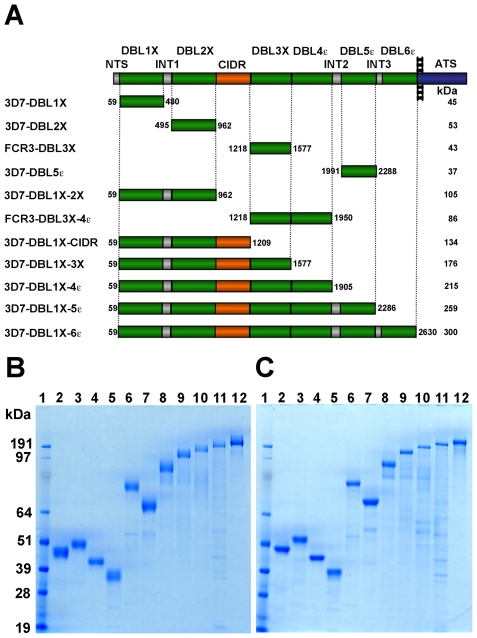
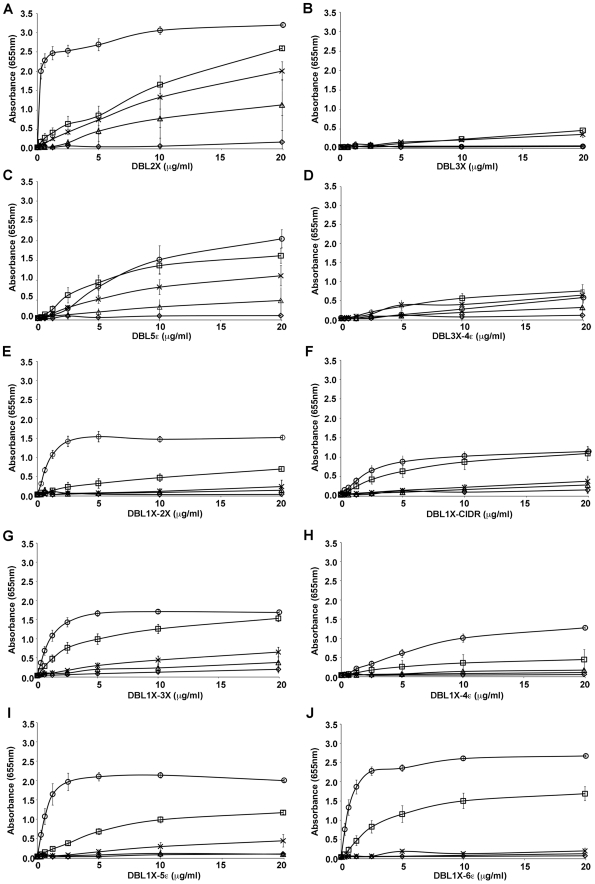
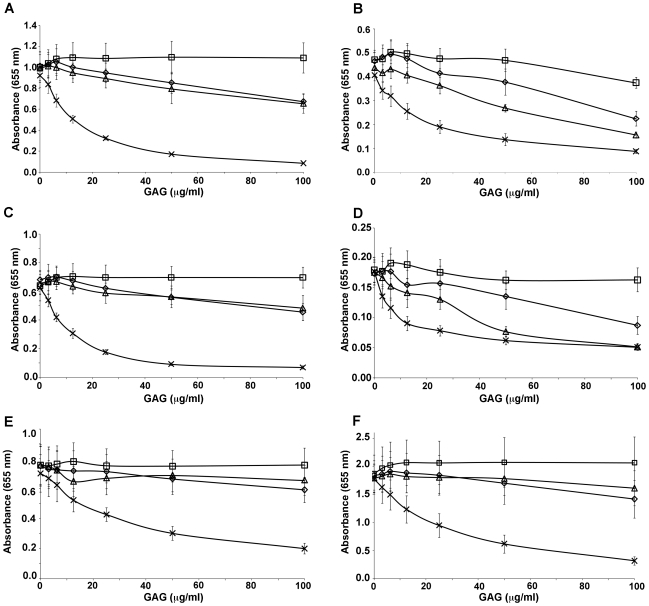
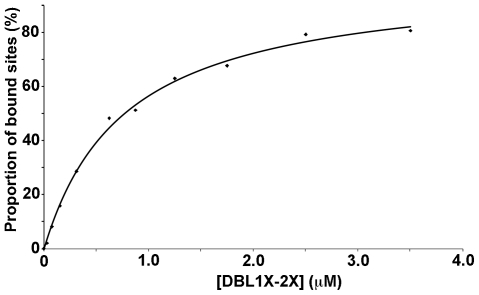
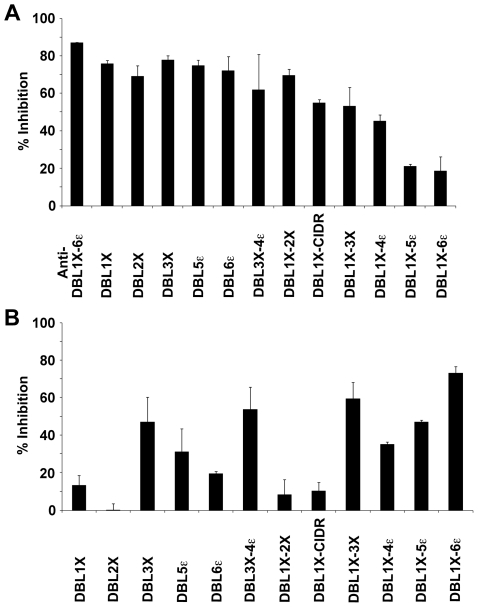
Var2CSA, a key molecule linked with pregnancy-associated malaria (PAM), causes sequestration of Plasmodium falciparum infected erythrocytes (PEs) in the placenta by adhesion to chondroitin sulfate A (CSA). Var2CSA possesses a 300 kDa extracellular region composed of six Duffy-binding like (DBL) domains and a cysteine-rich interdomain region (CIDRpam) module. Although initial studies implicated several individual var2CSA DBL domains as important for adhesion of PEs to CSA, new studies revealed that these individual domains lack both the affinity and specificity displayed by the full-length extracellular region. Indeed, recent evidence suggests the presence of a single CSA-binding site formed by a higher-order domain organization rather than several independent binding sites located on the different domains. Here, we search for the minimal binding region within var2CSA that maintains high affinity and specificity for CSA binding, a characteristic feature of the full-length extracellular region. Accordingly, truncated recombinant var2CSA proteins comprising different domain combinations were expressed and their binding characteristics assessed against different sulfated glycosaminoglycans (GAGs). Our results indicate that the smallest region within var2CSA with similar binding properties to those of the full-length var2CSA is DBL1X-3X. We also demonstrate that inhibitory antibodies raised in rabbit against the full-length DBL1X-6ε target principally DBL3X and, to a lesser extent, DBL5ε. Taken together, our results indicate that efforts should focus on the DBL1X-3X region for developing vaccine and therapeutic strategies aimed at combating PAM.
Overview
The claims and statistics of this paper haven’t been checked yet.
Free: it reads the open-access text and checks the first 5 claims that cite a source we can check. Create a free account to check every claim.
Integrity signals
Registry
Cites
Statistics
Figures
Verification
Claims the paper makes
The claims and statistics of this paper haven’t been checked yet.
Free: it reads the open-access text and checks the first 5 claims that cite a source we can check. Create a free account to check every claim.
Claims other papers make about this one
Each is checked against this paper’s own text: does it say what the citing paper says it does?
The cited source doesn’t support the claim as written.
In the citing paper
“recombinant multi-domain DBL1–ID1–DBL2 fragment bound CSA with similar kinetics as the full length protein in one study [25], but did not bind CSA in another study [26]”
From Designing a VAR2CSA-based vaccine to prevent placental malaria (2015) · cites this paper as [25]
Checked by a reasoning model — may be wrong.
Experimental — accuracy not yet measuredThe source backs part of the claim, not all of it — or backs it for a different population, condition or comparison.
In the citing paper
“Kinetic analysis showed that single domains DBL2, DBL3 and DBL6 bind CSA with affinity in the micromolar range [24,25].”
From Designing a VAR2CSA-based vaccine to prevent placental malaria (2015) · cites this paper as [25]
Experimental — accuracy not yet measured
Self-check
Percentages, sums and reported differences re-computed from the paper’s own numbers.
The self-check needs the paper’s full text.
Citations
Cites
Su, X.-Z., Heatwole, V. M., Wertheimer, S. P., Guinet, F., Herrfeldt, J. A., Peterson, D. S., Ravetch, J. A., & Wellems, T. E. (1995) · Cell · doi:10.1016/0092-8674(95)90055-1 · Cited by 1,219
Adherence of Plasmodium falciparum to Chondroitin Sulfate A in the Human Placenta
Fried, M., & Duffy, P. E. (1996) · Science · doi:10.1126/science.272.5267.1502 · Cited by 1,108 · cited 14×
“The amount of immobilized CSPG corresponded to 240 response units (RU).”
BackgroundInfluentialDurocher, Y. (2002) · Nucleic Acids Research · doi:10.1093/nar/30.2.e9 · Cited by 1,037 · cited 1×
“Synthetic var2csa genes for 3D7-DBL1X-3X (residues 59–1577) and 3D7-DBL4e-6e (residues 1578–2630) (accession PFL0030c) were designed with optimized codons for human cell expression, as previously described [34], and were cloned into the pTT3 vector [36].”
MethodBaruch, D. I., Pasloske, B. L., Singh, H. B., Bi, X., Ma, X. C., Feldman, M., Taraschi, T. F., & Howard, R. J. (1995) · Cell · doi:10.1016/0092-8674(95)90054-3 · Cited by 1,030 · cited 1×
“Several lines of evidence support var2CSA, a member of the Plasmodium falciparum Erythrocyte Membrane Protein 1 (PfEMP1) adhesins encoded by the var gene family [6,7,8], as the leading PAM vaccine candidate.”
BackgroundSmith, J. D., Chitnis, C. E., Craig, A. G., Roberts, D. J., Hudson-Taylor, D. E., Peterson, D. S., Pinches, R., Newbold, C. I., & Miller, L. H. (1995) · Cell · doi:10.1016/0092-8674(95)90056-x · Cited by 1,005 · cited 1×
“Several lines of evidence support var2CSA, a member of the Plasmodium falciparum Erythrocyte Membrane Protein 1 (PfEMP1) adhesins encoded by the var gene family [6,7,8], as the leading PAM vaccine candidate.”
BackgroundSalanti, A., Staalsoe, T., Lavstsen, T., Jensen, A. T. R., Sowa, M. P. K., Arnot, D. E., Hviid, L., & Theander, T. G. (2003) · Molecular Microbiology · doi:10.1046/j.1365-2958.2003.03570.x · Cited by 702
Maternal antibodies block malaria
Fried, M., Nosten, F., Brockman, A., Brabin, B. J., & Duffy, P. E. (1998) · Nature · doi:10.1038/27570 · Cited by 659
Evidence for the Involvement of VAR2CSA in Pregnancy-associated Malaria
Salanti, A., Dahlbäck, M., Turner, L., Nielsen, M. A., Barfod, L., Magistrado, P., Jensen, A. T. R., Lavstsen, T., Ofori, M. F., Marsh, K., et al. (2004) · The Journal of Experimental Medicine · doi:10.1084/jem.20041579 · Cited by 604 · cited 1×
“protection against malaria during pregnancy [11,18,19,20].”
The Sick Placenta—The Role of Malaria
Brabin, B. J., Romagosa, C., Abdelgalil, S., Menéndez, C., Verhoeff, F. H., McGready, R., Fletcher, K. A., Owens, S., d'Alessandro, U., Nosten, F., et al. (2004) · Placenta · doi:10.1016/j.placenta.2003.10.019 · Cited by 375 · cited 2×
“Pregnancy-associated malaria is the consequence of Plasmodium falciparum PE sequestration in the intervillous space of placenta [1] Figure 4.”
BackgroundPlasmodium falciparum Erythrocyte Membrane Protein 1 Diversity in Seven Genomes – Divide and Conquer
Rask, T. S., Hansen, D. A., Theander, T. G., Gorm Pedersen, A., & Lavstsen, T. (2010) · PLoS Computational Biology · doi:10.1371/journal.pcbi.1000933 · Cited by 372
Cited by
Smith, J. D., Rowe, J. A., Higgins, M. K., & Lavstsen, T. (2013) · Cellular Microbiology · doi:10.1111/cmi.12183 · Cited by 225
“However, specific adhesion traits, such as CSA binding, appear to involve a combination of domains (Srivastava et al., 2011; Clausen et al., 2012).”
New insights into malaria pathogenesis
Moxon, C. A., Gibbins, M. P., McGuinness, D., Milner, D. A., & Marti, M. (2020) · Annual Review of Pathology: Mechanisms of Disease · doi:10.1146/annurev-pathmechdis-012419-032640 · Cited by 207
“Initial binding studies demonstrated that individual DBL domains can bind to CSA, in particular the DBL3x domain (148), but only the entire extracellular region of VAR2CSA was capable of reproducing the binding properties of iRBCs (149).”
BackgroundClausen, T. M., Christoffersen, S., Dahlbäck, M., Langkilde, A. E., Jensen, K. E., Resende, M., Agerbæk, M. Ø., Andersen, D., Berisha, B., Ditlev, S. B., et al. (2012) · Journal of Biological Chemistry · doi:10.1074/jbc.m112.348839 · Cited by 173
“(20) showed CSA binding for a DBL1X-DBL2X fragment using a DBL2X C-terminal border incorporating 93 amino acids of what we call ID2a.”
BackgroundInfluentialChan, J.-A., Fowkes, F. J. I., & Beeson, J. G. (2014) · Cellular and Molecular Life Sciences · doi:10.1007/s00018-014-1614-3 · Cited by 168
“The binding site of CSA in pregnancy-associated parasites lies within the DBL1-DBL3 domain of PfeMP1 [141].”
Background(2015) · Advances in Parasitology · doi:10.1016/bs.apar.2015.02.004 · Cited by 162
Protective Antibodies against Placental Malaria and Poor Outcomes during Pregnancy, Benin
Ndam, N. T., Denoeud-Ndam, L., Doritchamou, J., Viwami, F., Salanti, A., Nielsen, M. A., Fievet, N., Massougbodji, A., Luty, A. J. F., & Deloron, P. (2015) · Emerging Infectious Diseases · doi:10.3201/eid2105.141626 · Cited by 98
“5, May 2015 role of the VAR2CSA N-terminal region that contains the minimal CSA binding site (20,21,35,36).”
Production of Disulfide‐Bonded Proteins in Escherichia coli
Ke, N., & Berkmen, M. (2014) · Current Protocols in Molecular Biology · doi:10.1002/0471142727.mb1601bs108 · Cited by 98
“…Biology Supplement 108 Herpes virus membrane glycoprotein 2 1-2 Tait and Straus (2011) Pregnancy-associated malaria component (Var2CSA) 11 0.1-20 Srivastava et al. (2011) Gaussia luciferase (Gluc) 10 2 Tzertzinis et al. (2012) Camelid nanobody (VHH) 2 1-10 periplasm, 100 SHuffle Habib et al.…”
InfluentialDesigning a VAR2CSA-based vaccine to prevent placental malaria
Fried, M., & Duffy, P. E. (2015) · Vaccine · doi:10.1016/j.vaccine.2015.10.011 · Cited by 86
“In comparison, recombinant multi-domain DBL1–ID1–DBL2 fragment bound CSA with similar kinetics as the full length protein in one study [25], but did not bind CSA in another study [26].”
BackgroundMethodCutts, J. C., Agius, P. A., Lin, Z., Powell, R., Moore, K. A., Draper, B. L., Simpson, J. A., & Fowkes, F. J. I. (2020) · BMC Medicine · doi:10.1186/s12916-019-1467-6 · Cited by 103
Structural basis for placental malaria mediated by Plasmodium falciparum VAR2CSA.
Ma, R., Lian, T., Huang, R., Renn, J. P., Petersen, J. D., Zimmerberg, J., Duffy, P. E., & Tolia, N. H. (2021) · Nature Microbiology · doi:10.1038/s41564-020-00858-9 · Cited by 72
Larsen, M. D., Lopez-Perez, M., Dickson, E. K., Ampomah, P., Ndam, N. T., Nouta, J., Koeleman, C. A. M., Ederveen, A. L. H., Mordmüller, B. G., Salanti, A., et al. (2021) · Nature Communications · doi:10.1038/s41467-021-26118-w · Cited by 67
Use of the SHuffle strains in production of proteins
Ren, G., Ke, N., & Berkmen, M. (2016) · Current Protocols in Protein Science · doi:10.1002/cpps.11 · Cited by 60
“…of Recombinant Proteins 5.26.5 Current Protocols in Protein Science Supplement 85 Pregnancy Associated Malaria component (Var2CSA) 11 0.1-20 Srivastava et al. (2011) VEGF 6 - Knapp et al. (2012) Gluc 10 2 Tzertzinis et al. (2012) VHH (nanobody) 2 1-10 periplasm Habib et al. (2013) 100…”
InfluentialWang, K., Dagil, R., Lavstsen, T., Misra, S. K., Spliid, C. B., Wang, Y., Gustavsson, T., Sandoval, D. R., Vidal-Calvo, E. E., Choudhary, S., et al. (2021) · Nature Communications · doi:10.1038/s41467-021-23254-1 · Cited by 52
Rieger, H., Yoshikawa, H., Quadt, K. A., Nielsen, M. A., Sanchez, C. P., Salanti, A., Tanaka, M., & Lanzer, M. (2014) · Blood · doi:10.1182/blood-2014-03-561019 · Cited by 54
Progress and Insights Toward an Effective Placental Malaria Vaccine
Gamain, B., Chêne, A., Viebig, N. K., Ndam, N. T., & Nielsen, M. A. (2021) · Frontiers in Immunology · doi:10.3389/fimmu.2021.634508 · Cited by 46
“While for the 3D7 variant, a more specific binding to CSA was observed using the DBL1x-DBL3x multidomain protein (64), the DBL1x and DBL3x domains did not appear as essential for high affinity CSA binding for the FCR3 variant (65).”
BackgroundSelf-citationHabib, I., Smolarek, D., Hattab, C., Grodecka, M., Hassanzadeh‐Ghassabeh, G., Muyldermans, S., Sagan, S., Gutiérrez, C., Laperche, S., Kim, C. L. V., et al. (2013) · Analytical Biochemistry · doi:10.1016/j.ab.2013.03.020 · Cited by 39
“We also produced Plasmodium falciparum proteins that are notoriously difficult to express because of their numerous disulfide bonds [28].”
BackgroundSelf-citationClinical development of placental malaria vaccines and immunoassays harmonization: a workshop report
Chêne, A., Houard, S., Nielsen, M. A., Hundt, S., D’Alessio, F., Sirima, S. B., Luty, A. J. F., Duffy, P., Leroy, O., Gamain, B., et al. (2016) · Malaria Journal · doi:10.1186/s12936-016-1527-8 · Cited by 39
“Recent studies have shown that a single CSA-binding site is formed by a higher-order domain organization involving multiple VAR2CSA domains [16, 17] and that the N-terminal region plays a major role in CSA adhesion [18, 19], with the minimal binding domain located in ID1-DBL2ID2 [19].”
BackgroundSelf-citationBordbar, B., Ndam, N. T., Bigey, P., Doritchamou, J., Scherman, D., & Deloron, P. (2012) · Vaccine · doi:10.1016/j.vaccine.2011.12.065 · Cited by 43
Chêne, A., Gangnard, S., Dechavanne, C., Dechavanne, S., Srivastava, A., Tétard, M., Hundt, S., Leroy, O., Havelange, N., Viebig, N. K., et al. (2018) · npj Vaccines · doi:10.1038/s41541-018-0064-6 · Cited by 36
Self-citationThe case for PfEMP1-based vaccines to protect pregnant women against Plasmodium falciparum malaria
Hviid, L. (2011) · Expert Review of Vaccines · doi:10.1586/erv.11.113 · Cited by 34
Utilizing nanobody technology to target non-immunodominant domains of VAR2CSA
Ditlev, S. B., Florea, R., Nielsen, M. A., Theander, T. G., Magez, S., Boeuf, P., & Salanti, A. (2014) · PLoS ONE · doi:10.1371/journal.pone.0084981 · Cited by 31
Dechavanne, S., Srivastava, A., Gangnard, S., Nunes-Silva, S., Dechavanne, C., Fievet, N., Deloron, P., Chêne, A., & Gamain, B. (2015) · Infection and Immunity · doi:10.1128/iai.03116-14 · Cited by 31
“The demonstration that the CSA-binding properties of the DBL1X to DBL3X (DBL1X-3X) region of the VAR2CSA protein are similar to those of the full-length protein DBL1X to DBL6ε (DBL1X-6ε) led us to consider DBL1X-3X a PAM vaccine candidate equally as potent as DBL1X-6ε in generating adhesion-blocking antibodies (17).”
BackgroundMethodInfluentialSelf-citationFried, M., Kurtis, J. D., Swihart, B., Morrison, R., Pond-Tor, S., Barry, A., Sidibe, Y., Keita, S., Mahamar, A., Andemel, N., et al. (2018) · Malaria Journal · doi:10.1186/s12936-018-2258-9 · Cited by 30
“These fragments were selected for placental malaria vaccine (PMV) development based on their binding affinity to CSA [33, 34].”
Preclinical immunogenicity and safety of the cGMP-grade placental malaria vaccine PRIMVAC
Chêne, A., Gangnard, S., Guadall, A., Ginisty, H., Leroy, O. Y., Havelange, N., Viebig, N. K., & Gamain, B. (2019) · EBioMedicine · doi:10.1016/j.ebiom.2019.03.010 · Cited by 36
“VAR2CSA is a highmolecular weight protein with a 300 kDa extracellular region, organized in 6 Duffy-binding like (DBL) domains and a cystein-rich interdomain region (CIDR) also termed inter-domain 1 (ID1), the N-terminal region ID1-DBL2-ID2 forming the minimal CSA-binding domain [18,19].”
BackgroundSelf-citationDoritchamou, J., Bigey, P., Nielsen, M. A., Gnidehou, S., Ezinmegnon, S., Burgain, A., Massougbodji, A., Deloron, P., Salanti, A., & Ndam, N. T. (2013) · Vaccine · doi:10.1016/j.vaccine.2013.07.072 · Cited by 29
Tomlinson, A., Semblat, J., Gamain, B., & Chêne, A. (2021) · Frontiers in Immunology · doi:10.3389/fimmu.2020.624126 · Cited by 40
Self-citationChesnokov, O., Merritt, J., Tcherniuk, S. O., Milman, N., & Oleinikov, A. V. (2018) · Scientific Reports · doi:10.1038/s41598-018-36071-2 · Cited by 27
Molecular Principles of Intrauterine Growth Restriction in Plasmodium Falciparum Infection
Seitz, J., Prieto, D. M. M., Fávaro, R. R., Schneider, H., & Markert, U. R. (2019) · Frontiers in Endocrinology · doi:10.3389/fendo.2019.00098 · Cited by 37
“While concentrations of the entire protein in the nanomolar range are sufficient to bind >50% of CSA, micromolar concentrations are necessary for individual domains (191, 219, 220).”
BackgroundInfluentialBabakhanyan, A., Leke, R. G. F., Salanti, A., Bobbili, N., Gwanmesia, P., Leke, R. J. I., Quakyi, I. A., Chen, J. J., & Taylor, D. W. (2014) · PLoS ONE · doi:10.1371/journal.pone.0088173 · Cited by 26
“Since VAR2CSA is a large molecule, studies identifying the minimal sequence that binds to CSA were highly important [20,21,33].”
BackgroundSpliid, C. B., Toledo, A. G., Sanderson, P., Mao, Y., Gatto, F., Gustavsson, T., Choudhary, S., Saldanha, A., Vogelsang, R. P., Gögenür, I., et al. (2021) · Journal of Biological Chemistry · doi:10.1016/j.jbc.2021.101391 · Cited by 28
“This assay utilized a recombinant fragment containing the minimal CS binding region in VAR2CSA, ID1ID2a, which has been previously described to maintain the CS binding specificity of full-length VAR2CSA (17, 18).”
MethodGangnard, S., Lewit-Bentley, A., Dechavanne, S., Srivastava, A., Amirat, F., Bentley, G. A., & Gamain, B. (2015) · Scientific Reports · doi:10.1038/srep14868 · Cited by 25
Self-citationLopez-Perez, M., Larsen, M. D., Bayarri-Olmos, R., Ampomah, P., Stevenson, L., Arévalo-Herrera, M., Herrera, S., & Hviid, L. (2018) · Infection and Immunity · doi:10.1128/iai.00136-18 · Cited by 24
Bordbar, B., Ndam, N. T., Renard, E., Jafari‐Guemouri, S., Tavul, L., Jennison, C., Gnidehou, S., Tahar, R., Gamboa, D., Bendezú, J., et al. (2014) · Infection Genetics and Evolution · doi:10.1016/j.meegid.2014.04.010 · Cited by 26
“After the first studies seeking such a small VAR2CSA antigen to be included in a pregnancy malaria vaccine, the high-affinity CSAbinding site within the DBL1X-3X segment of VAR2CSA has been rapidly identified, and it was established that research efforts on vaccine development should focus on the N-terminal region of…”
BackgroundPre-clinical and clinical development of the first placental malaria vaccine
Pehrson, C., Salanti, A., Theander, T. G., & Nielsen, M. A. (2017) · Expert Review of Vaccines · doi:10.1080/14760584.2017.1322512 · Cited by 34
“Further work comparing binding affinities of recombinant full-length VAR2CSA with truncated versions identified the CSA-binding region to the N-terminal part of VAR2CSA [87,88].”
BackgroundDoritchamou, J. Y., Renn, J. P., Jenkins, B., Mahamar, A., Dicko, A., Fried, M., & Duffy, P. E. (2022) · eLife · doi:10.7554/elife.76264 · Cited by 23
“…2011; Clausen et al., 2012; Ma et al., 2021) and induce functional antibodies in animals (Magistrado et al., 2011; Bigey et al., 2011; Obiakor et al., 2013; Fried et al., 2013; Doritchamou et al., 2013; Clausen et al., 2012; Srivastava et al., 2011; Nielsen and Salanti, 2015; Chêne et al., 2018).”
BackgroundAntigen Reversal Identifies Targets of Opsonizing IgGs against Pregnancy-Associated Malaria
Lambert, L. H., Bullock, J. L., Cook, S. T., Miura, K., Garboczi, D. N., Diakité, M., Fairhurst, R. M., Singh, K., & Long, C. A. (2014) · Infection and Immunity · doi:10.1128/iai.02097-14 · Cited by 27
Doritchamou, J., Teo, A., Morrison, R., Arora, G., Kwan, J., Manzella‐Lapeira, J., Medina, S., Langhorne, J., Hviid, L., Narum, D. L., et al. (2019) · Infection and Immunity · doi:10.1128/iai.00865-18 · Cited by 24
Obiakor, H., Avril, M., MacDonald, N. J., Srinivasan, P., Reiter, K., Anderson, C., Holmes, K. L., Fried, M., Duffy, P. E., Smith, J. D., et al. (2013) · Clinical and Vaccine Immunology · doi:10.1128/cvi.00638-12 · Cited by 22
Dorin, D., Tétard, M., Claës, A., Semblat, J., Dechavanne, S., Fourati, Z., Hamelin, R., Armand, F., Matesic, G., Nunes-Silva, S., et al. (2019) · PLoS Biology · doi:10.1371/journal.pbio.3000308 · Cited by 24
Self-citationZhang, P., Wu, Z., Zhang, W.-B., He, Y., Chen, K., Wang, T., Li, H., Zheng, H., Li, D., Yang, D.-W., et al. (2023) · Nature Communications · doi:10.1038/s41467-023-36374-7 · Cited by 24
Fodjo, B. A. Y., Atemnkeng, N., Esemu, L. F., Yuosembom, E. K., Quakyi, I. A., Tchinda, V. H. M., Smith, J. D., Salanti, A., Bigoga, J. D., Taylor, D. W., et al. (2016) · Malaria Journal · doi:10.1186/s12936-016-1585-y · Cited by 19
“Recently, the minimal sequence of VAR2CSA required for binding to CSA, ID1–ID2a, which spans DBL2 was identified [21, 22].”
BackgroundProgress and new horizons toward a VAR2CSA-based placental malaria vaccine
Doritchamou, J., Suurbaar, J., & Ndam, N. T. (2021) · Expert Review of Vaccines · doi:10.1080/14760584.2021.1878029 · Cited by 21
“fragment of VAR2CSA have become more attractive as this region contains the CSA-binding pocket having shown a CSA affinity similar to that of full-length extracellular VAR2CSA [81,86,87].”
BackgroundDavies, H., Belda, H., Broncel, M., Dalimot, J., & Treeck, M. (2023) · eLife · doi:10.7554/elife.86367 · Cited by 17
Wang, W., Wang, Z., Yang, X., Gao, Y., Zhang, X., Wang, W., Zhao, L., zhang, J., Jing, Q., Xu, Q., et al. (2021) · Cell Discovery · doi:10.1038/s41421-021-00324-8 · Cited by 20
Davies, H., Belda, H., Broncel, M., Dalimot, J., & Treeck, M. (2023) · doi:10.1101/2023.02.02.526785 · Cited by 17
Nunes-Silva, S., Gangnard, S., Vidal, M., Vuchelen, A., Dechavanne, S., Chan, S., Pardon, E., Steyaert, J., Ramboarina, S., Chêne, A., et al. (2014) · Scientific Reports · doi:10.1038/srep07373 · Cited by 15
Self-citationBeaudet, J. M., Mansur, L., Joo, E. J., Kamhi, E., Yang, B., Clausen, T. M., Salanti, A., Zhang, F., & Linhardt, R. J. (2013) · Glycoconjugate Journal · doi:10.1007/s10719-013-9506-6 · Cited by 18
“The minimal chondroitin sulfate-A binding region in VAR2CSA is the ID1-DBL2x region of the protein with an additional 93 amino acids on the Cterminus [13, 20, 21].”
Bewley, M. C., Gautam, L., Jagadeeshaprasad, M. G., Gowda, D. C., & Flanagan, J. M. (2020) · Journal of Biological Chemistry · doi:10.1074/jbc.ra120.014676 · Cited by 15
VAR2CSA Signatures of High Plasmodium falciparum Parasitemia in the Placenta
Rovira-Vallbona, E., Monteiro, I. F., Bardají, A., Serra‐Casas, E., Neafsey, D. E., Quelhas, D., Valim, C., Alonso, P. L., Dobaño, C., Ordï, J., et al. (2013) · PLoS ONE · doi:10.1371/journal.pone.0069753 · Cited by 16
Travassos, M. A., Coulibaly, D. M., Bailey, J. A., Niangaly, A., Adams, M., Nyunt, M. M., Ouattara, A., Lyke, K. E., Laurens, M. B., Pablo, J. V., et al. (2015) · American Journal of Tropical Medicine and Hygiene · doi:10.4269/ajtmh.14-0524 · Cited by 16
Talundzic, E., Shah, S., Fawole, O., Owino, S. O., Moore, J. M., & Peterson, D. S. (2012) · PLoS ONE · doi:10.1371/journal.pone.0031565 · Cited by 14
Andersson, A.-M. C., Resende, M., Salanti, A., Nielsen, M. A., & Holst, P. J. (2017) · Vaccine · doi:10.1016/j.vaccine.2017.01.016 · Cited by 14
Dörpinghaus, M., Fürstenwerth, F., Roth, L. K., Bouws, P., Rakotonirinalalao, M., Jordan, V., Sauer, M., Rehn, T., Pansegrau, E., Höhn, K., et al. (2020) · Microorganisms · doi:10.3390/microorganisms8020174 · Cited by 13
“CSA is the binding partner of VAR2CSA [16,17].”
BackgroundDara, A., Travassos, M. A., Adams, M., DeRoo, S. S., Drábek, E. F., Agrawal, S., Laufer, M. K., Plowe, C. V., & da Silva, J. C. F. (2017) · Malaria Journal · doi:10.1186/s12936-017-1976-8 · Cited by 13
“In vitro studies have shown that several domains bind to CSA [16], but the minimal CSA-binding region, known as ID1-ID2a, has been mapped to the second DBL domain (DBLpam2) flanked by interdomain 1 and the first 93 amino acids of the CIDRpam domain [17].”
BackgroundKeitany, G. J., Jenkins, B. J., Obiakor, H., Shaji, D., Muehlenbachs, A., Semblat, J., Gamain, B., Doritchamou, J., Desai, S. A., MacDonald, N. J., et al. (2021) · The Journal of Infectious Diseases · doi:10.1093/infdis/jiab550 · Cited by 12
Self-citationGangnard, S., Chêne, A., Dechavanne, S., Srivastava, A., Avril, M., Smith, J. D., & Gamain, B. (2019) · Scientific Reports · doi:10.1038/s41598-019-53334-8 · Cited by 8
Self-citationIyamu, U., Vinals, D. F., Tornyigah, B., Arango, E., Bhat, R., Adra, T. R., Grewal, S., Martin, K., Maestre, A., Overduin, M., et al. (2023) · Frontiers in Cellular and Infection Microbiology · doi:10.3389/fcimb.2023.1202276 · Cited by 7
Dorin, D., Semblat, J., Hamelin, R., Srivastava, A., Tétard, M., Matesic, G., Doerig, C., & Gamain, B. (2025) · PLoS Pathogens · doi:10.1371/journal.ppat.1012861 · Cited by 8
“…N962 to S1209 (CIDR) and amino acids from N445 to S1209 (INT1 CIDR) of VAR2CSA protein sequence from the synthetic gene [33] were expressed in the E . coli bacterial Shuffle strain as cytoplasmic soluble proteins and purified accordingly to the Material and Methods as described previously [33].”
InfluentialSelf-citationJagadeeshaprasad, M. G., Gautam, L., Bewley, M. C., Goel, S., Akhouri, R. R., & Gowda, D. C. (2022) · International Journal of Biological Macromolecules · doi:10.1016/j.ijbiomac.2022.11.258 · Cited by 8
Development of Pregnancy-Associated Malaria Vaccine Using the ExpreS2 Insect Cell Expression System
Dyring, C. (2012) · BioProcessing Journal · doi:10.12665/j113.dyring · Cited by 5
Talundzic, E., Scott, S., Owino, S. O., Campo, D. S., Lucchi, N. W., Udhayakumar, V., Moore, J. M., & Peterson, D. S. (2022) · Pathogens · doi:10.3390/pathogens11050520 · Cited by 4
“Current vaccine development efforts are focusing on the N-terminal region (ID1-DBL2X-ID2a) of VAR2CSA, believed to represent the minimal CSA binding region [14,15].”
BackgroundKawabata, C., Adachi, R., Gamain, B., & Tamura, T. (2023) · Biological and Pharmaceutical Bulletin · doi:10.1248/bpb.b22-00630 · Cited by 3
Self-citationDoritchamou, J., Nielsen, M. A., Chêne, A., Viebig, N. K., Lambert, L., Sander, A. F., Semblat, J., Hundt, S., Orr-Gonzalez, S., Janitzek, C. M., et al. (2023) · Lab Animal · doi:10.1038/s41684-023-01274-2 · Cited by 4
“Contrary to rodent studies of many VAR2CSA candidates including PRIMVAC and PAMVAC 15–23 , VAR2CSA antisera from Aotus poorly reacted to native VAR2CSA expressed on the surface of heterologous parasite strains while reacting strongly to homologous parasites.”
Self-citationExtraction and Immunoprecipitation of VAR2CSA, the PfEMP1 Associated with Placental Malaria
Gamain, B., & Dorin, D. (2022) · Methods in molecular biology · doi:10.1007/978-1-0716-2189-9_19 · Cited by 4
Self-citationDiffendall, G., Millot, P., Chen, P. B., Fogang, B., Dorin, D., Aprahamian, F., Durand, S., Gamain, B., Claessens, A., & Scherf, A. (2026) · Nature Microbiology · doi:10.1038/s41564-026-02268-9 · Cited by 1
“…to adhesion of infected red blood cells to CD36 and EPCR, which involves diverse PfEMP1 variants containing CIDR domains, adhesion to placental chondroitin sulfate A (CSA) is mediated by a unique PfEMP1 encoded by the var2CSA gene, which comprises multiple DBL domains but lacks a CIDR domain 53 .”
Self-citationMicroreview Malaria's deadly grip: cytoadhesion of Plasmodium falciparum-infected erythrocytes
Smith, J. D., Rowe, J. A., Higgins, M. K., & Lavstsen, T. (2013) · Cited by 1
mSphere of Influence: Structural Insights into the Molecular Mechanism Underlying Placental Malaria
Quintana, M. D. P. (2021) · mSphere · doi:10.1128/msphere.00391-21 · Cited by 2
“is considered the minimal binding region (6, 7).”
BackgroundRovira-Vallbona, E. (2011) · Dipòsit Digital de la Universitat de Barcelona (Universitat de Barcelona)
Physiopathology of Malaria During Pregnancy: Pregnancy-Specific Malaria Immune Responses
Mayor, A. G., Ibitokou, S. A., & Deloron, P. (2015) · Springer eBooks · doi:10.1007/978-1-4614-8326-7_64
Hakim, T. A., Arimdayu, A. R., Ma’ruf, I. F., Mayasari, W., & Wiraswati, H. L. (2023) · Research Journal of Pharmacy and Technology · doi:10.52711/0974-360x.2023.00655
Taurine is a Natural Host Cytoadhesion Inhibitor in Asymptomatic Malaria CasesPreprint
Diffendall, G., Millot, P., Chen, P. B., Fogang, B., Dorin, D., Aprahamian, F., Durand, S., Gamain, B., Claessens, A., & Scherf, A. (2025) · bioRxiv (Cold Spring Harbor Laboratory) · doi:10.1101/2025.07.06.663375
“The surface PfEMP1 domains that bind to CD36 and EPCR are associated with a single CIDR domain 53 .”
Self-citationKawabata, C., Gamain, B., & Tamura, T. (2026) · Genes to Cells · doi:10.1111/gtc.70081
“This DBL1X-DBL3X fragment was previously shown to exhibit affinity for ofCS comparable to that of DBL1X-DBL6ε (Srivastava et al. 2011).”
InfluentialSelf-citationBeyond VAR2CSA: redefining the antigenic landscape of placental malaria vaccines
Mwai, L., Limbua, P. G., Gitaka, J., & Kanoi, B. N. (2026) · Open Research Africa · doi:10.12688/openresafrica.16523.1
“…conformational epitope formed by multiple conserved regions in the VAR2CSA core structure; ID1, DBL2, ID2, and DBL4, but does not bind near the CSA binding site; DBL2x, 1D1/ID2, and also DBL3x, lacking CSA-inhibitory activity (Gangnard et al., 2019; Raghavan et al., 2022; Srivastava et al., 2011).”
Gamain, B., Semblat, J., Eavis, H., Belda, H., Hamelin, R., Paquereau, C.-E., Doerig, C., Treeck, M., & Dorin, D. (2026) · PLoS Pathogens · doi:10.1371/journal.ppat.1014108
“…using a combination of several in vitro approaches (pull down, ELISA, phosphorylation assays and phosphoproteomics studies), we have demonstrated that the recombinant FIKK1 kinase domain interacts and phosphorylates rDBL1–6, mainly in the DBL1–3 region that encompass the CSA-binding domain [36,37].”
Self-citationLewis, S. N., Delmastro, A. C., Lopez-Perez, M., Presti, S., Kirosingh, A. S., Nankya, F., Musinguzi, K., Kizza, J., Kakuru, A., Ofori, M., et al. (2026) · EBioMedicine · doi:10.1016/j.ebiom.2026.106446
“58 Perhaps VAR2CSA-specific antibodies protect against placental malaria through distinct mechanisms influenced by their domain specificity, ability to induce Fc-dependent effector functions, or both.”
Metadata
- Authors
- Srivastava, A., Gangnard, S., Dechavanne, S., Amirat, F., Lewit Bentley, A., Bentley, G. A., & Gamain, B.
- Affiliations
- Centre National de la Recherche Scientifique (FR)
- Inserm (FR)
- Corresponding author
- Gamain, Benoît
- Venue
- PLoS ONE
- Publisher
- Public Library of Science (PLoS)
- Published
- 2011-05-19
- Volume
- 6
- Issue
- 5
- Pages
- e20270
- ISSN
- 1932-6203 (ISSN-L)
- PMC
- PMC3098292
- OpenAlex
- W2010621398
- Cited by
- 76
- References
- 45
- Citations by year
- 2026: 5 · 2025: 2 · 2023: 7 · 2022: 4 · 2021: 10 · 2020: 3 · 2019: 6 · 2018: 4 · 2017: 4 · 2016: 3 · 2015: 7 · 2014: 8 · 2013: 7 · 2012: 4
- FWCI
- 6.59
- Type
- journal article
- Language
- en
- Open access
- gold
- doi.org
- Locations
- PLoS ONE (publishedVersion, cc-by)
- PubMed Central (publishedVersion, cc-by)
- PubMed (publishedVersion)
- DOAJ (DOAJ: Directory of Open Access Journals) (submittedVersion, cc-by-sa)
- Funders
- Sanofi
- European Commission (201222)
- Institut National de la Santé et de la Recherche Médicale
- Topics
- Health Sciences › Medicine › Public Health, Environmental and Occupational Health › Malaria Research and Control
- Health Sciences › Medicine › Hematology › Blood groups and transfusion
- Health Sciences › Medicine › Genetics (clinical) › Hemoglobinopathies and Related Disorders
- Keywords
- VAR2CSA, chondroitin sulfate A, malaria in pregnancy, Plasmodium falciparum, DBL domains, sulfated glycosaminoglycans, erythrocyte sequestration, placental adhesions, inhibitory antibodies, malaria vaccine targets
- MeSH terms
- Antigens, Protozoan, Base Sequence, Binding Sites, Cell Line, Chondroitin Sulfates, Humans, Polymerase Chain Reaction, DNA Primers
About these checks
Registry, retraction, Cites and statistics results are computed, not judged, with one exception: a printed reference that no index lists is read once by a model before it counts as a citation error. Claims are extracted by a model and kept only when their quote appears verbatim in the text; each cited source is then checked, with a model’s help, for whether it says what the claim relies on. Those verdicts can be wrong — read the claim’s quote and the cited source before relying on one.
Statistics and arithmetic are recomputed, not judged.
Confidence bands are shown only for fields calibrated on our annotated test set. None is calibrated yet, so no band is shown.
What counts as a claim ›How we measure confidence ›How we check this ›
Are you an author, or do you see a problem with this page? Request a review
Data sources
Bibliographic data: Semantic Scholar, OpenAlex, Crossref.
Contains information from the Semantic Scholar Academic Graph Datasets, made available under the ODC Attribution License (ODC-BY 1.0).
Semantic Scholar’s data is described in: Kinney, R., et al. (2023). The Semantic Scholar Open Data Platform. arXiv:2301.10140.
