

Var2CSA Minimal CSA Binding Region Is Located within the N-Terminal Region
Open accessThe DOI matches its Crossref record; 45 of the 45 references it cites were found in a registry or an index.
Abstract
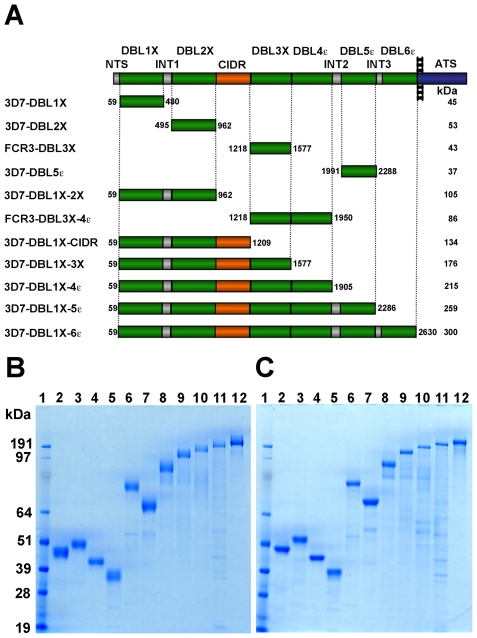
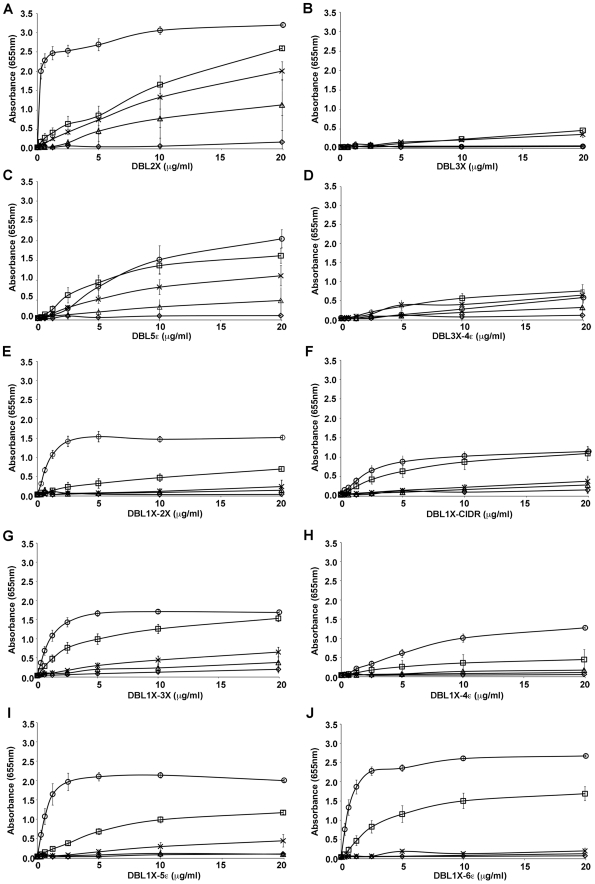
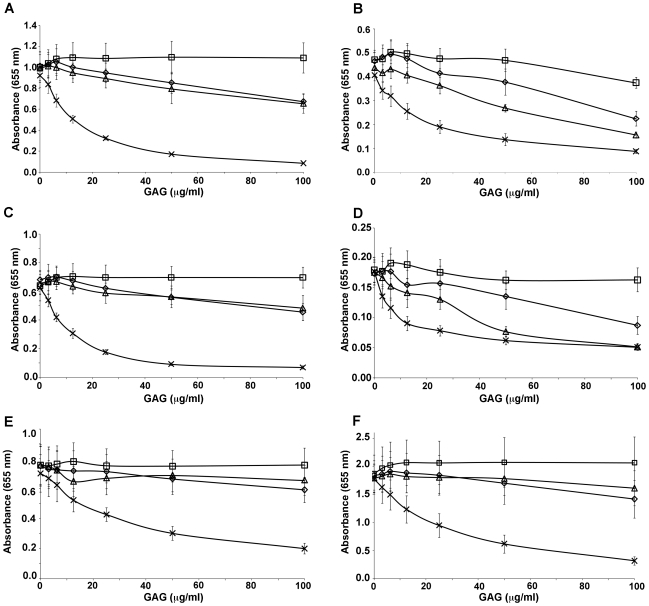
Var2CSA, a key molecule linked with pregnancy-associated malaria (PAM), causes sequestration of Plasmodium falciparum infected erythrocytes (PEs) in the placenta by adhesion to chondroitin sulfate A (CSA). Var2CSA possesses a 300 kDa extracellular region composed of six Duffy-binding like (DBL) domains and a cysteine-rich interdomain region (CIDRpam) module. Although initial studies implicated several individual var2CSA DBL domains as important for adhesion of PEs to CSA, new studies revealed that these individual domains lack both the affinity and specificity displayed by the full-length extracellular region. Indeed, recent evidence suggests the presence of a single CSA-binding site formed by a higher-order domain organization rather than several independent binding sites located on the different domains. Here, we search for the minimal binding region within var2CSA that maintains high affinity and specificity for CSA binding, a characteristic feature of the full-length extracellular region. Accordingly, truncated recombinant var2CSA proteins comprising different domain combinations were expressed and their binding characteristics assessed against different sulfated glycosaminoglycans (GAGs). Our results indicate that the smallest region within var2CSA with similar binding properties to those of the full-length var2CSA is DBL1X-3X. We also demonstrate that inhibitory antibodies raised in rabbit against the full-length DBL1X-6ε target principally DBL3X and, to a lesser extent, DBL5ε. Taken together, our results indicate that efforts should focus on the DBL1X-3X region for developing vaccine and therapeutic strategies aimed at combating PAM.
Overview
The claims and statistics of this paper haven’t been checked yet.
Free: it reads the open-access text and checks the first 5 claims that cite a source we can check. Create a free account to check every claim.
Integrity signals
Registry
Cites
Statistics
Figures
Verification
Claims the paper makes
The claims and statistics of this paper haven’t been checked yet.
Free: it reads the open-access text and checks the first 5 claims that cite a source we can check. Create a free account to check every claim.
Claims other papers make about this one
Each is checked against this paper’s own text: does it say what the citing paper says it does?
The cited source doesn’t support the claim as written.
In the citing paper
“recombinant multi-domain DBL1–ID1–DBL2 fragment bound CSA with similar kinetics as the full length protein in one study [25], but did not bind CSA in another study [26]”
From Designing a VAR2CSA-based vaccine to prevent placental malaria (2015) · cites this paper as [25]
Checked by a reasoning model — may be wrong.
Experimental — accuracy not yet measuredThe source backs part of the claim, not all of it — or backs it for a different population, condition or comparison.
In the citing paper
“Kinetic analysis showed that single domains DBL2, DBL3 and DBL6 bind CSA with affinity in the micromolar range [24,25].”
From Designing a VAR2CSA-based vaccine to prevent placental malaria (2015) · cites this paper as [25]
Experimental — accuracy not yet measured
Self-check
Percentages, sums and reported differences re-computed from the paper’s own numbers.
The self-check needs the paper’s full text.
Citations
Cites
Su, X.-Z., Heatwole, V. M., Wertheimer, S. P., Guinet, F., Herrfeldt, J. A., Peterson, D. S., Ravetch, J. A., & Wellems, T. E. (1995) · Cell · doi:10.1016/0092-8674(95)90055-1 · Cited by 1,219
Adherence of Plasmodium falciparum to Chondroitin Sulfate A in the Human Placenta
Fried, M., & Duffy, P. E. (1996) · Science · doi:10.1126/science.272.5267.1502 · Cited by 1,108 · cited 14×
“The amount of immobilized CSPG corresponded to 240 response units (RU).”
BackgroundInfluentialDurocher, Y. (2002) · Nucleic Acids Research · doi:10.1093/nar/30.2.e9 · Cited by 1,037 · cited 1×
“Synthetic var2csa genes for 3D7-DBL1X-3X (residues 59–1577) and 3D7-DBL4e-6e (residues 1578–2630) (accession PFL0030c) were designed with optimized codons for human cell expression, as previously described [34], and were cloned into the pTT3 vector [36].”
MethodBaruch, D. I., Pasloske, B. L., Singh, H. B., Bi, X., Ma, X. C., Feldman, M., Taraschi, T. F., & Howard, R. J. (1995) · Cell · doi:10.1016/0092-8674(95)90054-3 · Cited by 1,030 · cited 1×
“Several lines of evidence support var2CSA, a member of the Plasmodium falciparum Erythrocyte Membrane Protein 1 (PfEMP1) adhesins encoded by the var gene family [6,7,8], as the leading PAM vaccine candidate.”
BackgroundSmith, J. D., Chitnis, C. E., Craig, A. G., Roberts, D. J., Hudson-Taylor, D. E., Peterson, D. S., Pinches, R., Newbold, C. I., & Miller, L. H. (1995) · Cell · doi:10.1016/0092-8674(95)90056-x · Cited by 1,005 · cited 1×
“Several lines of evidence support var2CSA, a member of the Plasmodium falciparum Erythrocyte Membrane Protein 1 (PfEMP1) adhesins encoded by the var gene family [6,7,8], as the leading PAM vaccine candidate.”
BackgroundSalanti, A., Staalsoe, T., Lavstsen, T., Jensen, A. T. R., Sowa, M. P. K., Arnot, D. E., Hviid, L., & Theander, T. G. (2003) · Molecular Microbiology · doi:10.1046/j.1365-2958.2003.03570.x · Cited by 702
Maternal antibodies block malaria
Fried, M., Nosten, F., Brockman, A., Brabin, B. J., & Duffy, P. E. (1998) · Nature · doi:10.1038/27570 · Cited by 659
Evidence for the Involvement of VAR2CSA in Pregnancy-associated Malaria
Salanti, A., Dahlbäck, M., Turner, L., Nielsen, M. A., Barfod, L., Magistrado, P., Jensen, A. T. R., Lavstsen, T., Ofori, M. F., Marsh, K., et al. (2004) · The Journal of Experimental Medicine · doi:10.1084/jem.20041579 · Cited by 604 · cited 1×
“protection against malaria during pregnancy [11,18,19,20].”
The Sick Placenta—The Role of Malaria
Brabin, B. J., Romagosa, C., Abdelgalil, S., Menéndez, C., Verhoeff, F. H., McGready, R., Fletcher, K. A., Owens, S., d'Alessandro, U., Nosten, F., et al. (2004) · Placenta · doi:10.1016/j.placenta.2003.10.019 · Cited by 375 · cited 2×
“Pregnancy-associated malaria is the consequence of Plasmodium falciparum PE sequestration in the intervillous space of placenta [1] Figure 4.”
BackgroundPlasmodium falciparum Erythrocyte Membrane Protein 1 Diversity in Seven Genomes – Divide and Conquer
Rask, T. S., Hansen, D. A., Theander, T. G., Gorm Pedersen, A., & Lavstsen, T. (2010) · PLoS Computational Biology · doi:10.1371/journal.pcbi.1000933 · Cited by 372
Ricke, C. H., Staalsoe, T., Koram, K., Akanmori, B. D., Riley, E. M., Theander, T. G., & Hviid, L. (2000) · The Journal of Immunology · doi:10.4049/jimmunol.165.6.3309 · Cited by 303
Staalsoe, T., Shulman, C. E., Bulmer, J. N., Kawuondo, K., Marsh, K., & Hviid, L. (2004) · The Lancet · doi:10.1016/s0140-6736(03)15386-x · Cited by 288 · cited 1×
“protection against malaria during pregnancy [11,18,19,20].”
Duffy, P. E., & Fried, M. (2003) · Infection and Immunity · doi:10.1128/iai.71.11.6620-6623.2003 · Cited by 260 · cited 1×
“protection against malaria during pregnancy [11,18,19,20].”
Kraemer, S. M., & Smith, J. D. (2003) · Molecular Microbiology · doi:10.1046/j.1365-2958.2003.03814.x · Cited by 227 · cited 1×
“to 94% and distinct, as well as conserved, epitopes [13,21,22,23].”
BackgroundViebig, N. K., Gamain, B., Scheidig, C., Lépolard, C., Przyborski, J., Lanzer, M., Gysin, J., & Scherf, A. (2005) · The EMBO Reports · doi:10.1038/sj.embor.7400466 · Cited by 201 · cited 1×
“clones either did not recover the CSA-binding phenotype [15] or”
BackgroundSelf-citationMalaria in pregnancy: small babies, big problem
Umbers, A. J., Aitken, E. H., & Rogerson, S. J. (2011) · Trends in Parasitology · doi:10.1016/j.pt.2011.01.007 · Cited by 200 · cited 1×
“of fetal and neonate morbidity and mortality [1,2].”
BackgroundHigh Level of var2csa Transcription by Plasmodium falciparum Isolated from the Placenta
Tuikue Ndam, N. G., Salanti, A., Bertin, G., Dahlbäck, M., Fievet, N., Turner, L., Gaye, A., Theander, T., & Deloron, P. (2005) · The Journal of Infectious Diseases · doi:10.1086/430933 · Cited by 179
Trimnell, A. R., Kraemer, S. M., Mukherjee, S., Phippard, D. J., Janes, J. H., Flamoe, E., Su, X.-Z., Awadalla, P., & Smith, J. D. (2006) · Molecular and Biochemical Parasitology · doi:10.1016/j.molbiopara.2006.03.012 · Cited by 165 · cited 1×
“to 94% and distinct, as well as conserved, epitopes [13,21,22,23].”
BackgroundSrivastava, A., Gangnard, S., Round, A., Dechavanne, S., Juillerat, A., Raynal, B., Faure, G., Baron, B., Ramboarina, S., Singh, S. K., et al. (2010) · Proceedings of the National Academy of Sciences · doi:10.1073/pnas.1000951107 · Cited by 149 · cited 10×
“Interaction between the recombinant proteins and human placental CSPG was studied by surface plasmon resonance (SPR) using a BiacoreH 2000 system (GE Healthcare) as previously described [34].”
BackgroundMethodSelf-citationGamain, B., Trimnell, A. R., Scheidig, C., Scherf, A., Miller, L. H., & Smith, J. D. (2005) · The Journal of Infectious Diseases · doi:10.1086/428137 · Cited by 145 · cited 10×
“From in vitro binding assays, the CSA-binding properties have been mapped to several var2CSA domains, namely DBL2X, DBL3X, DBL5e, and DBL6e [14,26,27].”
BackgroundSelf-citationDuffy, M. F., Maier, A. G., Byrne, T. J., Marty, A. J., Elliott, S. R., O’Neill, M. T., Payne, P. D., Rogerson, S. J., Cowman, A. F., Crabb, B. S., et al. (2006) · Molecular and Biochemical Parasitology · doi:10.1016/j.molbiopara.2006.03.006 · Cited by 126 · cited 2×
“that promoted extensive sequestration in placental tissue [16,17].”
BackgroundKhunrae, P., Dahlbäck, M., Nielsen, M. A., Andersen, G., Ditlev, S. B., Resende, M., Pinto, V. V., Theander, T. G., Higgins, M. K., & Salanti, A. (2010) · Journal of Molecular Biology · doi:10.1016/j.jmb.2010.01.040 · Cited by 121 · cited 2×
“and is a prerequisite for creating the native high affinity CSAspecific binding site [34,35].”
BackgroundBockhorst, J., Lu, F., Janes, J. H., Keebler, J., Gamain, B., Awadalla, P., Su, X.-Z., Samudrala, R., Jojic, N., & Smith, J. D. (2007) · Molecular and Biochemical Parasitology · doi:10.1016/j.molbiopara.2007.06.007 · Cited by 117
Self-citationTranscribed var Genes Associated with Placental Malaria in MalawianWomen
Duffy, M. F., Caragounis, A., Noviyanti, R., Kyriacou, H. M., Choong, E. K., Boysen, K., Healer, J., Rowe, J. A., Molyneux, M. E., Brown, G. V., et al. (2006) · Infection and Immunity · doi:10.1128/iai.01978-05 · Cited by 104 · cited 1×
“to 94% and distinct, as well as conserved, epitopes [13,21,22,23].”
BackgroundThe Structure of a Chondroitin Sulfate-binding Domain Important in Placental Malaria
Higgins, M. K. (2008) · Journal of Biological Chemistry · doi:10.1074/jbc.c800086200 · Cited by 100 · cited 1×
“Higgins; expression was carried out as previously described [37].”
MethodDuffy, M. F., Byrne, T. J., Elliott, S. R., Wilson, D. W., Rogerson, S. J., Beeson, J. G., Noviyanti, R., & Brown, G. V. (2005) · Molecular Microbiology · doi:10.1111/j.1365-2958.2005.04577.x · Cited by 93
Nielsen, M. A., Pinto, V. V., Resende, M., Dahlbäck, M., Ditlev, S. B., Theander, T. G., & Salanti, A. (2009) · Infection and Immunity · doi:10.1128/iai.00159-09 · Cited by 92 · cited 4×
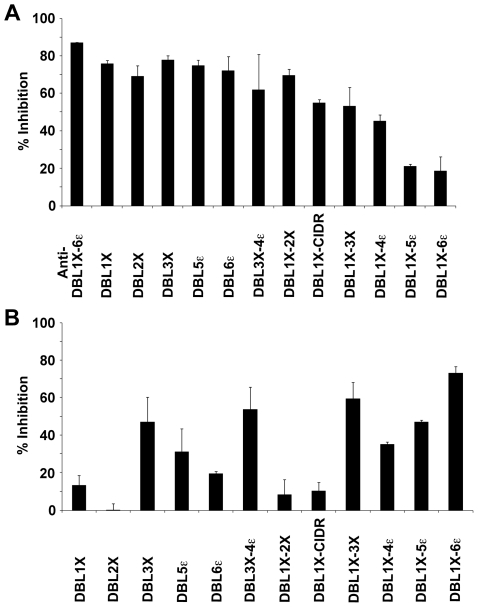
“This hypothesis is supported by our observations that the single domain DBL5e also retained inhibitory antibodies and that DBL3X-4e was more effective than DBL3X, and almost as effective as DBL1X-3X, in retaining inhibitory antibodies, suggesting that DBL4e is also a target of inhibitory antibodies, as previously repo…”
BackgroundResultInfluentialDynamics of Anti‐VAR2CSA Immunoglobulin G Response in a Cohort of Senegalese Pregnant Women
Tuikue Ndam, N. G., Salanti, A., Le‐Hesran, J. ‐., Cottrell, G., Fievet, N., Turner, L., Sow, S., Dangou, J. ‐., Theander, T., & Deloron, P. (2006) · The Journal of Infectious Diseases · doi:10.1086/500146 · Cited by 89 · cited 1×
“protection against malaria during pregnancy [11,18,19,20].”
Disruption of Var2csa Gene Impairs Placental Malaria Associated Adhesion Phenotype
Viebig, N. K., Levin, E., Dechavanne, S., Rogerson, S. J., Gysin, J., Smith, J. D., Scherf, A., & Gamain, B. (2007) · PLoS ONE · doi:10.1371/journal.pone.0000910 · Cited by 79 · cited 1×
“that promoted extensive sequestration in placental tissue [16,17].”
BackgroundSelf-citationBarfod, L., Dobrilovic, T., Magistrado, P., Khunrae, P., Viwami, F., Bruun, J., Dahlbäck, M., Bernasconi, N. L., Fried, M., John, D., et al. (2010) · The Journal of Immunology · doi:10.4049/jimmunol.1002390 · Cited by 62 · cited 1×
“falciparumexposed women were shown to recognize the DBL3X and DBL5e domains and also inhibit var2CSA binding to CSA [45].”
BackgroundCharacterization of anti-var2CSA-PfEMP1 cytoadhesion inhibitory mouse monoclonal antibodies
Avril, M., Gamain, B., Lépolard, C., Viaud, N., Scherf, A., & Gysin, J. (2006) · Microbes and Infection · doi:10.1016/j.micinf.2006.09.005 · Cited by 61 · cited 10×
“From in vitro binding assays, the CSA-binding properties have been mapped to several var2CSA domains, namely DBL2X, DBL3X, DBL5e, and DBL6e [14,26,27].”
BackgroundSelf-citationBeeson, J. G., Mann, E. J., Byrne, T. J., Caragounis, A., Elliott, S. R., Brown, G. V., & Rogerson, S. J. (2006) · The Journal of Infectious Diseases · doi:10.1086/500145 · Cited by 60 · cited 1×
“to 94% and distinct, as well as conserved, epitopes [13,21,22,23].”
BackgroundBarfod, L., Nielsen, M. A., Turner, L., Dahlbäck, M., Jensen, A. T. R., Hviid, L., Theander, T. G., & Salanti, A. (2006) · Infection and Immunity · doi:10.1128/iai.01617-05 · Cited by 59 · cited 1×
“While individual domains of var2CSA have been expressed and purified in various heterologous expression systems [29,30,33,39,40], it has been difficult to produce multiple PfEMP1 domains due to their large size and the presence of many cystine bridges.”
BackgroundResende, M., Ditlev, S. B., Nielsen, M. A., Bodevin, S., Bruun, S., Pinto, V. V., Clausen, H., Turner, L., Theander, T. G., Salanti, A., et al. (2009) · International Journal for Parasitology · doi:10.1016/j.ijpara.2009.02.022 · Cited by 52 · cited 1×
“glycans (GAGs), in some cases with higher affinity than to CSA [28].”
BackgroundAvril, M., Kulasekara, B. R., Gose, S. O., Rowe, C., Dahlbäck, M., Duffy, P. E., Fried, M., Salanti, A., Misher, L., Narum, D. L., et al. (2008) · Infection and Immunity · doi:10.1128/iai.01470-07 · Cited by 51 · cited 2×
“antibodies that reacted with CSA-binding parasite isolates, only few induced an adhesion-blocking response [29,30,31,32,33],”
BackgroundMagistrado, P. A., Minja, D., Doritchamou, J., Tuikue Ndam, N., John, D., Schmiegelow, C., Massougbodji, A., Dahlbäck, M., Ditlev, S. B., Pinto, V. V., et al. (2011) · Vaccine · doi:10.1016/j.vaccine.2010.10.080 · Cited by 49 · cited 1×
“However, adhesion inhibitory activities are not consistent between various DBL4e and DBL5e antigen preparations [31,44].”
BackgroundBir, N., Yazdani, S. S., Avril, M., Layez, C., Gysin, J., & Chitnis, C. E. (2006) · Infection and Immunity · doi:10.1128/iai.00481-06 · Cited by 49 · cited 10×
“From in vitro binding assays, the CSA-binding properties have been mapped to several var2CSA domains, namely DBL2X, DBL3X, DBL5e, and DBL6e [14,26,27].”
BackgroundInfluentialFernandez, P., Viebig, N. K., Dechavanne, S., Lépolard, C., Gysin, J., Scherf, A., & Gamain, B. (2008) · Malaria Journal · doi:10.1186/1475-2875-7-170 · Cited by 43 · cited 4×
“FreeStyle 293-F cells (Invitrogen) were grown in Freestyle 293 serum-free expression medium and transfected with the pTT3 vector containing the appropriate gene, as previously described [30].”
BackgroundMethodInfluentialSelf-citationSeveral domains from VAR2CSA can induce Plasmodium falciparum adhesion-blocking antibodies
Salanti, A., Resende, M., Ditlev, S. B., Pinto, V. V., Dahlbäck, M., Andersen, G., Manczak, T., Theander, T. G., & Nielsen, M. A. (2010) · Malaria Journal · doi:10.1186/1475-2875-9-11 · Cited by 42 · cited 3×
“However, adhesion inhibitory activities are not consistent between various DBL4e and DBL5e antigen preparations [31,44].”
BackgroundAvril, M., Hathaway, M. J., Srivastava, A., Dechavanne, S., Hommel, M., Beeson, J. G., Smith, J. D., & Gamain, B. (2011) · PLoS ONE · doi:10.1371/journal.pone.0016622 · Cited by 40 · cited 2×
“Recently, we showed that immunization of rabbits with fulllength var2CSA generated inhibitory antibodies capable of blocking var2CSA and PEs adhesion to CSA [42].”
BackgroundSelf-citationAvril, M., Cartwright, M. M., Hathaway, M. J., Hommel, M., Elliott, S. R., Williamson, K., Narum, D. L., Duffy, P. E., Fried, M., Beeson, J. G., et al. (2010) · Infection and Immunity · doi:10.1128/iai.00410-09 · Cited by 39 · cited 1×
“While individual domains of var2CSA have been expressed and purified in various heterologous expression systems [29,30,33,39,40], it has been difficult to produce multiple PfEMP1 domains due to their large size and the presence of many cystine bridges.”
BackgroundFernandez, P., Petres, S., Mécheri, S., Gysin, J., & Scherf, A. (2010) · PLoS ONE · doi:10.1371/journal.pone.0012558 · Cited by 36
VAR2CSA Domains Expressed in Escherichia coli Induce Cross‐Reactive Antibodies to Native Protein
Oleinikov, A. V., Francis, S. E., Dorfman, J. R., Rossnagle, E., Balcaitis, S., Getz, T., Avril, M., Gose, S., Smith, J. D., Fried, M., et al. (2008) · The Journal of Infectious Diseases · doi:10.1086/529526 · Cited by 31 · cited 2×
“antibodies that reacted with CSA-binding parasite isolates, only few induced an adhesion-blocking response [29,30,31,32,33],”
BackgroundGangnard, S., Ndam, N. T., Gnidehou, S., Quiviger, M., Juillerat, A., Faure, G., Baron, B., Viwami, F., Deloron, P., & Bentley, G. A. (2010) · Molecular and Biochemical Parasitology · doi:10.1016/j.molbiopara.2010.05.014 · Cited by 15 · cited 1×
“CSPG was reported as 140 mM [41], similar to that of the single 3D7-DBL3X and 3D7-DBL6e domains.”
ResultSelf-citationBadaut, C., Faure, G., Ndam, N. T., Bertin, G. I., Chaffotte, A. F., Khattab, A., Klinkert, M., Deloron, P., & Bentley, G. A. (2006) · Molecular and Biochemical Parasitology · doi:10.1016/j.molbiopara.2006.10.010 · Cited by 12 · cited 1×
“Human placental CSPG (MR4 Reagents Resource) was covalently coupled via primary amino groups of the protein moiety to the sensor chip (CM5 chip, GE Healthcare) surface using amine coupling kit (GE Healthcare) as described previously [38].”
MethodSelf-citation
Cited by
Smith, J. D., Rowe, J. A., Higgins, M. K., & Lavstsen, T. (2013) · Cellular Microbiology · doi:10.1111/cmi.12183 · Cited by 225
“However, specific adhesion traits, such as CSA binding, appear to involve a combination of domains (Srivastava et al., 2011; Clausen et al., 2012).”
New insights into malaria pathogenesis
Moxon, C. A., Gibbins, M. P., McGuinness, D., Milner, D. A., & Marti, M. (2020) · Annual Review of Pathology: Mechanisms of Disease · doi:10.1146/annurev-pathmechdis-012419-032640 · Cited by 207
“Initial binding studies demonstrated that individual DBL domains can bind to CSA, in particular the DBL3x domain (148), but only the entire extracellular region of VAR2CSA was capable of reproducing the binding properties of iRBCs (149).”
BackgroundClausen, T. M., Christoffersen, S., Dahlbäck, M., Langkilde, A. E., Jensen, K. E., Resende, M., Agerbæk, M. Ø., Andersen, D., Berisha, B., Ditlev, S. B., et al. (2012) · Journal of Biological Chemistry · doi:10.1074/jbc.m112.348839 · Cited by 173
“(20) showed CSA binding for a DBL1X-DBL2X fragment using a DBL2X C-terminal border incorporating 93 amino acids of what we call ID2a.”
BackgroundInfluential(2015) · Advances in Parasitology · doi:10.1016/bs.apar.2015.02.004 · Cited by 162
Chan, J.-A., Fowkes, F. J. I., & Beeson, J. G. (2014) · Cellular and Molecular Life Sciences · doi:10.1007/s00018-014-1614-3 · Cited by 168
“The binding site of CSA in pregnancy-associated parasites lies within the DBL1-DBL3 domain of PfeMP1 [141].”
Background
Metadata
- Authors
- Srivastava, A., Gangnard, S., Dechavanne, S., Amirat, F., Lewit Bentley, A., Bentley, G. A., & Gamain, B.
- Affiliations
- Centre National de la Recherche Scientifique (FR)
- Inserm (FR)
- Corresponding author
- Gamain, Benoît
- Venue
- PLoS ONE
- Publisher
- Public Library of Science (PLoS)
- Published
- 2011-05-19
- Volume
- 6
- Issue
- 5
- Pages
- e20270
- ISSN
- 1932-6203 (ISSN-L)
- PMC
- PMC3098292
- OpenAlex
- W2010621398
- Cited by
- 76
- References
- 45
- Citations by year
- 2026: 5 · 2025: 2 · 2023: 7 · 2022: 4 · 2021: 10 · 2020: 3 · 2019: 6 · 2018: 4 · 2017: 4 · 2016: 3 · 2015: 7 · 2014: 8 · 2013: 7 · 2012: 4
- FWCI
- 6.59
- Type
- journal article
- Language
- en
- Open access
- gold
- doi.org
- Locations
- PLoS ONE (publishedVersion, cc-by)
- PubMed Central (publishedVersion, cc-by)
- PubMed (publishedVersion)
- DOAJ (DOAJ: Directory of Open Access Journals) (submittedVersion, cc-by-sa)
- Funders
- Sanofi
- European Commission (201222)
- Institut National de la Santé et de la Recherche Médicale
- Topics
- Health Sciences › Medicine › Public Health, Environmental and Occupational Health › Malaria Research and Control
- Health Sciences › Medicine › Hematology › Blood groups and transfusion
- Health Sciences › Medicine › Genetics (clinical) › Hemoglobinopathies and Related Disorders
- Keywords
- VAR2CSA, chondroitin sulfate A, malaria in pregnancy, Plasmodium falciparum, DBL domains, sulfated glycosaminoglycans, erythrocyte sequestration, placental adhesions, inhibitory antibodies, malaria vaccine targets
- MeSH terms
- Antigens, Protozoan, Base Sequence, Binding Sites, Cell Line, Chondroitin Sulfates, Humans, Polymerase Chain Reaction, DNA Primers
About these checks
Registry, retraction, Cites and statistics results are computed, not judged, with one exception: a printed reference that no index lists is read once by a model before it counts as a citation error. Claims are extracted by a model and kept only when their quote appears verbatim in the text; each cited source is then checked, with a model’s help, for whether it says what the claim relies on. Those verdicts can be wrong — read the claim’s quote and the cited source before relying on one.
Statistics and arithmetic are recomputed, not judged.
Confidence bands are shown only for fields calibrated on our annotated test set. None is calibrated yet, so no band is shown.
What counts as a claim ›How we measure confidence ›How we check this ›
Are you an author, or do you see a problem with this page? Request a review
Data sources
Bibliographic data: Semantic Scholar, OpenAlex, Crossref.
Contains information from the Semantic Scholar Academic Graph Datasets, made available under the ODC Attribution License (ODC-BY 1.0).
Semantic Scholar’s data is described in: Kinney, R., et al. (2023). The Semantic Scholar Open Data Platform. arXiv:2301.10140.
