

The DOI matches its Crossref record; 48 of the 48 references it cites were found in a registry or an index.
Exercise-Induced Splanchnic Hypoperfusion Results in Gut Dysfunction in Healthy Men
Open accessAbstract
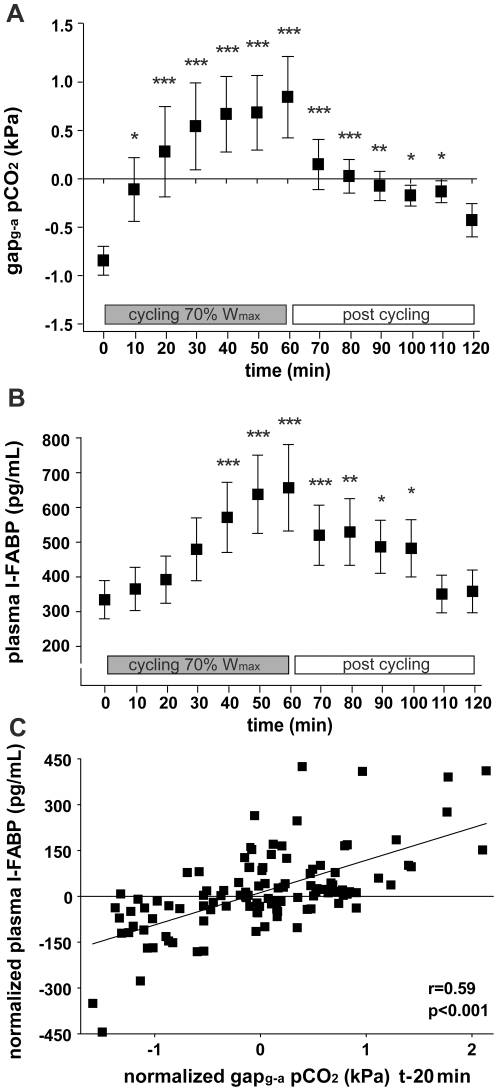
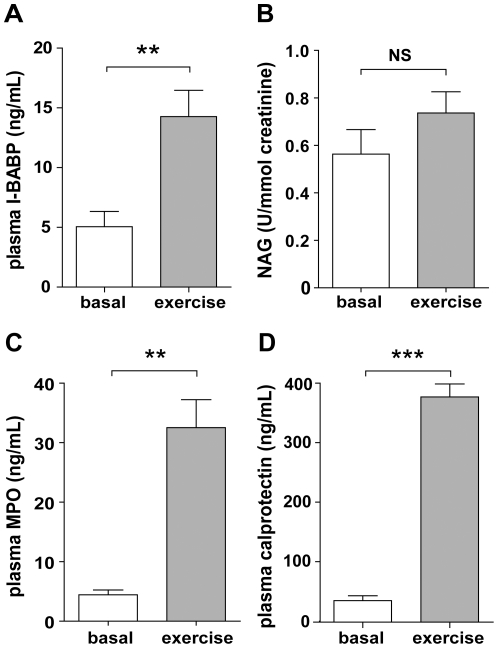
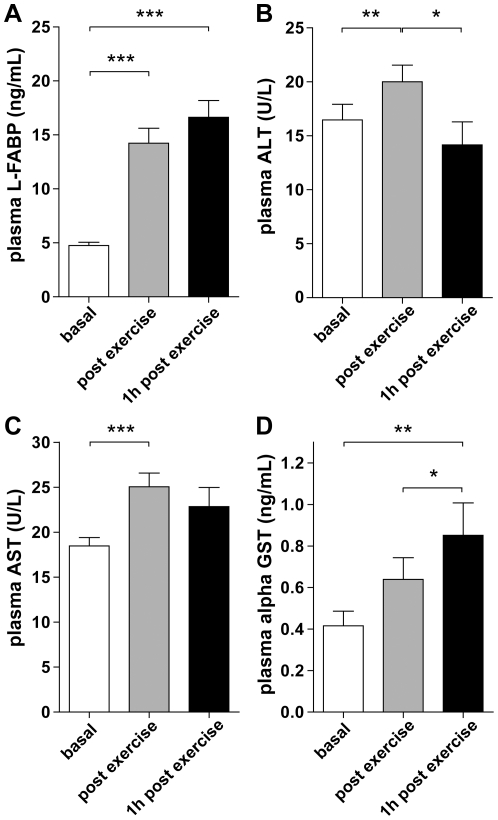
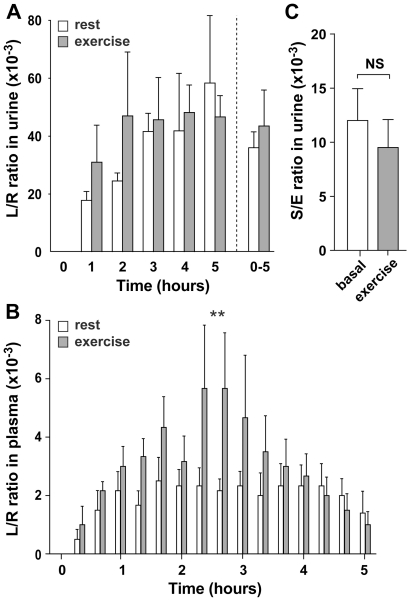
BACKGROUND: Splanchnic hypoperfusion is common in various pathophysiological conditions and often considered to lead to gut dysfunction. While it is known that physiological situations such as physical exercise also result in splanchnic hypoperfusion, the consequences of flow redistribution at the expense of abdominal organs remained to be determined. This study focuses on the effects of splanchnic hypoperfusion on the gut, and the relationship between hypoperfusion, intestinal injury and permeability during physical exercise in healthy men. METHODS AND FINDINGS: Healthy men cycled for 60 minutes at 70% of maximum workload capacity. Splanchnic hypoperfusion was assessed using gastric tonometry. Blood, sampled every 10 minutes, was analyzed for enterocyte damage parameters (intestinal fatty acid binding protein (I-FABP) and ileal bile acid binding protein (I-BABP)). Changes in intestinal permeability were assessed using sugar probes. Furthermore, liver and renal parameters were assessed. Splanchnic perfusion rapidly decreased during exercise, reflected by increased gap(g-a)pCO(2) from -0.85±0.15 to 0.85±0.42 kPa (p<0.001). Hypoperfusion increased plasma I-FABP (615±118 vs. 309±46 pg/ml, p<0.001) and I-BABP (14.30±2.20 vs. 5.06±1.27 ng/ml, p<0.001), and hypoperfusion correlated significantly with this small intestinal damage (r(S) = 0.59; p<0.001). Last of all, plasma analysis revealed an increase in small intestinal permeability after exercise (p<0.001), which correlated with intestinal injury (r(S) = 0.50; p<0.001). Liver parameters, but not renal parameters were elevated. CONCLUSIONS: Exercise-induced splanchnic hypoperfusion results in quantifiable small intestinal injury. Importantly, the extent of intestinal injury correlates with transiently increased small intestinal permeability, indicating gut barrier dysfunction in healthy individuals. These physiological observations increase our knowledge of splanchnic hypoperfusion sequelae, and may help to understand and prevent these phenomena in patients.
Overview
The claims and statistics of this paper haven’t been checked yet.
Run the check — free, no account needed. It reads the open-access text and checks the sources it cites.
Integrity signals
Registry
Cites
Statistics
Figures
Verification
Claims the paper makes
The claims and statistics of this paper haven’t been checked yet.
Run the check — free, no account needed. It reads the open-access text and checks the sources it cites.
Claims other papers make about this one
Each is checked against this paper’s own text: does it say what the citing paper says it does?
In the citing paper
“Exercise-induced redistribution of blood can result in splanchnic hypoperfusion as a possible mechanism for gut dysfunction [128, 129].”
From International Society of Sports Nutrition Position Stand: Probiotics (2019) · cites this paper as [129]
In the citing paper
“Symptoms such as nausea, cramping, bloating, and diarrhea most likely reflect redistribution of blood flow from the gut to the skin for cooling purposes.”
From International Society of Sports Nutrition Position Stand: Probiotics (2019) · cites this paper as [129]
In the citing paper
“It has been shown that exercise induced GI hypoperfusion may provoke transient damage to the gut epithelium [6]”
In the citing paper
“The pathophysiology of GI distress during ultra-marathon training and racing is multifactorial, but is likely the result of reduced mesenteric blood flow [131, 132], leading to relative GI hypoperfusion [133].”
From International Society of Sports Nutrition Position Stand: nutritional considerations for single-stage ultra-marathon training and racing (2019) · cites this paper as [133]
Self-check
Percentages, sums and reported differences re-computed from the paper’s own numbers.
The self-check needs the paper’s full text.
Citations
Cites
Muscle as an Endocrine Organ: Focus on Muscle-Derived Interleukin-6
Pedersen, B. K., & Febbraio, M. A. (2008) · Physiological Reviews · doi:10.1152/physrev.90100.2007 · Cited by 2,388 · cited 1×
“Since evidence is accumulating that inflammatory products are produced in contracting and skeletal muscle [32,45], we determined both circulating and faecal calprotectin.”
BackgroundVogl, T., Tenbrock, K., Ludwig, S., Leukert, N., Ehrhardt, C., van Zoelen, M. A. D., Nacken, W., Foell, D., van der Poll, T., Sorg, C., et al. (2007) · Nature Medicine · doi:10.1038/nm1638 · Cited by 1,418 · cited 1×
“MPO plays a role in oxidative processes, while calprotectin and one of its constituents, myeloid-related protein-8 (Mrp8, S100A8), are identified as strong activators of the innate Toll-like receptor 4 signaling pathway, resulting in the expression of pro-inflammatory cytokines [30].”
BackgroundEvaluation of Abnormal Liver-Enzyme Results in Asymptomatic Patients
Pratt, D. S., & Kaplan, M. M. (2000) · New England Journal of Medicine · doi:10.1056/nejm200004273421707 · Cited by 1,203 · cited 1×
“Alternatively, muscle transaminase release is expected in response to (exerciseinduced) muscle injury [23,24], while L-FABP release could be due to intestinal damage.”
BackgroundAltered intestinal function in patients with chronic heart failure
Sandek, A., Bauditz, J., Swidsinski, A., Buhner, S., Weber-Eibel, J., von Haehling, S., Schroedl, W., Karhausen, T., Doehner, W., Rauchhaus, M., et al. (2007) · Journal of the American College of Cardiology · doi:10.1016/j.jacc.2007.07.016 · Cited by 661 · cited 1×
“In patients with compromised vascular function, hypoperfusion-induced epithelial dysfunction may give rise to endotoxaemia, thereby enhancing their state of chronic inflammation, as suggested by the group of Anker for patients with chronic heart failure [6,37].”
BackgroundRestoration of Barrier Function in Injured Intestinal Mucosa
Blikslager, A. T., Moeser, A. J., Gookin, J. L., Jones, S. L., & Odle, J. (2007) · Physiological Reviews · doi:10.1152/physrev.00012.2006 · Cited by 586 · cited 1×
“The susceptibility of the mature enterocyte population to low-flow states and ischemic events has been explained by the counter current exchange mechanism in the villus [18,19], creating a constant low oxygen environment at the villus tip.”
BackgroundLiangos, O., Perianayagam, M. C., Vaidya, V. S., Han, W. K., Wald, R., Tighiouart, H., MacKinnon, R. W., Li, L., Balakrishnan, V. S., Pereira, B. J. G., et al. (2007) · Journal of the American Society of Nephrology · doi:10.1681/asn.2006030221 · Cited by 511
A simple method for assessing intestinal inflammation in Crohn's disease
Tibble, J. A., Teahon, K., Thjodleifsson, B., Roseth, A., Sigthorsson, G., Bridger, S., Foster, R., Sherwood, R. A., Fagerhol, M. K., & Bjarnason, I. (2000) · Gut · doi:10.1136/gut.47.4.506 · Cited by 493 · cited 1×
“The latter is considered a strong indicator of intestinal inflammation in specific, and has been found to correlate to other parameters of intestinal inflammation in inflammatory bowel disease [46] and enteropathy induced by non-steroidal anti-inflammatory drugs (NSAID) [47].”
BackgroundFatty acid-binding proteins as plasma markers of tissue injury
Pelsers, M. M. A. L., Hermens, W. T., & Glatz, J. F. C. (2004) · Clinica Chimica Acta · doi:10.1016/j.cccn.2004.09.001 · Cited by 488 · cited 1×
“However, as expression of L-FABP has been described in renal and intestinal epithelium [40], this marker was combined with the classically used parameters ALT and AST.”
MethodThermoregulatory and blood responses during exercise at graded hypohydration levels
Sawka, M. N., Young, A. J., Francesconi, R. P., Muza, S. R., & PANDOLF, K. B. (1985) · Journal of Applied Physiology · doi:10.1152/jappl.1985.59.5.1394 · Cited by 402 · cited 1×
“transpiration and inadequate fluid intake, can decrease cardiac output and compromise splanchnic perfusion even more [9].”
BackgroundSerum alanine aminotransferase in skeletal muscle diseases†
Nathwani, R. A., Pais, S. A., Reynolds, T. B., & Kaplowitz, N. (2005) · Hepatology · doi:10.1002/hep.20548 · Cited by 400 · cited 1×
“Alternatively, muscle transaminase release is expected in response to (exerciseinduced) muscle injury [23,24], while L-FABP release could be due to intestinal damage.”
BackgroundGiglio, M., Marucci, M., Testini, M., & Brienza, N. (2009) · British Journal of Anaesthesia · doi:10.1093/bja/aep279 · Cited by 377 · cited 1×
“. In addition, gastrointestinal (GI) dysfunction is one of the more frequent complications in surgical patients, in whom organ perfusion and oxygen delivery are often impaired as a consequence of surgery-induced alterations in cardio-respiratory and metabolic demands”
BackgroundJEUKENDRUP, A. E., VET-JOOP, K., STURK, A., STEGEN, J. H. J. C., SENDEN, J., SARIS, W. H. M., & WAGENMAKERS, A. J. M. (2000) · Clinical Science · doi:10.1042/cs0980047 · Cited by 371 · cited 1×
“found mild endotoxaemia (5–15 pg/ml) and increased levels of C-reactive protein in the majority of participants after finishing an approximately 12 h long-distance triathlon [33].”
BackgroundMyeloperoxidase in kidney disease
Malle, E., Buch, T., & Gröne, H. (2003) · Kidney International · doi:10.1046/j.1523-1755.2003.00336.x · Cited by 353 · cited 1×
“Active MPO is known to elicit secretion of other cytokines including tumor necrosis factor-a and interleukins [44], which were therefore less useful.”
BackgroundKavouras, S. A. (2002) · Current Opinion in Clinical Nutrition & Metabolic Care · doi:10.1097/00075197-200209000-00010 · Cited by 323 · cited 1×
“The increases, however, largely exceeded the 10% decrease in plasma volume that has been described in athletes in more extreme settings than ours [22].”
High prevalence of NSAID enteropathy as shown by a simple faecal test
Tibble, J. A., Sigthorsson, G., Foster, R., Scott, D. L., Fagerhol, M. K., Røseth, A. G., & Bjarnason, I. (1999) · Gut · doi:10.1136/gut.45.3.362 · Cited by 308 · cited 1×
“The latter is considered a strong indicator of intestinal inflammation in specific, and has been found to correlate to other parameters of intestinal inflammation in inflammatory bowel disease [46] and enteropathy induced by non-steroidal anti-inflammatory drugs (NSAID) [47].”
BackgroundEffects of exercise on mesenteric blood flow in man.
Qamar, M. I., & Read, A. E. (1987) · Gut · doi:10.1136/gut.28.5.583 · Cited by 234 · cited 2×
“During physical exercise, reduction of the splanchnic circulation occurs to meet the increased demand for oxygen and substrates in the active muscle, thereby inducing a physiological state of hypoperfusion in the GI system [8].”
BackgroundPeters, H. P. F., Bos, M., Seebregts, L., Akkermans, L. M. A., van Berge Henegouwen, G. P., Bol, E., Mosterd, W. L., & de Vries, W. R. (1999) · American Journal of Gastroenterology · doi:10.1111/j.1572-0241.1999.01147.x · Cited by 188 · cited 1×
“Especially during prolonged running or cycling, athletes can experience abdominal symptoms such as cramping, nausea, abdominal pain, and (bloody) diarrhea [10].”
BackgroundHuman Intestinal Ischemia-Reperfusion–Induced Inflammation Characterized
Grootjans, J., Lenaerts, K., Derikx, J. P. M., Matthijsen, R. A., de Bruïne, A. P., van Bijnen, A. A., van Dam, R. M., Dejong, C. H. C., & Buurman, W. A. (2010) · The American Journal of Pathology · doi:10.2353/ajpath.2010.091069 · Cited by 186
Self-citationMurray, C. D. R., Flynn, J., Ratcliffe, L., Jacyna, M. R., Kamm, M. A., & Emmanuel, A. V. (2004) · Gastroenterology · doi:10.1053/j.gastro.2004.08.057 · Cited by 185 · cited 1×
“that found a decrease in rectal mucosal blood flow of almost 30% after acute physical stress [34], while decreases ranging from 43 to approximately 80% have been reported for splanchnic blood flow during physical exercise [8,35].”
BackgroundPhysical exercise increases portal pressure in patients with cirrhosis and portal hypertension
García‐Pagán, J. C., Santos, C., Barberà, J. A., Luca, A., Roca, J., Rodriguez‐Roisin, R., Bosch, J., & Rodés, J. (1996) · Gastroenterology · doi:10.1053/gast.1996.v111.pm8898644 · Cited by 176 · cited 1×
“. In short, the significant rise in the assessed liver parameters after exercise strongly suggests the development of mild hepatocyte damage, which is in line with Garcia-Pagan et al. who reported a decrease in hepatic blood flow in patients with liver cirrhosis and portal hypertension after only 10 minutes of cycling…”
ResultDiagnosis and management of intestinal ischaemic disorders
Sreenarasimhaiah, J. (2003) · BMJ · doi:10.1136/bmj.326.7403.1372 · Cited by 162 · cited 1×
“Splanchnic hypoperfusion occurs in many pathophysiological conditions, and is often considered to lead to epithelial barrier dysfunction. Vascular disease, trauma, and shock can induce splanchnic hypoperfusion and ischemia”
BackgroundMesenteric, coeliac and splanchnic blood flow in humans during exercise
Perko, M. J., Nielsen, H. B., Skak, C., Clemmesen, J. O., Schroeder, T. V., & Secher, N. H. (1998) · The Journal of Physiology · doi:10.1111/j.1469-7793.1998.907ba.x · Cited by 162 · cited 1×
“Previous studies support the former, showing relatively unchanged renal flow after short-term splanchnic blood redistribution [28,29].”
ResultGastrointestinal Complications in Patients Undergoing Heart Operation
Mangi, A. A., Christison-Lagay, E. R., Torchiana, D. F., Warshaw, A. L., & Berger, D. L. (2005) · Annals of Surgery · doi:10.1097/01.sla.0000164173.05762.32 · Cited by 158
EVIDENCE FOR INTESTINAL AND LIVER EPITHELIAL CELL INJURY IN THE EARLY PHASE OF SEPSIS
Derikx, J. P. M., Poeze, M., van Bijnen, A. A. J. H. M., Buurman, W. A., & Heineman, E. (2007) · Shock · doi:10.1097/shk.0b013e3180644e32 · Cited by 138
Self-citationExercise induces gastric ischemia in healthy volunteers: a tonometry study
Otte, J. A., Oostveen, E., Geelkerken, R. H., Groeneveld, A. B. J., & Kolkman, J. J. (2001) · Journal of Applied Physiology · doi:10.1152/jappl.2001.91.2.866 · Cited by 138 · cited 1×
“hypoperfusion during strenuous physical exercise [5], whereas older individuals may experience similar events during less”
BackgroundDerikx, J. P. M., Matthijsen, R. A., A, A. P. D. B., van Bijnen, A. A. J. H. M., Heineman, E., van Dam, R. M., Dejong, C. H. C., & Buurman, W. A. (2008) · PLoS ONE · doi:10.1371/journal.pone.0003428 · Cited by 126
Self-citationChanges in the Gastrointestinal Mucosa after Long-Distance Running
Øktedalen, O., Lunde, O. C., Opstad, P. K., Aabakken, L., & Kvernebo, K. (1992) · Scandinavian Journal of Gastroenterology · doi:10.3109/00365529209000073 · Cited by 124 · cited 1×
“. This points towards compromised GI functioning, but only few studies have looked at exercise-induced intestinal mucosal lesions in man”
BackgroundDerikx, J. P. M., Vreugdenhil, A. C. E., den Neucker, A. M. V., Grootjans, J., van Bijnen, A. A. J. H. M., Damoiseaux, J. G. M. C., van Heurn, E. L. W., Heineman, E., & Buurman, W. A. (2009) · Journal of Clinical Gastroenterology · doi:10.1097/mcg.0b013e31819194b0 · Cited by 123 · cited 1×
“I-FABP, a sensitive marker of intestinal cell damage, was used to determine small intestinal damage [15].”
MethodSelf-citationvan de Poll, M. C. G., Derikx, J. P. M., Buurman, W. A., Peters, W. H. M., Roelofs, H. M. J., Wigmore, S. J., & Dejong, C. H. C. (2007) · World Journal of Surgery · doi:10.1007/s00268-007-9182-4 · Cited by 122
Self-citationKnowles, T. P., Mullin, R., Hunter, J. A., & Douce, F. H. (2006) · Respiratory Care · doi:10.4187/respcare.06510732 · Cited by 112 · cited 1×
“To avoid the use of an arterial catheter, an intravenous catheter (22 Gauge, BD) was placed in a dorsal hand vein and the hand was placed in a hot box heated to 60uC, to arterialize the blood for measuring arterial pCO2 [39], using a Radiometer ABL 510 (Copenhagen, Denmark).”
MethodTer Steege, R. W. F., Van Der Palen, J., & Kolkman, J. J. (2008) · Scandinavian Journal of Gastroenterology · doi:10.1080/00365520802321170 · Cited by 111
New Insight in Loss of Gut Barrier during Major Non-Abdominal Surgery
Derikx, J. P. M., van Waardenburg, D. A., Thuijls, G., Willigers, H. M., Koenraads, M., van Bijnen, A. A. J. H. M., Heineman, E., Poeze, M., Ambergen, T., van Ooij, A., et al. (2008) · PLoS ONE · doi:10.1371/journal.pone.0003954 · Cited by 86 · cited 1×
“Our observations are in line with recent work on human intestinal ischemia/reperfusion (I/R) studies from our group showing that after 30 minutes of full intestinal ischemia in an isolated part of the jejunum during a Whipple procedure, plasma I-FABP levels rapidly increase, whereas during reperfusion, a gradual decre…”
ResultSelf-citationHolland, J., Carey, M., Hughes, N., Sweeney, K., Byrne, P. J., Healy, M., Ravi, N., & Reynolds, J. V. (2005) · The American Journal of Surgery · doi:10.1016/j.amjsurg.2005.03.038 · Cited by 84
Krack, A., Richartz, B. M., Gastmann, A., Greim, K., Lotze, U., Anker, S. D., & Figulla, H. R. (2004) · European Journal of Heart Failure · doi:10.1016/j.ejheart.2004.03.002 · Cited by 83 · cited 1×
“In patients with compromised vascular function, hypoperfusion-induced epithelial dysfunction may give rise to endotoxaemia, thereby enhancing their state of chronic inflammation, as suggested by the group of Anker for patients with chronic heart failure [6,37].”
BackgroundThe role of gastrointestinal endoscopy in long-distance runners with gastrointestinal symptoms
Choi, S. C., Choi, S. J., Kim, J. A., Kim, T. H., Nah, Y.-H., Yazaki, E., & Evans, D. F. (2001) · European Journal of Gastroenterology & Hepatology · doi:10.1097/00042737-200109000-00016 · Cited by 74
Effect of ranitidine on basal and bicarbonate enhanced intragastric PCO2: a tonometric study.
Kolkman, J. J., Groeneveld, A. B. J., & Meuwissen, S. G. M. (1994) · Gut · doi:10.1136/gut.35.6.737 · Cited by 70 · cited 1×
“The evening before and 1 hour prior to the experiment, participants ingested 150 mg ranitidine orally (GlaxoSmithKline, Zeist, the Netherlands) to suppress gastric acid production, which interferes with carbon dioxide, thereby affecting tonometry results [38].”
MethodMatthijsen, R. A., Derikx, J. P. M., Kuipers, D., van Dam, R. M., Dejong, C. H. C., & Buurman, W. A. (2009) · PLoS ONE · doi:10.1371/journal.pone.0007045 · Cited by 67
Self-citationNakajima, T., Kurano, M., Hasegawa, T., Takano, H., Iida, H., Yasuda, T., Fukuda, T., Madarame, H., Uno, K., Meguro, K., et al. (2010) · European Journal of Applied Physiology · doi:10.1007/s00421-010-1572-x · Cited by 67 · cited 1×
“Circulating myeloperoxidase (MPO) and calprotectin, antimicrobial proteins that are excreted from neutrophils upon activation, are considered early parameters of systemic inflammatory activation [42,43].”
BackgroundCalprotectin is released from human skeletal muscle tissue during exercise
Mortensen, O. H., Andersen, K., Fischer, C. P., Nielsen, A. R., Nielsen, S. J., Akerstrom, T. C. A., Aastrøm, M., Borup, R., & Pedersen, B. K. (2008) · The Journal of Physiology · doi:10.1113/jphysiol.2008.153551 · Cited by 66 · cited 2×
“, assessing femoral arterialvenous differences during knee extensor exercise, pointed towards release of calprotectin from muscle tissue during exercise [32].”
BackgroundDerikx, J. P. M., Blijlevens, N. M. A., Donnelly, J. P., Fujii, H., Kanda, T., van Bijnen, A. A. J. H. M., Heineman, E., & Buurman, W. A. (2008) · Annals of Oncology · doi:10.1093/annonc/mdn579 · Cited by 60 · cited 1×
“. Plasma I-FABP was determined using an ELISA (Hycult Biotechnology, Uden, the Netherlands; detection window 20–5,000 pg/ml) according to the manufacturer's instructions in samples taken before (t = 0), during (t = 10–50 minutes) and after (t = 60–120 minutes) cycling. Plasma ileal bile acid binding protein (I-BABP),…”
MethodInfluentialSelf-citationRegulation of splanchnic blood flow in man.
Rowell, L. B. (1973) · PubMed · Cited by 46
MULDER, T. P. J., Peters, W. H. M., Court, D. A., & Jansen, J. B. �. �. (1996) · Clinical Chemistry · doi:10.1093/clinchem/42.3.416 · Cited by 44 · cited 1×
“Plasma alpha-GST levels were assessed using ELISA, as described previously [41].”
MethodSelf-citationA pilot study on potential new plasma markers for diagnosis of acute appendicitis
Thuijls, G., Derikx, J. P. M., Prakken, F. J., Huisman, B. A. A., van Bijnen, A. A. J. H. M., van Heurn, E. L. W., Buurman, W. A., & Heineman, E. (2010) · The American Journal of Emergency Medicine · doi:10.1016/j.ajem.2009.09.029 · Cited by 39 · cited 1×
“Circulating myeloperoxidase (MPO) and calprotectin, antimicrobial proteins that are excreted from neutrophils upon activation, are considered early parameters of systemic inflammatory activation [42,43].”
BackgroundSelf-citationLife in the Gut Without Oxygen: Adaptive Mechanisms and Inflammatory Bowel Disease
Blikslager, A. T. (2008) · Gastroenterology · doi:10.1053/j.gastro.2007.11.049 · Cited by 31 · cited 1×
“The susceptibility of the mature enterocyte population to low-flow states and ischemic events has been explained by the counter current exchange mechanism in the villus [18,19], creating a constant low oxygen environment at the villus tip.”
BackgroundEvaluation of an Enzyme-Immunometric Assay for Serum α-Glutathione S-Transferase
Rees, G. W., Trull, A. K., & Doyle, S. (1995) · Annals of Clinical Biochemistry International Journal of Laboratory Medicine · doi:10.1177/000456329503200610 · Cited by 28
Veer, G. V. D. S., van den Hoven, B., Rüssel, M. G., & Bergh, F. A. J. T. M. V. D. (2006) · Clinical Chemistry and Laboratory Medicine (CCLM) · doi:10.1515/cclm.2006.051 · Cited by 22
Effects of changing liver blood flow by exercise and food on kinetics and dynamics of saruplase*
van Griensven, J. M. T., Burggraaf, K., Gerloff, J., Günzler, W. A., Beier, H., Kroon, R., Huisman, L. G. M., Schoemaker, R. C., Kluft, K., & Cohen, A. F. (1995) · Clinical Pharmacology & Therapeutics · doi:10.1016/0009-9236(95)90206-6 · Cited by 19
Splanchnic Vasoregulation After Major Abdominal Surgery in Pigs
Brügger, L. E., Beldi, G., Beck, M., Porta, F., Bracht, H., Candinas, D., Takala, J. A., & Jakob, S. M. (2010) · World Journal of Surgery · doi:10.1007/s00268-010-0560-y · Cited by 8 · cited 1×
“Previous studies support the former, showing relatively unchanged renal flow after short-term splanchnic blood redistribution [28,29].”
Result
Cited by
Sorted by citations
Intestinal permeability – a new target for disease prevention and therapy
Bischoff, S. C., Barbara, G., Buurman, W., Ockhuizen, T., Schulzke, J.-D., Serino, M., Tilg, H., Watson, A., & Wells, J. M. (2014) · BMC Gastroenterology · doi:10.1186/s12876-014-0189-7 · Cited by 1,755
“in the course of exercise [242].”
Self-citationMedicine & science in sports & exercise
Walle, J. M. L., Solá, I. B., Castillo, I., & Rodríguez, J. L. T. (1994) · Journal of the American Dietetic Association · doi:10.1016/0002-8223(94)92575-5 · Cited by 1,309
Exerkines in health, resilience and disease
Chow, L. S., Gerszten, R. E., Taylor, J. M., Pedersen, B. K., van Praag, H., Trappe, S., Febbraio, M. A., Galis, Z. S., Gao, Y., Haus, J. M., et al. (2022) · Nature Reviews Endocrinology · doi:10.1038/s41574-022-00641-2 · Cited by 927
Editor's Choice – Management of the Diseases of Mesenteric Arteries and Veins
Björck, M., Koelemay, M., Acosta, S., Bastos Goncalves, F., Kölbel, T., Kolkman, J. J., Lees, T., Lefevre, J. H., Menyhei, G., Oderich, G., et al. (2017) · European Journal of Vascular and Endovascular Surgery · doi:10.1016/j.ejvs.2017.01.010 · Cited by 658
Mailing, L. J., Allen, J. M., Buford, T. W., Fields, C. J., & Woods, J. A. (2019) · Exercise and Sport Sciences Reviews · doi:10.1249/jes.0000000000000183 · Cited by 521
“Exercise also can reduce intestinal blood flow by more than 50%, with significant gut ischemia occurring within 10 min of high-intensity exercise (69).”
Background
Metadata
- Authors
- van Wijck, K., Lenaerts, K., van Loon, L. J. C., Peters, W. H. M., Buurman, W. A., & Dejong, C. H. C.
- Affiliations
- Maastricht University Medical Centre (NL)
- Radboud University Nijmegen (NL)
- Corresponding author
- Lenaerts, Kaatje
- Venue
- PLoS ONE
- Publisher
- Public Library of Science (PLoS)
- Published
- 2011-07-21
- Volume
- 6
- Issue
- 7
- Pages
- e22366
- ISSN
- 1932-6203 (ISSN-L)
- PMC
- PMC3141050
- OpenAlex
- W1986330043
- Cited by
- 359
- References
- 48
- Citations by year
- 2026: 26 · 2025: 28 · 2024: 21 · 2023: 32 · 2022: 32 · 2021: 33 · 2020: 30 · 2019: 24 · 2018: 24 · 2017: 27 · 2016: 18 · 2015: 12 · 2014: 17 · 2013: 18 · 2012: 15
- FWCI
- 16.54
- Type
- journal article
- Language
- en
- Open access
- gold
- doi.org
- Locations
- PLoS ONE (publishedVersion, cc-by)
- Europe PMC (PubMed Central) (publishedVersion, cc-by)
- PubMed Central (publishedVersion, cc-by)
- PubMed (publishedVersion)
- Radboud Repository (Radboud University) (submittedVersion, other-oa)
- Research Bank (Australian Catholic University) (submittedVersion, cc-by)
- Research Publications (Maastricht University) (submittedVersion, cc-by)
- DOAJ (DOAJ: Directory of Open Access Journals) (submittedVersion, cc-by-sa)
- Figshare (submittedVersion, cc-by)
- Radboud Repository (Radboud University) (submittedVersion)
- Research Publications (Maastricht University) (submittedVersion, other-oa)
- Funders
- GlaxoSmithKline
- Topics
- Health Sciences › Medicine › Physiology (medical) › Exercise and Physiological Responses
- Health Sciences › Medicine › Gastroenterology › Gastrointestinal motility and disorders
- Health Sciences › Medicine › Physiology (medical) › Cardiovascular and exercise physiology
- Keywords
- splanchnic hypoperfusion, physical activity, gastrointestinal dysfunction, intestinal injury, intestinal permeability, intestinal barrier dysfunction, gastric tonometry, intestinal fatty acid binding protein, ileal bile acid binding protein, small intestine, healthy men
- MeSH terms
- Bacteria, Health, Humans, Inflammation, Kidney, Liver, Male, Perfusion, Permeability, Splanchnic Circulation, Exercise, Gastrointestinal Tract, Young Adult
About these checks
Registry, retraction, Cites and statistics results are computed, not judged, with one exception: a printed reference that no index lists is read once by a model before it counts as a citation error. Claims are extracted by a model and kept only when their quote appears verbatim in the text; each cited source is then checked, with a model’s help, for whether it says what the claim relies on. Those verdicts can be wrong — read the claim’s quote and the cited source before relying on one.
Statistics and arithmetic are recomputed, not judged.
Confidence bands are shown only for fields calibrated on our annotated test set. None is calibrated yet, so no band is shown.
What counts as a claim ›How we measure confidence ›How we check this ›
Are you an author, or do you see a problem with this page? Request a review
