

The DOI matches its Crossref record; 48 of the 48 references it cites were found in a registry or an index.
Exercise-Induced Splanchnic Hypoperfusion Results in Gut Dysfunction in Healthy Men
Open accessAbstract
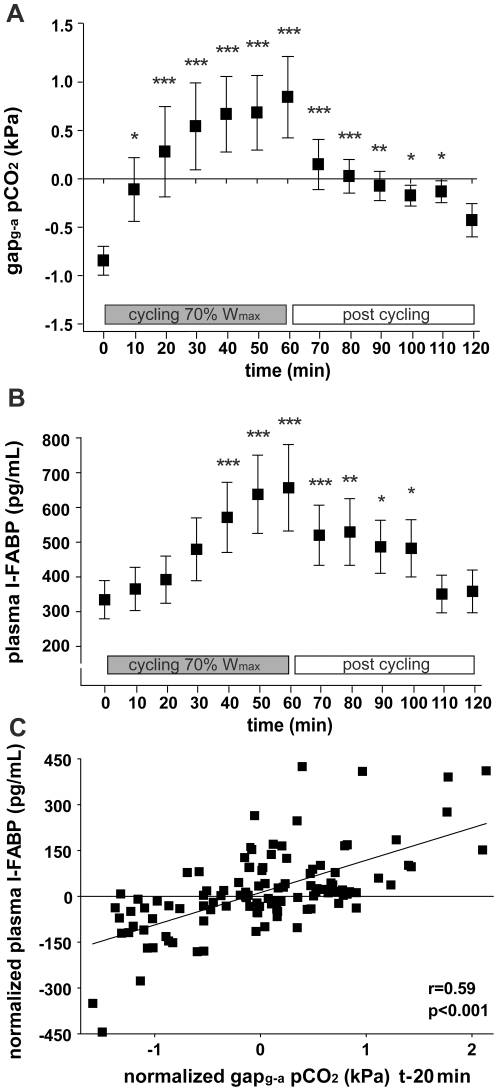
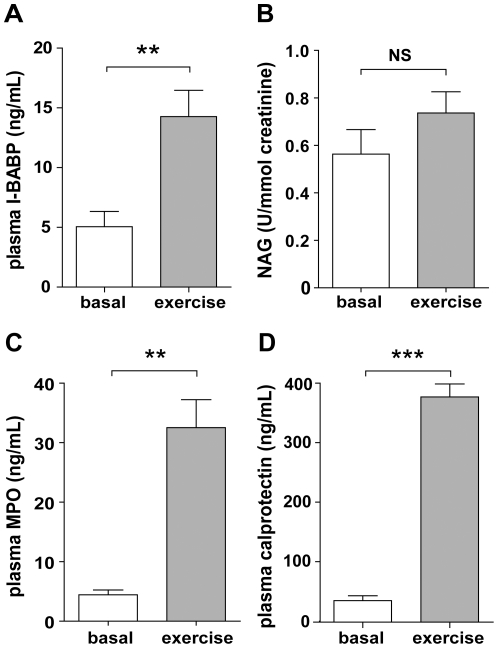
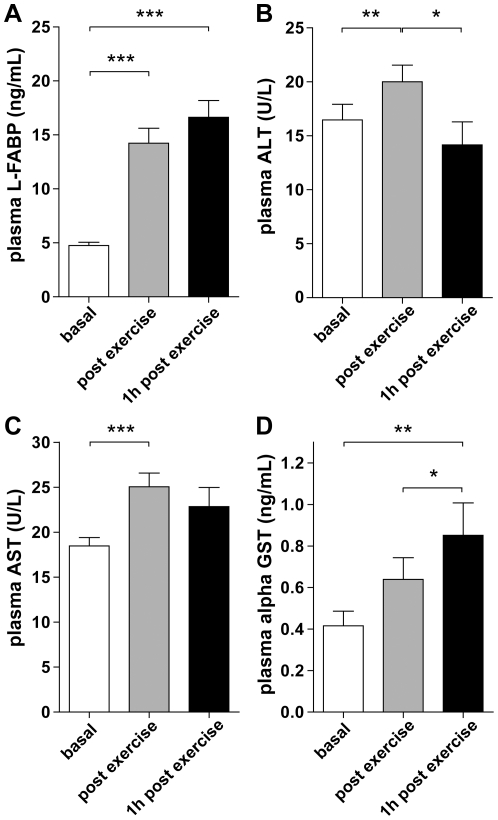
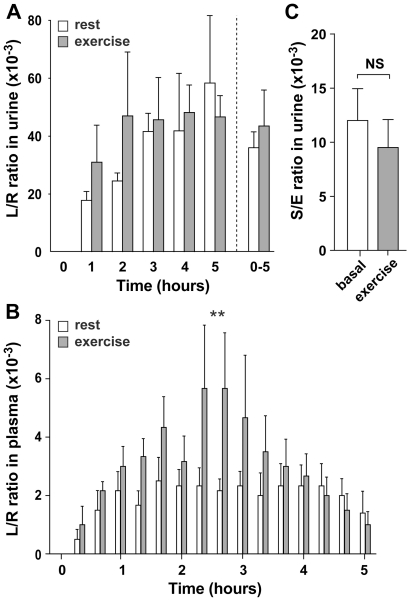
BACKGROUND: Splanchnic hypoperfusion is common in various pathophysiological conditions and often considered to lead to gut dysfunction. While it is known that physiological situations such as physical exercise also result in splanchnic hypoperfusion, the consequences of flow redistribution at the expense of abdominal organs remained to be determined. This study focuses on the effects of splanchnic hypoperfusion on the gut, and the relationship between hypoperfusion, intestinal injury and permeability during physical exercise in healthy men. METHODS AND FINDINGS: Healthy men cycled for 60 minutes at 70% of maximum workload capacity. Splanchnic hypoperfusion was assessed using gastric tonometry. Blood, sampled every 10 minutes, was analyzed for enterocyte damage parameters (intestinal fatty acid binding protein (I-FABP) and ileal bile acid binding protein (I-BABP)). Changes in intestinal permeability were assessed using sugar probes. Furthermore, liver and renal parameters were assessed. Splanchnic perfusion rapidly decreased during exercise, reflected by increased gap(g-a)pCO(2) from -0.85±0.15 to 0.85±0.42 kPa (p<0.001). Hypoperfusion increased plasma I-FABP (615±118 vs. 309±46 pg/ml, p<0.001) and I-BABP (14.30±2.20 vs. 5.06±1.27 ng/ml, p<0.001), and hypoperfusion correlated significantly with this small intestinal damage (r(S) = 0.59; p<0.001). Last of all, plasma analysis revealed an increase in small intestinal permeability after exercise (p<0.001), which correlated with intestinal injury (r(S) = 0.50; p<0.001). Liver parameters, but not renal parameters were elevated. CONCLUSIONS: Exercise-induced splanchnic hypoperfusion results in quantifiable small intestinal injury. Importantly, the extent of intestinal injury correlates with transiently increased small intestinal permeability, indicating gut barrier dysfunction in healthy individuals. These physiological observations increase our knowledge of splanchnic hypoperfusion sequelae, and may help to understand and prevent these phenomena in patients.
Overview
The claims and statistics of this paper haven’t been checked yet.
Run the check — free, no account needed. It reads the open-access text and checks the sources it cites.
Integrity signals
Registry
Cites
Statistics
Figures
Verification
Claims the paper makes
The claims and statistics of this paper haven’t been checked yet.
Run the check — free, no account needed. It reads the open-access text and checks the sources it cites.
Claims other papers make about this one
Each is checked against this paper’s own text: does it say what the citing paper says it does?
In the citing paper
“Exercise-induced redistribution of blood can result in splanchnic hypoperfusion as a possible mechanism for gut dysfunction [128, 129].”
From International Society of Sports Nutrition Position Stand: Probiotics (2019) · cites this paper as [129]
In the citing paper
“Symptoms such as nausea, cramping, bloating, and diarrhea most likely reflect redistribution of blood flow from the gut to the skin for cooling purposes.”
From International Society of Sports Nutrition Position Stand: Probiotics (2019) · cites this paper as [129]
In the citing paper
“It has been shown that exercise induced GI hypoperfusion may provoke transient damage to the gut epithelium [6]”
In the citing paper
“The pathophysiology of GI distress during ultra-marathon training and racing is multifactorial, but is likely the result of reduced mesenteric blood flow [131, 132], leading to relative GI hypoperfusion [133].”
From International Society of Sports Nutrition Position Stand: nutritional considerations for single-stage ultra-marathon training and racing (2019) · cites this paper as [133]
Self-check
Percentages, sums and reported differences re-computed from the paper’s own numbers.
The self-check needs the paper’s full text.
Citations
Cites
Muscle as an Endocrine Organ: Focus on Muscle-Derived Interleukin-6
Pedersen, B. K., & Febbraio, M. A. (2008) · Physiological Reviews · doi:10.1152/physrev.90100.2007 · Cited by 2,388 · cited 1×
“Since evidence is accumulating that inflammatory products are produced in contracting and skeletal muscle [32,45], we determined both circulating and faecal calprotectin.”
BackgroundVogl, T., Tenbrock, K., Ludwig, S., Leukert, N., Ehrhardt, C., van Zoelen, M. A. D., Nacken, W., Foell, D., van der Poll, T., Sorg, C., et al. (2007) · Nature Medicine · doi:10.1038/nm1638 · Cited by 1,418 · cited 1×
“MPO plays a role in oxidative processes, while calprotectin and one of its constituents, myeloid-related protein-8 (Mrp8, S100A8), are identified as strong activators of the innate Toll-like receptor 4 signaling pathway, resulting in the expression of pro-inflammatory cytokines [30].”
BackgroundEvaluation of Abnormal Liver-Enzyme Results in Asymptomatic Patients
Pratt, D. S., & Kaplan, M. M. (2000) · New England Journal of Medicine · doi:10.1056/nejm200004273421707 · Cited by 1,203 · cited 1×
“Alternatively, muscle transaminase release is expected in response to (exerciseinduced) muscle injury [23,24], while L-FABP release could be due to intestinal damage.”
BackgroundAltered intestinal function in patients with chronic heart failure
Sandek, A., Bauditz, J., Swidsinski, A., Buhner, S., Weber-Eibel, J., von Haehling, S., Schroedl, W., Karhausen, T., Doehner, W., Rauchhaus, M., et al. (2007) · Journal of the American College of Cardiology · doi:10.1016/j.jacc.2007.07.016 · Cited by 661 · cited 1×
“In patients with compromised vascular function, hypoperfusion-induced epithelial dysfunction may give rise to endotoxaemia, thereby enhancing their state of chronic inflammation, as suggested by the group of Anker for patients with chronic heart failure [6,37].”
BackgroundRestoration of Barrier Function in Injured Intestinal Mucosa
Blikslager, A. T., Moeser, A. J., Gookin, J. L., Jones, S. L., & Odle, J. (2007) · Physiological Reviews · doi:10.1152/physrev.00012.2006 · Cited by 586 · cited 1×
“The susceptibility of the mature enterocyte population to low-flow states and ischemic events has been explained by the counter current exchange mechanism in the villus [18,19], creating a constant low oxygen environment at the villus tip.”
BackgroundLiangos, O., Perianayagam, M. C., Vaidya, V. S., Han, W. K., Wald, R., Tighiouart, H., MacKinnon, R. W., Li, L., Balakrishnan, V. S., Pereira, B. J. G., et al. (2007) · Journal of the American Society of Nephrology · doi:10.1681/asn.2006030221 · Cited by 511
A simple method for assessing intestinal inflammation in Crohn's disease
Tibble, J. A., Teahon, K., Thjodleifsson, B., Roseth, A., Sigthorsson, G., Bridger, S., Foster, R., Sherwood, R. A., Fagerhol, M. K., & Bjarnason, I. (2000) · Gut · doi:10.1136/gut.47.4.506 · Cited by 493 · cited 1×
“The latter is considered a strong indicator of intestinal inflammation in specific, and has been found to correlate to other parameters of intestinal inflammation in inflammatory bowel disease [46] and enteropathy induced by non-steroidal anti-inflammatory drugs (NSAID) [47].”
BackgroundFatty acid-binding proteins as plasma markers of tissue injury
Pelsers, M. M. A. L., Hermens, W. T., & Glatz, J. F. C. (2004) · Clinica Chimica Acta · doi:10.1016/j.cccn.2004.09.001 · Cited by 488 · cited 1×
“However, as expression of L-FABP has been described in renal and intestinal epithelium [40], this marker was combined with the classically used parameters ALT and AST.”
MethodThermoregulatory and blood responses during exercise at graded hypohydration levels
Sawka, M. N., Young, A. J., Francesconi, R. P., Muza, S. R., & PANDOLF, K. B. (1985) · Journal of Applied Physiology · doi:10.1152/jappl.1985.59.5.1394 · Cited by 402 · cited 1×
“transpiration and inadequate fluid intake, can decrease cardiac output and compromise splanchnic perfusion even more [9].”
BackgroundSerum alanine aminotransferase in skeletal muscle diseases†
Nathwani, R. A., Pais, S. A., Reynolds, T. B., & Kaplowitz, N. (2005) · Hepatology · doi:10.1002/hep.20548 · Cited by 400 · cited 1×
“Alternatively, muscle transaminase release is expected in response to (exerciseinduced) muscle injury [23,24], while L-FABP release could be due to intestinal damage.”
Background
Cited by
Sorted by citations
Intestinal permeability – a new target for disease prevention and therapy
Bischoff, S. C., Barbara, G., Buurman, W., Ockhuizen, T., Schulzke, J.-D., Serino, M., Tilg, H., Watson, A., & Wells, J. M. (2014) · BMC Gastroenterology · doi:10.1186/s12876-014-0189-7 · Cited by 1,755
“in the course of exercise [242].”
Self-citationMedicine & science in sports & exercise
Walle, J. M. L., Solá, I. B., Castillo, I., & Rodríguez, J. L. T. (1994) · Journal of the American Dietetic Association · doi:10.1016/0002-8223(94)92575-5 · Cited by 1,309
Exerkines in health, resilience and disease
Chow, L. S., Gerszten, R. E., Taylor, J. M., Pedersen, B. K., van Praag, H., Trappe, S., Febbraio, M. A., Galis, Z. S., Gao, Y., Haus, J. M., et al. (2022) · Nature Reviews Endocrinology · doi:10.1038/s41574-022-00641-2 · Cited by 927
Editor's Choice – Management of the Diseases of Mesenteric Arteries and Veins
Björck, M., Koelemay, M., Acosta, S., Bastos Goncalves, F., Kölbel, T., Kolkman, J. J., Lees, T., Lefevre, J. H., Menyhei, G., Oderich, G., et al. (2017) · European Journal of Vascular and Endovascular Surgery · doi:10.1016/j.ejvs.2017.01.010 · Cited by 658
Mailing, L. J., Allen, J. M., Buford, T. W., Fields, C. J., & Woods, J. A. (2019) · Exercise and Sport Sciences Reviews · doi:10.1249/jes.0000000000000183 · Cited by 521
“Exercise also can reduce intestinal blood flow by more than 50%, with significant gut ischemia occurring within 10 min of high-intensity exercise (69).”
BackgroundCosta, R. J. S., Snipe, R. M. J., Kitic, C. M., & Gibson, P. R. (2017) · Alimentary Pharmacology & Therapeutics · doi:10.1111/apt.14157 · Cited by 450
“Van Wijck et al.(20) n=6 healthy male participants 60 minutes cycling at 70% Wmax.”
InfluentialBlom, D., Fabbri, C., Connor, E. C., Schiestl, F. P., Klauser, D., Böller, T., Eberl, L., & Weisskopf, L. (2011) · Environmental Microbiology · doi:10.1111/j.1462-2920.2011.02582.x · Cited by 380
Intestinal epithelial barrier function and tight junction proteins with heat and exercise
Dokładny, K., Zuhl, M., & Moseley, P. L. (2015) · Journal of Applied Physiology · doi:10.1152/japplphysiol.00536.2015 · Cited by 328
van Wijck, K., Lenaerts, K., Grootjans, J., Wijnands, K. A. P., Poeze, M., van Loon, L. J. C., Dejong, C. H. C., & Buurman, W. A. (2012) · American Journal of Physiology-Gastrointestinal and Liver Physiology · doi:10.1152/ajpgi.00066.2012 · Cited by 285
Self-citationInternational Society of Sports Nutrition Position Stand: Probiotics
Jäger, R., Mohr, A. E., Carpenter, K. C., Kerksick, C. M., Purpura, M., Moussa, A., Townsend, J. R., Lamprecht, M., West, N. P., Black, K., et al. (2019) · Journal of the International Society of Sports Nutrition · doi:10.1186/s12970-019-0329-0 · Cited by 277
Voluntary and forced exercise differentially alters the gut microbiome in C57BL/6J mice
Allen, J. M., Berg Miller, M. E., Pence, B. D., Whitlock, K., Nehra, V., Gaskins, H. R., White, B. A., Fryer, J. D., & Woods, J. A. (2015) · Journal of Applied Physiology · doi:10.1152/japplphysiol.01077.2014 · Cited by 266
“, intensity and duration) under which exercise takes place influences its effects on host physiology, especially within the GI tract (24, 47).”
Acute Exercise and Hormones Related to Appetite Regulation: A Meta-Analysis
Schubert, M. M., Sabapathy, S., Leveritt, M., & Desbrow, B. (2014) · Sports Medicine · doi:10.1007/s40279-013-0120-3 · Cited by 249
“One would expect acylated ghrelin suppression to be lesser after running-type exercise because of altered splanchnic blood flow, which inhibits ghrelin secretion [28, 29]; however, research indicates that altered blood flow also occurs after vigorous cycling [65].”
Shing, C. M., Peake, J. M., Lim, C. L., Briskey, D., Walsh, N. P., Fortes, M. B., Ahuja, K. D. K., & Vitetta, L. (2014) · European Journal of Applied Physiology · doi:10.1007/s00421-013-2748-y · Cited by 204
Suzuki, K., Tominaga, T., Ruhee, R. T., & Ma, S. (2020) · Antioxidants · doi:10.3390/antiox9050401 · Cited by 190
“, the increase of myeloperoxidase and calprotectin, which are neutrophil and macrophage activation markers), but not endotoxemia after one hour of cycling exercise [85].”
BackgroundDisturbed Intestinal Integrity in Patients With COPD
Rutten, E. P. A., Lenaerts, K., Buurman, W. A., & Wouters, E. F. �. (2013) · CHEST Journal · doi:10.1378/chest.13-0584 · Cited by 184
Self-citationBrzozowski, B., Mazur-Biały, A., Pajdo, R., Kwiecień, S., Bilski, J., Zwolińska-Wcisło, M., Mach, T., & Brzozowski, T. (2016) · Current Neuropharmacology · doi:10.2174/1570159x14666160404124127 · Cited by 168
O’Sullivan, Ó., Cronin, O., Clarke, S. F., Murphy, E. F., Molloy, M., Shanahan, F., & Cotter, P. D. (2015) · Gut Microbes · doi:10.1080/19490976.2015.1011875 · Cited by 174
“Prolonged intestinal hypo-perfusion impairs mucosal homeostasis and causes enterocyte injury.(34) Intestinal ischemia may result, particularly in the setting of dehydration, manifesting as abdominal cramps, diarrhea or occasionally bloody diarrhea.”
BackgroundExercise regulation of intestinal tight junction proteins
Zuhl, M., Schneider, S., Lanphere, K., Conn, C., Dokladny, K., & Moseley, P. (2014) · British Journal of Sports Medicine · doi:10.1136/bjsports-2012-091585 · Cited by 167
Tiller, N. B., Roberts, J. D., Beasley, L., Chapman, S., Pinto, J. M., Smith, L., Wiffin, M., Russell, M., Sparks, S. A., Duckworth, L., et al. (2019) · Journal of the International Society of Sports Nutrition · doi:10.1186/s12970-019-0312-9 · Cited by 164
Codella, R., Luzi, L., & Terruzzi, I. (2018) · Digestive and Liver Disease · doi:10.1016/j.dld.2017.11.016 · Cited by 158
Costa, R. J. S., Miall, A., Khoo, A., Rauch, C., Snipe, R., Camões-Costa, V., & Gibson, P. (2017) · Applied Physiology, Nutrition, and Metabolism · doi:10.1139/apnm-2016-0453 · Cited by 162
Grootjans, J., Lenaerts, K., Buurman, W. A., Dejong, C. H. C., & Derikx, J. P. M. (2016) · World Journal of Gastroenterology · doi:10.3748/wjg.v22.i9.2760 · Cited by 160
Self-citationMcCormick, A. C., Irmisch, S., Reinecke, A., Boeckler, G. A., VEIT, D., Reichelt, M., Hansson, B. S., Gershenzon, J., Köllner, T. G., & Unsicker, S. B. (2014) · Plant Cell & Environment · doi:10.1111/pce.12287 · Cited by 152
ter Steege, R. W. F., & Kolkman, J. J. (2012) · Alimentary Pharmacology & Therapeutics · doi:10.1111/j.1365-2036.2011.04980.x · Cited by 145
“strongly suggests that this increased intestinal permeability is related to mucosal damage secondary to GIischaemia.(32)”
BackgroundMethodInfluentialSnipe, R. M. J., Khoo, A., Kitic, C. M., Gibson, P. R., & Costa, R. J. S. (2017) · European Journal of Applied Physiology · doi:10.1007/s00421-017-3781-z · Cited by 144
Probiotics supplementation for athletes – Clinical and physiological effects
Pyne, D. B., West, N. P., Cox, A. J., & Cripps, A. W. (2015) · European Journal of Sport Science · doi:10.1080/17461391.2014.971879 · Cited by 139
Association Between Exercise-Induced Hyperthermia and Intestinal Permeability: A Systematic Review
Pires, W., Veneroso, C. E., Wanner, S. P., Pacheco, D. A. S., Vaz, G. C., Amorim, F. T., Tonoli, C., Soares, D. D., & Coimbra, C. C. (2016) · Sports Medicine · doi:10.1007/s40279-016-0654-2 · Cited by 141
Beyond muscle hypertrophy: why dietary protein is important for endurance athletes
Moore, D. R., Camera, D. M., Areta, J. L., & Hawley, J. A. (2014) · Applied Physiology, Nutrition, and Metabolism · doi:10.1139/apnm-2013-0591 · Cited by 138
Burd, N. A., Beals, J. W., Martinez, I. G., Salvador, A. F., & Skinner, S. K. (2019) · Sports Medicine · doi:10.1007/s40279-018-1009-y · Cited by 127
van Wijck, K., Verlinden, T. J. M., van Eijk, H. M. H., Dekker, J. P., Buurman, W. A., Dejong, C. H. C., & Lenaerts, K. (2012) · Clinical Nutrition · doi:10.1016/j.clnu.2012.06.014 · Cited by 125
Self-citationPiton, G., Belon, F., Cypriani, B., Regnard, J., Puyraveau, M., Manzon, C., Navellou, J.-C., & Capellier, G. (2013) · Critical Care Medicine · doi:10.1097/ccm.0b013e31828c26b5 · Cited by 129
“In healthy adults, small bowel hypoperfusion during submaximal effort was recently shown to cause acute reduction of enterocyte mass (15).”
BackgroundHansson, E., Glaser, J. R., Jakobsson, K., Weiss, I., Wesseling, C., Lucas, R. A. I., LEE, J. K. W., Ekström, U., Wijkström, J., Bodin, T., et al. (2020) · Nutrients · doi:10.3390/nu12061639 · Cited by 129
Exercise and intestinal permeability: another form of exercise-induced hormesis?
Keirns, B. H., Koemel, N. A., Sciarrillo, C. M., Anderson, K. L., & Emerson, S. R. (2020) · American Journal of Physiology-Gastrointestinal and Liver Physiology · doi:10.1152/ajpgi.00232.2020 · Cited by 121
Snipe, R. M. J., Khoo, A., Kitic, C. M., Gibson, P. R., & Costa, R. J. S. (2017) · Applied Physiology Nutrition and Metabolism · doi:10.1139/apnm-2017-0361 · Cited by 117
“…solution maintains portal vein blood flow during exercise (Rehrer et al. 2005); 2) I-FABP levels correlate well with splanchnic perfusion (van Wijck et al. 2011); and 3) no differences in I-FABP were found between GLUC and WPH, it is likely repeated macronutrient feeding ameliorates…”
BackgroundFour weeks of probiotic supplementation reduces GI symptoms during a marathon race
Pugh, J. N., Sparks, A. S., Doran, D. A., Fleming, S. C., Langan-Evans, C., Kirk, B., Fearn, R., Morton, J. P., & Close, G. L. (2019) · European Journal of Applied Physiology · doi:10.1007/s00421-019-04136-3 · Cited by 115
Is There an Exercise-Intensity Threshold Capable of Avoiding the Leaky Gut?
Ribeiro, F. M., Petriz, B. A., Marques, G., Kamilla, L. H., & Franco, O. L. (2021) · Frontiers in Nutrition · doi:10.3389/fnut.2021.627289 · Cited by 119
“The intestinal mucosa’s degradation can be identified and analyzed by a series of molecular biomarkers, including the lactulose/rhamnose ratio, occludin and claudin (tight junctions), lipopolysaccharides, and I-FABP.”
BackgroundInfluentialGonzalez, J. T., Veasey, R. C., Rumbold, P. L. S., & Stevenson, E. J. (2013) · British Journal of Nutrition · doi:10.1017/s0007114512005582 · Cited by 108
“However, recent evidence associates the increase in intestinal absorption 364 with reduced gut blood flow occurring during intense exercise and may result in intestinal 365 damage((40)), indicating faster entry of glucose into the circulation when gut blood flow is reduced 366 [which occurs when exercising fasted comp…”
BackgroundAggravation of Exercise-Induced Intestinal Injury by Ibuprofen in Athletes
van Wijck, K., Lenaerts, K., van Bijnen, A. A. J. H. M., Boonen, B., van Loon, L. J. C., Dejong, C. H. C., & Buurman, W. A. (2012) · Medicine & Science in Sports & Exercise · doi:10.1249/mss.0b013e318265dd3d · Cited by 111
“Furthermore, all 15 athletes participating in our previous study had normal hydration status and no detectable kidney damage after completion of the same exercise protocol as applied in the current study (33).”
InfluentialSelf-citationCosta, R. J. S., Gaskell, S. K., McCubbin, A. J., & Snipe, R. M. J. (2019) · Temperature · doi:10.1080/23328940.2019.1597676 · Cited by 101
High-altitude exposures and intestinal barrier dysfunction
McKenna, Z. J., Pereira, F. G., Gillum, T., Amorim, F. T., Deyhle, M. R., & Mermier, C. M. (2022) · American Journal of Physiology-Regulatory, Integrative and Comparative Physiology · doi:10.1152/ajpregu.00270.2021 · Cited by 106
van Wijck, K., Pennings, B., van Bijnen, A. A. J. H. M., Senden, J. M., Buurman, W. A., Dejong, C. H. C., van Loon, L. J. C., & Lenaerts, K. (2013) · American Journal of Physiology-Regulatory, Integrative and Comparative Physiology · doi:10.1152/ajpregu.00294.2012 · Cited by 100
“Previously, we demonstrated that exercise-induced small intestinal injury is caused by splanchnic hypoperfusion (30).”
BackgroundResultInfluentialSelf-citationRoberts, J., Suckling, C., Peedle, G., Murphy, J., Dawkins, T., & Roberts, M. (2016) · Nutrients · doi:10.3390/nu8110733 · Cited by 99
“It has been shown that exercise induced GI hypoperfusion may provoke transient damage to the gut epithelium [6], with one study demonstrating that 30 min of running at 80% of peak oxygen uptake (VO2peak) significantly increased luminal permeability in healthy volunteers [7].”
BackgroundIntestinal fatty acid-binding protein and gut permeability responses to exercise
March, D. S., Marchbank, T., Playford, R. J., Jones, A. W., Thatcher, R., & Davison, G. (2017) · European Journal of Applied Physiology · doi:10.1007/s00421-017-3582-4 · Cited by 115
Alterations in Intestinal Permeability: The Role of the “Leaky Gut” in Health and Disease
Stewart, A. S., Pratt-Phillips, S. E., & Gonzalez, L. M. (2017) · Journal of Equine Veterinary Science · doi:10.1016/j.jevs.2017.02.009 · Cited by 110
“Shunting of the blood from visceral tissues to more active tissues during exercise can therefore result in varying degrees of intestinal damage including alterations in permeability [49,50].”
BackgroundRoles of the gut microbiome in weight management
Carmody, R. N., & Bisanz, J. E. (2023) · Nature Reviews Microbiology · doi:10.1038/s41579-023-00888-0 · Cited by 113
Karhu, E., Forsgård, R. A., Alanko, L., Alfthan, H. V., Pussinen, P. J., Hämäläinen, E. K., & Korpela, R. (2017) · European Journal of Applied Physiology · doi:10.1007/s00421-017-3739-1 · Cited by 99
Zuo, L., Li, Y., Wang, H., Wu, R., Zhu, W., Zhang, W., Cao, L., Gu, L., Gong, J., Li, N., et al. (2014) · Journal of Crohn s and Colitis · doi:10.1016/j.crohns.2014.08.008 · Cited by 94
Effects of Protein Supplementation on Performance and Recovery in Resistance and Endurance Training
Cintineo, H. P., Arent, M. A., António, J., & Arent, S. M. (2018) · Frontiers in Nutrition · doi:10.3389/fnut.2018.00083 · Cited by 109
Effects of physical activity upon the liver
Shephard, R. J., & Johnson, N. A. (2014) · European Journal of Applied Physiology · doi:10.1007/s00421-014-3031-6 · Cited by 93
Exploring the influence of the gut microbiota and probiotics on health: a symposium report
Thomas, L. V., Ockhuizen, T., & Suzuki, K. (2014) · British Journal Of Nutrition · doi:10.1017/s0007114514001275 · Cited by 93
Mitochondrial ATP Depletion Disrupts Caco-2 Monolayer Integrity and Internalizes Claudin 7
JanssenDuijghuijsen, L. M., Grefte, S., de Boer, V. C. J., Zeper, L. W., van Dartel, D. A. M., van der Stelt, I., Bekkenkamp‐Grovenstein, M., van Norren, K., Wichers, H. J., & Keijer, J. (2017) · Frontiers in Physiology · doi:10.3389/fphys.2017.00794 · Cited by 87
“Several in vivo studies indirectly support this hypothesis, such as exercise studies that show an exerciseinduced splanchnic hypoperfusion (Van Wijck et al., 2011) and exercise-induced intestinal permeability (Van Wijck et al., 2011; JanssenDuijghuijsen et al., 2016, 2017).”
BackgroundSnipe, R. M. J., Khoo, A., Kitic, C. M., Gibson, P., & Costa, R. J. S. (2018) · International Journal of Sports Medicine · doi:10.1055/s-0043-122742 · Cited by 84
“Statistical analysis Based on a standard deviation of 118 pg · ml − 1 for post-exercise IFABP [40] and using a standard alpha (0.”
BackgroundMethodInfluentialL-Citrulline Improves Splanchnic Perfusion and Reduces Gut Injury during Exercise
van Wijck, K., Wijnands, K. A. P., Meesters, D. M., Boonen, B., van Loon, L. J. C., Buurman, W. A., Dejong, C. H. C., Lenaerts, K., & Poeze, M. (2014) · Medicine & Science in Sports & Exercise · doi:10.1249/mss.0000000000000332 · Cited by 83
“We have recently demonstrated that splanchnic hypoperfusion is associated with small intestinal injury and loss of gut barrier function in healthy men (33).”
BackgroundInfluentialSelf-citationRomán, E., Nieto, J. C., Gely, C., Vidal, S., Pozuelo, M., Poca, M., Juárez, C., Guarner, C., Manichanh, C., & Soriano, G. (2019) · Hepatology Communications · doi:10.1002/hep4.1325 · Cited by 80
“Nevertheless, we would like to point out that the results from the biomarkers used in the present study that could suggest an improvement in the intestinal barrier after probiotic treatment are consistent with previous data.(23,38-45) As future research, a study with a larger number of patients and with a longer treat…”
ResultChantler, S., Griffiths, A., Matu, J., Davison, G., Jones, B. L., & Deighton, K. (2020) · Sports Medicine · doi:10.1007/s40279-020-01348-y · Cited by 80
Regulation of Cellular Gas Exchange, Oxygen Sensing, and Metabolic Control
Clanton, T. L., Hogan, M. C., & Gladden, L. B. (2013) · Comprehensive physiology · doi:10.1002/cphy.c120030 · Cited by 91
Davison, G., Marchbank, T., March, D. S., Thatcher, R., & Playford, R. J. (2016) · The American Journal of Clinical Nutrition · doi:10.3945/ajcn.116.134403 · Cited by 79
Liu, T.-W., Park, Y.-M., Holscher, H. D., Padilla, J., Scroggins, R. J., Welly, R., Britton, S. L., Koch, L. G., Vieira-Potter, V. J., & Swanson, K. S. (2015) · PLOS ONE · doi:10.1371/journal.pone.0136150 · Cited by 78
“High-intensity exercise redirects blood flow to the active tissues such as skeletal muscle and heart [33].”
BackgroundIncreased Small Intestinal Permeability during Severe Acute Exacerbations of COPD
Sprooten, R. T. M., Lenaerts, K., Braeken, D. C. W., Grimbergen, I., Rutten, E. P. A., Wouters, E. F. �., & Rohde, G. G. U. (2018) · Respiration · doi:10.1159/000485935 · Cited by 76
Self-citationOgden, H. B., Child, R. B., Fallowfield, J. L., Delves, S. K., Westwood, C. S., & Layden, J. D. (2020) · Nutrients · doi:10.3390/nu12020537 · Cited by 78
“In the only published evidence where the MSAT was applied with reference probe co-administration [82], both gastroduodenal (S/R; [123]) and large intestinal (S/E; [86]) integrity were unaltered following one hour of moderate intensity cycling (70% wattmax) in temperate conditions (~22 °C), which was sufficiently inten…”
BackgroundMethodResultInfluentialSports Dietitians Australia Position Statement: Nutrition for Exercise in Hot Environments
McCubbin, A. J., Allanson, B. A., Caldwell Odgers, J. N., Cort, M. M., Costa, R. J. S., Cox, G. R., Crawshay, S. T., Desbrow, B., Freney, E. G., Gaskell, S. K., et al. (2020) · International Journal of Sport Nutrition and Exercise Metabolism · doi:10.1123/ijsnem.2019-0300 · Cited by 74
“…of blood flow away from the gastrointestinal tract and toward skeletal muscles (i.e., metabolic kinetics) and peripheral circulation (i.e., thermoregulation) results in reduced total splanchnic perfusion and subsequent gastrointestinal ischemia (Grootjans et al., 2016; van Wijck et al., 2011).”
BackgroundNo Effects of a Short-Term Gluten-free Diet on Performance in Nonceliac Athletes
Lis, D. M., Stellingwerff, T., Kitic, C. M., Ahuja, K., & Fell, J. W. (2015) · Medicine & Science in Sports & Exercise · doi:10.1249/mss.0000000000000699 · Cited by 72
“Preexercise IFABP levels were within expected ranges of healthy controls and increased in accordance with similar exercise studies across both dietary trials during the performance test (40).”
BackgroundMethodResultInfluentialBeta-Hydroxybutyrate: A Dual Function Molecular and Immunological Barrier Function Regulator
Qi, J., Gan, L., Fang, J. S., Zhang, J., Yu, X., Guo, H., Cai, D., Cui, H., Gou, L., Deng, J., et al. (2022) · Frontiers in Immunology · doi:10.3389/fimmu.2022.805881 · Cited by 74
Townsend, J. R., Bender, D., Vantrease, W. C., Sapp, P. A., Toy, A. M., Woods, C. A., & Johnson, K. D. (2018) · Sports · doi:10.3390/sports6030070 · Cited by 69
Boytar, A. N., Skinner, T. L., Wallen, R. E., Jenkins, D. G., & Nitert, M. D. (2023) · Nutrients · doi:10.3390/nu15061534 · Cited by 75
Scientific uncertainty in media content: Introduction to this special issue
Peters, H. P., & Dunwoody, S. (2016) · Public Understanding of Science · doi:10.1177/0963662516670765 · Cited by 71
Pugh, J. N., Impey, S. G., Doran, D. A., Fleming, S. C., Morton, J. P., & Close, G. L. (2017) · Applied Physiology, Nutrition, and Metabolism · doi:10.1139/apnm-2016-0646 · Cited by 70
“Situated between these ends of the symptomology continuum, acute exercise activity may also impact upon digestion, absorption and importantly, the recovery process (Riddoch et al. 1988; van Wijck et al. 2013a; de Oliveira et al. 2014).”
Hawley, J. A., Forster, S. C., & Giles, E. M. (2025) · Gastroenterology · doi:10.1053/j.gastro.2025.01.224 · Cited by 76
Cancer Related Anemia: An Integrated Multitarget Approach and Lifestyle Interventions
Natalucci, V., Virgili, E., Calcagnoli, F., Valli, G., Agostini, D., Zeppa, S. D., Barbieri, E., & Emili, R. (2021) · Nutrients · doi:10.3390/nu13020482 · Cited by 72
Nieman, D. C., Scherr, J., Luo, B., Meaney, M. P., Dréau, D., Sha, W., Dew, D. A., Henson, D. A., & Pappan, K. L. (2014) · PLoS ONE · doi:10.1371/journal.pone.0113725 · Cited by 66
“Plasma sucrose is widely used as a marker of increased gastrointestinal permeability [22].”
BackgroundPu, H., Doig, G. S., Heighes, P. T., & Allingstrup, M. J. (2018) · Critical Care Medicine · doi:10.1097/ccm.0000000000003445 · Cited by 69
Pugh, J. N., Sage, S., Hutson, M., Doran, D. A., Fleming, S. C., Highton, J., Morton, J. P., & Close, G. L. (2017) · European Journal of Applied Physiology · doi:10.1007/s00421-017-3744-4 · Cited by 64
Oxygen in the regulation of intestinal epithelial transport
Ward, J. B. J., Keely, S., & Keely, S. J. (2014) · The Journal of Physiology · doi:10.1113/jphysiol.2013.270249 · Cited by 65
“Although the intestines are able to utilise oxygen more efficiently during hypoperfusion, strenuous exercise has been associated with gut dysfunction in healthy individuals (van Wijck et al. 2011, 2012; ter Steege & Kolkman, 2012).”
BackgroundInteractions of Gut Microbiota, Endotoxemia, Immune Function, and Diet in Exertional Heatstroke
Armstrong, L. E., Lee, E. C., & Armstrong, E. M. (2018) · Journal of Sports Medicine · doi:10.1155/2018/5724575 · Cited by 64
“Intestinal ischemia has been shown to occur within 10–20min of high-intensity exercise [91].”
BackgroundToohey, J. C., Townsend, J. R., Johnson, S. B., Toy, A. M., Vantrease, W. C., Bender, D., Crimi, C. C., Stowers, K. L., Ruiz, M. D., VanDusseldorp, T. A., et al. (2020) · Journal of Strength and Conditioning Research · doi:10.1519/jsc.0000000000002675 · Cited by 62
“It has been previously reported that high-intensity interval training and resistance exercises increase markers of intestinal damage (30,37) and may impair dietary protein digestion and absorption during postexercise recovery (38).”
BackgroundBiomarkers of multiorgan injury in a preclinical model of exertional heat stroke
King, M. A., Leon, L. R., Mustico, D. L., Haines, J. M., & Clanton, T. L. (2015) · Journal of Applied Physiology · doi:10.1152/japplphysiol.01051.2014 · Cited by 61
“Exertional heat stroke may be particularly susceptible to intestinal injury since in humans (68) and in mice (27); heavy endurance exercise alone can result in evidence for loss of the intestinal barrier function and enterocyte injury.”
BackgroundRisk factors for equine glandular and squamous gastric disease in show jumping Warmbloods
Pedersen, S. K., Cribb, A. E., Windeyer, M. C., Read, E. K., French, D., & Banse, H. E. (2018) · Equine Veterinary Journal · doi:10.1111/evj.12949 · Cited by 59
Snipe, R. M. J., & Costa, R. J. S. (2018) · Journal of science and medicine in sport · doi:10.1016/j.jsams.2017.12.014 · Cited by 58
Edinburgh, R. M., Hengist, A., Smith, H., Travers, R. L., Koumanov, F., Betts, J. A., Thompson, D., Walhin, J., Wallis, G. A., Hamilton, D. L., et al. (2018) · American Journal of Physiology-Endocrinology and Metabolism · doi:10.1152/ajpendo.00163.2018 · Cited by 56
“Plasma IFABP concentrations are used as a marker of damage to intestinal epithelial cells (60).”
MethodBetaine Supplementation May Improve Heat Tolerance: Potential Mechanisms in Humans
Willingham, B. D., Ragland, T. J., & Ormsbee, M. J. (2020) · Nutrients · doi:10.3390/nu12102939 · Cited by 59
Costa, R. J. S., Young, P., Gill, S. K., Snipe, R. M. J., Gaskell, S. K., Russo, I., & Burke, L. M. (2022) · International Journal of Sport Nutrition and Exercise Metabolism · doi:10.1123/ijsnem.2022-0048 · Cited by 58
Lubbers, T., Kox, M., de Haan, J. J., Greve, J. W. M., Pompe, J. C., Ramakers, B. P., Pickkers, P., & Buurman, W. A. (2013) · Critical Care Medicine · doi:10.1097/ccm.0b013e31827c0a17 · Cited by 55
“Intestinal-fatty acid–binding protein (i-FABP), a marker of intestinal epithelial cell damage, was determined in plasma using an in-house developed, validated, and standardized enzymelinked immunosorbent assay (17, 18).”
MethodSelf-citationFructose and Sucrose Intake Increase Exogenous Carbohydrate Oxidation during Exercise
Trommelen, J., Fuchs, C., Beelen, M., Lenaerts, K., Jeukendrup, A., Cermak, N., & Van Loon, L. (2017) · Nutrients · doi:10.3390/nu9020167 · Cited by 55
“Previous work has shown that exercise resulted in a rapid appearance of this marker in blood, which correlated with splanchnic hypoperfusion [23].”
BackgroundSelf-citationNutritional implications for ultra-endurance walking and running events
Williamson, E. (2016) · Extreme Physiology & Medicine · doi:10.1186/s13728-016-0054-0 · Cited by 53
“However, it is likely that their needs would be even higher given the increase in total oxidation of amino acids during exercise as well as the possibility of splanchnic organ tissue damage due to the shunting of blood away from the digestive system during activity [91].”
BackgroundKittaka, H., Akimoto, H., Takeshita, H., Funaoka, H., Hazui, H., Okamoto, M., Kobata, H., & Ohishi, Y. (2014) · PLoS ONE · doi:10.1371/journal.pone.0099915 · Cited by 56
“Another study found a correlation between splanchnic hypoperfusion induced by cycling exercise and the plasma I-FABP level, reporting that the IFABP level increased rapidly 40 minutes after the initiation of cycling [44].”
BackgroundPugh, J. N., Wagenmakers, A. J. M., Doran, D. A., Fleming, S. C., Fielding, B. A., Morton, J. P., & Close, G. L. (2020) · American Journal of Physiology-Endocrinology and Metabolism · doi:10.1152/ajpendo.00452.2019 · Cited by 48
Moitinho‐Silva, L., Wegener, M., May, S., Schrinner, F., Akhtar, A., Boysen, T. J., Schaeffer, E., Hansen, C., Schmidt, T., Rühlemann, M. C., et al. (2021) · BMC Microbiology · doi:10.1186/s12866-021-02214-1 · Cited by 49
March, D. S., Jones, A. W., Thatcher, R., & Davison, G. (2018) · European Journal of Nutrition · doi:10.1007/s00394-018-1670-9 · Cited by 57
Snipe, R. M. J., & Costa, R. J. S. (2018) · Journal of Sports Sciences · doi:10.1080/02640414.2018.1478612 · Cited by 46
“Such increases in I-FABP after 1 h exercise have been correlatedwith the magnitude of splanchnic hypoperfusion and increases in intestinal permeability (van Wijck et al., 2011).”
BackgroundLis, D. M. (2019) · Sports Medicine · doi:10.1007/s40279-018-01034-0 · Cited by 45
“GIS triggered by the physiological responses to exercise are instigated through two main pathways: (1) a circulatory-gastrointestinal pathway where blood flow is redistributed away from the splanchnic area to peripheral circulation and contracting muscles (termed splanchnic hypoperfusion); and (2) a neuroendocrine-gas…”
BackgroundHolland, A. M., Hyatt, H. W., Smuder, A. J., Sollanek, K. J., Morton, A. B., Roberts, M. D., & Kavazis, A. N. (2015) · BMC Research Notes · doi:10.1186/s13104-015-1500-6 · Cited by 43
Is There a Need for Protein Ingestion During Exercise?
van Loon, L. J. C. (2014) · Sports Medicine · doi:10.1007/s40279-014-0156-z · Cited by 48
The Impact of Morning versus Afternoon Exercise on Iron Absorption in Athletes
McCormick, R., Moretti, D., McKay, A. K. A., Laarakkers, C. M., vanSwelm, R., Trinder, D., Cox, G. R., Zimmermann, M. B., Sim, M., Goodman, C., et al. (2019) · Medicine & Science in Sports & Exercise · doi:10.1249/mss.0000000000002026 · Cited by 47
“Alternatively, exercise has been shown to create a transient increase in the permeability of the small intestine (“leaky gut”) as a result of splanchnic hypoperfusion and repetitive mechanical movement during exercise, such outcomes are thought to increase the transfer of iron across the intestinal border (29,30).”
BackgroundGastric tonometry guided therapy in critical care patients: a systematic review and meta-analysis
Zhang, X., Xuan, W., Yin, P., Wang, L., Wu, X., & Wu, Q. (2015) · Critical Care · doi:10.1186/s13054-015-0739-6 · Cited by 42
The effect of endurance exercise on intestinal integrity in well‐trained healthy men
JanssenDuijghuijsen, L. M., Mensink, M., Lenaerts, K., Fiedorowicz, E., the Protégé study group, van Dartel, D. A. M., Mes, J. J., Luiking, Y. C., Keijer, J., Wichers, H. J., et al. (2016) · Physiological Reports · doi:10.14814/phy2.12994 · Cited by 42
“For example, FABP2, an acute enterocyte damage marker, was not affected in this study, while van Wijck et al. (2011a) found a clear increase in plasma FABP2 levels during and directly after exercise.”
BackgroundMethodInfluentialSelf-citationDexmedetomidine protects intestinal ischemia-reperfusion injury via inhibiting p38 MAPK cascades
Liu, X.-M., Chen, Q., Hu, Q., Liu, Z., Wu, Q., Liang, S., Zhang, H., Zhang, Q., & Zhang, X. (2020) · Experimental and Molecular Pathology · doi:10.1016/j.yexmp.2020.104444 · Cited by 42
Hasegawa, T., Mizugaki, A., Inoue, Y., Kato, H., & Murakami, H. (2021) · Amino Acids · doi:10.1007/s00726-021-03001-y · Cited by 43
Carbohydrate gel ingestion during running in the heat on markers of gastrointestinal distress
Sessions, J., Bourbeau, K., Rosinski, M. M., Szczygiel, T., Nelson, R. K., Sharma, N., & Zuhl, M. (2016) · European Journal of Sport Science · doi:10.1080/17461391.2016.1140231 · Cited by 41
“In addition, blood flow is diverted from the GI tract creating an ischemic environment enhancing oxidative stress (Lambert et al., 2002; van Wijck et al., 2011), which contributes to the loss of tight junction integrity.”
BackgroundHill, G. W., Gillum, T., Lee, B., Romano, P. A., Schall, Z. J., Hamilton, A. M., & Kuennen, M. R. (2019) · Applied Physiology Nutrition and Metabolism · doi:10.1139/apnm-2019-0378 · Cited by 40
“I-FABP is a robust biomarker of GI barrier permeability (Morrison et al. 2014) that exhibits strong correlations with splanchnic hypoperfusion (van Wijck et al. 2011), the lactulose/rhamanose gut permeability test (Pugh et al. 2017), and plasma LPS concentrations (Kim et al. 2018).”
BackgroundSmith, K. A., Pugh, J. N., Duca, F. A., Close, G. L., & Ormsbee, M. J. (2021) · European Journal of Applied Physiology · doi:10.1007/s00421-021-04737-x · Cited by 46
Metadata
- Authors
- van Wijck, K., Lenaerts, K., van Loon, L. J. C., Peters, W. H. M., Buurman, W. A., & Dejong, C. H. C.
- Affiliations
- Maastricht University Medical Centre (NL)
- Radboud University Nijmegen (NL)
- Corresponding author
- Lenaerts, Kaatje
- Venue
- PLoS ONE
- Publisher
- Public Library of Science (PLoS)
- Published
- 2011-07-21
- Volume
- 6
- Issue
- 7
- Pages
- e22366
- ISSN
- 1932-6203 (ISSN-L)
- PMC
- PMC3141050
- OpenAlex
- W1986330043
- Cited by
- 359
- References
- 48
- Citations by year
- 2026: 26 · 2025: 28 · 2024: 21 · 2023: 32 · 2022: 32 · 2021: 33 · 2020: 30 · 2019: 24 · 2018: 24 · 2017: 27 · 2016: 18 · 2015: 12 · 2014: 17 · 2013: 18 · 2012: 15
- FWCI
- 16.54
- Type
- journal article
- Language
- en
- Open access
- gold
- doi.org
- Locations
- PLoS ONE (publishedVersion, cc-by)
- Europe PMC (PubMed Central) (publishedVersion, cc-by)
- PubMed Central (publishedVersion, cc-by)
- PubMed (publishedVersion)
- Radboud Repository (Radboud University) (submittedVersion, other-oa)
- Research Bank (Australian Catholic University) (submittedVersion, cc-by)
- Research Publications (Maastricht University) (submittedVersion, cc-by)
- DOAJ (DOAJ: Directory of Open Access Journals) (submittedVersion, cc-by-sa)
- Figshare (submittedVersion, cc-by)
- Radboud Repository (Radboud University) (submittedVersion)
- Research Publications (Maastricht University) (submittedVersion, other-oa)
- Funders
- GlaxoSmithKline
- Topics
- Health Sciences › Medicine › Physiology (medical) › Exercise and Physiological Responses
- Health Sciences › Medicine › Gastroenterology › Gastrointestinal motility and disorders
- Health Sciences › Medicine › Physiology (medical) › Cardiovascular and exercise physiology
- Keywords
- splanchnic hypoperfusion, physical activity, gastrointestinal dysfunction, intestinal injury, intestinal permeability, intestinal barrier dysfunction, gastric tonometry, intestinal fatty acid binding protein, ileal bile acid binding protein, small intestine, healthy men
- MeSH terms
- Bacteria, Health, Humans, Inflammation, Kidney, Liver, Male, Perfusion, Permeability, Splanchnic Circulation, Exercise, Gastrointestinal Tract, Young Adult
About these checks
Registry, retraction, Cites and statistics results are computed, not judged, with one exception: a printed reference that no index lists is read once by a model before it counts as a citation error. Claims are extracted by a model and kept only when their quote appears verbatim in the text; each cited source is then checked, with a model’s help, for whether it says what the claim relies on. Those verdicts can be wrong — read the claim’s quote and the cited source before relying on one.
Statistics and arithmetic are recomputed, not judged.
Confidence bands are shown only for fields calibrated on our annotated test set. None is calibrated yet, so no band is shown.
What counts as a claim ›How we measure confidence ›How we check this ›
Are you an author, or do you see a problem with this page? Request a review
