

Cognition in Males and Females with Autism: Similarities and Differences
Open accessThe DOI matches its Crossref record; 141 of the 146 references it cites were found in a registry or an index.
Abstract
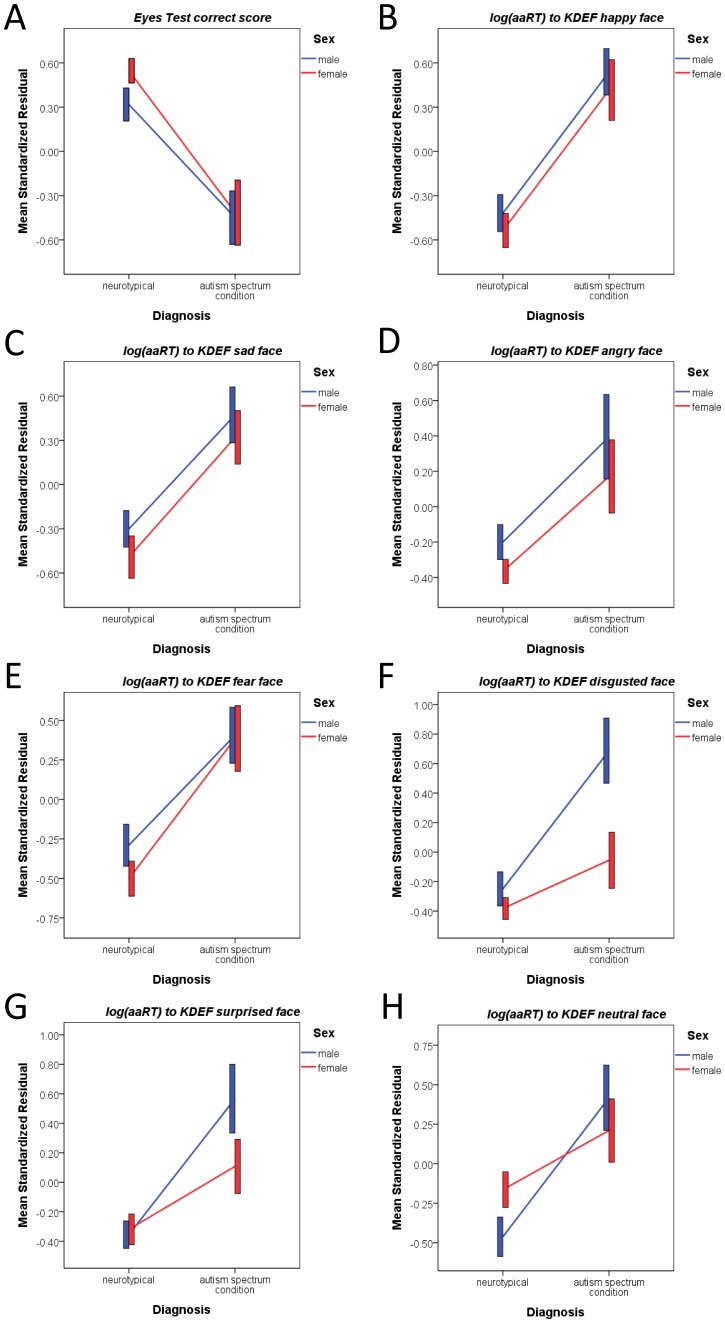
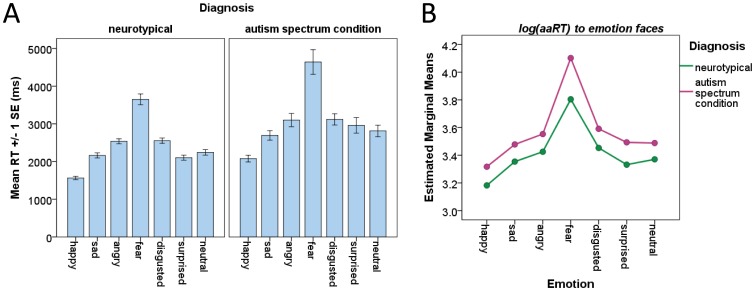
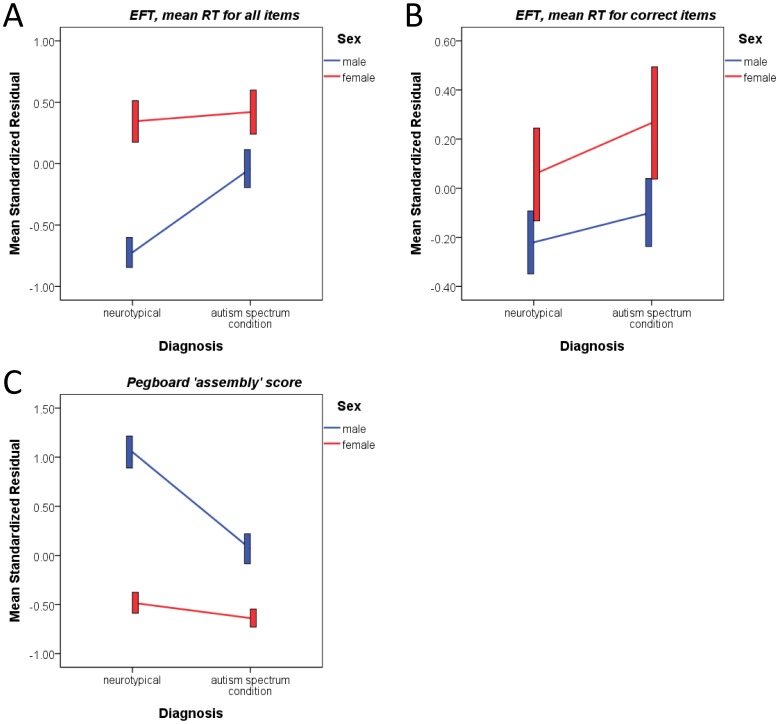
The male bias in autism spectrum conditions (ASC) has led to females with ASC being under-researched. This lack of attention to females could hide variability due to sex that may explain some of the heterogeneity within ASC. In this study we investigate four key cognitive domains (mentalizing and emotion perception, executive function, perceptual attention to detail, and motor function) in ASC, to test for similarities and differences between males and females with and without ASC (n = 128 adults; n = 32 per group). In the mentalizing and facial emotion perception domain, males and females with ASC showed similar deficits compared to neurotypical controls. However, in attention to detail and dexterity involving executive function, although males with ASC showed poorer performance relative to neurotypical males, females with ASC performed comparably to neurotypical females. We conclude that performance in the social-cognitive domain is equally impaired in male and female adults with ASC. However, in specific non-social cognitive domains, performance within ASC depends on sex. This suggests that in specific domains, cognitive profiles in ASC are modulated by sex.
Overview
The claims and statistics of this paper haven’t been checked yet.
Free: it reads the open-access text and checks the first 5 claims that cite a source we can check. Create a free account to check every claim.
Integrity signals
Registry
Cites
Statistics
Figures
Verification
Claims the paper makes
The claims and statistics of this paper haven’t been checked yet.
Free: it reads the open-access text and checks the first 5 claims that cite a source we can check. Create a free account to check every claim.
Self-check
Percentages, sums and reported differences re-computed from the paper’s own numbers.
The self-check needs the paper’s full text.
Citations
Cites
(1966) · Medical Entomology and Zoology · Cited by 10,293
Lord, C., Rutter, M., & Le Couteur, A. (1994) · Journal of Autism and Developmental Disorders · doi:10.1007/bf02172145 · Cited by 9,065 · cited 1×
“The ASC participants were further selected based on their ADIR scores [42].”
Does the autistic child have a “theory of mind” ?
Baron-Cohen, S., Leslie, A. M., & Frith, U. (1985) · Cognition · doi:10.1016/0010-0277(85)90022-8 · Cited by 8,599 · cited 1×
“For cognition related to secondary intersubjectivity, theory of mind (ToM) or mentalizing deficits have been found across the life span, from the classical first-order ToM deficit in children [52], to complex ToM deficits revealed in moral judgments [53] and spontaneous ToM [54] in adults with ASC.”
Self-citationSignal detection theory and psychophysics
Ingleby, J. D. (1967) · Journal of Sound and Vibration · doi:10.1016/0022-460x(67)90197-6 · Cited by 8,509
Lord, C., Risi, S., Lambrecht, L., Cook, E. H., Leventhal, B. L., DiLavore, P. C., Pickles, A., & Rutter, M. (2000) · Journal of Autism and Developmental Disorders · doi:10.1023/a:1005592401947 · Cited by 7,520 · cited 4×
“MA scored significantly higher than FA in ADOS scores even after correction for multiple comparisons.”
InfluentialBaron‐Cohen, S., Wheelwright, S., Hill, J., Raste, Y., & Plumb, I. (2001) · Journal of Child Psychology and Psychiatry · doi:10.1111/1469-7610.00715 · Cited by 4,555 · cited 17×
“Bo¨lte and colleagues found that adolescent females with high-functioning ASC outperformed males with high-functioning ASC on the Trail Making Test (measuring set-shifting), but the opposite was observed in their unaffected siblings [35].”
InfluentialSelf-citationBaron‐Cohen, S., Wheelwright, S. J., Hill, J., Raste, Y., & Plumb, I. (2001) · PubMed · Cited by 4,313
Self-citationFrith, C., & Frith, U. (2005) · Current Biology · doi:10.1016/j.cub.2005.08.041 · Cited by 3,481
Voyer, D., Voyer, S., & Bryden, M. P. (1995) · Psychological Bulletin · doi:10.1037/0033-2909.117.2.250 · Cited by 2,868 · cited 2×
“Thirdly, to fully address the relationship between sex and ASC it is best to have tasks showing the largest effect sizes for typical sex differences, such as those measuring visuospatial abilities of targeting, mental rotation, and aggression [129,137].”
(1989) · UCL Discovery (University College London) · Cited by 2,724
Research works printed but not linked: 1
- [40]40. American Psychiatric Association (2000) Diagnostic and Statistical Manual of Mental Disorders, 4th edition text revision (DSM-IV-TR). Washington, DC: American Psychiatric Publishing, Inc.
Cited by
Items 101–200 of 238
Torske, T., Nærland, T., Quintana, D. S., Hypher, R. E., Kaale, A., Høyland, A. L., Hope, S., Johannessen, J., Øie, M. G., & Andreassen, O. A. (2022) · Journal of Autism and Developmental Disorders · doi:10.1007/s10803-022-05629-5 · Cited by 37
Hoffmann‐Santos, H. D., Paula, C. R., Yamamoto, A. C. A., Tadano, T., & Hahn, R. C. (2013) · Mycopathologia · doi:10.1007/s11046-013-9705-5 · Cited by 43
Akhtar, M. F., Saleem, A., Alamgeer, & Saleem, M. (2018) · Current Cancer Drug Targets · doi:10.2174/1568009618666180706164536 · Cited by 33
Demetriou, E. A., Pepper, K. L., Park, S. H., Pellicano, E., Song, Y. J. C., Naismith, S. L., Hickie, I. B., Thomas, E. E., & Guastella, A. J. (2021) · Autism · doi:10.1177/13623613211014991 · Cited by 34
Bosco, M. C. L. (2023) · Journal of Aging Studies · doi:10.1016/j.jaging.2023.101101 · Cited by 40
Onaolapo, A. Y., Abdusalam, S. Z., & Onaolapo, O. J. (2017) · Pathophysiology · doi:10.1016/j.pathophys.2017.01.002 · Cited by 33
Are Executive Dysfunctions Relevant for the Autism-Specific Cognitive Profile?
Hemmers, J., Baethge, C., Vogeley, K. T., & Falter, C. M. (2022) · Frontiers in Psychiatry · doi:10.3389/fpsyt.2022.886588 · Cited by 35
Ghahremani, R., Mohammadkhani, R., Salehi, I., Karimi, S. A., & Zarei, M. (2022) · Frontiers in Behavioral Neuroscience · doi:10.3389/fnbeh.2022.869792 · Cited by 30
“It has been shown that male animals with ASD show poorer perceptual attention to detail (Lai et al., 2012).”
BackgroundYu, T., Chou, W., Chow, J. C., Lin, C.-H., Tung, L.-C., & Chen, K. (2018) · Neuropsychiatric Disease and Treatment · doi:10.2147/ndt.s153102 · Cited by 34
Allely, C. S. (2019) · Advances in Autism · doi:10.1108/aia-09-2018-0030 · Cited by 36
Isogai, S., Okahashi, N., Asama, R., Nakamura, T., Hasunuma, T., Matsuda, F., Ishii, J., & Kondo, A. (2021) · Metabolic Engineering Communications · doi:10.1016/j.mec.2021.e00169 · Cited by 28
Proneness to Self-Conscious Emotions in Adults With and Without Autism Traits
Davidson, D. Z., Vanegas, S. B., & Hilvert, E. (2017) · Journal of Autism and Developmental Disorders · doi:10.1007/s10803-017-3260-8 · Cited by 28
“This is consistent with past studies showing fewer sex differences in adults with ASD on social tasks than on non-social tasks (Lai et al. 2012).”
ResultGentile, I., Zappulo, E., Riccio, M. P., Binda, S., Bubba, L., Pellegrinelli, L., Scognamiglio, D., Operto, F. F., Margari, L., Borgia, G., et al. (2017) · In Vivo · doi:10.21873/invivo.11085 · Cited by 33
Autism and Pervasive Developmental Disorders
(2019) · Cambridge University Press eBooks · doi:10.1017/9781108297769 · Cited by 25
Do cognitive deficits persist into adolescence in autism?
Cantio, C., White, S. J., Madsen, G. F., Bilenberg, N., & Jepsen, J. R. M. (2018) · Autism Research · doi:10.1002/aur.1976 · Cited by 25
“…three cognitive domains in ASD simultaneously at any stage in development [Brunsdon et al., 2014; Cantio, Bilenberg, Madsen, Jepsen, & White, 2016; Lai et al., 2012; Lam, 2013; Pellicano, Maybery, Durkin, & Maley, 2006], and only one of these has studied all three cognitive domains over time…”
Effects of Land Use and Restoration on Soil Microbial Communities
McKinley, V. L. (2019) · Advances in environmental microbiology · doi:10.1007/978-3-030-10777-2_7 · Cited by 27
Gao, M., Li, J., & Zhang, X. (2012) · Chinese Geographical Science · doi:10.1007/s11769-012-0573-6 · Cited by 35
Self-referential and social cognition in a case of autism and agenesis of the corpus callosum
Lombardo, M. V., Chakrabarti, B., Lai, M., & Baron‐Cohen, S. (2012) · Molecular Autism · doi:10.1186/2040-2392-3-14 · Cited by 24
“Deficits in cognitive aspects of empathy [31-33] and on self-report measures of empathy [34-38] have been consistently reported in ASC.”
BackgroundSelf-citationLarson, F. V., Lai, M., Wagner, A. P., Baron‐Cohen, S., & Holland, A. J. (2015) · PLoS ONE · doi:10.1371/journal.pone.0128102 · Cited by 22
“In a sample of neurotypical male adults, Lai and colleagues [38] found negligible correlations between ‘D score’ (equivalent to EB but opposite in sign) and verbal IQ (r = −0.”
BackgroundSelf-citationSocial Cognition and Brain Morphology: Implications for Developmental Brain Dysfunction
Evans, D. W., Lazar, S. M., Boomer, K. B., Mitchel, A. D., Michael, A. M., & Moore, G. J. (2014) · Brain Imaging and Behavior · doi:10.1007/s11682-014-9304-1 · Cited by 22
Investigation of Broad Autism Phenotype Traits as Measured by the 26-Item Autism Quotient
Camodeca, A., Hosack, A. G., & Todd, K. Q. (2018) · Journal of Psychoeducational Assessment · doi:10.1177/0734282918768706 · Cited by 19
Dai, M., Lin, L., Liang, J., Wang, Z., & Jin, J. (2018) · Journal of Autism and Developmental Disorders · doi:10.1007/s10803-018-3813-5 · Cited by 21
Chan, M. M. Y., Chan, M.-C., Lai, O., Krishnamurthy, K., & Han, Y. M. Y. (2022) · Biomedicines · doi:10.3390/biomedicines10051132 · Cited by 21
Bodner, K. E., Cowan, N., & Christ, S. E. (2019) · Journal of Abnormal Psychology · doi:10.1037/abn0000471 · Cited by 19
“Indeed there is growing evidence of sex-related differences in individuals with ASD in overall cognitive profile as well as specific cognitive domains including WM (e.g., Kiep & Spek, 2017; M.-C. Lai et al., 2012).”
BackgroundSchultz, E. D., Pérez‐Emán, J. L., Aleixo, A. L. P., Miyaki, C. Y., Brumfield, R. T., Cracraft, J. L., & RIBAS, C. C. (2019) · Molecular Phylogenetics and Evolution · doi:10.1016/j.ympev.2019.106581 · Cited by 19
Psychological Factors in Autism Spectrum Disorders
Vivanti, G., Yerys, B. E., & Salomone, E. (2019) · Cambridge University Press eBooks · doi:10.1017/9781108297769.004 · Cited by 18
Análise de sobrevivência de mulheres com câncer de mama: modelos de riscos competitivos
Ferraz, R. D. O., & Filho, D. D. C. M. (2017) · Ciência & Saúde Coletiva · doi:10.1590/1413-812320172211.05092016 · Cited by 17
Laser acupuncture protocol for essential systemic arterial hypertension: randomized clinical trial
Pereira, R. D. D. M., Alvim, N. A. T., Pereira, C. D., & Gomes, S. C. (2018) · Revista Latino-Americana de Enfermagem · doi:10.1590/1518-8345.1887.2936 · Cited by 16
Hillus, J., Moseley, R. L., Roepke, S., & Mohr, B. (2019) · Frontiers in Human Neuroscience · doi:10.3389/fnhum.2019.00256 · Cited by 14
“1Indeed, with reference to heterogeneity in task performance, it is important to note that although our autistic sample showed motor deficits in the majority of conditions in the Purdue Pegboard Test, other findings range from an absence of any impairments (Lai et al., 2012), impairments across the board (Barbeau et a…”
BackgroundLarson, F. V., Wagner, A. P., Chisholm, K., Reniers, R. L. E. P., & Wood, S. J. (2020) · Frontiers in Psychiatry · doi:10.3389/fpsyt.2020.00712 · Cited by 15
“Female AP are known to present differently to male AP in multiple ways (49, 50), and it is unknown how they might differ in their emotion processing.”
BackgroundTotal Reaction Time Performance of Individuals with Autism after a Virtual Reality Task
Herrero, D., Crocetta, T. B., Massetti, T., de Moraes, Í. A. P., Trevizan, I. L., Guarnieri, R., de Rezende, G. P., Villaça, K. P., & Monteiro, C. B. D. M. (2015) · International Journal of Neurorehabilitation · doi:10.4172/2376-0281.1000189 · Cited by 15
“[14] where males with ASD performed worse than TD males, but females with and without ASD performed comparably.”
Ruigrok, S. R., Kotah, J. M., Kuindersma, J. E., Speijer, E., van Irsen, A. A. S., la Fleur, S. E., & Kőrösi, A. (2021) · Neurobiology of Stress · doi:10.1016/j.ynstr.2021.100360 · Cited by 17
Fink, B. K., Moreira, A. G., & Lima, S. S. D. (2023) · Brazilian Journal of Development · doi:10.34117/bjdv9n9-056 · Cited by 15
Doi, H., Kanai, C., & Ohta, H. (2022) · Autism Research · doi:10.1002/aur.2712 · Cited by 15
“…patients (4:1 in ASD and 2:1 to 9:1 in ADHD; Rucklidge, 2008), most of the literature, including the studies conducting transdiagnostic comparison, on ASD and ADHD are focussed on men, and relatively little attention has been paid to female patients (Lai et al., 2011, 2013; Valera et al., 2010).”
BackgroundUse of time in a decision‐making process by a parasitoid
Parent, J.-P., Brodeur, J., & BOIVIN, G. (2016) · Ecological Entomology · doi:10.1111/een.12354 · Cited by 16
Psychometric evaluation and validation of the Serbian version of “Reading the mind in the eyes” test
Djordjević, J., Živanović, M., Pavlovic, A. M., Mihajlović, G., Stašević-Karličić, I., & Pavlović, D. M. (2017) · Psihologija · doi:10.2298/psi170504010d · Cited by 14
“…demonstrating good validity in differentiating between people with autistic spectrum disorders (e.g. Baron-Cohen et al., 1985, 1997, 2001, 2015; Lai et al., 2012; Lombardo, Barnes, Wheelwright, & Baron-Cohen, 2007; Losh et al., 2009), various clinical groups (e.g. Bora, Bartholomeusz, &…”
BackgroundInfluentialChan, M. M. Y., Chan, M.-C., Yeung, M. K.-C., Wang, S., Liu, D., & Han, Y. M. Y. (2022) · Frontiers in Psychology · doi:10.3389/fpsyg.2022.984777 · Cited by 12
“Because previous research has shown that ASD individuals exhibit sex-dependent differences in nonsocial cognitive domains involving executive function (Lai et al., 2012), we only included males in our sample.”
ResultNarzisi, A., Busuoli, E. M., Fabbri‐Destro, M., Pinzino, M., Calderoni, S., Tancredi, R., Lombardo, M. V., & Masi, G. (2025) · Frontiers in Psychiatry · doi:10.3389/fpsyt.2025.1537487 · Cited by 14
Self-citationSex Differences in Autism Spectrum Disorders Across the Lifespan
Lawson, L. P. (2019) · Current Developmental Disorders Reports · doi:10.1007/s40474-019-00164-y · Cited by 13
Hoffmann, J., Travers-Podmaniczky, G., Pelzl, M. A., Brück, C., Jacob, H., Hölz, L., Martinelli, A., & Wildgruber, D. (2023) · Frontiers in Psychiatry · doi:10.3389/fpsyt.2023.1151665 · Cited by 12
Ludlow, A., Roberts, H., & Gutierrez, R. G. (2015) · SAGE Open · doi:10.1177/2158244015580854 · Cited by 12
“For example, in a group of high-functioning autistic individuals, females were found to display less autistic-like behavior during interpersonal interaction, but nevertheless reported more autistic traits and sensory issues (Lai et al., 2012).”
BackgroundAutomatic and controlled processing and the Broad Autism Phenotype
Camodeca, A., & Voelker, S. L. (2015) · Psychiatry Research · doi:10.1016/j.psychres.2015.11.012 · Cited by 12
“However, there currently exists limited research related to autism characteristics in high functioning individuals in general, and in females in particular (Lai et al., 2013), with many studies reporting findings for males only (e.”
BackgroundHarker, S. A., Al-Hassan, L., Huentelman, M. J., Braden, B. B., & Lewis, C. R. (2023) · International Journal of Molecular Sciences · doi:10.3390/ijms242115988 · Cited by 12
“Past research suggests that performance in non-social cognitive areas is sex-dependent in autistic adults [42].”
BackgroundNguyen, C., & Ronald, A. (2013) · Scandinavian Journal of Child and Adolescent Psychiatry and Psychology · doi:10.21307/sjcapp-2014-009 · Cited by 13
“However, no sex difference in ATTD was found in an adult group of high functioning males (N = 32) and females (N = 32) with ASD on the Embedded Figures Test (22).”
BackgroundResultPiening, S., van Balkom, I. D. C., Stapert, A. F., Henning, D., Greaves‐Lord, K., Davids, L. R. C. D., Castelein, S., & Groen, Y. (2023) · International Journal of Environmental Research and Public Health · doi:10.3390/ijerph20247183 · Cited by 12
“Moreover, similarities between women and men with ASD exist as well, e.g., self-reported empathy [21], level of impairment, sensory symptoms and cognitive functioning [22], and facial emotion perception [23].”
BackgroundJertberg, R., Begeer, S., Geurts, H. M., Chakrabarti, B., & der Burg, E. V. (2025) · Autism Research · doi:10.1002/aur.70015 · Cited by 11
Self-citationVocal Emotional Expression in Parkinson’s Disease: Roles of Sex and Emotions
Gnerre, M., Malaspina, E., Tella, S. D., Anzuino, I., Baglio, F., Silveri, M. C., & Biassoni, F. (2023) · Societies · doi:10.3390/soc13070157 · Cited by 12
Developmental Profile in Children Aged 3–6 Years: Down Syndrome vs. Autism Spectrum Disorder
López-Resa, P., & Sepúlveda, E. M. (2024) · Behavioral Sciences · doi:10.3390/bs14050380 · Cited by 13
Succession of Saline Vegetation in Slovakia after a Large-Scale Disturbance
Melečková, Z., Dítě, D., Eliáš, P., Píš, V., & Galvánek, D. (2014) · Annales Botanici Fennici · doi:10.5735/085.051.0504 · Cited by 10
“Such conditions are obviously the most favourable for halophytes (Lai et al. 2012).”
BackgroundThe Cambridge Sympathy Test: Self-reported sympathy and distress in autism
Holt, R., Upadhyay, J., Smith, P. L., Allison, C. L., Baron‐Cohen, S., & Chakrabarti, B. (2018) · PLoS ONE · doi:10.1371/journal.pone.0198273 · Cited by 10
Self-citationKinds behaving badly: intentional action and interactive kinds
Allen, S. R. (2018) · Synthese · doi:10.1007/s11229-018-1870-0 · Cited by 10
“See Attwood et al (2006), Attwood (2007), Lai et al. (2011, 2012, 2015, 2017), Head et al. (2014), Hiller et al. (2014), Lehnhardt et al. (2016), Parish-Morris et al. (2017).”
Revers, M. C., Oliveira, J. S., Franco, F. O., Portolese, J., Cardoso, T. V., Silva, A. F., Machado‐Lima, A., Nunes, F. L. S., & Brentani, H. (2021) · Proceedings - IEEE Symposium on Computer-Based Medical Systems · doi:10.1109/cbms52027.2021.00062 · Cited by 10
Lacroix, A., Bennetot-Deveria, Y., Baciu, M., Dutheil, F., Magnon, V., Gomot, M., & Mermillod, M. (2024) · Molecular Autism · doi:10.1186/s13229-024-00622-4 · Cited by 9
Karaminis, T. N., Gabrielatos, C., Maden-Weinberger, U., & Beattie, G. W. (2024) · Autism · doi:10.1177/13623613241303547 · Cited by 10
Motivation in Mathematics of High Functioning Students With Autism Spectrum Disorder (ASD)
Georgiou, A., Soulis, S., & Rapti, D. (2018) · Journal of Psychology Research · doi:10.17265/2159-5542/2018.03.002 · Cited by 10
O impacto da camuflagem social no diagnóstico tardio do Transtorno do Espectro Autista
Rocha, P. A., Gomes, A. C. P., Souza, A., Penha, I. E. S., Santos, J. P. D. O. B., Lemes, L. D. A., & Macedo, L. R. (2024) · Revista Eletrônica Acervo Saúde · doi:10.25248/reas.e16579.2024 · Cited by 12
Intact verbal fluency abilities in the Broad Autism Phenotype
Camodeca, A., Todd, K. Q., & Hosack, A. G. (2018) · Psychiatry Research · doi:10.1016/j.psychres.2018.10.006 · Cited by 6
Salvador-García, C., Villanueva, M. S., Esteve, T. V., & Chiva-Bartoll, Ò. (2021) · International Journal of Disability Development and Education · doi:10.1080/1034912x.2021.1975264 · Cited by 6
“Therefore, it seems that PA in girls with ASD tends to be under-studied and there is a need to further explore this issue (Lai et al., 2012).”
BackgroundCharacteristic Neuro-Linguistic Styles in Young Arabic Speaking Children Diagnosed with ASD
Diamond, G. W., Badir, E., Almog, S., Badir, G., Jaoussy, L., Akawi, A., & Jaber, L. (2022) · Child Neurology Open · doi:10.1177/2329048x221080271 · Cited by 7
“Several researchers have suggested that varying the mode of language –melody, intonation, and cadence –may enhance language attractiveness, perception and understanding among ASD children, similar to what foreign words or phrases may engender among young ASD children.(17-20) In societies outside of the traditional Wes…”
BackgroundDi, X., & Biswal, B. B. (2016) · bioRxiv (Cold Spring Harbor Laboratory) · doi:10.1101/038026 · Cited by 6
“12 similarly impaired social cognition than males with ASD, but also relative unimpaired executive function (Lai et al. 2012) and repetitive and restricted behaviors (Supekar and Menon 2015).”
BackgroundCurrent Status and Future Directions
Goldin, R. L., & Matson, J. L. (2017) · Autism and child psychopathology series · doi:10.1007/978-3-319-61738-1_26 · Cited by 5
Rathore, S. S., Ramamurthy, V., Allen, S., Ganesan, S. S., & Ramakrishnan, J. (2016) · RSC Advances · doi:10.1039/c6ra15952d · Cited by 5
Pisula, E., Pudło, M., Słowińska, M., Kawa, R., Banasiak, A., & Łojek, E. (2018) · Psychology of Language and Communication · doi:10.2478/plc-2018-0017 · Cited by 4
“However, Lai et al. (2012) failed to demonstrate such differences in a study using a large battery of cognitive and communication function measures.”
BackgroundResultGender differences in high-functioning autism: implications in everyday life and clinical settings
Micai, M., Caruso, A., Fatta, L. M., Fulceri, F., & Scattoni, M. L. (2019) · IRIS Research product catalog (Sapienza University of Rome) · doi:10.1723/3188.31668 · Cited by 4
Brouzou, K. O., Kamp, D., Hensel, L., Lüdtke, J., Lahnakoski, J. M., Dukart, J., Mikuš, N., Mathys, C. D., Eickhoff, S. B., & Schilbach, L. (2025) · BMC Psychiatry · doi:10.1186/s12888-025-06719-1 · Cited by 3
“A cardinal feature of ASD are deficits in social cognition, including impaired mentalizing [3].”
The Relationship Between Camouflaging and Lifetime Depression Among Adult Autistic Males and Females
Gesi, C., Pisani, R., Tamburini, N., & Dell’Osso, B. M. (2025) · Brain Sciences · doi:10.3390/brainsci15090920 · Cited by 3
Adult Women on the High-Functioning Autism Spectrum
Pearlman-Avnion, S., & Shlain, R. (2019) · Autism and child psychopathology series · doi:10.1007/978-3-030-28833-4_5 · Cited by 3
Bylemans, T., Heleven, E., Asselman, E., Baetens, K., Deroost, N., Baeken, C., & Overwalle, F. V. (2023) · Acta Psychologica · doi:10.1016/j.actpsy.2023.103918 · Cited by 4
Razzak, R., Li, J., He, S., & Sokhadze, E. M. (2023) · Brain Sciences · doi:10.3390/brainsci13111571 · Cited by 4
“Some studies found similarities in cognitive functioning between men and women with ASD [49,52]; others have reported differences in brain activity patterns [19,46].”
BackgroundDoes the brain have a gender? A literature review in younger and older adults
Compère, L., & Piolino, P. (2014) · Gériatrie et Psychologie Neuropsychiatrie du Viellissement · doi:10.1684/pnv.2014.0496 · Cited by 3
The Clinical Neuropsychology of ASD
Geurts, H. M., & Lever, A. G. (2017) · Springer eBooks · doi:10.1007/978-3-319-42713-3_3 · Cited by 5
Fink, B. K., Moreira, A. G., & de Oliveira, G. C. (2022) · Programa de Iniciação Científica - PIC/UniCEUB - Relatórios de Pesquisa · doi:10.5102/pic.n0.2020.8340 · Cited by 3
Roberto Canitano, Y. B., Canitano, R., Bozzi, Y., & Dhossche, D. (2020) · Frontiers research topics · doi:10.3389/978-2-88963-869-7 · Cited by 5
Young women's experiences of having Autism Spectrum Disorder
Bargiela, S. (2015) · UCL Discovery (University College London) · Cited by 4
Current Status and Future Directions
Williams, L. W., & Matson, J. L. (2016) · Autism and child psychopathology series · doi:10.1007/978-3-319-27171-2_23 · Cited by 2
Increasing Confident Thoughts in an Adolescent With Autism: A Pilot Study
Brown, M. M., & Kubina, R. M. (2022) · Behavior Analysis in Practice · doi:10.1007/s40617-021-00666-5 · Cited by 2
Adult Autism Spectrum Disorder and intimate relationships
Birt, K. (2015) · Cited by 2
Nayar, K., Bush, L., & Scott, M. (2025) · Springer eBooks · doi:10.1007/978-3-031-87228-0_2 · Cited by 2
Sławińska, A. (2014) · Psychiatria i Psychologia Kliniczna · doi:10.15557/pipk.2014.0041 · Cited by 7
Torske, T., Nærland, T., Quintana, D. S., Hypher, R. E., Kaale, A., Høyland, A. L., Hope, S., Johannessen, J., Øie, M. G., & Andreassen, O. A. (2018) · bioRxiv (Cold Spring Harbor Laboratory) · doi:10.1101/501932 · Cited by 2
Envisager l'autisme autrement : une approche psychosociale
Dachez, J. (2016) · theses.fr (ABES) · doi:10.70675/4c8dcf51zbc73z4eeaza400z6410f4ad305e · Cited by 15
O’Brien, M. K., McQuaid, G. A., McNulty, J., Wallace, G. L., & Lee, N. (2025) · Journal of Autism and Developmental Disorders · doi:10.1007/s10803-025-06799-8 · Cited by 1
“Three of these found no differences between males and females (Ishii-Takahashi et al., 2014; Lai et al., 2012; Torenvliet et al., 2023), while one study found that autistic women had higher false alarm rates on a test of inhibitory control than autistic men (Uzefovsky et al., 2016 ).”
Jia, R., Riemenschneider, C. K., & Jia, H. H. (2026) · MIS Quarterly · doi:10.25300/misq/2025/19395 · Cited by 3
Barzilay, R., Katz, J. M., Sood, R., Moore, T. M., Calkins, M. E., Brodkin, E. S., Gur, R. C., & Gur, R. E. (2026) · Autism Research · doi:10.1002/aur.70270 · Cited by 1
Structural Abnormalities in Autism Spectrum Disorder
Suckling, J. (2015) · Elsevier eBooks · doi:10.1016/b978-0-12-397025-1.00129-9 · Cited by 1
Rövidtávú emlékezet és munkamemória-kapacitás autizmusban
Juhász, D., & Szabó-Balogh, V. (2016) · Iskolakultúra · doi:10.17543/iskkult.2016.5.36 · Cited by 2
Gentile, I., Zappulo, E., Riccio, M. P., Binda, S., Limauro, R., Scuccimarra, G., Borgia, G., & Bravaccio, C. (2017) · Future Virology · doi:10.2217/fvl-2017-0039 · Cited by 2
Do Savant Syndrome and Autism Spectrum Disorders Share Sex Differences? A Comprehensive Review
Navarro‐Pardo, E., Alonso-Esteban, Y., Marín, F. A., & Murphy, M. F. (2023) · Journal of korean Academy of Child and Adolescent Psychiatry · doi:10.5765/jkacap.230008 · Cited by 3
A review of performance-based executive function tasks in adults with autism and normal intelligence
Mihăilescu, I., Frunza, A. A., Andrei, L. E., Rad, F., Dobrescu, I., & Manea, M. (2018) · Romanian Journal of Psychiatry & Psychotherapy · doi:10.37897/rjpp.2018.1.2 · Cited by 1
Vorreuther, A., Tagalidou, N., Lingelbach, K., Hubert, A., Bareiß, L., Nittel, T., Ristau, M., & Vukelić, M. (2026) · Brain and Behavior · doi:10.1002/brb3.71249 · Cited by 1
“Prior studies employing GNGTs report behavioral deficits in autistic adults (Lai et al., 2012 ; Raymaekers et al. 2004 ; Uzefovsky et al. 2016 ; Wilson et al. 2014 ), as well as no behavioral differences between groups (Langen et al. 2012 ; Prat et al. 2016 ; Schmitz et al. 2006 ; Shafritz et al.…”
Neural Substrates of Emotional Face Processing Across Development in Autism Spectrum Disorder
Leung, R. C. (2018) · TSpace (University of Toronto) · Cited by 2
Hickman, L., Keating, C. T., Cook, J. L., & Ludvig, E. A. (2021) · PsyArXiv (OSF Preprints) · doi:10.31234/osf.io/3rsz9 · Cited by 1
Sex Differences in Autism Spectrum Disorders: A Multidisciplinary ReviewPreprint
Nayar, K., Hunter, S. J., & Scott, M. (2022) · PsyArXiv (OSF Preprints) · doi:10.31234/osf.io/bv5yw · Cited by 2
Αξιολόγηση κοινωνικών δεξιοτήτων σε μαθητές με Διαταραχή Αυτιστικού Φάσματος
Papaefstathiou, E., & Συριοπούλου-Δελλή, Χ. (2016) · Πανελλήνιο Συνέδριο Επιστημών Εκπαίδευσης · doi:10.12681/edusc.500
Morgan, V. (2012) · CUNY Academic Works (City University of New York)
Identifying Sex-Specific Cognitive And Diagnostic Profiles Of Children On The Autism Spectrum
Irwin, J. L. (2017) · Human Biology · Cited by 1
Ledger-Hardy, L. (2017) · UCL Discovery (University College London) · Cited by 2
Saure, E. (2018)
Cognition and Hippocampal Volumes in Older Adults with Autism Spectrum Disorder
Webb, C. L. (2019) · Arizona State University Library Digital Repository (Arizona State University)
Examining the Sex Ratio in Autism Spectrum Disorder
Matheis, M. (2018) · Louisiana State University · doi:10.31390/gradschool_dissertations.4972
“%) compared to the one utilizing a disability registry (.08%; D. C. Lai et al., 2012).”
BackgroundResultInfluential
Metadata
- Authors
- Lai, M.-C., Lombardo, M. V., Ruigrok, A. N. V., Chakrabarti, B., Wheelwright, S. J., Auyeung, B., Allison, C., MRC AIMS Consortium, & Baron-Cohen, S.
- Affiliations
- University of Cambridge (GB)
- Corresponding author
- Lai, Meng-Chuan
- ORCID
- Venue
- PLoS ONE
- Publisher
- Public Library of Science (PLoS)
- Published
- 2012-10-17
- Volume
- 7
- Issue
- 10
- Pages
- e47198
- ISSN
- 1932-6203 (ISSN-L)
- PMC
- PMC3474800
- OpenAlex
- W1983626034
- Semantic Scholar
- e1e0984b77a3170ee0702efd242e5aaecab6280a
- Cited by
- 217
- References
- 146
- Citations by year
- 2026: 9 · 2025: 7 · 2024: 10 · 2023: 12 · 2022: 12 · 2021: 10 · 2020: 7 · 2019: 18 · 2018: 28 · 2017: 24 · 2016: 25 · 2015: 25 · 2014: 15 · 2013: 13 · 2012: 2
- FWCI
- 9.00
- Type
- journal article
- Language
- en
- Open access
- gold
- doi.org
- Locations
- PLoS ONE (publishedVersion, cc-by)
- Europe PMC (PubMed Central) (publishedVersion, cc-by)
- PubMed Central (publishedVersion, cc-by)
- PubMed (publishedVersion)
- CentAUR (University of Reading) (acceptedVersion)
- Research Bank (Australian Catholic University) (submittedVersion, cc-by)
- DOAJ (DOAJ: Directory of Open Access Journals) (submittedVersion, cc-by-sa)
- Research Portal (King's College London) (submittedVersion)
- Research Explorer (The University of Manchester) (submittedVersion, other-oa)
- Edinburgh Research Explorer (University of Edinburgh) (submittedVersion, cc-by)
- Funders
- Wellcome Trust
- Waterloo Foundation
- National Institute for Health and Care Research (RP-PG-0606-1045, NF-SI-0510-10268)
- British Academy
- King's College London
- University of Oxford
- Medical Research Council (400061, GO 400061)
- Menzies Centre for Australian Studies, King's College London, University of London
- Topics
- Life Sciences › Neuroscience › Cognitive Neuroscience › Autism Spectrum Disorder Research
- Life Sciences › Biochemistry, Genetics and Molecular Biology › Genetics › Genetics and Neurodevelopmental Disorders
- Life Sciences › Neuroscience › Developmental Neuroscience › Williams Syndrome Research
- Keywords
- autism spectrum disorder, sex differences, cognitive profile, mentalization, emotional face processing, executive function, attention to detail, motor function, dexterity, social cognition, autistic adults
- MeSH terms
- Adolescent, Adult, Attention, Autistic Disorder, Cognition, Emotions, Female, Humans, Male, Middle Aged, Motor Activity, Sex Factors, Social Behavior, Case-Control Studies, Genetic Heterogeneity, Executive Function, Theory of Mind, Emotional Intelligence
About these checks
Registry, retraction, Cites and statistics results are computed, not judged, with one exception: a printed reference that no index lists is read once by a model before it counts as a citation error. Claims are extracted by a model and kept only when their quote appears verbatim in the text; each cited source is then checked, with a model’s help, for whether it says what the claim relies on. Those verdicts can be wrong — read the claim’s quote and the cited source before relying on one.
Statistics and arithmetic are recomputed, not judged.
Confidence bands are shown only for fields calibrated on our annotated test set. None is calibrated yet, so no band is shown.
What counts as a claim ›How we measure confidence ›How we check this ›
Are you an author, or do you see a problem with this page? Request a review
Data sources
Bibliographic data: Semantic Scholar, OpenAlex, Crossref.
Contains information from the Semantic Scholar Academic Graph Datasets, made available under the ODC Attribution License (ODC-BY 1.0).
Semantic Scholar’s data is described in: Kinney, R., et al. (2023). The Semantic Scholar Open Data Platform. arXiv:2301.10140.
