

Epigenetic and genetic factors predict women’s salivary cortisol following a threat to the social self
Open accessThe DOI matches its Crossref record; 78 of the 78 references it cites were found in a registry or an index.
Abstract
Evidence suggests that the reactivity of the Hypothalamus-Pituitary-Adrenal axis (HPAA) is modulated by both genetic and environmental variables. Of special interest are the underlying molecular mechanisms driving gender differences to psychosocial stressors. Epigenetic mechanisms that sculpt the genome are ideal candidates for mediating the effects of signals on the HPAA. In the current study, we analyzed by pyrosequencing, bisulfite-treated buccal DNA from male and female university students who participated in the Trier Social Stress Test (TSST). A linear regression model was used to ascertain the effects of sex, CpG methylation and genes on stress response. Total cortisol output (area under the curve, AUC) was significantly predicted by glucocorticoid receptor (NR3C1) exon 1F methylation (averaged across 39 CpG sites) solely in female subjects. A single CpG site located in the exon 1F noncanonical nerve growth factor-inducible protein A (NGFI-A) transcription factor was a highly significant predictor of AUC in female subjects. Additionally, variations in the estrogen receptor alpha (ESR1) and the serotonin transporter promoter (5-HTTLPR) genes were independent additive predictors of AUC. The full model accounted for half of the variance (50.06%) in total cortisol output. Notably, this is the first demonstration that epigenetic changes at the GR exon 1F correlate with HPAA reactivity. These findings have important implications for understanding the molecular mechanisms underlying gender differences in stress-related disorders and underscore the unique value of modeling both epigenetic and genetic information in conferring vulnerability to stress.
Overview
The claims and statistics of this paper haven’t been checked yet.
Free: it reads the open-access text and checks the first 5 claims that cite a source we can check. Create a free account to check every claim.
Integrity signals
Registry
Cites
Statistics
Figures
Verification
Claims the paper makes
The claims and statistics of this paper haven’t been checked yet.
Free: it reads the open-access text and checks the first 5 claims that cite a source we can check. Create a free account to check every claim.
Claims other papers make about this one
Each is checked against this paper’s own text: does it say what the citing paper says it does?
The cited source says what the claim attributes to it.
In the citing paper
“There are other factors such as sex/gender differences in response to stress (241, 242), and the use of different tissues (saliva, cord blood, whole blood and peripheral blood) by different researchers (243).”
From Epigenetic Modifications in Stress Response Genes Associated With Childhood Trauma (2019) · cites this paper as [241]
Self-check
Percentages, sums and reported differences re-computed from the paper’s own numbers.
The self-check needs the paper’s full text.
Citations
Cites
Influence of life stress on depression: moderation by a polymorphism in the 5-HTT gene
Caspi, A., Sugden, K., Moffitt, T. E., Taylor, A., Craig, I. W., Harrington, H., McClay, J., Mill, J., Martin, J., Braithwaite, A., et al. (2003) · Science · doi:10.1126/science.1083968 · Cited by 8,120
Epigenetic programming by maternal behavior
Weaver, I. C. G., Cervoni, N., Champagne, F. A., D'Alessio, A. C., Sharma, S., Seckl, J. R., Dymov, S., Szyf, M., & Meaney, M. J. (2004) · Nature Neuroscience · doi:10.1038/nn1276 · Cited by 6,177 · cited 5×
“There is increasing evidence for involvement of the epigenome in altering short and long-term status of GR and cortisol responsiveness [21].”
BackgroundInfluentialKirschbaum, C., Pirke, K.-M., & Hellhammer, D. H. (2008) · Neuropsychobiology · doi:10.1159/000119004 · Cited by 6,093
Dickerson, S. S., & Kemeny, M. E. (2004) · Psychological Bulletin · doi:10.1037/0033-2909.130.3.355 · Cited by 5,881 · cited 3×
“Dickerson & Kemeny [2] review evidence that human cortisol responses to acute stressors are most pronounced in situations that pose a social threat to the individual.”
BackgroundMethodRole of genotype in the cycle of violence in maltreated children
Caspi, A., McClay, J., Moffitt, T. E., Mill, J., Martin, J., Craig, I. W., Taylor, A., & Poulton, R. (2002) · Science · doi:10.1126/science.1072290 · Cited by 4,842 · cited 1×
“of stressful life events that could be incorporated in G6E studies, such as pioneered by Caspi and his colleagues [68,69], would be to examine methylation patterns of the GR receptor as we and others [23,24,25,26] have done.”
BackgroundEpigenetic regulation of the glucocorticoid receptor in human brain associates with childhood abuse
McGowan, P. O., Sasaki, A., D'Alessio, A. C., Dymov, S., Labonté, B., Szyf, M., Turecki, G., & Meaney, M. J. (2009) · Nature Neuroscience · doi:10.1038/nn.2270 · Cited by 3,531 · cited 8×
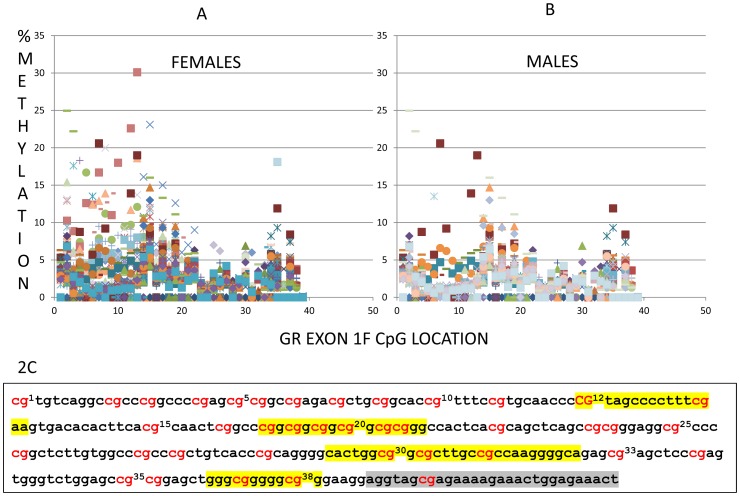
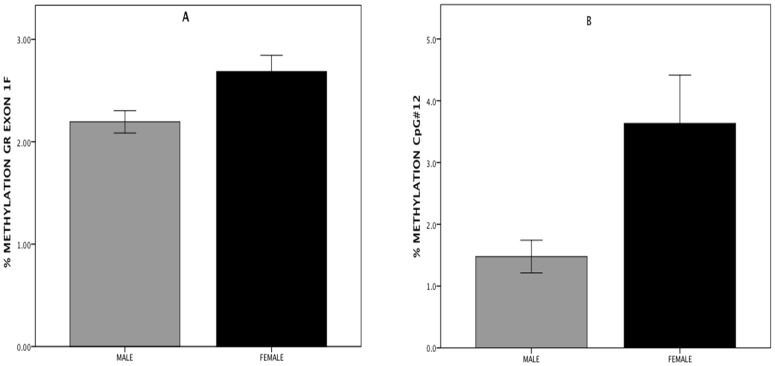
“Importantly, NGFI-A has been shown both in the rat and human to regulate the expression of the NR3C1 promoter; its methylation down regulates gene expression [21,23] This specific CpG explains a notable 28% of the variance in total cortisol output in women.”
BackgroundInfluentialBelmaker, R. H., & Agam, G. (2008) · New England Journal of Medicine · doi:10.1056/nejmra073096 · Cited by 2,166
Kirschbaum, C., Kudielka, B. M., Gaab, J., Schommer, N. C., & Hellhammer, D. H. (1999) · Psychosomatic Medicine · doi:10.1097/00006842-199903000-00006 · Cited by 1,890 · cited 1×
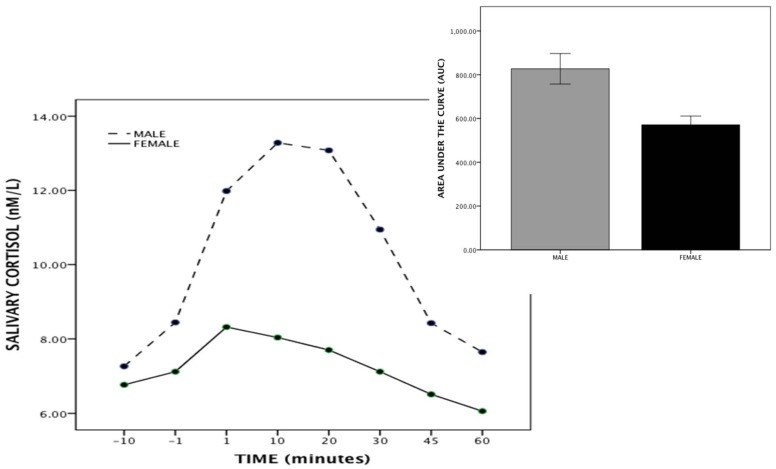
“One of the most consistent findings employing psychological stress tasks is the significantly larger salivary cortisol response in healthy adult men compared to women following short-term laboratory stress [5,6,7,8,9].”
BackgroundMcEwen, B. S. (2008) · European Journal of Pharmacology · doi:10.1016/j.ejphar.2007.11.071 · Cited by 1,864 · cited 1×
“Notably, not all individuals respond similarly to social stress and as noted by McEwen [3] there are very large individual differences in stress reactivity, reflecting significant life events.”
BackgroundRisch, N., Herrell, R., Lehner, T., Liang, K.-Y., Eaves, L., Hoh, J., Griem, A., Kovacs, M., Ott, J., & Merikangas, K. R. (2009) · JAMA · doi:10.1001/jama.2009.878 · Cited by 1,655 · cited 1×
“Intriguingly, the 5-HTTLPR polymorphism is controversially linked to depression mediated by stressful life events [65,66,67,68] and it has recently been suggested that the method used to assess environmental adversity, as well as clinical assessment of the subjects, could explain most discrepancies in results [65].”
Cited by
Biological and psychological markers of stress in humans: Focus on the Trier Social Stress Test
Allen, A. P., Kennedy, P. J., Cryan, J. F., Dinan, T. G., & Clarke, G. (2014) · Neuroscience & Biobehavioral Reviews · doi:10.1016/j.neubiorev.2013.11.005 · Cited by 734
Palma-Gudiel, H., Córdova-Palomera, A., Leza, J. C., & Fañanás, L. (2015) · Neuroscience & Biobehavioral Reviews · doi:10.1016/j.neubiorev.2015.05.016 · Cited by 347
The role of DNA methylation in stress-related psychiatric disorders
Klengel, T., Pape, J., Binder, E. B., & Mehta, D. (2014) · Neuropharmacology · doi:10.1016/j.neuropharm.2014.01.013 · Cited by 309
“…methylation status of the GR gene of adolescent children is influenced by their mothers exposure to intimate partner violence during pregnancy Edelman et al. 2012 n ¼ 92 92 healthy 46 female 46 male Saliva NR3C1 Pyrosequencing A single CpG site located in the GR exon 1F noncanonical…”
BackgroundYehuda, R., Flory, J. D., Bierer, L. M., Henn-Haase, C., Lehrner, A., Desarnaud, F., Makotkine, I., Daskalakis, N. P., Marmar, C. R., & Meaney, M. J. (2015) · Biological Psychiatry · doi:10.1016/j.biopsych.2014.02.006 · Cited by 293
Epigenetic Modifications in Stress Response Genes Associated With Childhood Trauma
Jiang, S., Postovit, L., Cattaneo, A., Binder, E. B., & Aitchison, K. J. (2019) · Frontiers in Psychiatry · doi:10.3389/fpsyt.2019.00808 · Cited by 288
DNA Methylation Biomarkers: Cancer and Beyond
Mikeska, T., & Craig, J. (2014) · Genes · doi:10.3390/genes5030821 · Cited by 288
Houtepen, L. C., Vinkers, C. H., Carrillo-Roa, T., Hiemstra, M., van Lier, P. A., Meeus, W., Branje, S., Heim, C. M., Nemeroff, C. B., Mill, J., et al. (2016) · Nature Communications · doi:10.1038/ncomms10967 · Cited by 242
Argentieri, M. A., Nagarajan, S., Seddighzadeh, B., Baccarelli, A. A., & Shields, A. E. (2017) · EBioMedicine · doi:10.1016/j.ebiom.2017.03.044 · Cited by 188
“…decade due to its critical role in regulating stress and its ability to influence a variety of health outcomes (Moisiadis and Matthews, 2014; Kalsbeek et al., 2012; Turecki, 2014; Eades et al., 2014; Cameron, 2006; Conradt et al., 2013; Edelman et al., 2012; Lee et al., 2014; Wan et al., 2014).”
BackgroundScorza, P., Duarte, C. S., Hipwell, A. E., Posner, J., Ortin, A., Canino, G., Monk, C., & Outcomes, P. C. F. E. I. O. C. H. (2019) · Journal of Child Psychology and Psychiatry · doi:10.1111/jcpp.12877 · Cited by 135
Parade, S. H., Ridout, K. K., Seifer, R., Armstrong, D. A., Marsit, C. J., McWilliams, M. A., & Tyrka, A. R. (2016) · Child Development · doi:10.1111/cdev.12484 · Cited by 111
“In turn, methylation of NR3C1 is associated with cortisol reactivity in both infancy (Oberlender et al., 2008; Stroud et al., 2014) and adulthood (Tyrka et al., 2012; Edelman et al., 2012), suggesting that methylation of the glucocorticoid receptor gene may have a functional effect on the HPA axis.”
BackgroundAlexander, N., Kirschbaum, C., Wankerl, M., Stauch, B. J., Stalder, T., Steudte-Schmiedgen, S., Muehlhan, M., & Miller, R. (2018) · Psychoneuroendocrinology · doi:10.1016/j.psyneuen.2018.01.020 · Cited by 90
Armstrong, D. A., Lesseur, C., Conradt, E., Lester, B. M., & Marsit, C. J. (2014) · The FASEB Journal · doi:10.1096/fj.13-238402 · Cited by 89
Epigenetic pathways through which experiences become linked with biology
McGowan, P. O., & Roth, T. L. (2015) · Development and Psychopathology · doi:10.1017/s0954579415000206 · Cited by 72
“Participants following the Trier Social Stress Test (TSST) have been reported to show a short-lived increase in methylation of the oxytocin receptor gene (Unternaehrer et al., 2012).”
InfluentialNR3C1 hypermethylation in depressed and bullied adolescents
Efstathopoulos, P., Andersson, F., Melas, P. A., Yang, L. L., Villaescusa, J. C., Rȕegg, J., Ekström, T. J., Forsell, Y., Galanti, M. R., & Lavebratt, C. (2018) · Translational Psychiatry · doi:10.1038/s41398-018-0169-8 · Cited by 67
Uddin, M., Sipahi, L., Li, J., & Koenen, K. C. (2013) · Depression and Anxiety · doi:10.1002/da.22167 · Cited by 64
“Under this model, we envision these sex-specific methylation patterns are actual risk factors for mental disorders,[22, 23] rather than markers of disease presence, although we recognize that some of these patterns are also modified by social contexts (e.”
BackgroundMethodEarly life trauma, depression and the glucocorticoid receptor gene—An epigenetic perspective
Smart, C., Strathdee, G., Watson, S., Murgatroyd, C., & McAllister-Williams, R. H. (2015) · Psychological Medicine · doi:10.1017/s0033291715001555 · Cited by 61
Exhaustion-related changes in cardiovascular and cortisol reactivity to acute psychosocial stress
Jönsson, P., Österberg, K., Wallergård, M., Hansen, Å. M., Garde, A. H., Johansson, G., & Karlson, B. (2015) · Physiology & Behavior · doi:10.1016/j.physbeh.2015.07.020 · Cited by 58
“a genetically based vulnerability [8].”
Glucocorticoid receptor gene methylation and HPA-axis regulation in adolescents. The TRAILS study
van der Knaap, L. J., Oldehinkel, A. J., Verhulst, F. C., van Oort, F. V. A., & Riese, H. (2015) · Psychoneuroendocrinology · doi:10.1016/j.psyneuen.2015.04.012 · Cited by 60
Tyrka, A. R., Parade, S. H., Eslinger, N. M., Marsit, C. J., Lesseur, C., Armstrong, D. A., Philip, N. S., Josefson, B., & Seifer, R. (2015) · Development and Psychopathology · doi:10.1017/s0954579415000176 · Cited by 60
“…methylation was associated with decreased gene expression in hippocampus tissue, and there is evidence that leukocyte and cord blood methylation are associated with diurnal or provoked cortisol concentrations (de Rooij et al., 2011; Edelman et al., 2012; Hompes et al., 2013; Tyrka et al., 2012).”
BackgroundXu, K., Zhang, X., Wang, Z., Hu, Y., & Sinha, R. (2016) · Biological Psychology · doi:10.1016/j.biopsycho.2016.11.001 · Cited by 66
“High methylation on the first exon of glucocorticoid receptor (NR3C1) was associated with cortical level in response to social stress in female subjects(Edelman et al., 2012).”
BackgroundThe multifaceted mineralocorticoid receptor
Gomez‐Sanchez, E., & Gomez‐Sanchez, C. E. (2014) · Comprehensive Physiology · doi:10.1002/j.2040-4603.2014.tb00569.x · Cited by 55
“The degree of GR gene methylation at the NGFI-A binding site was similarly correlated with HPA activity and cortisol levels in women (109).”
Belsky, J., & Shalev, I. (2016) · Development and Psychopathology · doi:10.1017/s0954579416000900 · Cited by 55
Self-citationDNA methylation analysis from saliva samples for epidemiological studies
Nishitani, S., Parets, S. E., Haas, B. W., & Smith, A. K. (2018) · Epigenetics · doi:10.1080/15592294.2018.1461295 · Cited by 54
“sectional studies that examine the association between salivary DNA methylation and various phenotypes, such as aging [32,33], sex differences [34], pubertal development [35], obesity [36,37], smoking [38], environmental exposures [39,40], stress [28,41], abuse [42] and psychiatric disorders [43–45], are becoming more…”
BackgroundLi-Tempel, T., Larra, M. F., Sandt, E., Mériaux, S. B., Schote, A. B., Schächinger, H., Muller, C. P., & Turner, J. D. (2016) · Clinical Epigenetics · doi:10.1186/s13148-016-0180-y · Cited by 46
“High methylation levels were associated with an increased salivary cortisol response in infants [19] and with a femalespecific increased cortisol secretion after stress [22].”
BackgroundGuo, X., Li, R., Liu, J., & Zeng, M. (2022) · Journal of the American Statistical Association · doi:10.1080/01621459.2022.2053136 · Cited by 59
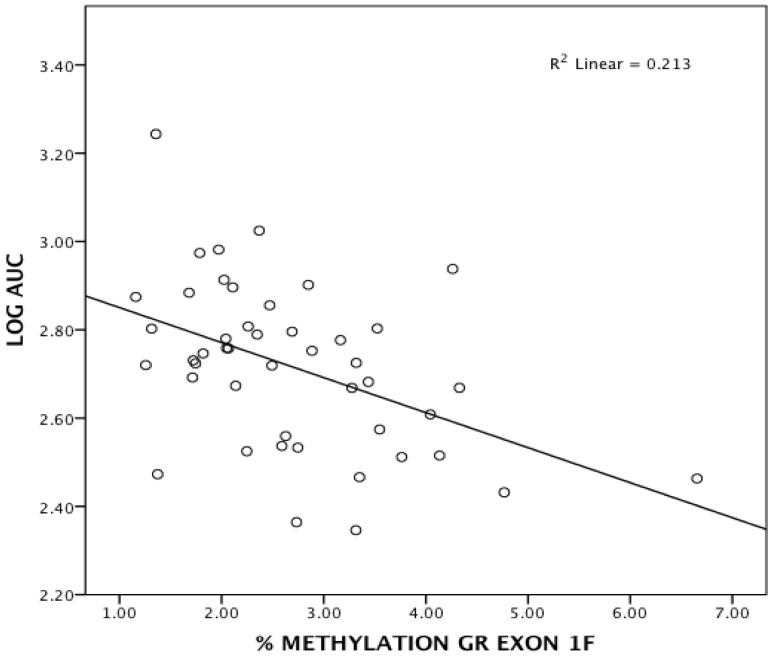
“Edelman et al. (2012) demonstrated epigenetic changes at the GR exon 1F correlate with HPAA reactivity measured by total cortisol (area under curve).”
BackgroundThrough the Looking Glass: Temperament and Emotion as Separate and Interwoven Constructs
Pérez‐Edgar, K. E. (2019) · Springer eBooks · doi:10.1007/978-3-030-17332-6_7 · Cited by 46
Kenna, G. A., Zywiak, W. H., Swift, R. M., McGeary, J. E., Clifford, J. S., Shoaff, J. R., Vuittonet, C. L., Fricchione, S. R., Brickley, M., Beaucage, K., et al. (2014) · Alcoholism Clinical and Experimental Research · doi:10.1111/acer.12410 · Cited by 43
“Taken together, 1 possible explanation why men and women as well as adolescents and adults may differ on genetic associations could be related to changes in gene expression as a consequence of neuroendocrine influences that change developmentally over time (Edelman et al., 2012; Munaf o et al., 2005).”
Glucocorticoid receptor DNA methylation and childhood trauma in chronic fatigue syndrome patients
Vangeel, E. B., Kempke, S., Bakusic, J., Godderis, L., Luyten, P., Heddegem, L. V., Compernolle, V., Persoons, P., Lambrechts, D., Izzi, B., et al. (2017) · Journal of Psychosomatic Research · doi:10.1016/j.jpsychores.2017.11.011 · Cited by 41
“In other studies, DNA methylation at this site was associated with post-traumatic stress syndrome (PTSD) [23] and was predictive of cortisol levels in response to a standardized stress task in females [51], indicating the relevance of this particular site in the HPA axis response to stress.”
BackgroundFiacco, S., Gardini, E., Mernone, L., Schick, L., & Ehlert, U. (2019) · Frontiers in Psychiatry · doi:10.3389/fpsyt.2019.00777 · Cited by 29
“In healthy men, by contrast, the NR3C1 methylation and cortisol response were not associated (36).”
BackgroundChubar, V., Vaessen, T., Noortgate, W. V. D., Lutin, E., Bosmans, G., Bekaert, B., Leeuwen, K. G. V., Calders, F., Weyn, S., Bijttebier, P., et al. (2023) · Psychoneuroendocrinology · doi:10.1016/j.psyneuen.2023.106045 · Cited by 30
Glucocorticoid receptor exon 1F methylation and the cortisol stress response in health and disease
Schür, R. R., van Leeuwen, J. M. C., Houtepen, L. C., Joëls, M., Kahn, R. S., Boks, M. P., & Vinkers, C. H. (2018) · Psychoneuroendocrinology · doi:10.1016/j.psyneuen.2018.07.018 · Cited by 24
Robakis, T. K., Roth, M. C., King, L. S., Humphreys, K. L., Ho, M., Zhang, X., Chen, Y., Li, T., Rasgon, N., Watson, K. T., et al. (2022) · Molecular Psychiatry · doi:10.1038/s41380-022-01592-w · Cited by 22
“Buccal epithelial cells are responsive to glucocorticoids [68], and methylation of the glucocorticoid receptor gene in buccal cells has been correlated with HPA-axis reactivity in response to social stress [69].”
BackgroundKenna, G. A., Zywiak, W. H., Swift, R. M., McGeary, J. E., Clifford, J. S., Shoaff, J. R., Fricchione, S., Brickley, M., Beaucage, K., Haass-Koffler, C. L., et al. (2014) · Alcohol · doi:10.1016/j.alcohol.2014.04.005 · Cited by 20
“…why men and women as well as adolescents and adults may differ on genetic associations could be related to changes in gene expression as a consequence of neuroendocrine influences that change developmentally over time (Edelman et al., 2012; Munafò, Lingford-Hughes, Johnstone, & Walton, 2005).”
BackgroundShalev, I., Hastings, W. J., Etzel, L. C., Israel, S., Russell, M. A., Hendrick, K. A., Zinobile, M., & Siegel, S. R. (2020) · PLoS ONE · doi:10.1371/journal.pone.0221310 · Cited by 26
“Further mechanistic research on the biological embedding of ELA suggests physiological dysregulation may be mediated at the genetic level via epigenetic modifications that can persist over long periods of time [11], including evidence linking ELA and cortisol responses via methylation levels in the glucocorticoid rece…”
BackgroundSelf-citationAcevedo-Triana, C. A., León, L. A., & Cárdenas, F. P. (2017) · Neurology Research International · doi:10.1155/2017/7138926 · Cited by 16
“Finally, the data was taken in a static way, without considering epigenetic measures, which, at least in the case of humans, could explain differences in expression [86, 87].”
BackgroundPsychosocial Stress and DNA Methylation
Unternäehrer, E., & Meinlschmidt, G. (2016) · Epigenetics and human health · doi:10.1007/978-3-319-29901-3_11 · Cited by 16
A genome-wide association study to identify chromosomal regions influencing ovine cortisol response
Pant, S. D., You, Q., Schenkel, L. C., Voort, G. V., Schenkel, F. S., Wilton, J., Cain, L., & Karrow, N. A. (2016) · Livestock Science · doi:10.1016/j.livsci.2016.02.006 · Cited by 21
Modulation of glucocorticoids by the serotonin transporter polymorphism: A narrative review
Gunnewiek, T. M. K., Homberg, J. R., & Kozicz, T. (2018) · Neuroscience & Biobehavioral Reviews · doi:10.1016/j.neubiorev.2018.06.022 · Cited by 12
Gil, S. M., Cabaco, A. S., Moral-Martínez, J. D., Seisdedos-Benito, A., & Lundberg, U. (2021) · International Journal of Environmental Research and Public Health · doi:10.3390/ijerph182010819 · Cited by 12
“Other findings should be considered such as those on the genetic predisposition of the HPA reactivity to stress, with the actual cortisol levels obtained in the populations under study [35], or those that prove that abused women living in shelters showed higher CAR compared with women living with an abusive partner [3…”
BackgroundNardi, B., Marini, A., Turchi, C., Arimatea, E., Tagliabracci, A., & Bellantuono, C. (2013) · PLoS ONE · doi:10.1371/journal.pone.0082192 · Cited by 12
“In particular, S-allele carriers show higher reactivity to psychosocial stress [63,85,86,87], and clinical evidence indicates that Outward subjects exhibit a heightened sensitivity to psychosocial stress [11,12].”
BackgroundDevelopmental programming and the hypothalamic–pituitary–adrenal axis
Martin, W. N., Pennell, C. E., Wang, C. A., & Reynolds, R. M. (2020) · Current Opinion in Endocrine and Metabolic Research · doi:10.1016/j.coemr.2020.07.010 · Cited by 9
Lin, A., Mertens, A., Rahman, M. Z., Tan, S. T., Il’yasova, D., Spasojević, I., Ali, S., Stewart, C. P., Fernald, L. C. H., Kim, L., et al. (2024) · Nature Communications · doi:10.1038/s41467-024-47896-z · Cited by 12
“We have revised the Abstract and clarified that there were four F2-isoprostanes isomers measured; hence, the range of differences between the control and N+WSH group: “We measured four F2-isoprostanes isomers (iPF(2α)-III; 2,3-dinor-iPF(2α)-III; iPF(2α)-VI; 8,12-iso-iPF(2α)-VI), salivary…”
Self-citationChubar, V., Luyten, P., Goossens, L., Bekaert, B., Bleys, D., Soenens, B., & Claes, S. J. (2020) · Physiology & Behavior · doi:10.1016/j.physbeh.2020.113170 · Cited by 9
Collins, N. J., Phillips, N. L. H., Reich, L. N., Milbocker, K. A., & Roth, T. L. (2020) · Adversity and Resilience Science · doi:10.1007/s42844-020-00015-5 · Cited by 10
Shields, A. E., Zhang, Y., Argentieri, M. A., Warner, E. T., Cozier, Y. C., Liu, C., Dye, C. K., Kent, B. V., Baccarelli, A., & Palmer, J. R. (2021) · Epigenomics · doi:10.2217/epi-2021-0275 · Cited by 10
THE EPIGENETIC BASIS OF BEHAVIORAL PHENOTYPES: IS THERE REASON FOR CONTINUED OPTIMISM?
Turecki, G. (2013) · Depression and Anxiety · doi:10.1002/da.22204 · Cited by 6
“[21] The association of GR methylation patterns with peripheral markers of HPA axis activity is further evidence that this may be the case[15, 22, 23] even though effects may be sex dependent.[22] It is still early to draw definite conclusions, but the findings discussed above are certainly encouraging and show a leve…”
BackgroundResultStress biomarkers and child development in young children in Bangladesh
Butzin-Dozier, Z., Mertens, A., Tan, S. T., Granger, D. A., Pitchik, H. O., Il’yasova, D., Tofail, F., Rahman, M. Z., Spasojević, I., Shalev, I., et al. (2024) · Psychoneuroendocrinology · doi:10.1016/j.psyneuen.2024.107023 · Cited by 5
“We assessed resting heart rate and mean arterial pressure in four study arms, but we only measured other stress biomarker exposures in two arms, which led to a greater sample size at Year 2 compared to Year 1.”
Self-citationBalfour, D., Kleinig, Z., Mittinty, M., & Cohen‐Woods, S. (2026) · Progress in Neuro-Psychopharmacology and Biological Psychiatry · doi:10.1016/j.pnpbp.2026.111708 · Cited by 3
Biobehavioral organization shapes the immune epigenome in infant rhesus Macaques (Macaca mulatta)
BAXTER, A. B., Capitanio, J. P., Bales, K. L., & Kinnally, E. L. (2021) · Brain Behavior and Immunity · doi:10.1016/j.bbi.2021.06.006 · Cited by 4
Lin, A., Mertens, A., Rahman, M. Z., Tan, S. T., Il’yasova, D., Spasojević, I., Ali, S., Stewart, C. P., Fernald, L. C. H., Kim, L., et al. (2021) · medRxiv · doi:10.1101/2021.11.24.21266798 · Cited by 4
Self-citationRole of Epigenetics in the Brain
Matt, S. M., Roth, E. D., & Roth, T. L. (2014) · Elsevier eBooks · doi:10.1016/b978-0-12-417114-5.00005-x · Cited by 5
Epigenetic Advances in Behavioral and Brain Sciences Have Relevance for Public Policy
Roth, T. L. (2017) · Policy Insights from the Behavioral and Brain Sciences · doi:10.1177/2372732217719091 · Cited by 3
“Mildly stressful experiences evoke rapid changes in DNA methylation in adult participants of a Trier Social Stress Test, a lab-based stress paradigm useful for studying stress responses in humans (Edelman et al., 2012; Unternaehrer et al., 2012).”
BackgroundThe Social Environment and Epigenetics in Psychiatry
McGowan, P. O., Sasaki, A., & Roth, T. L. (2014) · Elsevier eBooks · doi:10.1016/b978-0-12-417114-5.00026-7 · Cited by 3
Role of epigenetics in the brain
Matt, S. M., Roth, E. D., & Roth, T. L. (2021) · Elsevier eBooks · doi:10.1016/b978-0-12-823577-5.00007-6 · Cited by 2
Beyond the genome: Epigenetic layers of cortisol heterogeneity
Chan, M. H.-M. (2026) · Psychoneuroendocrinology · doi:10.1016/j.psyneuen.2026.108040 · Cited by 1
Theorell, T. (2014) · Springer eBooks · doi:10.1007/978-3-319-09241-6_7 · Cited by 1
The Family System as a Unit of Clinical Care: The Role of Genetic Systems
Reiss, D. (2015) · Springer eBooks · doi:10.1007/978-1-4939-2923-8_10 · Cited by 1
Epigenetic Mechanisms in the Development of Behavior
Hill, K. T., & Roth, T. L. (2016) · Wiley eBooks · doi:10.1002/9781119125556.devpsy211 · Cited by 1
The Social Environment and Epigenetics in Psychiatry 26 CHAPTER
McGowan, P. O., Sasaki, A., & Roth, T. L. (2014)
Gómez, I. F., Rosende, V. C., & Juárez, R. P. (2021) · Revista Científica Odontológica · doi:10.21142/2523-2754-0903-2021-074 · Cited by 3
“Edelman et al. 2012 Edad promedio: 25 años.”
BackgroundKoopmans, Y., Nelemans, S. A., Claes, S. J., Bijttebier, P., Bosmans, G., Noortgate, W. V. D., Leeuwen, K. G. V., & Goossens, L. (2025) · Journal of Adolescence · doi:10.1002/jad.70012 · Cited by 2
Exploring the boundaries between epigenetics and religiosity/spirituality: a systematic review
Salatino‐Oliveira, A., Celeste, J. C. N., Sturmer, C. M., Padilha, M. D. M., Silveira, L. N., de Souza, Y. B. R., da Silva, L. H. T., Pereira, F. D., dos Santos, E. B., & Costa, M. D. A. (2026) · Epigenomics · doi:10.1080/17501911.2026.2711569
Koopmans, Y., Nelemans, S. A., Bijttebier, P., Bosmans, G., Noortgate, W. V. D., Leeuwen, K. G. V., & Goossens, L. (2026) · Developmental Psychobiology · doi:10.1002/dev.70190
Metadata
- Authors
- Edelman, S., Shalev, I., Uzefovsky, F., Israel, S., Knafo, A., Kremer, I., Mankuta, D., Kaitz, M., & Ebstein, R. P.
- Affiliations
- Hebrew University of Jerusalem (IL)
- Technion – Israel Institute of Technology (IL)
- Hadassah Medical Center (IL)
- National University of Singapore (SG)
- Corresponding author
- Ebstein, Richard P.
- Venue
- PLoS ONE
- Publisher
- Public Library of Science (PLoS)
- Published
- 2012-11-14
- Volume
- 7
- Issue
- 11
- Pages
- e48597
- ISSN
- 1932-6203 (ISSN-L)
- PMC
- PMC3498240
- OpenAlex
- W1980778652
- Cited by
- 64
- References
- 78
- Citations by year
- 2026: 4 · 2025: 1 · 2024: 2 · 2023: 1 · 2022: 2 · 2021: 6 · 2020: 4 · 2019: 3 · 2018: 6 · 2017: 4 · 2016: 8 · 2015: 7 · 2014: 12 · 2013: 4
- FWCI
- 3.08
- Type
- journal article
- Language
- en
- Open access
- gold
- doi.org
- Locations
- PLoS ONE (publishedVersion, cc-by)
- PubMed Central (publishedVersion, cc-by)
- PubMed (publishedVersion)
- National University of Singapore (submittedVersion)
- DOAJ (DOAJ: Directory of Open Access Journals) (submittedVersion)
- Figshare (submittedVersion, cc-by)
- Funders
- National University of Singapore
- Topics
- Life Sciences › Neuroscience › Behavioral Neuroscience › Stress Responses and Cortisol
- Life Sciences › Biochemistry, Genetics and Molecular Biology › Molecular Biology › Epigenetics and DNA Methylation
- Health Sciences › Medicine › Endocrinology, Diabetes and Metabolism › Adrenal Hormones and Disorders
- Keywords
- salivary cortisol, social stress, epigenetic regulation, DNA methylation, glucocorticoid receptor, NGFI-A, estrogen receptor alpha, ESR1, serotonin transporter, 5-HTTLPR, sex differences, hypothalamic-pituitary-adrenal axis, Trier Social Stress Test, buccal DNA
- MeSH terms
- Adult, Exons, Female, Genotype, Humans, Hydrocortisone, Hypothalamo-Hypophyseal System, Male, Pituitary-Adrenal System, Promoter Regions, Genetic, Receptors, Glucocorticoid, Saliva, Sex Characteristics, Stress, Psychological, DNA Methylation, Epigenesis, Genetic
About these checks
Registry, retraction, Cites and statistics results are computed, not judged, with one exception: a printed reference that no index lists is read once by a model before it counts as a citation error. Claims are extracted by a model and kept only when their quote appears verbatim in the text; each cited source is then checked, with a model’s help, for whether it says what the claim relies on. Those verdicts can be wrong — read the claim’s quote and the cited source before relying on one.
Statistics and arithmetic are recomputed, not judged.
Confidence bands are shown only for fields calibrated on our annotated test set. None is calibrated yet, so no band is shown.
What counts as a claim ›How we measure confidence ›How we check this ›
Are you an author, or do you see a problem with this page? Request a review
Data sources
Bibliographic data: Semantic Scholar, OpenAlex, Crossref.
Contains information from the Semantic Scholar Academic Graph Datasets, made available under the ODC Attribution License (ODC-BY 1.0).
Semantic Scholar’s data is described in: Kinney, R., et al. (2023). The Semantic Scholar Open Data Platform. arXiv:2301.10140.
