

Cognitive Biases toward Internet Game-Related Pictures and Executive Deficits in Individuals with an Internet Game Addiction
Open accessThe DOI matches its Crossref record; 21 of the 21 references it cites were found in a registry or an index.
Abstract
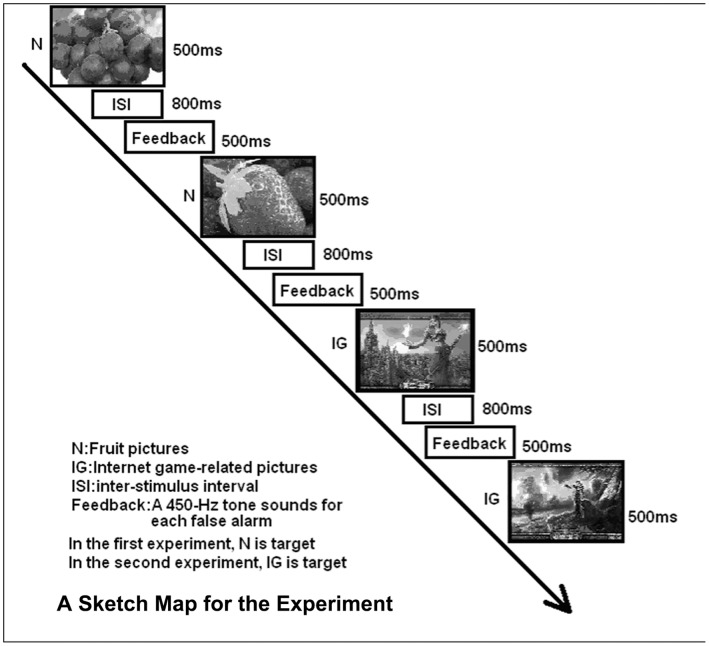
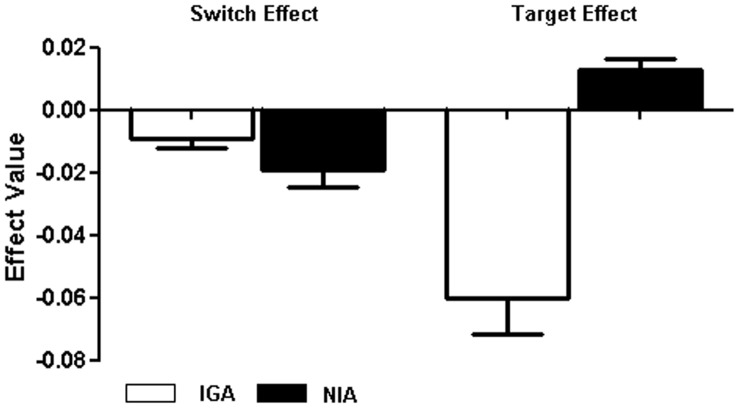
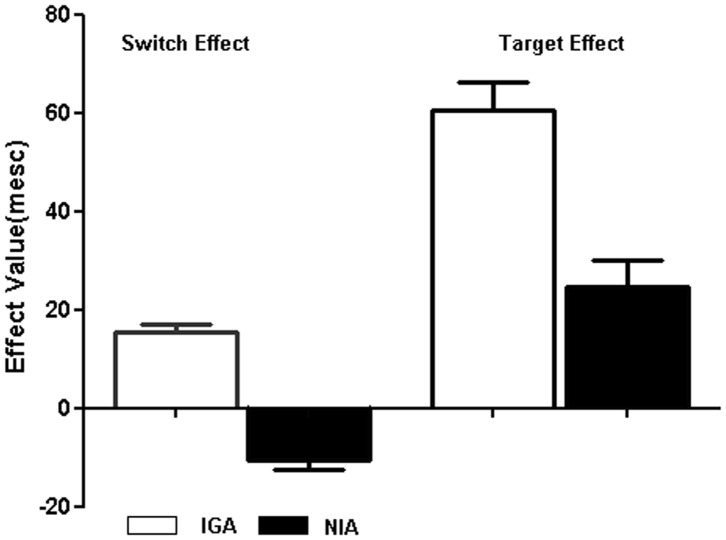
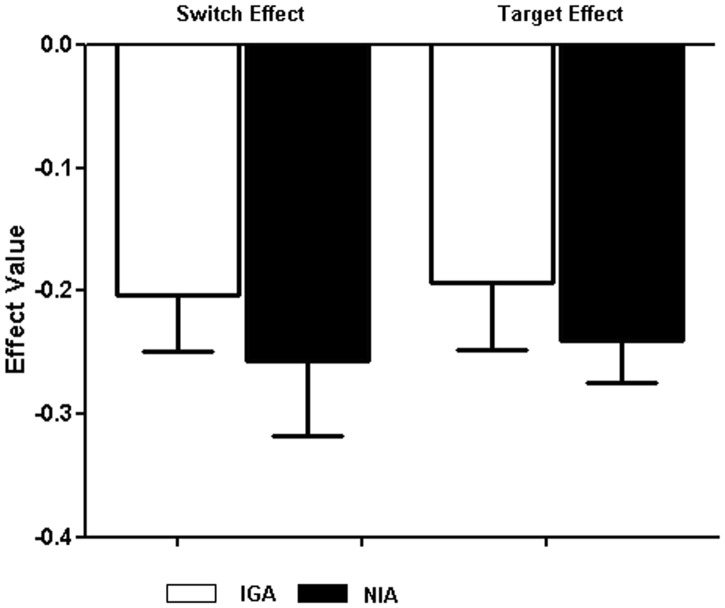
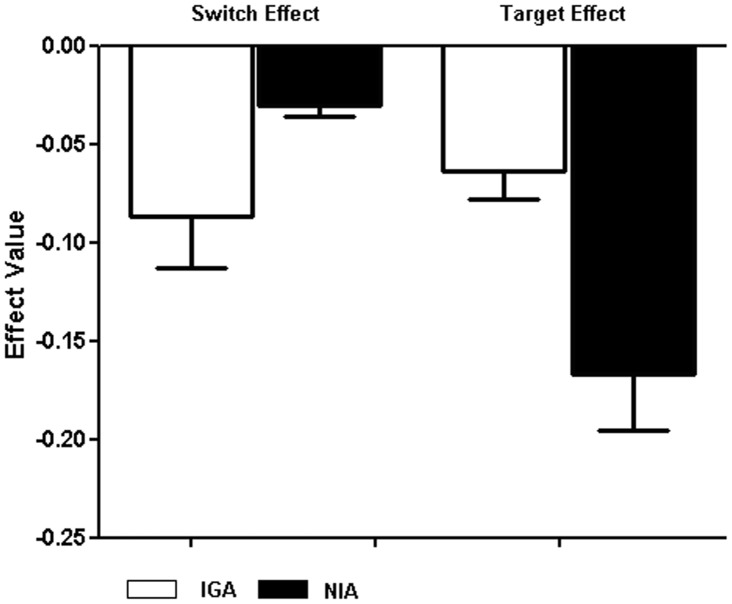
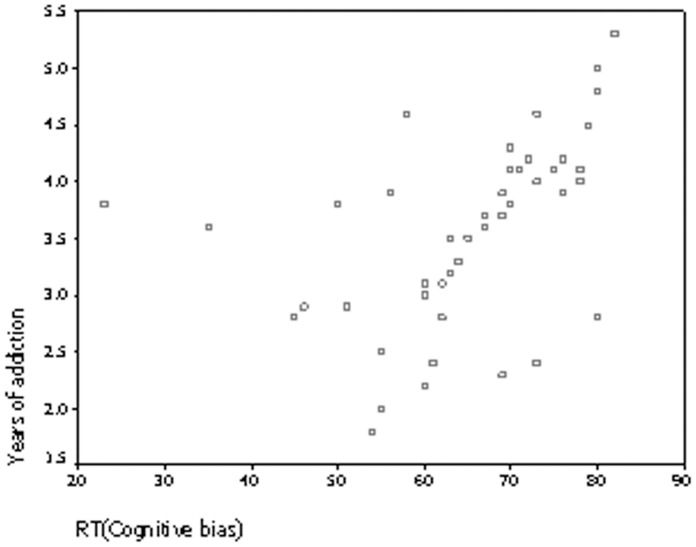
BACKGROUND: The cue-related go/no-go switching task provides an experimental approach to study individual's flexibility in changing situations. Because Internet addiction disorder (IAD) belongs to the compulsive-impulsive spectrum of disorders, it should present cognitive bias and executive functioning deficit characteristics of some of these types of disorders. Until now, no studies have been reported on cognitive bias and executive function involving mental flexibility and response inhibition in IAD. METHODOLOGY/PRINCIPAL FINDINGS: A total of 46 subjects who met the criteria of the modified Young's Diagnostic Questionnaire for Internet addiction (YDQ) were recruited as an Internet game addiction (IGA) group, along with 46 healthy control individuals. All participants performed the Internet game-shifting task. Using hit rate, RT, d' and C as the dependent measures, a three-way ANOVA (group × target × condition) was performed. For hit rate, a significant effect of group, type of target and condition were found. The group-target interaction effect was significant. For RT, significant effects were revealed for group and type of target. The group-target interaction effect was significant. Comparisons of the means revealed that the slowing down of IGA relative to NIA was more pronounced when the target stimuli were neutral as opposed to Internet game-related pictures. In addition, the group-condition interaction effect was significant. For d', significant effects of group, type of target and condition were found. The group-target interaction effect was significant. For C, the type of target produced a significant effect. There was a positive correlation between the length of the addiction (number of years) and the severity of the cognitive bias. CONCLUSIONS: IGA present cognitive biases towards information related to Internet gaming. These biases, as well as poor executive functioning skills (lower mental flexibility and response inhibition), might be responsible for Internet game addiction. The assessment of cognitive biases in IGA might provide a methodology for evaluation of therapeutic effects.
Overview
The claims and statistics of this paper haven’t been checked yet.
Free: it reads the open-access text and checks the first 5 claims that cite a source we can check. Create a free account to check every claim.
Integrity signals
Registry
Cites
Statistics
Figures
Verification
Claims the paper makes
The claims and statistics of this paper haven’t been checked yet.
Free: it reads the open-access text and checks the first 5 claims that cite a source we can check. Create a free account to check every claim.
Claims other papers make about this one
Each is checked against this paper’s own text: does it say what the citing paper says it does?
The cited source says what the claim attributes to it.
In the citing paper
“In this context, Zhou et al. (2012) used a shifting task with cues representative for Internet games and found reductions in response inhibition and mental flexibility.”
From Integrating psychological and neurobiological considerations regarding the development and maintenance of specific Internet-use disorders: An Interaction of Person-Affect-Cognition-Execution (I-PACE) model (2016) · cites this paper as Zhou et al., 2012
Self-check
Percentages, sums and reported differences re-computed from the paper’s own numbers.
The self-check needs the paper’s full text.
Citations
Cites
Internet Addiction: The Emergence of a New Clinical Disorder
YOUNG, K. S. (1998) · CyberPsychology & Behavior · doi:10.1089/cpb.1998.1.237 · Cited by 5,513
Pragmatics of measuring recognition memory: Applications to dementia and amnesia.
Snodgrass, J. G., & Corwin, J. (1988) · Journal of Experimental Psychology General · doi:10.1037//0096-3445.117.1.34 · Cited by 3,089
A cognitive-behavioral model of pathological Internet use
Davis, R. A. (2001) · Computers in Human Behavior · doi:10.1016/s0747-5632(00)00041-8 · Cited by 3,010
Monsell, S. (2003) · Trends in Cognitive Sciences · doi:10.1016/s1364-6613(03)00028-7 · Cited by 2,984
A CLASSIFICATION OF HAND PREFERENCE BY ASSOCIATION ANALYSIS
ANNETT, M. (1970) · British Journal of Psychology · doi:10.1111/j.2044-8295.1970.tb01248.x · Cited by 2,283
Issues for DSM-V: Internet Addiction
Block, J. J. (2008) · American Journal of Psychiatry · doi:10.1176/appi.ajp.2007.07101556 · Cited by 1,385 · cited 1×
“, preoccupation, mood modification, excessive use, withdrawal, tolerance and functional impairment [7].”
BackgroundThe Relationship Between Depression and Internet Addiction
YOUNG, K. S., & ROGERS, R. C. (1998) · CyberPsychology & Behavior · doi:10.1089/cpb.1998.1.25 · Cited by 1,196
Modification in the Proposed Diagnostic Criteria for Internet Addiction
Beard, K. W., & Wolf, E. M. (2001) · CyberPsychology & Behavior · doi:10.1089/109493101300210286 · Cited by 1,008
Internet Addiction: Definition, Assessment, Epidemiology and??Clinical Management
Shaw, M., & Black, D. W. (2008) · CNS Drugs · doi:10.2165/00023210-200822050-00001 · Cited by 807
Drug craving and addiction: integrating psychological and neuropsychopharmacological approaches
Franken, I. H. A. (2003) · Progress in Neuro-Psychopharmacology and Biological Psychiatry · doi:10.1016/s0278-5846(03)00081-2 · Cited by 763
Research works printed but not linked: 1
- 15. Beard KW, Wolf EM (2001) Modification in the proposed diagnostic criteria for Internet addiction. CyberPsychology and Behavior 4: 377-383. · DOI · Paper page
Cited by
Brand, M., Young, K. S., Laier, C., Wölfling, K., & Potenza, M. N. (2016) · Neuroscience & Biobehavioral Reviews · doi:10.1016/j.neubiorev.2016.08.033 · Cited by 2,416
“In this context, Zhou et al. (2012) used a shifting task with cues representative for Internet games and found reductions in response inhibition and mental flexibility.”
Brand, M., Young, K. S., & Laier, C. (2014) · Frontiers in Human Neuroscience · doi:10.3389/fnhum.2014.00375 · Cited by 565
Dong, G., & Potenza, M. N. (2014) · Journal of Psychiatric Research · doi:10.1016/j.jpsychires.2014.07.005 · Cited by 559
Ko, C.-H., Yen, J.-Y., Chen, S.-H., Wang, P.-W., Chen, C.-S., & Yen, C.-F. (2014) · Journal of Psychiatric Research · doi:10.1016/j.jpsychires.2014.02.008 · Cited by 326
How Has the Internet Reshaped Human Cognition?
Loh, K. K., & Kanai, R. (2016) · The Neuroscientist · doi:10.1177/1073858415595005 · Cited by 272
Weinstein, A., Curtiss Feder, L., Rosenberg, K. P., & Dannon, P. (2014) · Behavioral Addictions · doi:10.1016/b978-0-12-407724-9.00005-7 · Cited by 256
Risk factors associated with online game addiction: A hierarchical model
Hyun, G. J., Han, D. H., Lee, Y. S., Kang, K. D., Yoo, S. K., Chung, U.-S., & Renshaw, P. F. (2015) · Computers in Human Behavior · doi:10.1016/j.chb.2015.02.008 · Cited by 211
“Disrupted perseverative responses have been reported in patients with internet addiction (Han, Kim, Lee, & Renshaw, 2012; Han, Lyoo et al., 2012; Zhou et al., 2012).”
BackgroundDong, G., Lin, X., Zhou, H., & Lu, Q. (2014) · Addictive Behaviors · doi:10.1016/j.addbeh.2013.11.028 · Cited by 206
Kecanduan Game Online pada Remaja: Dampak dan Pencegahannya
Novrialdy, E. (2019) · Buletin Psikologi · doi:10.22146/buletinpsikologi.47402 · Cited by 206
Sugaya, N., Shirasaka, T., Takahashi, K., & Kanda, H. (2019) · BioPsychoSocial Medicine · doi:10.1186/s13030-019-0144-5 · Cited by 194
Dong, G., Lin, X., & Potenza, M. N. (2015) · Progress in Neuro-Psychopharmacology and Biological Psychiatry · doi:10.1016/j.pnpbp.2014.10.012 · Cited by 193
“Although executive control tasks performed during imaging are important for observing effects of IGD within circumscribed brain areas (Dong et al., 2010, 2011c, 2014; Lin et al., 2015; Zhou et al., 2012), additional insight may be obtained by measuring alterations in interactions among brain regions (Chambers et al.”
BackgroundInfluentialKo, C.-H., Hsieh, T.-J., Chen, C.-Y., Yen, C.-F., Chen, C.-S., Yen, J.-Y., Wang, P.-W., & Liu, G.-C. (2014) · European Archives of Psychiatry and Clinical Neuroscience · doi:10.1007/s00406-013-0483-3 · Cited by 174
“One previous study demonstrated impaired response inhibition in subjects with IGD [13]; however, another study revealed a contradictory result [14].”
Neurobiological correlates of internet gaming disorder: Similarities to pathological gambling
Fauth‐Bühler, M., & Mann, K. F. (2015) · Addictive Behaviors · doi:10.1016/j.addbeh.2015.11.004 · Cited by 171
Ko, C.-H. (2014) · Current Addiction Reports · doi:10.1007/s40429-014-0030-y · Cited by 167
Gaming Increases Craving to Gaming-Related Stimuli in Individuals With Internet Gaming Disorder
Dong, G., Wang, L., Du, X., & Potenza, M. N. (2017) · Biological Psychiatry Cognitive Neuroscience and Neuroimaging · doi:10.1016/j.bpsc.2017.01.002 · Cited by 159
Wegmann, E., Müller, S. M., Turel, O., & Brand, M. (2020) · Scientific Reports · doi:10.1038/s41598-020-60819-4 · Cited by 145
Jin, C., Zhang, T., Cai, C., Bi, Y., Li, Y., Yu, D., Zhang, M., & Yuan, K. (2015) · Brain Imaging and Behavior · doi:10.1007/s11682-015-9439-8 · Cited by 139
Long, J., Liu, T., Liu, Y., Hao, W., Maurage, P., & Billieux, J. (2018) · Current Addiction Reports · doi:10.1007/s40429-018-0219-6 · Cited by 137
Reduced orbitofrontal cortical thickness in male adolescents with internet addiction
Hong, S.-B., Kim, J.-W., Choi, E.-J., Kim, H.-H., Suh, J.-E., Kim, C.-D., Klauser, P., Whittle, S., Yűcel, M., Pantelis, C., et al. (2013) · Behavioral and Brain Functions · doi:10.1186/1744-9081-9-11 · Cited by 136
“Recently, Zhou and colleagues (2012) have shown impaired mental flexibility along with poor response inhibition in young adults with internet addiction [29].”
BackgroundZhou, Z., Zhou, H., & Zhu, H. (2016) · Acta Neuropsychiatrica · doi:10.1017/neu.2015.54 · Cited by 132
Self-citationA review of psychological interventions for internet addiction
Xu, L., Wu, L., Geng, X., Wang, Z., Guo, X.-Y., Song, K., Liu, G., Deng, L., Zhang, J., & Potenza, M. N. (2021) · Psychiatry Research · doi:10.1016/j.psychres.2021.114016 · Cited by 117
Behavioural addiction—A rising tide?
Chamberlain, S. R., Lochner, C., Stein, D. J., Goudriaan, A. E., van Holst, R. J., Zohar, J., & Grant, J. E. (2016) · European Neuropsychopharmacology · doi:10.1016/j.euroneuro.2015.08.013 · Cited by 110
Young, K. S., & Brand, M. (2017) · Frontiers in Psychology · doi:10.3389/fpsyg.2017.01853 · Cited by 109
Yao, Y.-W., Wang, L.-J., Yip, S. W., Chen, P.-R., Li, S., Xu, J., Zhang, J.-T., Deng, L.-Y., Liu, Q.-X., & Fang, X.-Y. (2015) · Psychiatry Research · doi:10.1016/j.psychres.2015.07.004 · Cited by 108
İnternet Bağımlılığı: Güncel Bir Gözden Geçirme
Bozkurt, H., Şahin, S., & Zoroglu, S. S. (2016) · Journal of Contemporary Medicine · doi:10.16899/ctd.66303 · Cited by 104
Deleuze, J., Nuyens, F., Rochat, L., Rothen, S., Maurage, P., & Billieux, J. (2017) · Journal of Behavioral Addictions · doi:10.1556/2006.6.2017.074 · Cited by 102
Kim, D. J., Kim, K., Lee, H.-W., Hong, J.-P., Cho, M. J., Fava, M., Mischoulon, D., Heo, J.-Y., & Jeon, H. J. (2017) · Journal of Nervous & Mental Disease · doi:10.1097/nmd.0000000000000698 · Cited by 100
Zhou, Z., Zhu, H., Li, C., & Wang, J. (2014) · Frontiers in Behavioral Neuroscience · doi:10.3389/fnbeh.2014.00288 · Cited by 96
“BEHAVIORAL NEUROSCIENCE ORIGINAL RESEARCH ARTICLE published: 25 August 2014 doi: 10.3389/fnbeh.2014.00288 Internet addictive individuals share impulsivity and executive dysfunction with alcohol-dependent patients”
BackgroundInfluentialSelf-citationQi, X., Du, X., Yang, Y., Du, G., Gao, P., Zhang, Y., Qin, W., Li, X., & Zhang, Q. (2015) · Frontiers in Behavioral Neuroscience · doi:10.3389/fnbeh.2015.00296 · Cited by 90
Ergenlerde Dijital Oyun Bağımlılığı ve Psikolojik İhtiyaçlar
Dursun, A., & Çapan, B. E. (2018) · İnönü Üniversitesi Eğitim Fakültesi Dergisi · doi:10.17679/inuefd.336272 · Cited by 89
Wang, Y., Wu, L., Zhou, H., Lin, X., Zhang, Y., Du, X., & Dong, G. (2016) · European Archives of Psychiatry and Clinical Neuroscience · doi:10.1007/s00406-016-0721-6 · Cited by 81
Nie, J., Zhang, W., Chen, J., & Li, W. (2016) · Psychiatry Research · doi:10.1016/j.psychres.2016.01.004 · Cited by 79
“Based on the results of previous studies, we hypothesized that, relative to normal controls, participants with IA would show a lower ability to suppress internet-related response (Liu et al., 2014; Yao et al., 2015; Zhou et al., 2012), and show weakened working memory for internet-related materials relative to interne…”
BackgroundResultLehenbauer, M., & Fohringer, M. (2015) · Computers in Human Behavior · doi:10.1016/j.chb.2014.11.098 · Cited by 78
Dong, G., Lin, X., Hu, Y., Xie, C., & Du, X. (2015) · Scientific Reports · doi:10.1038/srep09197 · Cited by 76
“Such response tendencies appear to be influenced by online-gaming related stimuli, with worse performance seen in IGD than in non-IGD subjects 9 .”
Impaired Decisional Impulsivity in Pathological Videogamers
Irvine, M. A., Worbe, Y., Bolton, S., Harrison, N. A., Bullmore, E. T., & Voon, V. (2013) · PLoS ONE · doi:10.1371/journal.pone.0075914 · Cited by 75
The measurement of maladaptive cognitions underlying problematic video-game playing among adults
Forrest, C., King, D. L., & Delfabbro, P. (2015) · Computers in Human Behavior · doi:10.1016/j.chb.2015.09.017 · Cited by 73
Shams, T. A., Foussias, G., Zawadzki, J. A., Marshe, V. S., Siddiqui, I., Müller, D. J., & Wong, A. H. C. (2015) · Current Psychiatry Reports · doi:10.1007/s11920-015-0609-6 · Cited by 68
An fMRI study of cognitive control in problem gamers
Luijten, M., Meerkerk, G.-J., Franken, I. H. A., van de Wetering, B. J. M., & Schoenmakers, T. M. (2015) · Psychiatry Research: Neuroimaging · doi:10.1016/j.pscychresns.2015.01.004 · Cited by 68
“(Cao et al., 2007; Littel et al., 2012; Zhou et al., 2012) or when confronted with gaming-related cues (Decker and Ga, y2011; van Holst et al.”
Gao, L., Zhang, J., Xie, H., Nie, Y., Zhao, Q., & Zhou, Z. (2020) · Addictive Behaviors · doi:10.1016/j.addbeh.2020.106363 · Cited by 66
Self-citationImpact of social media use on executive function
Reed, P. (2023) · Computers in Human Behavior · doi:10.1016/j.chb.2022.107598 · Cited by 64
Pontes, H. M., & Griffiths, M. D. (2015) · Revista Argentina de Ciencias del Comportamiento · doi:10.32348/1852.4206.v7.n3.9236 · Cited by 62
Schiebener, J., & Brand, M. (2017) · Current Addiction Reports · doi:10.1007/s40429-017-0156-9 · Cited by 61
Lelonek-Kuleta, B., & Bartczuk, R. (2021) · Journal of Gambling Studies · doi:10.1007/s10899-021-10015-4 · Cited by 61
Schiebener, J., Laier, C., & Brand, M. (2015) · Journal of Behavioral Addictions · doi:10.1556/jba.4.2015.1.5 · Cited by 60
Wang, L., Wu, L., Lin, X., Zhang, Y., Zhou, H., Du, X., & Dong, G. (2016) · Psychiatry Research Neuroimaging · doi:10.1016/j.pscychresns.2016.07.001 · Cited by 60
He, Z.-H., Li, M.-D., Ma, X.-Y., & Liu, C.-J. (2021) · The Journal of Genetic Psychology · doi:10.1080/00221325.2020.1853027 · Cited by 59
Kanat, S. (2019) · International Education Studies · doi:10.5539/ies.v12n11p80 · Cited by 57
de Gortari, A. B. O., & Griffiths, M. D. (2014) · International Journal of Mental Health and Addiction · doi:10.1007/s11469-014-9476-3 · Cited by 56
Altered Structural Correlates of Impulsivity in Adolescents with Internet Gaming Disorder
Du, X., Qi, X., Yang, Y., Du, G., Gao, P., Zhang, Y., Qin, W., Li, X., & Zhang, Q. (2016) · Frontiers in Human Neuroscience · doi:10.3389/fnhum.2016.00004 · Cited by 54
Kim, S. N., Kim, M., Lee, T. H., Lee, J.-Y., Park, S., Park, M., Kim, D., Kwon, J. S., & Choi, J. (2018) · Frontiers in Psychiatry · doi:10.3389/fpsyt.2018.00315 · Cited by 54
Internet addiction, cognitive, and dispositional factors among US adults
Devine, D., Ogletree, A. M., Shah, P., & Katz, B. (2022) · Computers in Human Behavior Reports · doi:10.1016/j.chbr.2022.100180 · Cited by 53
Forrest, C., King, D. L., & Delfabbro, P. (2016) · Addictive Behaviors · doi:10.1016/j.addbeh.2016.10.013 · Cited by 51
Aberrant corticostriatal functional circuits in adolescents with Internet addiction disorder
Lin, F., Zhou, Y., Du, Y., Zhao, Z., Qin, L.-D., Xu, J., & Lei, H. C. (2015) · Frontiers in Human Neuroscience · doi:10.3389/fnhum.2015.00356 · Cited by 49
Wartberg, L., Kriston, L., Kegel, K., & Thomasius, R. (2016) · Journal of Behavioral Addictions · doi:10.1556/2006.5.2016.049 · Cited by 49
Marino, C., & Spada, M. M. (2017) · Current Addiction Reports · doi:10.1007/s40429-017-0160-0 · Cited by 48
Zhang, Y., Ndasauka, Y., Hou, J., Chen, J., Yang, L. Z., Wang, Y., Han, L., Bu, J., Zhang, P., Zhou, Y., et al. (2016) · Frontiers in Psychology · doi:10.3389/fpsyg.2016.00675 · Cited by 46
Kim, M., Lee, T. H., Choi, J., Kwak, Y. B., Hwang, W. J., Kim, T., Lee, J. Y., Kim, B. M., & Kwon, J. S. (2019) · Progress in Neuro-Psychopharmacology and Biological Psychiatry · doi:10.1016/j.pnpbp.2019.109717 · Cited by 43
Rabinovitz, S., & Nagar, M. (2015) · Cyberpsychology Behavior and Social Networking · doi:10.1089/cyber.2015.0173 · Cited by 43
Müller, S. M., Wegmann, E., García Arias, M., Bernabéu Brotóns, E., Marchena Giráldez, C., & Brand, M. (2021) · Comprehensive Psychiatry · doi:10.1016/j.comppsych.2021.152228 · Cited by 42
Dong, G., Wu, L., Wang, Z., Wang, Y., Du, X., & Potenza, M. N. (2018) · Addictive Behaviors · doi:10.1016/j.addbeh.2018.01.030 · Cited by 39
Internet Gaming Disorder, Obsessive-Compulsive Disorder, and Addiction
Starčević, V., & Aboujaoude, E. N. (2017) · Current Addiction Reports · doi:10.1007/s40429-017-0158-7 · Cited by 37
Altered Heart Rate Variability During Gaming in Internet Gaming Disorder
Lee, D., Hong, S. J., Jung, Y., Park, J., Kim, I. Y., & Namkoong, K. (2018) · Cyberpsychology Behavior and Social Networking · doi:10.1089/cyber.2017.0486 · Cited by 36
Cuppone, D., Pérez, L. J. G., Cardullo, S., Cellini, N., Sarlo, M., Soldatesca, S., Chindamo, S., Madeo, G., & Gallimberti, L. (2021) · Journal of Behavioral Addictions · doi:10.1556/2006.2021.00032 · Cited by 35
Autism Spectrum Disorder and Video Games: Restricted Interests or Addiction?
Coutelle, R., Weiner, L., Paasche, C., Pottelette, J., Bertschy, G., Schroder, C. M., & Lalanne, L. (2021) · International Journal of Mental Health and Addiction · doi:10.1007/s11469-021-00511-4 · Cited by 35
Dimensionality of Cognitions in Behavioral Addiction
Morris, L. S., & Voon, V. (2016) · Current Behavioral Neuroscience Reports · doi:10.1007/s40473-016-0068-3 · Cited by 33
Shen, X., Xie, X., & Wu, S. (2022) · Current Psychology · doi:10.1007/s12144-022-03255-z · Cited by 33
Chen, L., Zhou, H., Gu, Y., Wang, S., Wang, J., Tian, L., Zhu, H., & Zhou, Z. (2018) · Frontiers in Psychiatry · doi:10.3389/fpsyt.2018.00421 · Cited by 33
Self-citationShu, Z., & Li, S. (2025) · Frontiers in Human Neuroscience · doi:10.3389/fnhum.2025.1542271 · Cited by 30
A Scoping Review of Cognitive Bias in Internet Addiction and Internet Gaming Disorders
Chia, D. X. Y., & Zhang, M. W. (2020) · International Journal of Environmental Research and Public Health · doi:10.3390/ijerph17010373 · Cited by 30
Chiorri, C., Soraci, P., & Ferrari, A. (2023) · Mindfulness · doi:10.1007/s12671-022-02066-4 · Cited by 29
Online game addiction in adolescent: What should school counselor do?
Novrialdy, E., & Atyarizal, R. (2019) · Jurnal Konseling dan Pendidikan · doi:10.29210/132700 · Cited by 29
Catch me if you can: effects of AR-enhanced presence on the mobile game experience
Park, J., & Ko, D.-W. (2021) · Internet Research · doi:10.1108/intr-10-2020-0557 · Cited by 28
Paik, S.-H., Choi, M., Kwak, S. M., Bang, S. H., Chun, J., Kim, J.-Y., Choi, J., Cho, H., Jeong, J.-E., & Kim, D. (2017) · Annals of General Psychiatry · doi:10.1186/s12991-017-0168-9 · Cited by 28
Succumb to habit: Behavioral evidence for overreliance on habit learning in Internet addicts
Zhou, B., Wang, W., Zhang, W., Li, Y., & Nie, J. (2018) · Computers in Human Behavior · doi:10.1016/j.chb.2018.08.030 · Cited by 23
Neuropsychological Constructs in Gaming Disorders: a Systematic Review
Legault, M. C. B., Liu, H. Z., & Balodis, I. M. (2021) · Current Behavioral Neuroscience Reports · doi:10.1007/s40473-021-00230-z · Cited by 22
Brandtner, A., Wegmann, E., & Brand, M. (2020) · Addictive Behaviors Reports · doi:10.1016/j.abrep.2020.100295 · Cited by 22
Han, P. (2017) · Frontiers in Psychology · doi:10.3389/fpsyg.2017.01047 · Cited by 22
Antons, S., Müller, S. M., Neumann, P., Müller, A., & Steins-Loeber, S. (2023) · Current Addiction Reports · doi:10.1007/s40429-023-00517-z · Cited by 21
“06 [ 60 ] , − 3 .”
BackgroundInfluentialJiang, C., Li, C., Zhou, H., & Zhou, Z. (2020) · Adicciones · doi:10.20882/adicciones.1342 · Cited by 21
Self-citationThe Relationship between Game Addiction and Personality Traits
Basha, E. (2021) · Erciyes journal of education/Erciyes journal of education : · doi:10.32433/eje.871051 · Cited by 21
Liu, C., Rotaru, K., Chamberlain, S. R., Ren, L., Fontenelle, L. F., Lee, R. S. C., Suo, C., Raj, K., Yücel, M., & Albertella, L. (2022) · International Journal of Environmental Research and Public Health · doi:10.3390/ijerph19159592 · Cited by 20
Digital Generation: Between Myth and Reality
Ershova, R. V. (2019) · Russian Journal of Philosophical Sciences · doi:10.30727/0235-1188-2019-62-2-96-108 · Cited by 19
Gong, L., Zhou, H., Su, C., Geng, F., Xi, W., Teng, B., Yuan, K., Zhao, M., & Hu, Y. (2022) · Addiction Biology · doi:10.1111/adb.13210 · Cited by 17
Tseng, Y., Su, Y.-K., Chou, W., Miyakoshi, M., Tsai, C., Li, C.-J., Lee, S.-Y., & Wang, L. (2024) · IEEE Transactions on Neural Systems and Rehabilitation Engineering · doi:10.1109/tnsre.2024.3363756 · Cited by 17
Effects of retrieval-extinction training on internet gaming disorder
Zhao, Q., Zhang, Y., Wang, M., Ren, J., Chen, Y., Chen, X., Wei, Z., Sun, J., & Zhang, X. (2022) · Journal of Behavioral Addictions · doi:10.1556/2006.2022.00006 · Cited by 17
Jung, D., Shim, E., Hyeonggyu, P., Lee, K., Lee, S., Kim, E., Chang, J. S., Jeong, S.-H., Kim, Y., Ahn, Y. M., et al. (2020) · Psychiatry Investigation · doi:10.30773/pi.2019.0173 · Cited by 17
Theoretical Models of the Development and Maintenance of Internet Addiction
Brand, M. (2017) · Studies in neuroscience, psychology and behavioral economics · doi:10.1007/978-3-319-46276-9_2 · Cited by 16
Wartberg, L., Durkee, T., Kriston, L., Parzer, P., Fischer-Waldschmidt, G., Resch, F., Sarchiapone, M., Wasserman, C., Hoven, C. W., Carli, V., et al. (2016) · International Journal of Mental Health and Addiction · doi:10.1007/s11469-016-9654-6 · Cited by 15
Explicit and implicit effects of gaming content on social media on the behavior of young adults
Jitoku, D., Kobayashi, N., Fujimoto, Y., Qian, C., Okuzumi, S., Tei, S., Matsuyoshi, D., Tamura, T., Takahashi, H., Ueno, T., et al. (2024) · Frontiers in Psychology · doi:10.3389/fpsyg.2024.1332462 · Cited by 14
The relationship between spiritual well-being and game addiction of youths: a cross-sectional study
Pong, H.-K. (2022) · Journal of Beliefs and Values · doi:10.1080/13617672.2022.2152262 · Cited by 13
Sprawność intelektualna osób o odmiennych chronotypach
Jankowski, K. S. (2021) · Wydawnictwo Liberi Libri eBooks · doi:10.47943/lib.9788363487515.rozdzial10 · Cited by 12
Inteligencja w codziennym życiu
(2021) · Wydawnictwo Liberi Libri eBooks · doi:10.47943/lib.9788363487515 · Cited by 12
de Gortari, O. (2015) · Nottingham Trent University's Institutional Repository (Nottingham Trent Repository) · Cited by 12
Bergman, M. A., Vissers, C., Collard, R. M., van Eijndhoven, P., Schene, A. H., & Vrijsen, J. N. (2021) · Frontiers in Psychiatry · doi:10.3389/fpsyt.2020.569946 · Cited by 11
Wei, M., Luo, X., Fu, J., Dong, Y.-S., Liu, J., Liu, J., & Dong, G.-H. (2025) · Journal of Psychiatric Research · doi:10.1016/j.jpsychires.2025.04.012 · Cited by 11
Behaviors Associated with Internet Use in Military Medical Students and Residents
Schmidt, G. L., Valdez, M. M., Farrell, M. E., Bishop, F. M., Klam, W. P., & Doan, A. P. (2019) · Military Medicine · doi:10.1093/milmed/usz043 · Cited by 11
Digital Game Addiction and Children
Ersoy, M., & Şahbaz, A. (2023) · Advances in human and social aspects of technology book series · doi:10.4018/978-1-6684-8397-8.ch019 · Cited by 11
Evidence for the embodiment of the automatic approach bias
Solzbacher, J., Czeszumski, A., Walter, S., & König, P. (2022) · Frontiers in Psychology · doi:10.3389/fpsyg.2022.797122 · Cited by 11
Setyaningsih, I., Leksono, A. B. B., Muhrodji, P., Edyanto, A. S., & Vidyanti, A. N. (2021) · Open Access Macedonian Journal of Medical Sciences · doi:10.3889/oamjms.2021.6858 · Cited by 11
Game Addiction: A Brief Review
Hafeez, M., Idrees, M. D., & Kim, J. Y. (2017) · International Journal of Scientific Engineering and Research · doi:10.70729/ijser171952 · Cited by 12
Metadata
- Authors
- Zhou, Z., Yuan, G., & Yao, J.
- Affiliations
- Nanjing Medical University (CN)
- Corresponding author
- Zhou, Zhenhe
- Venue
- PLoS ONE
- Publisher
- Public Library of Science (PLoS)
- Published
- 2012-11-14
- Volume
- 7
- Issue
- 11
- Pages
- e48961
- ISSN
- 1932-6203 (ISSN-L)
- PMC
- PMC3498351
- OpenAlex
- W2019465558
- Cited by
- 153
- References
- 21
- Citations by year
- 2026: 8 · 2025: 13 · 2024: 8 · 2023: 6 · 2022: 10 · 2021: 23 · 2020: 8 · 2019: 11 · 2018: 11 · 2017: 14 · 2016: 12 · 2015: 17 · 2014: 9 · 2013: 3
- FWCI
- 30.47
- Type
- journal article
- Language
- en
- Open access
- gold
- doi.org
- Locations
- PLoS ONE (publishedVersion, cc-by)
- PubMed Central (publishedVersion, cc-by)
- PubMed (publishedVersion)
- DOAJ (DOAJ: Directory of Open Access Journals) (submittedVersion, cc-by-sa)
- Funders
- Government of Jiangsu Province
- Topics
- Social Sciences › Sociology and Political Science › Impact of Technology on Adolescents
- Social Sciences › Psychology › Clinical Psychology › Gambling Behavior and Treatments
- Social Sciences › Psychology › Clinical Psychology › Sexuality, Behavior, and Technology
- Keywords
- online game addiction, cognitive biases, executive function, response inhibition, cognitive flexibility
- MeSH terms
- Adolescent, Adult, Attention, Cognition, Female, Humans, Male, Neuropsychological Tests, Surveys and Questionnaires, Reaction Time, Behavior, Addictive, Video Games, Internet, Executive Function
About these checks
Registry, retraction, Cites and statistics results are computed, not judged, with one exception: a printed reference that no index lists is read once by a model before it counts as a citation error. Claims are extracted by a model and kept only when their quote appears verbatim in the text; each cited source is then checked, with a model’s help, for whether it says what the claim relies on. Those verdicts can be wrong — read the claim’s quote and the cited source before relying on one.
Statistics and arithmetic are recomputed, not judged.
Confidence bands are shown only for fields calibrated on our annotated test set. None is calibrated yet, so no band is shown.
What counts as a claim ›How we measure confidence ›How we check this ›
Are you an author, or do you see a problem with this page? Request a review
Data sources
Bibliographic data: Semantic Scholar, OpenAlex, Crossref.
Contains information from the Semantic Scholar Academic Graph Datasets, made available under the ODC Attribution License (ODC-BY 1.0).
Semantic Scholar’s data is described in: Kinney, R., et al. (2023). The Semantic Scholar Open Data Platform. arXiv:2301.10140.
