

Induction of Brain Microvascular Endothelial Cell Urokinase Expression by Cryptococcus neoformans Facilitates Blood-Brain Barrier Invasion
Open accessThe DOI matches its Crossref record; 91 of the 91 references it cites were found in a registry or an index.
Abstract
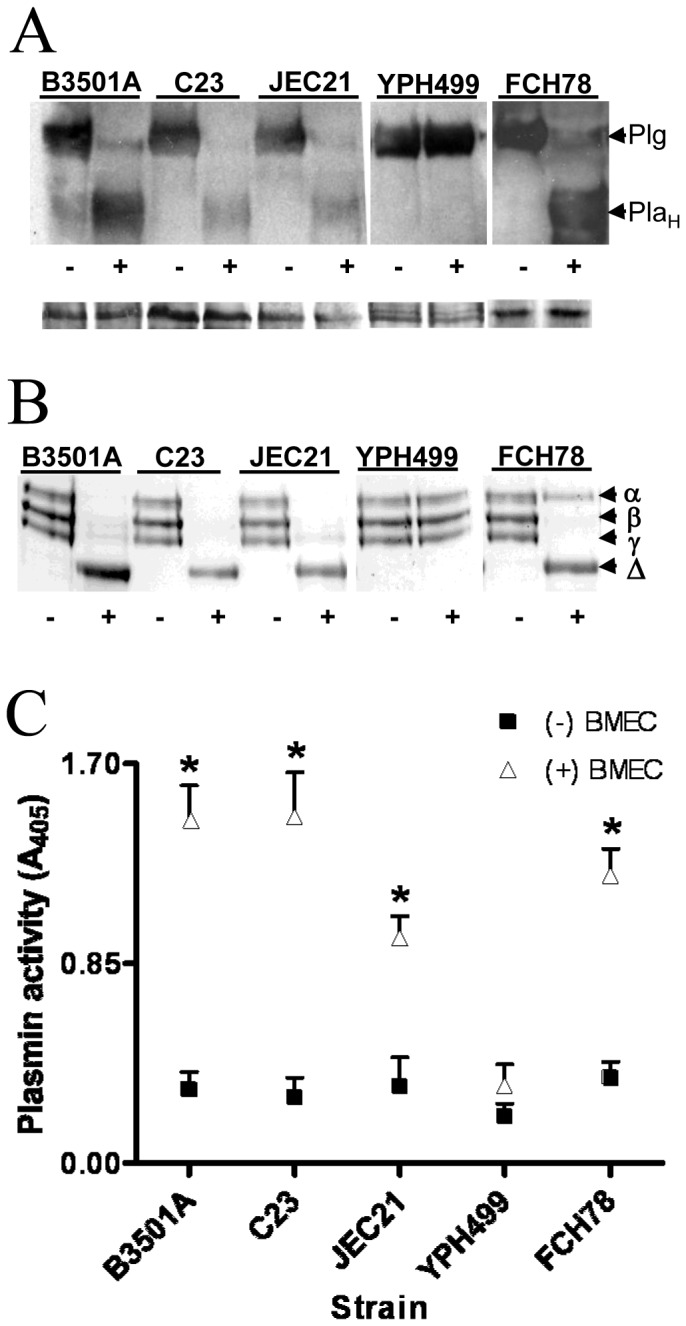
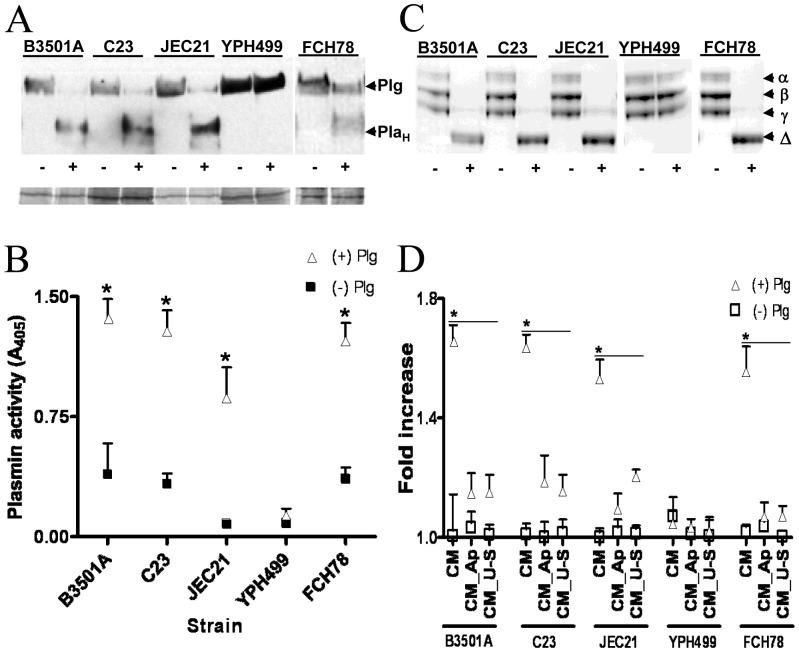
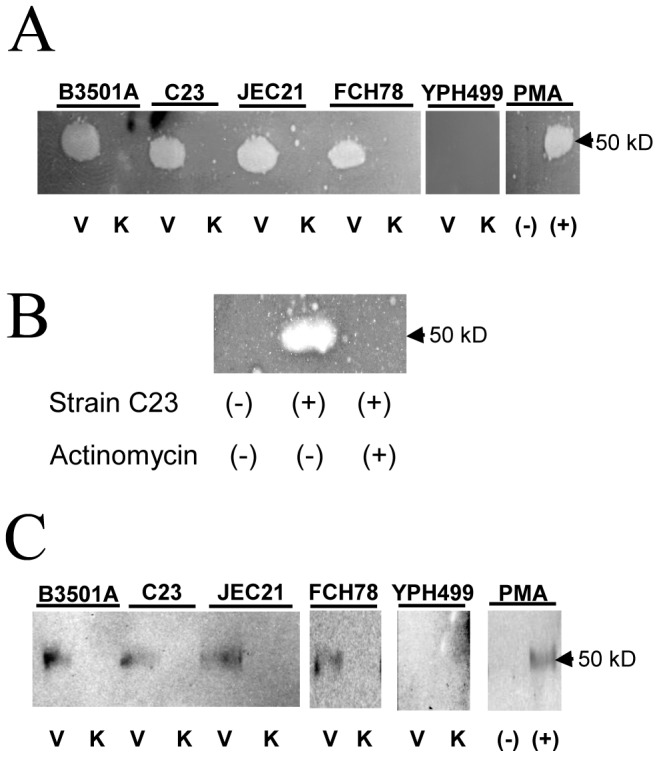
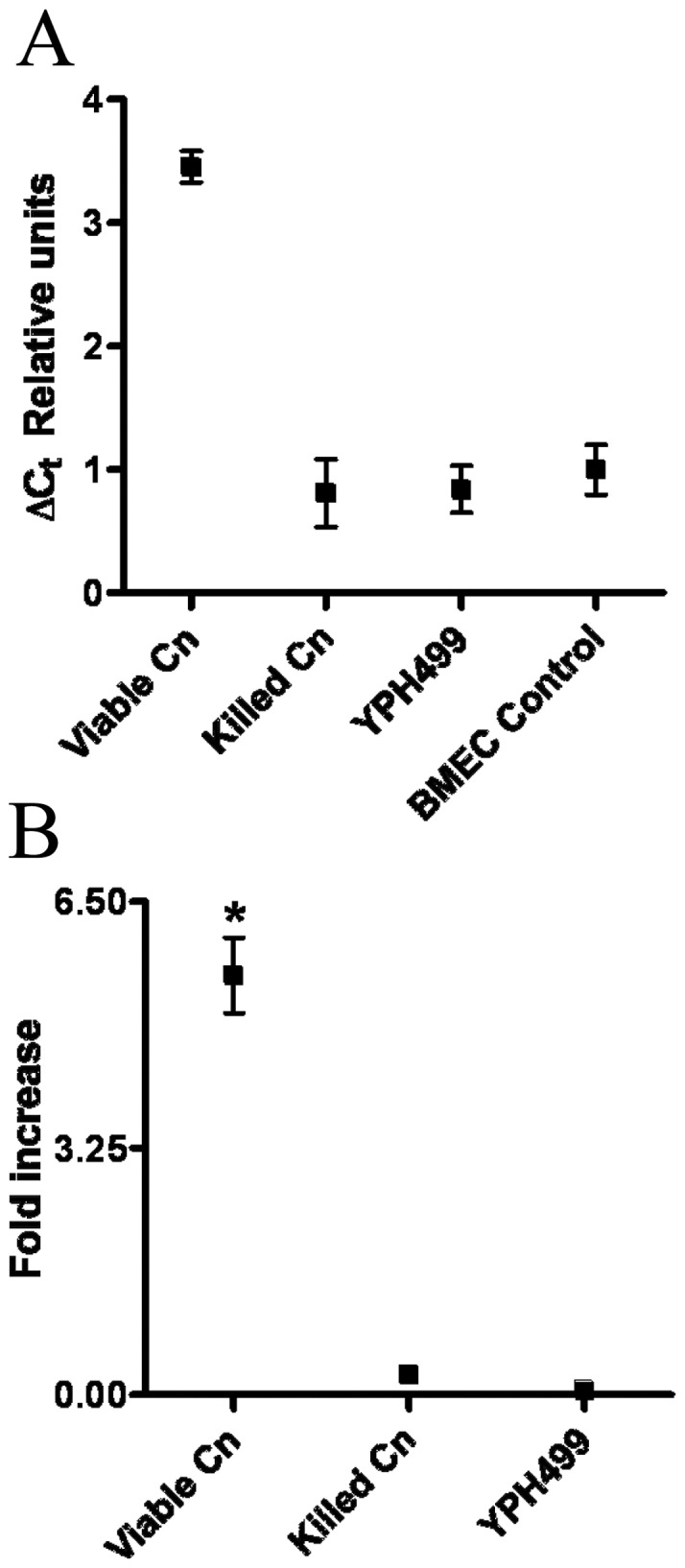
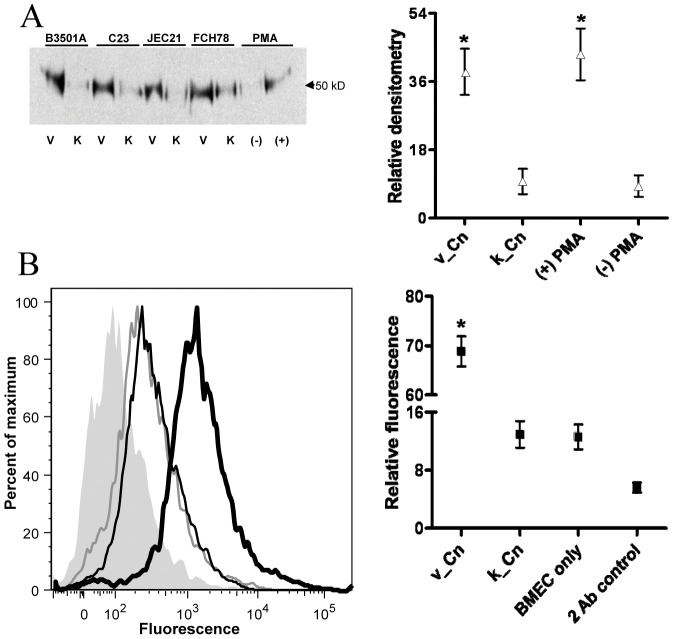
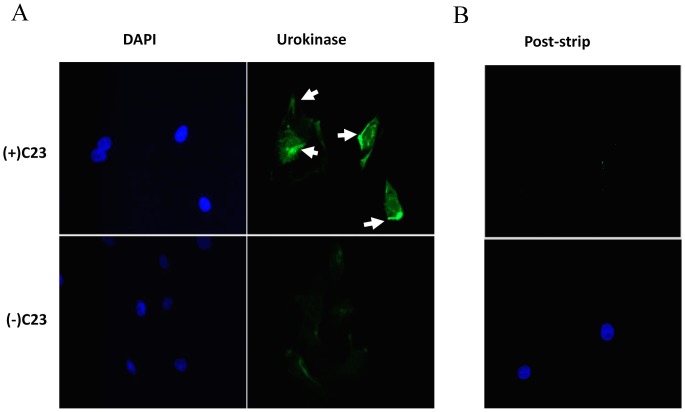
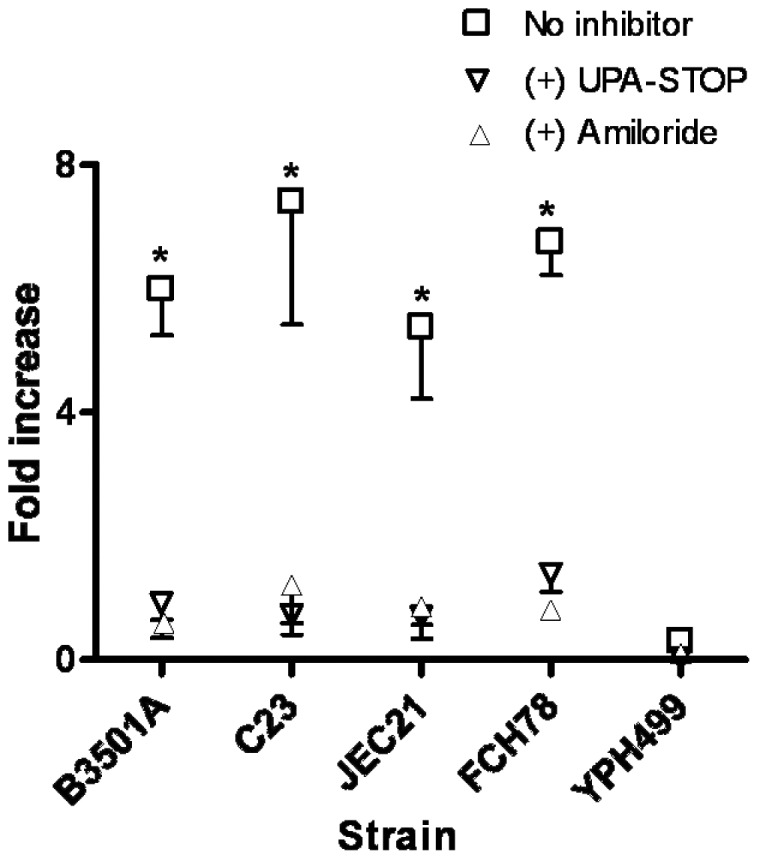
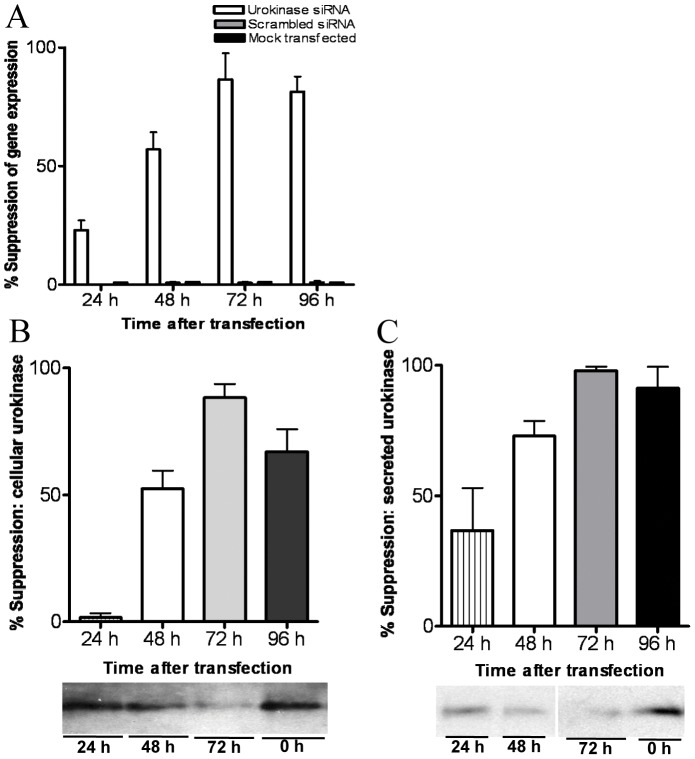
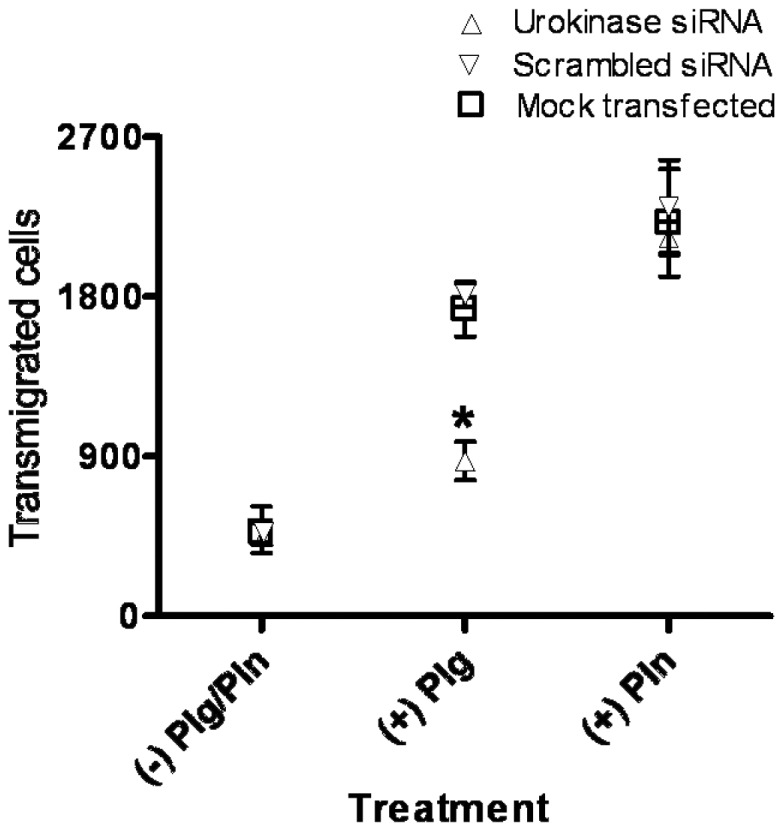
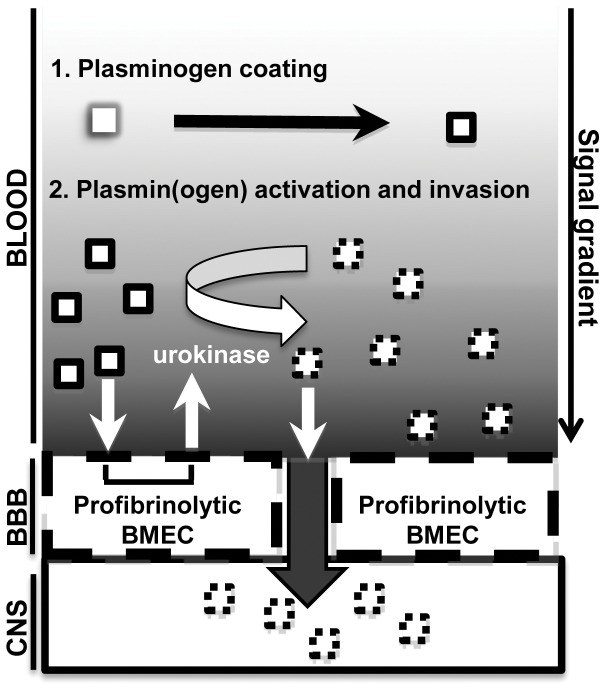
The invasive ability of the blood-borne fungal pathogen Cryptococcus neoformans can be enhanced through interactions with host plasma components, such as plasminogen. Previously we showed by in vitro studies that plasminogen coats the surface of C. neoformans and is converted to the active serine protease, plasmin, by host plasminogen activators. Viable, but not formaldehyde- or sodium azide-killed, cryptococcal strains undergo brain microvascular endothelial cell-dependent plasminogen-to-plasmin activation, which results in enhanced, plasmin-dependent cryptococcal invasion of primary bovine brain microvascular endothelial cells and fungal ability to degrade plasmin substrates. In the present work, brain microvascular endothelial cells cultured with viable, but not killed, cryptococcal strains led to significant increases in both urokinase mRNA transcription and cell-associated urokinase protein expression. Soluble urokinase was also detected in conditioned medium from brain microvascular endothelial cells cultured with viable, but not killed, C. neoformans. Exposure of plasminogen pre-coated viable C. neoformans to conditioned medium from strain-matched brain microvascular endothelial cell-fungal co-cultures resulted in plasminogen-to-plasmin activation and plasmin-dependent cryptococcal invasion. siRNA-mediated silencing of urokinase gene expression or the use of specific inhibitors of urokinase activity abrogated both plasminogen-to-plasmin activation on C. neoformans and cryptococcal-brain microvascular endothelial cell invasion. Our results suggest that pathogen exploitation of the host urokinase-plasmin(ogen) system may contribute to C. neoformans virulence during invasive cryptococcosis.
Overview
The claims and statistics of this paper haven’t been checked yet.
Free: it reads the open-access text and checks the first 5 claims that cite a source we can check. Create a free account to check every claim.
Integrity signals
Registry
Cites
Statistics
Figures
Verification
Claims the paper makes
The claims and statistics of this paper haven’t been checked yet.
Free: it reads the open-access text and checks the first 5 claims that cite a source we can check. Create a free account to check every claim.
Claims other papers make about this one
Each is checked against this paper’s own text: does it say what the citing paper says it does?
The cited source says what the claim attributes to it.
In the citing paper
“Cryptococcal cells can bind and activate host plasminogen, a plasma protein and central component of the fibrinolytic system. This interaction promotes the conversion of plasminogen to the serine protease plasmin via the urokinase-type plasminogen activator (uPA) [159–161].”
From Mechanisms of fungal dissemination (2021) · cites this paper as [160]
Self-check
Percentages, sums and reported differences re-computed from the paper’s own numbers.
The self-check needs the paper’s full text.
Citations
Cites
Park, B. J., Wannemuehler, K. A., Marston, B. J., Govender, N., Pappas, P. G., & Chiller, T. M. (2009) · AIDS · doi:10.1097/qad.0b013e328322ffac · Cited by 2,014 · cited 2×
“Approximately one million new cases of cryptococcosis are reported annually and result in an estimated 600,000 deaths [3].”
BackgroundA study of proteases and protease-inhibitor complexes in biological fluids
Granelli-Piperno, A., & Reich, E. (1978) · The Journal of Experimental Medicine · doi:10.1084/jem.148.1.223 · Cited by 803 · cited 1×
“The CM was examined for plasminogen activator activity based on a previously described technique [44] with several modifications.”
MethodPosition-specific chemical modification of siRNAs reduces “off-target” transcript silencing
Jackson, A. L., Burchard, J., Leake, D., Reynolds, A., Schelter, J., Guo, J., Johnson, J. M., Lim, L., Karpilow, J., Nichols, K., et al. (2006) · RNA · doi:10.1261/rna.30706 · Cited by 789 · cited 1×
“In separate studies, the above urokinase-specific siRNA sequence was chemically modified using Silencer Select siRNA technology to reduce off-targeting effects [Life Technologies; [45]].”
MethodRole of the Matrix Metalloproteinase and Plasminogen Activator–Plasmin Systems in Angiogenesis
Pepper, M. S. (2001) · Arteriosclerosis, Thrombosis, and Vascular Biology · doi:10.1161/hq0701.093685 · Cited by 777 · cited 1×
“pro- and anti- fibrinolytic states are governed locally by the balance of positive and negative regulators present in the microenvironment [59].”
BackgroundComplementation of a capsule-deficient mutation of Cryptococcus neoformans restores its virulence.
Chang, Y. C., & Kwon-Chung, K. J. (1994) · Molecular and Cellular Biology · doi:10.1128/mcb.14.7.4912 · Cited by 490
The Peptide Chains of Human Plasmin
Robbins, K. C., Summaria, L., Hsieh, B., & Shah, R. J. (1967) · Journal of Biological Chemistry · doi:10.1016/s0021-9258(18)95967-3 · Cited by 477
EPIDEMIOLOGIC DIFFERENCES BETWEEN THE TWO VARIETIES OF CRYPTOCOCCUS NEOFORMANS1
KWON-CHUNG, K. J., & BENNETT, J. E. (1984) · American Journal of Epidemiology · doi:10.1093/oxfordjournals.aje.a113861 · Cited by 474 · cited 1×
“Cryptococcus neoformans is an encapsulated, facultative intracellular pathogen that is globally distributed and recognized as a leading cause of fungal meningitis in immunocompromised people [1,2].”
BackgroundThe cell biology of the plasminogen system
Plow, E. F., Herren, T., Redlitz, A., Miles, L. A., & Hoover‐Plow, J. L. (1995) · The FASEB Journal · doi:10.1096/fasebj.9.10.7615163 · Cited by 420 · cited 3×
“The central downstream effectors of plasmin include matrix metalloproteinases (MMPs) and procollagenases that enhance vascular permeability by the focalized degradation of inter-endothelial junctions and cell-associated protein networks, respectively [22].”
BackgroundInfluentialGrowth factors are released by mechanically wounded endothelial cells.
McNeil, P. L., Muthukrishnan, L., Warder, E., & D'Amore, P. A. (1989) · The Journal of cell biology · doi:10.1083/jcb.109.2.811 · Cited by 418 · cited 1×
“Damaged cells, for example, release autocrine factors such as b-fibroblast growth factor [76,77] that can, in turn,”
BackgroundPlasminogen is a critical host pathogenicity factor for group A streptococcal infection
Sun, H., Ringdahl, U., Homeister, J. W., Fay, W. P., Engleberg, N. C., Yang, A. Y., Rozek, L. S., Wang, X., Sjöbring, U., & Ginsburg, D. (2004) · Science · doi:10.1126/science.1101245 · Cited by 408
Pericellular Proteases in Angiogenesis and Vasculogenesis
van Hinsbergh, V. W. M., Engelse, M. A., & Quax, P. H. A. (2006) · Arteriosclerosis, Thrombosis, and Vascular Biology · doi:10.1161/01.atv.0000209518.58252.17 · Cited by 389 · cited 1×
“such as immune cell recruitment [24], and also contributes to”
BackgroundThe plasminogen activator system: biology and regulation
Irigoyen, J. P., Muñoz-Cánoves, P., Montero, L., Koziczak, M., & Nagamine, Y. (1999) · Cellular and Molecular Life Sciences · doi:10.1007/pl00000615 · Cited by 368 · cited 1×
“Other factors that may contribute to the regulation of plasmin(ogen) in our BBB model, which consists of assay medium supplemented with 20% fetal bovine serum, include serum proteins such as a2 anti-plasmin that inhibit plasmin activity [57,58].”
BackgroundAutocrine saturation of pro-urokinase receptors on human A431 cells
Stoppelli, M. P., Tacchetti, C., Cubellis, M. V., Corti, A., Hearings, V. J., Cassani, G., Appella, E., & Blasi, F. (1986) · Cell · doi:10.1016/0092-8674(86)90782-8 · Cited by 355 · cited 1×
“1 M NaCl at 25uC, as previously described [42].”
MethodEndothelial plasminogen activator inhibitor (PAI): a new member of the Serpin gene family.
Pannekoek, H., Veerman, H., Lambers, H., Diergaarde, P., Verweij, C. L., van Zonneveld, A. J., & van Mourik, J. A. (1986) · The EMBO Journal · doi:10.1002/j.1460-2075.1986.tb04532.x · Cited by 344 · cited 1×
“Endothelial cells furthermore secrete PA-directed serine protease inhibitors such as plasminogen activator inhibitors 1–2 [53] and eliminate or neutralize PA through targeted cell surface receptor cleavage, and/or PA-selective membrane trafficking processes [52,54–56].”
BackgroundSpores as Infectious Propagules of Cryptococcus neoformans
Velagapudi, R., Hsueh, Y.-P., Geunes-Boyer, S., Wright, J. R., & Heitman, J. (2009) · Infection and Immunity · doi:10.1128/iai.00542-09 · Cited by 327 · cited 1×
“The primary means of cryptococcal-host entry is through the inhalation of fungal conidia and/or desiccated yeast forms, which can lodge and germinate within alveolar tissue [4].”
BackgroundExpulsion of Live Pathogenic Yeast by Macrophages
Ma, H., Croudace, J. E., Lammas, D. A., & May, R. C. (2006) · Current Biology · doi:10.1016/j.cub.2006.09.032 · Cited by 310
Olszewski, M. A., Noverr, M. C., Chen, G.-H., Toews, G. B., Cox, G. M., Perfect, J. R., & Huffnagle, G. B. (2004) · The American Journal of Pathology · doi:10.1016/s0002-9440(10)63734-0 · Cited by 289
Chang, Y. C., Stins, M. F., McCaffery, M. J., Miller, G. F., Pare, D. R., Dam, T., Paul-Satyasee, M., Kim, K. S., & Kwon-Chung, K. J. (2004) · Infection and Immunity · doi:10.1128/iai.72.9.4985-4995.2004 · Cited by 278
Cryptococcal Meningitis and AIDS
Powderly, W. G. (1993) · Clinical Infectious Diseases · doi:10.1093/clinids/17.5.837 · Cited by 278
A Plasminogen-Activating Protease Specifically Controls the Development of Primary Pneumonic Plague
Lathem, W. W., Price, P. A., Miller, V. L., & Goldman, W. E. (2007) · Science · doi:10.1126/science.1137195 · Cited by 275
Immunity to a pulmonary Cryptococcus neoformans infection requires both CD4+ and CD8+ T cells.
Huffnagle, G. B., Yates, J. L., & Lipscomb, M. F. (1991) · The Journal of experimental medicine · doi:10.1084/jem.173.4.793 · Cited by 261 · cited 1×
“Cryptococcosis is effectively countered by a T cell-dependent proinflammatory immune response and is regarded as an AIDS-defining illness in patients with severe CD4+ T-cell lymphocytopenia [#100 cells/ cm(3); [3,5,6]].”
BackgroundCandida albicans binds human plasminogen: identification of eight plasminogen‐binding proteins
Crowe, J. D., Sievwright, I. K., Auld, G. C., Moore, N. R., Gow, N. A. R., & Booth, N. A. (2003) · Molecular Microbiology · doi:10.1046/j.1365-2958.2003.03390.x · Cited by 246
Rapid and simple comparison of messenger rna levels using real-time PCR
Dussault, A.-A., & Pouliot, M. (2006) · Biological Procedures Online · doi:10.1251/bpo114 · Cited by 243 · cited 1×
“Changes in urokinase expression were evaluated according to the formula: DDCt = [Control (CtUROKINASE - CtGADPH)2Infected (CtUROKINASE - CtGADPH)], according to a previously described protocol [48], and expressed as fold-increase (2).”
MethoduPAR – uPA – PAI-1 interactions and signaling: A vascular biologist’s view
Mihaly, J., Prager, G., & Binder, B. (2007) · Thrombosis and Haemostasis · doi:10.1160/th06-11-0669 · Cited by 236 · cited 1×
“Endothelial cells are potent regulators of plasminogen-toplasmin activation, and this regulation can occur by multiple mechanisms including, for example, through formation of macromolecular complexes of urokinase with plasma membrane proteins and extracellular matrix components that restrict both the spatial and tempo…”
BackgroundSebbane, F., Jarrett, C. O., Gardner, D., Long, D., & Hinnebusch, B. J. (2006) · Proceedings of the National Academy of Sciences · doi:10.1073/pnas.0509544103 · Cited by 236
Breuninger, H., Schaumburg-Lever, G., Holzschuh, J., & Horny, H.-P. (1997) · Cancer · doi:10.1002/(sici)1097-0142(19970301)79:5<915::aid-cncr7>3.0.co;2-a · Cited by 230
Shi, M., Li, S. S., Zheng, C., Jones, G. J., Kim, K. S., Zhou, H., Kubes, P., & Mody, C. H. (2010) · Journal of Clinical Investigation · doi:10.1172/jci41963 · Cited by 222 · cited 1×
“neoformans can undergo prolonged interactions with the vasculature during invasive cryptococcosis [18] and, according to our above prediction, this prolonged interaction could result in the cryptococcal-induced overexpression of host urokinase, leading to the ‘phenotypic switch’ of endothelial cells from procoagulativ…”
BackgroundEPIDEMIOLOGIC DIFFERENCES AMONG SEROTYPES OF CRYPTOCOCCUS NEOFORMANS
BENNETT, J. E., KWON-CHUNG, K. J., & HOWARD, D. H. (1977) · American Journal of Epidemiology · doi:10.1093/oxfordjournals.aje.a112423 · Cited by 217 · cited 1×
“Cryptococcus neoformans is an encapsulated, facultative intracellular pathogen that is globally distributed and recognized as a leading cause of fungal meningitis in immunocompromised people [1,2].”
BackgroundCharlier, C., Chrétien, F., Baudrimont, M., Mordelet, E., Lortholary, O., & Dromer, F. (2005) · The American Journal of Pathology · doi:10.1016/s0002-9440(10)62265-1 · Cited by 215
Coagulation Abnormalities in Acute Lung Injury and Sepsis
Abraham, E. (2000) · American Journal of Respiratory Cell and Molecular Biology · doi:10.1165/ajrcmb.22.4.f184 · Cited by 211 · cited 1×
“Specifically, septicemia and tissue inflammation promote a procoagulative, anti-fibrinolytic vascular endothelial cell phenotype [60] that could be surmounted locally, at the interface between cryptococcal and endothelial cells (Fig.”
BackgroundJong, A. Y., Chen, S. H. M., Stins, M. F., Kim, K. S., Tuan, T.-L., & Huang, S.-H. (2003) · Journal of Medical Microbiology · doi:10.1099/jmm.0.05060-0 · Cited by 206
Muthukrishnan, L., Warder, E., & McNeil, P. L. (1991) · Journal of Cellular Physiology · doi:10.1002/jcp.1041480102 · Cited by 192 · cited 1×
“Damaged cells, for example, release autocrine factors such as b-fibroblast growth factor [76,77] that can, in turn,”
BackgroundProteoglycans: structure, function, and role in neoplasia.
Iozzo, R. V. (1985) · PubMed · Cited by 190
Chen, S. H. M., Stins, M. F., Huang, S.-H., Chen, Y. H., Kwon-Chung, K. J., Chang, Y., Kim, K. S., Suzuki, K., & Jong, A. Y. (2003) · Journal of Medical Microbiology · doi:10.1099/jmm.0.05230-0 · Cited by 189 · cited 2×
“P160 Rho-kinase [ROCK; [13]], and other mediators, such as protein kinase C a [PKC a; [10]], that crosstalk with urokinase induction pathways.”
Background1 Mechanisms of physiological fibrinolysis
Lijnen, H. R., & Collen, D. (1995) · Baillière's Clinical Haematology · doi:10.1016/s0950-3536(05)80268-9 · Cited by 183 · cited 1×
“Other factors that may contribute to the regulation of plasmin(ogen) in our BBB model, which consists of assay medium supplemented with 20% fetal bovine serum, include serum proteins such as a2 anti-plasmin that inhibit plasmin activity [57,58].”
BackgroundGyetko, M. R., Chen, G. H., McDonald, R. A., Goodman, R., Huffnagle, G. B., Wilkinson, C. C., Fuller, J. A., & Toews, G. B. (1996) · Journal of Clinical Investigation · doi:10.1172/jci118611 · Cited by 183 · cited 2×
“neoformans into major organs, such as the spleen and brain, and have markedly reduced survival times [39].”
BackgroundBastaki, M., Nelli, E., Dell’Era, P., Rusnati, M., Molinari-Tosatti, M. P., Parolini, S., Auerbach, R., Ruco, L., Possati, L., & Presta, M. (1997) · Arteriosclerosis Thrombosis and Vascular Biology · doi:10.1161/01.atv.17.3.454 · Cited by 139 · cited 1×
“elicit or upregulate urokinase gene transcription [78,79].”
Kasai, S., Arimura, H., Nishida, M., & Suyama, T. (1985) · Journal of Biological Chemistry · doi:10.1016/s0021-9258(17)39035-x · Cited by 133 · cited 1×
“Like plasmin, urokinase is expressed in zymogen form, where activation entails proteolytic conversion of a single-chain proenzyme to a disulphide-linked, two-chained serine protease [27,28].”
BackgroundBorrelia burgdorferi, Host-Derived Proteases, and the Blood-Brain Barrier
Grab, D. J., Perides, G., Dumler, J. S., Kim, K. J., Park, J., Kim, Y. V., Nikolskaia, O., Choi, K. S., Stins, M. F., & Kim, K. S. (2005) · Infection and Immunity · doi:10.1128/iai.73.2.1014-1022.2005 · Cited by 123 · cited 7×
“plasmin-dependent microbial invasion of host tissues [25], including the CNS [26].”
BackgroundMethodInfluentialBezerra, L. M. L., & Filler, S. G. (2004) · Blood · doi:10.1182/blood-2003-06-2186 · Cited by 118 · cited 1×
“In particular, endothelial cell damage by Aspergillus fumigatus is implicated in fungal induction of tissue factor [75].”
BackgroundPlasminogen receptors: the sine qua non of cell surface plasminogen activation.
Miles, L. A., HAWLEY, S. B., Baik, N., Andronicos, N. M., Castellino, F. J., & Parmer, R. J. (2005) · PubMed · doi:10.2741/1658 · Cited by 118
Jong, A., Wu, C.-H., Chen, H.-M., Luo, F., Kwon-Chung, K. J., Chang, Y. C., LaMunyon, C. W., Plaas, A., & Huang, S.-H. (2007) · Eukaryotic Cell · doi:10.1128/ec.00120-07 · Cited by 113 · cited 3×
“neoformans can promote cryptococcalBMEC invasion by a transcellular mechanism [15], so we additionally examined whether a plasminogen pre-coated acapsular mutant elicited BMEC-regulated plasminogen-to-plasmin proteolysis.”
BackgroundJong, A., Wu, C.-H., Shackleford, G. M., Kwon-Chung, K. J., Chang, Y. C., Chen, H.-M., Ouyang, Y., & Huang, S.-H. (2008) · Cellular Microbiology · doi:10.1111/j.1462-5822.2008.01128.x · Cited by 112 · cited 1×
“neoformans [11,15,70] and has been shown to modulate urokinase expression in mouse macrophages [71].”
BackgroundCyclic strain-mediated regulation of vascular endothelial cell migration and tube formation
Sweeney, N. V. O., Cummins, P. M., Cotter, E. J., Fitzpatrick, P. A., Birney, Y. A., Redmond, E. M., & Cahill, P. A. (2005) · Biochemical and Biophysical Research Communications · doi:10.1016/j.bbrc.2005.02.013 · Cited by 108 · cited 2×
“A previously published bovine-specific urokinase antisense siRNA [46] and a custom luciferase-specific siRNA corresponding to the mRNA target sequence AAGCATACTCTGCCGCAGAGT (Accession # NM_075830) were used as controls (Life Technologies).”
BackgroundMethodNogueira, S. V., Fonseca, F. L., Rodrigues, M. L., Mundodi, V., Abi-Chacra, E. A., Winters, M. S., Alderete, J. F., & Soares, C. M. D. A. (2010) · Infection and Immunity · doi:10.1128/iai.00221-10 · Cited by 103
Cryptococci at the brain gate: break and enter or use a Trojan horse?
Casadevall, A. (2010) · Journal of Clinical Investigation · doi:10.1172/jci42949 · Cited by 89 · cited 1×
“neoformans can parasitize macrophages that traffic between the blood and tissues and eventually escape from the phagocytes into tissues or organs, such as the CNS, by a phagosomal extrusion process without affecting host cell viability [7,8].”
BackgroundTranscriptional and posttranscriptional regulation of the plasminogen activator system
Medcalf, R. L., Muñoz-Cánoves, P., & Nagamine, Y. (2005) · Thrombosis and Haemostasis · doi:10.1160/th04-12-0814 · Cited by 88 · cited 2×
“Cell lines that constitutively express high levels of urokinase protein exhibit a nearly 20-fold increase in mRNA stability over cell lines with low constitutive levels urokinase expression [66].”
BackgroundStie, J., Bruni, G., & Fox, D. (2009) · PLoS ONE · doi:10.1371/journal.pone.0005780 · Cited by 85 · cited 5×
“neoformans, including the JEC21 parental strain, indicating that capsule expression is not essential for this process, consistent with previous findings [21,32].”
BackgroundMethodResultSelf-citationIbrahim, A. S., Filler, S. G., Alcouloumre, M. S., Kozel, T. R., Edwards, J. E., & Ghannoum, M. A. (1995) · Infection and Immunity · doi:10.1128/iai.63.11.4368-4374.1995 · Cited by 83
Andolfo, A., English, W., Resnati, M., Murphy, G., Blasi, F., & Sidénius, N. (2002) · Thrombosis and Haemostasis · doi:10.1055/s-0037-1613202 · Cited by 80
Nanbu, R., Menoud, P. A., & Nagamine, Y. (1994) · Molecular and Cellular Biology · doi:10.1128/mcb.14.7.4920 · Cited by 80
Mahanivong, C., Chen, H. M., Yee, S. W., Pan, Z. K., Dong, Z., & Huang, S. (2007) · Oncogene · doi:10.1038/sj.onc.1210746 · Cited by 78
Litvintseva, A. P., & Mitchell, T. G. (2009) · Infection and Immunity · doi:10.1128/iai.00296-09 · Cited by 78 · cited 14×
“We thank Jim Cutler, Ping Wang, Eric Morales and Joy Sturtevant for comments and discussions and Anastasia Litvintseva for the kind gift of the serotype A strain C23.”
BackgroundInfluentialUrokinase as a Multidomain Protein and Polyfunctional Cell Regulator
Stepanova, V. V., & Va, T. (2002) · Biochemistry (Moscow) · doi:10.1023/a:1013912500373 · Cited by 77 · cited 1×
“This activation process is amplified by a feedback activation loop between plasmin and urokinase on cell surfaces that concentrates proteolytic activity at intercellular or cell-matrix interfaces [29].”
BackgroundCho, J. Y., Chung, H. C., Noh, S. H., Roh, J. K., Min, J. S., & Kim, B. (1997) · Cancer · Cited by 73
Release of Soluble Urokinase Receptor from Vascular Cells*
Chavakis, T., Willuweit, A., Lupu, F., Preissner, K. T., & Kanse, S. M. (2001) · Thrombosis and Haemostasis · doi:10.1055/s-0037-1616105 · Cited by 70
Huang, S.-H., Long, M., Wu, C.-H., Kwon-Chung, K. J., Chang, Y. C., Chi, F., Lee, S., & Jong, A. (2011) · Journal of Biological Chemistry · doi:10.1074/jbc.m111.219378 · Cited by 69 · cited 1×
“organization [9,12], metabolism [86] and signaling [9,12,87], may”
BackgroundHorton, M. R., Olman, M. A., Bao, C., White, K. E., Choi, A. M. K., Chin, B.-Y., Noble, P. W., & Lowenstein, C. J. (2000) · American Journal of Physiology-Lung Cellular and Molecular Physiology · doi:10.1152/ajplung.2000.279.4.l707 · Cited by 68 · cited 2×
“specificity of siRNA-directed urokinase gene knockdown observed in our studies, consistent with findings of other investigators [71] concerning the anti-urokinase a3 sequence shown in Figure S3.”
BackgroundResultLong, M., Huang, S.-H., Wu, C.-H., Shackleford, G. M., & Jong, A. (2012) · Journal of Biomedical Science · doi:10.1186/1423-0127-19-19 · Cited by 64 · cited 1×
“organization [9,12], metabolism [86] and signaling [9,12,87], may”
BackgroundJong, A., Wu, C.-H., Prasadarao, N. V., Kwon-Chung, K. J., Chang, Y. C., Ouyang, Y., Shackleford, G. M., & Huang, S.-H. (2008) · Cellular Microbiology · doi:10.1111/j.1462-5822.2008.01172.x · Cited by 63 · cited 2×
“P160 Rho-kinase [ROCK; [13]], and other mediators, such as protein kinase C a [PKC a; [10]], that crosstalk with urokinase induction pathways.”
BackgroundRegulation of plasminogen receptors
Herren, T. (2003) · Frontiers in bioscience · doi:10.2741/916 · Cited by 62 · cited 2×
“Plasminogen attachment to cells or fibrin matrices is essential for plasminogen-to-plasmin activation [30].”
BackgroundAltus, M. S., & Nagamine, Y. (1991) · Journal of Biological Chemistry · doi:10.1016/s0021-9258(18)54839-0 · Cited by 61
Gyetko, M. R., Sud, S., Chen, G.-H., Fuller, J. A., Chensue, S. W., & Toews, G. B. (2002) · The Journal of Immunology · doi:10.4049/jimmunol.168.2.801 · Cited by 60
Henderson, B. R., Tansey, W. P., Phillips, S. M., Ramshaw, I. A., & Kefford, R. F. (1992) · PubMed · Cited by 59
Lee, K. H., Kim, S. W., & Kim, J. (2009) · Journal of Experimental & Clinical Cancer Research · doi:10.1186/1756-9966-28-73 · Cited by 58
Plasminogen activators in normal tissue and carcinomas of the human oesophagus and stomach.
Sier, C. F. M., Verspaget, H. W., Griffioen, G. G., Ganesh, S., Vloedgraven, H. J., & Lamers, C. B. H. W. (1993) · Gut · doi:10.1136/gut.34.1.80 · Cited by 57 · cited 1×
“pylori infection of gastric mucosa was associated with enhanced urokinase expression [38] and disease progression toward a severe, pre-malignant gastritis that is indicative of poor patient prognosis [50,51], while induction of urokinase expression in B.”
BackgroundSchiller, H. B., Szekeres, A., Binder, B. R., Stockinger, H., & Leksa, V. (2009) · Molecular Biology of the Cell · doi:10.1091/mbc.e08-06-0569 · Cited by 56
Stie, J., & Fox, D. (2012) · Microbiology · doi:10.1099/mic.0.051524-0 · Cited by 55 · cited 8×
“For these studies, endothelial cell viability was measured as described above, and cell integrity was measured by LDH assay (Clontech) as described previously [21].”
BackgroundMethodResultSelf-citationKobayashi, H., Suzuki, M., Kanayama, N., Nishida, T., Takigawa, M., & Terao, T. (2002) · International Journal of Cancer · doi:10.1002/ijc.10710 · Cited by 53 · cited 1×
“In addition, interaction of the HA receptor, CD44, with low molecular weight forms of HA induces urokinase expression and facilitates urokinase-dependent tumor cell invasion, in vitro [72].”
BackgroundWu, S. Q., & Aird, W. C. (2005) · American Journal of Physiology-Heart and Circulatory Physiology · doi:10.1152/ajpheart.00993.2004 · Cited by 46
Qureshi, A., Subathra, M., Grey, A., Schey, K., Del Poeta, M., & Luberto, C. (2010) · PLoS ONE · doi:10.1371/journal.pone.0015587 · Cited by 41
Nanbu, R., Montero, L., D'orazio, D., & Nagamine, Y. (1997) · European Journal of Biochemistry · doi:10.1111/j.1432-1033.1997.00169.x · Cited by 40 · cited 1×
“For instance, differences in urokinase expression in MDA-MB-23 cancer cells and LLC-PK1 porcine epithelial cells were shown to involve changes in mRNA stabilization through ARE-targeting [65].”
BackgroundWilder, J. A., Olson, G. K., Chang, Y. C., Kwon-Chung, K. J., & Lipscomb, M. F. (2002) · American Journal of Respiratory Cell and Molecular Biology · doi:10.1165/ajrcmb.26.3.4479 · Cited by 37
Iwamoto, J., Mizokami, Y., Takahashi, K., Nakajima, K., Ohtsubo, T., Miura, S., Narasaka, T., Takeyama, H., Omata, T., Shimokobe, K., et al. (2005) · Scandinavian Journal of Gastroenterology · doi:10.1080/00365520510015665 · Cited by 35 · cited 1×
“neoformans to damage host cells, as previously described [69].”
BackgroundKenny, S. H., Duval, C., Sammut, S., Steele, I. A., Pritchard, D. M., Atherton, J. C., Argent, R. H., Dimaline, R., Dockray, G. J., & Varró, A. (2008) · American Journal of Physiology-Gastrointestinal and Liver Physiology · doi:10.1152/ajpgi.90283.2008 · Cited by 33 · cited 2×
“For example, Helicobacter pylori-induced urokinase expression in gastric mucosa correlates with invasive pathogenesis [25,38].”
BackgroundNon-redundant Role of Shc in Erk Activation by Cytoskeletal Reorganization
Faisal, A., Kleiner, S., & Nagamine, Y. (2004) · Journal of Biological Chemistry · doi:10.1074/jbc.m310010200 · Cited by 21 · cited 3×
“For instance, PKC a [84] and ROCK [85] have been shown to upregulate urokinase expression by lysophosphatidic acid (LPA)-dependent or actin/microtubule-dependent pathways, respectively, and thus implicate changes in host cell lipid metabolism and/or cytoskeletal organization as potential mediators of C. neoformans-ind…”
BackgroundPai, M. P., Sakoğlu, Ü., Peterson, S. L., Lyons, C. R., & Sood, R. (2008) · Journal of Cerebral Blood Flow & Metabolism · doi:10.1038/jcbfm.2008.144 · Cited by 17
Lee, K. H., & Kim, J.-R. (2009) · Experimental & Molecular Medicine · doi:10.3858/emm.2009.41.3.021 · Cited by 17
Niedbala, M. J., & Stein-Picarella, M. (1992) · Biological Chemistry Hoppe-Seyler · doi:10.1515/bchm3.1992.373.2.555 · Cited by 16 · cited 2×
“Monocultured BMEC were alternatively stimulated for 12 h with 20 nM phorbol myristate acetate (PMA) to positively control for urokinase expression [43].”
MethodOhta, S., Niiya, K., Sakuragawa, N., & Fuse, H. (2000) · Thrombosis Research · doi:10.1016/s0049-3848(99)00174-7 · Cited by 15 · cited 1×
“Several surface-expressed microbial products have been implicated as inducers of urokinase gene expression in human cell lines, including outer membrane components such as bacterial lipopolysaccharides [67,68] and proteins associated with the cytotoxin-associated antigen (cag) type IV-secretion system of H.”
BackgroundLi, T., & Jiang, S. (2009) · Pharmaceutical Biology · doi:10.3109/13880200903062630 · Cited by 15 · cited 1×
“elicit or upregulate urokinase gene transcription [78,79].”
Hall, C. J., Bouhafs, L., Dizcfalusy, U., & Sandstedt, K. (2010) · Mycologia · doi:10.3852/08-110 · Cited by 15
Kornblau, S. M., Womble, M., Cade, J. S., Lemker, E., & Qiu, Y. (2005) · Leukemia · doi:10.1038/sj.leu.2403845 · Cited by 14 · cited 1×
“averages obtained by SDS-PAGE/Western blot analysis [49].”
Protein synthesis and urokinase mRNA metabolism
Shetty, S. (2005) · Molecular and Cellular Biochemistry · doi:10.1007/s11010-005-3453-x · Cited by 13
Jong, A., Wu, C., Zhou, W., Chen, H., & Huang, S. (2008) · BioMed Research International · doi:10.1155/2008/375620 · Cited by 13 · cited 1×
“neoformans potentially regulates ROS formation through host cell P450 enzymes [74].”
BackgroundPedersen, C. D., Fang, J. J., & Pedersen, A. E. (2009) · Scandinavian Journal of Immunology · doi:10.1111/j.1365-3083.2009.02320.x · Cited by 13 · cited 1×
“RNA transfection efficiency was measured in monocultured BMEC at 7 h post-transfection as described previously [47] using Alexa Fluor 488-conjugated anti-urokinase siRNA and averaged 93.”
MethodGastric mucosal plasminogen activators inHelicobacter pylori infection
Götz, J. M., Vergouwe, Y., Verspaget, H. W., Biemond, I., Sier, C. F. M., Lamers, C. B. H. W., & Veenendaal, R. A. (1996) · Digestive Diseases and Sciences · doi:10.1007/bf02087903 · Cited by 12 · cited 2×
“For example, Helicobacter pylori-induced urokinase expression in gastric mucosa correlates with invasive pathogenesis [25,38].”
BackgroundAssembly of the Plasminogen System on Cell Surfaces
Plow, E. F., Redlitz, A., HAWLEY, S. B., Xue, S., Herren, T., Hoover-Plow, J. L., & Miles, L. A. (2001) · Handbook of experimental pharmacology · doi:10.1007/978-3-642-56637-0_6 · Cited by 11
Stimulation of plasminogen activator activity by free radicals in boar spermatozoa
Kim, T. S., Sa, S.-J., Shin, M. Y., Jang, D. M., Kwon, S.-H., Kwon, E.-H., Cho, K. H., Park, C. K., & Lee, D. S. (2008) · Animal Reproduction Science · doi:10.1016/j.anireprosci.2008.09.021 · Cited by 9
Kim, T., Kwon, E.-H., Kim, S.-U., Choi, H., Lim, H.-J., Park, S., Park, S.-J., Koo, D., Park, C., & Lee, D. (2009) · Cryobiology · doi:10.1016/j.cryobiol.2009.12.002 · Cited by 5
Endothelial plasminogen activator inhibitor: A new member of the serpin gene family
Pannekoek, H., Veerman, H., Lambers, H., Diergaarde, P. J., Verweij, C., van Zonneveld, A. J., & van MOURIK, J. A. (1986) · Thrombosis Research · doi:10.1016/0049-3848(86)91386-1 · Cited by 3
Cited by
Mechanisms of fungal dissemination
Strickland, A. B., & Shi, M. (2021) · Cellular and Molecular Life Sciences · doi:10.1007/s00018-020-03736-z · Cited by 127
A critical role for plasminogen in inflammation
Baker, S. K., & Strickland, S. (2020) · The Journal of Experimental Medicine · doi:10.1084/jem.20191865 · Cited by 138
“The fungus Cryptococcus neoformans uses plasmin to degrade microvascular endothelial cells to invade the blood–brain barrier (BBB) in its host (Stie and Fox, 2012a).”
BackgroundHost Cell Invasion by Medically Important Fungi
Sheppard, D. C., & Filler, S. G. (2015) · Cold Spring Harbor Perspectives in Medicine · doi:10.1101/cshperspect.a019687 · Cited by 89
“The plasmin serine protease then degrades endothelial cell tight junctions and facilitates paracellular invasion (Stie and Fox 2012a,b).”
BackgroundBenaducci, T., Sardi, J. D. C. O., Lourencetti, N. M. S., Scorzoni, L., Gullo, F. P., Rossi, S. A., Braz, J. D., Prata, M. C. D. A., Fusco‐Almeida, A. M., & Mendes‐Giannini, M. J. S. (2016) · Frontiers in Microbiology · doi:10.3389/fmicb.2016.00290 · Cited by 73
“Approximately 1 million cases of cryptococcosis are reported annually, resulting in 600,000 deaths per year (Stie and Fox, 2012; Zhu et al., 2012) and approximately one third of cases (Pyrgos et al., 2013) were related to non-HIV (Bratton et al., 2012; Brizendine et al., 2013).”
BackgroundTeodoro, V. L. I., Gullo, F. P., Sardi, J. D. C. O., Torres, E. M., Fusco‐Almeida, A. M., & Mendes‐Giannini, M. J. S. (2013) · Revista da Sociedade Brasileira de Medicina Tropical · doi:10.1590/0037-8682-0025-2013 · Cited by 48
Metadata
- Authors
- Stie, J., & Fox, D.
- Affiliations
- Louisiana State University Health Sciences Center New Orleans (US)
- Corresponding author
- Fox, Deborah
- Venue
- PLoS ONE
- Publisher
- Public Library of Science (PLoS)
- Published
- 2012-11-08
- Volume
- 7
- Issue
- 11
- Pages
- e49402
- ISSN
- 1932-6203 (ISSN-L)
- PMC
- PMC3493525
- OpenAlex
- W2064517174
- Cited by
- 12
- References
- 90
- Citations by year
- 2026: 1 · 2024: 2 · 2021: 2 · 2020: 2 · 2016: 1 · 2015: 2 · 2014: 1 · 2013: 1
- FWCI
- 0.95
- Type
- journal article
- Language
- en
- Open access
- gold
- doi.org
- Locations
- PLoS ONE (publishedVersion, cc-by)
- PubMed Central (publishedVersion, cc-by)
- PubMed (publishedVersion)
- DOAJ (DOAJ: Directory of Open Access Journals) (submittedVersion, cc-by-sa)
- Figshare (submittedVersion, cc-by)
- Funders
- National Institute of Allergy and Infectious Diseases (K22AI055302, AI055302)
- Topics
- Health Sciences › Medicine › Infectious Diseases › Fungal Infections and Studies
- Life Sciences › Neuroscience › Neurology › Barrier Structure and Function Studies
- Life Sciences › Immunology and Microbiology › Microbiology › Bacterial Infections and Vaccines
- Keywords
- Cryptococcus neoformans, urokinase, plasminogen activation, plasmin, blood-brain barrier, brain microvascular endothelial cells, fungal virulence, host-pathogen interaction, siRNA knockdown, urokinase inhibitor
- MeSH terms
- Animals, Blood-Brain Barrier, Brain, Cattle, Cryptococcosis, Cryptococcus neoformans, Plasminogen, RNA, Messenger, Urokinase-Type Plasminogen Activator, Virulence, Culture Media, Conditioned, Coculture Techniques, RNA Interference, Endothelial Cells
About these checks
Registry, retraction, Cites and statistics results are computed, not judged, with one exception: a printed reference that no index lists is read once by a model before it counts as a citation error. Claims are extracted by a model and kept only when their quote appears verbatim in the text; each cited source is then checked, with a model’s help, for whether it says what the claim relies on. Those verdicts can be wrong — read the claim’s quote and the cited source before relying on one.
Statistics and arithmetic are recomputed, not judged.
Confidence bands are shown only for fields calibrated on our annotated test set. None is calibrated yet, so no band is shown.
What counts as a claim ›How we measure confidence ›How we check this ›
Are you an author, or do you see a problem with this page? Request a review
Data sources
Bibliographic data: Semantic Scholar, OpenAlex, Crossref.
Contains information from the Semantic Scholar Academic Graph Datasets, made available under the ODC Attribution License (ODC-BY 1.0).
Semantic Scholar’s data is described in: Kinney, R., et al. (2023). The Semantic Scholar Open Data Platform. arXiv:2301.10140.
