

The DOI matches its Crossref record; 61 of the 61 references it cites were found in a registry or an index.
Brain Microbial Populations in HIV/AIDS: α-Proteobacteria Predominate Independent of Host Immune Status
Open accessAbstract
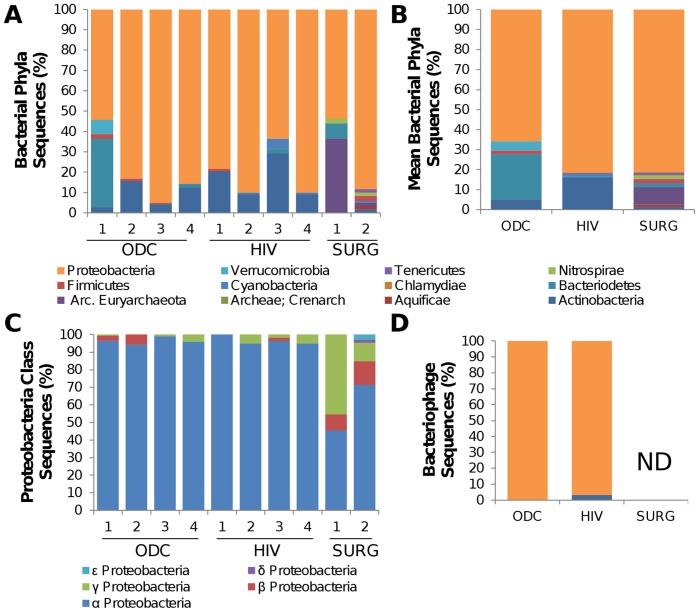
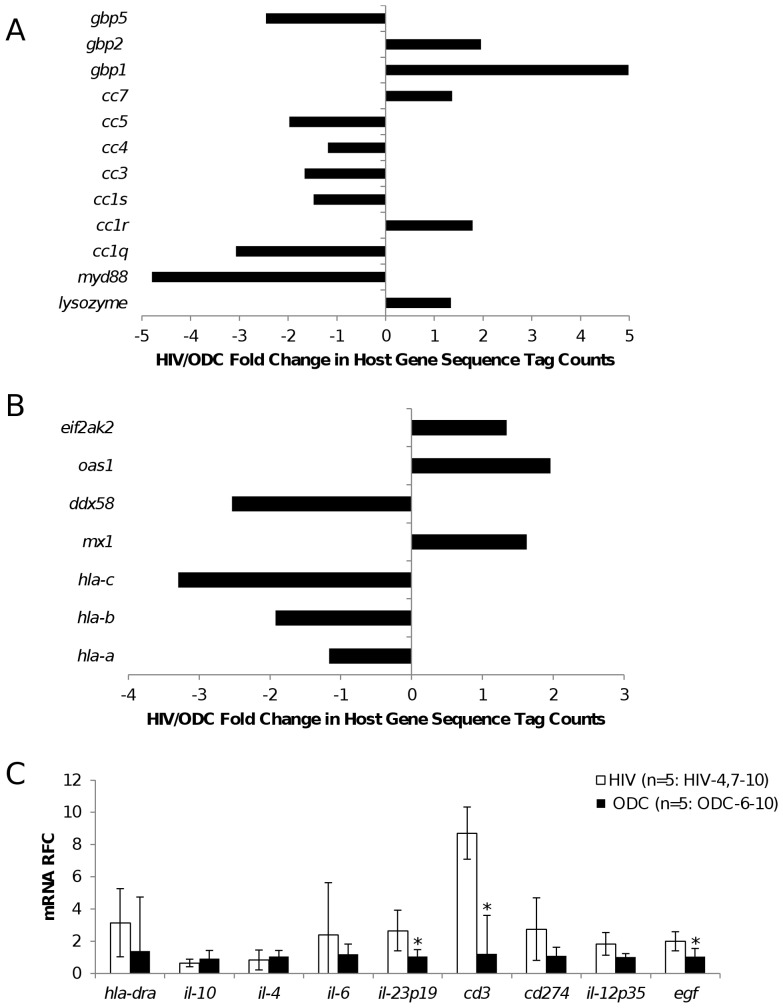
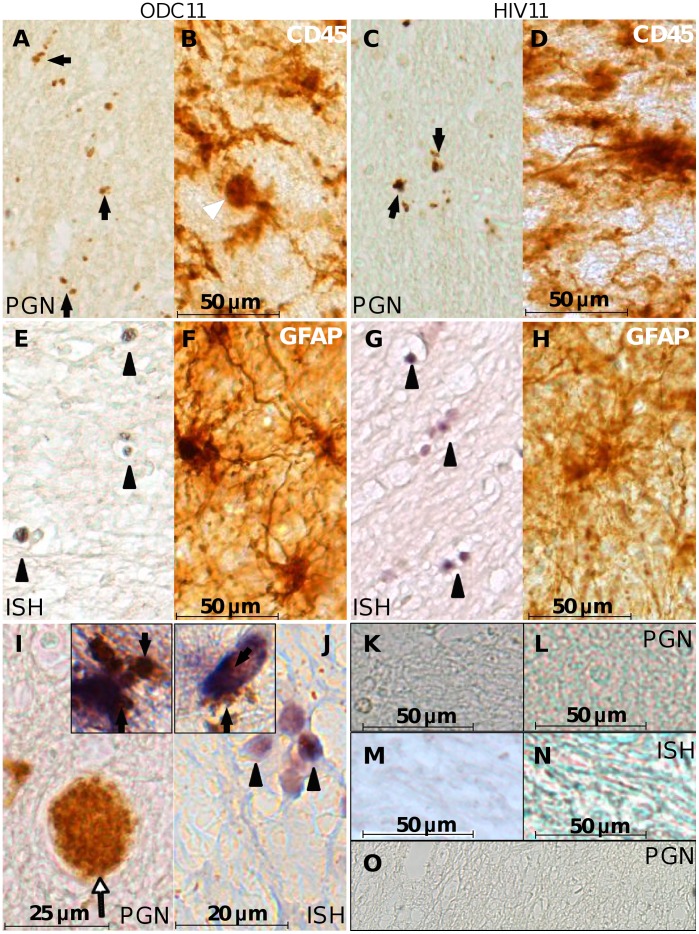
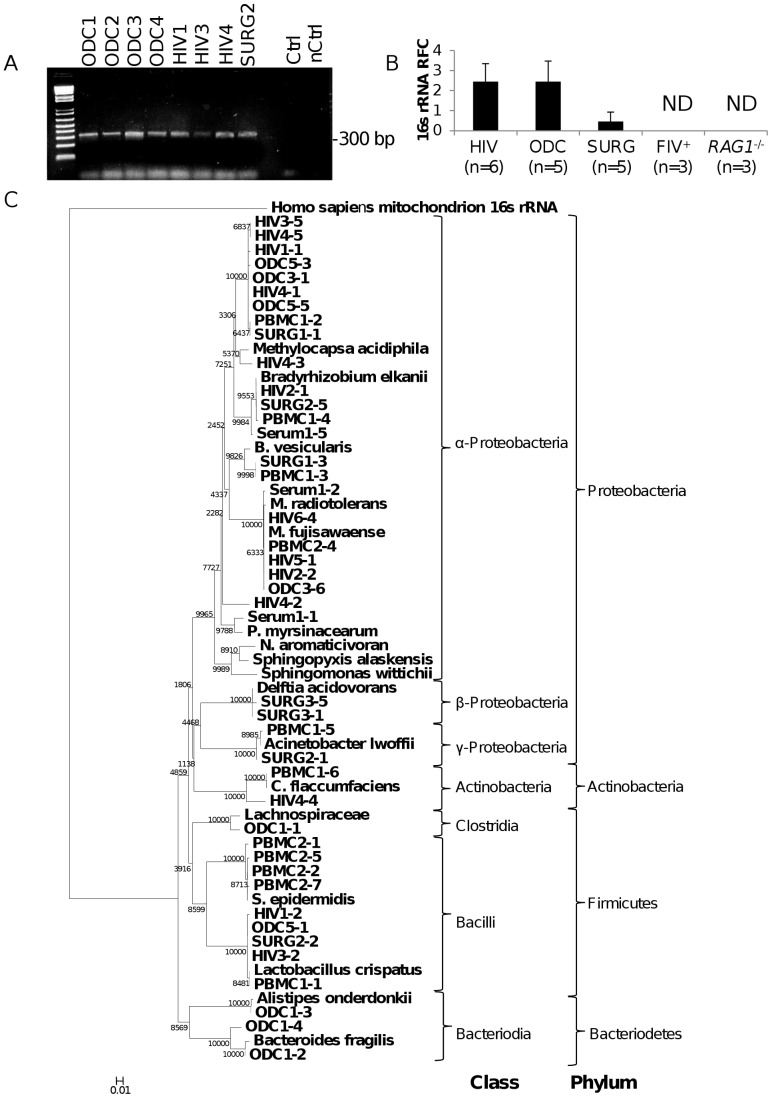
The brain is assumed to be a sterile organ in the absence of disease although the impact of immune disruption is uncertain in terms of brain microbial diversity or quantity. To investigate microbial diversity and quantity in the brain, the profile of infectious agents was examined in pathologically normal and abnormal brains from persons with HIV/AIDS [HIV] (n = 12), other disease controls [ODC] (n = 14) and in cerebral surgical resections for epilepsy [SURG] (n = 6). Deep sequencing of cerebral white matter-derived RNA from the HIV (n = 4) and ODC (n = 4) patients and SURG (n = 2) groups revealed bacterially-encoded 16 s RNA sequences in all brain specimens with α-proteobacteria representing over 70% of bacterial sequences while the other 30% of bacterial classes varied widely. Bacterial rRNA was detected in white matter glial cells by in situ hybridization and peptidoglycan immunoreactivity was also localized principally in glia in human brains. Analyses of amplified bacterial 16 s rRNA sequences disclosed that Proteobacteria was the principal bacterial phylum in all human brain samples with similar bacterial rRNA quantities in HIV and ODC groups despite increased host neuroimmune responses in the HIV group. Exogenous viruses including bacteriophage and human herpes viruses-4, -5 and -6 were detected variably in autopsied brains from both clinical groups. Brains from SIV- and SHIV-infected macaques displayed a profile of bacterial phyla also dominated by Proteobacteria but bacterial sequences were not detected in experimentally FIV-infected cat or RAG1⁻/⁻ mouse brains. Intracerebral implantation of human brain homogenates into RAG1⁻/⁻ mice revealed a preponderance of α-proteobacteria 16 s RNA sequences in the brains of recipient mice at 7 weeks post-implantation, which was abrogated by prior heat-treatment of the brain homogenate. Thus, α-proteobacteria represented the major bacterial component of the primate brain's microbiome regardless of underlying immune status, which could be transferred into naïve hosts leading to microbial persistence in the brain.
Overview
The claims and statistics of this paper haven’t been checked yet.
Run the check — free, no account needed. It reads the open-access text and checks the sources it cites.
Integrity signals
Registry
Cites
Statistics
Figures
Verification
Claims the paper makes
The claims and statistics of this paper haven’t been checked yet.
Run the check — free, no account needed. It reads the open-access text and checks the sources it cites.
Claims other papers make about this one
Each is checked against this paper’s own text: does it say what the citing paper says it does?
The source backs part of the claim, not all of it — or backs it for a different population, condition or comparison.
In the citing paper
“The same bacterial sequences were detected in the brains of immunocompromised mice, weeks after human brain tissue transplantation but not in mice given heat-treated tissue, suggesting the bacterial sequences in the human brain samples were viable [133].”
From What would it take to prove that a chronic infection is a causal agent in Alzheimer’s disease? (2025) · cites this paper as [133]
Experimental — accuracy not yet measuredThe source backs part of the claim, not all of it — or backs it for a different population, condition or comparison.
In the citing paper
“A pioneering study investigating microbial infiltration into the brains of people living with HIV, found bacterial sequences present in both “healthy” and HIV brains at a similar distribution [133].”
From What would it take to prove that a chronic infection is a causal agent in Alzheimer’s disease? (2025) · cites this paper as [133]
Experimental — accuracy not yet measured
Self-check
Percentages, sums and reported differences re-computed from the paper’s own numbers.
The self-check needs the paper’s full text.
Citations
Cites
Enterotypes of the human gut microbiome
MetaHIT Consortium (additional members), Arumugam, M., Raes, J., Pelletier, E., Le Paslier, D., Yamada, T., Mende, D. R., Fernandes, G. R., Tap, J., Bruls, T., et al. (2011) · Nature · doi:10.1038/nature09944 · Cited by 7,548 · cited 1×
“The composition of the human microbiome at several body sites including skin, oral cavity, gastrointestinal tract, nasopharyngeal passage and urogenital tract are subjects of intensive study [2, 5, 6, 7] , revealing both local effects at these sites but also systemic effects, including influencing inflammatory or meta…”
BackgroundGrice, E. A., & Segre, J. A. (2011) · Nature Reviews Microbiology · doi:10.1038/nrmicro2537 · Cited by 3,143
Human oral, gut, and plaque microbiota in patients with atherosclerosis
Koren, O., Spor, A., Felin, J., Fåk, F., Stombaugh, J., Tremaroli, V., Behre, C. J., Knight, R., Fagerberg, B., Ley, R. E., et al. (2011) · Proceedings of the National Academy of Sciences · doi:10.1073/pnas.1011383107 · Cited by 1,196 · cited 1×
“In contrast, diseases such as biliary cirrhosis [13,14], atherosclerosis [15] and aortic”
BackgroundMicrobial community profiling for human microbiome projects: Tools, techniques, and challengesPreprint
Hamady, M., & Knight, R. D. (2009) · Genome Research · doi:10.1101/gr.085464.108 · Cited by 1,031 · cited 1×
“intensive study [2,5,6,7], revealing both local effects at these sites”
BackgroundGreisen, K. S., Loeffelholz, M. J., Purohit, A. P., & Leong, D. (1994) · Journal of Clinical Microbiology · doi:10.1128/jcm.32.2.335-351.1994 · Cited by 626 · cited 1×
“An amplicon from the V8 region of the 16 s gene was generated from brain-derived cDNA using the universal bacterial primers RW01 or RDR080 with DG74 [54].”
MethodNeuroinvasion by Human Respiratory Coronaviruses
Arbour, N., Day, R. W., Newcombe, J., & Talbot, P. J. (2000) · Journal of Virology · doi:10.1128/jvi.74.19.8913-8921.2000 · Cited by 526 · cited 1×
“Saffold [58] and Corona [59] viruses were detected in brain-derived cDNA by nested RT-PCR using the primers listed in Table S4.”
MethodAncuta, P., Kamat, A., Kunstman, K. J., Kim, E.-Y., Autissier, P., Wurcel, A., Zaman, T., Stone, D., Mefford, M., Morgello, S., et al. (2008) · PLoS ONE · doi:10.1371/journal.pone.0002516 · Cited by 499 · cited 1×
“These events occur because of reduced immune surveillance and damaged barrier function at epithelial and endothelial sites, including damage to the blood-brain barrier [19].”
BackgroundPower, C., Kong, P., Crawford, T. O., Wesselingh, S. L., Glass, J. D., McArthur, J. C., & Trapp, B. D. (1993) · Annals of Neurology · doi:10.1002/ana.410340307 · Cited by 332 · cited 1×
“Multiple studies have shown the blood-brain barrier to be more permeable in HIV/ AIDS, implying this circumstance might contribute to HIVassociated neurological disease [20,21].”
BackgroundSelf-citationWatzinger, F., Suda, M., Preuner, S., Baumgartinger, R., Ebner, K., Bašková, L., Niesters, H. G. M., Lawitschka, Á., & Lion, T. (2004) · Journal of Clinical Microbiology · doi:10.1128/jcm.42.11.5189-5198.2004 · Cited by 326
Comparative analyses of the bacterial microbiota of the human nostril and oropharynx
Lemon, K. P., Klepac-Ceraj, V., Schiffer, H. K., Brodie, E. L., Lynch, S. V., & Kolter, R. (2010) · mBio · doi:10.1128/mbio.00129-10 · Cited by 322 · cited 1×
“intensive study [2,5,6,7], revealing both local effects at these sites”
BackgroundSkin microbiome: genomics-based insights into the diversity and role of skin microbes
Kong, H. H. (2011) · Trends in Molecular Medicine · doi:10.1016/j.molmed.2011.01.013 · Cited by 293 · cited 1×
“where diverse population structures occur at different sites [11,12].”
BackgroundObata, T., Goto, Y., Kunisawa, J., Sato, S., Sakamoto, M., Setoyama, H., Matsuki, T., Nonaka, K., Shibata, N., Gohda, M., et al. (2010) · Proceedings of the National Academy of Sciences · doi:10.1073/pnas.1001061107 · Cited by 229 · cited 1×
“components of the normal flora in Peyer’s patches [33], but members have also been implicated in endocarditis [34], bacteremia [35,36] and meningitis with or without ventriculitis in neonates [37,38], HIV-infected persons [39], other immuno-”
BackgroundBreaking down the barrier: The effects of HIV-1 on the blood–brain barrier
Strazza, M., Pirrone, V., Wigdahl, B., & Nonnemacher, M. R. (2011) · Brain Research · doi:10.1016/j.brainres.2011.05.015 · Cited by 218 · cited 1×
“Given the emerging appreciation of microbiome disruption together with the damage to the brain injury during HIV/AIDS, we hypothesized that brain tissue from patients with HIV/AIDS might contain greater microbial quantities and perhaps diversity, derived largely from other organs such as the gut, which has a wellestab…”
BackgroundIs there a ‘gut–brain–skin axis’?
Arck, P., Handjiski, B., Hagen, E., Pincus, M., Bruenahl, C. A., Bienenstock, J., & Paus, R. (2010) · Experimental Dermatology · doi:10.1111/j.1600-0625.2009.01060.x · Cited by 206 · cited 1×
“but also systemic effects, including influencing inflammatory or metabolic functions in privileged organs such as the brain [8,9,10].”
BackgroundOral microbiome profiles: 16S rRNA pyrosequencing and microarray assay comparison
Ahn, J., Yang, L., Paster, B. J., Ganly, I., Morris, L., Pei, Z., & Hayes, R. B. (2011) · PLoS ONE · doi:10.1371/journal.pone.0022788 · Cited by 183 · cited 1×
“intensive study [2,5,6,7], revealing both local effects at these sites”
BackgroundNonfermentative Bacilli Associated with Man: III. Pathogenicity and Antibiotic Susceptibility
Pedersen, M. M., Marso, E., & Pickett, M. J. (1970) · American Journal of Clinical Pathology · doi:10.1093/ajcp/54.2.178 · Cited by 172
Gut, bugs, and brain: Role of commensal bacteria in the control of central nervous system disease
Ochoa‐Repáraz, J., Mielcarz, D. W., Haque, S., & Kasper, L. H. (2010) · Annals of Neurology · doi:10.1002/ana.22344 · Cited by 162 · cited 1×
“The composition of the human microbiome at several body sites including skin, oral cavity, gastrointestinal tract, nasopharyngeal passage and urogenital tract are subjects of intensive study [2, 5, 6, 7] , revealing both local effects at these sites but also systemic effects, including influencing inflammatory or meta…”
BackgroundRegulation of innate and adaptive immunity by the commensal microbiota
Jarchum, I., & Pamer, E. G. (2011) · Current Opinion in Immunology · doi:10.1016/j.coi.2011.03.001 · Cited by 155 · cited 2×
“4 SURG -Surgical resection for an epileptogenic lesion.”
BackgroundBacterial peptidoglycan and immune reactivity in the central nervous system in multiple sclerosis
Schrijver, I. A. (2001) · Brain · doi:10.1093/brain/124.8.1544 · Cited by 139 · cited 1×
“Corroborating this latter point is the report of peptidoglycan detection in brain lesions from multiple sclerosis patients, which are heavily infiltrated with blood-derived leukocytes [42].”
BackgroundErratum: Enterotypes of the human gut microbiome
Arumugam, M., Raes, J., Pelletier, É., Paslier, D. L., Yamada, T., Mende, D. R., Fernandes, G. D. R., Tap, J., Brüls, T., Batto, J.-M., et al. (2011) · Nature · doi:10.1038/nature10187 · Cited by 138
Saffold Virus, a Human Theiler's-Like Cardiovirus, Is Ubiquitous and Causes Infection Early in Life
Zoll, J., Erkens-Hulshof, S., Lanke, K. H. W., Lunel, F. M. V., Melchers, W. J. G., de Ven, E. S.-V., Roivainen, M., Galama, J. M. D., & van Kuppeveld, F. J. M. (2009) · PLoS Pathogens · doi:10.1371/journal.ppat.1000416 · Cited by 136 · cited 1×
“Saffold [58] and Corona [59] viruses were detected in brain-derived cDNA by nested RT-PCR using the primers listed in Table S4.”
MethodEllis, C. L., Ma, Z.-M., Mann, S. K., Li, C., Wu, J., Knight, T. H., Yotter, T., Hayes, T. L., Maniar, A., Troia-Cancio, P. V., et al. (2011) · JAIDS Journal of Acquired Immune Deficiency Syndromes · doi:10.1097/qai.0b013e31821a603c · Cited by 130 · cited 1×
“Human immunodeficiency virus type 1 (HIV-1) infection with the ensuing development of the acquired immunodeficiency syndrome (AIDS) is a recognized cause of perturbation within microbiomes within the gut and other organs [17].”
BackgroundMetagenomic Analysis of Brain Abscesses Identifies Specific Bacterial Associations
Masalma, M. A., Lonjon, M., Richet, H., Dufour, H., Roche, P.-H., Drancourt, M., Raoult, D., & Fournier, P. (2011) · Clinical Infectious Diseases · doi:10.1093/cid/cir797 · Cited by 127 · cited 2×
“2 g cerebral white matter was aseptically excised from autopsy- or surgically-derived brain tissue with sterile instruments, taking care to avoid any visible pathologies including abscesses [24], infarctions or hemorrhages.”
ResultMerlini, E., Bai, F., Bellistrì, G. M., Tincati, C., Monforte, A. D., & Marchetti, G. C. (2011) · PLoS ONE · doi:10.1371/journal.pone.0018580 · Cited by 119 · cited 1×
“The altered immune status of HIV/AIDS patients is associated with qualitative and quantitative shifts in microbiome diversity and quantity as well as increasing the likelihood of microbial translocation from the gut to other organs [18].”
BackgroundBacterial diversity in aortic aneurysms determined by 16S ribosomal RNA gene analysis
da Silva, R. M., Caugant, D. A., Eribe, E. R. K., Aas, J. A., Lingaas, P. S., Geiran, O. R., Tronstad, L., & Olsen, I. (2006) · Journal of Vascular Surgery · doi:10.1016/j.jvs.2006.07.021 · Cited by 111 · cited 2×
“arterial wall in patients who have had aortic aneurysms [16].”
BackgroundPadgett, K. A., Selmi, C. F., Kenny, T. P., Leung, P. S. C., Balkwill, D. L., Ansari, A. A., Coppel, R. L., & Gershwin, M. E. (2005) · Journal of Autoimmunity · doi:10.1016/j.jaut.2005.01.012 · Cited by 102 · cited 1×
“In contrast, diseases such as biliary cirrhosis [13,14], atherosclerosis [15] and aortic”
BackgroundDimmitt, R. A., Staley, E. M., Chuang, G. C., Tanner, S. M., Soltau, T. D., & Lorenz, R. G. (2010) · Journal of Pediatric Gastroenterology and Nutrition · doi:10.1097/mpg.0b013e3181e1a114 · Cited by 93 · cited 2×
“3 HIV -All HIV-infected patients were AIDS-defined.”
BackgroundNoorbakhsh, F., Vergnolle, N., McArthur, J. C., Silva, C., Vodjgani, M., Andrade‐Gordon, P., Hollenberg, M. D., & Power, C. (2005) · The Journal of Immunology · doi:10.4049/jimmunol.174.11.7320 · Cited by 93
Self-citationNovosphingobium Aromaticivorans: A Potential Initiator of Primary Biliary Cirrhosis
Kaplan, M. M. (2004) · The American Journal of Gastroenterology · doi:10.1111/j.1572-0241.2004.41121.x · Cited by 83 · cited 1×
“In contrast, diseases such as biliary cirrhosis [13,14], atherosclerosis [15] and aortic”
BackgroundVivithanaporn, P., Maingat, F. G., Lin, L., Na, H., Richardson, C. D., Agrawal, B., Cohen, É. A., Jhamandas, J. H., & Power, C. (2010) · PLoS ONE · doi:10.1371/journal.pone.0012856 · Cited by 81 · cited 1×
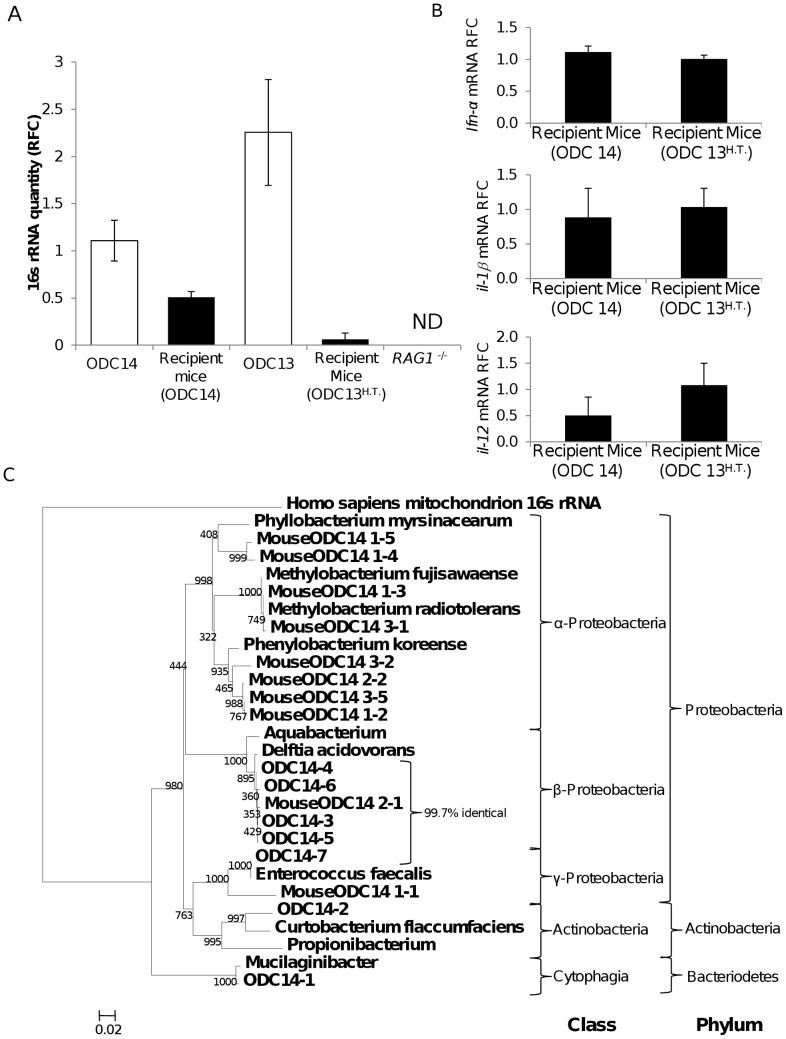
“Human brain homogenates (5 ml) with or without prior heat treatment (25 minutes at 65uC) were implanted in the right striatum of 1 year old RAG1 male mice, as previously reported [51], and followed for 7 weeks after which they were sacrificed and brains were harvested for RT-PCR and sequencing.”
MethodSelf-citationCerebral ventriculitis associated with Achromobacter xylosoxidans.
Shigeta, S., Yasunaga, Y., Honzumi, K., Okamura, H.-O., Kumata, R., & Seiji, E. N. D. O. (1978) · Journal of Clinical Pathology · doi:10.1136/jcp.31.2.156 · Cited by 74 · cited 1×
“compromised adults [40] or following invasive surgery [41].”
BackgroundEndocarditis associated with Comamonas acidovorans
Horowitz, H. W., Gilroy, S. A., Feinstein, S. A., & Gilardi, G. L. (1990) · Journal of Clinical Microbiology · doi:10.1128/jcm.28.1.143-145.1990 · Cited by 72 · cited 1×
“For example, an organism similar to many of the 16 s V8 region sequences, Delftia acidovorans has been implicated in endocarditis [27], bacteremia [28,29], corneal keratitis [30] and urinary tract”
BackgroundAcharjee, S., Noorbakhsh, F., Stemkowski, P. L., Olechowski, C., Cohen, É. A., Ballanyi, K., Kerr, B. J., Pardo, C. A., Smith, P. A., & Power, C. (2010) · The FASEB Journal · doi:10.1096/fj.10-162313 · Cited by 68 · cited 1×
“52 weeks of age) [47], housed under SPF conditions, from which RNA was prepared as described above.”
MethodSelf-citationVisser, L. H., Melief, M., van Riel, D. A. J., van Meurs, M., Sick, E. A., Inamura, S., Bajramovic, J. J., Amor, S., Hintzen, R. Q., Boven, L. A., et al. (2006) · American Journal Of Pathology · doi:10.2353/ajpath.2006.060143 · Cited by 65 · cited 1×
“, their capacity for influencing brain function [43] is immense.”
BackgroundMoore, R. A., Warren, R. M., Freeman, J., Gustavsen, J., Chénard, C., Friedman, J. M., Suttle, C. A., Zhao, Y., & Holt, R. A. (2011) · PLoS ONE · doi:10.1371/journal.pone.0019838 · Cited by 64 · cited 1×
“Reads were aligned sequentially to a human rRNA database, then to the human transcriptome and genome [52].”
MethodSelf-citationEllestad, K. K., Tsutsui, S., Noorbakhsh, F., Warren, K. G., Yong, V. W., Pittman, Q. J., & Power, C. (2009) · The Journal of Immunology · doi:10.4049/jimmunol.0803576 · Cited by 63
Self-citationJebbink, J. M., Bai, X. L., Rogers, B. B., Dawson, D. B., Scheuermann, R. H., & Domiati‐Saad, R. (2003) · Journal of Molecular Diagnostics · doi:10.1016/s1525-1578(10)60446-1 · Cited by 63 · cited 1×
“Virus Detection Detection of herpes viruses was performed by PCR using brainderived genomic DNA as template with Taqman probes and primers under published conditions (Table S4) [56,57].”
MethodBienenstock, J., & Collins, S. M. (2010) · Clinical & Experimental Immunology · doi:10.1111/j.1365-2249.2010.04124.x · Cited by 59 · cited 1×
“but also systemic effects, including influencing inflammatory or metabolic functions in privileged organs such as the brain [8,9,10].”
BackgroundKawamura, I., Yagi, T., Hatakeyama, K., Hasegawa, Y., Ohkura, T., Ohkusu, K., Takahashi, Y., & Kojima, S. (2010) · Journal of Infection and Chemotherapy · doi:10.1007/s10156-010-0089-x · Cited by 43 · cited 1×
“For example, an organism similar to many of the 16 s V8 region sequences, Delftia acidovorans has been implicated in endocarditis [27], bacteremia [28,29], corneal keratitis [30] and urinary tract”
BackgroundZhu, Y., Vergote, D., Pardo, C. A., Noorbakhsh, F., McArthur, J. C., Hollenberg, M. D., Overall, C. M., & Power, C. (2009) · The FASEB Journal · doi:10.1096/fj.08-128819 · Cited by 40 · cited 1×
“Tissues were stored at 280uC at the Laboratory for Neurological Infection and Immunity Brain Bank at University of Alberta, as previously reported [45,46].”
MethodSelf-citationHill, J. E., Fernando, W. M. U., Zello, G. A., Tyler, R. T., Dahl, W. J., & Kessel, A. G. V. (2010) · Applied and Environmental Microbiology · doi:10.1128/aem.01510-09 · Cited by 40 · cited 1×
“To investigate the presence of bacterially-encoded transcripts, primers targeting groEL [55] were used in a semi-quantitative RT-PCR using RT-PCR super mix (BioRAD, Hercules, CA, USA) with autopsy-derived white matter cDNA, surgically-derived white matter cDNA, PBMC-derived cDNA and serum-derived cDNA as templates usi…”
MethodSibley, C. D., Church, D. L., Surette, M. G., Dowd, S. E., & Parkins, M. D. (2012) · European Journal of Clinical Microbiology & Infectious Diseases · doi:10.1007/s10096-012-1614-x · Cited by 38 · cited 1×
“This restricted bacterial diversity observed in normal brain tissues is in contrast to the findings of a wide variety of organisms from other groups studying brain abscesses [24,25]; many of which display colonization by bacteria from other tissues.”
ResultSelf-citationCastagnola, E., Tasso, L., Conte, M., Nantron, M., Barretta, A., & Giacchino, R. (1994) · Clinical Infectious Diseases · doi:10.1093/clinids/19.3.559-a · Cited by 38 · cited 1×
“For example, an organism similar to many of the 16 s V8 region sequences, Delftia acidovorans has been implicated in endocarditis [27], bacteremia [28,29], corneal keratitis [30] and urinary tract”
BackgroundBenndorf, D., & Babel, W. (2002) · Microbiology · doi:10.1099/00221287-148-9-2883 · Cited by 36 · cited 1×
“Of interest, aproteobacteria comprise one of the most diverse bacterial classes with wide spread biological niches and actions including detoxifying effects in the environment [22,26].”
BackgroundThe human metagenome: our other genome?
Brüls, T., & Weissenbach, J. (2011) · Human Molecular Genetics · doi:10.1093/hmg/ddr353 · Cited by 34 · cited 1×
“The existence of commensal microbes that colonize organs within the human body has long been recognized and termed the microbiome [1, 2] .”
BackgroundMaingat, F. G., Vivithanaporn, P., Zhu, Y., Taylor, A., Baker, G. B., Pearson, K. G., & Power, C. (2009) · Journal of Neuroscience · doi:10.1523/jneurosci.5818-08.2009 · Cited by 32 · cited 3×
“7) correlated [44] with host gene tag counts for a subset of host genes (n = 154) among the host genes consistently detected (n = 7038) for all brain specimens.”
BackgroundMethodInfluentialSelf-citationAlmuzara, M. N., Vázquez, M., Tanaka, N., Turco, M., Ramirez, M. S., López, E. L., Pasterán, F. G., Rapoport, M., Procopio, A., & Vay, C. A. (2009) · Journal of Clinical Microbiology · doi:10.1128/jcm.01849-09 · Cited by 32 · cited 1×
“components of the normal flora in Peyer’s patches [33], but members have also been implicated in endocarditis [34], bacteremia [35,36] and meningitis with or without ventriculitis in neonates [37,38], HIV-infected persons [39], other immuno-”
BackgroundAchromobacter xylosoxidans An Unusual Neonatal Pathogen
Hearn, Y. R., & Gander, R. M. (1991) · American Journal of Clinical Pathology · doi:10.1093/ajcp/96.2.211 · Cited by 31 · cited 1×
“components of the normal flora in Peyer’s patches [33], but members have also been implicated in endocarditis [34], bacteremia [35,36] and meningitis with or without ventriculitis in neonates [37,38], HIV-infected persons [39], other immuno-”
BackgroundOccurrence of an α-galacturonosyl-ceramide in the dioxin-degrading bacteriumSphingomonas wittichii
Kawahara, K., Kubota, M., Sato, N., Tsuge, K., & Seto, Y. (2002) · FEMS Microbiology Letters · doi:10.1111/j.1574-6968.2002.tb11361.x · Cited by 27 · cited 2×
“aproteobacteria sequence tags were identified in all patient samples and showed the greatest similarity to members of the Sphingomonadaceae family, which were of particular interest because of the ability of several members of this family to synthesize and incorporate sphingolipids including ceramide into their outer…”
BackgroundReinke, S. N., Resch, L., Maingat, F. G., Branton, W. G., Jackson, A. C., Holt, R. A., Slupsky, C. M., Marrie, T. J., Sykes, B. D., & Power, C. (2012) · The Journal of Infectious Diseases · doi:10.1093/infdis/jis479 · Cited by 24 · cited 1×
“HIV-1 sequence-specific tags were also detected in brain specimens from the HIV group but other viral RNA sequences were infrequently detected by deep sequencing in the present specimens with the exception of the specimen from the ODC patient (ODC4) diagnosed with rabies encephalitis, from which in excess of 20,000 ra…”
BackgroundSelf-citationDecré, D., Arlet, G., Danglot, C., Lucet, J., Fournier, G., Bergogne-Bérézin, E., & Philippon, A. (1992) · Journal of Antimicrobial Chemotherapy · doi:10.1093/jac/30.6.769 · Cited by 23 · cited 1×
“compromised adults [40] or following invasive surgery [41].”
BackgroundUrinary tract infection associated with Comamonas acidovorans
Ojeda-Vargas, M., Suárez-Alonso, A., Pérez-Cervantes, M. D. L. A., Suárez-Gil, E., & Monzón-Moreno, C. (1999) · Clinical Microbiology and Infection · doi:10.1111/j.1469-0691.1999.tb00170.x · Cited by 23 · cited 1×
“In addition to causing infections in compromised patients, D. acidovorans and other members of the Comamonadaceae have been identified as part of the bacterial community in the arterial wall in patients who have had aortic aneurysms [16] .”
BackgroundXenoinfection of nonhuman primates by feline immunodeficiency virus
Johnston, J. B., Olson, M. E., Rud, E. W., & Power, C. (2001) · Current Biology · doi:10.1016/s0960-9822(01)00350-5 · Cited by 18 · cited 1×
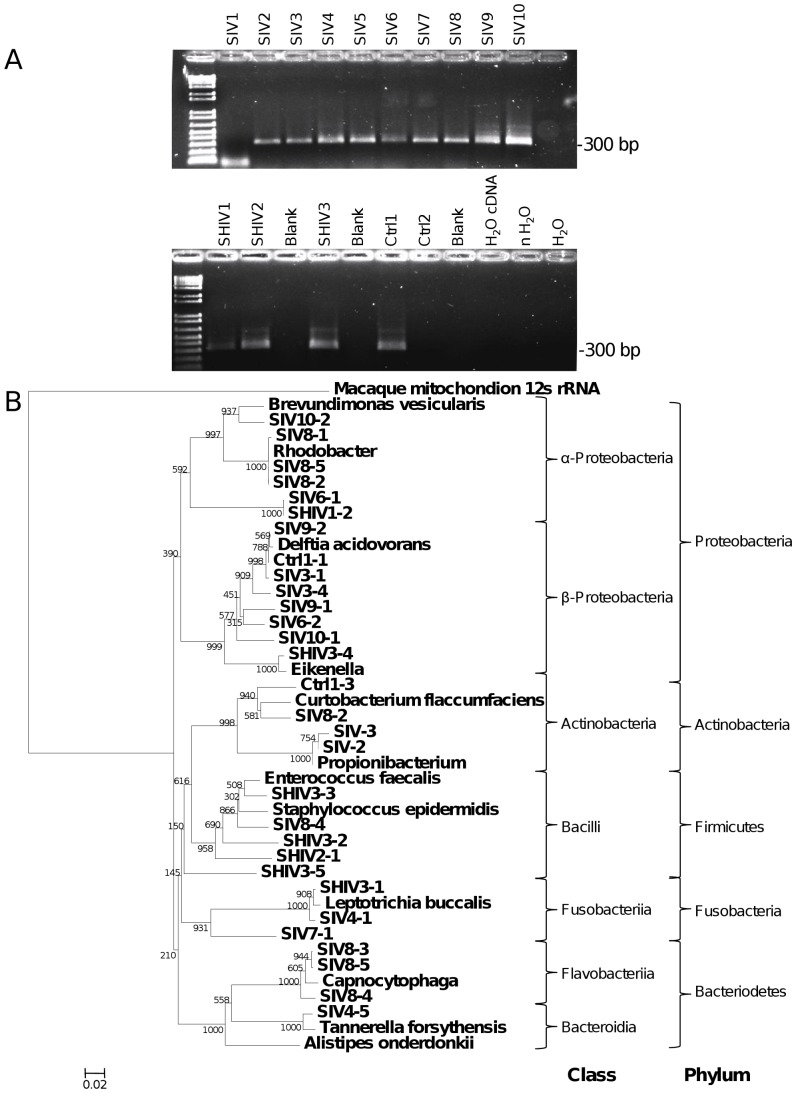
“Brain tissues from simian (SIV; n = 10) [48] or simian-human immunodeficiency virus-infected (SHIV; n = 3) [49] or FIVchallenged adult cynomolgus macaques (n = 2) [50] were analyzed by initial preparation of RNA followed by RT-PCR amplification of cDNA and sequencing.”
MethodSelf-citationMoehario, L. H., Tjoa, E., Kiranasari, A., Ningsih, I., Rosana, Y., & Karuniawati, A. (2009) · The Journal of Infection in Developing Countries · doi:10.3855/jidc.85 · Cited by 17 · cited 1×
“components of the normal flora in Peyer’s patches [33], but members have also been implicated in endocarditis [34], bacteremia [35,36] and meningitis with or without ventriculitis in neonates [37,38], HIV-infected persons [39], other immuno-”
BackgroundInfectious Keratitis Manifesting as a White Plaque on the Cornea
Cho, B.-J., & Lee, Y. B. (2002) · Archives of Ophthalmology · doi:10.1001/archopht.120.8.1091 · Cited by 17 · cited 1×
“For example, an organism similar to many of the 16 s V8 region sequences, Delftia acidovorans has been implicated in endocarditis [27], bacteremia [28,29], corneal keratitis [30] and urinary tract”
BackgroundMeningitis caused by Alcaligenes xylosoxidans in a patient with HIV/AIDS
Espinoza‐Gómez, F., Newton-Sánchez, O. A., Melnikov, V. L., Virgen-González, O., & Unrau, J. (2007) · The Brazilian Journal of Infectious Diseases · doi:10.1590/s1413-86702007000600015 · Cited by 13 · cited 1×
“components of the normal flora in Peyer’s patches [33], but members have also been implicated in endocarditis [34], bacteremia [35,36] and meningitis with or without ventriculitis in neonates [37,38], HIV-infected persons [39], other immuno-”
BackgroundVogel, T. U., Fournier, J., Sherring, A., Ko, D. S.-W., Parenteau, M., Bogdanovic, D., Mihowich, J., & Rud, E. W. (1998) · Journal of Medical Primatology · doi:10.1111/j.1600-0684.1998.tb00228.x · Cited by 12 · cited 1×
“Brain tissues from simian (SIV; n = 10) [48] or simian-human immunodeficiency virus-infected (SHIV; n = 3) [49] or FIVchallenged adult cynomolgus macaques (n = 2) [50] were analyzed by initial preparation of RNA followed by RT-PCR amplification of cDNA and sequencing.”
MethodSelf-citationA case of endocarditis of difficult diagnosis in dialysis: could “pest” friends be involved?
Malek-Marín, T., Arenas, M. D., Perdiguero, M., Salavert, M., Moledous, A., Cotilla, E., & Gil, M. T. (2009) · Clinical Nephrology · doi:10.5414/cnp72405 · Cited by 11 · cited 1×
“components of the normal flora in Peyer’s patches [33], but members have also been implicated in endocarditis [34], bacteremia [35,36] and meningitis with or without ventriculitis in neonates [37,38], HIV-infected persons [39], other immuno-”
BackgroundManjra, A. I., Moosa, A., & Bhamjee, A. (1989) · PubMed · Cited by 9
Salha, M.-D., Cheynier, R., Halwani, R., McGrath, H., Langaee, T. Y., Yassine‐Diab, B., Fournier, J., Parenteau, M., Edgar, J. B., Ko, D. S.-W., et al. (2008) · Virology · doi:10.1016/j.virol.2008.04.031 · Cited by 4 · cited 1×
“Brain tissues from simian (SIV; n = 10) [48] or simian-human immunodeficiency virus-infected (SHIV; n = 3) [49] or FIVchallenged adult cynomolgus macaques (n = 2) [50] were analyzed by initial preparation of RNA followed by RT-PCR amplification of cDNA and sequencing.”
MethodSelf-citationOccurrence of an α-galacturonosyl-ceramide in the dioxin-degrading bacterium Sphingomonas wittichii
Kawahara, K. (2002) · FEMS Microbiology Letters · doi:10.1016/s0378-1097(02)00912-6
Cited by
Sorted by citations
Reagent and laboratory contamination can critically impact sequence-based microbiome analyses
Salter, S. J., Cox, M. J., Turek, E. M., Calus, S. T., Cookson, W. O., Moffatt, M. F., Turner, P., Parkhill, J., Loman, N. J., & Walker, A. W. (2014) · BMC Biology · doi:10.1186/s12915-014-0087-z · Cited by 3,463
“Many recent publications [19-37] describe important or core microbiota members, often members that are biologically unexpected, which overlap with previouslydescribed contaminant genera.”
BackgroundContamination in Low Microbial Biomass Microbiome Studies: Issues and Recommendations
Eisenhofer, R., Minich, J. J., Marotz, C., Cooper, A., Knight, R., & Weyrich, L. S. (2019) · Trends in Microbiology · doi:10.1016/j.tim.2018.11.003 · Cited by 1,146
The role of microbiome in central nervous system disorders
Wang, Y., & Kasper, L. H. (2014) · Brain Behavior and Immunity · doi:10.1016/j.bbi.2013.12.015 · Cited by 803
“Interestingly, microbiota have been identified within immune-privileged sites such as the CNS. a-proteobacteria class is reported to be the major commensals persistent http:// in the human brain regardless of immune status (Branton et al., 2013).”
The microbiome of the urinary tract—a role beyond infection
Whiteside, S. A., RAZVI, H. A., Davé, S., Reid, G., & Burton, J. P. (2015) · Nature Reviews Urology · doi:10.1038/nrurol.2014.361 · Cited by 657
“(2013)27 Healthy men (6) Healthy women (10) Jonquetella, Parvimonas, Proteiniphilum, Saccharofermentans”
BackgroundGram-negative bacterial molecules associate with Alzheimer disease pathology
Zhan, X., Stamova, B., Jin, L.-W., DeCarli, C., Phinney, B., & Sharp, F. R. (2016) · Neurology · doi:10.1212/wnl.0000000000003391 · Cited by 521
“Our findings complement a recent RNAseq study that showed bacterially encoded 16s RNA sequences in all human brains with Gram-negativea-Proteobacteria representing over 70% of bacterial sequences.(16) The other 30% of bacterial classes varied widely, with g-Proteobacteria, including E coli, being present at ,5% of tot…”
BackgroundResultInfluential
Metadata
- Authors
- Branton, W. G., Ellestad, K. K., Maingat, F., Wheatley, B. M., Rud, E., Warren, R. L., Holt, R. A., Surette, M. G., & Power, C.
- Affiliations
- University of Alberta (CA)
- Health Canada (CA)
- BC Cancer Agency (CA)
- McMaster University (CA)
- Corresponding author
- Power, Christopher
- ORCID
- Venue
- PLoS ONE
- Publisher
- Public Library of Science (PLoS)
- Published
- 2013-01-23
- Volume
- 8
- Issue
- 1
- Pages
- e54673
- ISSN
- 1932-6203 (ISSN-L)
- PMC
- PMC3552853
- OpenAlex
- W2057381259
- Cited by
- 149
- References
- 60
- Citations by year
- 2026: 5 · 2025: 6 · 2024: 14 · 2023: 17 · 2022: 15 · 2021: 10 · 2020: 12 · 2019: 12 · 2018: 16 · 2017: 11 · 2016: 12 · 2015: 13 · 2014: 2 · 2013: 4
- FWCI
- 4.75
- Type
- journal article
- Language
- en
- Open access
- gold
- doi.org
- Locations
- PLoS ONE (publishedVersion, cc-by)
- PubMed Central (publishedVersion, cc-by)
- PubMed (publishedVersion)
- DOAJ (DOAJ: Directory of Open Access Journals) (submittedVersion, cc-by-sa)
- Figshare (submittedVersion, cc-by)
- Funders
- Alberta Innovates
- Health Canada
- Canadian Institutes of Health Research (G118160525)
- Topics
- Life Sciences › Immunology and Microbiology › Virology › HIV Research and Treatment
- Life Sciences › Biochemistry, Genetics and Molecular Biology › Molecular Biology › Gut microbiota and health
- Health Sciences › Medicine › Infectious Diseases › Infectious Diseases and Tuberculosis
- Keywords
- HIV/AIDS, Alphaproteobacteria, Proteobacteria, bacterial 16S rRNA, peptidoglycan, herpesvirus, bacteriophages, simian immunodeficiency virus, SHIV, FIV, Rag1-deficient mice, microbial persistence, neuroimmune response, epilepsy surgery
- MeSH terms
- Acquired Immunodeficiency Syndrome, Animals, Autopsy, Cats, Female, Humans, Male, Neuroglia, RNA, Bacterial, RNA, Ribosomal, Feline Acquired Immunodeficiency Syndrome, Mice, Knockout, Alphaproteobacteria, Central Nervous System Bacterial Infections, Mice, Cerebrum
About these checks
Registry, retraction, Cites and statistics results are computed, not judged, with one exception: a printed reference that no index lists is read once by a model before it counts as a citation error. Claims are extracted by a model and kept only when their quote appears verbatim in the text; each cited source is then checked, with a model’s help, for whether it says what the claim relies on. Those verdicts can be wrong — read the claim’s quote and the cited source before relying on one.
Statistics and arithmetic are recomputed, not judged.
Confidence bands are shown only for fields calibrated on our annotated test set. None is calibrated yet, so no band is shown.
What counts as a claim ›How we measure confidence ›How we check this ›
Are you an author, or do you see a problem with this page? Request a review
